Croatia Is Quietly Becoming One Of Europe's Top Wine Destinations

France's Burgundy and Italy's Tuscany have been well-established wine regions for centuries, flocked to by the world's top sommeliers and connoisseurs. However, for those of us looking for a little more off-the-beaten-path charm that doesn't sacrifice quality, Croatia is emerging as an unsuspected underdog.
With its ancient winemaking history, rare indigenous grapes, and breathtaking coastal vineyards, Croatia is rapidly transforming from an underrated gem into one of Europe’s most exciting wine destinations. And while the country isn’t shouting about its success, wine travelers are taking notice — and for good reason.
Croatia's wine story
Winemaking in Croatia is nothing new. In fact, it dates back 2,500 years to the Greeks, who recognized the Adriatic coastline’s perfect mix of sunshine, rocky soil, and sea breezes—the same environmental advantages that exist today. Later, the Romans, who valued viticulture, came in and expanded vineyards across the country. They built cellars that can still be found today.
Croatia is a natural paradise for indigenous varieties of grapes you won't find elsewhere, like Plavac Mali, Pošip, and Malvazija. These give wines from this region a special local flavor, instead of copying Italian or French styles.
The appeal of Croatia
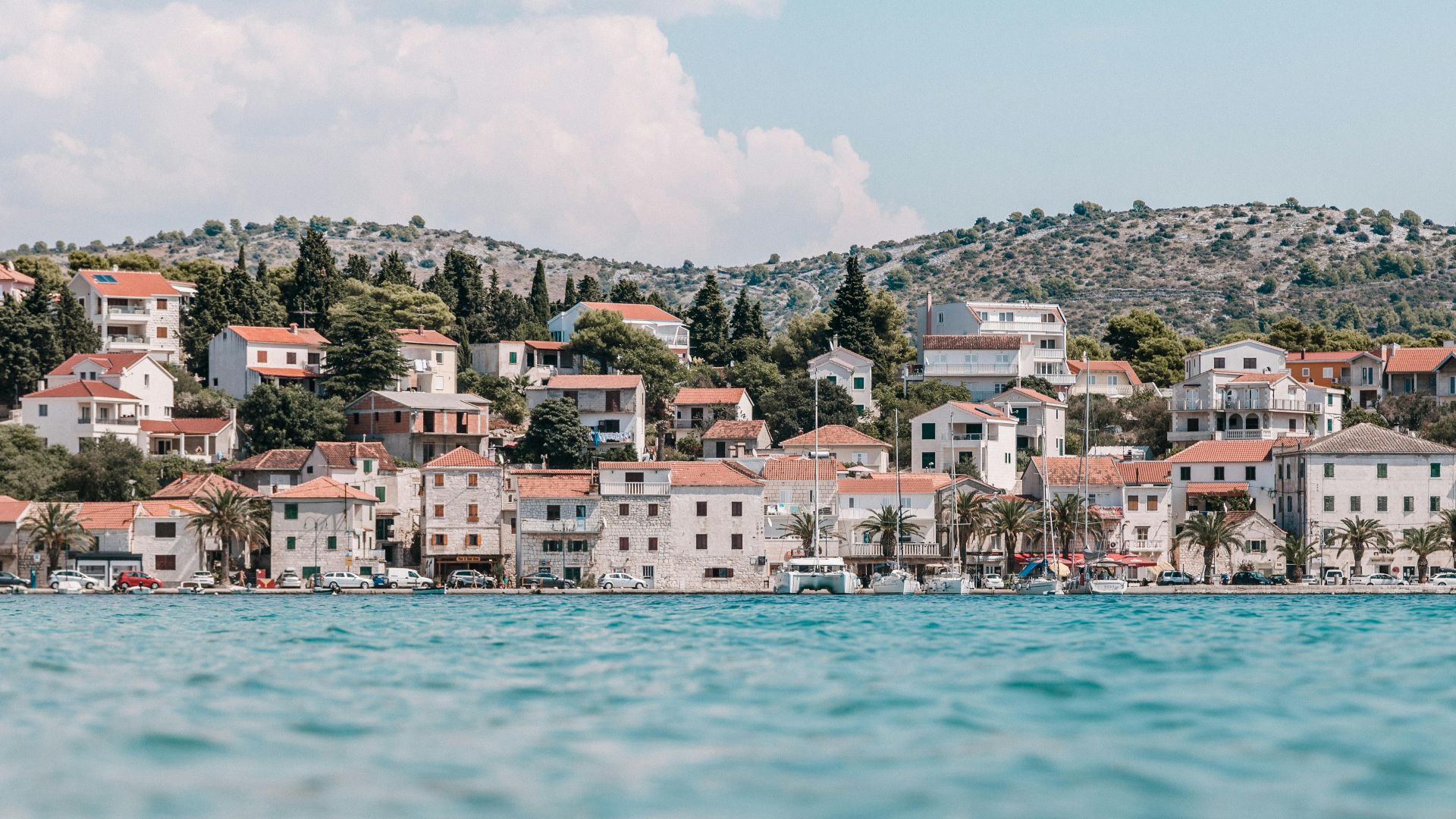
Plavac Mali, the country’s signature red, has especially helped put Croatian wine on the map. Known for its bold, powerful flavor, it has deep roots along the Dalmatian Coast and is genetically related to California’s Zinfandel.
On the island of Hvar, Plavac Mali wines grow on steep, sunny slopes overlooking the bright blue Adriatic Sea. It's one of the most picturesque places in Europe to sip a glass of wine.
Beyond the unique grapes, Croatia offers a unique and special wine-tasting experience that has not been touched by mass tourism yet. Instead of industrial-scale chateaux or heavily commercialized tasting rooms, visitors often find themselves welcomed into family-run cellars, centuries-old stone farmhouses, and terraced vineyards tucked into quiet coastal hills. Winemakers are eager to share their stories, which chronicle family traditions, ancient techniques, and the rebirth of Croatian wine after decades of political and economic turmoil.
The geography of Croatia is also wildly diverse for such a small country. Driving just a few hours within its borders and you'll get to experience a myriad of different terroirs and microclimates. The small country offers everything from robust reds to crisp whites, suiting almost every palate.
The other aspect that makes Croatia a must-visit for wine-lovers is the cuisine. It's at the crossroads of the Mediterranean, Central Europe, and the Balkans, making for a unique blend of culinary traditions you won't find elsewhere. Fresh seafood, truffle-rich pastas, grilled meats, and olive-oil-drenched vegetables elevate every tasting experience. Together, the food and wine create a sense of place that feels both authentic and luxurious without being pretentious.
Croatia may not have the prestige or scale of Europe’s big wine powerhouses, but that's exactly what makes it so attractive. It’s the rare destination that combines ancient heritage, breathtaking landscapes, and remarkable wines without the crowds or big egos. For travelers seeking something new, delicious, and deeply memorable, Croatia isn’t just “up-and-coming” anymore—it’s already one of Europe’s best wine destinations.