 NASA/MSFC/David Higginbotham on Wikimedia
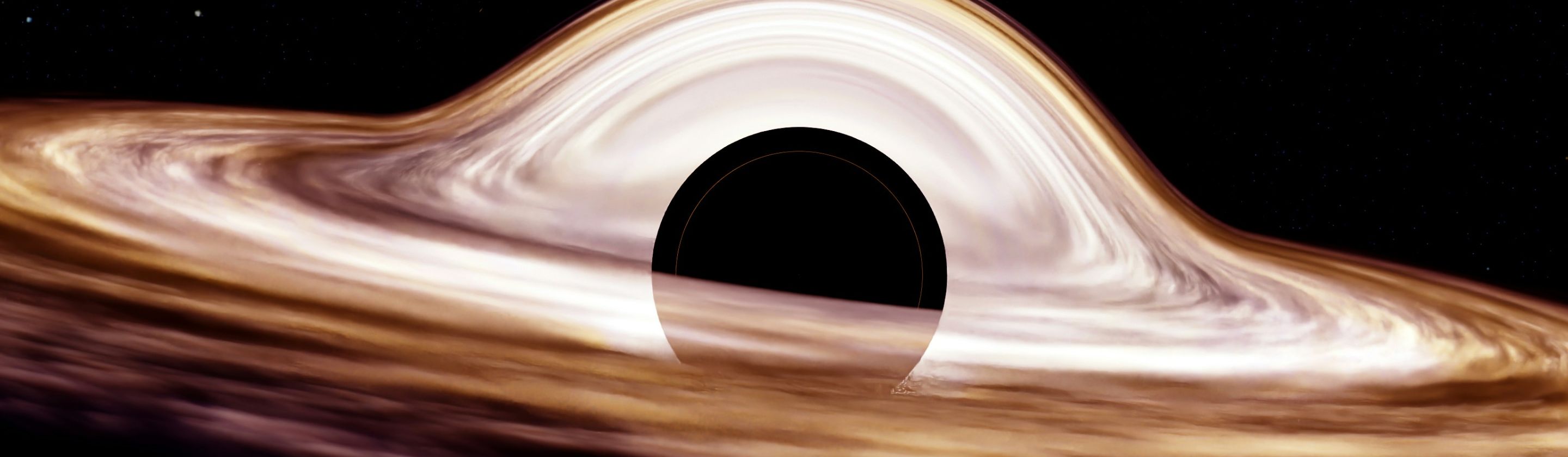
Ever since humans first gazed up at the night sky, the Universe has filled us with awe and wonder. Lately, however, it's also inspired a new question: "What if everything we know is inside a black hole?" This theory might sound like it belongs in a science fiction novel, but a convergence of new data from the James Webb Space Telescope and theoretical physics has scientists asking it in earnest. Is the cosmos itself a black hole in one truly vast and mind-bending way, with a whole parent universe on the other side?
A Surprising Discovery
 NASA/MSFC/David Higginbotham/Emmett Given on Wikimedia
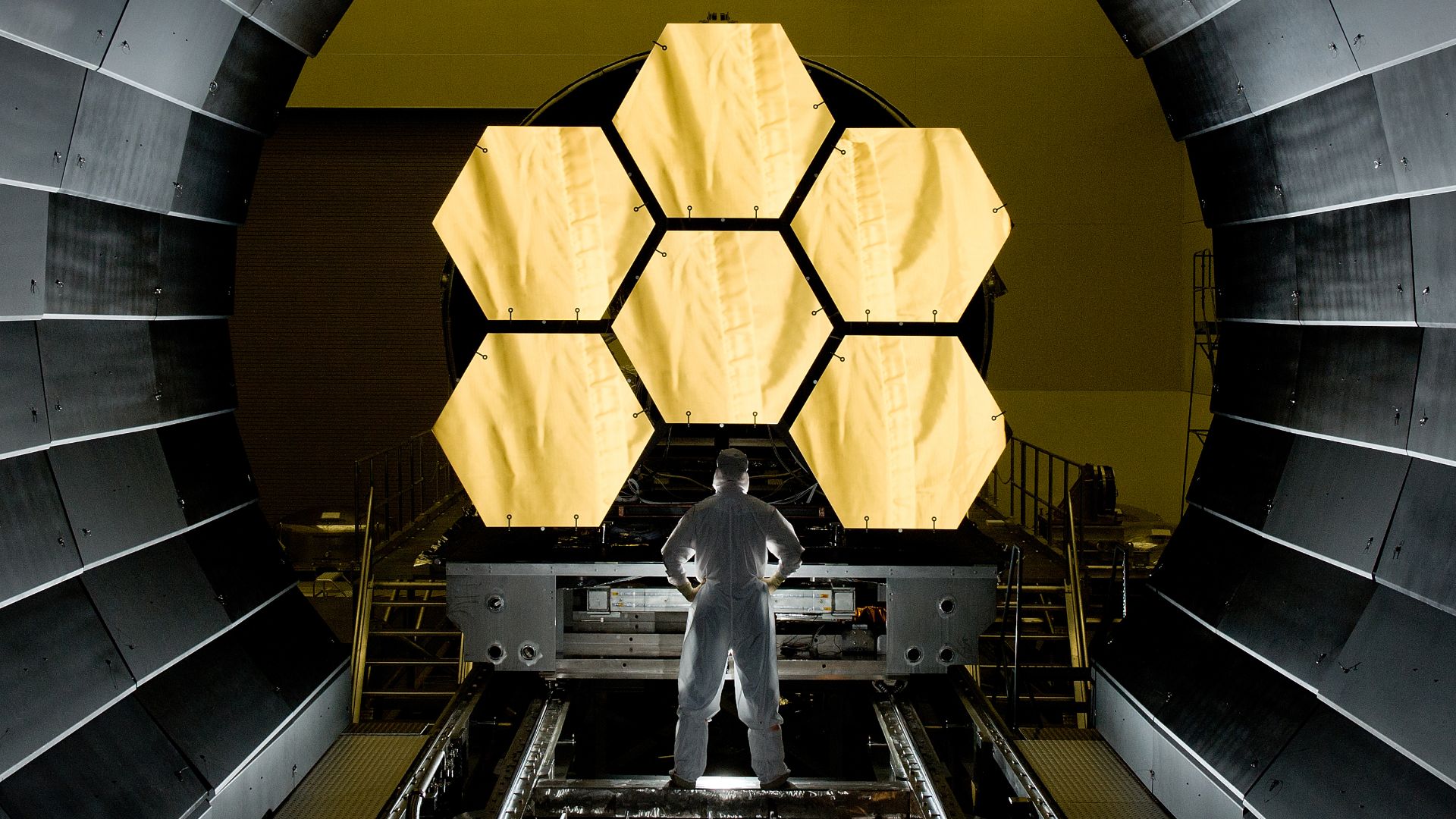
Since it went online, the JWST has upended much of what astronomers thought they knew about the early universe. Observing distant galaxies in sharp, detailed view, the $10 billion telescope is finding patterns that could shake the foundations of cosmology. The most striking example is that almost all of the galaxies we observe spin in the same direction: about two-thirds of them spin clockwise, while only one-third spin counter-clockwise.
In a universe where galaxies spun in random directions, astronomers would expect a 50/50 distribution. But such a strong preference for one direction over another suggests an ordering to the universe that indicates the presence of forces or structures we don’t yet understand. Some researchers say that this alignment can be explained if our observable universe is contained in a black hole, in which case the laws of physics are different from what they are in open space.
Born in a Black Hole?
 NASA Hubble Space Telescope on Unsplash
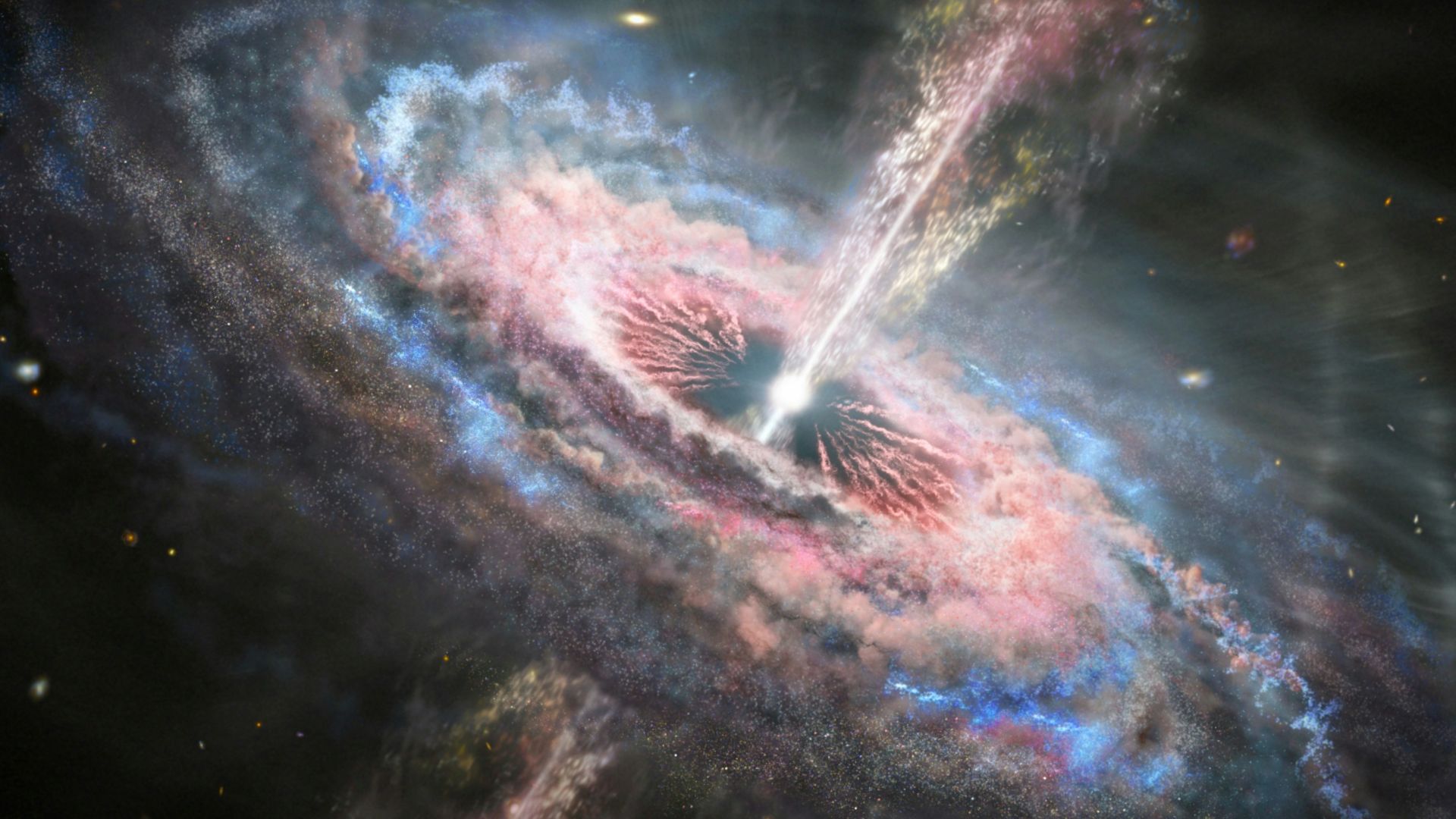
Black hole cosmology (alternatively "Schwarzschild cosmology") is the hypothesis that our universe is the interior of a black hole in some larger "parent universe." This idea was originally introduced by theoretical physicist Raj Kumar Pathria and mathematician I. J. Good. The concept is that the Schwarzschild radius that normally describes the surface of a black hole may also be used to describe the observable edge of our universe.
The intriguing corollary is that any black hole in our universe may, in turn, contain a "baby universe" behind its own event horizon. Such black holes would have no observable properties outside their event horizon (their "parents" in the parent universe), and thus all information inside the black hole is isolated from the outside. Polish physicist Nikodem Poplawski has advanced the black hole cosmology theory, speculating that our universe was created and shaped by the gravitational collapse of a supermassive black hole in a higher-dimensional space.
The What If
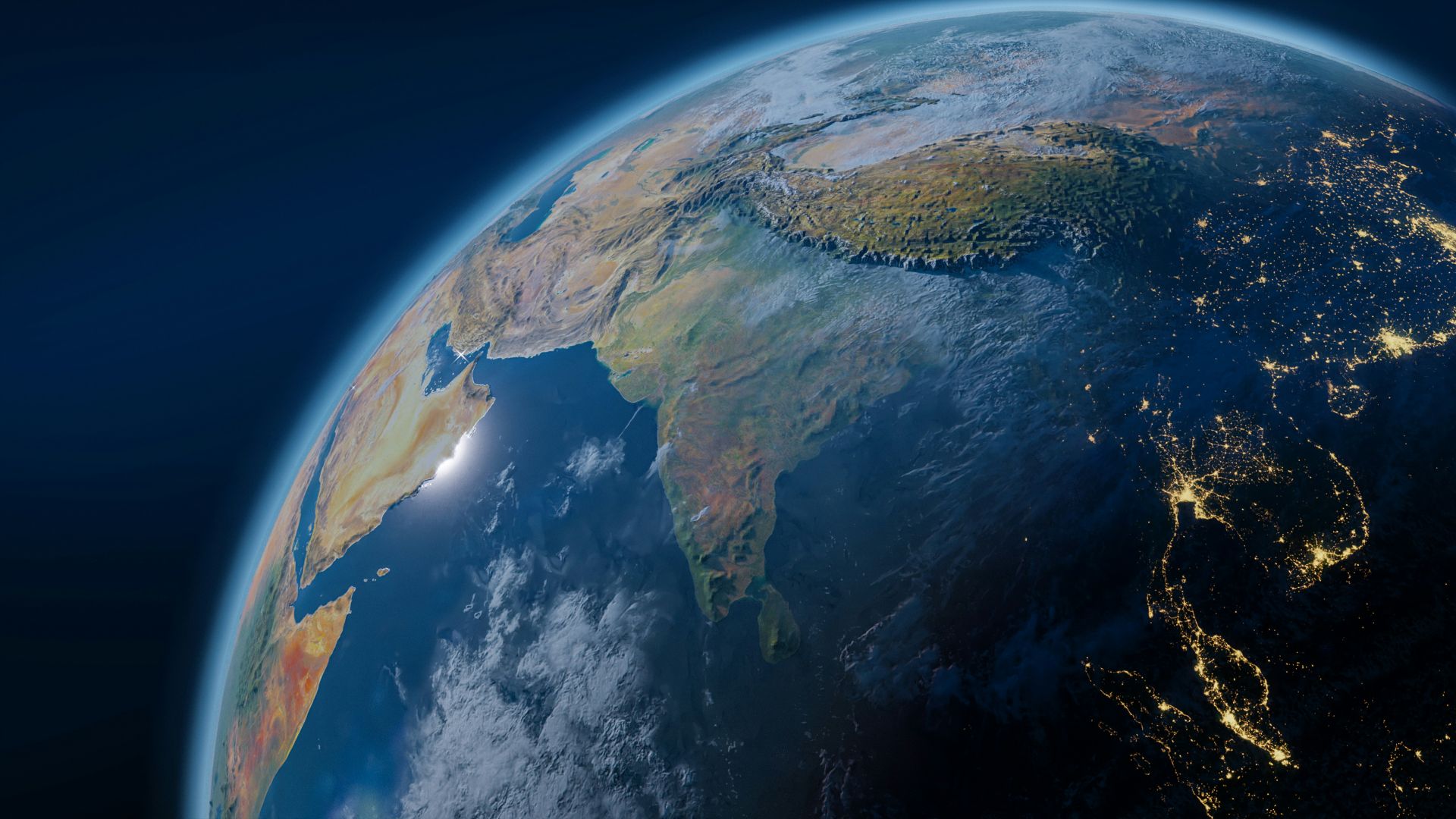
If we were inside a black hole, the effects of the gravitational field would be far more extreme, or at least very noticeable if it were a small black hole. In a typical Earth-size black hole, tidal forces would rip objects into long, thin shapes in a process known as “spaghettification.” Time would also slow to a crawl for someone crossing the country. Since neither of these effects is occurring on Earth, it follows that if we are inside a black hole, it must be unimaginably huge. A universe-sized black hole would have so much mass and volume that we would be unable to measure gravitational distortions.
From this logic follows a conclusion that is of great interest to those cosmologists who dabble in the black hole theory: Earthlings would be unable to detect the parent universe that the black hole resided in. Instead, we would be blissfully unaware of a larger universe, living in our own interior universe. It’s an idea almost impossible to prove given our technological capabilities, but a lovely idea for those who want to push the theoretical limits of the universe.