It’s an alluring prospect: a town offering cash, cheap housing, or incentives in exchange for you moving there. To many of us, the thought of being paid to live somewhere else is simply too good to be true. But it’s not necessarily a scam. Governments and municipalities worldwide are trialing increasingly inventive schemes to lure residents to struggling towns, abandoned villages, and the countryside.
The hope is that this could breathe new life into declining local economies and repopulate streets left empty by decades of urban migration and falling birth rates. Remote workers and digital nomads will be among those for whom the prospect of packing up and cashing in is especially tantalizing.
“Get-Paid-to-Move” Programs

As more towns face population decline, government incentives to move to rural and remote locations are increasing. Packages might include a cash bonus, tax relief, low-cost housing, or remote worker visas. Although it sounds strange to get paid just for moving, the logic behind the programs is simple: towns need people to revitalize the local economy, keep schools open, and avoid further decline. For those interested in a new home, it's a no-brainer: a chance to live in an idyllic and often culturally vibrant place with some monetary help on the side.
Italy
 Tomas Anton Escobar on Unsplash
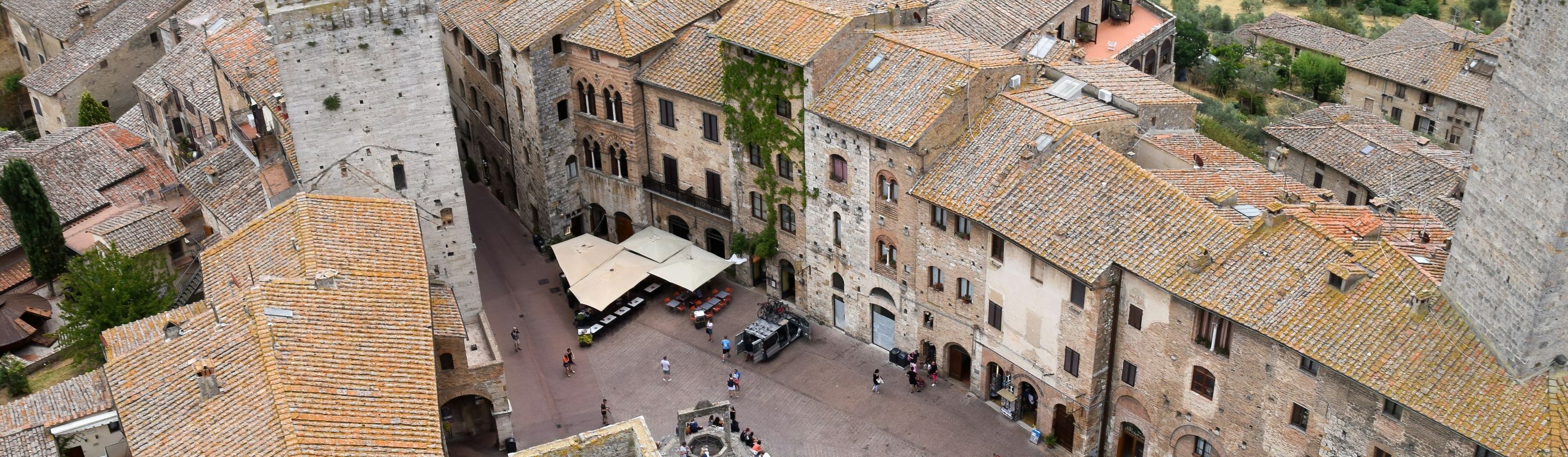
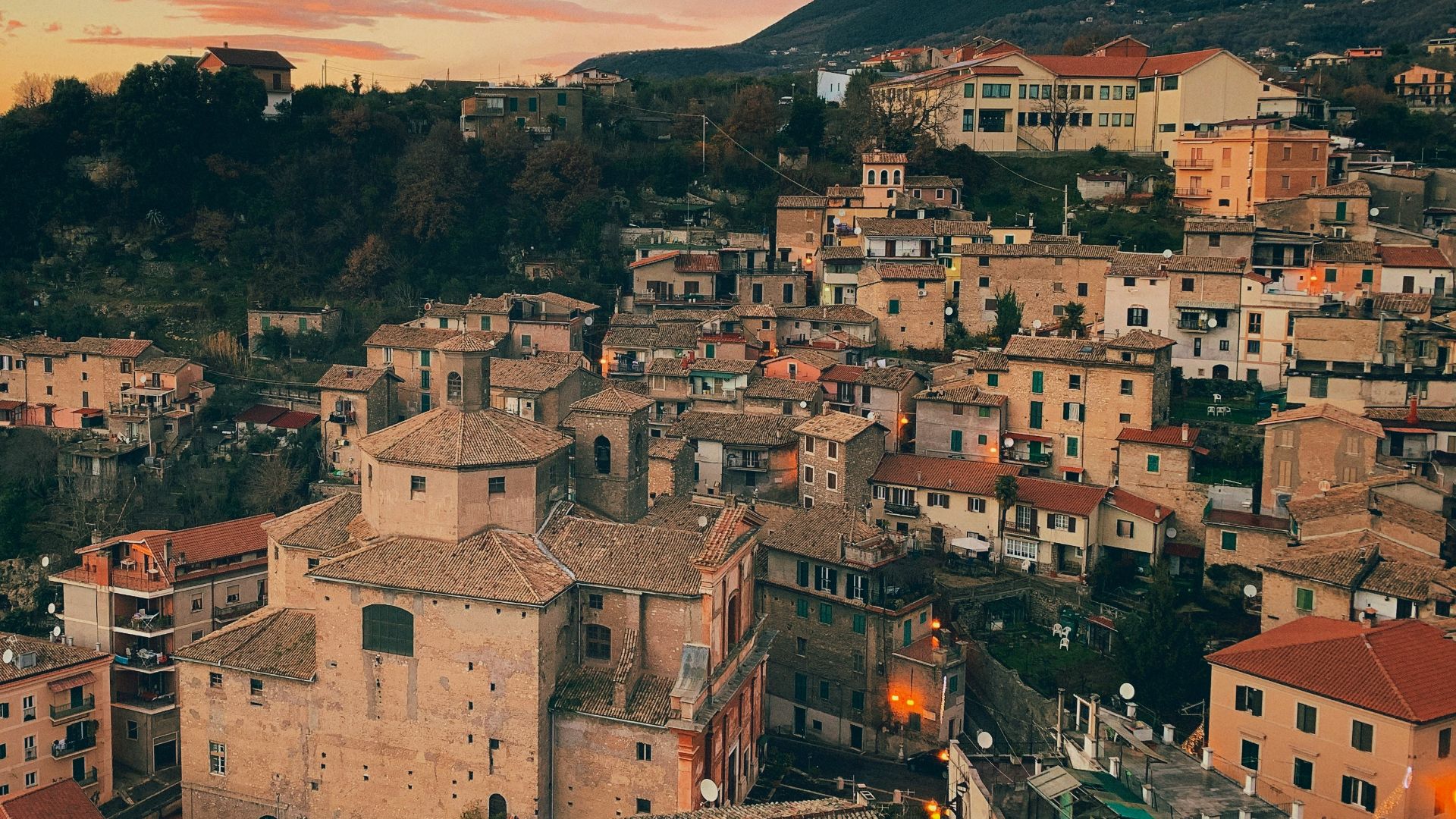
Italy is well-known for its “€1 homes” incentives that sell abandoned properties for the price of a euro. The enticements don’t end there, however. In Presicce, one can receive €30,000 to buy a home and move in, and up to €28,000 over three years in Calabria for starting a business. Sardinia has previously granted €15,000 for moving expenses.
In reality, the situation is seldom as idyllic as in a film. The properties are often in poor condition and need a lot of work. Residents are often required to commit to a town for three to five years, and some initiatives target young people looking for a second chance. It’s appealing, but starting a business and assimilating into a minuscule community can be difficult, particularly for those unfamiliar with regional traditions or who must contend with a tiny client base.
Japan
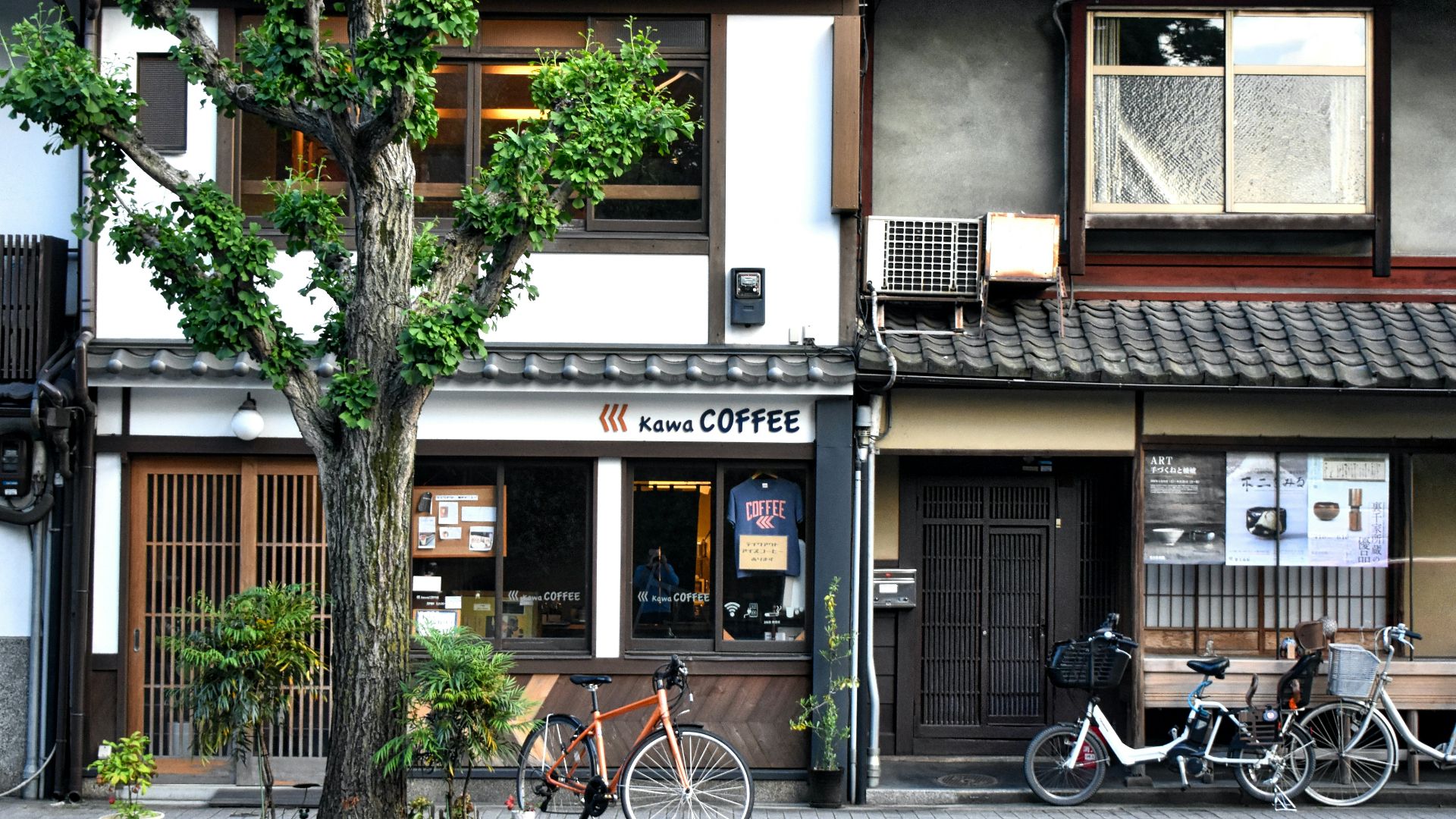
Japan is offering up to ¥1 million ($7,500) per child to anyone who relocates. The Japanese towns, often rural, are desperate to avoid population decline and boost moribund agricultural villages, so they are offering incentives of this kind. The Japanese government also created a J-Startup Visa for entrepreneurs seeking to build a business in Japan.
There are some catches. Factual or not, Japan is a place where most people expect families to relocate full-time, where at least some working knowledge of Japanese is needed, and where people can be intensely hierarchical and set in their ways, so assimilation can be slow and difficult. Establishing a social network can also be a barrier. For some, though, the cherry blossom-lined mornings in the country and the subsidy for having kids are a decent tradeoff.
A Fight for Survival

Ultimately, though, these aren’t benevolent acts. They are population-based survival plans. Japan has the sharpest population drop in the developed world and needs young people and children to help maintain local communities. Italy has a birth rate at historic lows, with a number of its towns on the verge of collapse. The €1 house schemes and relocation incentives are a way of funneling immigrants to the areas that need them most, curbing migration, and safeguarding their heritage at the same time.
On a more adventurous level, these programs can provide a way for those interested to live somewhere new, potentially get paid to do it, and become fully integrated into another culture. The catch is that it can take some bending and a lot of work to make these programs work for you, particularly in understanding a whole new economic and social system. But if you’re looking for a challenge, being paid to live somewhere could be a life-altering opportunity.