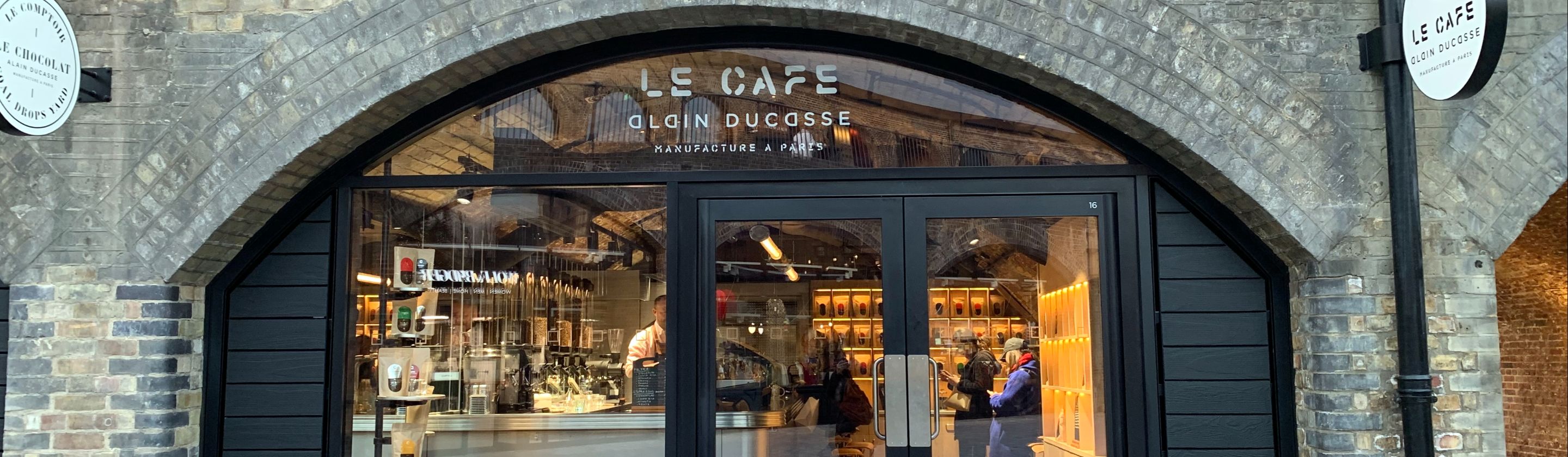
10 Countries With The Strongest Coffee Culture & 10 With The Weakest
Culture Per Cup
Not every country revels in the smell of freshly brewed coffee to start the morning. While certain nations have woven coffee into the fabric of their daily lives, creating ceremonies and traditions around every cup, others have built their social lives around completely different beverages. So, to begin with, let's look at ten countries where coffee tends to run deep in their veins.
 Photo By: Kaboompics.com on Pexels
1. Ethiopia
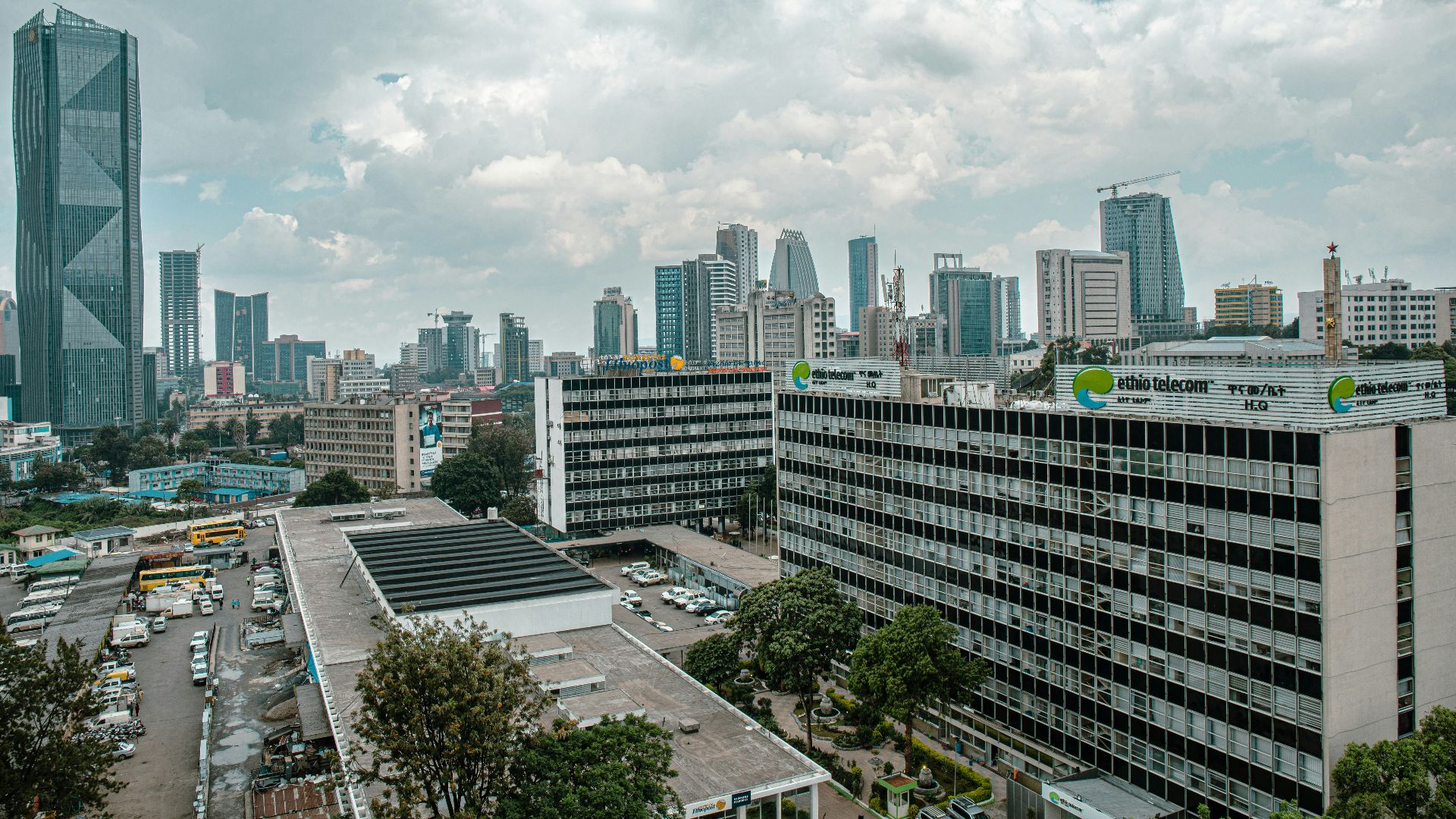
In Ethiopia, women donning traditional habesha kemis preside over buna, an hours-long coffee ceremony demanding three ritual cups amid profound social connection. The elaborate tradition traces back to the ninth-century province of Kaffa, where a herder named Kaldi first discovered coffee's powers.
2. Italy
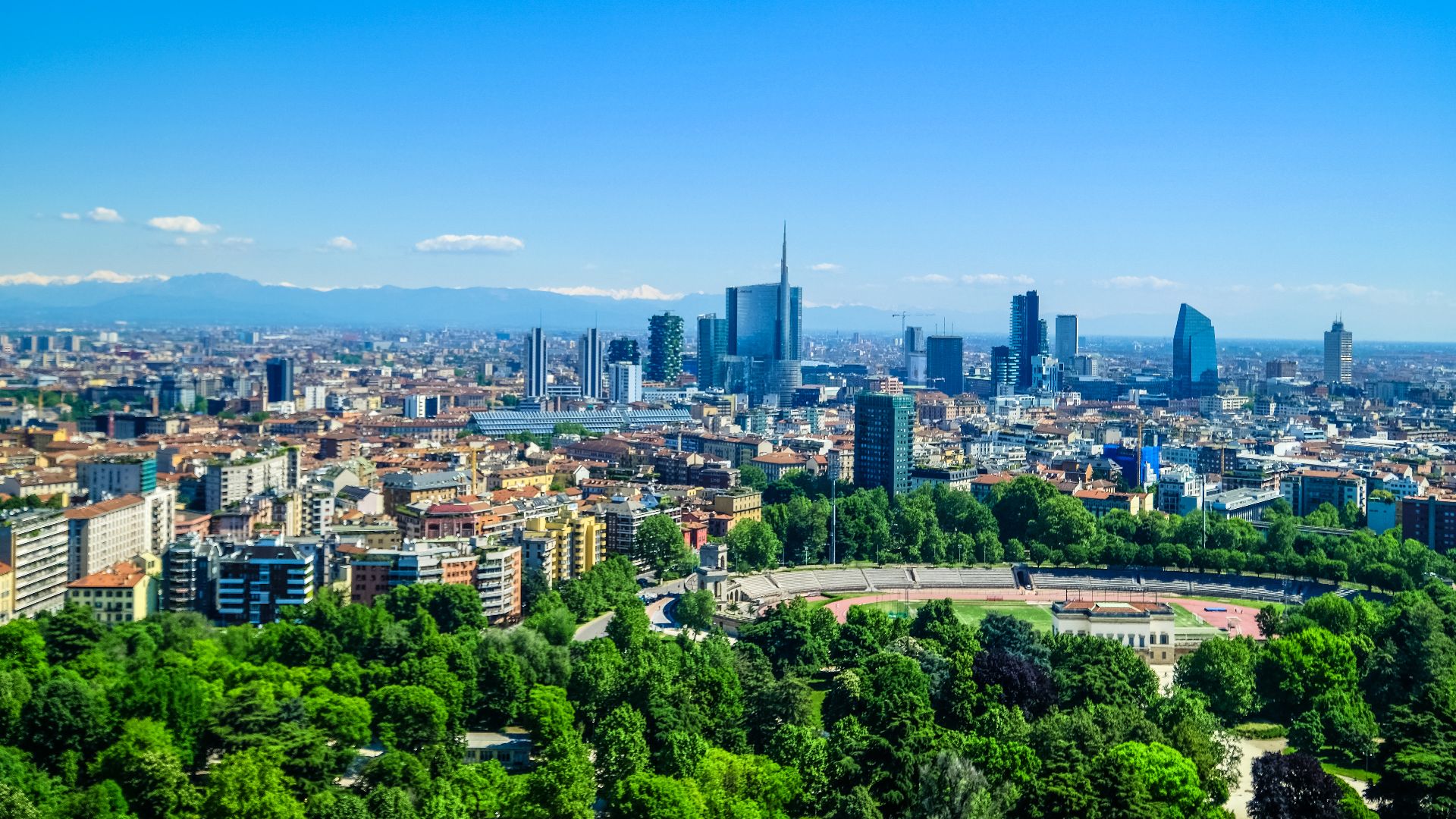
Ask any Italian about ordering a cappuccino after 11 a.m., and watch their theatrical dismay unfold—it's simply not done. This cultural precision extends to the swift, social symphony at coffee bars, where espresso-based drinks punctuate daily life.
3. Turkey
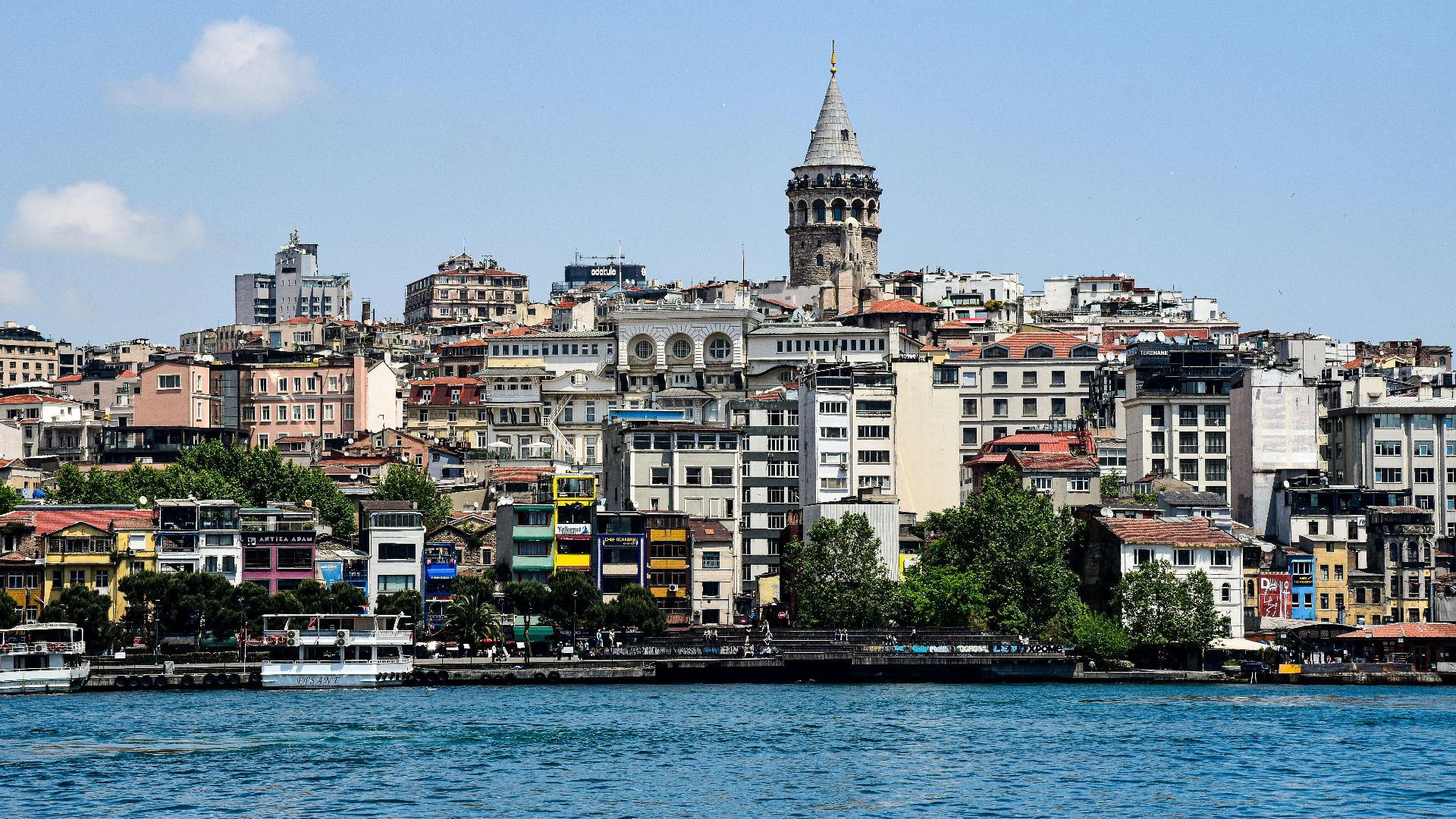
From its humble beginnings in the cezve, where finely ground beans dance to a boil, Turkish coffee has steeped itself into cultural prominence. This welcoming ritual of hospitality earned UNESCO heritage status, while leaving behind mystical remnants.
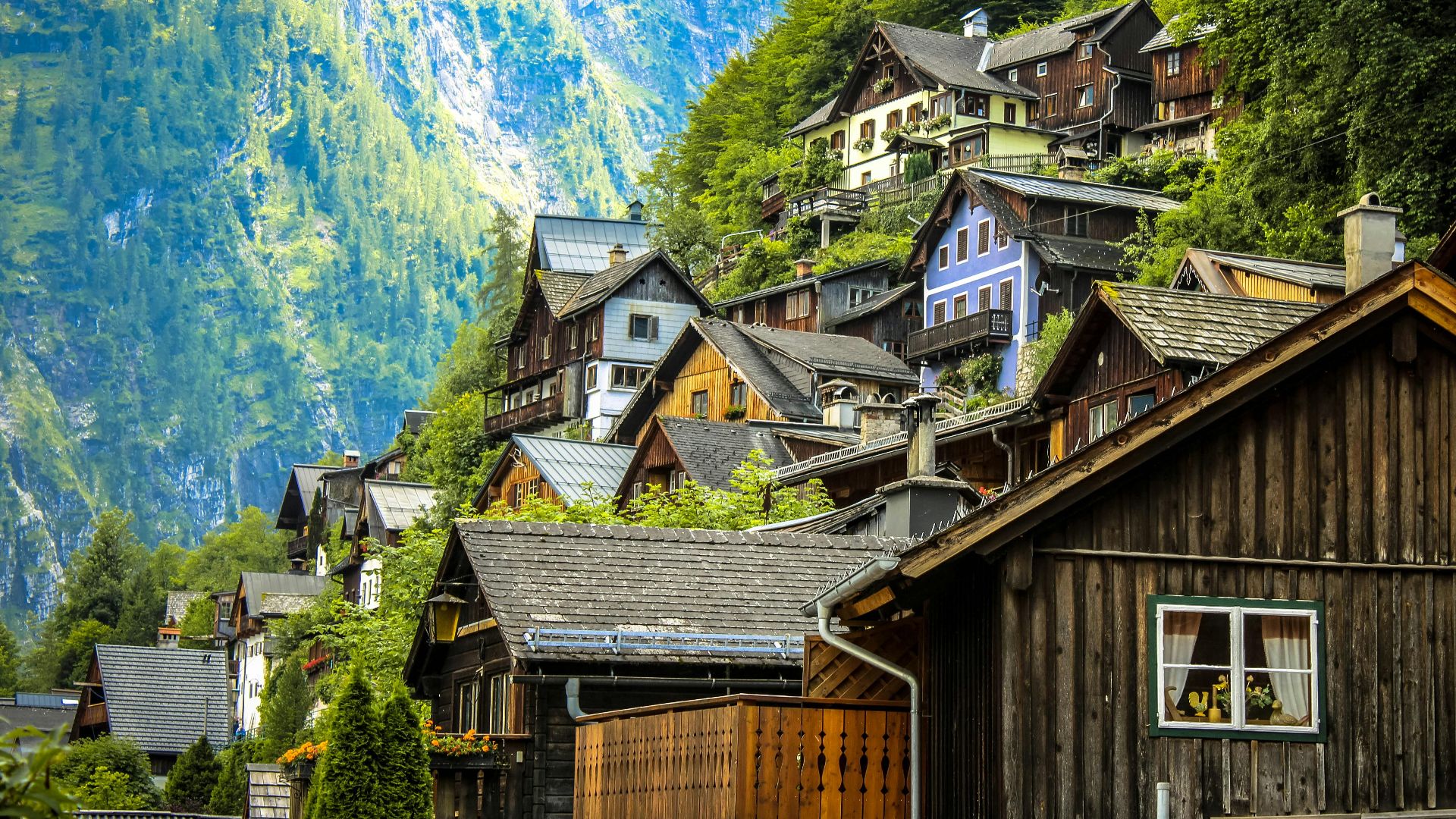
4. Austria
The time-honored ritual of lingering for hours over newspapers and intellectual discourse defines Vienna's coffeehouse culture. This cherished tradition, complemented by specialty brews like the cream-crowned Einspänner, brought these establishments UNESCO recognition as vital social and intellectual gathering spaces within Austria's capital.
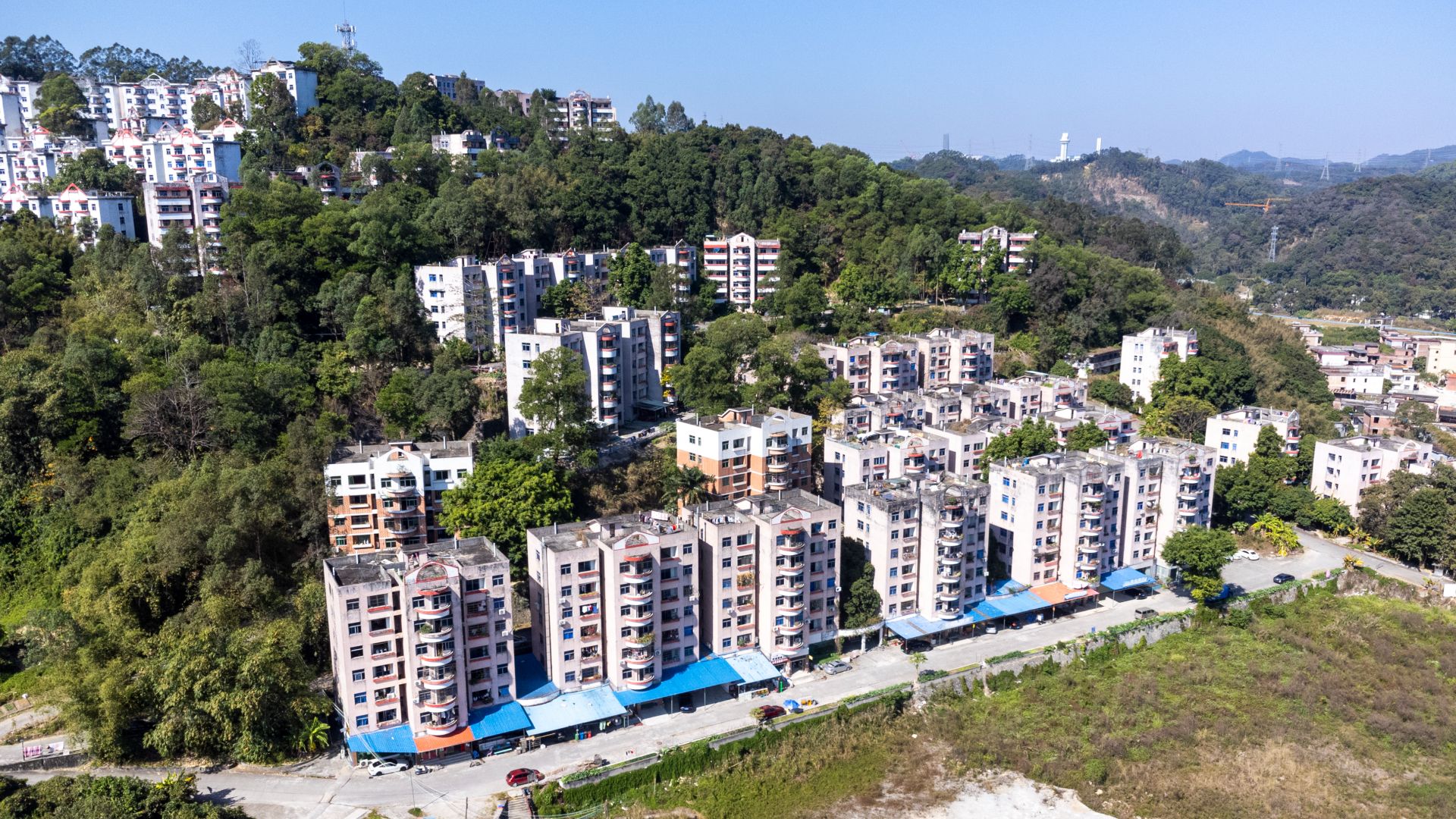
5. Australia
What happens when European coffee traditions meet Australian ingenuity? Just ask the Italians and Greeks who arrived post-WWII, sparking a cafe revolution that blended Old World espresso expertise with Down Under innovation. Today, Australian cities lead global coffee rankings.
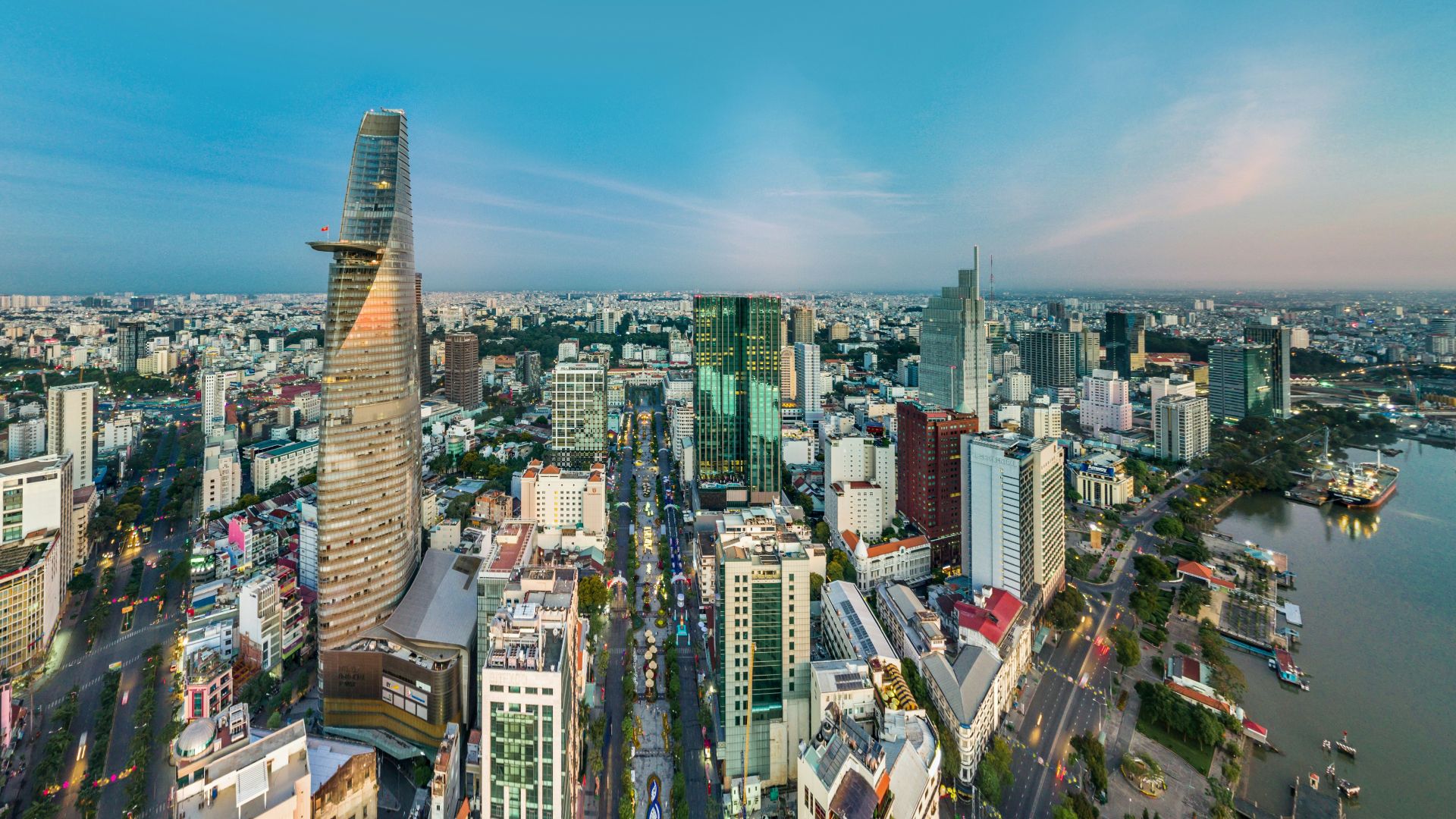
6. Vietnam
A global powerhouse in robusta coffee production, Vietnam's signature brewing method relies on the precise drip of traditional phin filters, yielding the beloved cà phê sữa đá. This is an invigorating mix of coffee and condensed milk over ice.
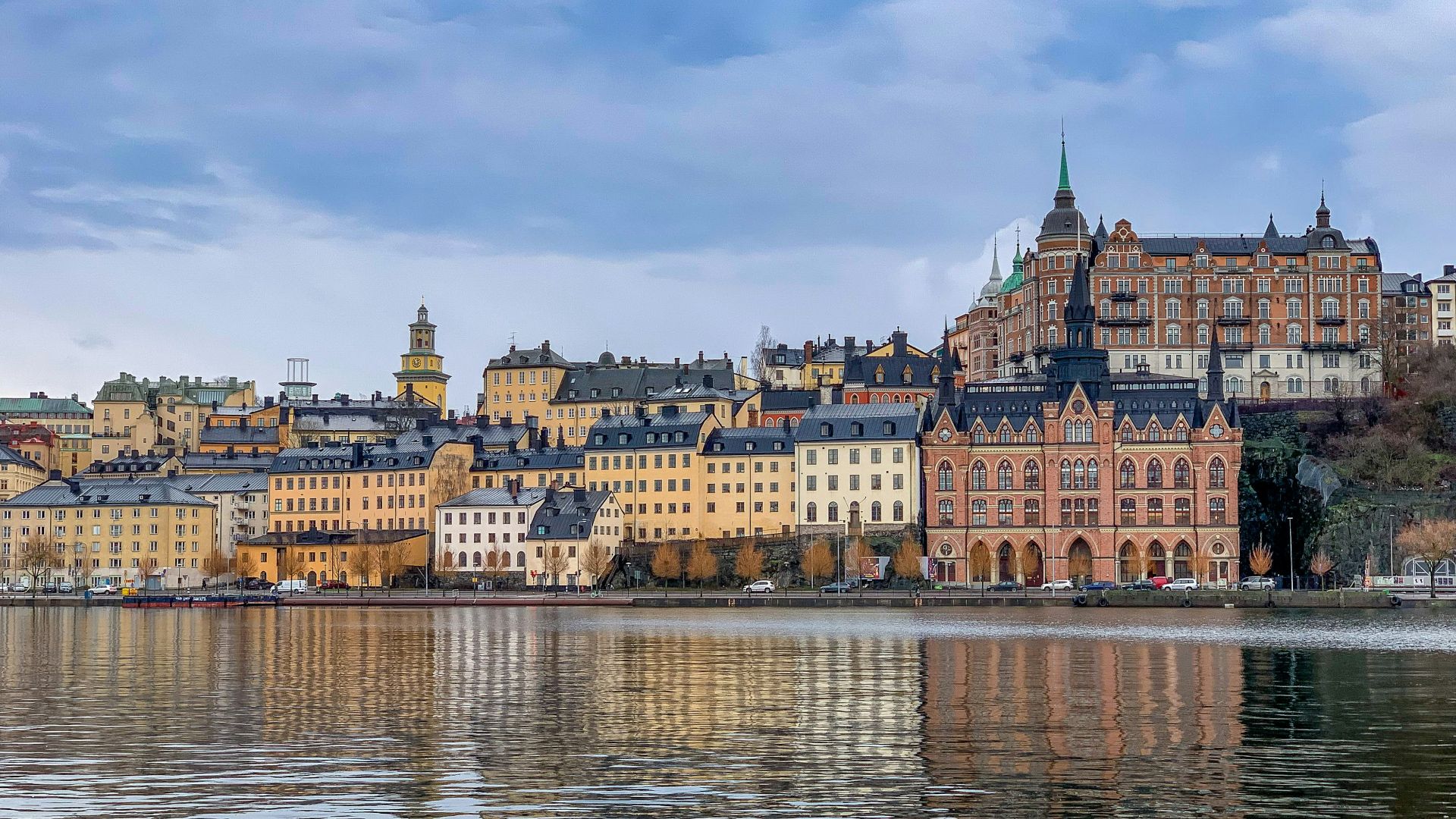
7. Sweden
Among nations leading global coffee consumption, Sweden's exceptional per-capita intake reflects deeper cultural priorities through fika, its institutionalized daily coffee break. The ritual, anchored by signature pastries like kanelbullar (cinnamon buns), converts caffeine consumption into an essential framework for workplace balance.
8. Brazil
The daily ritual of cafézinho, Brazil's cherished sweet black coffee offering, shows how deeply coffee permeates national identity. This cultural cornerstone is backed by Brazil's status as the world's leading producer, with citizens ensuring a significant portion remains within their borders.
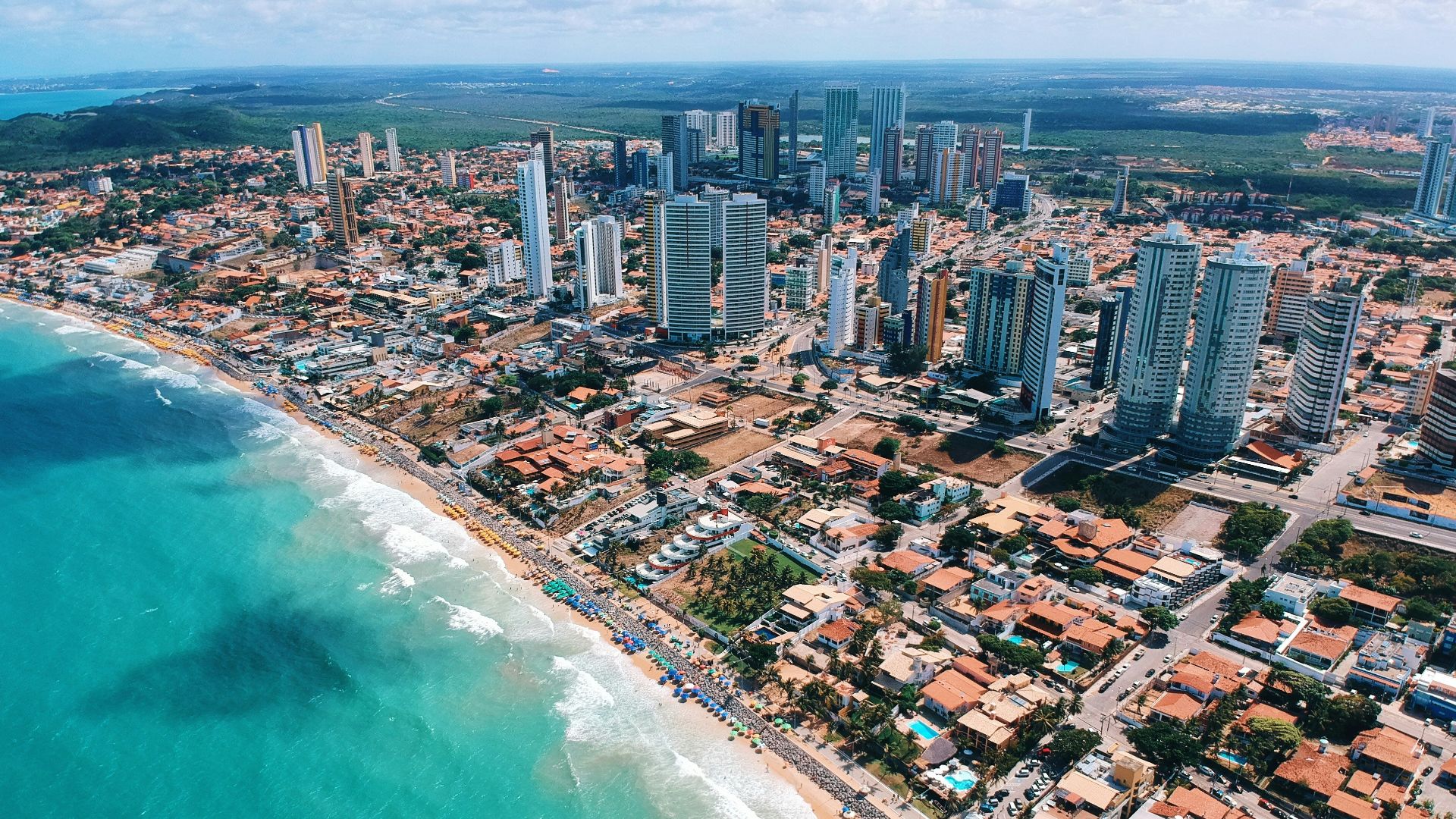
9. Colombia
Colombia's prized arabica beans have sparked more than just coffee connoisseurs' devotion. They've percolated into a thriving tourism scene, with Andean communities brewing up engaging tours and tastings. This bean-to-experience economy has given the region its well-deserved UNESCO World Heritage crown.
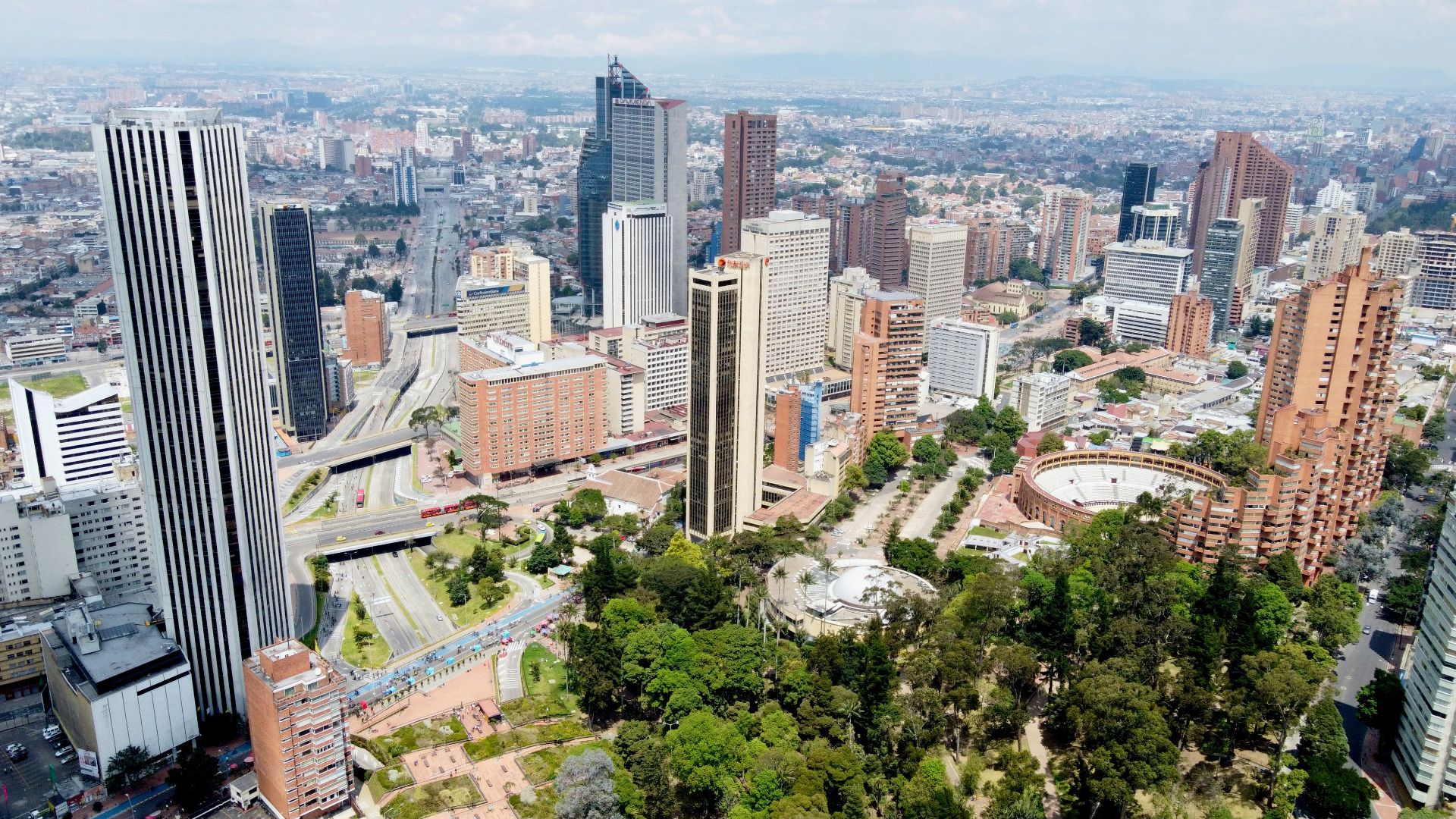 Alejandro Alfaro M on Unsplash
10. France
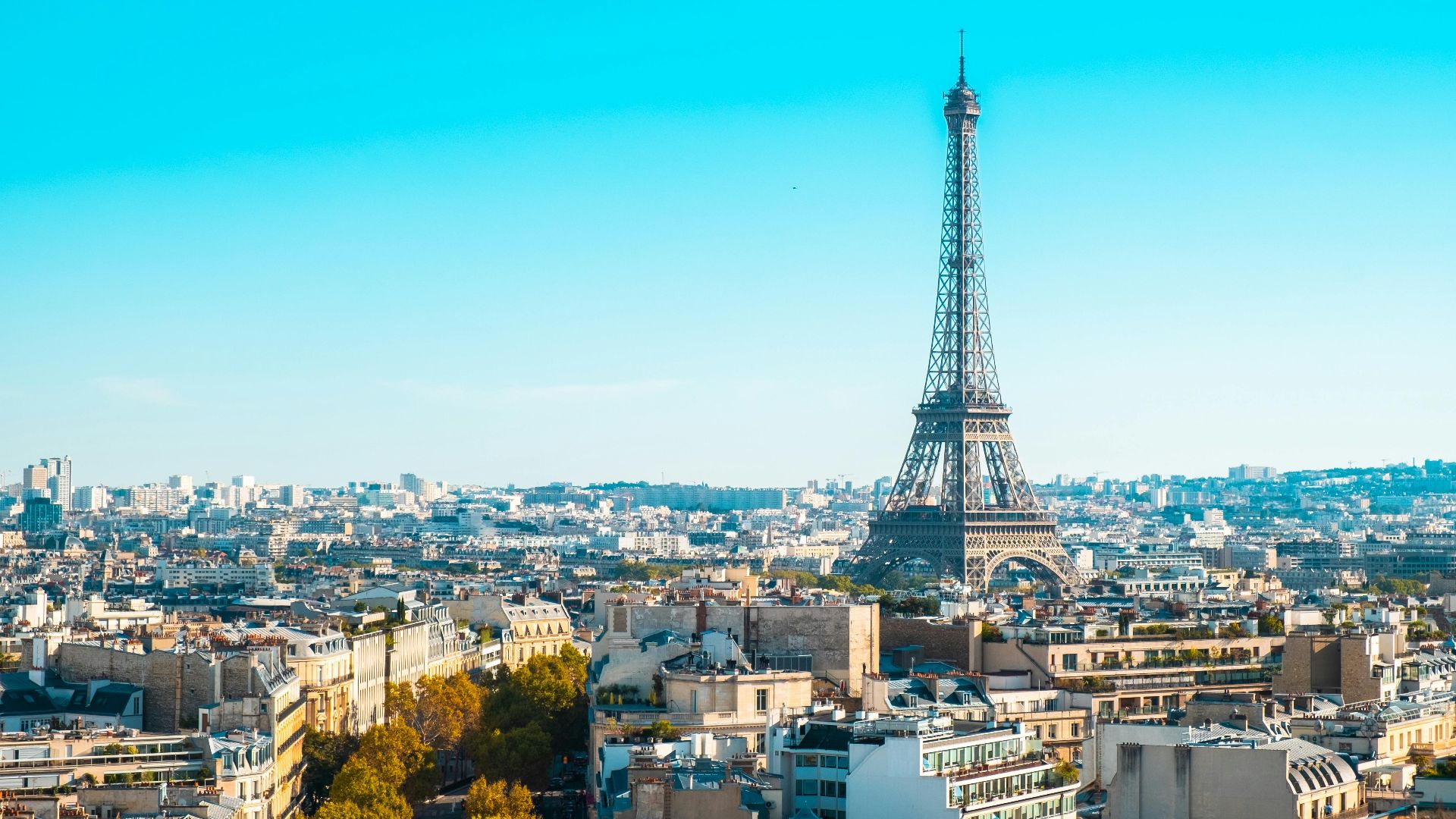
French cafes stand as indispensable pillars of urban society, their weathered terraces hosting the daily theater of Parisian life. Behind steaming cups of café au lait, patrons engage in time-honored people-watching rituals, preserving these cherished social institutions despite varying coffee standards.
Now let’s look at nations where coffee remains a stranger at the table.
1. India
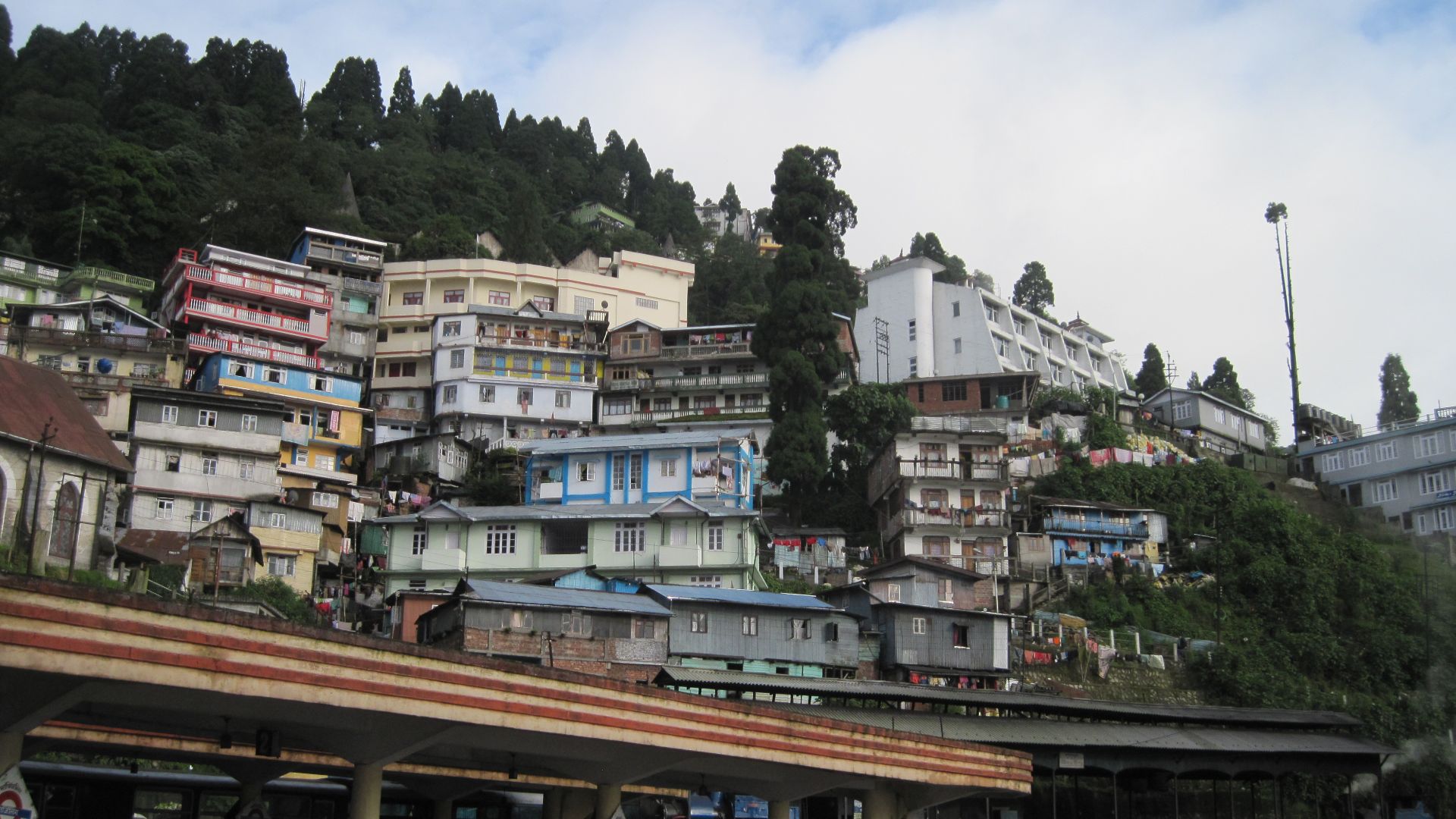
In modern India, chai isn't just a beverage; it's the social lubricant that oils daily life, despite its surprisingly colonial roots. The British rather cheekily revolutionized India's tea culture by cultivating Chinese specimens in Darjeeling and Assam, inadvertently creating the nation's defining drink.
2. United Kingdom
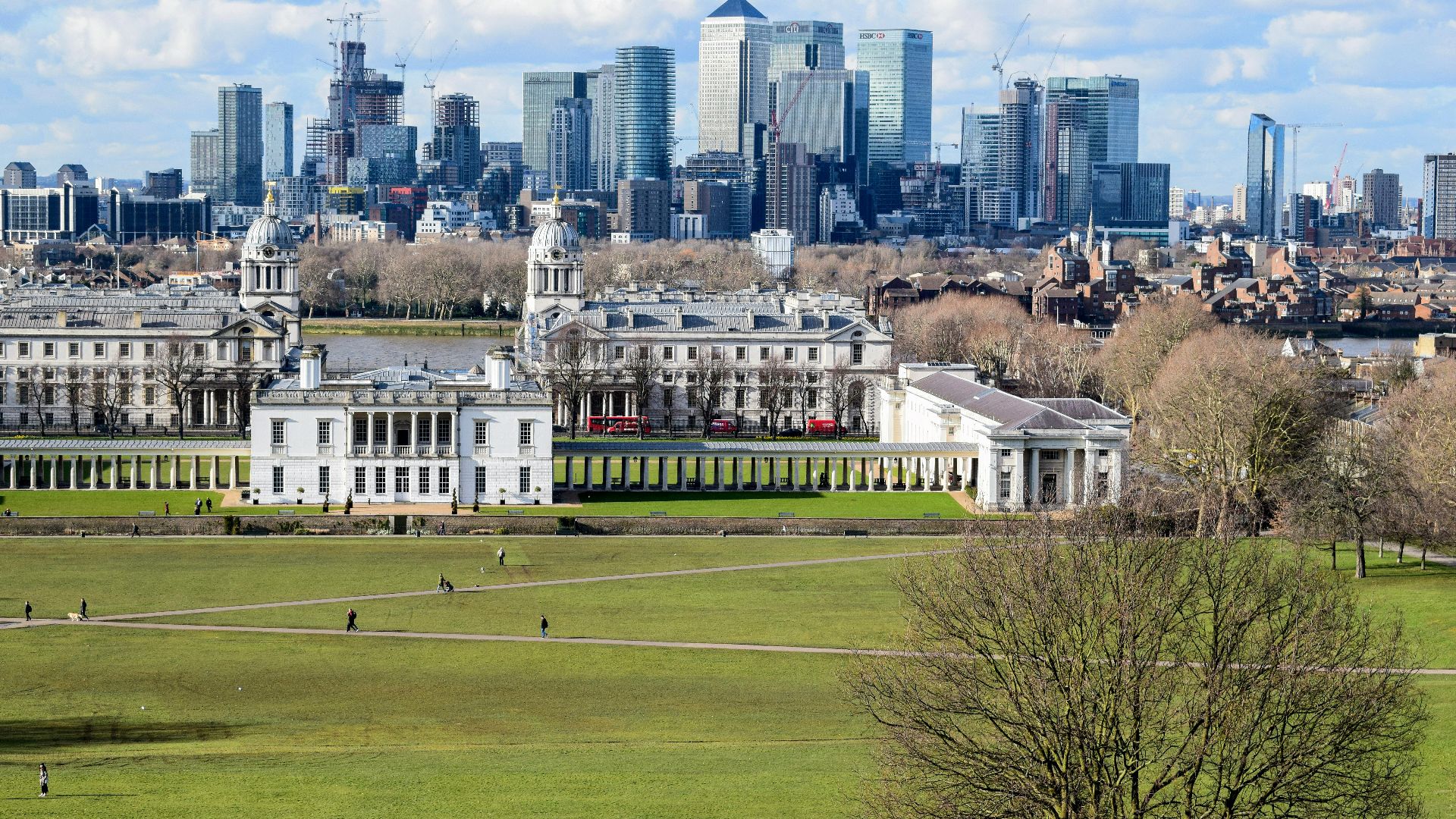
The time-honored ritual of afternoon tea, a British tradition dating back to the early 1800s, remains deeply ingrained in the UK's cultural fabric. While continental Europe has adopted a sophisticated cafe culture, British coffee consumption primarily gravitates toward instant varieties.
3. Mongolia
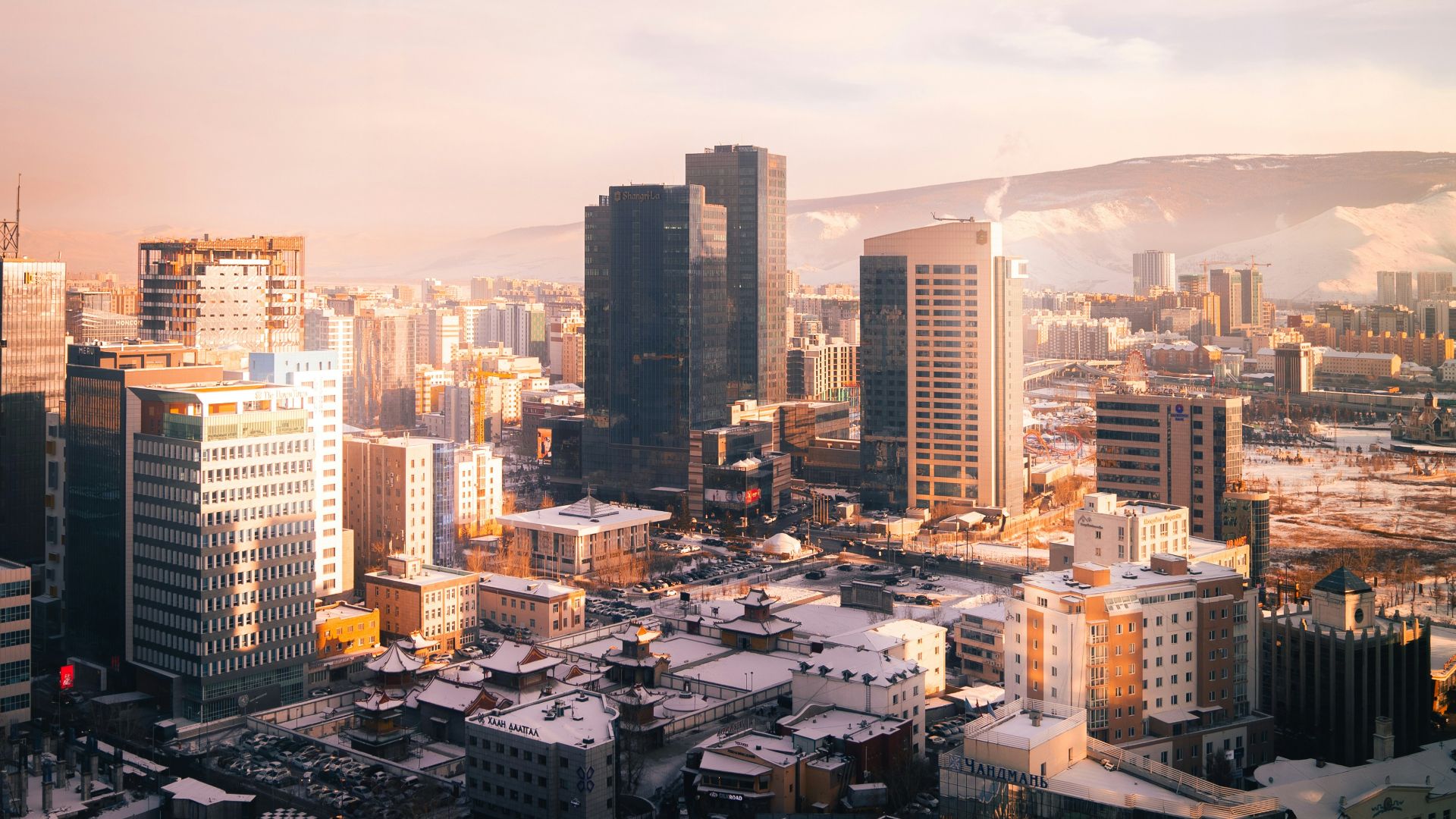
Mongolia historically had one of the world's lowest coffee consumption rates, often below 1 kilogram per capita annually. Mongolian culture continues to favor milk-based drinks, with suutei tsai (salted milk tea) being a staple beverage served during meals and to guests.
4. Russia
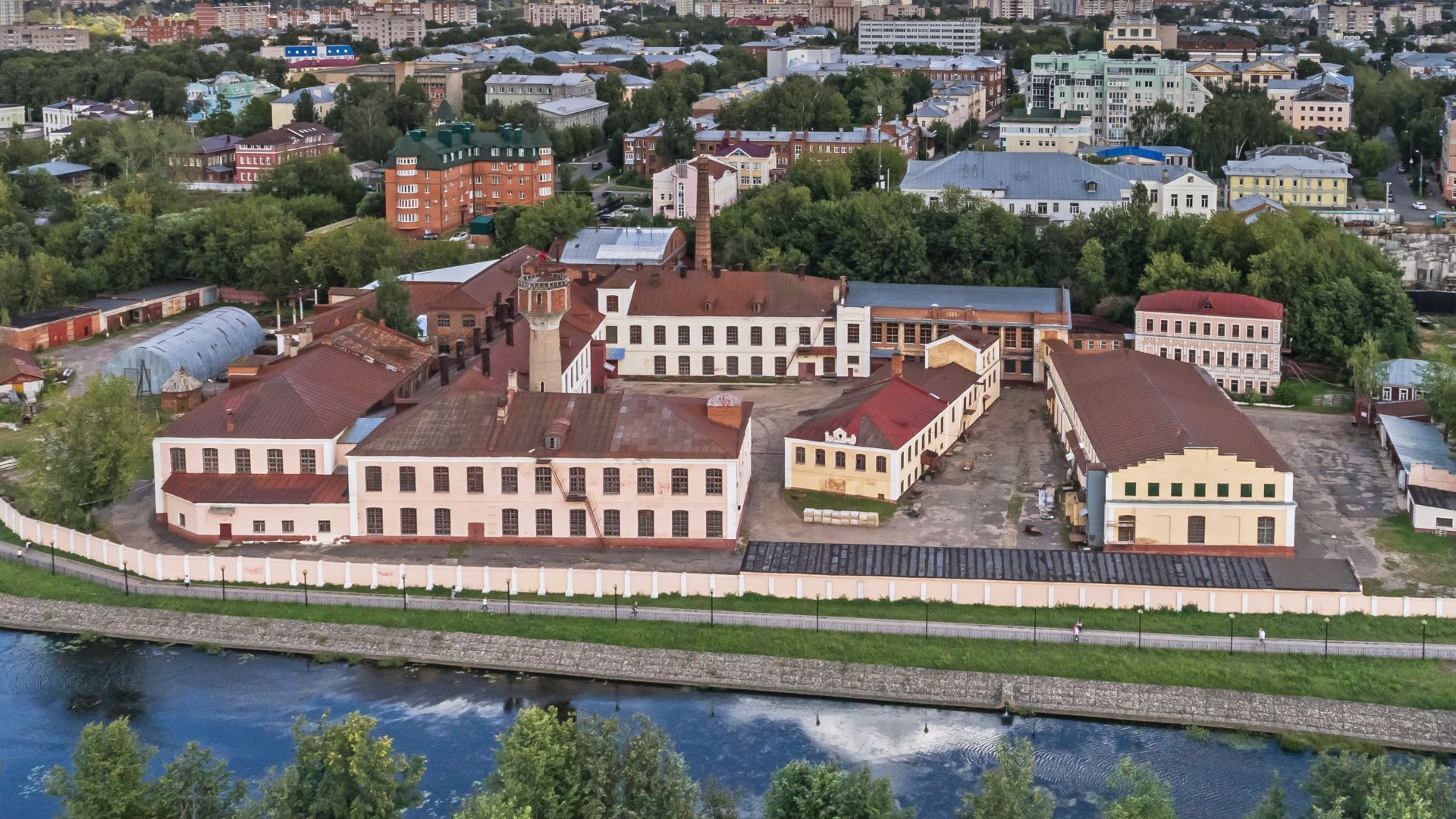
The humble samovar, that gleaming sentinel of Russian hospitality, tells a story far deeper than its steaming spout suggests. Born from ancient Chinese trade routes, such traditional urns anchor Russia's deeply-rooted tea culture, relegating coffee to a mere urban footnote.
5. Iran
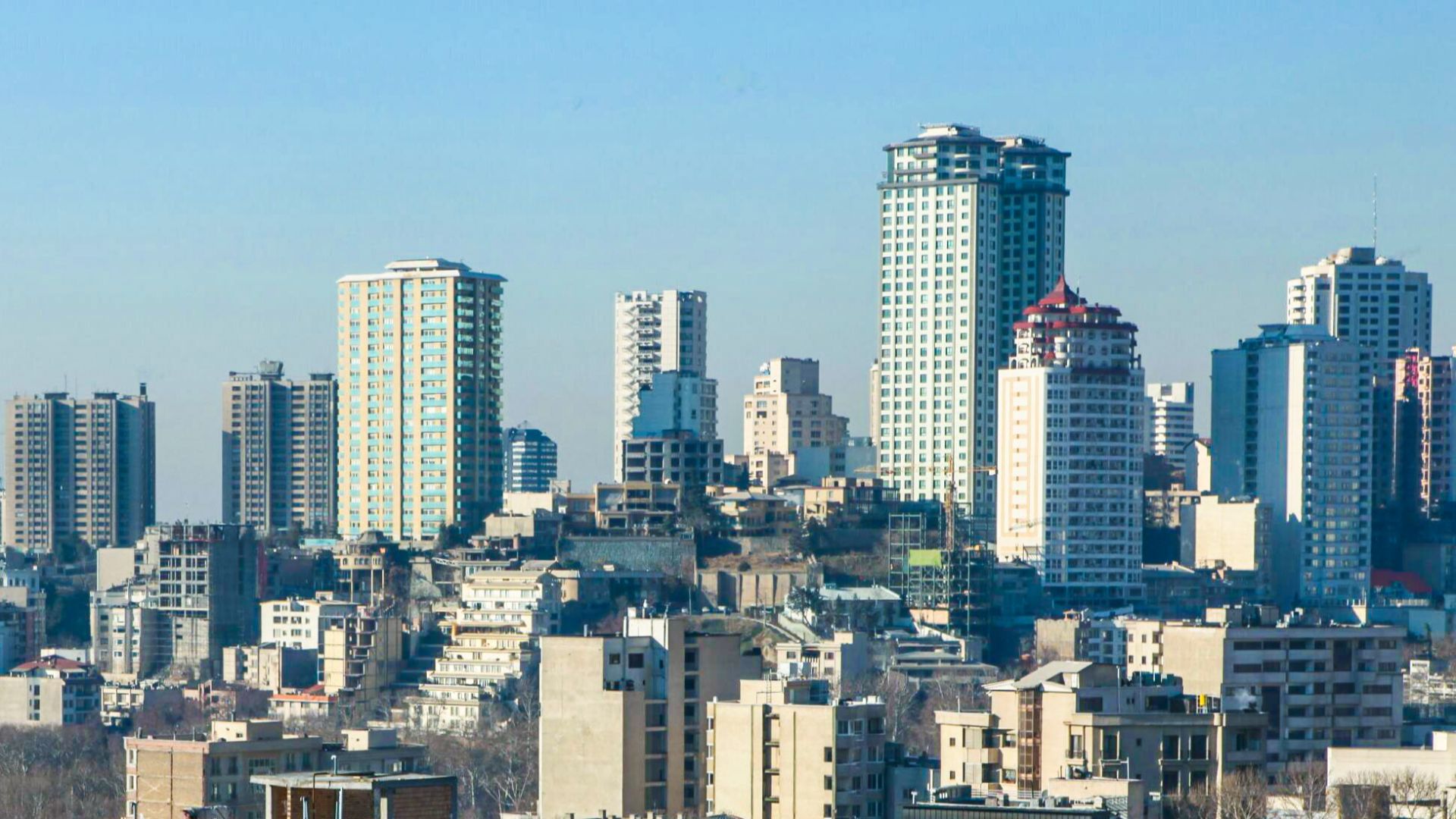
Step into a chaikhaneh and watch as estekan glasses of black tea orchestrate Iran's social symphony. While coffee lingers shyly in the cultural wings, these busy tea houses conduct daily rituals of hospitality, each aromatic cup kissed with cardamom or rosewater's delicate whisper.
6. Morocco
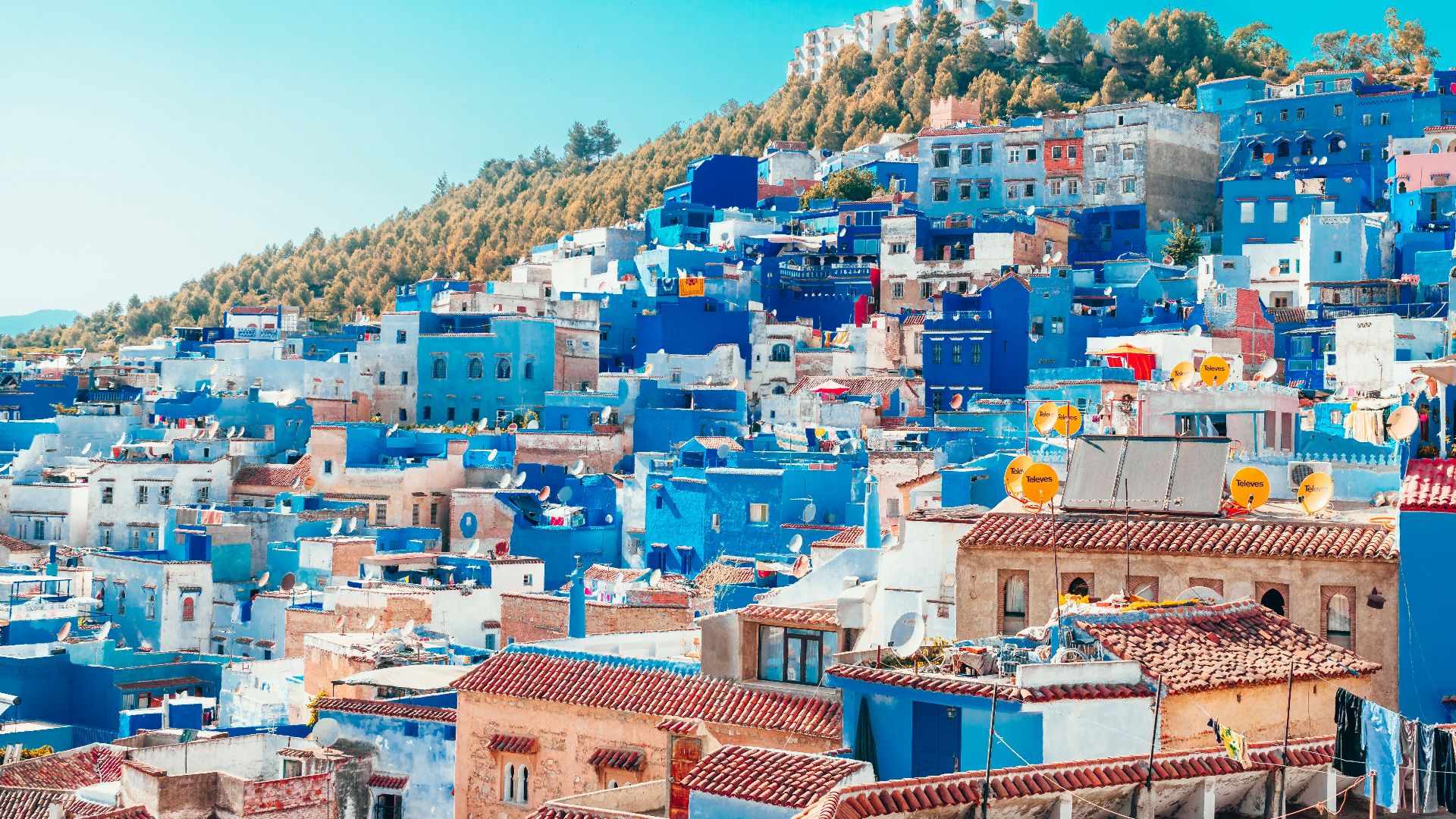
In Morocco, the art of forging social bonds flows through the cherished mint tea ceremony. Here, generosity pours as freely as the steaming liquid from elevated teapots, crafting signature frothy peaks in ornately decorated glasses. Coffee remains a peripheral beverage.
7. Egypt
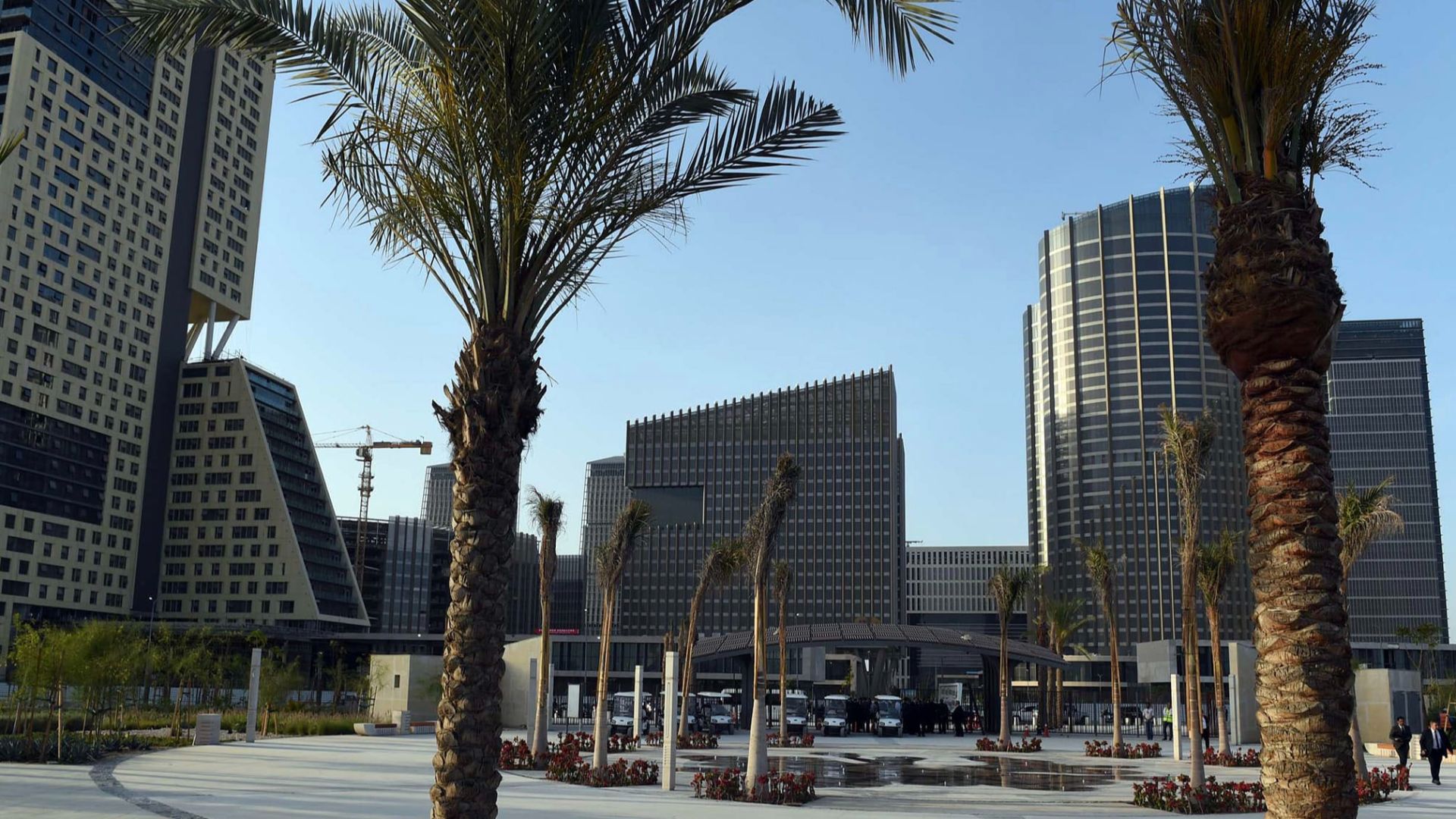
Watch any Egyptian host prepare tea, and you'll witness a meticulous ritual: carefully brewing it strong, sweetening generously, and garnishing with fresh mint. Meanwhile, coffee culture retains a simpler presence, with "ahwa" coffeehouses serving mainly as men's social spaces.
8. Pakistan
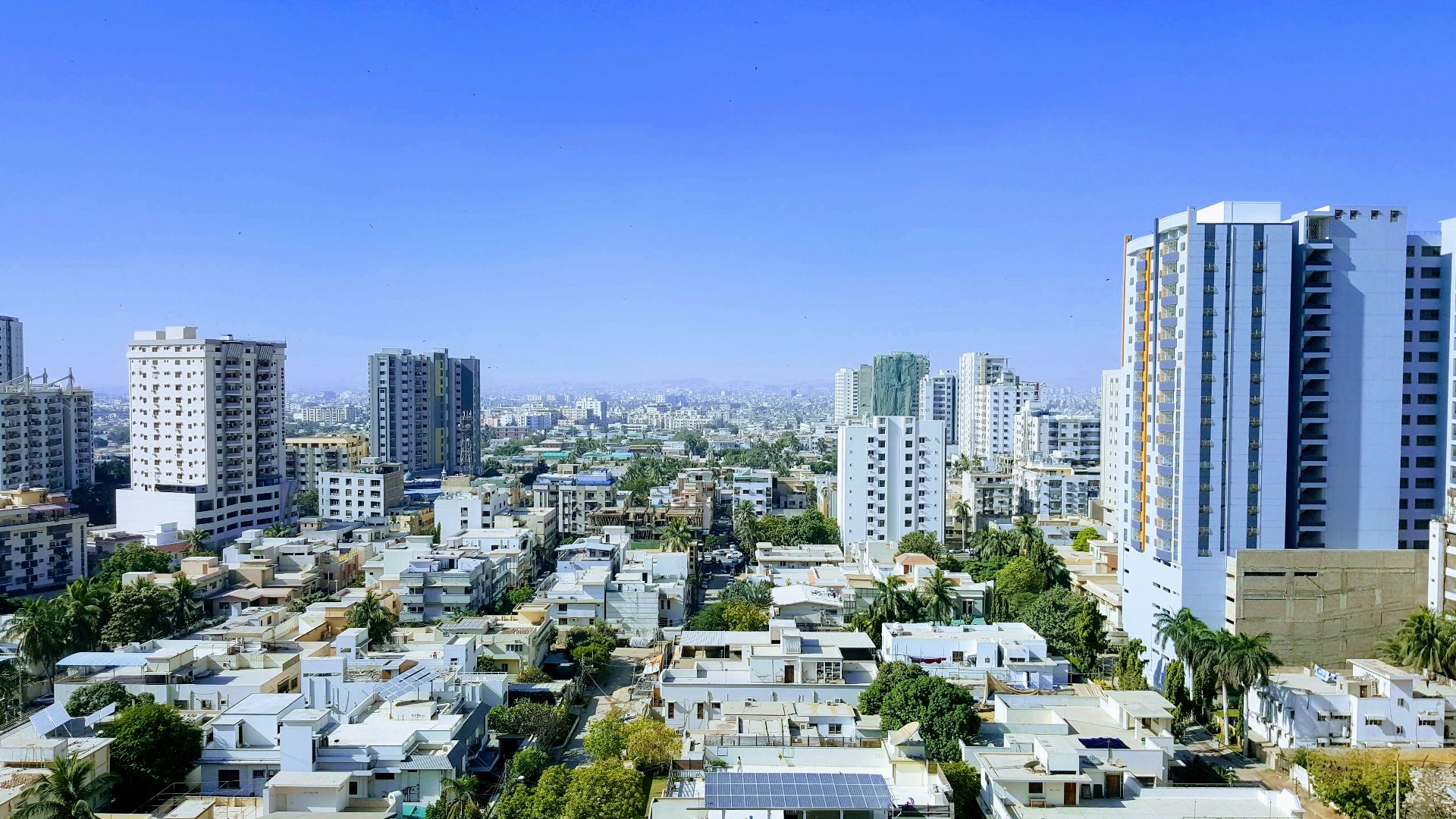
Ranking among the world's top tea consumers, Pakistan's cultural fabric is woven with doodh patti, a distinctive brew where tea leaves simmer directly in milk until reaching peak richness. This traditional preparation anchors daily social interactions and hospitality rituals.
 Muhammad Jawaid Shamshad on Unsplash
9. Bangladesh
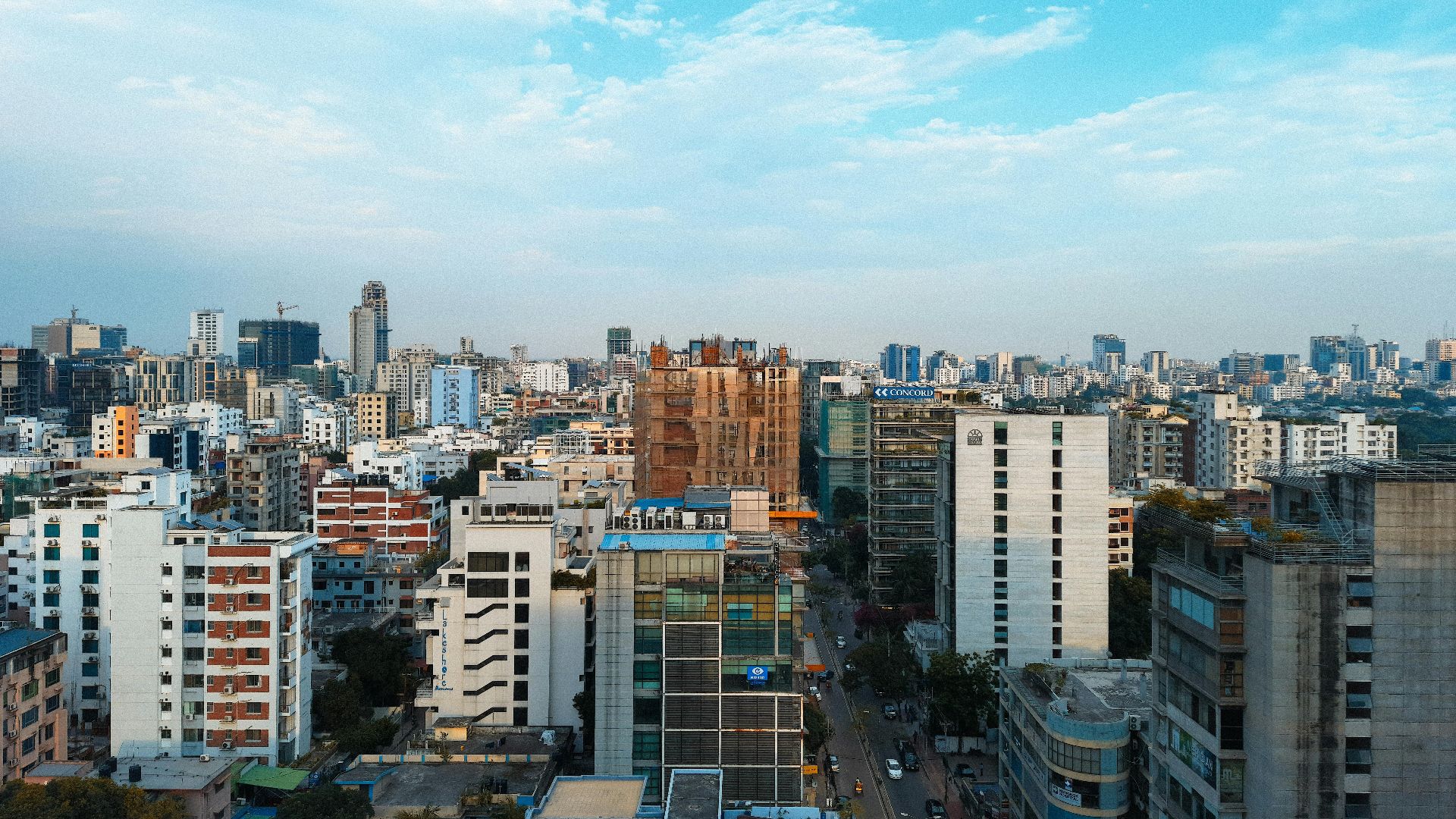
Bangladesh's heritage as a major tea producer, anchored in Sylhet's historic plantations, seamlessly extends into today's workplace rhythms and urban fabric. The ubiquitous tong stalls are contemporary social hubs. Colleagues and friends gather, perpetuating a culture where coffee remains virtually unknown.
10. Nigeria
Traditionally, Nigerians favor tea, cocoa, and herbal drinks over coffee. Consumption is low, mainly limited to urban cafés and instant coffee. While some Robusta beans are grown locally, most are exported, and coffee remains a niche beverage in daily life.