Changing Travel Trends and Fading Destinations
Travel trends shift over time, often bringing overlooked destinations back into the spotlight while others lose the qualities that once made them special. Some places recover through restoration, renewed interest, or improved infrastructure, while others become overcrowded, overdeveloped, or altered beyond recognition. Understanding these changes helps you make more informed choices about where to go next. These lists highlight destinations that are regaining appeal and those that have, in many ways, lost what made them unique.
1. Lisbon, Portugal
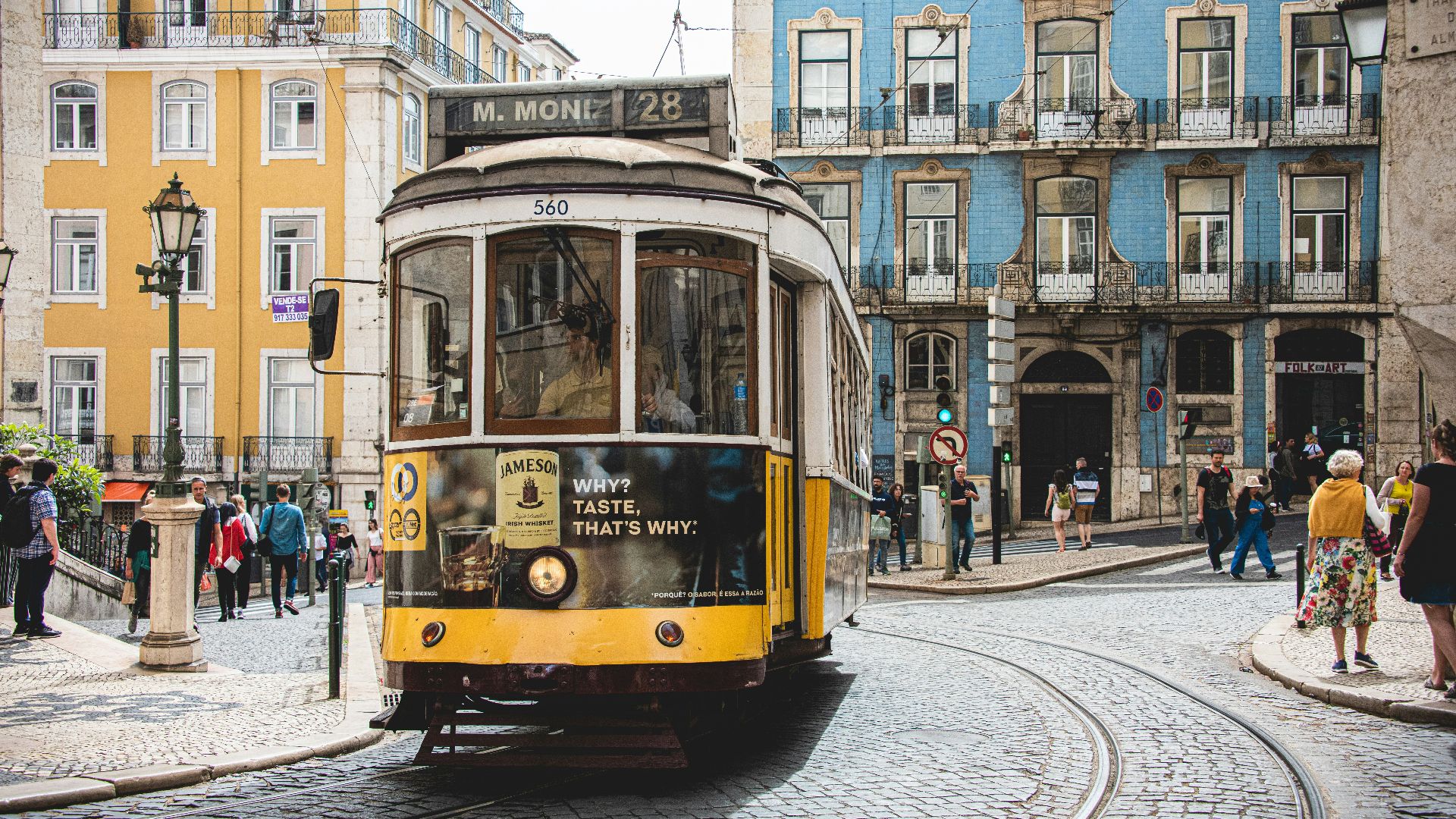
Lisbon has seen a resurgence due to careful restoration and growing cultural interest, which has helped preserve much of its historic charm while modernizing key areas. The city balances tradition with contemporary appeal, attracting visitors without completely losing its identity.
2. Kyoto, Japan
After periods of heavy tourism, Kyoto has made efforts to manage visitor flow and protect cultural sites, which has helped restore some of its quieter appeal. Seasonal travel strategies and local regulations have contributed to a more balanced experience.
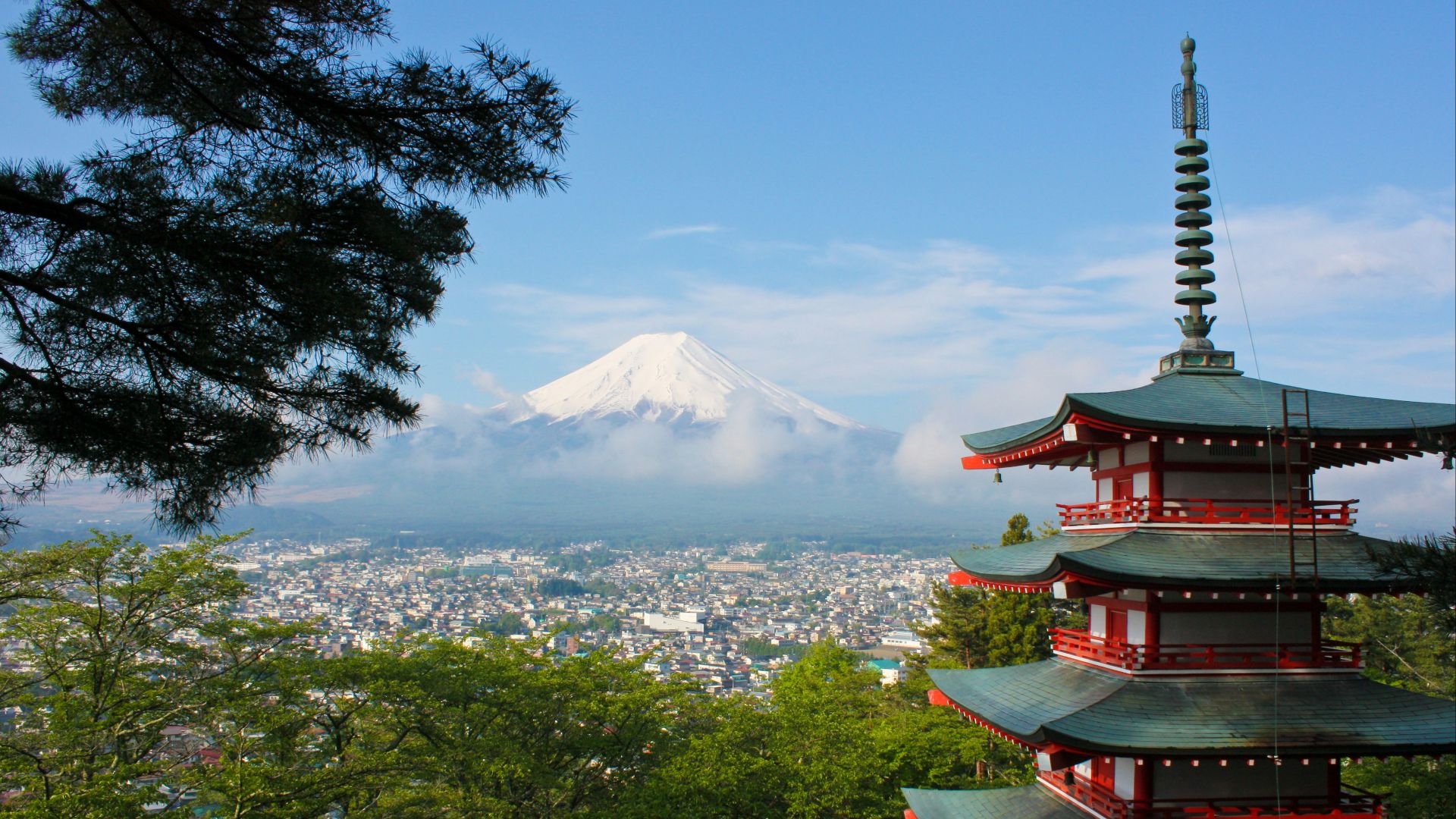
3. Medellín, Colombia
Once known for instability, Medellín has transformed through urban development and improved safety measures, making it a more appealing destination.
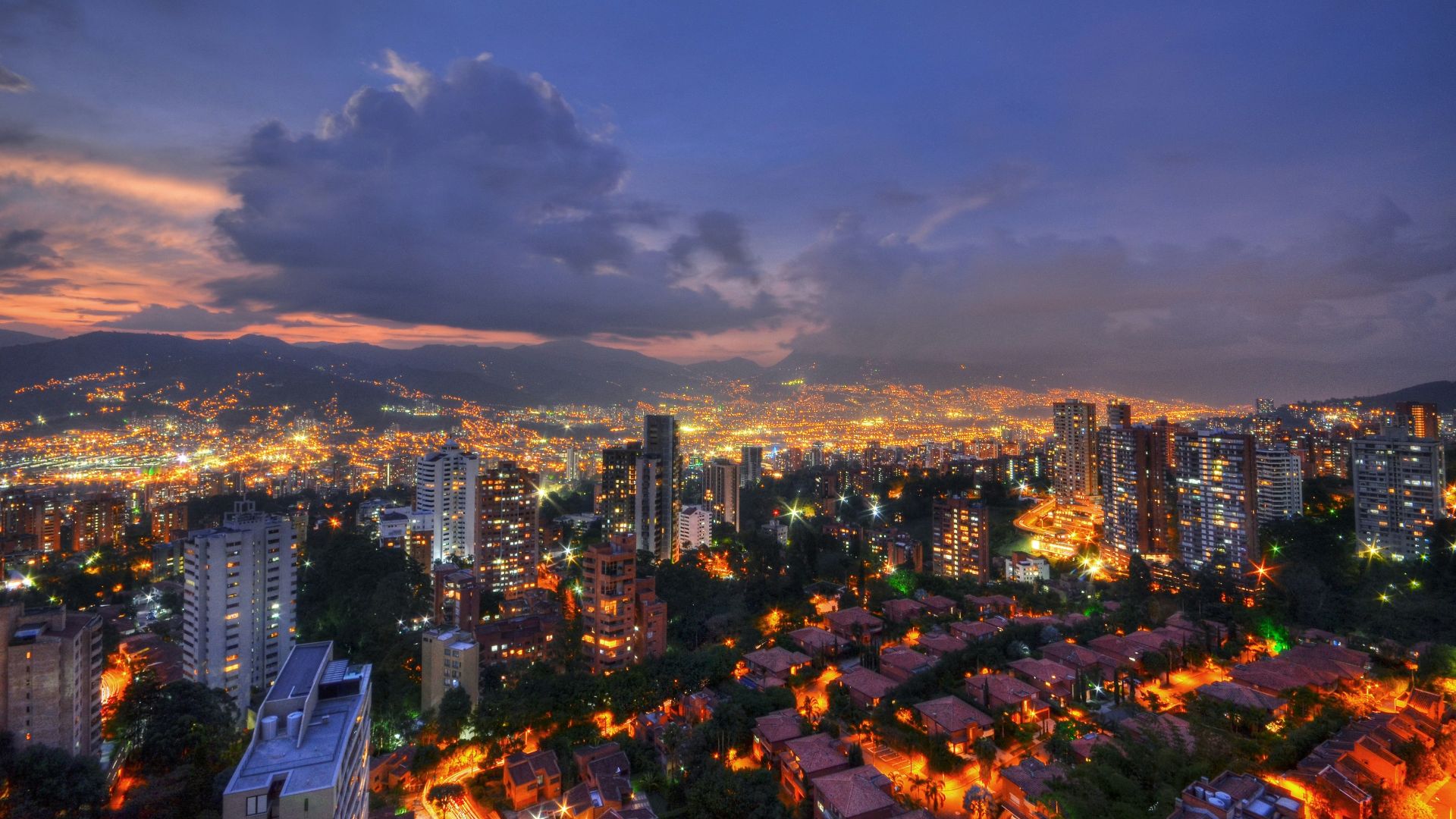
4. Athens, Greece
Athens has experienced a cultural revival driven by investment in museums, public spaces, and local businesses, which has brought renewed energy to the city. While it has always been historically significant, its modern appeal has strengthened in recent years.
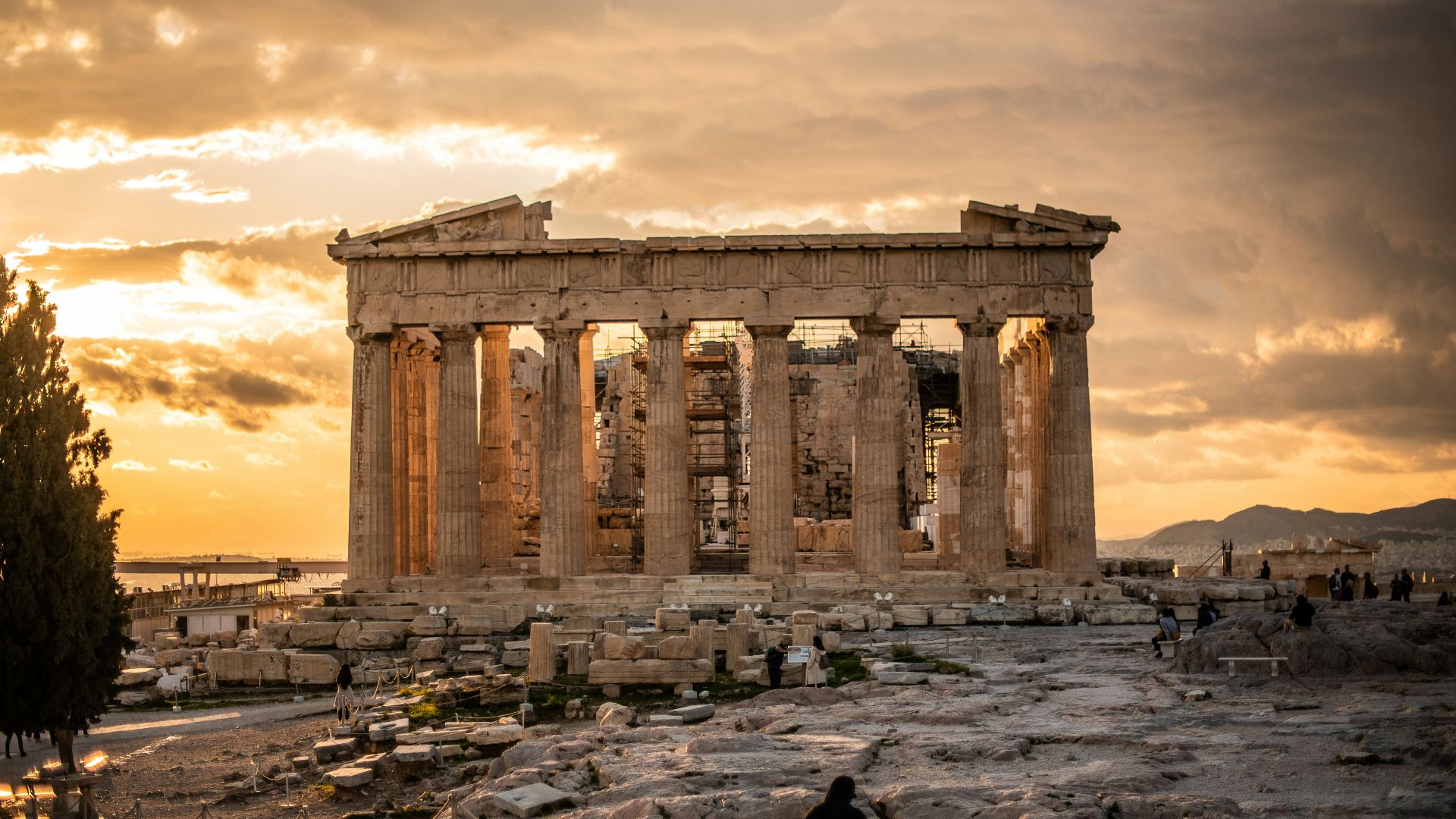
5. Tbilisi, Georgia
Tbilisi has gained attention for its architecture, food, and affordability, which has contributed to its growing appeal among travelers. Restoration efforts in the old town have preserved its distinctive character.
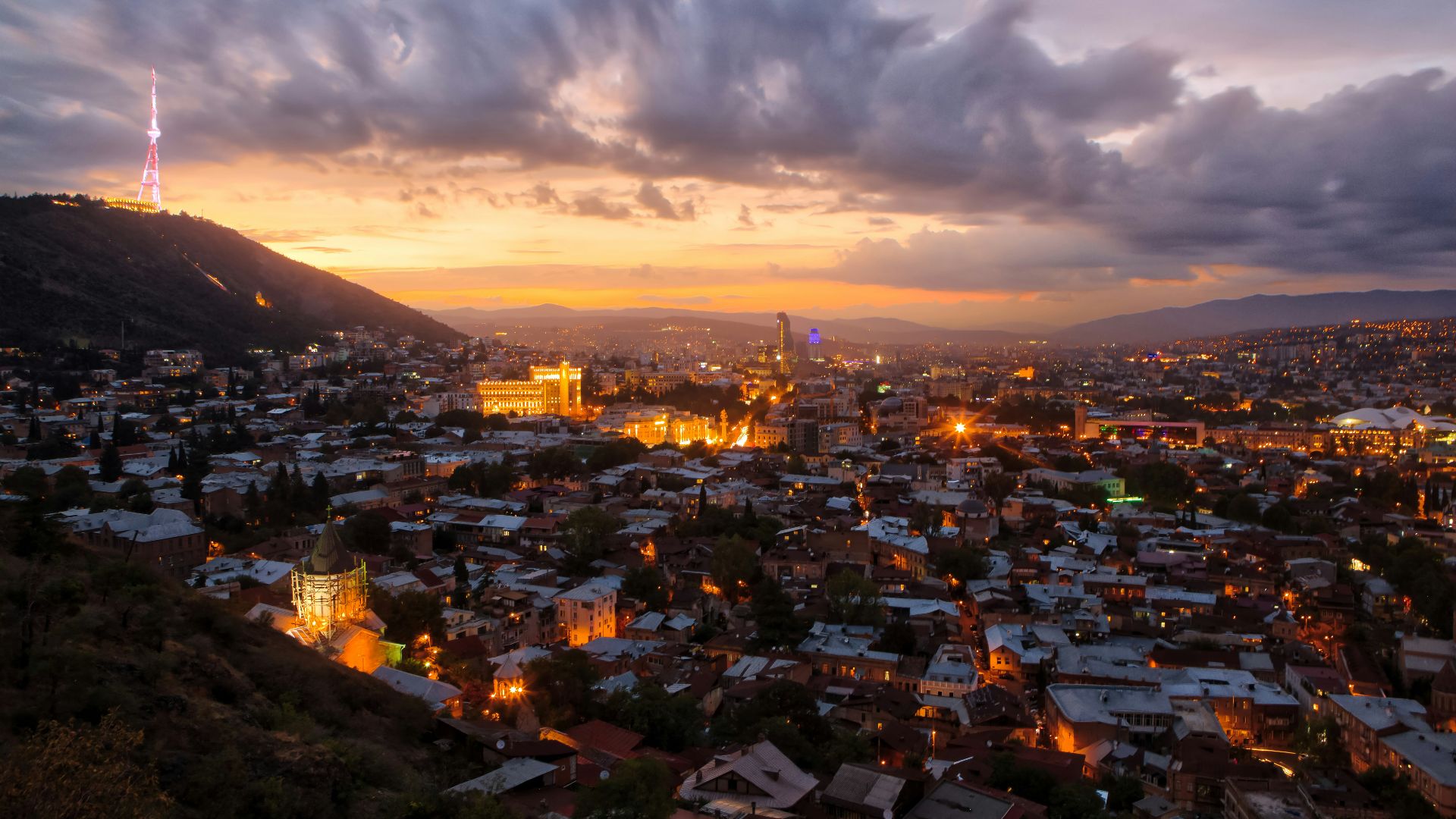
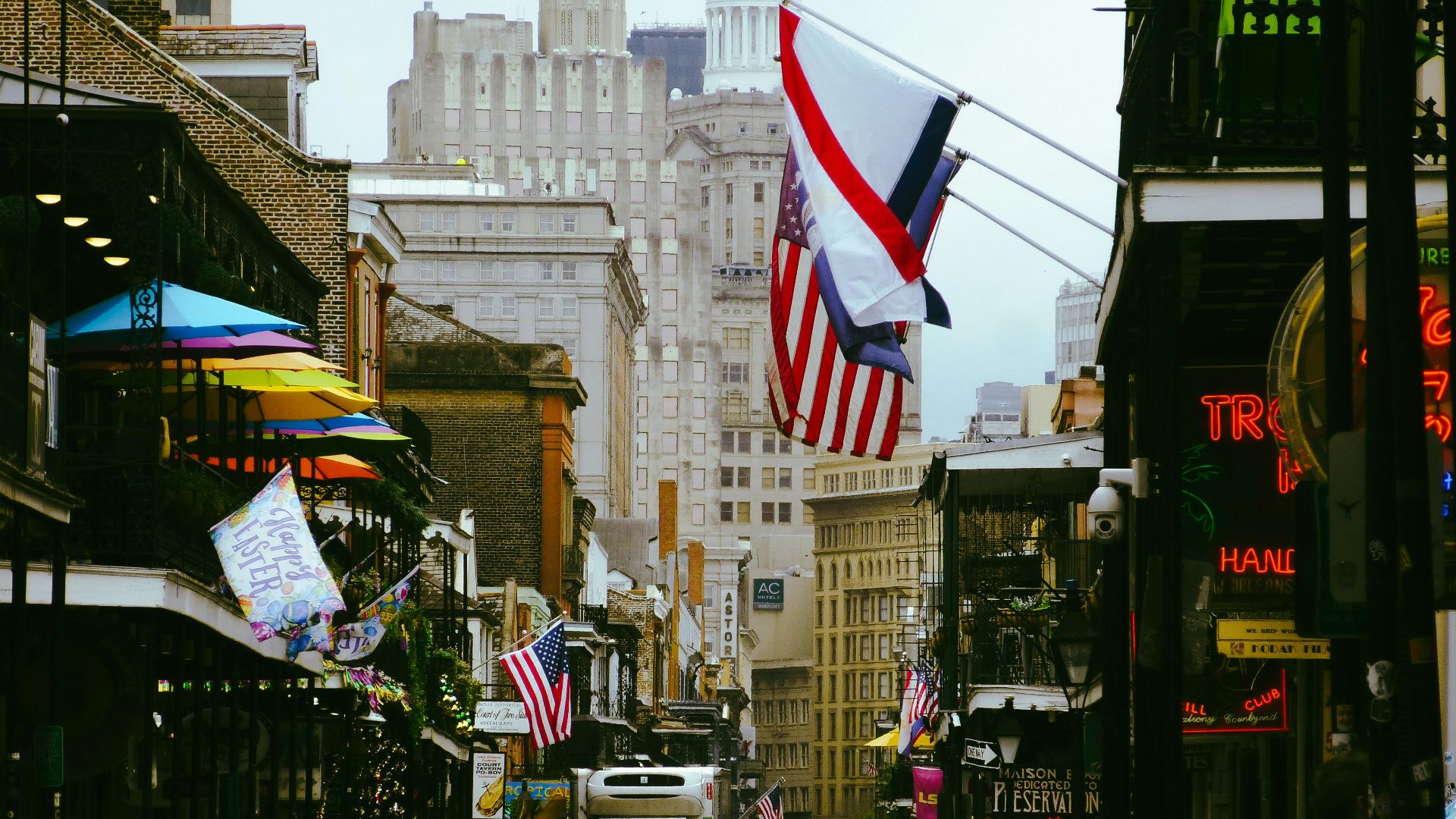
6. New Orleans, USA
New Orleans continues to rebuild and evolve following past natural disasters, with strong efforts to preserve its cultural identity. Music, food, and historic neighborhoods remain central to its appeal.
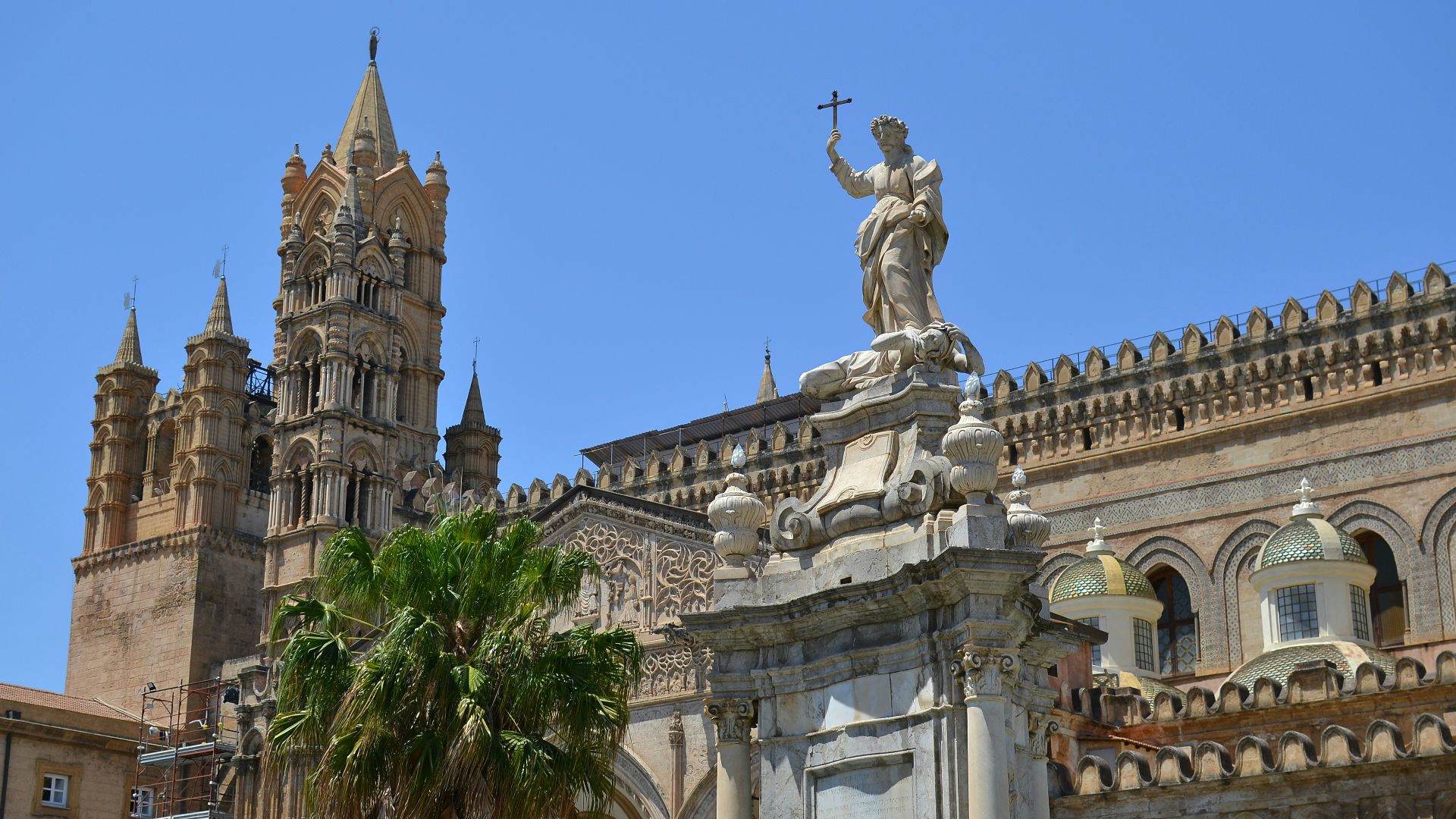
7. Palermo, Italy
Palermo has undergone significant improvements in safety and tourism infrastructure, which has made it more accessible to visitors. Historic sites and local markets have been restored and highlighted.
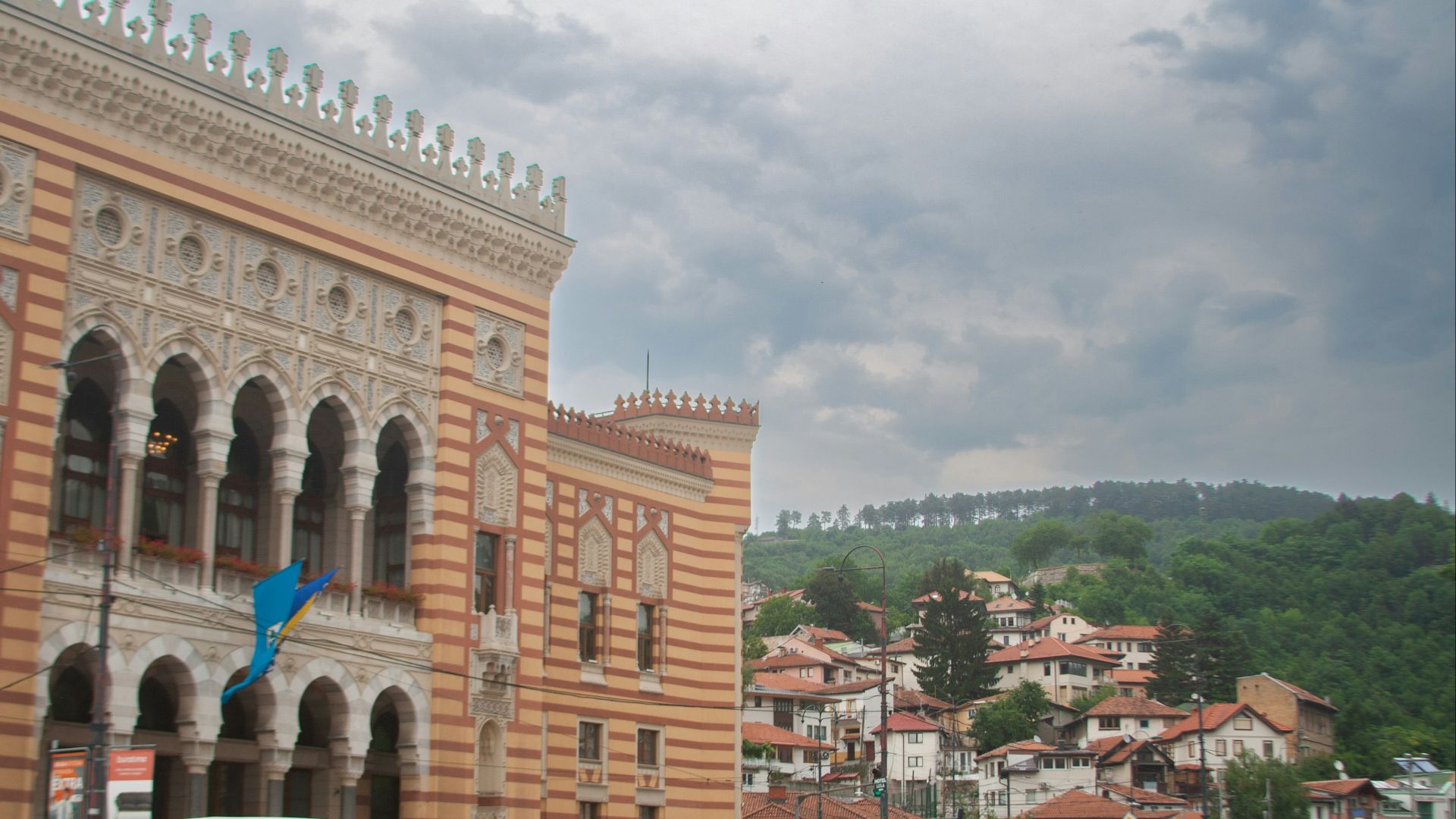
8. Sarajevo, Bosnia and Herzegovina
Sarajevo has rebuilt much of its infrastructure while preserving its historical significance, creating a destination that reflects both past and present. Cultural tourism has increased as more people become interested in its history.
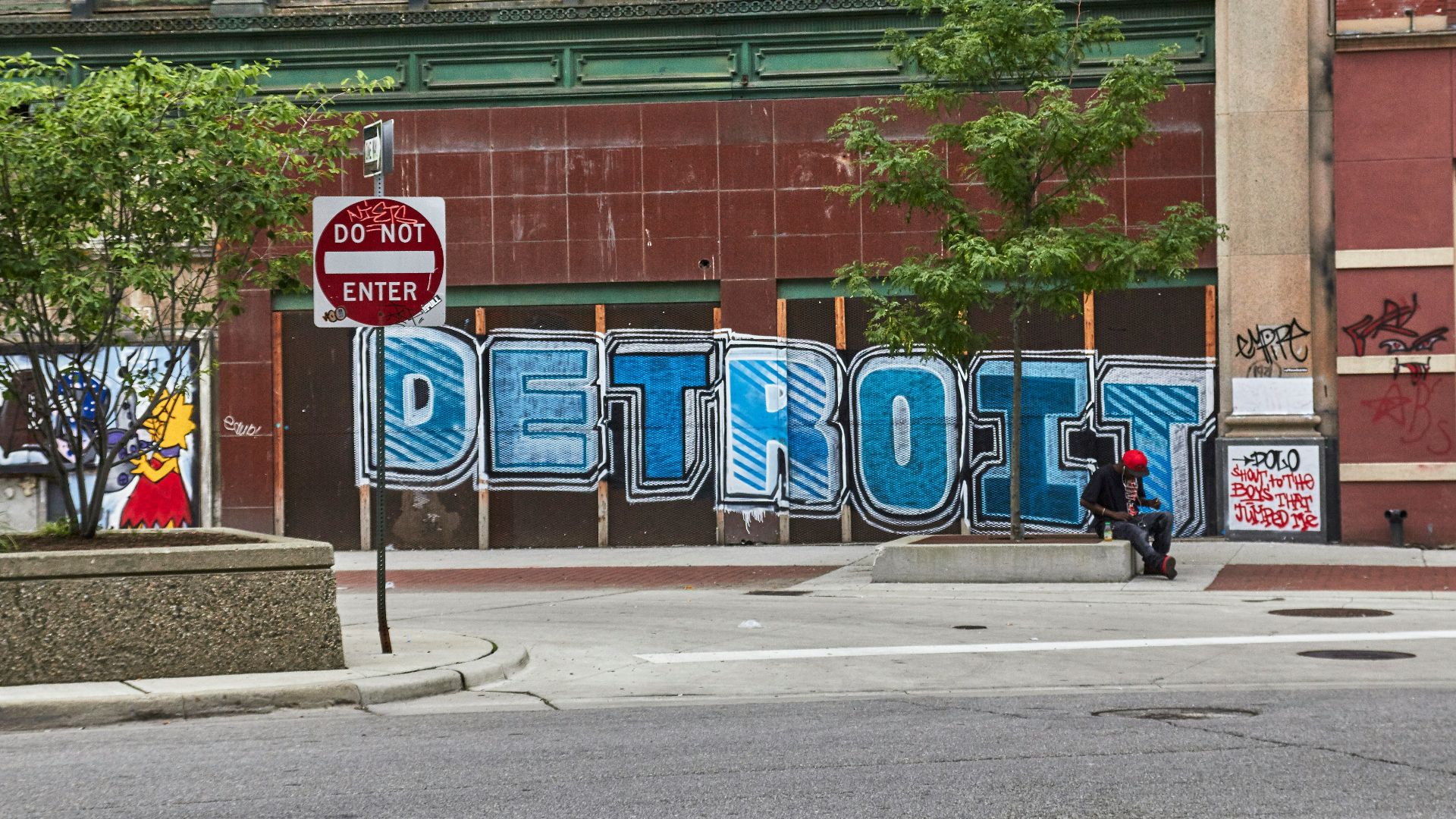
9. Detroit, USA
Detroit has seen a revival through investment in arts, business, and urban renewal, which has helped reshape its image. Once associated with economic decline, it now offers a growing cultural scene. Restored neighborhoods and new developments have drawn attention. The city’s transformation continues to evolve.
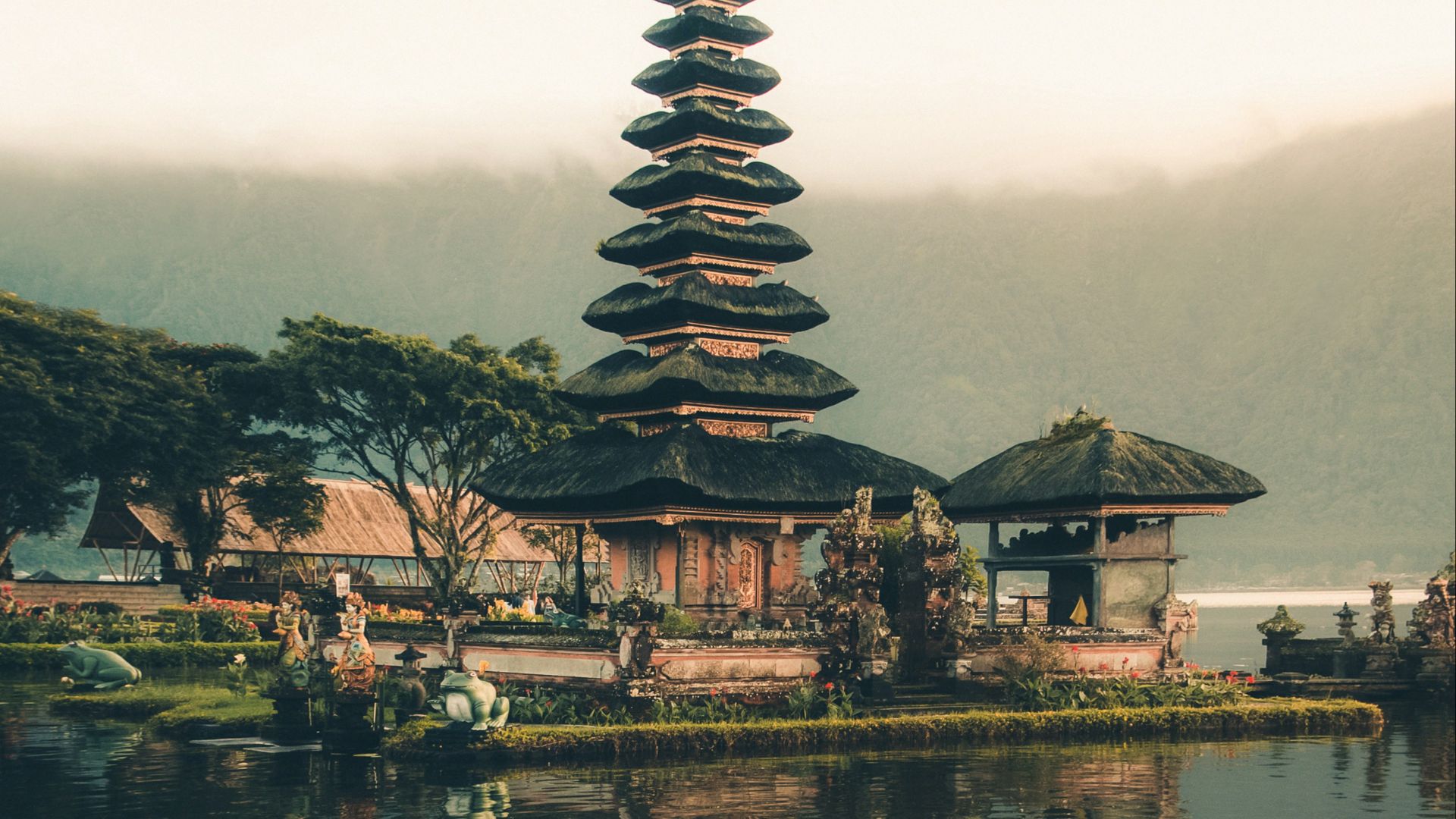
10. Bali, Indonesia
Certain parts of Bali have shifted focus toward sustainability and cultural preservation, which has helped counterbalance years of heavy tourism. Efforts to manage development and protect natural areas are becoming more visible.
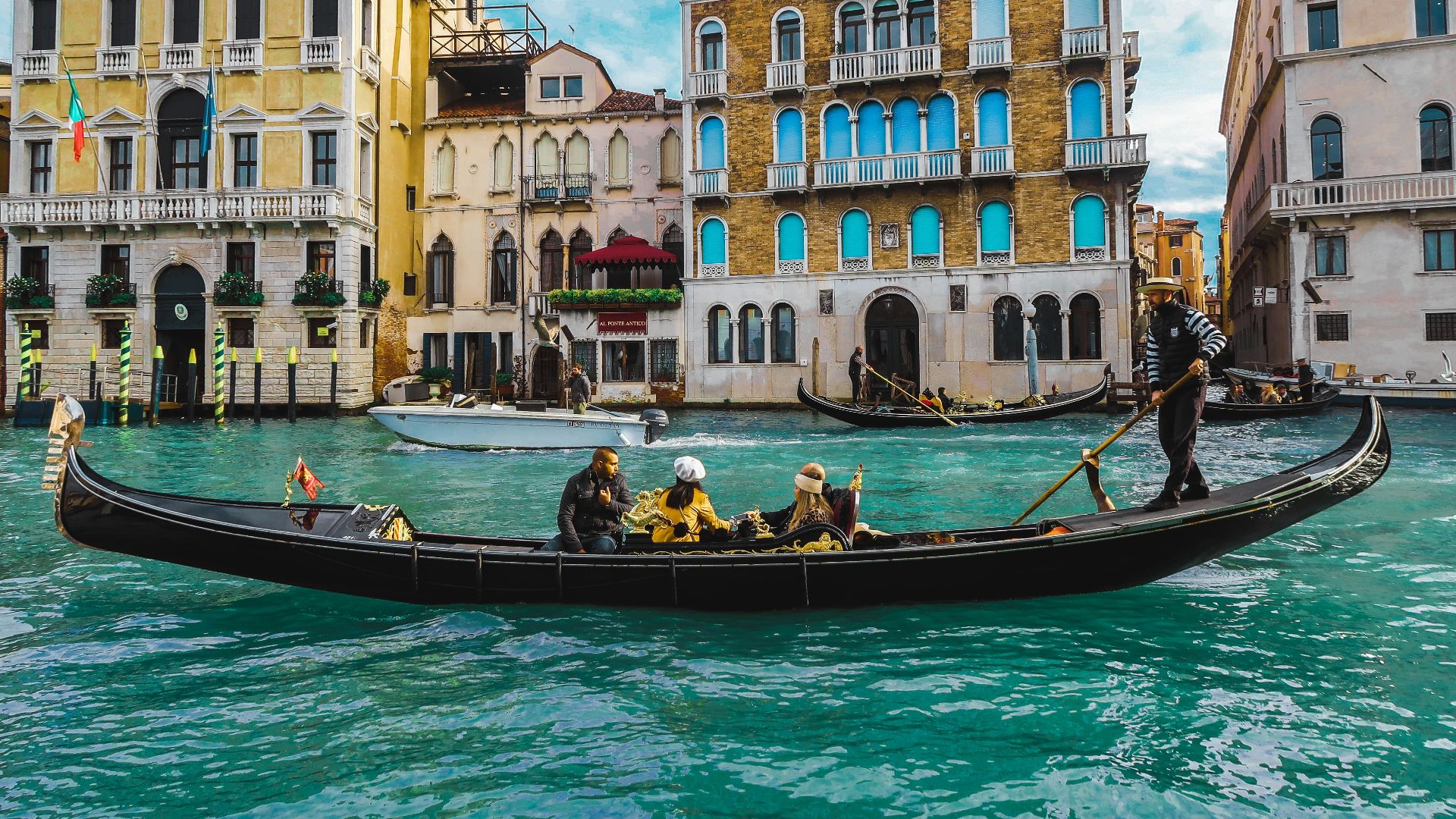
1. Venice, Italy
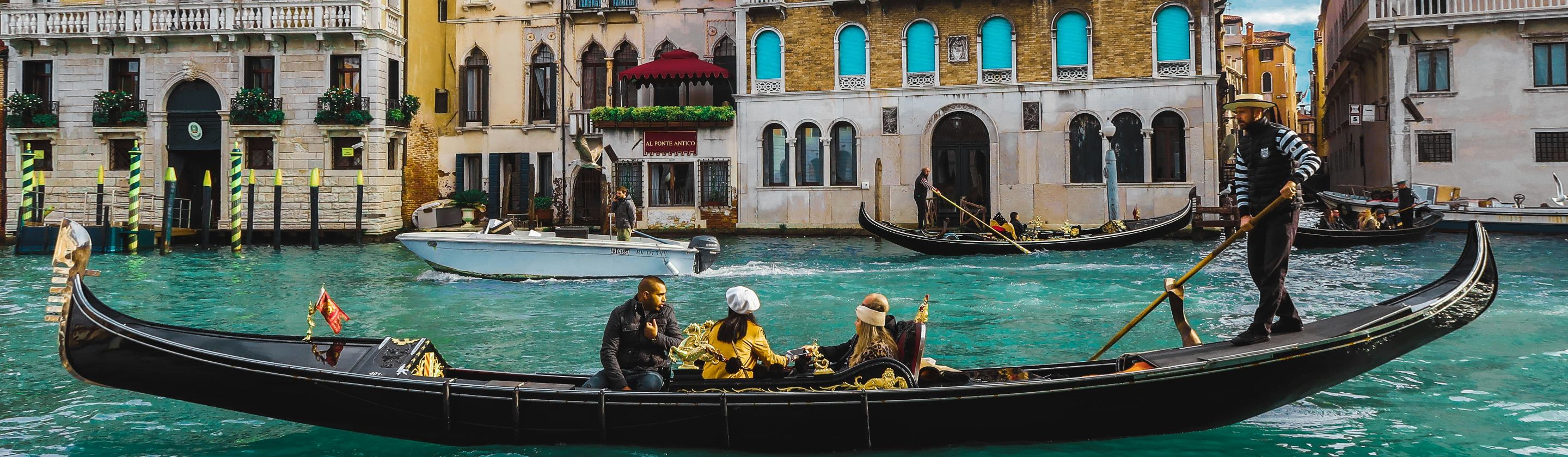
Venice has struggled with overtourism for years, which has significantly impacted daily life and the overall visitor experience. Large crowds and environmental pressures have altered its atmosphere. While still visually striking, it no longer offers the same sense of discovery. Many travelers find it difficult to experience the city without congestion.
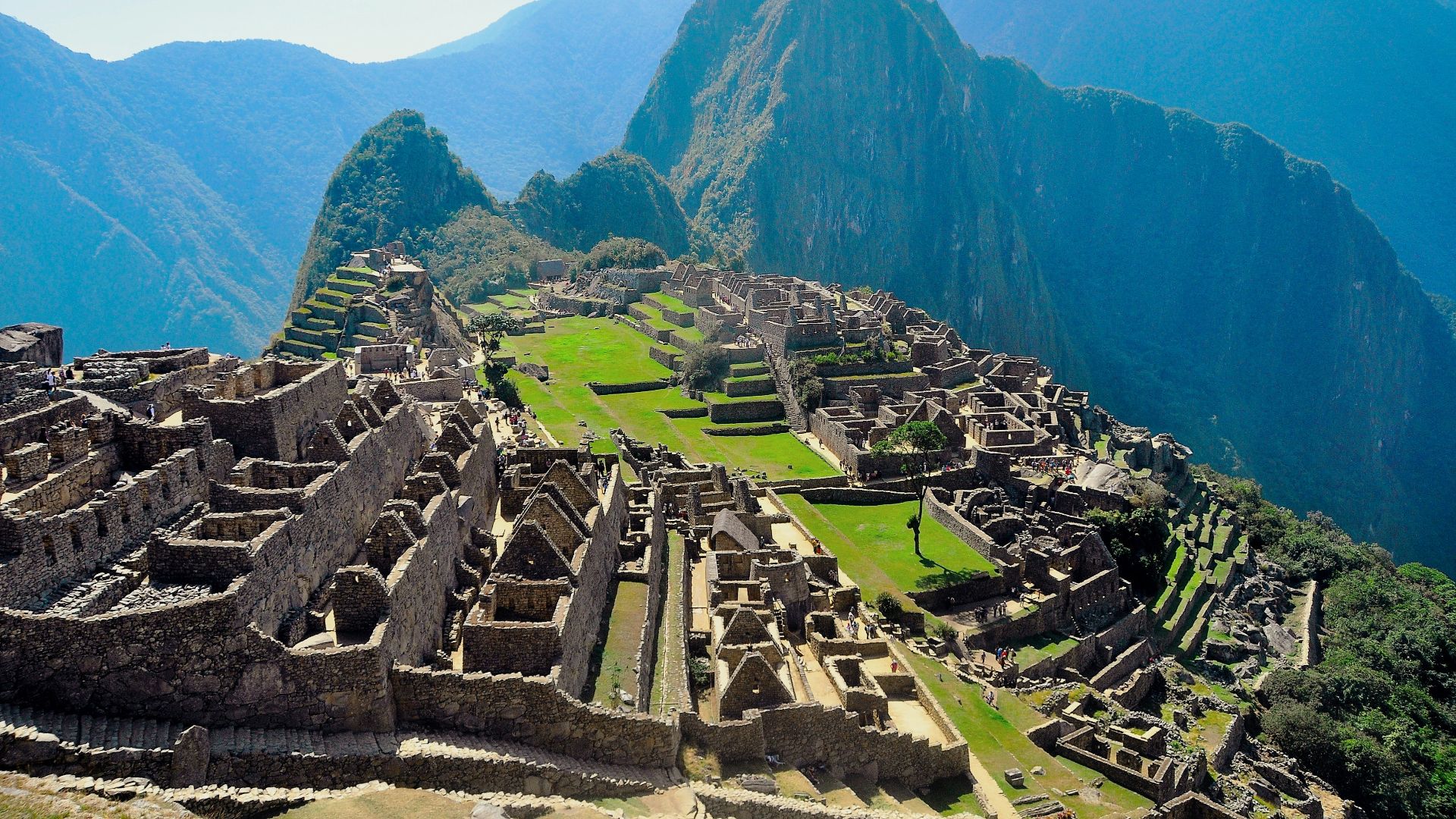
2. Machu Picchu, Peru
Machu Picchu remains historically significant, but strict regulations and high visitor numbers have changed how it can be experienced. Access is more controlled, and visits are often limited in time. The sense of exploration has been reduced compared to earlier decades. It now requires more planning and offers less flexibility.
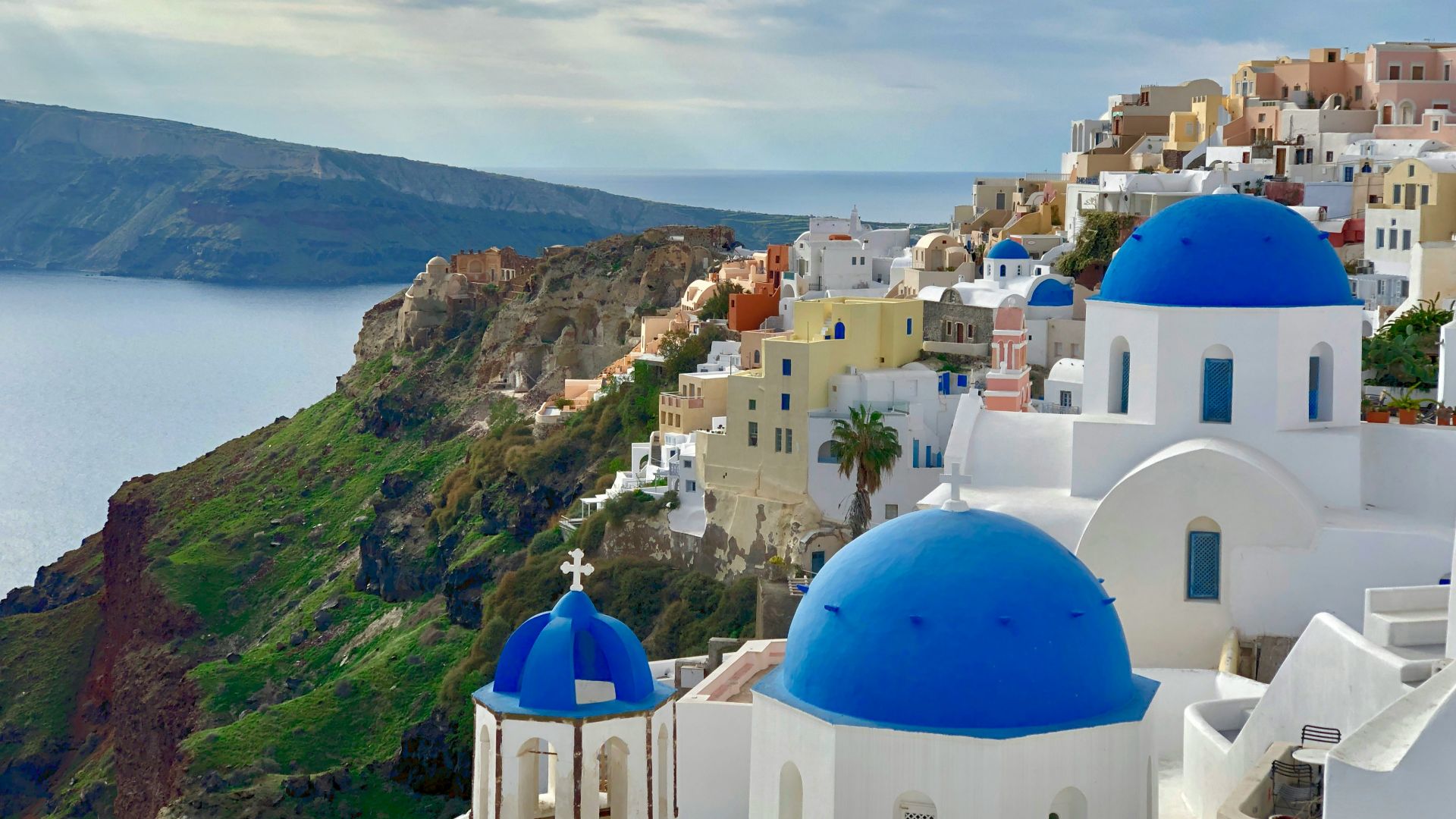
3. Santorini, Greece
Santorini has become heavily crowded during peak seasons, which has affected both infrastructure and the visitor experience. High demand has led to increased prices and limited availability. The island’s iconic views are often accompanied by large crowds, making its original quiet charm harder to find.
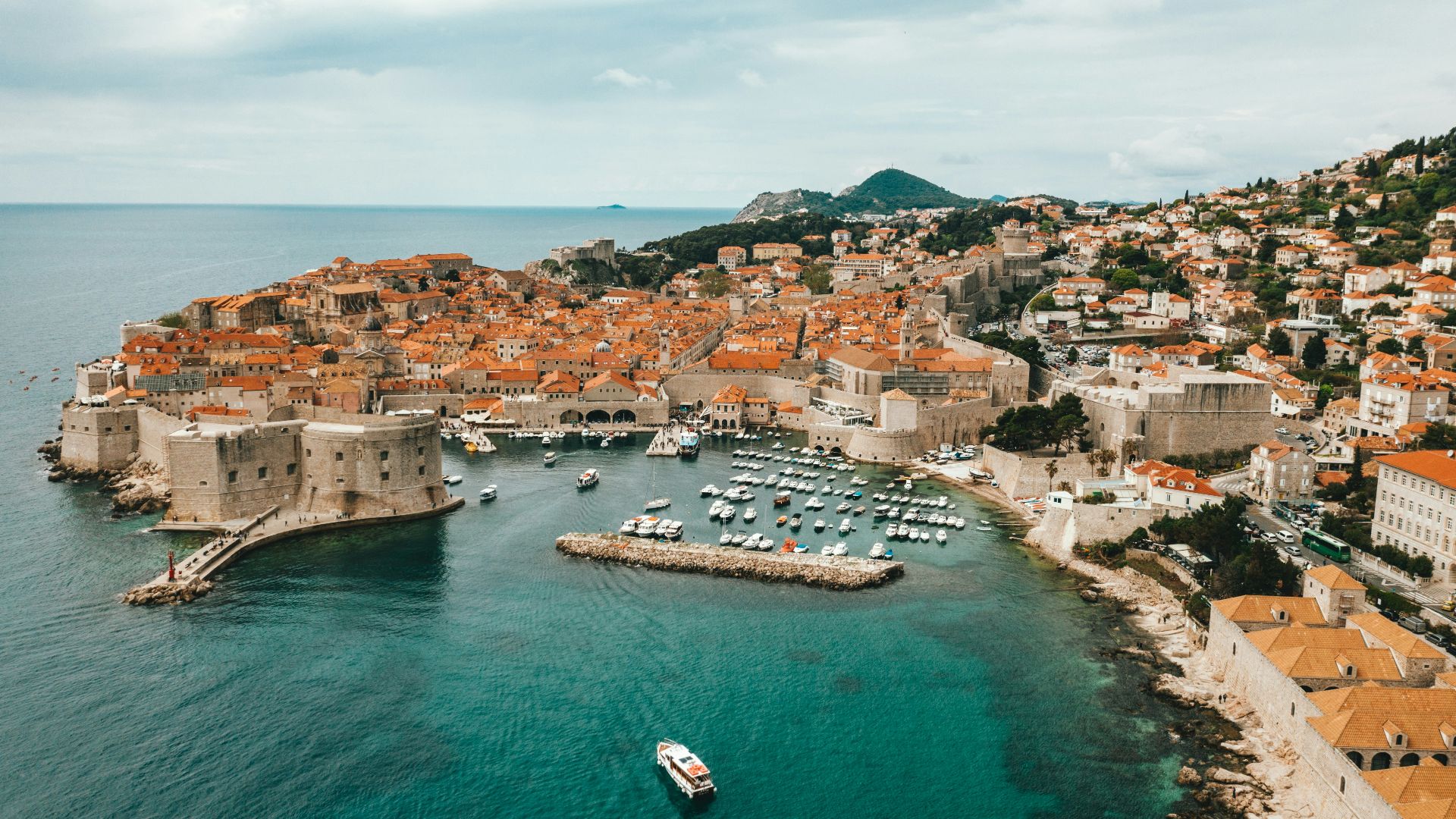
4. Dubrovnik, Croatia
Dubrovnik’s popularity has surged due to media exposure, which has brought overwhelming tourism. The historic old town often becomes congested, especially during cruise ship arrivals. This level of traffic impacts the overall atmosphere. The experience can feel more crowded than immersive.
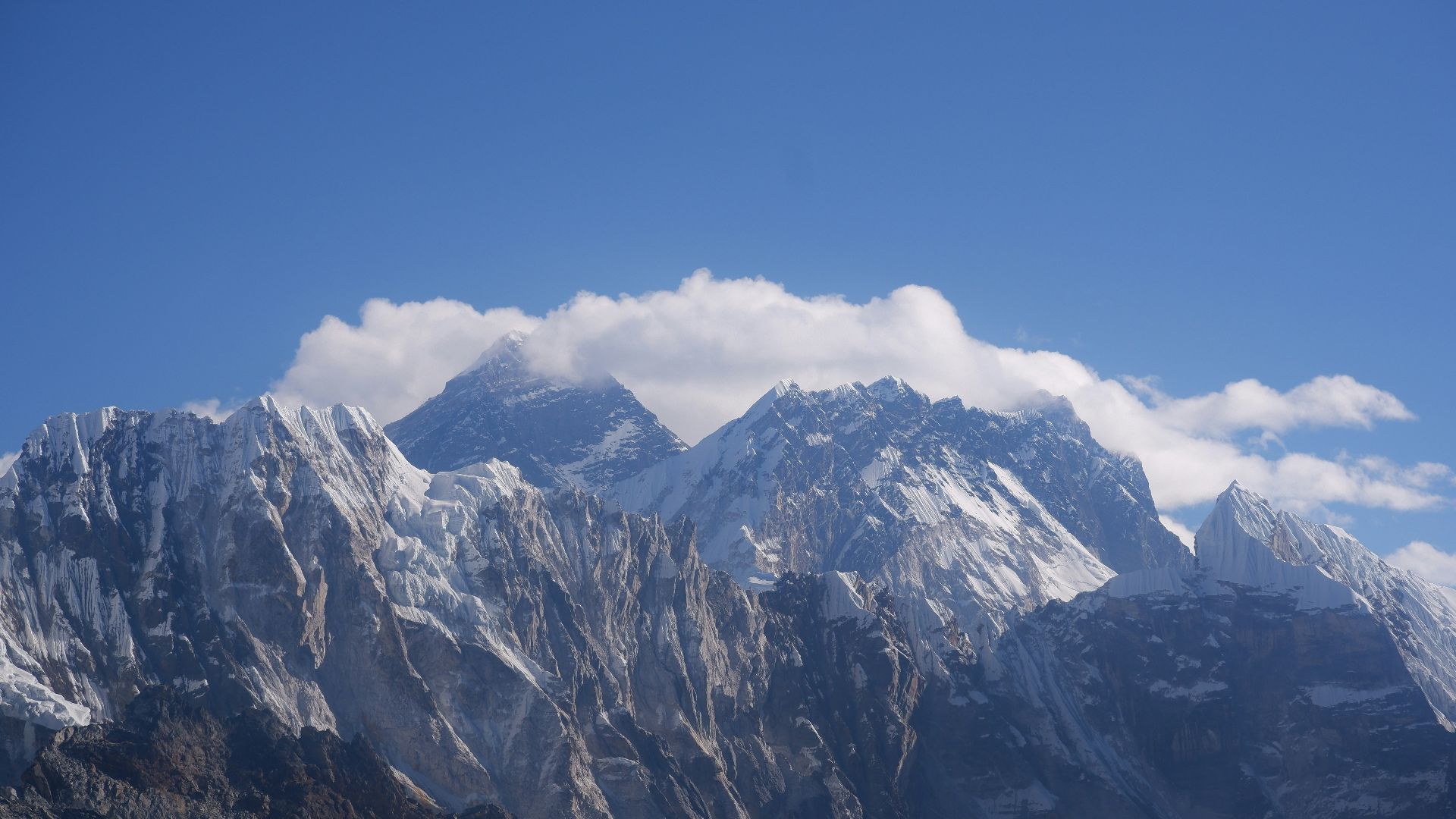
5. Mount Everest, Nepal
Climbing Mount Everest has become more accessible, which has led to overcrowding on the mountain. Long queues and environmental concerns have changed the nature of the experience. What was once considered rare now feels more commercialized. The conditions can also raise safety concerns.
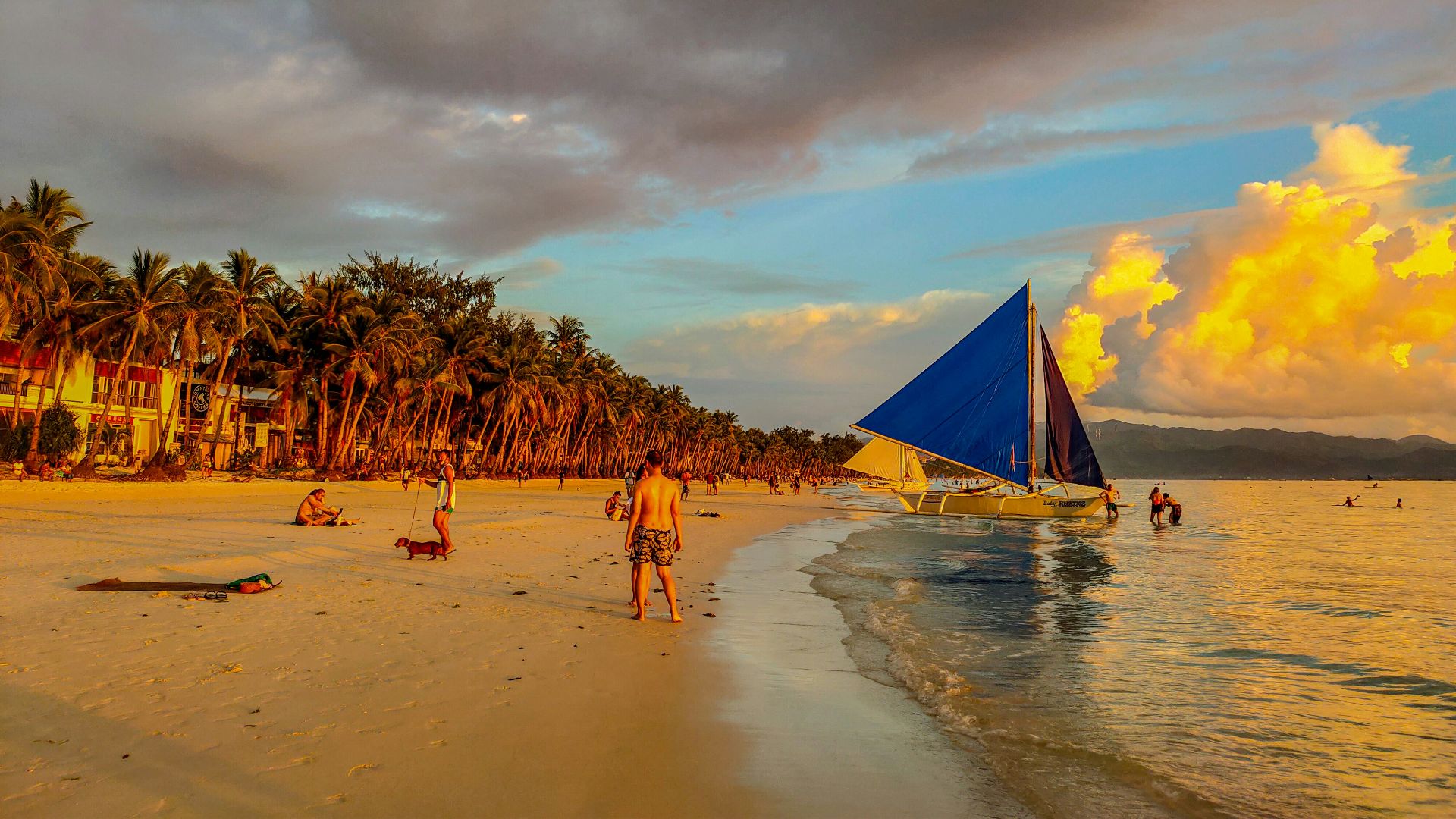
6. Boracay, Philippines
Boracay faced severe environmental strain due to overdevelopment and tourism, which led to a temporary closure for rehabilitation. While efforts have been made to restore the island, its earlier state has changed. Development has altered parts of the landscape. The experience today differs from what it once was.
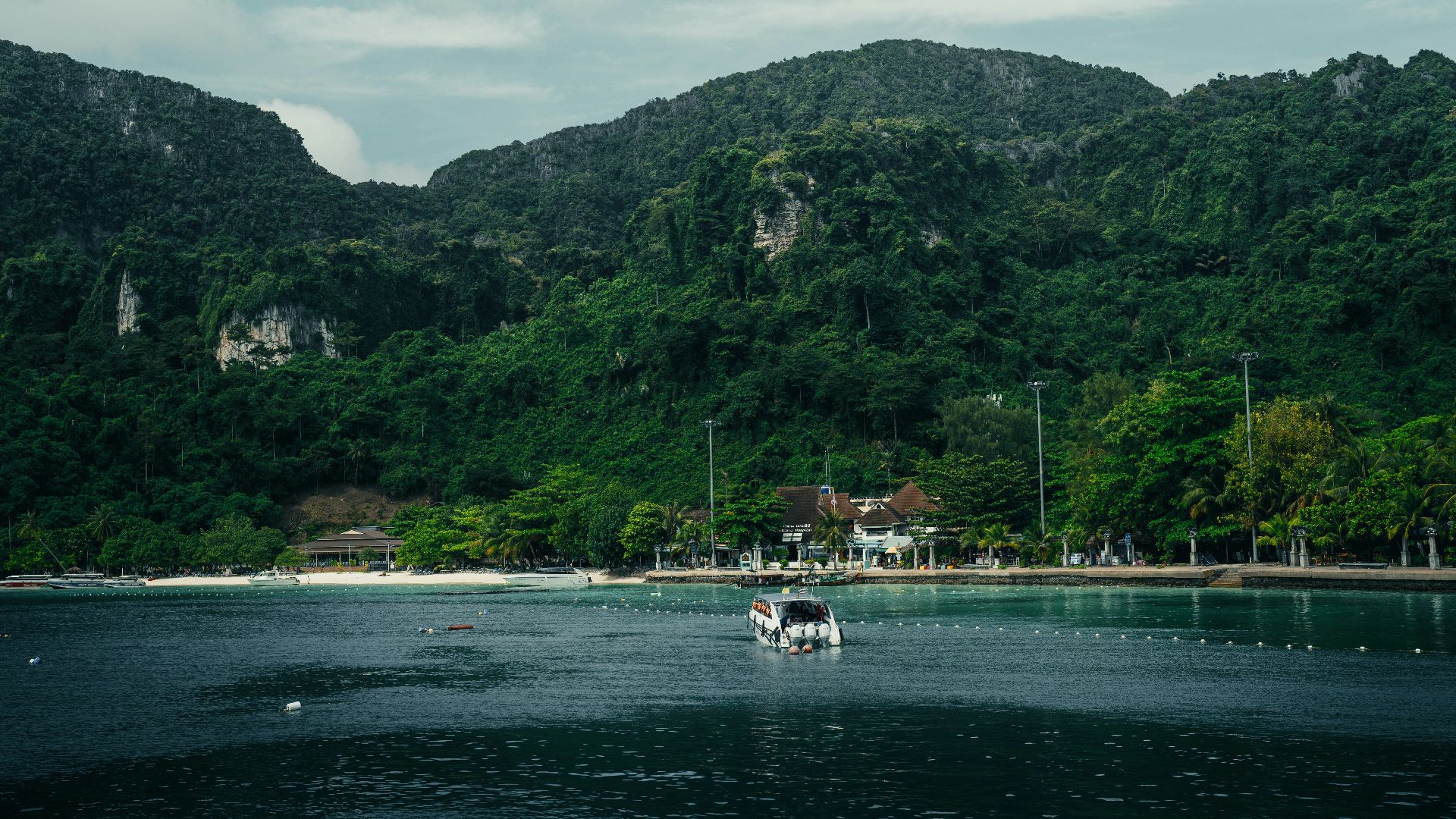
7. Phi Phi Islands, Thailand
Heavy tourism has impacted the natural environment of the Phi Phi Islands, especially coral reefs and beaches. Temporary closures have been implemented to allow recovery. Despite these efforts, the original condition has been affected. The islands remain popular but altered.
8. Iceland’s Golden Circle
The Golden Circle has become one of the most visited routes in Iceland, which has reduced its sense of isolation. Popular sites often experience large crowds and heavy traffic. The natural beauty remains, but the experience is less quiet. It no longer feels as remote as it once did.
9. Great Barrier Reef, Australia
Climate change and environmental damage have significantly affected parts of the Great Barrier Reef. Coral bleaching has altered sections of the ecosystem.

10. Las Vegas Strip, USA
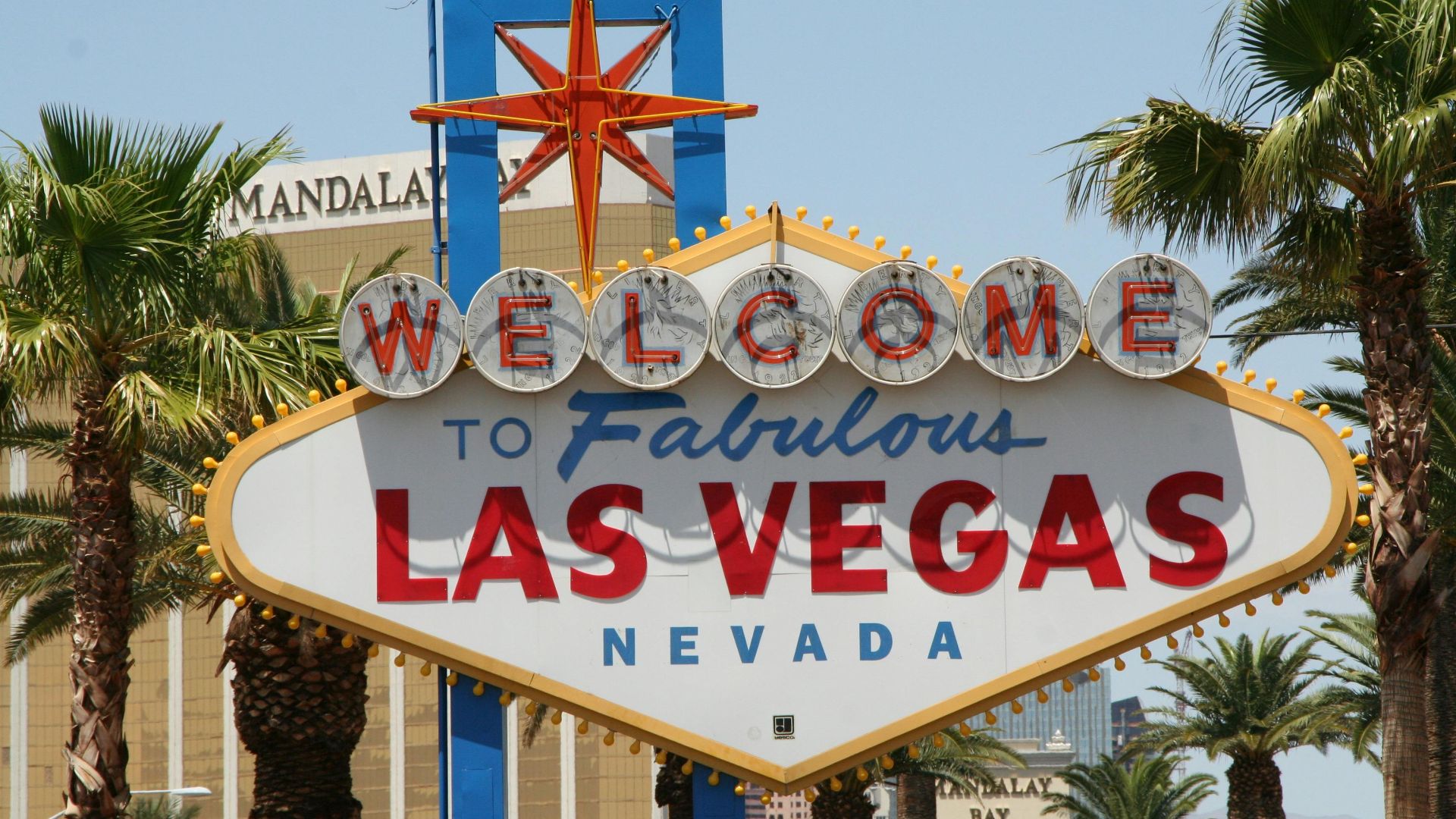
The Las Vegas Strip has evolved into a more commercial and high-cost destination, which has changed its appeal. What was once known for affordability and accessibility now feels more exclusive. Crowds and pricing have shifted the overall experience. It no longer offers the same value many remember.