Watch The Doorway
One of the fastest ways to look like a disoriented tourist is to miss the shoe situation. You step inside, glance down, and realize the whole room has already answered the question for you. In a lot of places, taking off your shoes is not a quirky extra or a fussy house rule. It is basic respect, basic cleanliness, and a very clear sign that indoor space is meant to stay separate from the street. Here are 20 places where taking off your shoes is not optional.
1. Japanese Homes
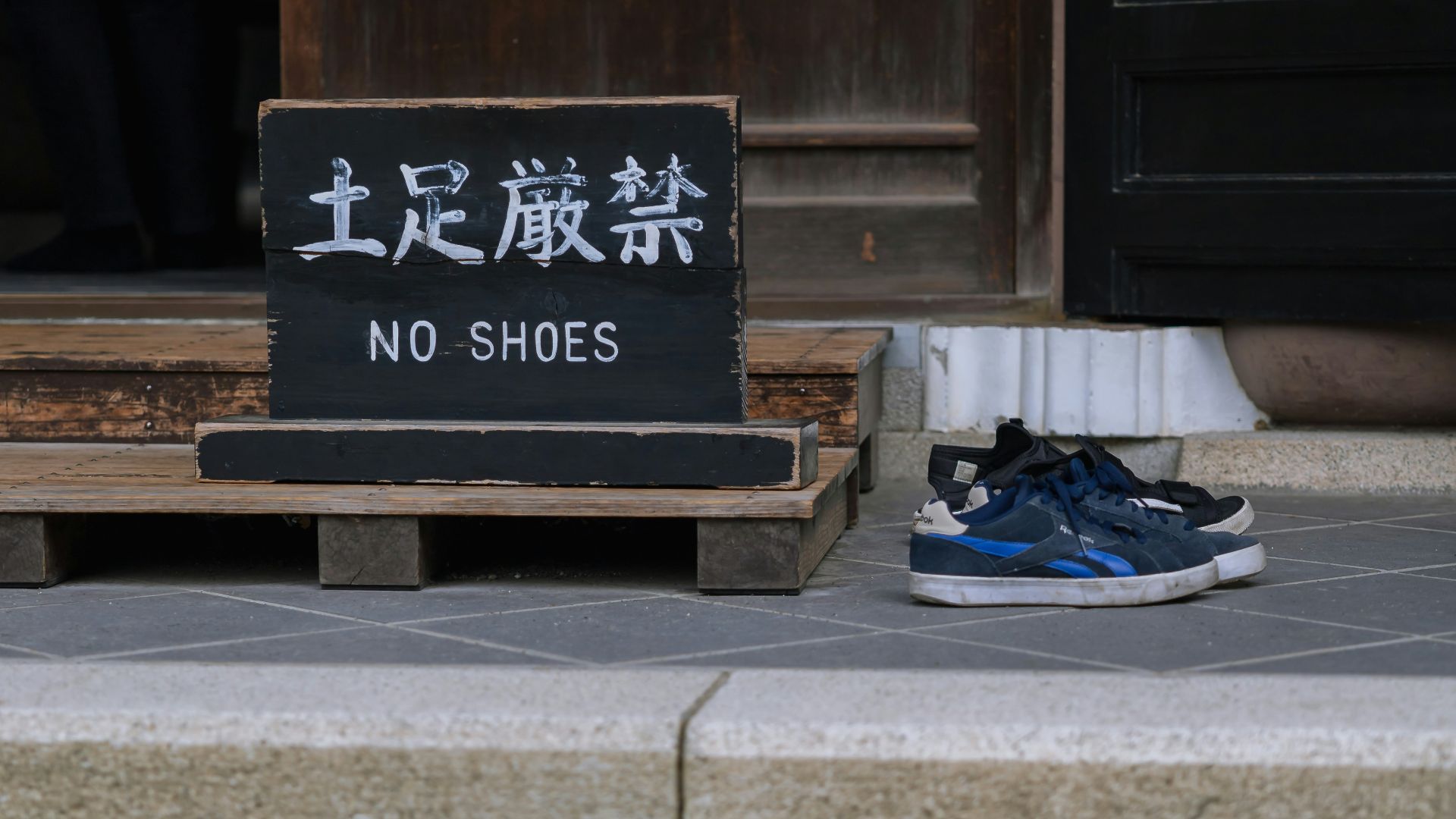
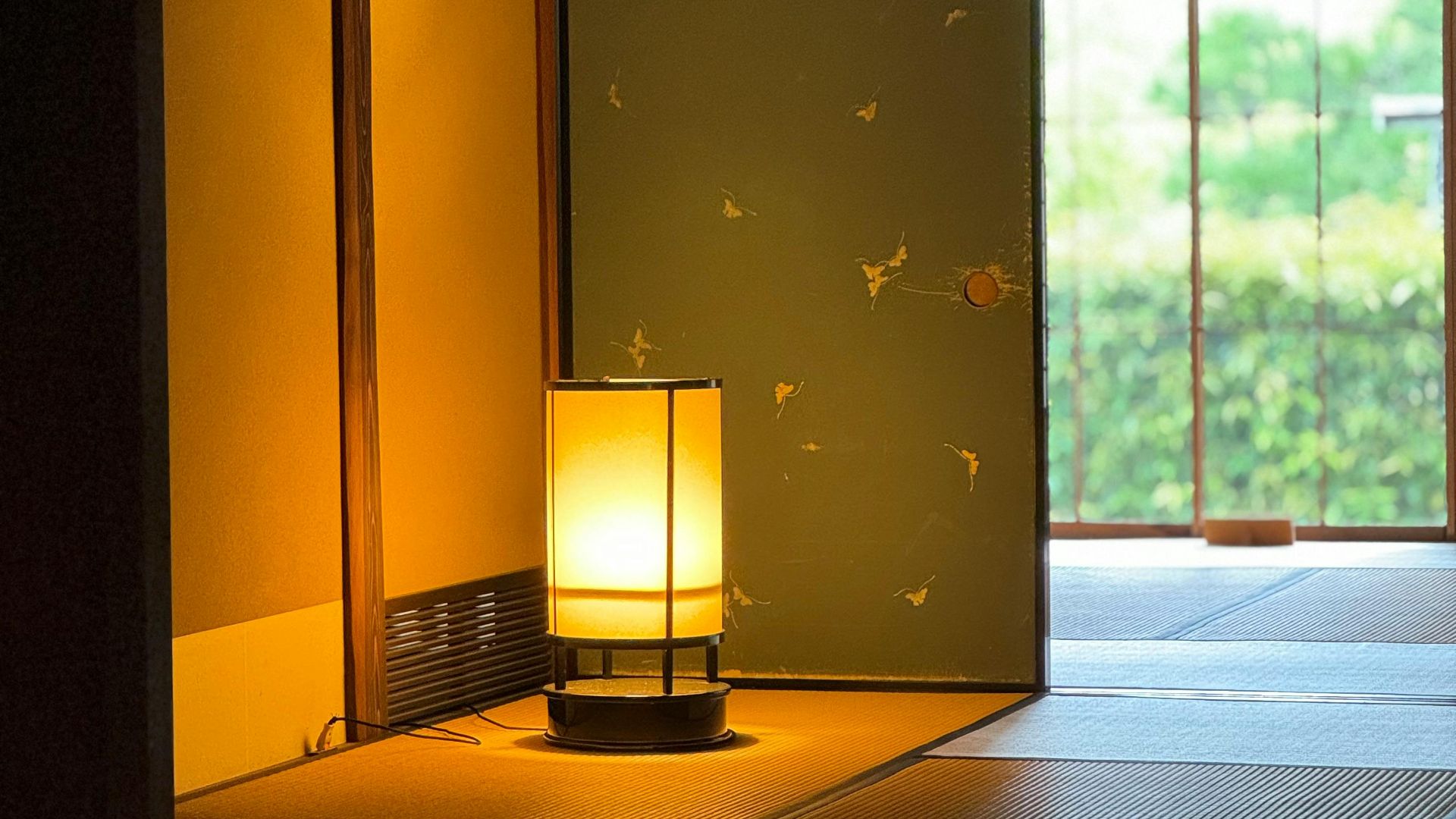
In Japan, this is one of the clearest social rules you can walk into. The genkan, or entryway, exists for a reason, and stepping past it in outdoor shoes is a fast way to announce that you were not paying attention.
 CochraneStreet Studio on Pexels
2. Traditional Ryokan In Japan
A ryokan makes the whole ritual even more obvious. Between the slippers, the tatami rooms, and the calm, ordered feel of the place, shoes start to seem ridiculous almost immediately. You are meant to soften your presence the second you enter.
3. Temples In Kyoto
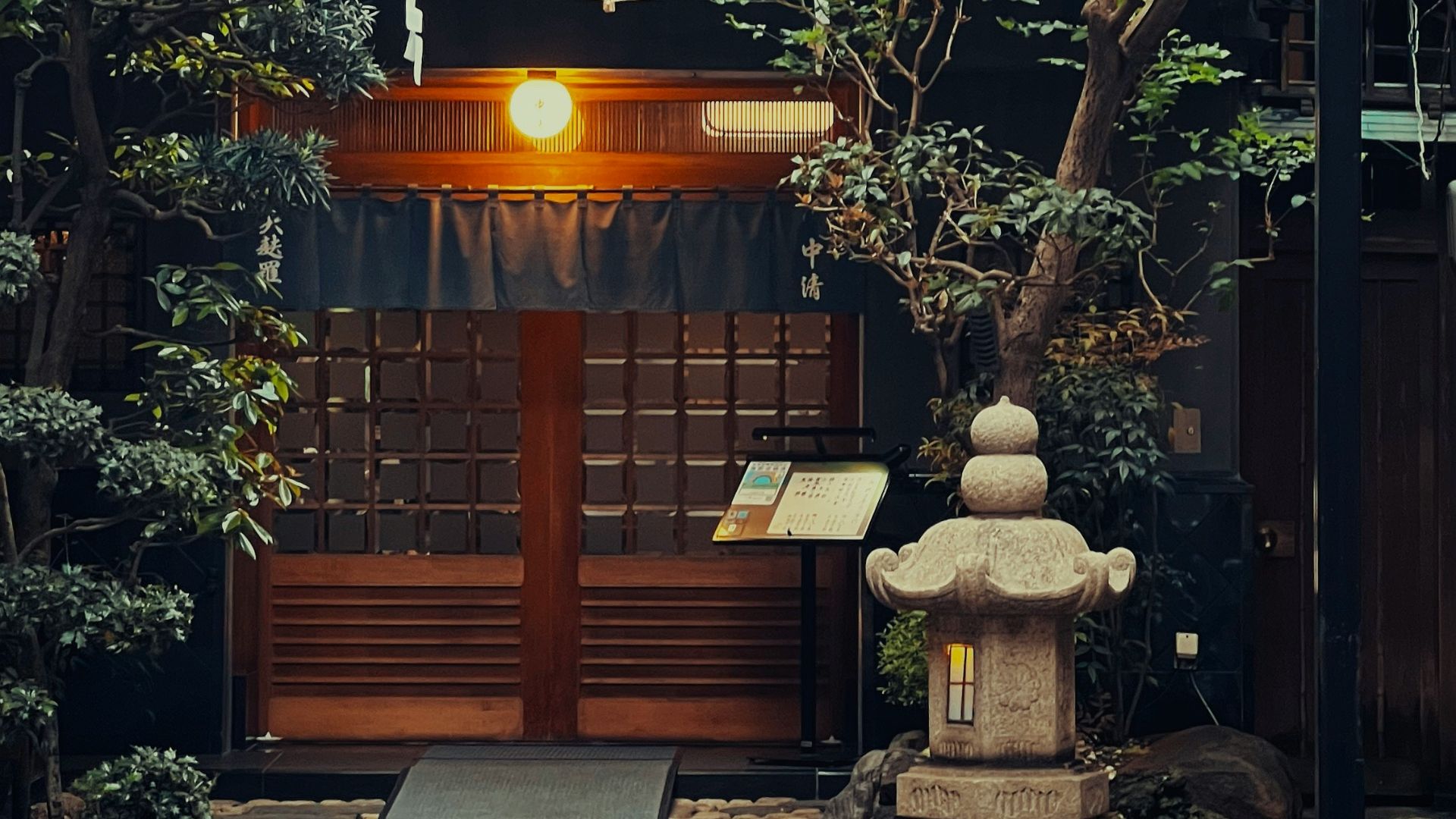
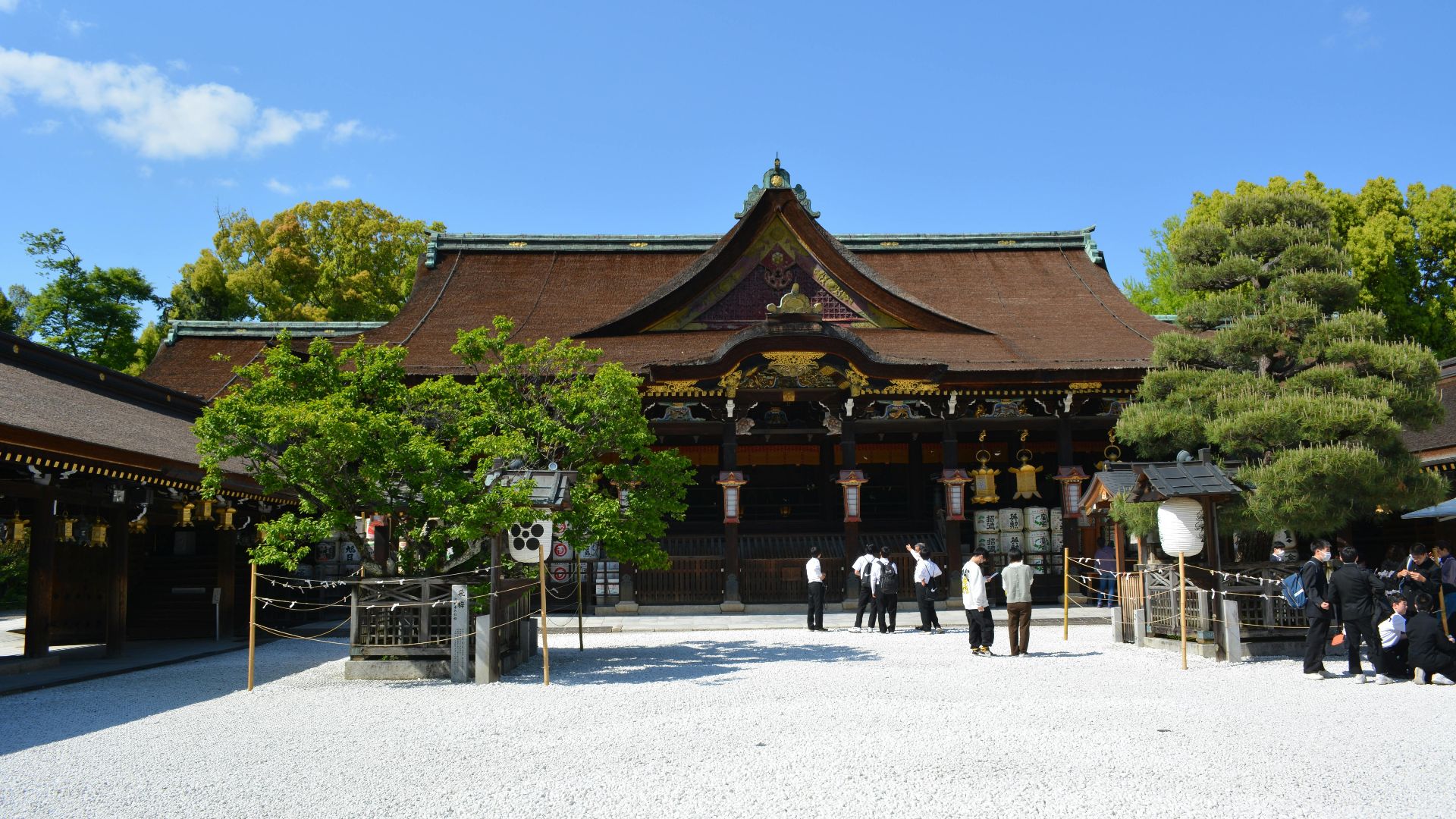
In many temples in Kyoto, especially where visitors enter wooden halls or interior prayer spaces, shoes come off before you go further. It changes the pace right away. You stop clomping through the space like it is another sightseeing stop and start moving like you understand where you are.
4. Korean Homes
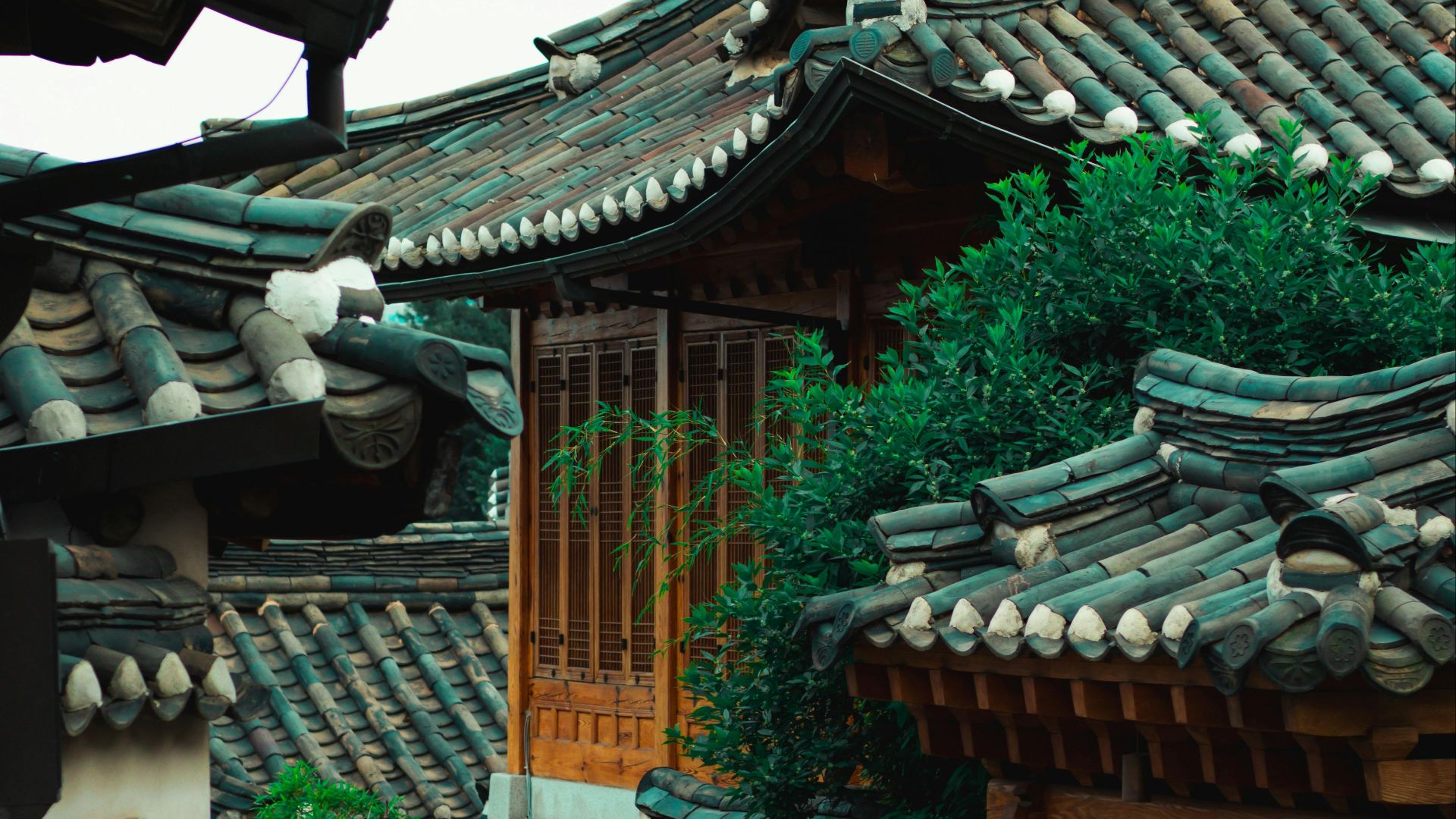
In South Korea, wearing outdoor shoes inside a home reads as careless, not casual. The house is treated as a clean interior zone, and the threshold matters in a way that becomes obvious the second you see neat rows of shoes by the door.
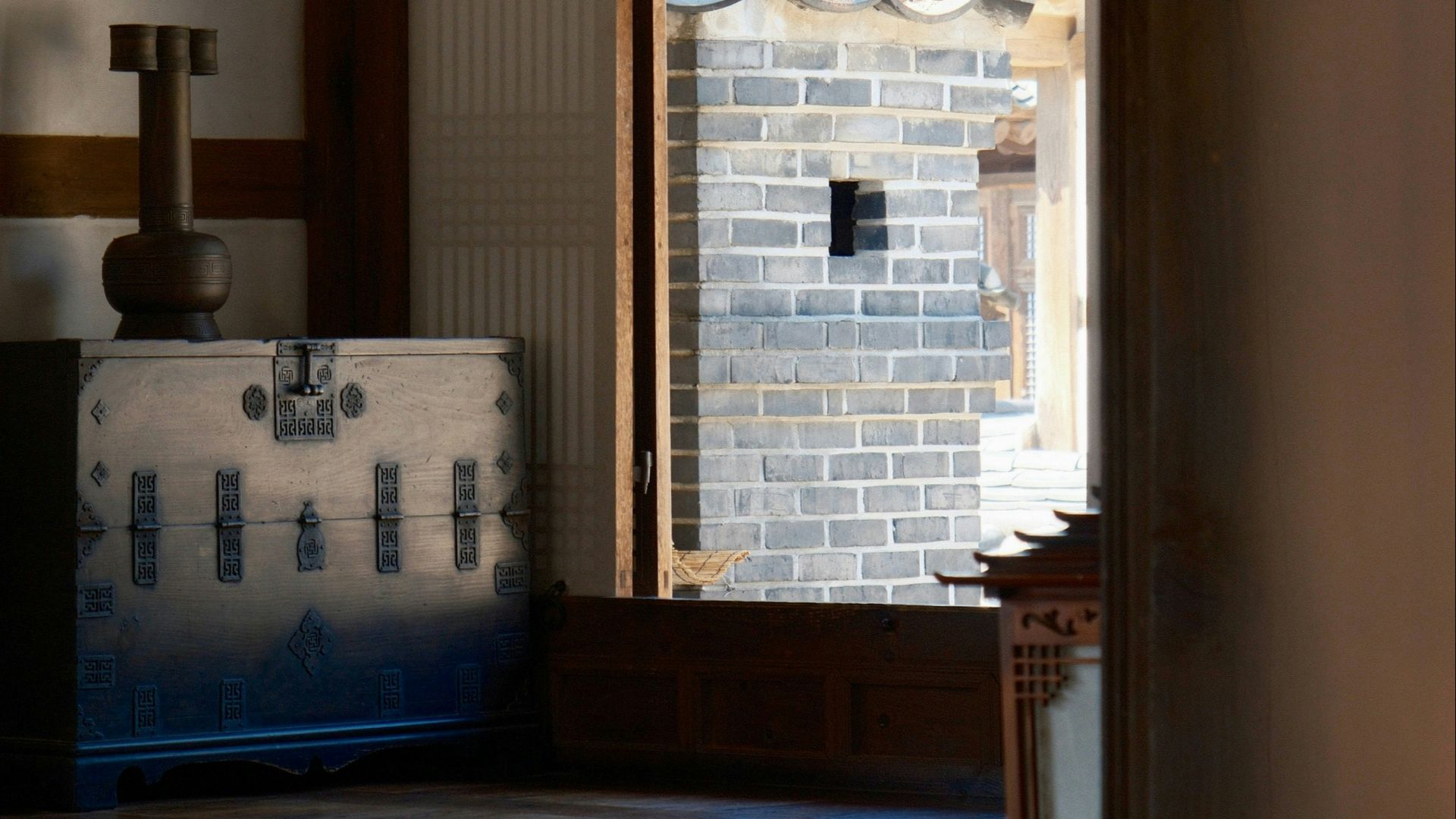
5. Hanok Stays In South Korea
A traditional hanok stay makes the custom feel even more built into the space. With heated floors, low furniture, and rooms designed for sitting and sleeping close to the ground, shoes are not just inappropriate. They make no sense.
6. Buddhist Temples In Thailand
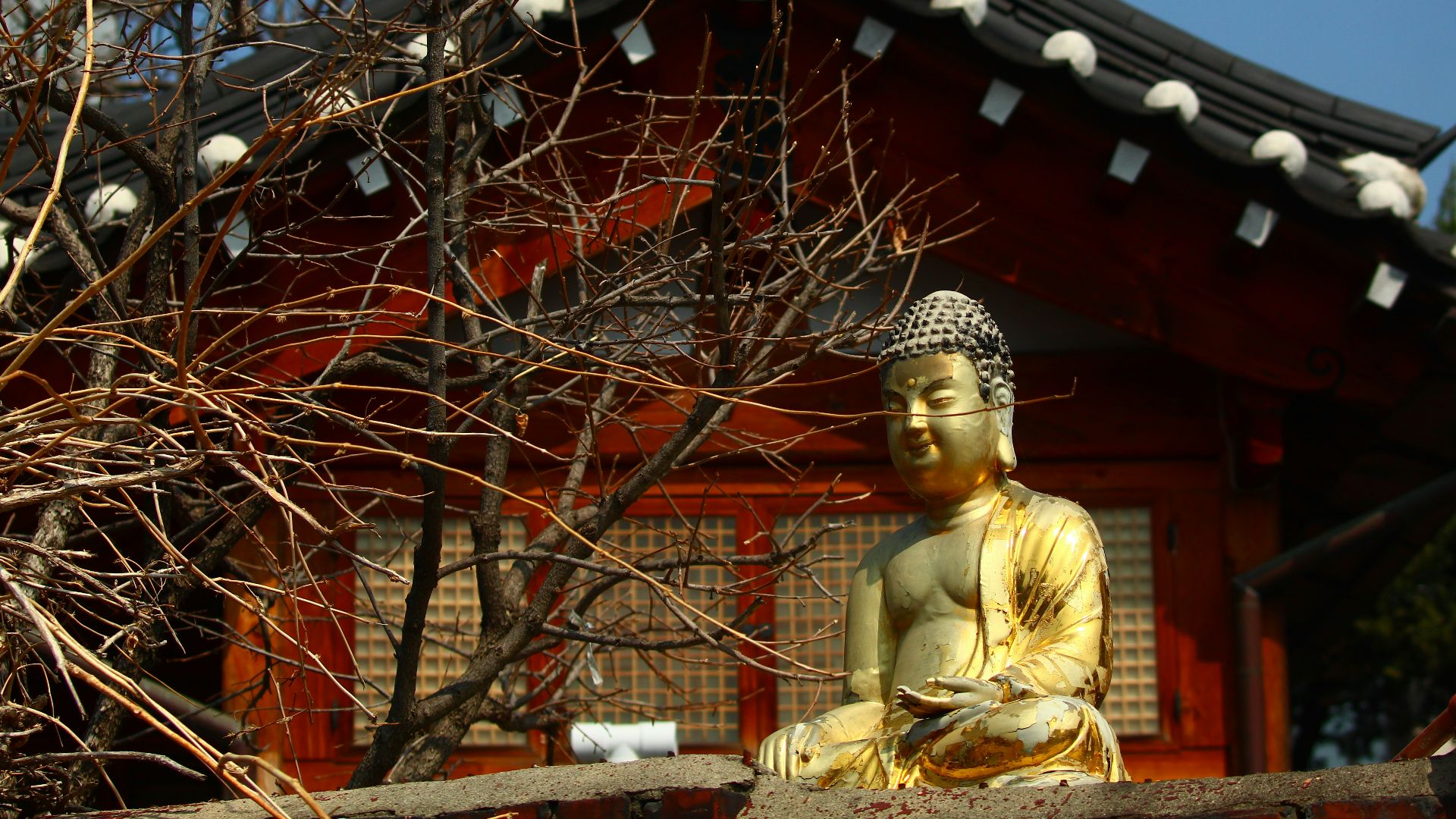
In Thailand, shoe removal at Buddhist temples is one of those rules travelers should understand before they arrive. People kneel, sit, and pray there, so walking in with dusty sneakers would feel both disrespectful and weirdly loud.
7. Homes In Thailand
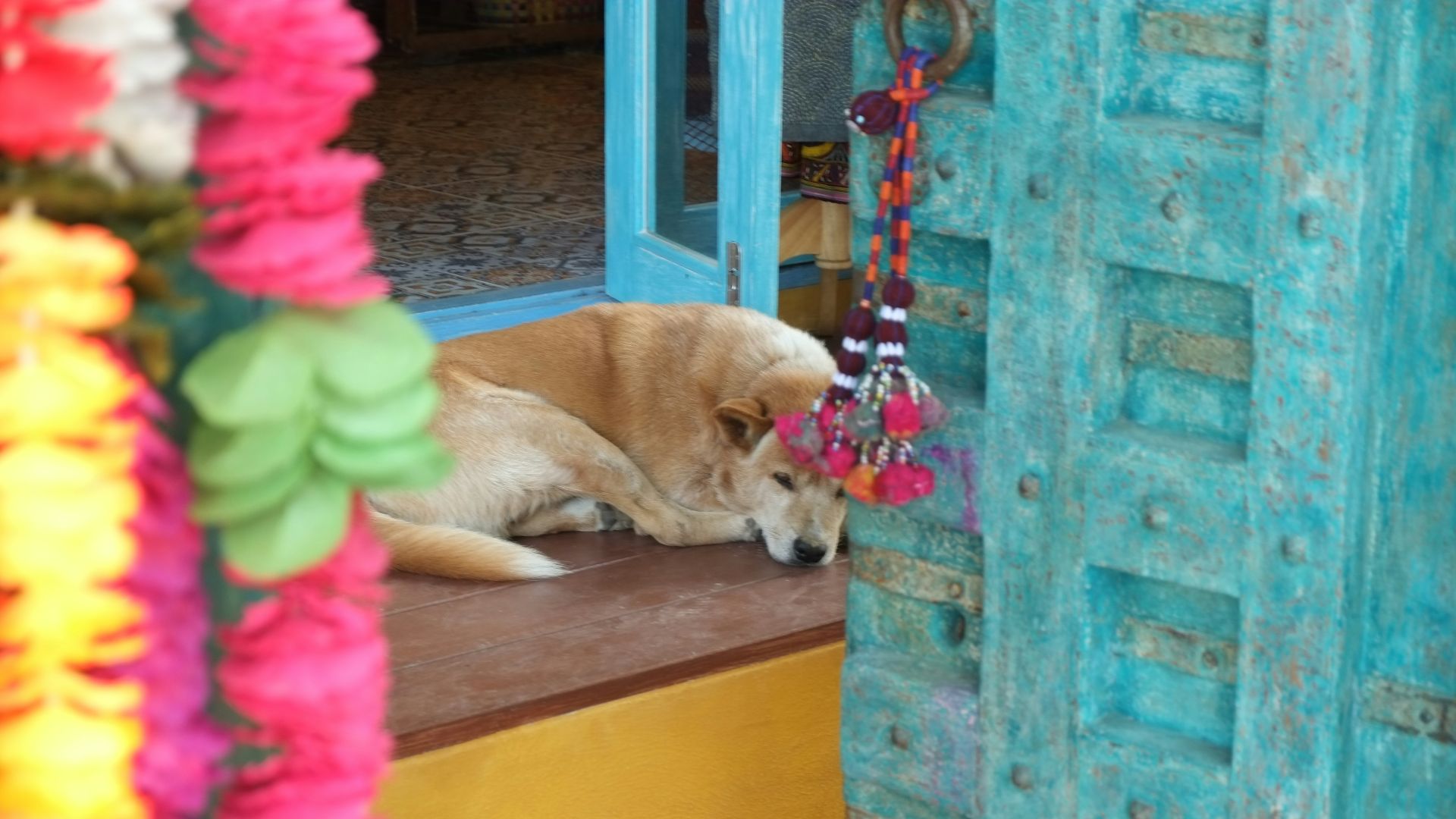
Thai homes often follow the same indoor logic. You leave the outside at the door, not because anyone wants to make a speech about it, but because that is simply how a clean, respectful household works.
 Boudewijn Huysmans on Unsplash
8. Mosques In Istanbul
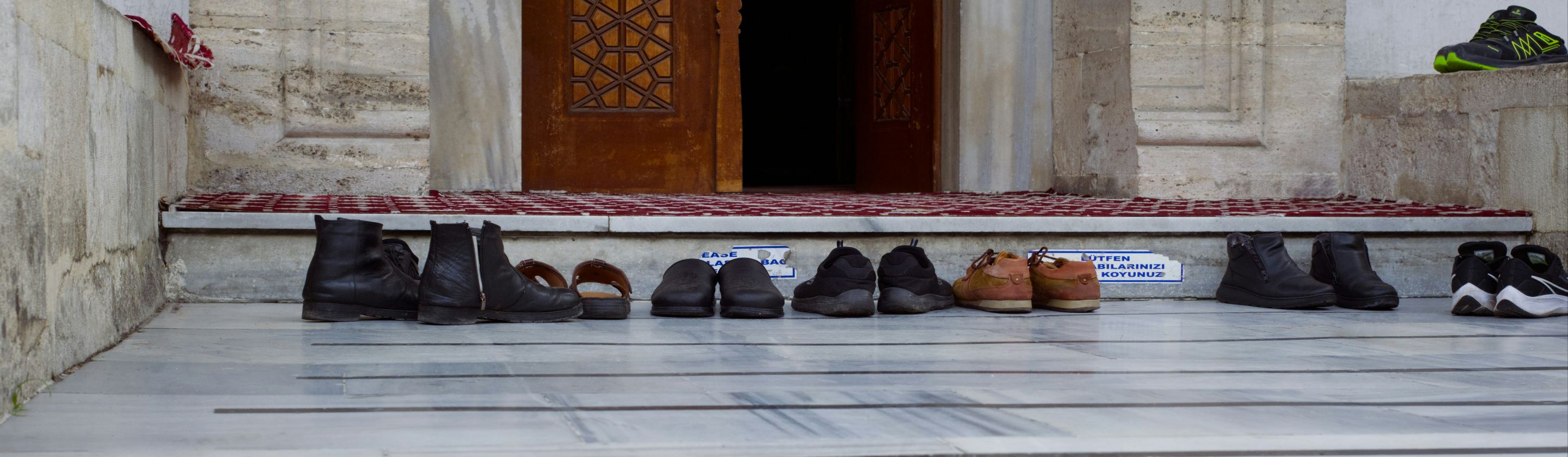
In Istanbul, the shoe rule becomes obvious the second you approach the prayer area. People are kneeling and placing their foreheads on the carpet, so keeping shoes on would feel less like a mistake and more like a refusal to understand what the space is for.
 Kseniia Poroshkova on Unsplash
9. Homes In Turkey
Turkish homes often take indoor cleanliness seriously, and guests are usually expected to remove their shoes right away. In many homes, there is a quiet efficiency to it. Shoes come off, slippers appear, and everybody moves on without turning it into a conversation.

10. Hindu Temples In India
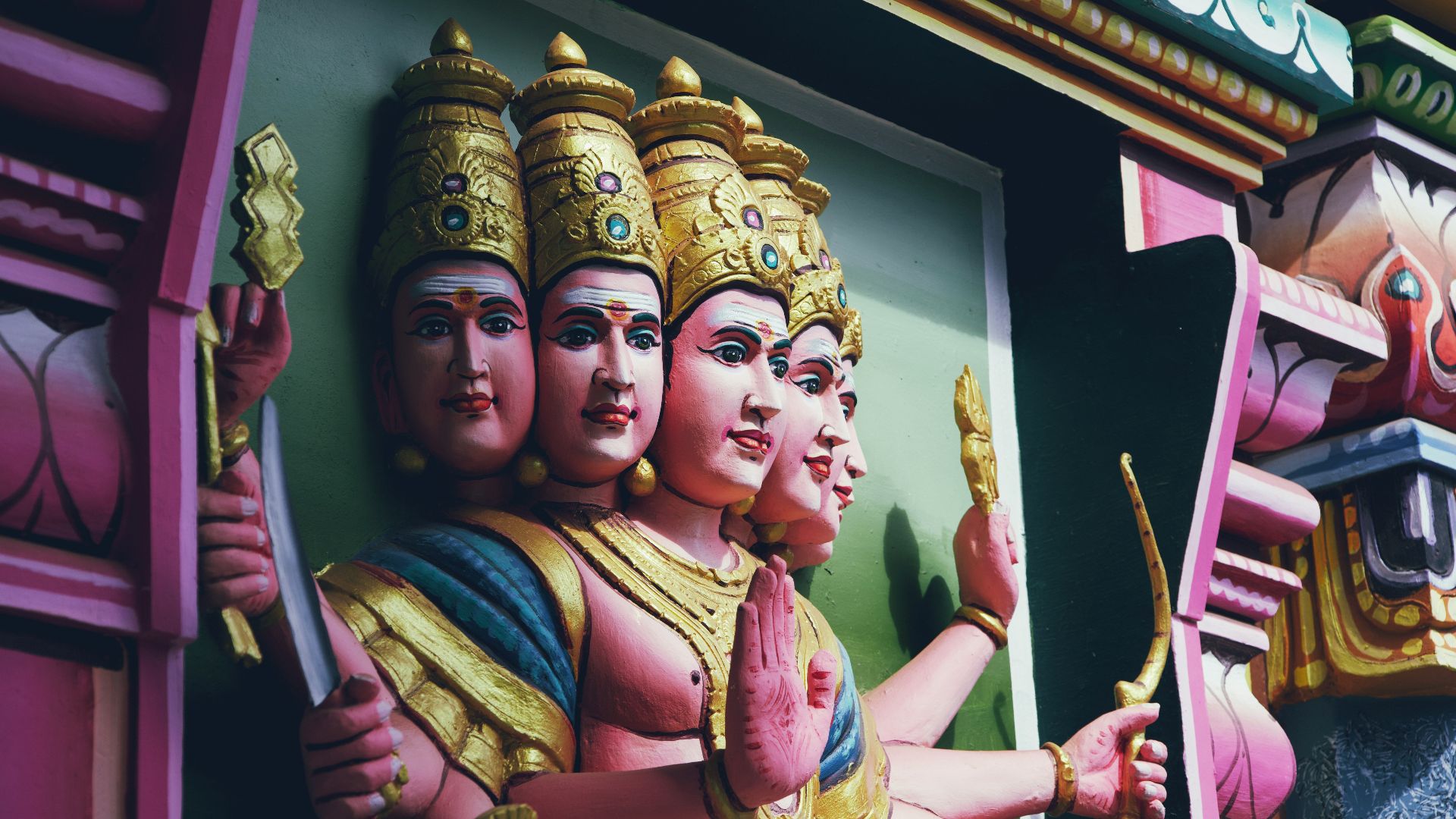
At Hindu temples across India, taking off your shoes is part of entering the space properly. The threshold matters, and the act itself is simple but clear. You leave the dust of ordinary life outside before stepping into somewhere sacred.
11. Homes In Northern India
In many Indian households, especially where family life centers heavily around shared indoor space, shoes at the door are just standard practice. It is partly about cleanliness, but it is also about reading the room and not bringing the street all the way in with you.

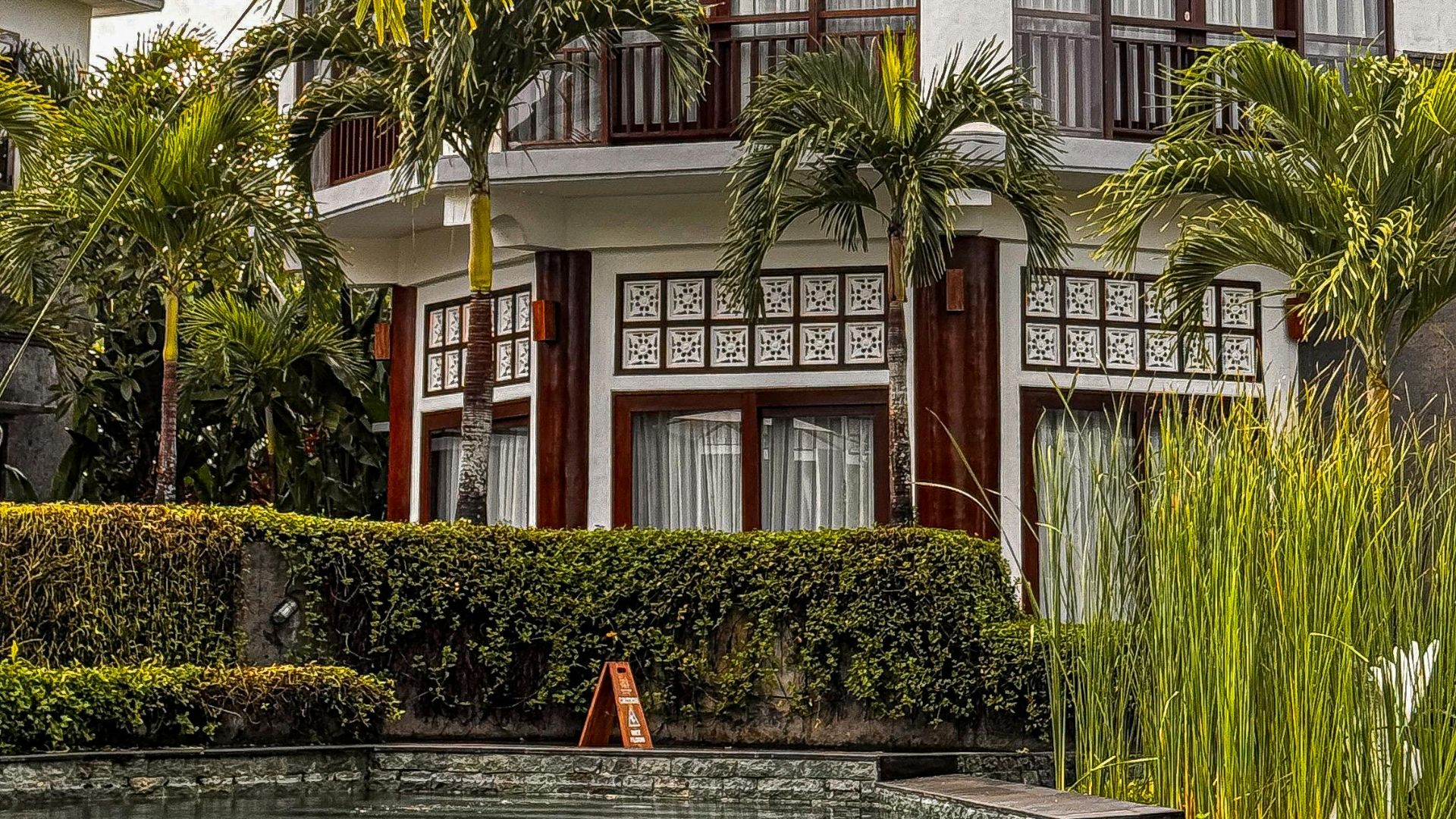
12. Homes In Bali
In Bali, especially in family compounds and more traditional domestic spaces, shoes often come off before you enter. It fits the broader rhythm of the place, where thresholds, courtyards, and spiritual boundaries are treated with a little more awareness than many travelers are used to.
 Harsh & Leena Bansal on Pexels
13. Temples In Bali
Balinese temples make the rule feel even more non-negotiable. Once offerings, shrines, and ceremonial space are involved, shoes stop being footwear and start becoming a disruption.

14. Malaysian Homes
In Malaysia, taking off your shoes before entering someone’s home is one of the easiest ways to show basic respect. It is common across many households and backgrounds, and nothing says “visitor who did not pick up on the local rhythm” faster than wandering in fully laced.

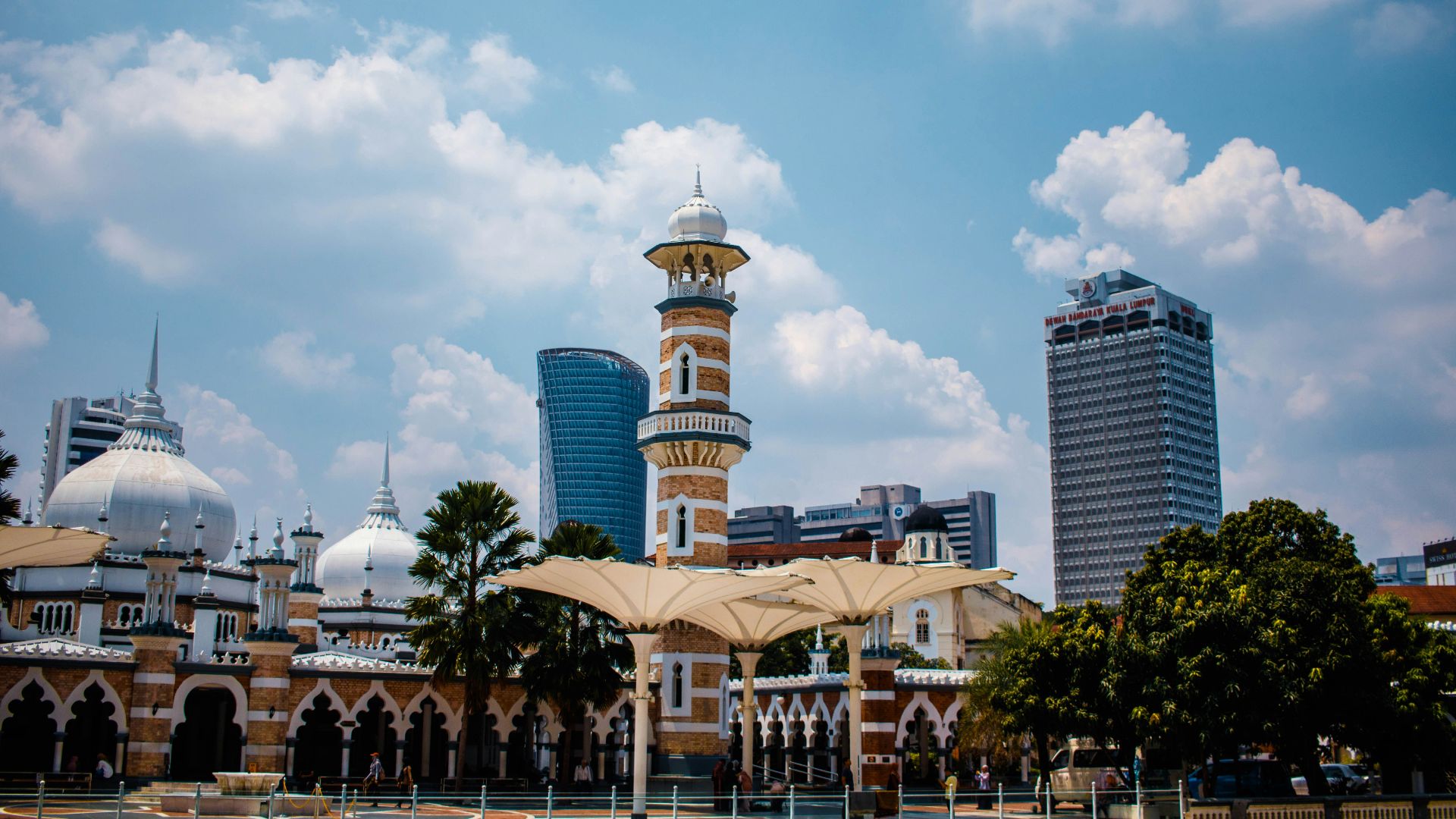
15. Mosques In Kuala Lumpur
Mosques in Kuala Lumpur follow the same expectation you see across much of the Muslim world. Shoes come off before the prayer area, both for cleanliness and because reverence is built into the space from the ground up.
16. Homes In Scandinavia
In countries like Sweden, Norway, and Finland, people are often far stricter about indoor shoes than outsiders expect. Part of that is weather, obviously, but part of it is cultural habit. Indoor space is kept clean, warm, and separate from whatever mess the outside world is carrying.

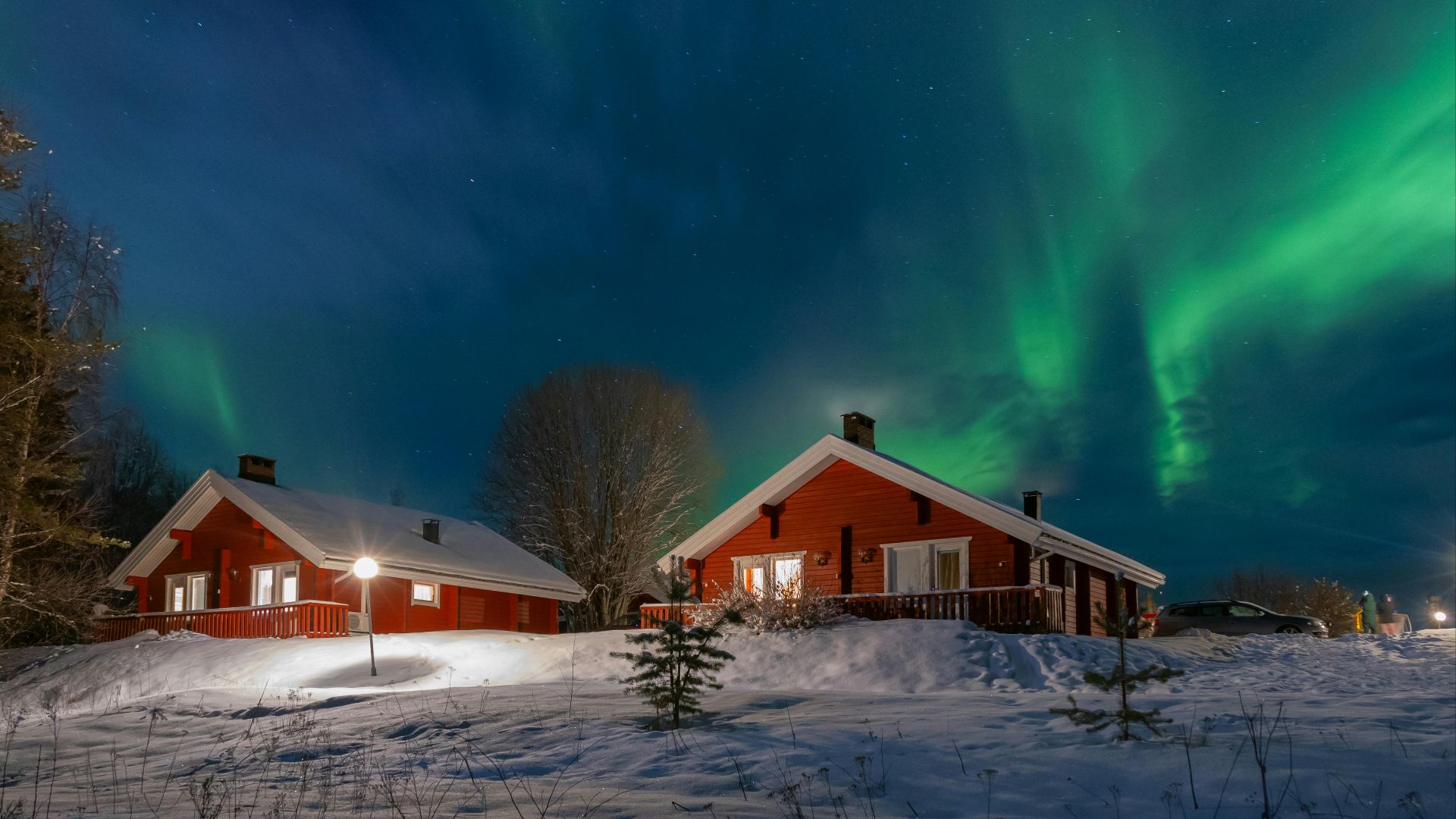
17. Cabins In Finland
A Finnish cabin in winter is about as far from a shoes-on environment as you can get. Snow, mud, slush, wet boots, and warm wooden floors make the rule feel less like etiquette and more like common sense with deep roots.
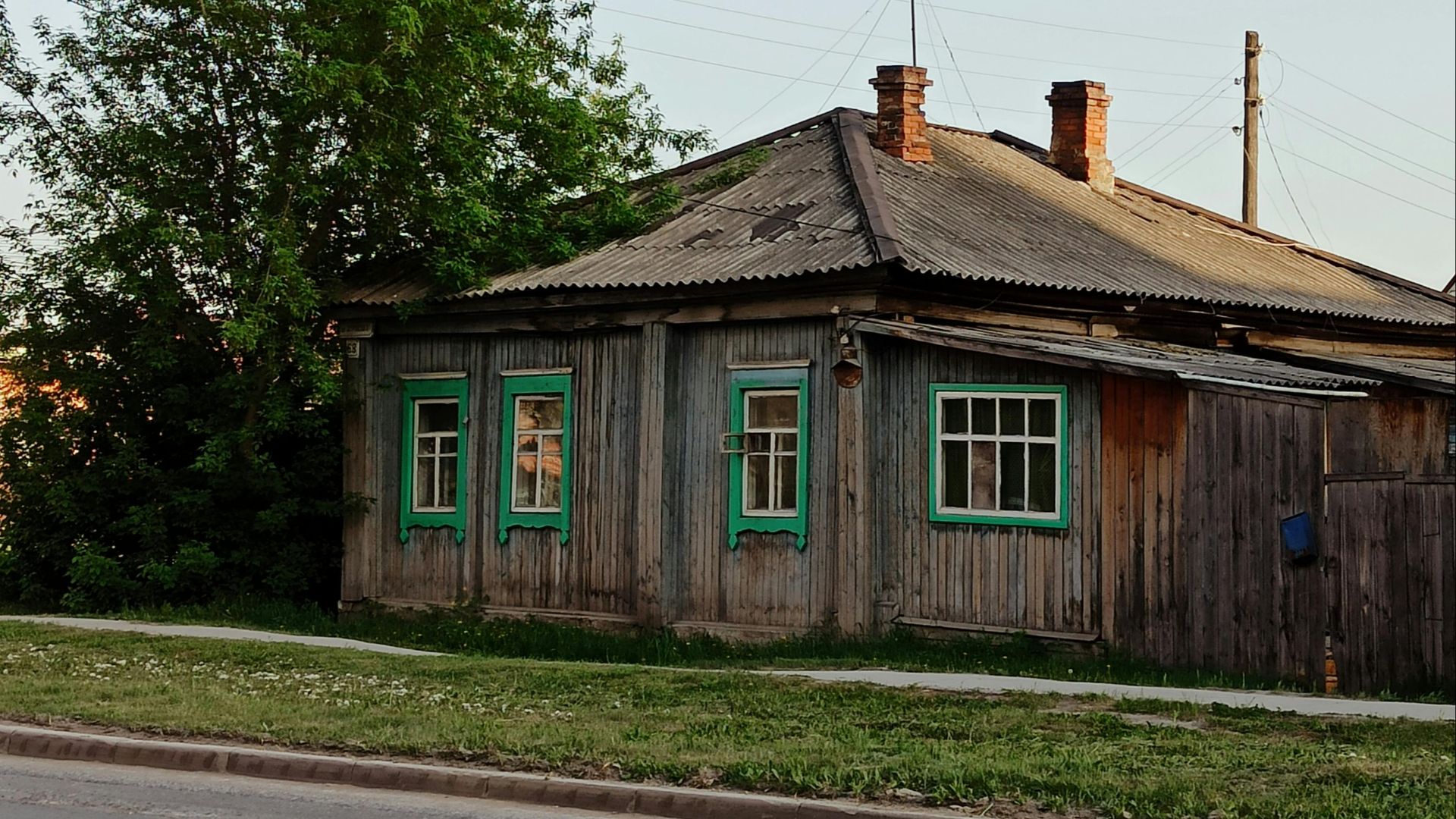
18. Homes In Russia
In Russia, wearing outdoor shoes inside someone’s home can come off as surprisingly rude. The custom is so normal that many homes keep guest slippers ready, which is a pretty strong sign that this is not a gray area.
19. Traditional Guesthouses In Central Asia
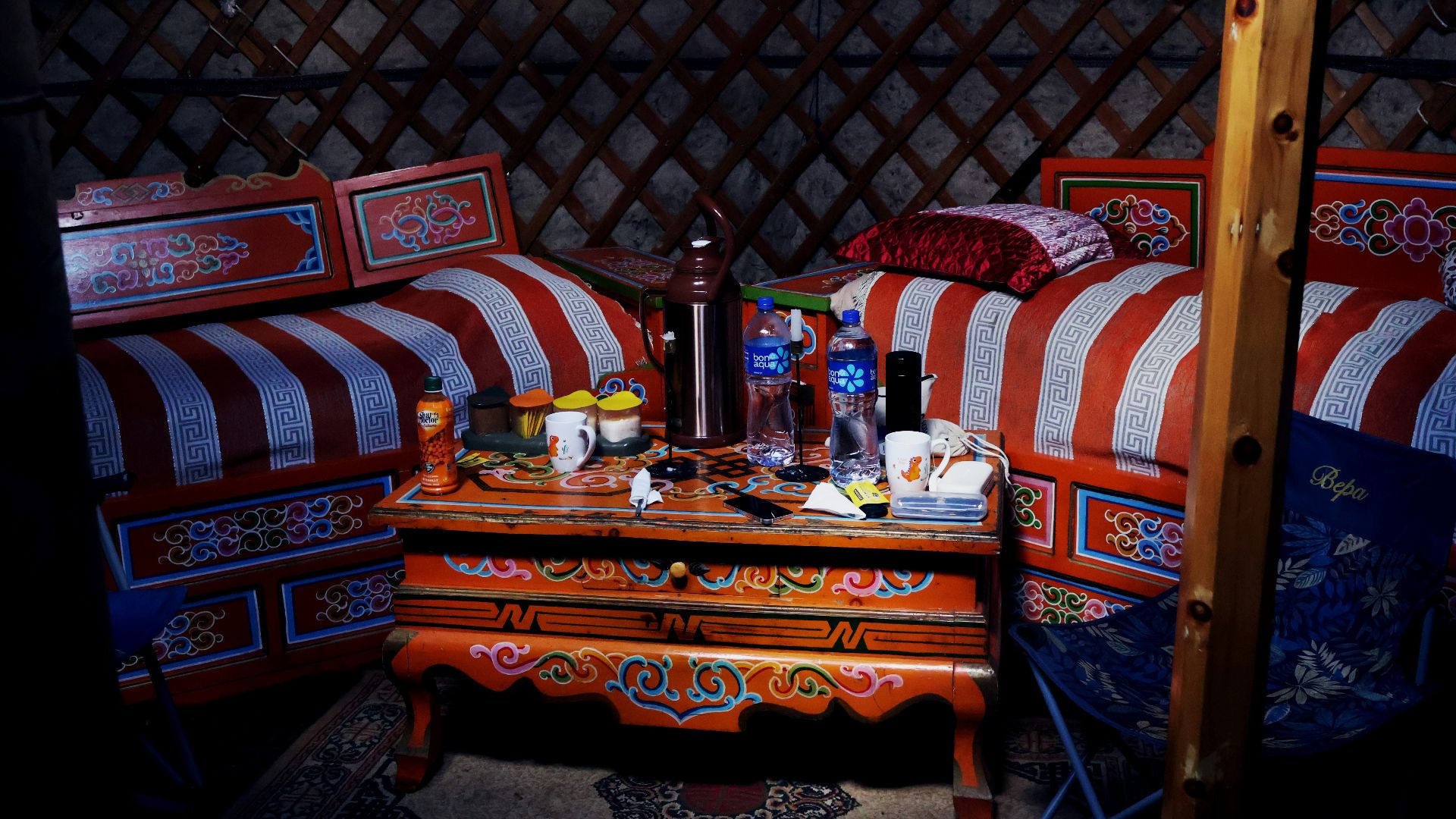
In parts of Central Asia, especially in more traditional guesthouses and homes, shoes come off before entering carpeted living areas. Once the room is built around rugs, floor seating, and shared food, the logic becomes immediate. You do not walk the road in on your soles and then carry it onto the carpet.
20. Tea Houses In East Asia
In more traditional tea houses across parts of East Asia, shoe removal often comes with the architecture itself. Raised floors, mats, and low seating create an atmosphere where shoes feel clumsy, intrusive, and one level too rough for the room.