
When people think of travel in the United States, they often picture busy cities, coastal escapes, or well-known national parks. However, not every state draws the same level of attention from tourists each year. Some places receive far fewer visitors due to location, visibility, and overall demand. Among them, North Dakota is often considered the least-visited state in terms of total tourism volume. This distinction is based on overall visitor counts rather than quality or experience.
That lower ranking doesn’t mean the state lacks appeal or experiences worth exploring. Instead, it reflects broader travel habits and how people tend to choose destinations. North Dakota offers a quieter, more low-key experience that doesn’t always align with mainstream travel trends. Understanding why it ranks low in tourism helps put those numbers into a better perspective. It also shows how perception can influence decision-making. Many travelers simply follow familiar or heavily advertised options.
Limited Major Attractions Reduce Visibility
One of the main reasons North Dakota sees fewer tourists is its lack of widely recognized landmarks. Unlike states with iconic destinations, it doesn’t have a major attraction that draws large crowds year-round. While places like Theodore Roosevelt National Park are notable, they don’t attract the same volume as more famous parks. This lower visibility affects how often the state is considered for travel. Popular destinations tend to dominate travel conversations. This can leave lesser-known locations overlooked.
Tourism often depends on name recognition, and North Dakota isn’t always top of mind. Many travelers gravitate toward destinations they’ve seen frequently in media or travel guides. Without that level of exposure, the state can be overlooked during trip planning. This doesn’t reflect the quality of the experience, just how it’s marketed and perceived.
Smaller-scale attractions also mean fewer large tourism hubs. Instead of one central destination, the state offers a range of quieter locations spread out over a wide area. This can make it harder for visitors to plan a focused trip. As a result, fewer people choose it compared to states with concentrated highlights. Travel convenience often influences decisions more than variety. A scattered layout can feel less accessible to first-time visitors.
Geographic Location Plays A Role
North Dakota’s location in the northern Great Plains contributes to its lower tourism numbers. It’s not along a major coastal route or a heavily traveled corridor. Most visitors need to plan a specific trip rather than stopping through on the way to somewhere else.
The surrounding region also influences travel patterns. Neighboring states don’t always serve as major tourist drawcards themselves, which limits regional spillover. Many popular travel routes tend to bypass the state entirely. This makes it less likely to be included in multi-stop vacations. Travelers often cluster destinations within a single region. Being outside those clusters can reduce visibility.
Distance can also be a factor for travelers coming from larger population centers. Reaching North Dakota often requires longer travel times compared to more central or coastal destinations. This added effort can discourage quick or casual trips. Convenience plays a significant role in where people decide to go, and time constraints often shape travel decisions. Many people prioritize destinations that are easier to reach.
A Different Kind Of Travel Experience
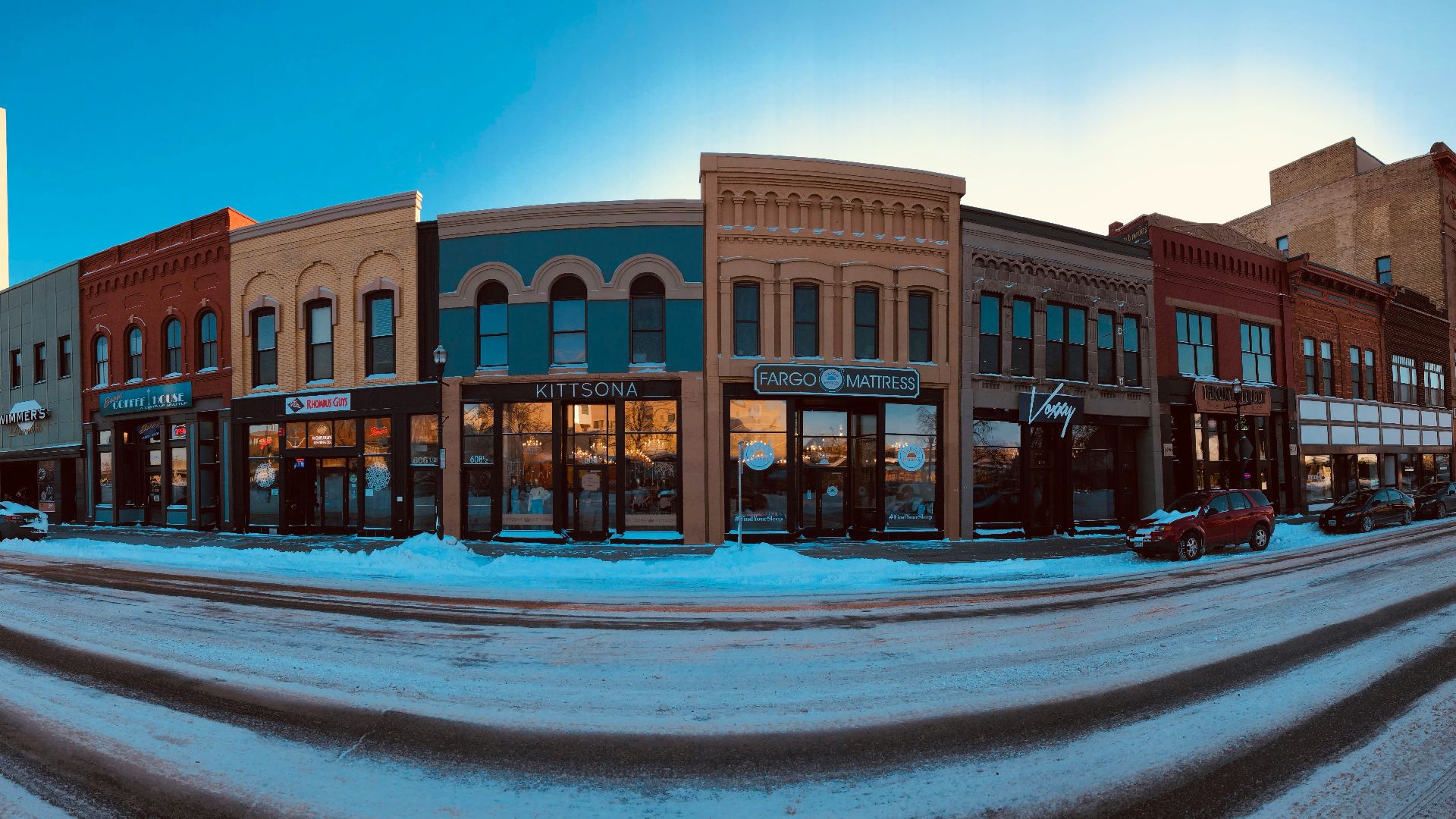
North Dakota offers a slower, more relaxed style of travel that appeals to a specific audience. Its wide-open landscapes, historical sites, and quiet towns create a peaceful environment. While this is appealing to some, it doesn’t match the fast-paced experiences many tourists seek. This difference in expectations affects overall visitor numbers. Travel trends often favor high-energy destinations. Quieter locations can be overlooked despite their charm.
The state also focuses more on natural and cultural experiences rather than large-scale entertainment. Visitors often explore scenic drives, local history, and outdoor activities. These experiences can be meaningful but may not attract mass tourism. They tend to draw travelers who prefer a more low-key approach. This niche appeal shapes the type of visitors the state receives. It also contributes to its lower overall numbers.
At the same time, fewer visitors can actually enhance the experience. Smaller crowds allow for a more personal and unhurried visit. Many travelers appreciate the chance to explore without long lines or busy environments. In this way, lower tourism can be part of what makes the state unique. It creates a sense of space that’s harder to find elsewhere. This can make visits feel more memorable and relaxed.
North Dakota’s position as one of the least-visited states is shaped more by perception and geography than by a lack of things to do. Its quieter appeal and lower visibility keep it off many travel lists, even though it offers a distinct experience. For those willing to look beyond the usual destinations, it provides a calm and refreshing alternative.