20 Places in the American West That Still Feel Like Frontier Country
Where The Old West Still Lingers
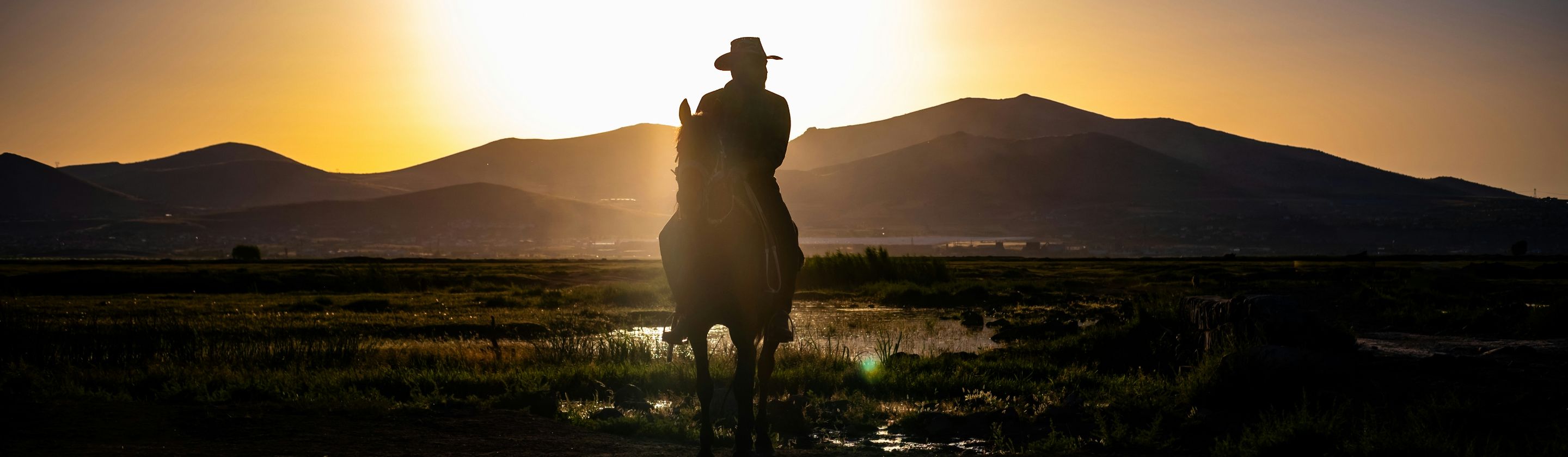
The American West can feel a little overpackaged now and then. Then you land in a place with a real 19th-century main street, a local rodeo, or a railroad that’s been pushing through mountain country since the mining years. These towns and small cities aren’t frozen in time, but they do pay homage to America's teen years. They’ve still got enough working history, worn-in texture, and wide-open country around them to make the frontier feel less like a costume and more like a place people actually had to live in.
1. Cody, Wyoming
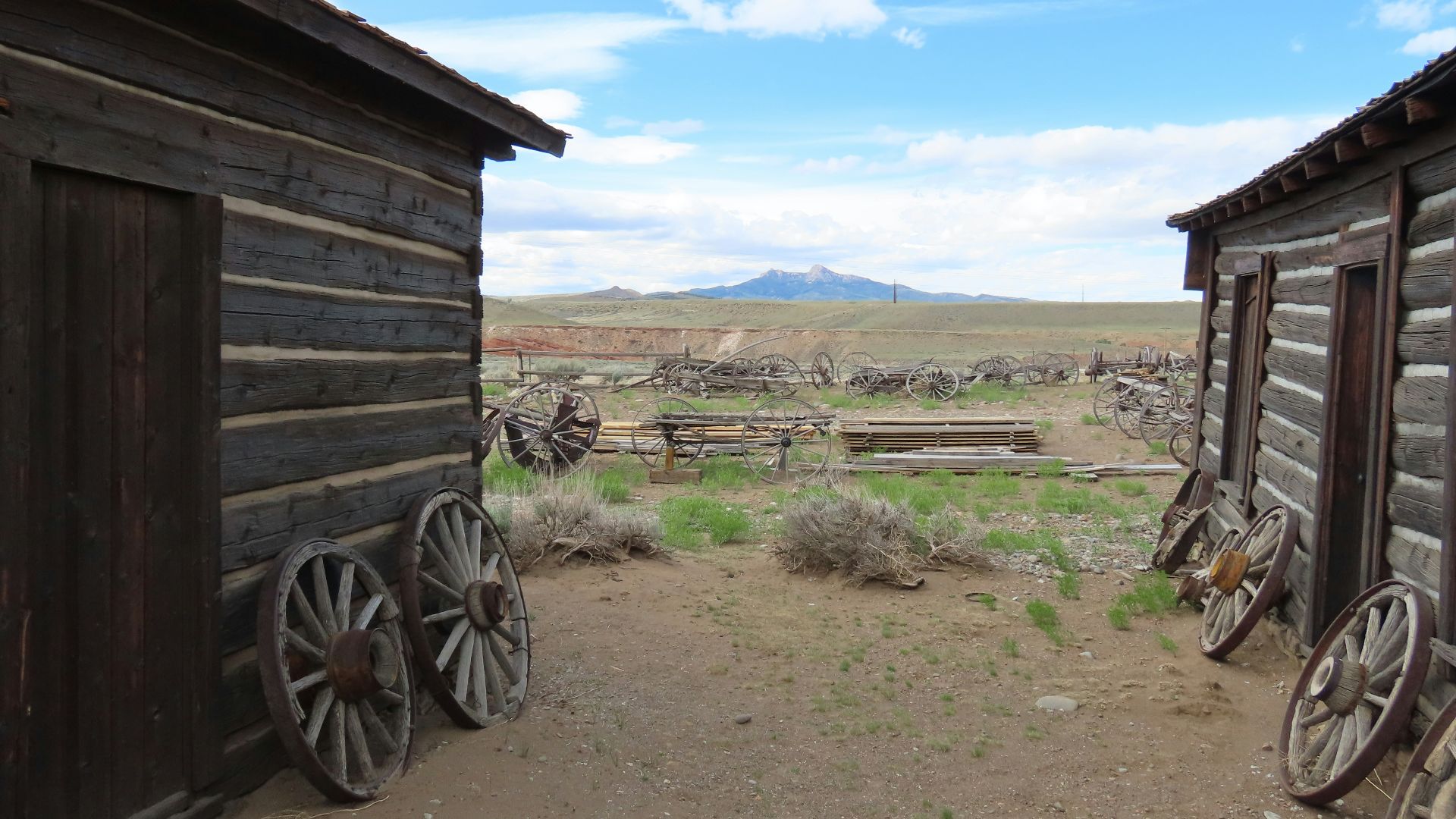
Cody still leans hard into Buffalo Bill country, and it works because the history’s right there in front of you. Old Trail Town gathers authentic frontier buildings from the 1890s on Buffalo Bill Cody’s original townsite, and the Cody Nite Rodeo still runs all summer long.
2. Amarillo, Texas
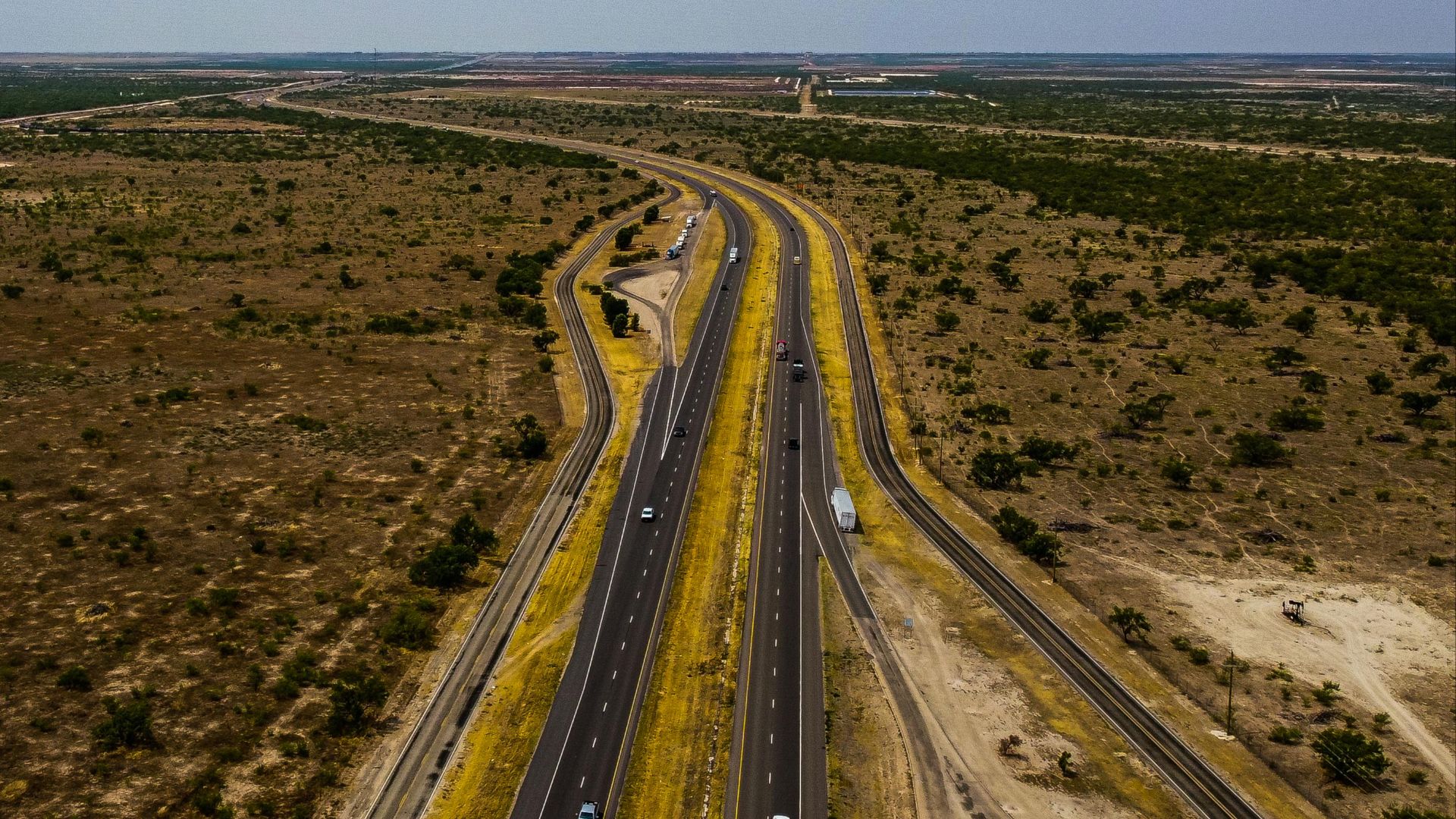
Amarillo earns its place because Palo Duro Canyon still makes the land feel huge, dry, and a little unforgiving. The long-running TEXAS outdoor musical keeps the region tied to ranching and settler-era storytelling in a way that still feels local.
3. Tombstone, Arizona
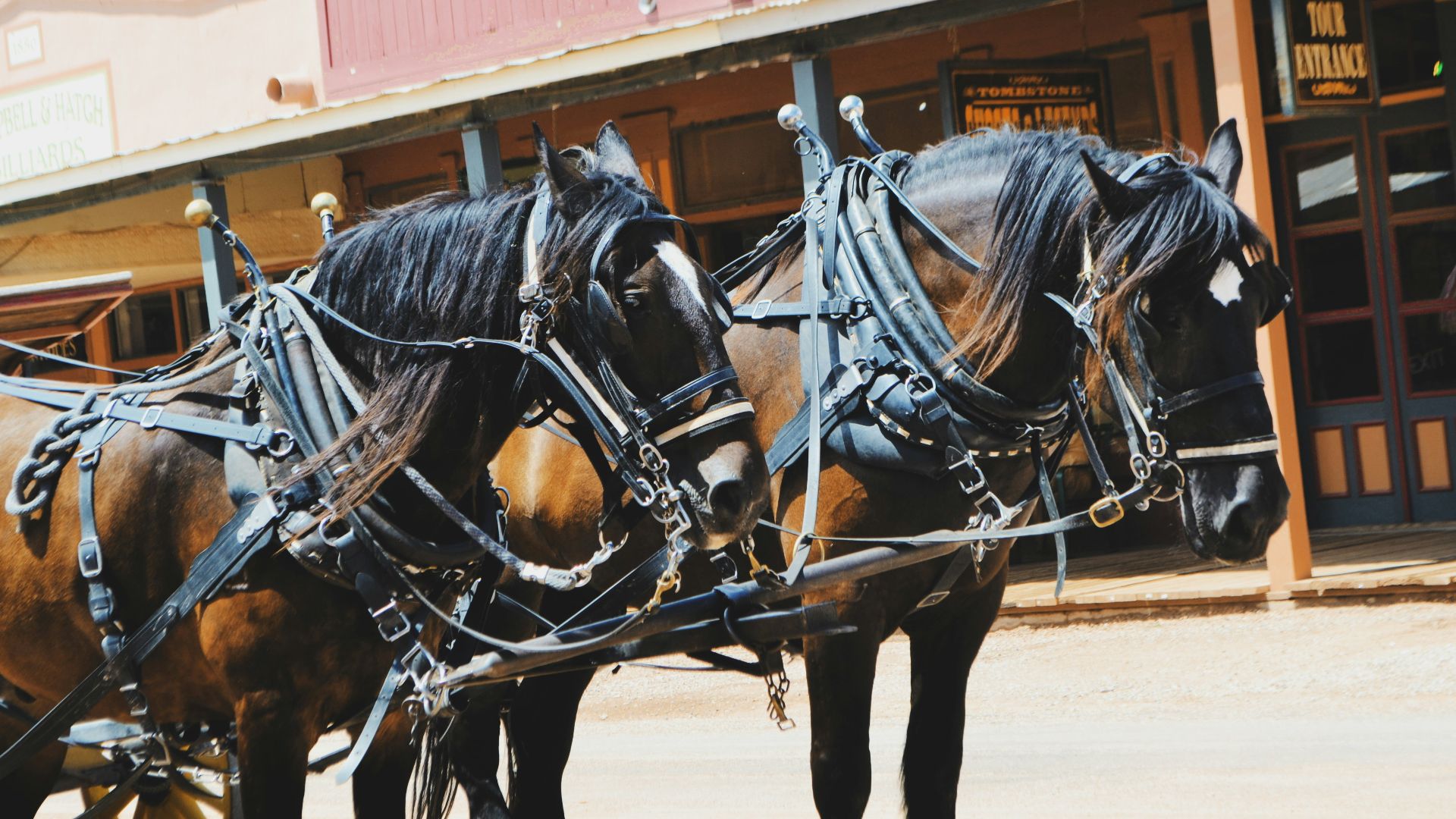
Tombstone could’ve been flattened into a gimmick years ago, but the real landmarks keep it grounded. The O.K. Corral, the Bird Cage Theatre, and the preserved historic district keep the town anchored in the silver-boom 1880s rather than just playing dress-up.
4. Deadwood, South Dakota
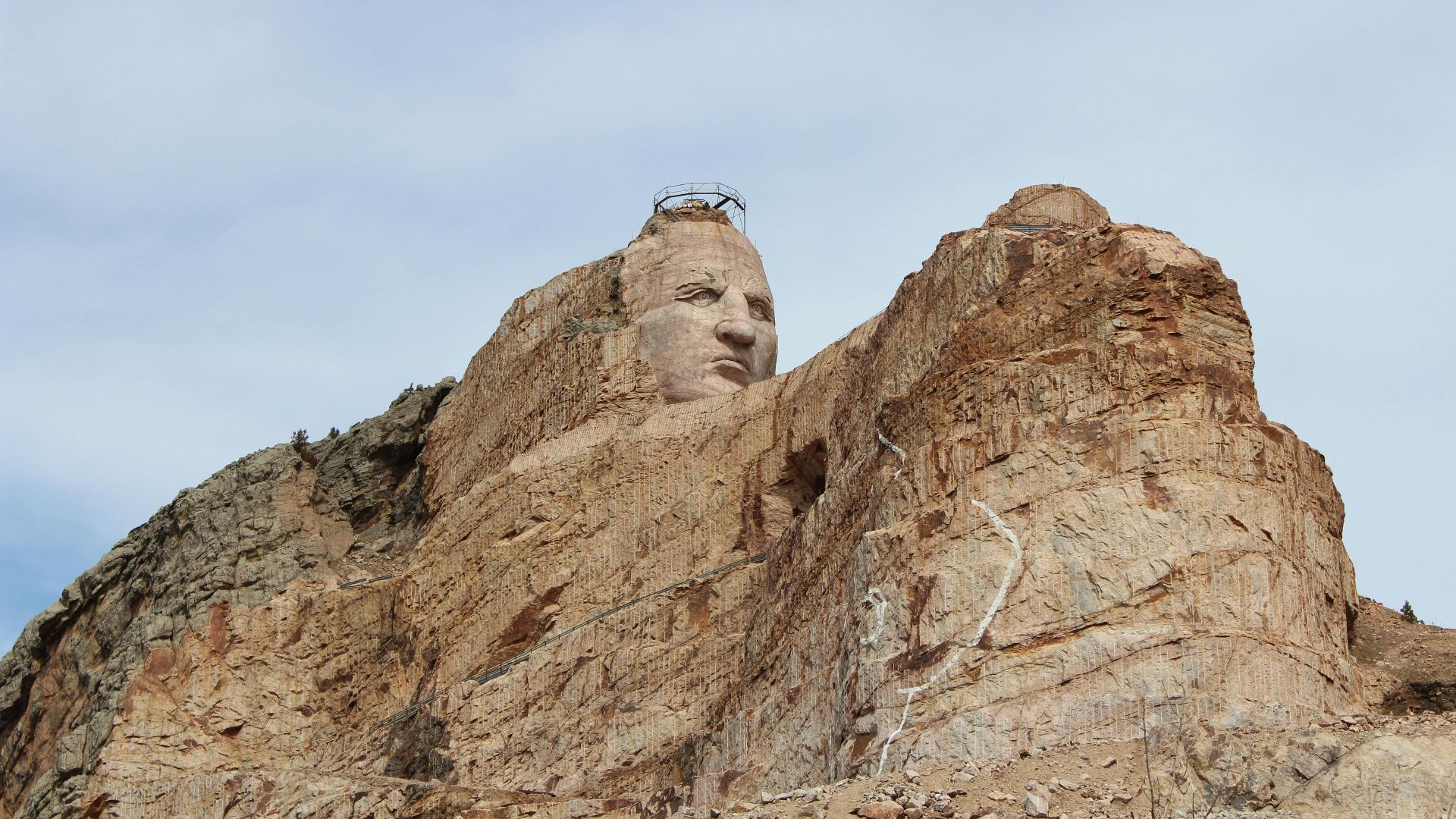
Deadwood still carries its gold-rush roughness in plain sight. Founded in 1876 and still packed with preserved nineteenth-century buildings, it’s one of those places where Wild Bill Hickok history, old streets, and the Black Hills setting all pull in the same direction.
 Mirrorless Reflections on Pexels
5. Dodge City, Kansas
Dodge City is still one of the clearest cowtown names in the country, and it’s got enough substance behind that reputation to hold up. Boot Hill Museum and its recreated Front Street keep the late-1870s and 1880s cattle-town era close, without asking you to imagine too much on your own.
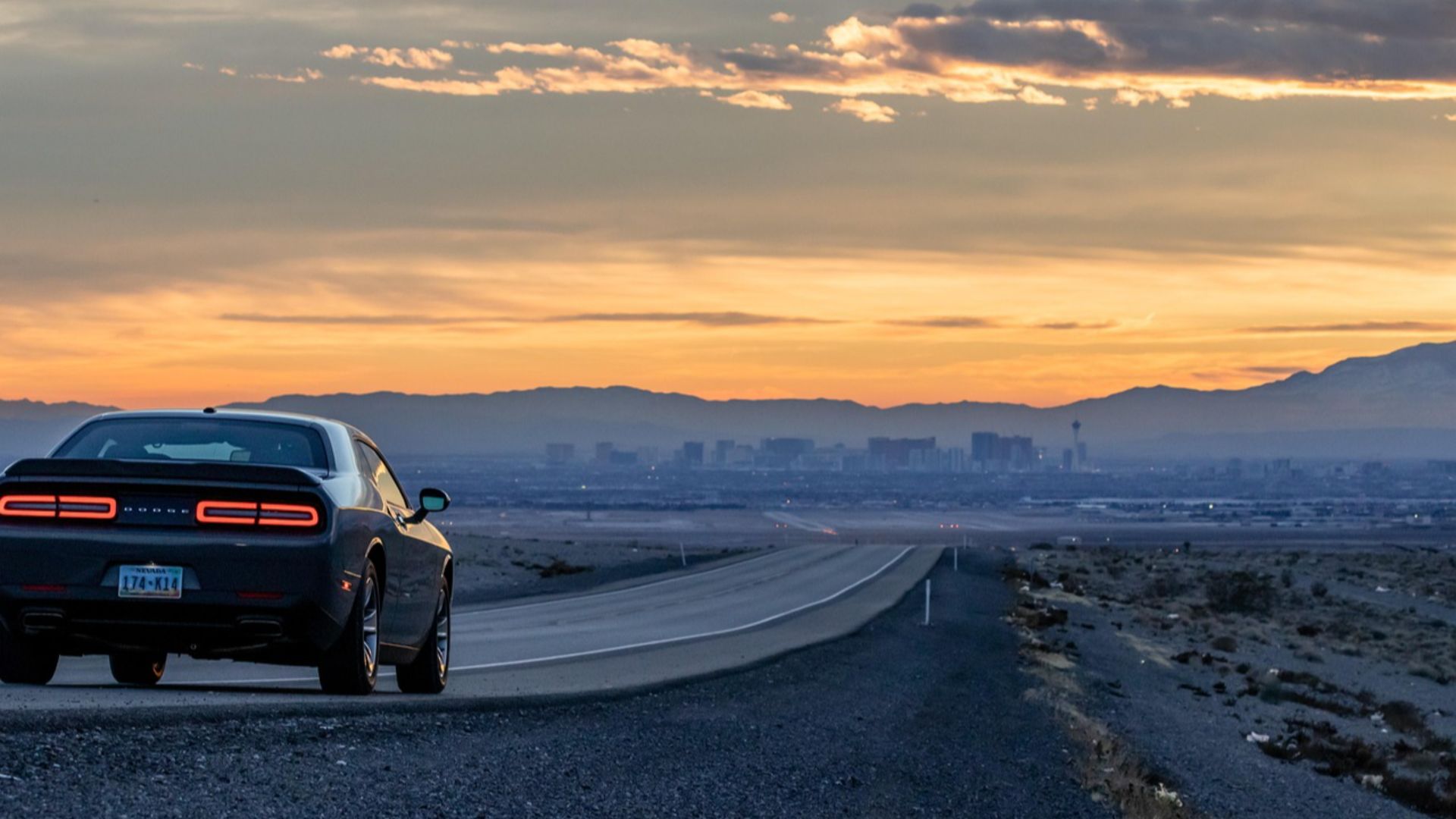
6. Virginia City, Nevada
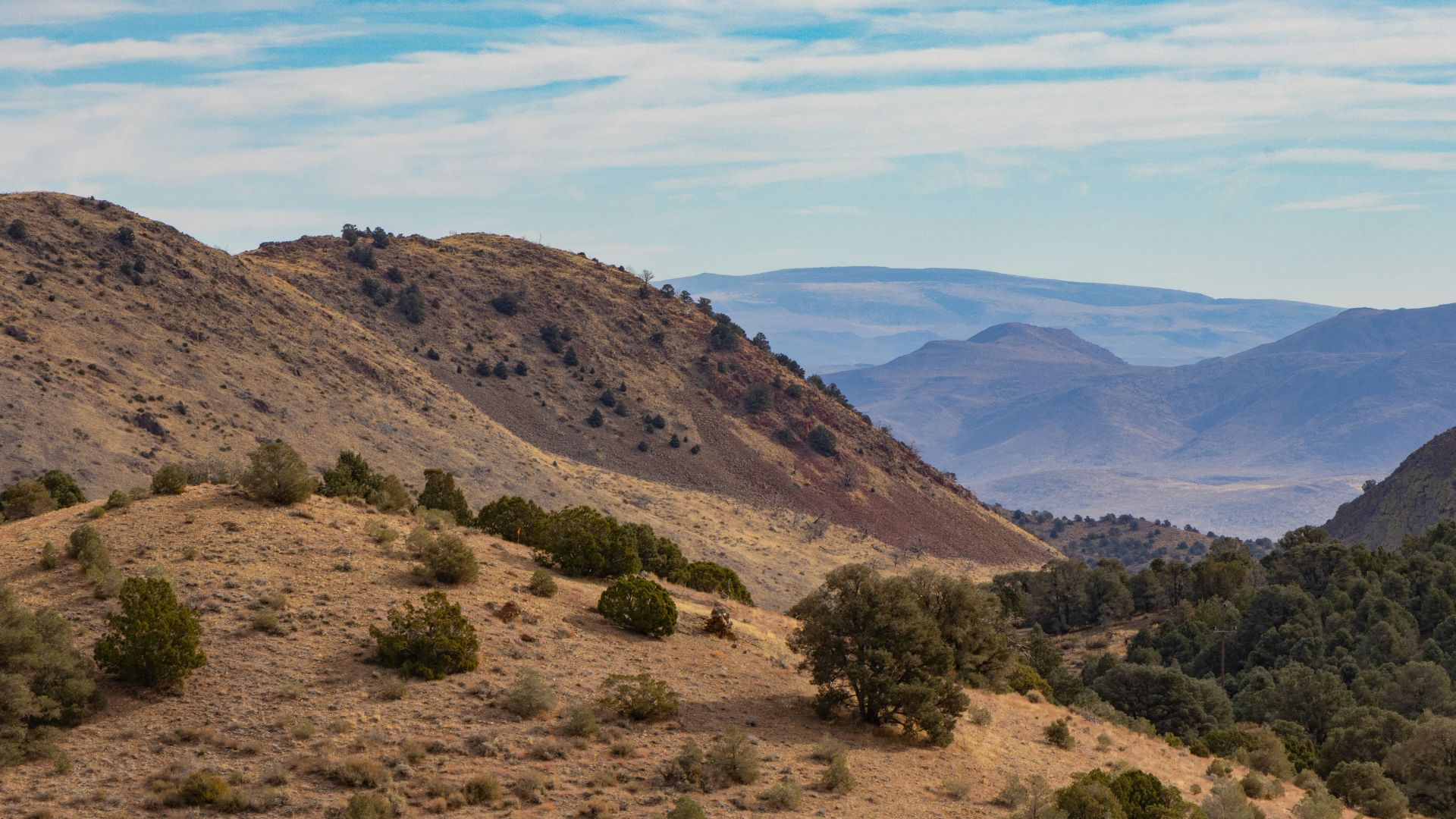
Virginia City still feels like a mining town first and a tourist stop second, which helps a lot. The Comstock identity is built into the place, and between the historic district, local museums, and mine tours, the silver-rush years don’t feel very far away.
7. Oatman, Arizona
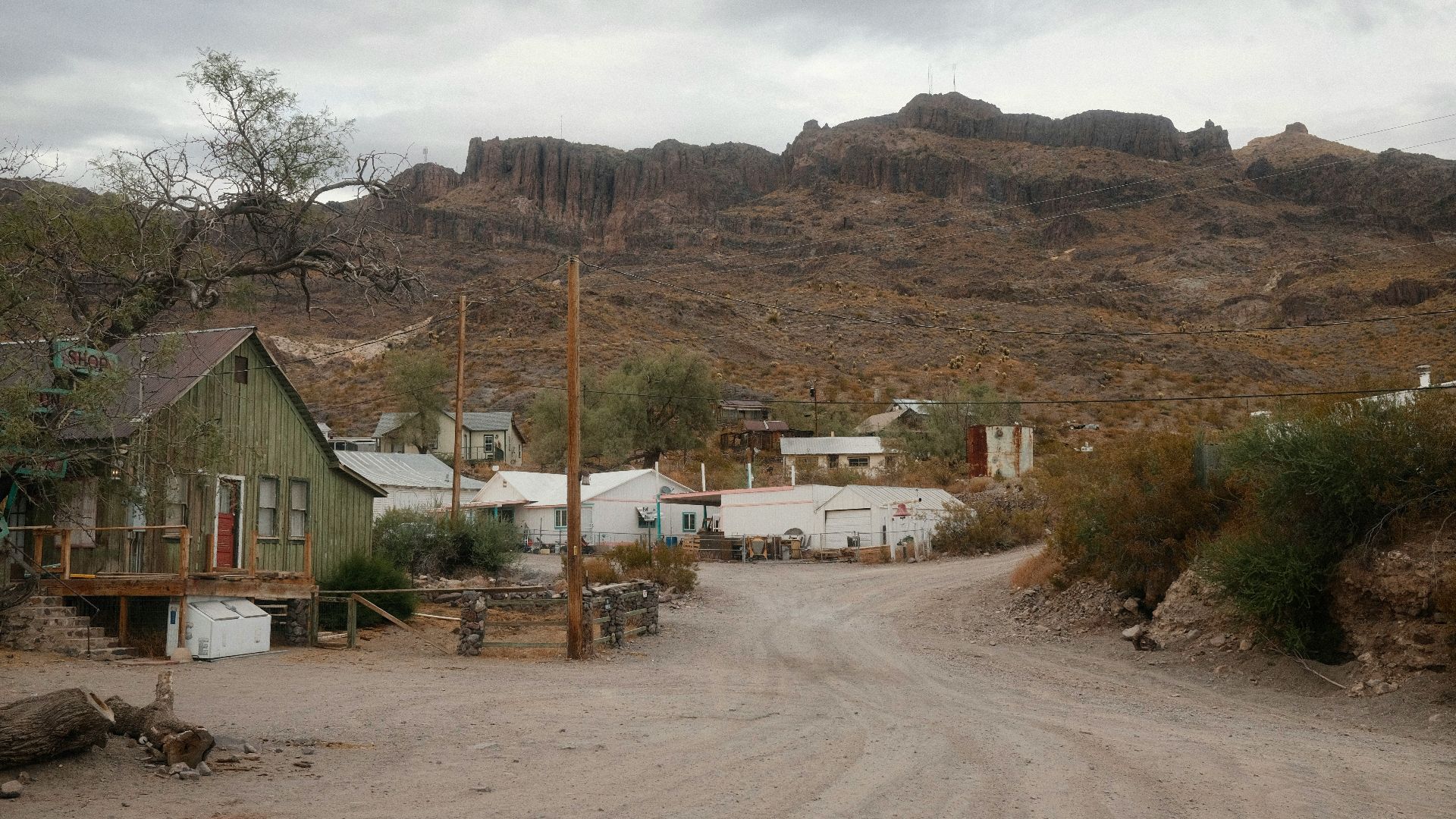
Oatman is scruffy in exactly the right way. The old gold-boom history, the long stretch of Route 66, the burros wandering the street, and the weathered buildings give it the kind of frontier texture polished heritage towns usually sand away.
8. Pendleton, Oregon
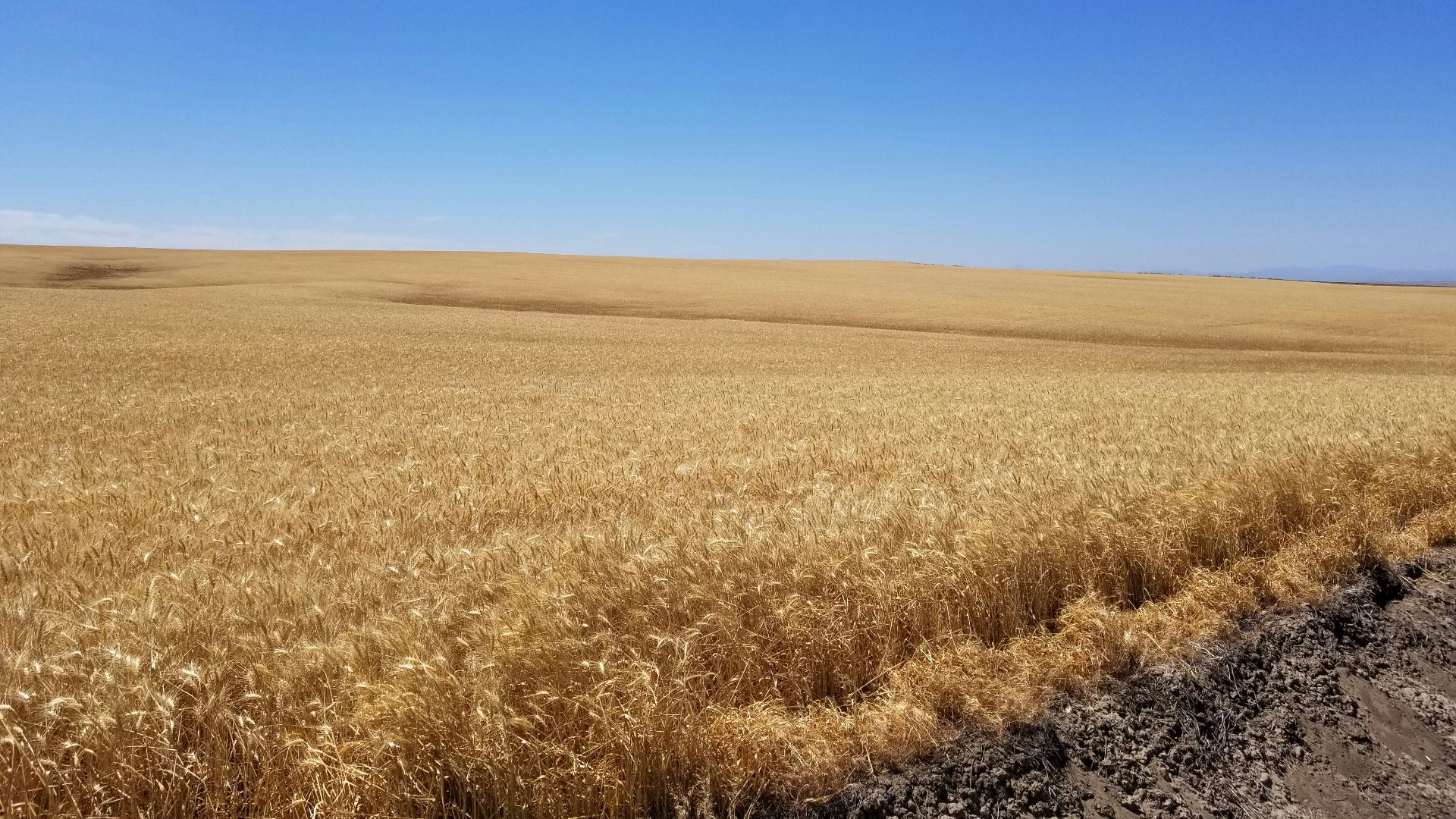
Pendleton’s Western identity goes deeper than one big rodeo, though that rodeo certainly helps. The Pendleton Underground Tours still walk visitors through card rooms, tunnels, and other leftovers from the town’s rougher years, and the Pendleton Round-Up has been going on for more than 100 years.
9. Leadville, Colorado
Leadville feels frontier-close in a harder way than a lot of places on this list. At 10,152 feet, it still carries the edge of a silver-boom town that had to be built high, fast, and under pressure, and the 1879 Tabor Opera House keeps that late-nineteenth-century story right in the middle of downtown.
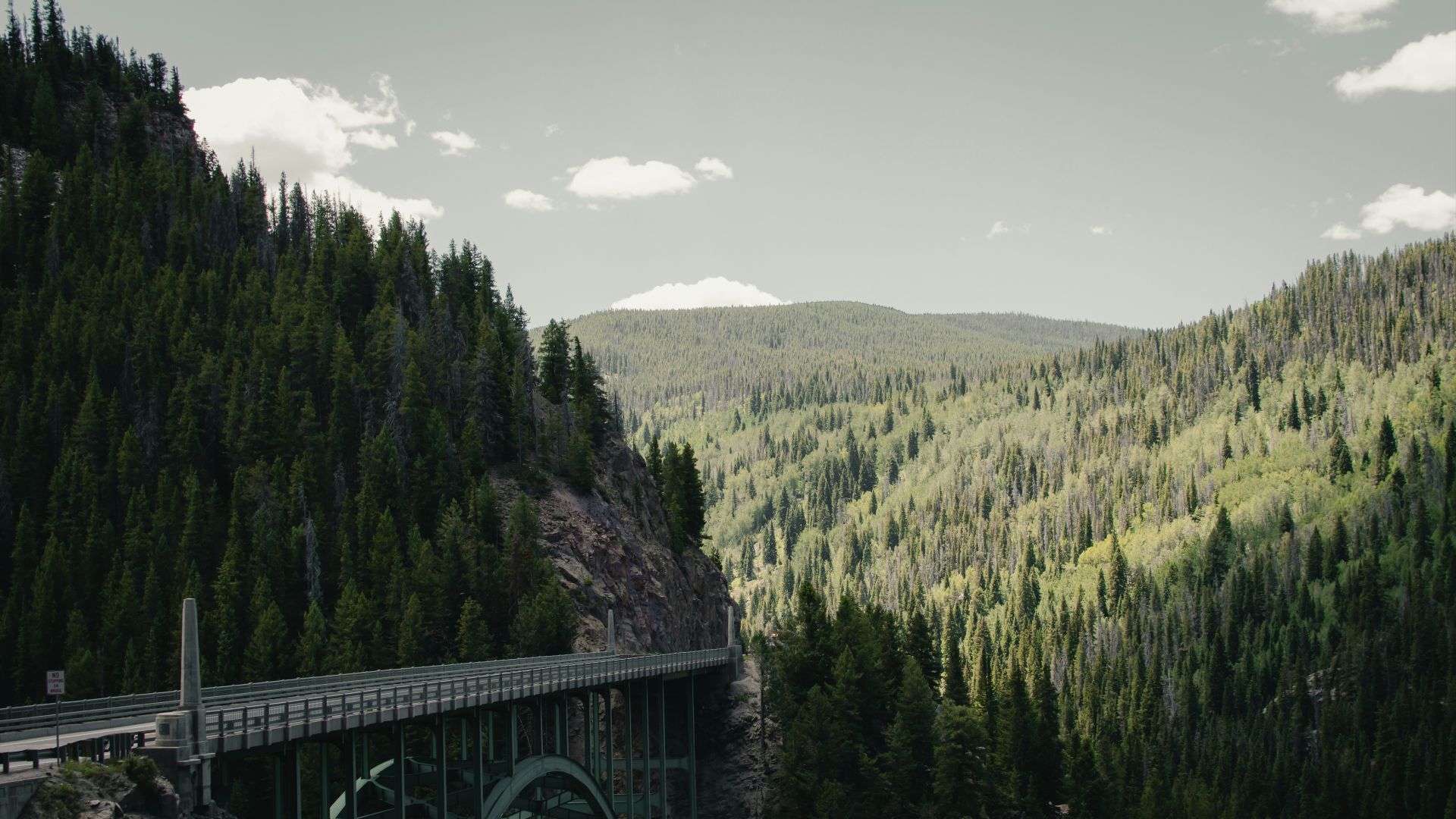
10. Prescott, Arizona
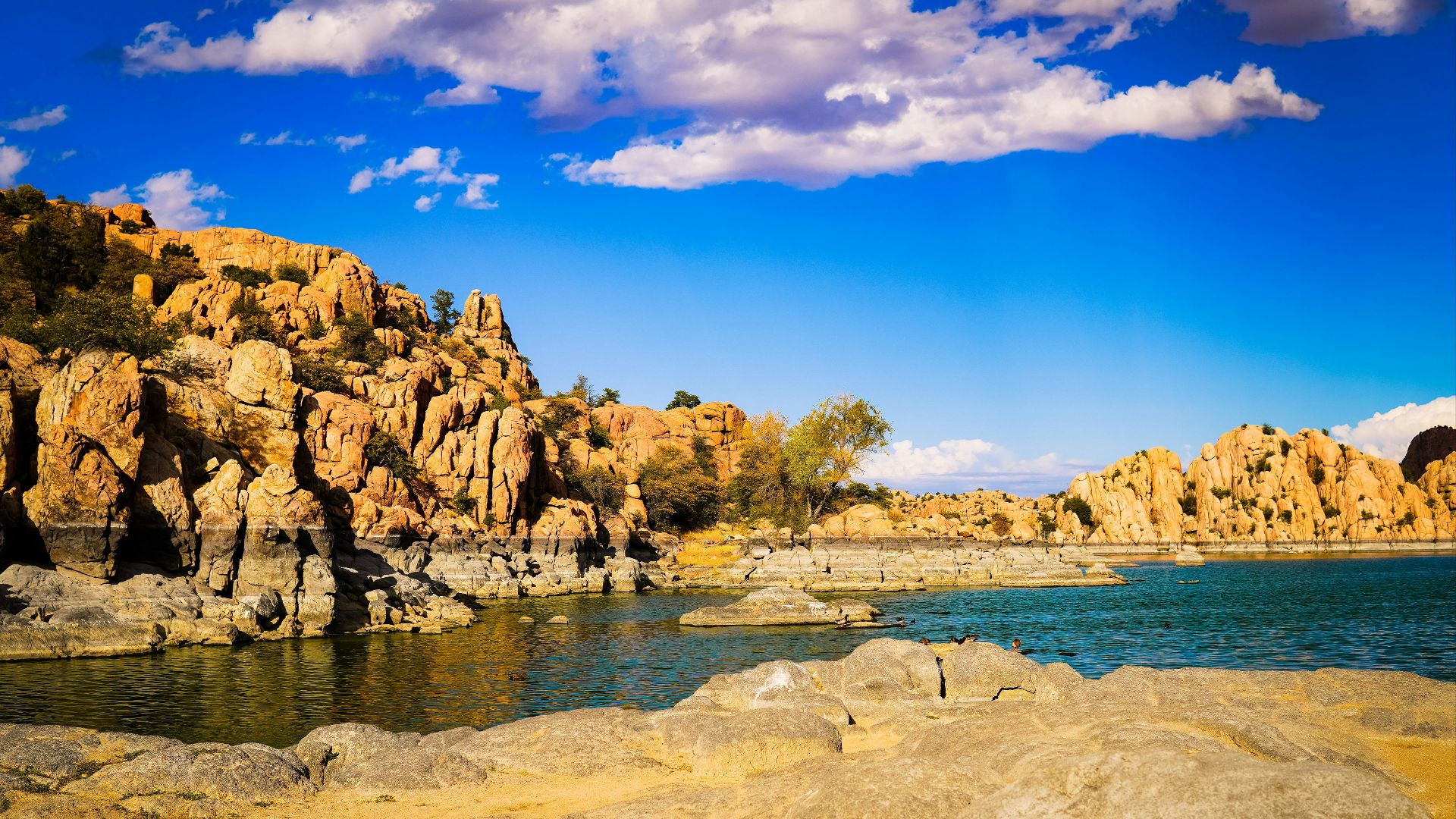
Prescott has held onto its cowboy reputation without turning itself into a cartoon. Whiskey Row is still one of the town’s defining landmarks, and Prescott Frontier Days traces its rodeo history back to 1888, which gives the place a Western streak that feels old, steady, and very real.
11. Buffalo, Wyoming
Buffalo doesn’t make a huge fuss about itself, which is probably part of the charm. The Jim Gatchell Memorial Museum and the Occidental Hotel keep the town tied to its cattle country and frontier years, and the historic core still looks like a place that remembers what it was built for.
12. Jackson, Wyoming
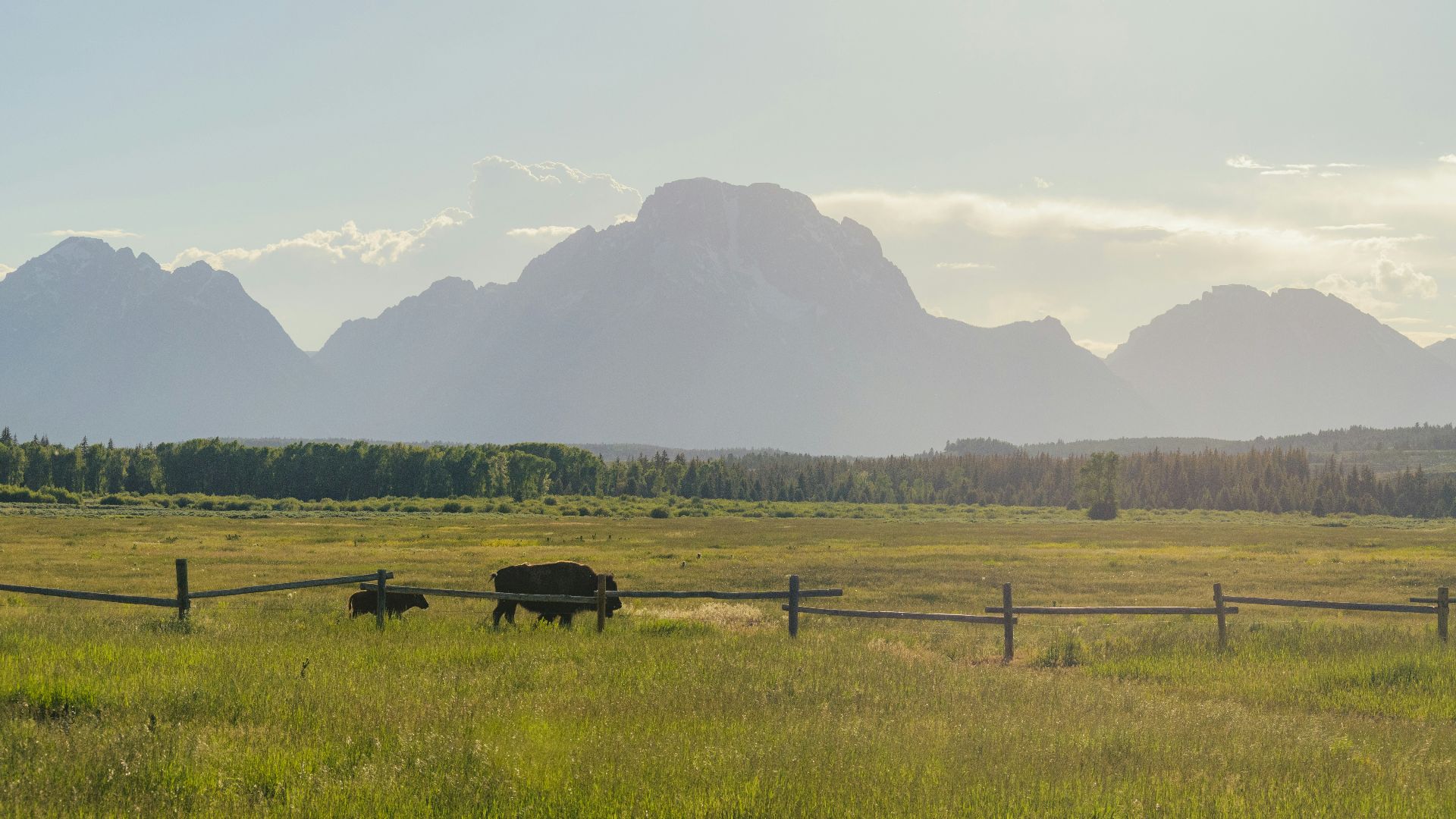
Jackson is more polished than it used to be, sure, though the old markers are still right there. The Town Square antler arches, the Million Dollar Cowboy Bar, and winter sleigh rides on the National Elk Refuge keep the place connected to the older Wyoming version of itself, the one built around elk, weather, and ranch-country habits.
13. Wickenburg, Arizona
Wickenburg still feels like a town where horse culture and guest-ranch life haven’t fully slipped into the past tense. Arizona tourism still leans on its long dude-ranch history, and the local Western museum’s recreations of old Wickenburg and desert-frontier life give the town more than enough backbone to carry that story.
14. North Platte, Nebraska
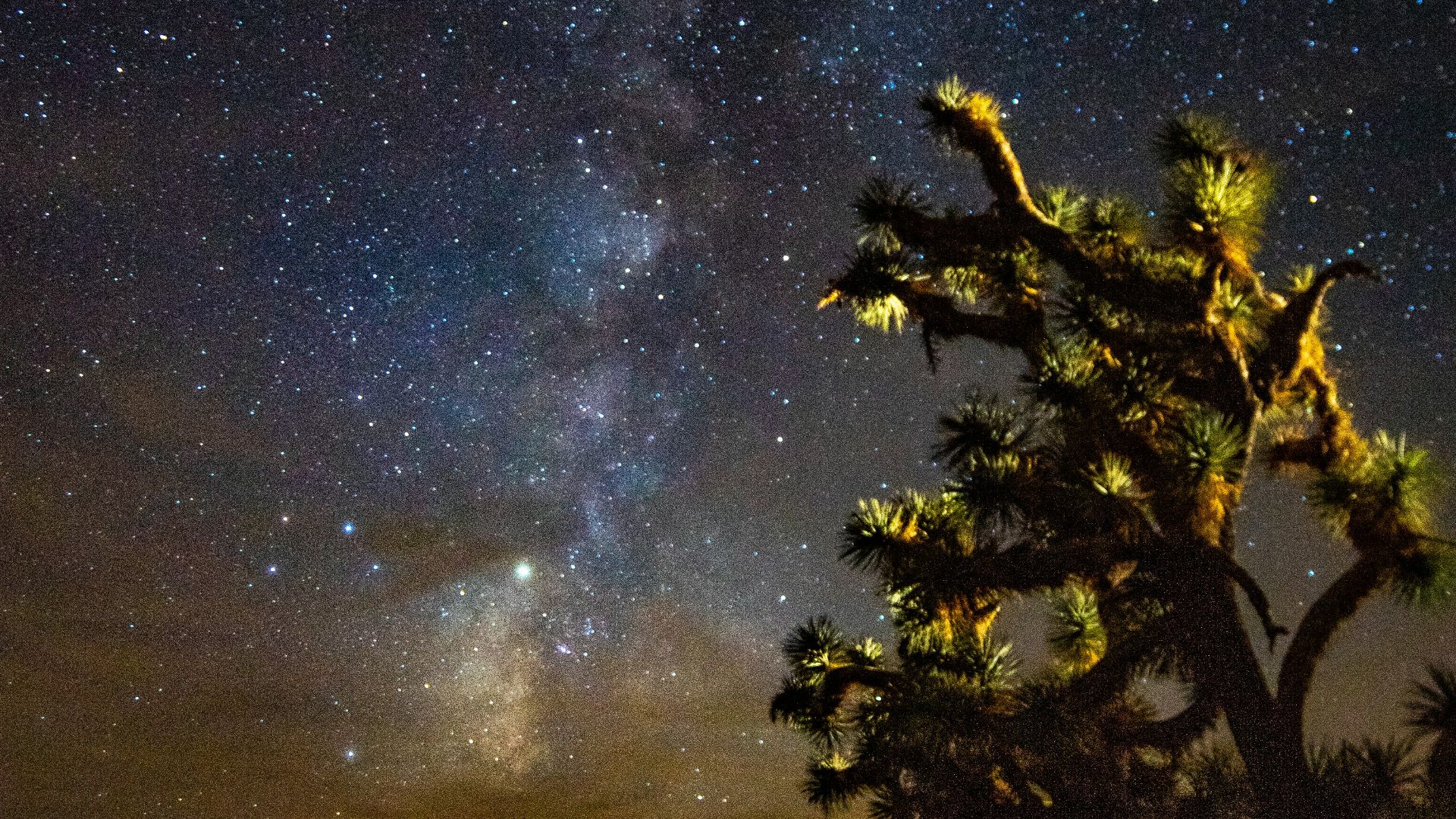
North Platte belongs here for the more practical side of frontier history, the version built on rail, livestock, and movement across the Plains. Buffalo Bill Ranch State Historical Park ties the town to William F. Cody, while the Golden Spike Tower looks out over Bailey Yard, still promoted as the world’s largest railroad classification yard.
15. Durango, Colorado
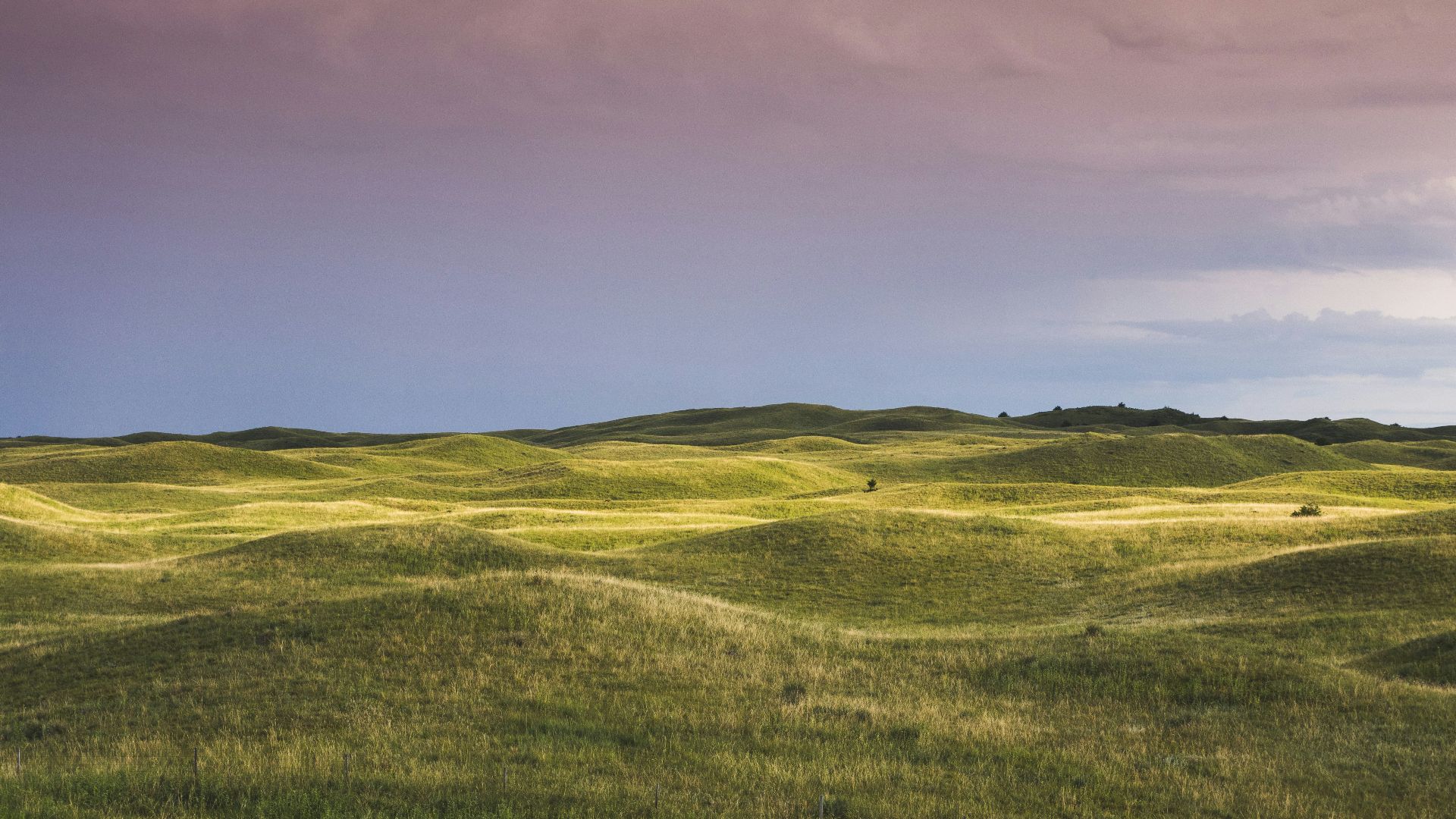
Durango still has one of the strongest frontier anchors anywhere in the region because the railroad is still part of daily life there. The Durango & Silverton Narrow Gauge Railroad dates to the early 1880s, was built to reach the mines of the San Juan Mountains, and still runs through country that feels properly remote.
16. Santa Fe, New Mexico
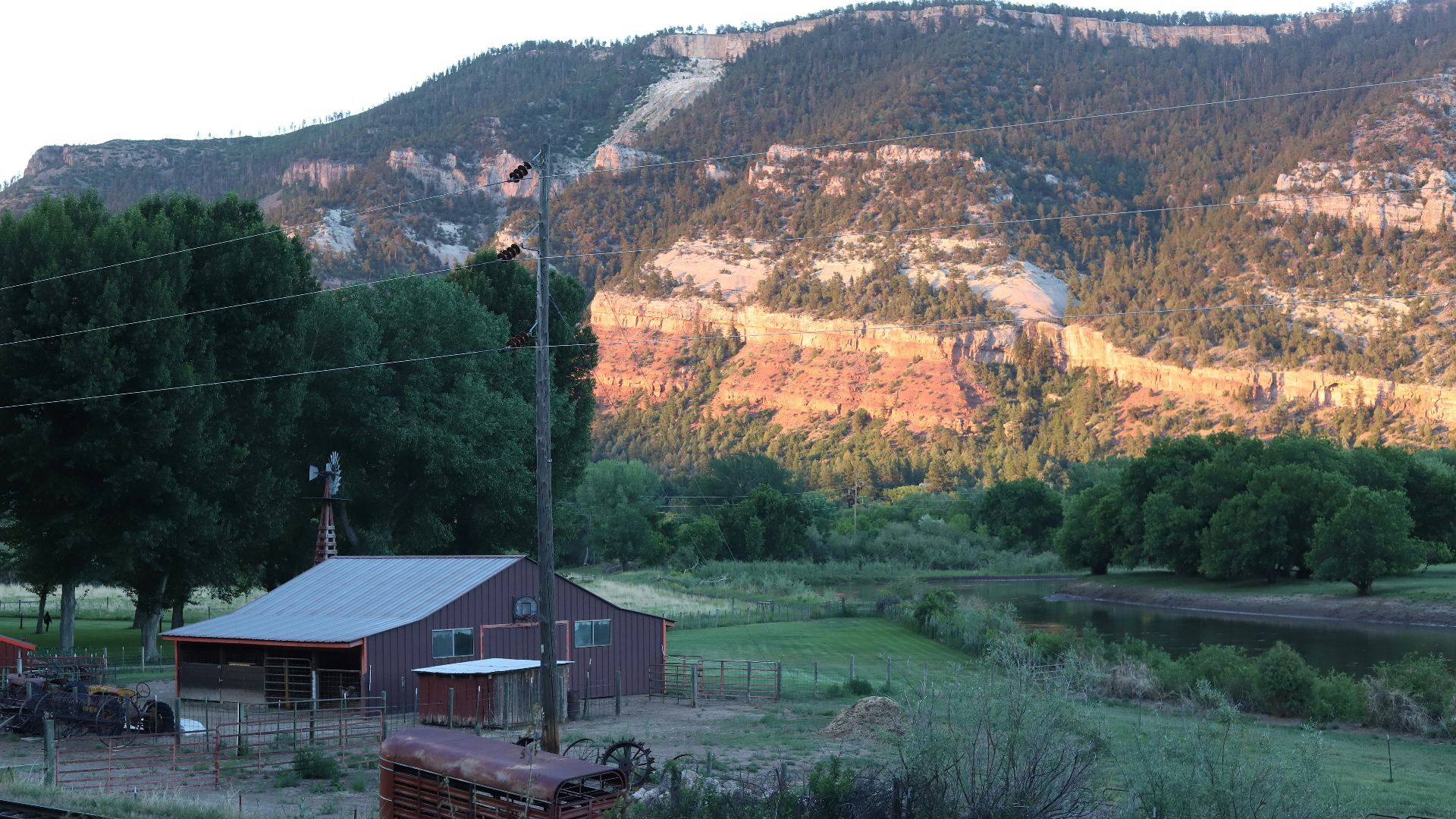
Santa Fe carries a different kind of frontier story, and that’s exactly why it belongs on this list. The Palace of the Governors remains one of the city’s core historic sites, and the Native artisan tradition under the portal still keeps the Plaza tied to a trading history that goes back much further than the standard cowboy version of the West.
17. Abilene, Kansas
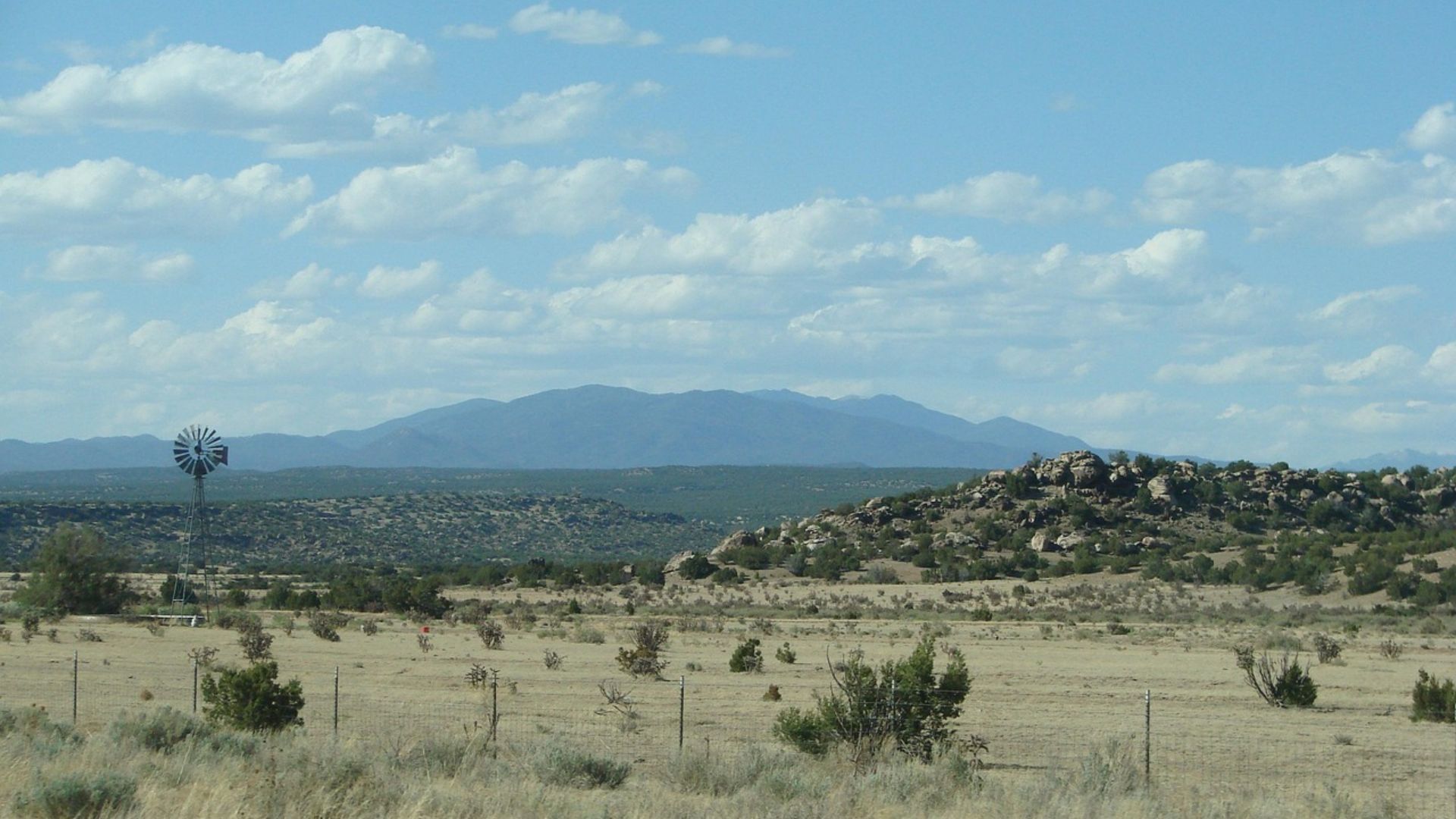
Abilene still knows it was one of the first great cowtowns, and it hasn’t gotten shy about it with age. Old Abilene Town brings back the cattle-drive era with gunfight shows, boardwalks, and live cattle-drive events, which is the kind of detail that makes a place feel lived rather than merely restored.
18. Virginia City, Montana
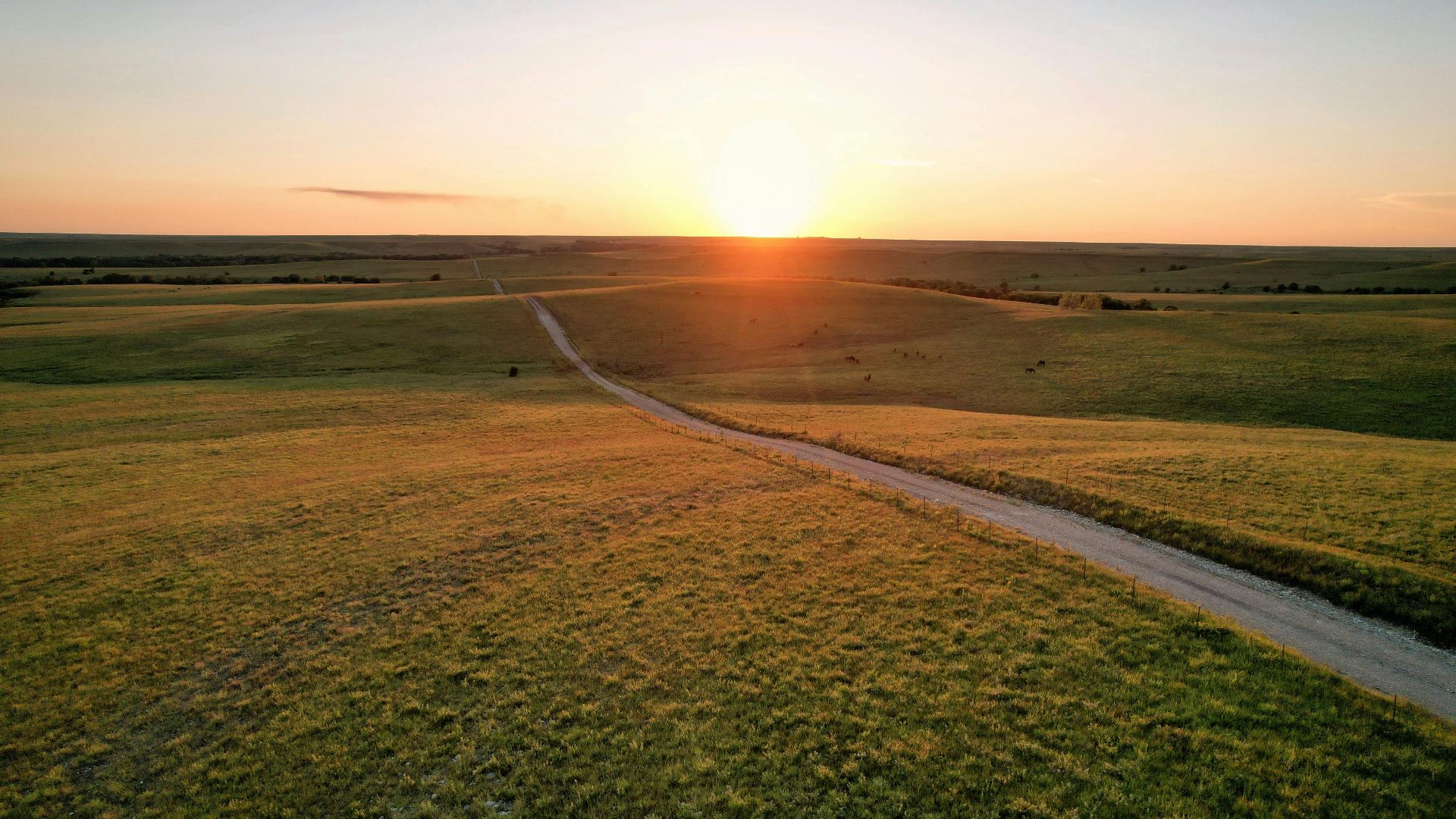
Virginia City, along with nearby Nevada City, still holds together as a rare piece of preserved gold-rush Montana. The Montana Heritage Commission continues to preserve and manage historic resources in both towns, and that continuity gives the whole place the feel of an actual surviving frontier settlement instead of a few scattered relics.
19. Bandera, Texas
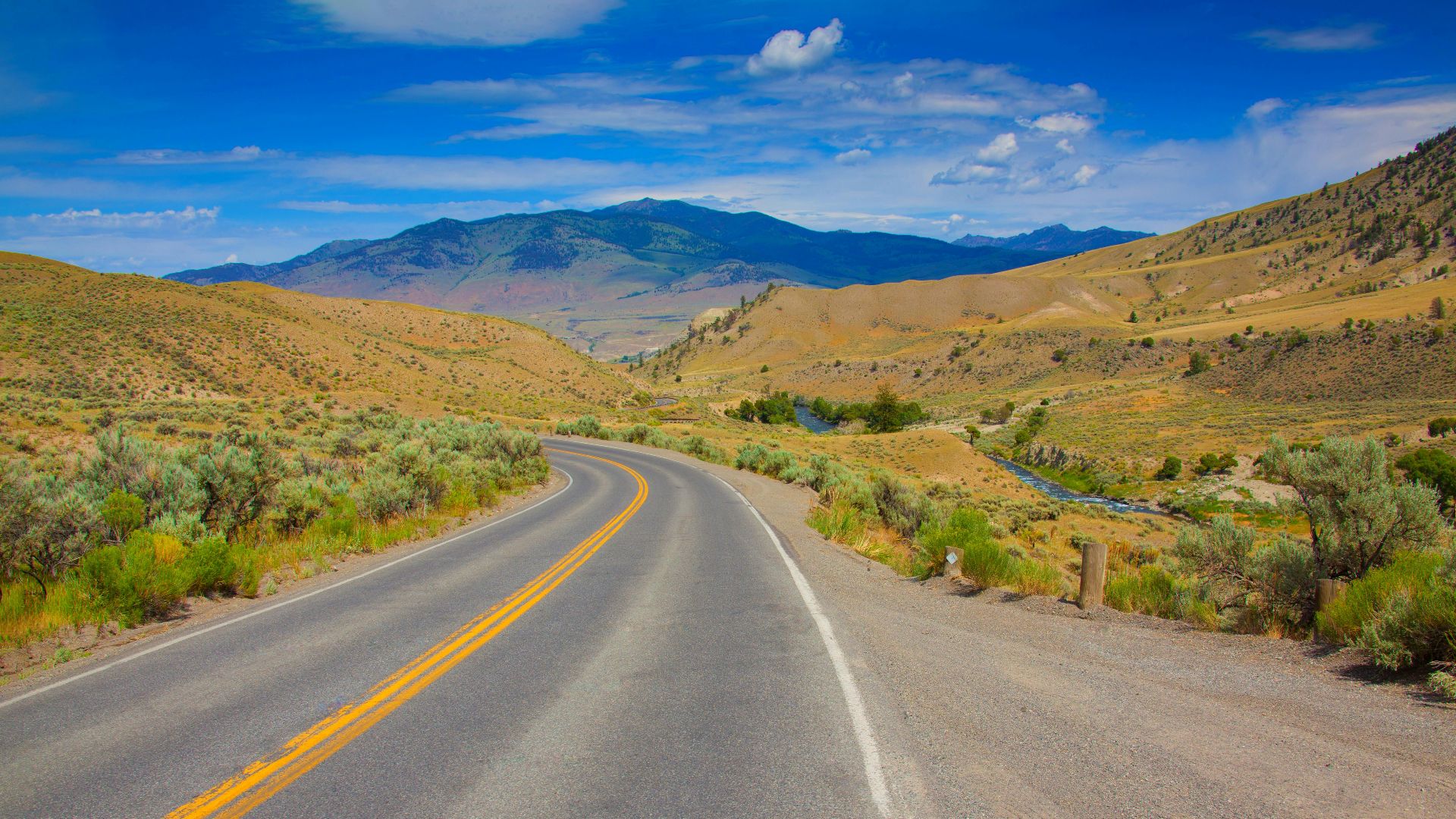
Bandera still puts cowboy life front and center, and in this case, it’s more than a slogan. The town’s identity is built around its Cowboy Capital of the World claim, plus working dude ranches, horseback culture, and a steady stream of Western events that keep the old ranch-country side of Texas in plain view.
20. Miles City, Montana
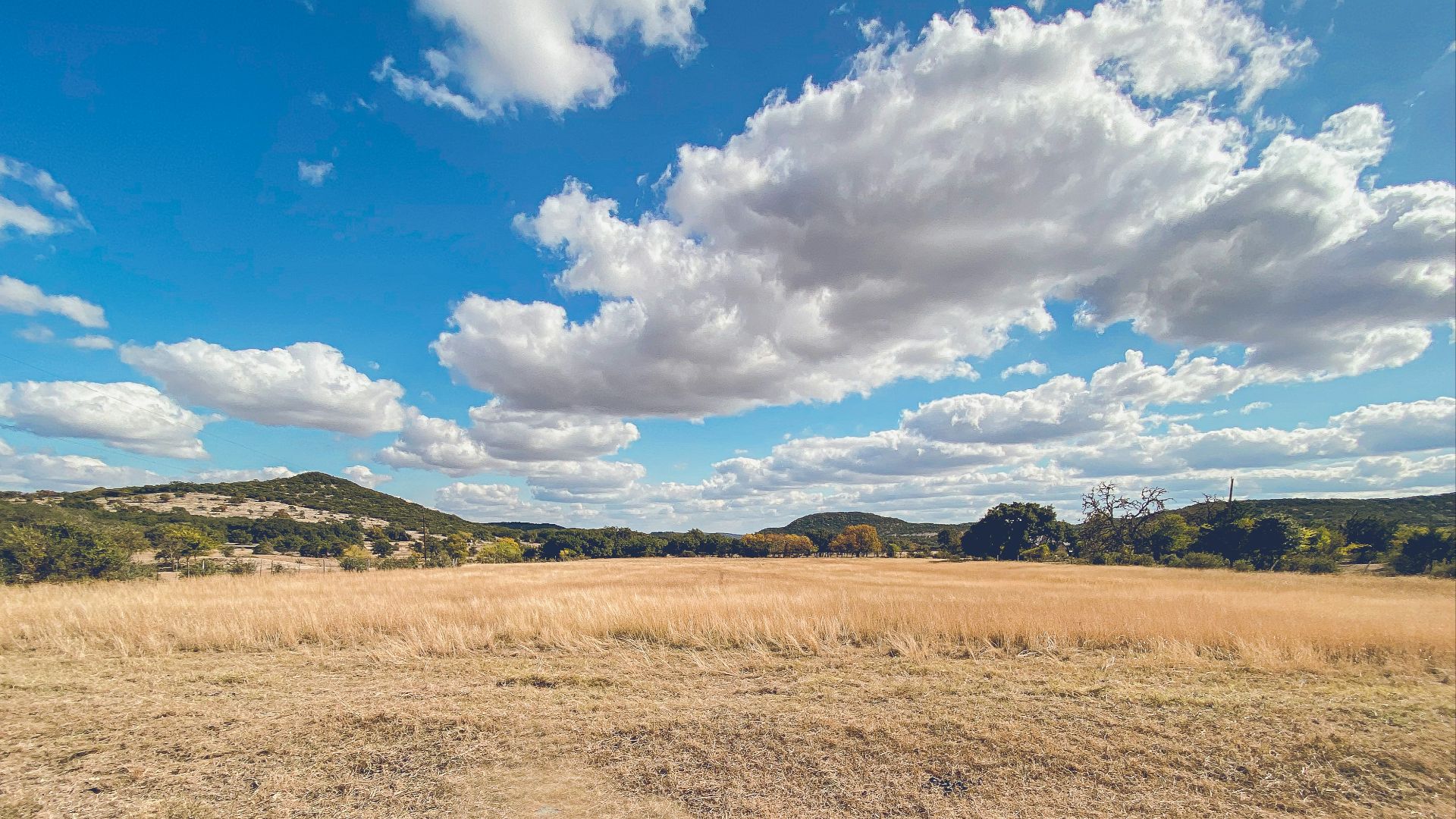
Miles City closes the list the right way, with broncs, horse-country tradition, and a whole lot of eastern Montana space around it. The Bucking Horse Sale has been kicking up dust since 1951 and still centers the town’s public Western identity every May, which says plenty about what kind of place this still is.