Beauty With A Hard Backstory
Travel has a way of smoothing out the rough edges of history. You walk through a fort, a palace, or a garden, and it is easy to focus on the stonework, the view, or the neat little sign in the gift shop. What often fades into the background is the labor that made the place possible, and in some cases, that labor came from prisoners who had no real choice in the matter. Some of these sites are famous for their architecture, some for their scenery, and some for the uneasy feeling that beauty and brutality can live in the same place. These 20 destinations are worth seeing, but they are also worth seeing clearly.
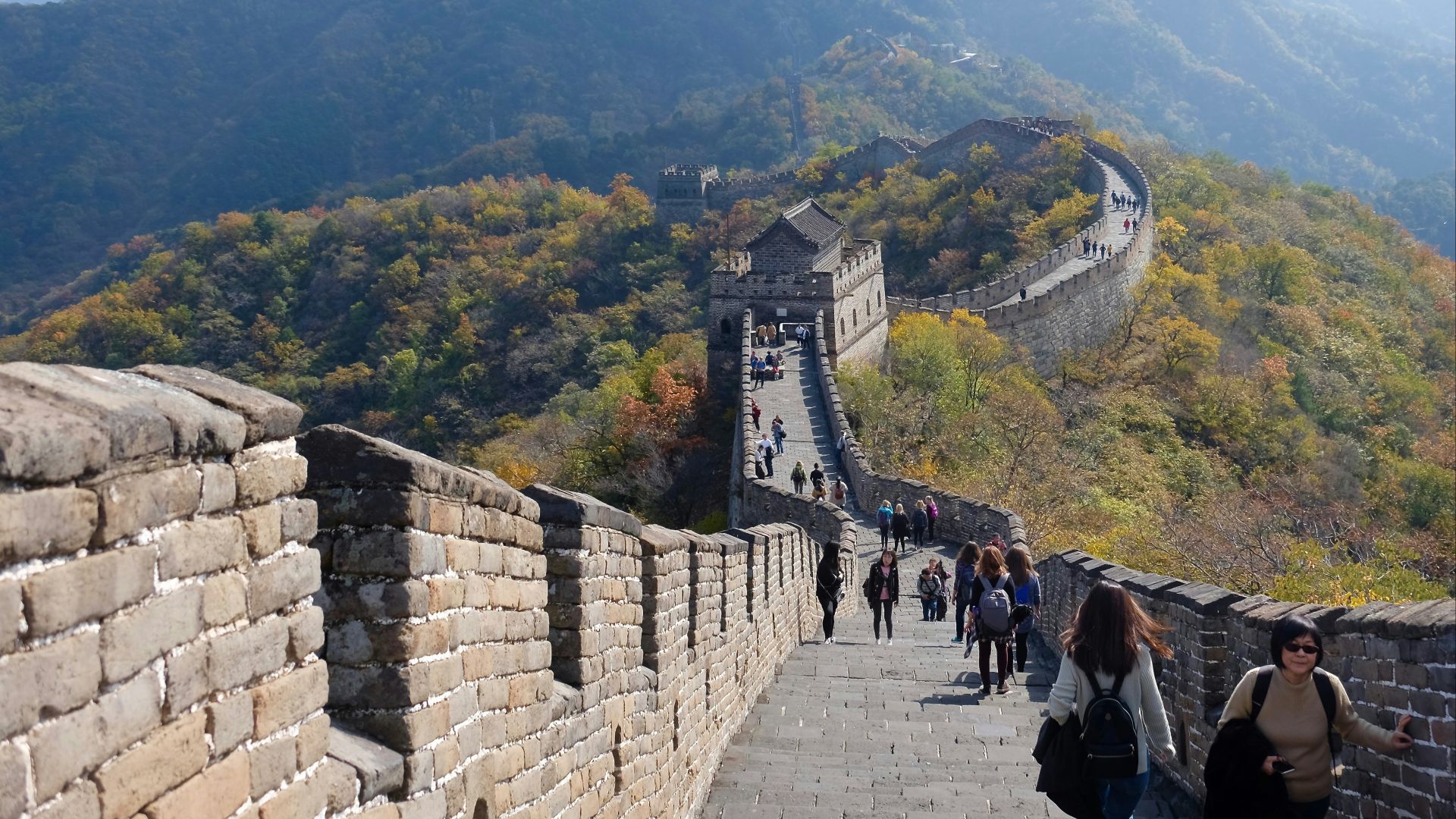
1. Alcatraz Island, United States
Alcatraz is usually talked about as a prison, but prisoners also did much of the hard labor that kept the island running and shaped parts of the site visitors see today. They worked on gardens, roads, and maintenance jobs that made a bleak rock in the bay feel strangely ordered. You get the postcard view of San Francisco, but the place still carries the claustrophobic mood of forced routine.
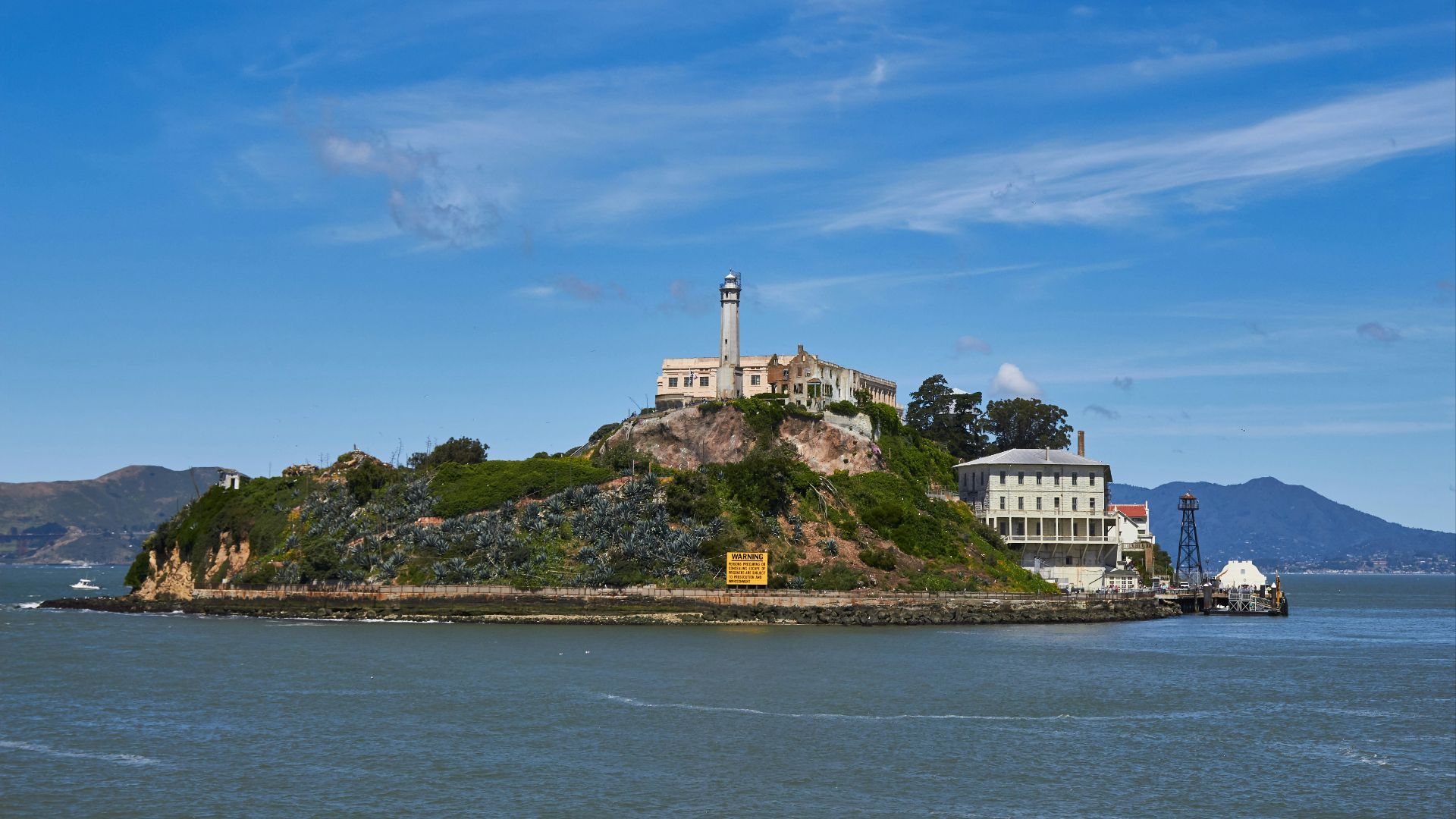
2. Port Arthur, Australia
Port Arthur looks almost too pretty at first glance, with its pale stone buildings and quiet water nearby. That calm setting hides the fact that convicts built much of the settlement during Britain’s brutal penal colony era. It is the kind of place where the landscaping softens the story, right up until you stop and think about who hauled the stone.
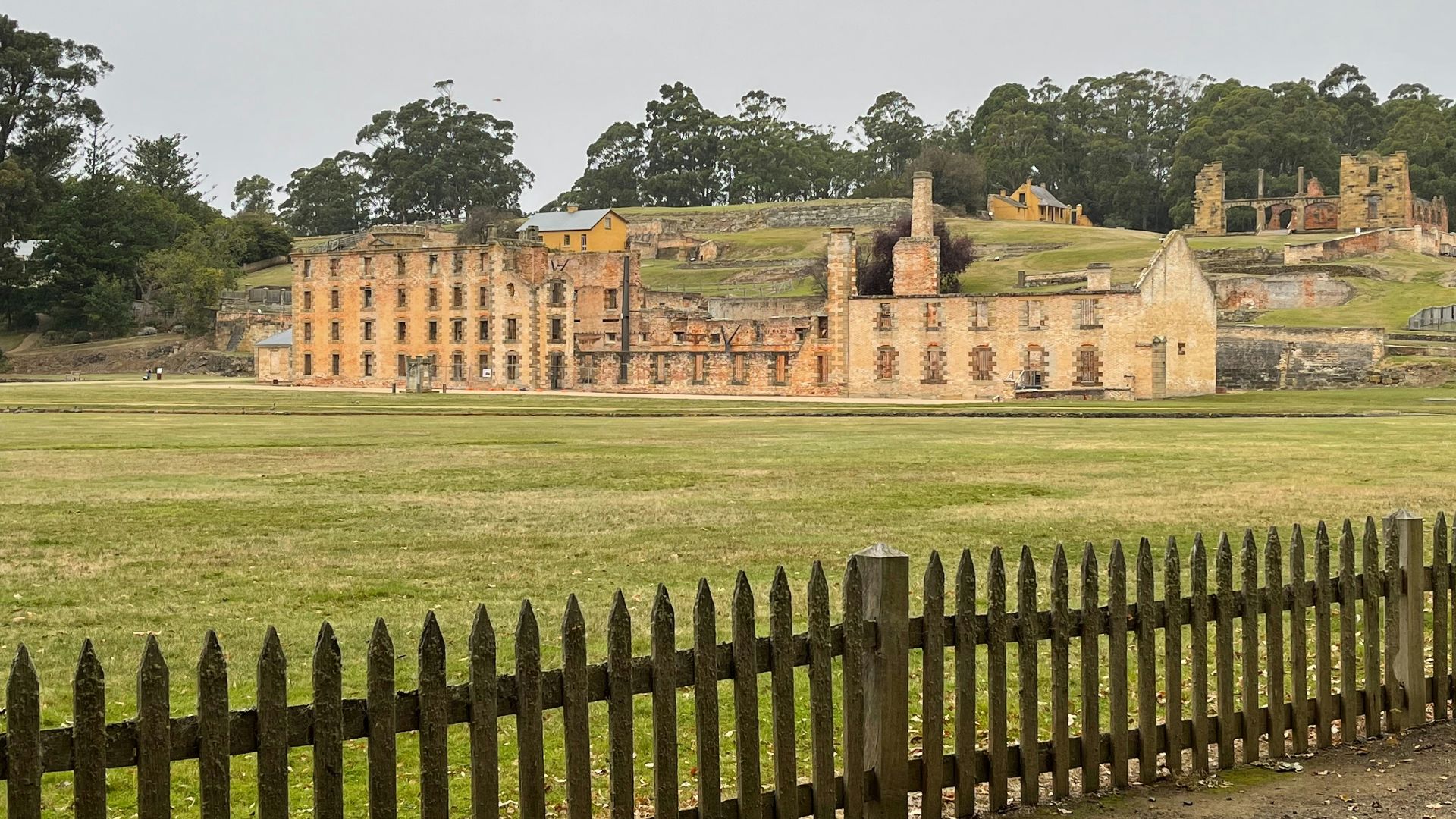
3. Fremantle Prison, Australia
Fremantle has the heavy, sun-struck look of a place that has seen too much. Built largely by convicts in the 1850s, it now draws visitors with its limestone walls, tunnels, and well-preserved cell blocks. The craftsmanship is impressive, which only makes the story underneath it hit harder.
 commons.wikimedia.org on Google
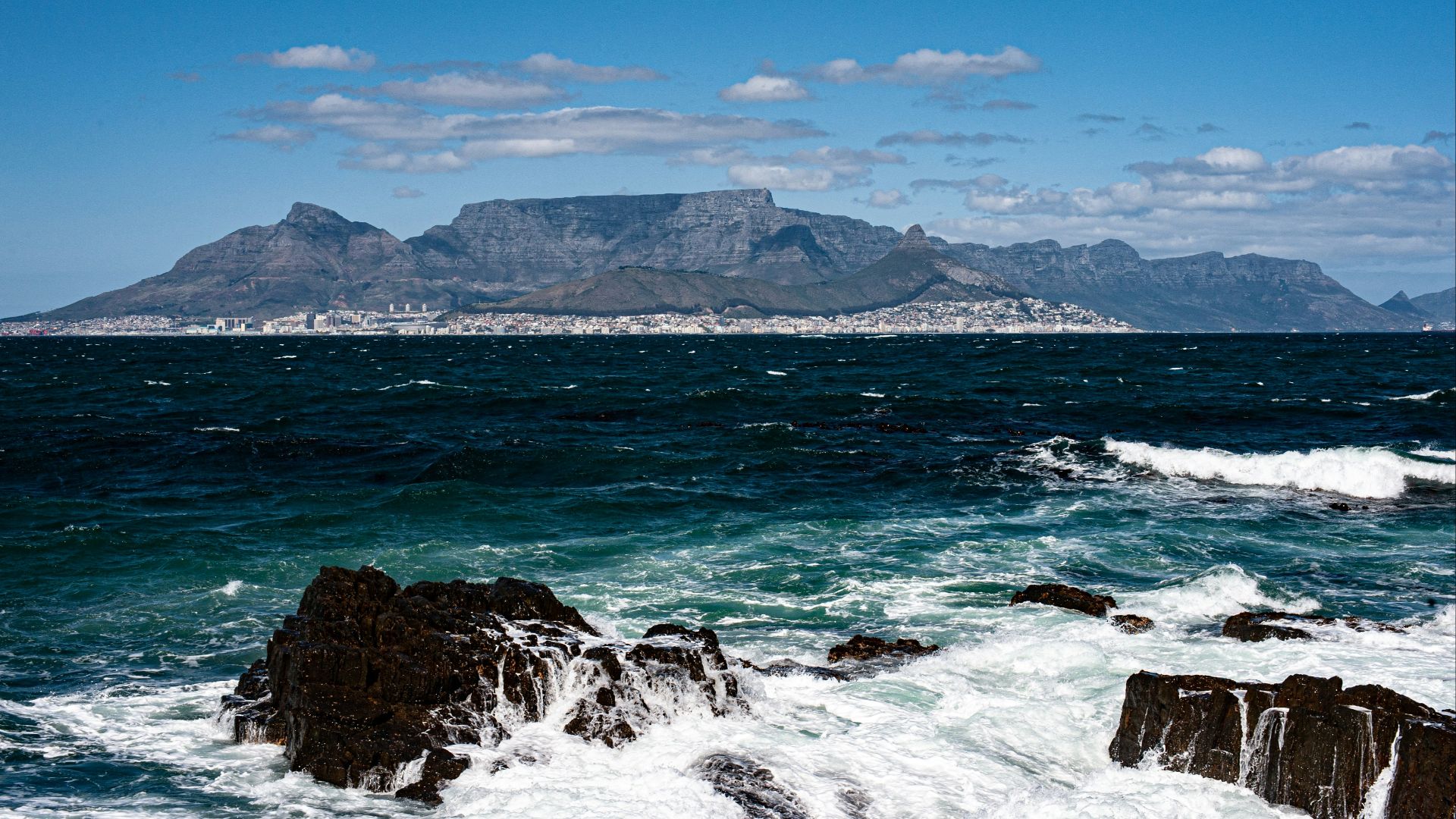
4. Robben Island, South Africa
Robben Island is best known for holding Nelson Mandela, but prison labor shaped the island in lasting ways. Inmates worked in the lime quarry and handled other punishing tasks that helped sustain the site. The bright light off the stone is still part of what people remember, and it says a lot that something so visually striking came from such relentless work.
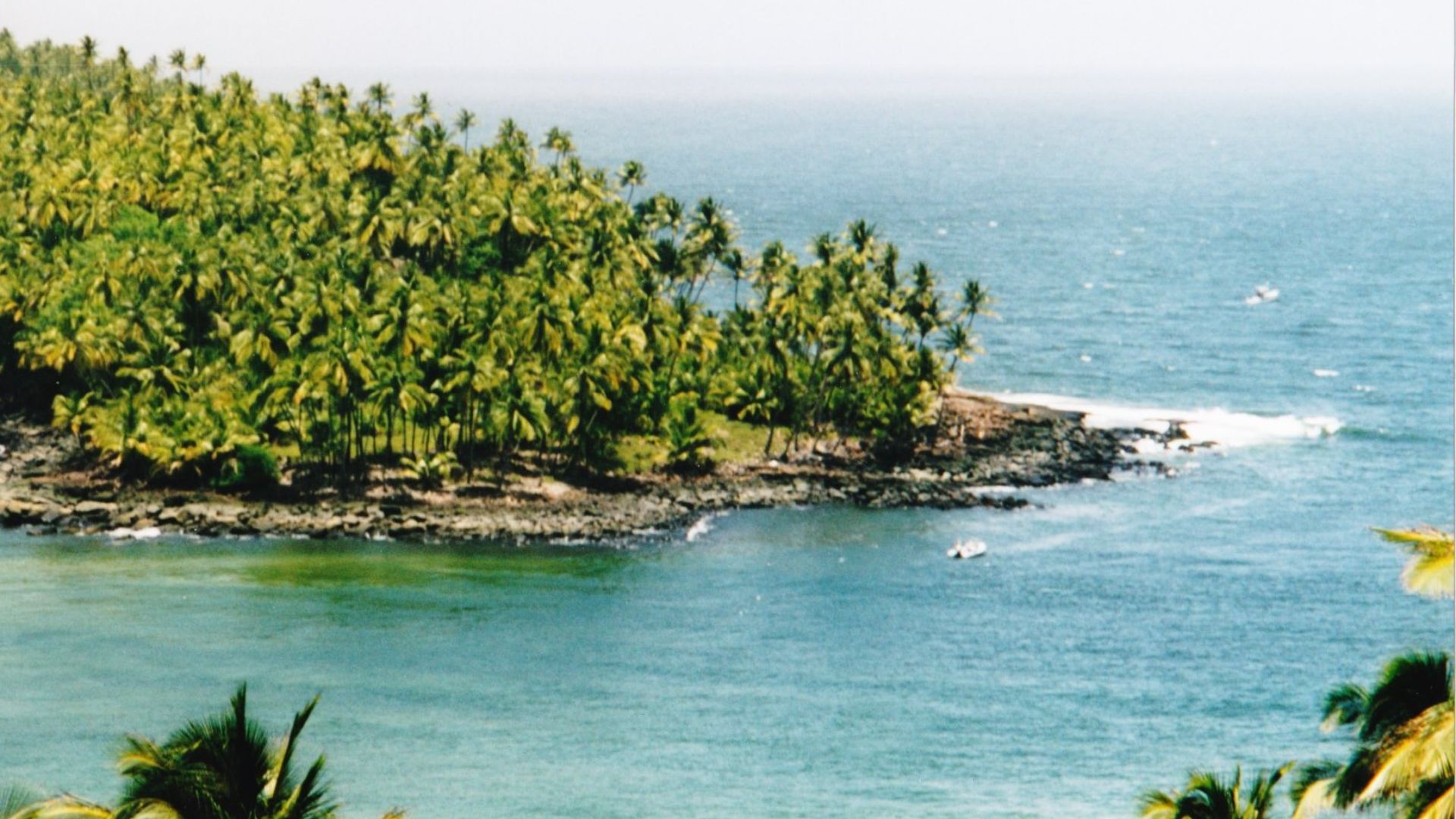
5. Devil’s Island, French Guiana
Devil’s Island has the kind of tropical setting that almost feels insulting once you know the history. The penal colony was built and maintained through the labor of prisoners who faced disease, isolation, and staggering cruelty. The palm trees and ocean views do not soften much when the backstory is that grim.
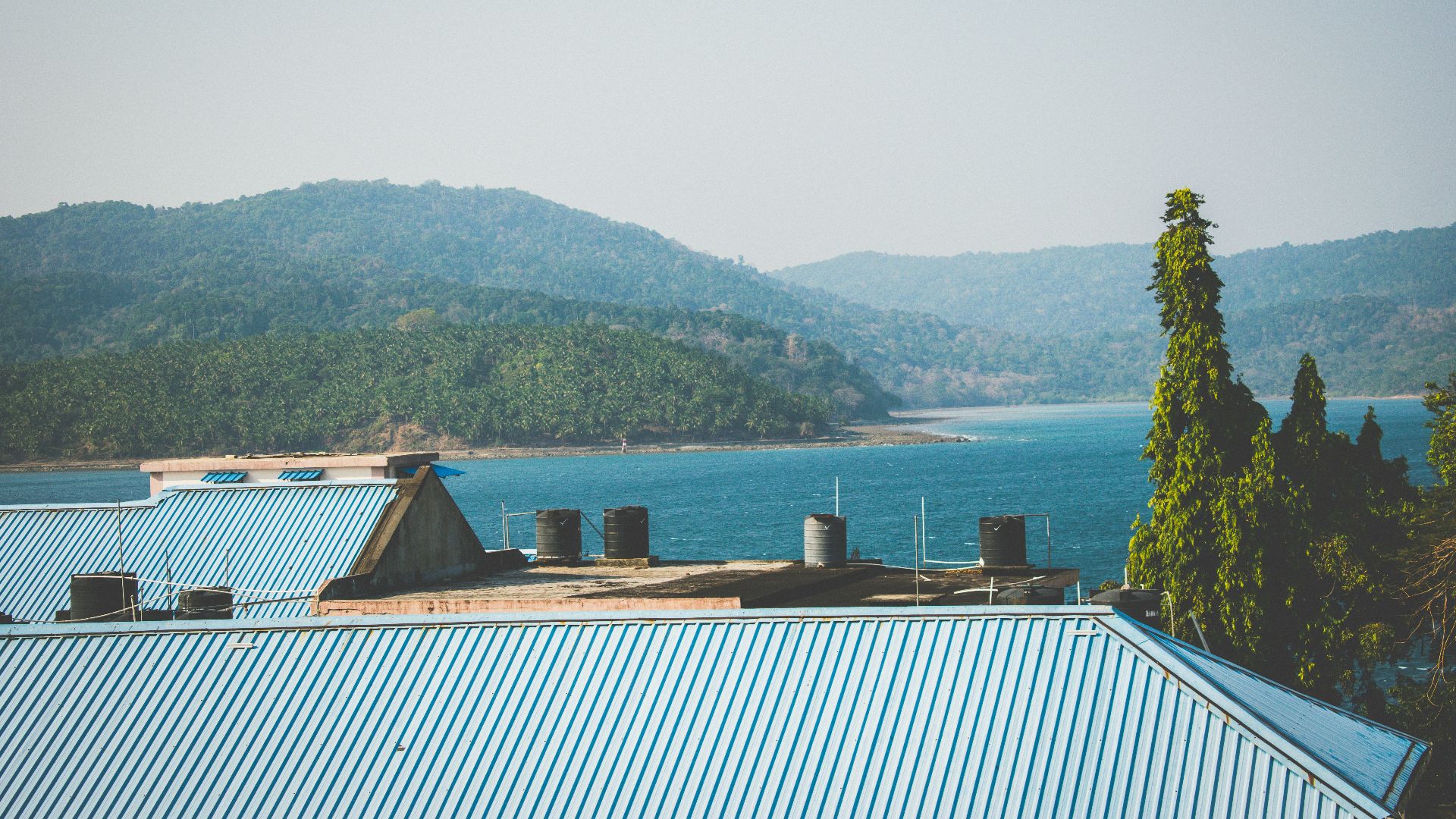
6. Cellular Jail, India
Cellular Jail in the Andaman Islands has a stark, severe design that tells you exactly what it was meant to do. Prisoners were forced into exhausting labor, including work tied to the prison’s upkeep and colonial production systems. Visitors come for the history, but the building itself already says plenty before a guide opens their mouth.
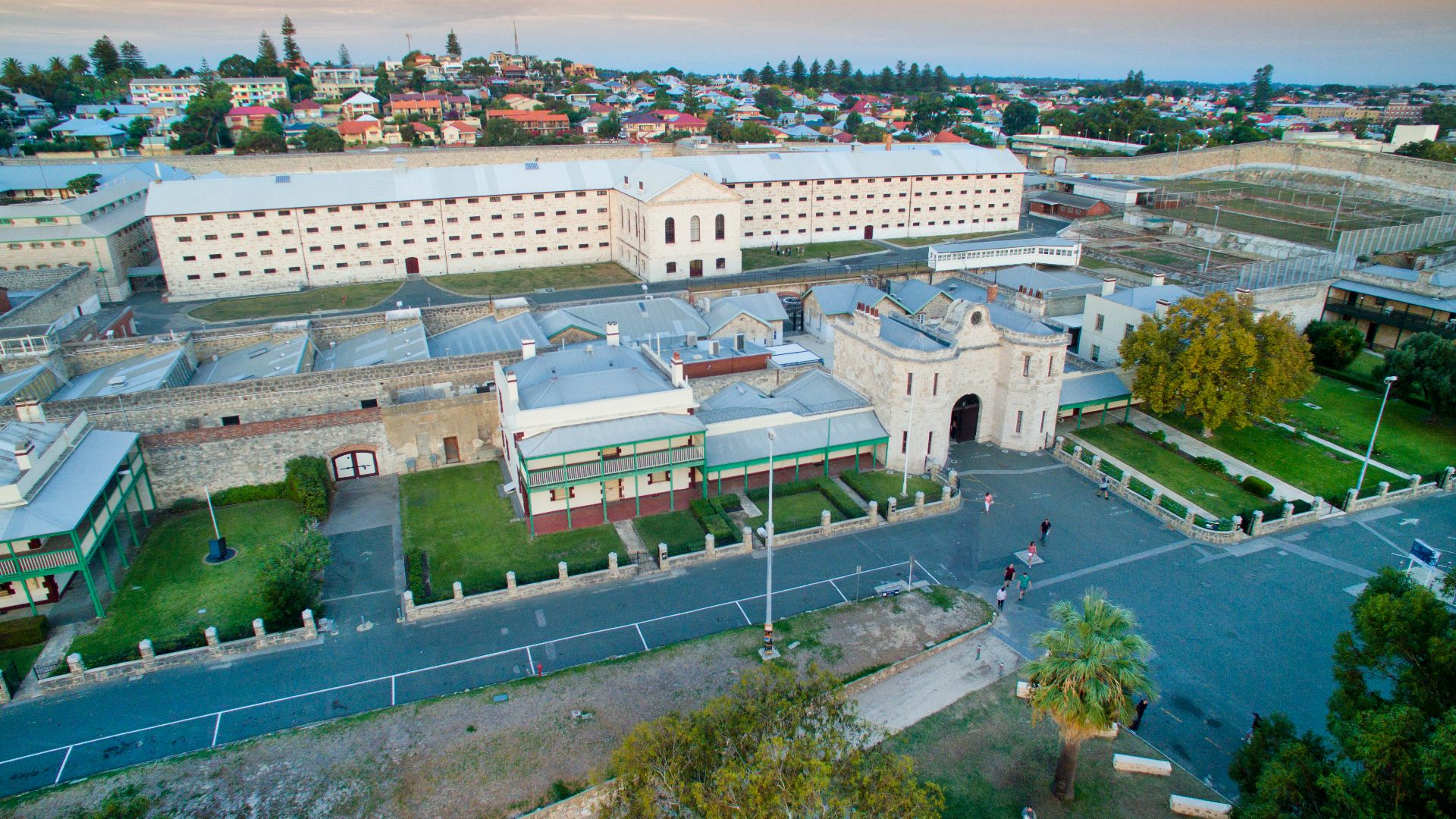
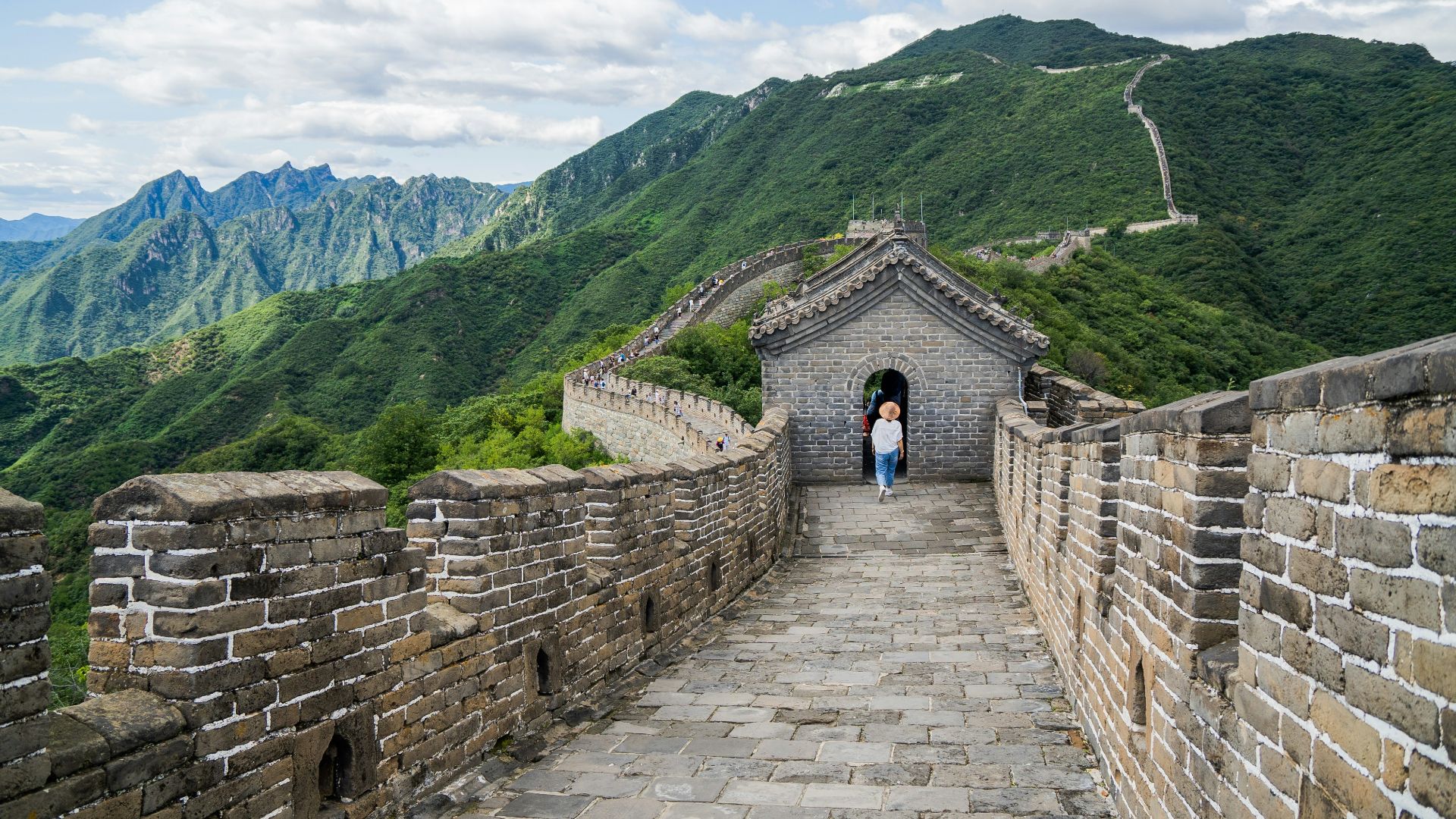
7. The Great Wall, China
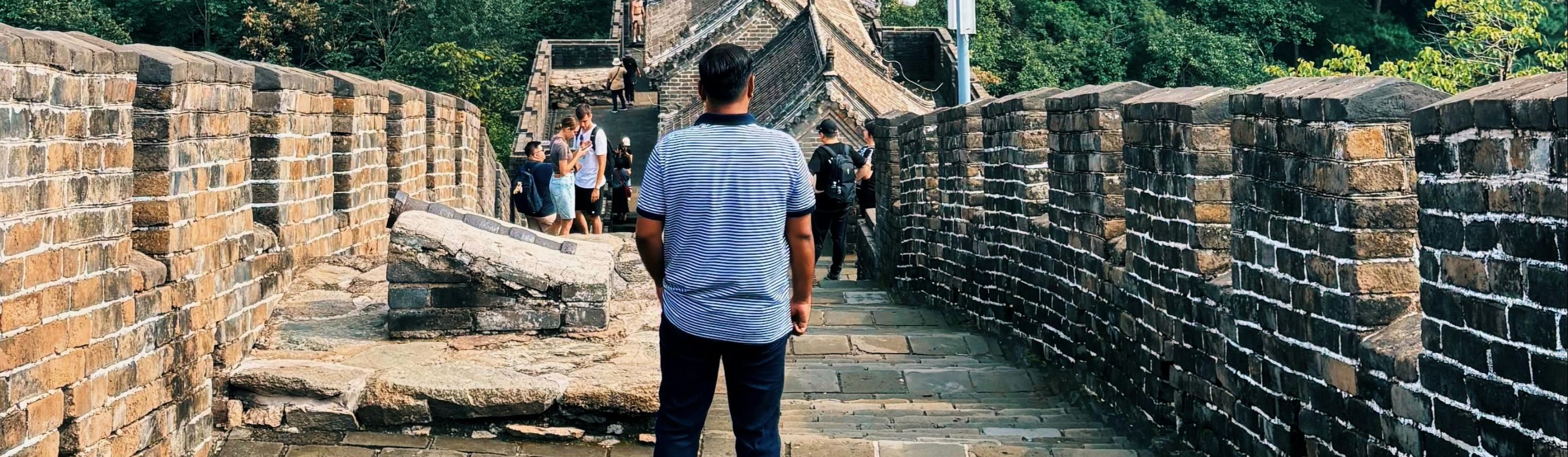
The Great Wall was built across centuries, dynasties, and regions, so its labor story is complicated. Still, prisoners were among the many forced workers used on sections of the wall, alongside soldiers and peasants. When you stand on it now, surrounded by mountain views and camera clicks, it is hard not to think about the sheer human cost packed into every stretch of stone.
 Victoriano Izquierdo on Unsplash
8. The Pyramids Of Giza, Egypt
The old myth says the pyramids were built by slaves, and the reality is more nuanced than that, but penal or coerced labor likely played a role in parts of ancient state building in Egypt. The site remains one of the clearest examples of how monumental beauty can rest on systems that gave ordinary workers very little say.

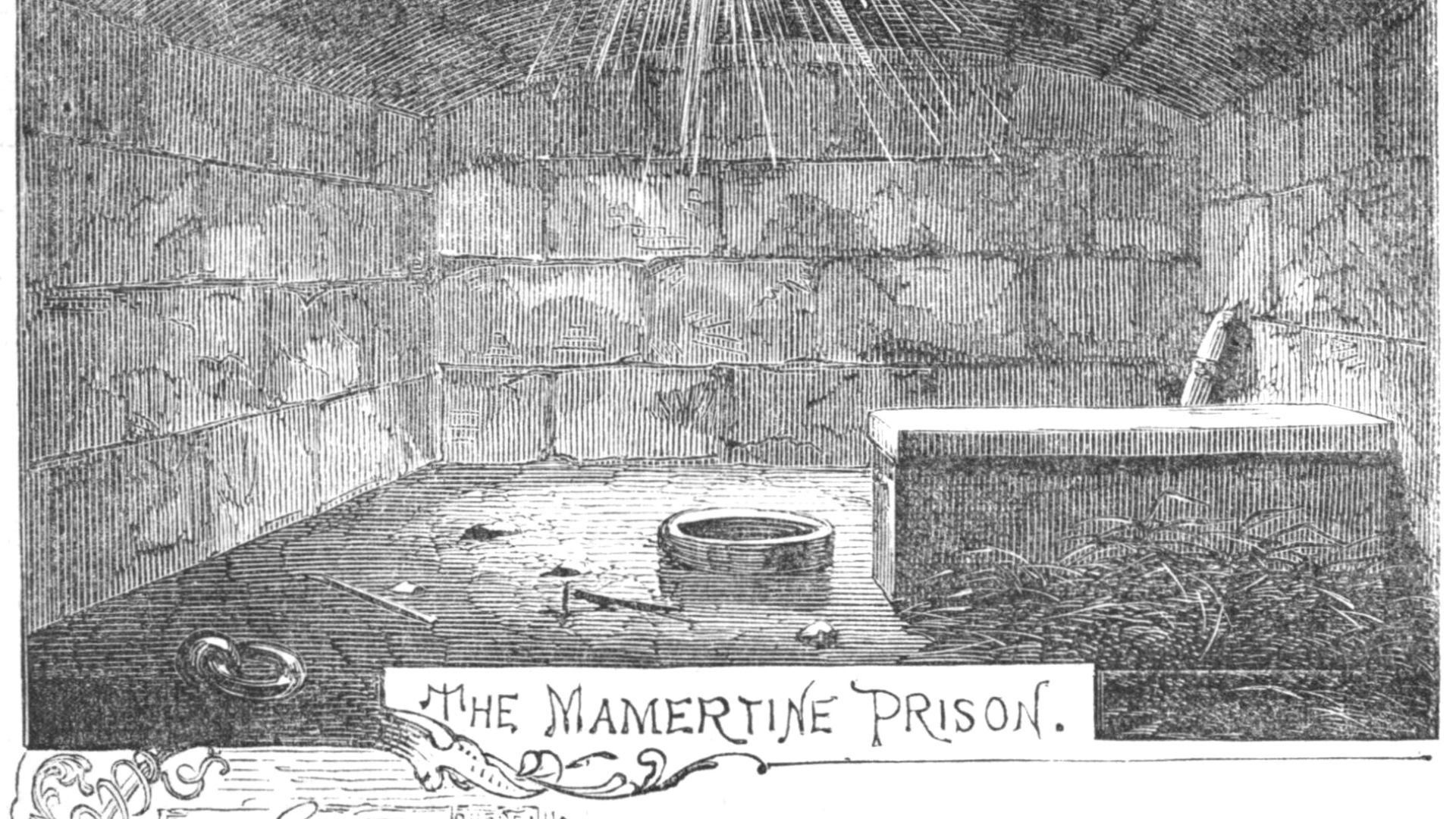
9. Mamertine Prison Area, Italy
Ancient Rome left behind no shortage of grand attractions, and some were connected to prison labor in ways that are easy to overlook now. Around carceral and public works spaces, prisoners were often drawn into construction and maintenance under harsh conditions.
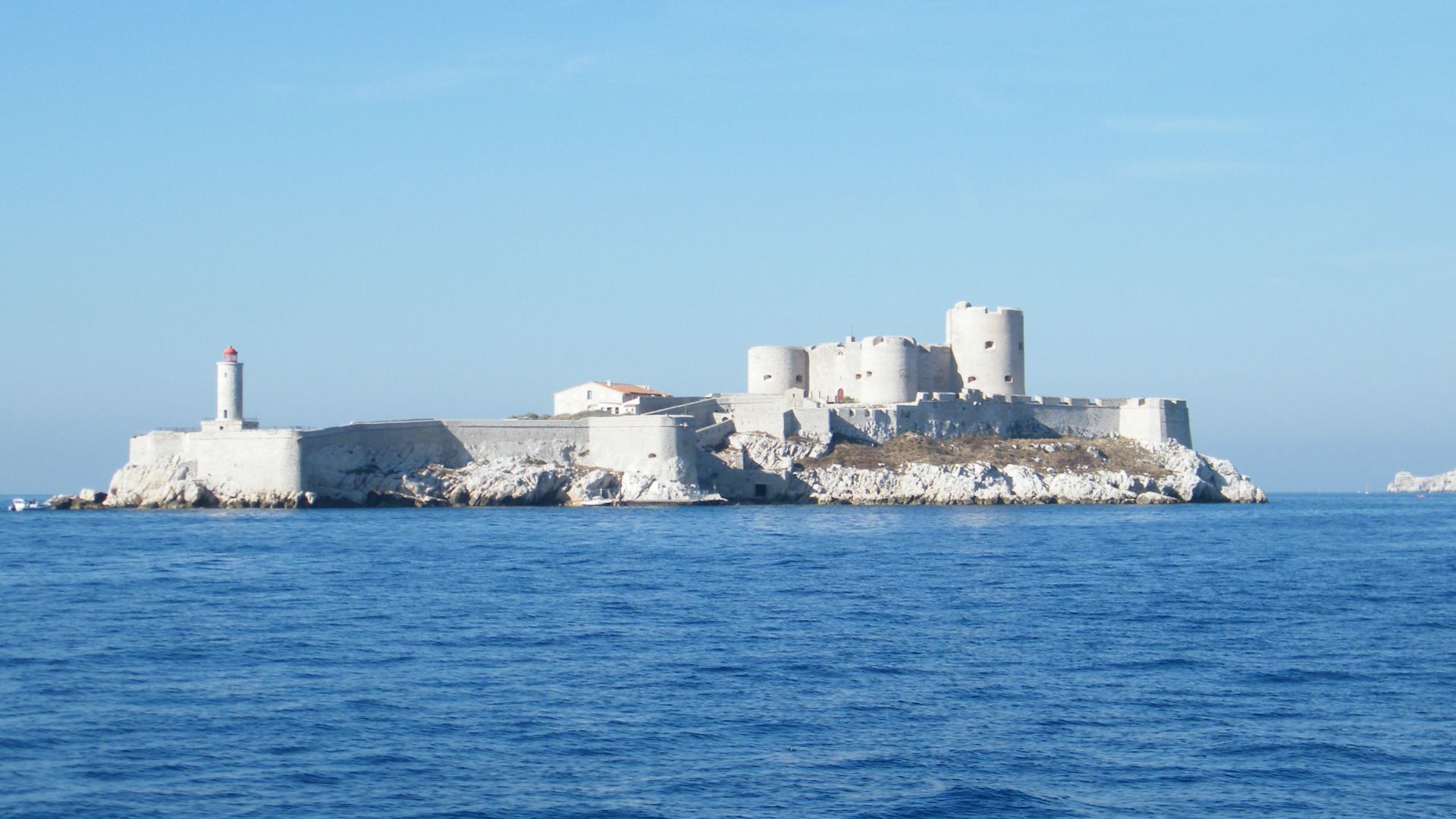
10. Château D’If, France
Château d’If rises from the water with the kind of drama that makes you understand why it inspired fiction. Parts of its construction and operation relied on captive labor, which fits a fortress prison built to control and intimidate. It is undeniably picturesque from a distance, then a lot less romantic once you are inside the walls.
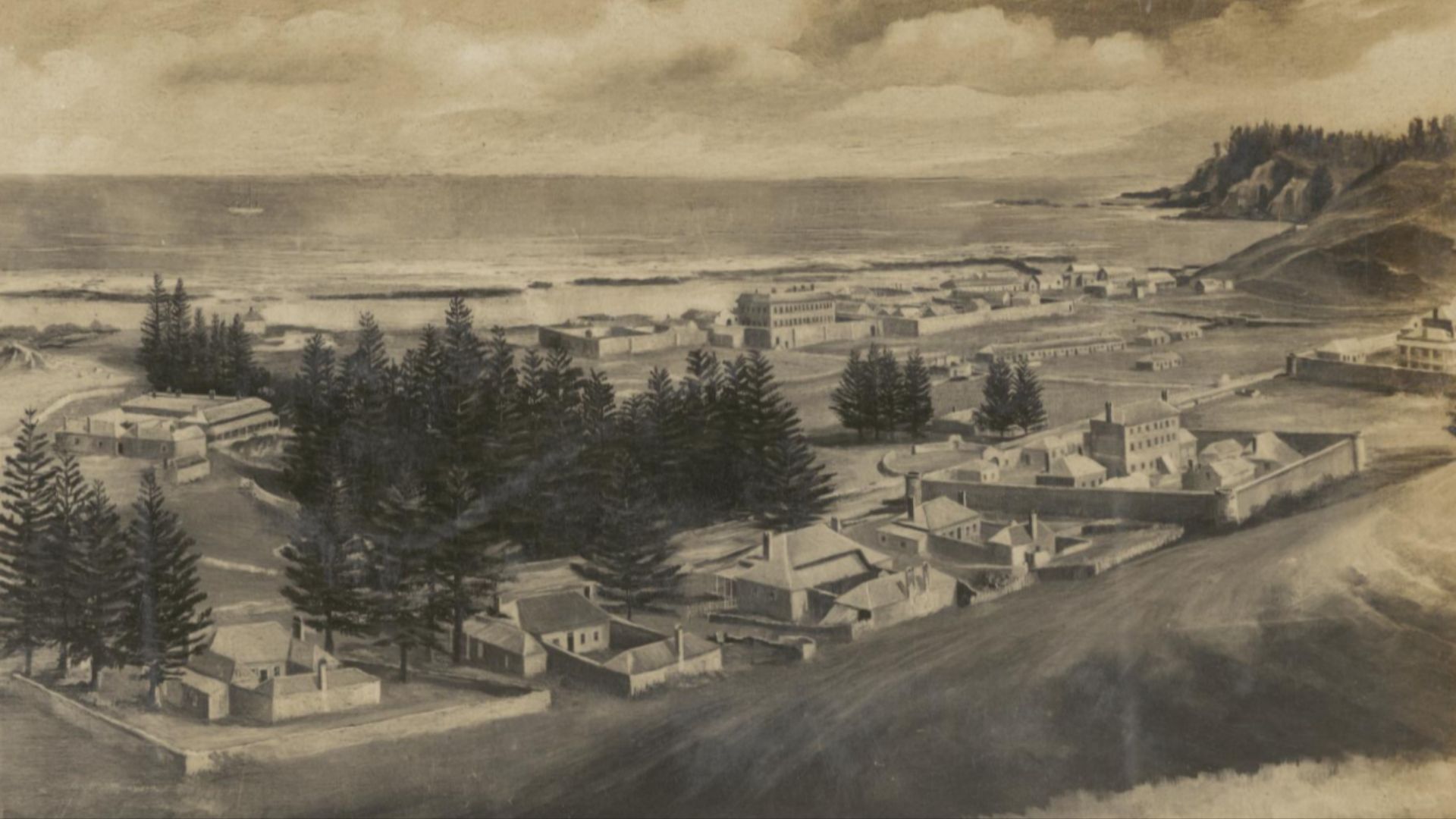
11. Norfolk Island Settlements, Australia
Norfolk Island has those big coastal views that make almost anywhere feel cinematic. It was also home to one of the harshest penal settlements in the British system, and convicts built roads, buildings, and infrastructure under severe punishment. The scenery is real, but so is the sense that this place was made through suffering.
 Unknown authorUnknown author on Wikimedia
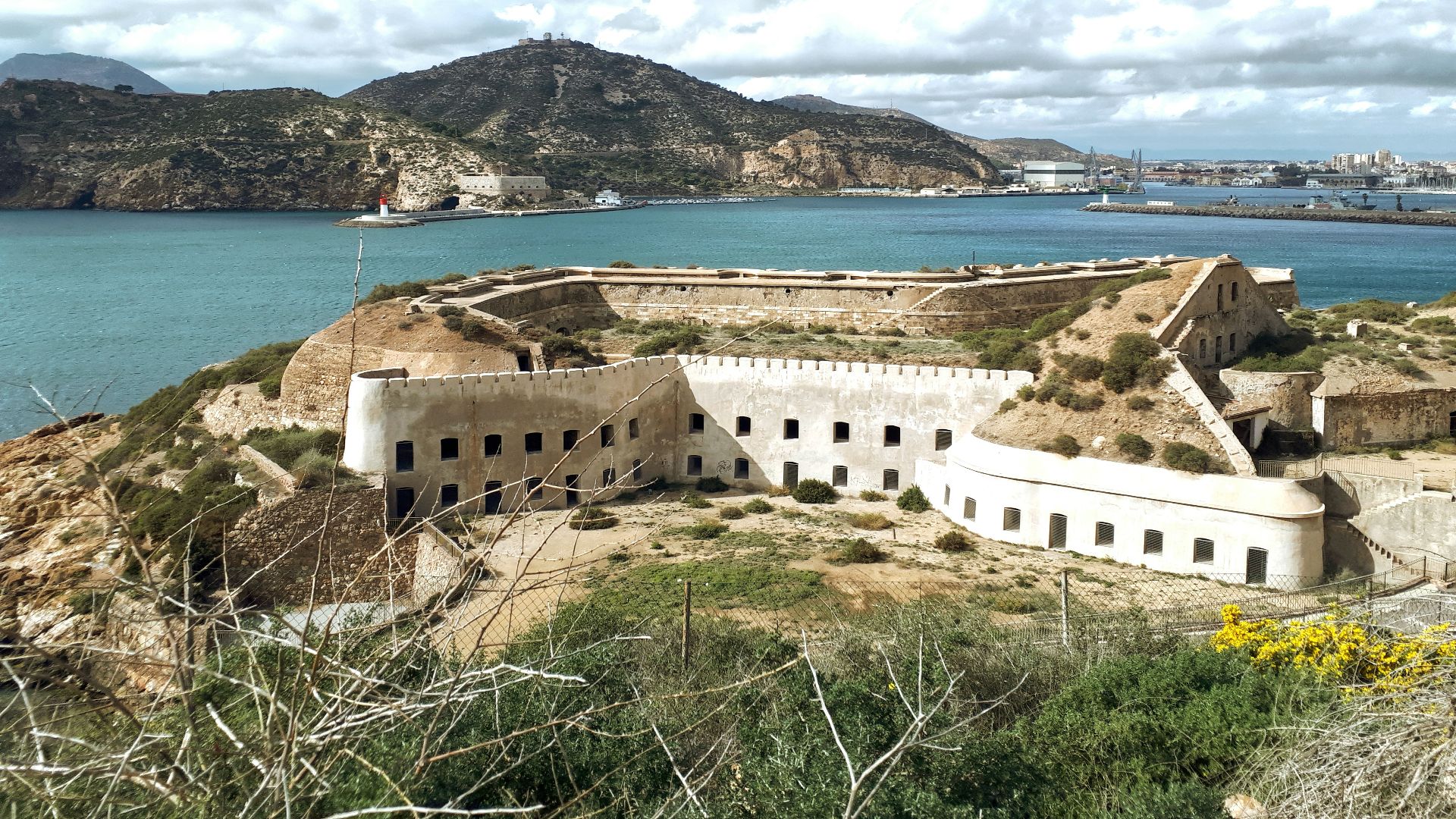
12. Cartagena’s Fortifications, Colombia
Cartagena’s walls are beautiful in the late afternoon, when the light turns the stone warm and the city starts to glow. Enslaved and penal labor both played roles in building and maintaining the defensive system over time. It is one of those places where people show up for the sunset and leave thinking about empire whether they planned to or not.
13. Dockyard Sites In Bermuda
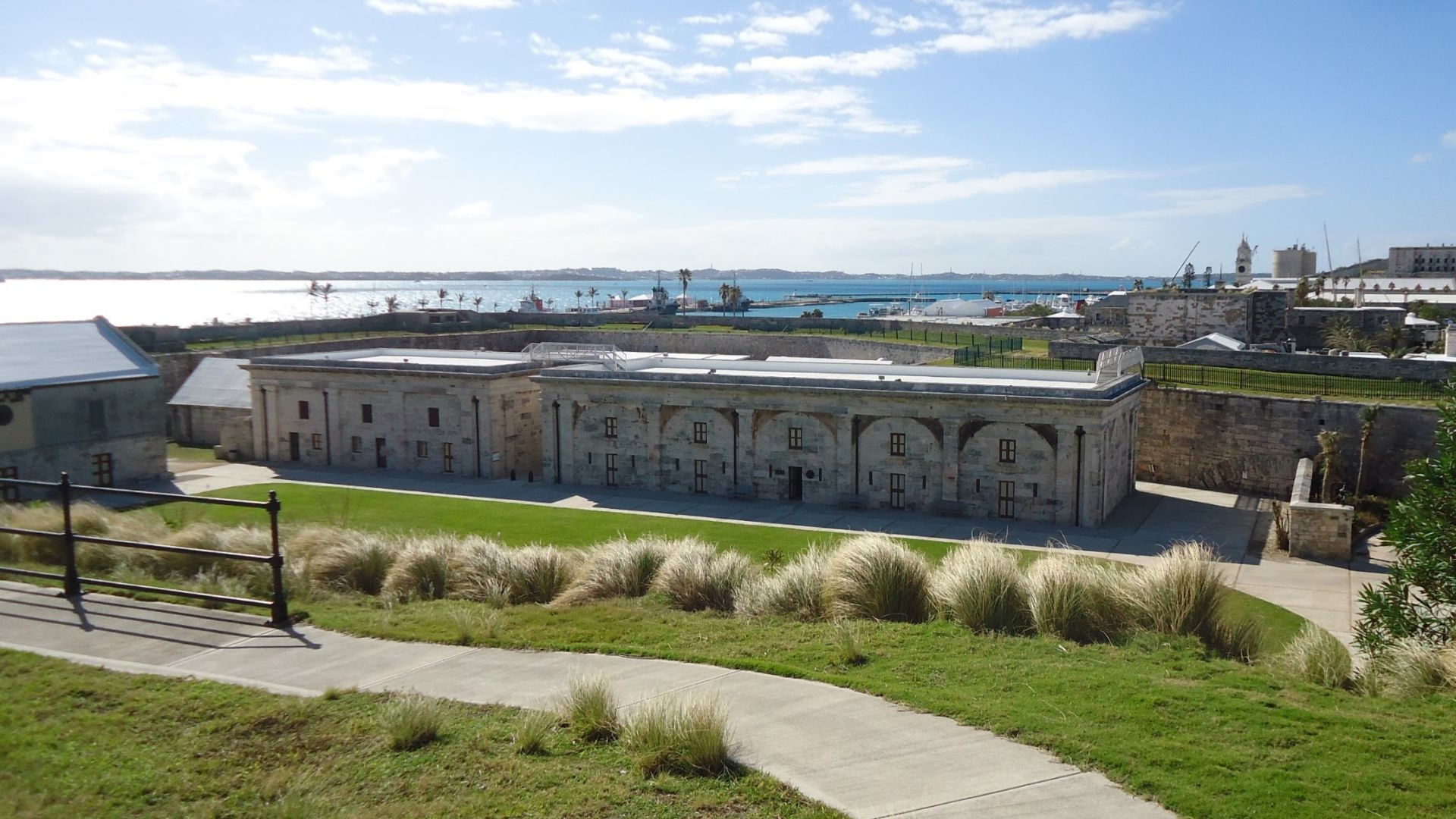
Bermuda’s old Royal Naval Dockyard is polished now, with shops, museums, and cruise traffic smoothing out the edges. Much of it was built by convict labor in the 19th century, often under brutal conditions in a humid climate that could make any workday feel endless. The neat restoration does not erase the fact that the original build was punishing.
14. Sigiriya, Sri Lanka
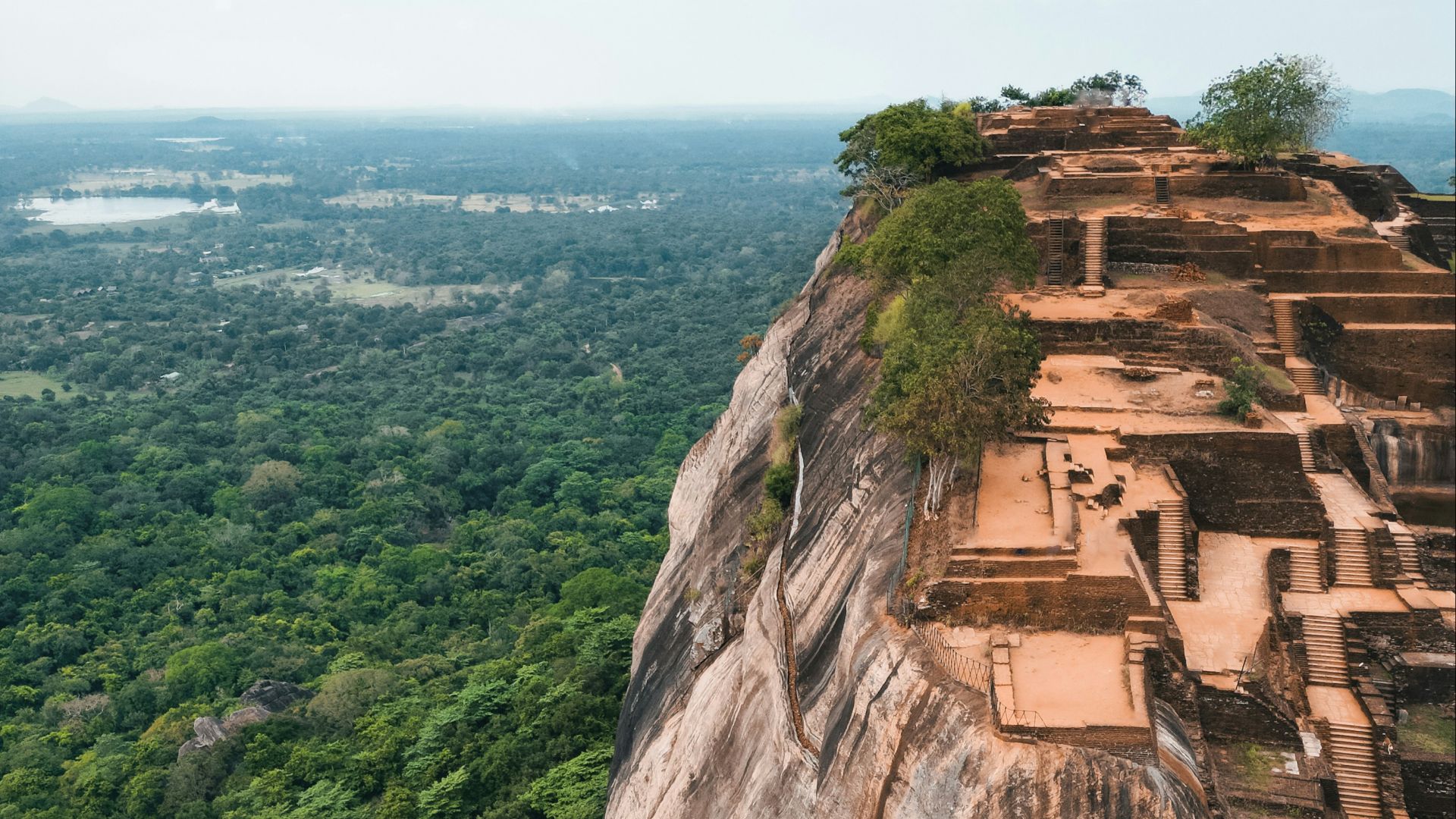
Sigiriya is famous for its dramatic rock fortress and carefully planned gardens. Historians debate the exact labor systems behind every part of its construction, but like many ancient royal sites, it likely drew on coerced or captive workers at some stage. The climb is memorable, though the real weight of the place is in how much effort went into making power look effortless.
15. The Bastille Site, France
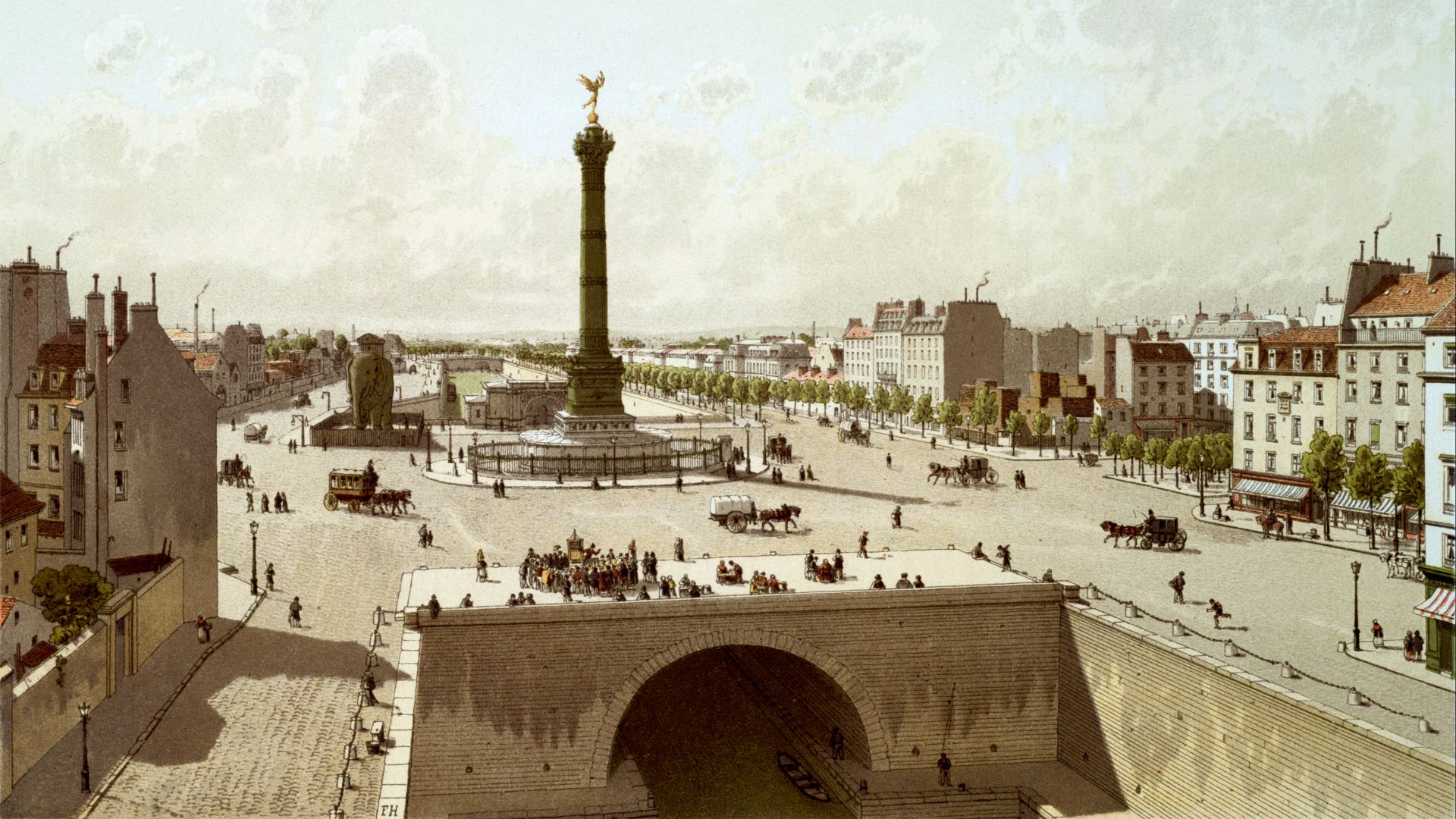
The Bastille is gone, but the site remains one of the most symbolic stops in Paris. In earlier periods, imprisoned people in France could be used for labor tied to state and military works, and the wider history of prison labor hangs over places like this even when the original structure is missing.
 commons.wikimedia.org on Google
16. Andersonville Historic Site, United States
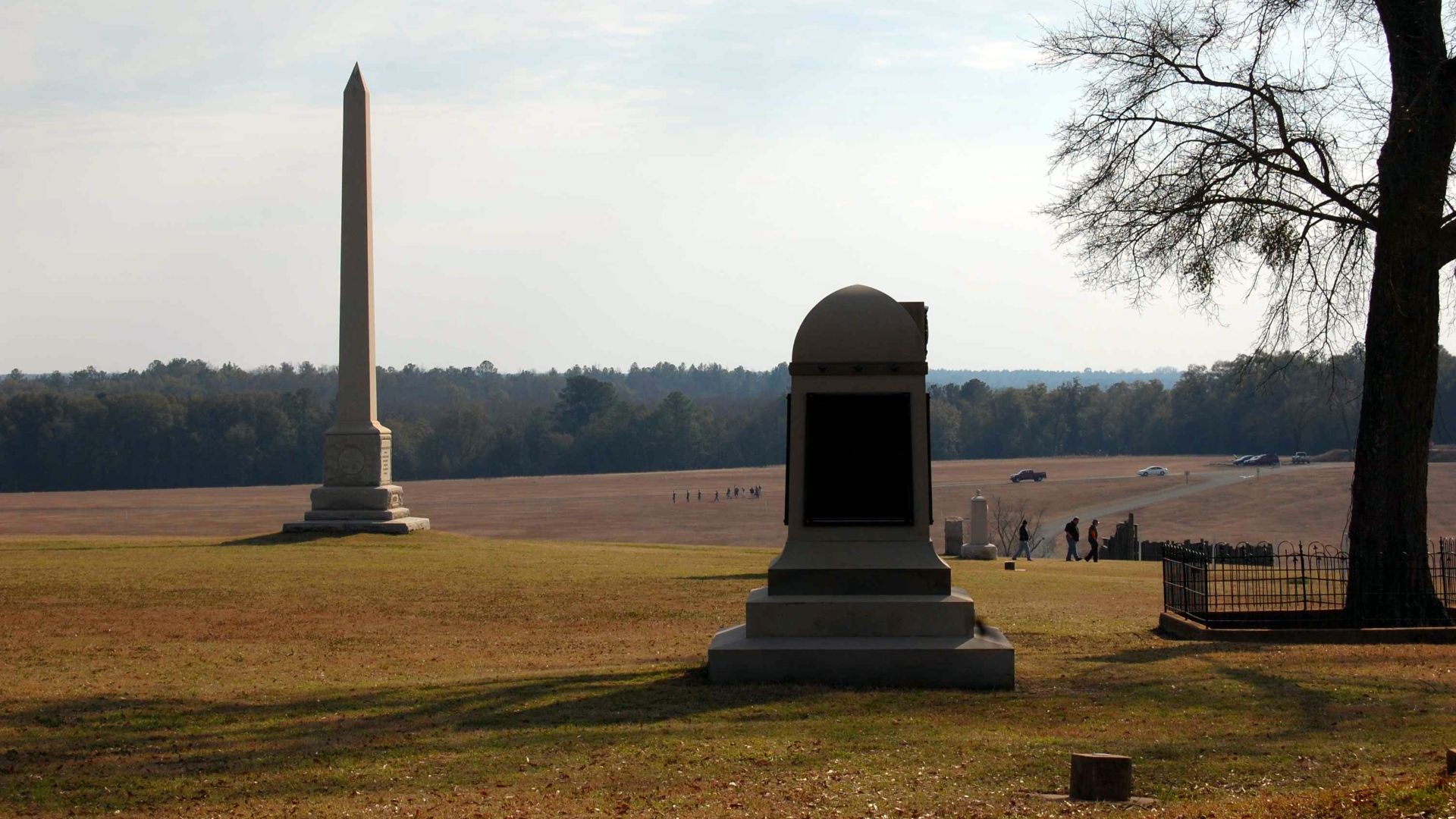
Andersonville is remembered for its Civil War prison camp, and much of what stood there was shaped by the labor of the imprisoned themselves. Men confined in brutal conditions had to dig, build, and maintain what little infrastructure existed. It is not a grand architectural destination, but it stays with you longer than many prettier places do.
 Jud McCranie at en.wikipedia on Wikimedia
17. Chinguetti Old Structures, Mauritania
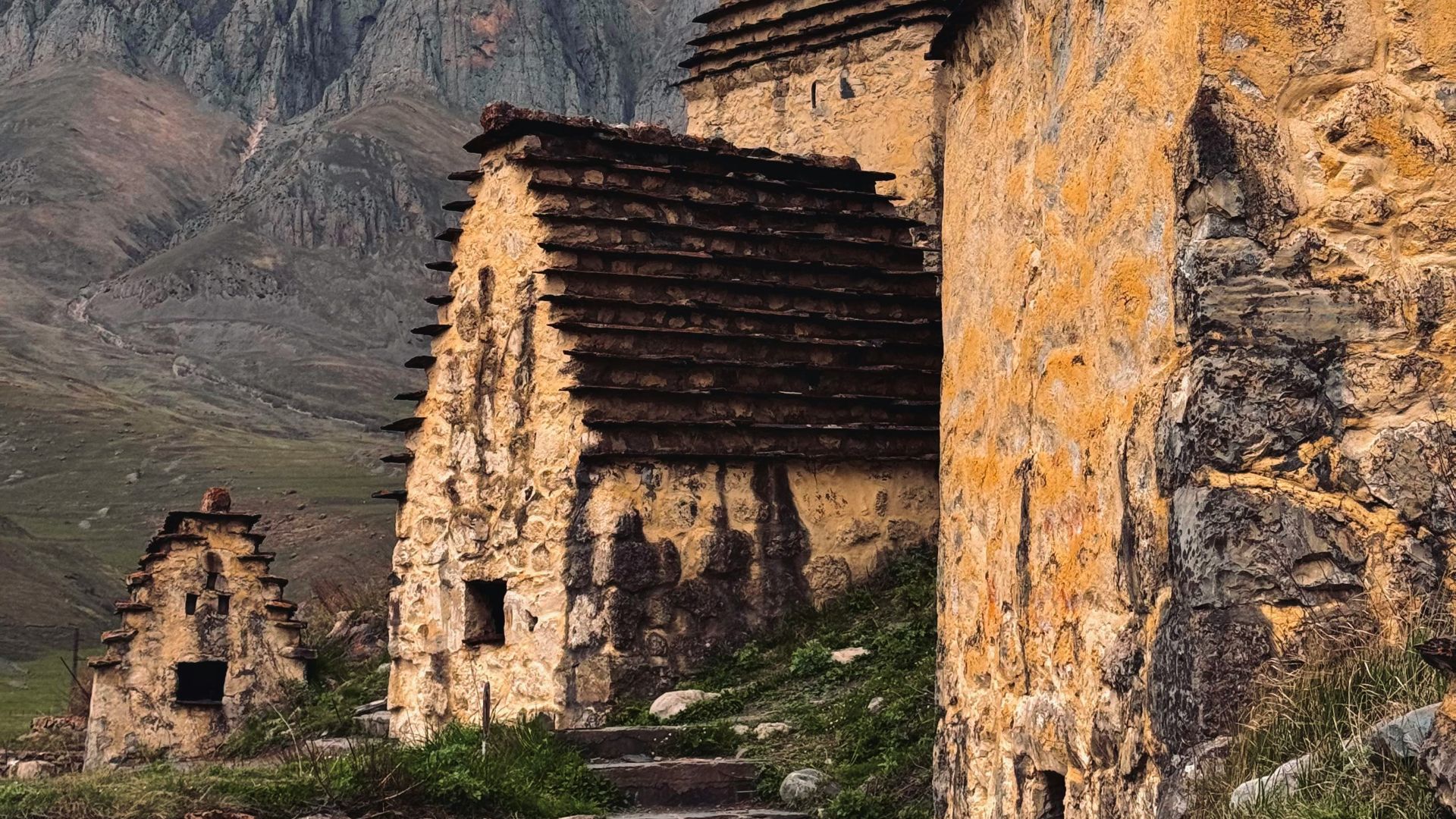
In historic desert towns like Chinguetti, old religious and civic structures often came out of rigid social systems that included captive labor. The architecture is striking in that dry, sun-baked way that makes every wall feel older than language. Places like this remind you that heritage sites do not arrive cleaned up just because the brochure sounds respectful.
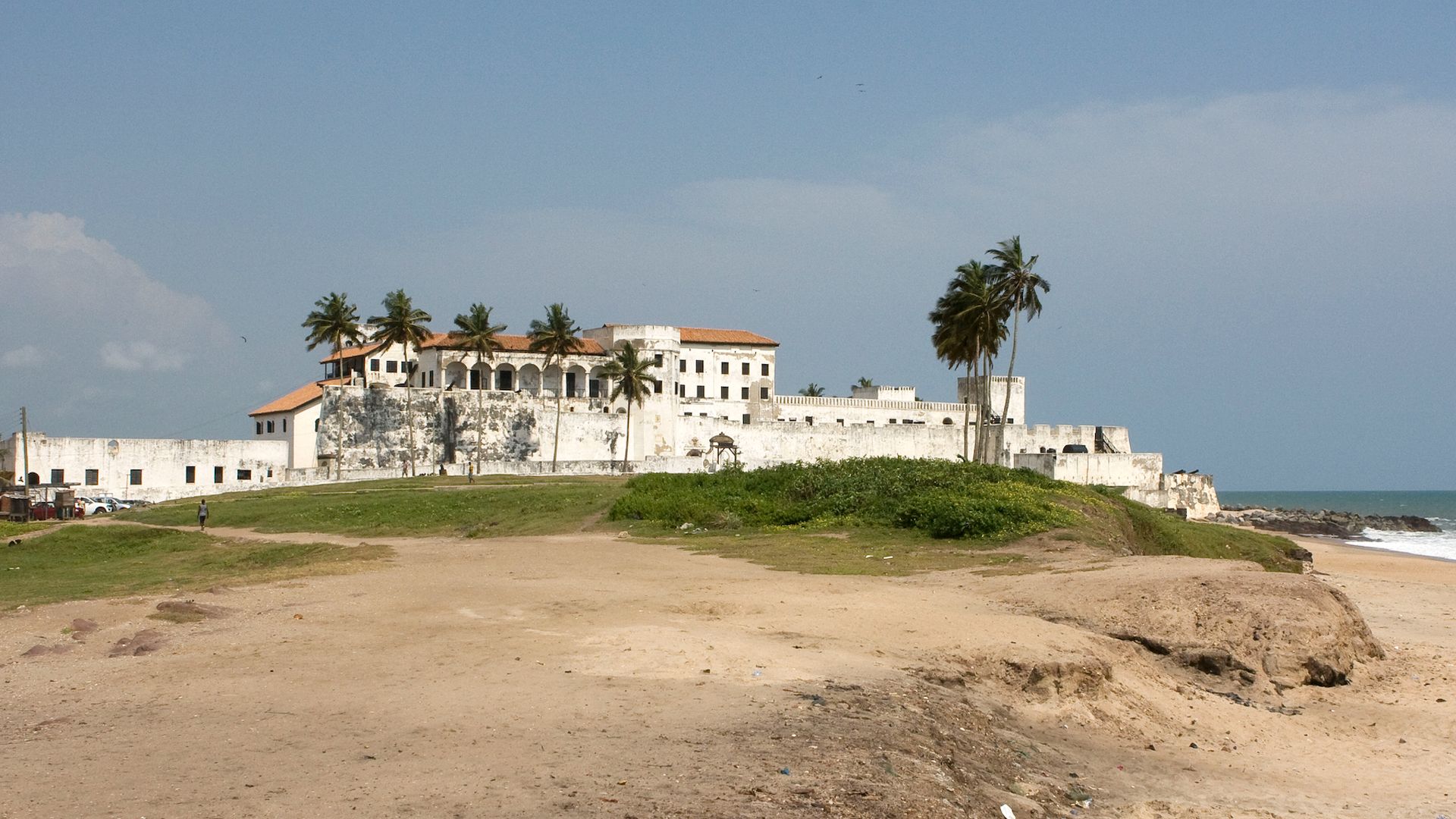
18. Elmina Castle, Ghana
Elmina Castle is one of those places that feels heavy before the tour even starts. While it is most closely tied to the slave trade, captive and prison-like labor systems shaped its construction, expansion, and operation over time. The white walls against the sea are almost unbearably bright once you know what happened inside.
 Damien Halleux Radermecker on Wikimedia
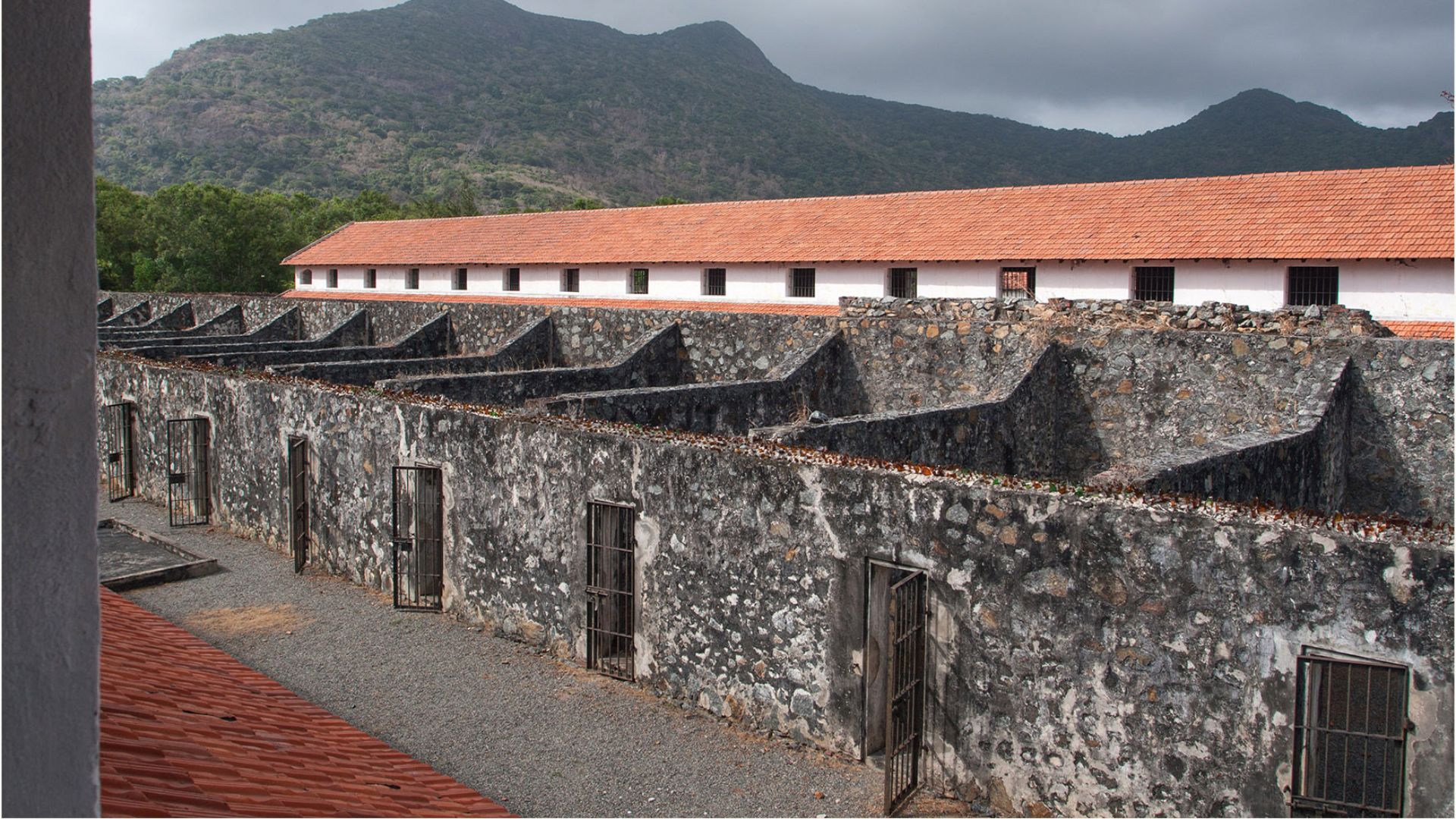
19. Con Dao Prison Complex, Vietnam
Con Dao combines natural beauty with one of the grimmest prison histories in Southeast Asia. Prisoners were used for labor tied to the prison complex and colonial control, and the site still carries that atmosphere in a way that is hard to shake. You can admire the island and still feel unsettled, which is probably the honest response.
 commons.wikimedia.org on Google
20. Kilmainham Gaol, Ireland
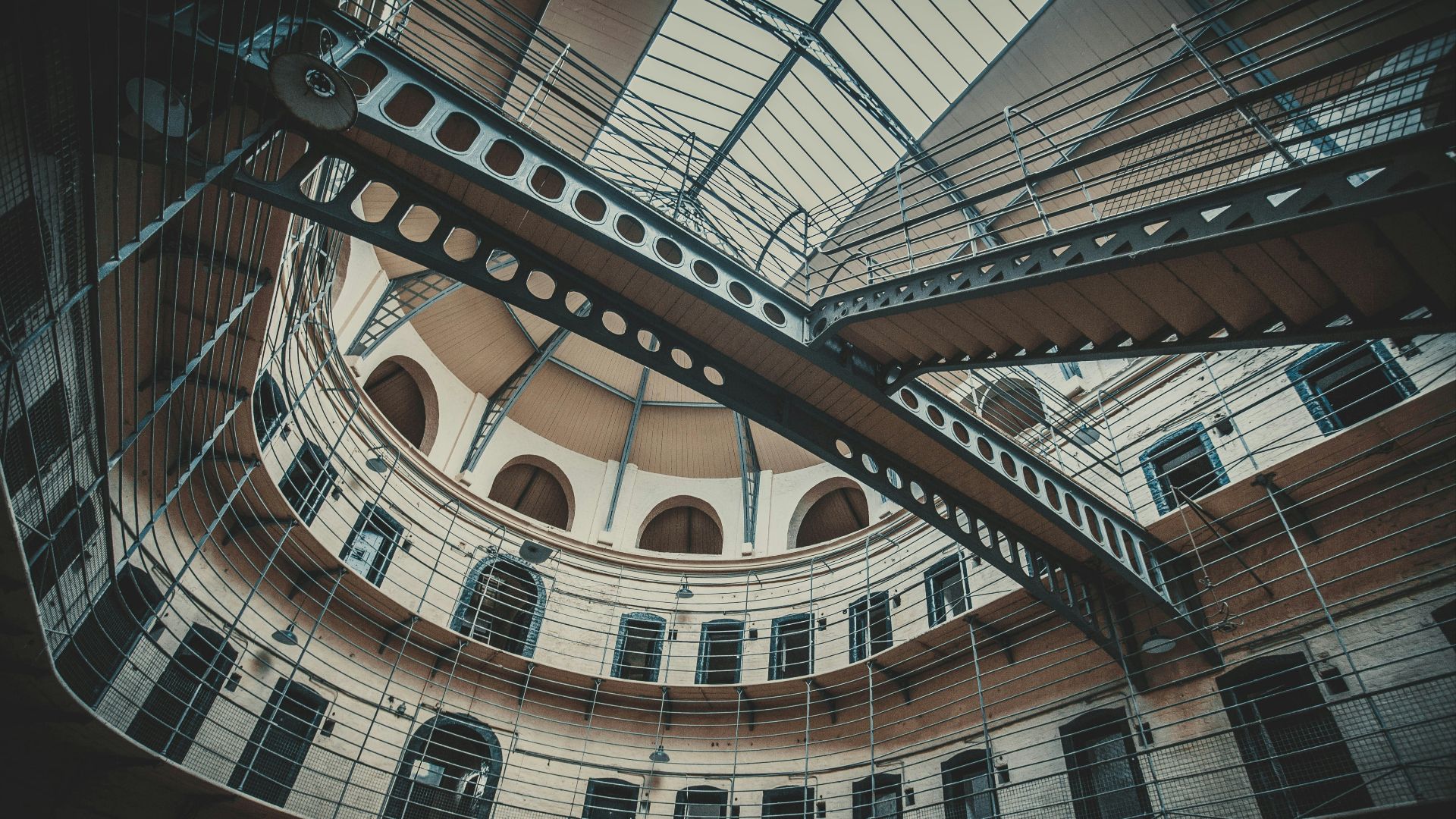
Kilmainham Gaol is one of the most affecting historic sites in Dublin, and part of that comes from how little it tries to romanticize itself. Prison labor contributed to the functioning and upkeep of the prison, as it did in many institutions of its kind. The stone corridors are plain, cold, and unforgettable, which turns out to be more powerful than any dramatic reconstruction.