From Local Streets to Global Hotspots
Some neighborhoods start as quiet residential areas or overlooked districts, only to evolve into must-visit destinations over time. Cultural shifts, creative communities, and economic development often play a role in transforming these spaces. What makes them stand out is their ability to attract visitors while still maintaining a sense of identity. Today, these 20 neighborhoods draw travelers looking for authentic experiences beyond the usual tourist landmarks.
1. Williamsburg (New York City)
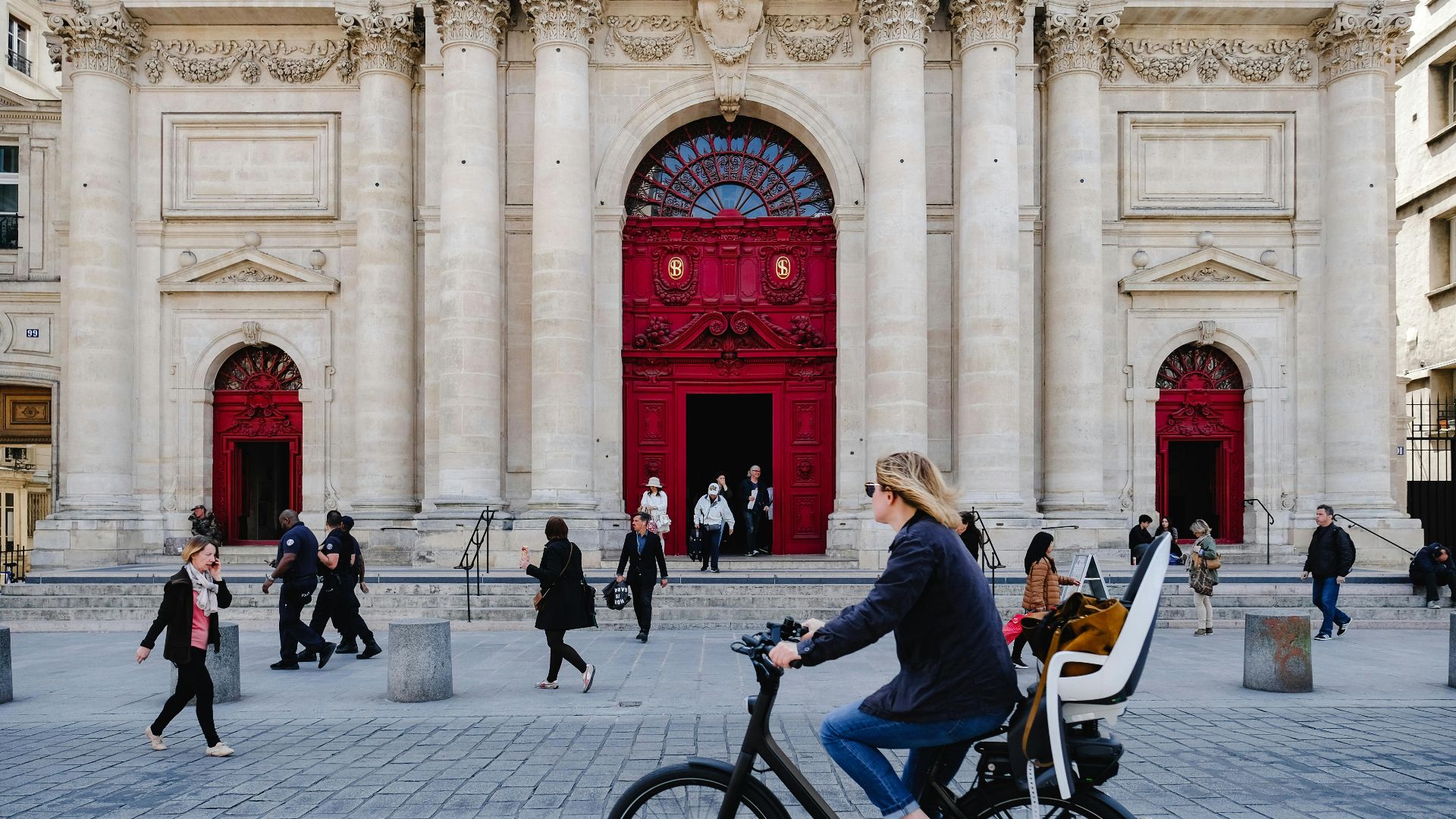
Williamsburg was once an industrial area with limited appeal to visitors. Over time, it became known for its art scene, music venues, and independent shops. The neighborhood now attracts travelers looking for a creative atmosphere. Its mix of old and new continues to shape its identity.
2. Shoreditch (London)
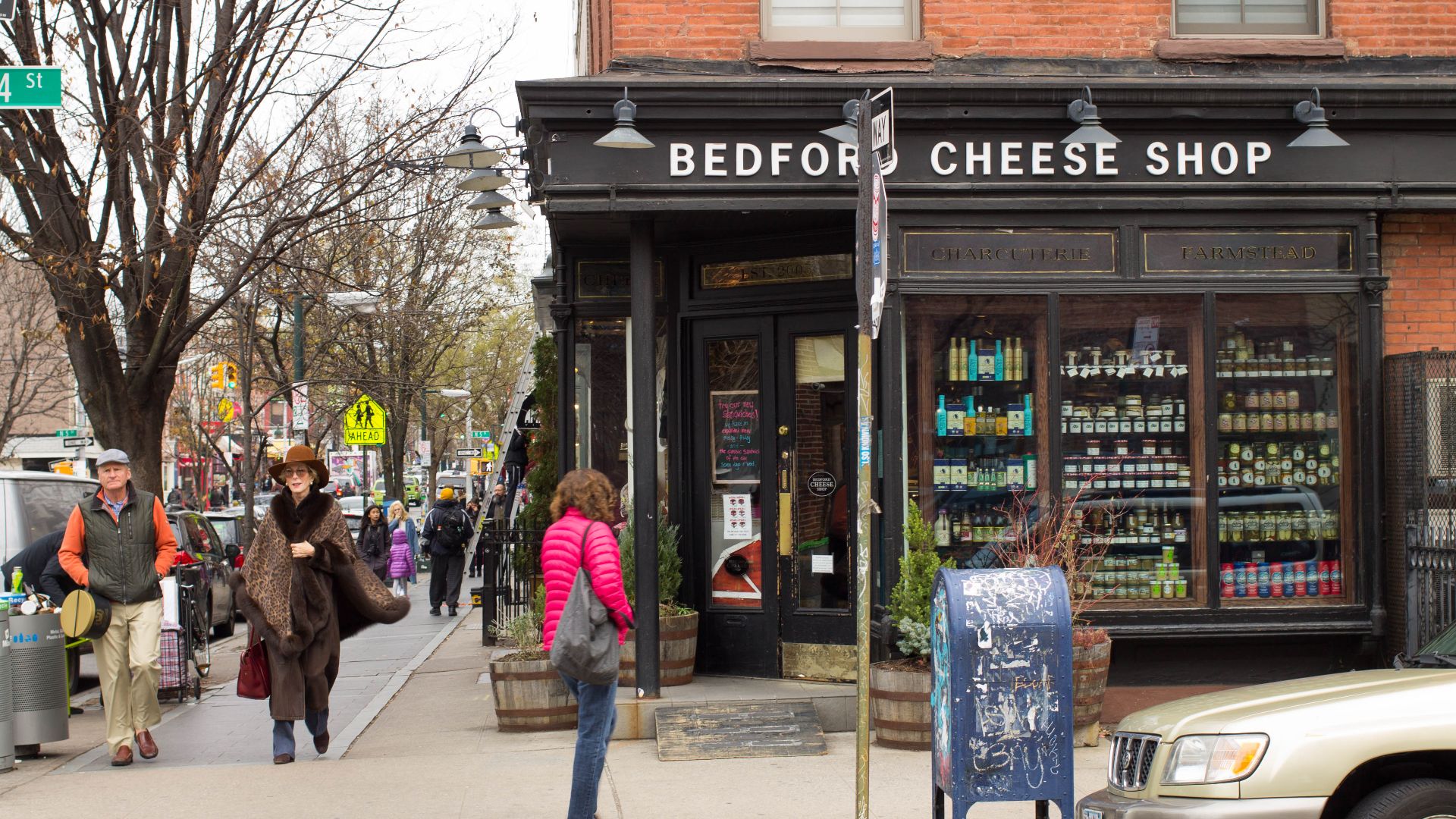
Shoreditch transformed from a working-class district into a hub for creativity and nightlife. Street art, galleries, and tech startups helped redefine the area. Visitors are drawn to its vibrant culture and unique spaces. It’s now one of London’s most recognizable neighborhoods.
3. Le Marais (Paris)
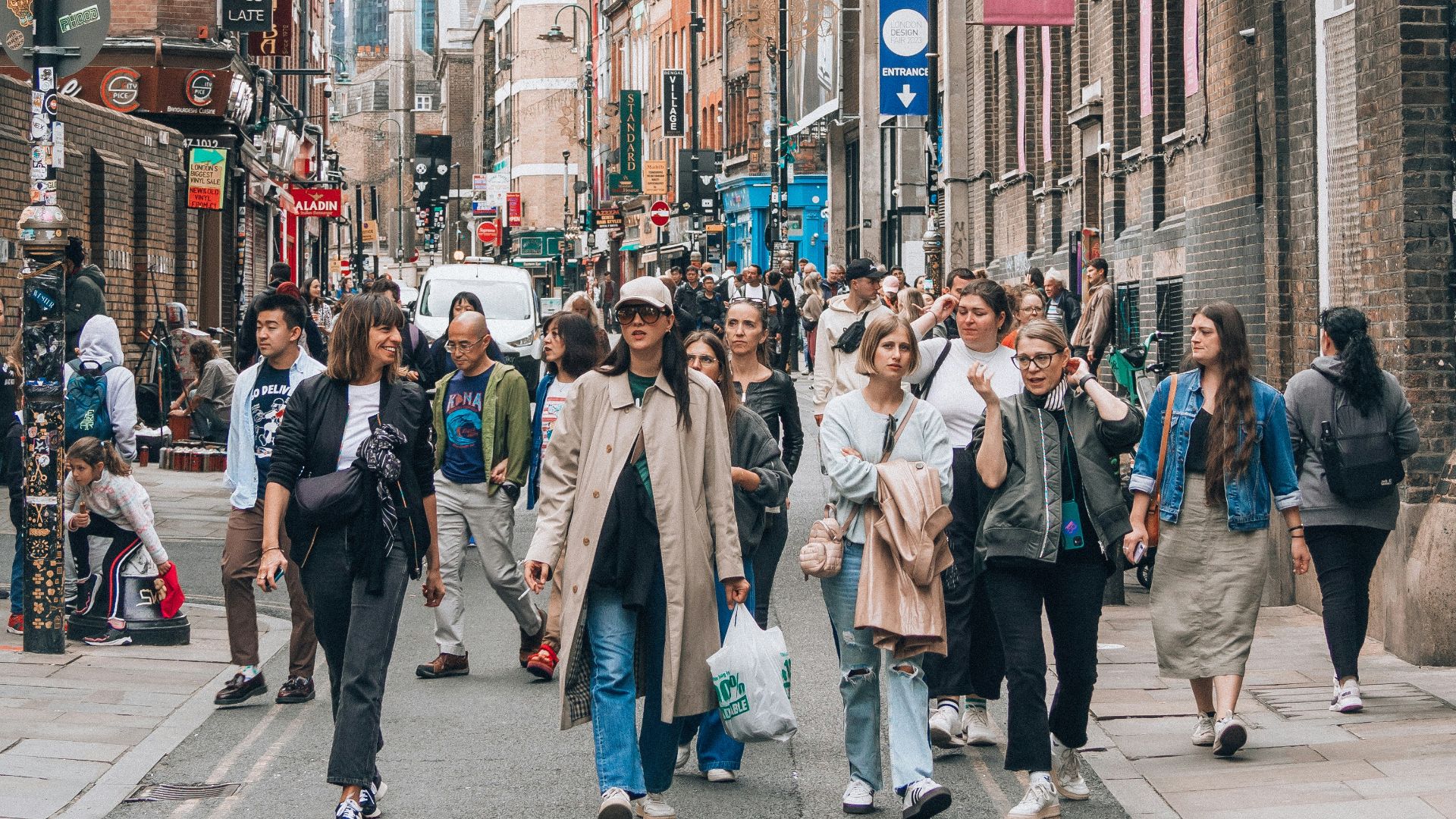
Le Marais has a long history, but gained renewed attention in recent decades. Its preserved architecture, boutiques, and cafes attract steady tourism. The area also reflects a mix of cultural influences. This blend makes it both historic and lively.
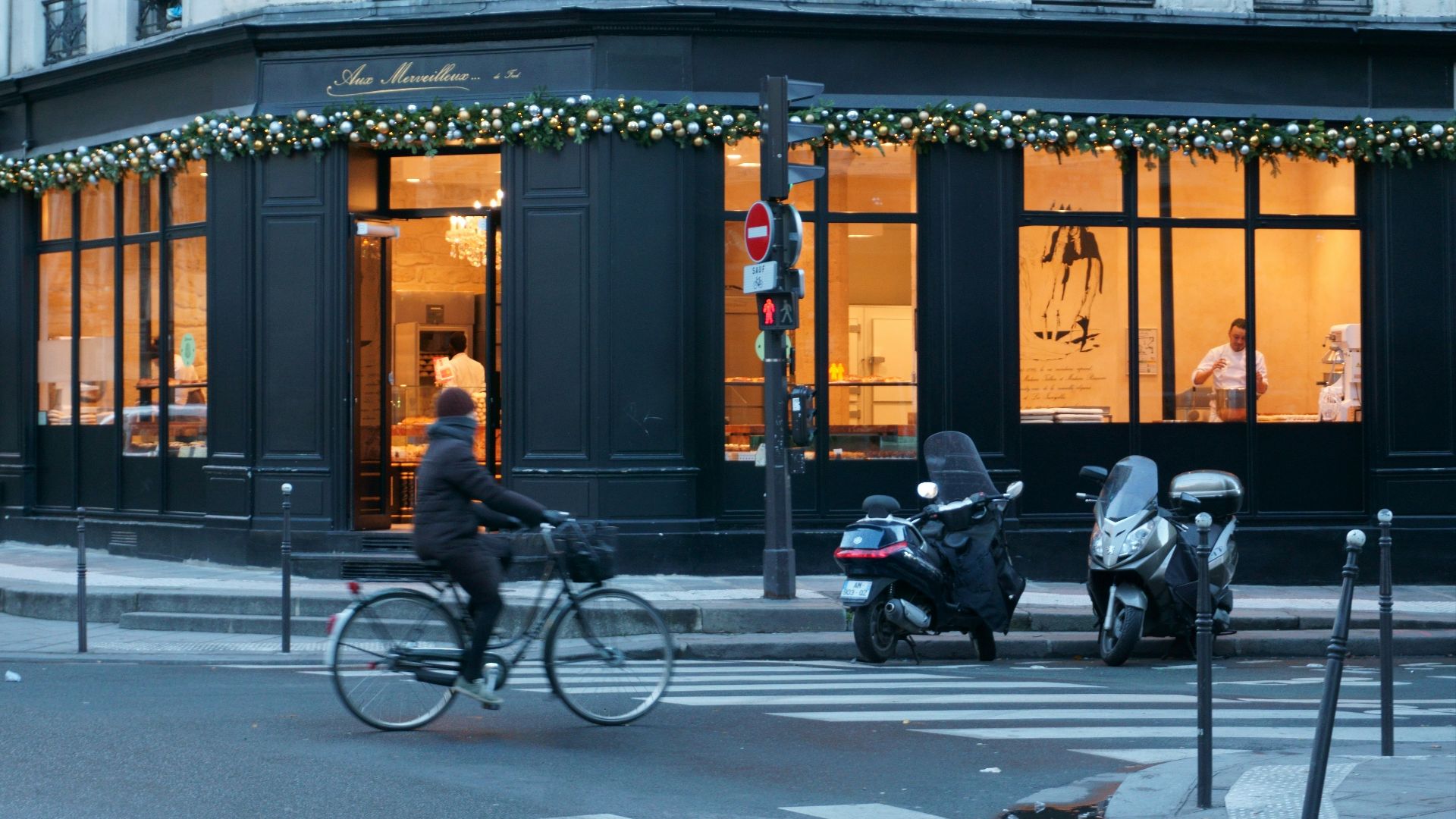
4. Kreuzberg (Berlin)
Kreuzberg became known for its diverse population and alternative culture. It developed a reputation for nightlife, art, and activism. Visitors are drawn to its dynamic and evolving character. The neighborhood remains a symbol of Berlin’s creative energy.
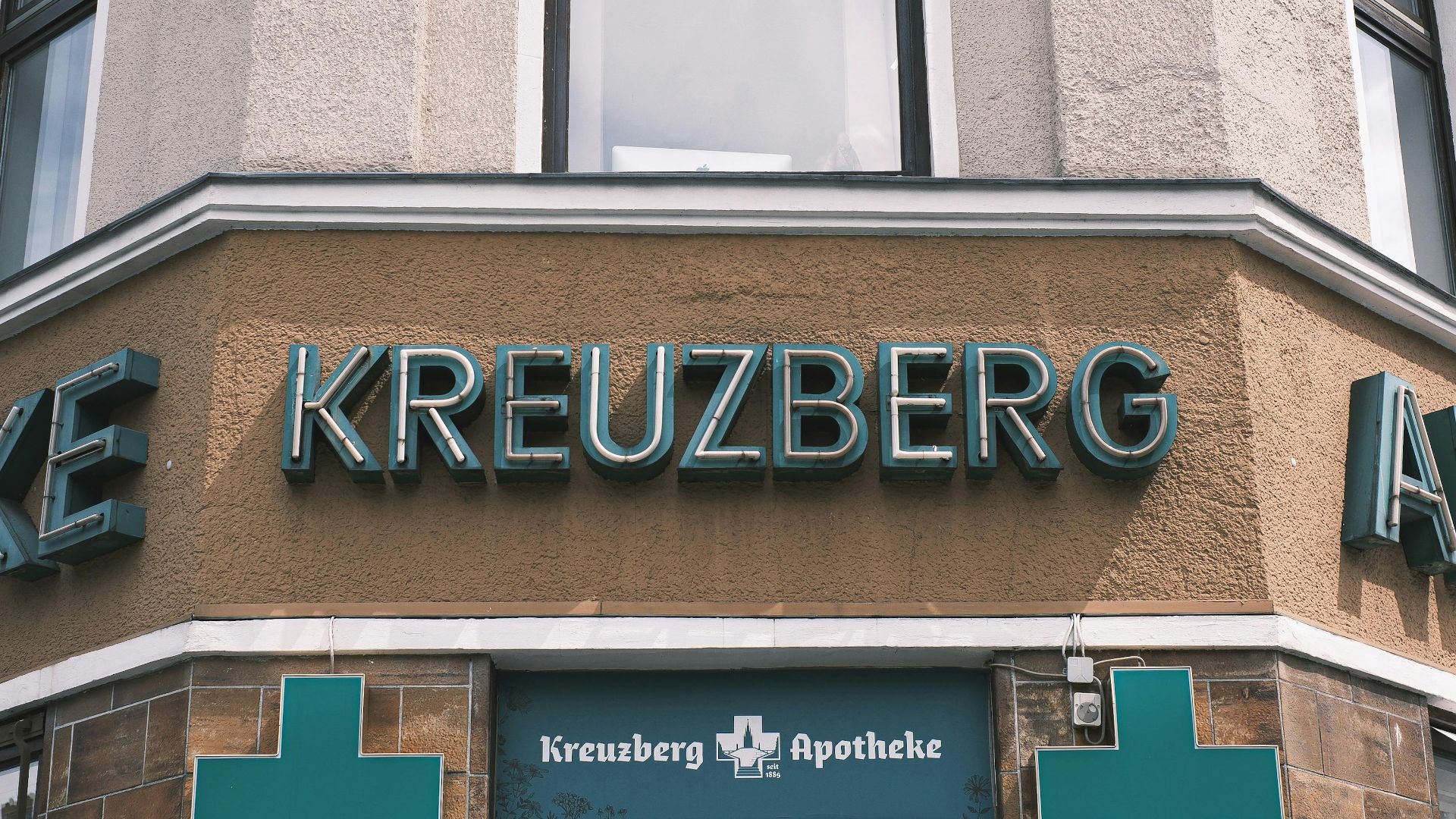
5. Wynwood (Miami)
Wynwood was once an industrial warehouse district. It gained international attention through large-scale street art and galleries. The Wynwood Walls project helped turn it into a cultural destination. Today, it attracts tourists interested in art and design.

6. Shibuya (Tokyo)
Shibuya is widely recognized for its busy intersection and youthful energy. It has become a center for fashion, entertainment, and nightlife. Visitors often come to experience its fast-paced environment. The area reflects modern urban culture in Japan.
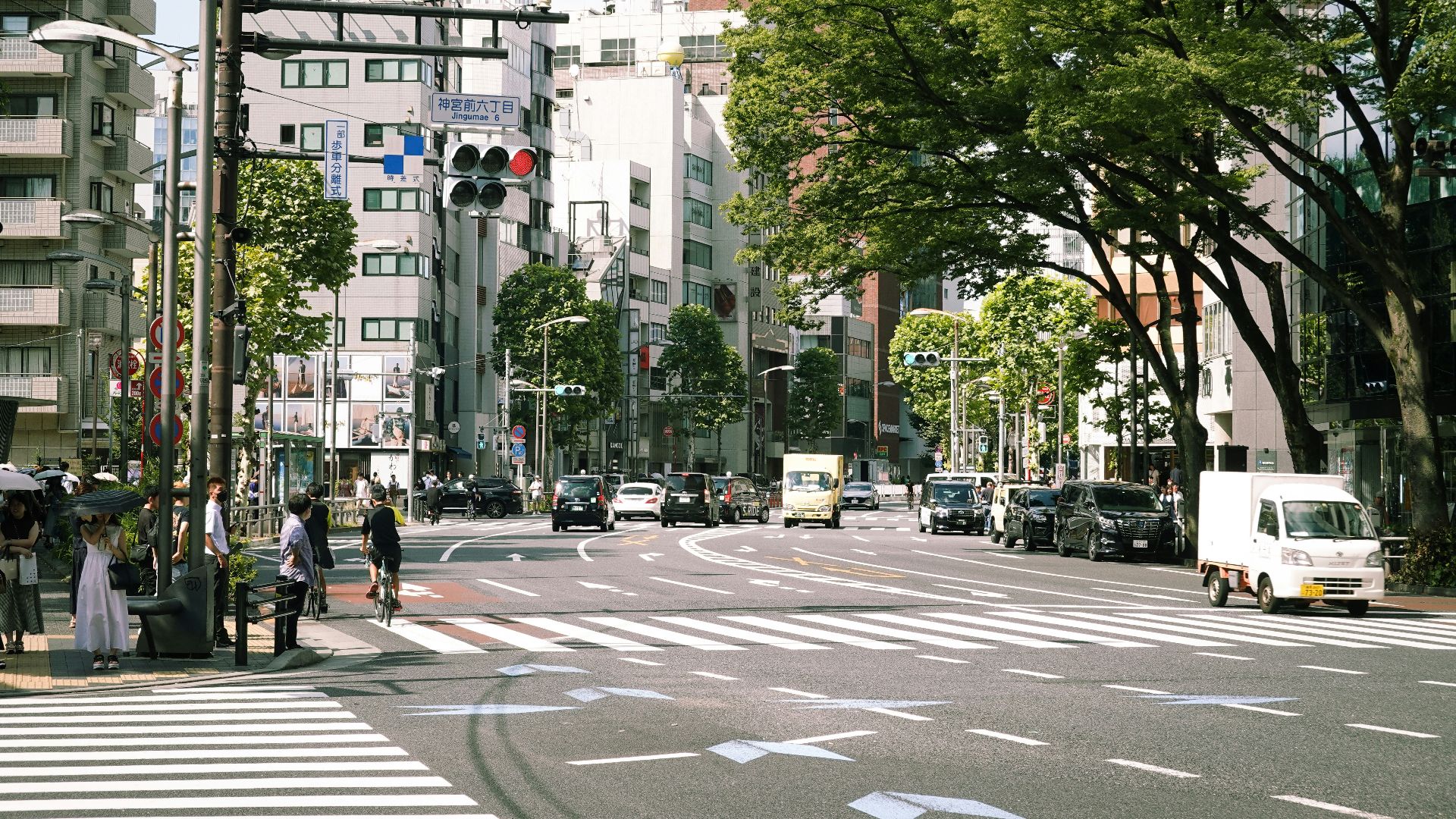
7. La Boca (Buenos Aires)
La Boca is known for its colorful buildings and strong cultural identity. It has roots in immigrant communities and local traditions. Tourists visit for its art, music, and historic significance. The neighborhood offers a distinct visual and cultural experience.
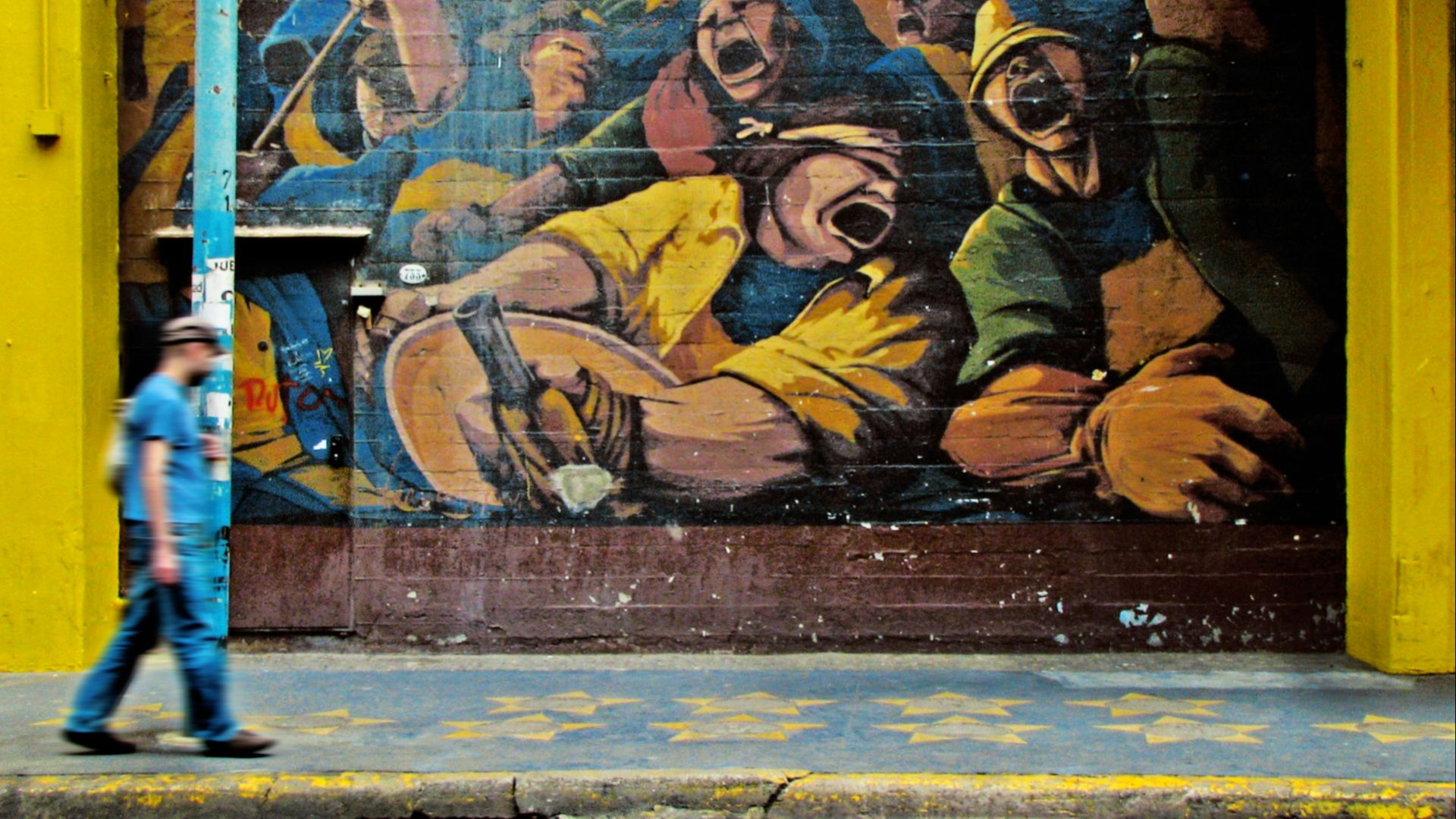
8. Soho (New York City)
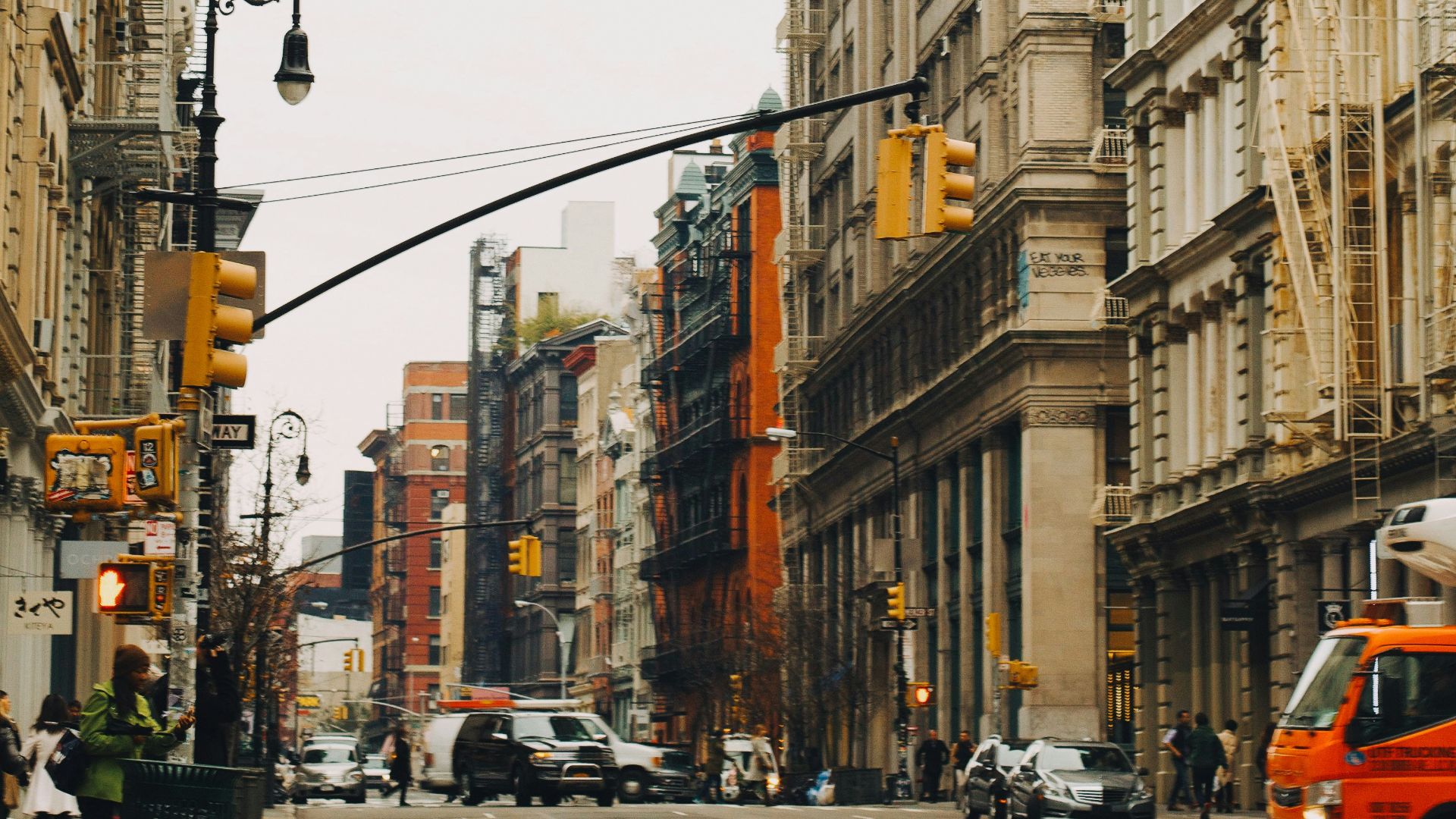
Soho transitioned from an industrial district to a center for art and fashion. Its cast-iron buildings became a defining feature. Over time, it attracted galleries, boutiques, and restaurants. It remains a popular destination for shopping and culture.
9. Montmartre (Paris)
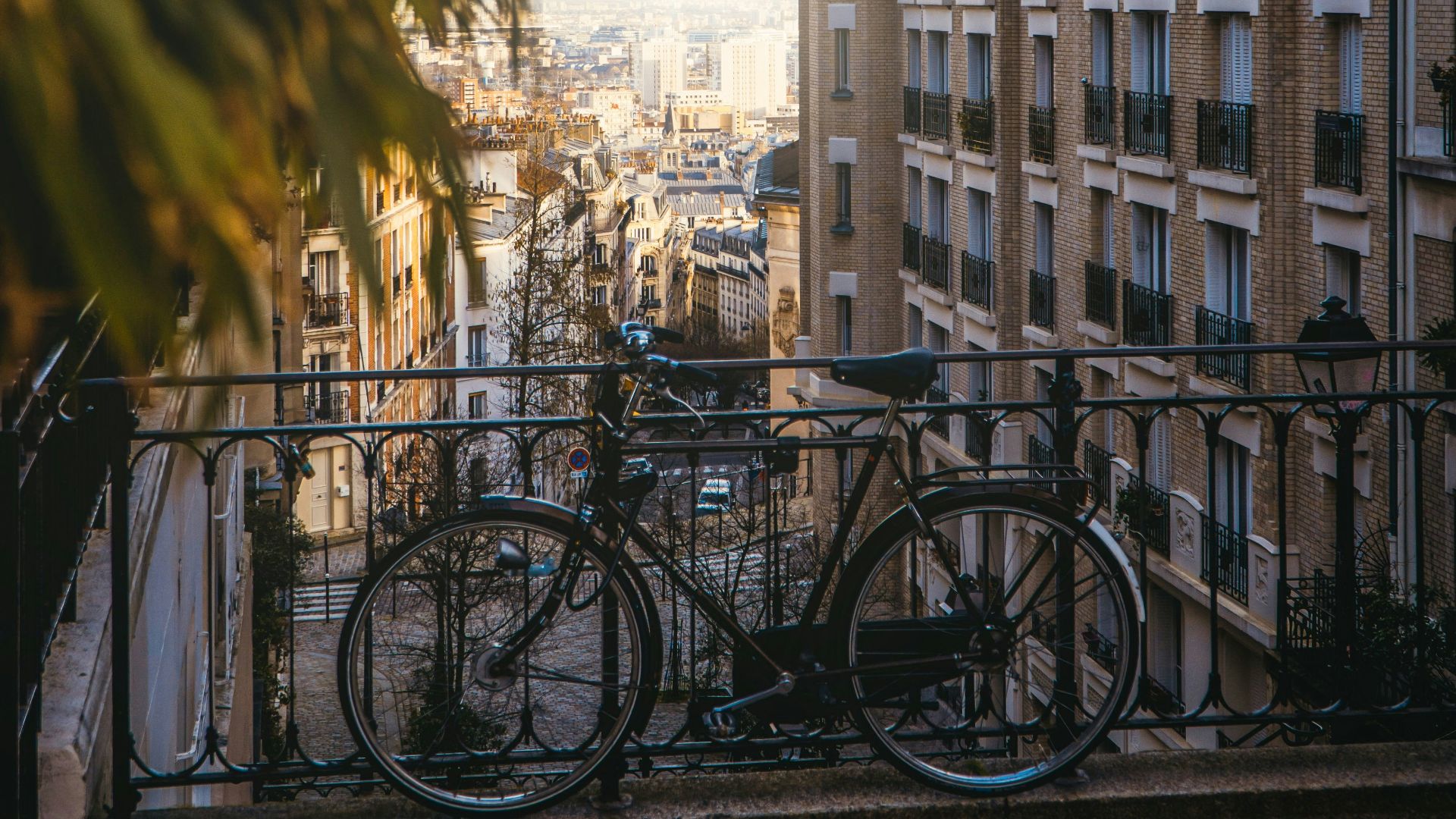
Montmartre has long been associated with artists and creative life. Its elevated location and historic sites draw many visitors. The neighborhood retains a village-like feel within the city. This combination keeps it appealing to travelers.
10. Mission District (San Francisco)
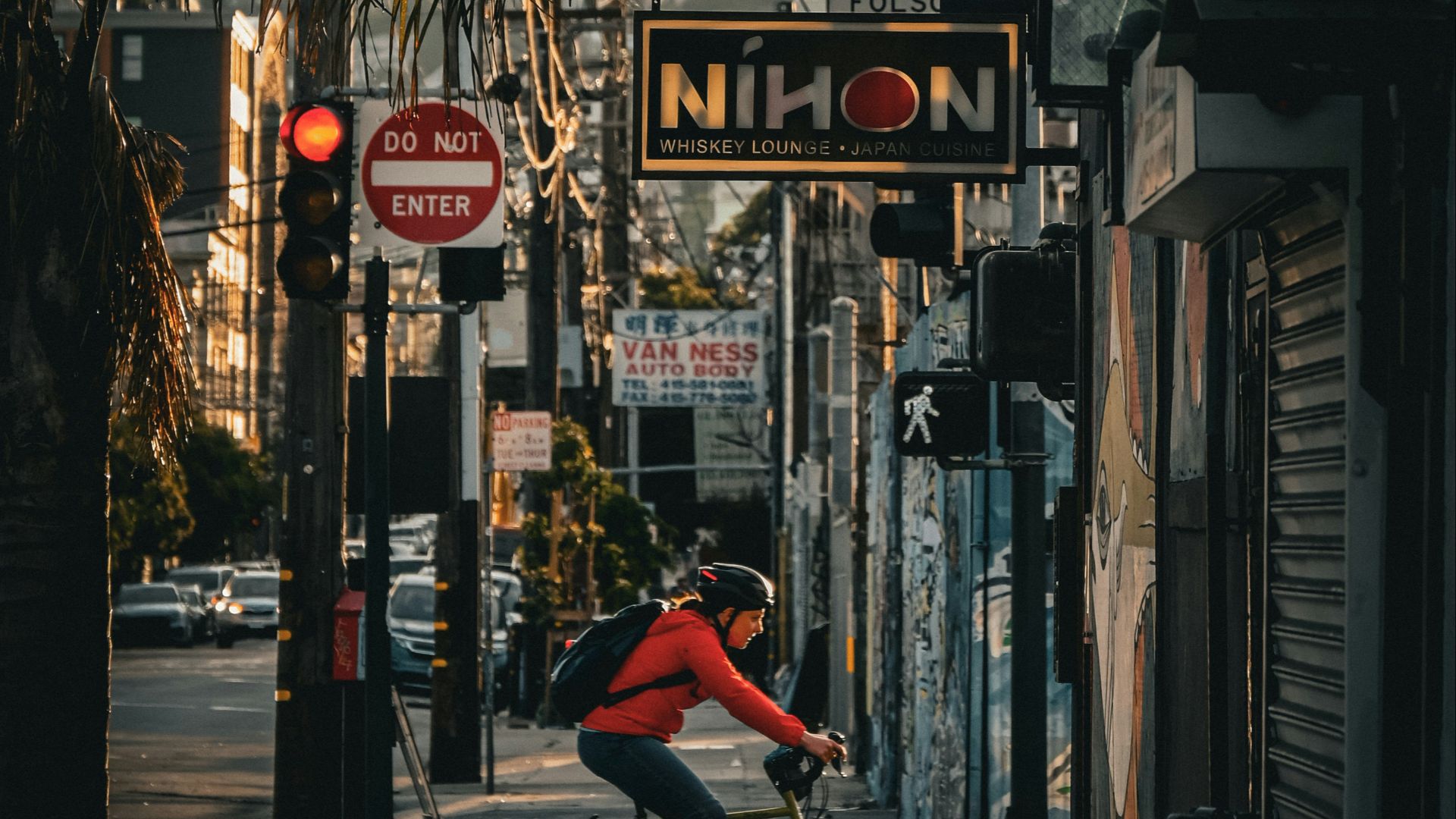
The Mission District is known for its cultural diversity and vibrant street art. It has a strong connection to Latin American heritage. Visitors come for its food, murals, and lively atmosphere. The neighborhood continues to evolve while maintaining its roots.
11. Fitzroy (Melbourne)
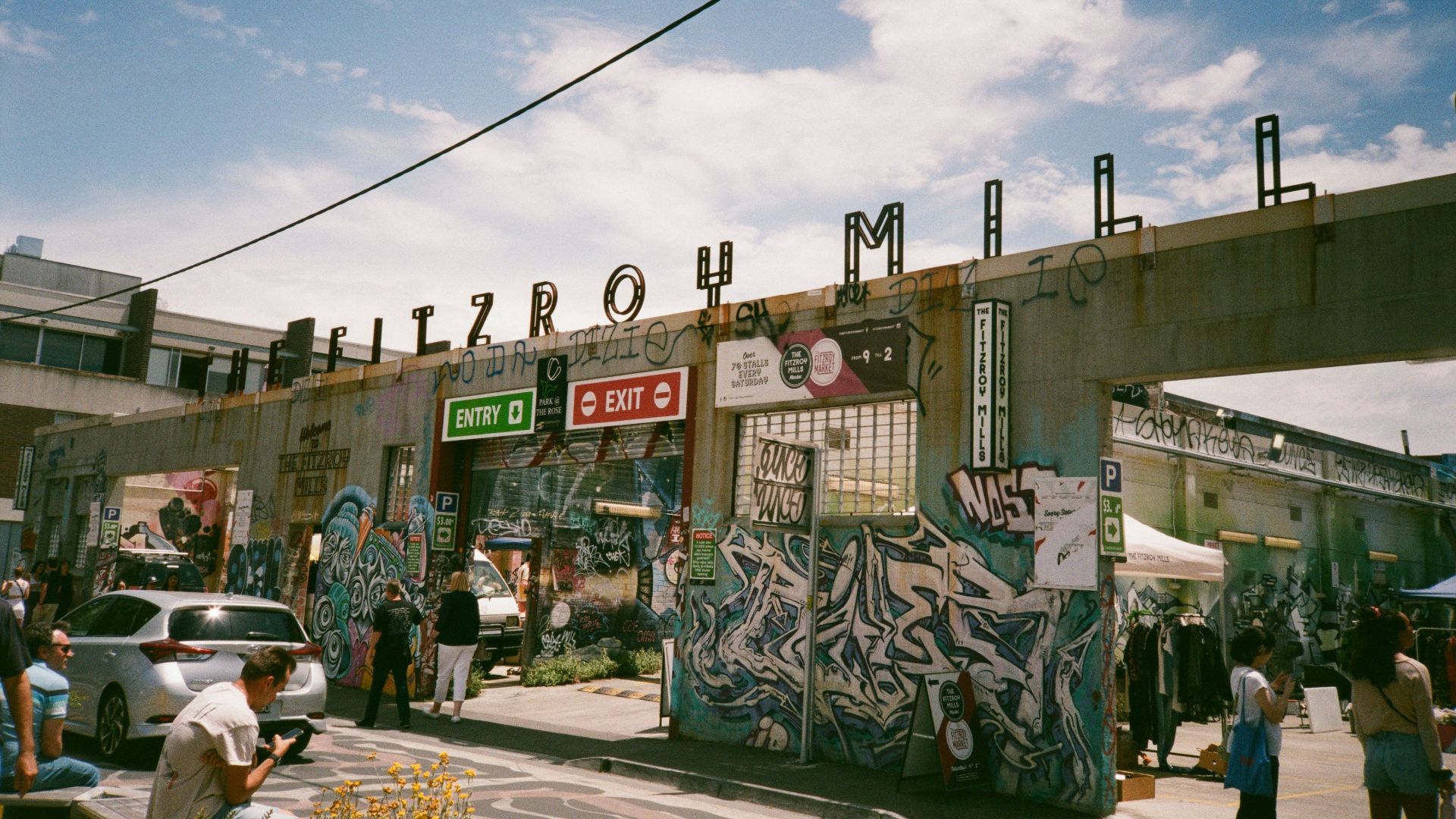
Fitzroy developed into a hub for art, music, and independent businesses. Its streets are filled with cafes, galleries, and boutiques. The area attracts both locals and tourists seeking a creative vibe. It’s considered one of Melbourne’s cultural centers.
 Ben Bouvier-Farrell on Unsplash
12. Notting Hill (London)
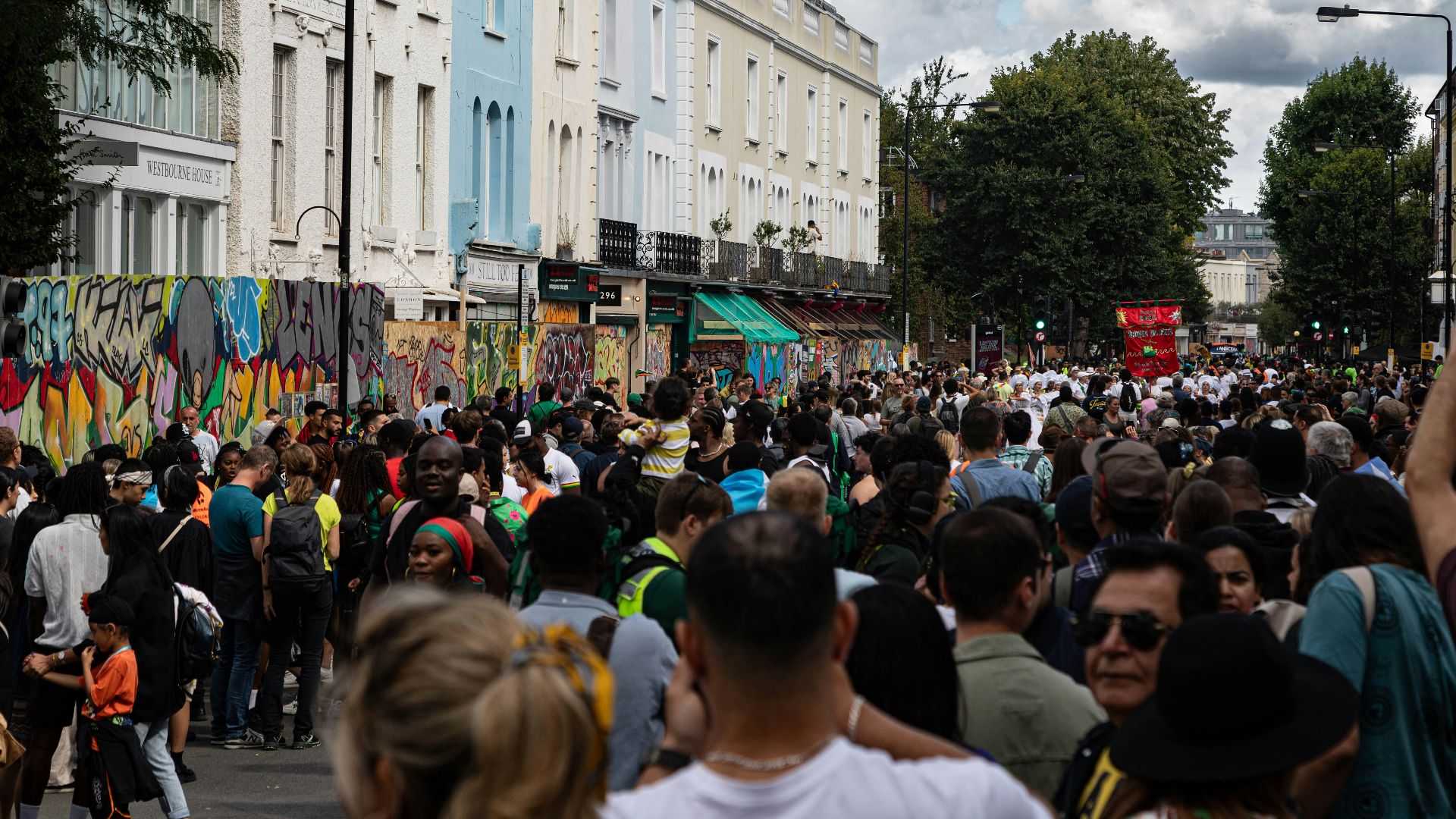
Notting Hill gained global attention through media and cultural events. Its colorful houses and markets draw steady tourism. The annual carnival also plays a major role in its popularity. The neighborhood blends charm with a strong cultural presence.
13. Hongdae (Seoul)
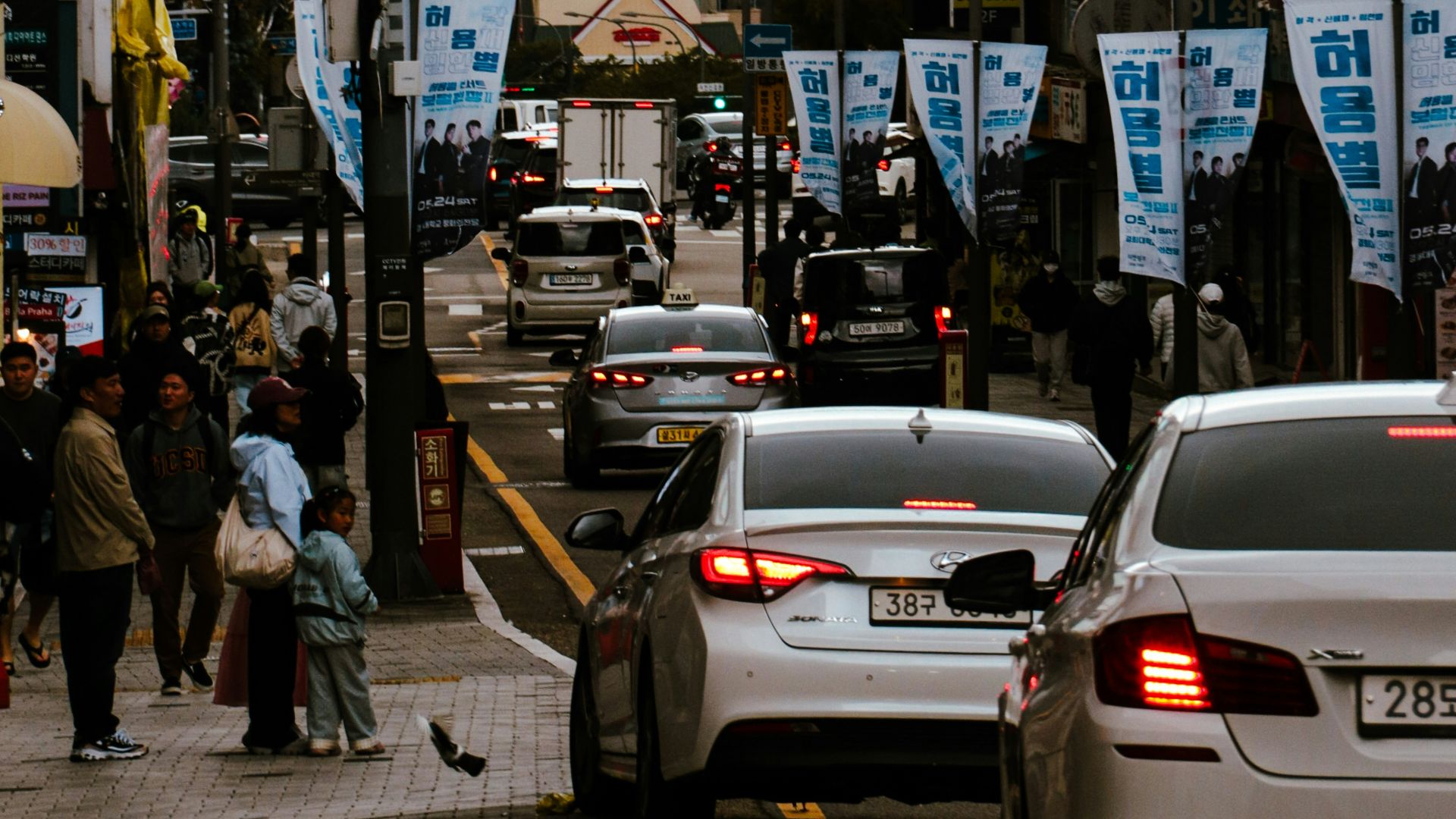
Hongdae is centered around a university and known for its youthful energy. It’s a hotspot for music, street performances, and nightlife. Visitors often come to experience its creative atmosphere. The area reflects contemporary trends in South Korea.
14. Palermo (Buenos Aires)
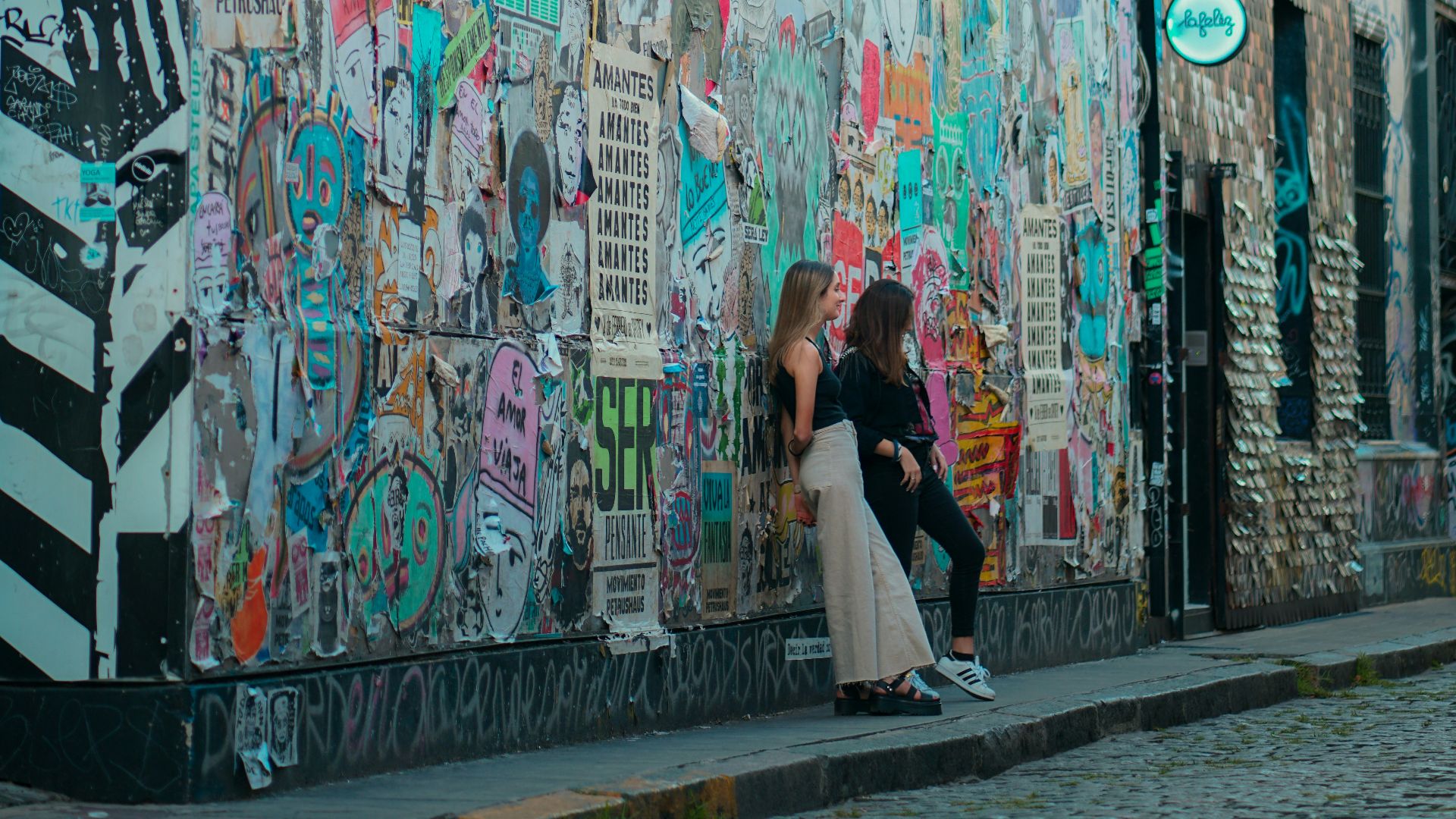
Palermo expanded into a major destination with its parks, restaurants, and design spaces. It’s divided into smaller areas, each with its own identity. Tourists are drawn to its mix of relaxation and activity. The neighborhood offers a wide range of experiences.
15. DUMBO (New York City)
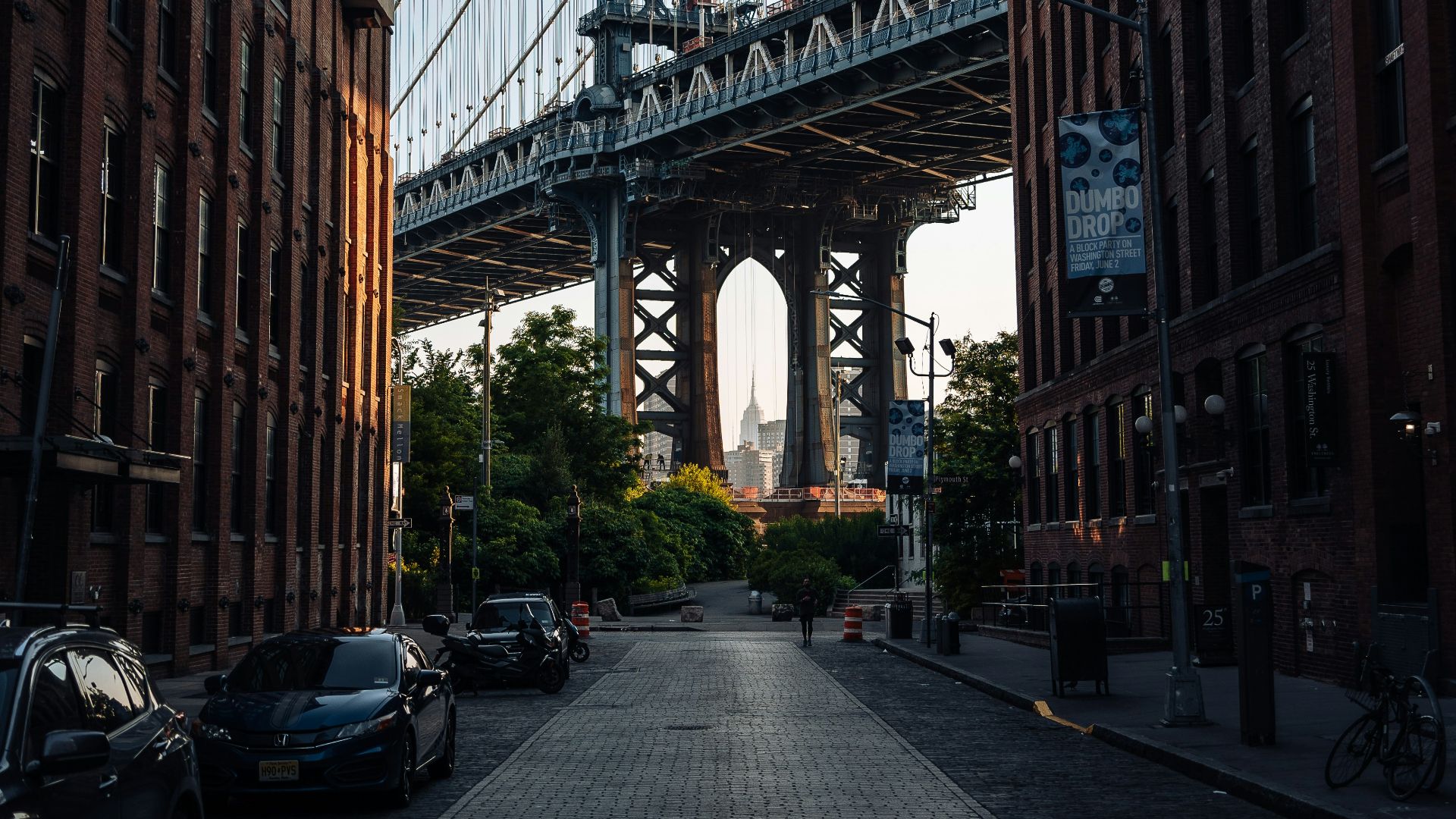
DUMBO was once an industrial zone beneath the Manhattan Bridge. It transformed into a destination with galleries, tech offices, and scenic views. Visitors come for its waterfront and iconic photo spots. The area blends history with modern development.
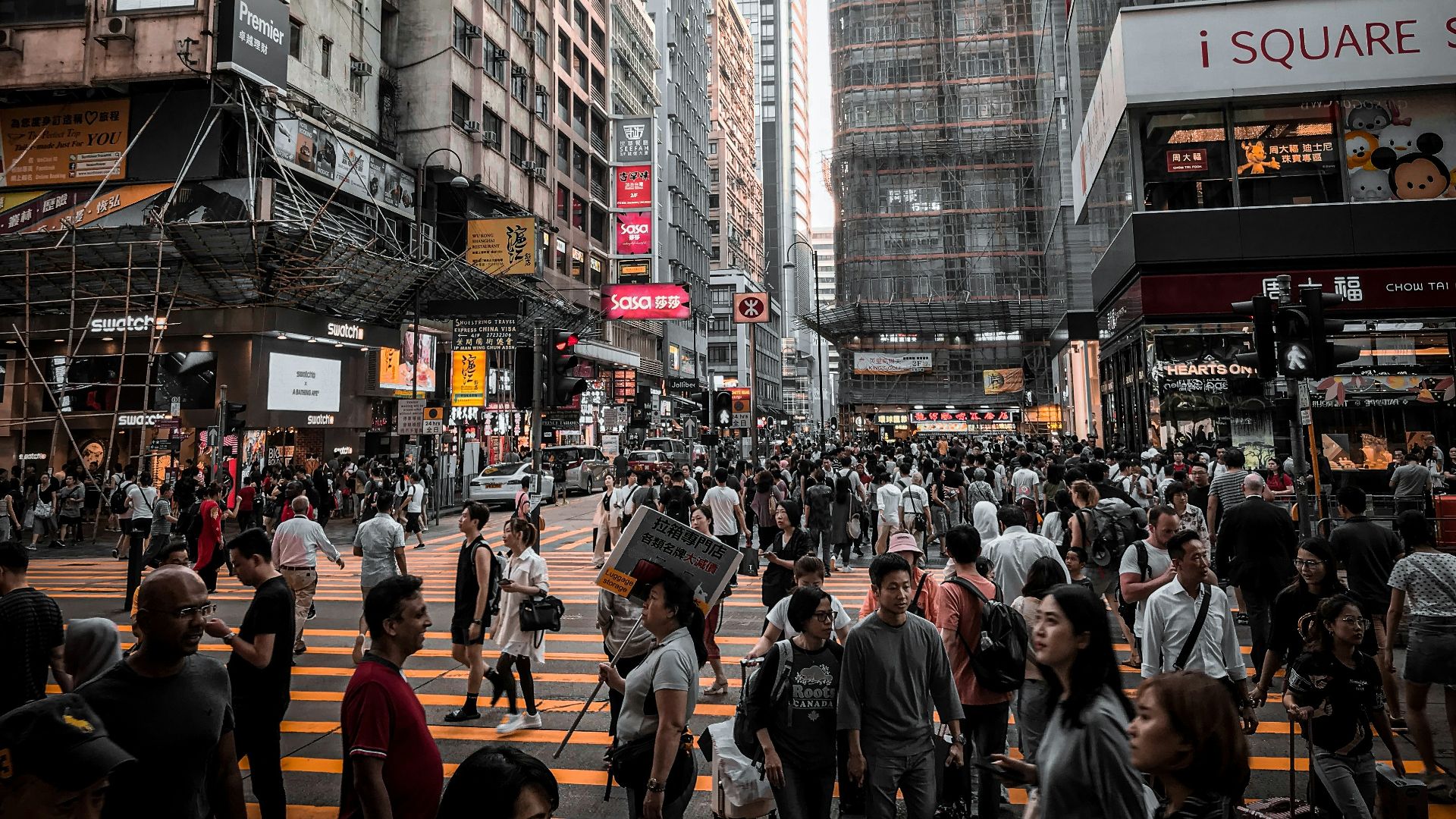
16. Tsim Sha Tsui (Hong Kong)
Tsim Sha Tsui developed into a major commercial and cultural district. It offers shopping, museums, and waterfront views. Tourists are drawn to its accessibility and variety. The neighborhood serves as a gateway to the city.
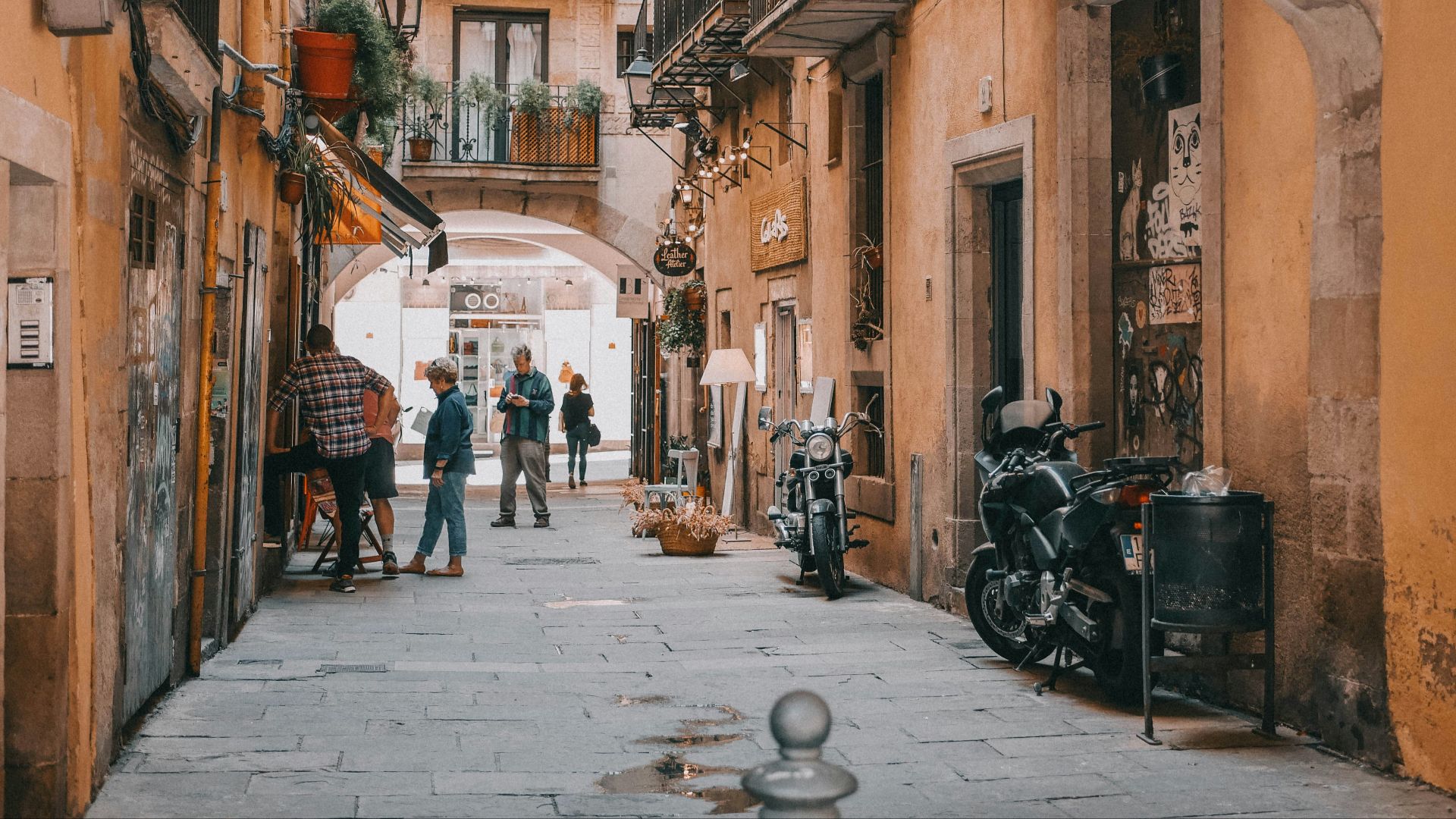
17. El Raval (Barcelona)
El Raval shifted from a neglected area to a cultural hotspot. Museums, galleries, and nightlife helped drive the change. Visitors are attracted to its energy and diversity. The neighborhood continues to reinvent itself.
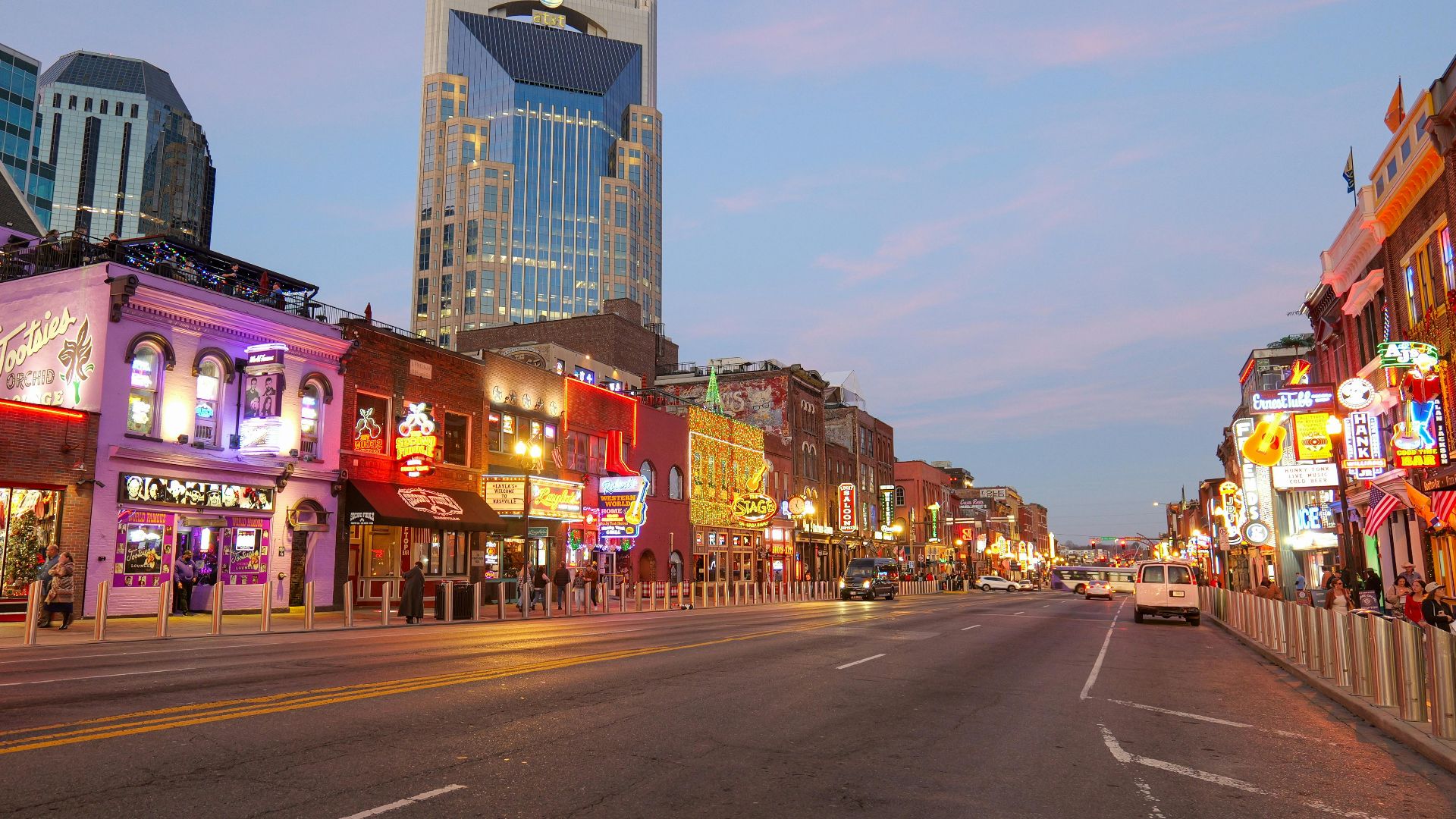
18. The Gulch (Nashville)
The Gulch transformed from an industrial area into a modern urban district. It now features restaurants, shops, and entertainment venues. Tourists often visit for its central location and atmosphere. The development reflects broader urban trends.
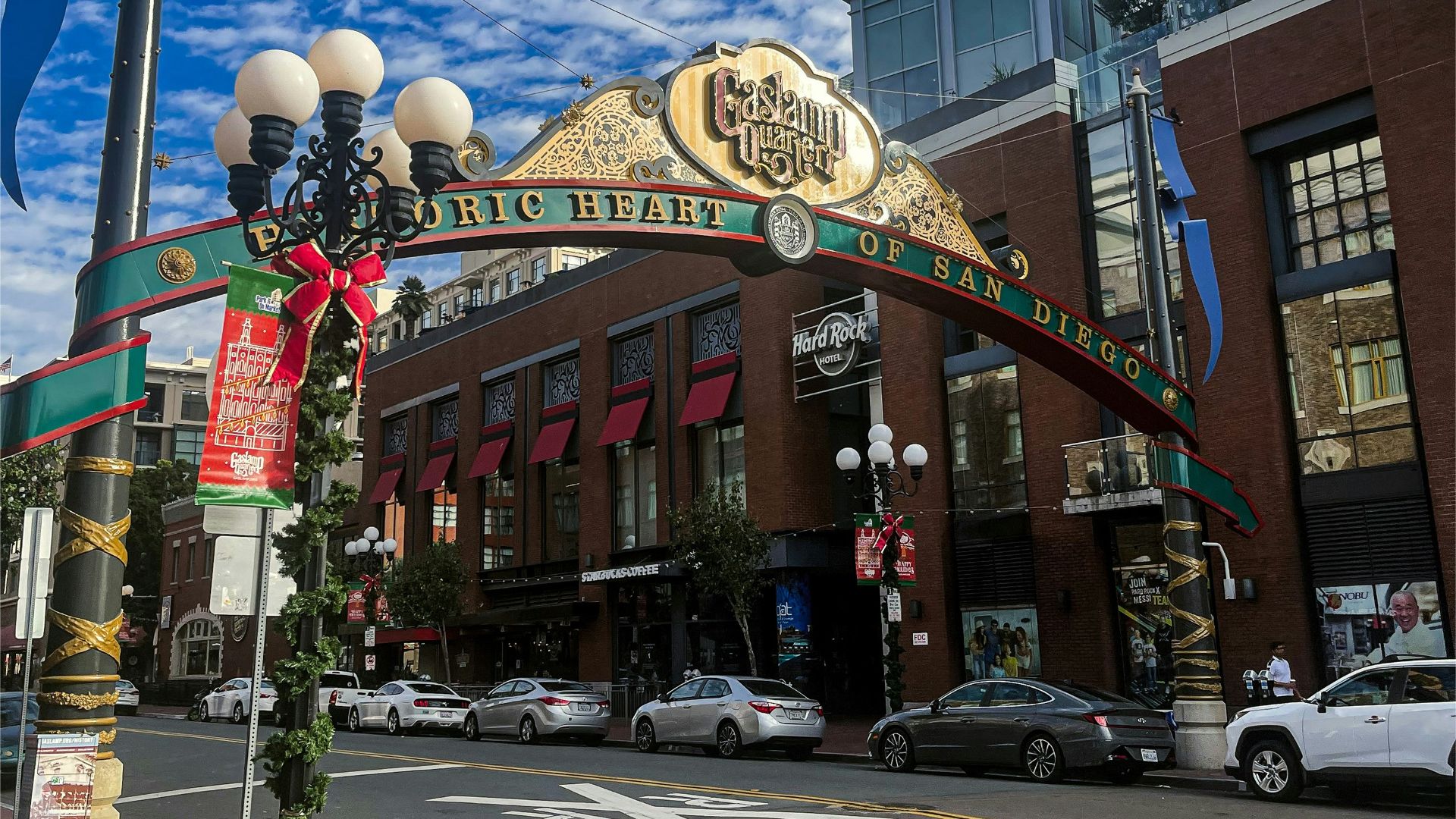
19. Gaslamp Quarter (San Diego)
The Gaslamp Quarter is known for its preserved historic buildings. It evolved into a destination for dining and nightlife. Visitors come for its mix of history and activity, and the area remains a key part of the city’s identity.
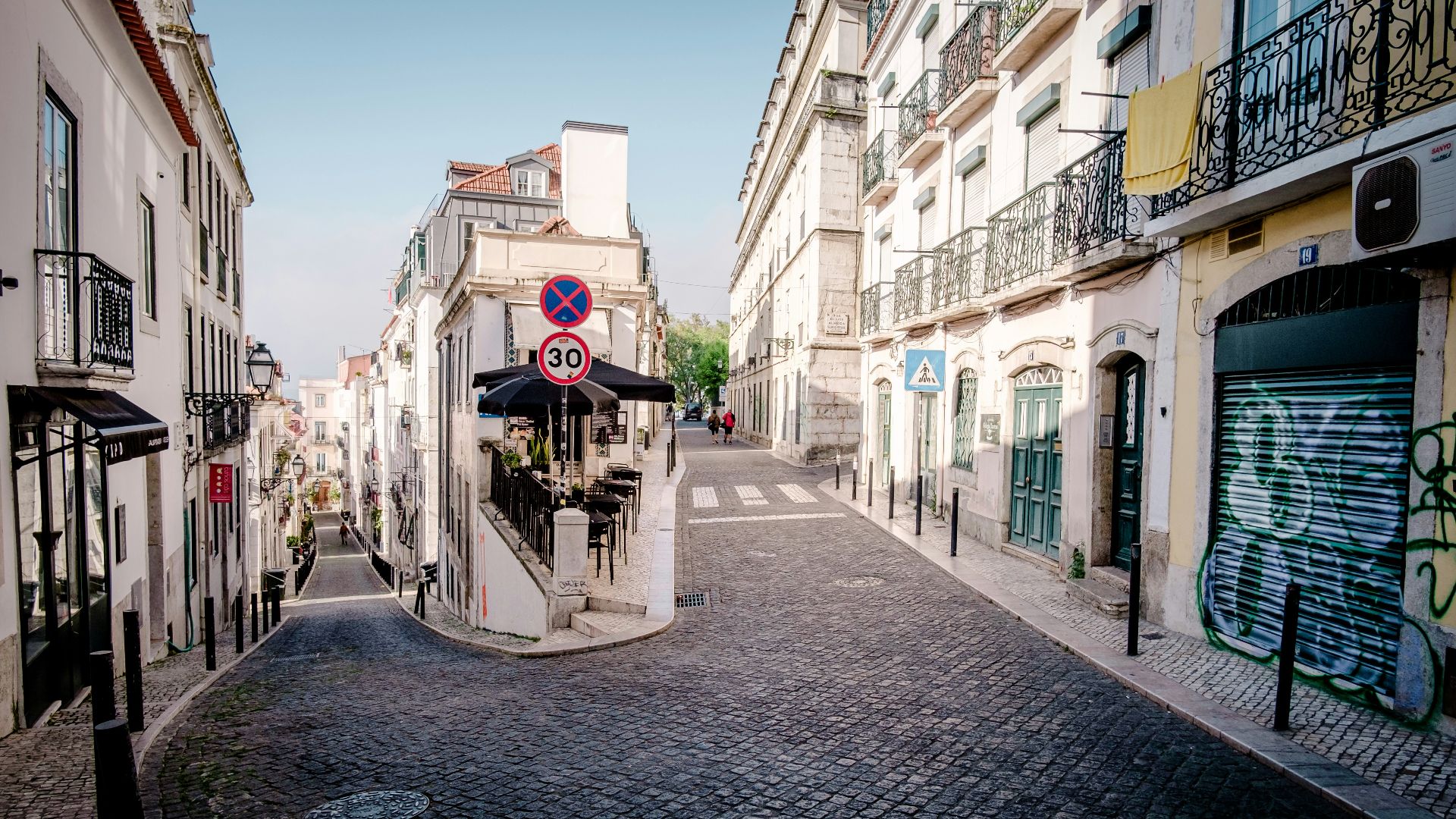
20. Bairro Alto (Lisbon)
Bairro Alto is recognized for its nightlife and historic streets. It transforms from a quiet area during the day to a lively destination at night. Visitors enjoy its mix of tradition and energy, and the neighborhood continues to attract a global audience.