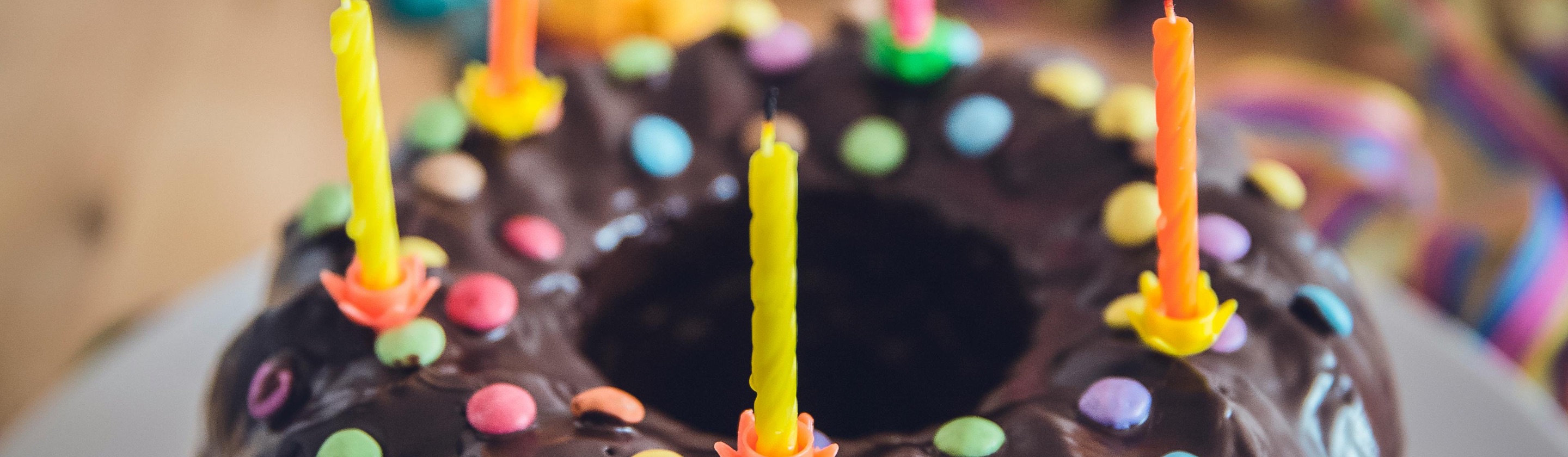
How to Celebrate Your Birthday Across the Globe
Birthdays are one of the few occasions celebrated in virtually every corner of the globe, but the traditions tied to them vary enormously from country to country. What counts as a proper birthday celebration in one culture (like the Irish birthday bump) might be completely unrecognizable in another, from the foods served to the rituals performed and even the age at which certain milestones are marked. Whether you're planning a trip abroad or just curious about how the rest of the world marks another year of life, these traditions are worth knowing about.
1. Denmark: Flags Everywhere
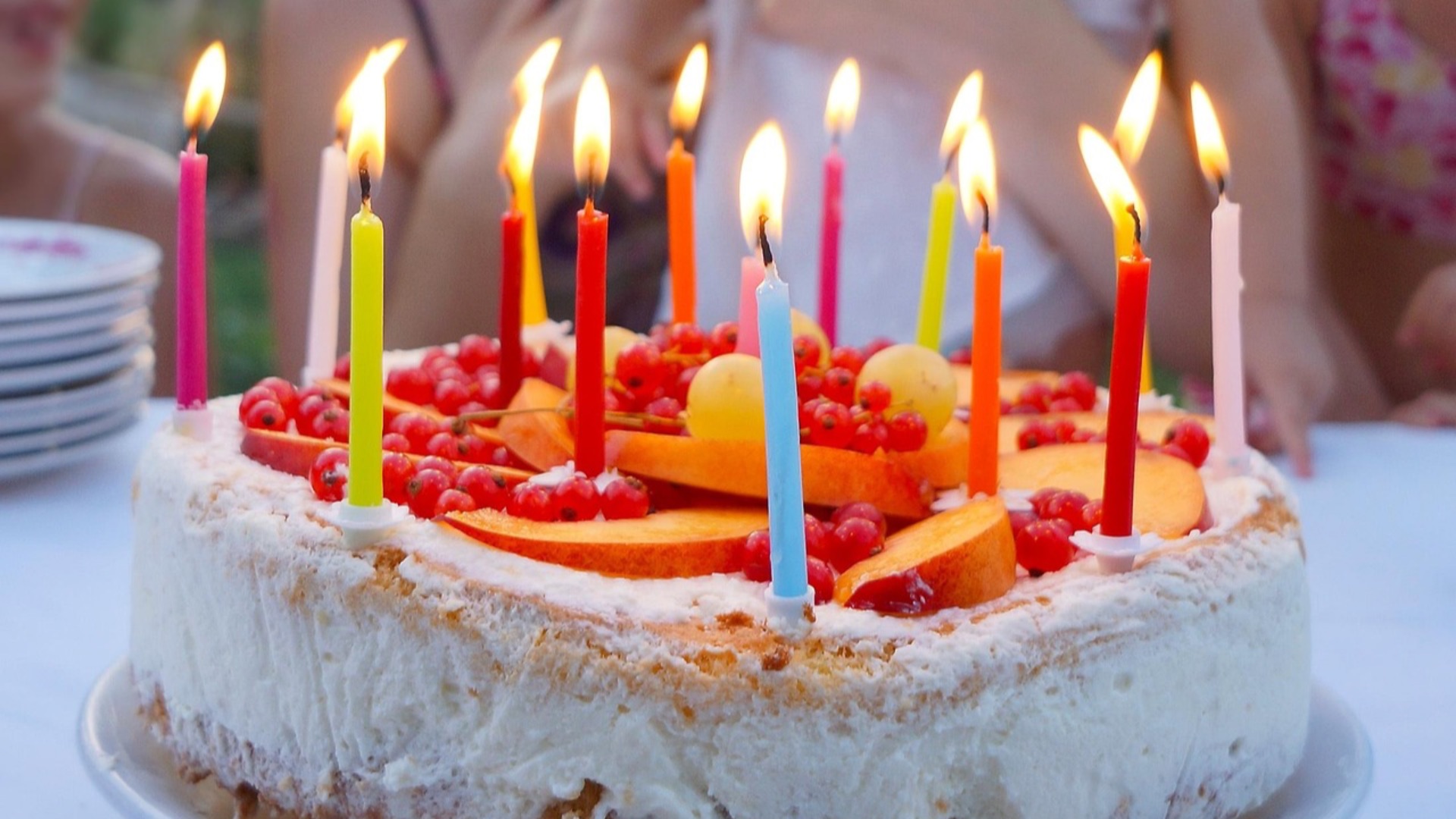
In Denmark, waking up on your birthday often means finding your home decorated with flags — the Danish national flag, known as the Dannebrog, is a staple of birthday celebrations. Friends and family place flags around the house, on the cake, and even outside windows to signal to neighbors that someone inside is having a birthday. It's a cheerful, distinctly Danish way of turning a personal milestone into something the whole street can recognize.
2. Mexico: The Quinceañera
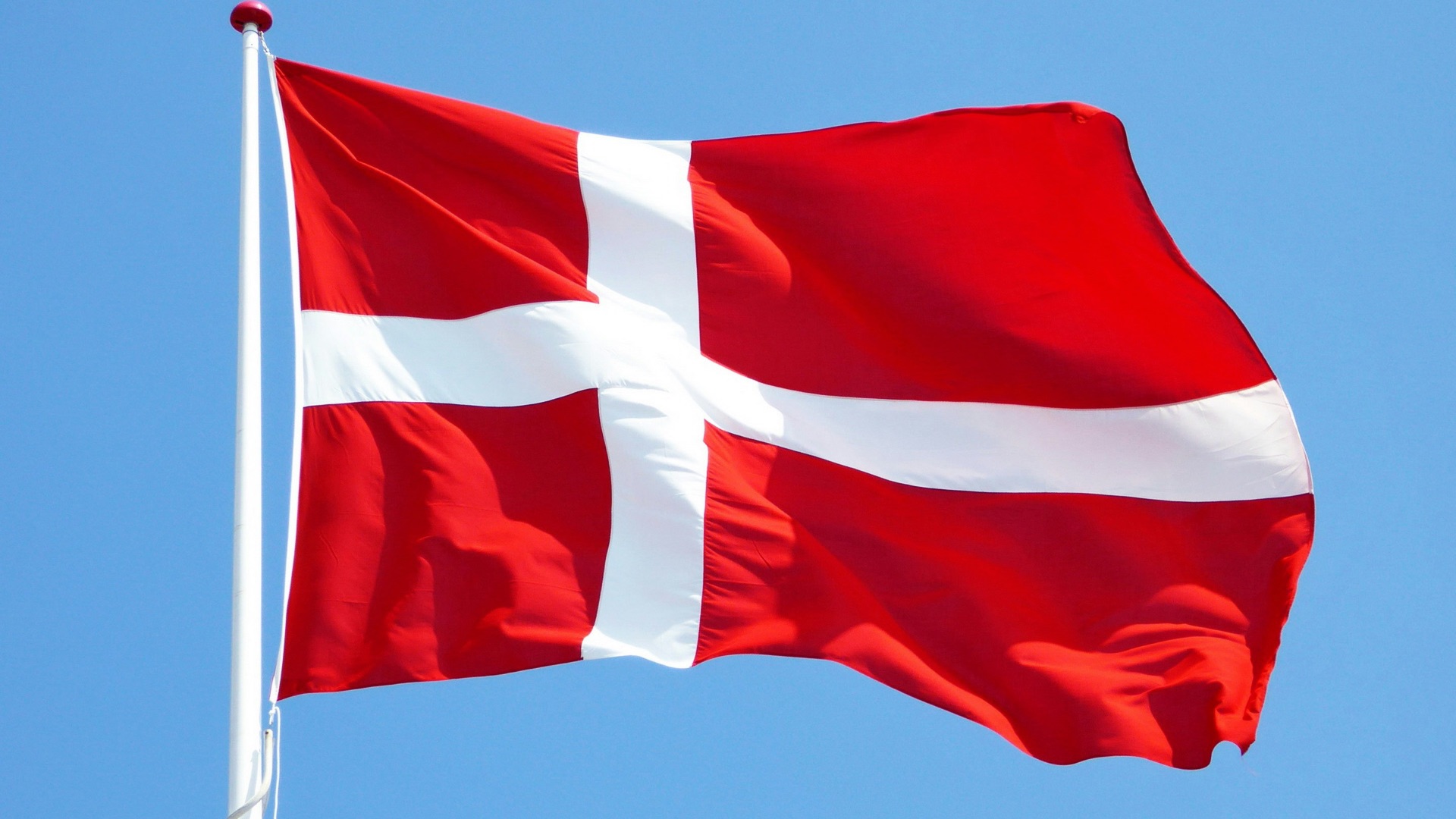
In Mexico, a girl's 15th birthday is one of the most significant events of her young life, celebrated through a grand ceremony called the quinceañera. The tradition combines a religious mass with an elaborate party featuring a formal gown, a waltz with chambelanes (escorts), and a choreographed group dance. It's a celebration of womanhood and faith that often involves months of planning and the participation of the entire extended family.
 Christopher Michel on Wikimedia
3. Jamaica: Flour Power
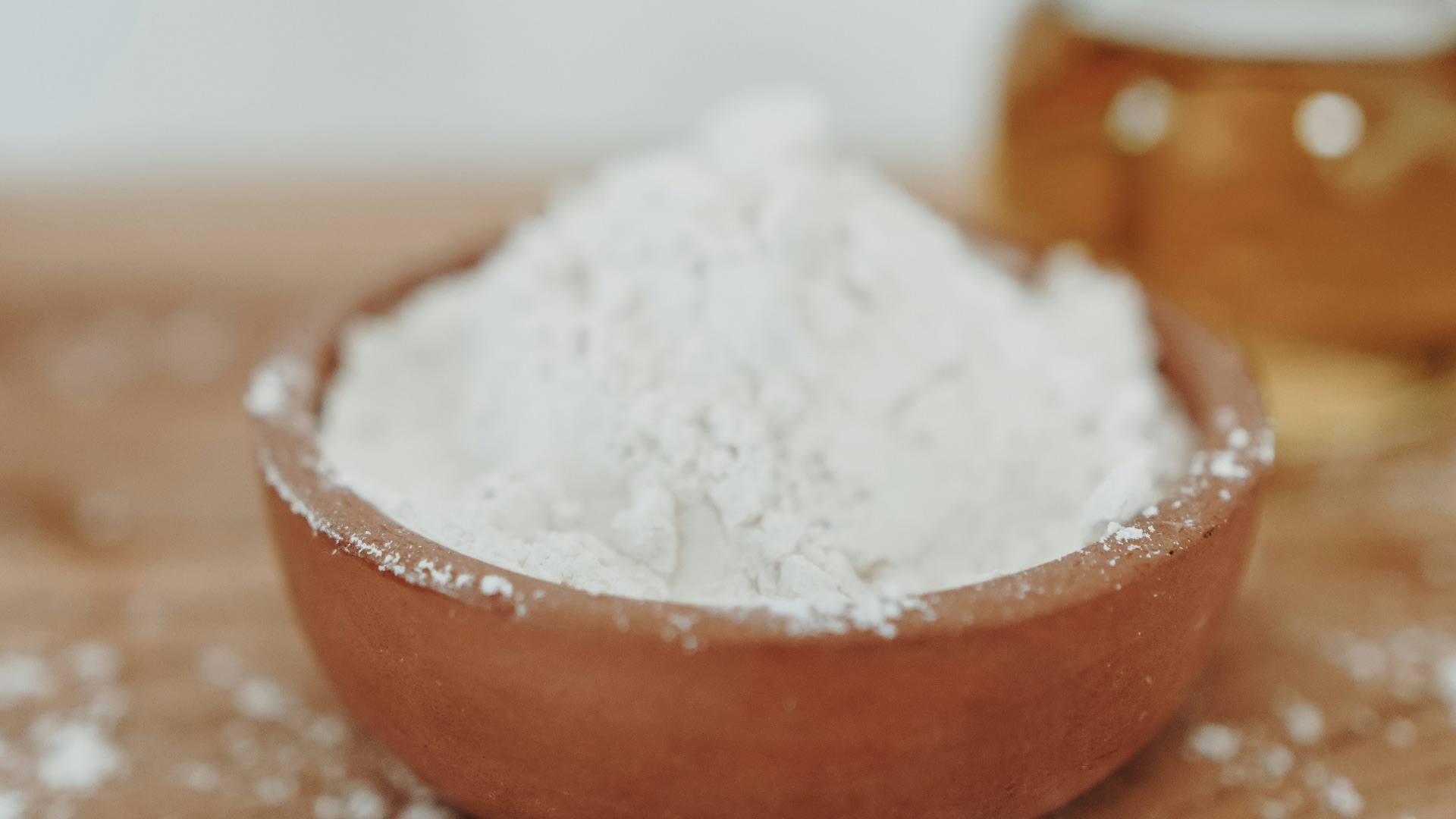
In Jamaica, it's common for the birthday person to get doused in flour by friends and family, and the messier the better. The tradition is all in good fun, and the birthday honoree usually just has to accept that they're going to need a shower before the real party starts. Some people also get pelted with other pantry staples like rice or cornmeal, making it one of the more unexpectedly chaotic birthday customs out there.
4. Germany: The Birthday Table
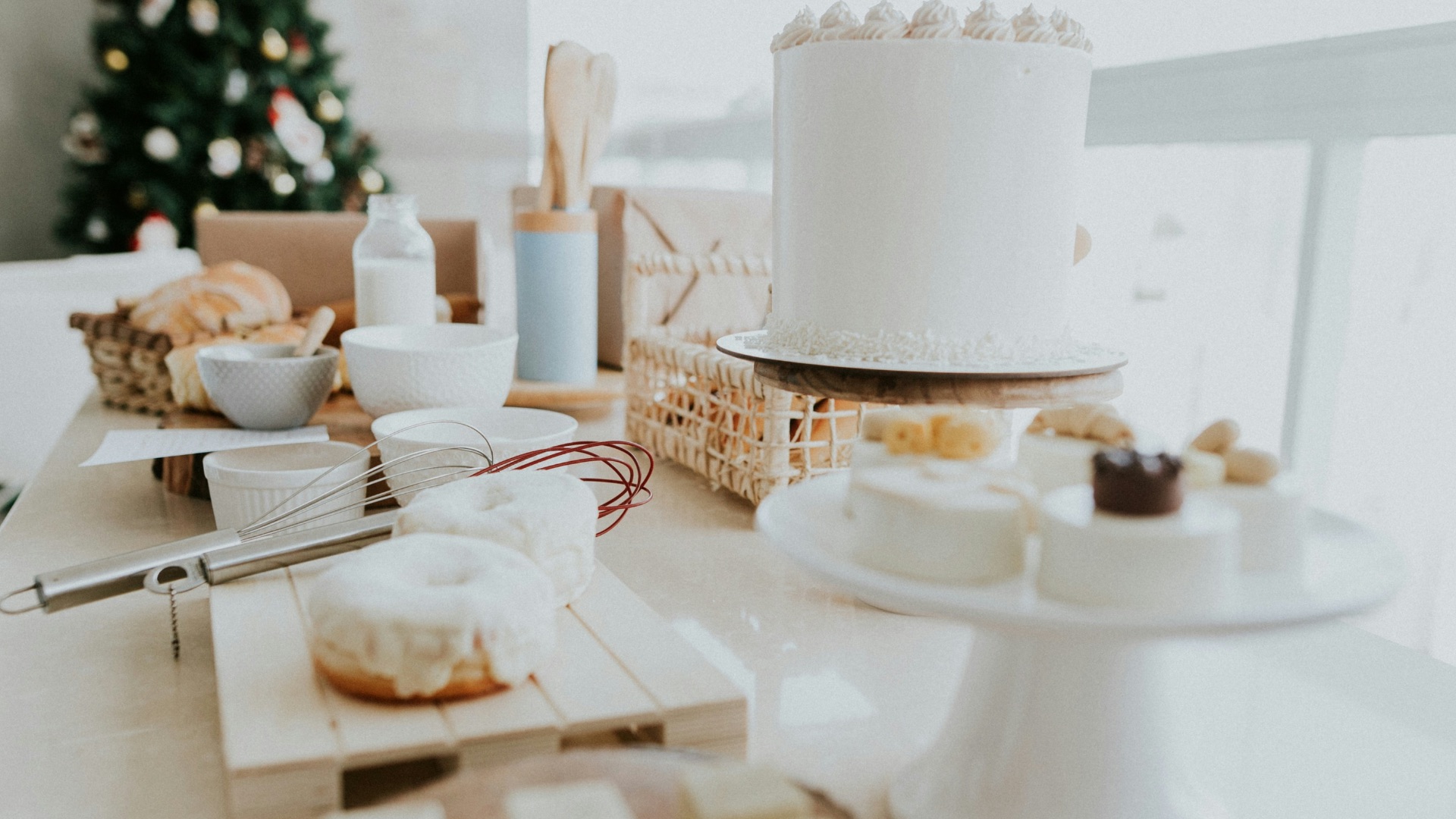
Germans take the presentation of the birthday celebration seriously, and one beloved tradition is the Geburtstagstisch, or birthday table. The night before or early on the morning of the birthday, family members arrange gifts, flowers, and a candle-adorned wreath on a designated table for the birthday person to discover when they wake up. Children, in particular, look forward to this setup as their first cheerful sight of the day.
5. South Korea: Miyeok-guk for Breakfast
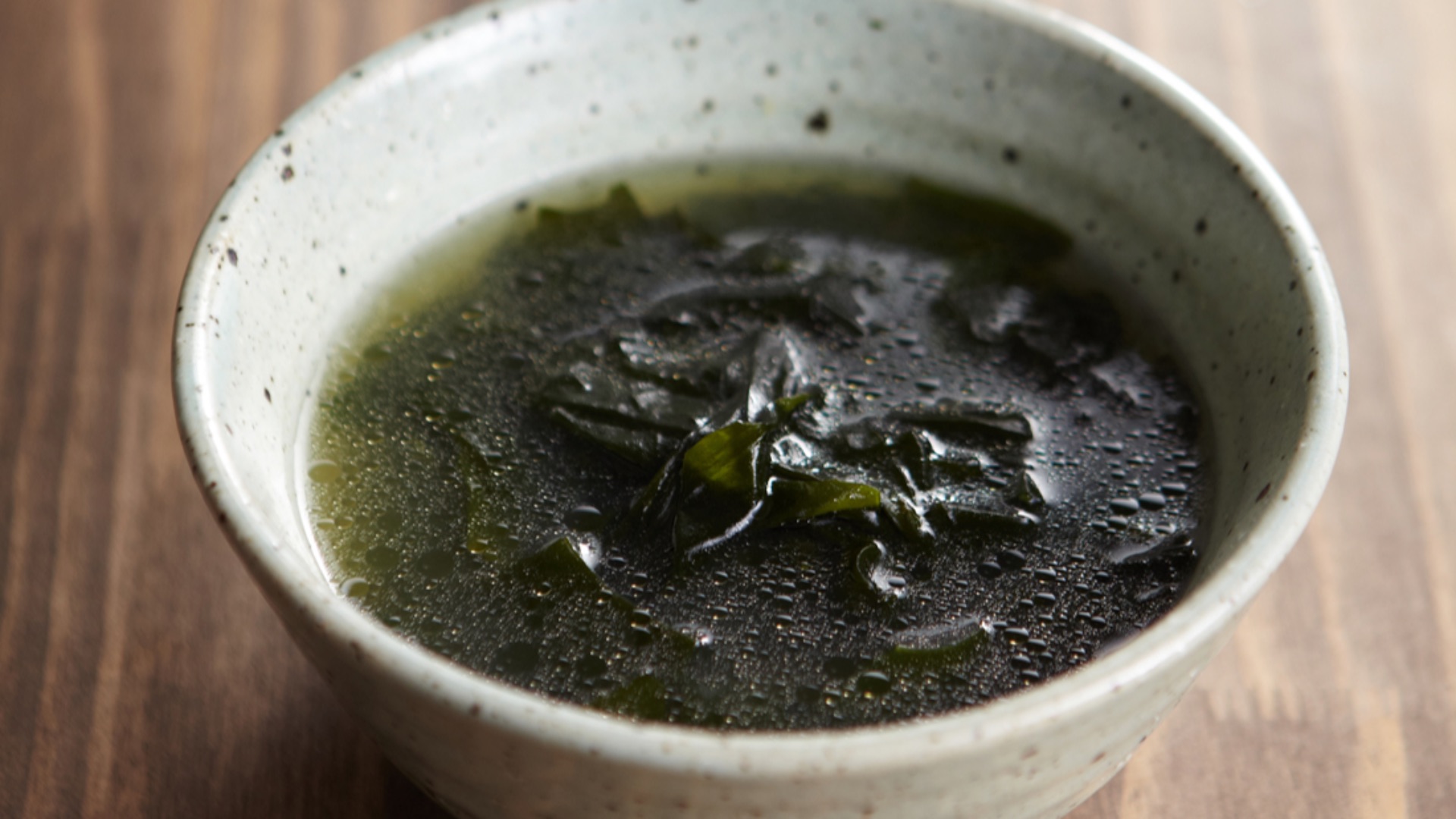
In South Korea, birthdays traditionally begin with a bowl of miyeok-guk, a seaweed soup that's also eaten by new mothers after giving birth because of its nutritional value. Eating it on your birthday is a way of honoring your mother and acknowledging the effort of childbirth, so it carries a deeper meaning than just being a morning meal. The tradition has softened somewhat in younger generations, but many Koreans still eat the soup at least once on their birthday out of respect for the custom.
6. Ghana: Oto for the Birthday Breakfast
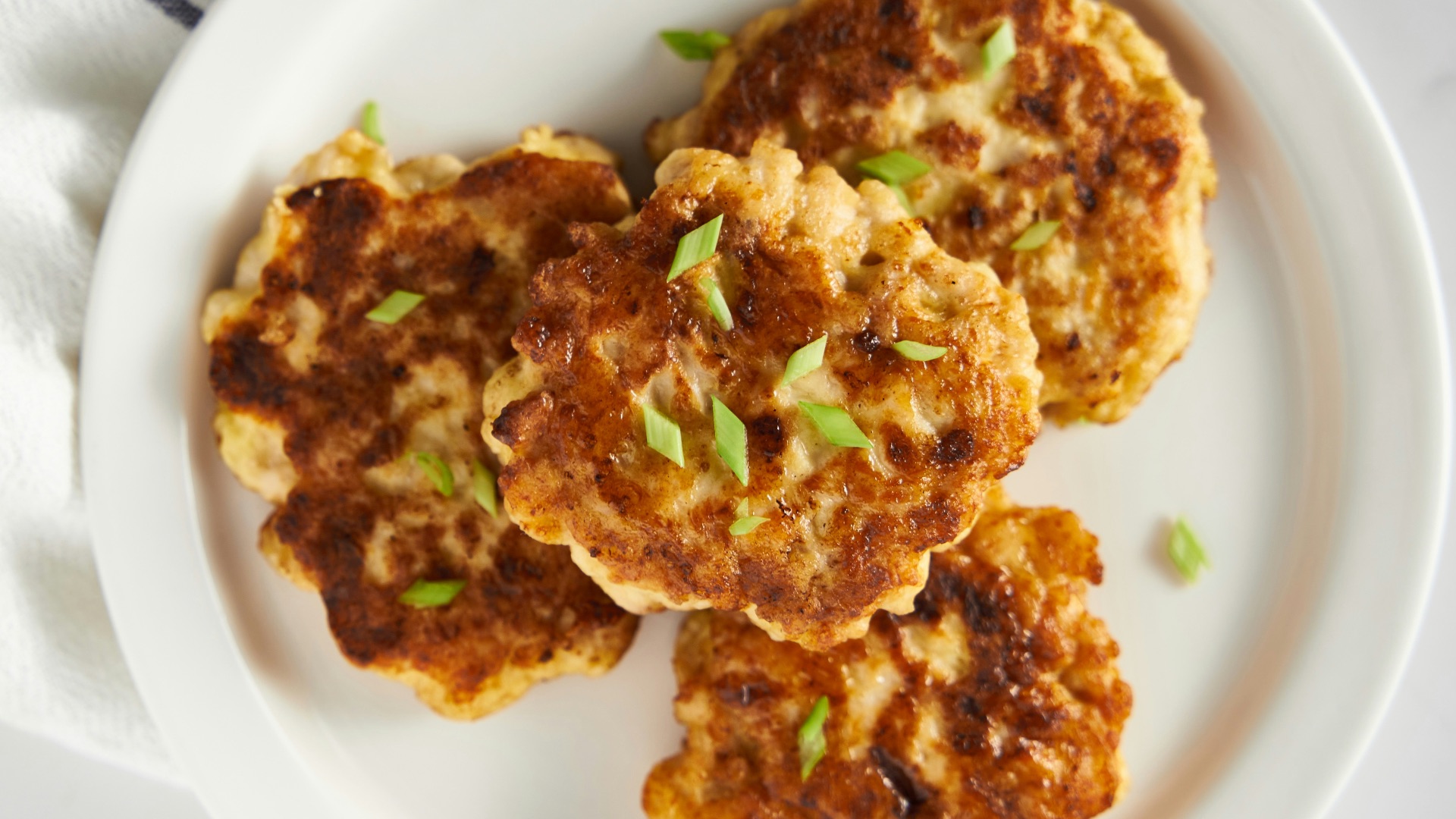
In parts of Ghana, many people start their birthday with a traditional dish called oto, which is mashed sweet potato or yam mixed with eggs and palm oil. The meal is considered a celebratory food specifically tied to birthdays and other major life milestones, and it's often prepared early in the morning by family members. After breakfast, the day typically continues with parties, new outfits, and gatherings that reflect Ghana's love of lively, communal celebration.
7. The Netherlands: Congratulating Everyone
One of the more surprising Dutch birthday customs for outsiders is the expectation that you congratulate not just the birthday person but also their family members. Saying "Congratulations on your mother's birthday" or "Happy birthday to your son" is completely normal and considered polite. The Dutch also have a tradition of serving birthday cake or treats at the office and in school classrooms, so the birthday person does the hosting rather than receiving it.
8. Russia: Birthday Pies Instead of Cake
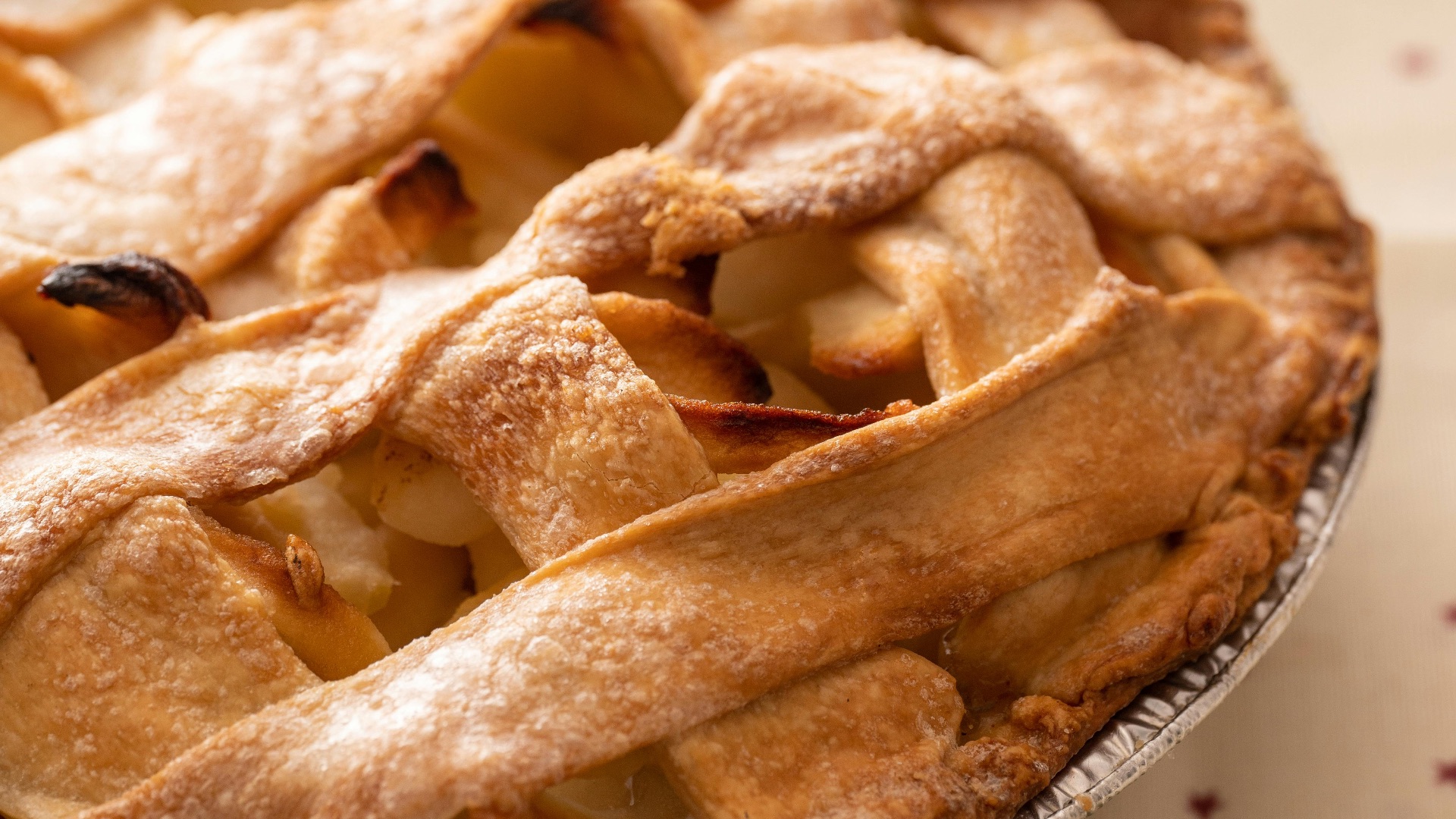
While Western-style birthday cakes have made their way into Russian celebrations, the more traditional route involves a birthday pie with a personalized message or greeting carved directly into the crust. These pies, though sometimes featuring fruit, are often savory rather than sweet, made with fillings like meat or vegetables, and they serve as both a meal and a symbolic gift. In some regions, the birthday person also receives small gifts hidden inside the pastry, which makes for a memorable and occasionally surprising slice.
9. India: New Clothes and Temple Visits
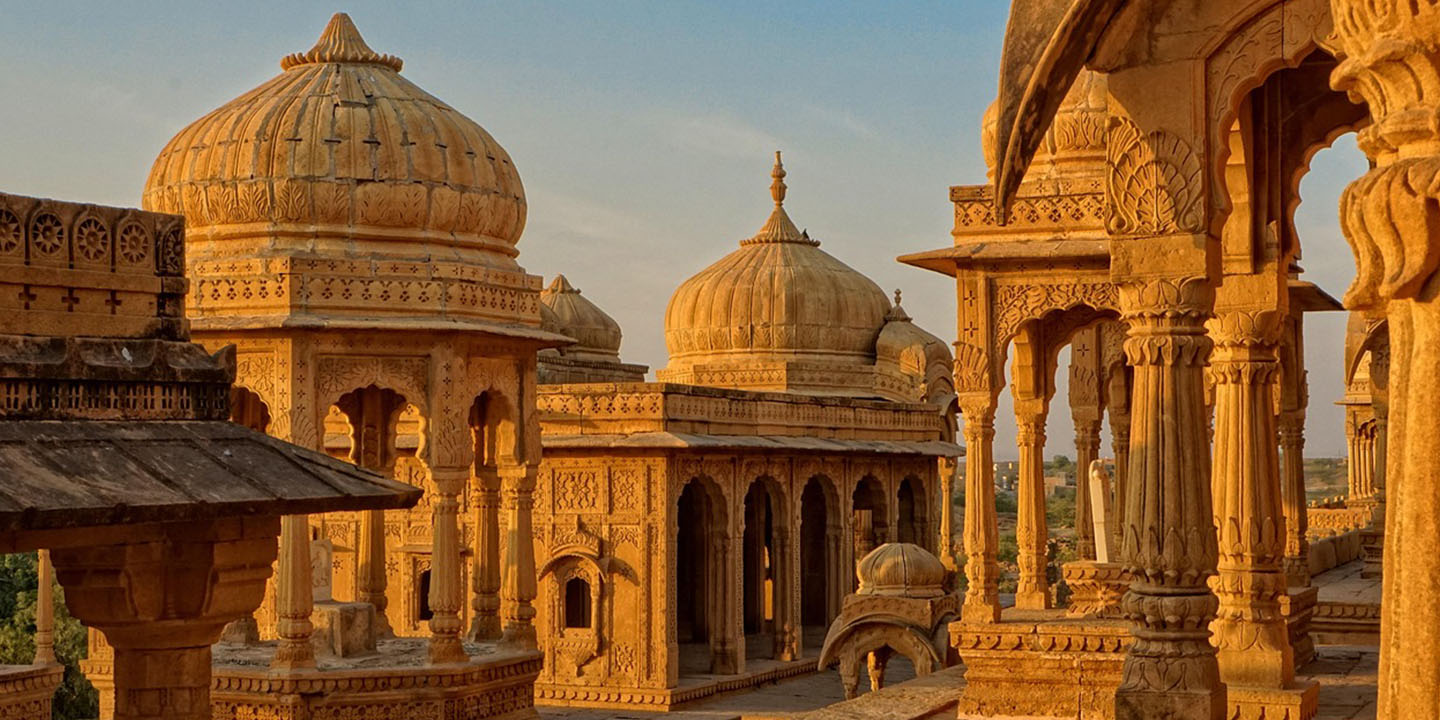
Across many parts of India, birthdays are often marked by wearing new clothes as a symbol of freshness and new beginnings for the year ahead. Many families also begin the day with a visit to a temple or place of worship to seek blessings before the festivities get underway. Sweets are a central part of the celebration, and it's customary for the birthday person to distribute mithai (traditional sweets) to friends, neighbors, and coworkers.
10. Canada: The Birthday Nose Grease
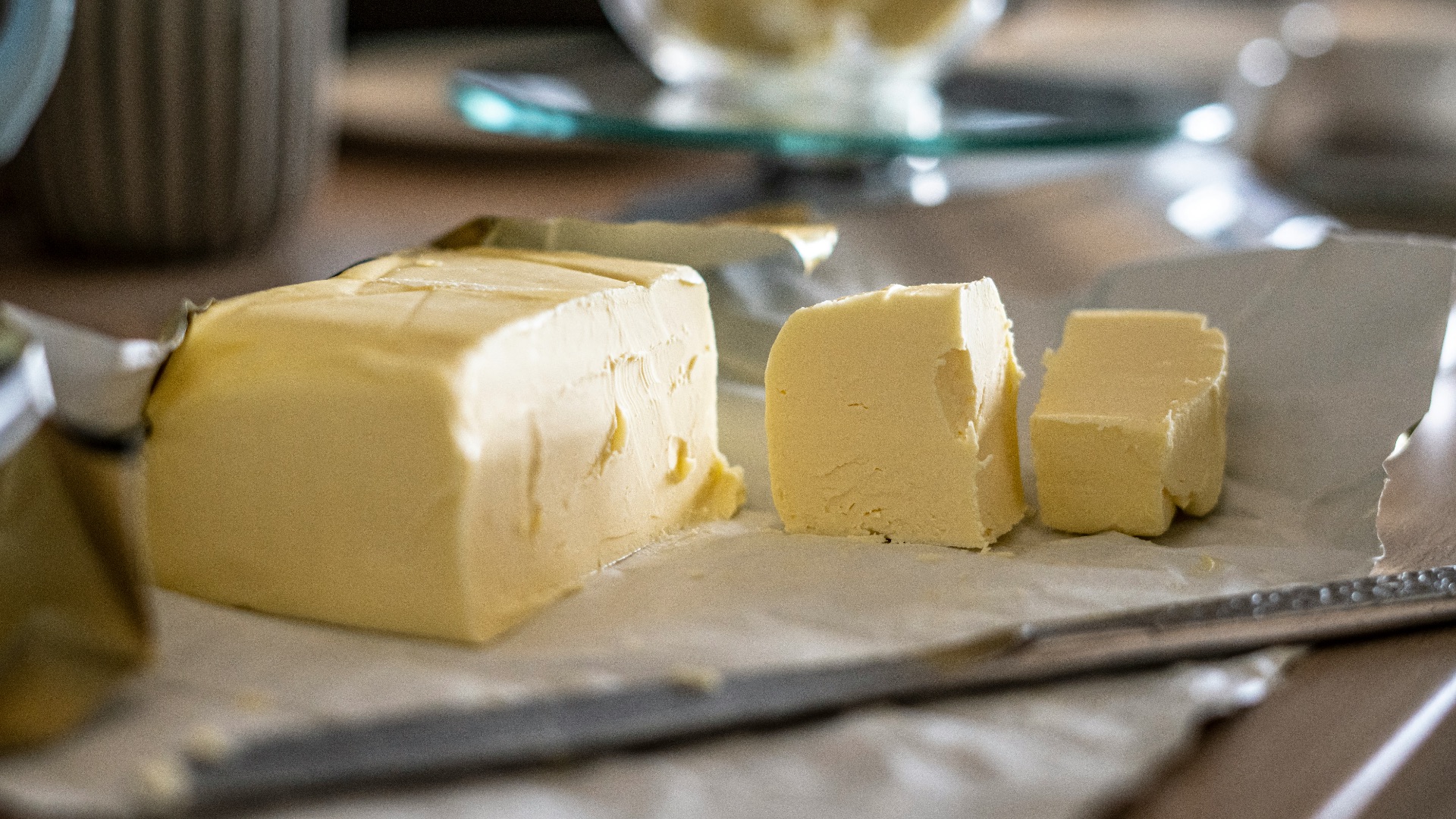
In parts of Atlantic Canada, particularly in Nova Scotia, there's a tradition of ambushing the birthday person and greasing their nose with butter. The slippery nose is said to make the birthday person too slick for bad luck to catch them throughout the coming year. It's a playful, somewhat undignified custom that's mostly associated with childhood birthdays, and it's one that many Canadians from outside the region are surprised to learn exists.
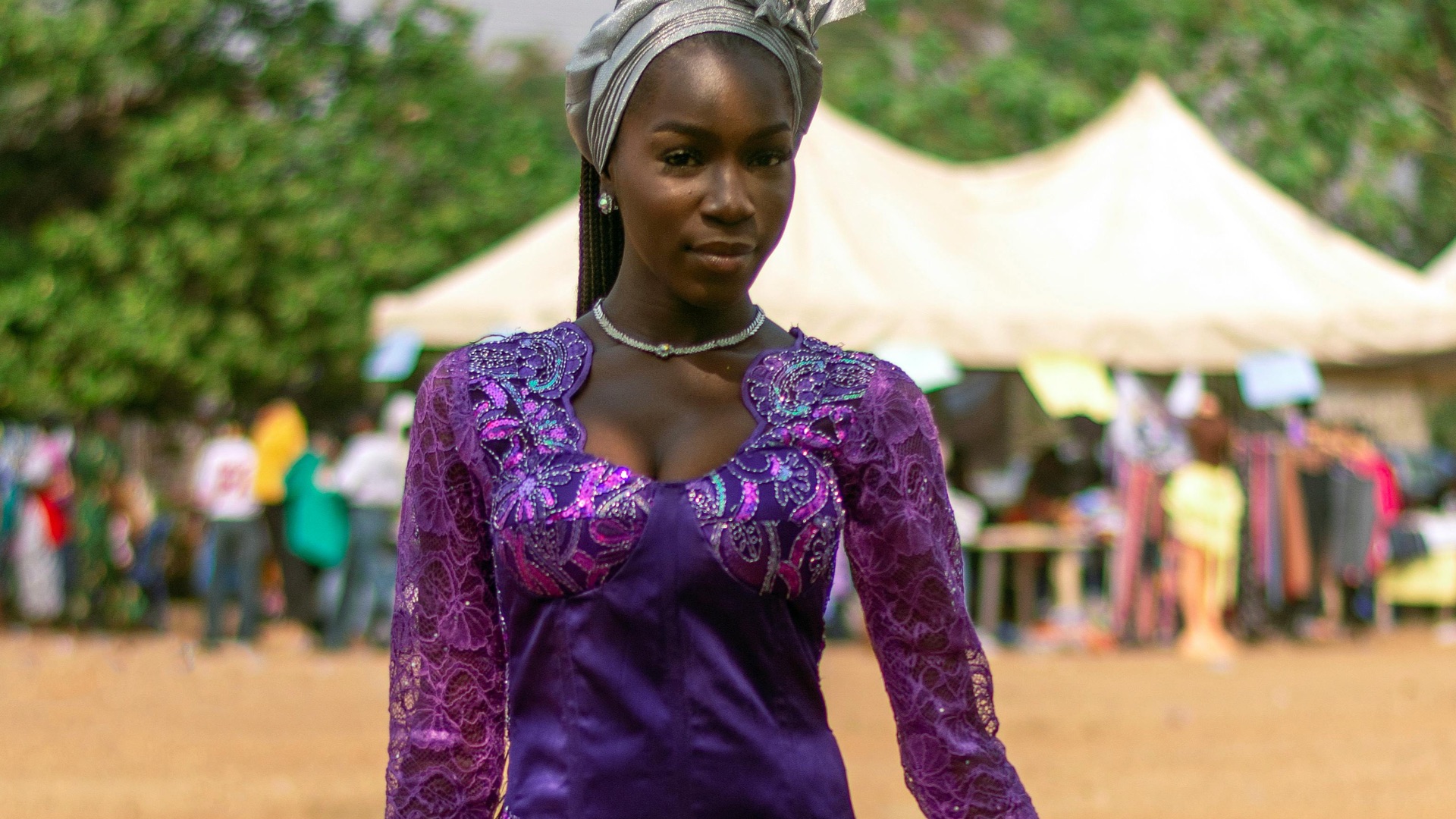
11. Nigeria: The Aso-Ebi Tradition
In Nigeria, birthdays, especially milestone ones, are often celebrated with a coordinated dress code called aso-ebi, where guests wear matching or complementary fabrics chosen by the birthday honoree. The practice is deeply social and signals solidarity and closeness between the celebrant and those who participate. However, it's also important to note that this tradition isn't only reserved for birthdays, but also for other occasions as well, including weddings and funerals.
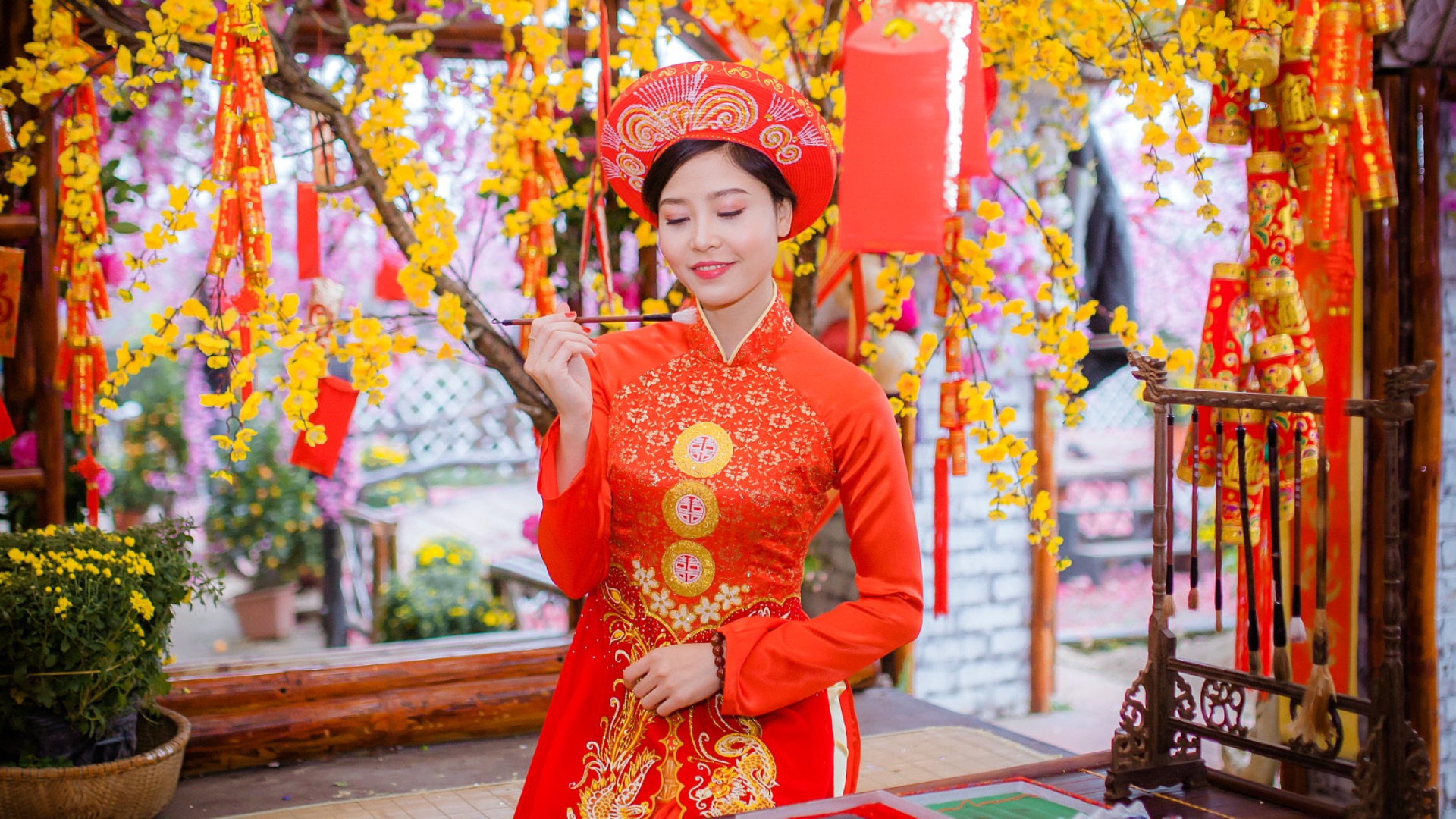
12. Vietnam: Tết as a Collective Birthday
In Vietnam, it's not just individual birthdays that are celebrated; instead, since everyone technically gains a year on Tết, the Lunar New Year, it's celebrated then, too. Children are often given red envelopes with money called lì xì during this time, which doubles as a birthday gift of sorts for those born close to the holiday.
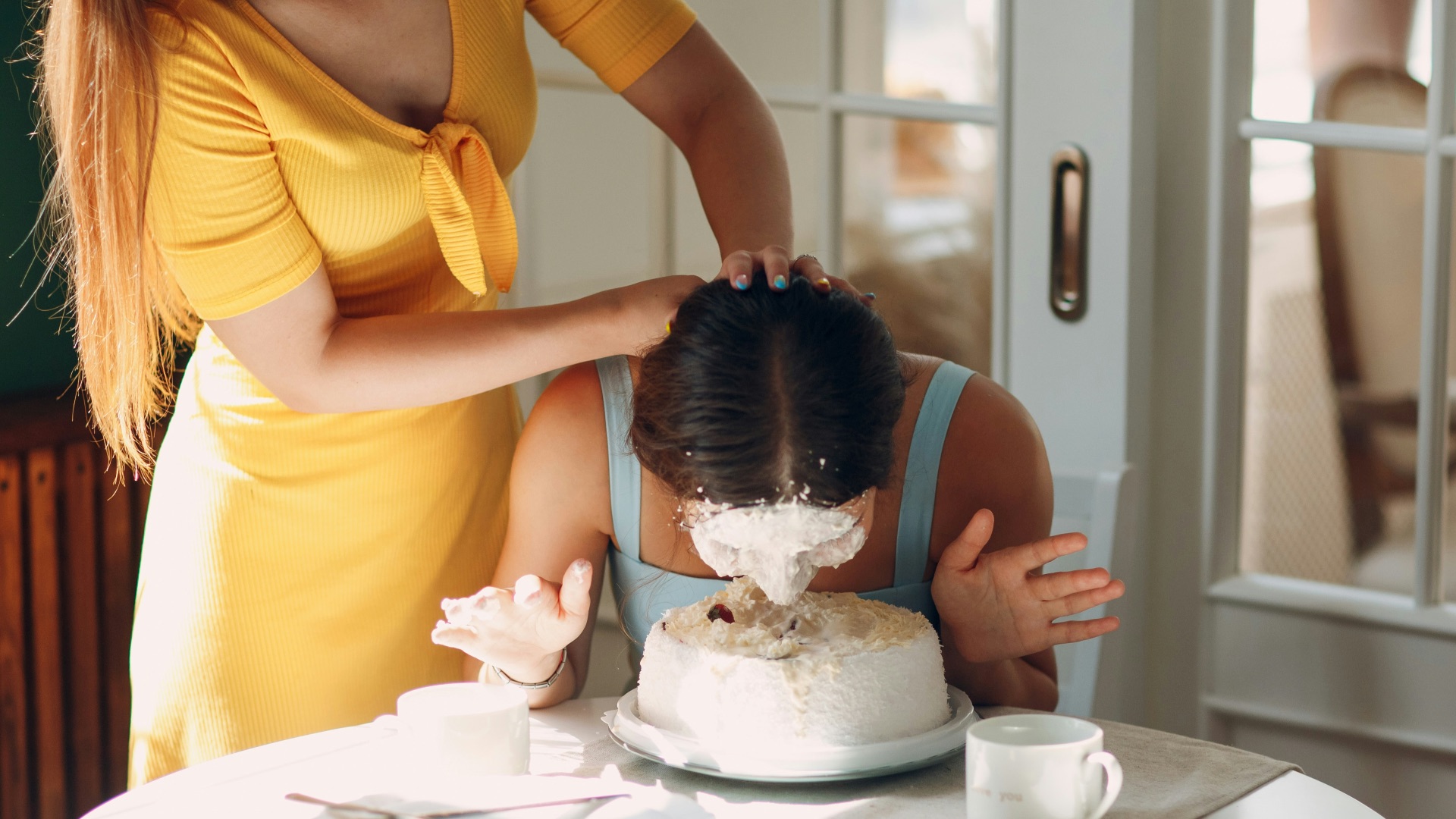
13. Argentina: Earlobe Pulling and Cake Faceplanting
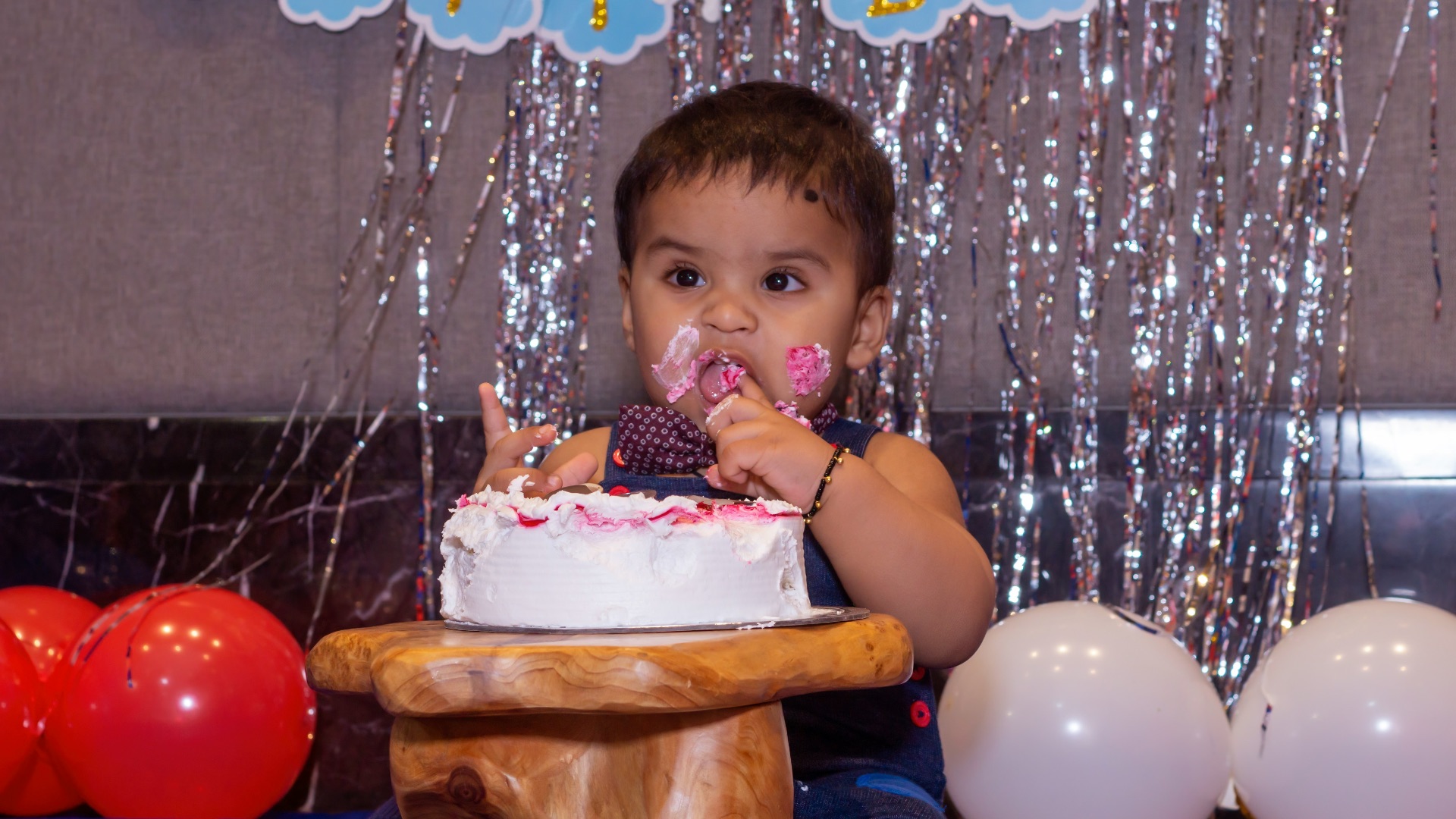
In Argentina, it's traditional to pull the birthday person's earlobe once for each year of their age (el tirón de orejas)—so if you're turning 30, brace yourself. On top of that, there's a playful Latin American custom of pushing the birthday person's face into their cake right as they lean in to blow out the candles, called la mordida. Both traditions are done with plenty of laughter and are considered affectionate rather than mean-spirited, though they do make for some memorable birthday photos.
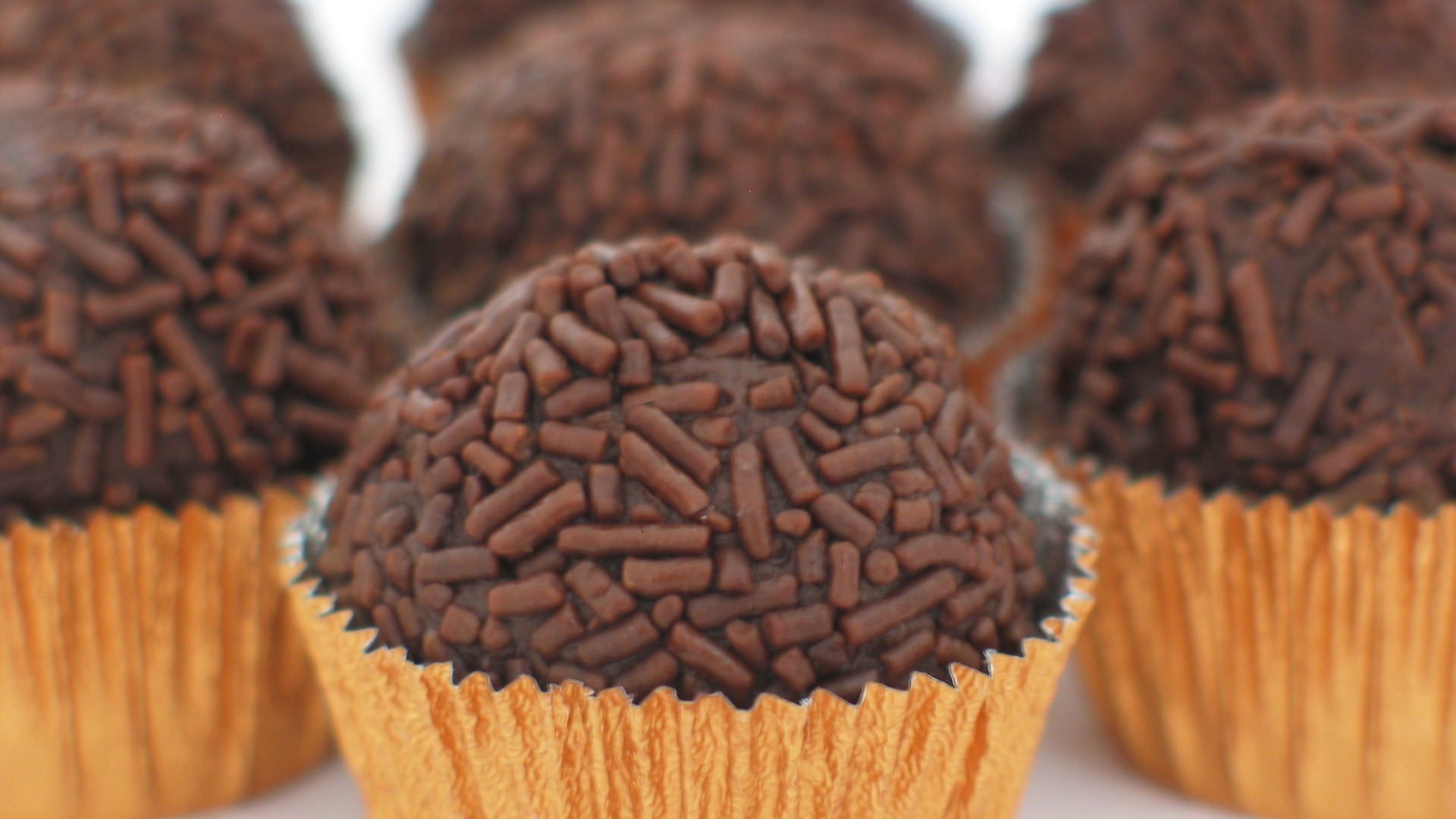
14. Brazil: Brigadeiros
In Brazil, the birthday person is often presented with puxar a orelha (ear pulling, similar to Argentina), and brigadeiros—small chocolate truffles rolled in sprinkles—are almost universally present at any celebration. The emphasis is firmly on fun, family, and an impressive spread of sweets.
 User Mayra (Maych) on Flickr on Wikimedia
15. China: Long Noodles for a Long Life
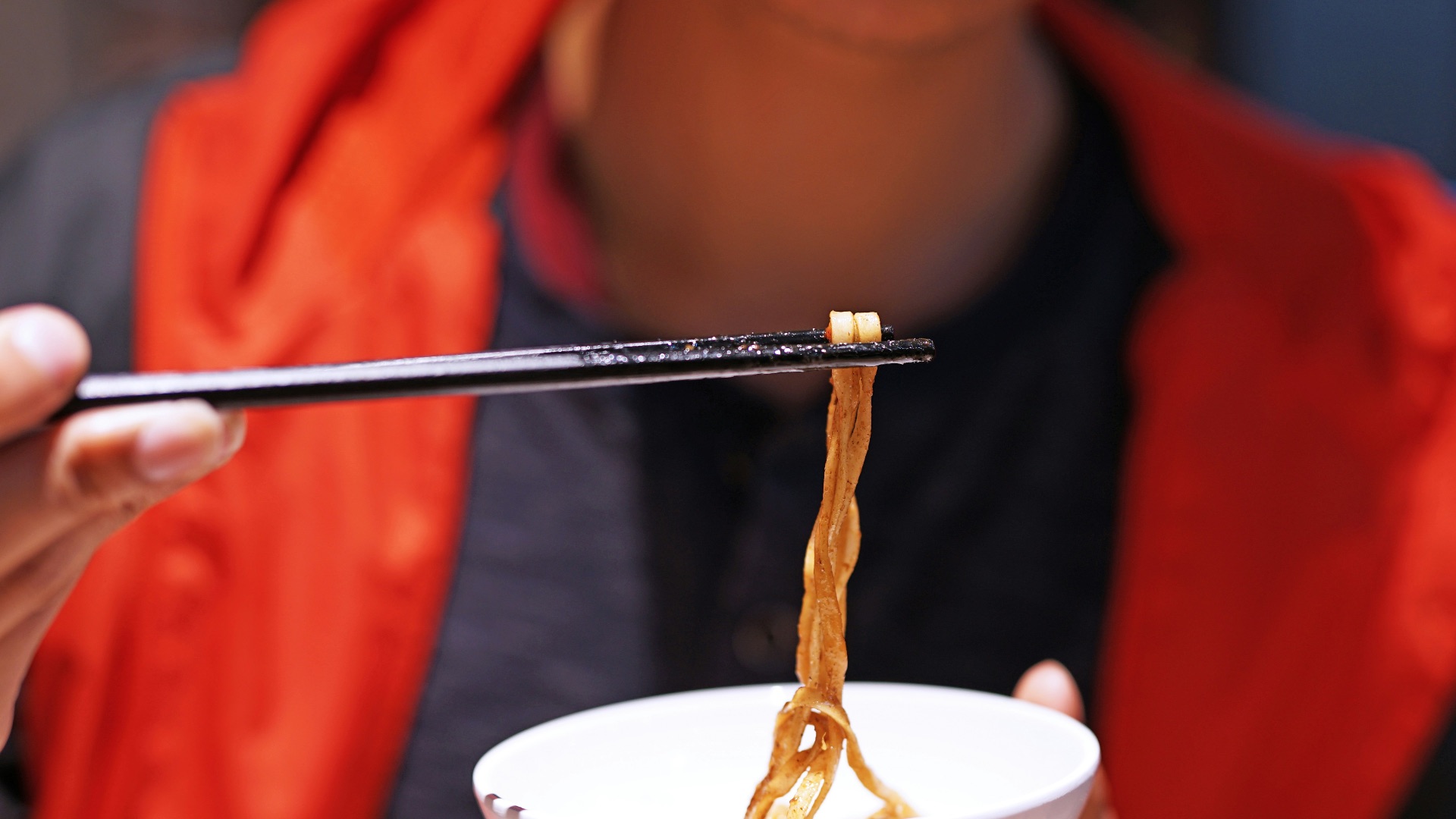
In China, birthday celebrations often feature a bowl of long noodles called chángshòu miàn, and it's considered very important not to cut or break them before eating. The unbroken length of the noodle symbolizes the wish for a long and uninterrupted life, so slurping them whole is actually encouraged. Red eggs are another common birthday food, particularly for young children, as the color red symbolizes good luck and the egg represents new life.
16. Australia: Fairy Bread at Children's Parties
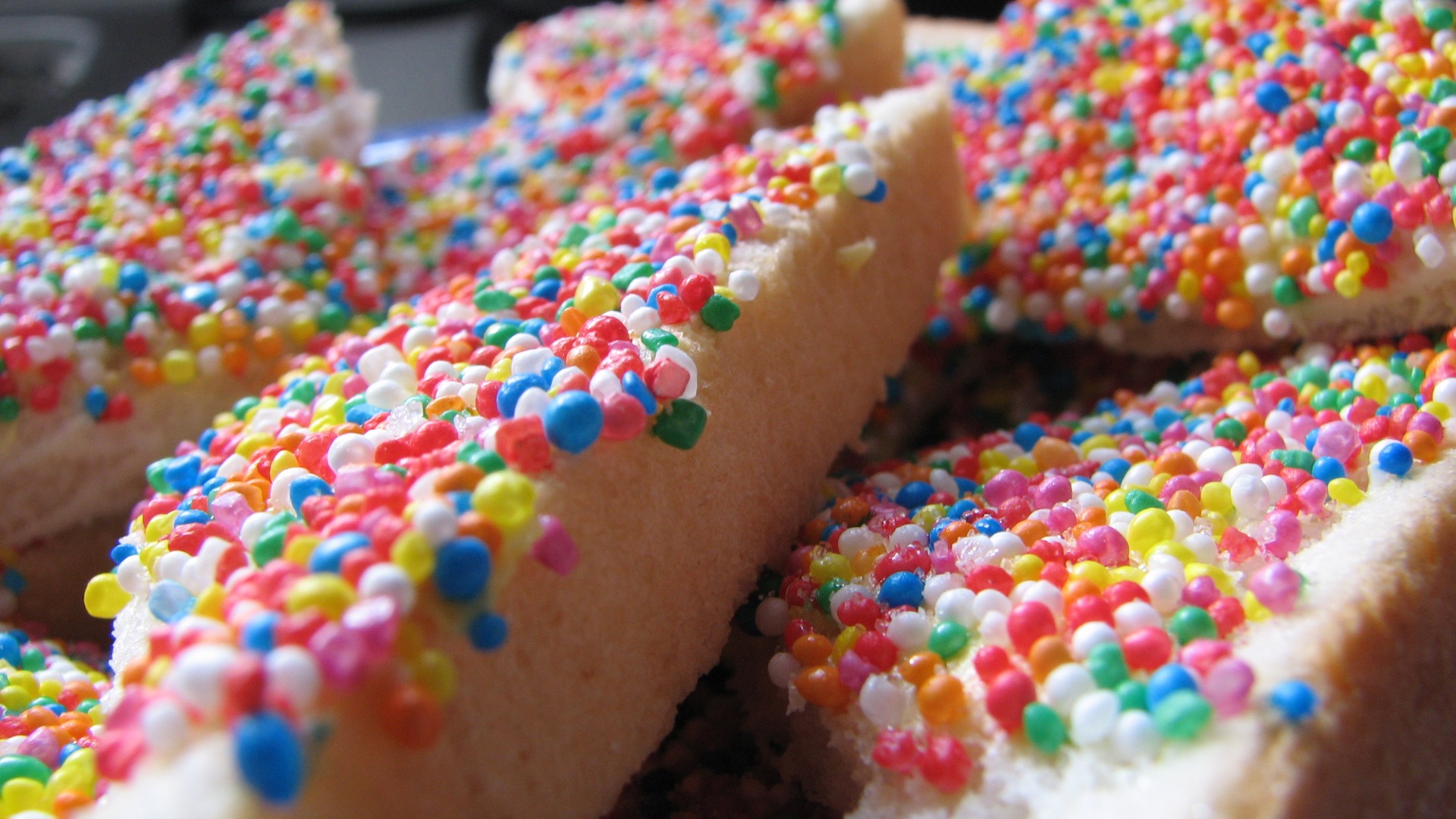
Australian kids' birthday parties are practically incomplete without fairy bread, which is white bread spread with butter and covered in hundreds and thousands (what Australians call the small round sprinkle candies). It's an extremely simple treat that has somehow become a deeply nostalgic and iconic part of Australian childhood celebrations. Adults at those parties will tell you they still enjoy it unironically, which says a lot about how much affection the tradition carries.
17. The Philippines: Pancit for Long Life
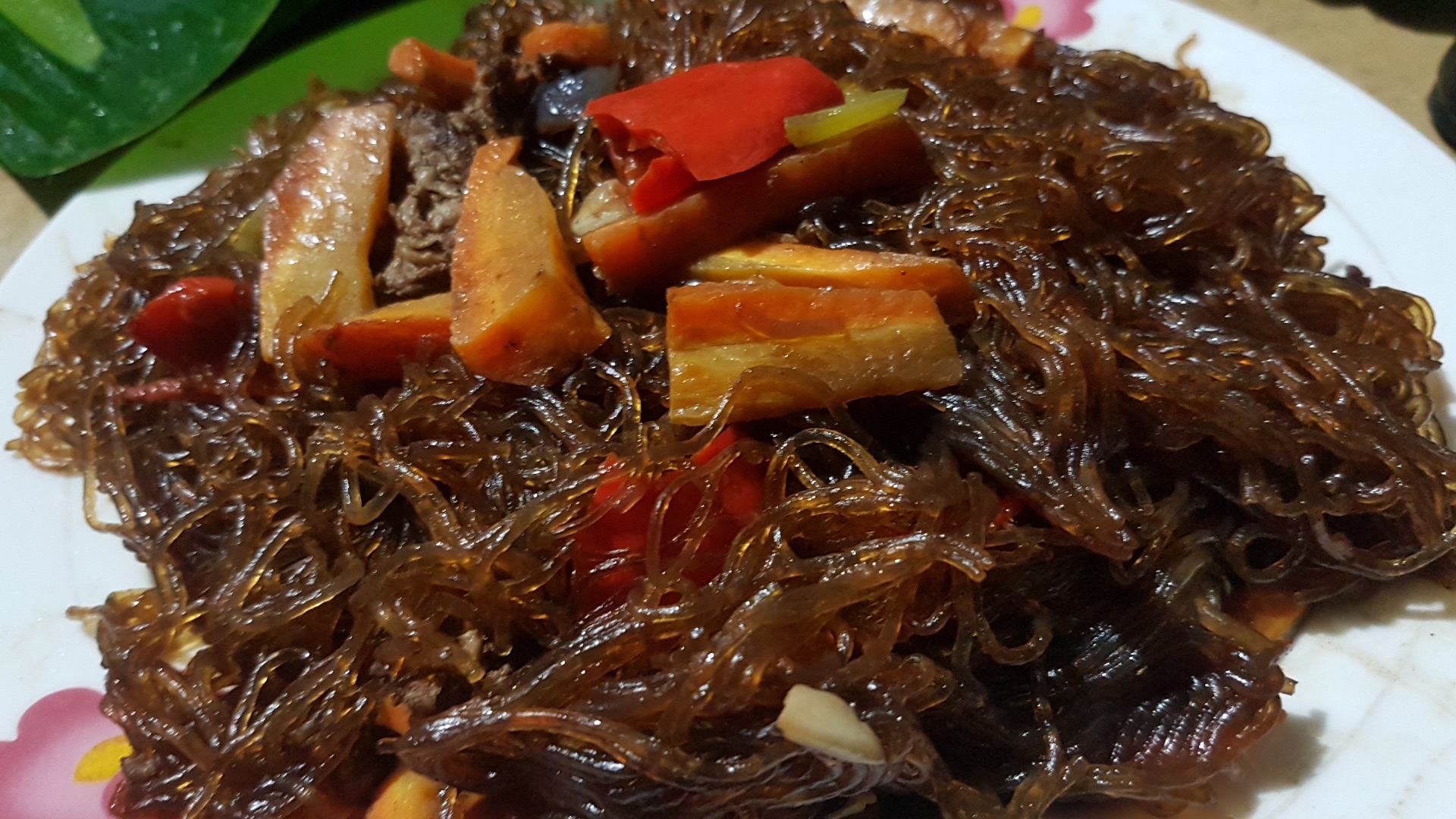
In the Philippines, birthdays are celebrated with family gatherings centered around food, and pancit, a noodle dish, is almost always on the table. Like in China, the length of the noodles is symbolic of a long life, so it's eaten with care. Filipino birthday parties tend to be multigenerational and lively, with karaoke (of course) making a very frequent appearance as the evening goes on.
18. Ireland: The Birthday Bump
In Ireland, one of the more physical birthday customs is "the bumps," where friends and family lift the birthday person off the ground and bump them up and down, once for each year of their age, plus one for good luck. It's an old tradition that's more common among children, though some adults find themselves subjected to it by enthusiastic friends. Whether it's a gentle ritual or a rowdy one largely depends on who's doing the lifting.

19. Uganda: Water Pouring
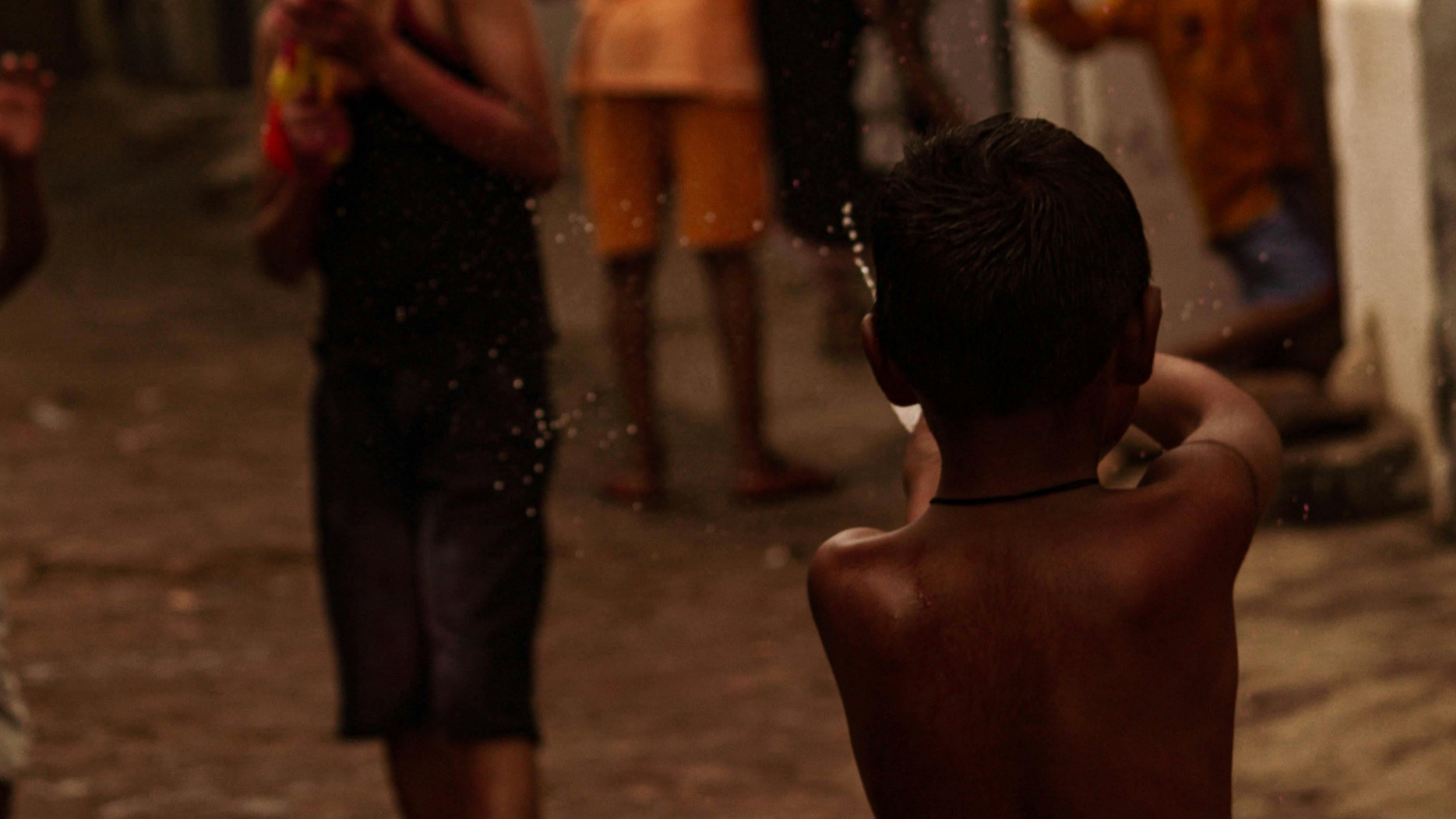
In Uganda, birthdays often involve a "birthday committee" of friends who organize the celebration, complete with runs, announcements, and speeches. A highlight is the playful tradition of pouring water on the birthday person as a way to "wash away the old year," before putting on new clothes to signify a fresh start.
20. Caribbean: Bolo Pretu Cake
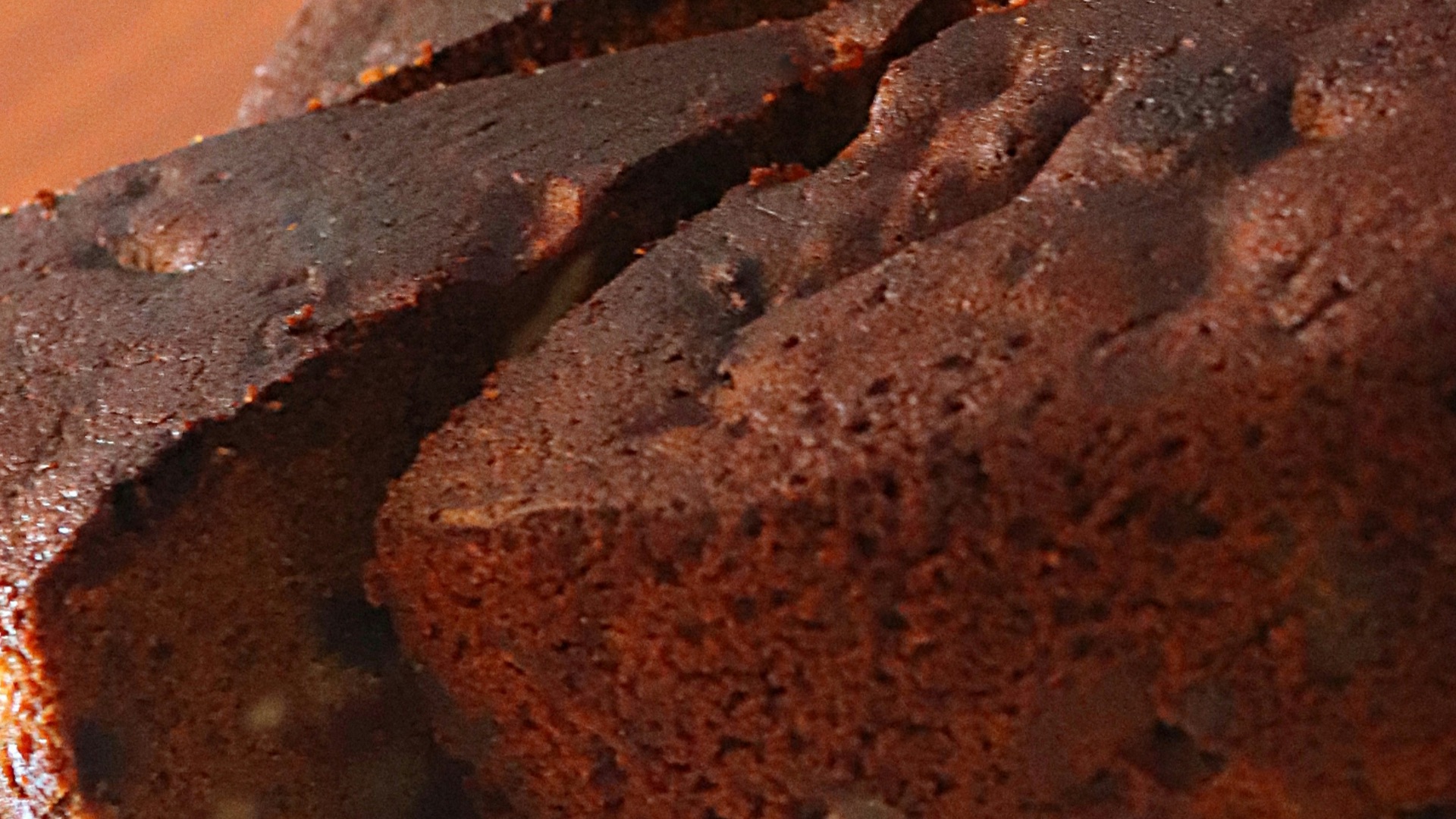
In the Dutch Caribbean islands, birthday celebrations sometimes feature a traditional celebratory cake called bolo pretu, a rich, dark fruitcake soaked in rum or liqueur that's also used at weddings and other major life events. The cake is made from a recipe passed down through generations and is considered a serious undertaking to prepare properly. Receiving a slice of it at a birthday gathering is seen as a mark of warmth and respect from the host, and it's not something you'd ever turn down.