Old-World Charm, No Passport
You can stay in the U.S. and still end up on streets shaped by Danish settlers, German founders, Spanish planners, French colonial history, and old Atlantic trade. Some of these places were built to lean into that identity, while others just kept enough of their older bones that the feeling stuck. That means half-timbered storefronts in Washington, Dutch windmills in Michigan, Spanish colonial landmarks in Florida, and harbor towns in Maine that still look tied to another century. Something is comforting about that, especially when you want a trip that feels a little transportive without turning into a full travel production. These 20 places make the strongest case for a stateside getaway that still scratches the Europe itch.

1. Leavenworth, Washington
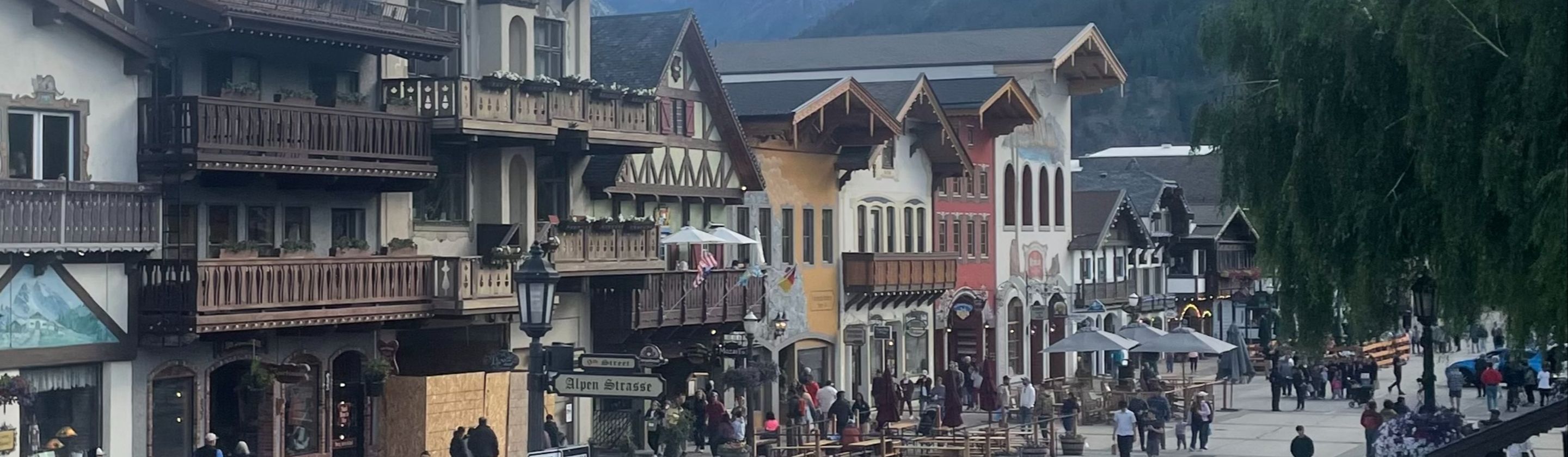
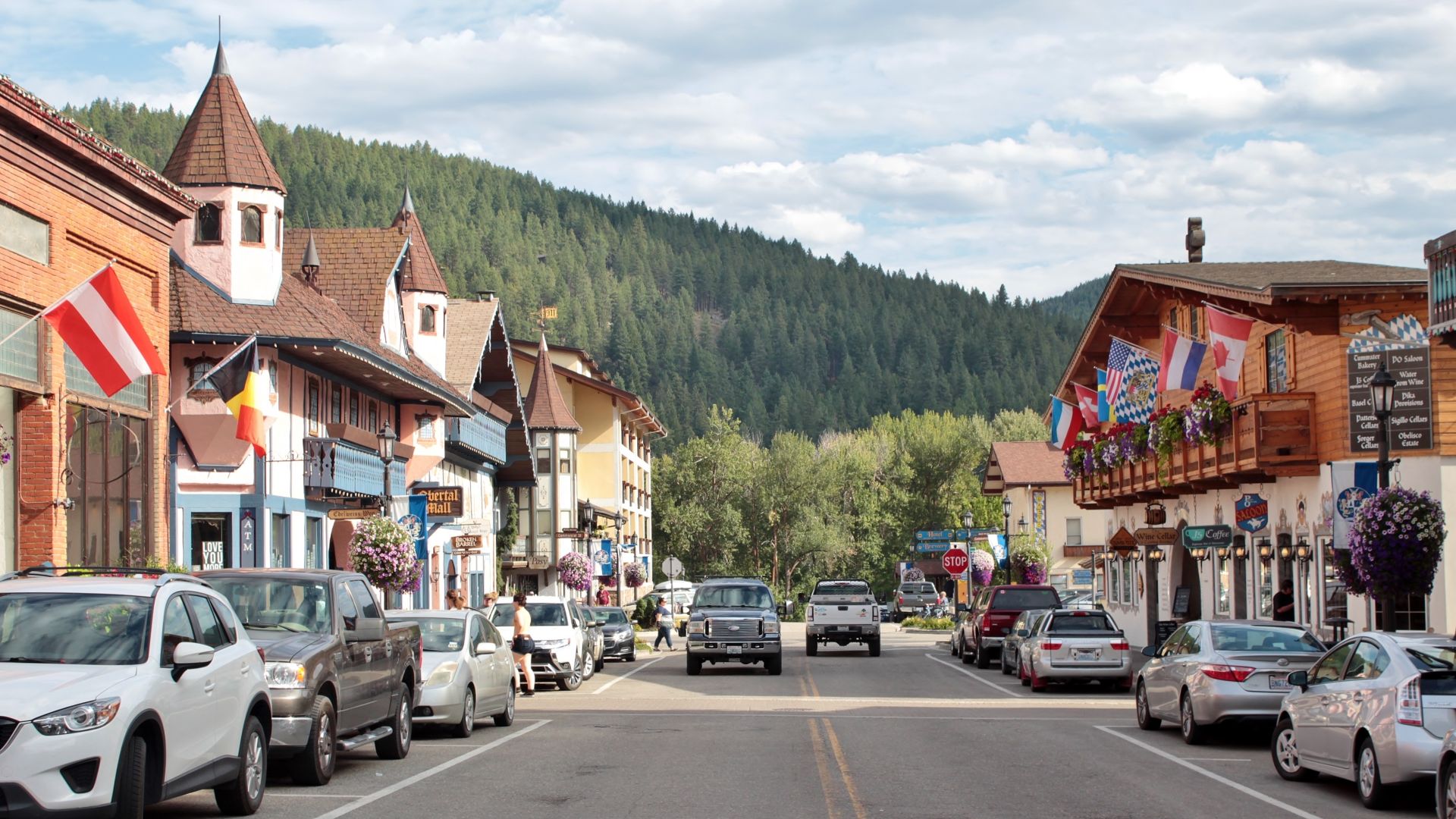
Leavenworth doesn’t play coy about what it is. The town leans hard into its Bavarian identity, and with the Cascade backdrop, beer halls, and Alpine-style storefronts packed into a walkable downtown, it lands the point fast.
2. Frankenmuth, Michigan
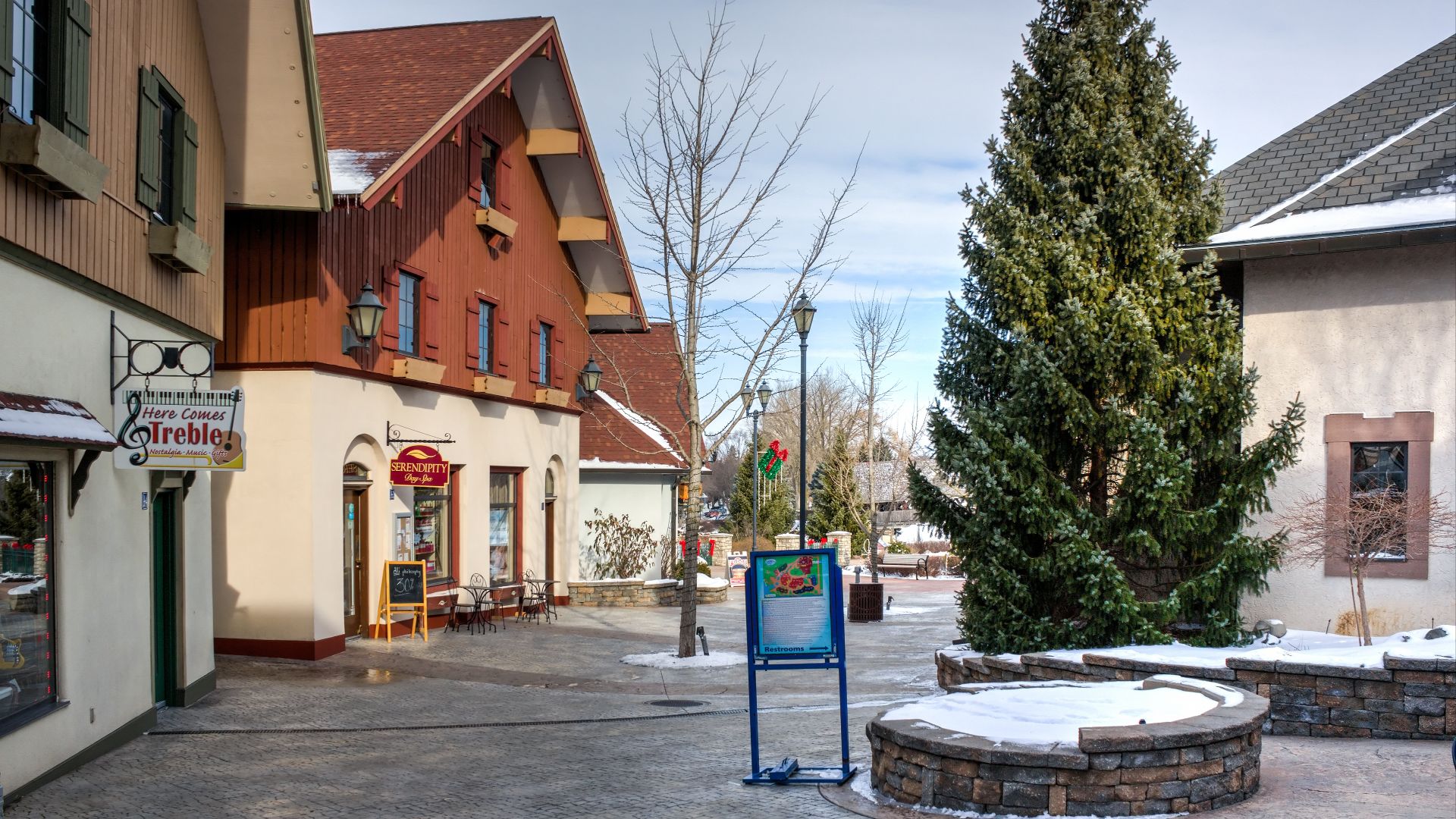
Frankenmuth is tidy, a little theatrical, and very committed to its German roots. That whole setup, from the half-timbered buildings to the old-country branding, makes a weekend there feel far removed from the rest of mid-Michigan.
3. Solvang, California
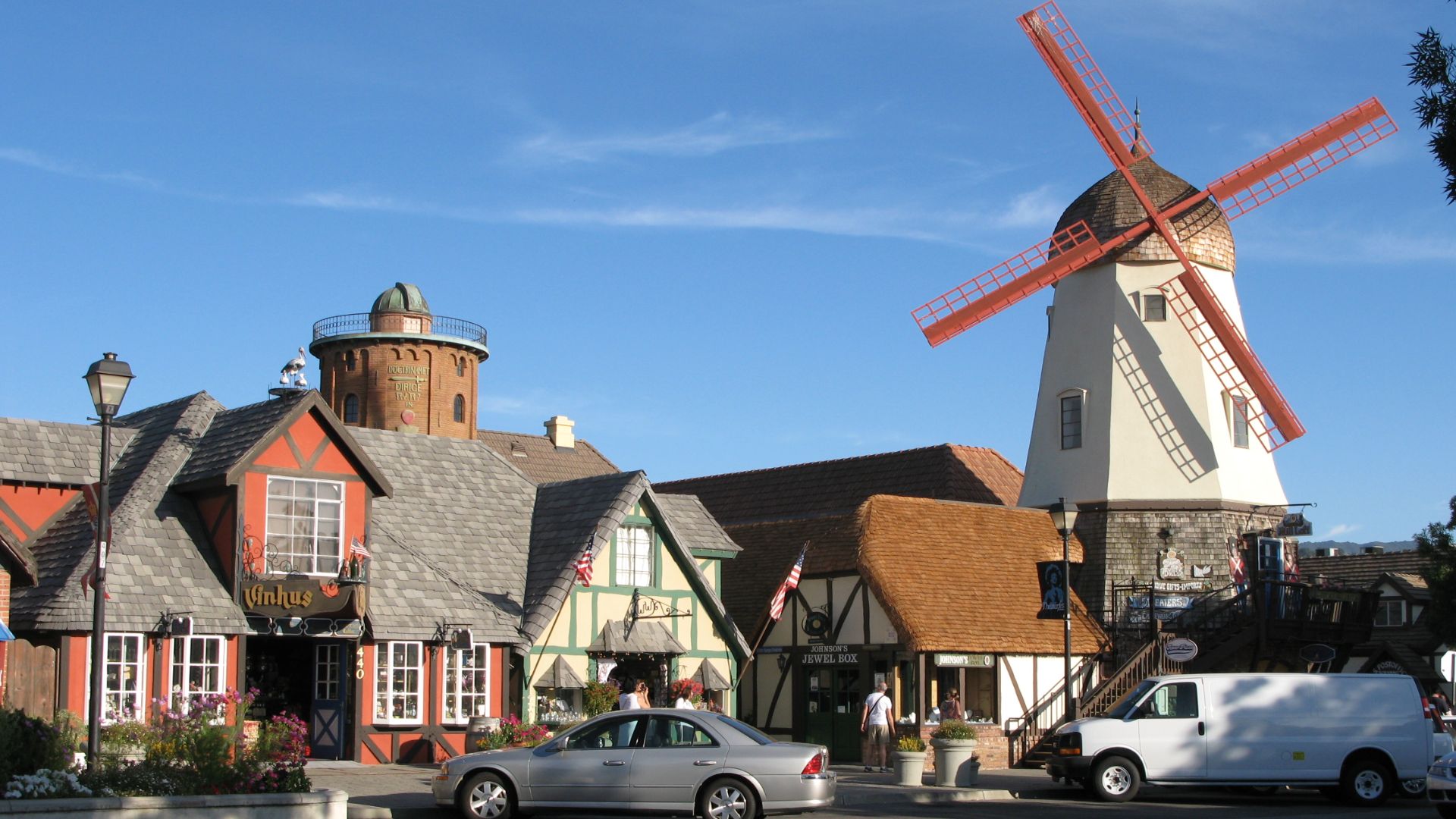
Founded by Danish Americans in 1911, Solvang still carries that heritage in a way that’s easy to spot. Windmills, bakeries, and Danish-style buildings sit right in the middle of wine country, which makes the place feel both a little strange and very easy to like.
4. St. Augustine, Florida
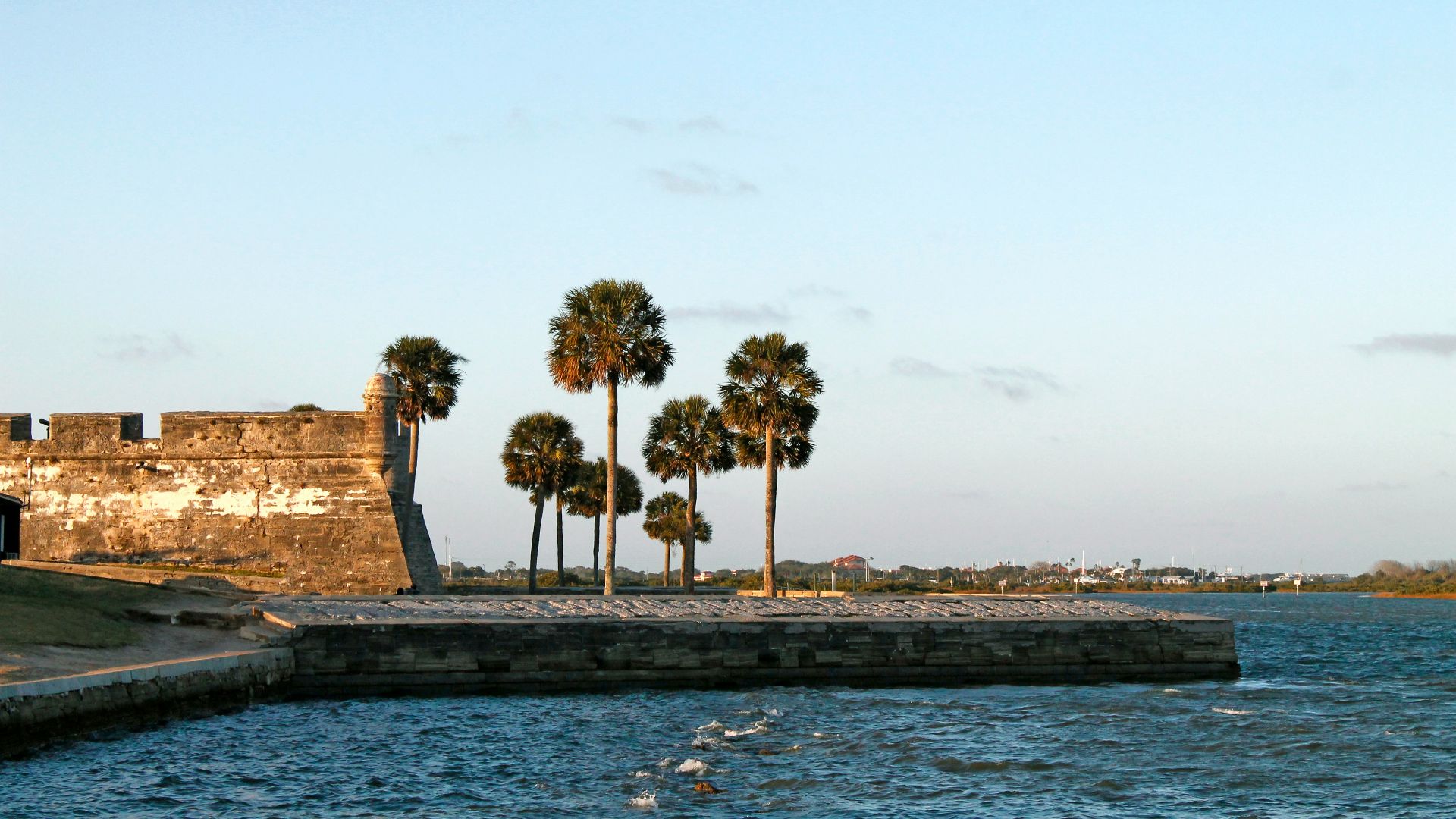
St. Augustine was founded in 1565, and you can feel that long history once you’re walking through the old city instead of just reading the date on a plaque. Spanish colonial architecture, coquina construction, and streets that predate most of the country give it real weight.
5. Charleston, South Carolina
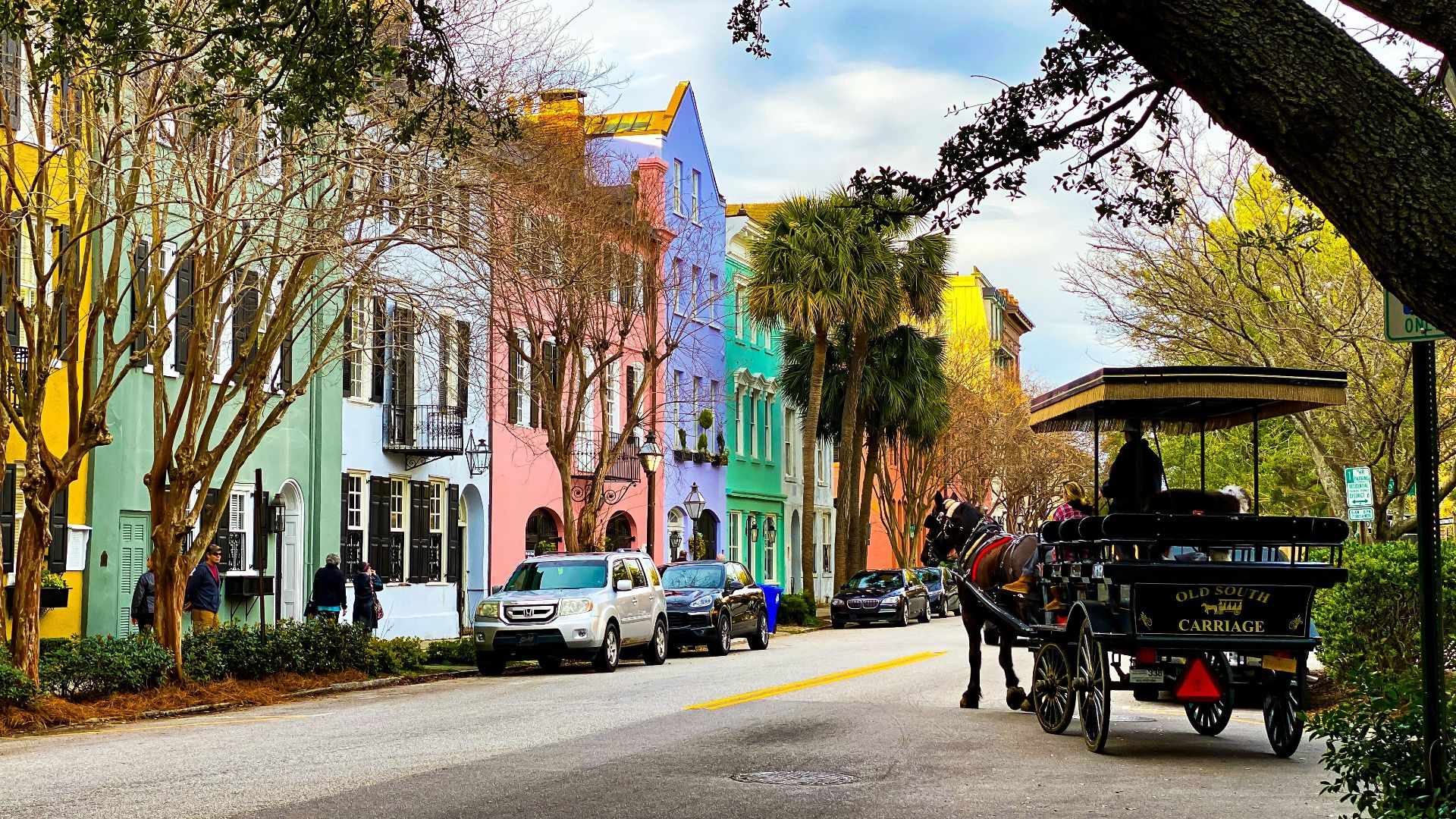
Charleston’s historic district still has the cobblestones, iron gates, church steeples, and preserved houses people go there hoping to see. The city feels polished, sure, though it also has enough age and texture to keep the prettiness from feeling too polished for its own good.
6. New Orleans, Louisiana
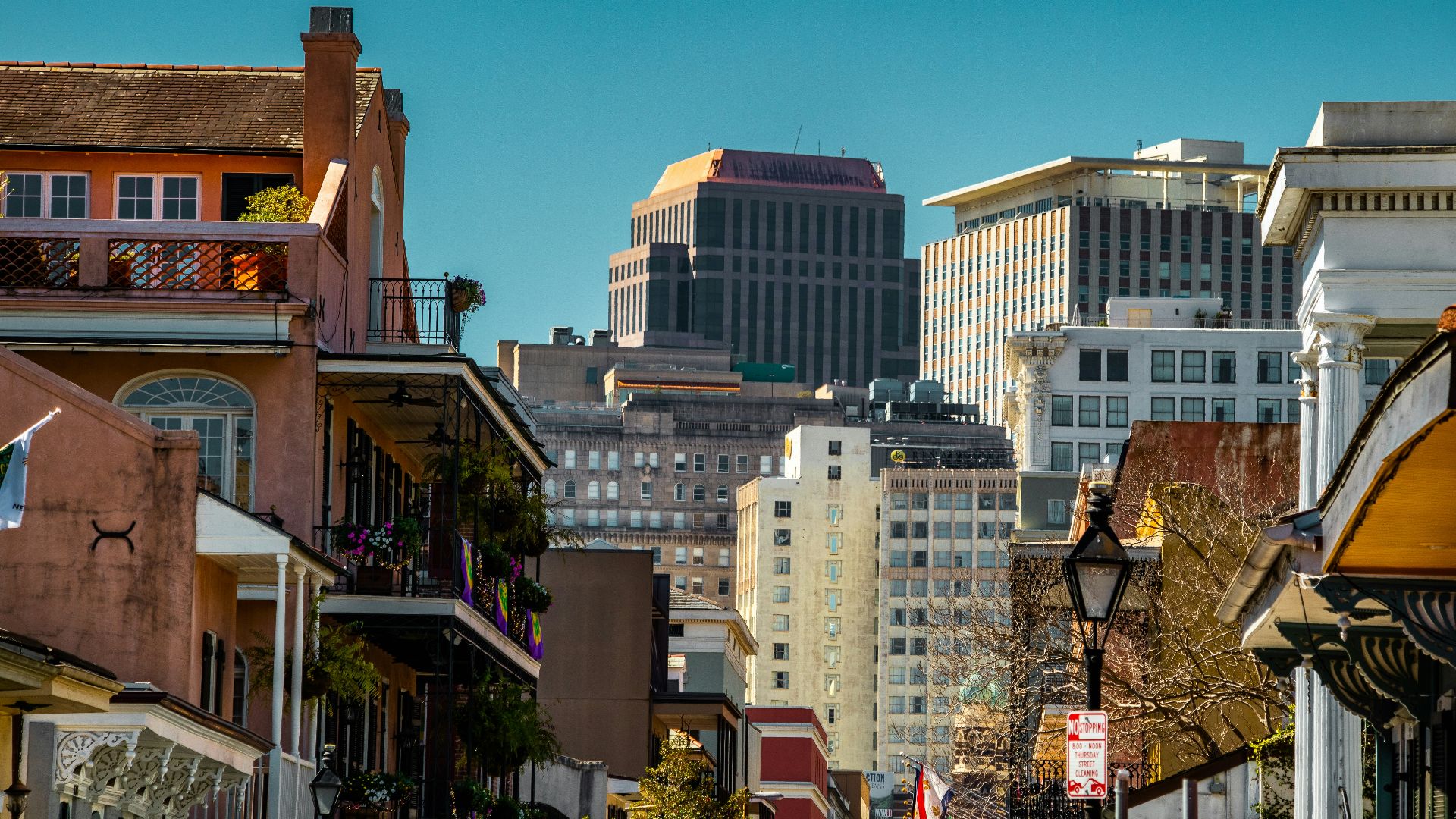
The French Quarter is the oldest neighborhood in New Orleans, and it still carries the layered mix of French, Spanish, and Creole history that gives it so much pull. Balconies, courtyards, old masonry, and the simple fact that the neighborhood grew up over centuries do most of the work.
7. Savannah, Georgia
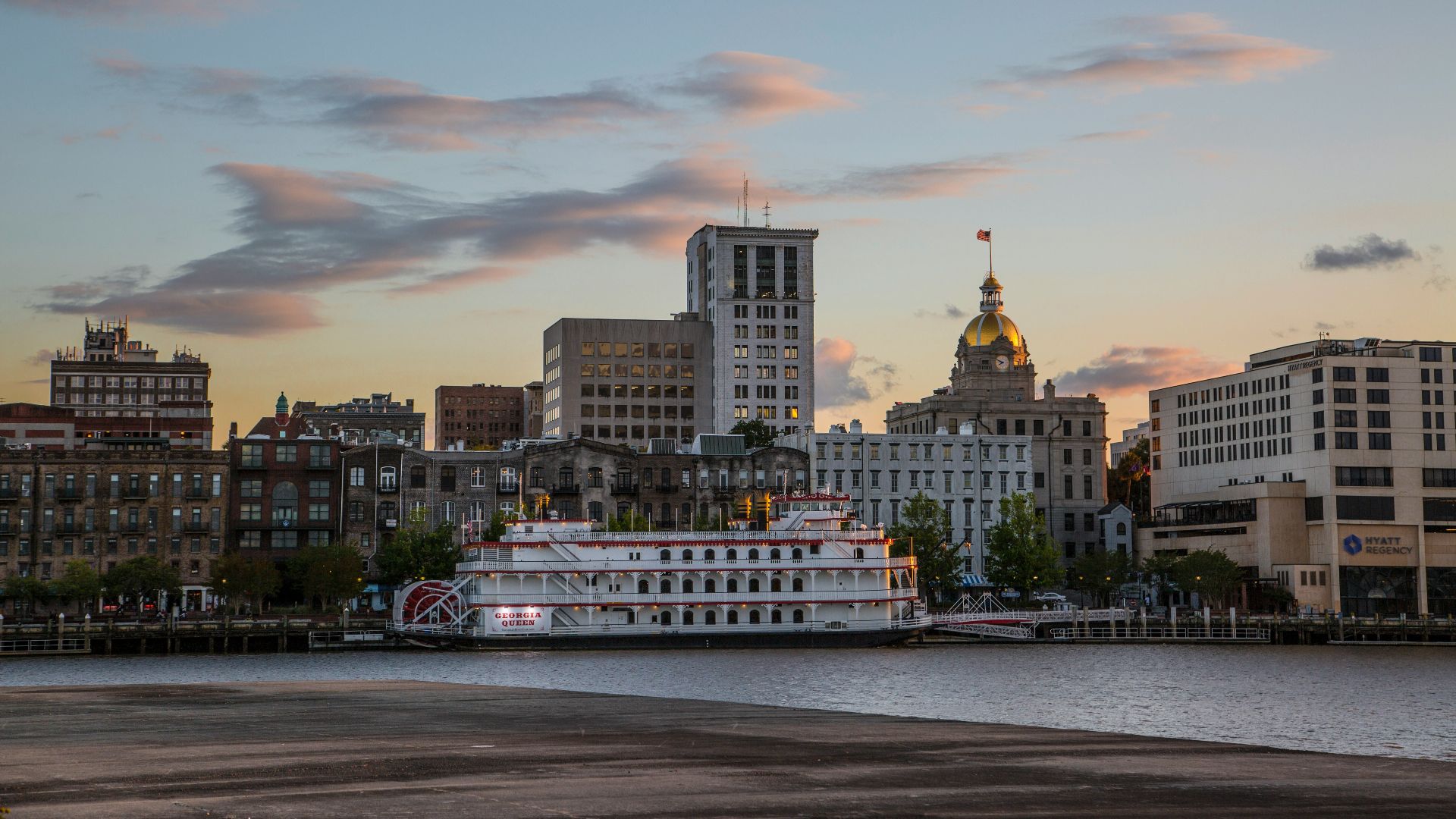
Savannah’s historic center still turns on the square system laid out in 1733, and those public spaces shape the whole rhythm of the city. You move block by block, pause under live oaks, sit on a bench longer than you meant to, then keep going.
8. Carmel-By-The-Sea, California
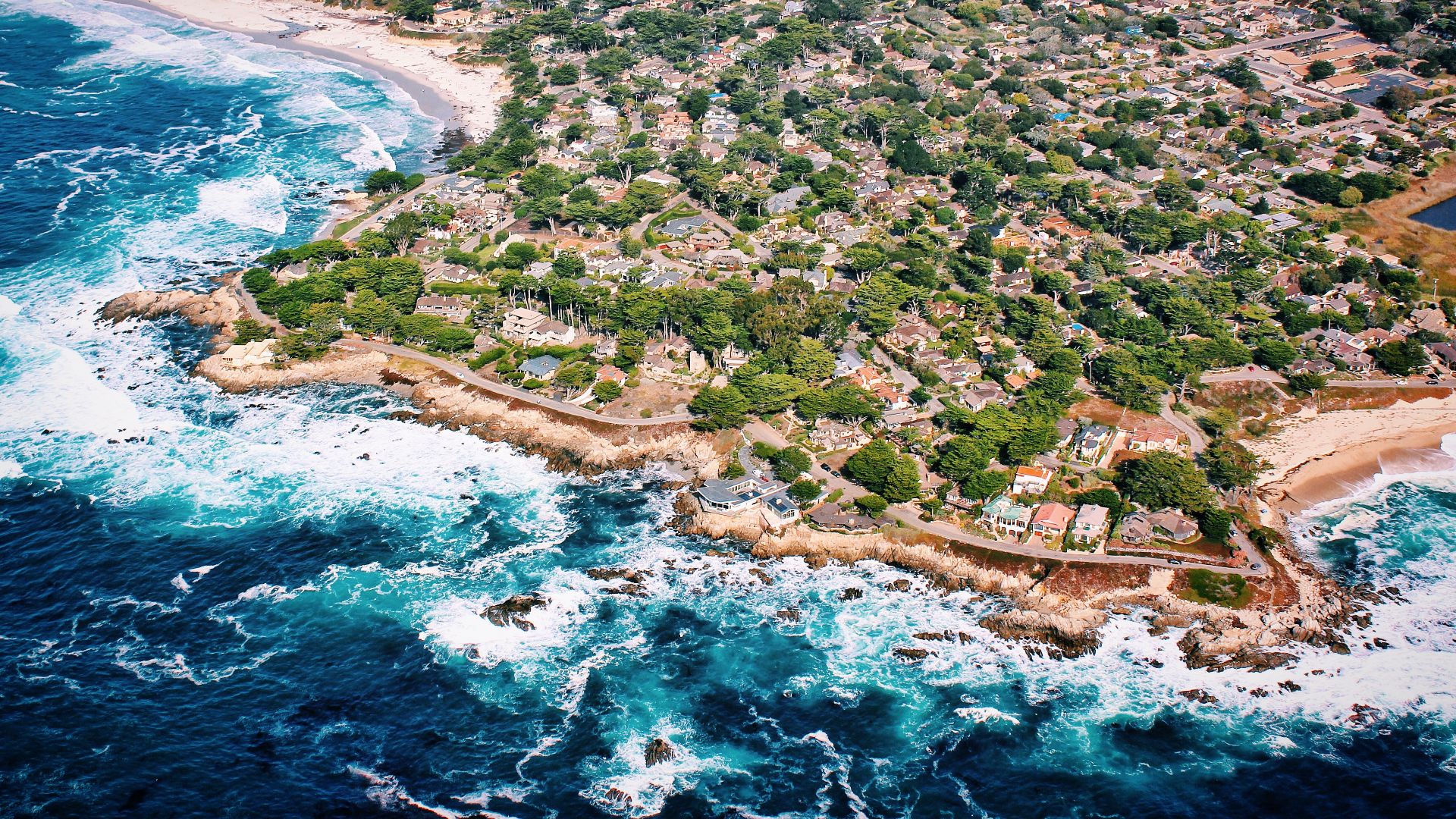
Carmel’s fairy-tale cottages are one of the town’s calling cards, and they still give the place its slightly odd, very charming character. Add the tiny downtown, the galleries, and the habit of doing things its own way, and Carmel ends up feeling older and more tucked-in than most California beach towns.
 Chris Leipelt cleipelt on Wikimedia
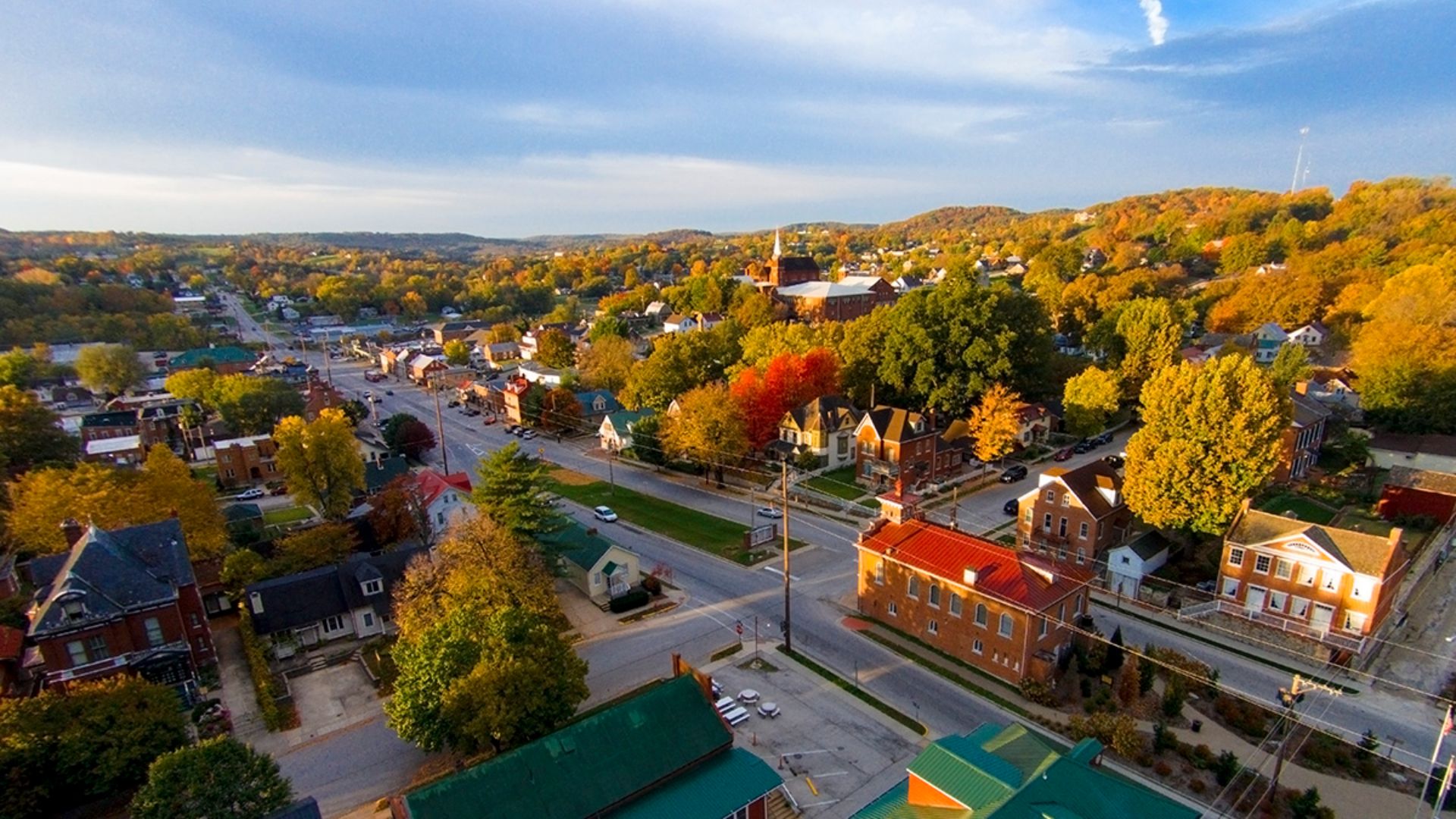
9. Hermann, Missouri
Hermann was built by German settlers, and that history still shows up in the architecture, wineries, and overall pace of the place. The 19th-century downtown helps a lot, too, because it gives the town a setting where heritage doesn’t feel pasted on after the fact.
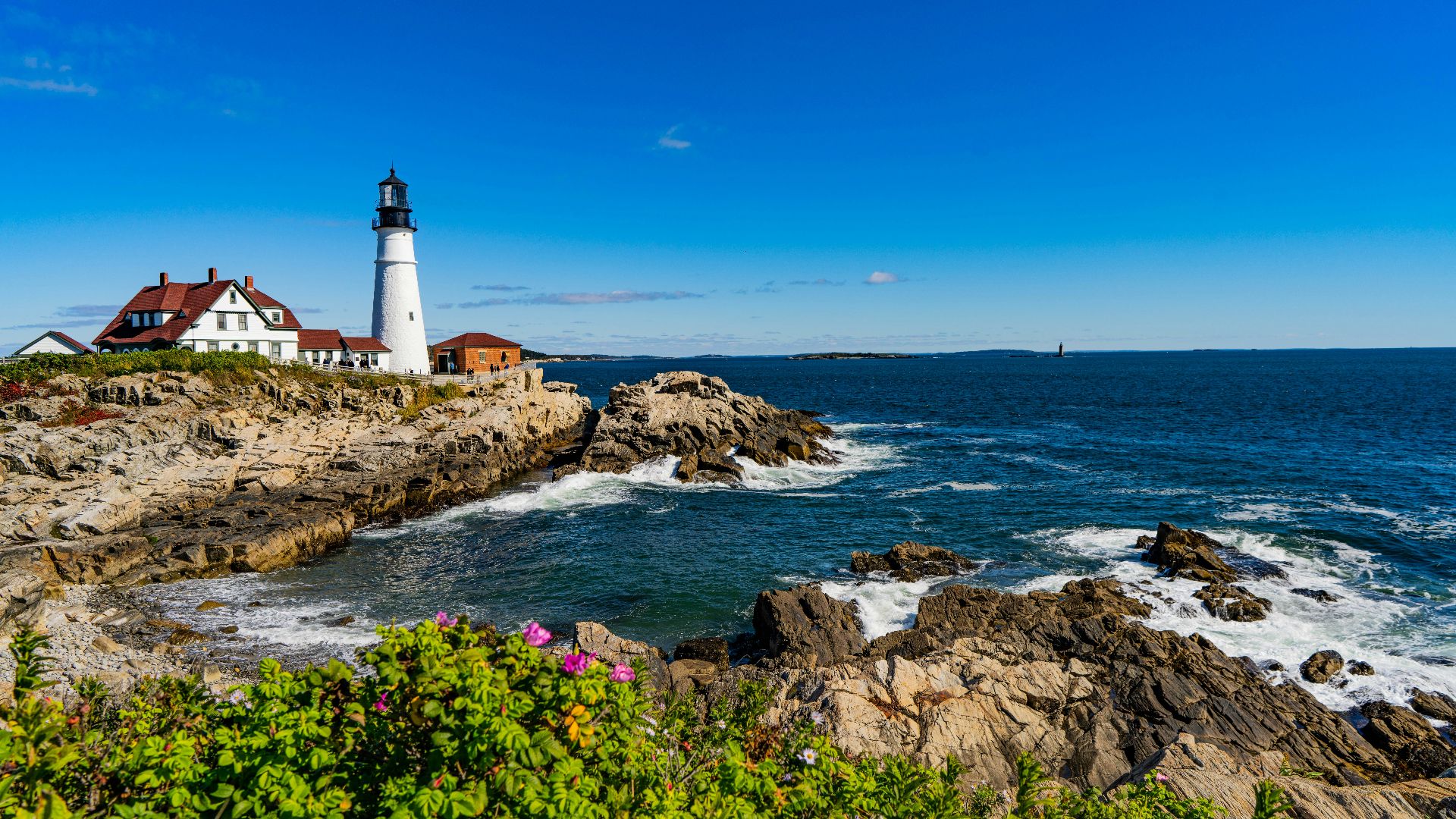
10. Portland, Maine
Portland’s Old Port is full of cobblestone streets, brick commercial buildings, and a working waterfront that still matters. It feels busy, useful, and a little weathered around the edges, which is part of what makes it memorable.
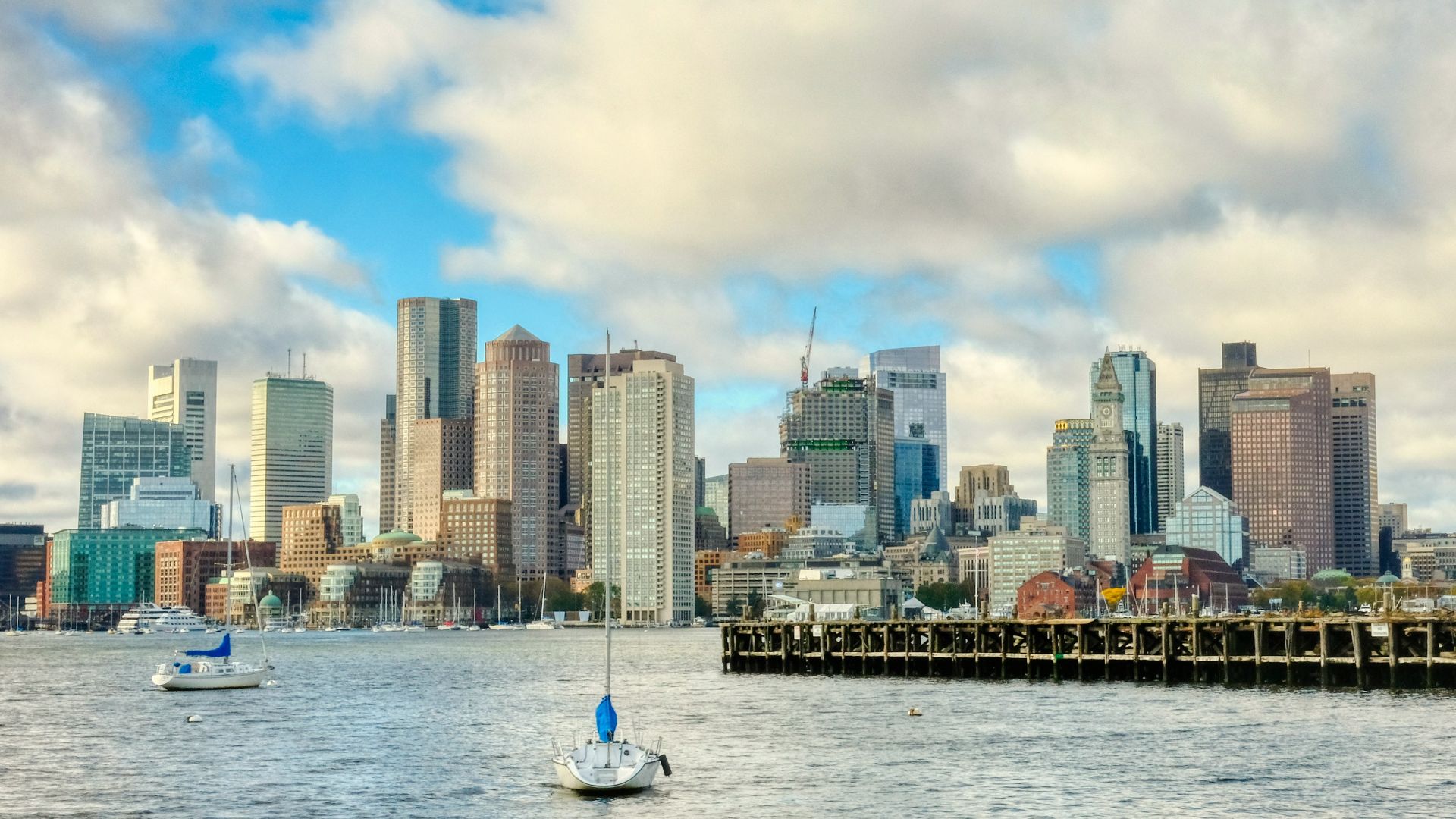
11. Boston’s North End, Massachusetts
Boston calls the North End the hub of the city’s Italian-American community, and that history still shapes the neighborhood’s restaurants, bakeries, and old cafés. The streets are narrow, the buildings crowd in close, and the whole area feels dense in a way that’s hard to fake.
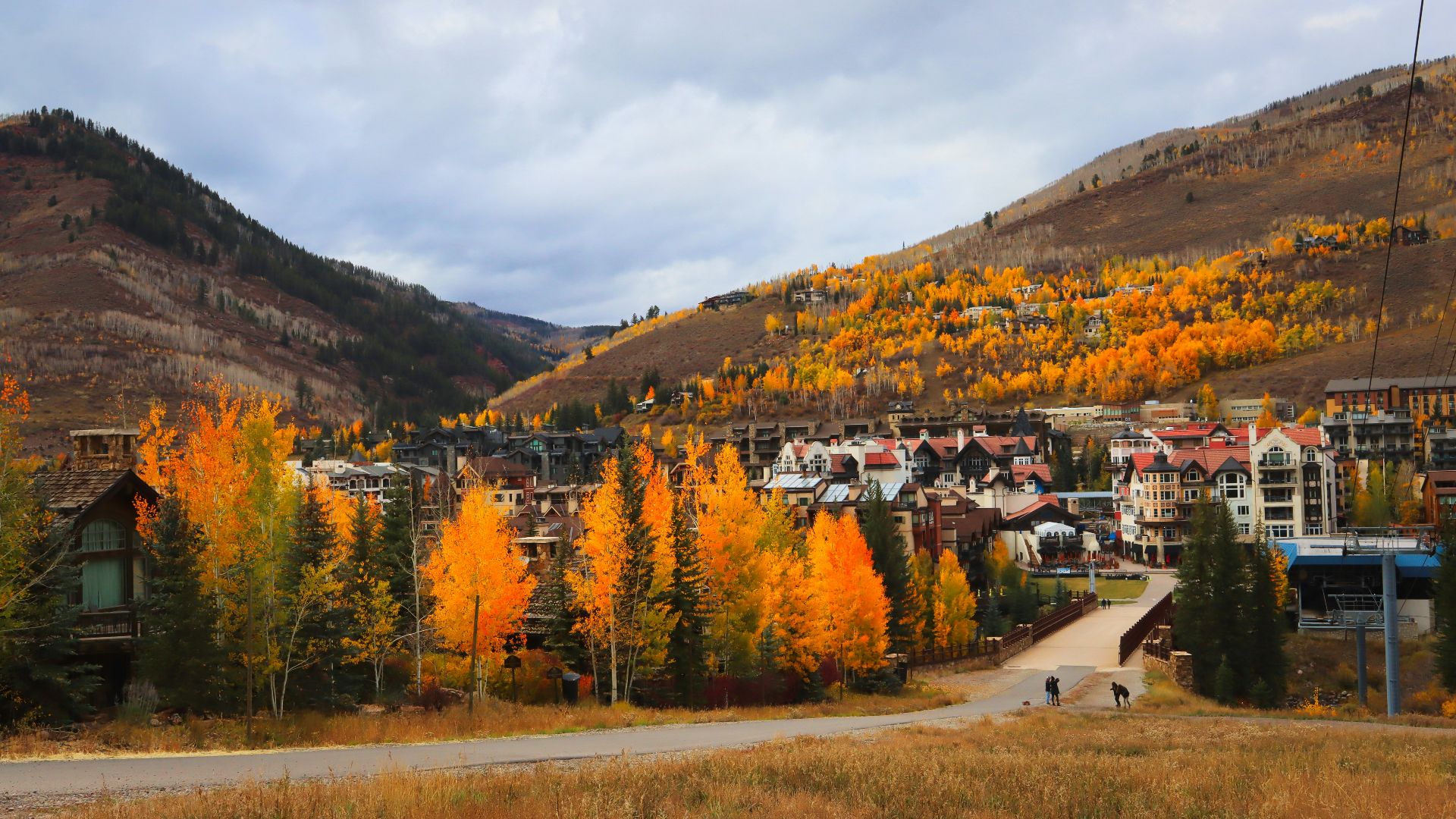
12. Vail, Colorado
Vail Village was built with classic European alpine architecture in mind, and that choice still defines the town. Once you’re in the pedestrian core, surrounded by chalet-style buildings and steep rooflines, the comparison comes pretty naturally.
13. New Harmony, Indiana
New Harmony started in 1814 with the Harmonie Society, a German religious community led by George Rapp, and that origin still gives the town a different feel from an ordinary Indiana stop. The preserved buildings and calm layout make it feel thoughtful, maybe even a little hushed, which is part of the appeal.
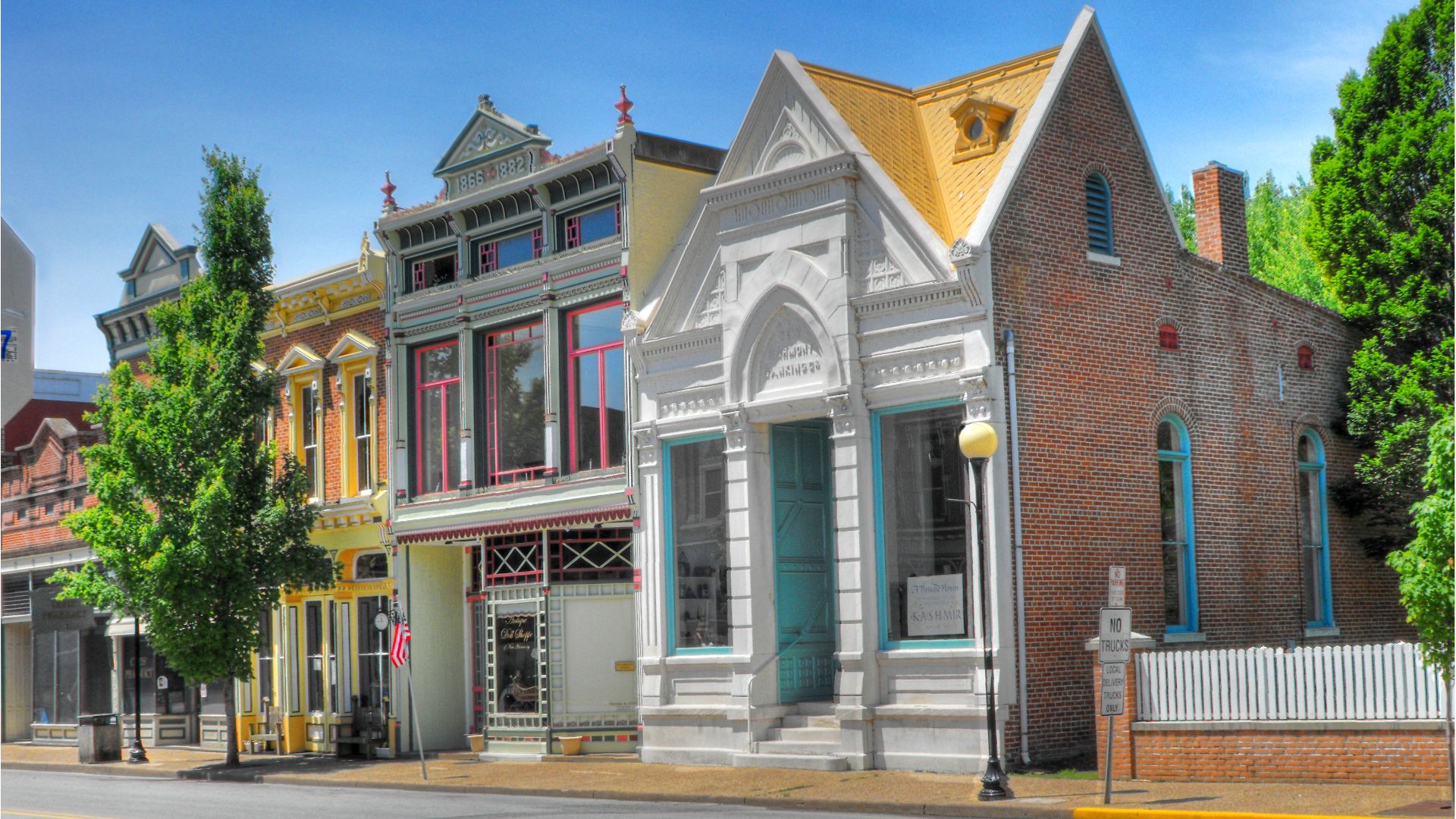 Timothy K Hamilton Creativity+ Photography on Wikimedia
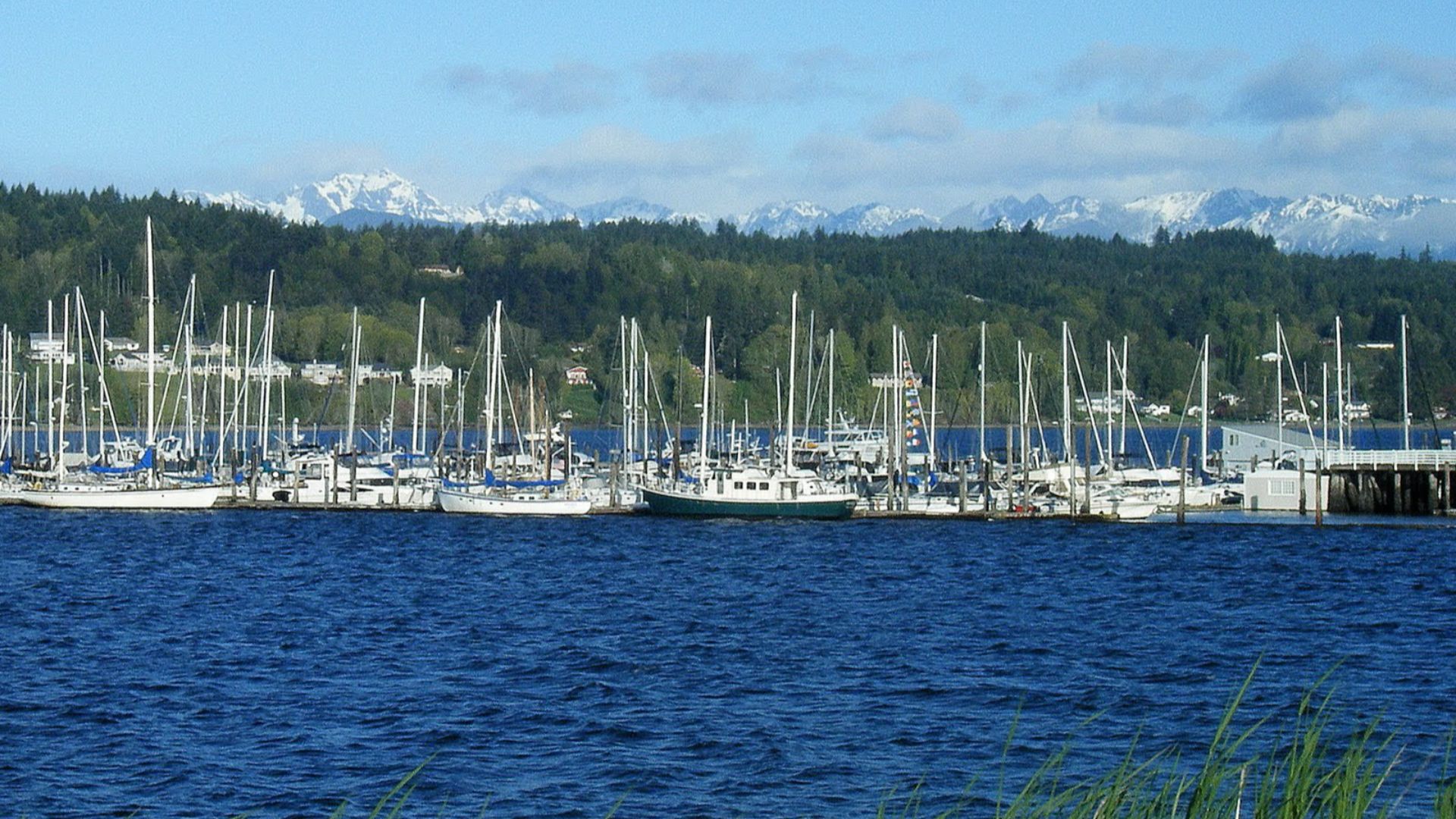
14. Poulsbo, Washington
Poulsbo’s Norwegian heritage isn’t subtle, and that’s probably for the best. Sitting on Liberty Bay, with Scandinavian roots dating back to the 1880s, it has the kind of waterfront setting and civic identity that make the nickname Little Norway feel earned.
15. Cape Cod, Massachusetts
Cape Cod works best on this list when you think about places like Yarmouth Port and Brewster, where sea captains’ homes still line old roads and quietly tell you what kind of region this was in the 18th and 19th centuries. The lighthouses help, the weathered shingles help, and so does the sense that the coast shaped everything.

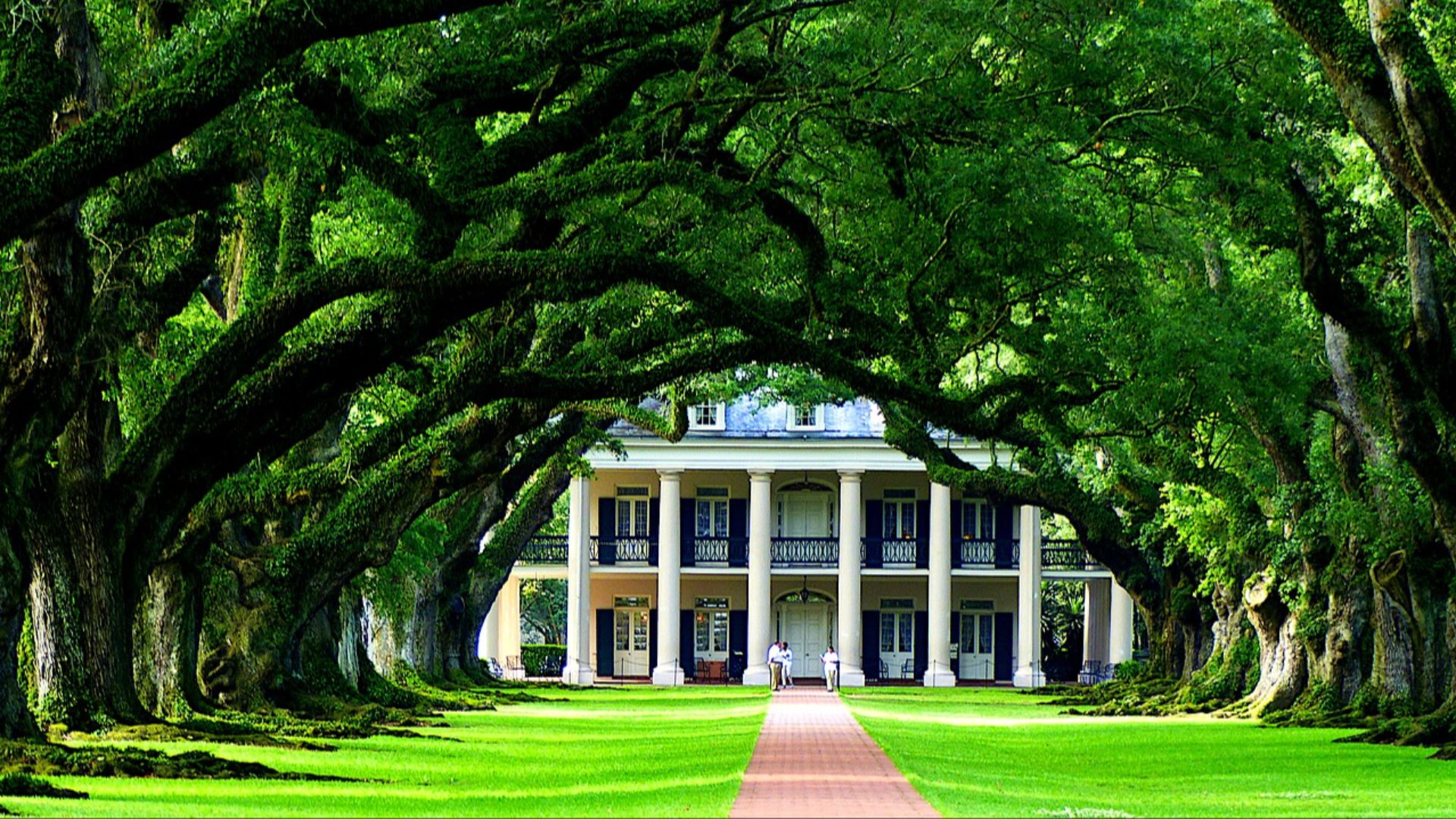
16. Natchitoches, Louisiana
Natchitoches was established in 1714, and that alone gives it more historical heft than most small-town getaways. The brick streets, wrought-iron details, and long French colonial thread make the old-world comparison pretty easy to see.
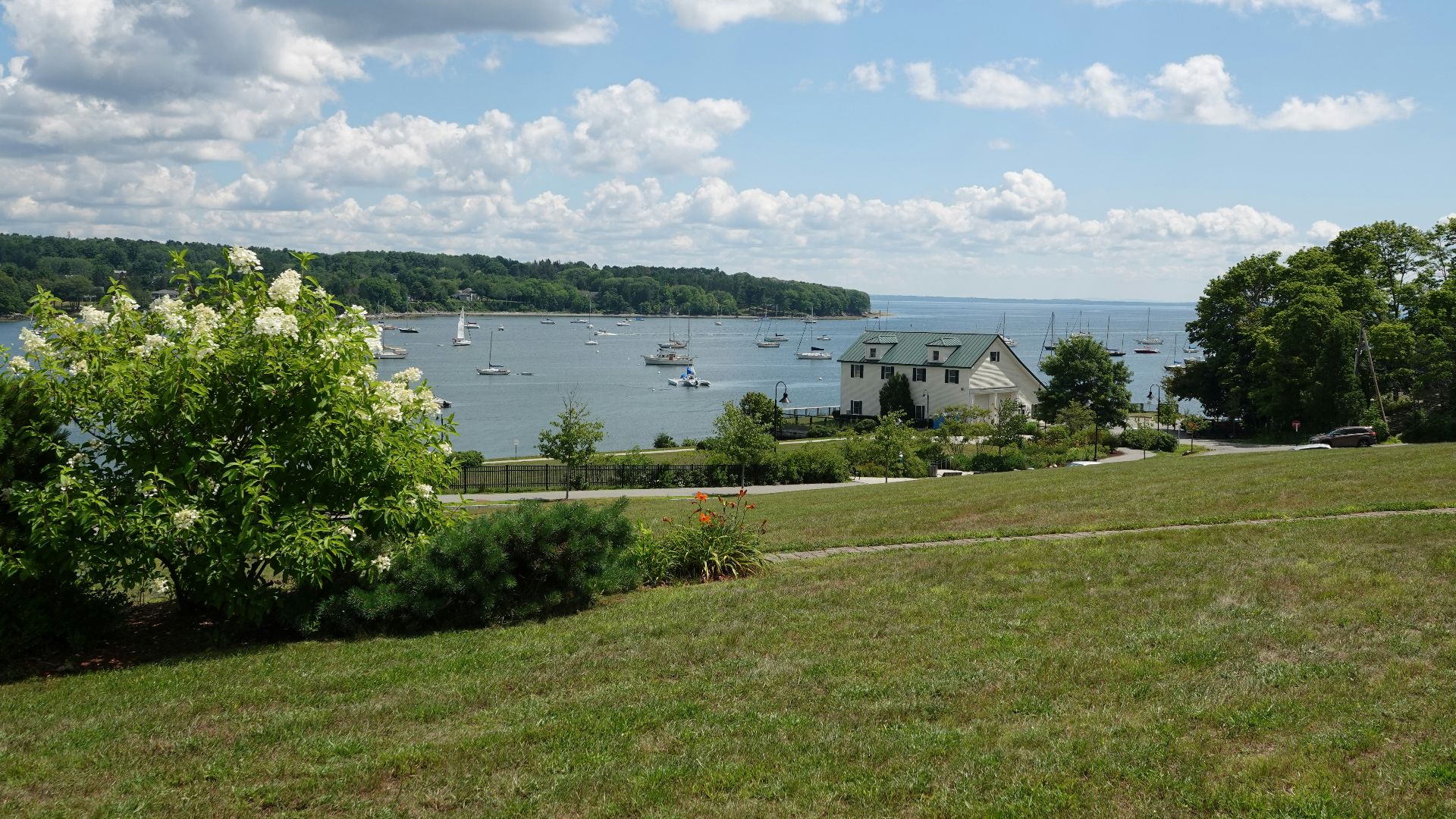
17. Belfast, Maine
Belfast has the waterfront, the old brick commercial district, and the kind of working-town texture that keeps a place from feeling over-curated.
18. Holland, Michigan
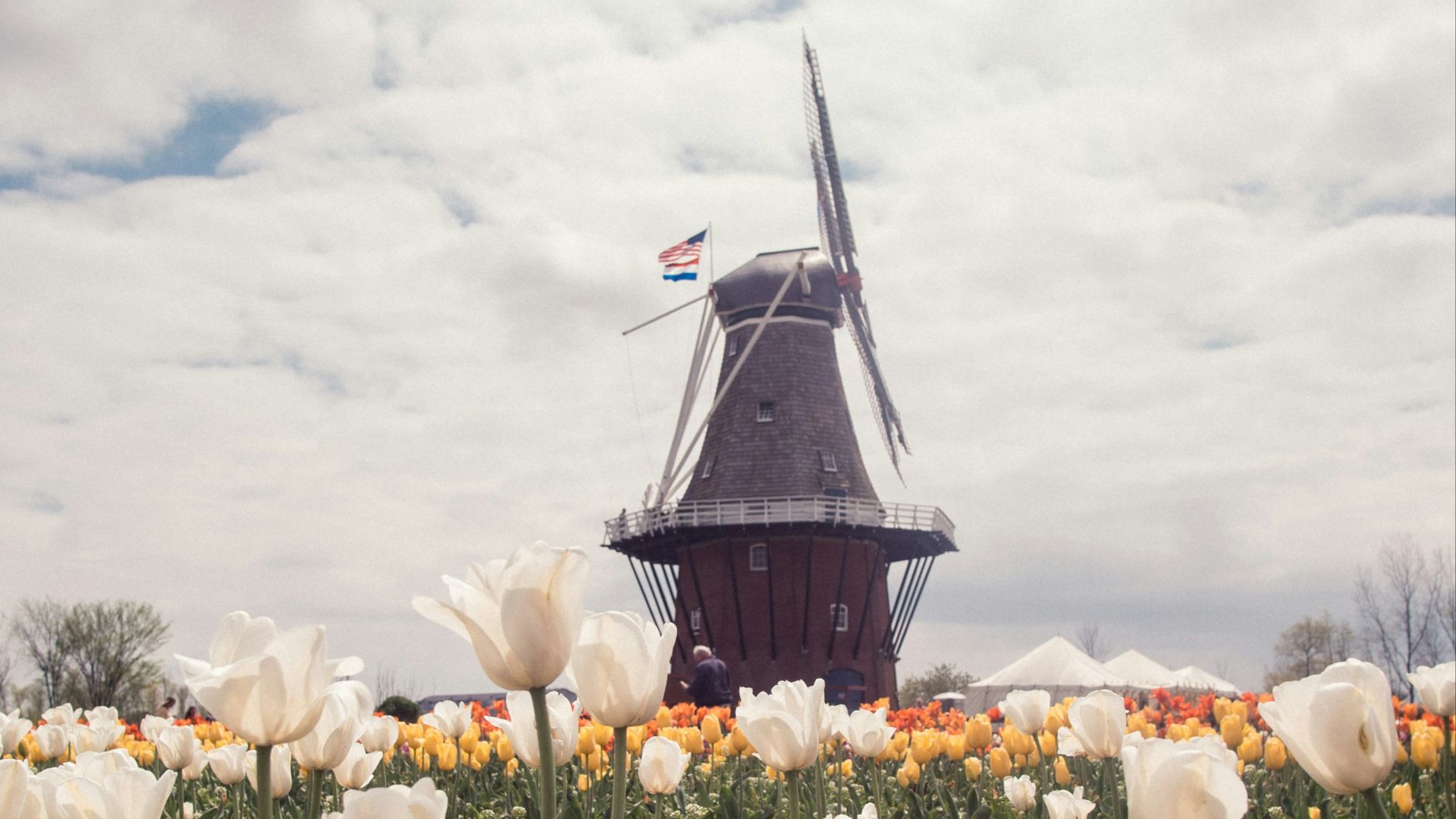
Holland’s Dutch heritage is front and center, and Windmill Island Gardens seals the deal with De Zwaan, the only authentic Dutch windmill operating in the U.S. In spring, with the tulips out, the town really commits to its roots.
19. Santa Barbara, California
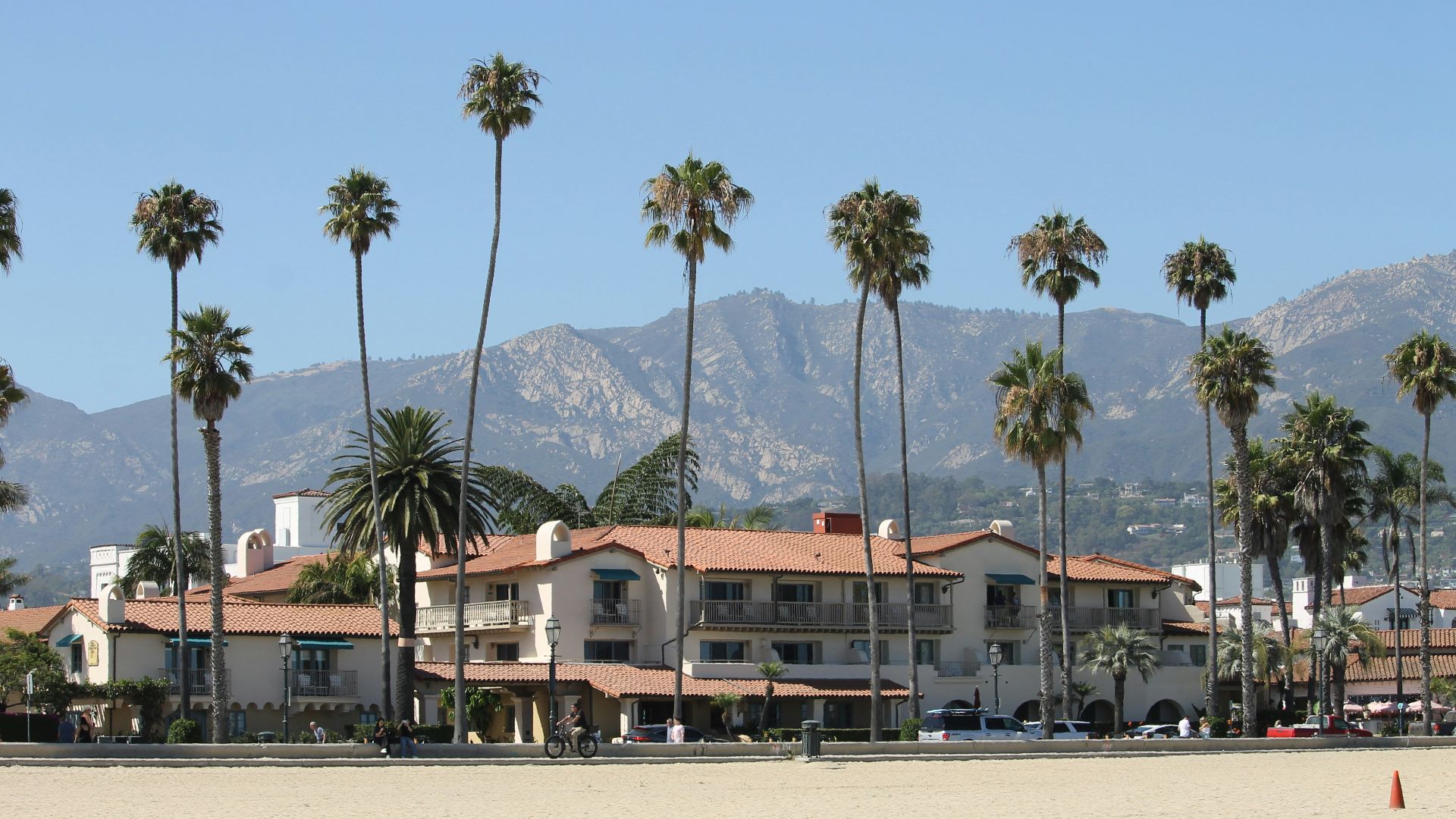
Santa Barbara’s look is tied closely to Spanish Colonial Revival architecture, especially around El Pueblo Viejo and landmark buildings like the courthouse. Red tile roofs, white stucco walls, and courtyards give the city a consistency most American cities just don’t have.
 Martina Chitarrini on Unsplash
20. Washington, D.C.
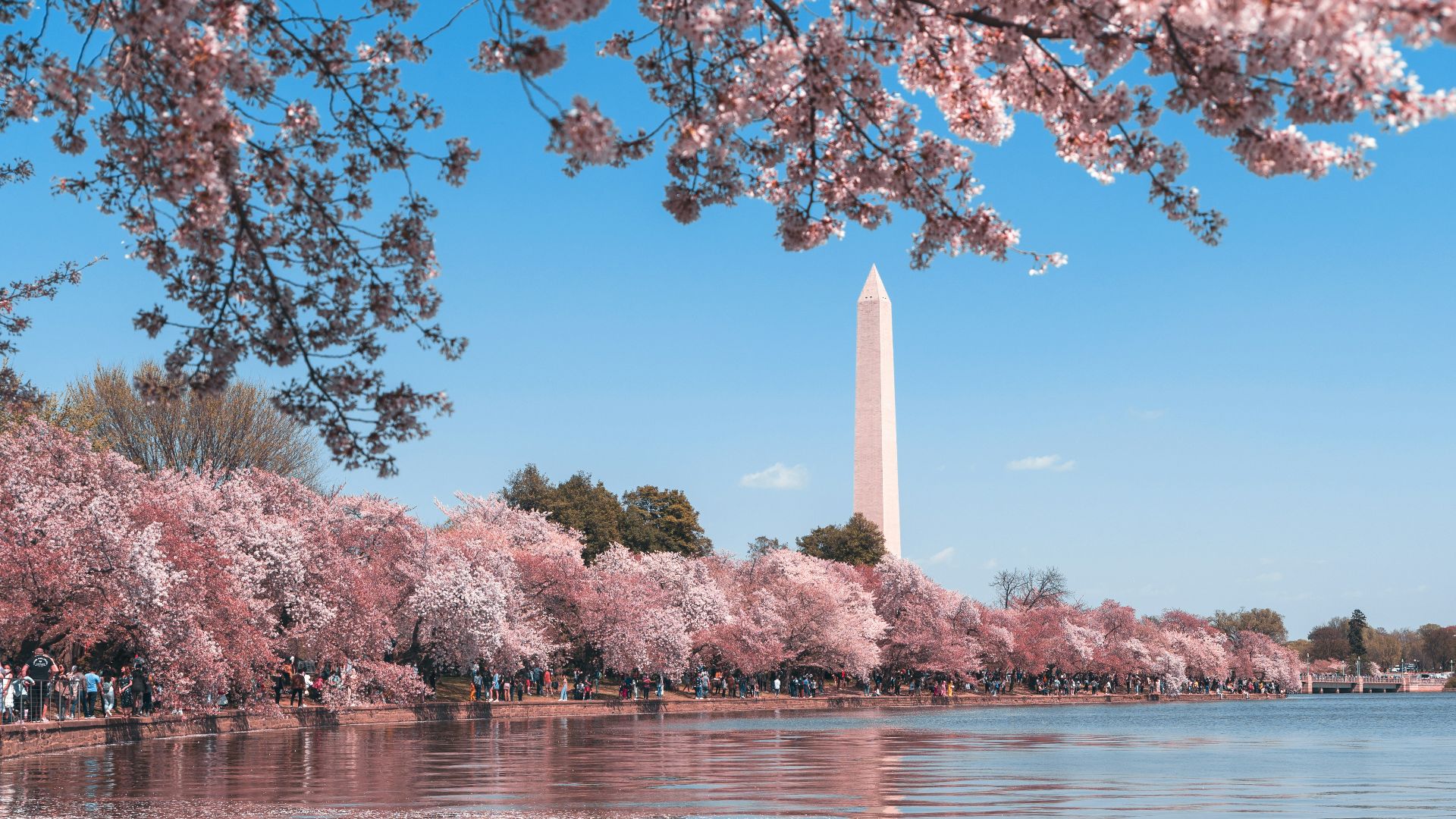
Washington feels more European once you remember that Pierre L’Enfant’s plan used broad diagonal avenues laid over a grid, with ceremonial vistas built into the city from the start. Spend enough time on those long, formal streets, and the comparison stops sounding like travel-writer overreach.