Where Nature Looks Almost Unreal
Some places on Earth don’t seem like they belong on this planet at all, even though they’re completely natural. From vividly colored lakes to rock formations shaped over millions of years, these landscapes challenge what you expect the world to look like. In many cases, unique geological processes, climate conditions, and mineral compositions create scenes that feel almost impossible to believe. If you’re looking for destinations that truly stand out, these are the kinds of places that stay with you long after you’ve seen them. Here are 20 surreal landscapes that must be seen to be believed.
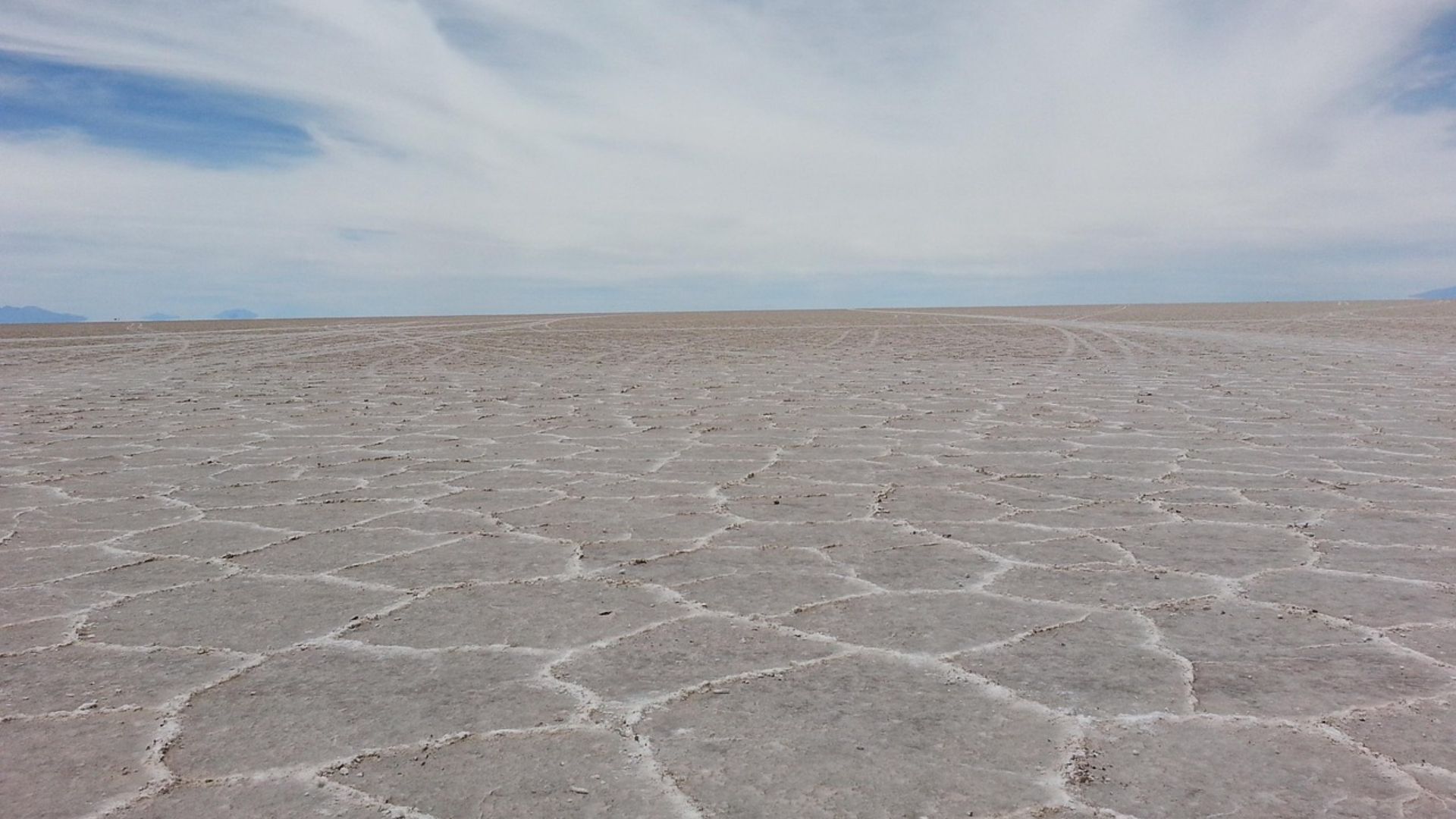
1. Salar de Uyuni, Bolivia
The world’s largest salt flat transforms into a mirror-like surface during the rainy season. Water creates a thin reflective layer that perfectly mirrors the sky above. This natural effect makes it feel like you’re walking through the clouds. It’s one of the most visually striking landscapes on Earth.
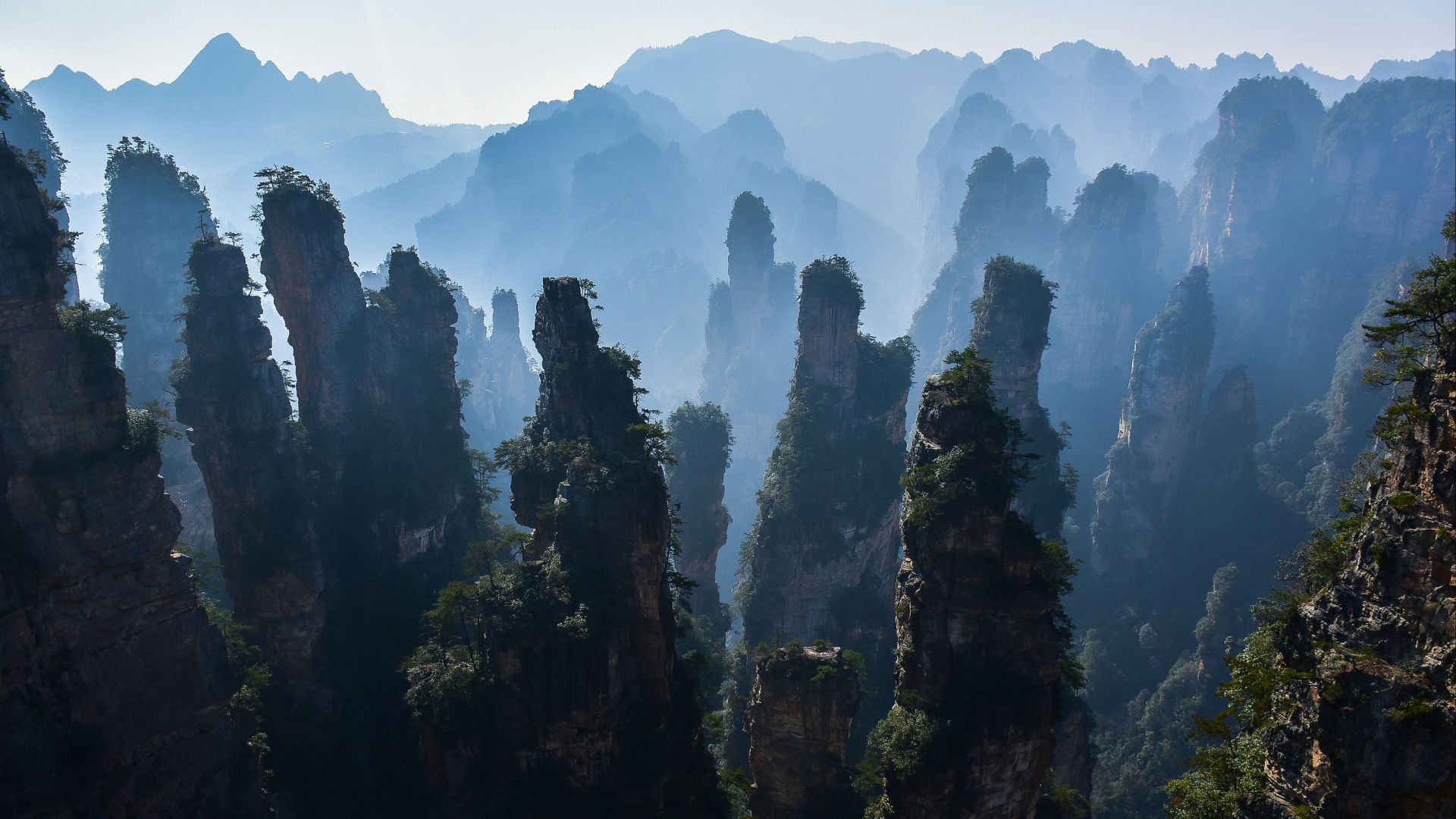
2. Zhangjiajie National Forest Park, China
This park is known for its towering sandstone pillars that rise dramatically from the ground. These formations were shaped over millions of years by erosion. The scenery is so unique that it inspired the floating mountains in the film Avatar. Visitors often feel like they’ve stepped into another world.
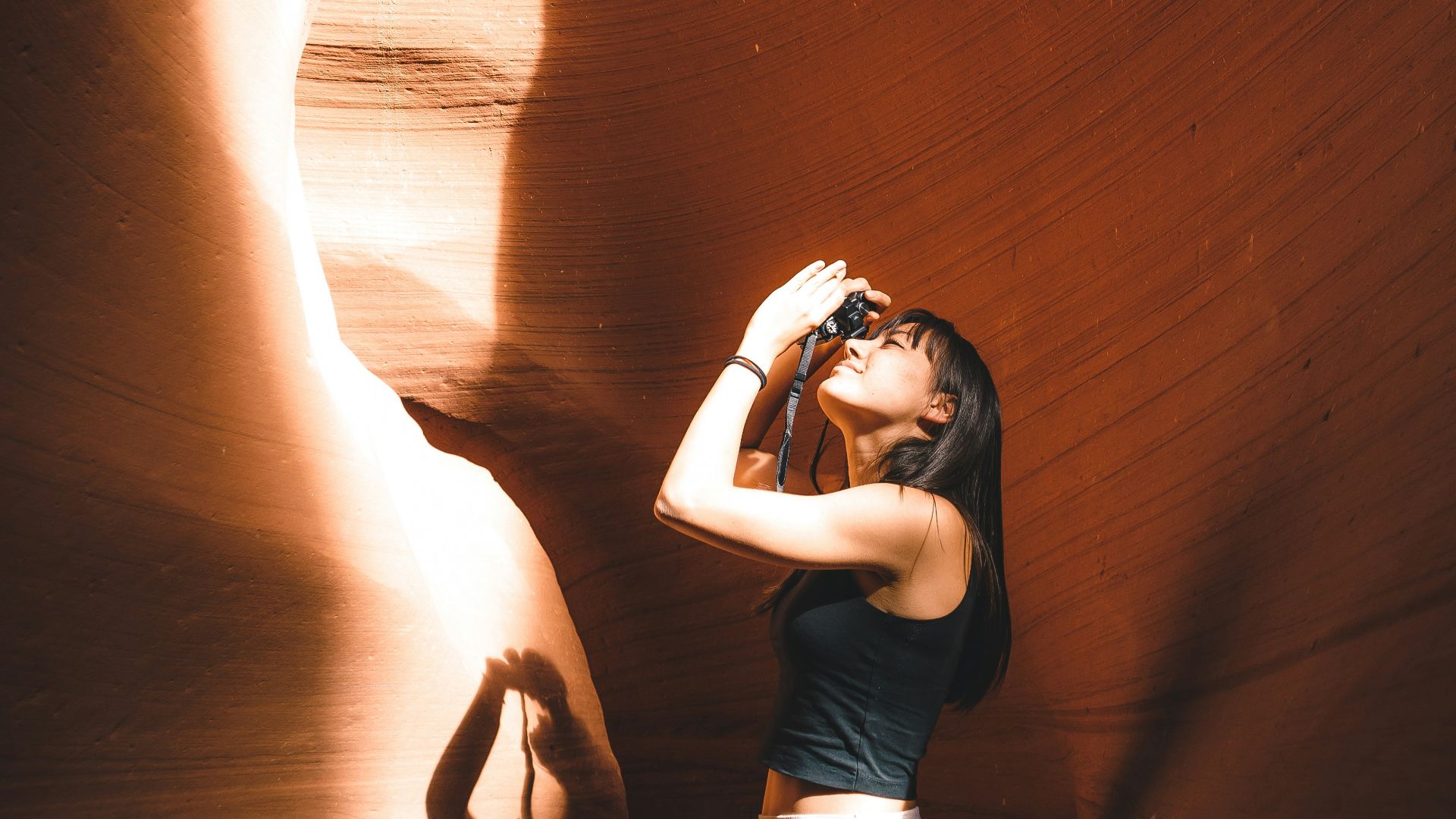
3. Antelope Canyon, Arizona, USA
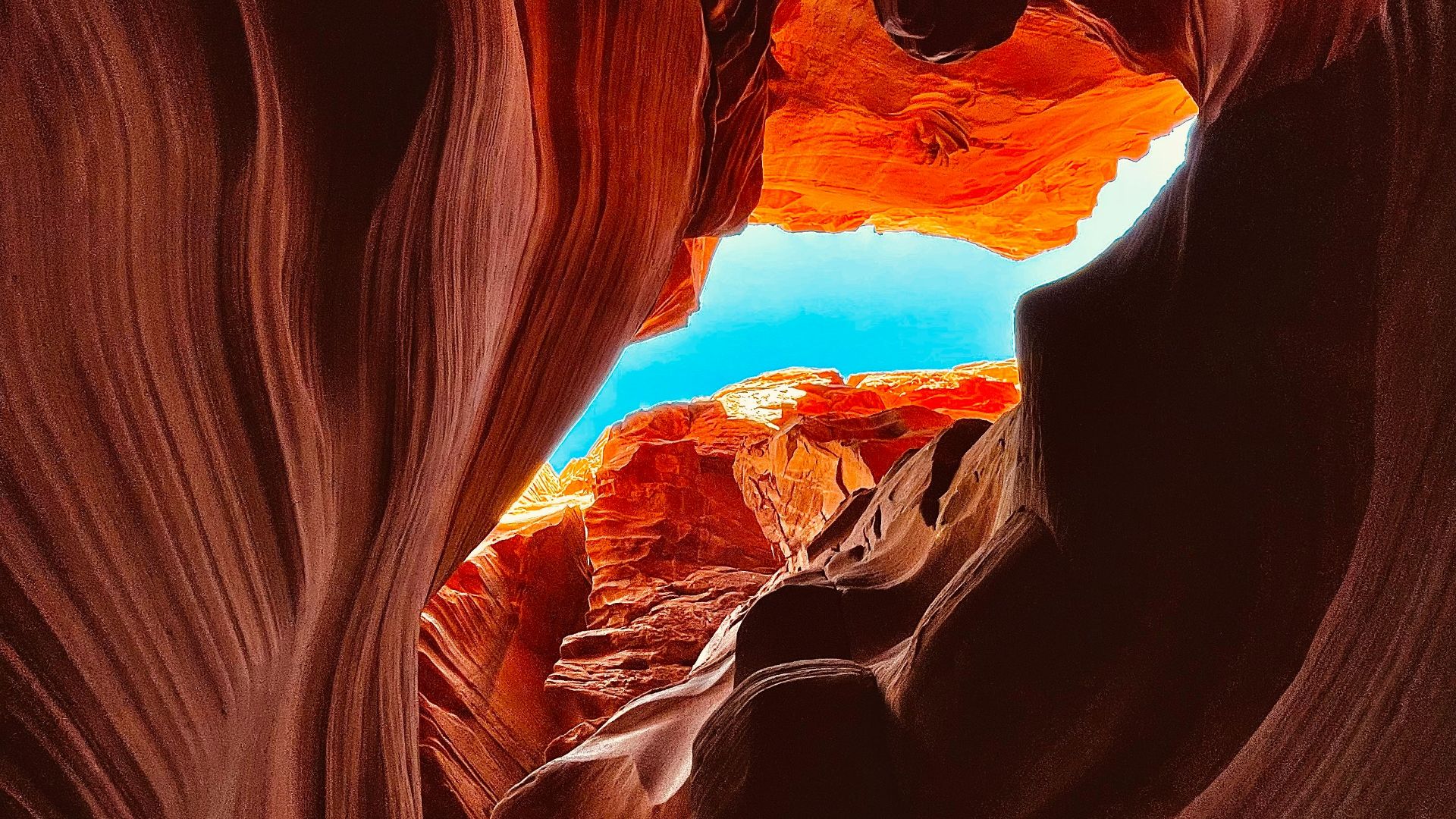
Antelope Canyon features narrow sandstone passageways carved by water over time. Light beams shine through the openings above, creating glowing patterns on the walls. The smooth, flowing shapes add to its surreal appearance. It’s a favorite spot for photographers.
4. Lake Hillier, Australia
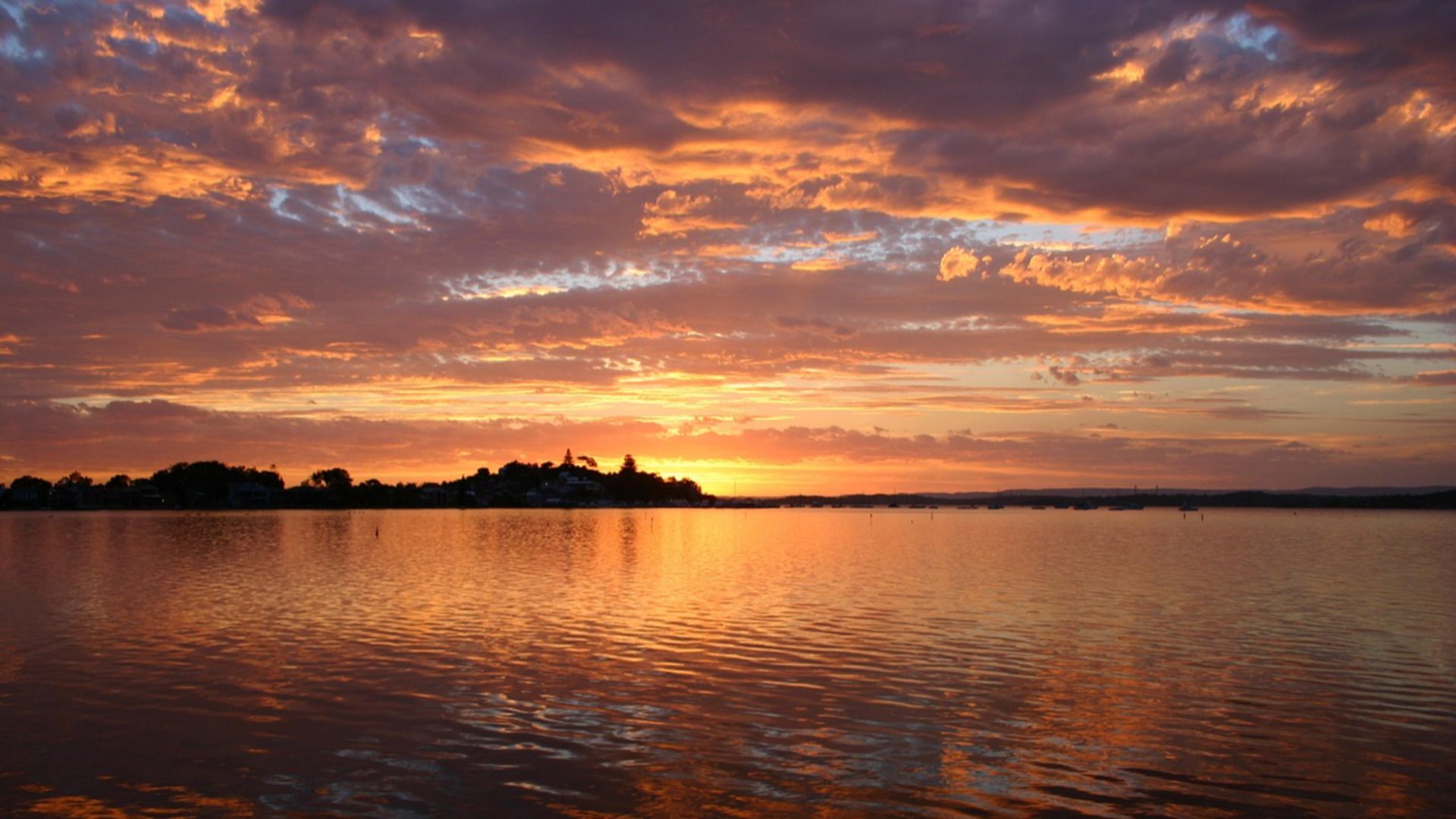
Lake Hillier is famous for its bright pink color, which remains consistent year-round. Scientists believe the color comes from algae and bacteria in the water. The contrast between the pink lake and the surrounding greenery is striking. It looks almost unreal from above.
5. The Wave, Arizona, USA
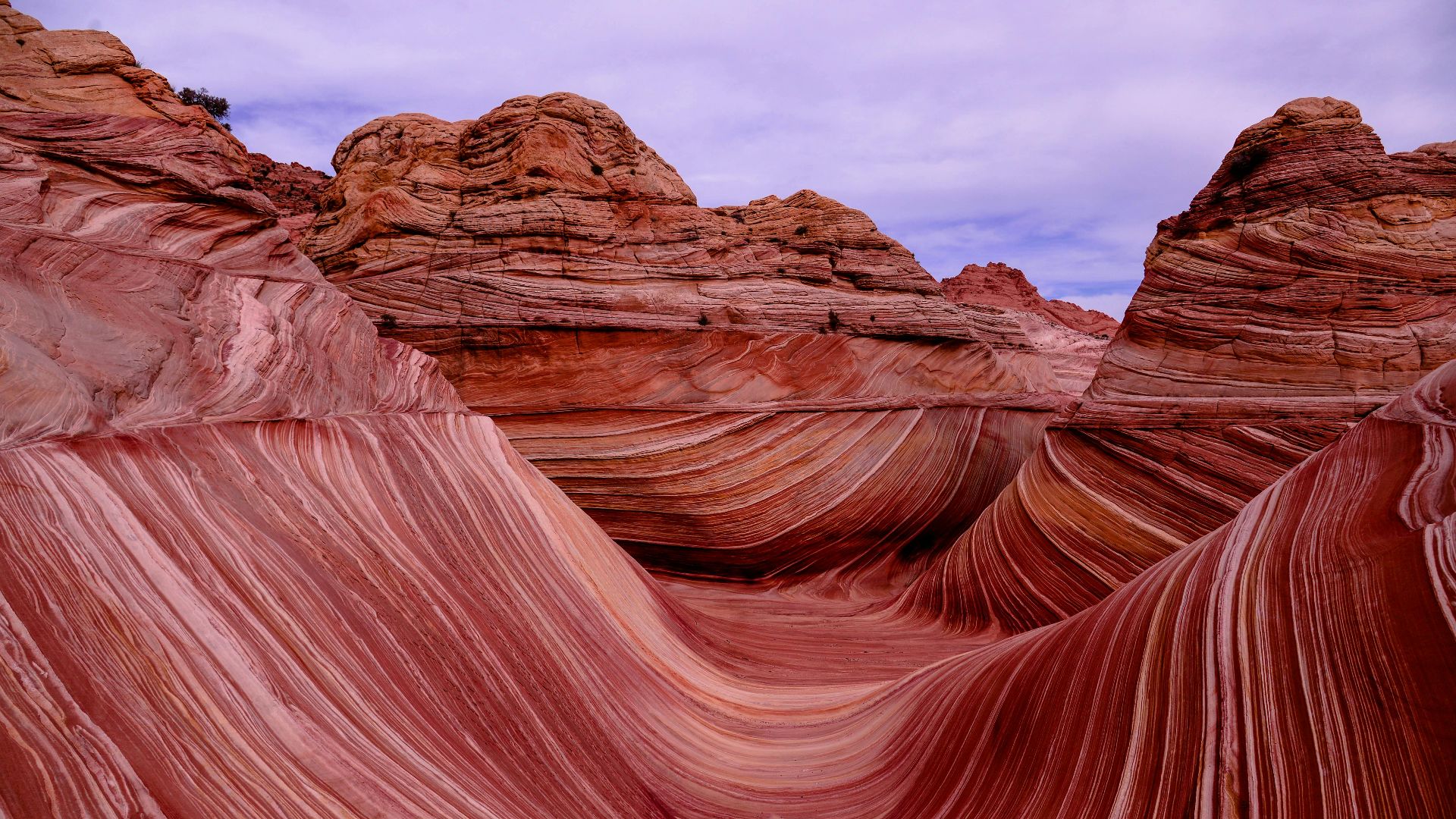
The Wave is a sandstone formation known for its swirling patterns and vibrant colors. Wind and water erosion created its smooth, wave-like structure. The lines and curves appear almost painted. Access is limited to protect its delicate surface.
6. Mount Roraima, Venezuela/Brazil/Guyana
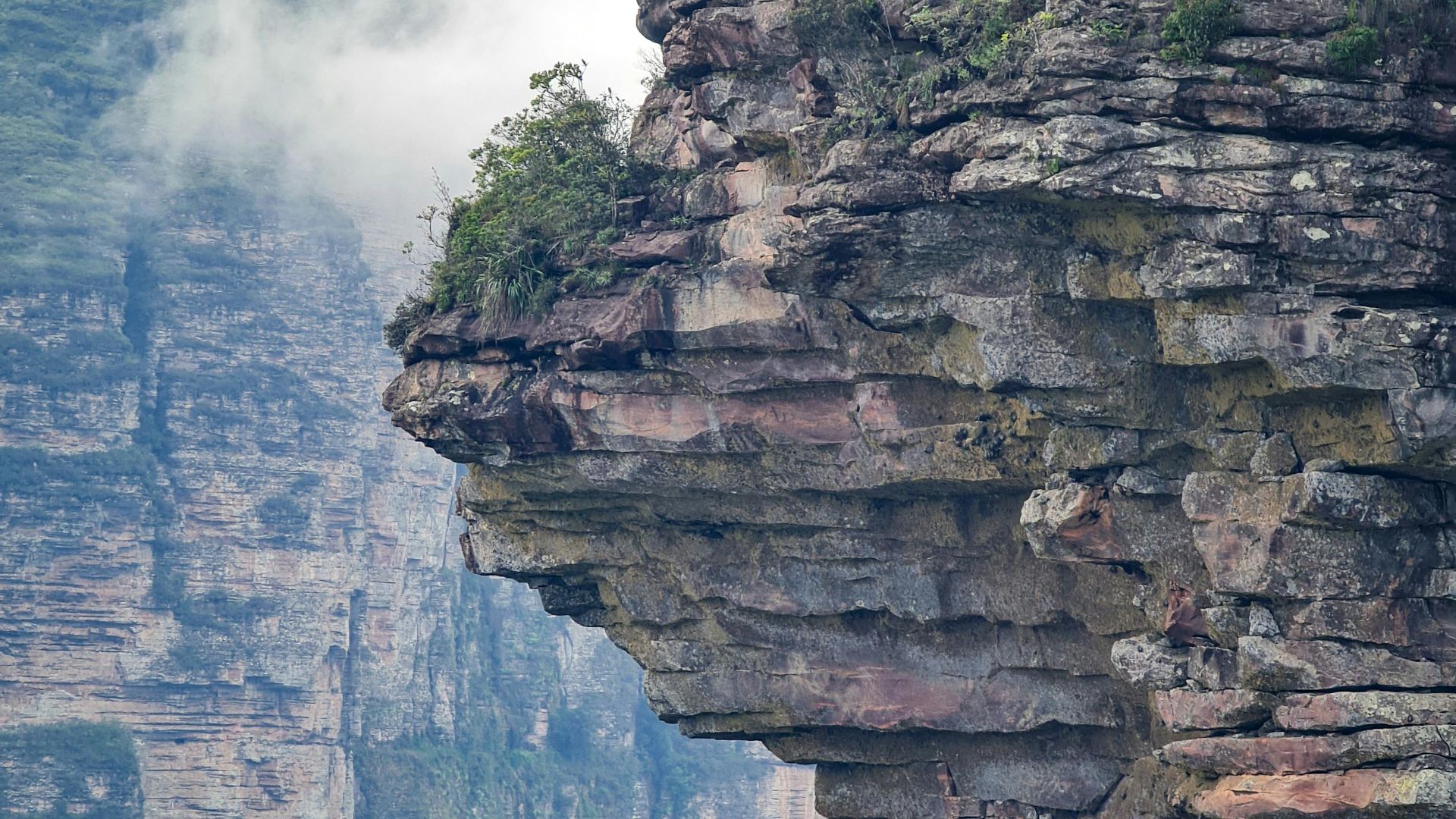
Mount Roraima is a flat-topped mountain with sheer cliffs on all sides. Its isolated ecosystem includes unique plant and animal species. The constant mist adds to its mysterious appearance. It feels like a lost world above the clouds.
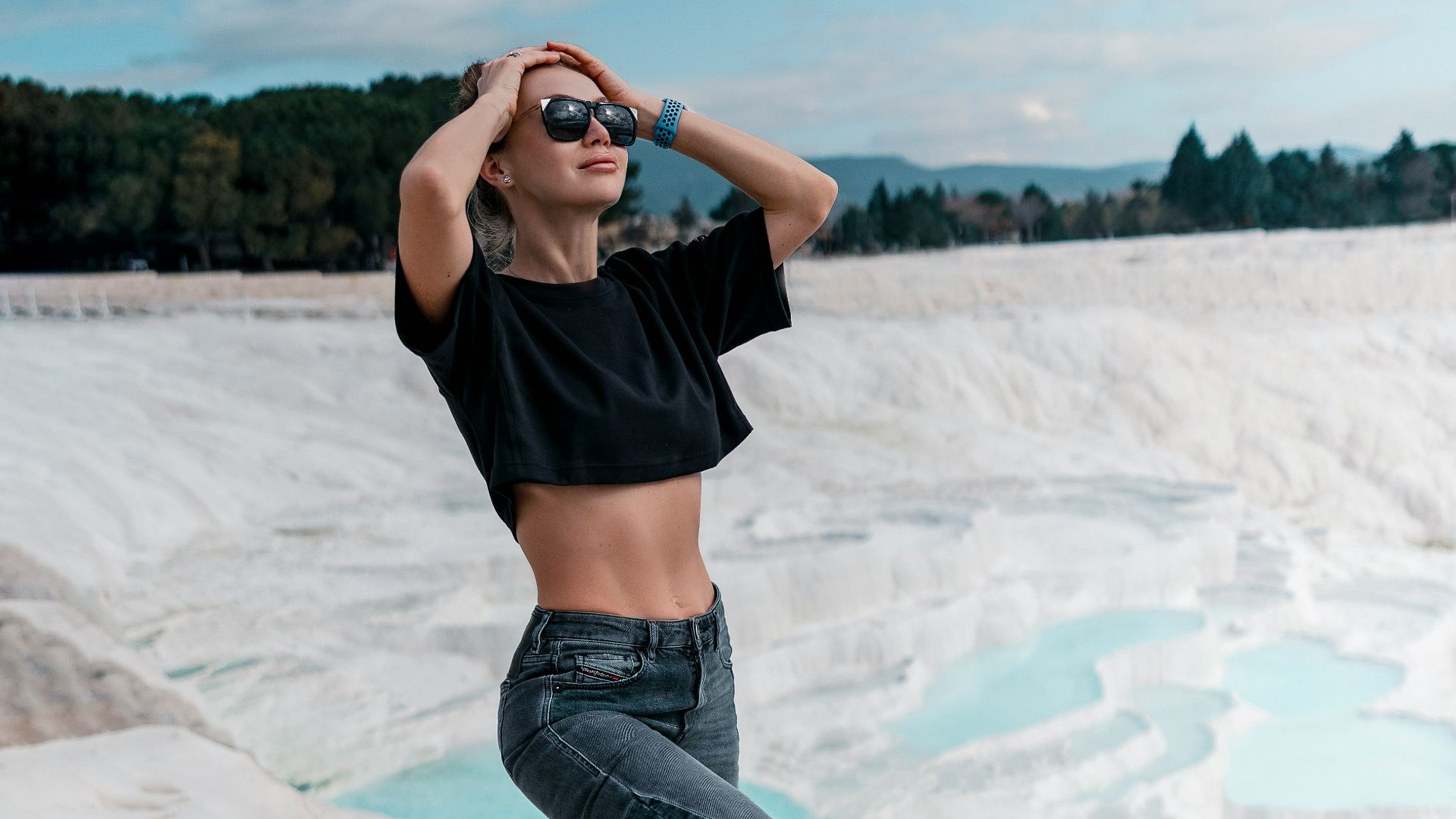
7. Pamukkale, Turkey
Pamukkale features white terraces formed by mineral-rich thermal waters. The pools cascade down the hillside, creating a layered effect. The bright white color contrasts with the blue water. It resembles a frozen waterfall.
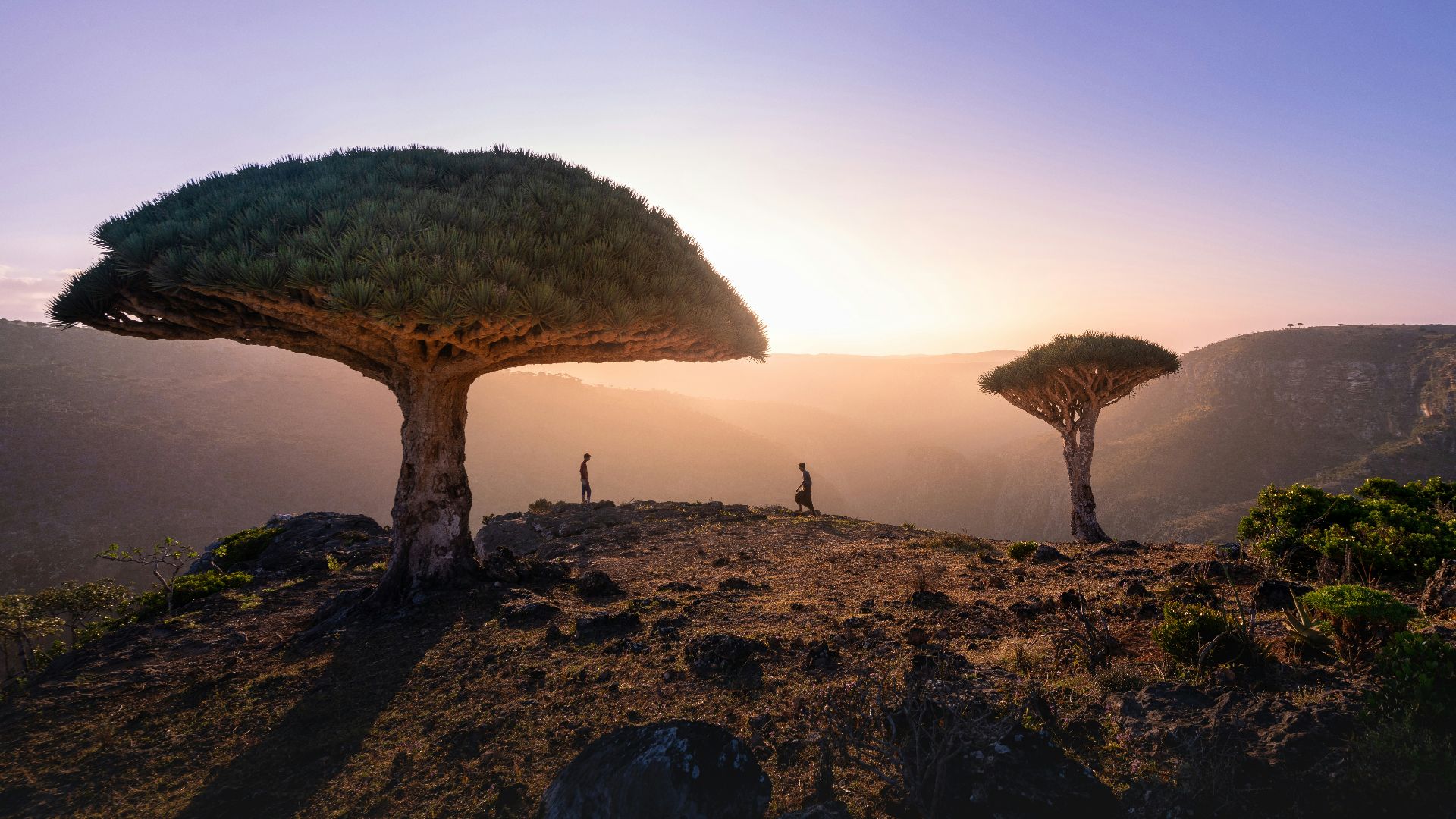
8. Socotra Island, Yemen
Socotra Island is home to unusual plant life, including the dragon’s blood tree. These trees have umbrella-shaped canopies that look otherworldly. The island’s isolation has allowed unique species to evolve. Its landscape feels almost alien.
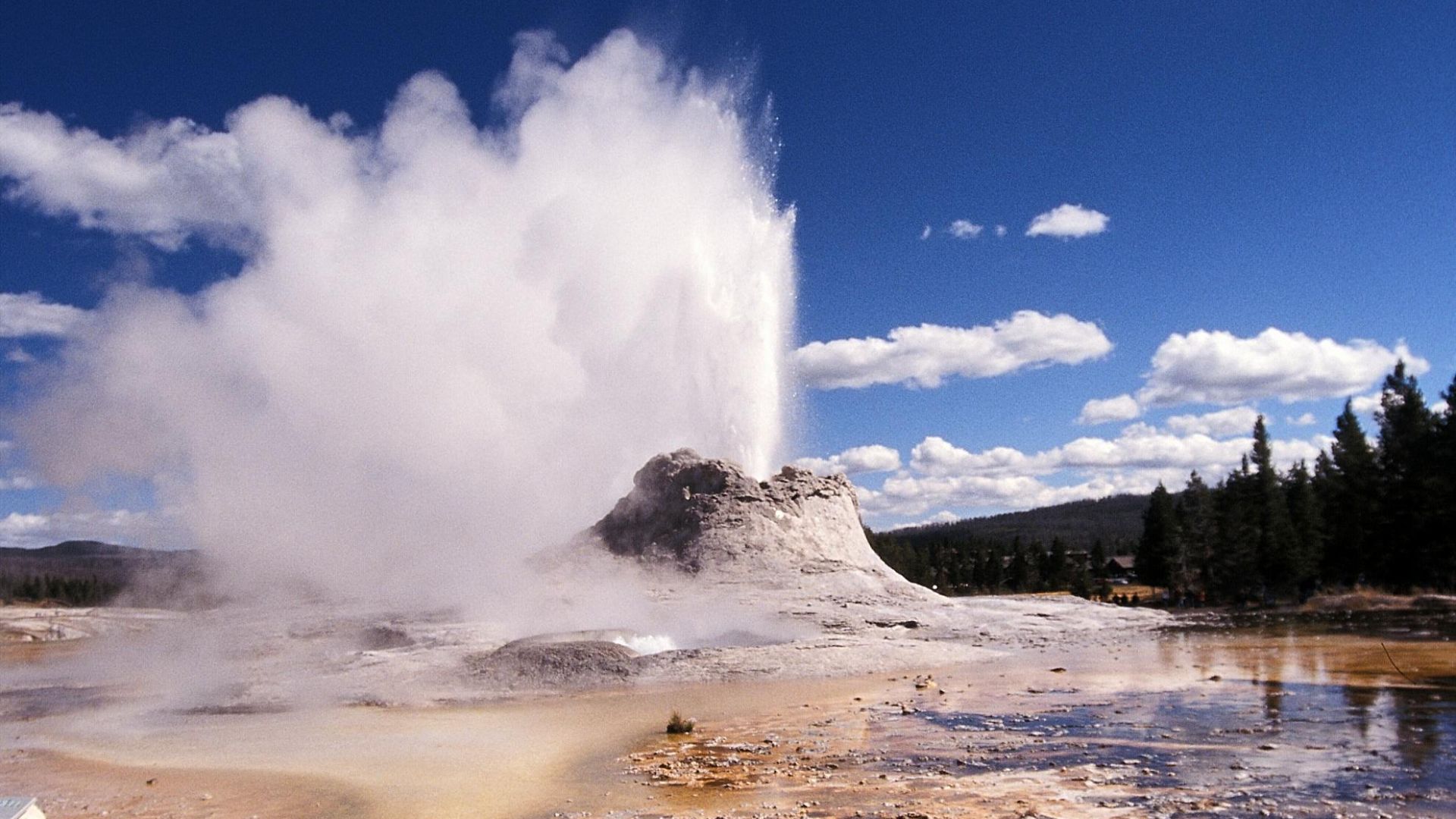
9. Fly Geyser, Nevada, USA
Fly Geyser is a man-made geothermal feature that developed naturally over time. Mineral deposits have created colorful terraces around them. The geyser continuously sprays hot water into the air. Its vivid colors make it stand out in the desert.
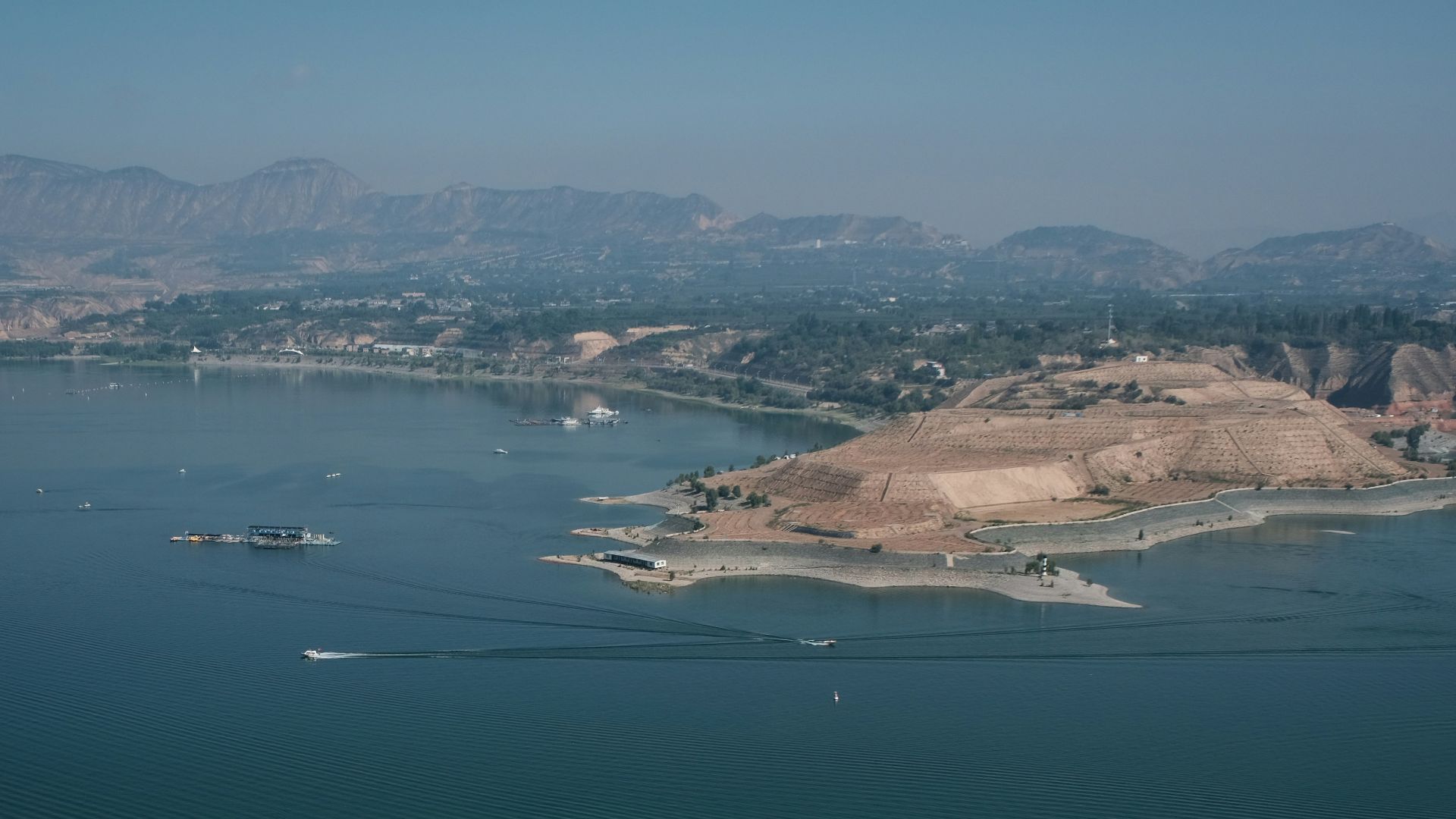
10. Danxia Landform, China
The Danxia landform is known for its colorful, layered rock formations. Mineral deposits give the rocks shades of red, orange, and yellow. Erosion has shaped them into unusual peaks and ridges. The result is a vibrant and surreal landscape.
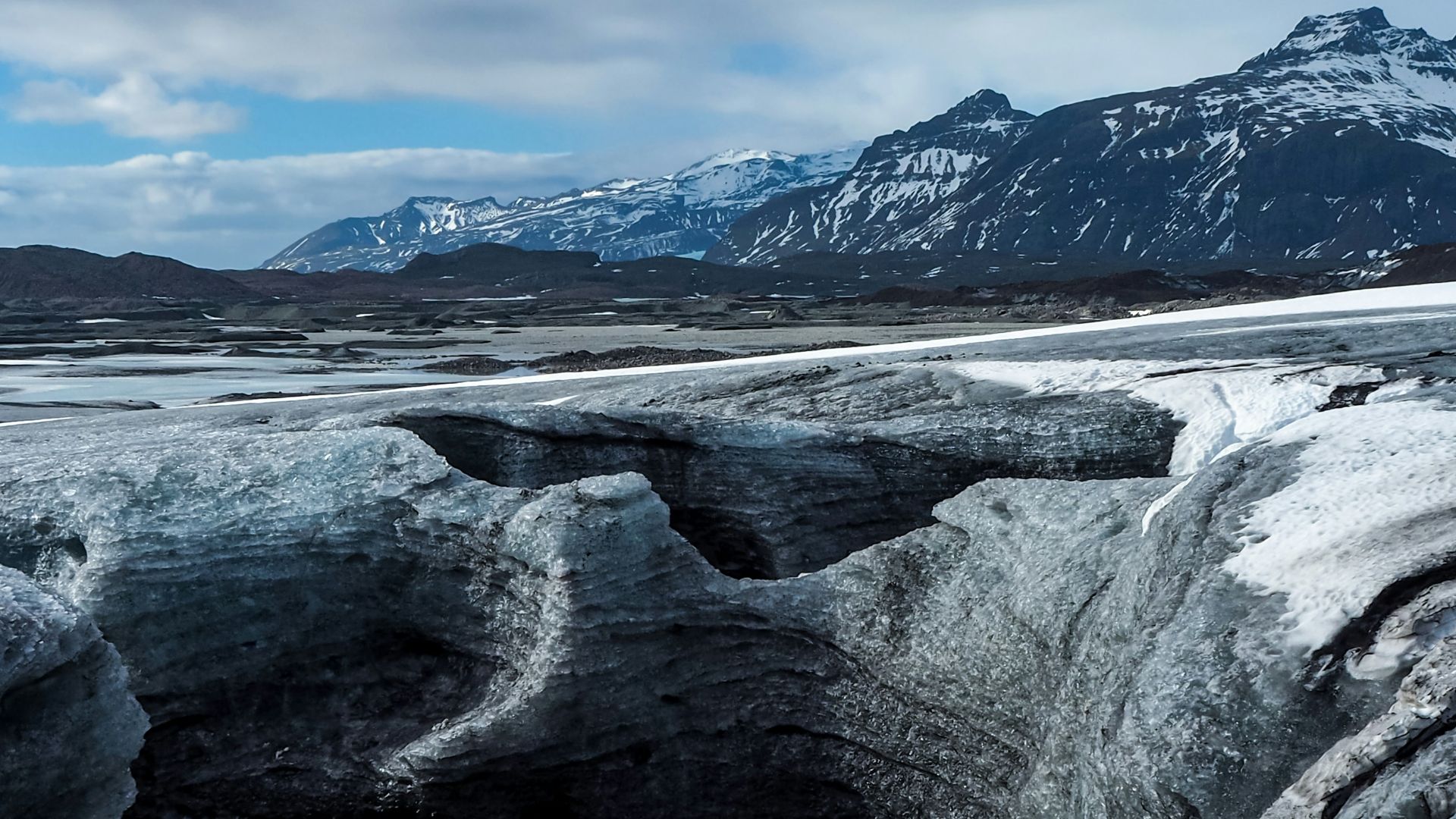
11. Ice Caves of Vatnajökull, Iceland
These ice caves form within glaciers and glow with shades of blue. The color comes from compressed ice that absorbs light differently. Each cave changes shape over time as the glacier moves. Visiting one feels like stepping inside a crystal.
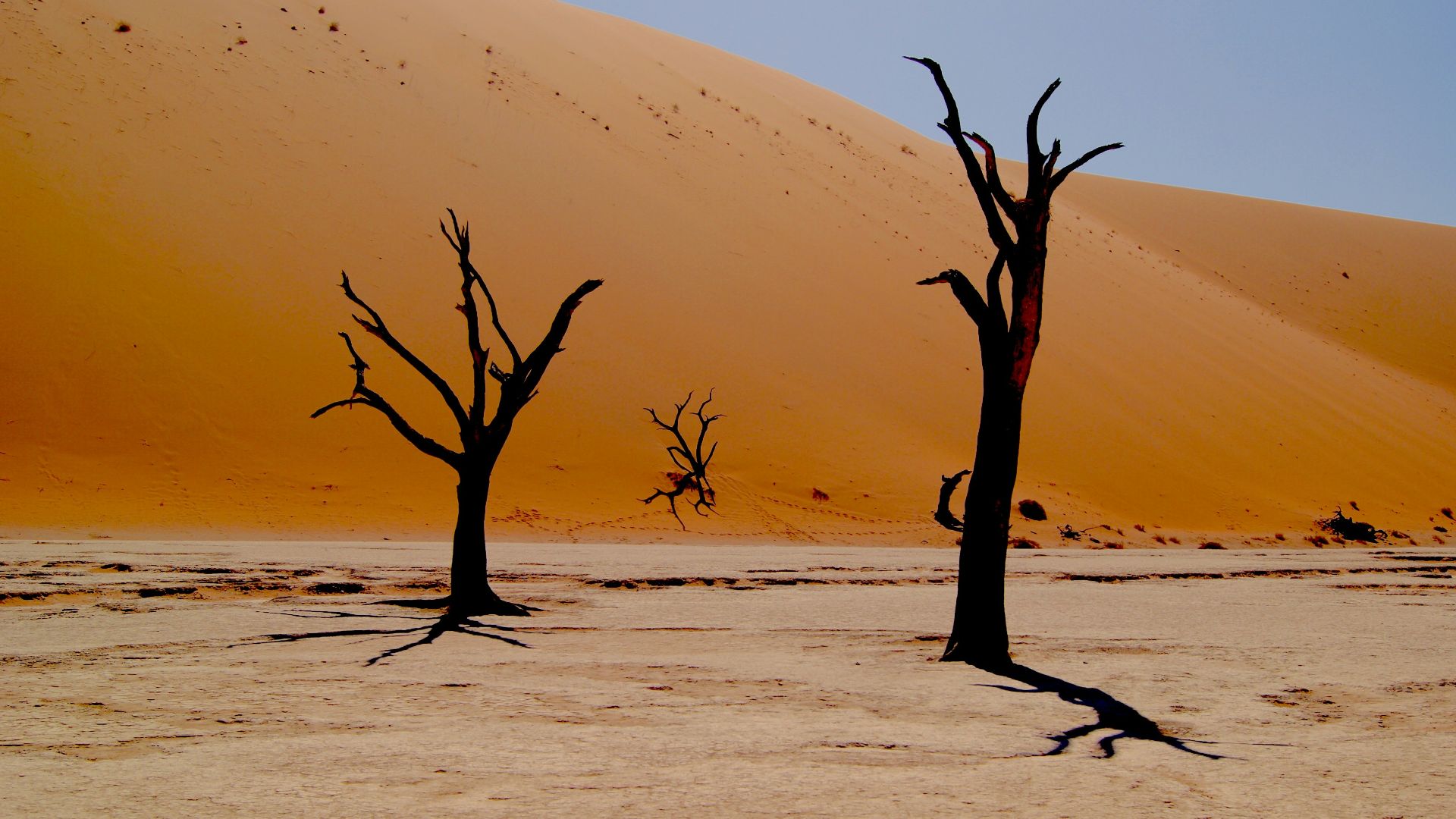
12. Dead Vlei, Namibia
Dead Vlei is a white clay pan dotted with ancient, blackened trees. The trees have been preserved by the dry climate for centuries. Bright orange dunes surround the area, creating a strong contrast. The scene feels both stark and dramatic.
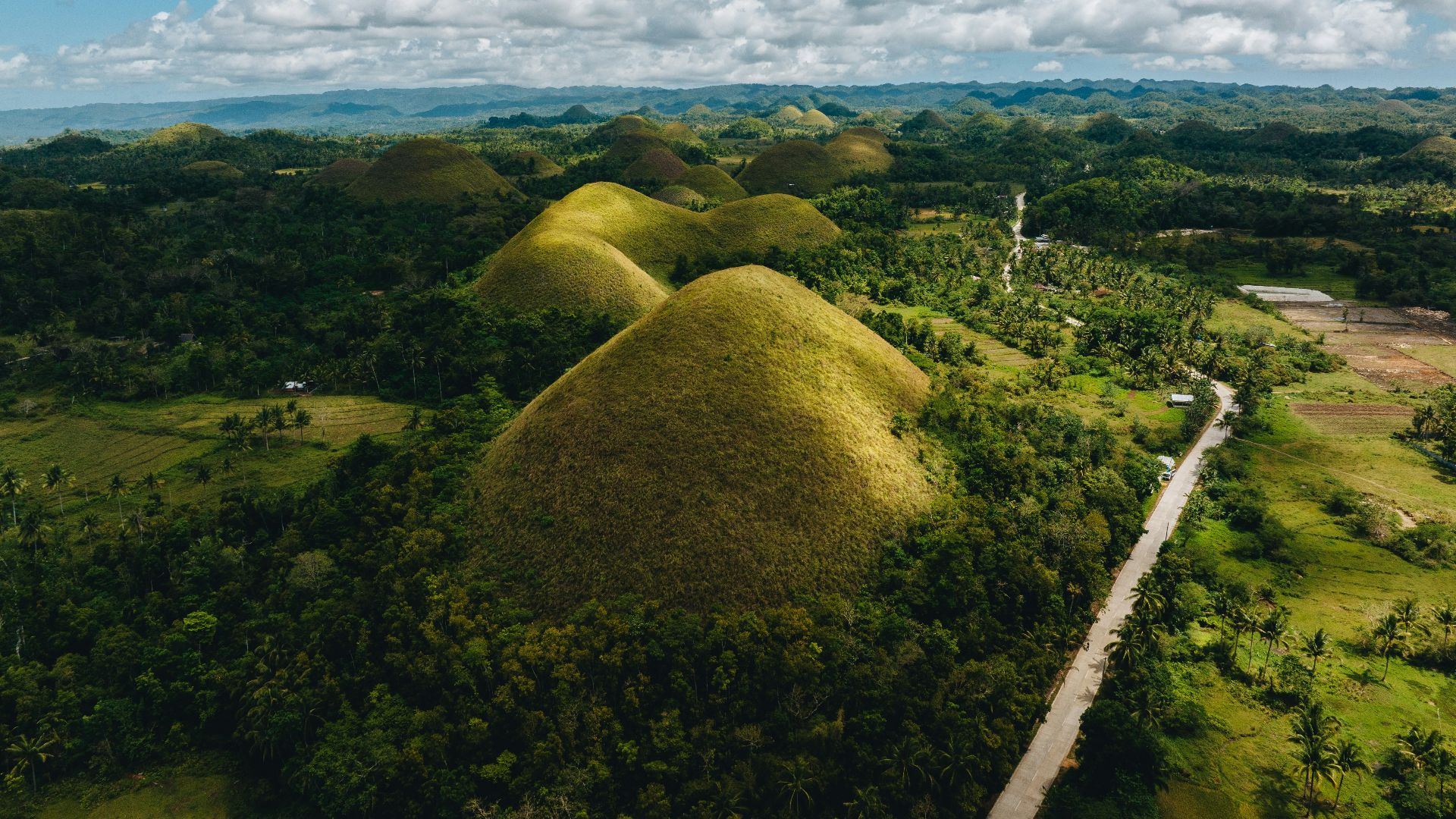
13. Chocolate Hills, Philippines
The Chocolate Hills are a series of rounded hills that turn brown during the dry season. This gives them their distinctive name. There are over a thousand of these formations spread across the landscape. Their uniform shape adds to the surreal effect.
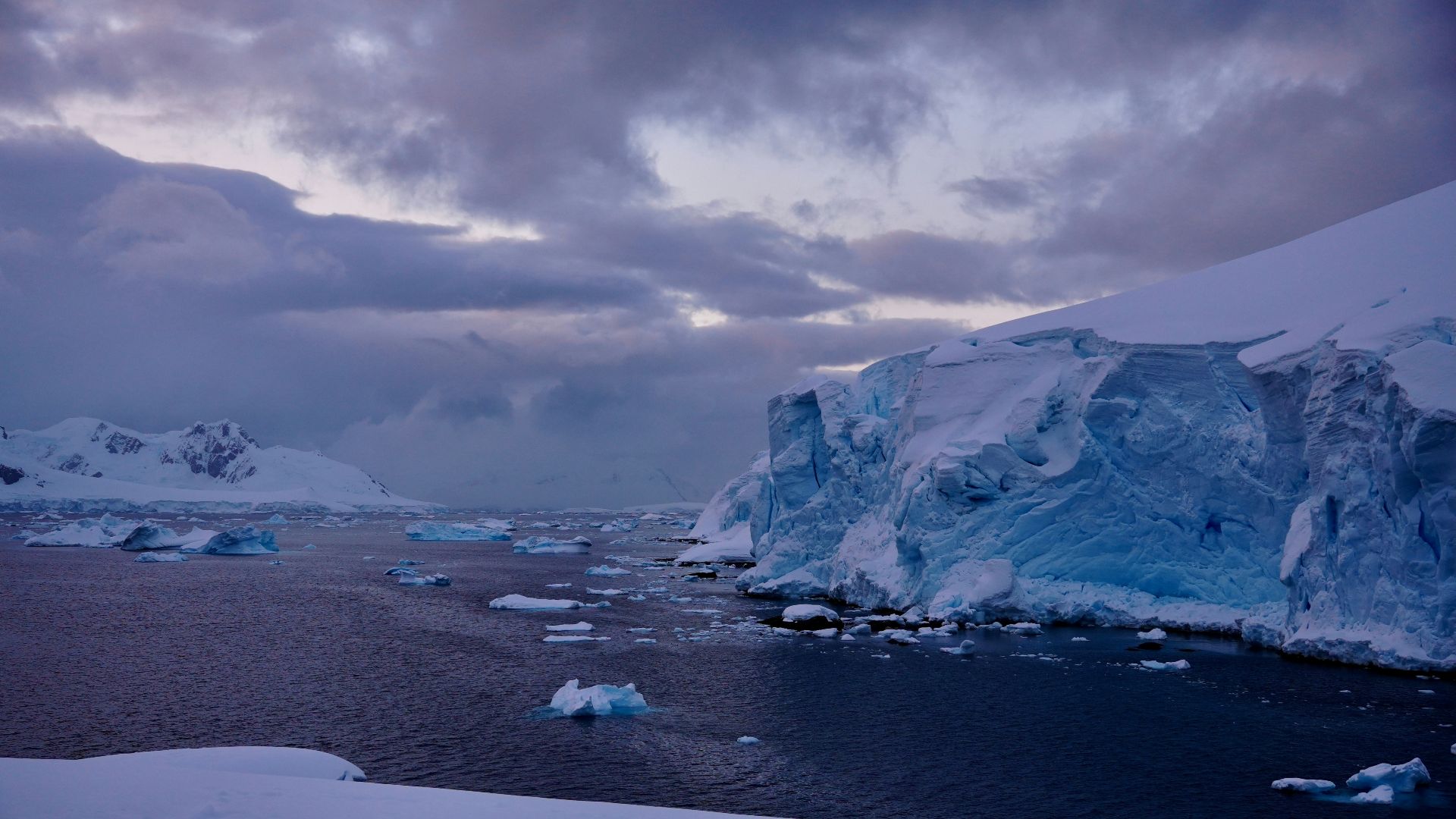
14. Blood Falls, Antarctica
Blood Falls is a stream of red-colored water flowing from a glacier. The color comes from iron-rich water oxidizing when exposed to air. It creates a striking contrast against the white ice. The phenomenon has fascinated scientists for years.
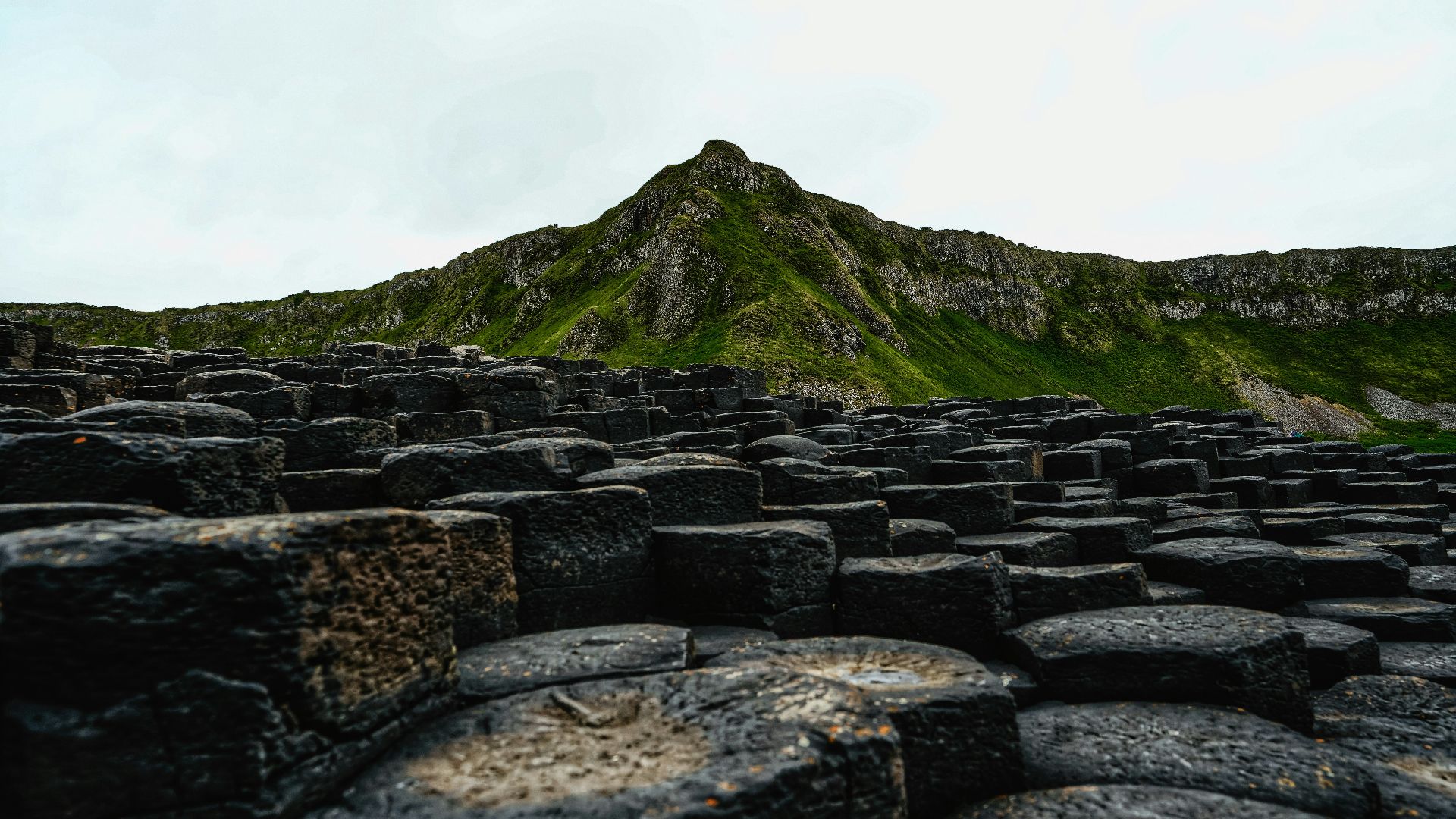
15. Giant’s Causeway, Northern Ireland
This site features thousands of hexagonal basalt columns formed by volcanic activity. The columns fit together like a natural puzzle. Their geometric shapes make the area look almost designed. It’s both unusual and visually impressive.
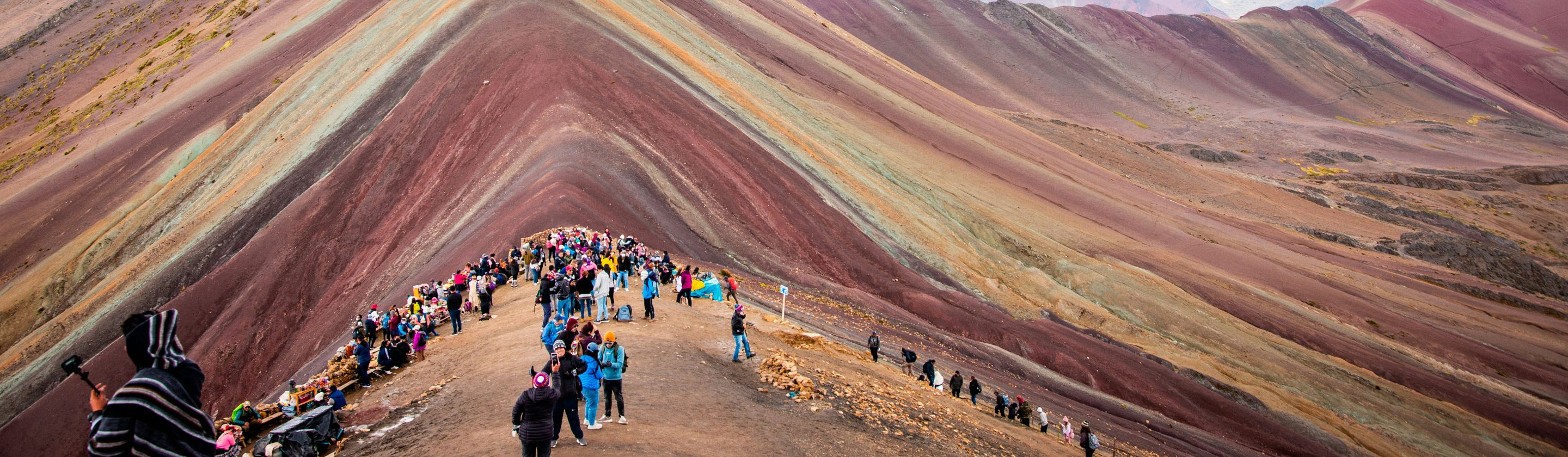
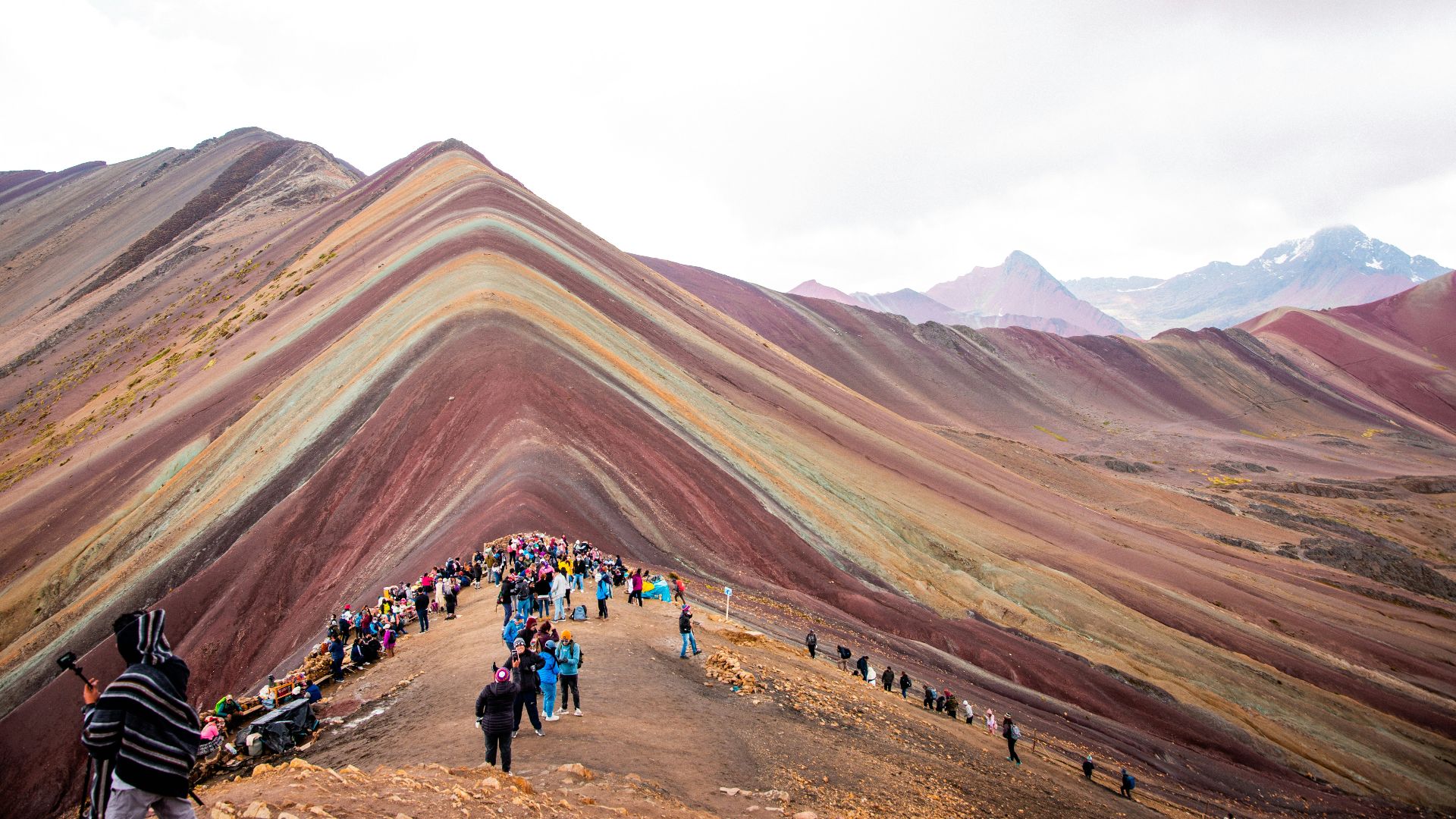
16. Rainbow Mountains, Peru
Rainbow Mountains display layers of vibrant colors caused by mineral deposits. The stripes include shades of red, green, and yellow. The colors become more vivid under sunlight, making it one of the most colorful natural landscapes in the world.
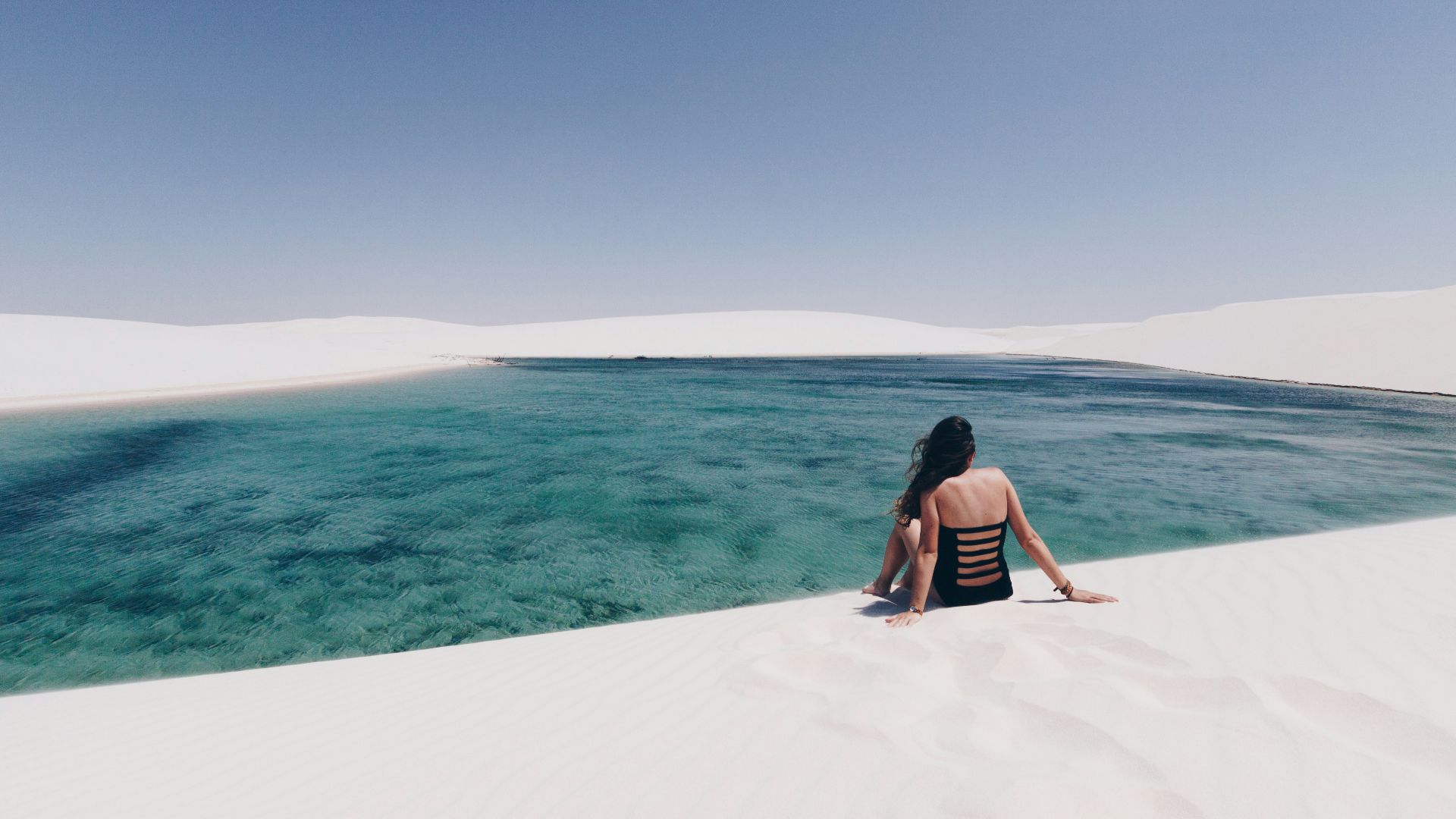
17. Lençóis Maranhenses, Brazil
This area consists of white dunes filled with seasonal rainwater lagoons. The clear blue and green pools contrast sharply with the sand.
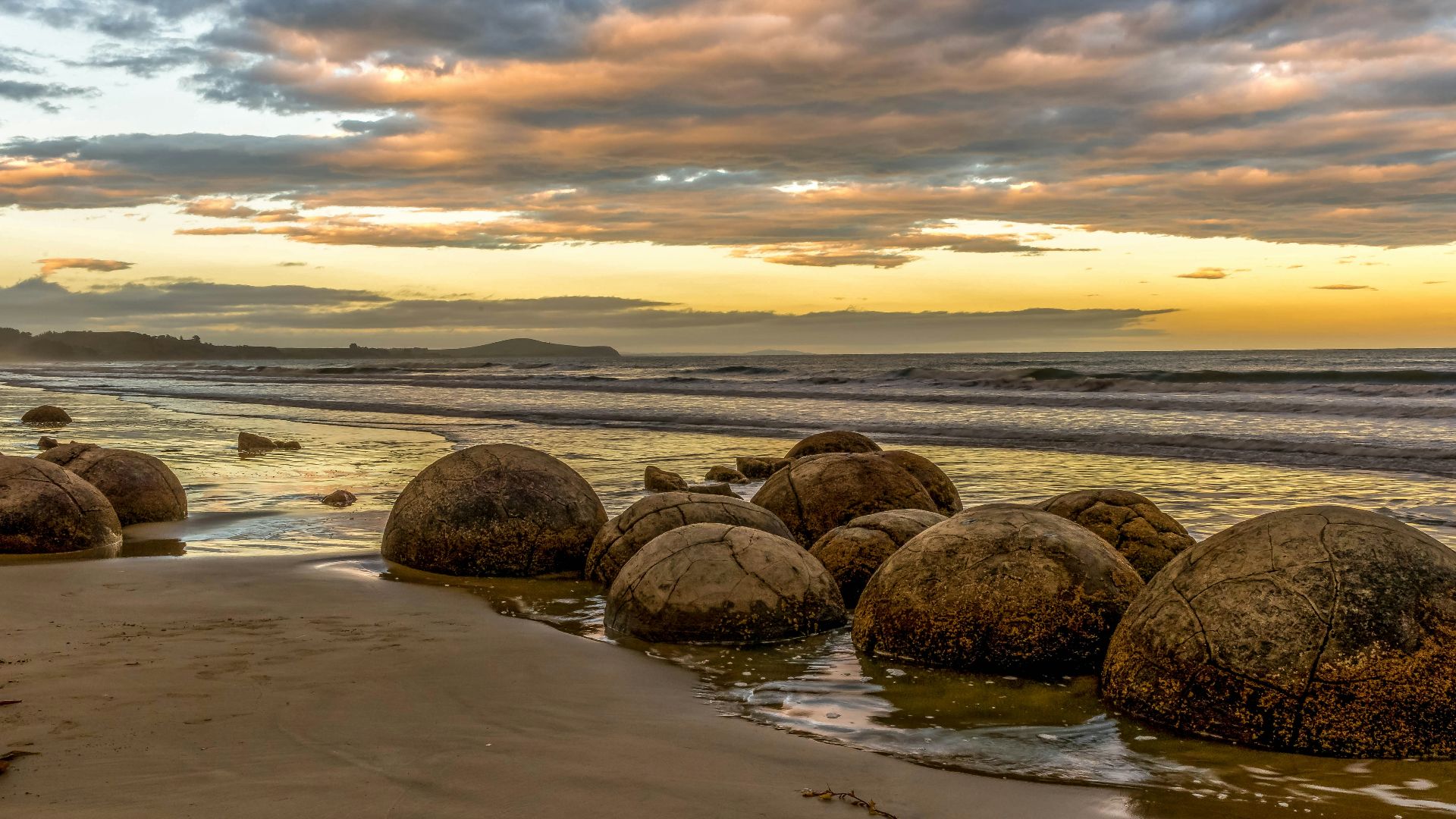
18. Moeraki Boulders, New Zealand
These large, spherical boulders are scattered along a beach and formed over millions of years through sediment buildup. Their smooth, rounded shape makes them stand out. Many visitors compare them to giant eggs.
19. Spotted Lake, Canada
Spotted Lake contains mineral-rich water that forms colorful spots as it evaporates. The spots vary in color depending on mineral concentration.
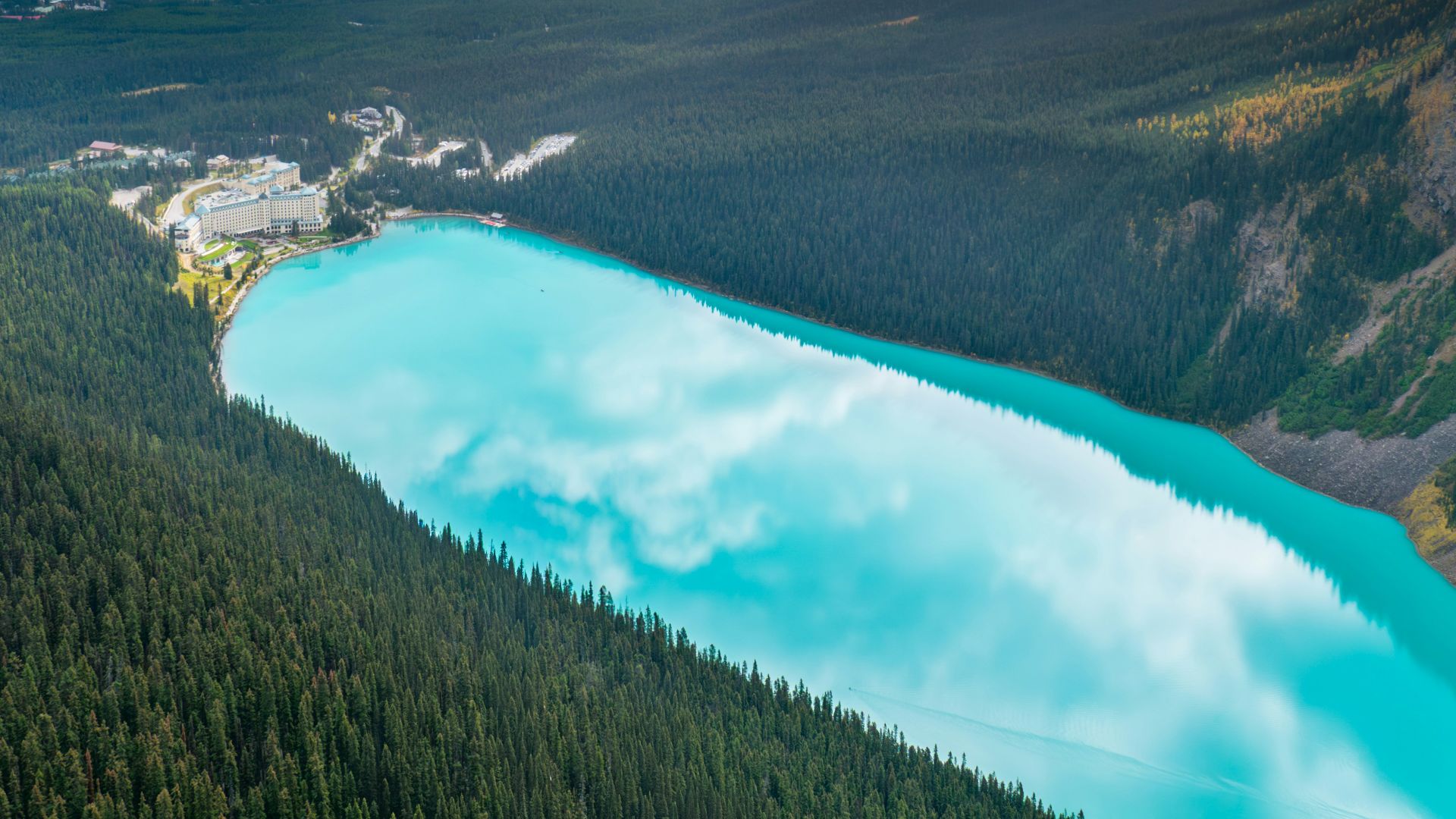
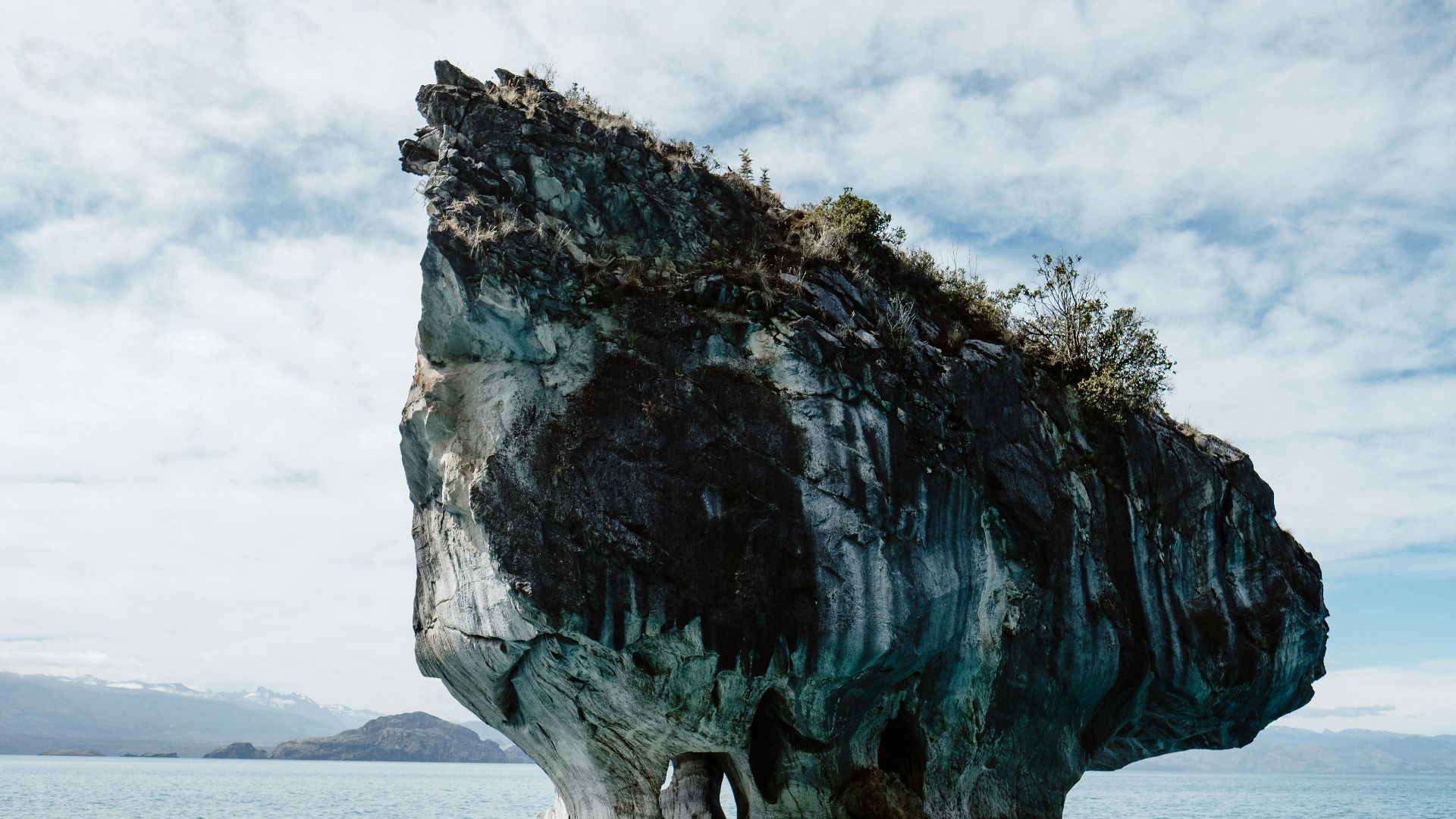
20. Marble Caves, Chile
The Marble Caves are carved into solid rock by waves over thousands of years. The swirling patterns in the stone reflect in the water below.