Where the Night Sky Feels Bigger Than You Expected
Stargazing isn’t just about looking up; it’s about finding places where light fades away, and the sky takes over in a way that feels almost unreal. As artificial light continues to expand, truly dark locations have become more valuable and carefully preserved. These destinations offer clarity, scale, and detail that you simply can’t replicate in a city or suburban setting. If you’re willing to travel a bit, you’ll discover skies that feel sharper, deeper, and far more immersive than you might expect. Here are 20 places to experience next-level stargazing.
1. Atacama Desert, Chile
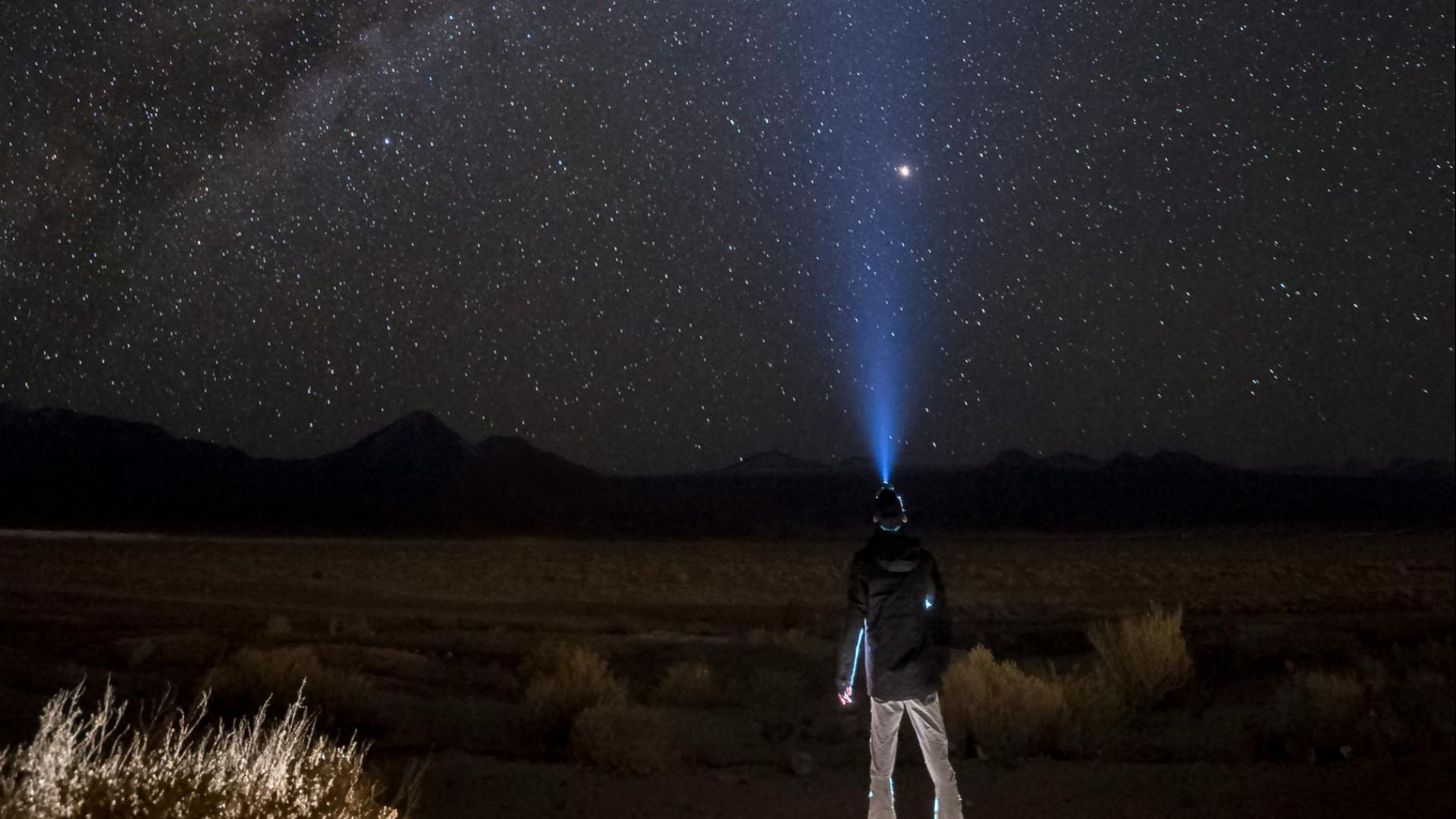
The Atacama Desert is widely considered one of the best places on Earth for astronomical observation due to its extreme dryness and high elevation. Cloud cover is rare, and the air contains very little moisture, which allows for exceptional clarity.
2. Mauna Kea, Hawaii
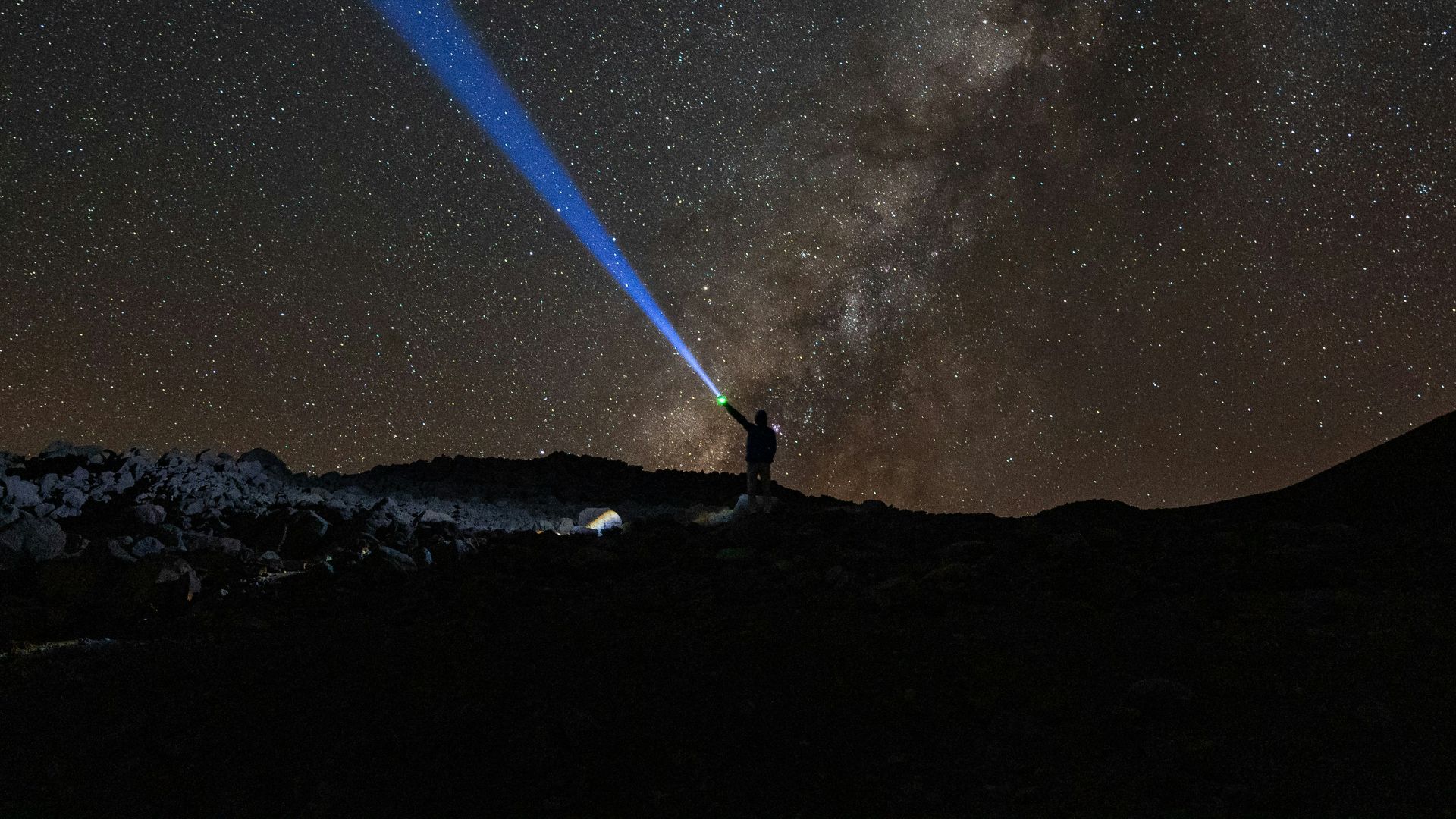
Mauna Kea sits above much of the atmosphere, which significantly reduces distortion and light interference. The summit offers incredibly clear views, although access requires preparation due to altitude conditions. Its remote location in the Pacific also limits surrounding light pollution. You’ll experience a sky that feels unusually close and detailed.
 ulziibayar badamdorj on Unsplash
3. Jasper National Park, Canada
Jasper is one of the largest dark sky preserves in the world, with strict lighting regulations that protect visibility. The surrounding mountains help block distant light, creating ideal conditions for observation. Seasonal events like the Dark Sky Festival highlight just how clear the sky can be. You’ll find it easy to see constellations and even faint celestial details.
4. Namib Desert, Namibia
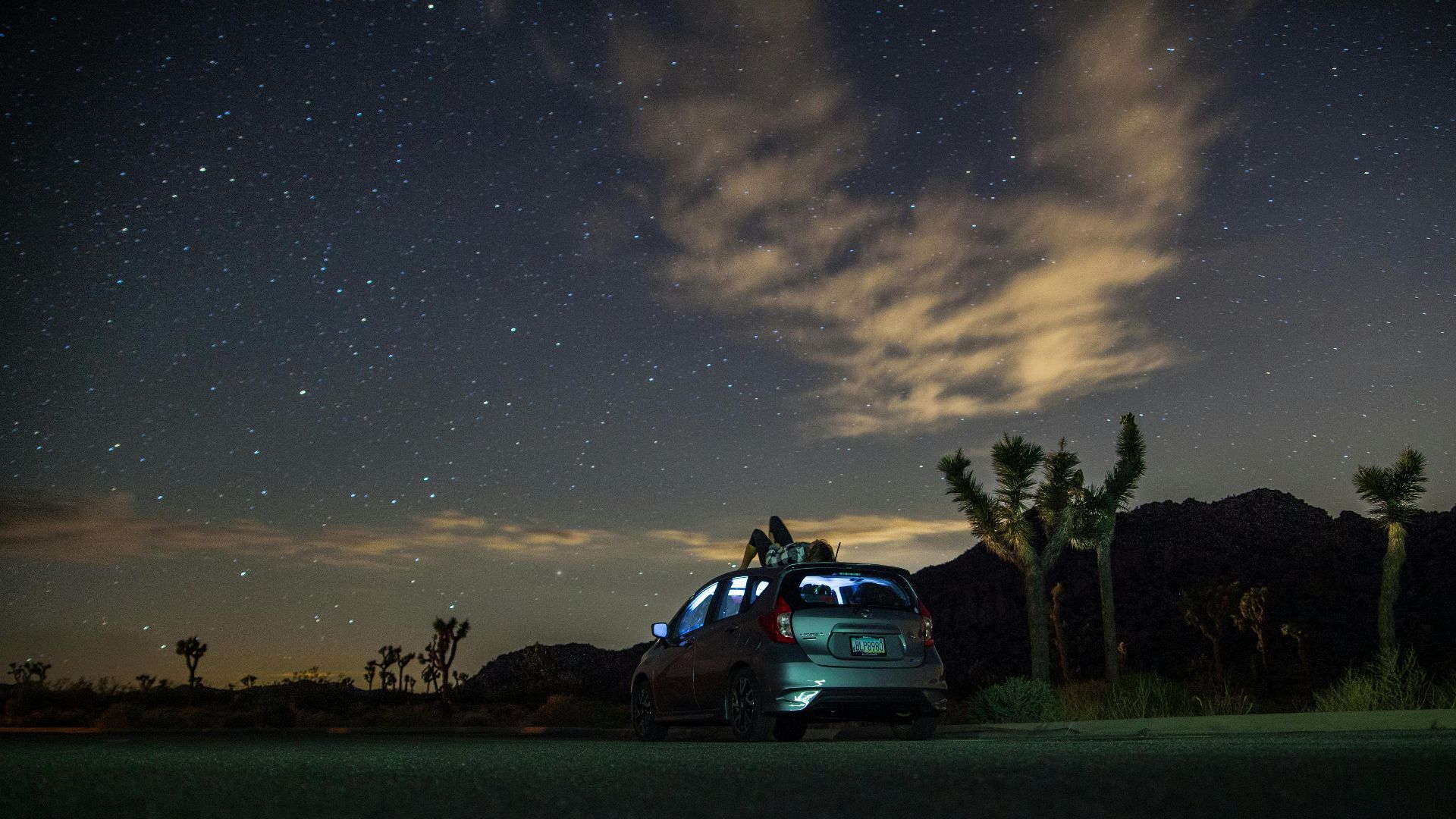
The Namib Desert combines isolation with consistently clear weather, making it ideal for stargazing. With minimal nearby development, light pollution is almost nonexistent. The dry air enhances visibility, especially during cooler nights. You’ll notice how expansive and uninterrupted the sky appears.
5. Aoraki Mackenzie, New Zealand
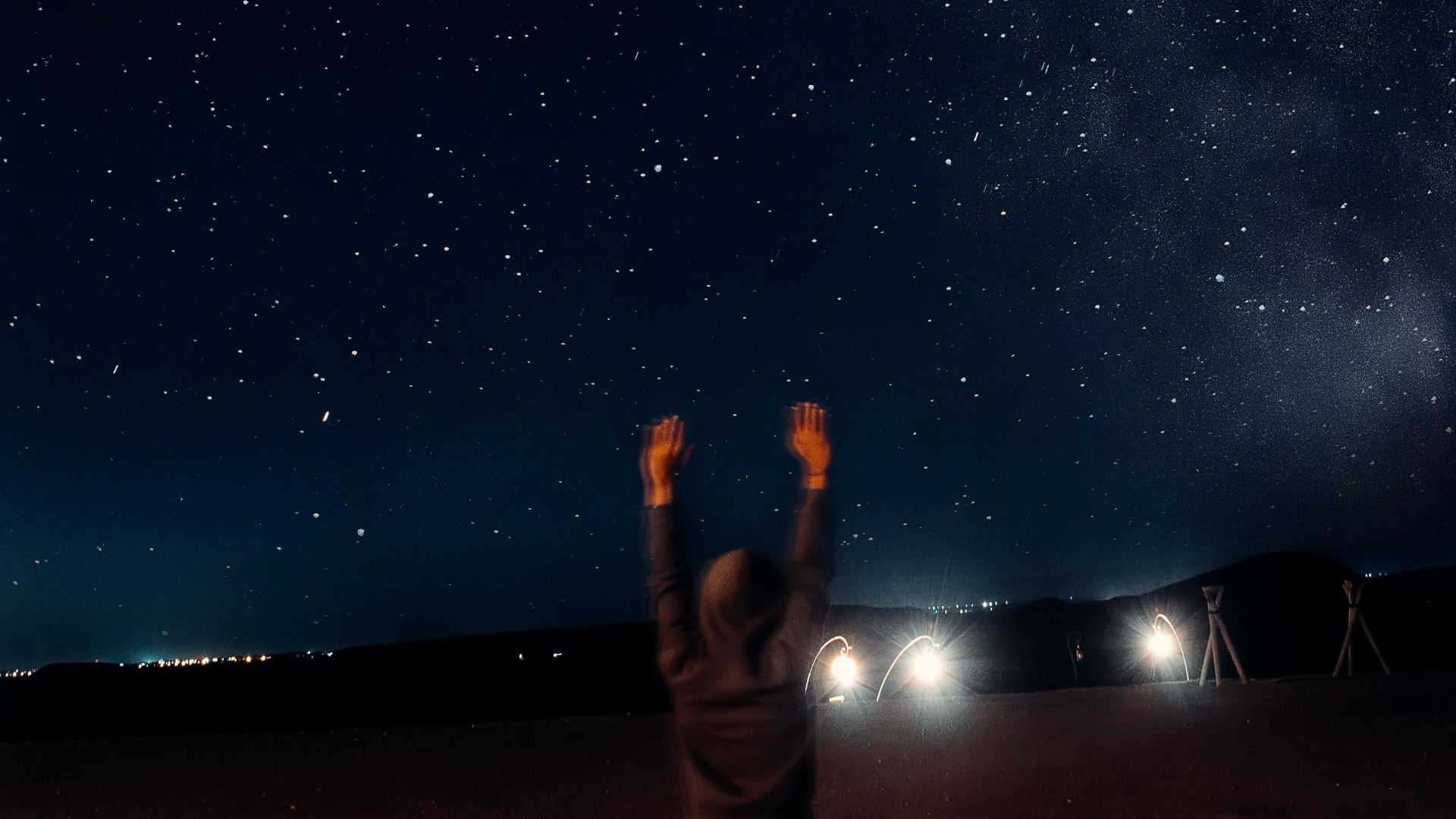
This region is part of an official International Dark Sky Reserve, meaning strict controls are in place to preserve night conditions. The combination of altitude and low humidity improves visibility throughout the year. Lake reflections and open landscapes enhance the experience.
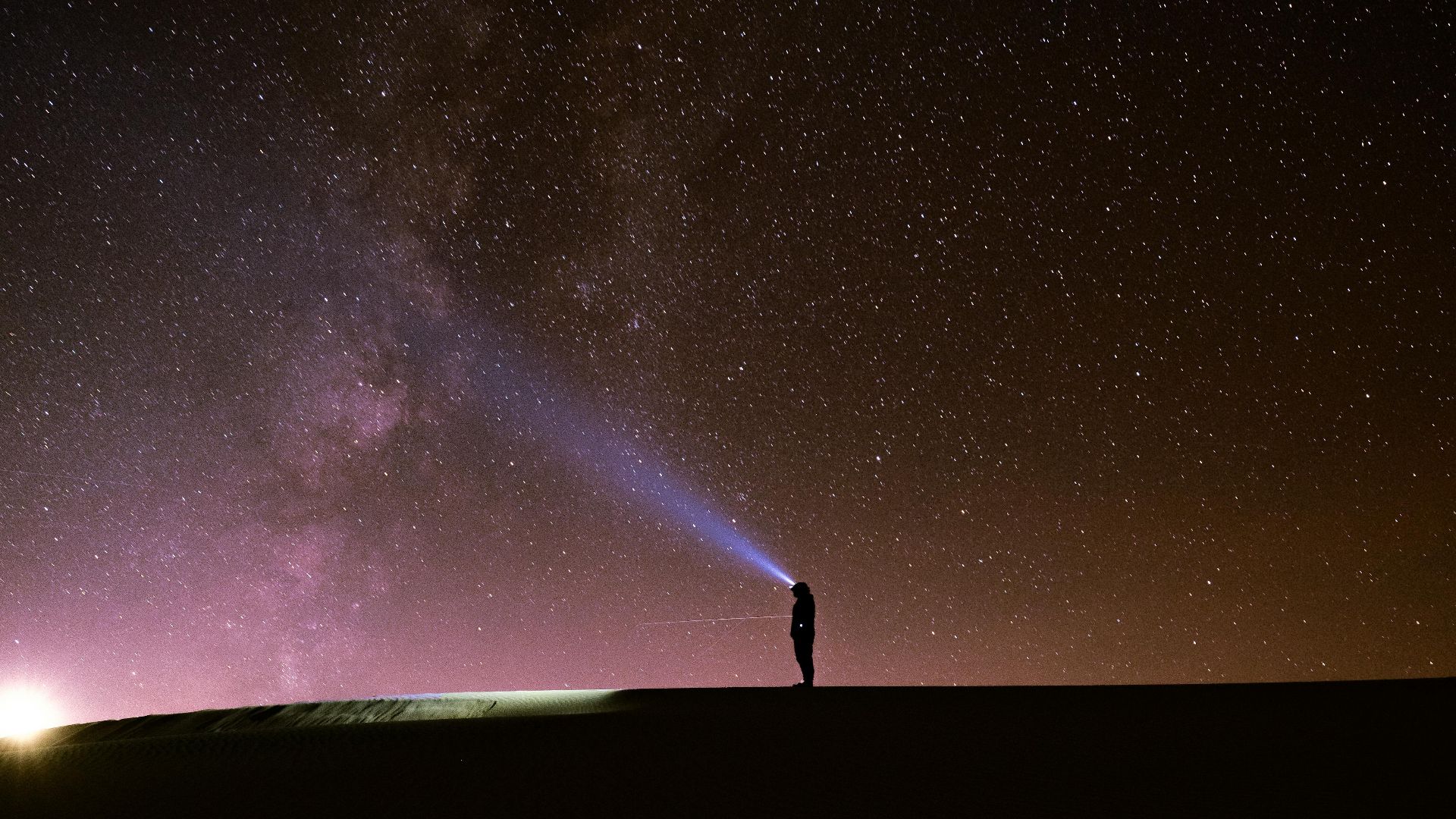
6. Death Valley National Park, USA
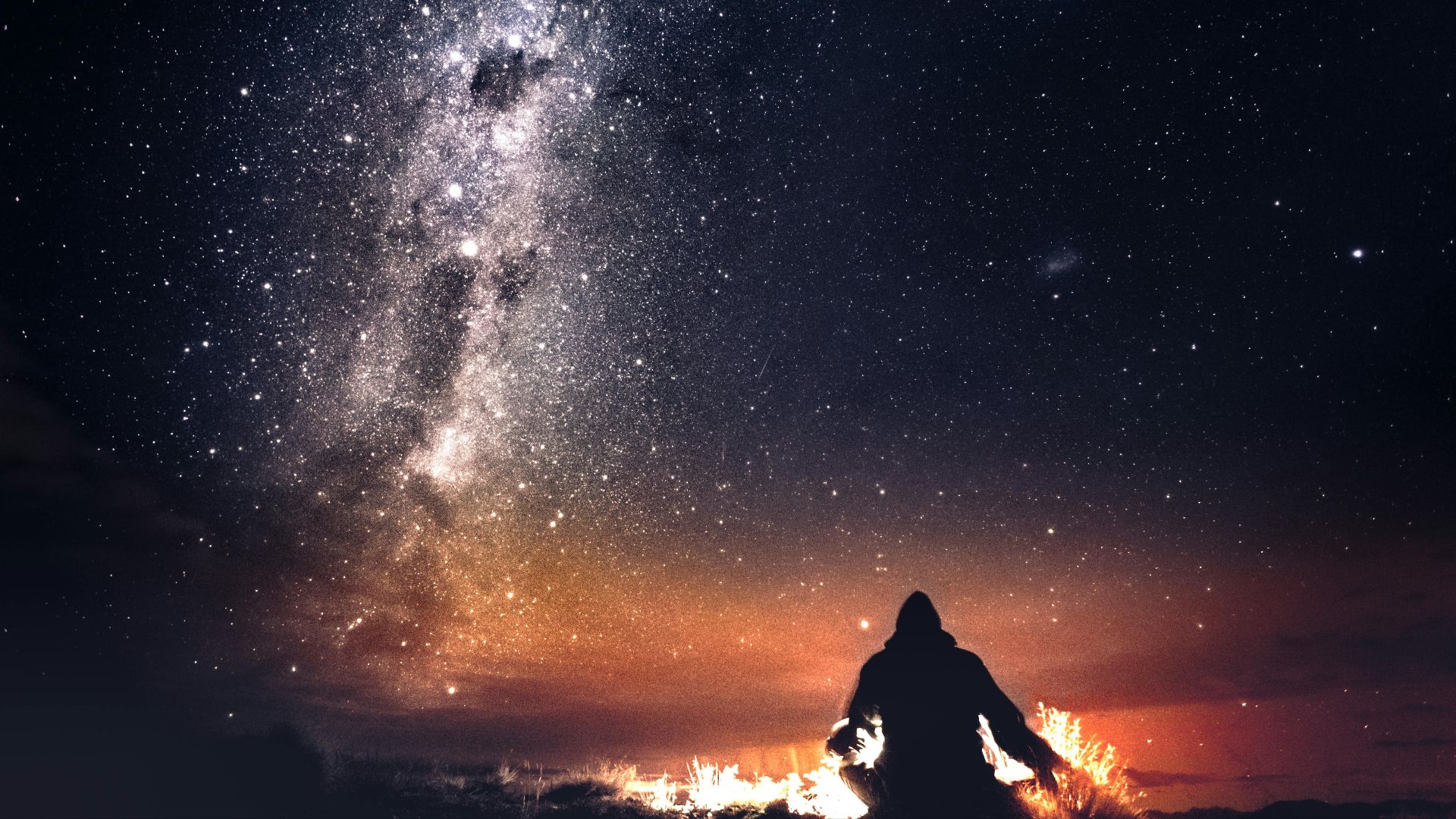
Death Valley offers vast open space and some of the darkest skies in North America. Its remote desert location limits artificial light, while dry air reduces atmospheric interference. The flat terrain gives you an unobstructed view in every direction. You’ll experience a sky that stretches endlessly without interruption.
 Krishna Mantripragada on Pexels
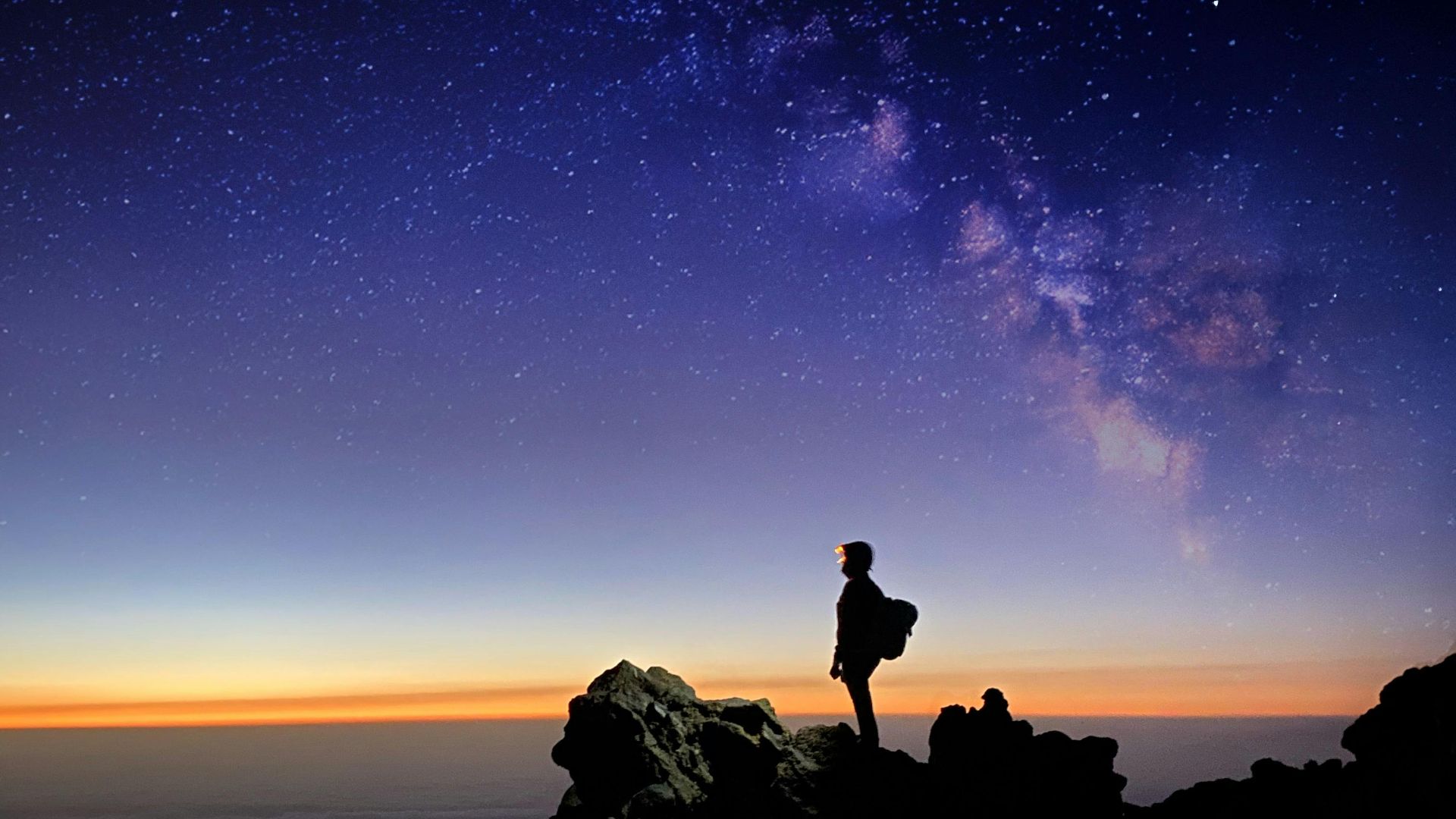
7. Canary Islands, Spain
The Canary Islands benefit from stable atmospheric conditions and some of the strictest light pollution laws in Europe. High-altitude viewpoints, particularly on La Palma and Tenerife, sit above cloud layers that would otherwise block visibility.
8. Wadi Rum, Jordan
Wadi Rum’s vast desert landscape creates a quiet and isolated environment that naturally limits artificial light. The clarity of the air, combined with wide open horizons, allows stars to appear brighter and more defined. Rock formations add a sense of scale without obstructing the view. The setting feels both expansive and grounded at the same time.
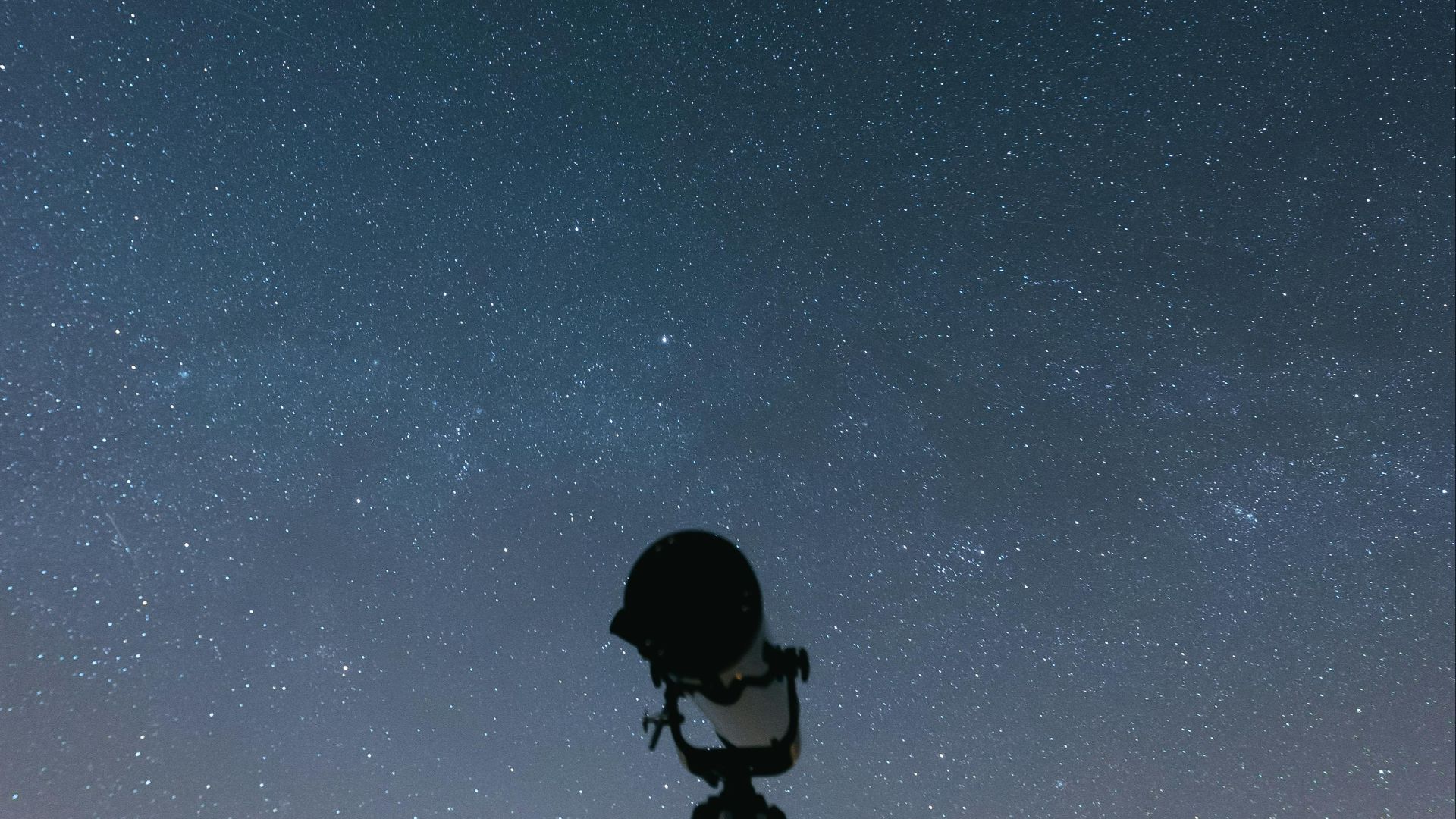
9. Uluru Region, Australia
This remote area offers exceptionally dark skies due to its distance from major urban centers. The flat terrain ensures uninterrupted visibility across the horizon, while the dry climate supports consistent clarity.
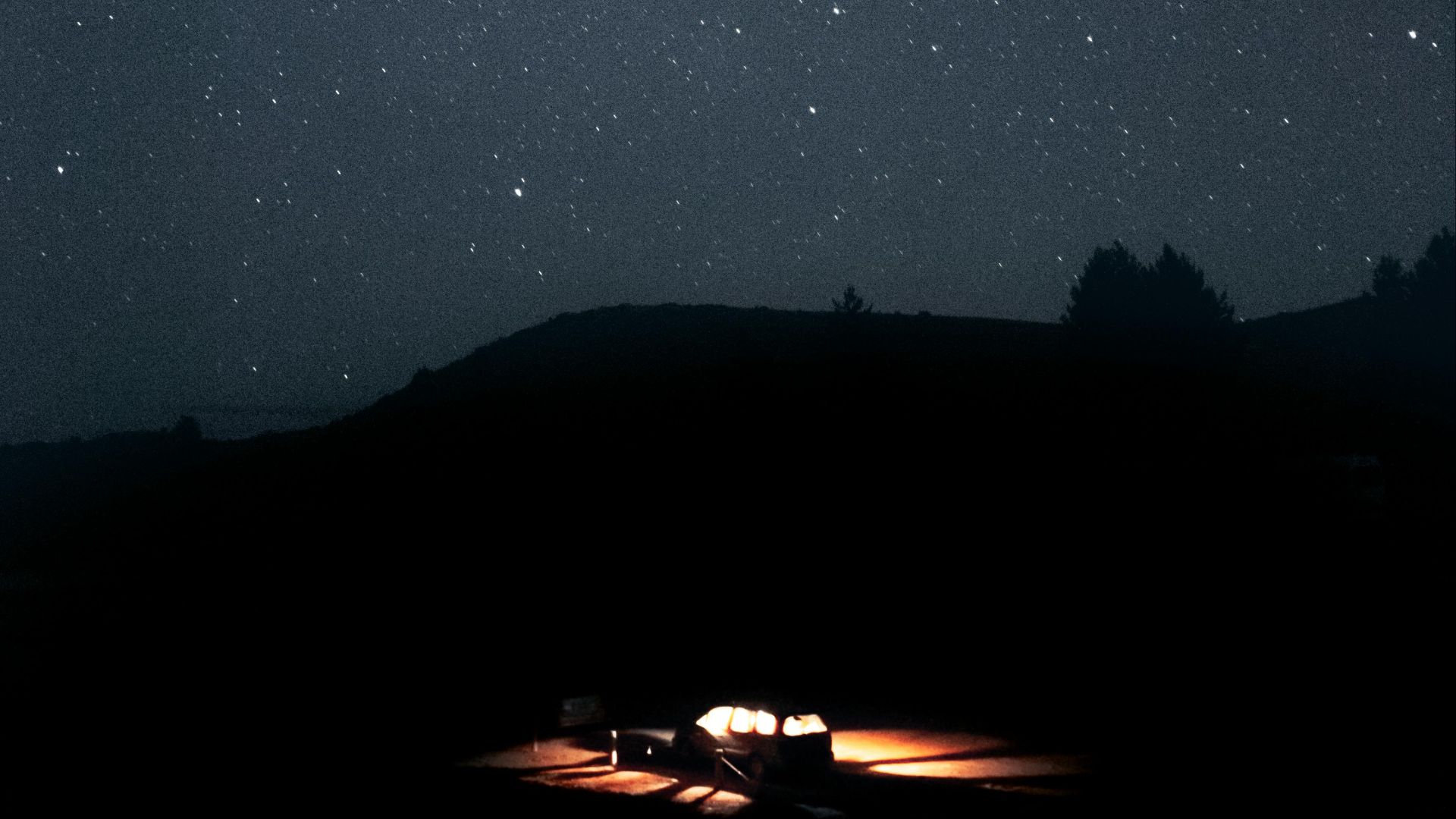
10. Brecon Beacons, Wales
As an official Dark Sky Reserve, this park maintains strict lighting controls across surrounding communities. Rolling hills create depth without significantly blocking the sky, allowing for wide viewing angles.
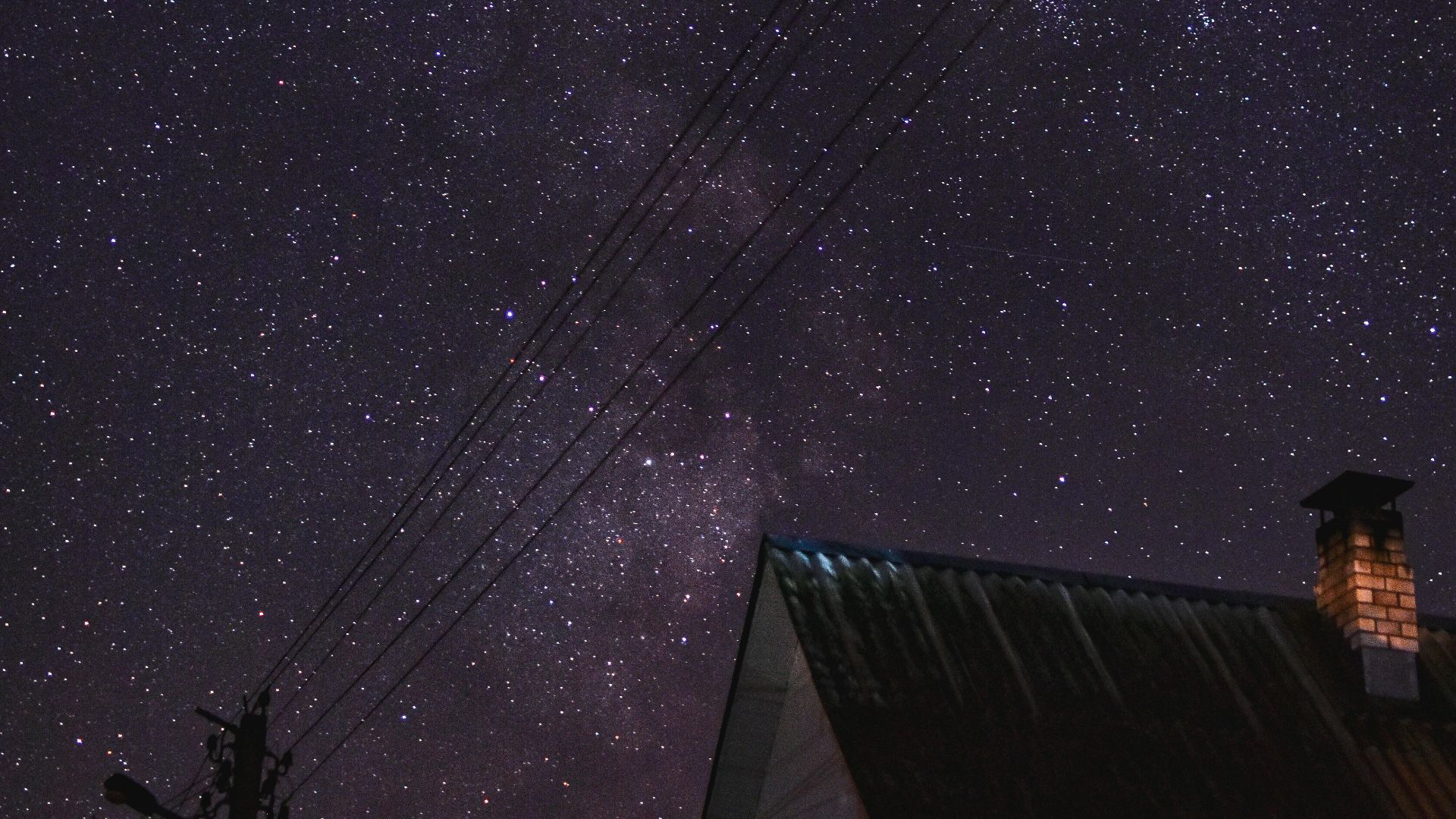
11. Cherry Springs State Park, USA
This park was specifically developed to support astronomical observation, with designated viewing areas and minimal artificial lighting. Its elevation and remote setting contribute to strong visibility even on average nights.
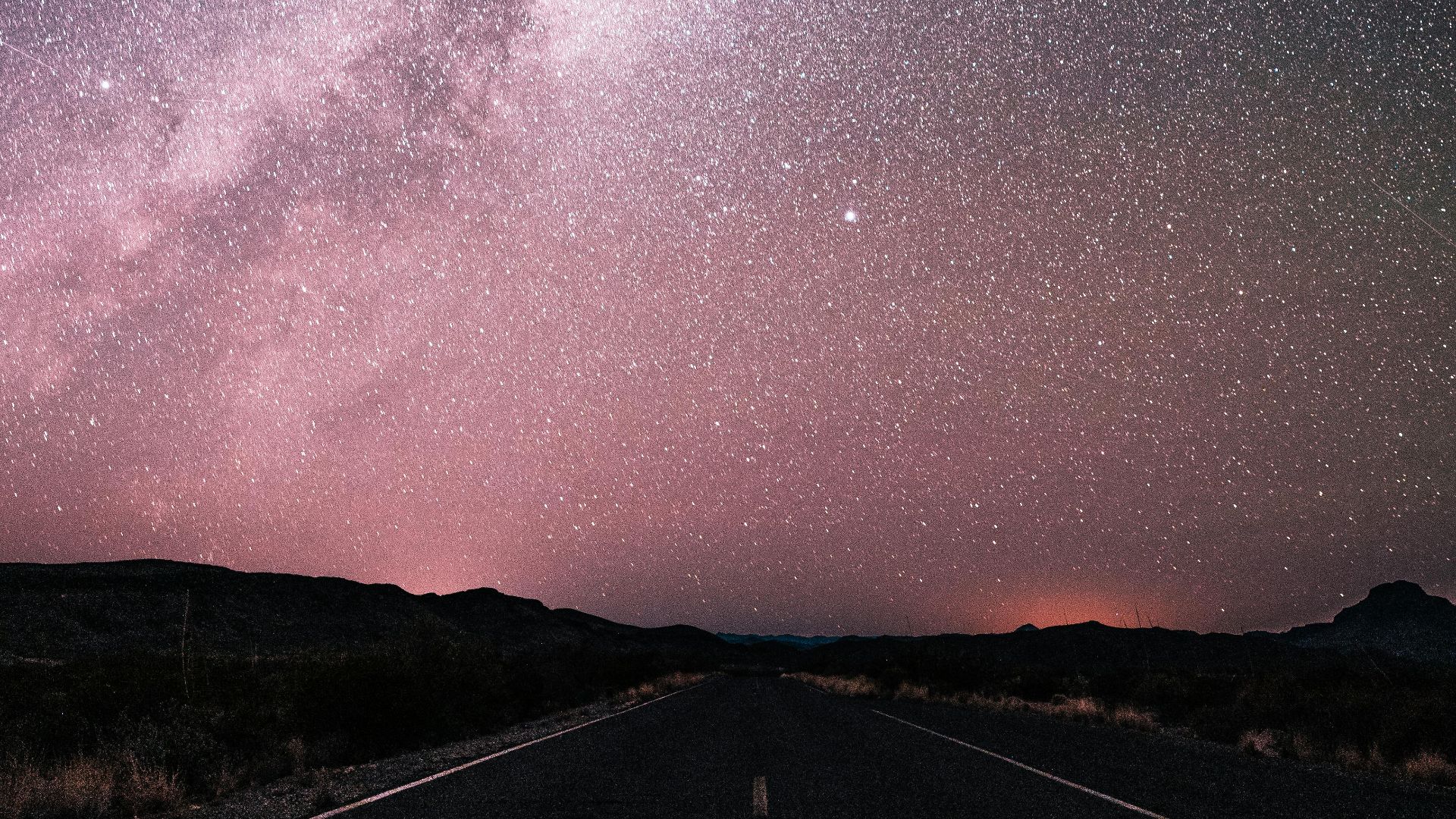
12. Mont-Mégantic, Canada
Mont-Mégantic combines a professional observatory with one of the first International Dark Sky Reserves. Surrounding communities follow strict lighting guidelines to preserve night conditions. The elevation reduces atmospheric distortion, which improves clarity.
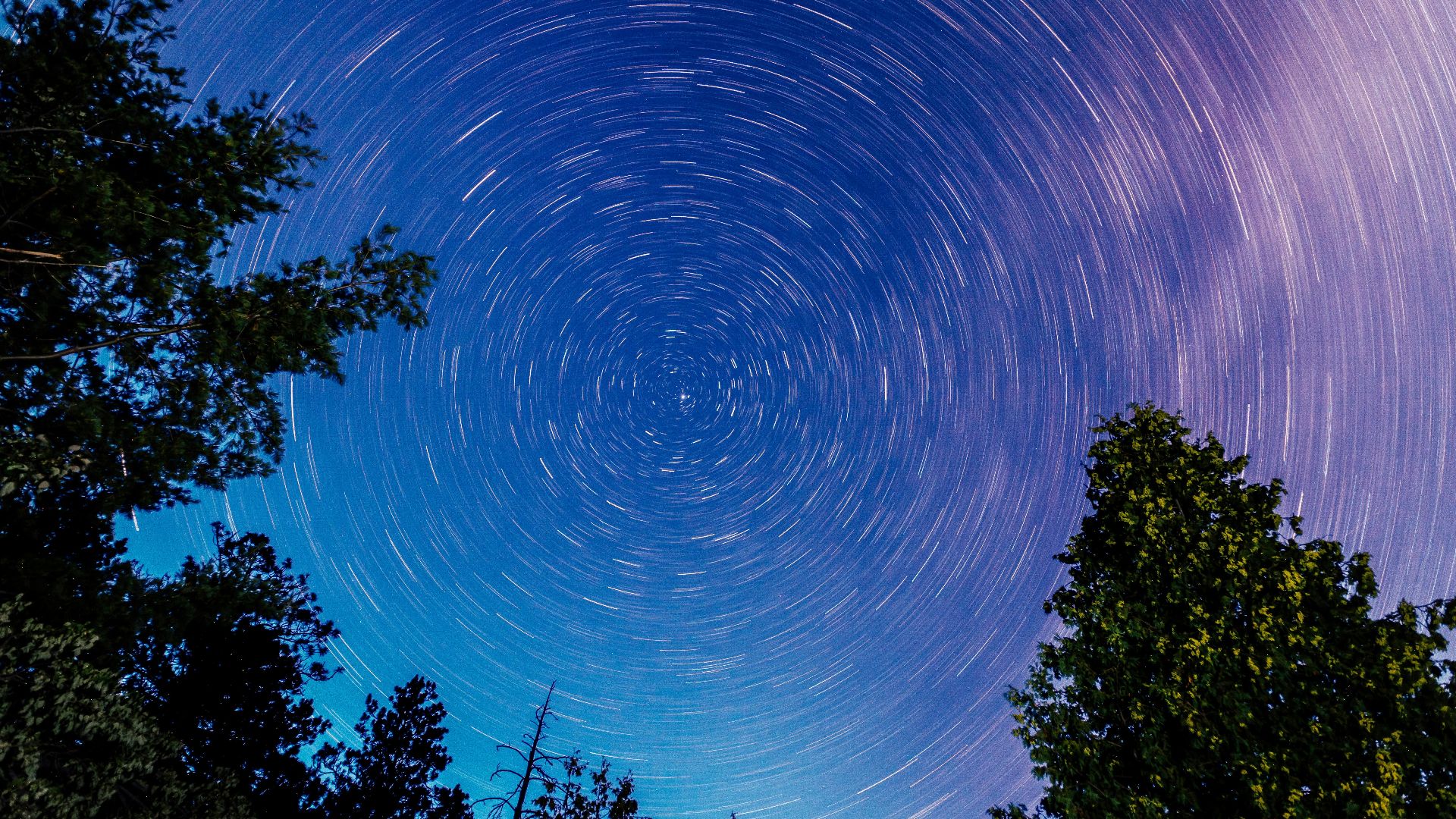
13. Sahara Desert, Morocco
The Sahara’s vast scale and isolation create conditions where artificial light is nearly nonexistent. Dry air and stable weather patterns allow stars to appear sharp and densely packed. The openness of the landscape enhances the sense of depth in the sky.
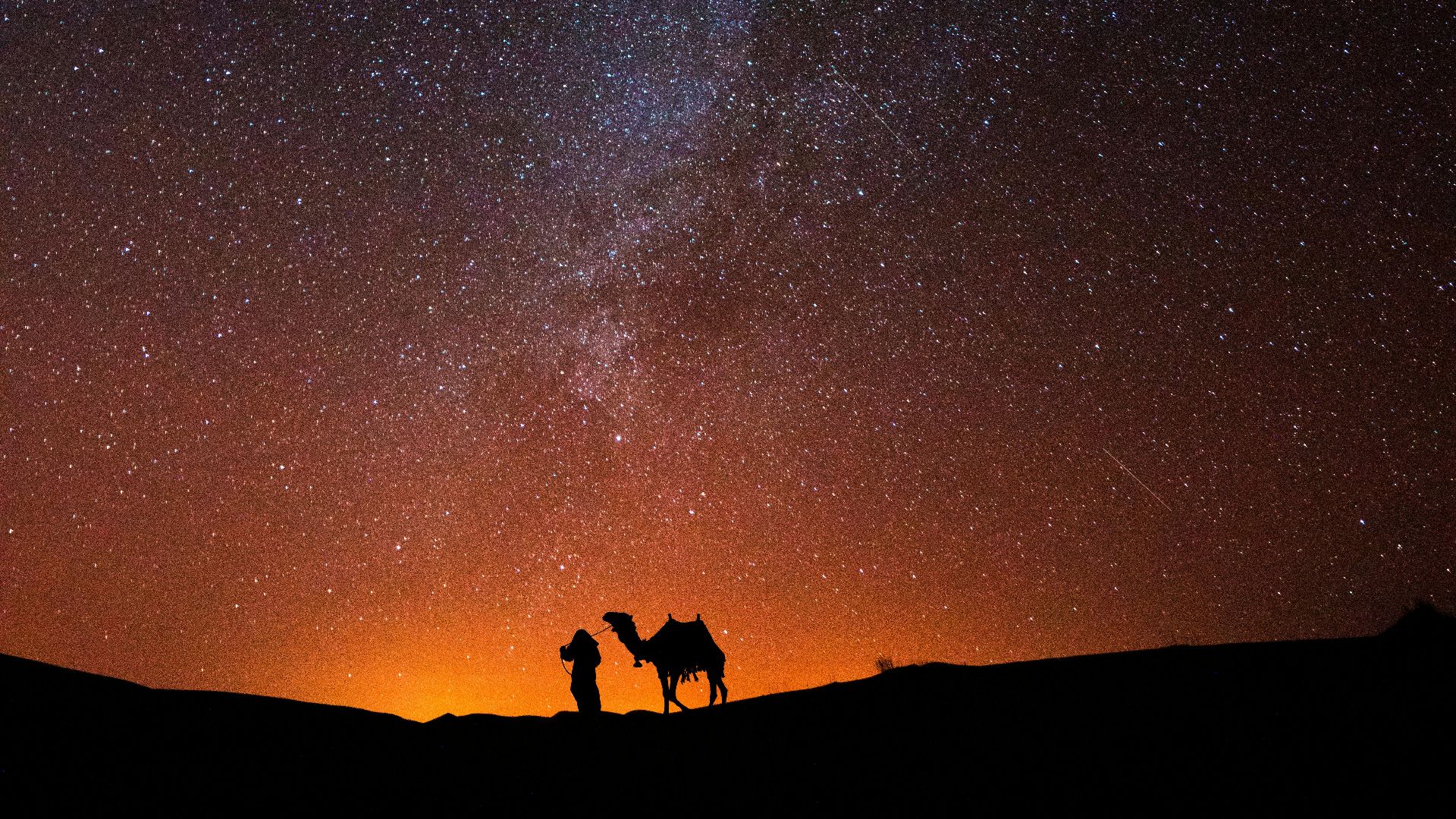
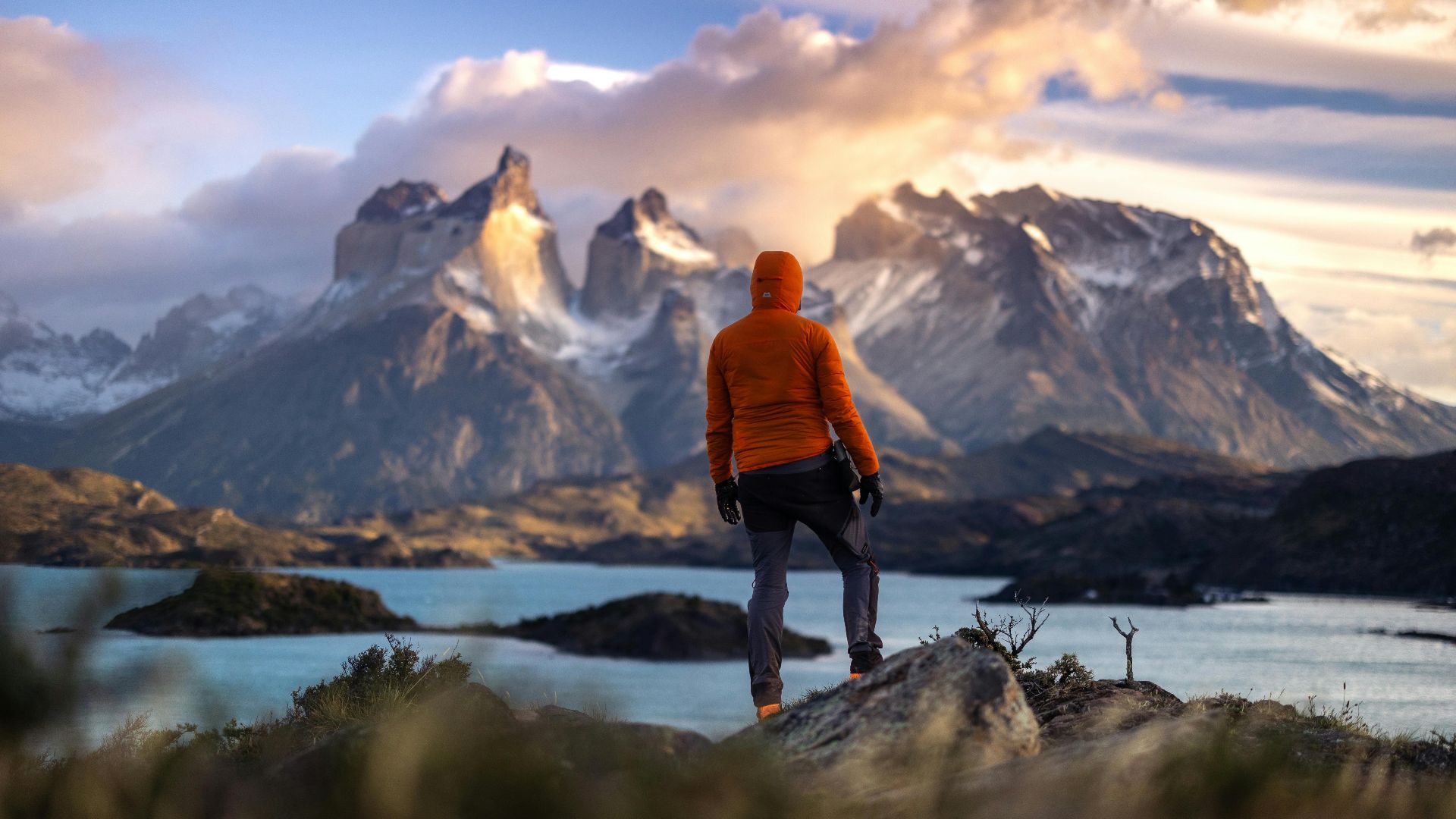
14. Torres del Paine, Chile
This region combines dramatic natural scenery with relatively low light pollution, especially in more remote areas of the park. Weather conditions can vary, but clear nights reveal highly detailed skies. The surrounding mountains frame the view without overwhelming it.
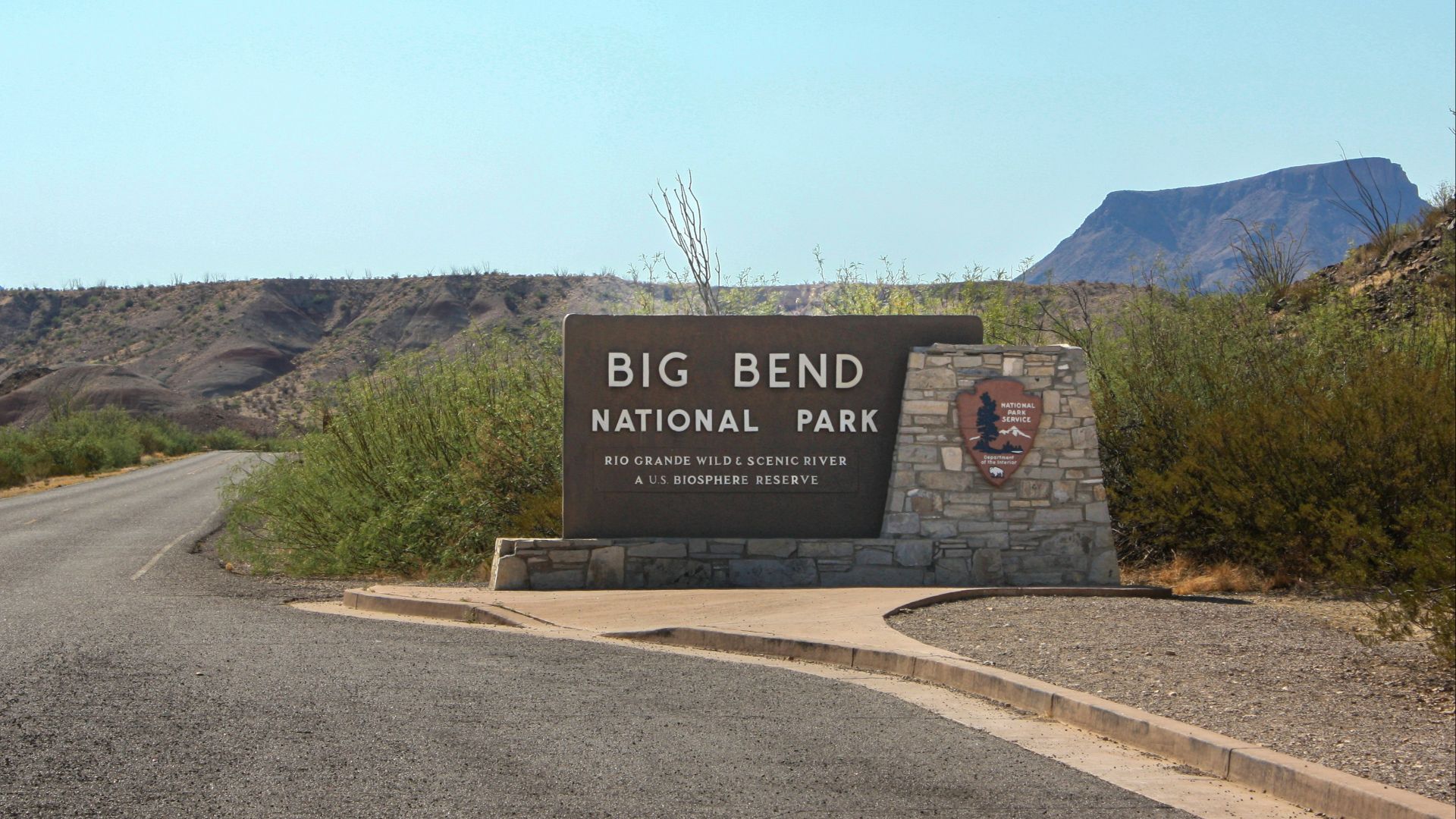
15. Big Bend National Park, USA
Big Bend is recognized for having some of the darkest skies in the contiguous United States. Its distance from major cities plays a critical role in maintaining low levels of light interference. The desert climate supports frequent clear nights with minimal atmospheric distortion.
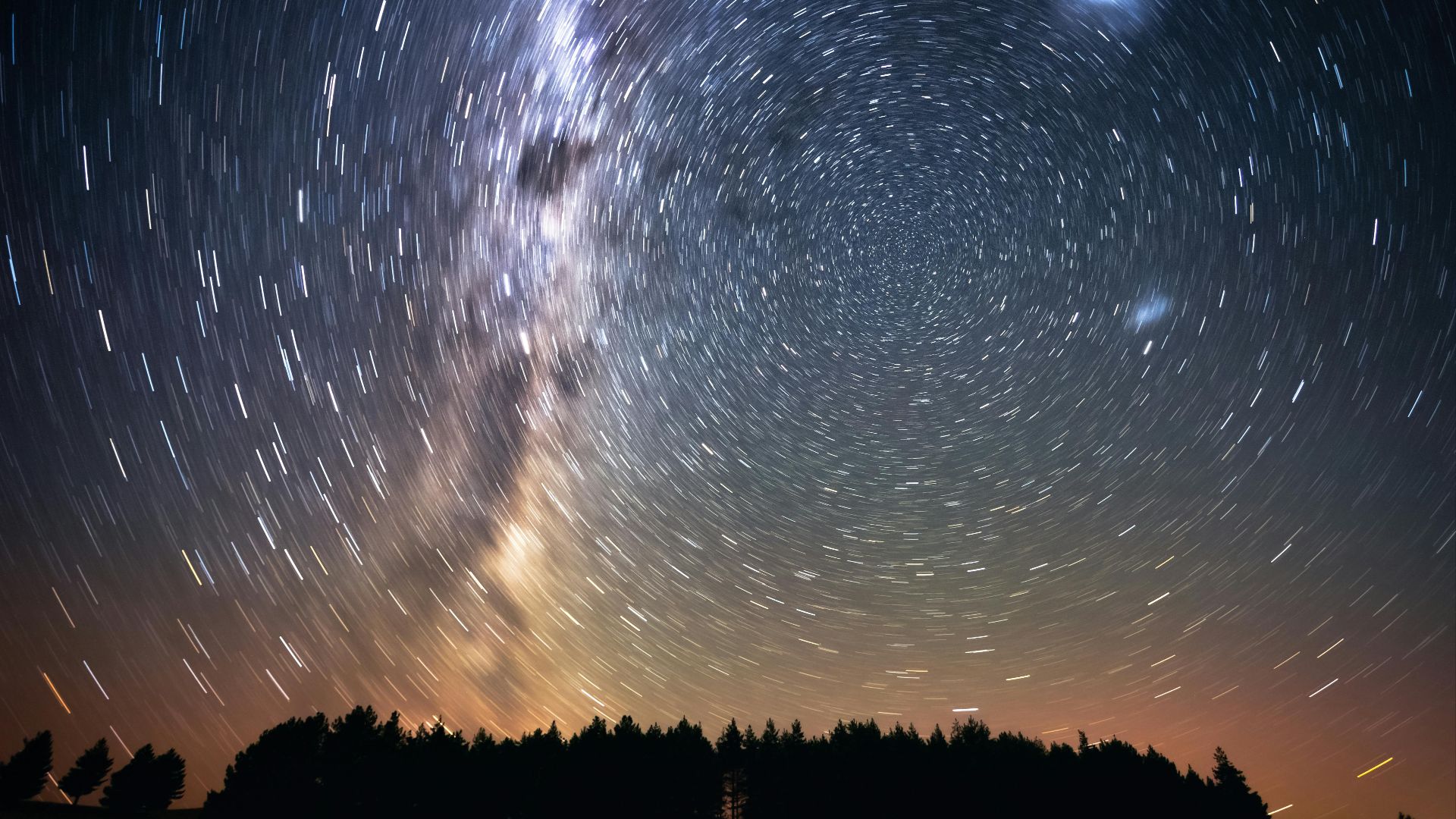
16. Lake Tekapo, New Zealand
Located within a protected dark sky reserve, Lake Tekapo offers both accessibility and exceptional viewing conditions. The lake itself can reflect the night sky under calm conditions, adding another layer to the experience.
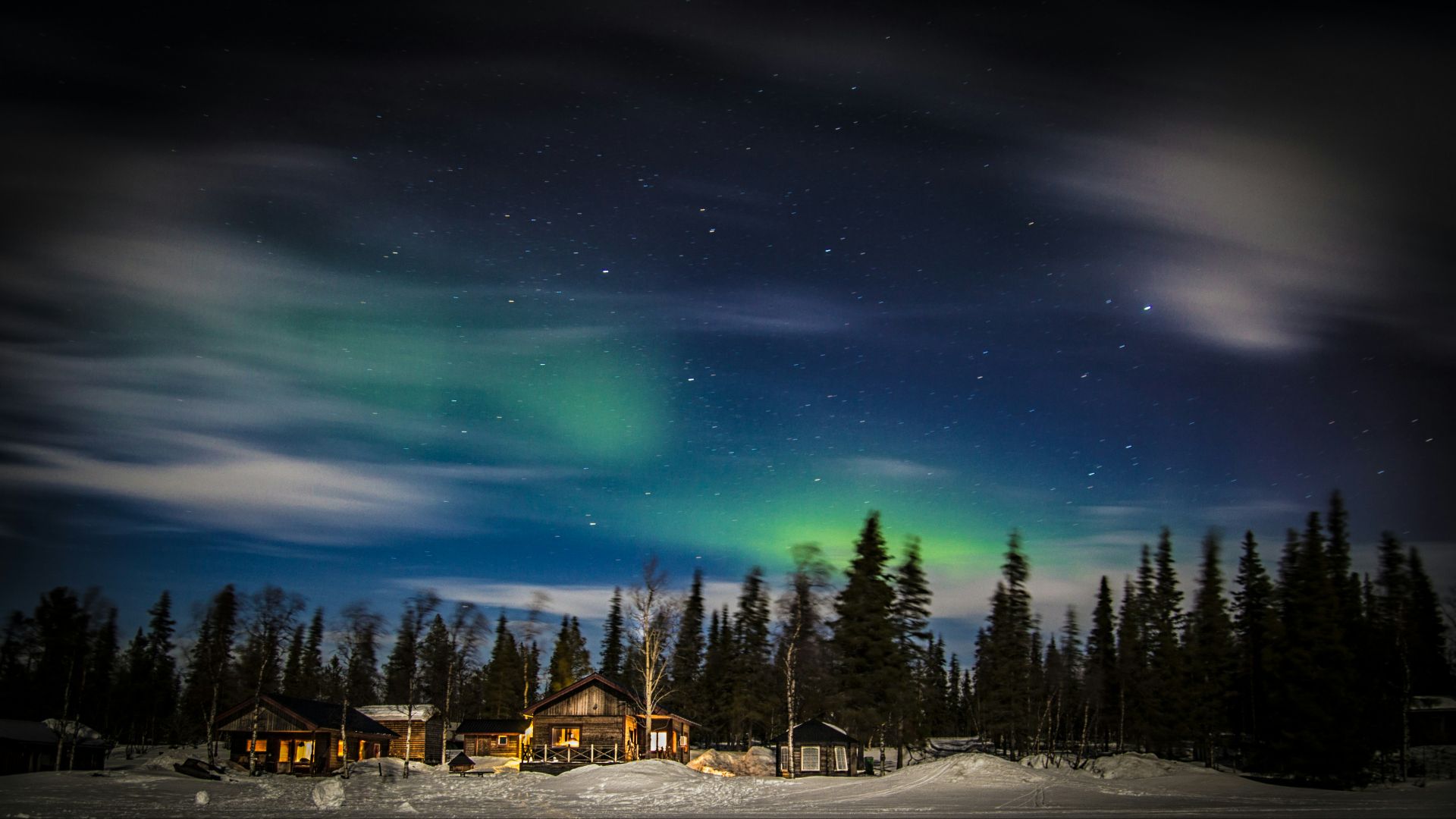
17. Kiruna, Sweden
Kiruna’s location above the Arctic Circle creates long winter nights that are ideal for extended stargazing. Low population density keeps light pollution to a minimum.
 Timo Horstschaefer on Unsplash
18. Exmoor National Park, England
Exmoor has earned Dark Sky Reserve status through consistent efforts to reduce artificial lighting. Its coastal position allows for clearer horizons in certain directions. The landscape remains relatively undeveloped, which helps maintain visibility.
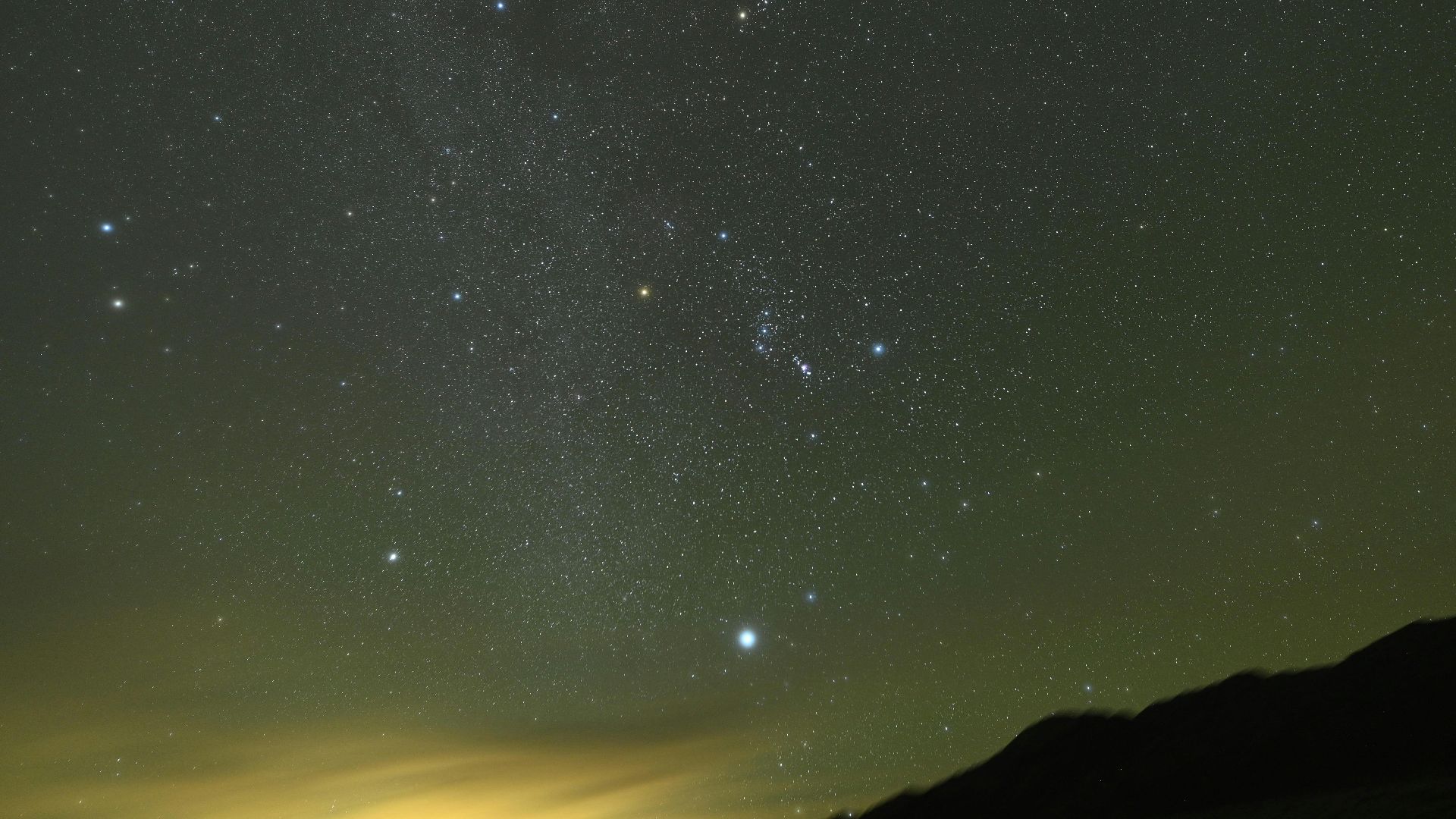 Krishna Mantripragada on Pexels
19. Patagonia, Argentina
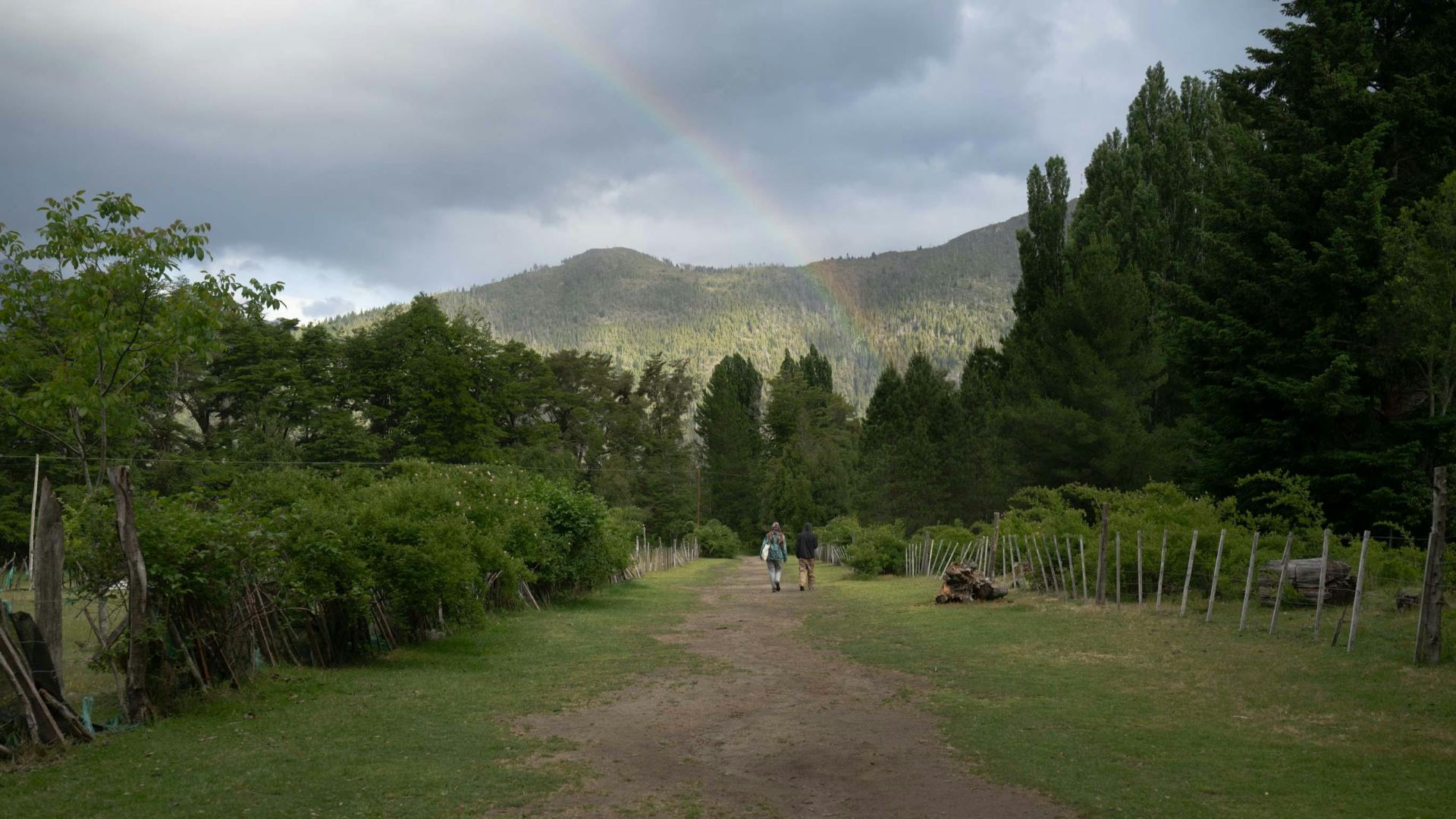
Patagonia’s remote and sparsely populated environment creates strong conditions for stargazing. The vast, open terrain allows for uninterrupted views in multiple directions.
20. La Palma, Canary Islands
La Palma stands out due to strict light pollution regulations that protect its night sky. The island’s elevation and stable climate allow for consistently high-quality viewing.