The Cities That Came Back, And The Ones That Didn’t
City fires used to do more than destroy blocks. They could rearrange power, erase whole street plans, wipe out ports and markets, and force a place to decide very quickly whether it still had the money, population, and political will to come back at all. That is why urban fire history is so much more interesting than the usual ashes-to-ashes summary version. Some cities burned and came back sharper, bigger, or more modern than before, while others were buried, abandoned, or rebuilt so incompletely that the original city was effectively gone for good. Here are 10 cities that burned and were rebuilt, followed by 10 that never really recovered.
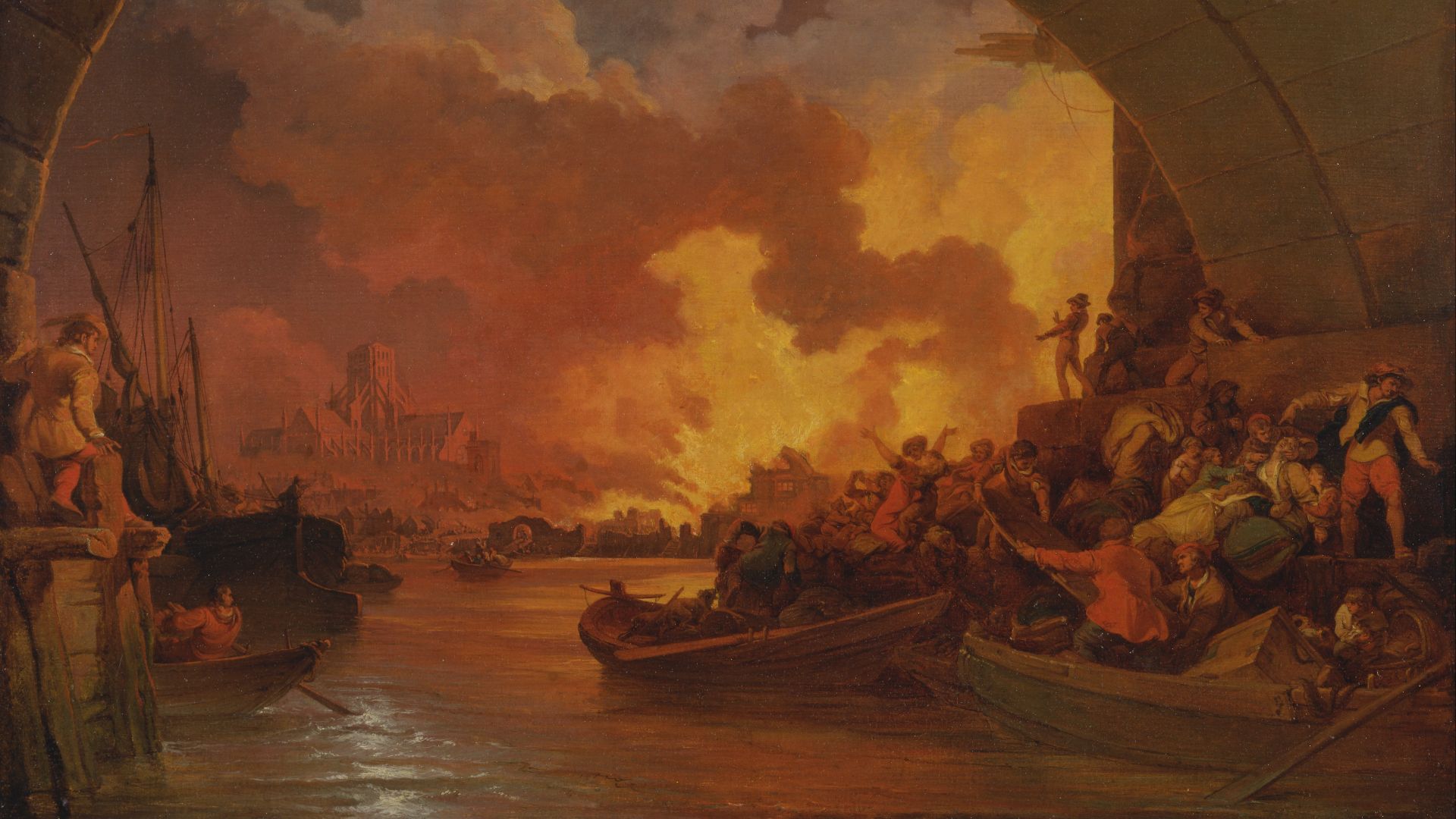 Philip James de Loutherbourg on Wikimedia
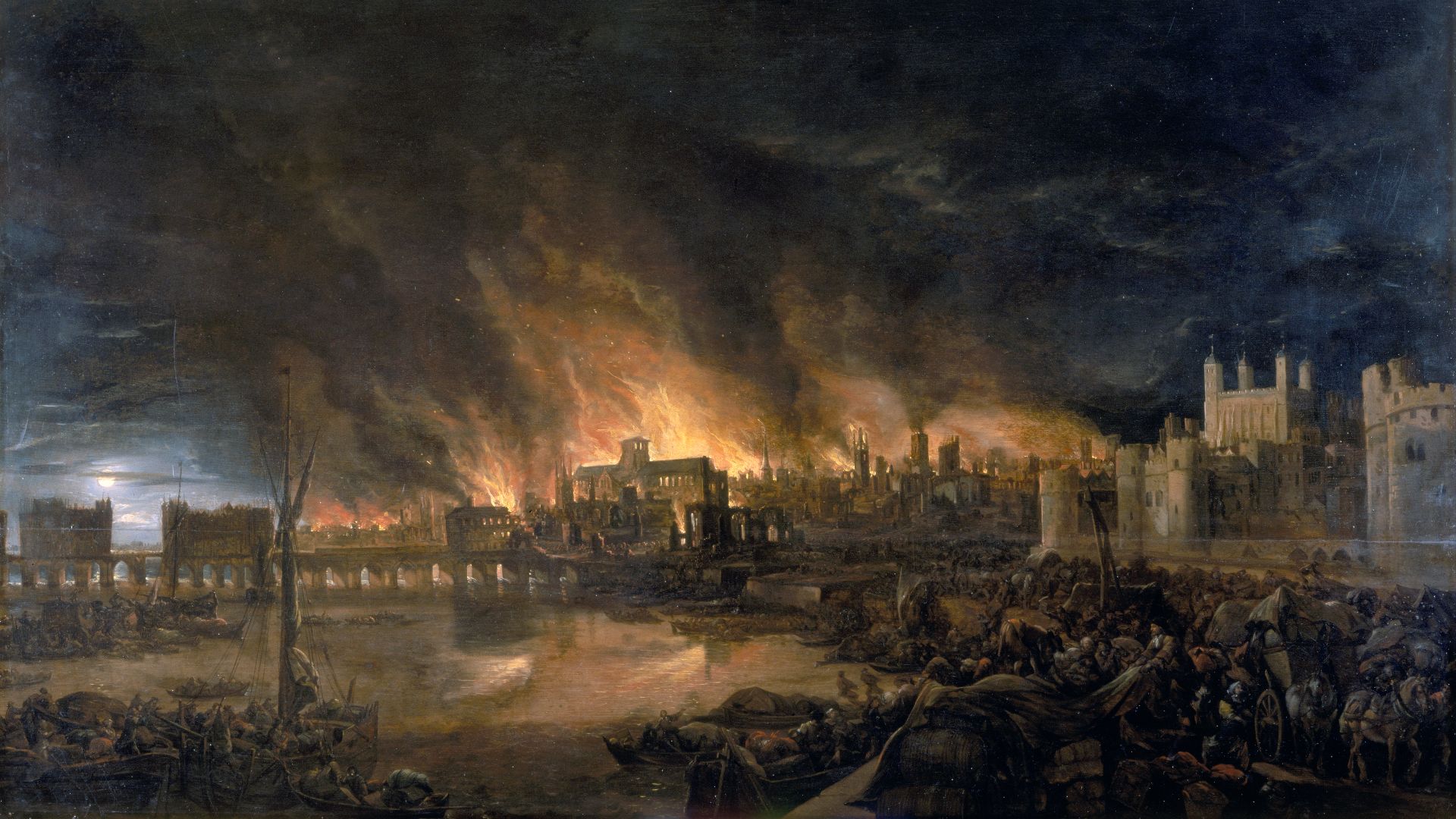
1. London
The Great Fire of London in 1666 destroyed much of the old City, including St. Paul’s Cathedral, thousands of houses, and most of the civic core. What matters is that London did not stay broken for long; rebuilding rules pushed it toward brick and stone, and the city’s role as England’s commercial center never really wavered.
 Unknown artistUnknown artist on Wikimedia
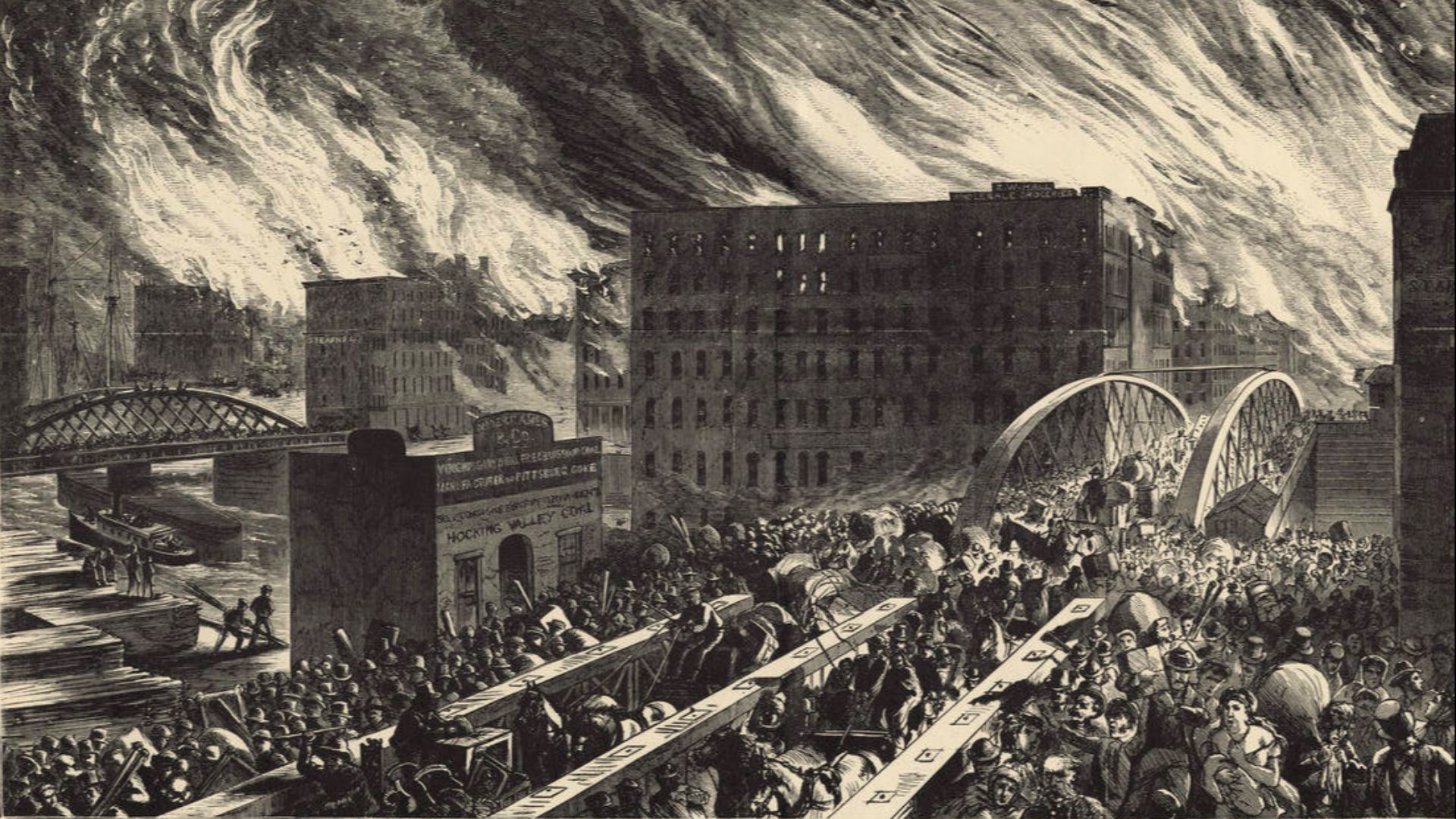
2. Chicago
The Great Chicago Fire of 1871 tore through a huge part of the city and left roughly 100,000 people homeless. Chicago rebuilt so fast that within four years the physical traces had largely disappeared, and the rebuild helped set up the fire-resistant, steel-framed future that became part of the city’s whole identity.
 John R. Chapin, died 1907 on Wikimedia
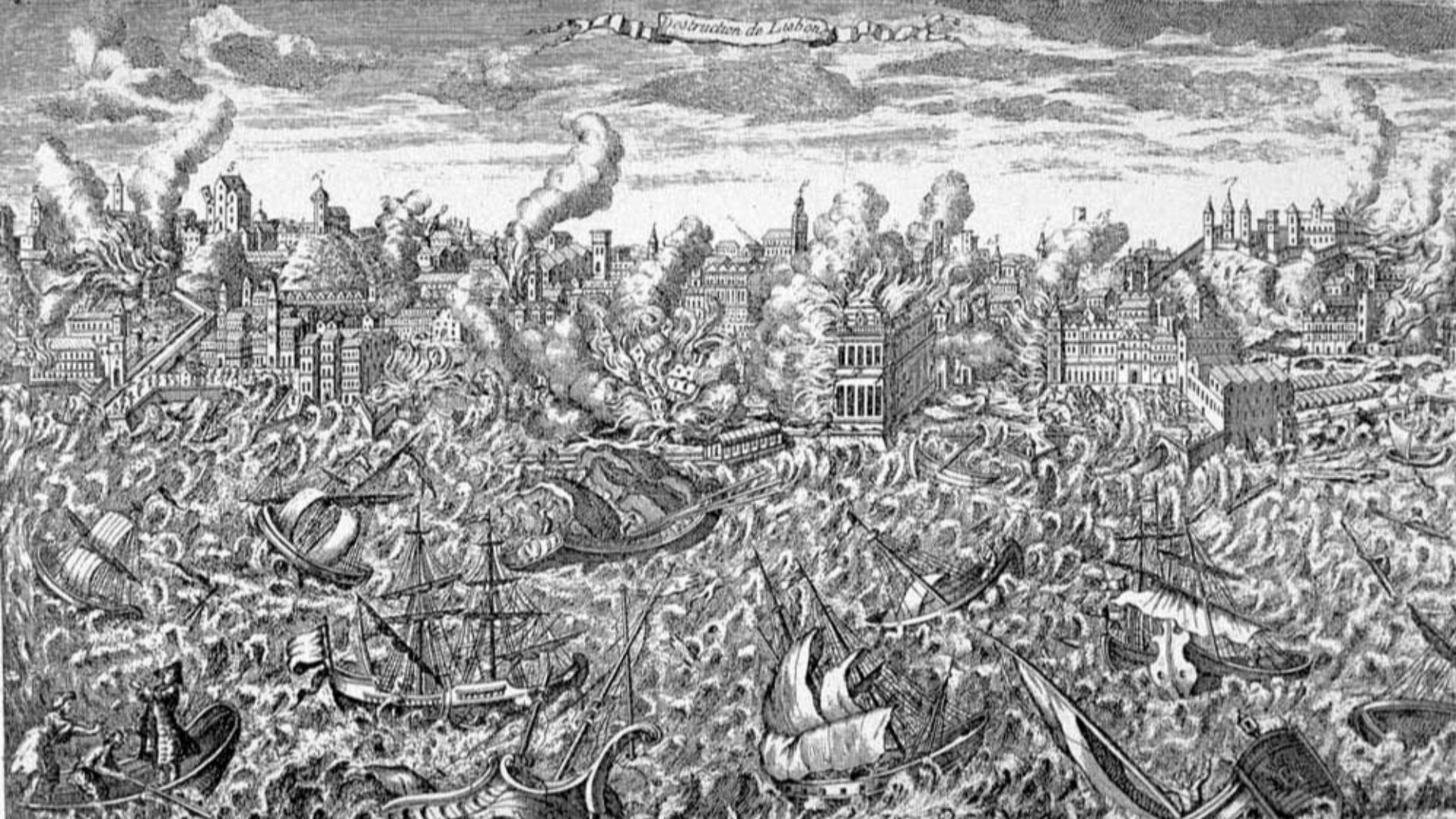
3. Lisbon
The 1755 Lisbon disaster was not just an earthquake story, because the shaking was followed by tsunami damage and major fires that finished off huge parts of the city. Lisbon still came back as a capital in a more ordered form, with the rebuilt Baixa district becoming one of the clearest examples of a city using catastrophe to redesign itself.
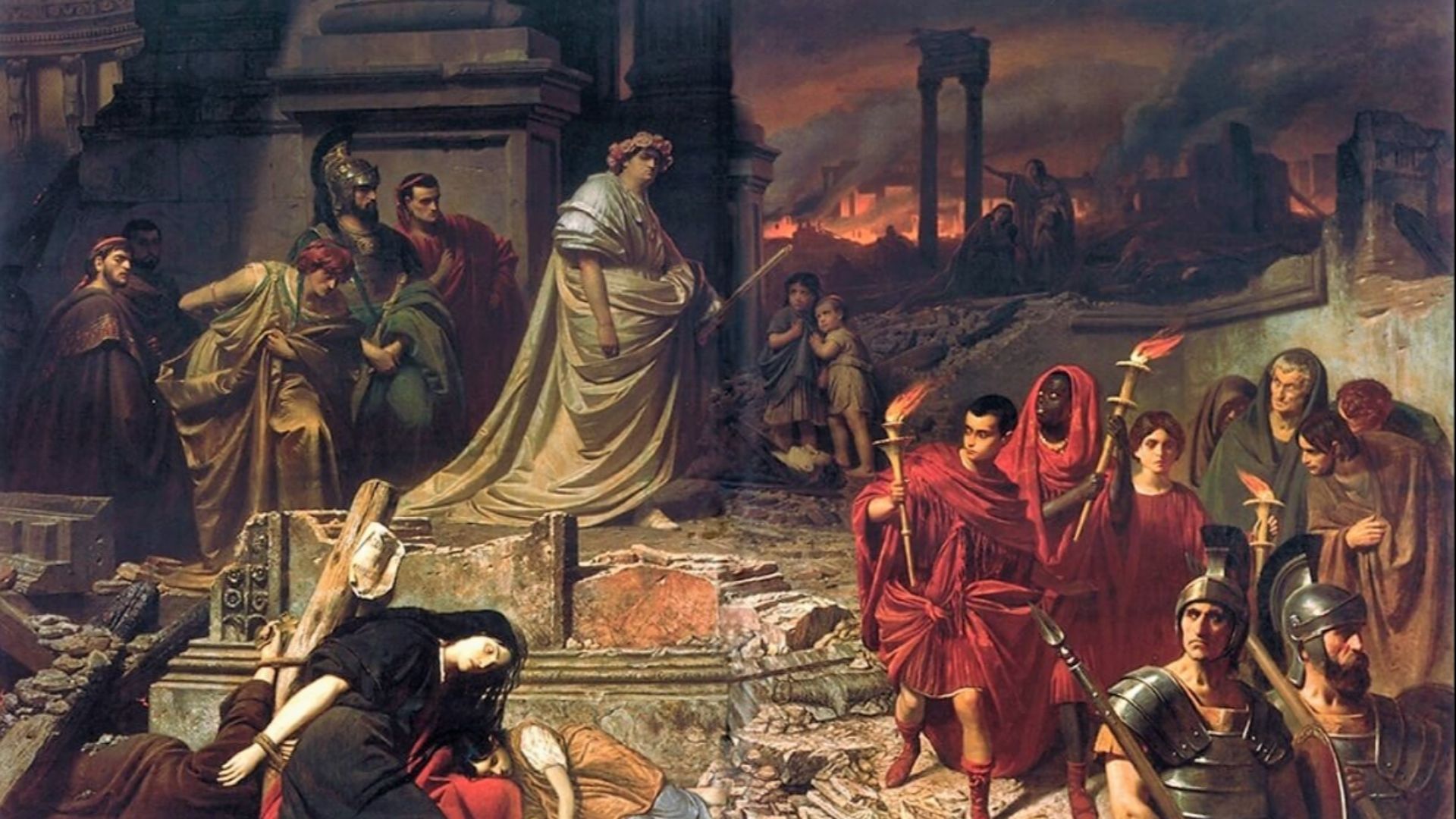
4. Rome
The Great Fire of Rome in 64 CE devastated large sections of the imperial capital and became one of the most famous fires in history. Rome recovered because it was still Rome, and the rebuilding that followed brought in wider streets, new colonnades, and more fire-conscious construction even if Nero also used the moment for his own spectacular real-estate ambitions.
 Carl Theodor von Piloty (1826-1886) on Wikimedia
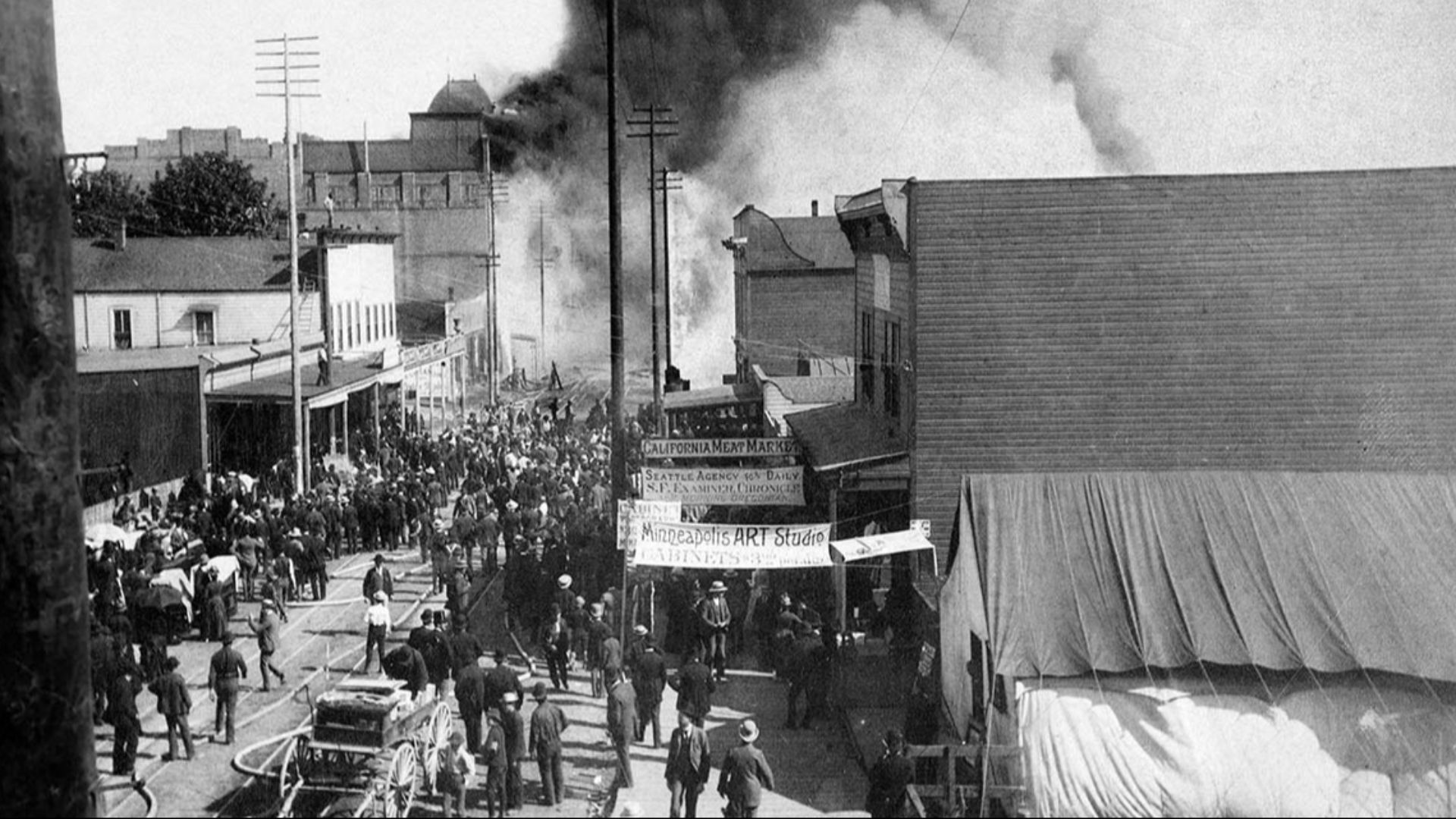
5. Seattle
Seattle’s 1889 fire destroyed the central business district, but it also ended up remaking the city physically and politically. The rebuild in brick and stone, along with the decision to raise street levels in parts of downtown, turned the fire into one of those disasters that still shows up in the city’s bones.
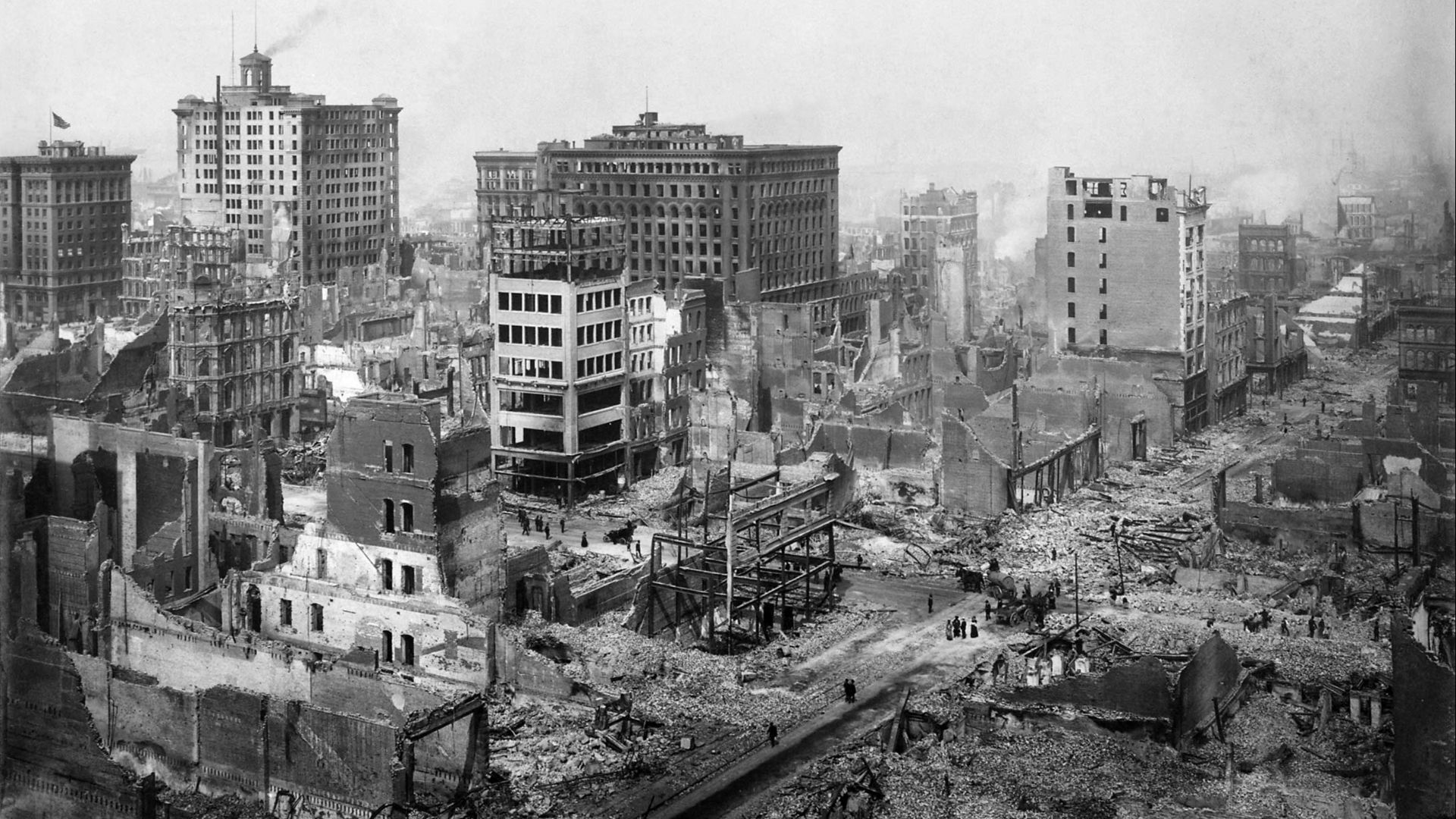
6. San Francisco
The 1906 earthquake gets top billing, but the fires that followed did an enormous amount of the actual destruction. San Francisco rebuilt quickly enough that the city’s phoenix symbolism barely feels like metaphor anymore, because the place really did make recovery part of its brand.
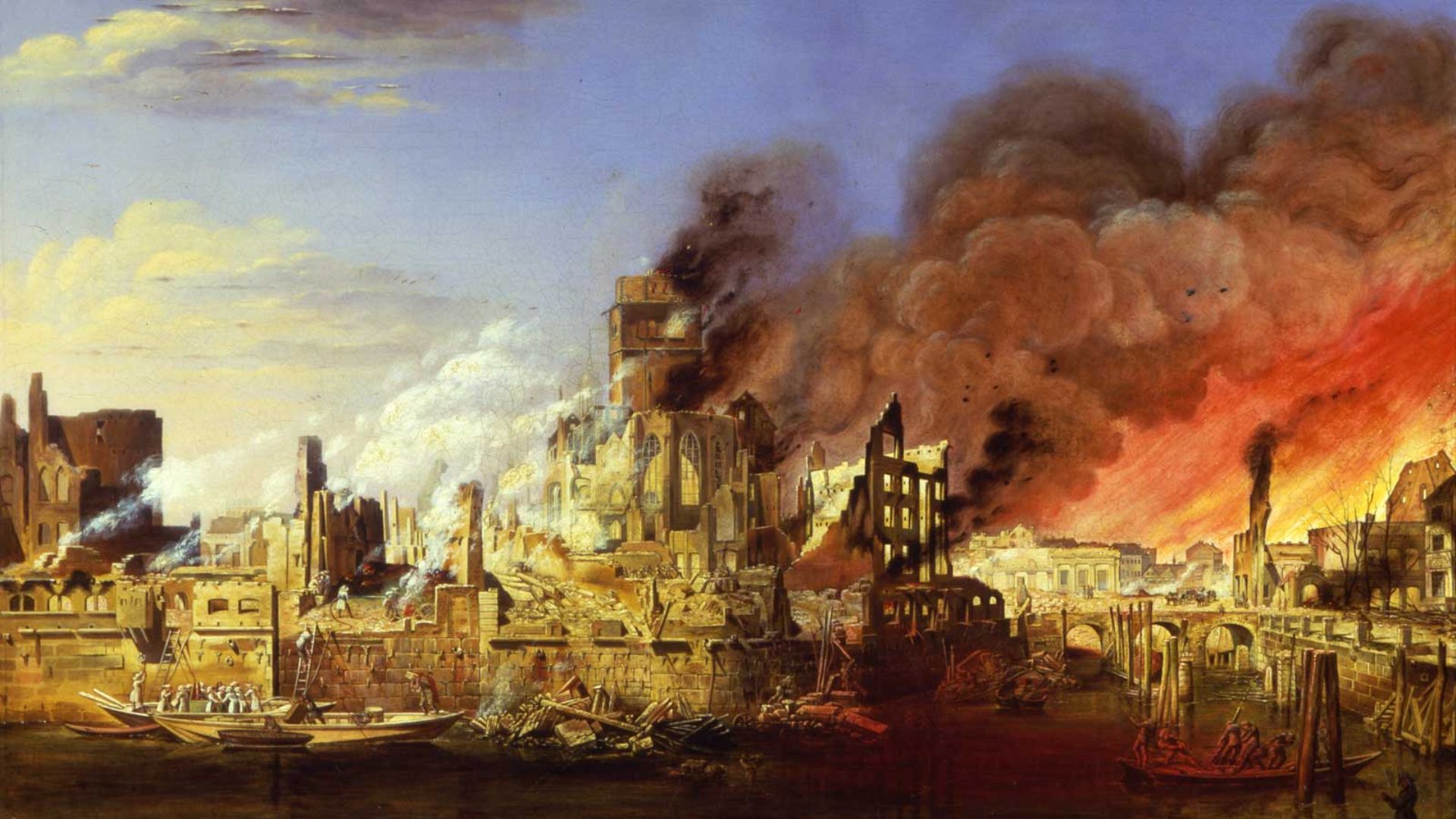
7. Hamburg
The Great Fire of Hamburg in 1842 destroyed a huge share of the old center and forced a major civic rethink. Hamburg recovered not just by rebuilding what burned, but by using the disaster to modernize streets, infrastructure, and urban planning in a more systematic way.
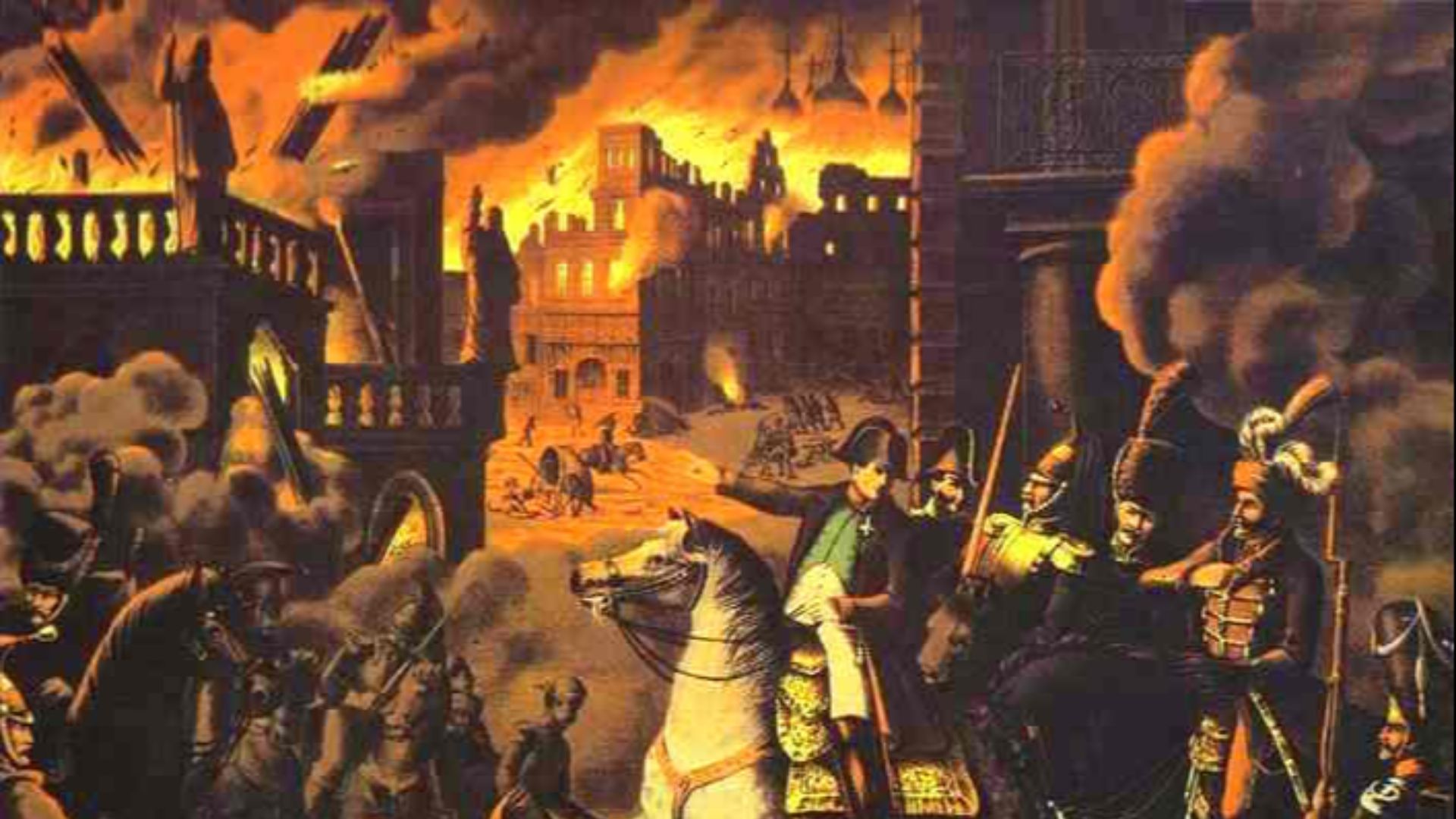
8. Moscow
The 1812 fire of Moscow all but destroyed the city Napoleon had just entered, and the scale of the damage was staggering even by the standards of the time. But Moscow still recovered over the following decades, which is exactly why the fire survives more as a chapter in the city’s mythology than as the thing that permanently broke it.
9. Halifax
The Halifax Explosion in 1917 was not a conventional city fire, but the blast and fires devastated whole districts, especially Richmond in the North End. Halifax rebuilt quickly enough that rail, port, and naval activity resumed in short order, and the reconstruction became one of the clearest Canadian examples of a damaged city refusing to stay down.
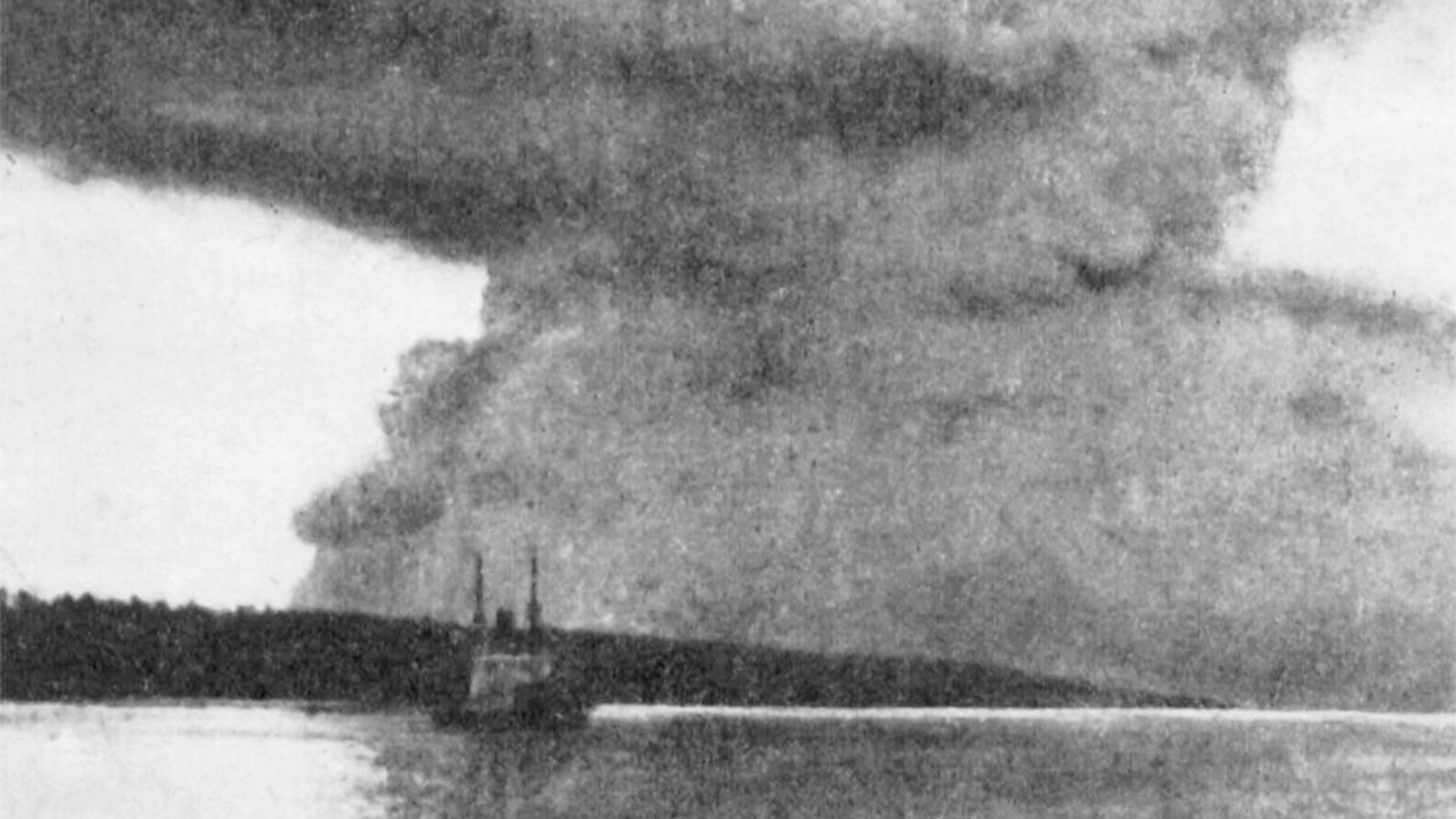 Unknown authorUnknown author on Wikimedia
10. Tokyo
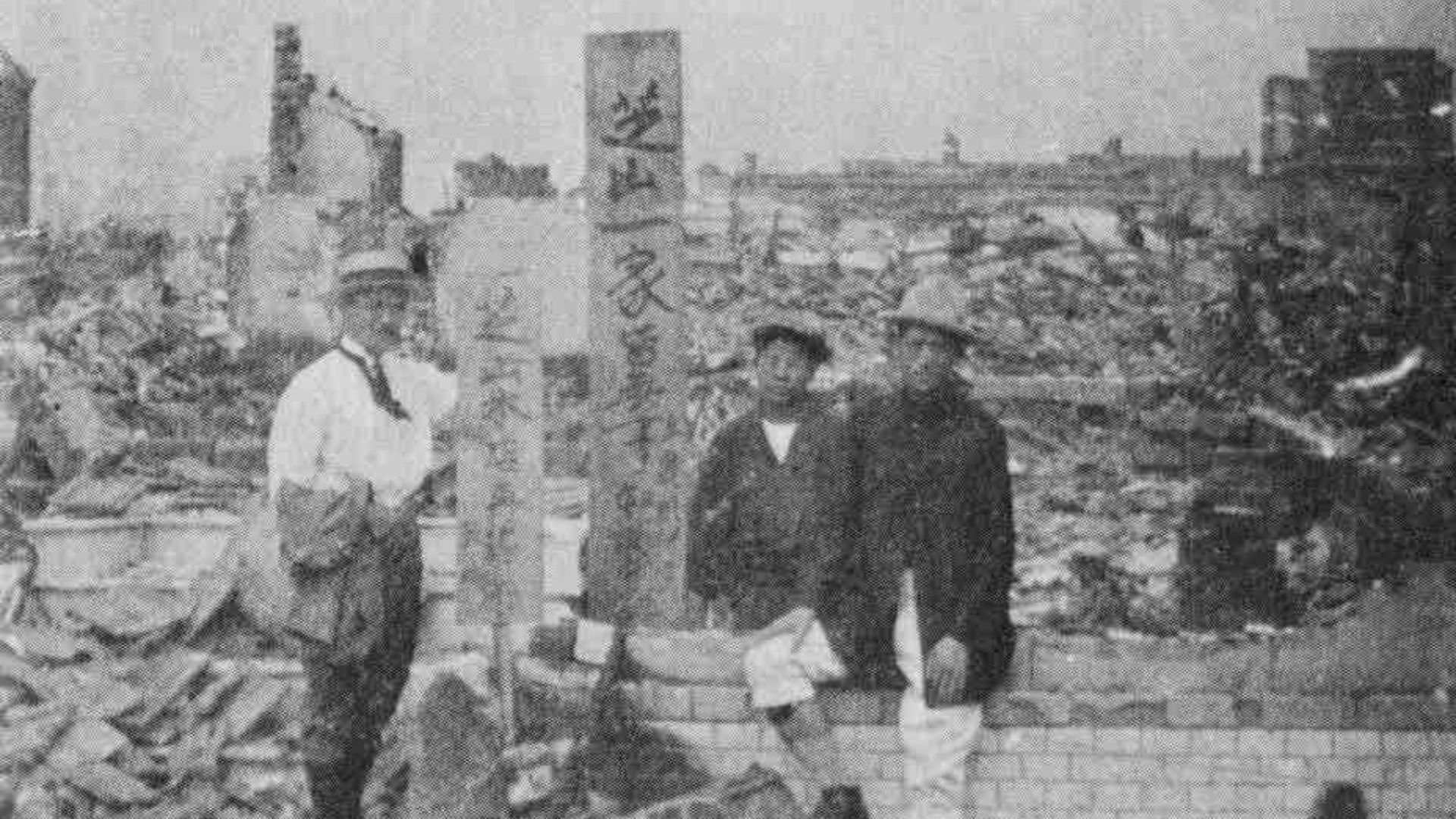
The 1923 Tokyo-Yokohama earthquake killed on a terrible scale, but the fires afterward were what finished off hundreds of thousands of homes. Tokyo recovered because it was too central to Japan not to, and the rebuilding that followed became part of the city’s long pattern of destruction followed by reinvention.
Then the pattern changes. Here are ten cities that never recovered from their conflagration.
 Unknown authorUnknown author on Wikimedia
1. Pompeii
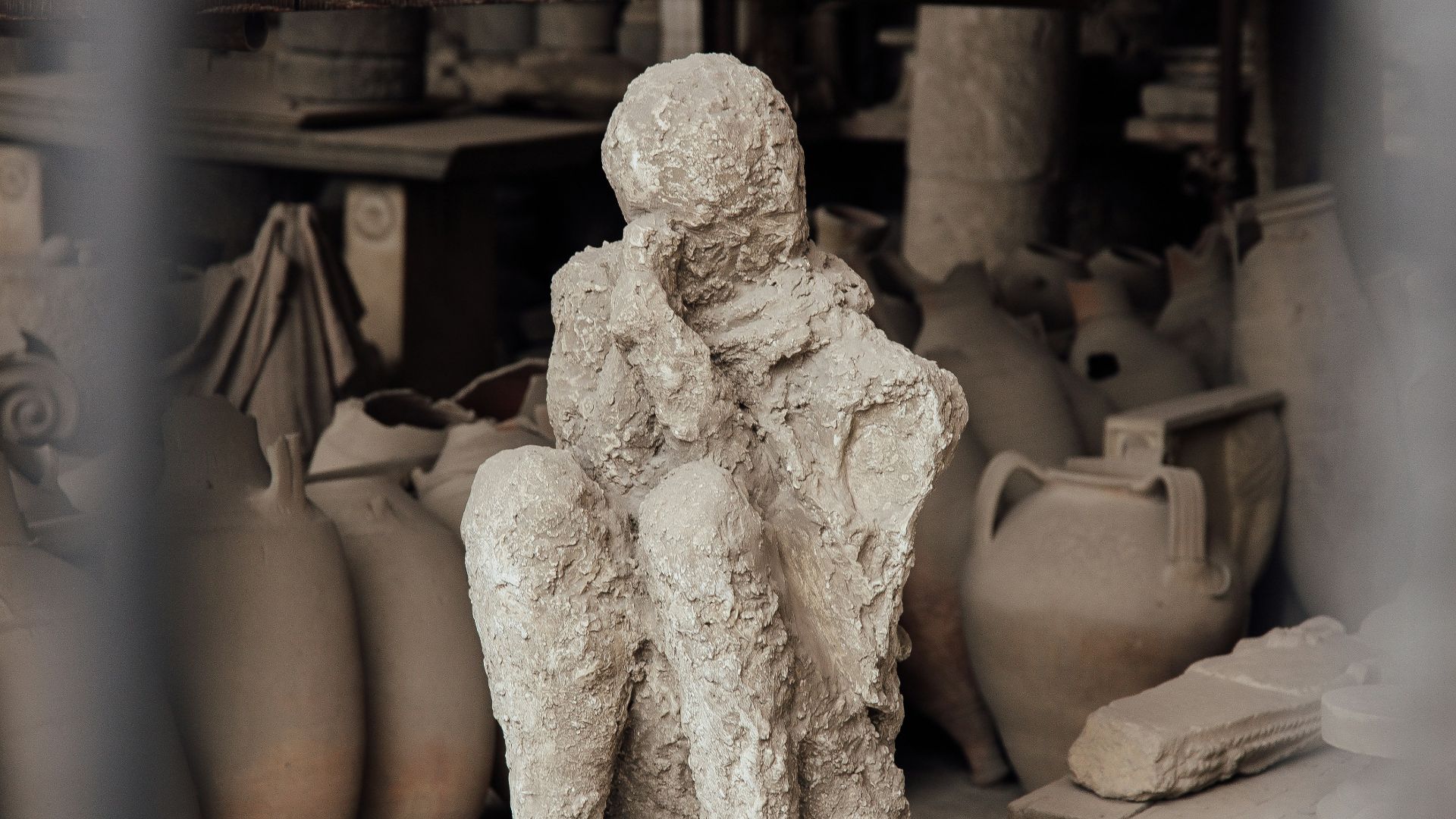
Pompeii did not burn in the ordinary urban-fire sense, but it was overwhelmed by the lethal heat, ash, and pyroclastic violence of Vesuvius in 79 CE and never returned as a living city. What survived was not recovery but preservation, which is why Pompeii feels less like a rebuilt place than a city stopped mid-sentence.
2. Herculaneum
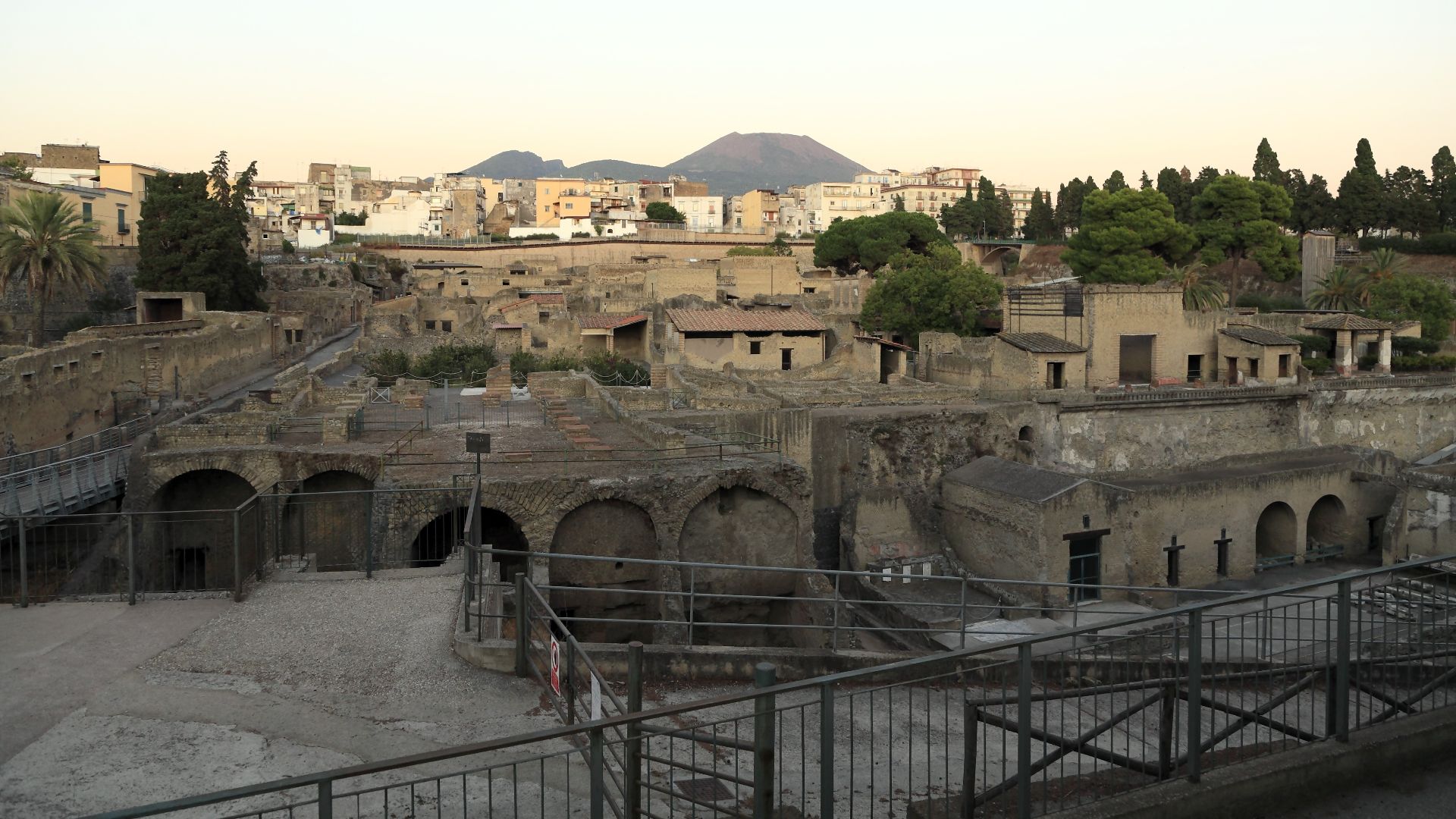
Herculaneum met the same eruption and the same end, buried under volcanic material in 79 CE. A modern town grew over part of the site, but the ancient city itself never came back, which makes it one of the clearest examples of urban destruction without urban recovery.
3. Saint-Pierre
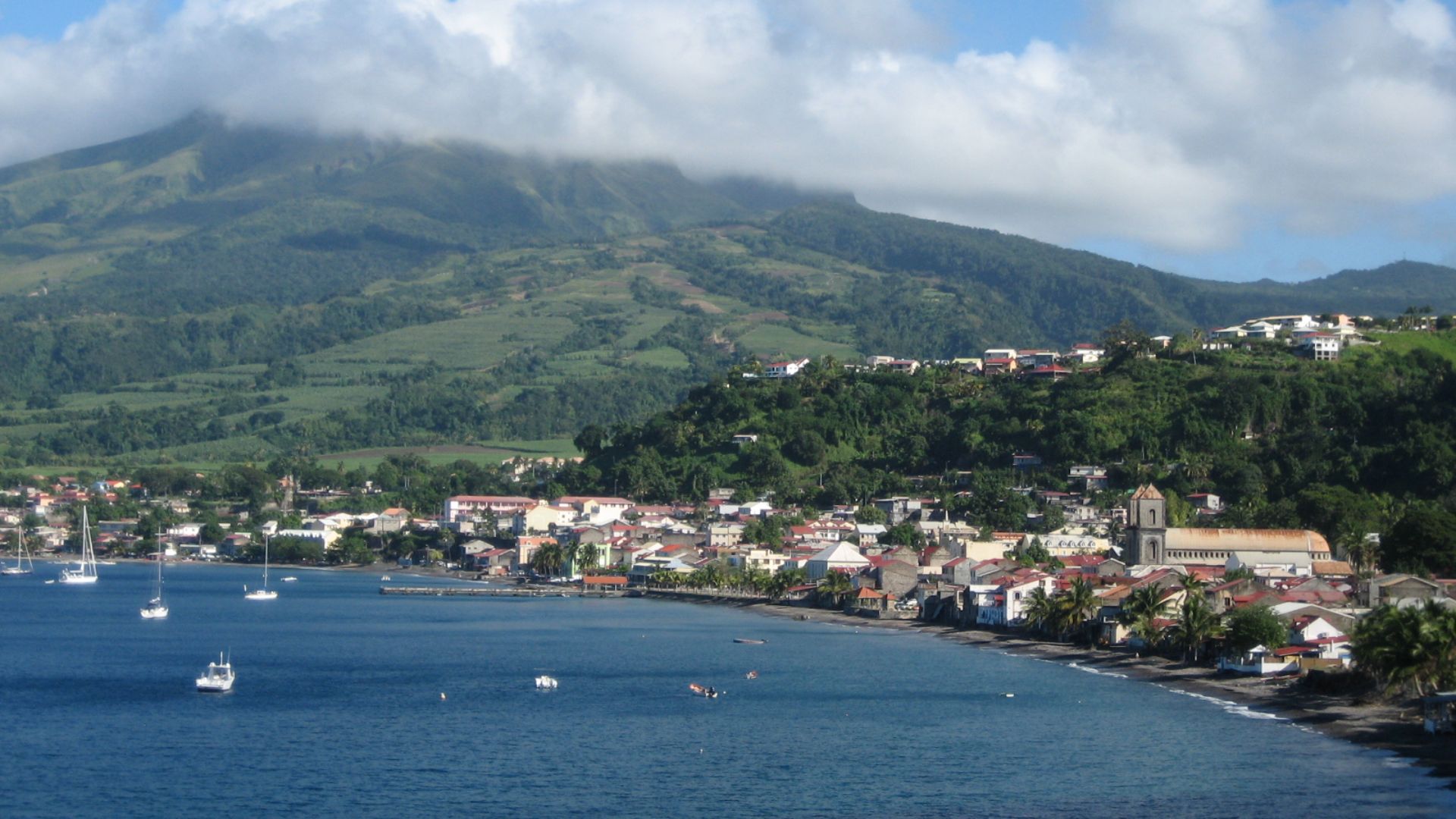
When Mount Pelée destroyed Saint-Pierre in 1902, the city lost roughly 30,000 people and its place as Martinique’s cultural and economic center. A town still exists there now, but the old Saint-Pierre, the one known as the “Paris of the Caribbean,” never got its status back.
4. Plymouth
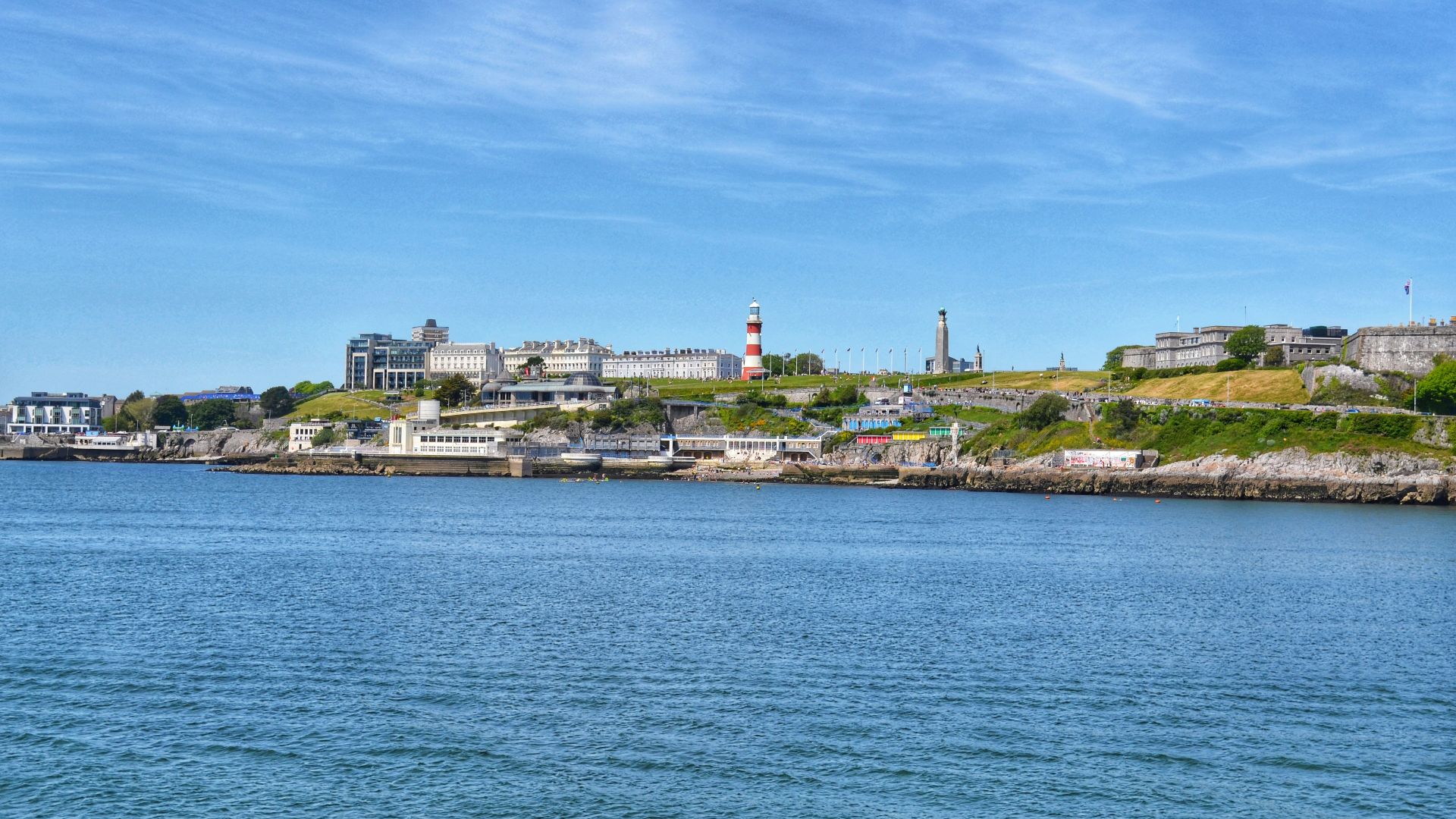
Plymouth, Montserrat, was buried and burned by pyroclastic flows and ash during the Soufrière Hills eruptions of the 1990s. It remains the de jure capital, which is one of those grim technical details history occasionally produces, but in real terms it is still a ghost city.
5. Centralia
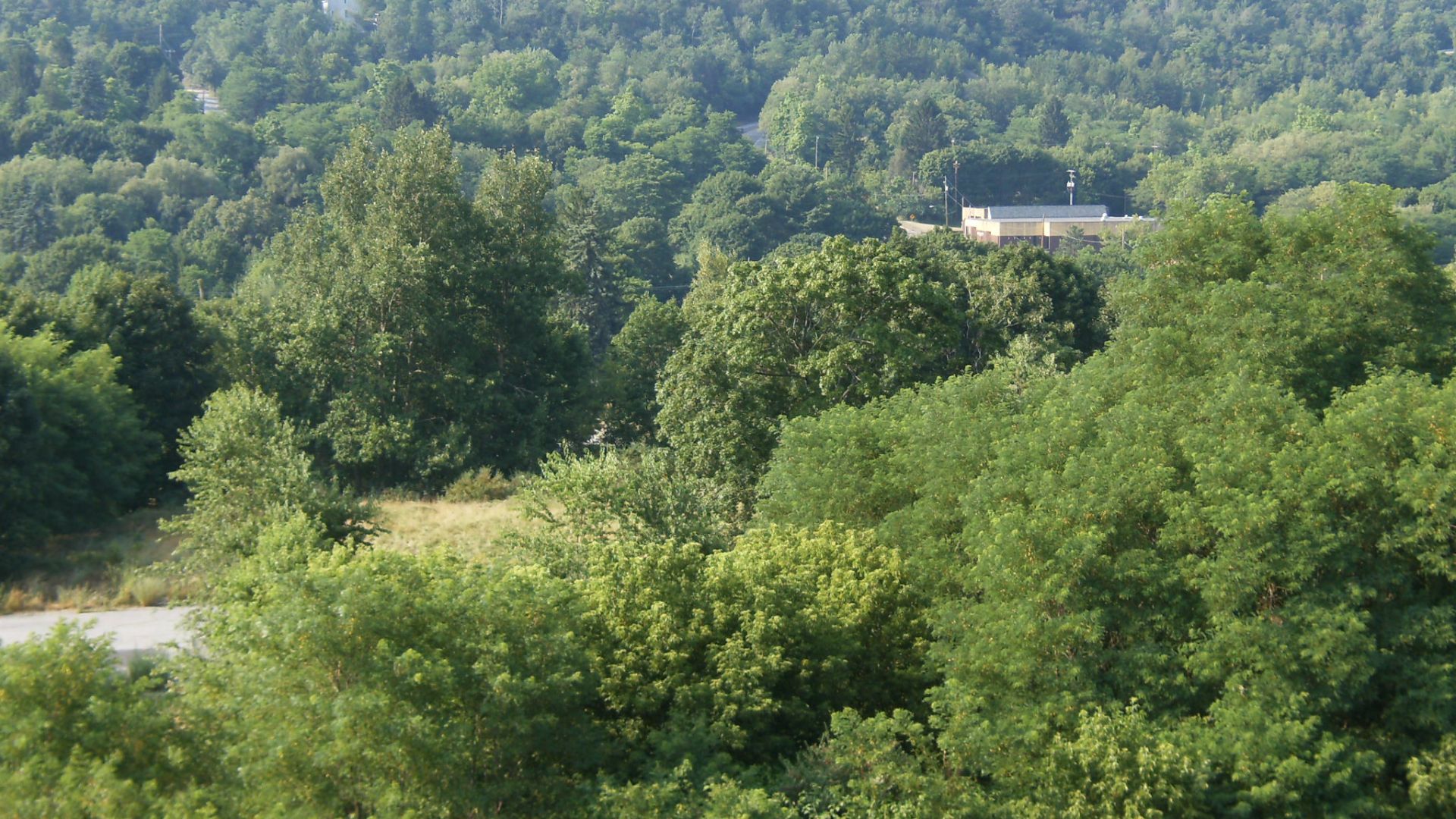
Centralia’s fire came from below, not above, and that somehow makes it worse. The underground mine fire that began in 1962 turned the town into a near-total abandonment case, and there was no real urban comeback after that, just relocation, demolition, and a warning not to get too close.
6. Smyrna
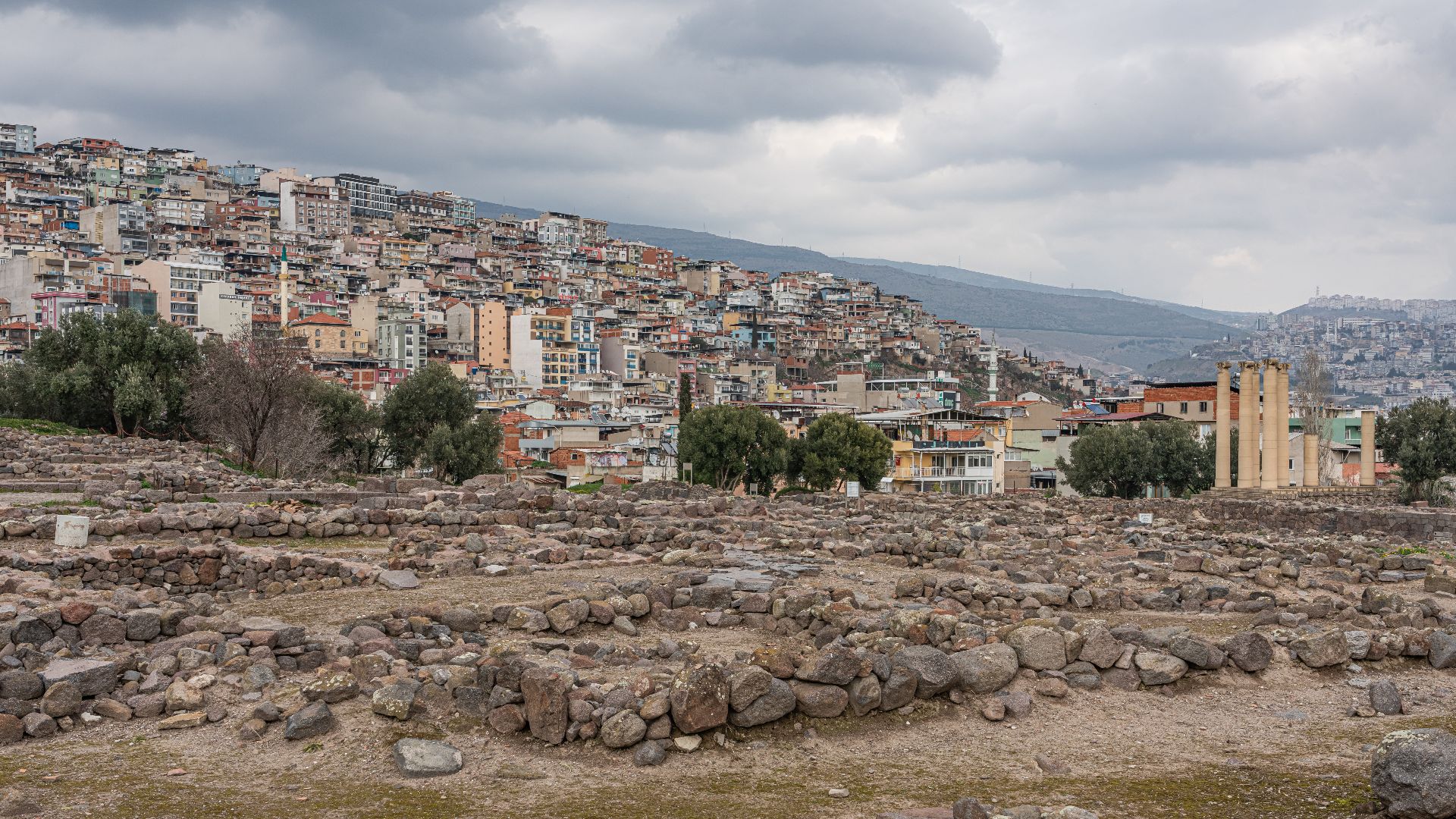
The burning of Smyrna in 1922 destroyed much of the city and helped end the old multiethnic port world that had defined it for generations. İzmir was rebuilt, obviously, but old Smyrna never truly recovered as the cosmopolitan city it had been before the fire and expulsions.
7. Akrotiri
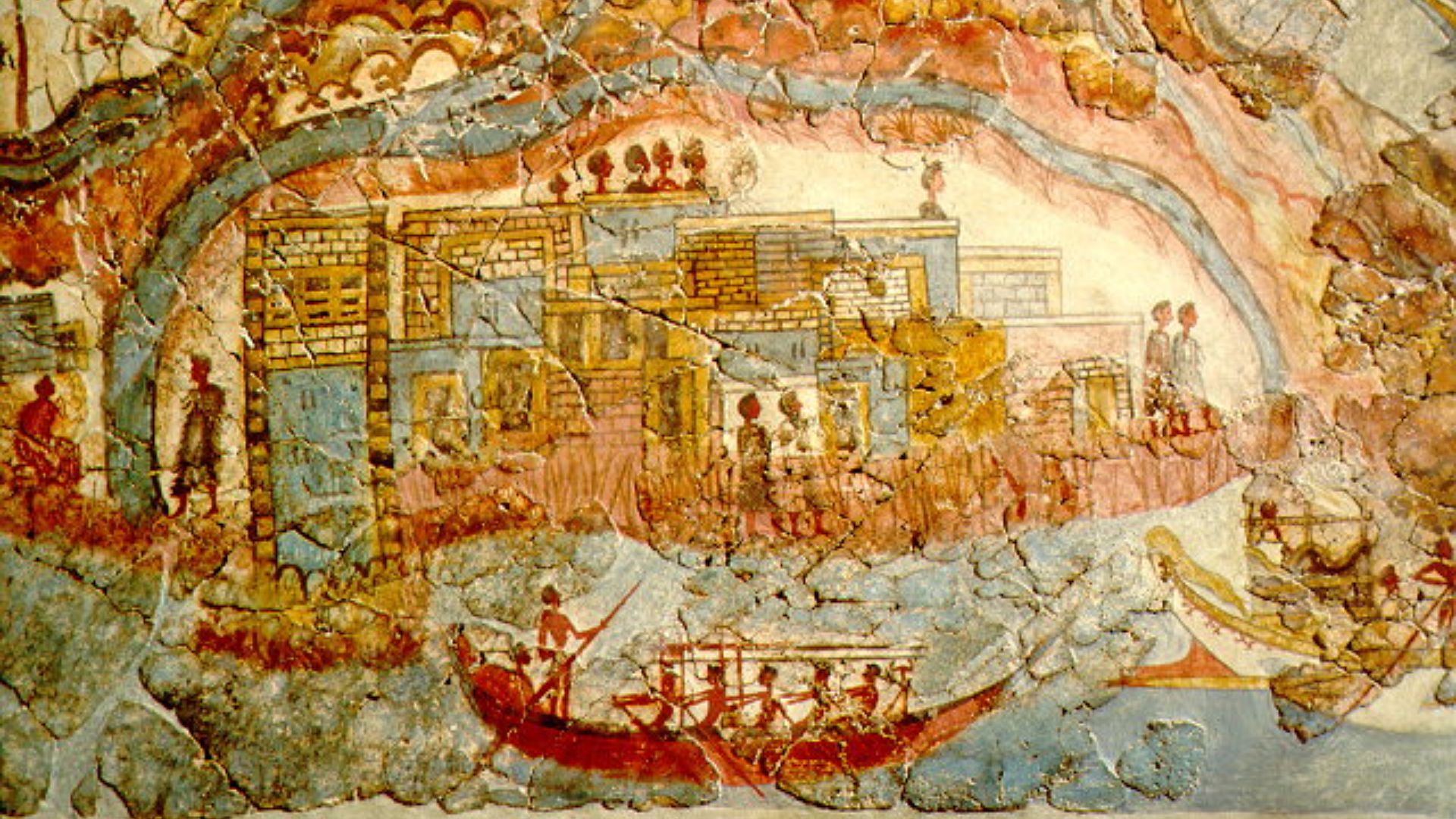
Akrotiri on Thera was devastated by the Minoan eruption and buried under pumice and ash so thoroughly that what remains is archaeological rather than urban. It is one of the oldest examples of a city-level settlement being destroyed so completely by fiery volcanic force that recovery stopped being an option.
 unknown minoan artist on Wikimedia
8. Stabiae
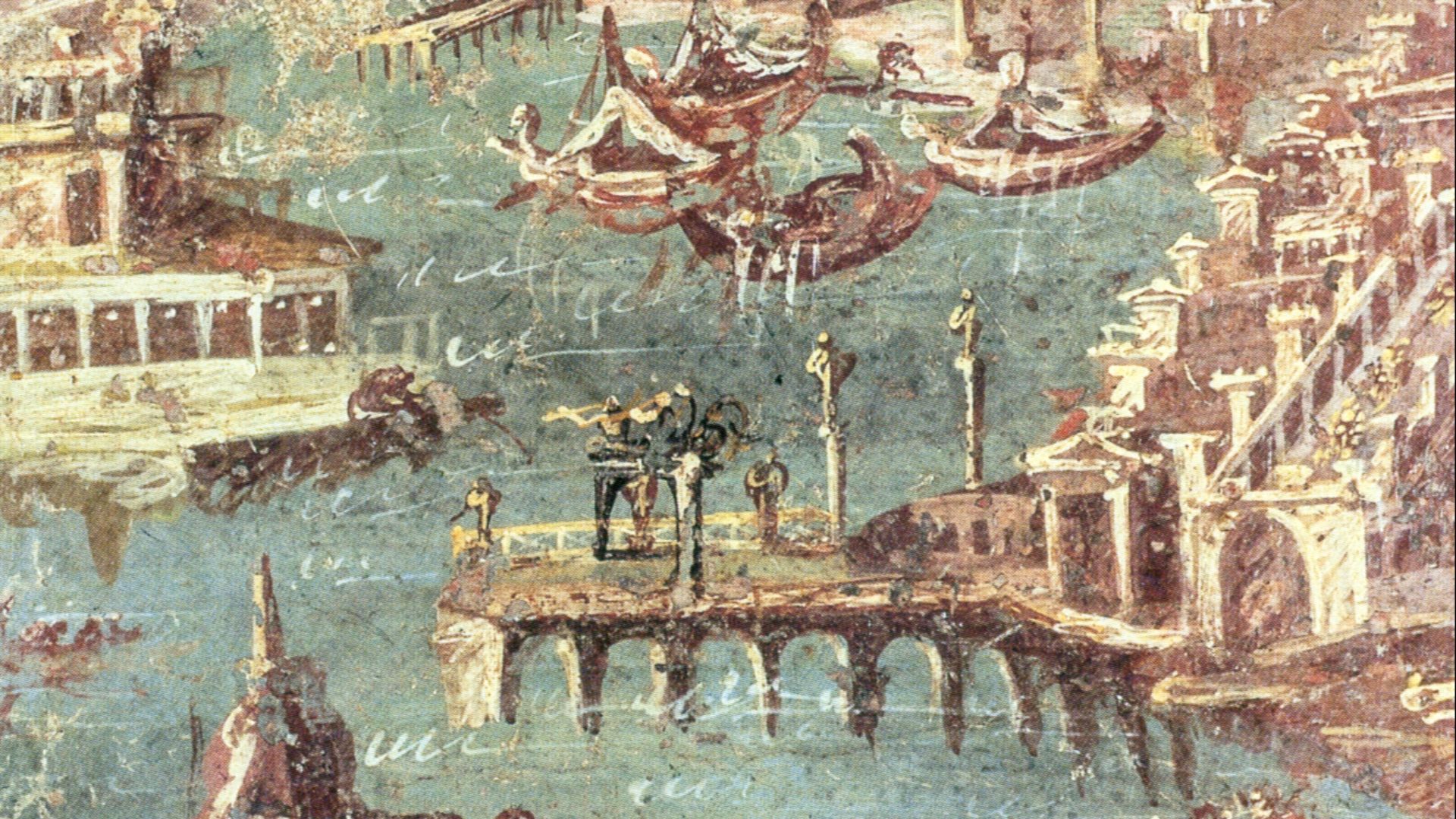
Stabiae was another Roman town destroyed in the 79 CE Vesuvius eruption, and like Pompeii and Herculaneum, it never returned in its original form. There is a modern city on the site now, but ancient Stabiae itself stayed buried instead of rebuilding its own continuity.
 Unknown authorUnknown author on Wikimedia
9. Oplontis
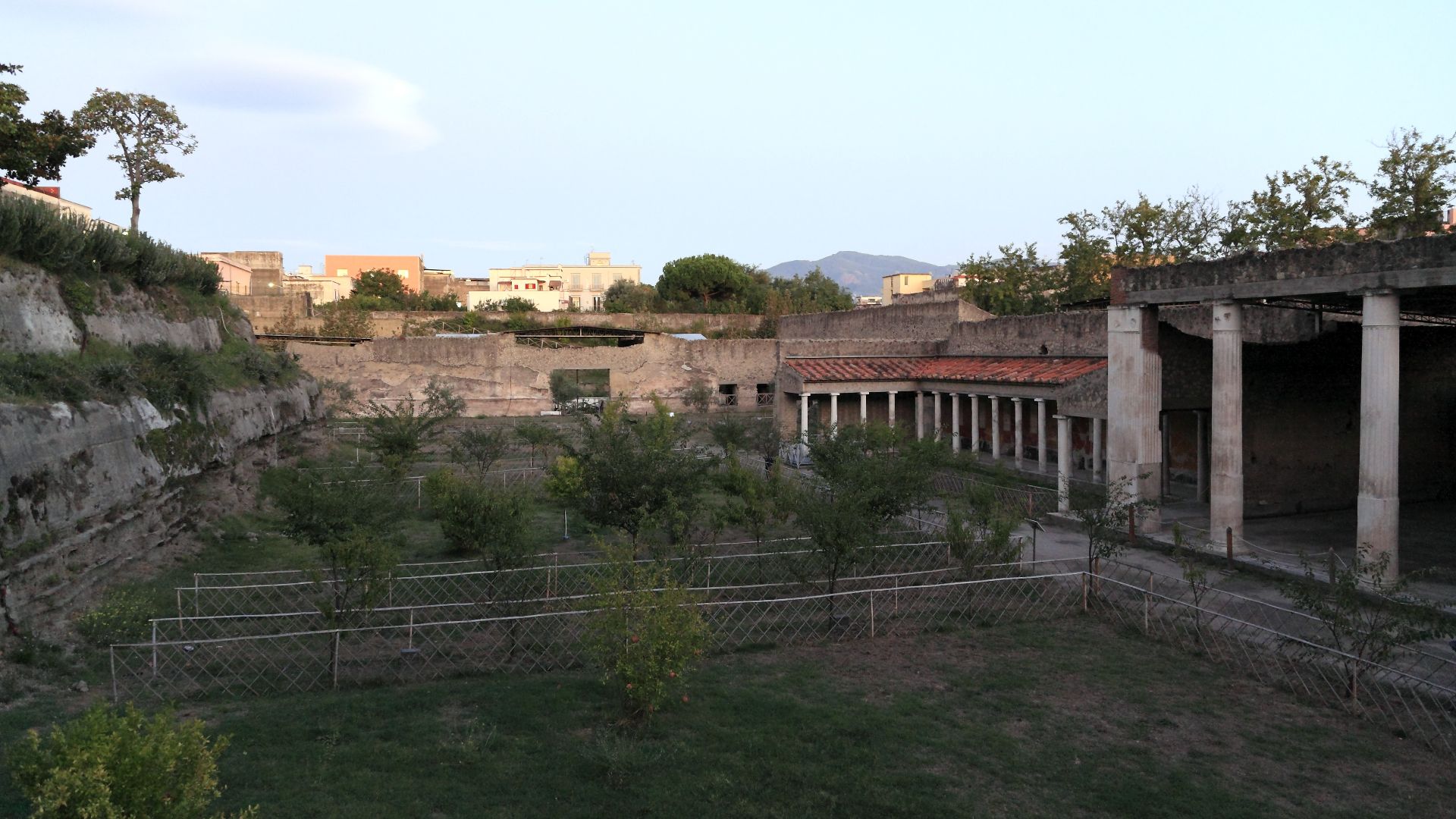
Oplontis was also taken out by Vesuvius in 79 CE, part of the same chain of annihilated settlements around the Bay of Naples. It survives now as excavated ruins and villas, not as a city that managed to pick itself up and continue.
10. Byrnesville
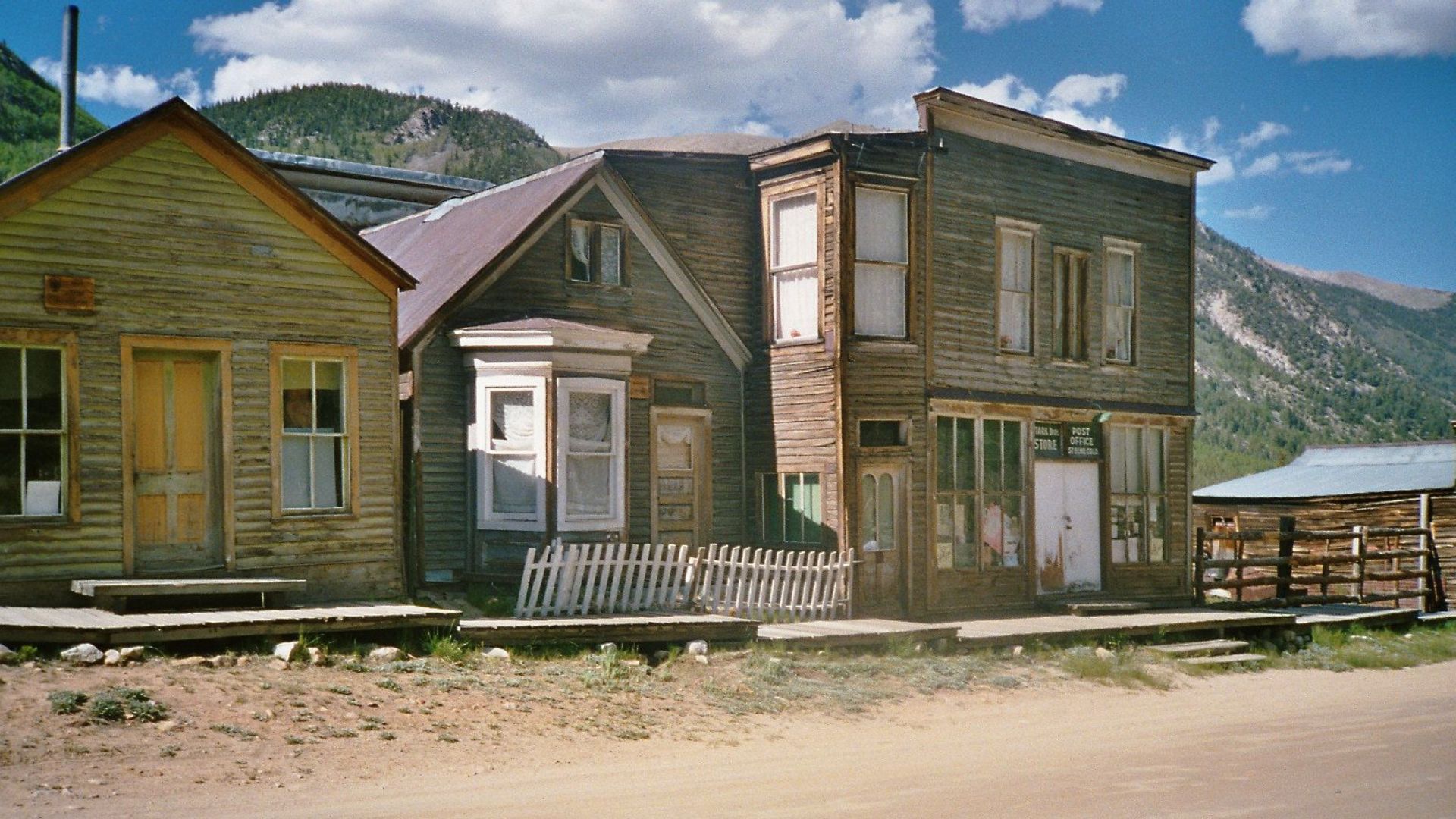
Byrnesville was smaller than the other names on this list, but it makes the point brutally well. The spreading mine fire tied to Centralia eventually forced families out, and by the 1990s the town was effectively gone, which is about as far from recovery as a place can get.
 commons.wikimedia.org on Google