The Outdoors Would Humble You Fast
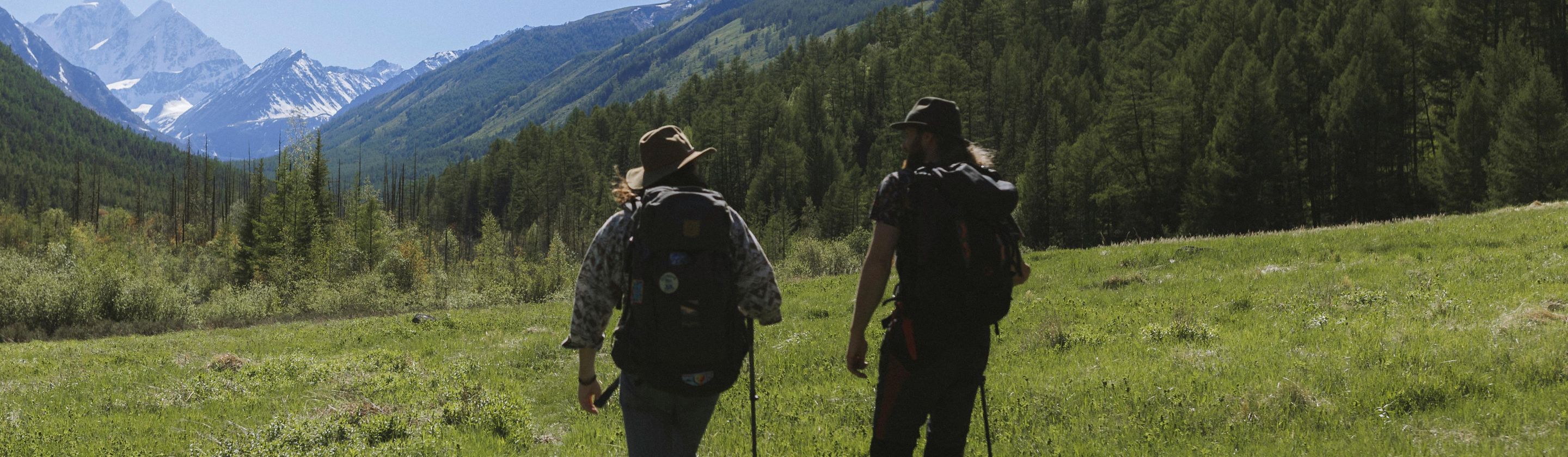
A lot of people like to think they'd thrive in the wild if push came to shove—and a lot of people would be wrong! The truth is much less flattering; modern routines make most of us softer, less observant, and far more dependent on comfort than we'd ever admit. If your daily life revolves around convenience, the wilderness probably wouldn't just challenge you, it'd expose you. Luckily, we’re here to break down a few signs that you’re ill-equipped for the outdoors, and a few ways to change it.
1. You Work a Stationary Job
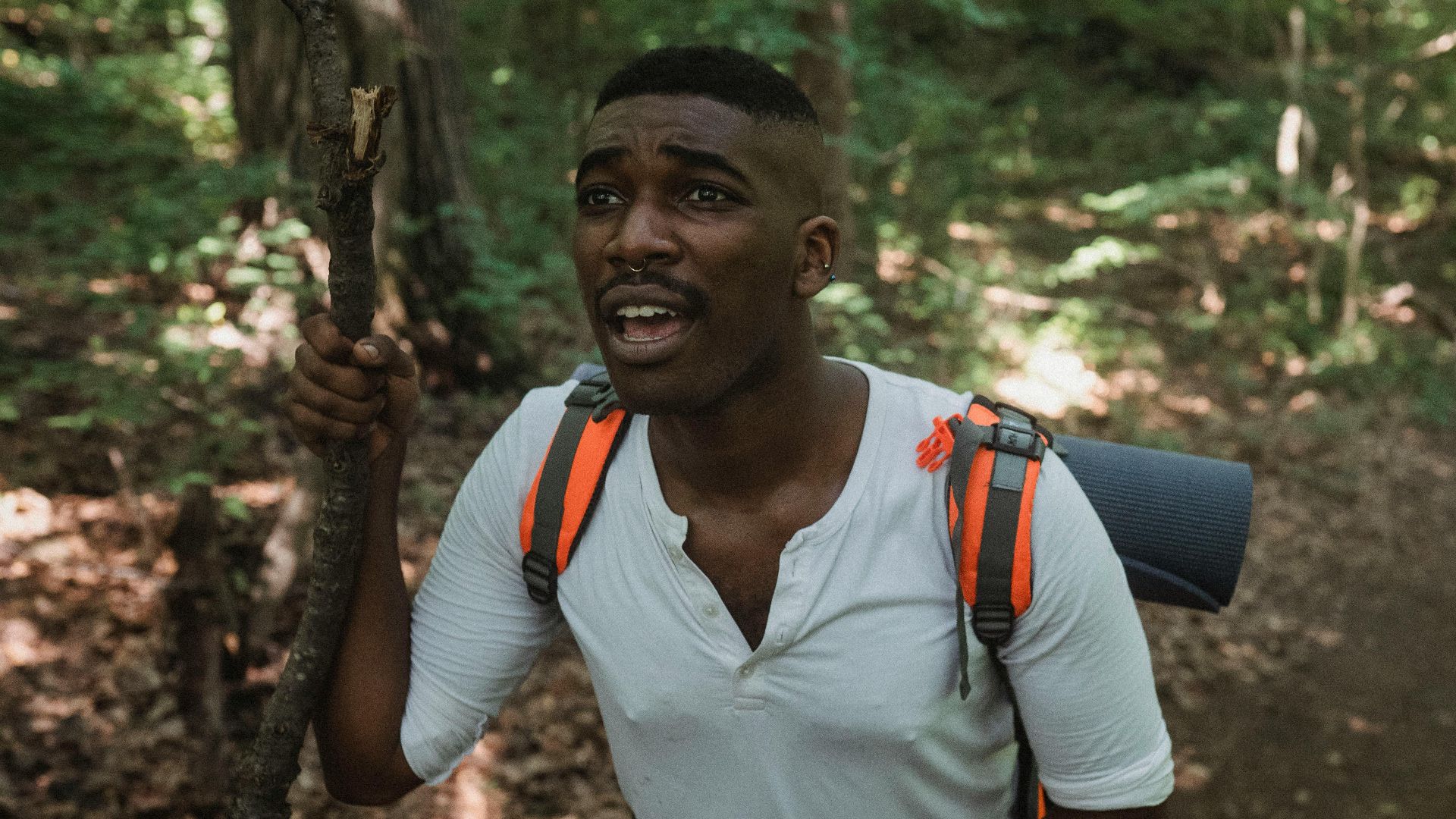
If your normal routine involves sitting at a desk for hours, your body probably isn't prepared for nonstop movement. Don’t forget that the wilderness demands endurance and stamina, two things that office life usually doesn't build.

2. You've Never Camped
It's hard to imagine handling the wilderness when you've never even slept outdoors. The first cold night, strange sound, or uncomfortable surface would likely knock your confidence down in a hurry, and who could blame you? But experience matters, and a lack of it usually shows right away.
3. You Panic When Your Phone Battery Gets Low
If a dying phone feels like a crisis, being fully disconnected wouldn't bring out your best self. In the wilderness, you can't depend on instant maps, quick searches, or easy contact with other people. It’s just you out there, having to rely on yourself and first-hand knowledge so you can make it another night.

4. Cooking Means a Microwave
Hey, we all love an easy microwaved meal once in a while, but if that’s your go-to dinner, you’ll likely struggle when food takes real effort. Outdoor cooking requires the ability to work with limited supplies and inconsistent heat—not to mention more than a little patience.

5. You Hate Being Uncomfortable
No, we’re not talking about an office building that’s too warm. We mean discomfort at any minor inconvenience! In the wild, you'll be too hot, too cold, damp, sore, hungry, or annoyed at some point, and probably more than once. No one likes dealing with that, but it’s even worse if you already struggle.

6. Bad Weather Changes Your Mood
Some people can’t handle thunderstorms. Others’ knees hurt when it rains. Well, out in the wild, weather isn't an inconvenience you can cancel plans around—it becomes part of the environment you're stuck with. If a gloomy afternoon drains your spirit, a hard storm would likely finish the job.
7. You Couldn't Identify Basic Hazards
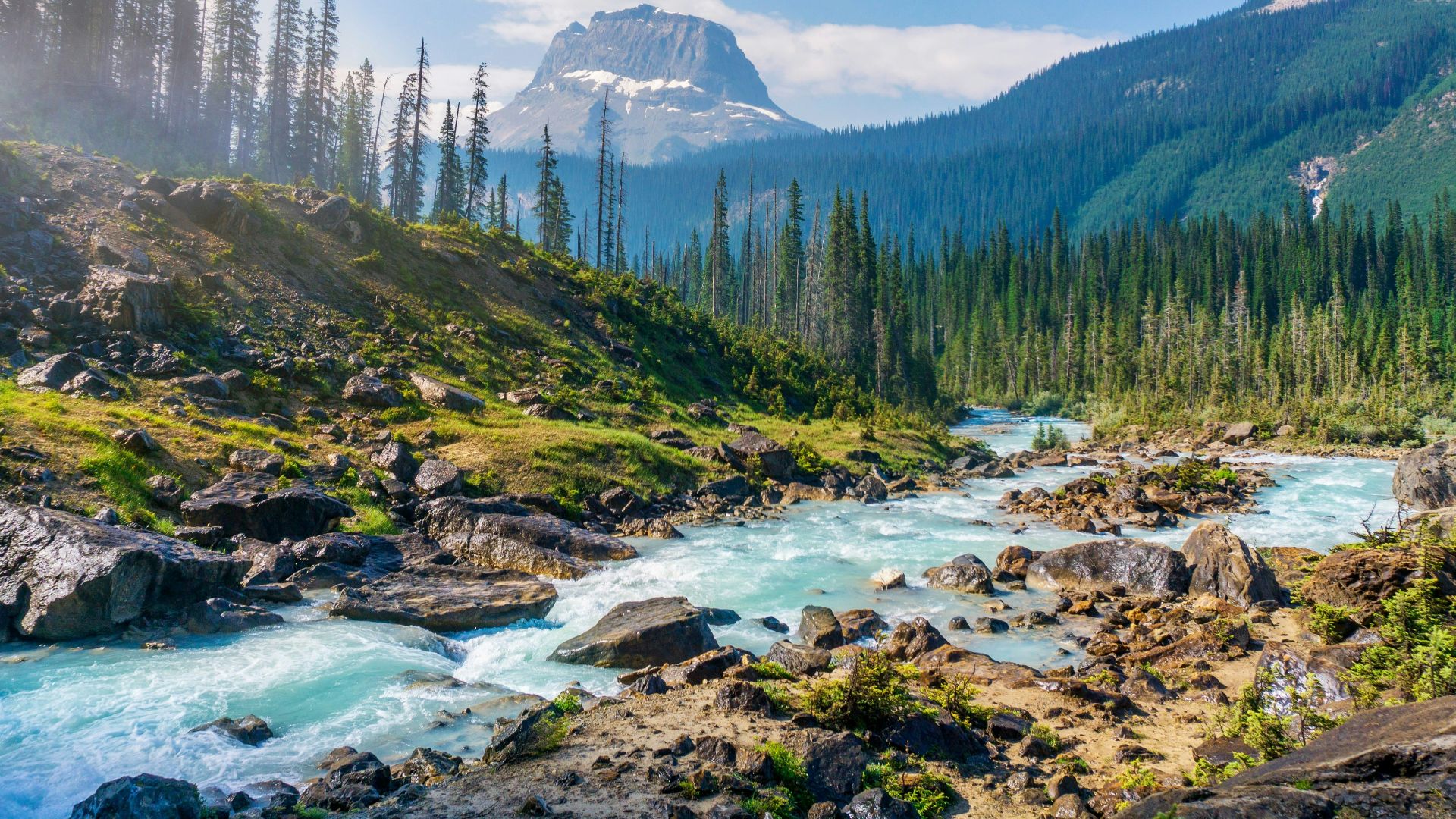
Confidence drains when basic outdoor knowledge isn't there. For example, do you know which berries are poisonous? Do you know which plants make a good salve? Can you spot rough terrain? Guessing wrong can make a bad situation much worse.
 Hendrik Cornelissen on Unsplash
8. Minor Problems Irk You
The wilderness punishes overreaction almost as much as it punishes carelessness. If your first instinct is to complain, you'll only waste time and energy when you need them most. Staying calm is a survival skill, and not everyone has it.

9. You Never Walk Anywhere
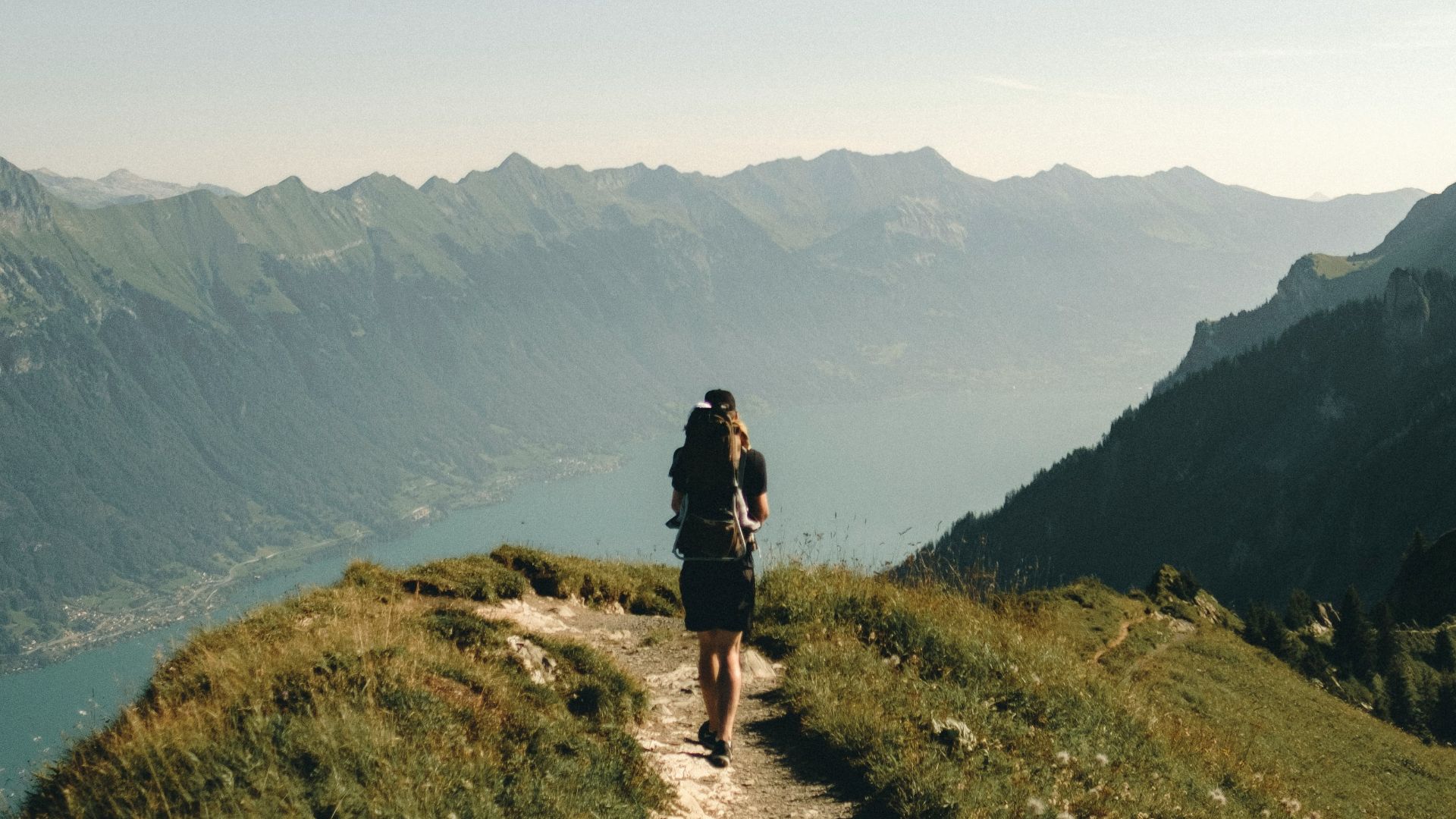
Why bother walking when we have trusty cars at our disposal? That mentality won’t get you far in the wild! Not to mention, outdoor movement isn't a casual stroll through a flat neighborhood either. Once distance and uneven ground show up together, reality arrives pretty fast.

10. You Can’t Read a Map
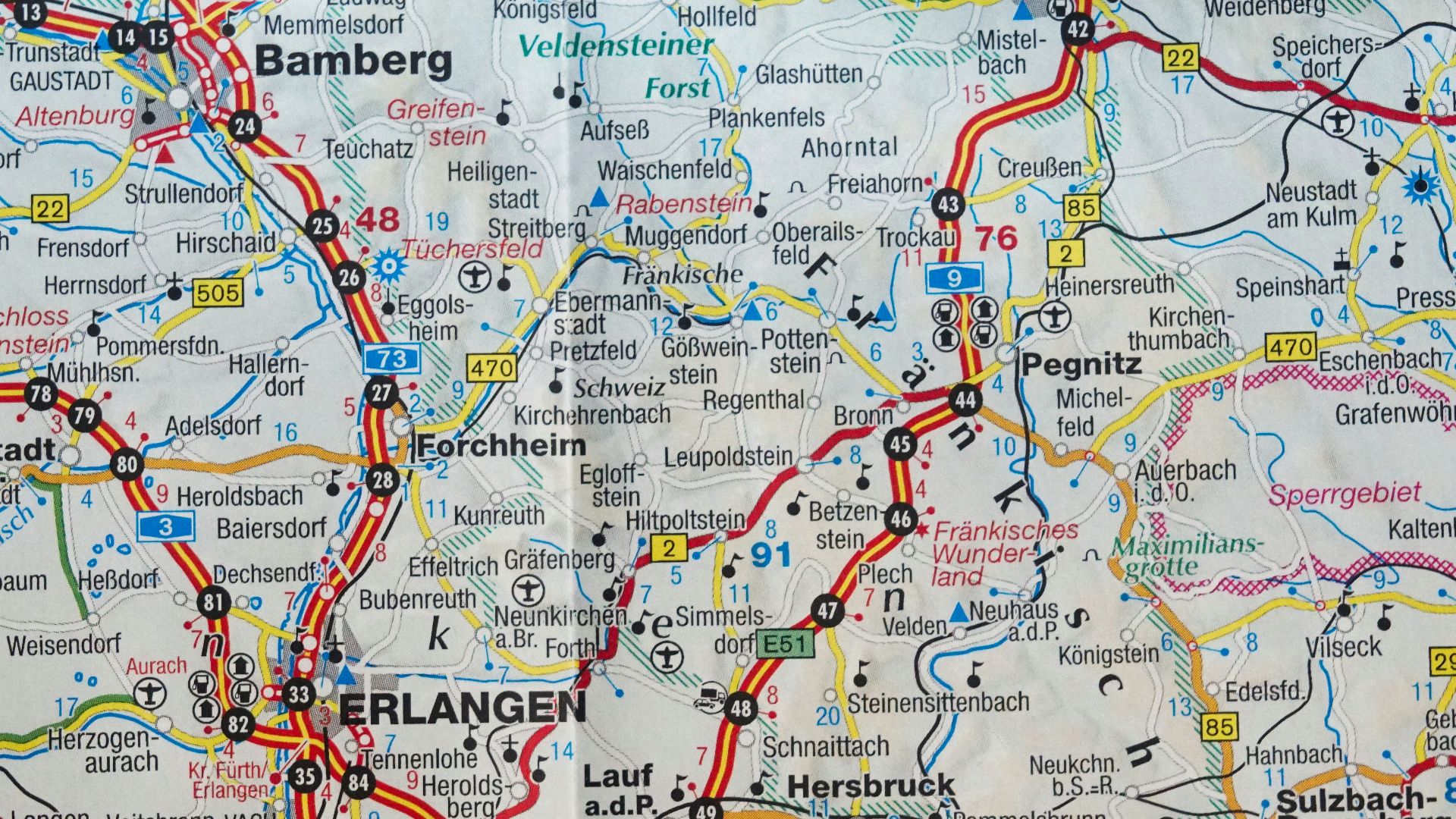
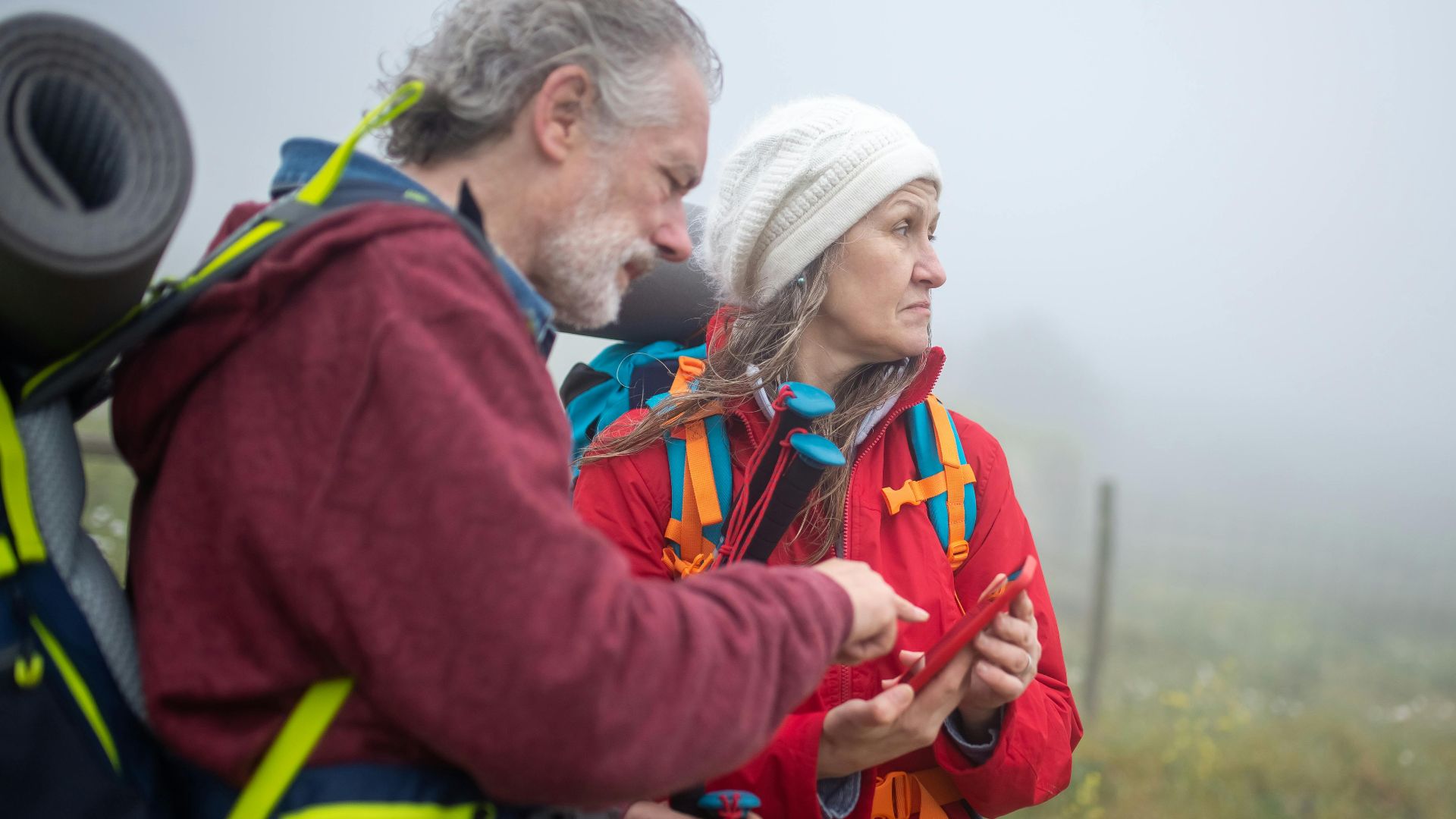
Relying on GPS is perfectly fine—until you no longer have it. In the wilderness, poor navigation can waste daylight, drain energy, and lead you farther from safety without you even realizing it. If paper maps look confusing to you now, that wouldn't suddenly improve in the woods.
We know it sounds a little scary to wind up in the middle of nowhere, but that’s because it is! Don’t worry, though; we have a few tips that just might save your life.
1. Stay Calm Before You Do Anything Else
Your first priority is to control yourself. Panic can push you into rushed decisions that make the situation worse, so if you get turned around on a trail, sitting down and assessing your surroundings is safer than charging off in the wrong direction.
 Joel & Jasmin Førestbird on Unsplash
2. Create Shelter Early
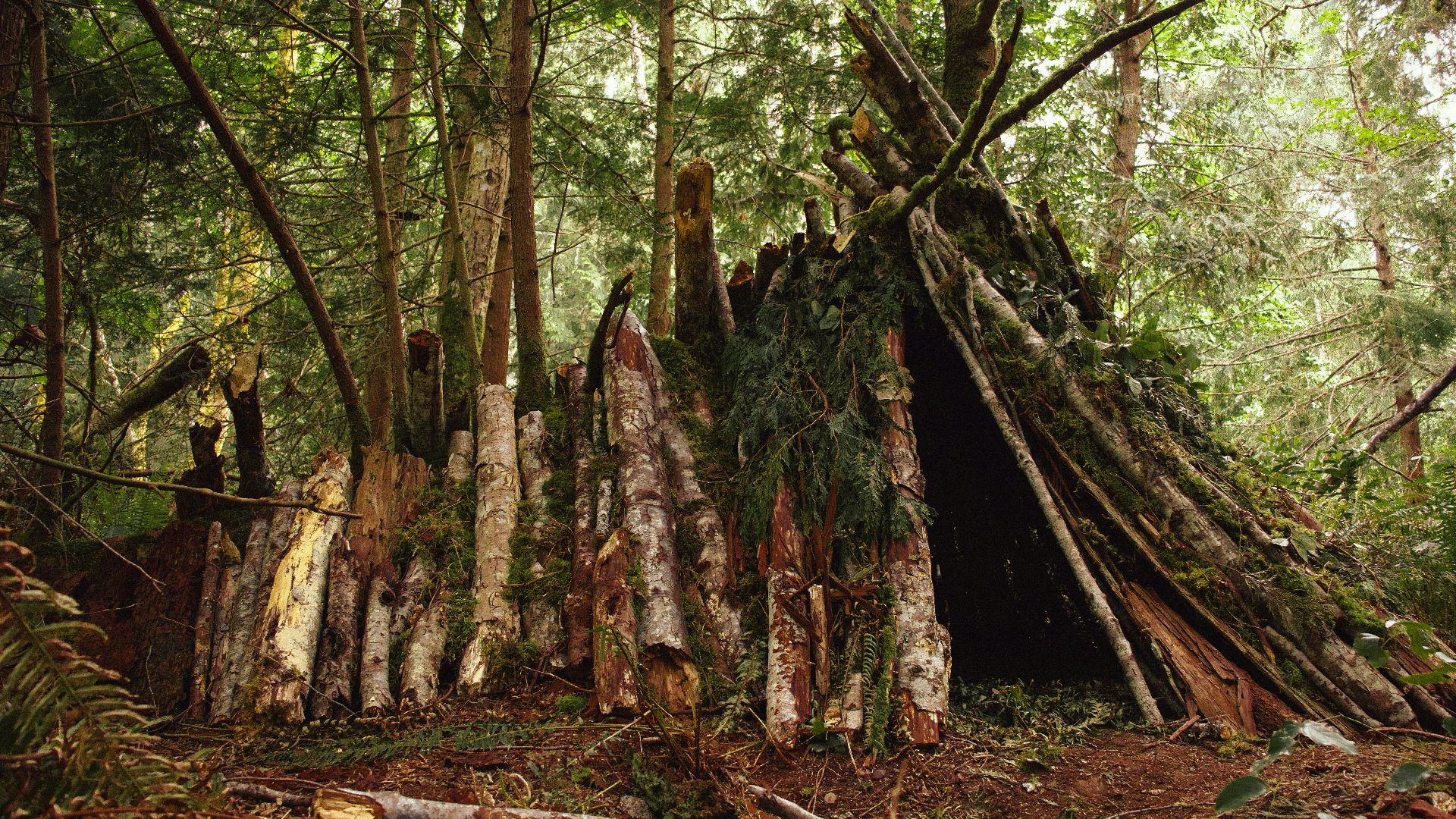
Exposure becomes serious faster than people expect, especially when temperatures drop or rain sets in. A simple shelter made from a tarp or branches can help you conserve body heat and stay dry. Someone caught outside overnight during a cold rainstorm will benefit more from basic cover than from wandering around trying to solve everything.
3. Protect Your Body Temperature
Regulating your body temp should always stay near the top of your list. Wet clothing and even direct sun can all wear you down much faster than you might think. If your shirt gets soaked during a chilly afternoon, changing into dry layers makes a real difference.
4. Secure Safe Water
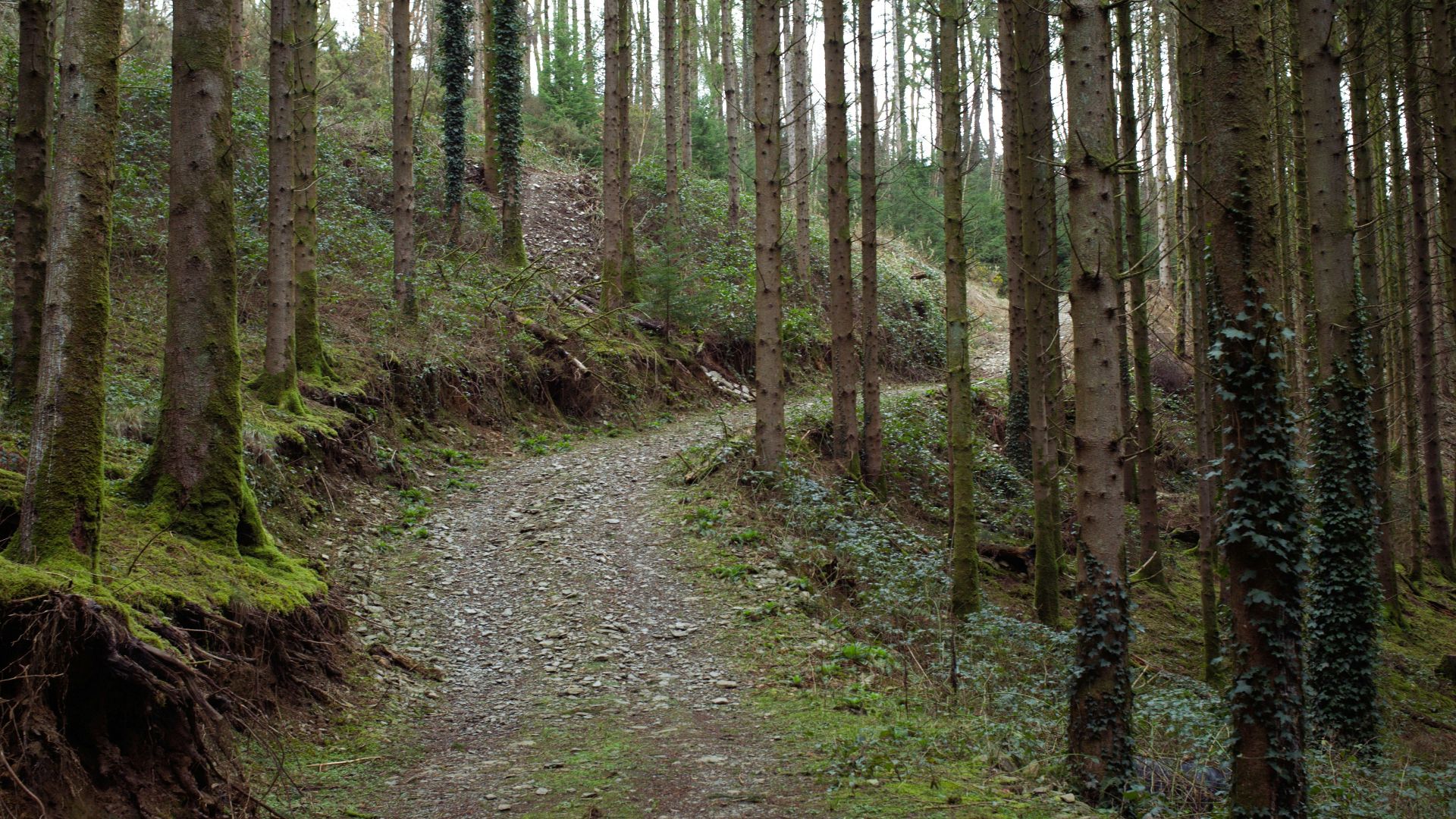
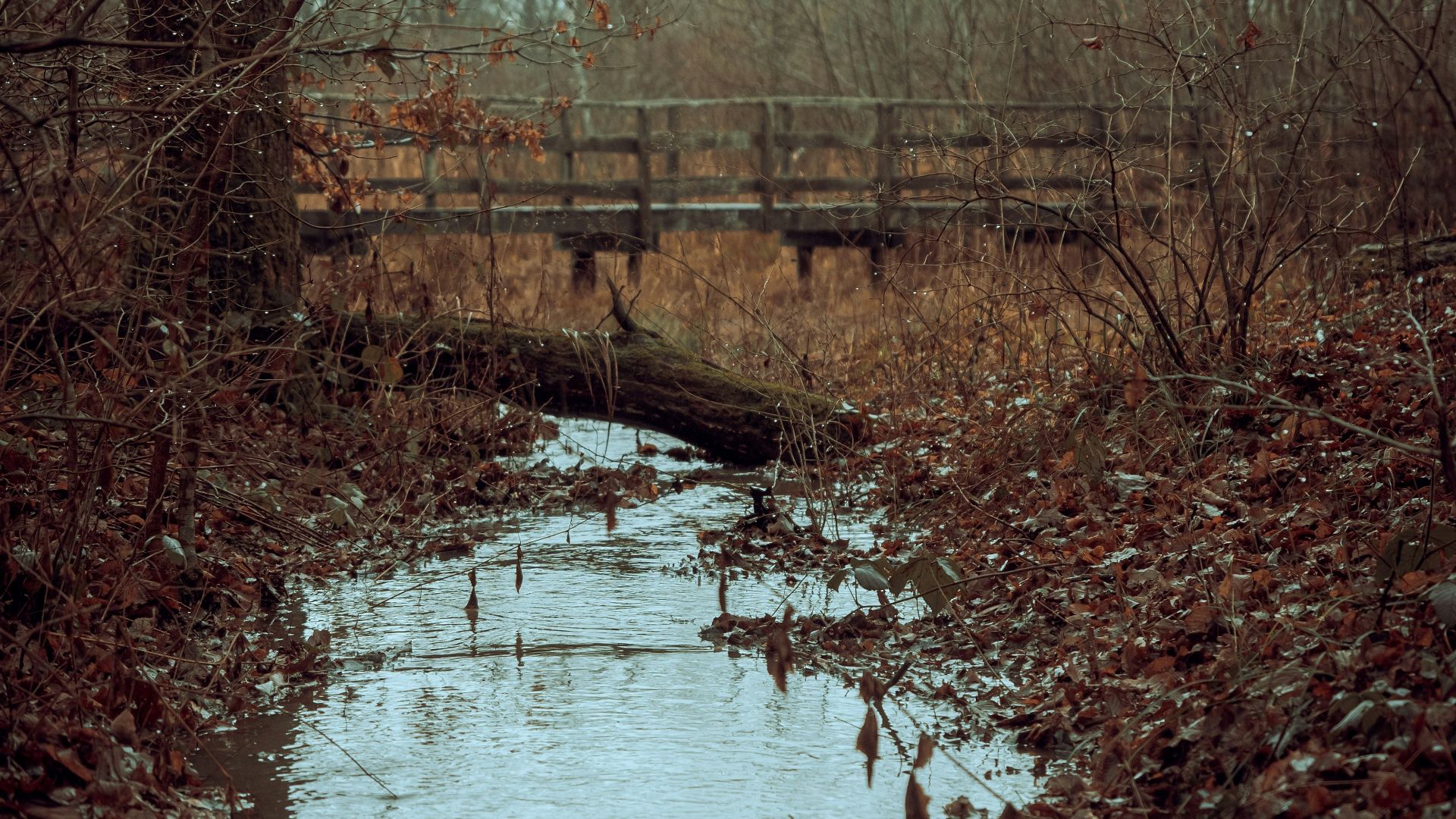
You can go longer without food than without water, so hydration deserves attention. That said, don’t just drink from an unknown stream; untreated water can create problems you definitely don't need. If you have the ability to boil water, use it before taking the risk.
5. Make Yourself Easier To Find
In many situations, rescue becomes more likely if you stay visible instead of moving around. Bright clothing, a whistle, smoke, or a large signal marker on open terrain can all help searchers spot you faster.
6. Spare Your Energy
Survival isn't about proving how tough you are! Doing so only wastes energy and can leave you weaker. Work smart, not hard; someone who rationalizes their effort is usually making the smarter choice.
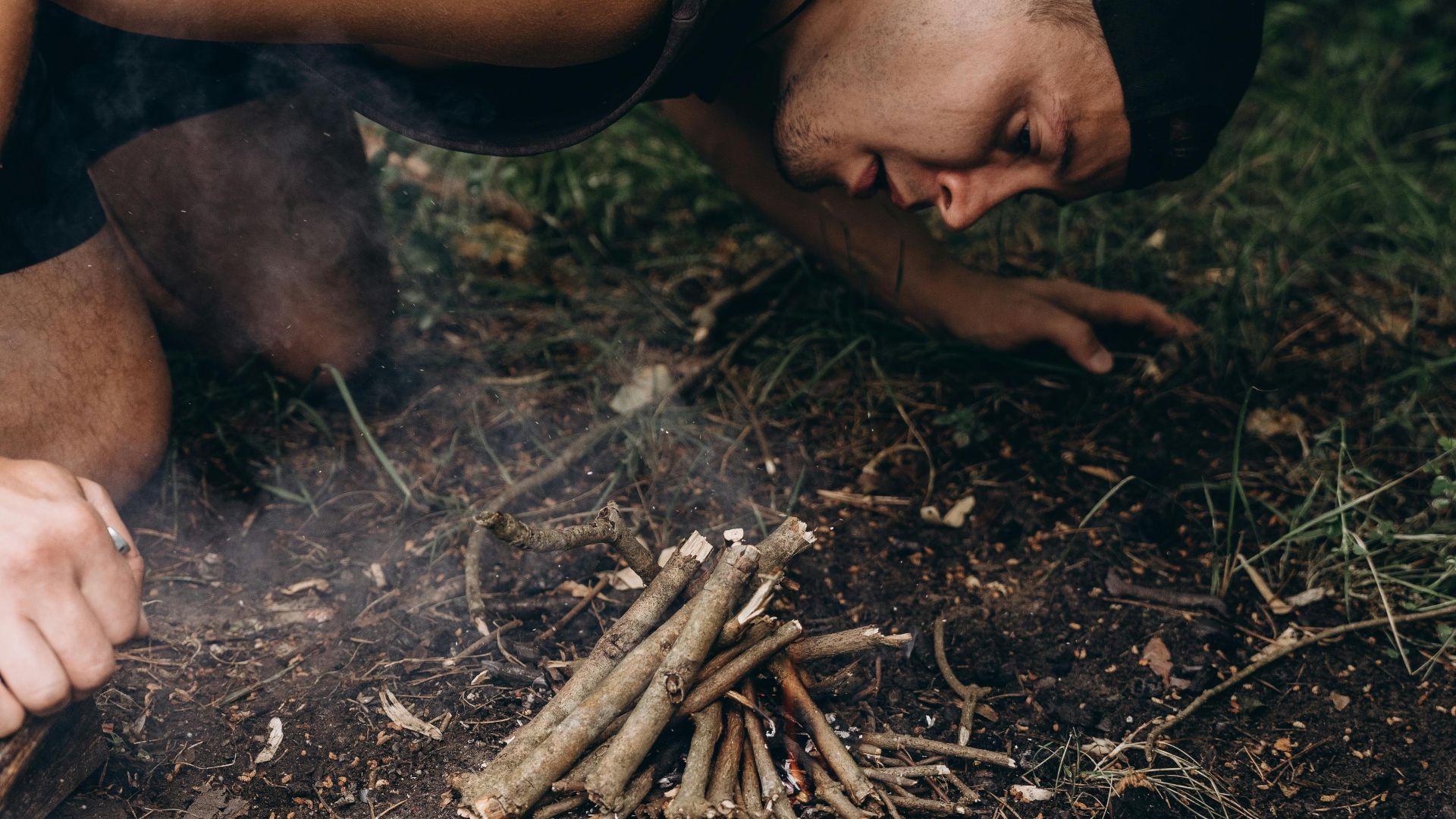
7. Learn How To Start a Fire Reliably
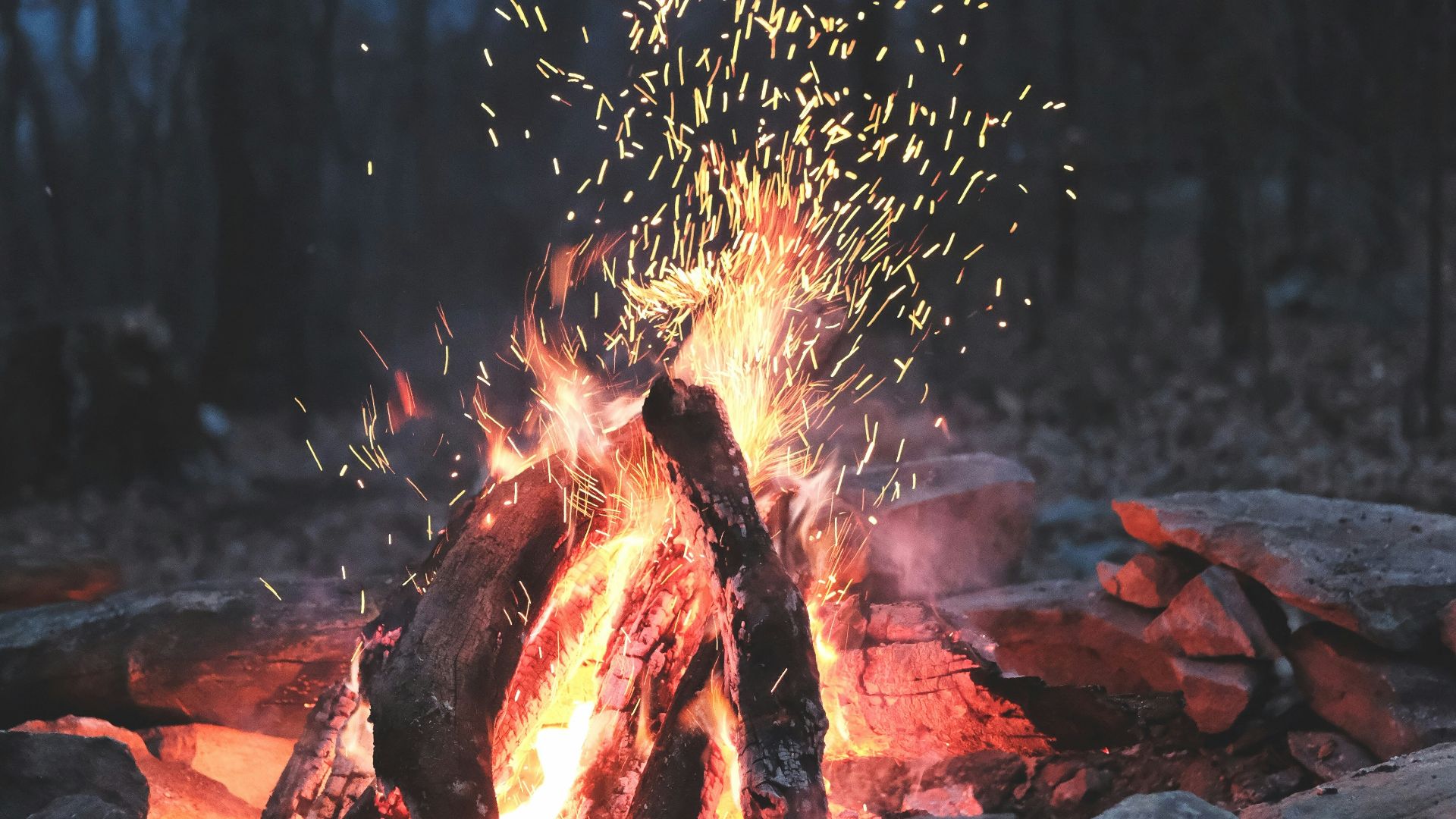
Fire is the stuff of life. It provides warmth, light, cleaner water through boiling, and a strong signaling tool when conditions allow. Even so, it only helps if you can build it safely and keep it under control with the materials you actually have. There’s no shame in learning now!
8. Pay Attention to Your Surroundings
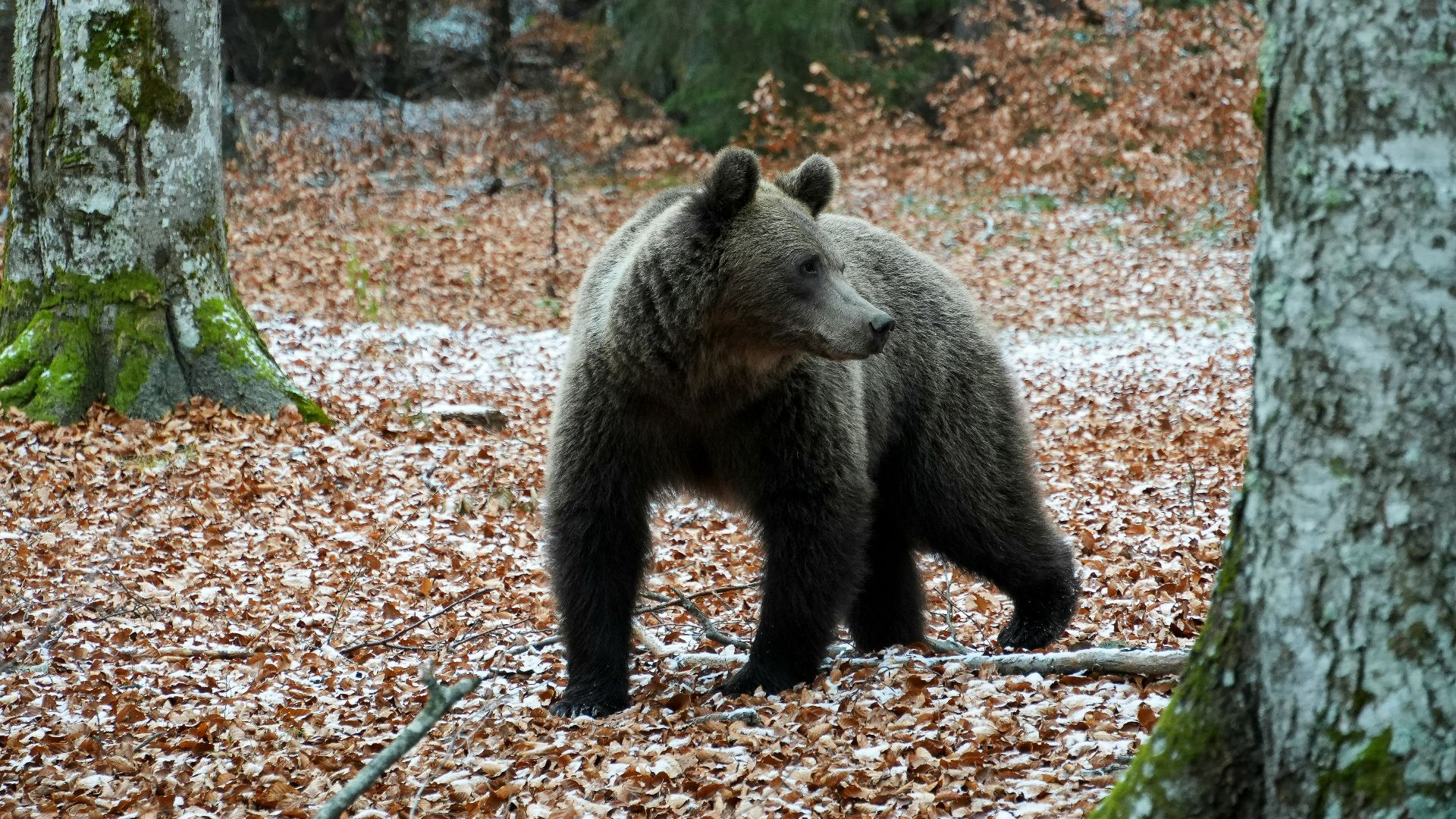
The wilderness gives all kinds of information, but only if you notice it. Changes in weather, animal activity, terrain, and daylight all shape what you should do next. It’s all adapting to the circumstances.
9. Keep Basic First Aid In Mind
Small injuries become serious if they're ignored, so don’t just fluff that stuff off. Cleaning a cut, resting a twisted ankle, or protecting a blister early can keep a manageable problem from turning into a major one.
10. Focus On Simple Priorities
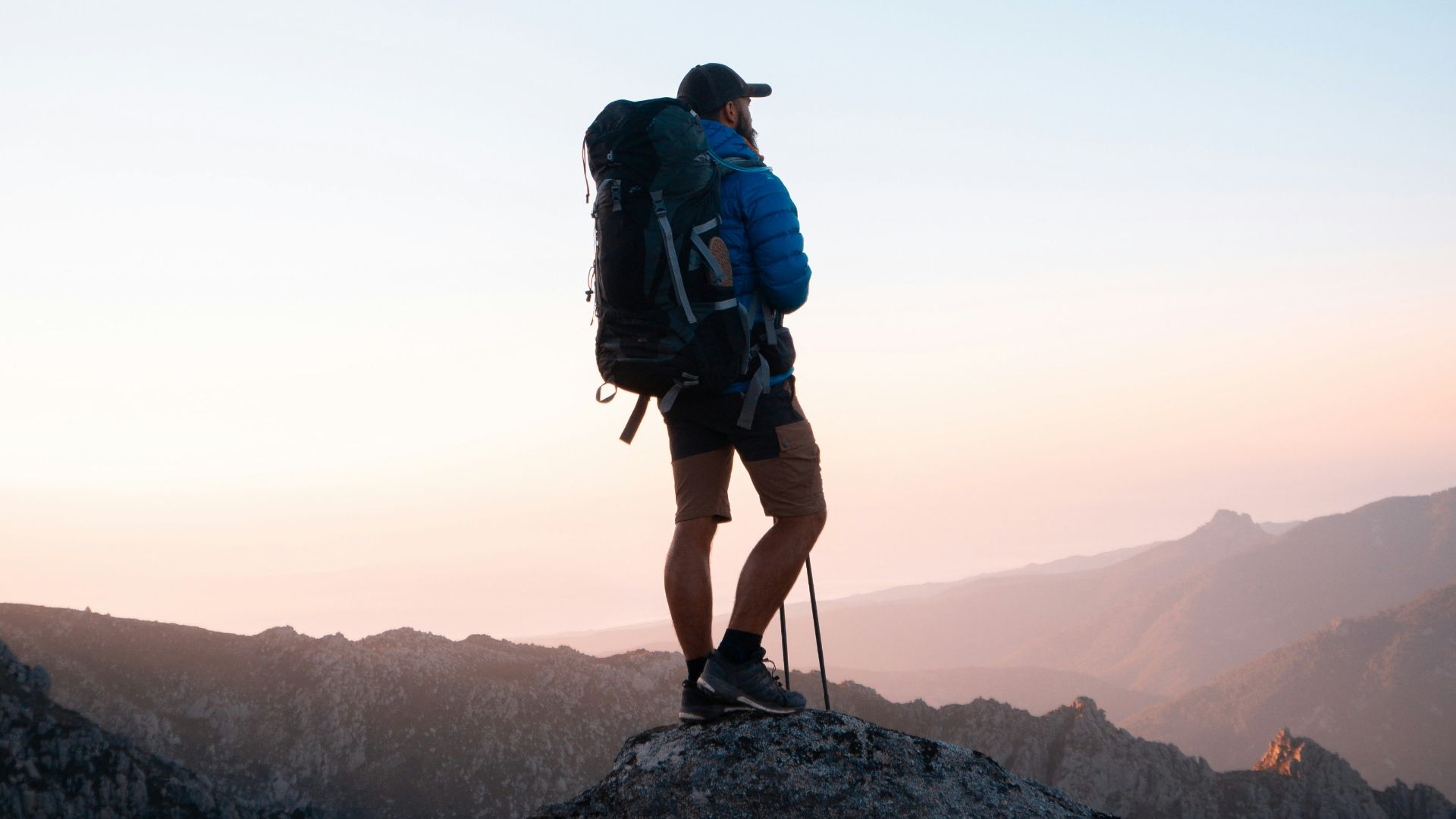
The best survival decisions usually come from handling immediate needs in the right order. Shelter, water, temperature, safety, and signaling generally matter more than comfort or complicated plans.