
What Changed And What Didn’t
Tourist disasters do not all leave the same kind of mark. Some become turning points, the kind of catastrophe lawmakers, regulators, insurers, and operators keep pointing back to when they explain why a rule exists now that did not exist before. Others stay famous, horrifying, and heavily covered, but somehow never turn into a clear legal shift beyond lawsuits, memorials, or a brief burst of promises. That difference is part of what makes this subject so bleak and so revealing. Here are 10 tourist disasters that clearly changed safety law or regulation, followed by 10 that shocked the public and still failed to produce anything close to the same legal legacy.
 John Ferguson from London, UK on Wikimedia
1. Titanic
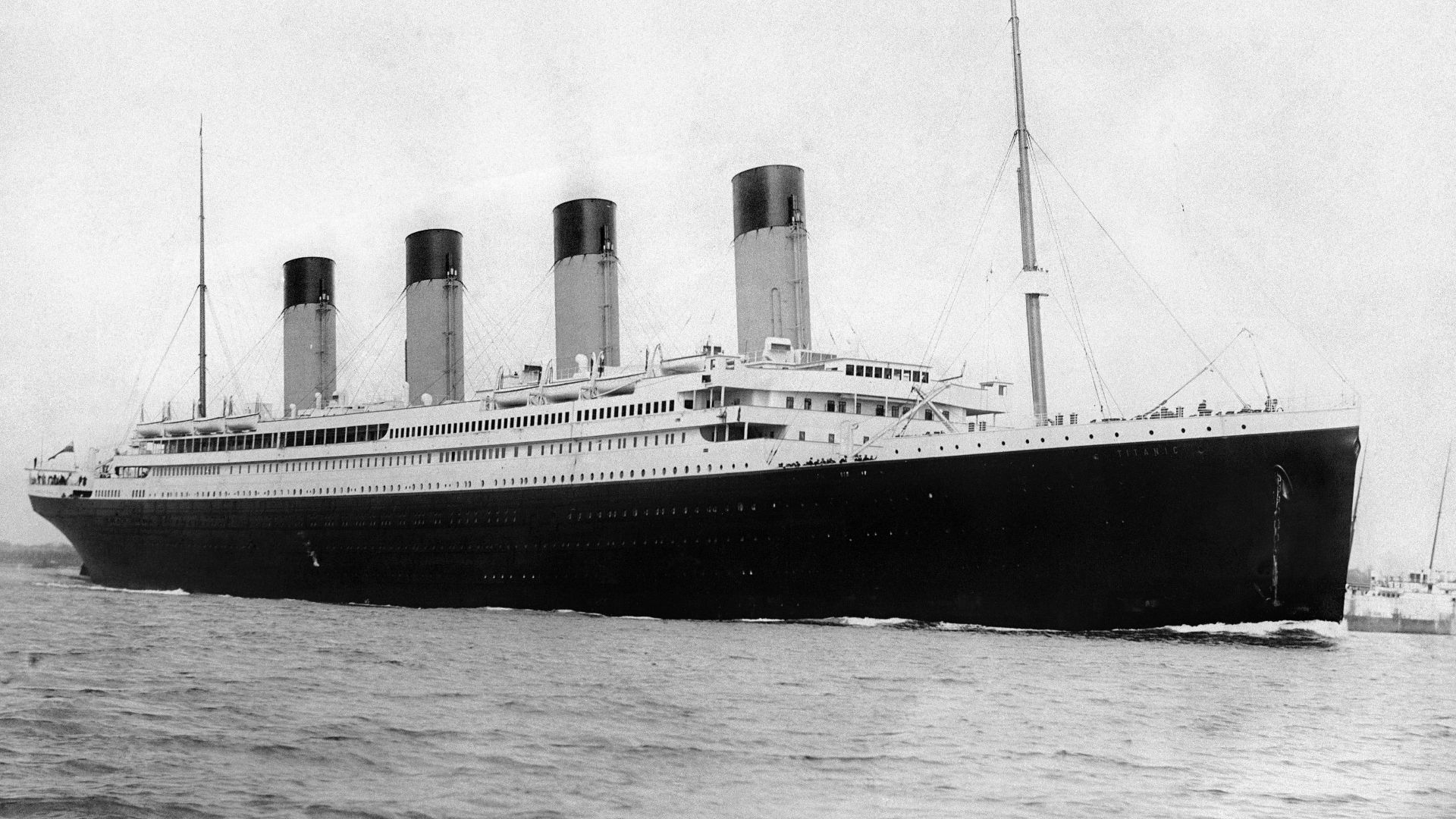
The Titanic is the classic example because it did not just become a story, it became a rulebook. The 1912 sinking pushed governments to adopt the first SOLAS convention in 1914, which is still the backbone of international maritime safety law.
 Francis Godolphin Osbourne Stuart on Wikimedia
2. The MGM Grand Fire
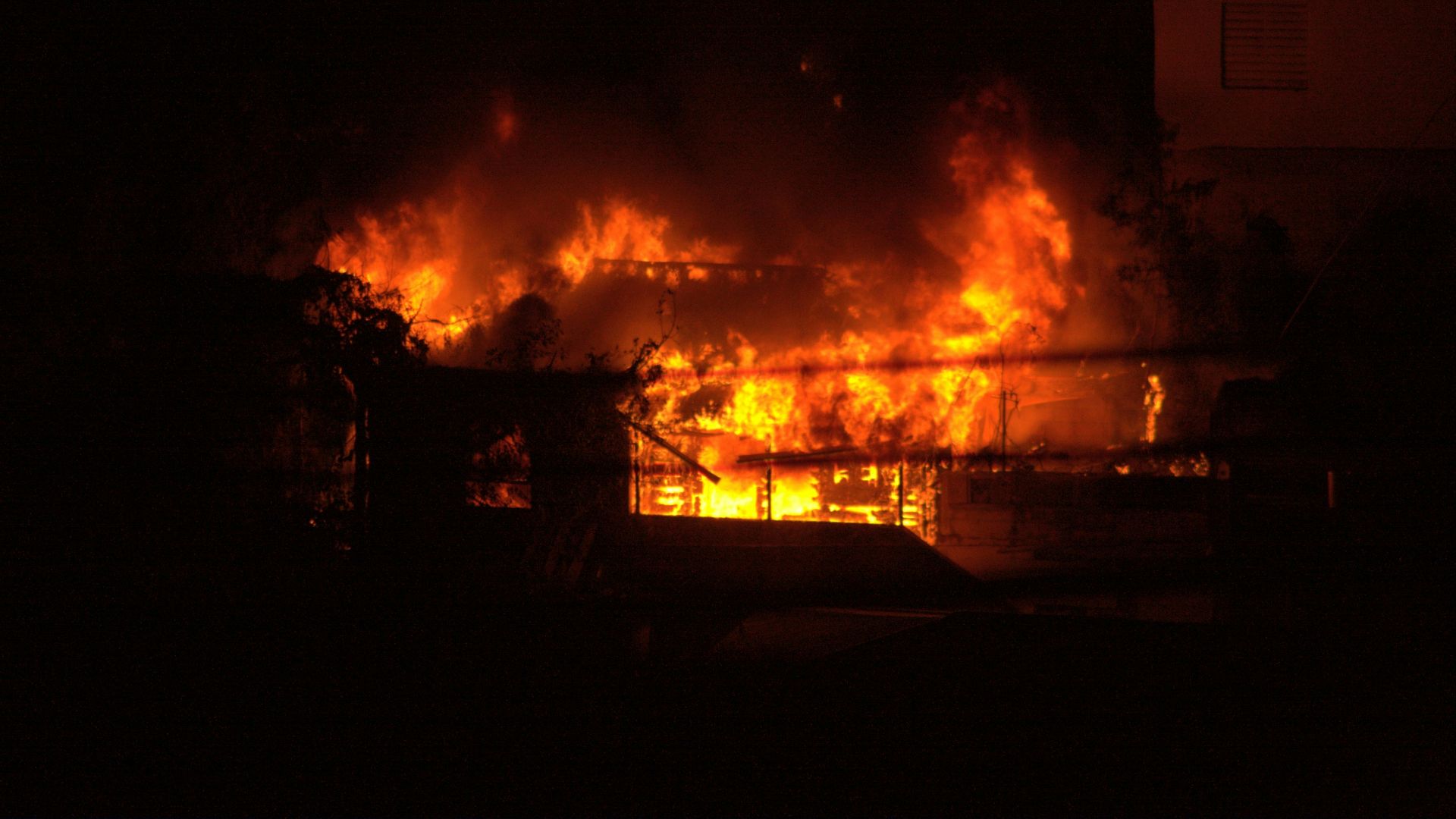
When the MGM Grand burned in Las Vegas in 1980, it exposed how deadly a major tourist hotel could be without modern sprinkler protection. The fire helped drive much tougher expectations around hotel fire safety, especially sprinkler use and high-rise protection, in Nevada and far beyond.
3. The Hyatt Regency Walkway Collapse
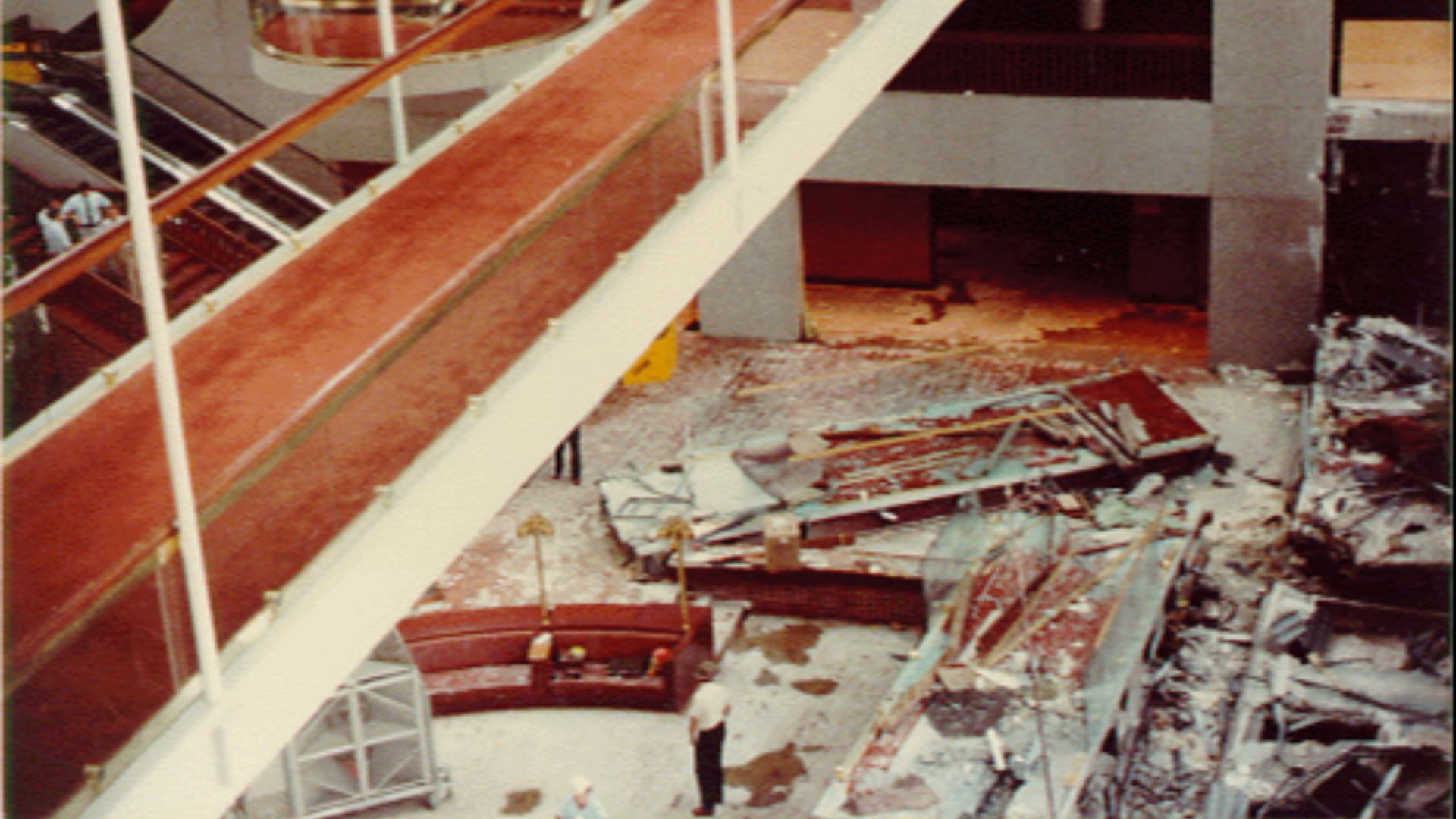
The 1981 Hyatt Regency collapse in Kansas City killed 114 people in a hotel crowded with guests and visitors, and it permanently changed how people talk about engineering responsibility. Its legacy was not one neat federal law, but a much stricter professional and regulatory culture around sealed drawings, design changes, and engineer accountability.
 Dr. Lee Lowery, Jr., P.E. on Wikimedia
4. The Station Nightclub Fire
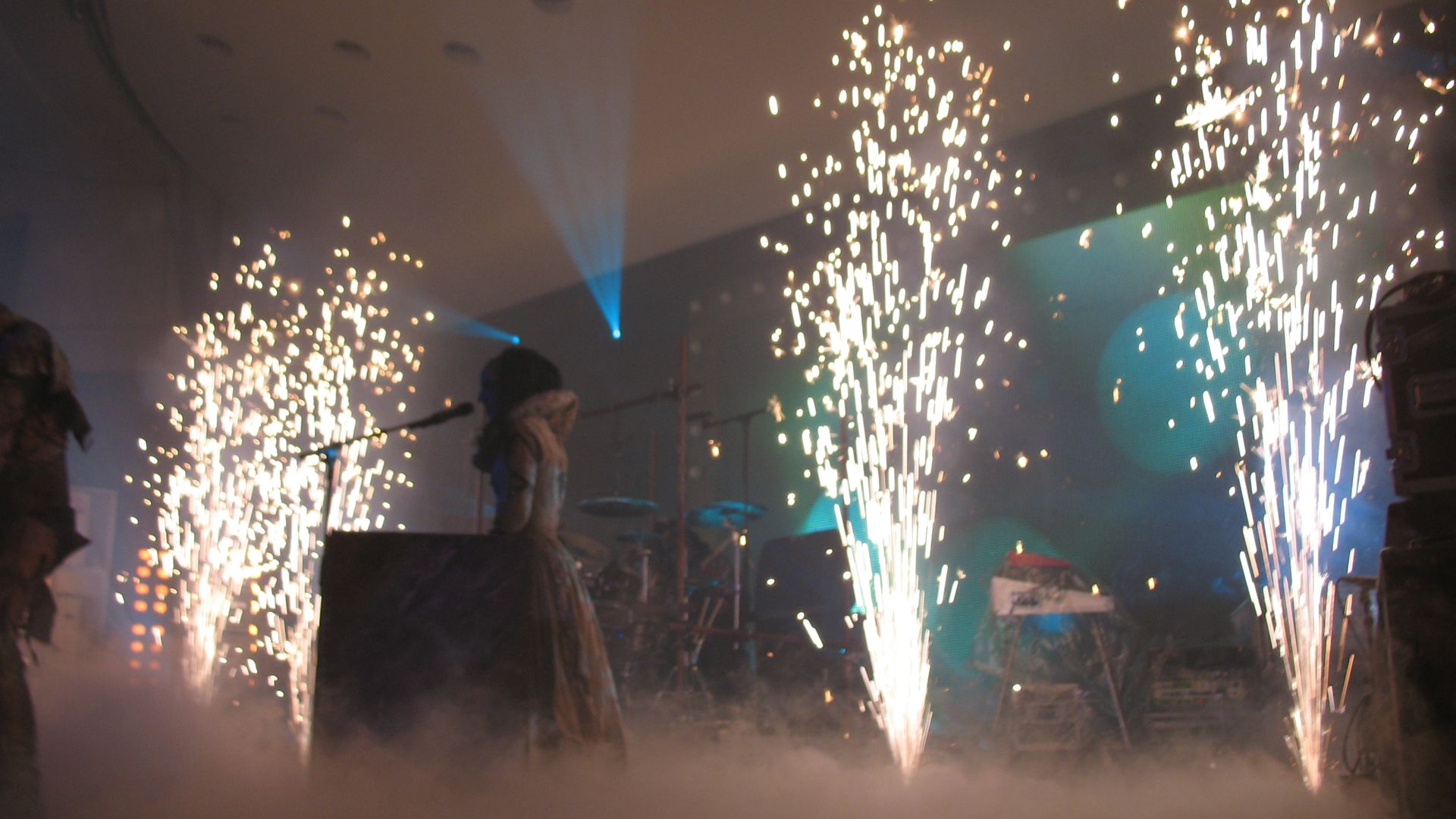
The Station fire in Rhode Island in 2003 was not a tourist attraction in the theme-park sense, but it absolutely belonged to the world of public leisure and mass outing. It led to significant code changes around sprinklers, pyrotechnics, crowd capacity, and egress in assembly spaces, which is exactly what a true law-shifting disaster looks like.
5. The Costa Concordia Wreck
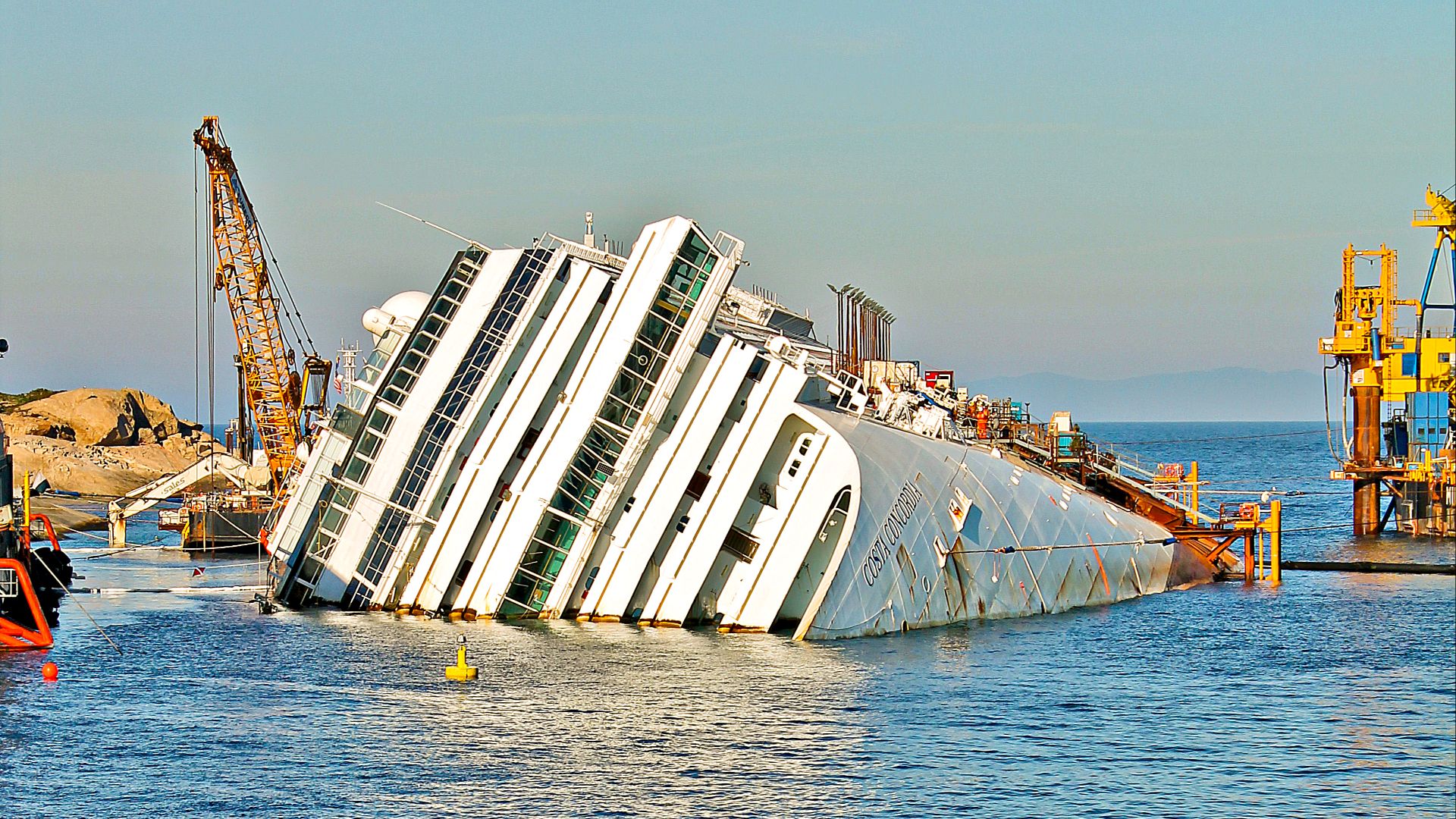
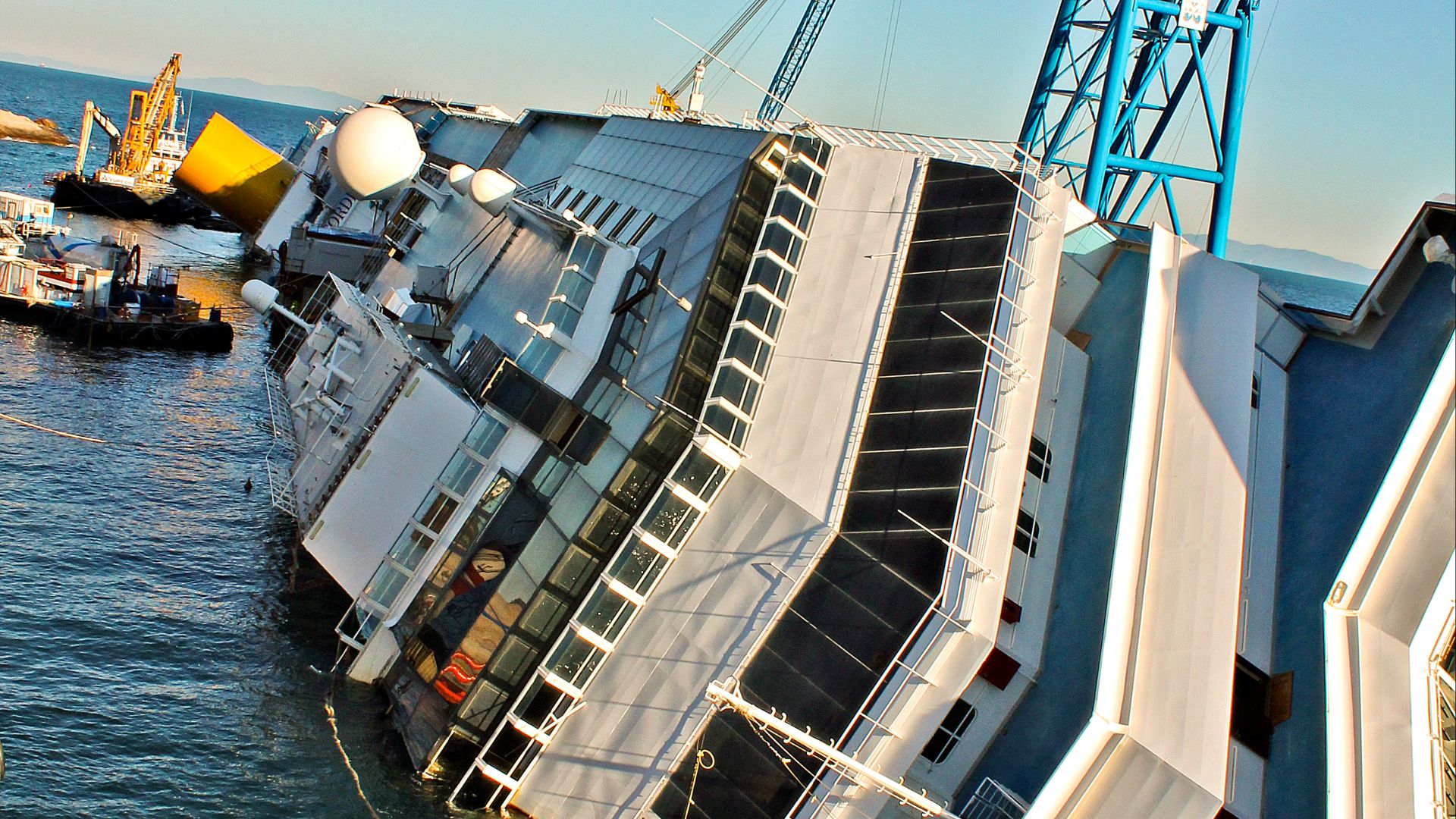
The Costa Concordia disaster in 2012 became one of those cruise catastrophes the industry could not spin away. In response, IMO rules were tightened so passenger safety drills had to happen before departure or immediately on departure, instead of within the first 24 hours.
 John Ferguson from London, UK on Wikimedia
6. The 2017 Las Vegas Strip Shooting
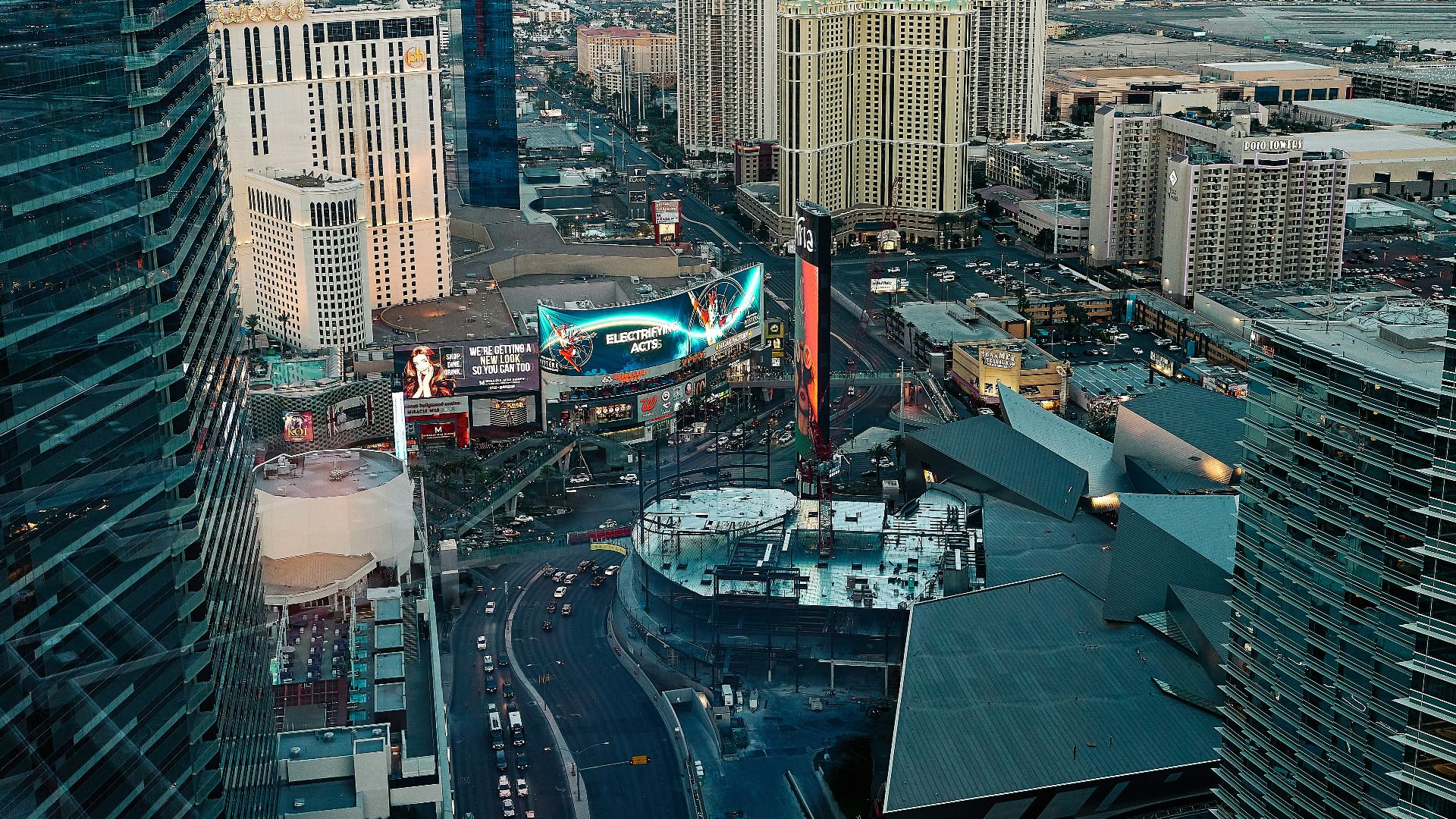
The 2017 Route 91 Harvest shooting unfolded in the middle of one of the most tourist-heavy parts of Las Vegas, with hotels, concerts, and packed visitor traffic all around it. It forced hotels, venues, and security teams to rethink surveillance, room checks, and emergency response, but it did not produce one defining tourism-safety law that reshaped the industry in the way the clearest regulatory disasters did.
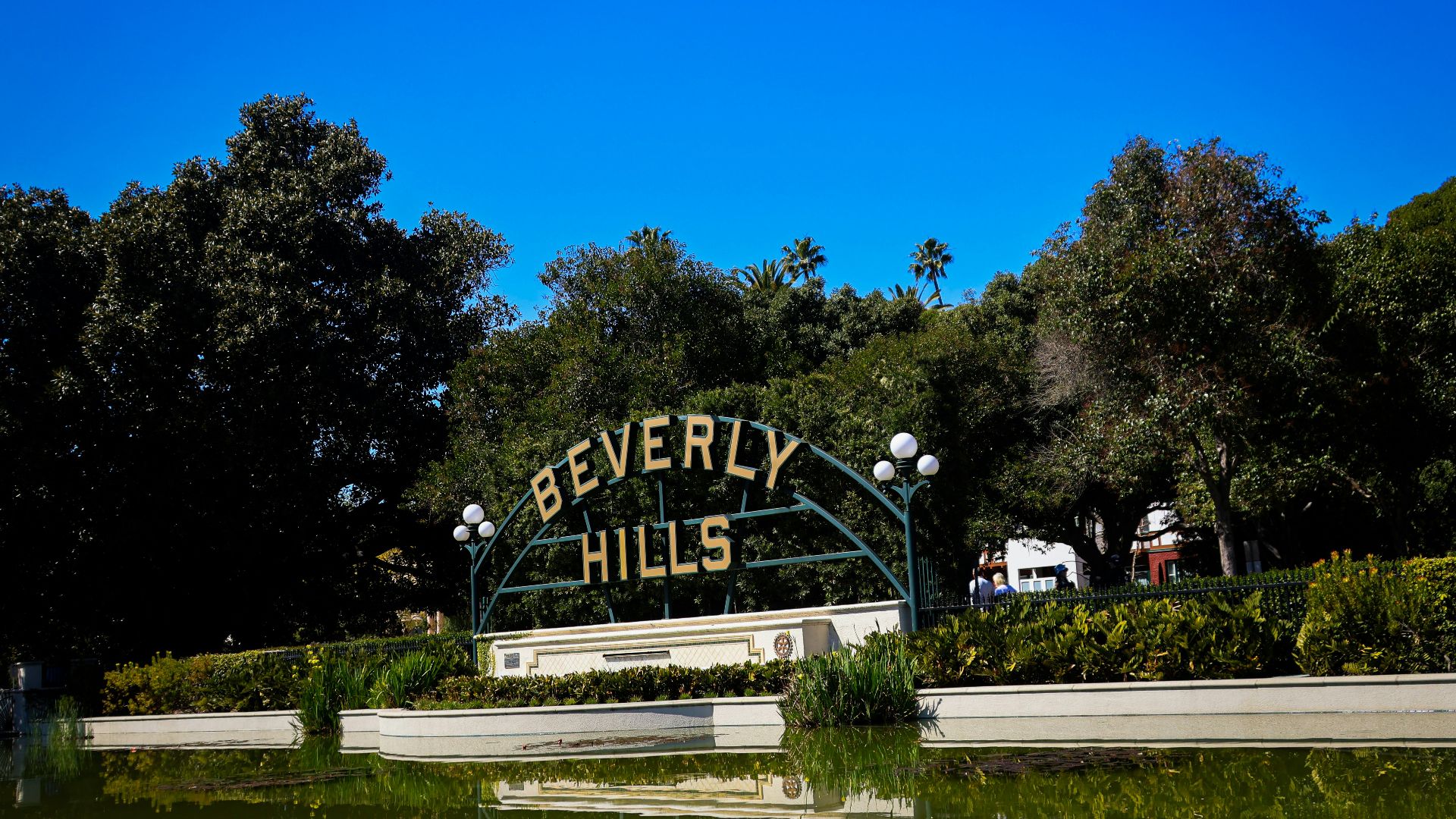
7. The Beverly Hills Supper Club Fire
The 1977 Beverly Hills Supper Club fire killed 165 people at a venue packed for dinner and entertainment, many of them out-of-town guests. NFPA case material treats it as one of the disasters that helped rewrite assembly-occupancy rules, especially around exits, crowding, and sprinklers.
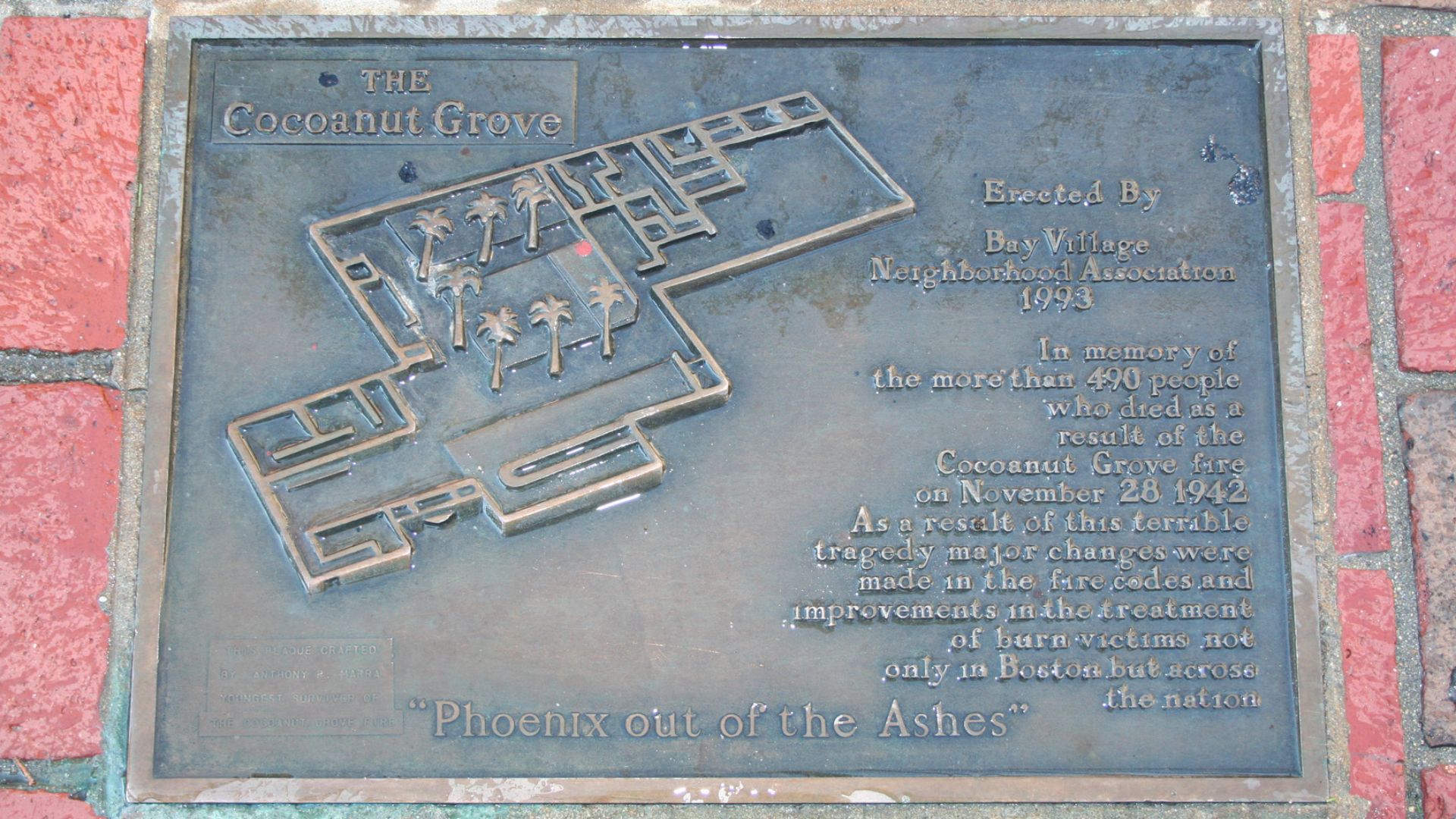
8. The Cocoanut Grove Fire
The 1942 Cocoanut Grove fire in Boston still sits near the center of modern life-safety code history. It helped drive lasting changes around outward-opening exits, emergency lighting, interior finishes, and occupancy limits in places built for crowds looking for a good night out.
9. The Verrückt Waterslide Death
The 2016 fatal accident on the Verrückt slide in Kansas shocked people partly because the ride itself looked like regulation had failed before anyone climbed the stairs. Kansas responded by strengthening inspection requirements for amusement rides, which is a direct line from one tourist-style attraction disaster to actual law.
 commons.wikimedia.org on Google
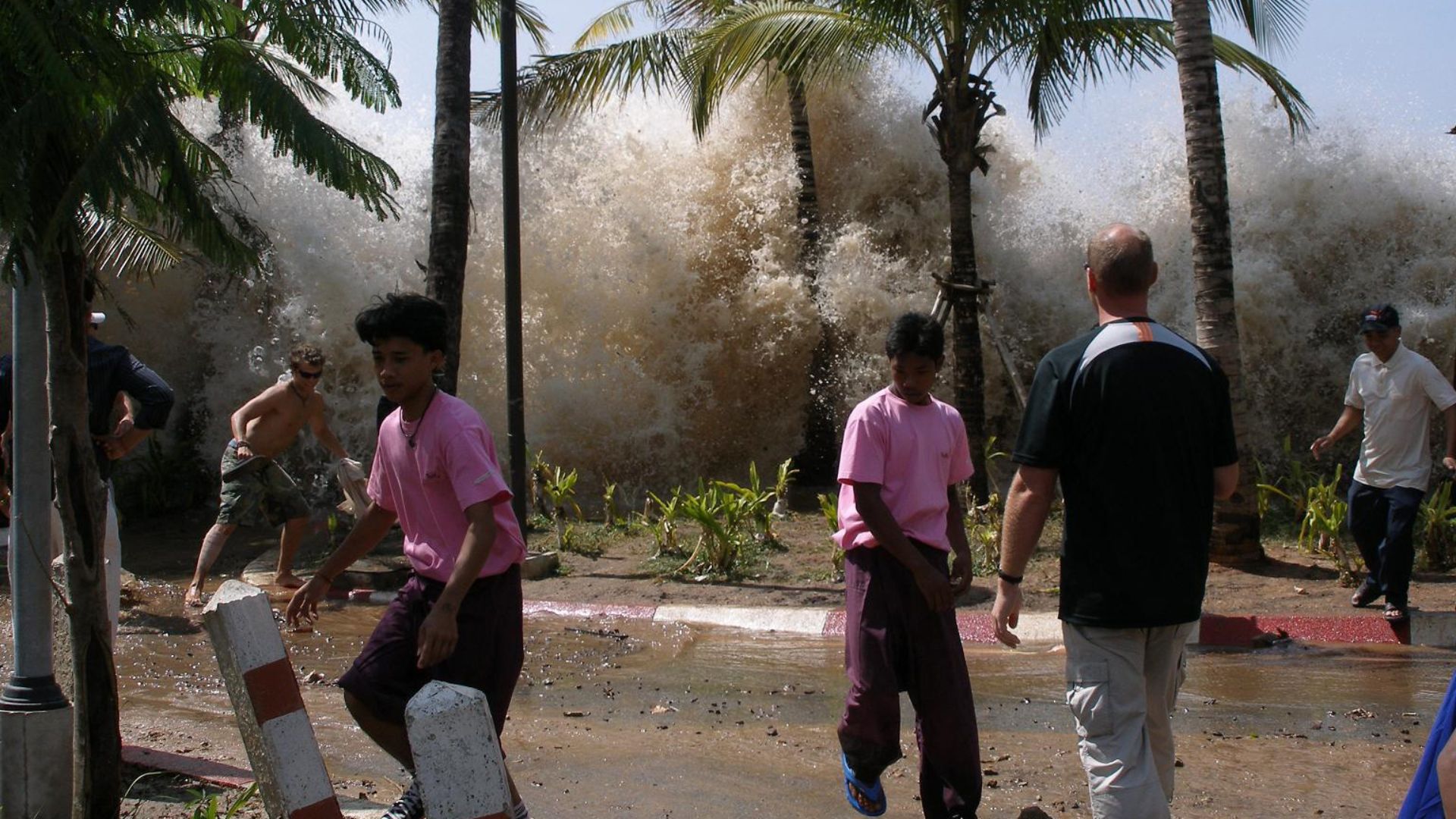
10. The Indian Ocean Tsunami
The 2004 tsunami was not man-made, but it killed huge numbers of tourists in Thailand, Sri Lanka, Indonesia, and elsewhere, and it changed safety systems anyway. One of its clearest legacies was the creation and strengthening of regional tsunami warning and public-alert systems that did not exist at anything like that level before.
Here are ten disasters that horrified everyone and still did not rewrite the rules in the same way.
 David Rydevik (email: david.rydevikgmail.com), Stockholm, Sweden. on Wikimedia
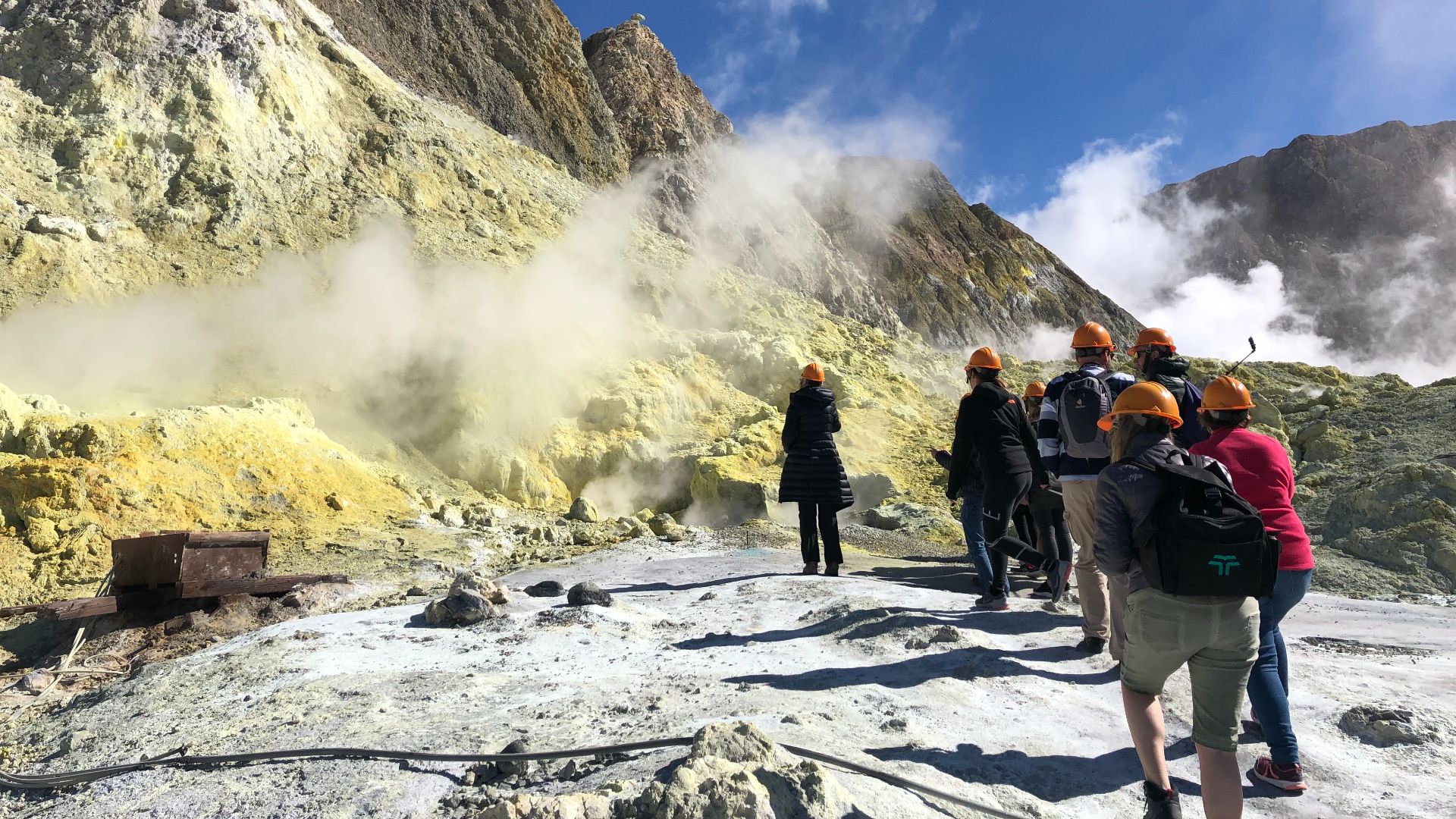
1. Whakaari / White Island
The 2019 eruption on Whakaari / White Island killed 22 people during a guided tourist visit and led to prosecutions and years of legal fallout. But it did not produce the kind of clean, sweeping new adventure-tourism law that people often assume must follow a disaster that extreme.
 Kimberley Collins on Wikimedia
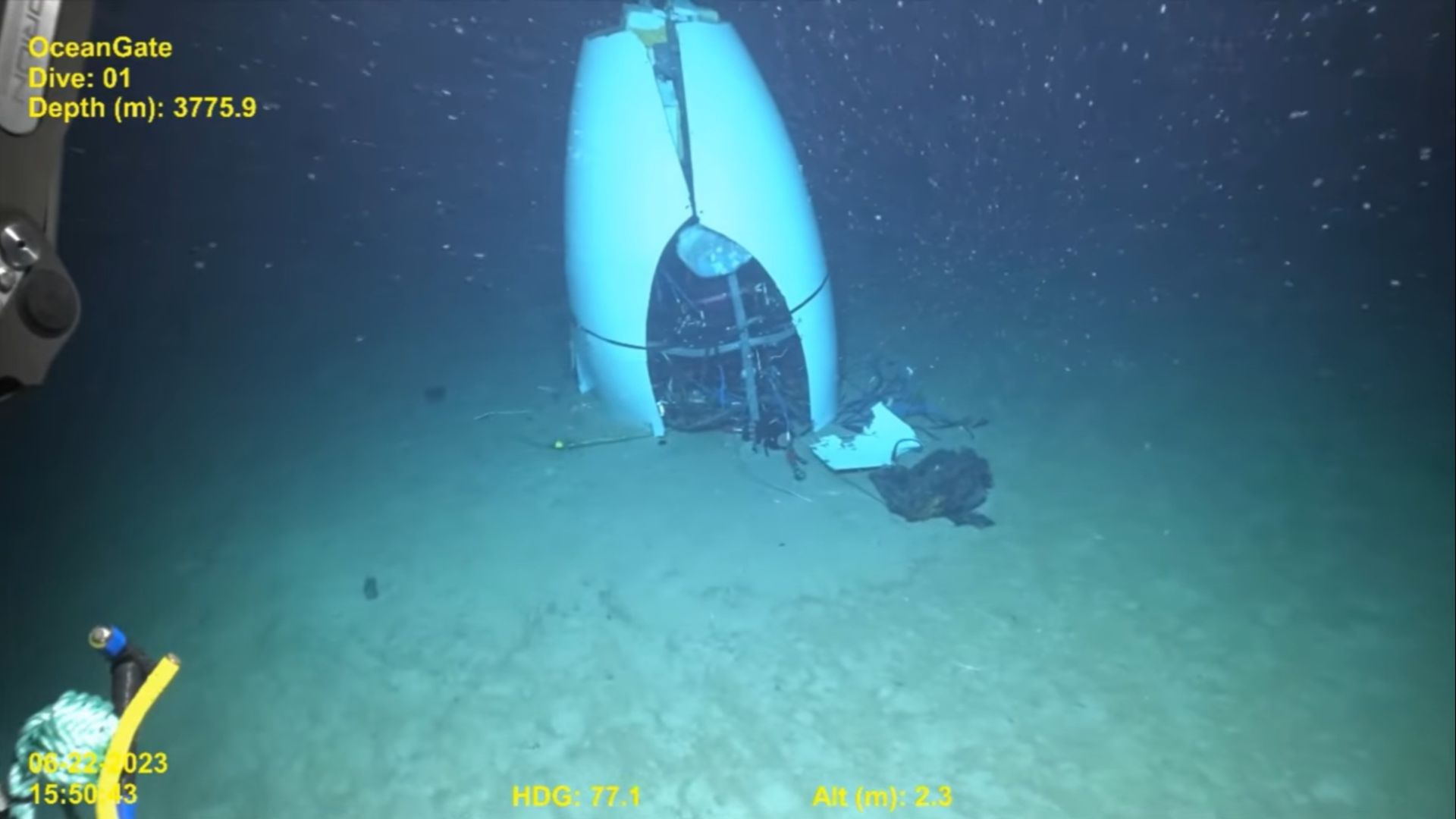
2. The Titan Implosion
The 2023 Titan submersible implosion became a global spectacle almost instantly because the victims were paying to visit the Titanic wreck itself. Yet the legal story since then has mostly been investigation, hearings, and industry scrutiny, not some obvious new international tourist-submersible regime everyone can point to.
 United States Coast Guard on Wikimedia
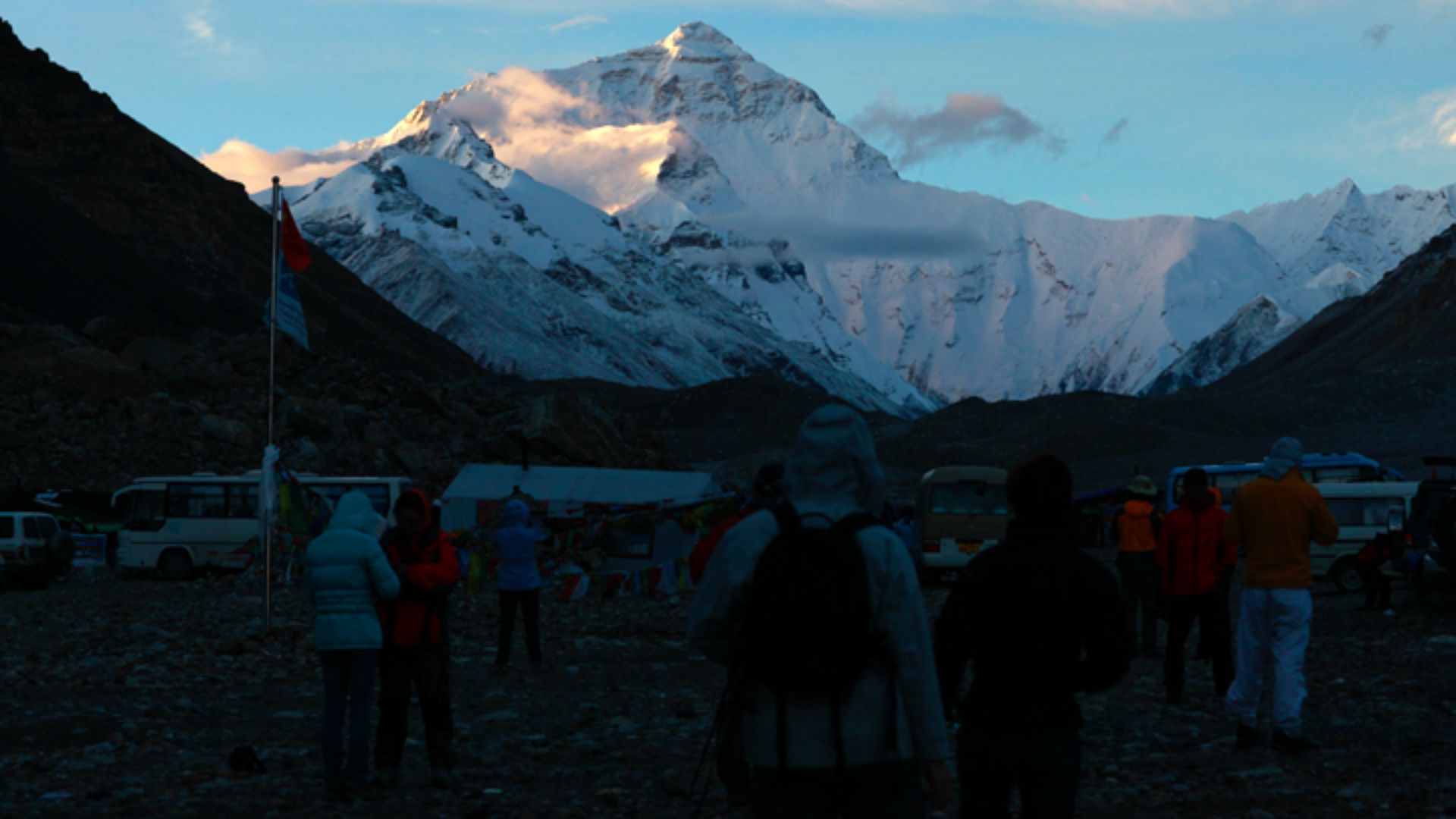
3. The 1996 Everest Disaster
The 1996 Everest climbing disaster changed how people talked about commercial expeditions, guiding, and summit fever, and it changed the culture of mountaineering in a big way. What it did not do was trigger one defining legal overhaul that cleaned up high-altitude tourism in the way people imagine after reading about it.
4. The Love Parade Crush
The 2010 Love Parade crowd disaster in Duisburg killed 21 people and ended the festival outright. It became a permanent cautionary tale in crowd management, but its clearest legacy was cancellation and litigation, not one famous new safety law with its name stamped on it.
 Yaroslav Muzychenko on Unsplash
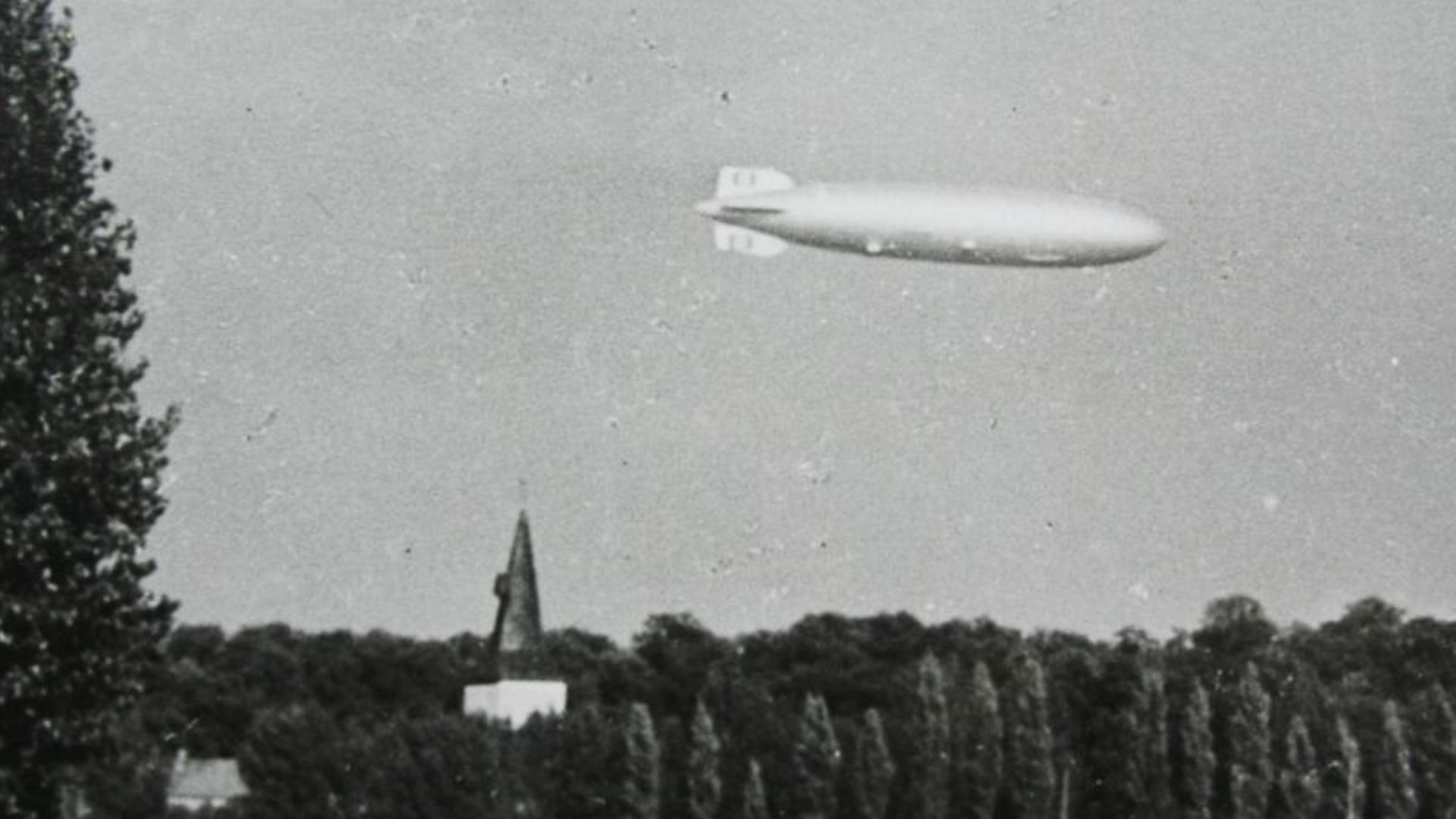
5. The Hindenburg, As A Tourist Spectacle
The Hindenburg disaster in 1937 changed public confidence overnight, and that turned out to matter more than statute. Passenger airship travel basically collapsed on its own, which meant the market died faster than lawmakers needed to reinvent it.
6. The Tenerife Airport Disaster
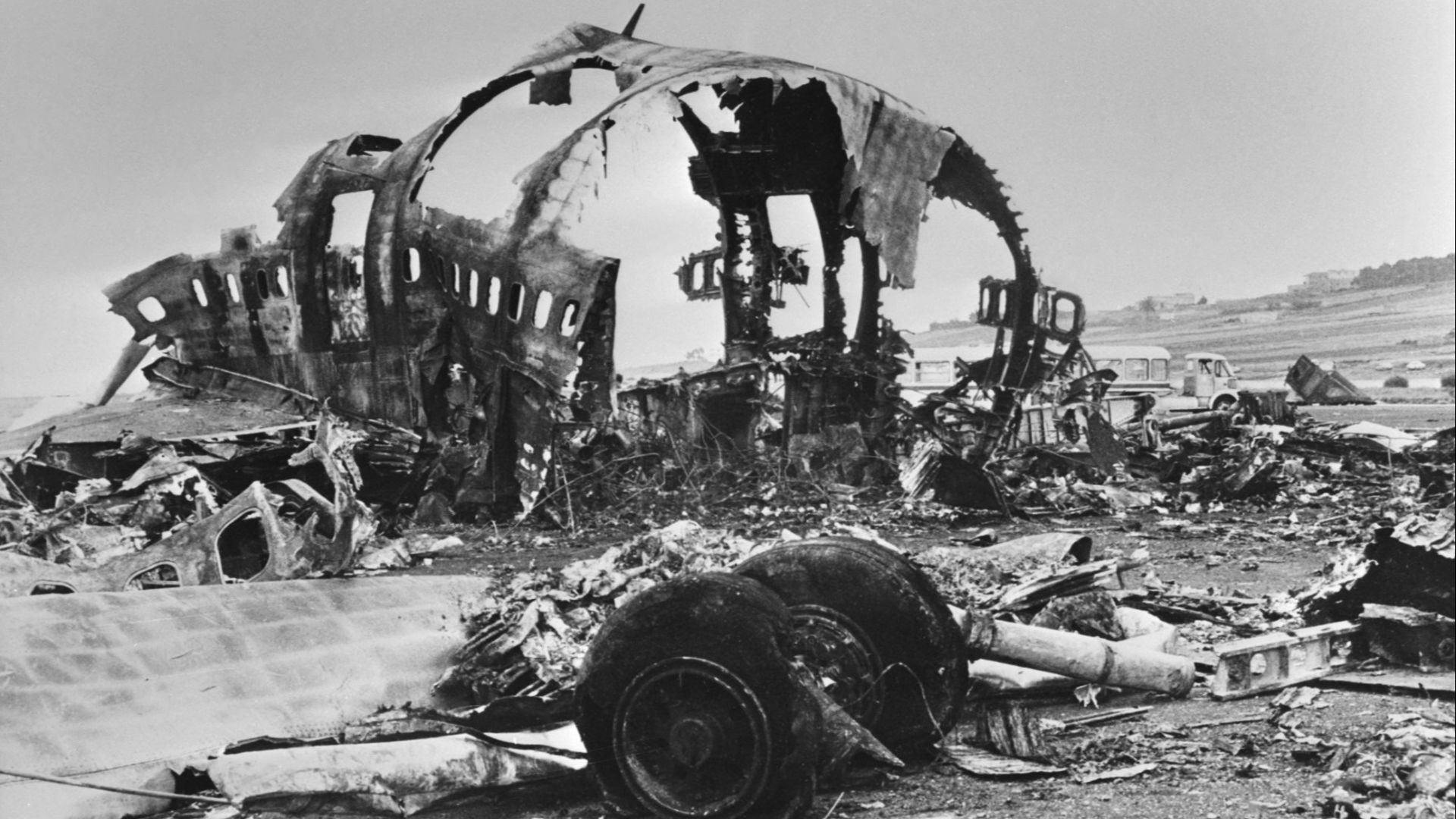
Tenerife in 1977 involved vacation travelers, panic, and one of the worst aviation disasters in history. Aviation safety changed a great deal afterward, especially in communication and cockpit culture, but the event is remembered more as a training and procedures watershed than as a tourist disaster that produced one clear public-safety law ordinary people can name.
7. The White Shipwreck’s Modern Echoes
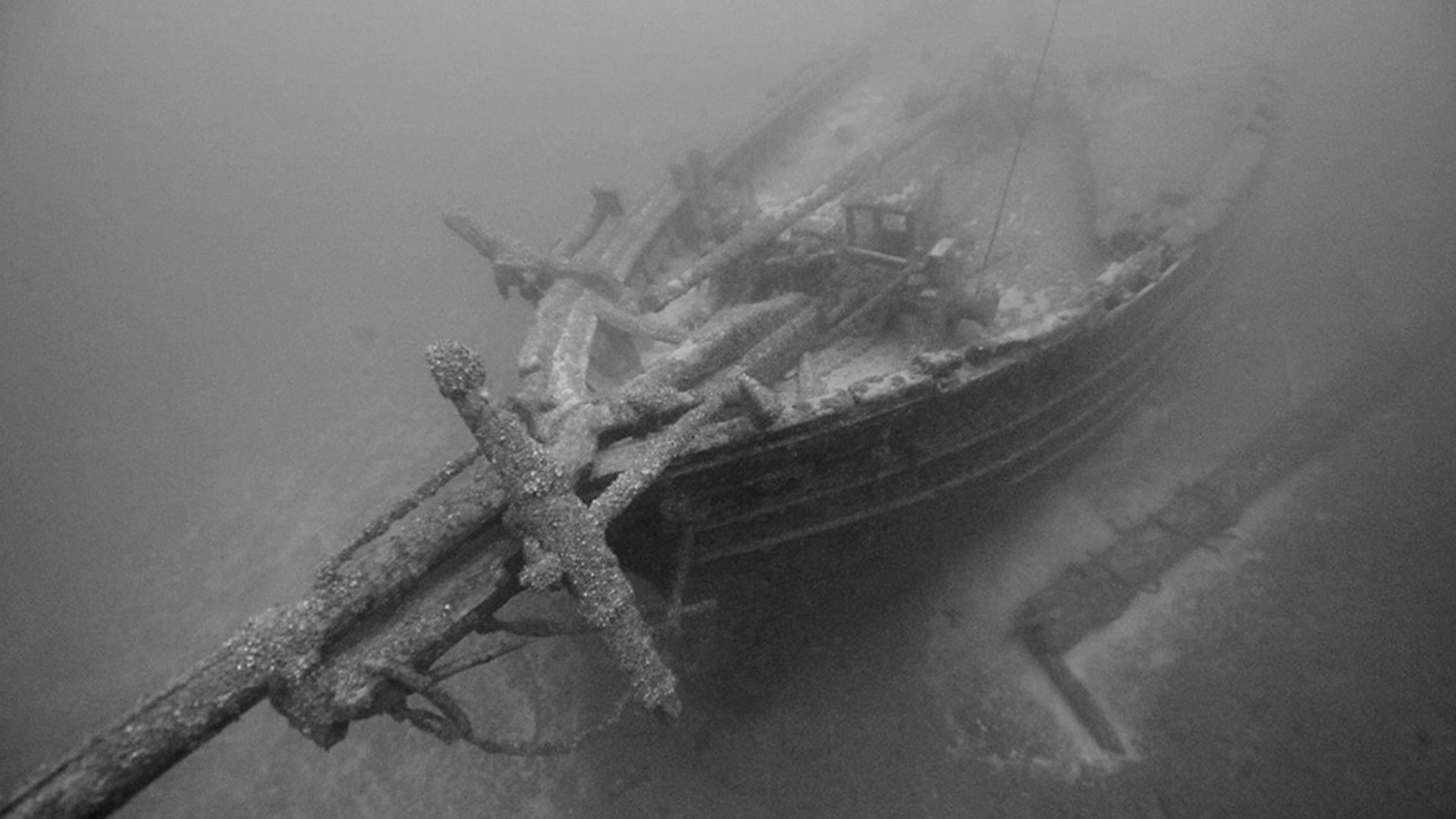
The White Ship wreck in 1120 was carrying elite travelers, and it changed English history far more than it changed maritime safety. It is a good reminder that some travel disasters become political legends instead of regulatory turning points.
8. The 1988 Yellowstone Fires
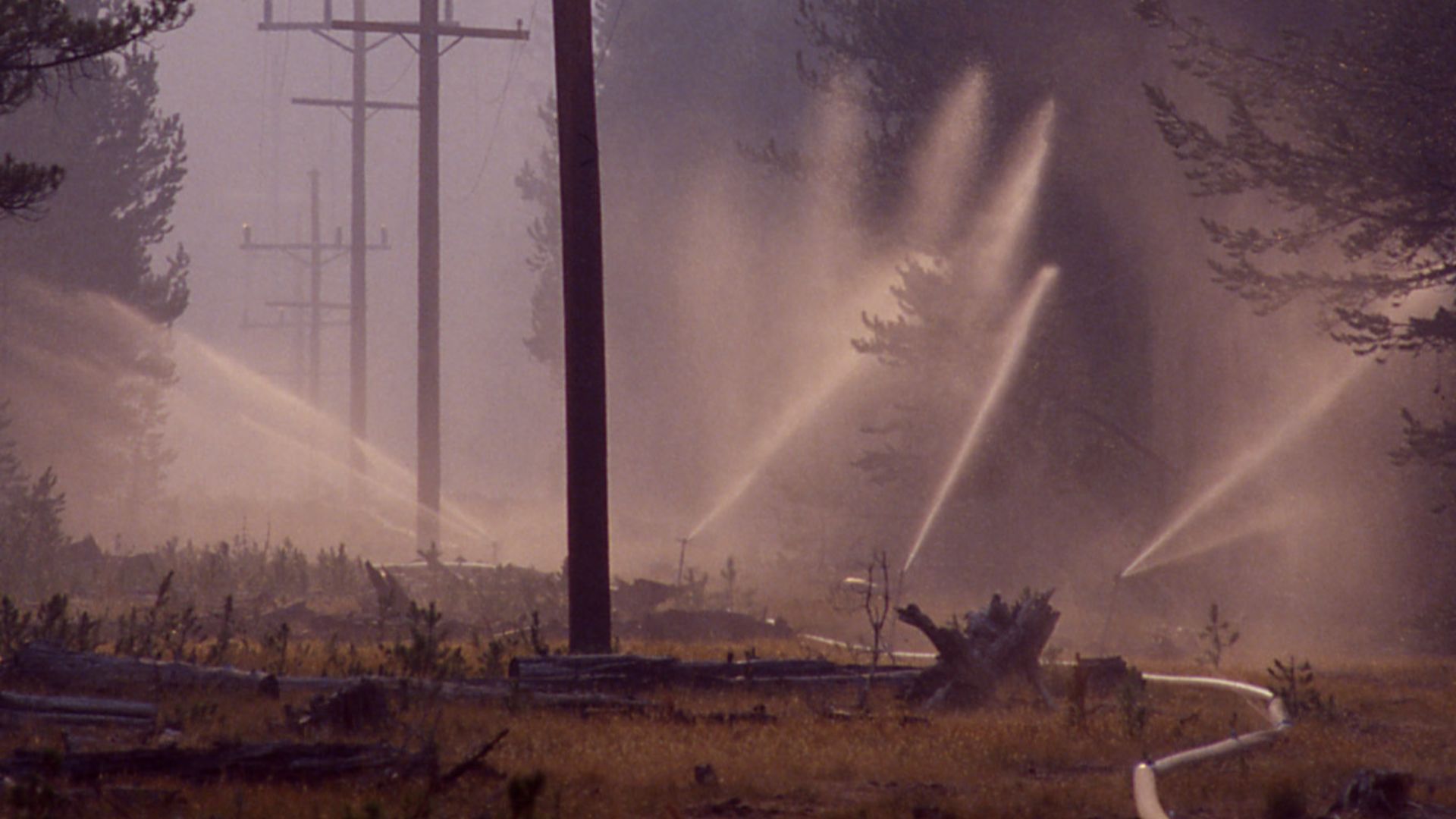
The Yellowstone fires transformed public debate about tourism, park management, and whether visitors were being protected or simply reassured. But the National Park Service response was more about research and fire-management thinking than a dramatic new tourist-safety law.
9. The 2019 White Island Lawsuits, Specifically
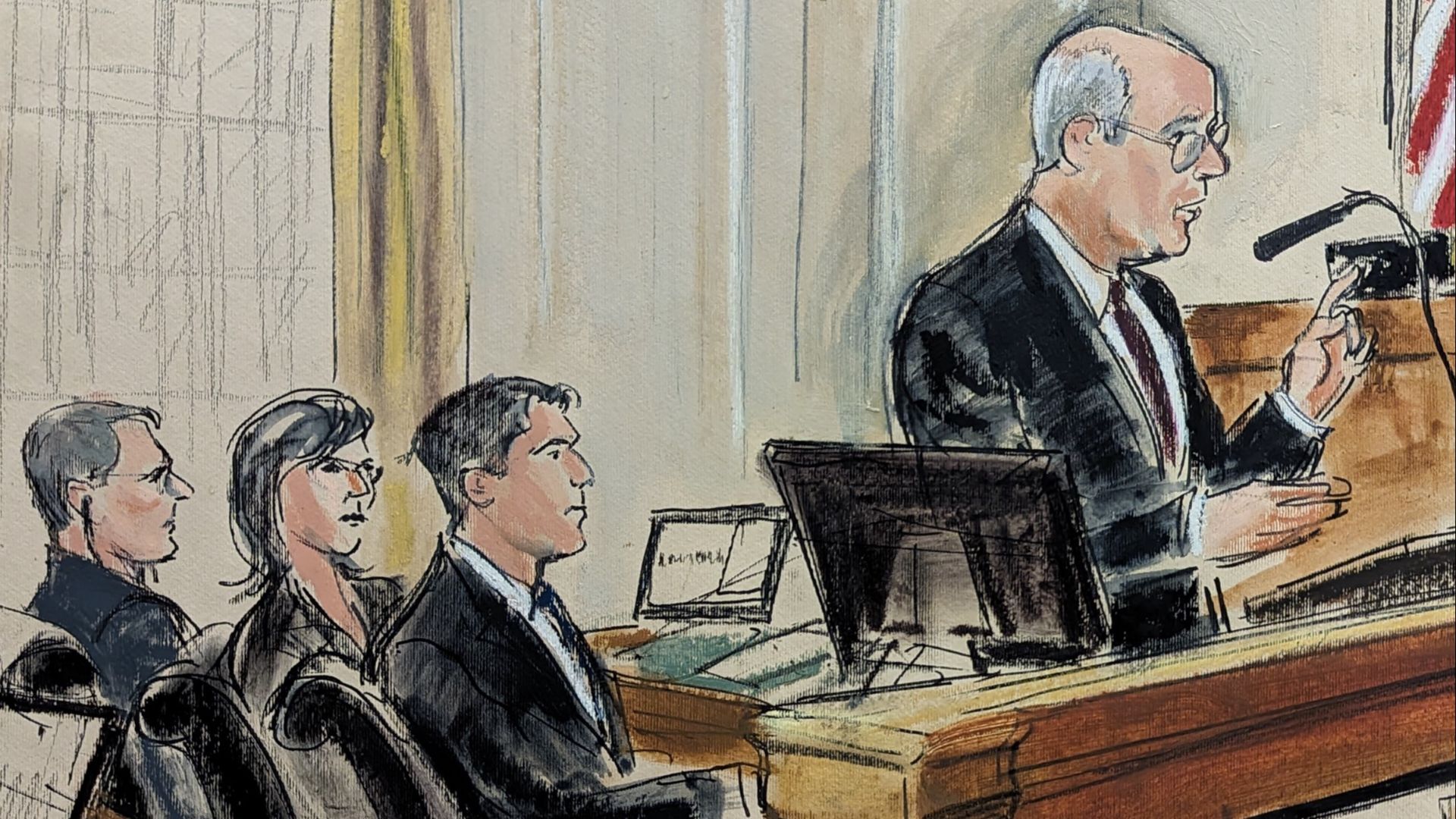
Even within the White Island case, the legal aftermath shows how messy this category gets. Courts and health-and-safety arguments kept narrowing who owed what duty, which is almost the opposite of the simple lawmaking story people expect after a disaster that public.
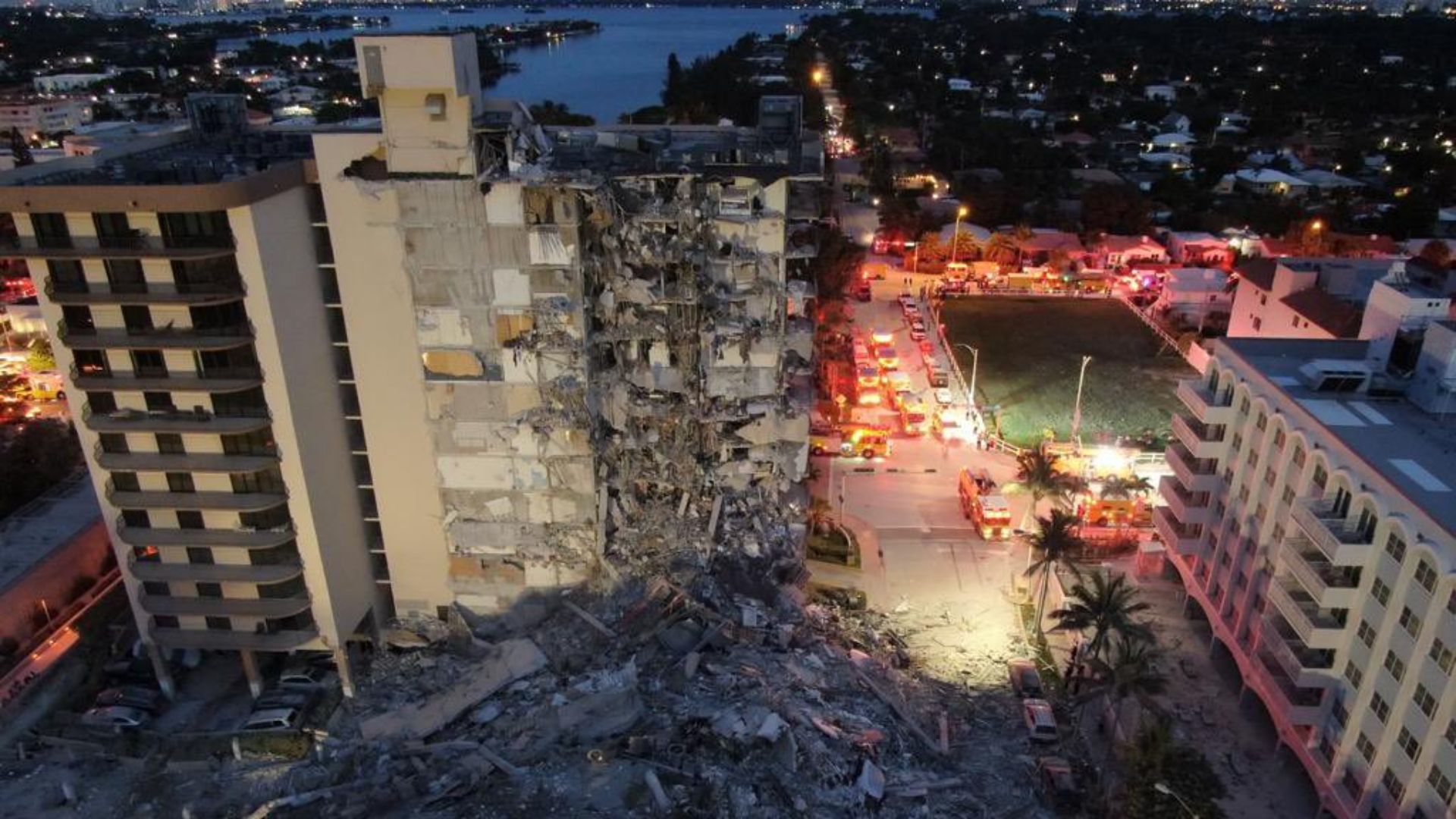
10. The 2021 Surfside Collapse
The collapse of Champlain Towers South in Surfside, Florida, killed visitors along with residents and horrified anyone who has ever checked into a beachfront high-rise without thinking twice about the building itself. It raised urgent questions about inspections, deferred maintenance, and aging coastal properties, but the broader legacy has been uneven, with some reforms in Florida and a lot less clear movement elsewhere.

_(32137294436)_(cropped).jpg)
