Taking Bicoastal To Another Level
Some places in America are easy to read right away. You land, walk a few blocks, and you already know whether you're in a city that runs on speed and hierarchy or one that gives more room for reinvention and a slower social rhythm. Then there are the cities that scramble that instinct. They've got old neighborhoods and startup energy, strict work culture and casual clothes, civic seriousness, and a creative scene that keeps pushing at the edges. These 20 places are where that East Coast and West Coast mix shows up most clearly.
1. New York City, New York
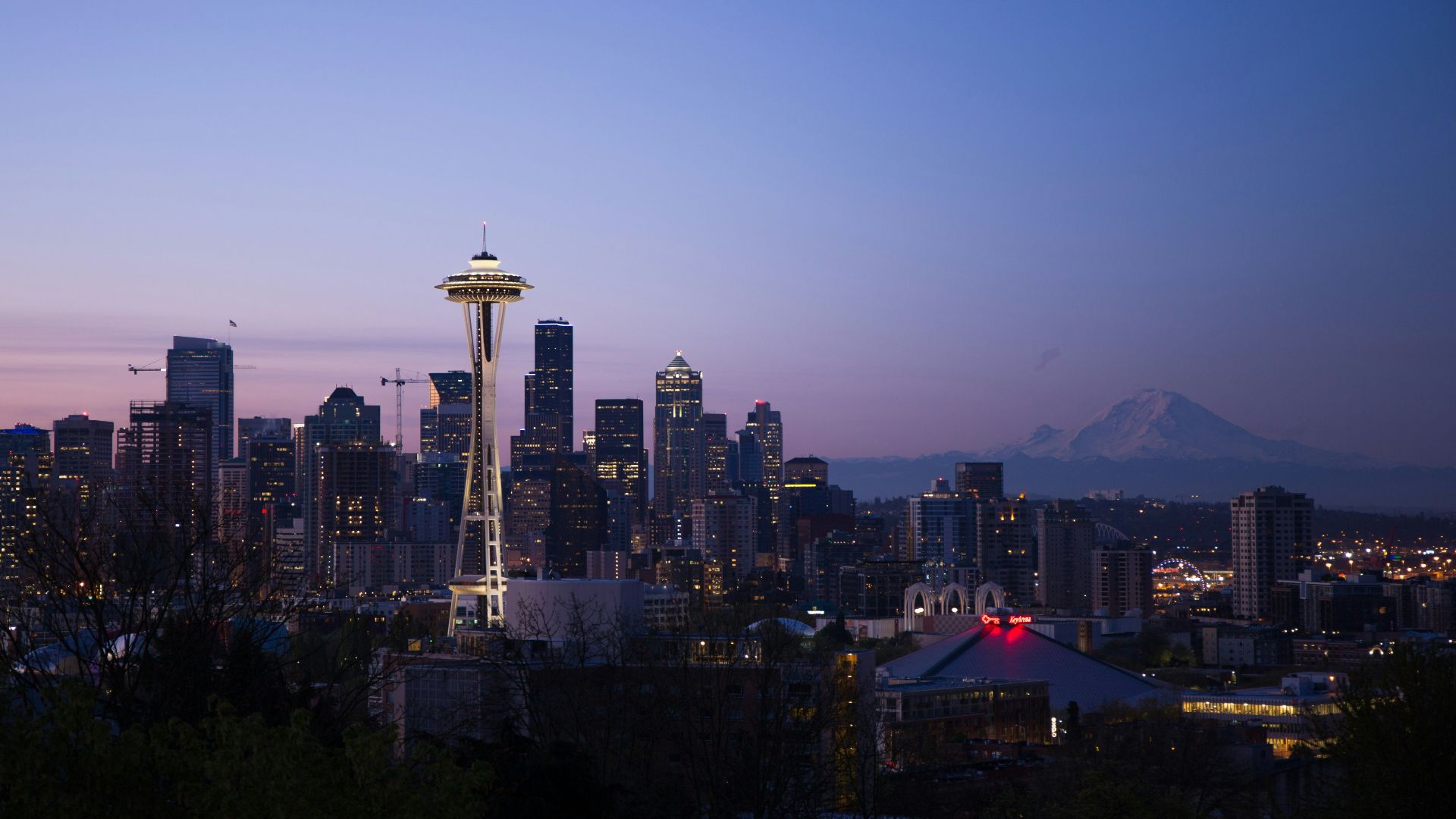
New York still feels like the clearest example of East Coast intensity, with density, pace, and more than 200 languages spoken across the five boroughs. At the same time, its immigrant energy and constant appetite for reinvention give it a flexibility that's much bigger and more open-ended than the standard East Coast stereotype ever captures.
2. Los Angeles, California
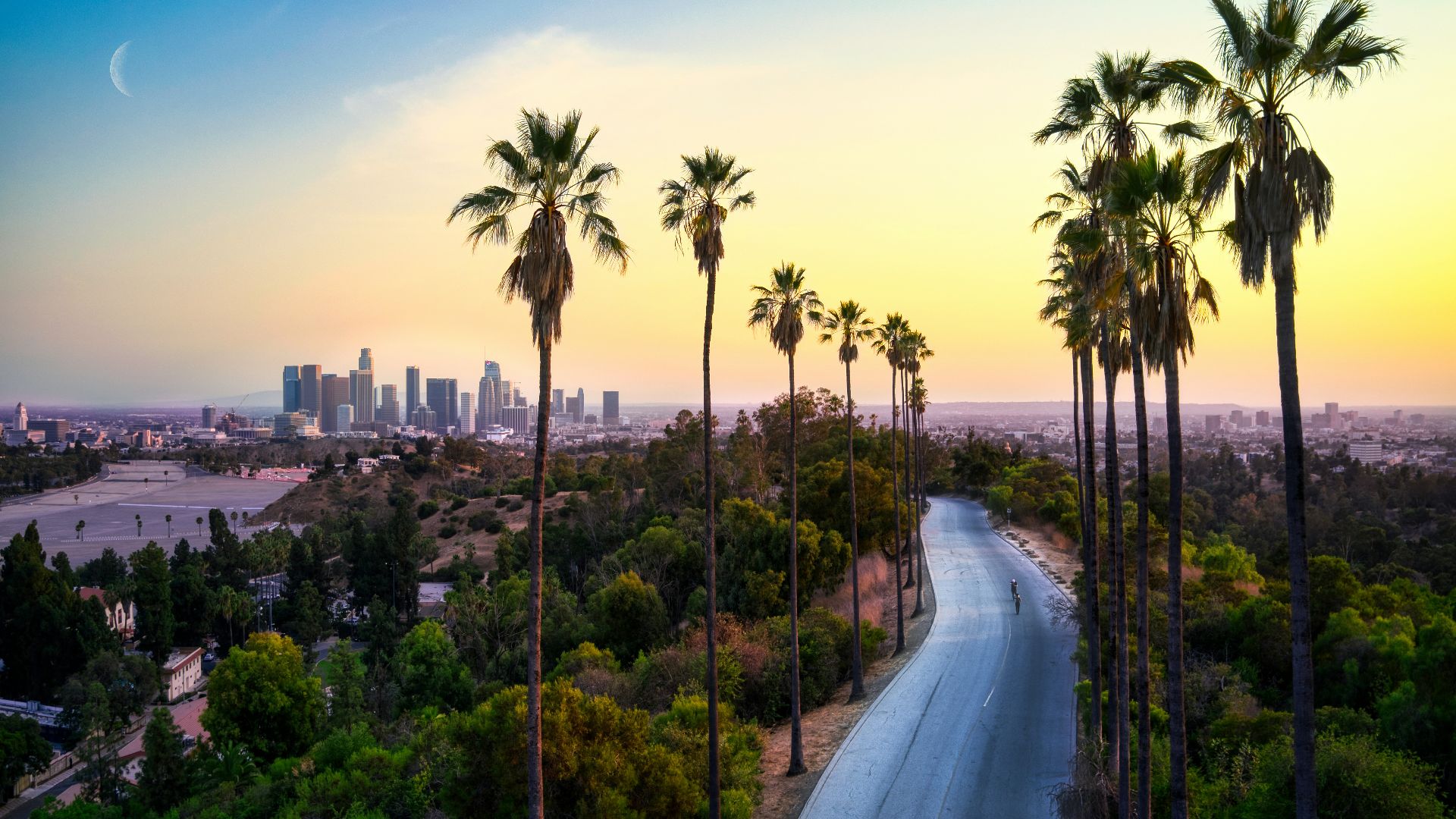
Los Angeles is all sprawl and car culture until you start moving through its cultural neighborhoods and realize how layered it actually is. Chinatown, Historic Filipinotown, and the wider neighborhood map give LA the kind of urban complexity people usually reserve for older East Coast cities, even while the city still runs on classic Southern California looseness.
3. San Francisco, California
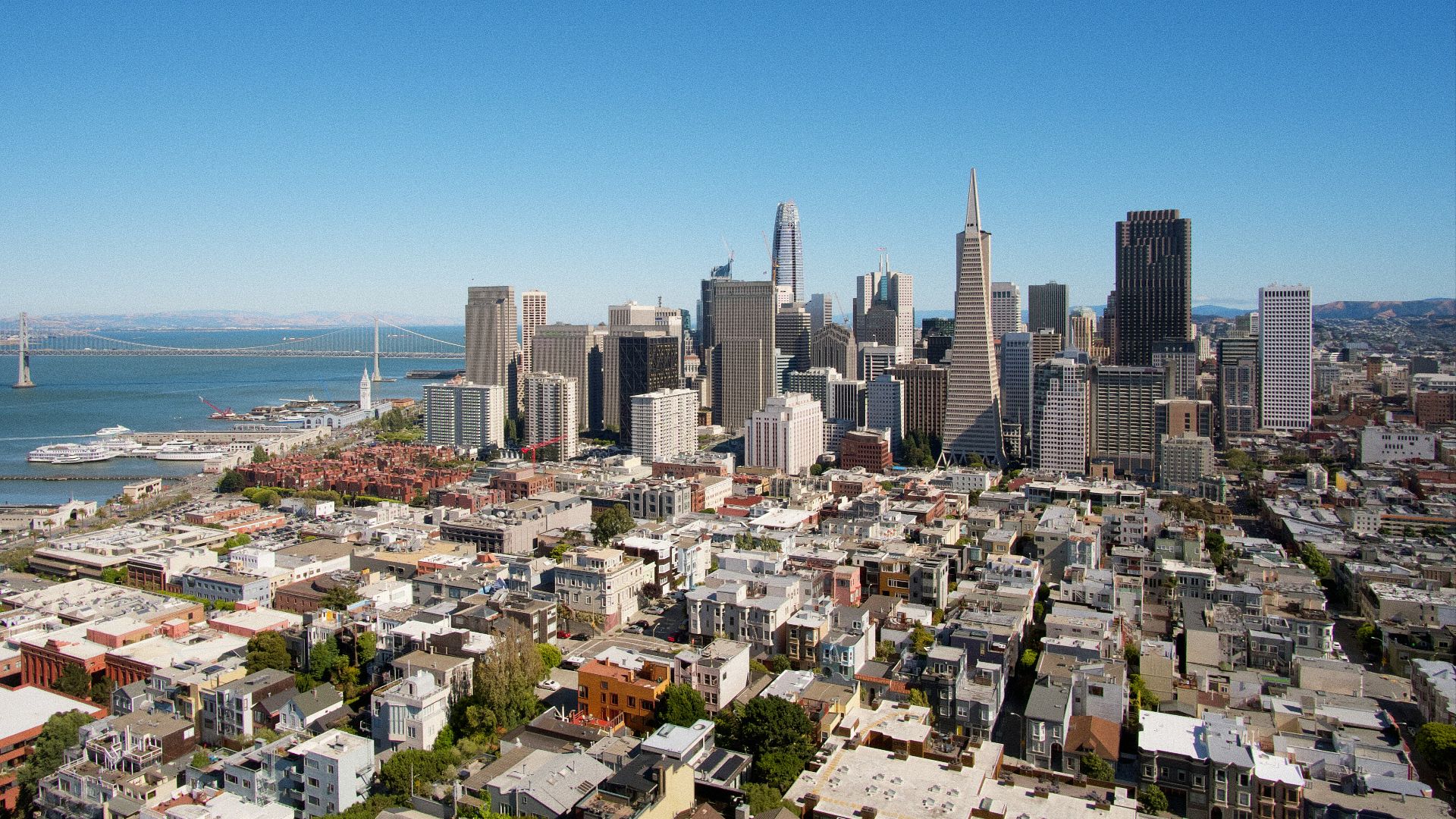
San Francisco has the waterfront and the California setting people expect, though daily life there can feel a lot sharper than the postcard version. The city covers only 49 square miles, carries a near-perfect walk score, and leans heavily on transit, which gives it a denser, more compressed feel than most West Coast cities ever get.
4. Portland, Oregon
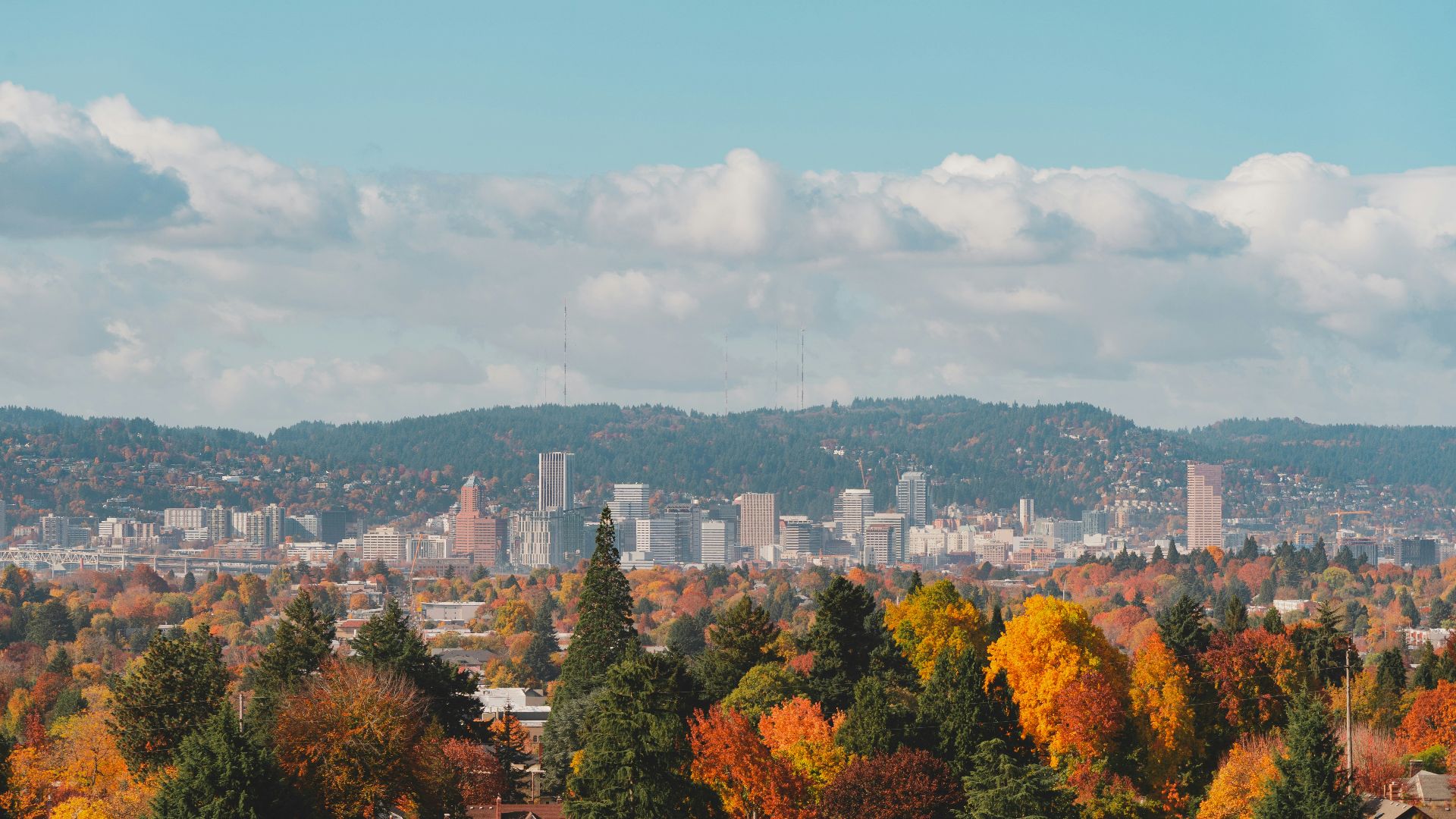
Portland often gets filed under relaxed West Coast living, and parts of it do fit that pretty neatly. However, if you remember the city has more than 90 formally recognized neighborhoods and a strong walking culture, and suddenly it's got a more East Coast-style neighborhood mindset than most people expect going in.
 Cristofer Maximilian on Unsplash
5. Oakland, California
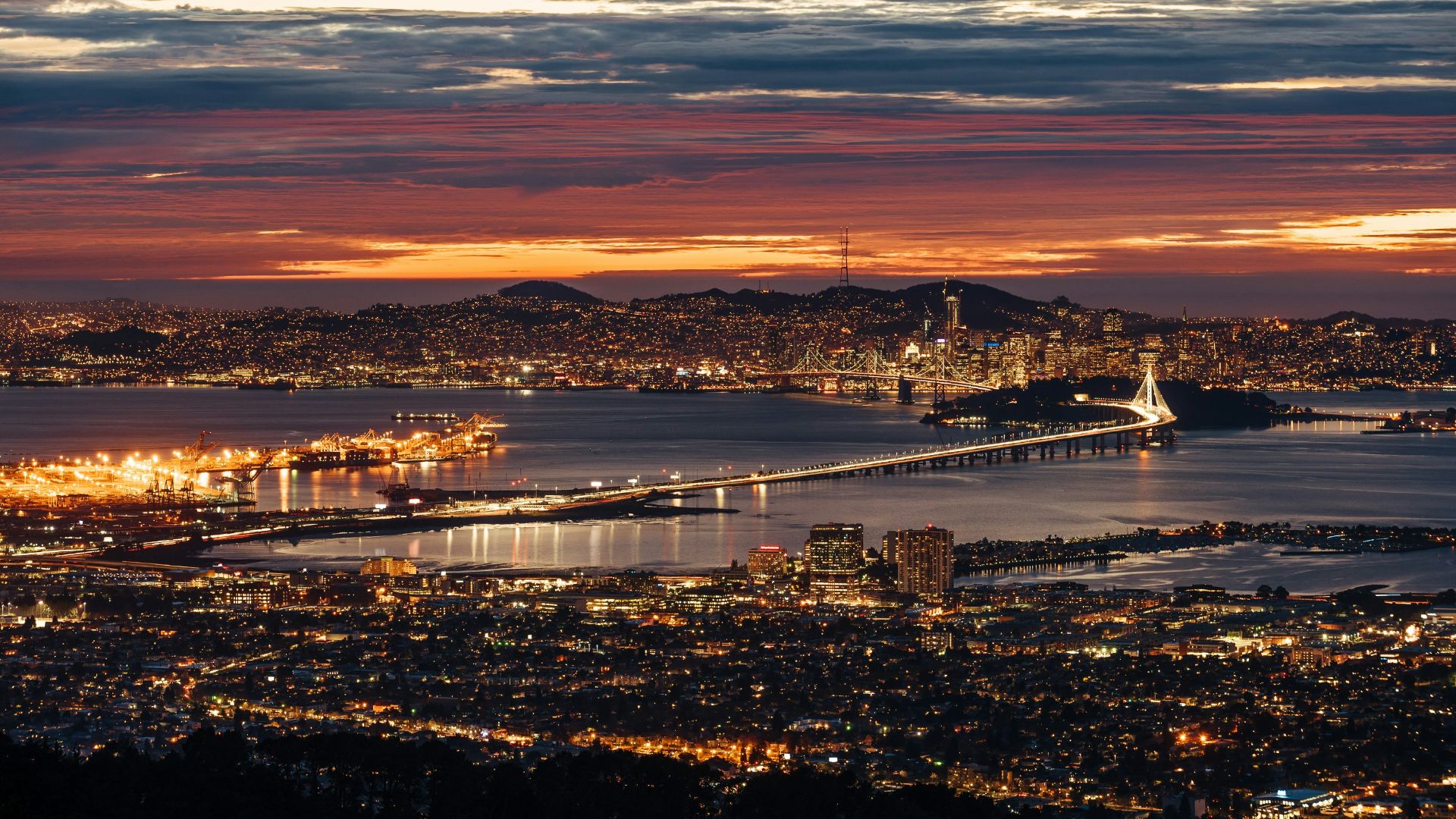
Oakland feels local in a very concentrated way, which is part of why people compare it to the East Coast mentality. The city leans into diverse neighborhoods, civic pride, arts and culture, and locally owned businesses, and that combination gives it a tougher, more lived-in feel than the Bay Area image usually allows for.
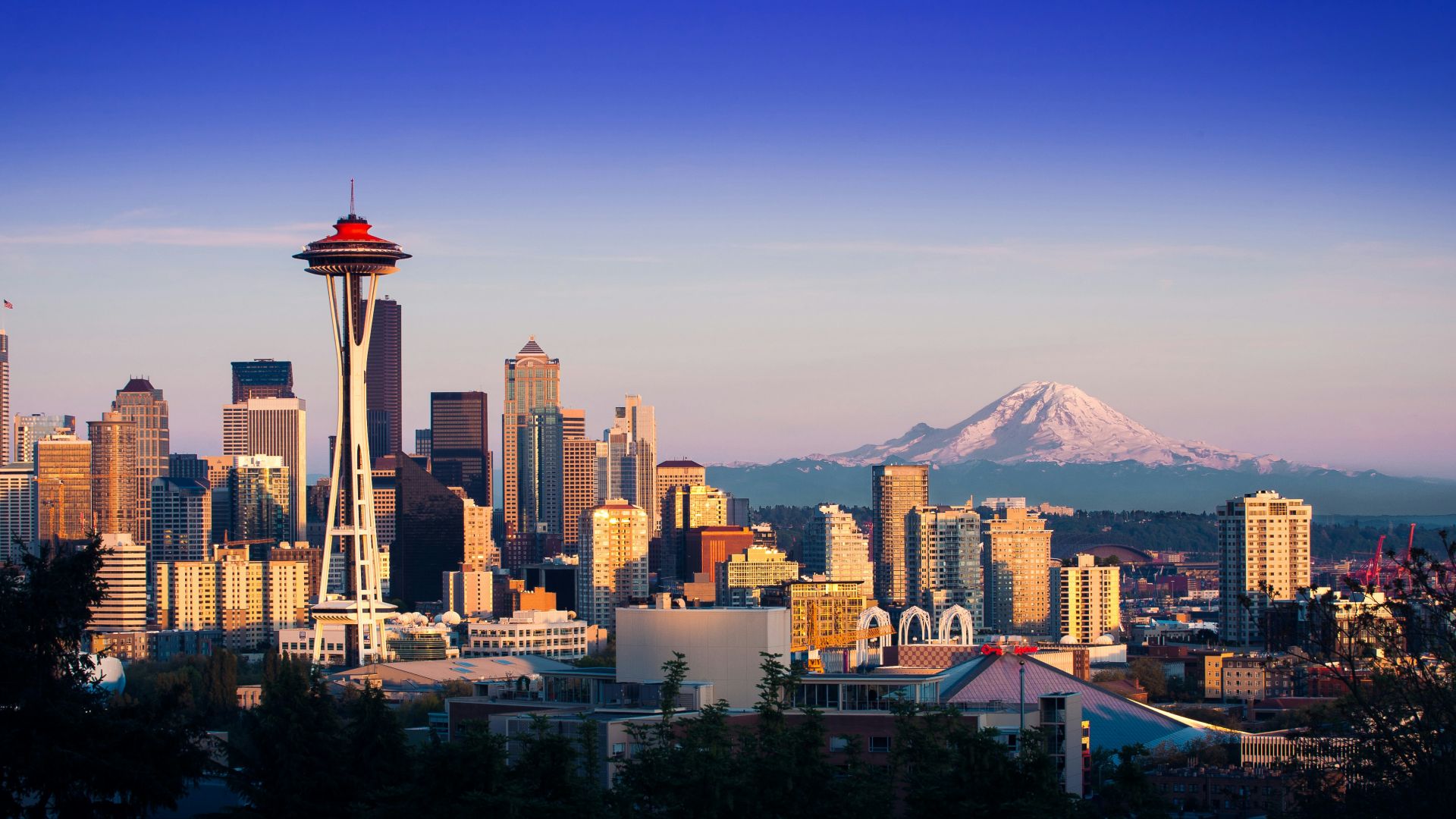
6. Seattle, Washington
Seattle has the great outdoors, the coffee culture, the tech economy, and the casual dress code, so the West Coast label makes sense on arrival. Spend more time there, though, and the reserved social tone, tight neighborhood structure, and work-first energy start to feel much closer to certain East Coast cities than people tend to admit.
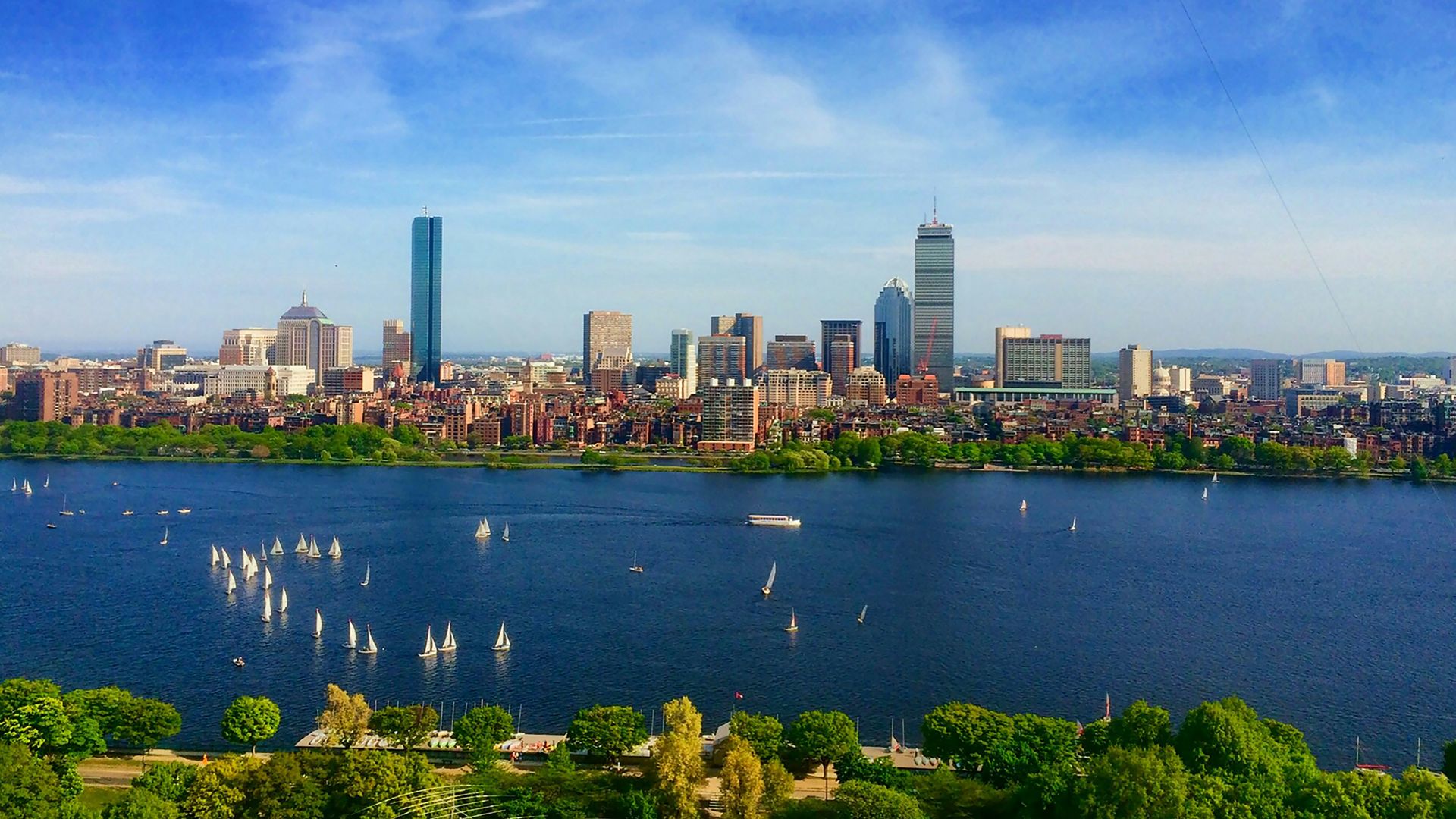
7. Boston, Massachusetts
Boston is old, tight, and very aware of itself, which puts it on firm East Coast ground from the start. The city also actively supports startup culture and keeps positioning itself as a research and innovation hub, so you end up with a place where centuries of history and serious forward-looking ambition share the same narrow streets.
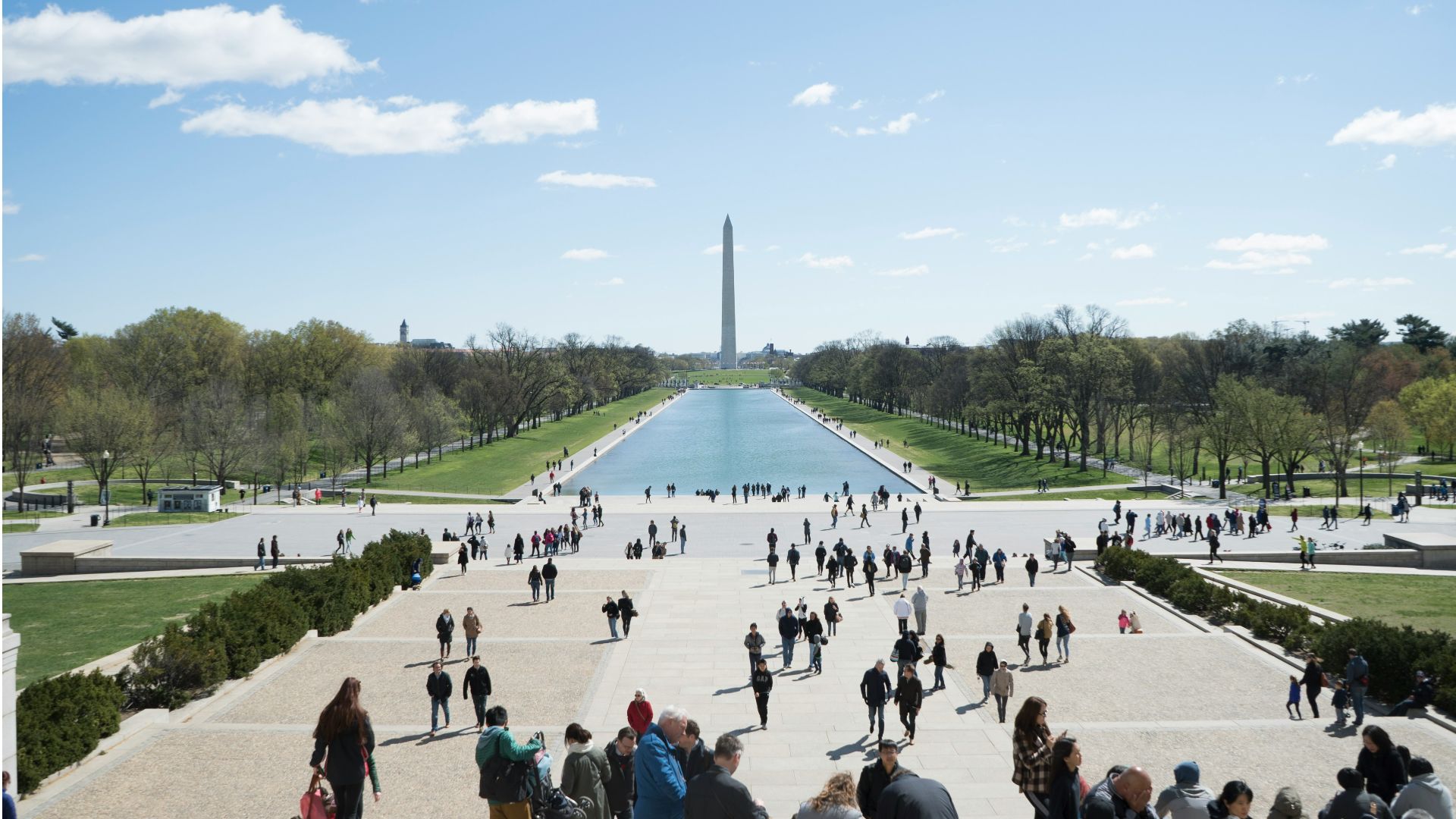
8. Washington, D.C.
D.C. can feel formal to the point of parody some days. When you move past the government structures, however, the city reveals its layers like an onion. The country's capital is full of local food culture, international influence, and a social texture that keeps remaking itself.
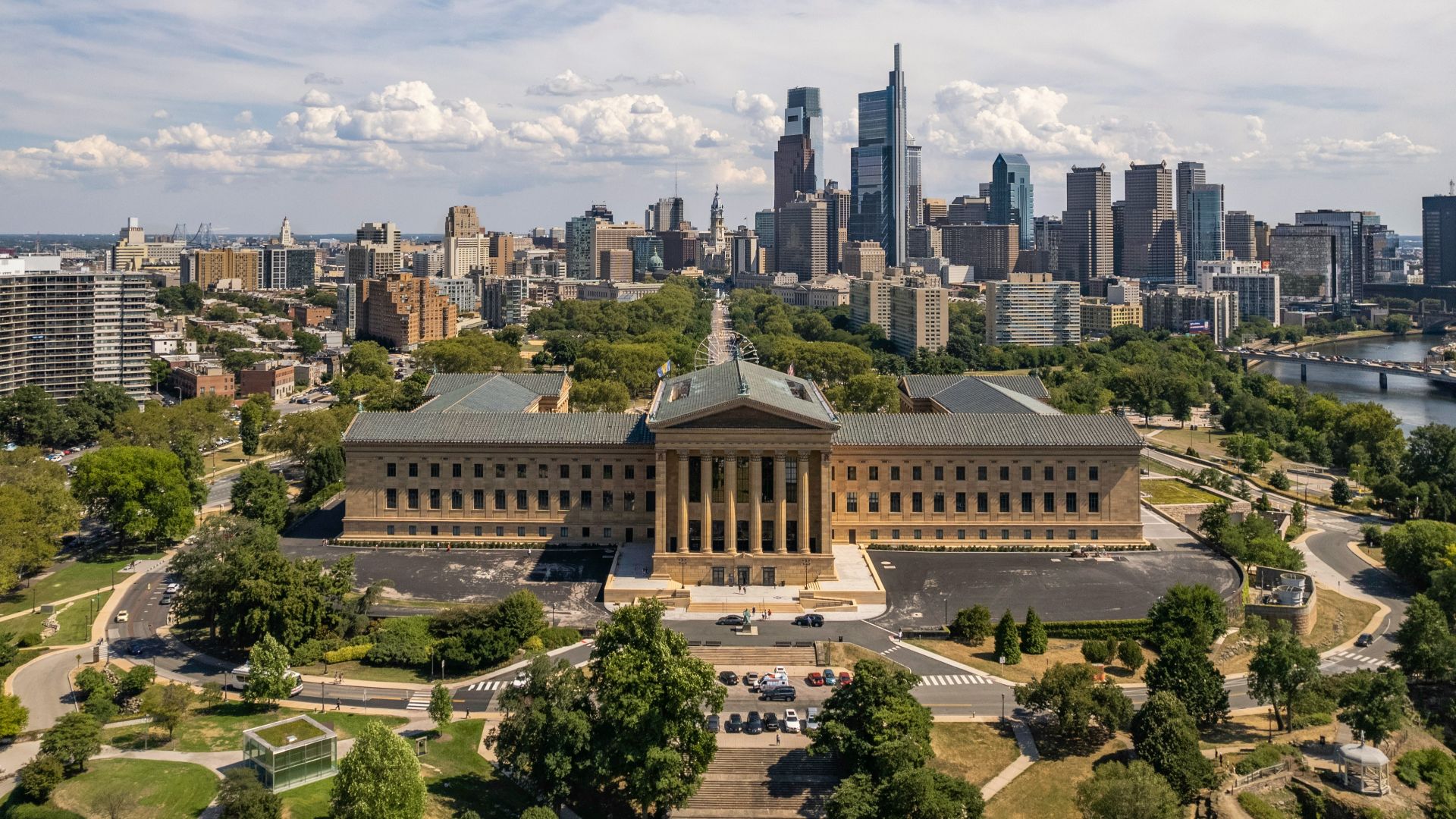
9. Philadelphia, Pennsylvania
Philadelphia still has the bluntness, rowhouse density, and working-city confidence people associate with the East Coast, and it doesn't seem interested in softening those edges for anyone. Get into the food scene, the murals, and the neighborhood culture, though, and the city starts feeling more open and creative than its old reputation tends to suggest.
10. Baltimore, Maryland
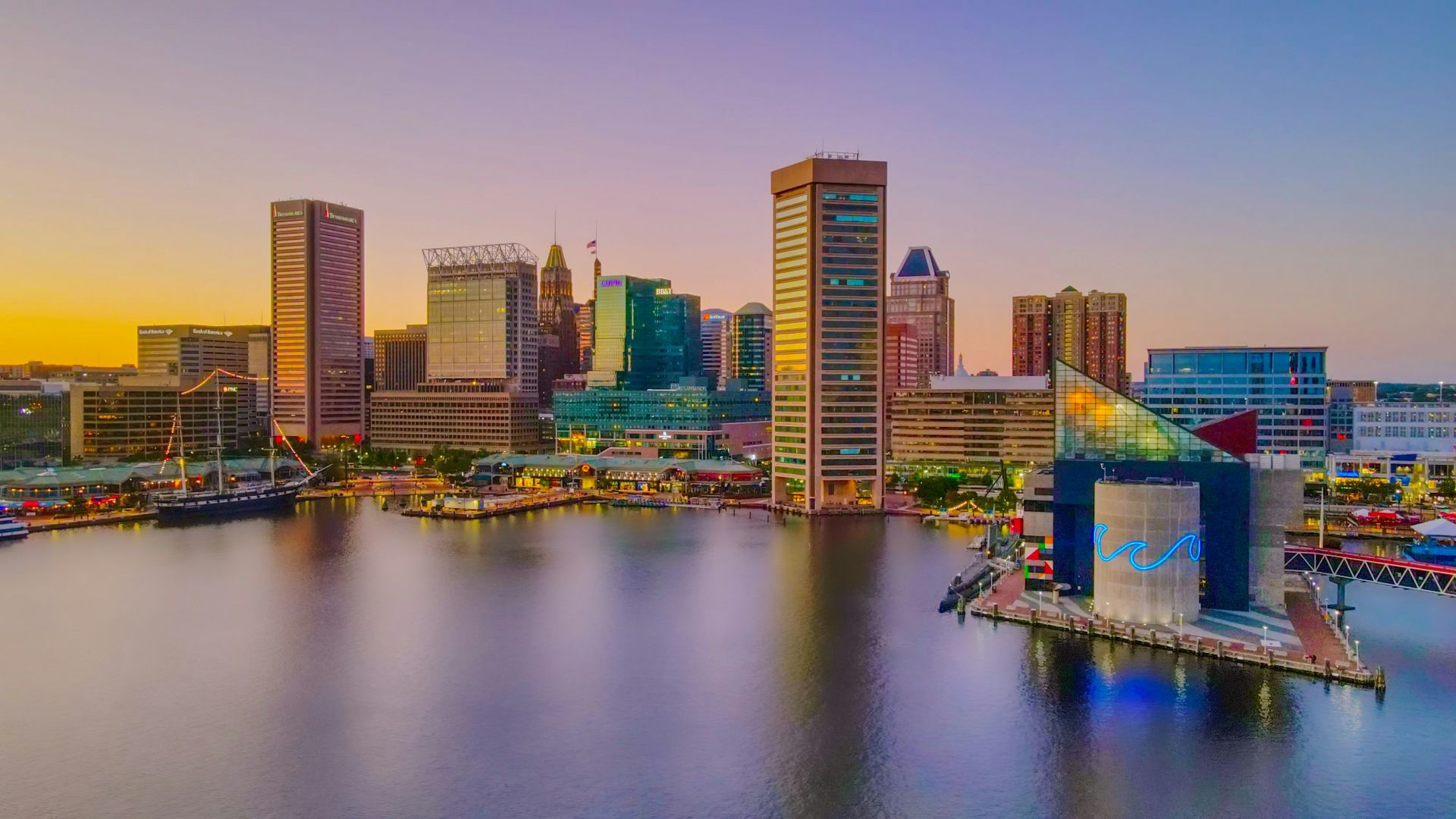
Baltimore has classic East Coast bones: rowhouses, strong local identity, and the kind of social directness that doesn't waste time. The arts presence, event culture, and waterfront reinvention complicate that picture in a good way, so the city often feels like an older urban place still testing new versions of itself.
11. Richmond, Virginia
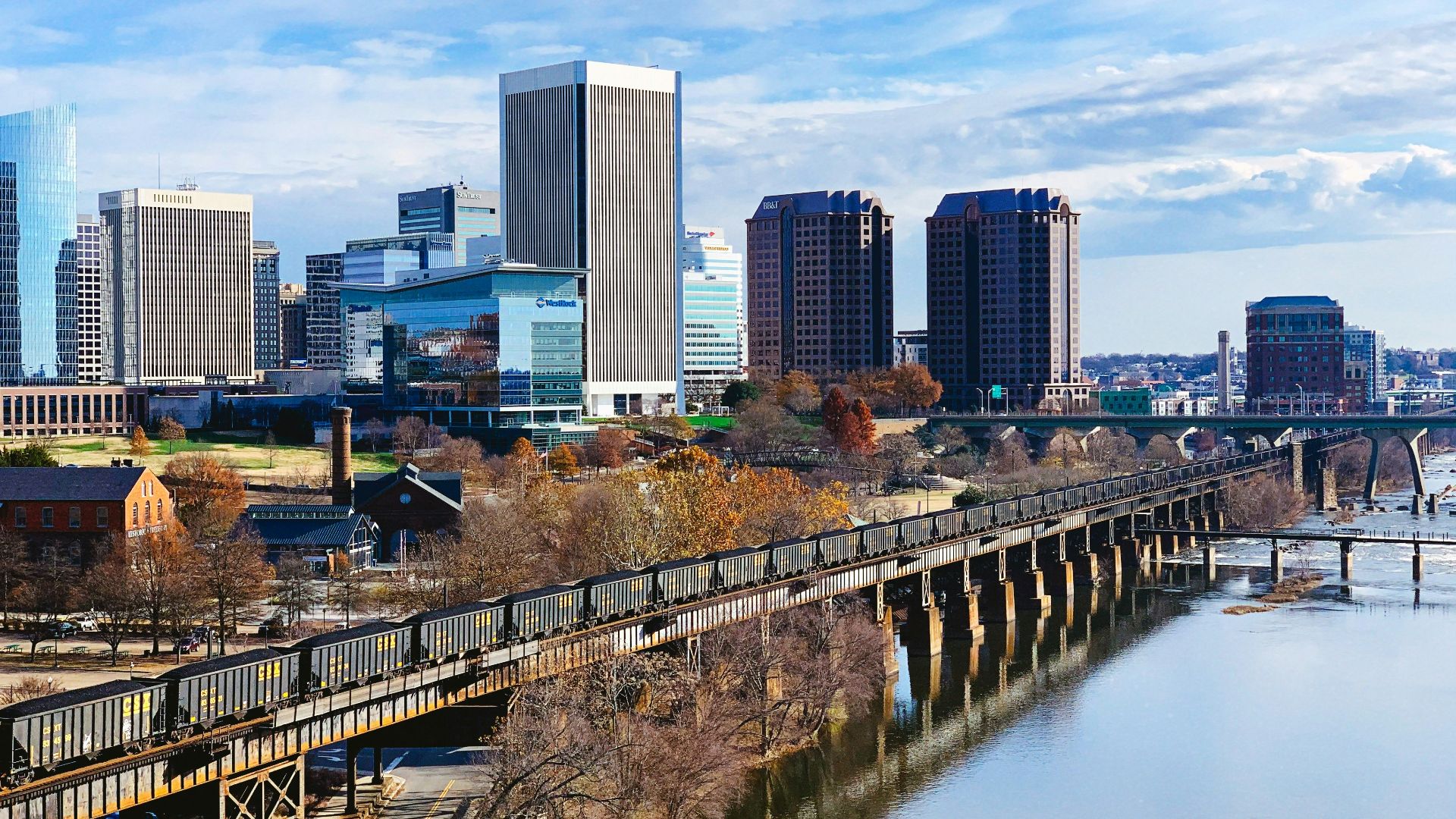
Richmond has more than 400 years of history behind it, and you feel that in the architecture and civic memory almost immediately. What shifts the energy is the current food scene, arts activity, and neighborhood life, which make it feel less fixed and more exploratory than outsiders usually expect.
12. Charlotte, North Carolina
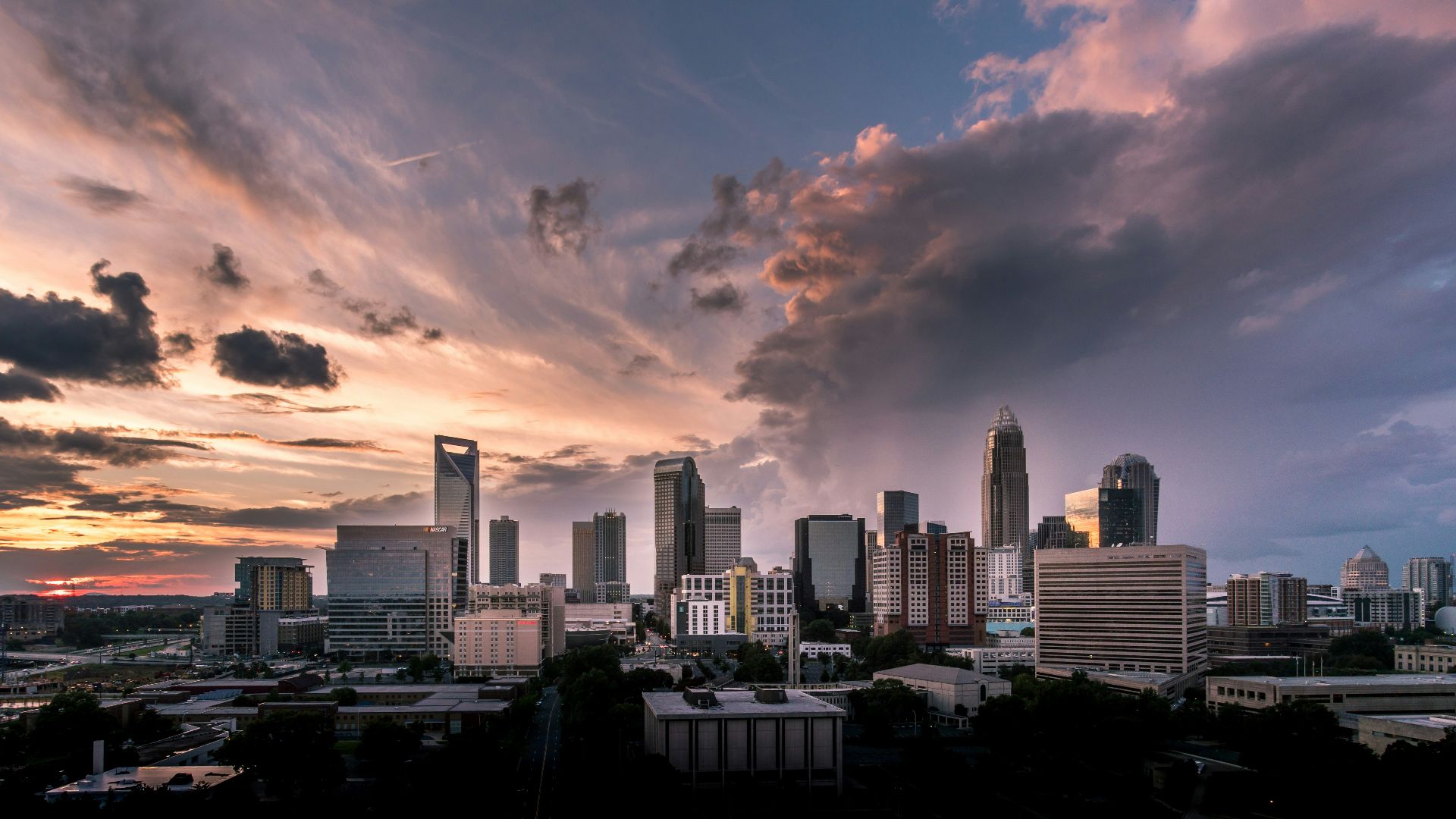
Charlotte feels East Coast in its business culture and fast, polished growth. At the same time, its neighborhoods, greenways, and outdoor recreation scene soften the corporate edge enough that parts of the city feel more flexible and open than the old Atlantic model tends to allow.
13. Raleigh, North Carolina
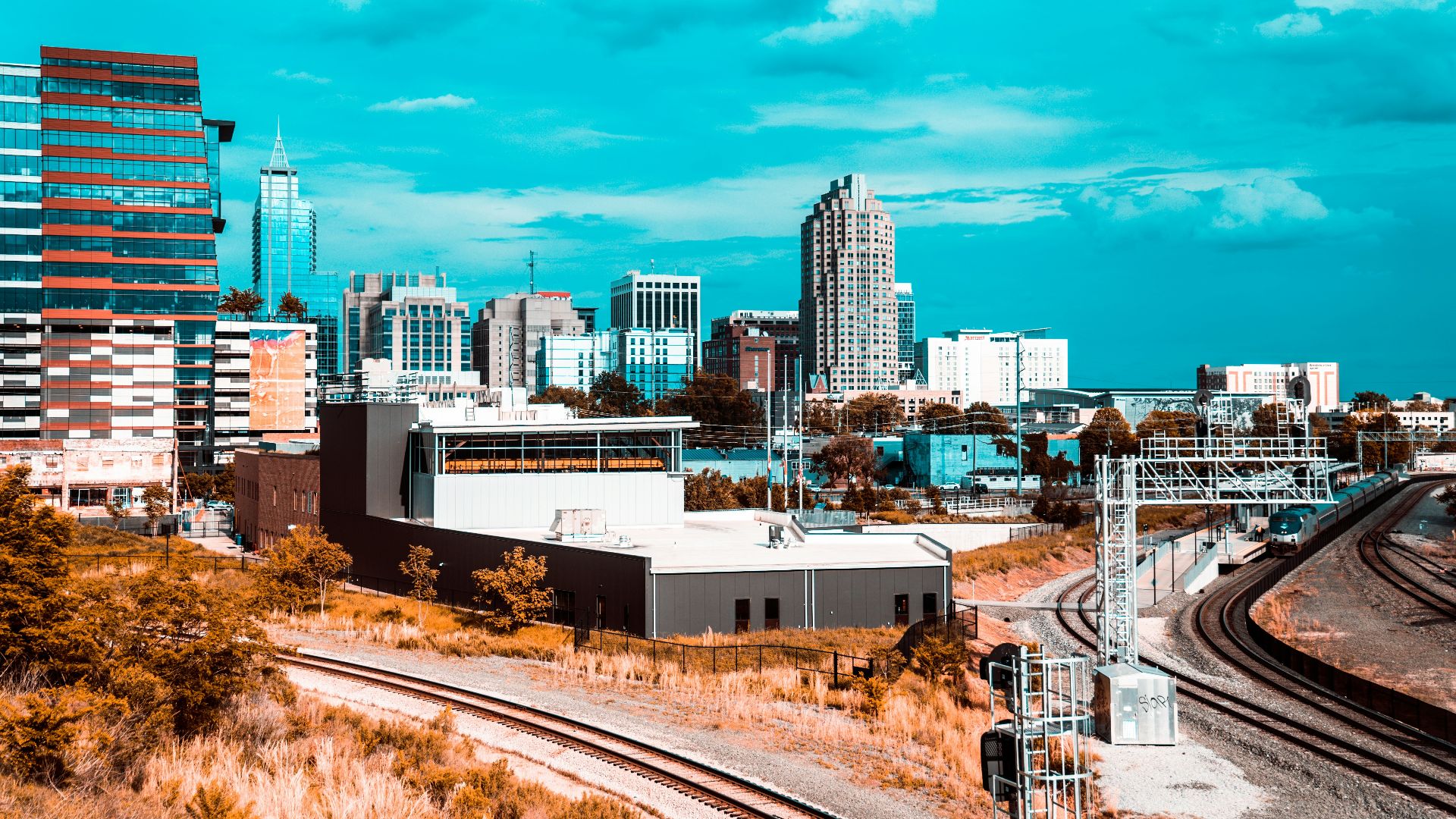
Raleigh has the civic order and university-town structure that give it a steady, organized feel from the start. The greenway system, the broader Triangle innovation culture, and the way the city folds nature into daily life start nudging it in a more West Coast direction.
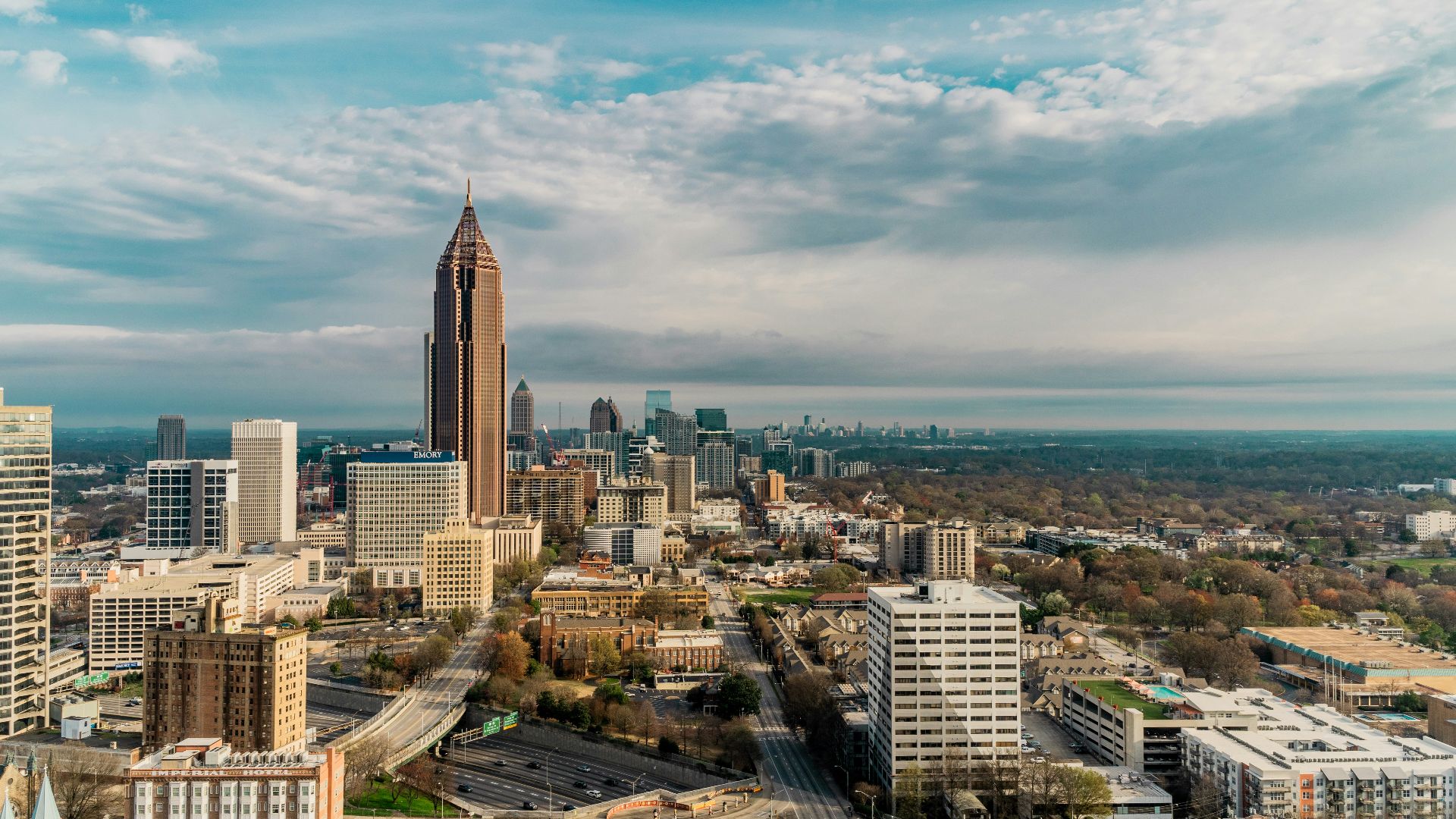
14. Atlanta, Georgia
Atlanta is a Southern city, first and foremost, though it also has the reach and self-confidence of a city that long ago stopped asking permission to matter nationally. The airport, film industry, music scene, and fast-moving neighborhood growth give it a scale and ambition that can feel coastal even when the map says otherwise.
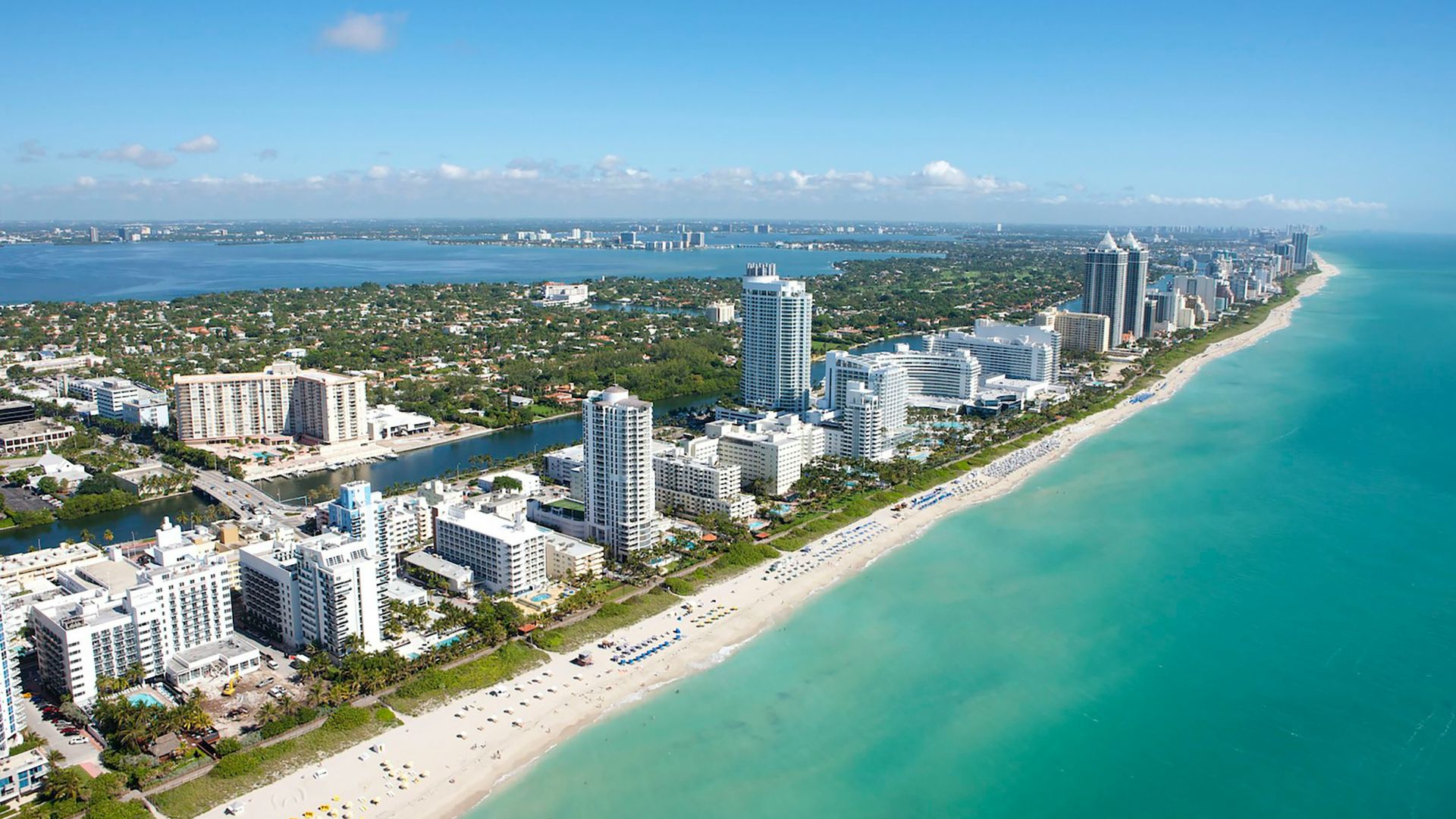
15. Miami, Florida
Miami already has the oceanfront density people associate with the East Coast, though that's only a sliver of the story. The Caribbean and Latin American influence, and global hospitality culture, push it well beyond a simple coastline.
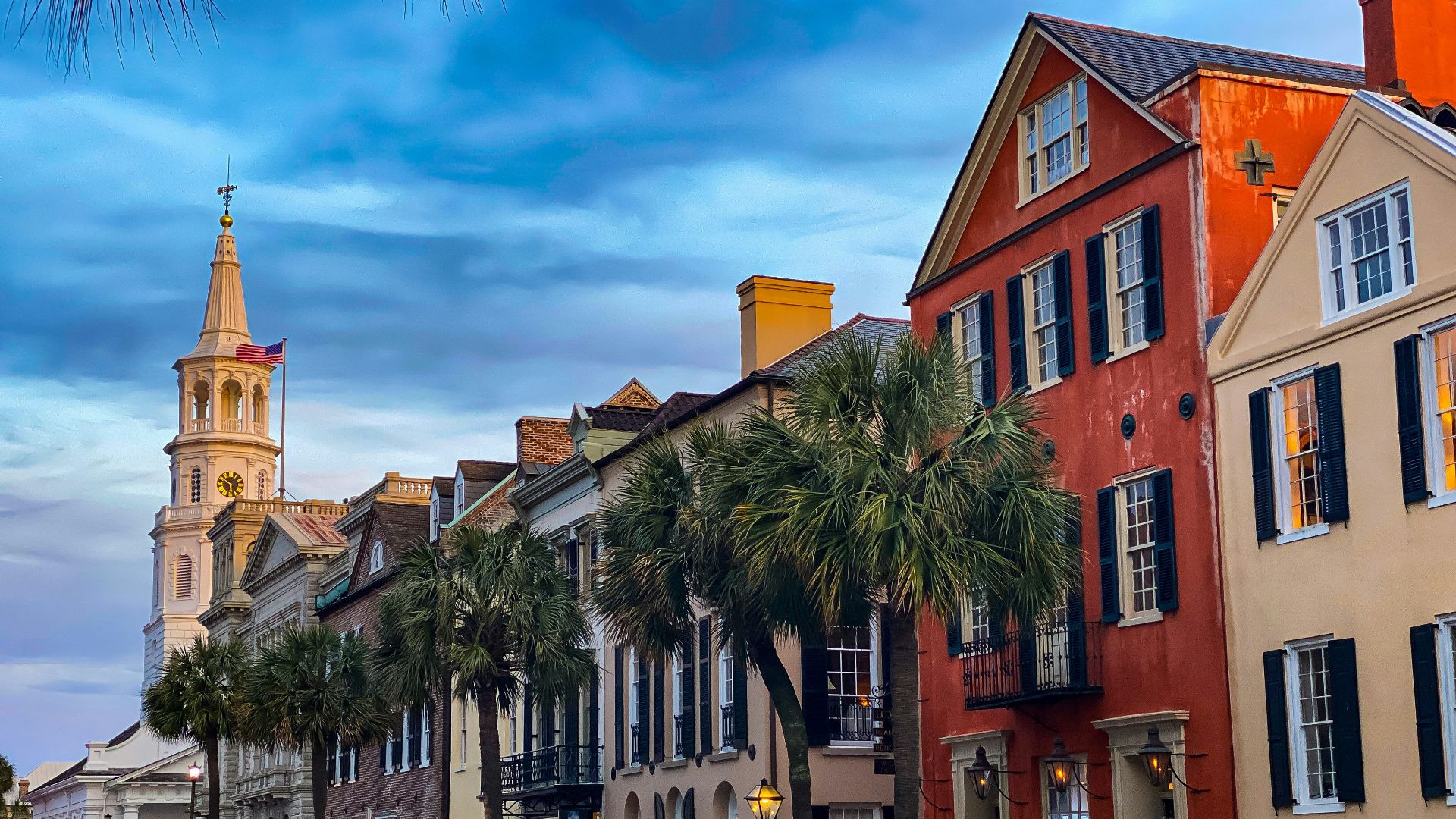
16. Charleston, South Carolina
Charleston has old-city walkability, architecture dating back to the 17th century, and enough social polish to feel very Atlantic in its habits. Then the restaurant culture and slower coastal rhythm loosen the place up, so the city plays to the State's unique bi-coastal attitudes.
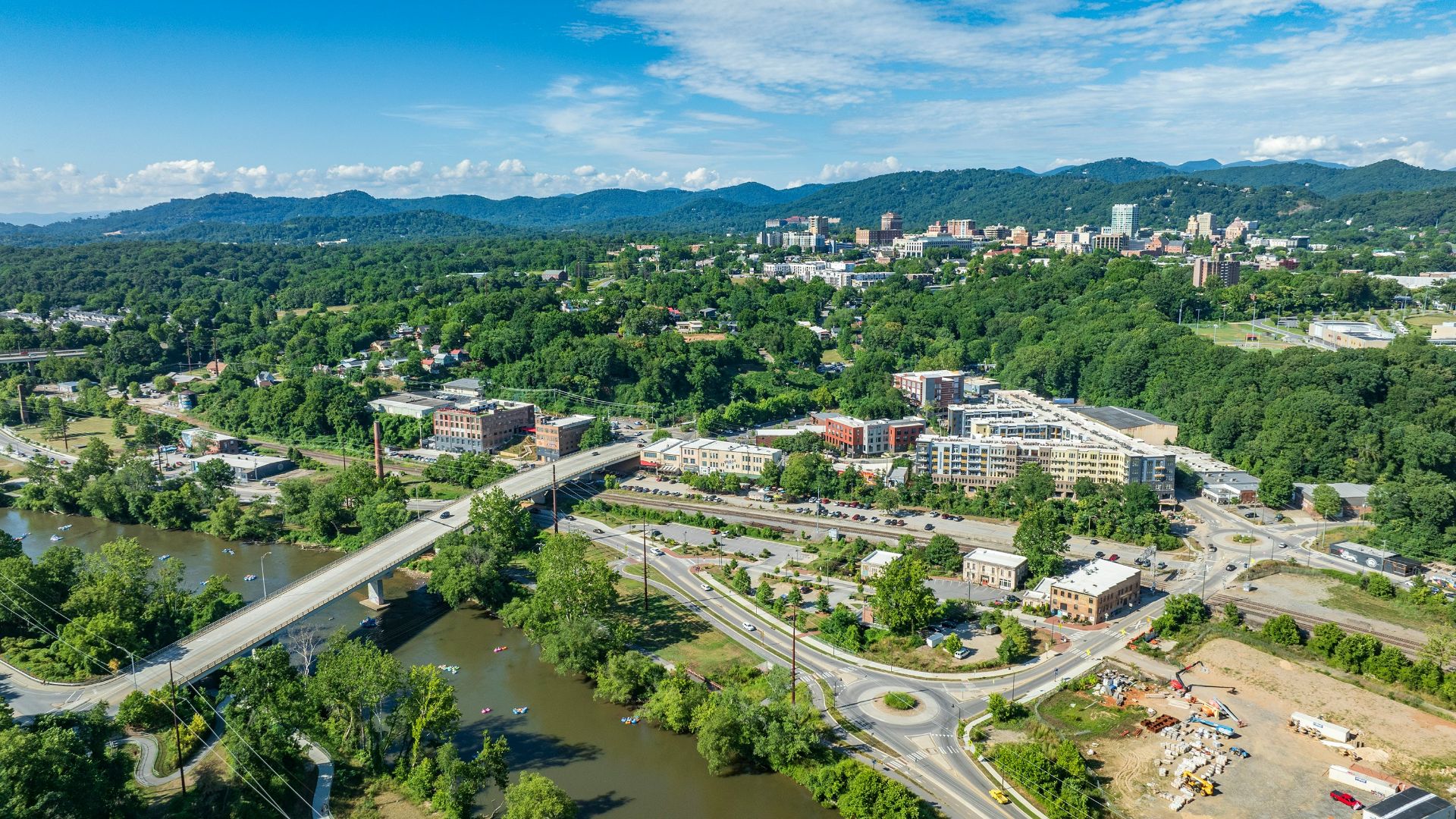
17. Asheville, North Carolina
Asheville is nowhere near the coast, though people keep describing it in West Coast terms for a reason. The outdoor culture, Blue Ridge access, independent streak, and arts-heavy downtown give it a looser, more alternative feel, even while it stays rooted in Appalachian geography.
18. San Diego, California
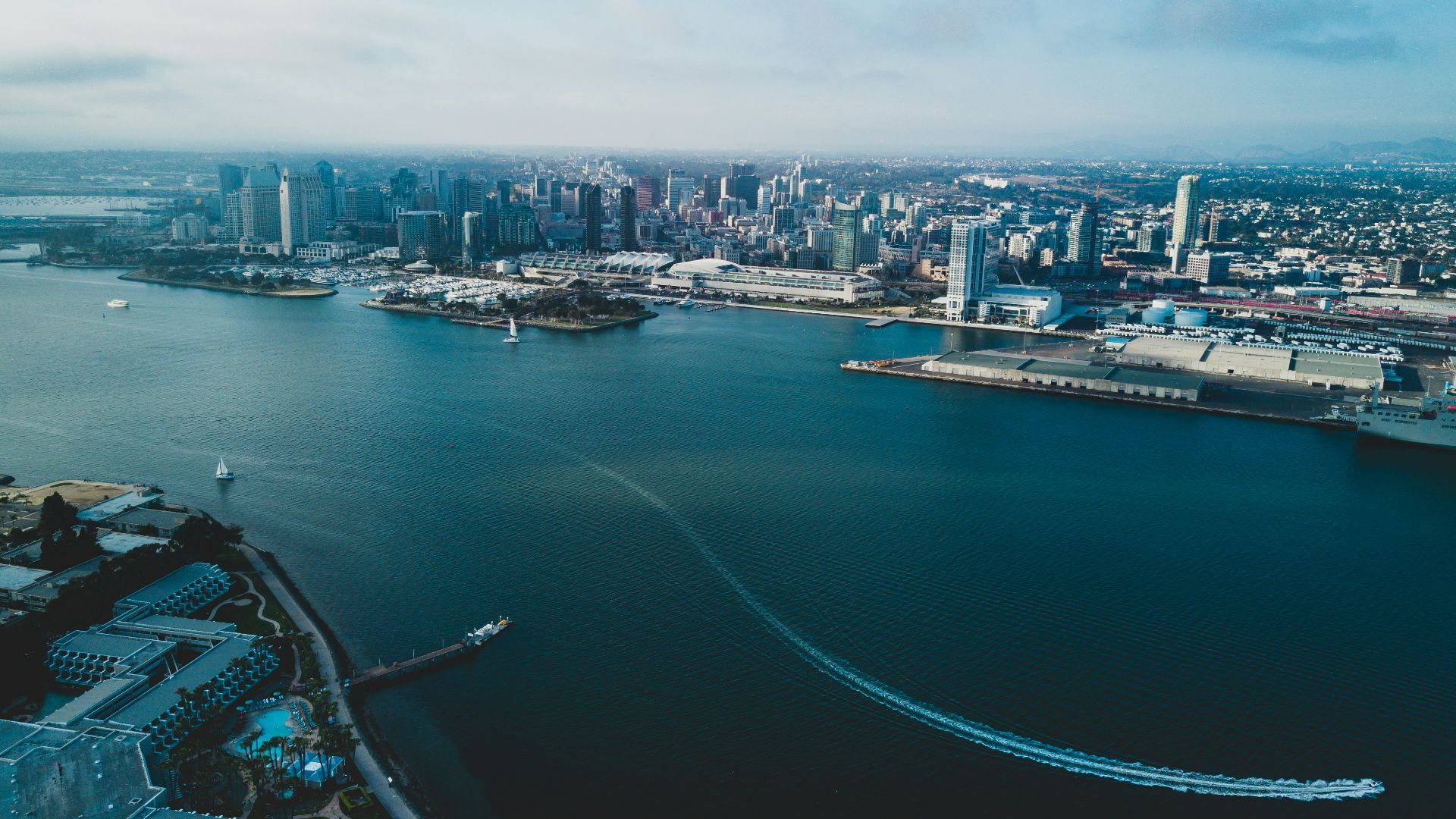
San Diego gets flattened into beach-town shorthand constantly, which leaves out a lot of its culture. The city's military footprint, borderland position, and denser urban neighborhoods give it more structure and seriousness than the relaxed-surf reputation usually allows.
19. New Orleans, Louisiana
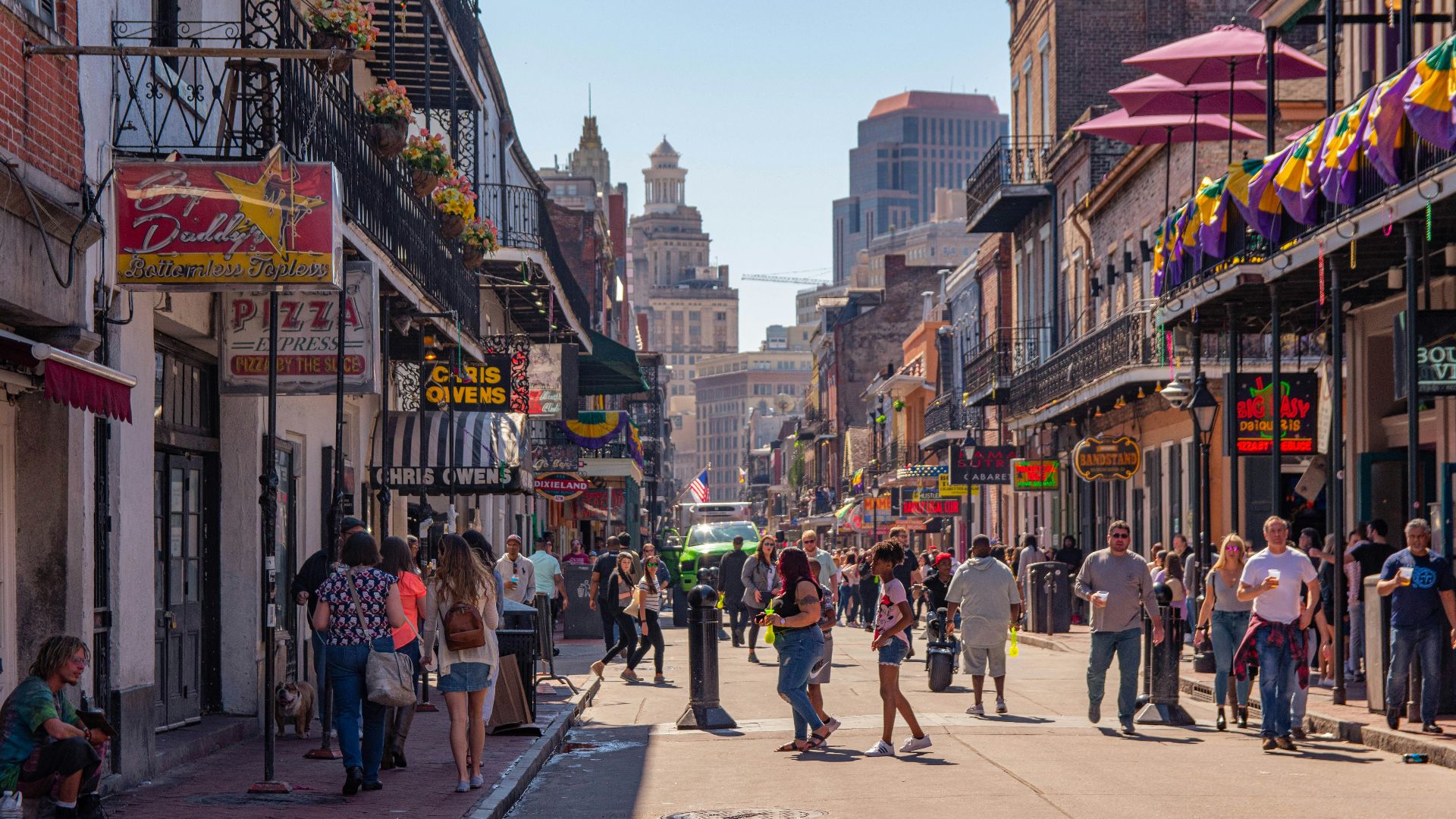
New Orleans doesn't fit neatly into either coastal mentality, which is exactly why it belongs here. The Creole, Cajun, French, Spanish, African, Caribbean, and immigrant layering makes it feel like a fully-fleshed out city, with neighborhood loyalties strong enough to keep it grounded.
20. Honolulu, Hawaii
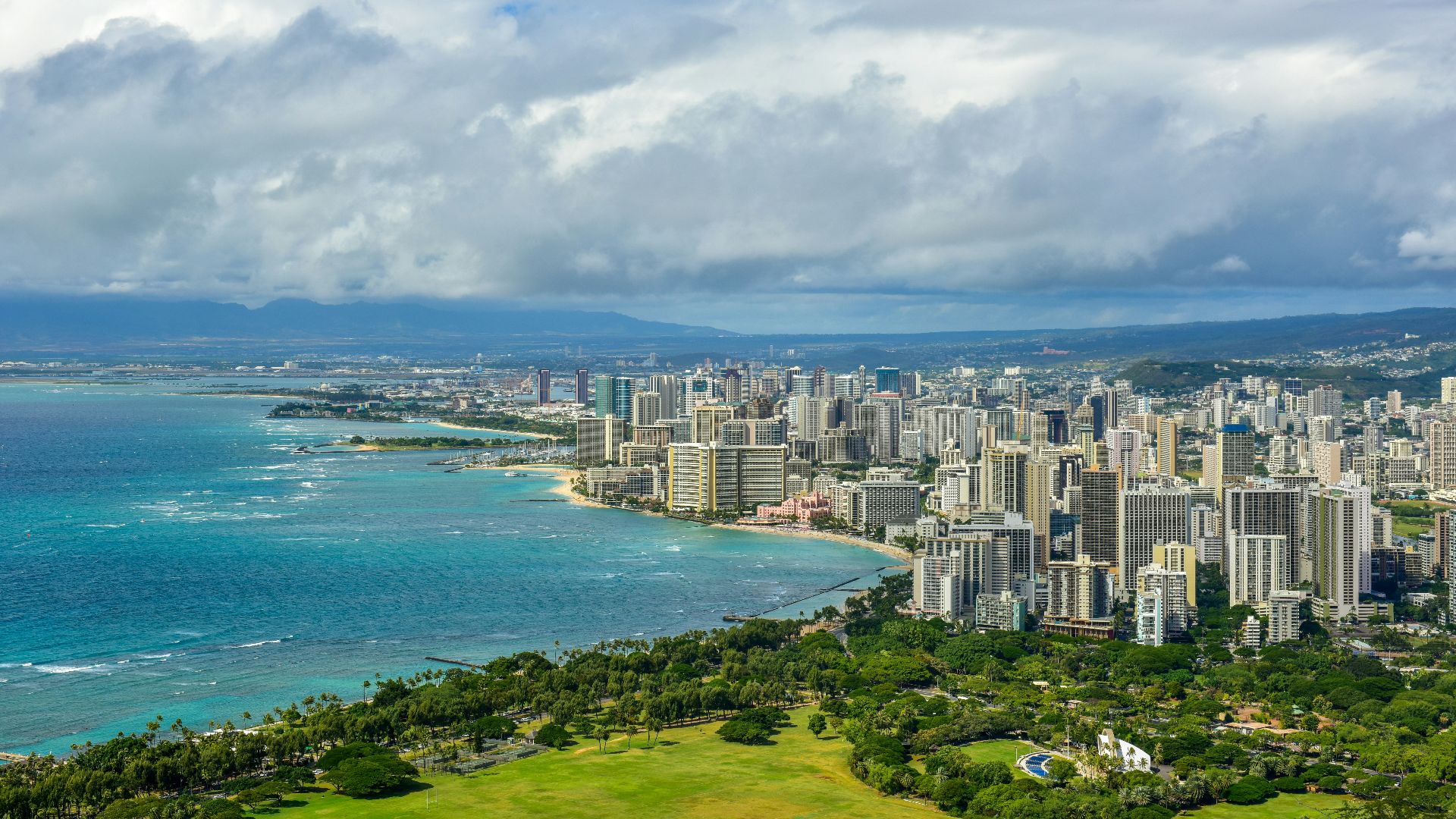
Honolulu has a dense downtown business core, major tourism infrastructure, and a level of urban organization that can feel pretty East Coast in practice. Then the island pace, Pacific orientation, and strong local cultural identity pull it somewhere the mainland categories never quite reach, which is a big part of why the city feels so different once you're actually there.