How Caution Turned Into Custom
Travel used to be rough in ways that are easy to forget now. A trip meant bad roads, shaky ships, crowded rail cars, unreliable weather, and a lot of chances for things to go wrong fast. In that kind of world, people built habits to stay alert, stay organized, and keep panic from spreading. Over time, plenty of those practical habits picked up the feel of ritual. These 20 strange travel rituals show how old safety rules slowly turned into the customs people kept repeating long after the original danger faded.

1. Knocking On Wood Before A Trip
This one feels like pure superstition now, but it came out of an older habit of physically touching something solid and stable while speaking about uncertain plans. In a world where travel could be delayed by weather, robbers, illness, or a bad horse, that little gesture worked like a quick protective check against overconfidence.

2. Throwing Salt To Ward Off Trouble
Salt was valuable, portable, and deeply tied to protection in a lot of older traditions. Travelers carried it, used it to preserve food, and treated it as something that could symbolically push danger away, which is how a practical staple drifted into ritual behavior.

3. Never Whistling On Deck
Sailors did not just avoid whistling because they were being dramatic. On working ships, whistling could be confused with command signals, and many crews also believed it invited dangerous winds, so the rule stuck as both discipline and superstition.
4. Taking Your Shoes Off On Board
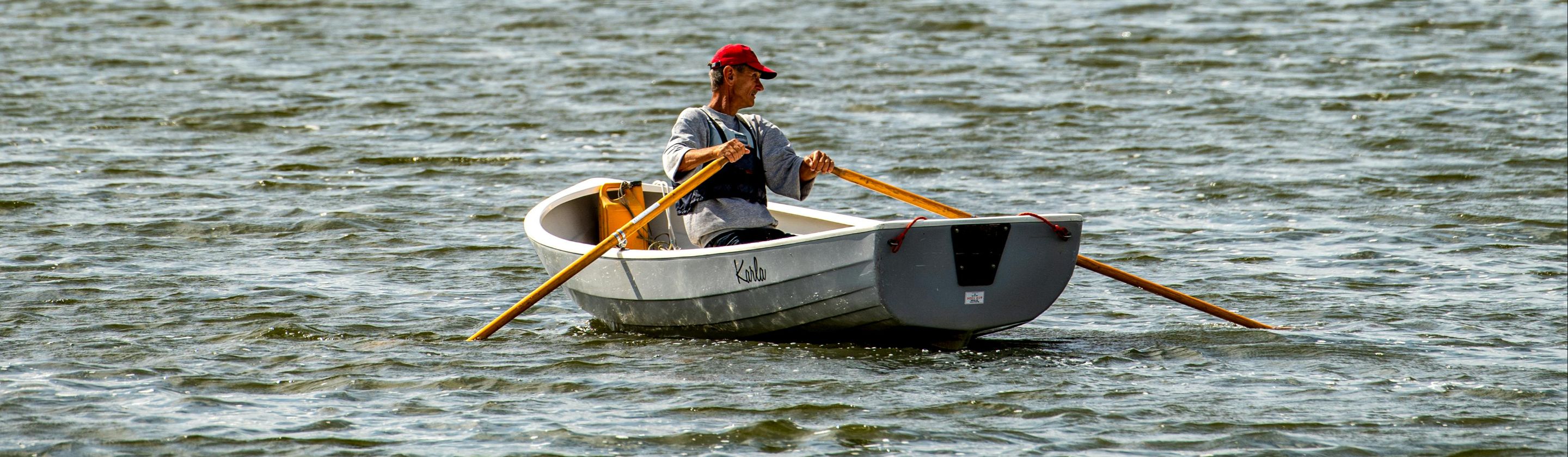
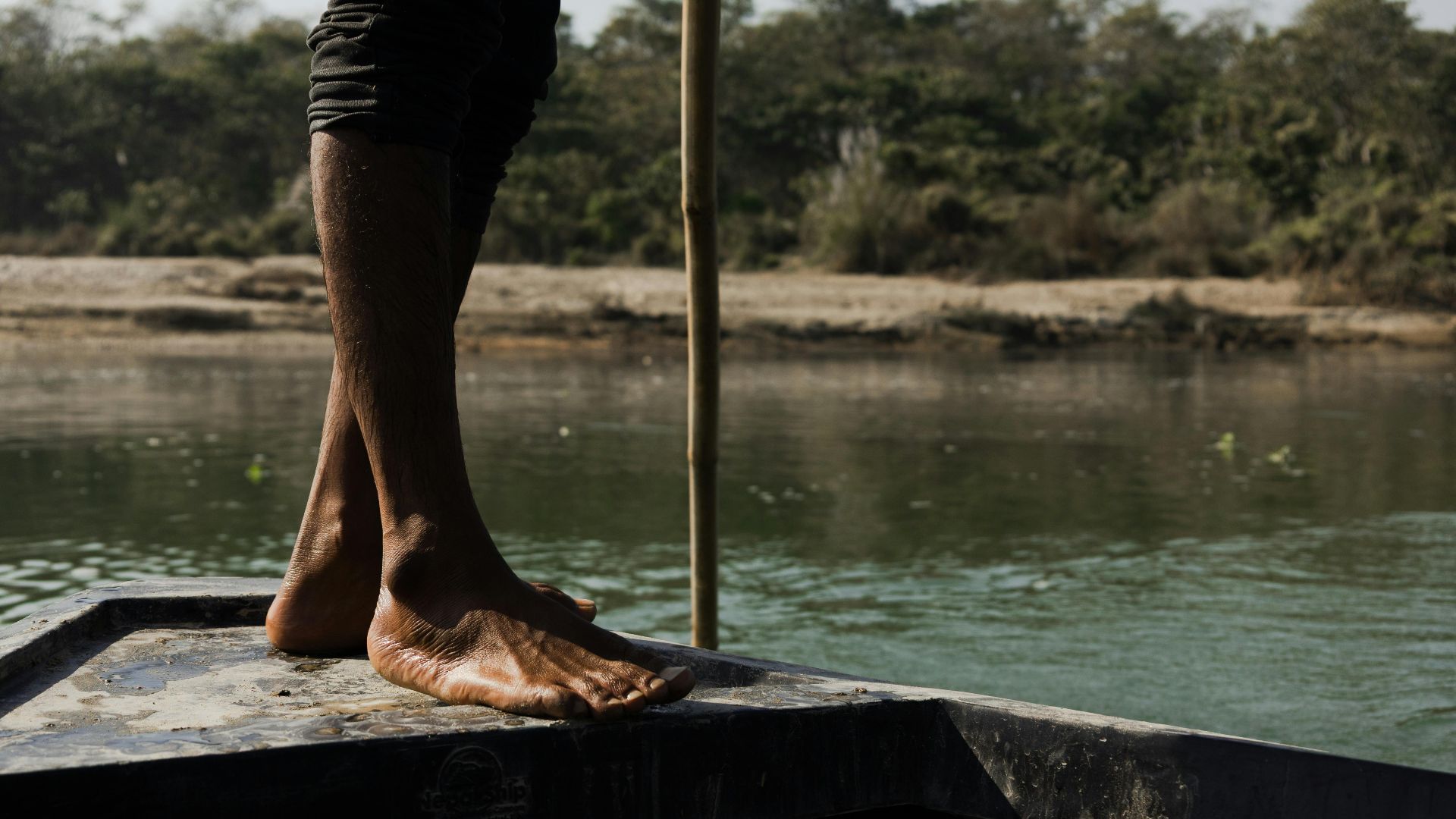
The no-shoes rule on boats can look like fussy etiquette if you only meet it on a yacht. It started as a pretty sensible way to protect footing, keep decks clear of grit and damage, and lower the chances of slipping around on a moving surface.
5. Blessing A Ship Before Departure
Ship blessings feel ceremonial now, but they grew out of a setting where launching a vessel meant sending people into very real danger. Once a voyage could end in storm, wreck, fire, or disease, turning departure into a formal act of protection made practical emotional sense.
6. Smashing A Bottle On The Bow
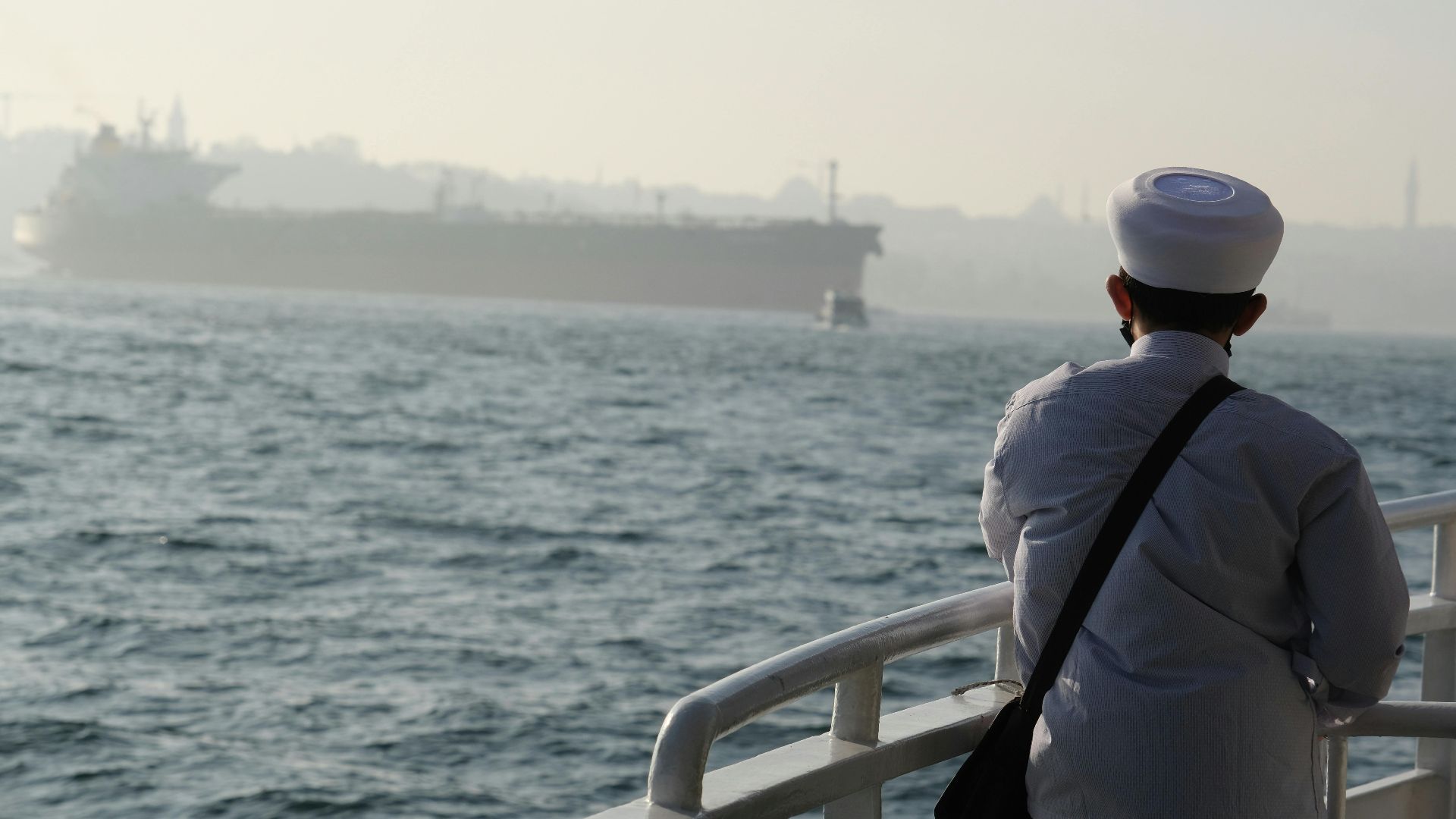
The christening bottle looks festive now, but its logic is not hard to see. Publicly marking a vessel before launch created a clear, shared moment of inspection, recognition, and luck-seeking before people trusted their lives to wood, iron, or steel.

7. Crossing-The-Equator Ceremonies
The equator-crossing ritual could get rowdy, but it also did something useful for crews on long voyages. It marked a major threshold, reinforced hierarchy, and gave stressed sailors a controlled release in one of the most dangerous forms of travel people had.

8. Ringing The Ship’s Bell At Set Intervals
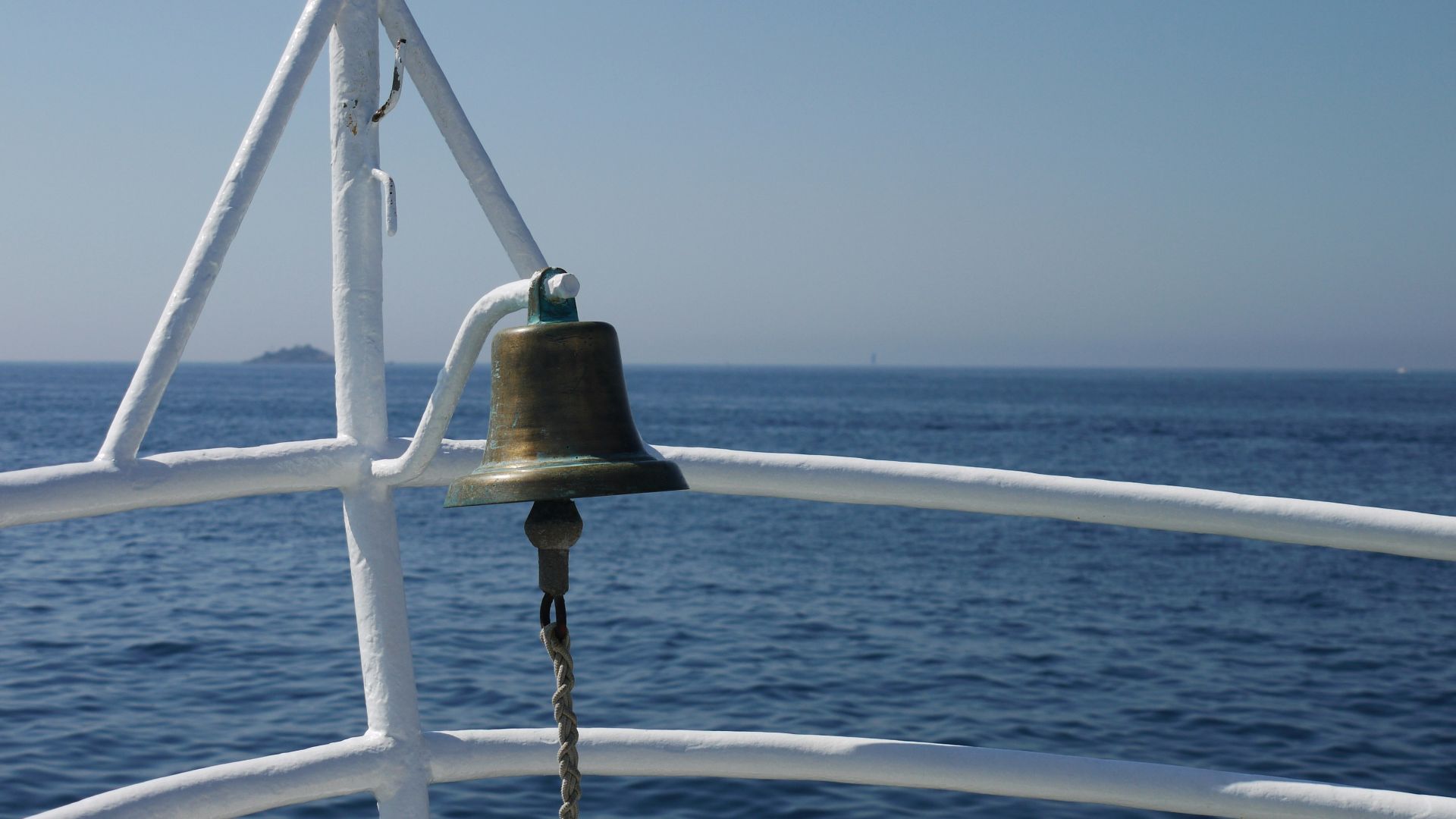
A ship’s bell now sounds quaint, almost decorative. In practice, it regulated time, watches, and daily order on board, and that kind of structure was a safety system before it ever became a romantic maritime tradition.
9. Sewing Coins Into A Hem
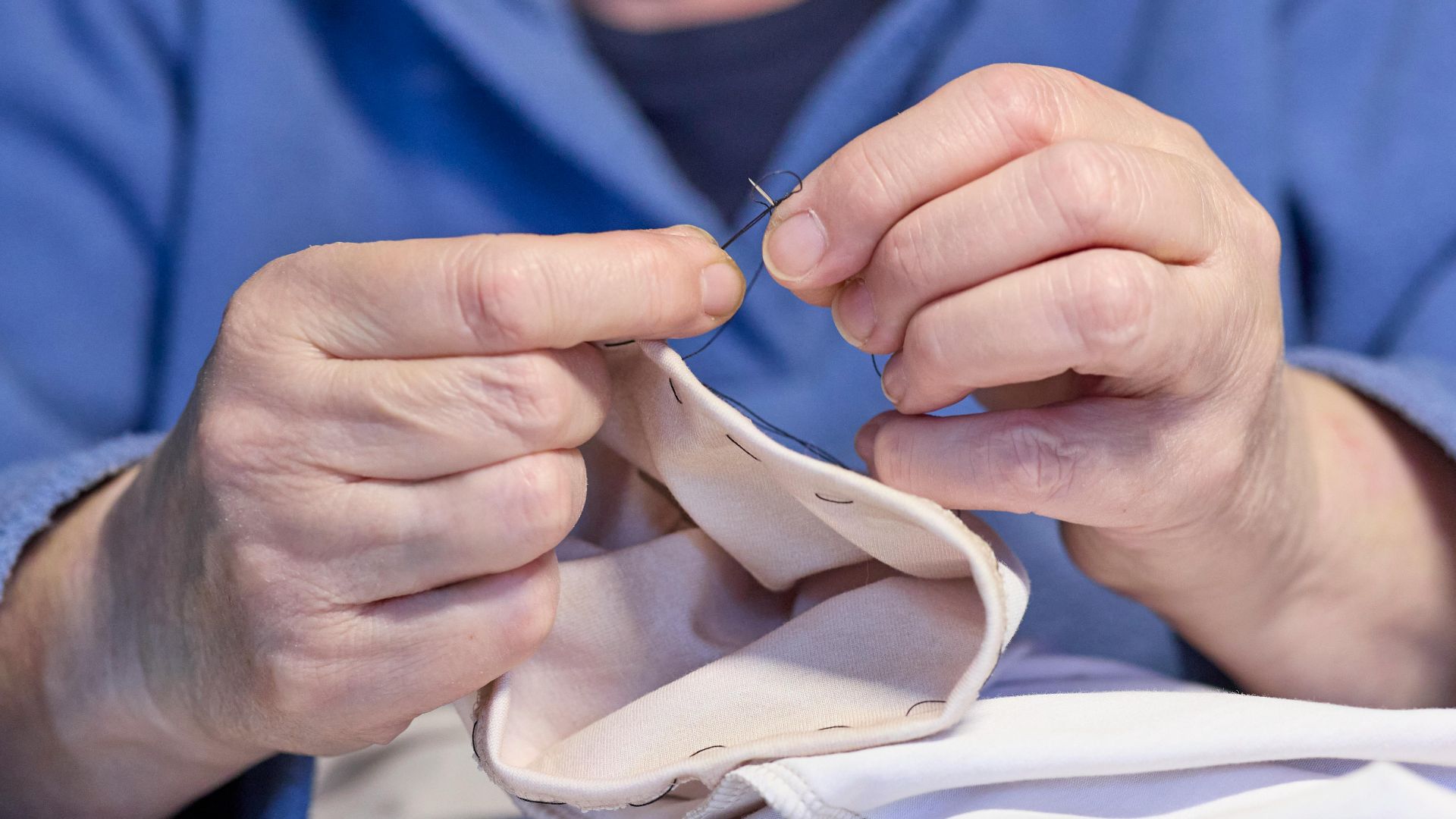
Travelers used to hide money in hems, belts, and linings for a very practical reason. Roads were risky, theft was common, and keeping cash out of sight could make the difference between a bad trip and a disastrous one, but the habit became so ingrained that concealed travel money started to feel like part of leaving properly.
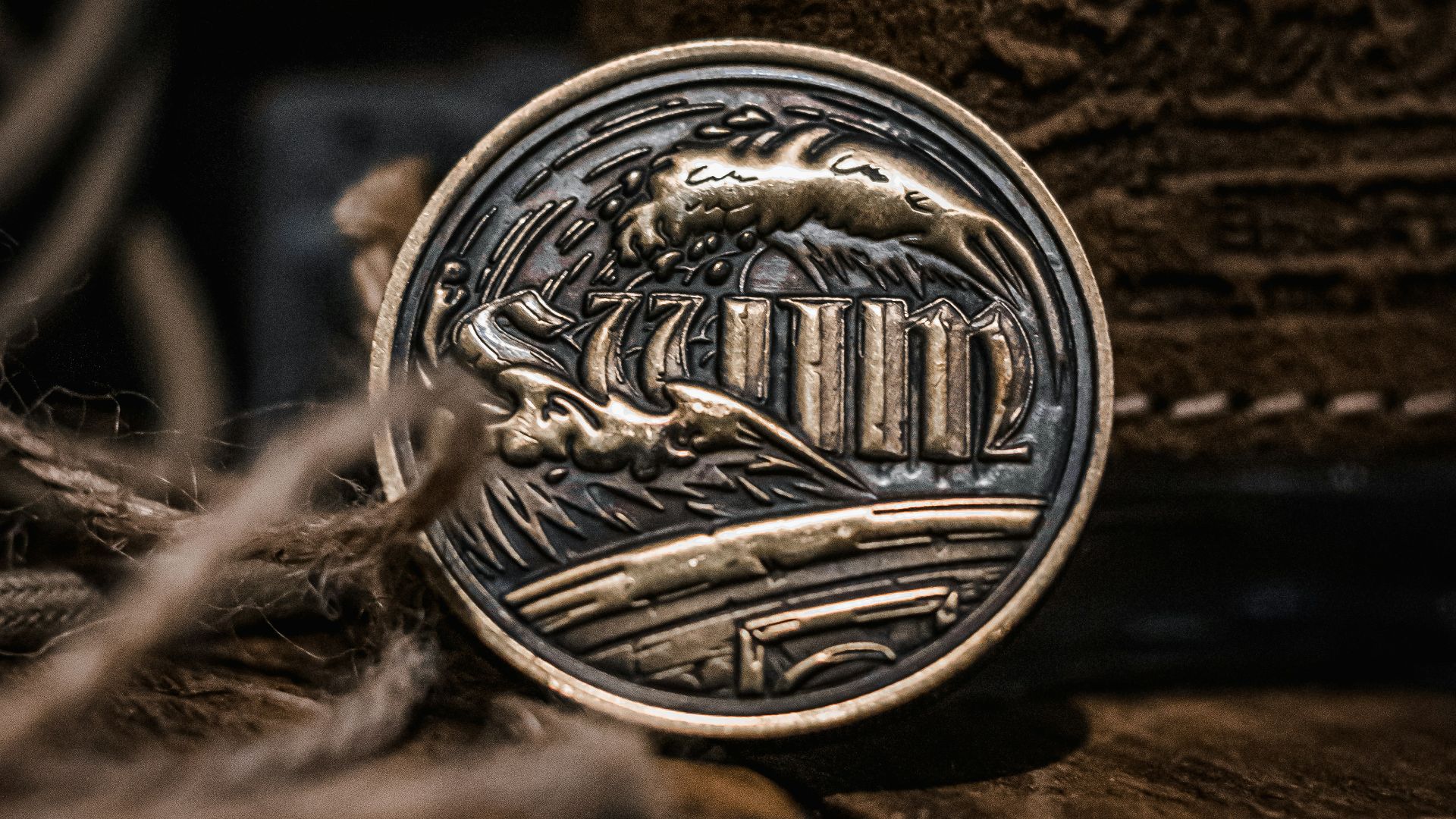
10. Putting A Coin Into The Ship
Coins placed into ships sound like straight folklore, but the custom has deep roots and likely blended blessing with practical ceremony at construction and launch. When a vessel represented money, labor, and lives, even a small metal token could stand in for protection, luck, and serious intent.
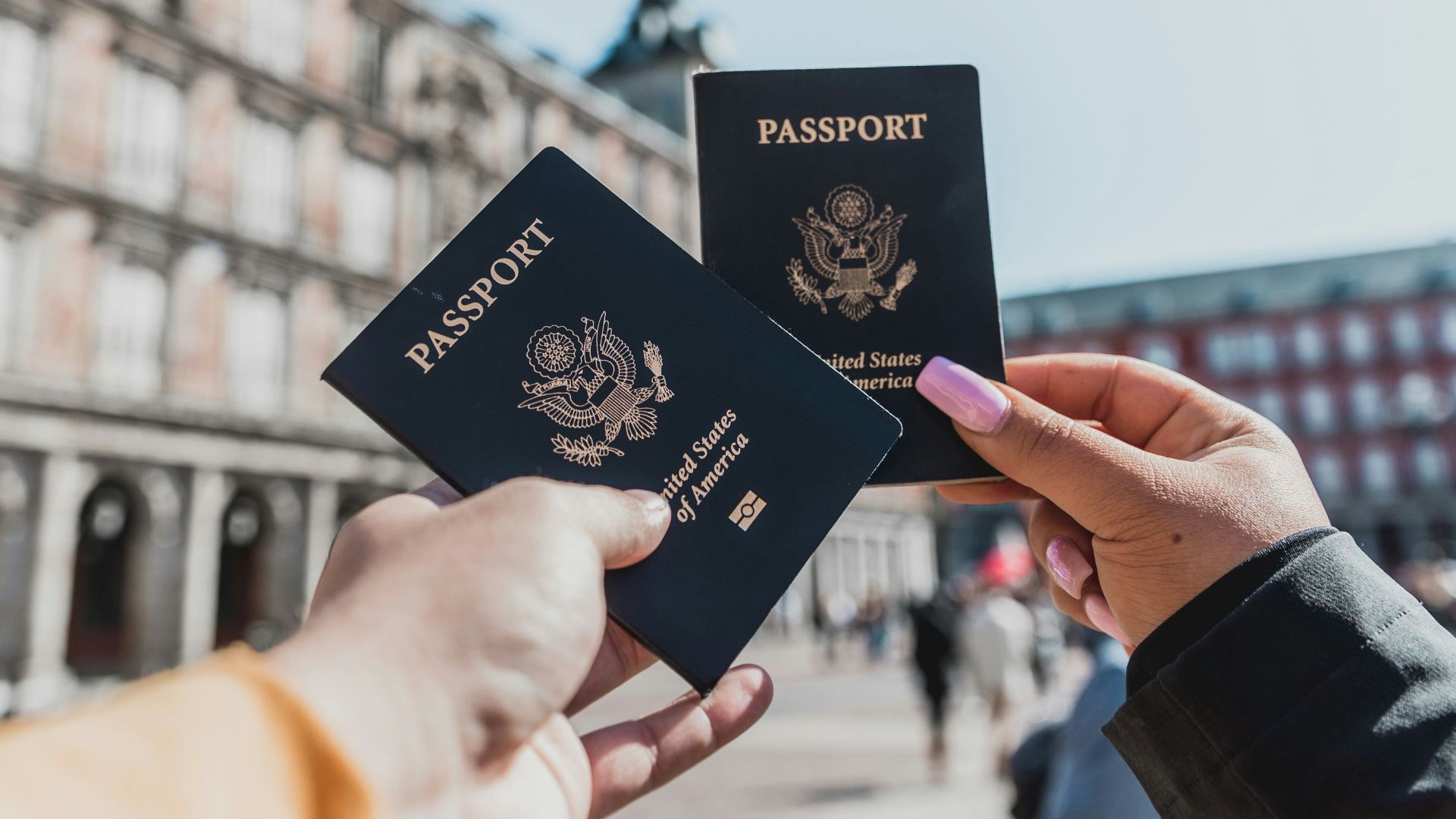
11. Carrying Travel Papers Like Sacred Objects
Passports and early travel documents were not originally stylish accessories tucked into a leather sleeve. They were safety instruments, because crossing borders without proof of identity or permission could mean detention, refusal, or worse, so people handled them with a kind of ritual care that still survives in how obsessively we check for them now.
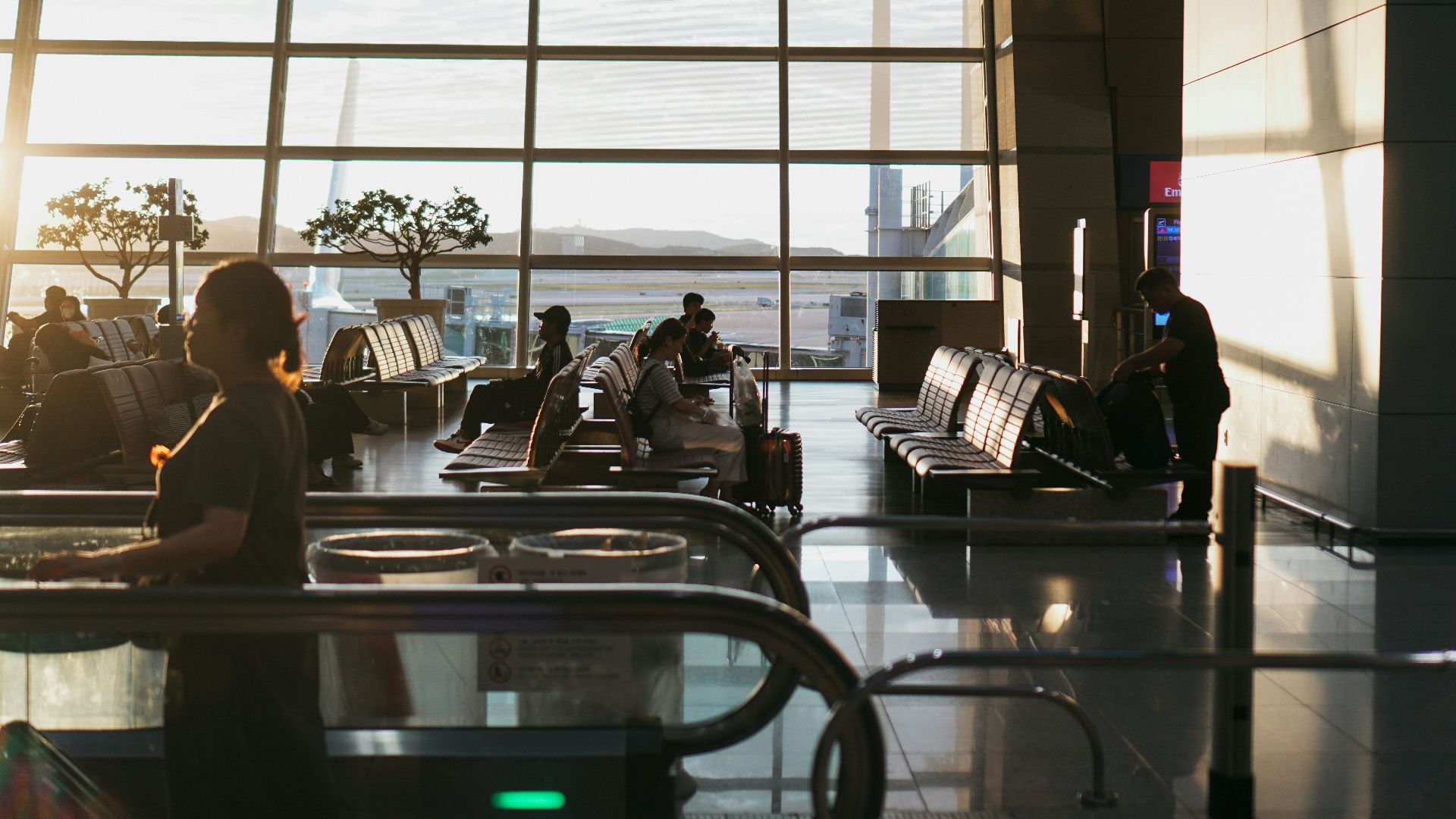
12. Arriving Early And Waiting In One Place
Showing up absurdly early for a departure now feels like airport culture doing too much. But old travel was chaotic, and missing a ship, coach, or train was not a minor inconvenience, so the habit of arriving early and then staying put became a practical rule that hardened into ritual.
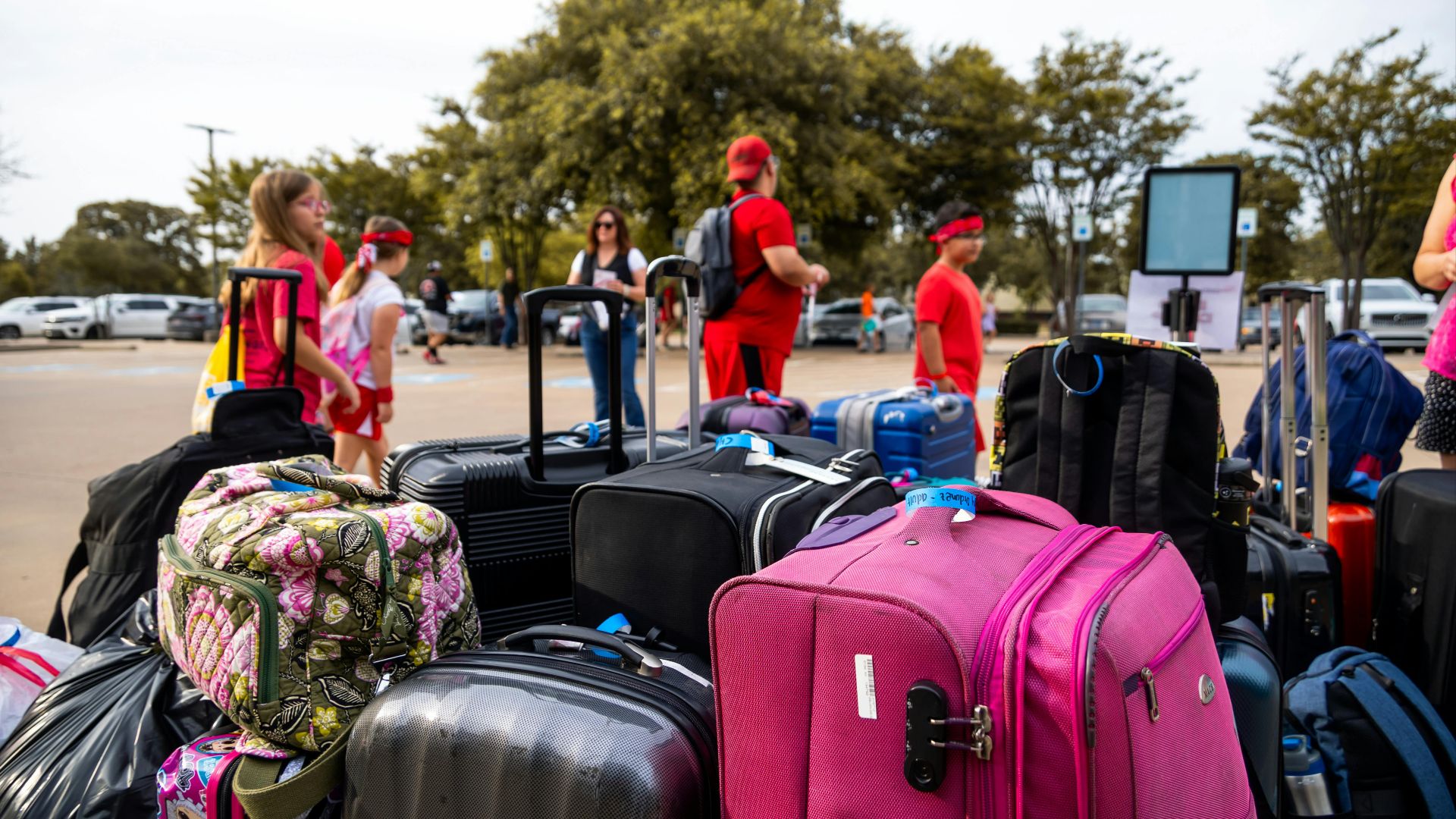
13. Keeping Luggage Close Enough To Touch
That old instinct to rest a hand on your bag is not random. In crowded ports and stations, theft, confusion, and rushed boarding were constant problems, so travelers turned simple vigilance into a repeated little ceremony that still shows up every time we pat for a passport or tap a carry-on handle.
14. Dressing For The Journey
Travel once demanded clothes that could handle dirt, weather, soot, and long hours in public spaces. What later looked like ritualized travel attire often began as practical self-protection, especially when ships, early trains, and crowded transit made grime and discomfort part of the ticket price.
15. Avoiding Certain Words At Sea
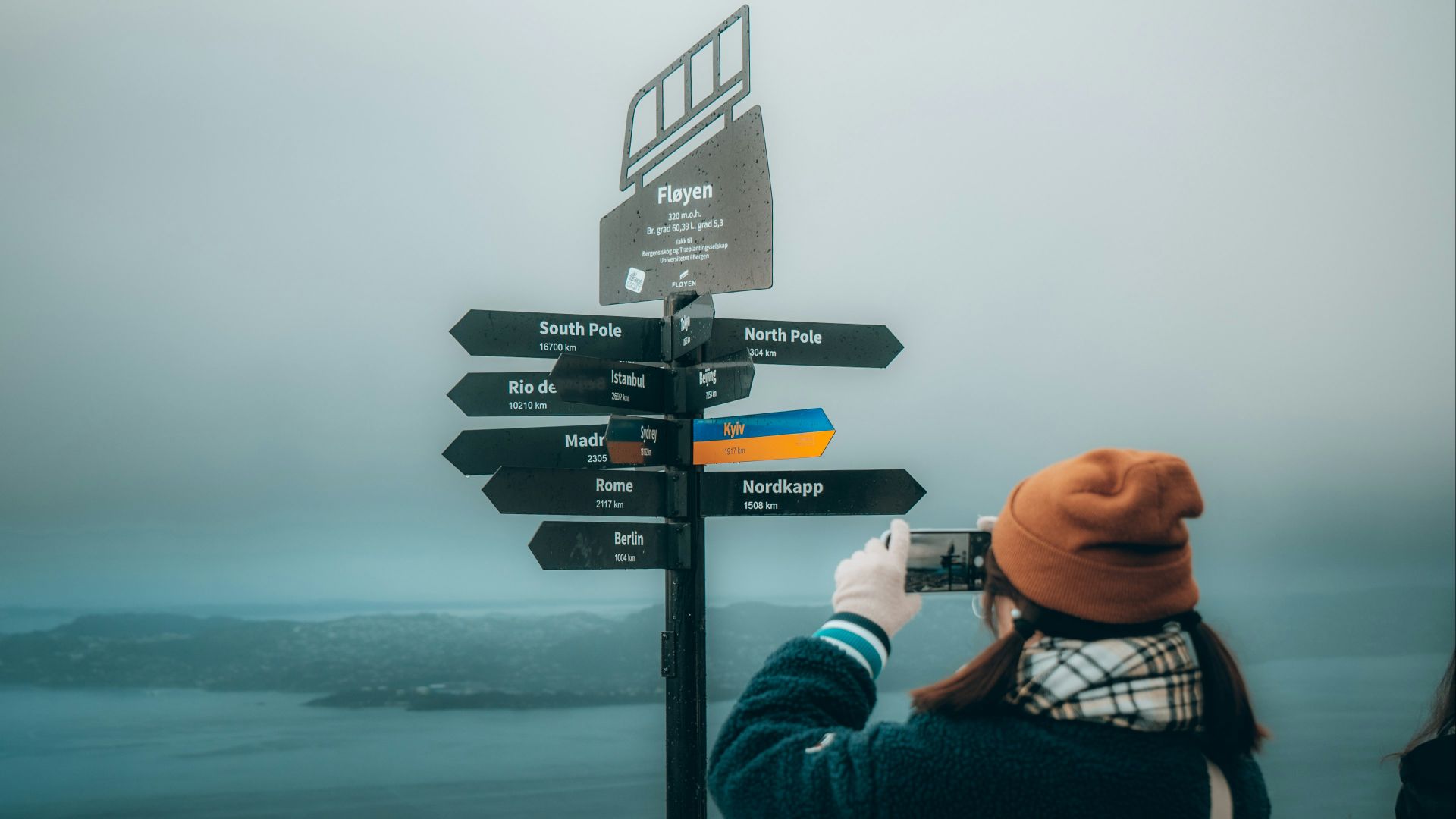
Maritime language has always been full of taboos, and that is not only because sailors were superstitious. On hazardous voyages, disciplined language helped reduce confusion, kept command structures clear, and gave crews a sense that loose talk would not invite loose outcomes.
16. Reading The Sky Like A Ritual
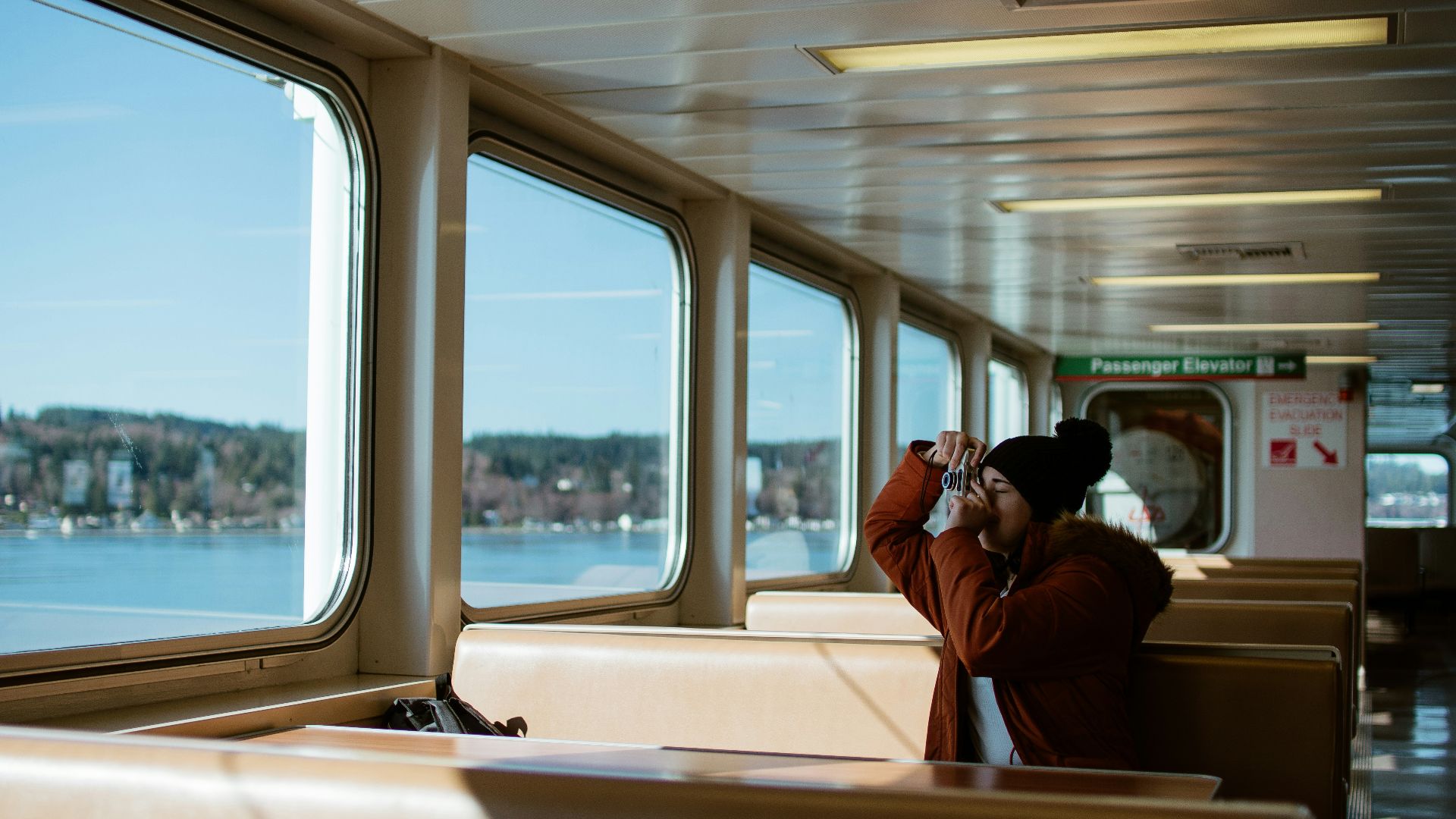
Travelers used to watch the sky in a way modern people mostly do not. Checking clouds, wind, and light before departure became such a repeated survival habit that it took on the rhythm of ritual, especially at sea, where bad weather could erase any line between inconvenience and catastrophe.

17. Treating Thresholds As Serious Places
Boarding a ship, stepping into a rail car, or crossing a border once carried real risk and a clear sense of point-of-no-return. That is part of why so many travel traditions gather around gangways, doors, and first steps, because the threshold itself felt like a moment that needed caution.
18. Making A Ceremony Out Of First-Time Travelers
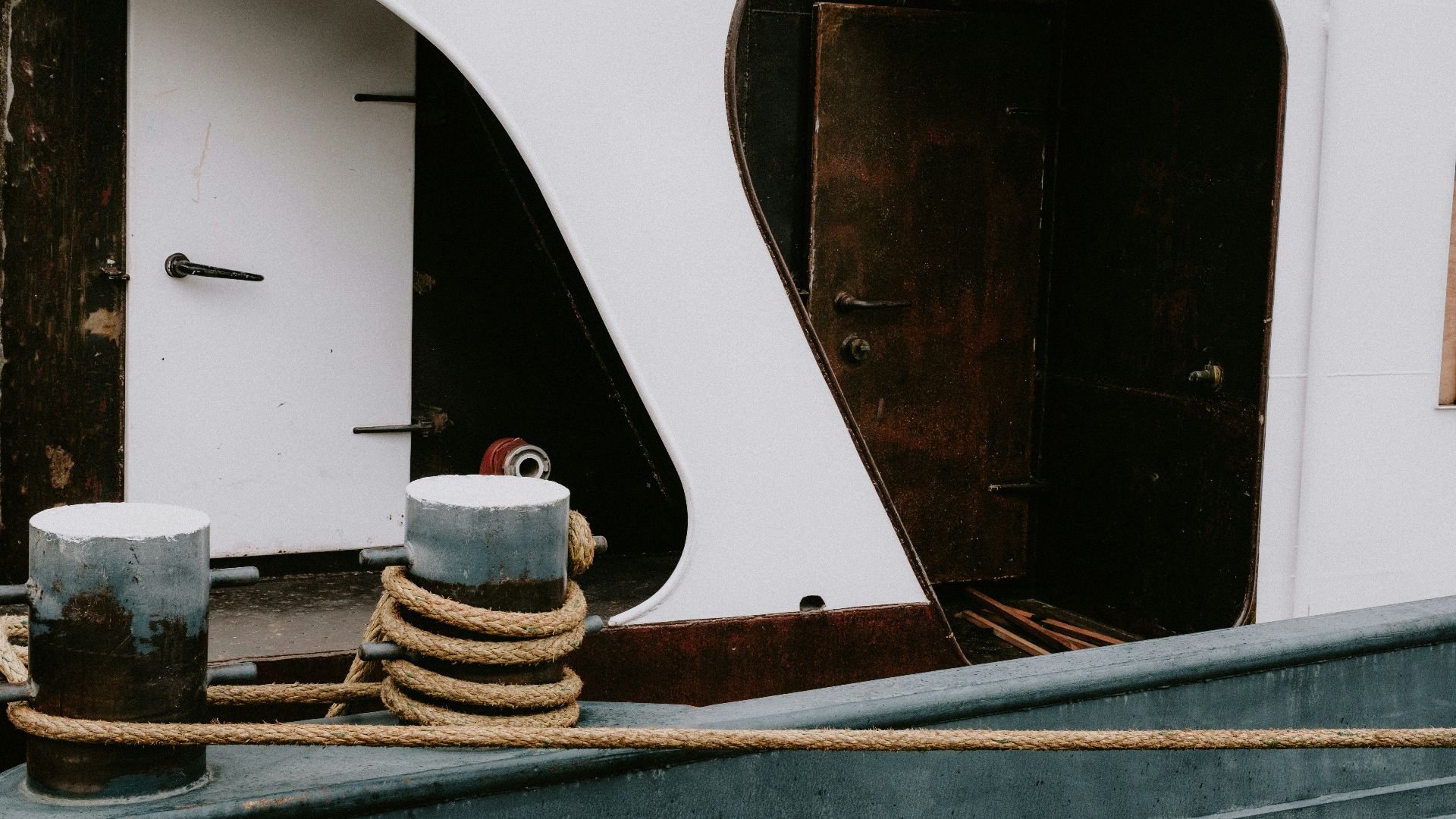
A lot of travel cultures singled out newcomers with jokes, tasks, or formal initiation. Underneath the silliness was a useful goal: teach the rules fast, make the beginner memorable, and pull them into the group before inexperience turned into a hazard.

19. Respecting The Schedule Like A Moral Code
Timetables now feel annoying mostly because they are so ordinary. But on ships and trains, synchronized timekeeping was a safety tool before it was a customer-service promise, which is why schedule rituals ended up feeling almost sacred to generations of travelers.
20. Repeating Small Checks Before Departure
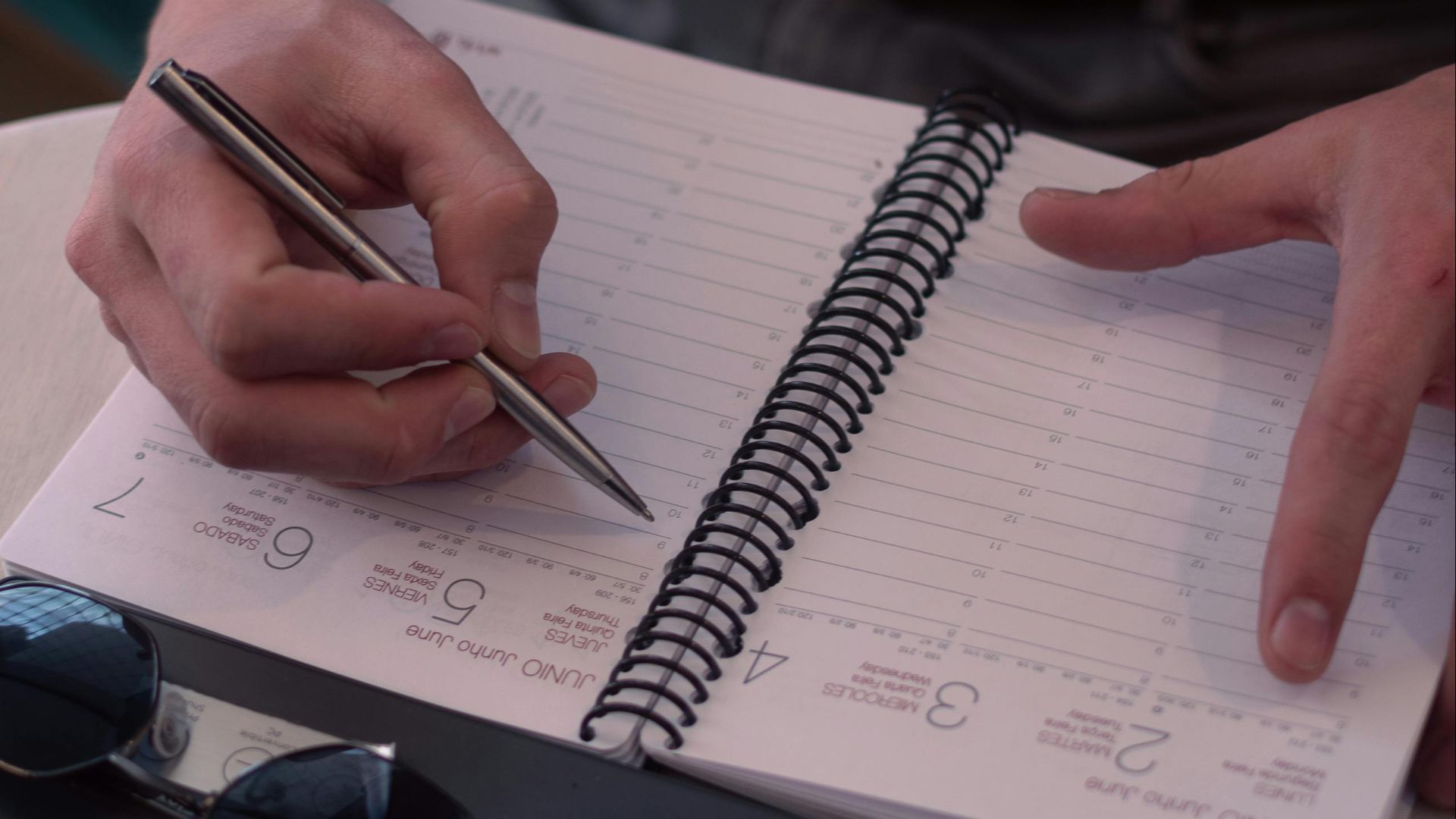
A lot of old travel ritual comes down to one simple thing: people repeated what helped them feel less vulnerable. Whether it was checking papers, touching luggage, blessing the vessel, or standing in the same safe spot before boarding, the strangest customs often began as ordinary ways to keep a dangerous trip from getting even worse.