Where Memory Meets Merch
There is always a strange moment at places marked by death, disaster, or human cruelty. You move through a prison, battlefield, execution site, or disaster museum in one mood, then walk out through a gift shop lit like any other gift shop in America. Suddenly there are postcards, mugs, magnets, tote bags, and tea towels sitting a few feet away from grief. Sometimes it feels respectful. Other times, it feels uneasy. Here are 20 places that sell dark history as a souvenir.
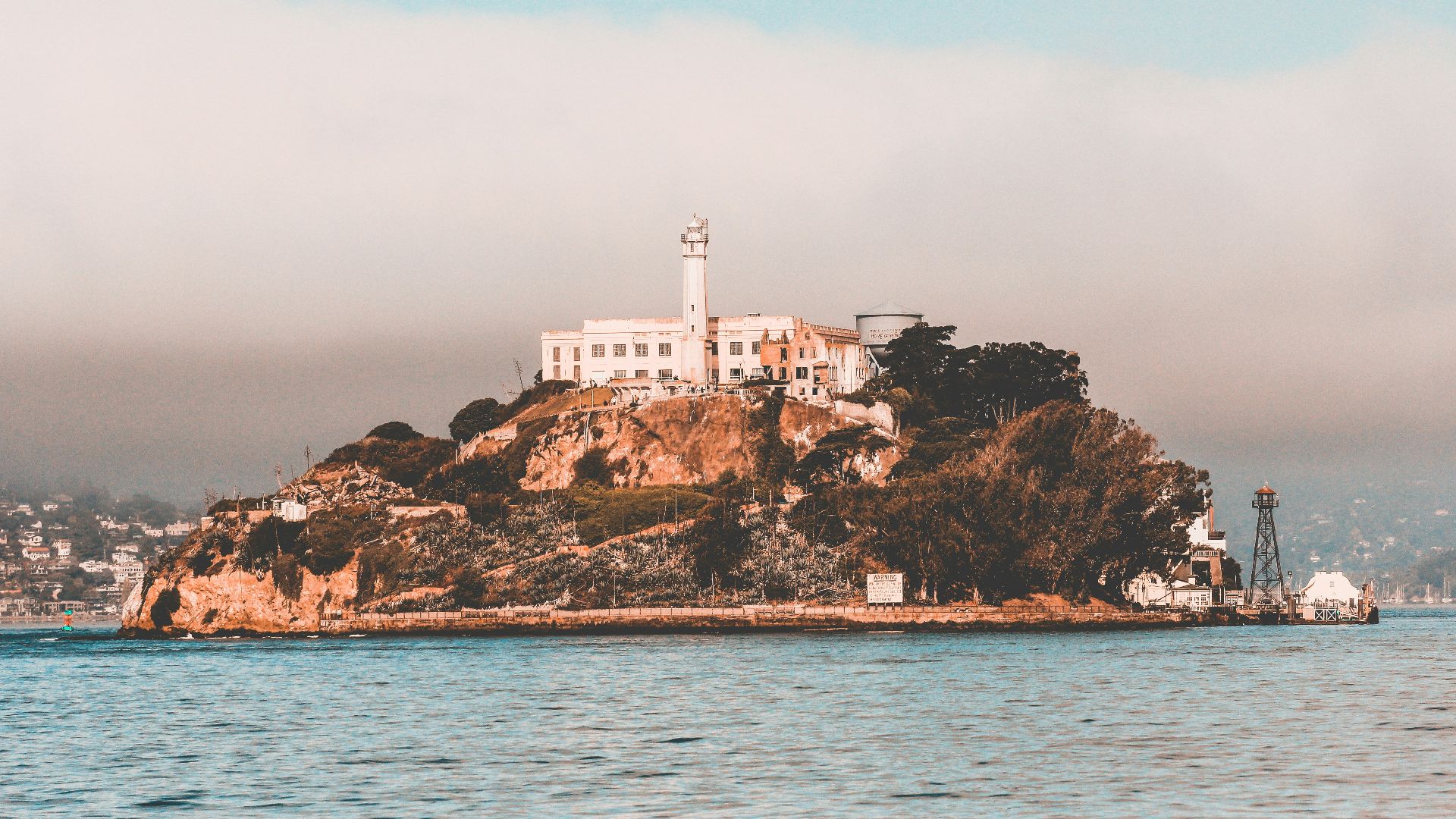
1. Alcatraz Island
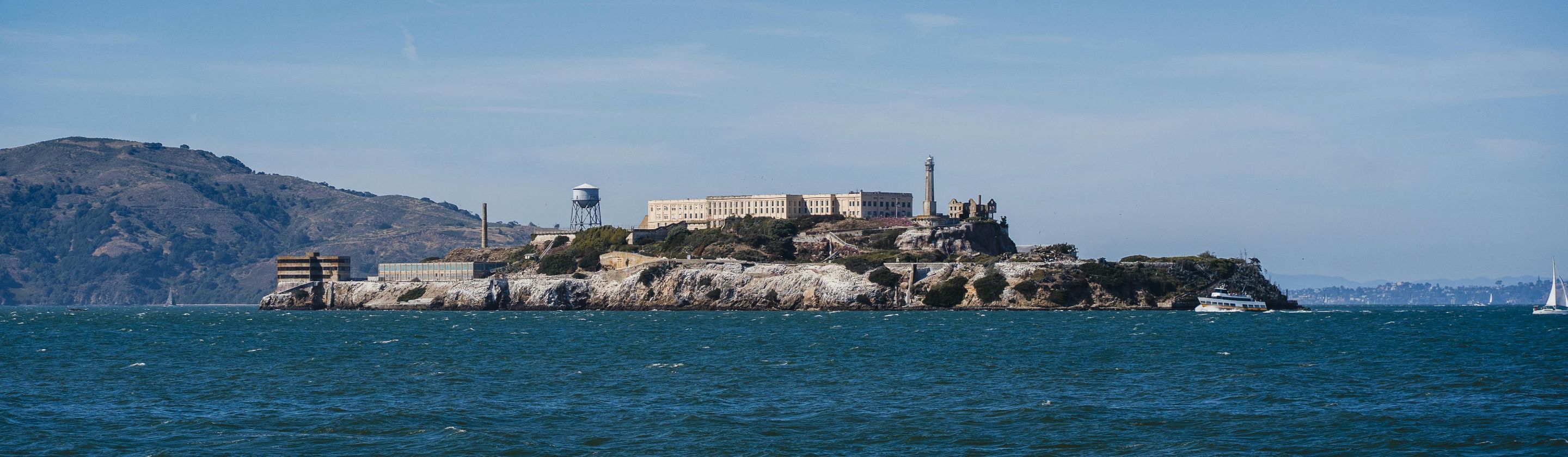
Alcatraz trades on isolation, punishment, and the myth of the impossible escape. After the audio tour and the cold walk past the cells, the gift shop offers books, shirts, mugs, and prison-themed keepsakes that let people take a piece of that atmosphere home. It is one of the clearest examples of how quickly dread can be turned into branding.
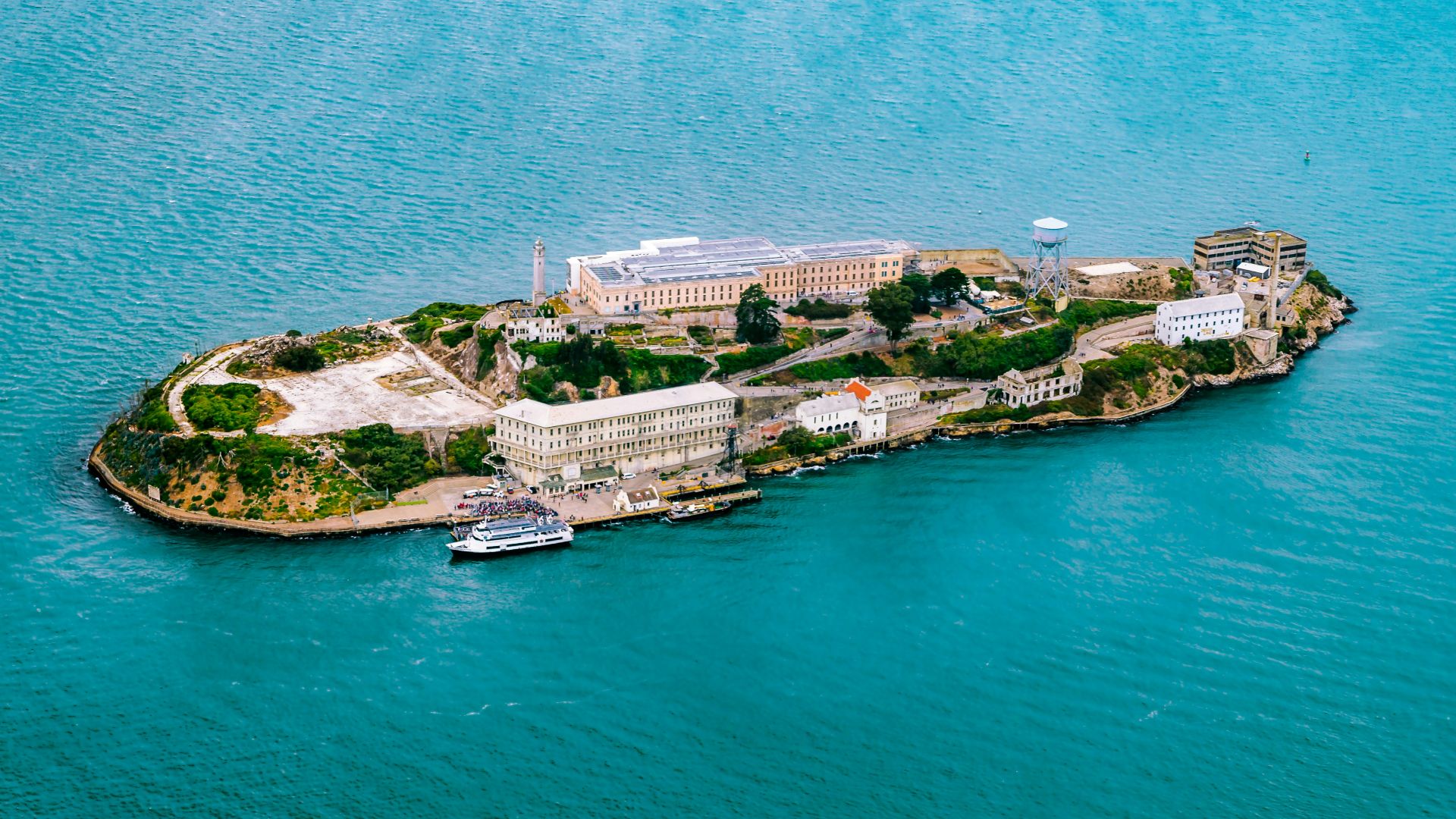
2. The Tower Of London
The Tower is layered with imprisonment, execution, and royal paranoia, and it knows exactly how much people love that mix. You can stand where famous prisoners waited out their final days, then buy souvenirs built around beheadings, ravens, and the Tower’s blood-soaked reputation. The merchandise is polished, but the appeal is still the same old chill.
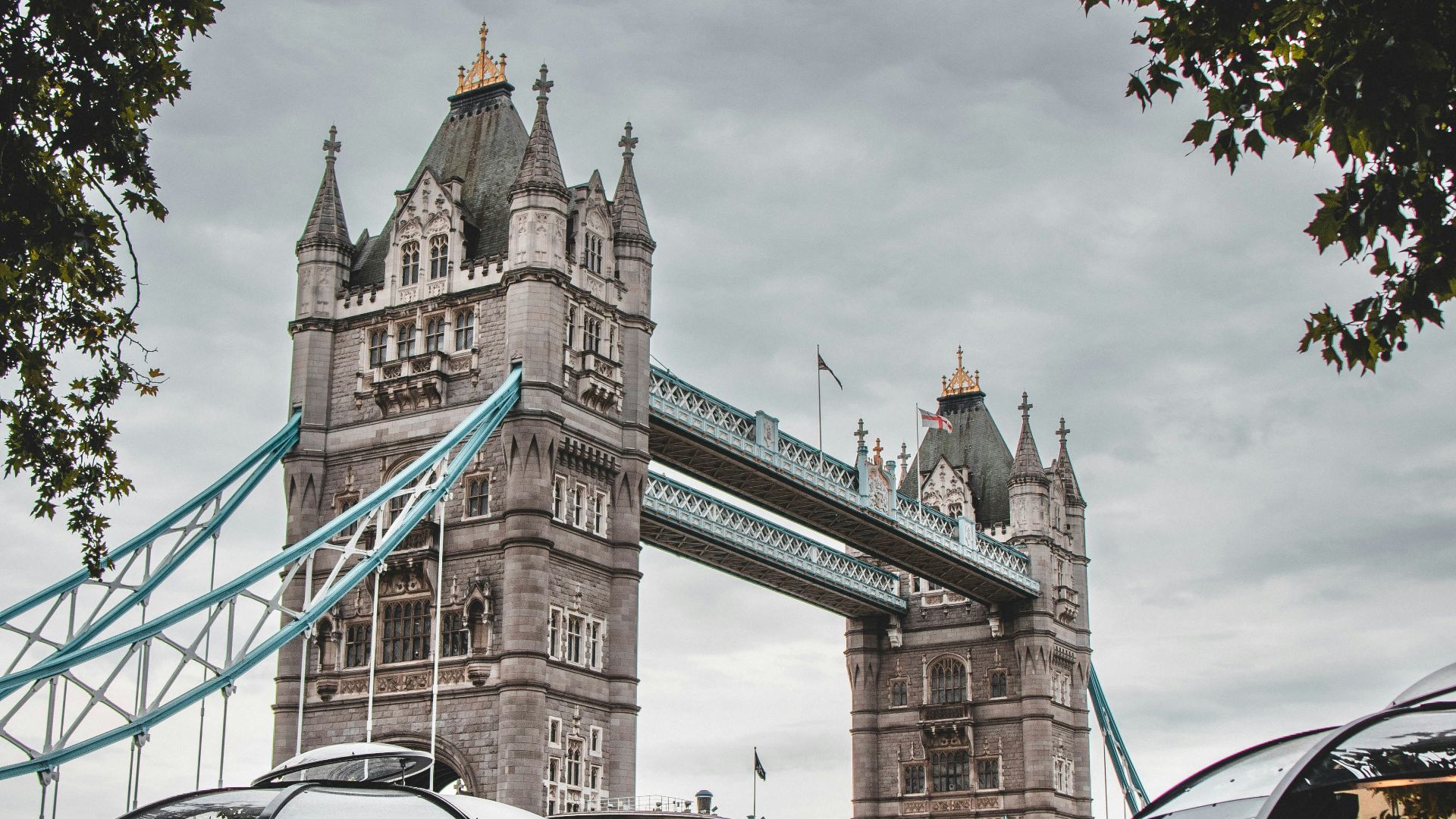
3. Salem, Massachusetts
Salem has built an entire local economy around the witch trials, even though the real history behind them was panic, cruelty, and judicial failure. Shops sell witch hats, trial books, candles, spell kits, and every variation of black-clad souvenir you can imagine. The line between memorializing injustice and selling spooky season never stays still for long.
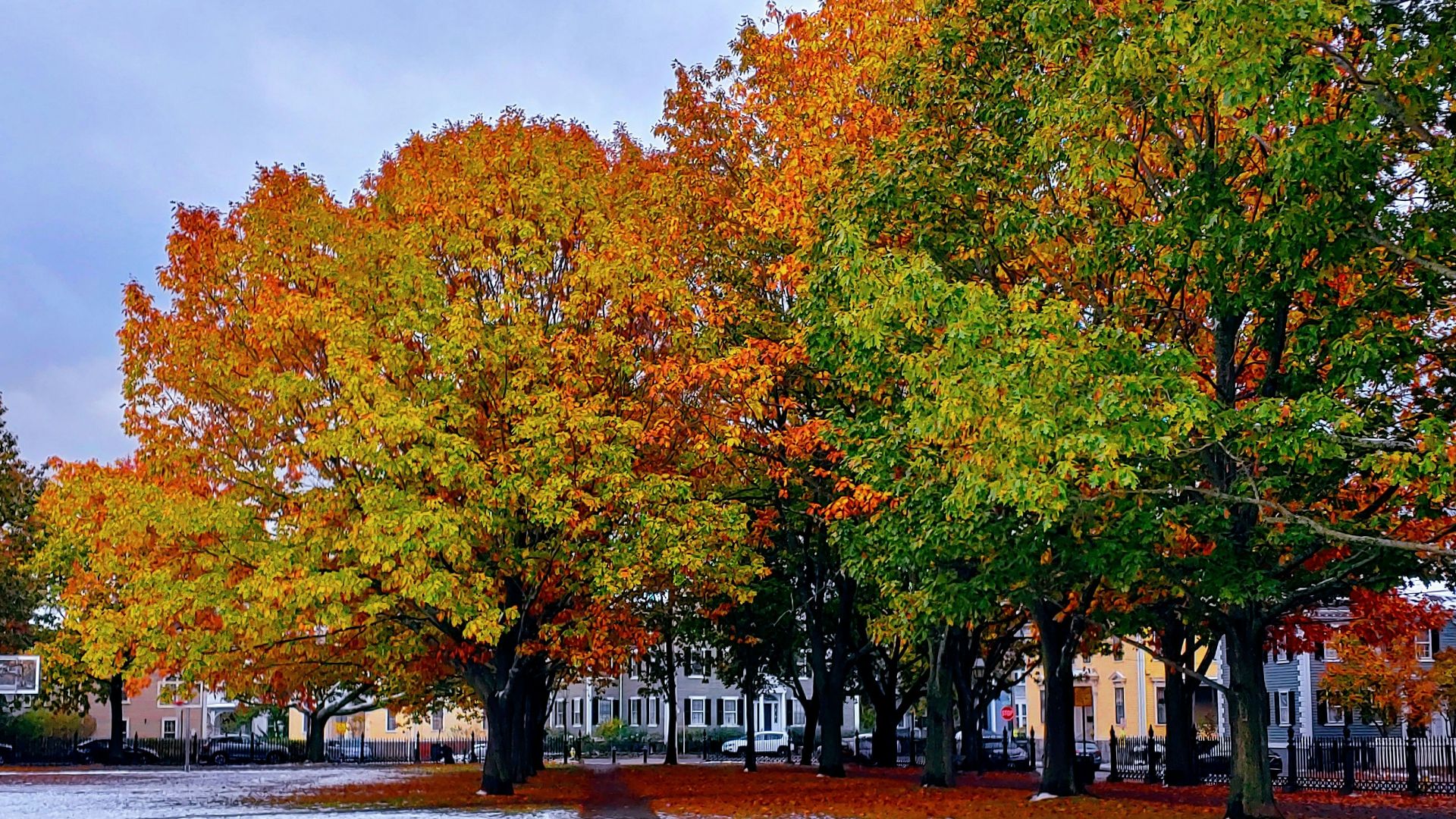
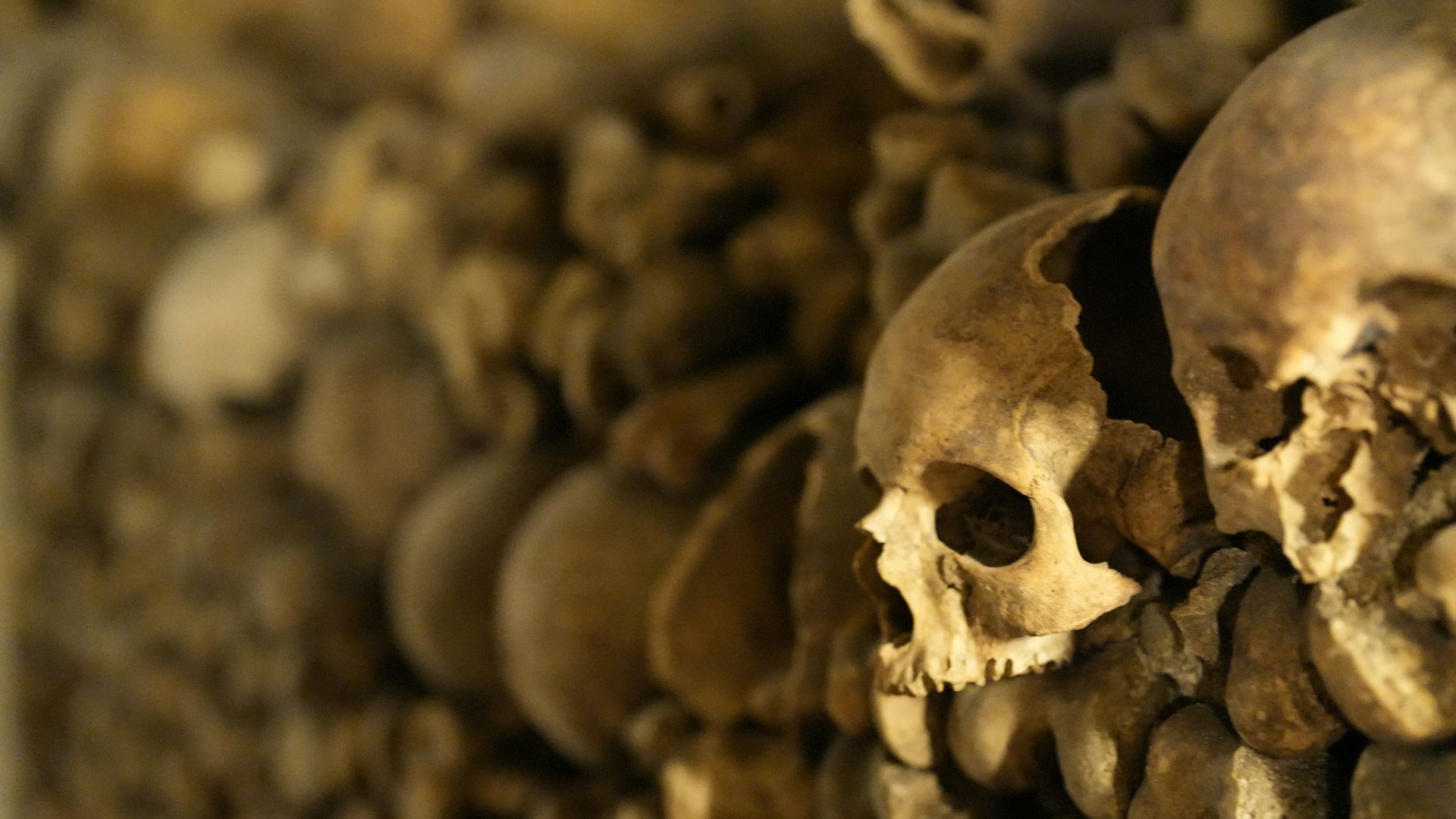
4. The Catacombs Of Paris
The Paris Catacombs are all bone, silence, and careful theatrical darkness. Then you step back above ground and find skull-themed merchandise, prints, books, and souvenirs that package the whole thing into something stylish enough for a shelf. It is oddly French in that way, equal parts death, design, and retail confidence.
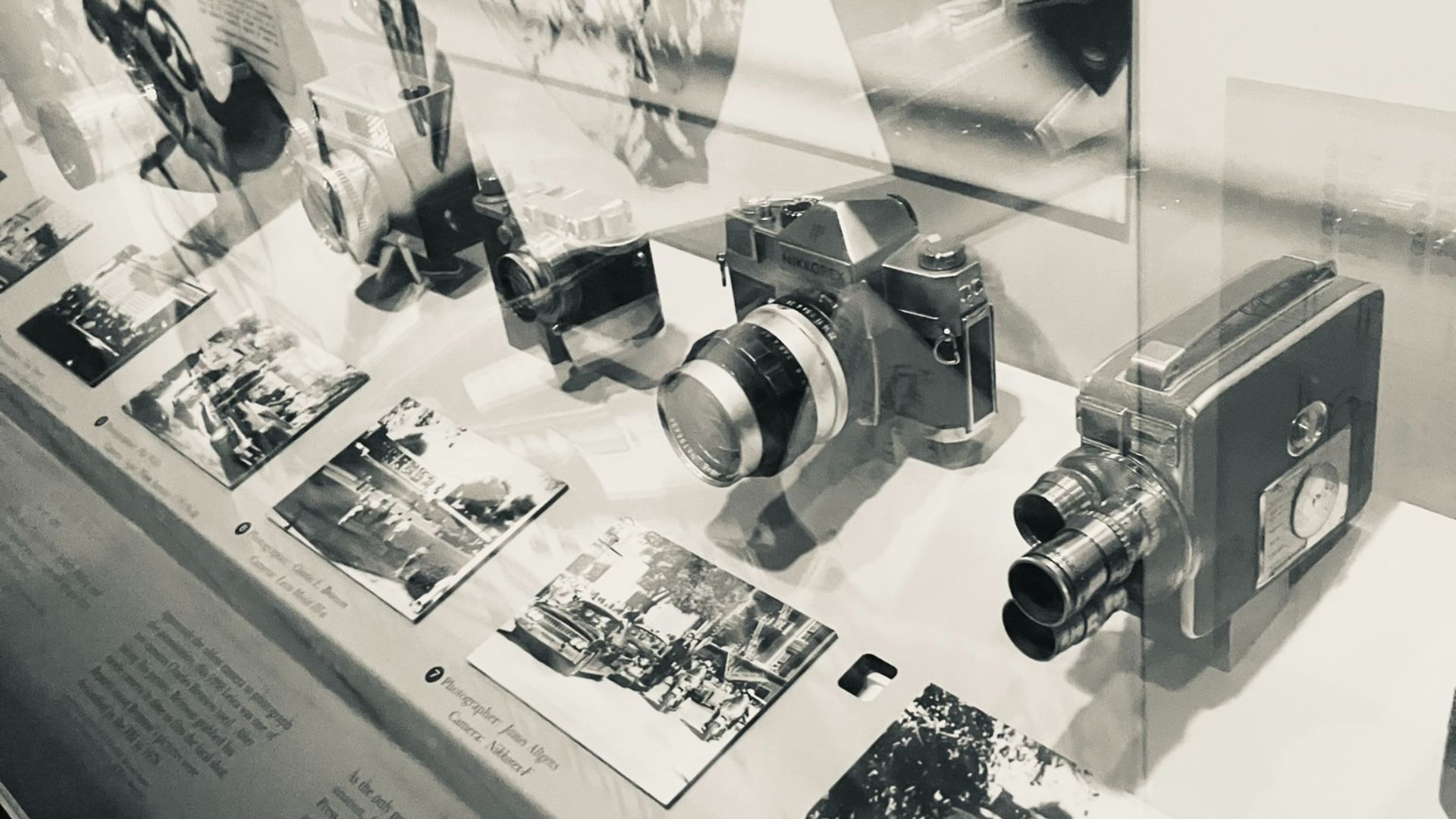
5. The Sixth Floor Museum
This museum sits at the site tied to the assassination of President John F. Kennedy, which gives every item in the shop a heavier charge. Books and historical materials make sense, but the very existence of souvenirs at a place like that can still feel delicate. Some visitors want something to hold onto, while others just want the room itself to be enough.
 JoyD Smiths PTMr8 on Wikimedia
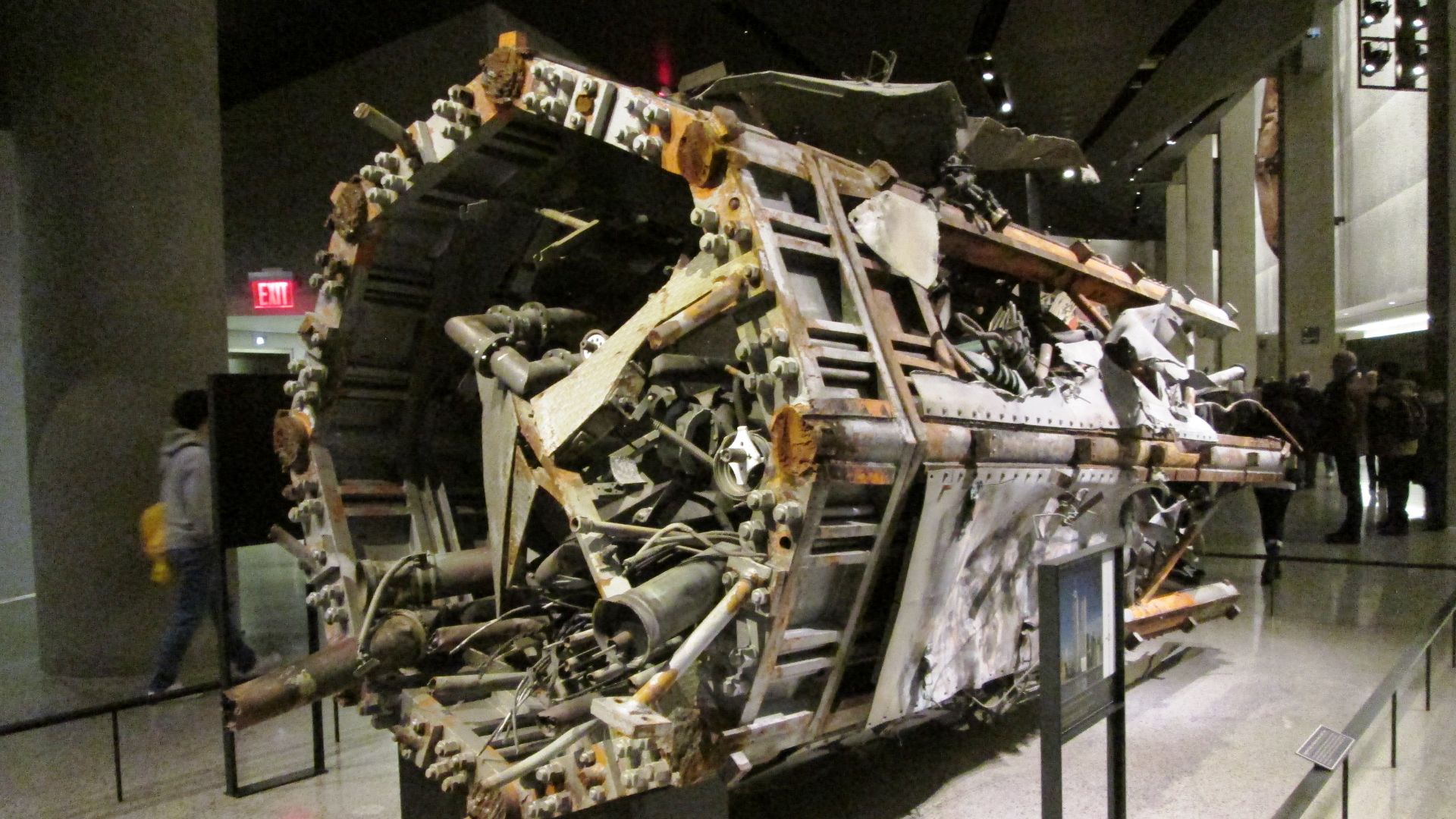
6. Ground Zero And The 9/11 Museum
Few places have raised more questions about what should and should not be sold. The museum shop has focused on books, educational material, art, and memorial items, but the discomfort around buying anything after a visit has never fully disappeared. Grief does not become simple just because it is neatly shelved.
 commons.wikimedia.org on Google
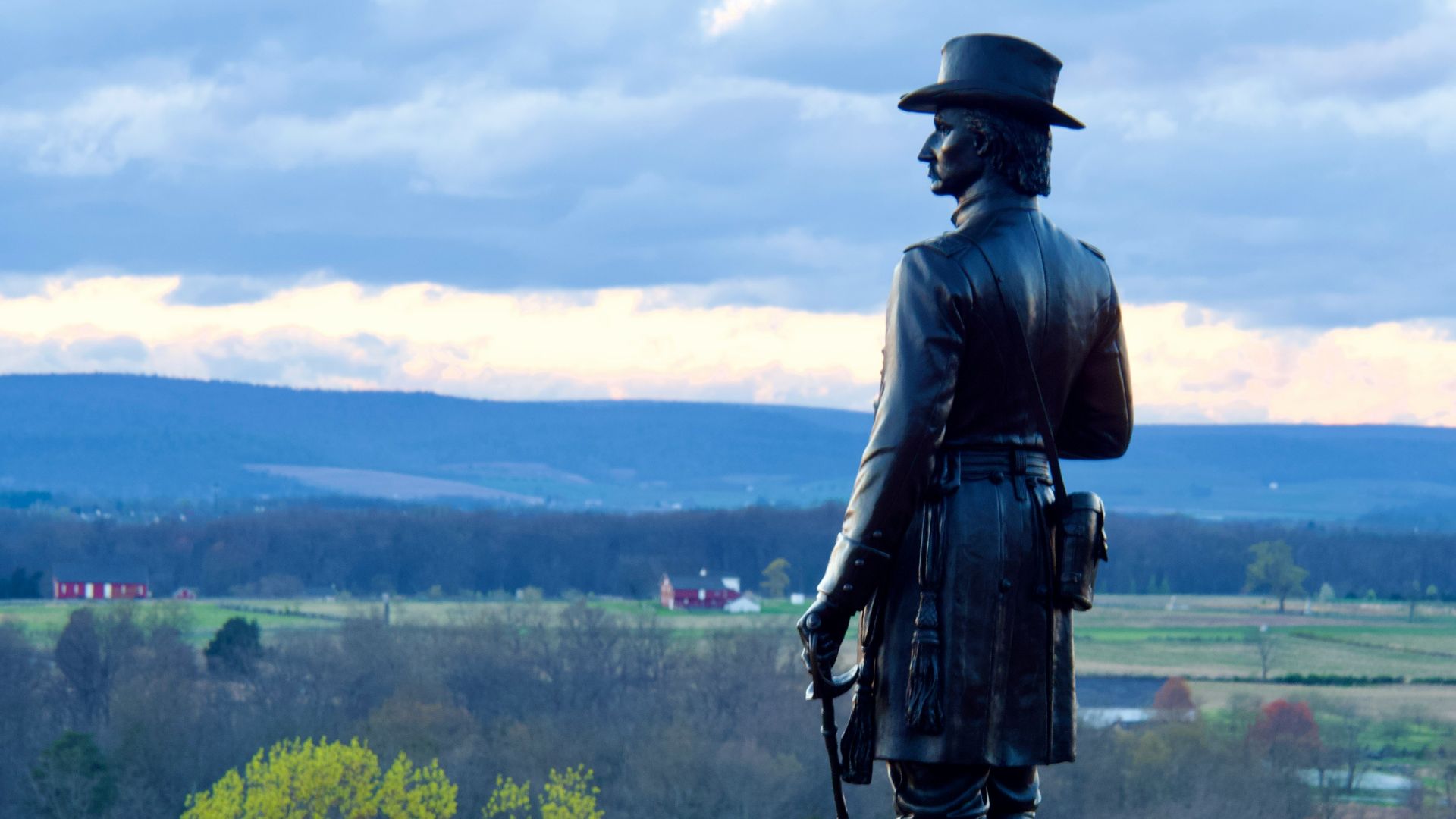
7. Gettysburg
Gettysburg has long lived in that uneasy space where national trauma, tourism, and reenactment all overlap. You can learn about the dead, the tactics, and the scale of the violence, then browse cannons on T-shirts, battlefield maps, toy muskets, and shelf decor on the way out. Battlefields often ask for reverence, but the parking lot still fills up with shoppers.
8. The Winchester Mystery House
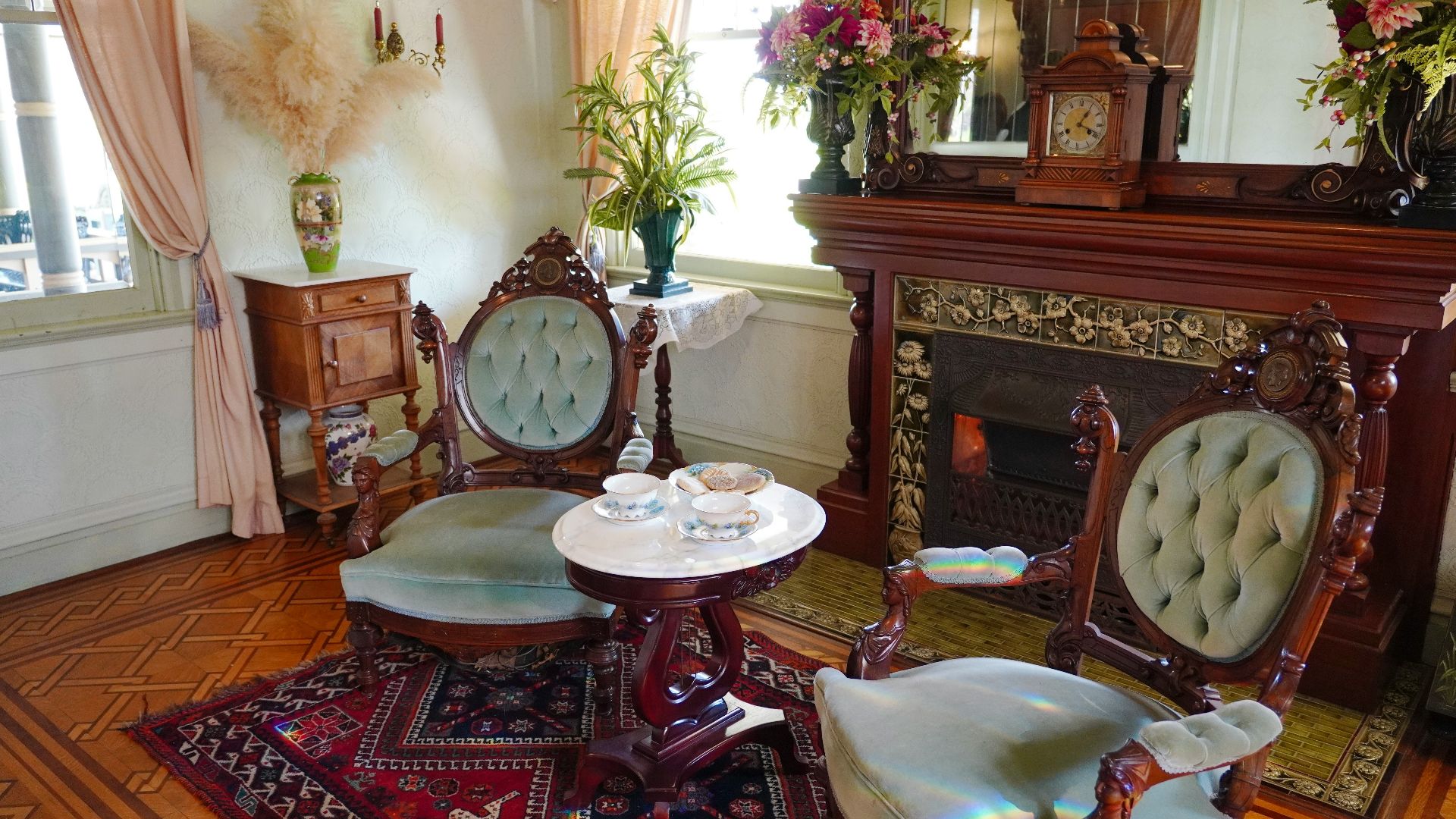
This place leans hard on death, hauntings, and the grief that shaped its mythology. Once the tour ends, the house’s strange reputation keeps going through branded trinkets, ghost-themed gifts, and souvenirs built around its eerie identity. The story being sold is not just architecture, but haunted mourning with a logo.
9. Eastern State Penitentiary
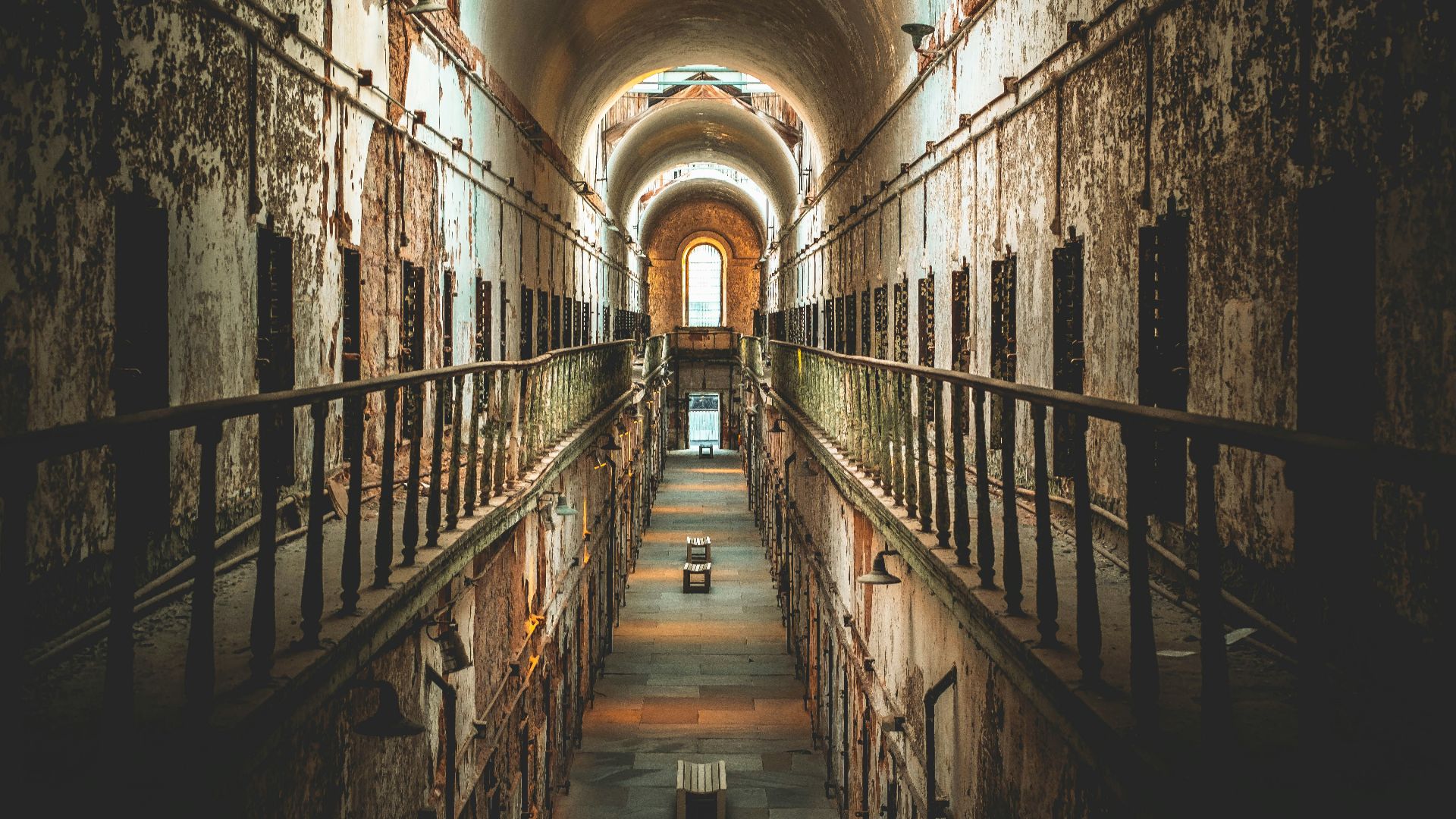
Eastern State knows how visually powerful it is, and the old prison does not waste that advantage. The cracked walls, rusted bars, and stories of confinement roll straight into books, apparel, and prison-themed keepsakes in the gift area. The whole place understands that ruin has a market.
10. The Clink Prison Museum
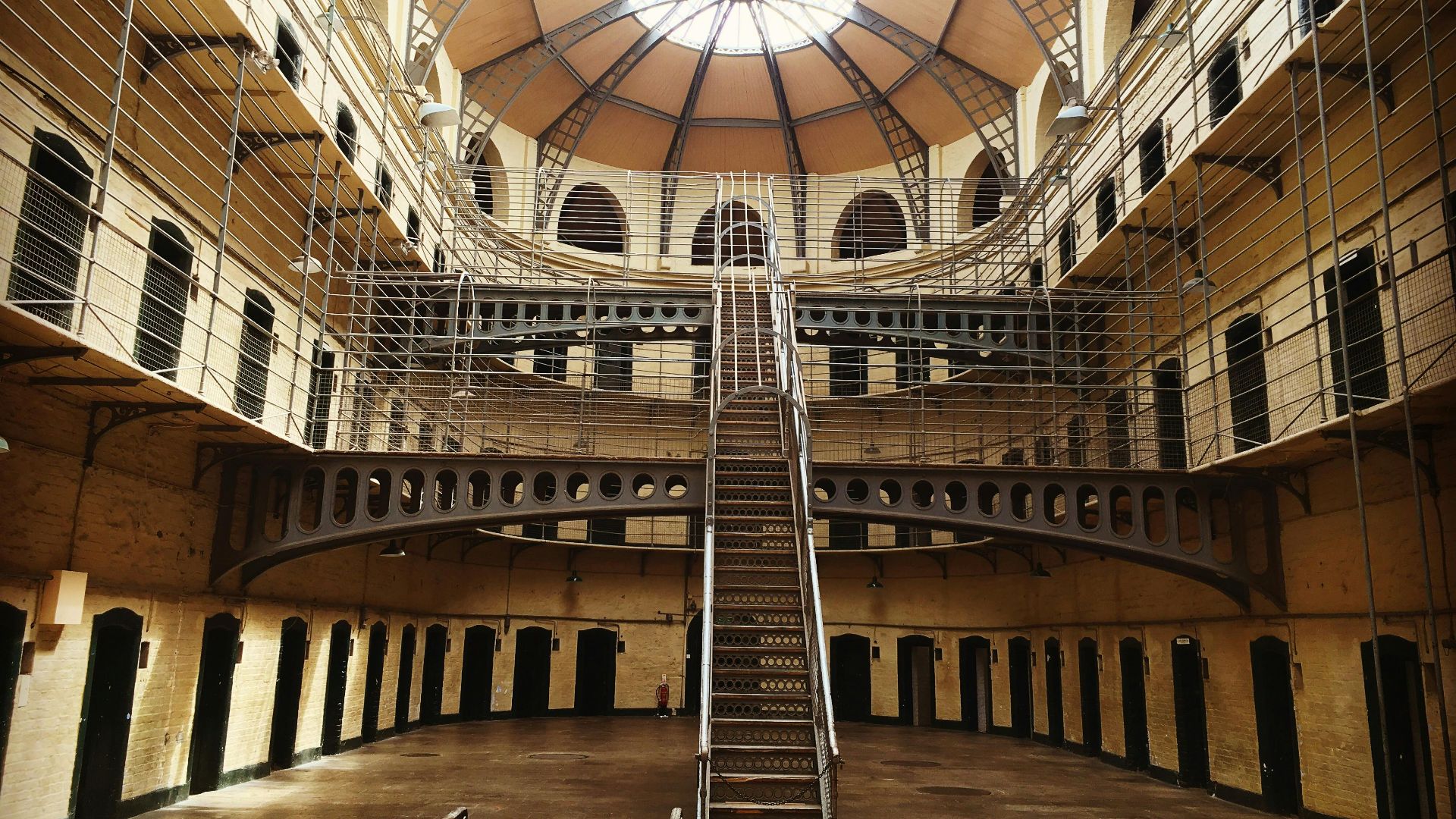
A medieval prison museum already sounds like something halfway between history and theater. The souvenirs lean into that mood, with chains, punishment imagery, and prison branding turned into objects light enough to carry on the train. It is grim history made consumer-friendly in one efficient final step.
11. The Jack The Ripper District In London
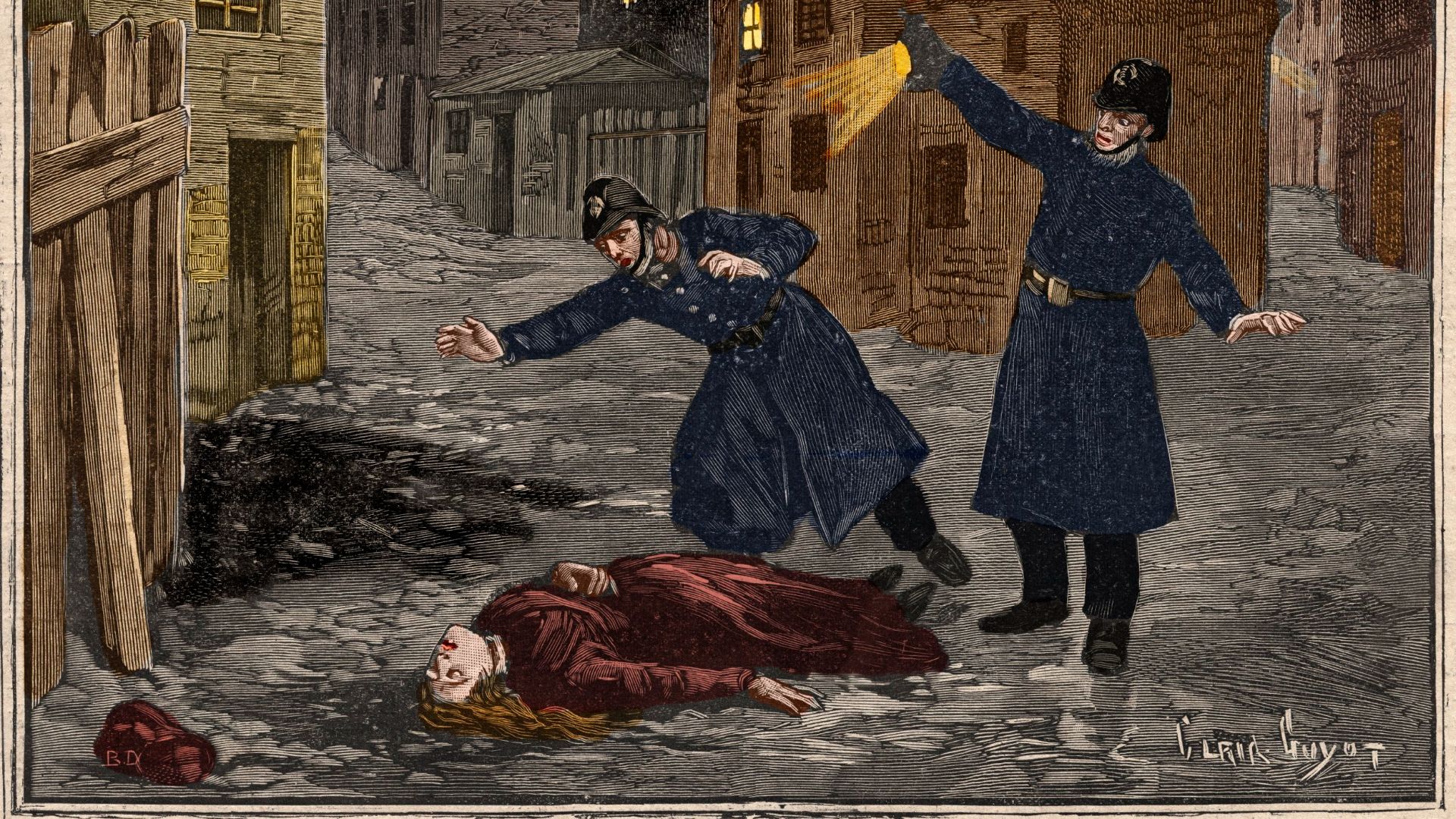
This is less one site than an entire commercial zone built around an unsolved series of murders. Walking tours end near shops selling books, prints, maps, and Ripper-themed memorabilia that turn Victorian terror into a collectible identity. Few stories show more clearly how crime can become atmosphere, then atmosphere becomes merchandise.
 Ernest Clair-Guyot on Wikimedia
12. The Lizzie Borden House
The house sells a crime that people still know mostly through a nursery rhyme and a headline-level version of the case. Visitors can tour the rooms tied to the murders, then browse souvenirs that package the whole thing into true-crime novelty. The tone often wobbles between historical interest and something a little too playful.
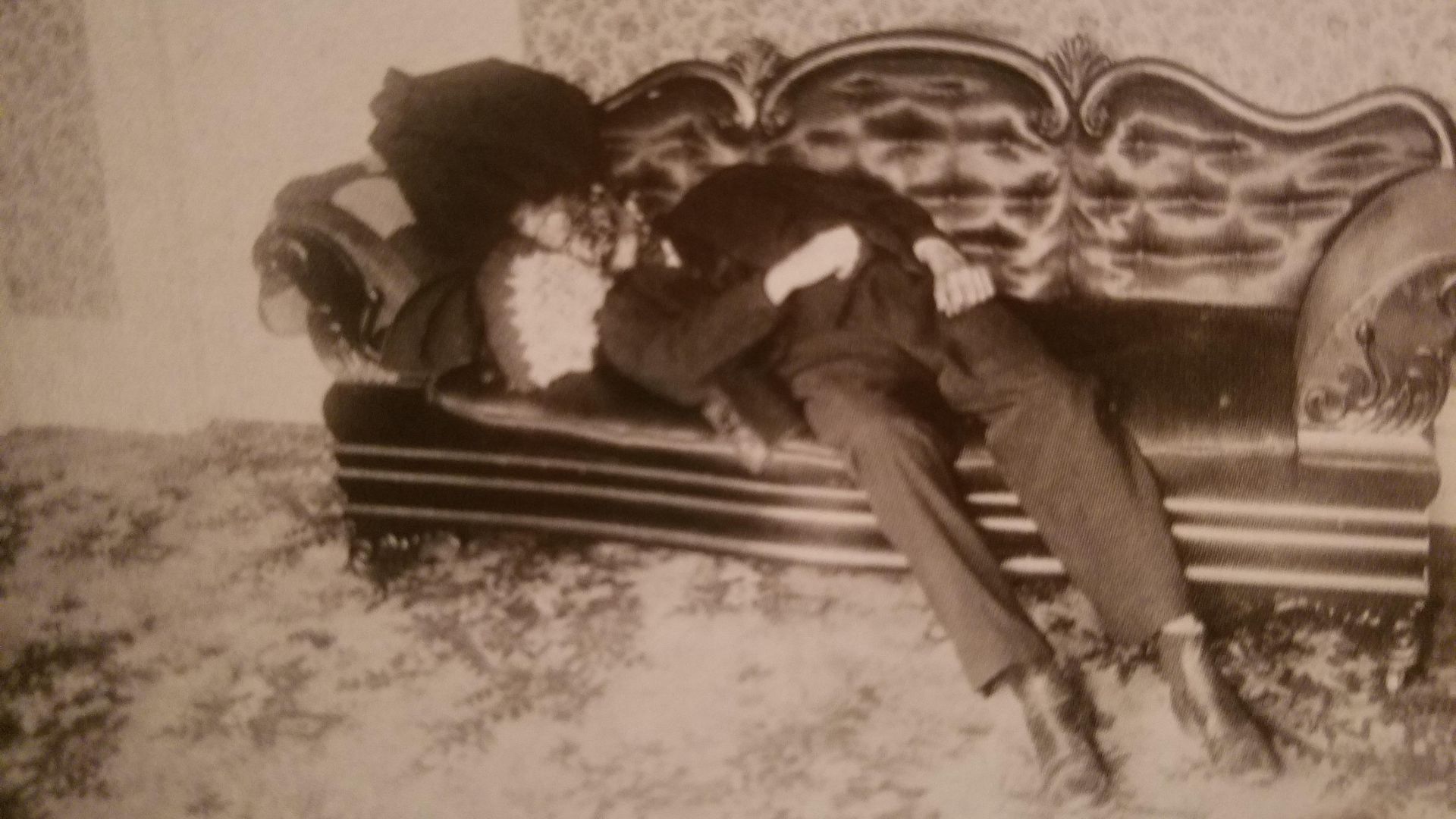 The Burns Archive. 1892 police photo. on Wikimedia
13. Titanic Belfast
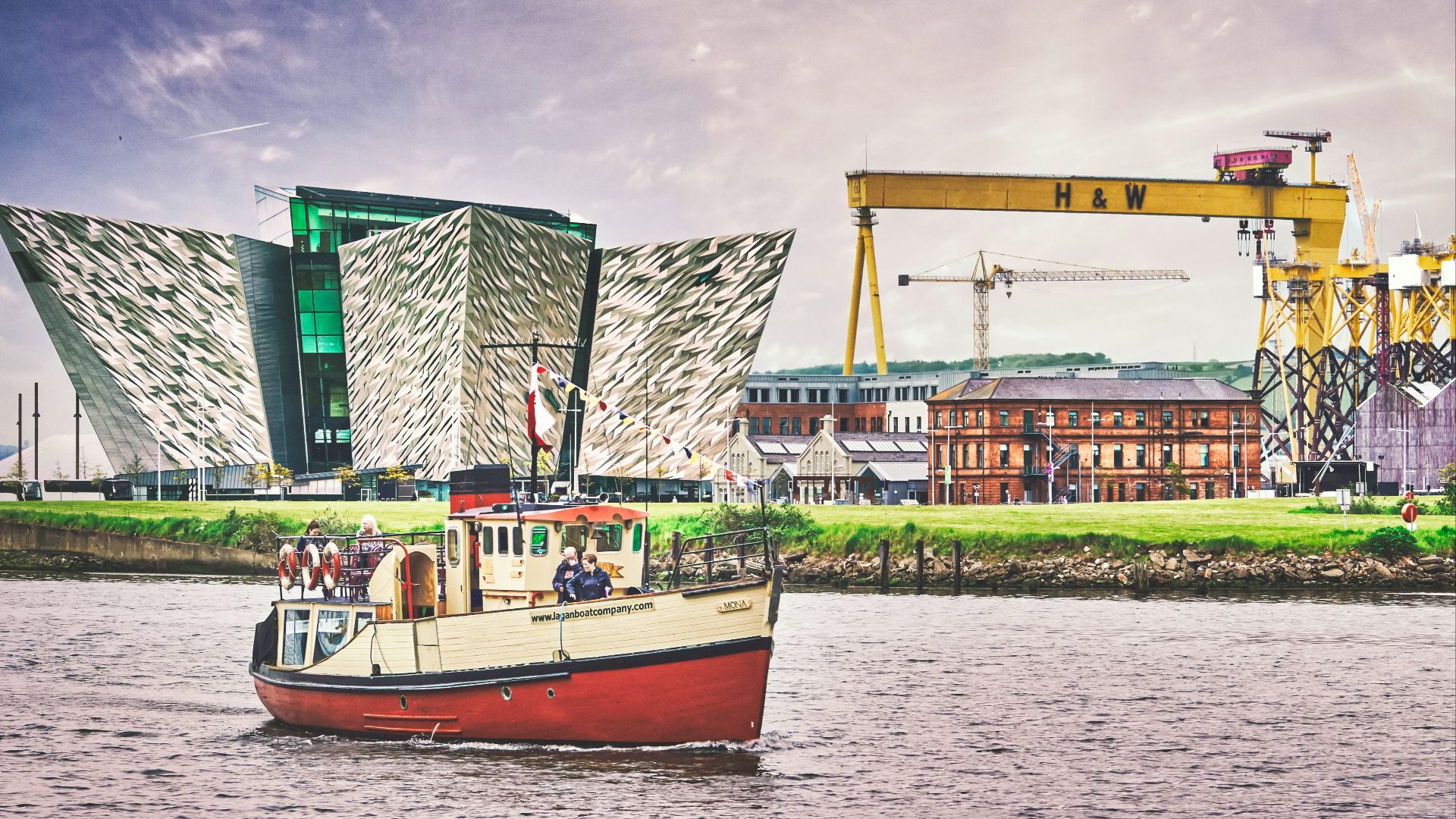
The Titanic has become one of the most marketable disasters in modern memory. At Titanic Belfast, the story is framed through engineering, class, loss, and myth, and the shop offers everything from books to elegant keepsakes tied to the ship’s image. Disaster sells especially well when it comes wrapped in design, nostalgia, and polished metal.
14. Pompeii
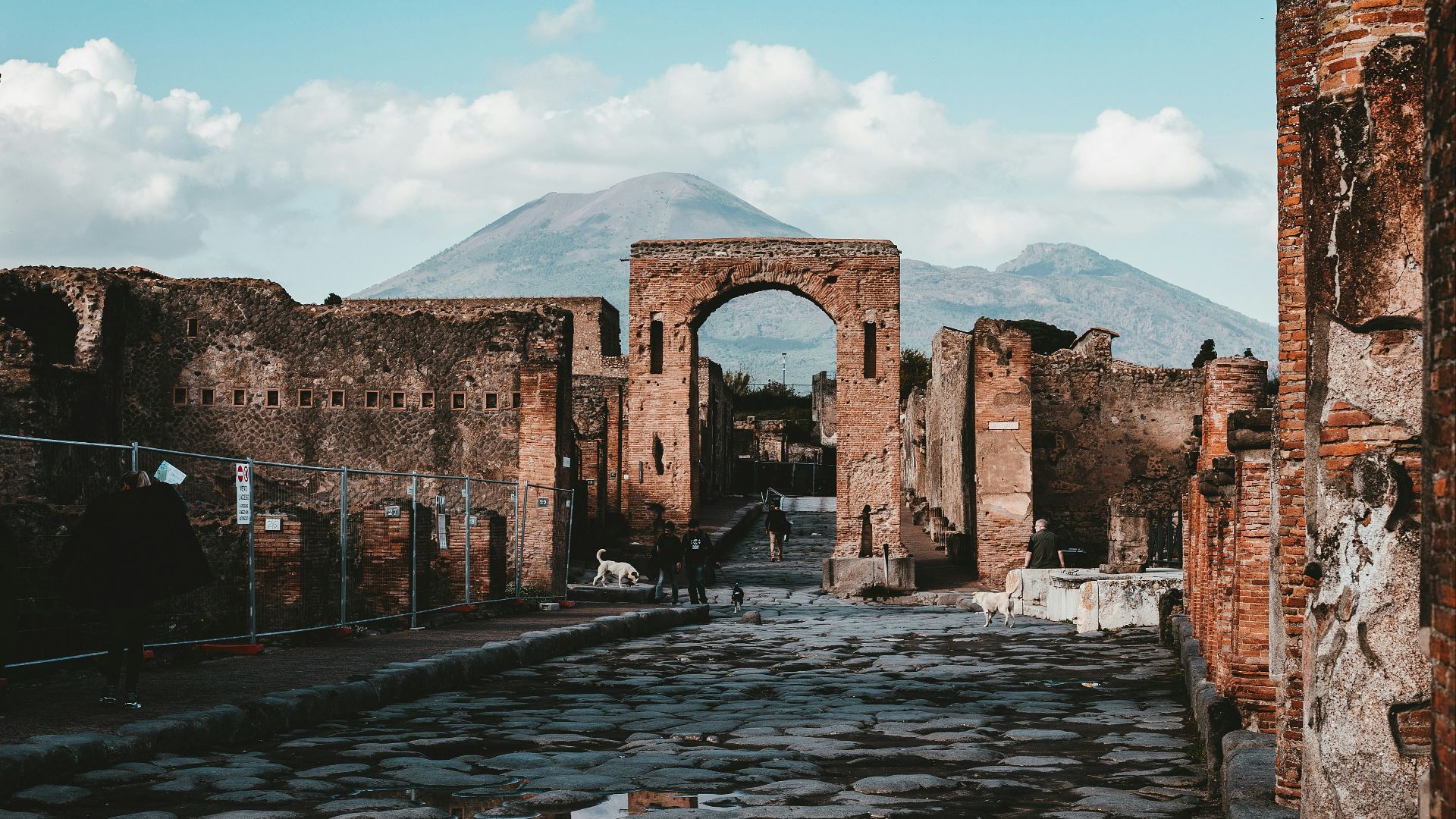
Pompeii is a city frozen inside catastrophe, and that alone gives it a different emotional weight than most tourist sites. Still, the gift stalls and museum shops sell replicas, plaster-cast imagery, books, and souvenirs shaped by the eruption that killed the city. Ancient death has had longer to become normal retail.
15. Hiroshima Peace Memorial Museum
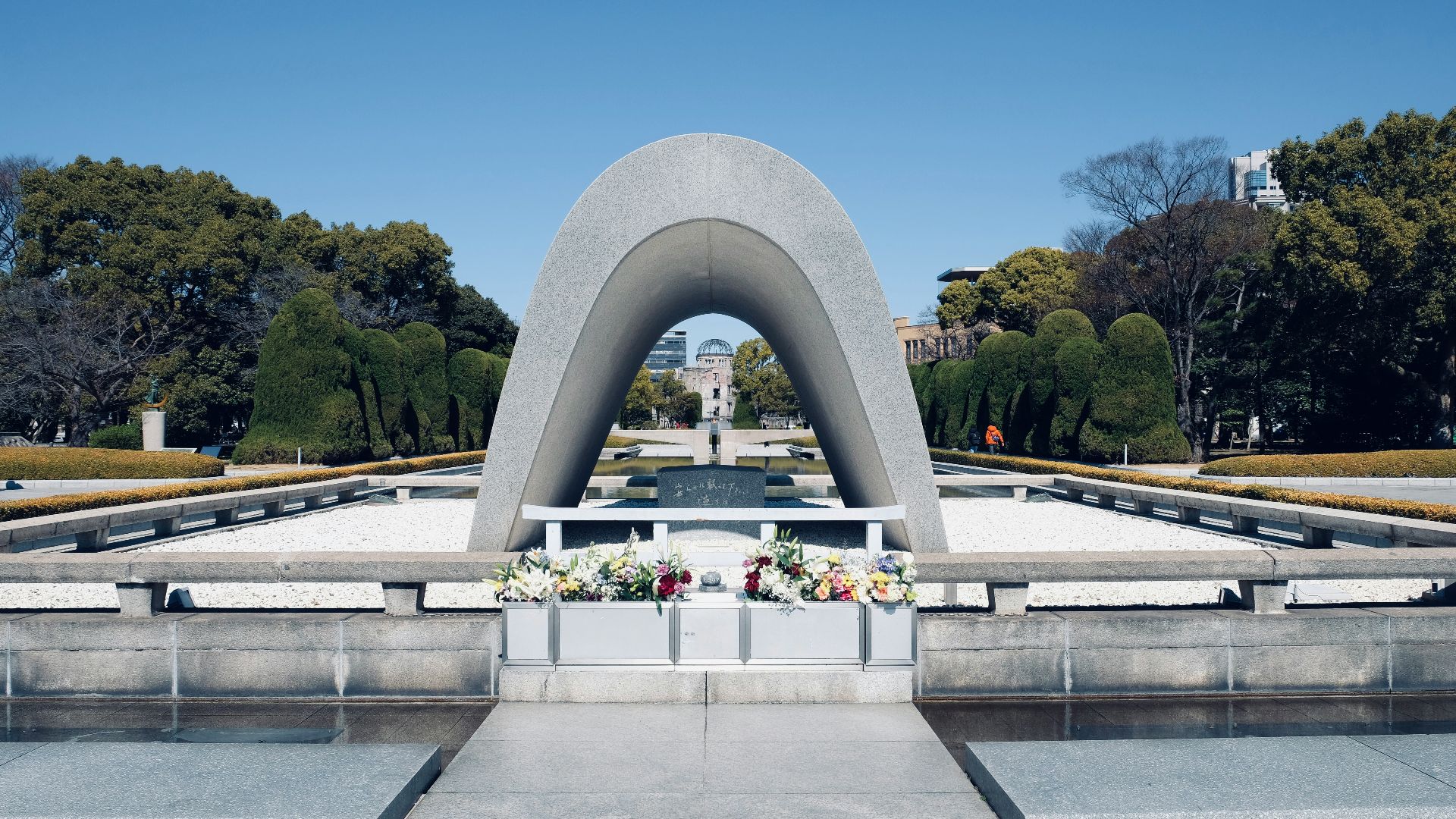
This is one of the hardest places on the list to talk about in commercial terms, and that discomfort matters. The museum shop tends toward books, peace-focused materials, and memorial items rather than novelty, but the act of buying anything after walking through that history still lands with force. Some places make the question of what belongs in a shop feel almost unbearable.
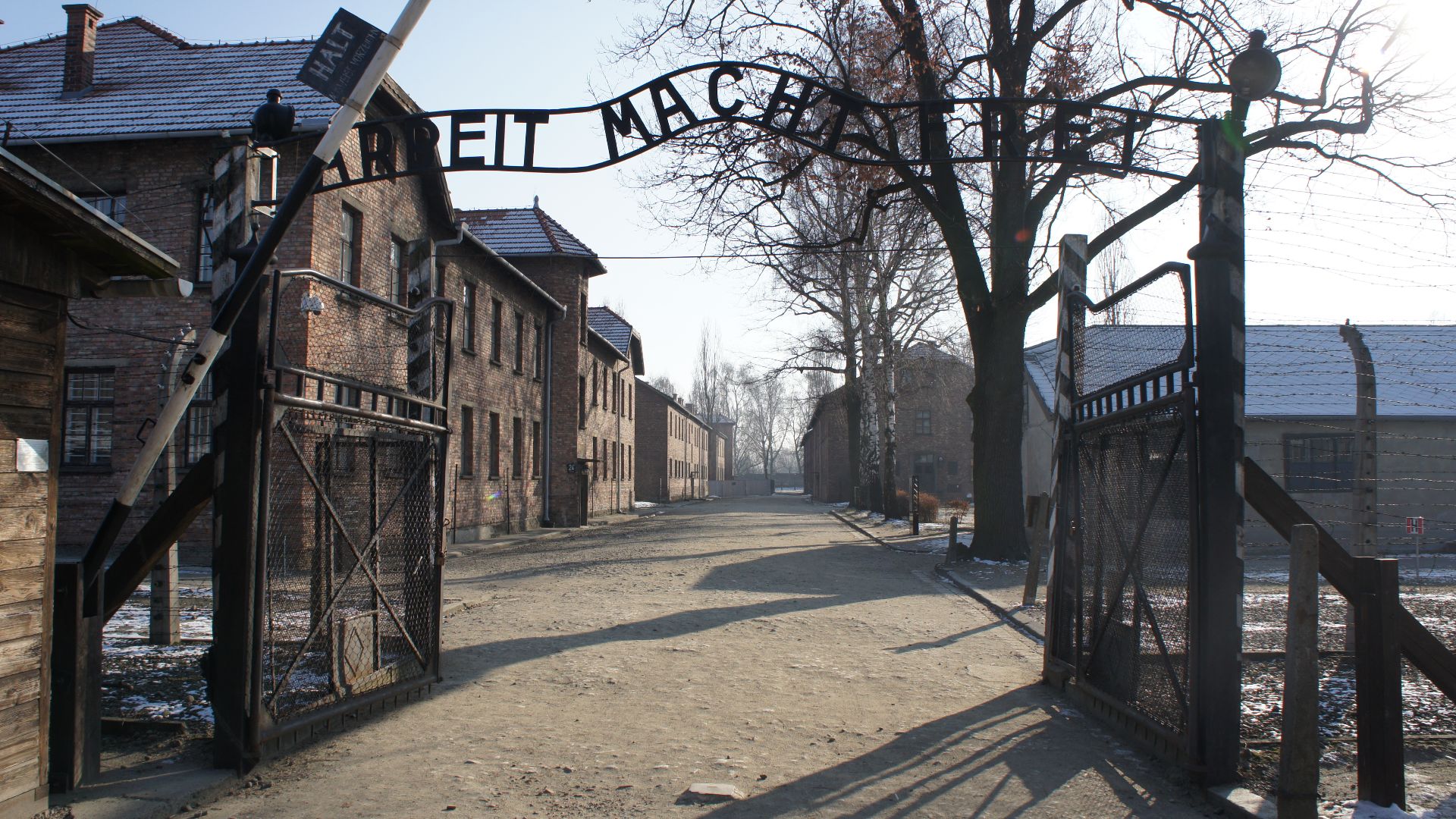
16. Auschwitz-Birkenau Area Bookshops
The memorial itself has long maintained strict standards around tone and purpose, and that distinction matters. But the surrounding area and broader tourism economy still include bookshops and commercial spaces where visitors can buy materials tied to one of history’s worst crimes. Even when the items are serious, the fact of exchange can feel impossible to separate from the place.
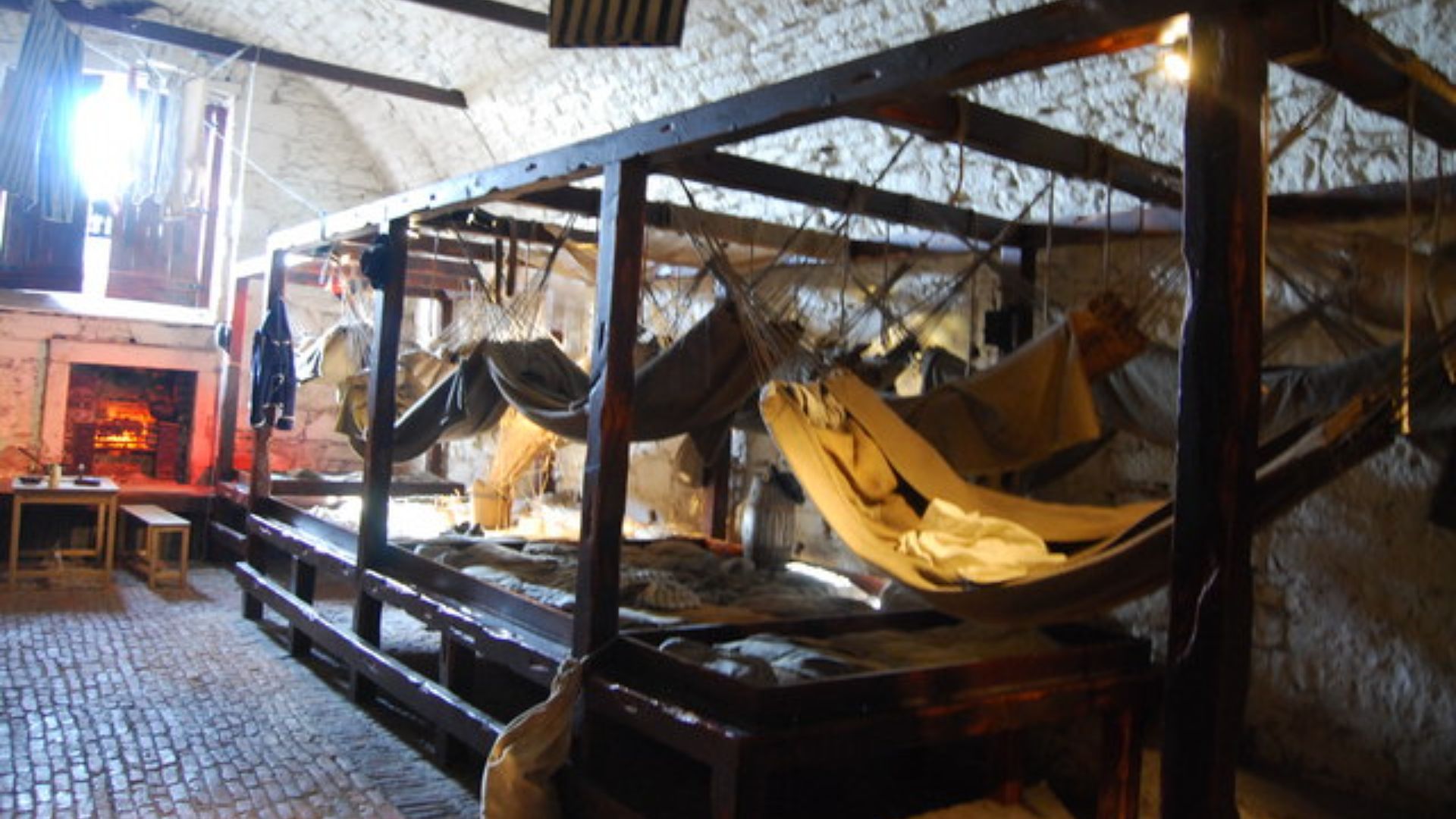
17. The Edinburgh Vaults
The vaults are sold through stories of poverty, crime, disease, and hauntings, all compressed into a dark underground tour. By the time visitors emerge, there are ghost books, eerie trinkets, and branded souvenirs waiting nearby. Urban misery gets a strangely clean finish once it reaches the retail stage.
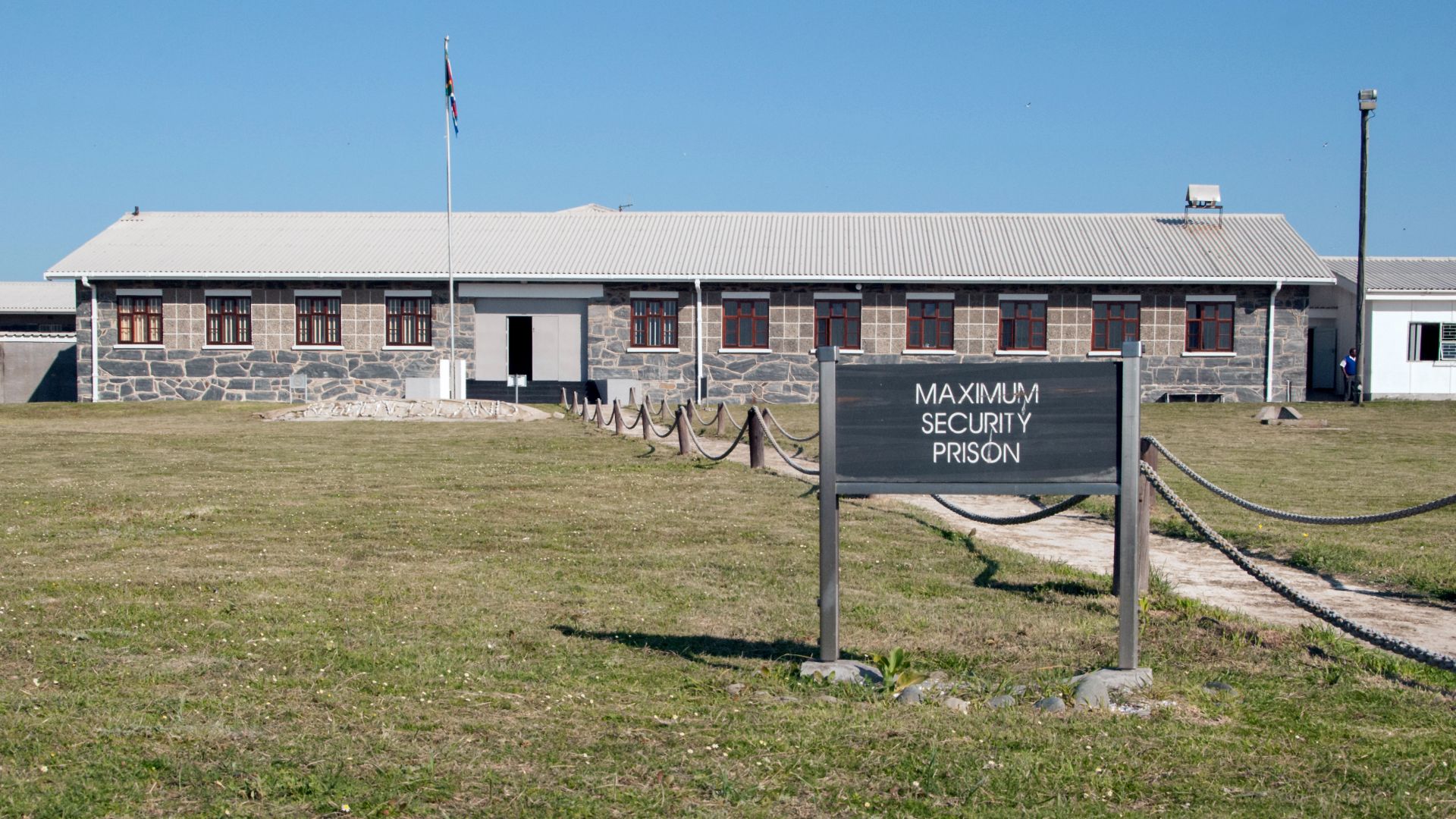
18. Robben Island
Robben Island is inseparable from imprisonment, apartheid, and political resistance, which makes the souvenir question more complicated than it first appears. Visitors often encounter books, memorial items, and merchandise tied to the site’s history and Nelson Mandela’s legacy. Here the transaction is less about shock and more about how struggle gets packaged for public memory.
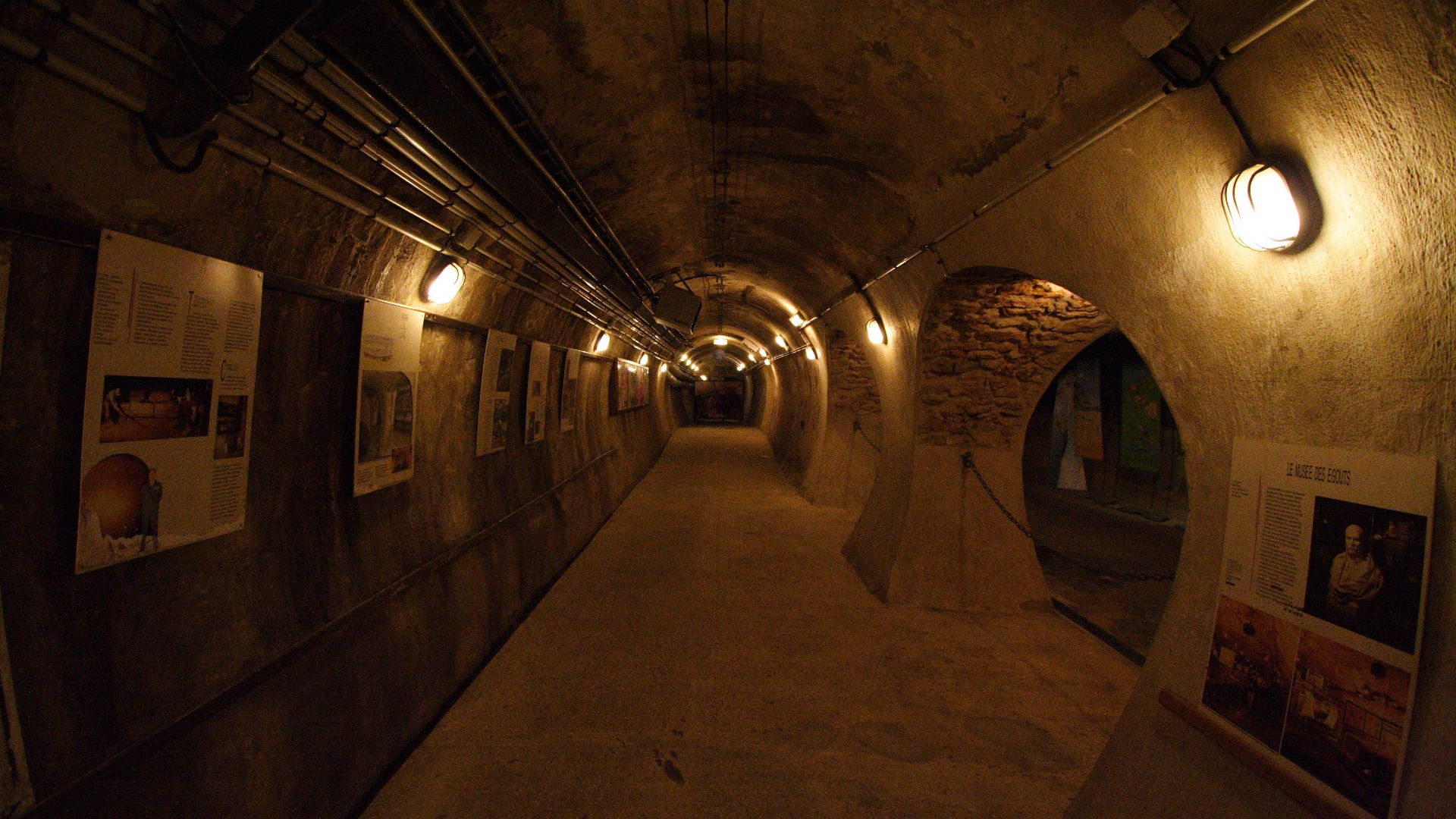
19. The Paris Sewer Museum
On paper, a sewer museum does not sound like dark history, but the story it tells includes disease, filth, urban death, and the long public-health failures of old cities. The souvenir shop takes that material and softens it into charming oddities, books, and themed gifts. Cities have always known how to prettify what once made them dangerous.
 commons.wikimedia.org on Google
20. The Newgate Prison Legacy Shops
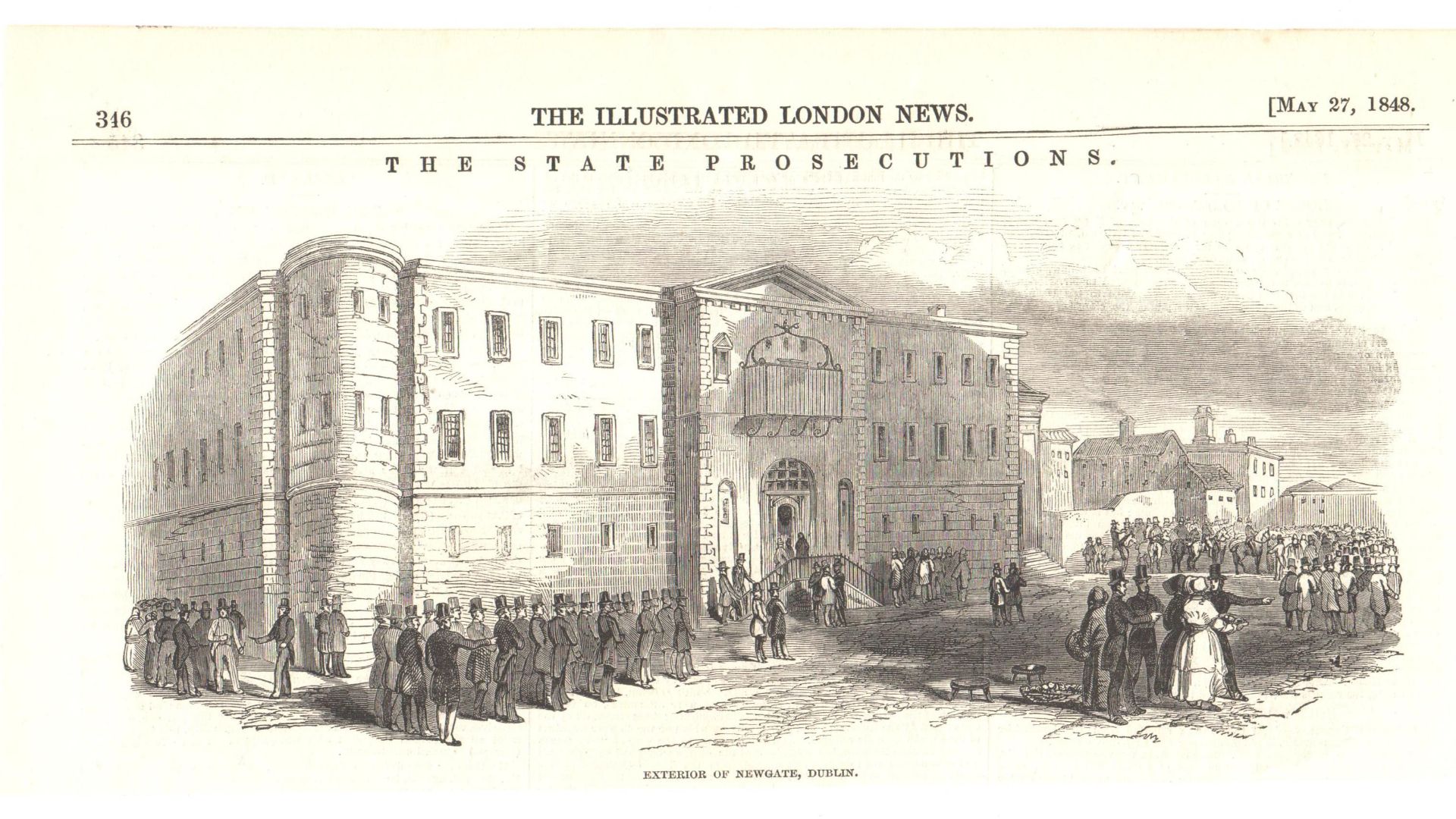
The original prison is gone, but its image survives through museums, booksellers, and heritage retail built around London’s penal past. Newgate was a place of confinement, execution, and public spectacle, and those associations still sell well centuries later. Some histories never really end. They just move into nicer packaging.