
These Historic Districts Deserve Way More Visitors Than They're Getting
It's no secret that many historic districts get a lot of love, almost to the point of historical overconsumption. Sure, they're beautiful, and well worth seeing, even if the tourist traps flatten the experience. Luckily, the United States has plenty of other historic neighborhoods that offer just as much character, only with a little more room to breathe.
That is part of what makes places like Madison, Lowell, Jackson Ward, and Tremont so appealing. They're rich in architecture and story, but they still feel attached to everyday life. You aren't just looking at history in these places, but you also get to roam the blocks where history still feels present, still active, and still tied to the people who live there now.
River Towns and Mill Cities

Madison, Indiana, should be more well-known for its preserved history. The National Park Service says the Madison Historic District was designated a National Historic Landmark in 2006. It consists of more than 1,800 resources and may be the largest district of its type nationwide. The city says the district covers 133 city blocks, a massive area for folks to explore.
The architecture is a big part of the draw, and Madison doesn't hold back. The city has a remarkably intact collection of predominantly Federal-style architecture, but also includes a collection of shotgun houses and 20th-century resources. There's also documented links to Underground Railroad history.
Lowell, Massachusetts, tells a very different story, but it is just as absorbing. The City of Lowell says the Locks and Canals Historic District includes the city’s full 5.6-mile canal system, along with dams, locks, gatehouses, millyards, and corporation boardinghouses, and calls it the largest canal system in the country. At the Boott Cotton Mills Museum, visitors can step into a weave room where more than 80 historic power looms still weave cloth today.
What works so well about Madison and Lowell is that neither one feels small in spirit. The river town of Madison has real architectural depth and a long preservation story. Lowell, on the other hand, lets you move through the machinery and waterways that helped make it the first successful planned industrial city in the United States.
Neighborhoods With Larger Stories
Jackson Ward in Richmond is one of those places that deserves far more attention than it gets. The National Park Service says the neighborhood became predominantly Black after the Civil War. By 1903, Second Street was already known as “Black Wall Street.” The Virginia Department of Historic Resources, cited in earlier reporting and supported by the NPS history, places Jackson Ward among the nation’s largest historic districts associated primarily with Black culture.
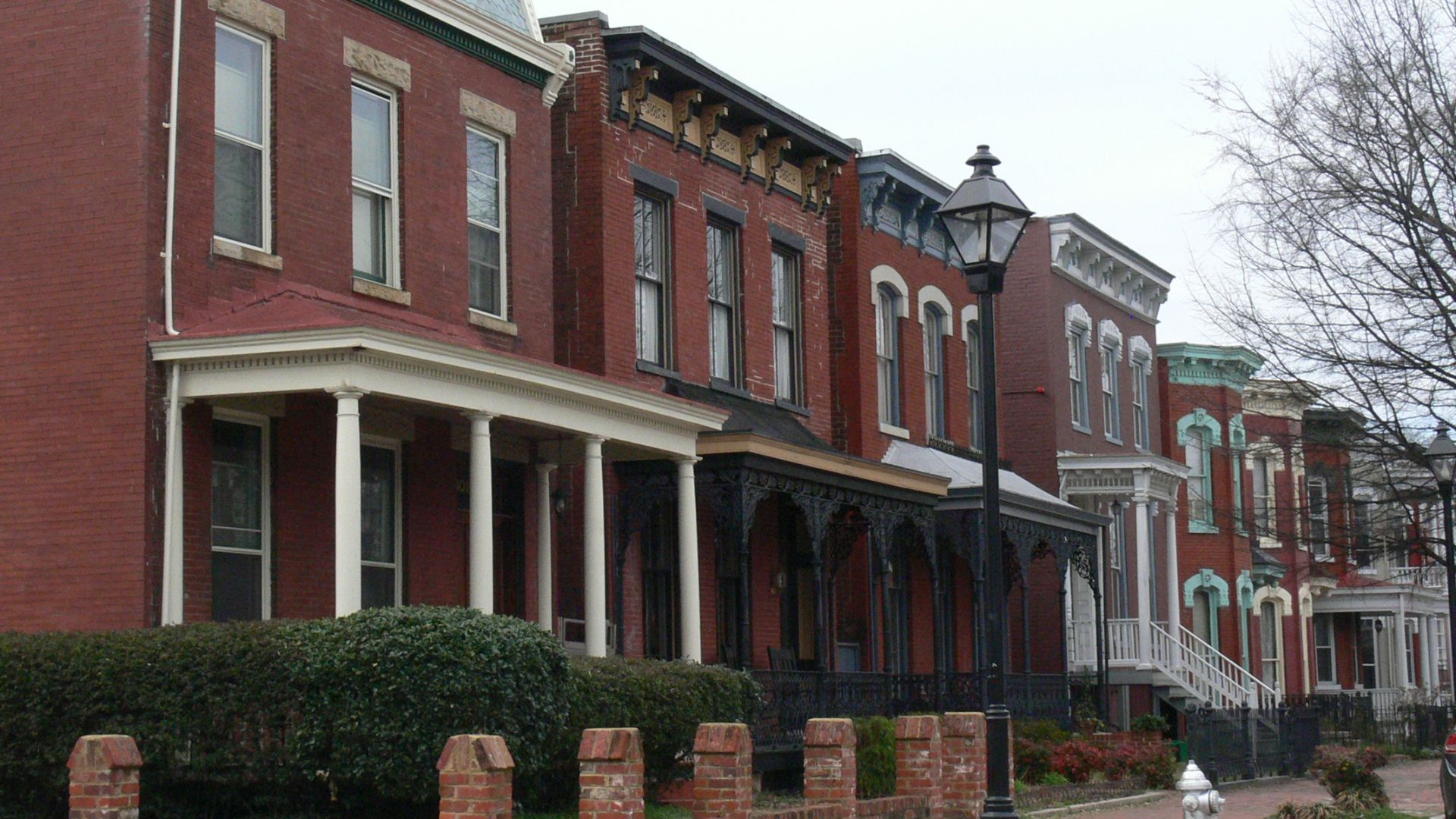
Furthermore, Jackson Ward is known for its row houses and especially rich ornamental ironwork. The district has a solid combination of beauty, history, and a larger story of the country's political disenfranchisement, segregation, and Black resilience.
Tremont, in Cleveland, has a different kind of pull. Listed on the National Register of Historic Places, the district has 26 churches within one square mile. It's also the only urban community along the Towpath Trail in Cleveland, sitting just south of downtown. Visiting here means you get this unusual mix of old neighborhood texture and big-city proximity.
What makes Jackson Ward and Tremont so memorable is that they give you more than one story. Jackson Ward carries the history of Black business, culture, and political struggle in a way that feels essential to understanding Richmond and the country at large. Tremont folds church architecture, neighborhood history, and canal-trail geography into something more layered than its reputation as a good place to eat.
Why These Work So Well

A lot of the best historic places don't feel staged. In Jackson Ward, the National Park Service offers a self-guided walking tour through the neighborhood, covering 13 historic locations across the district. Lowell gives visitors live loom demonstrations at the Boott Cotton Mills Museum, while Madison’s historic downtown is still full of thriving shops and businesses.
Tremont has that same lived-in energy, just with a more urban edge to it. The neighborhood’s own visitor material leans into its galleries, shops, restaurants, churches, and Towpath access. Yes, the history is there, obviously, but it's mixed in with ordinary neighborhood life, making your visiting experience feel a lot more natural.
That is really the case for all four of these places. Madison has the scale and architectural depth to keep you wandering. Lowell turns industrial history into something physical and immediate. Jackson Ward carries one of the country’s most meaningful Black urban stories, and Tremont gives you a historic neighborhood that still feels rooted in daily life. If the more famous heritage districts are starting to feel a little too busy, these are the ones that deserve your time next.