Why Does Every Flight Feel Like an Eternity?
There's a reason even seasoned travelers find themselves clock-watching whenever they're somewhere over the ocean. The experience of time on a plane is shaped by far more than the actual hours in the air; everything from your environment to your mindset plays a role in how slowly the minutes seem to tick by, even if you have a boatload of entertainment prepared for the ride. So why does every flight feel so awfully long, and how can you make time go by faster?
1. You're Hyper-Aware of the Time
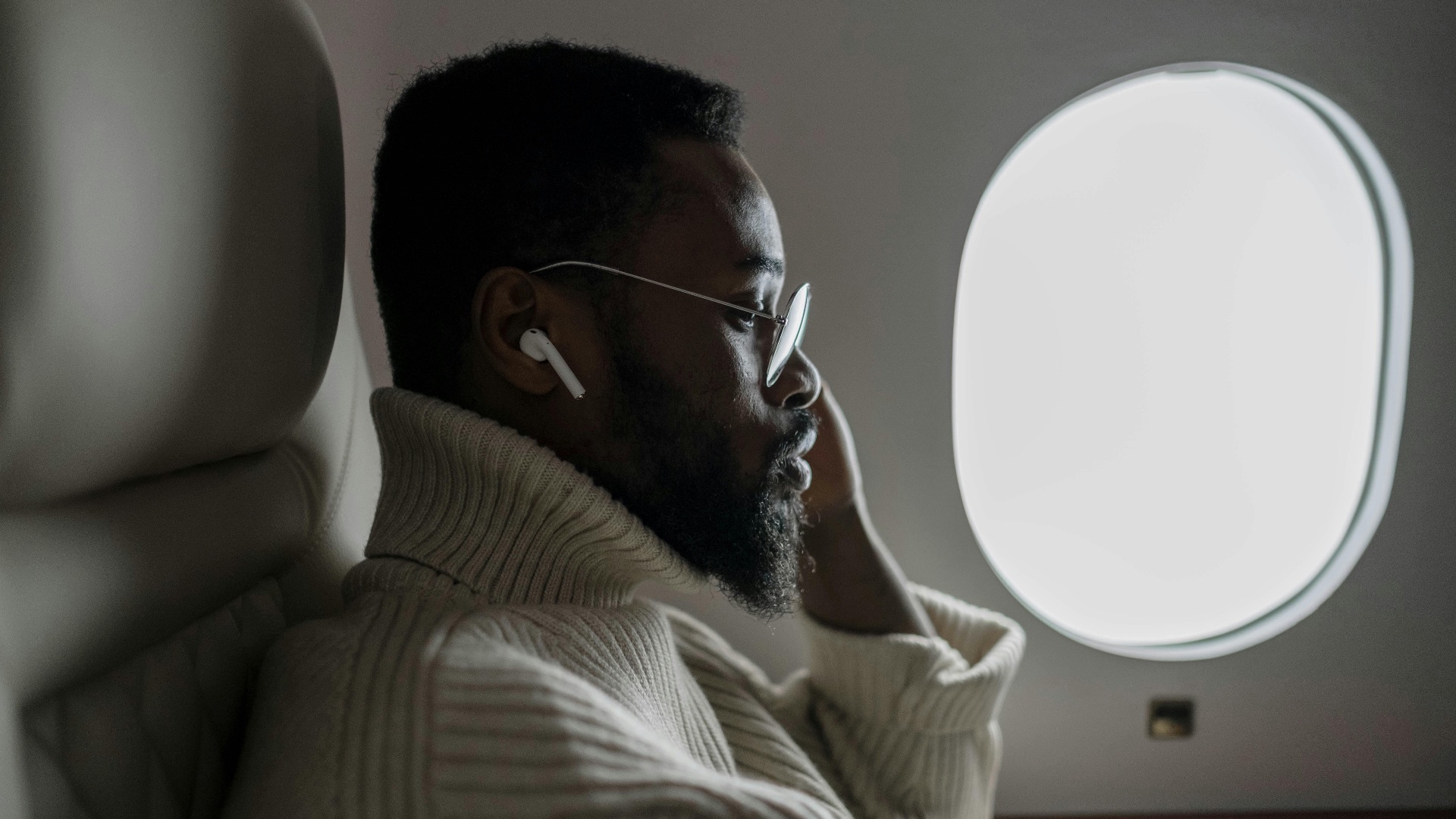
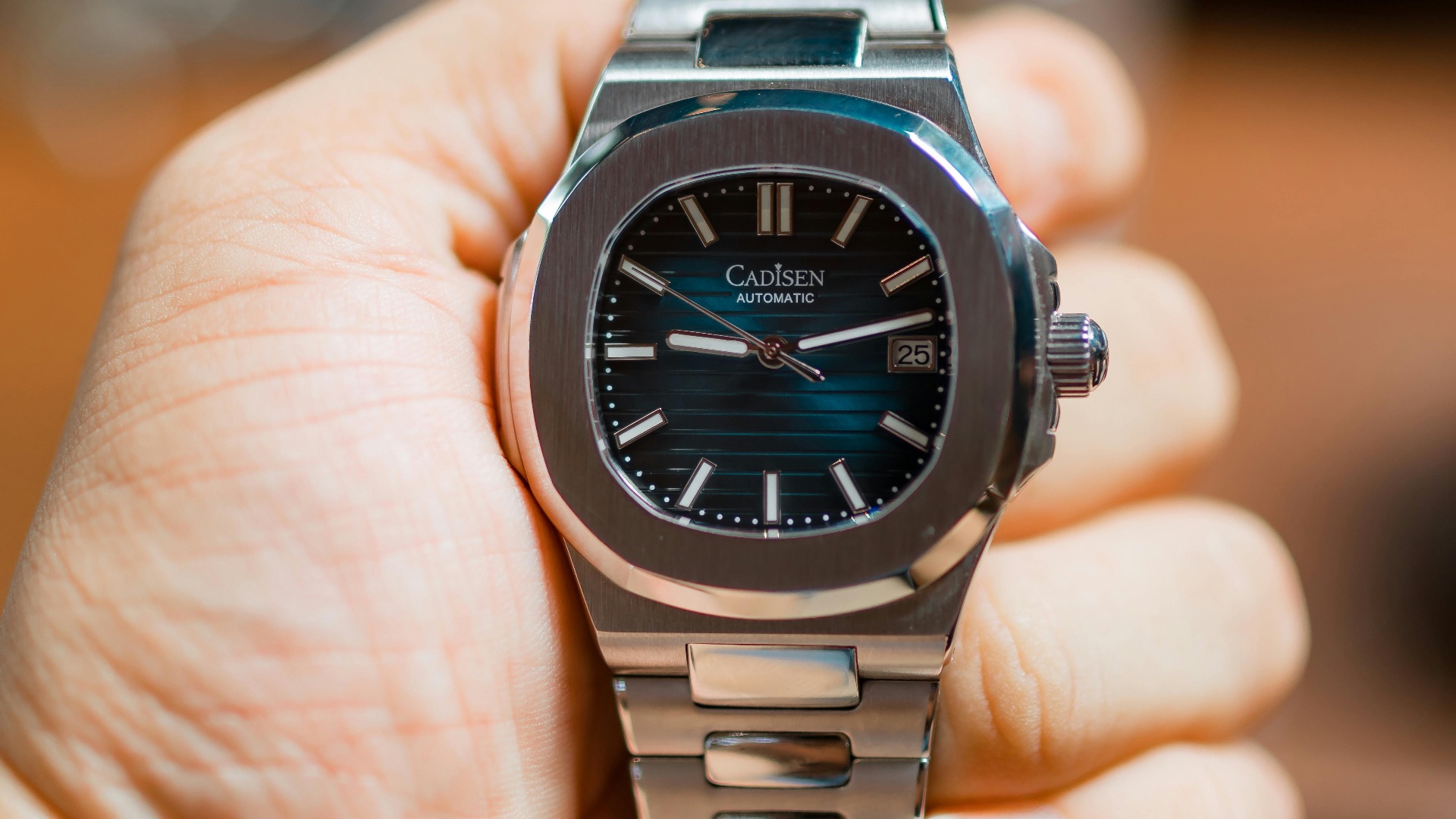
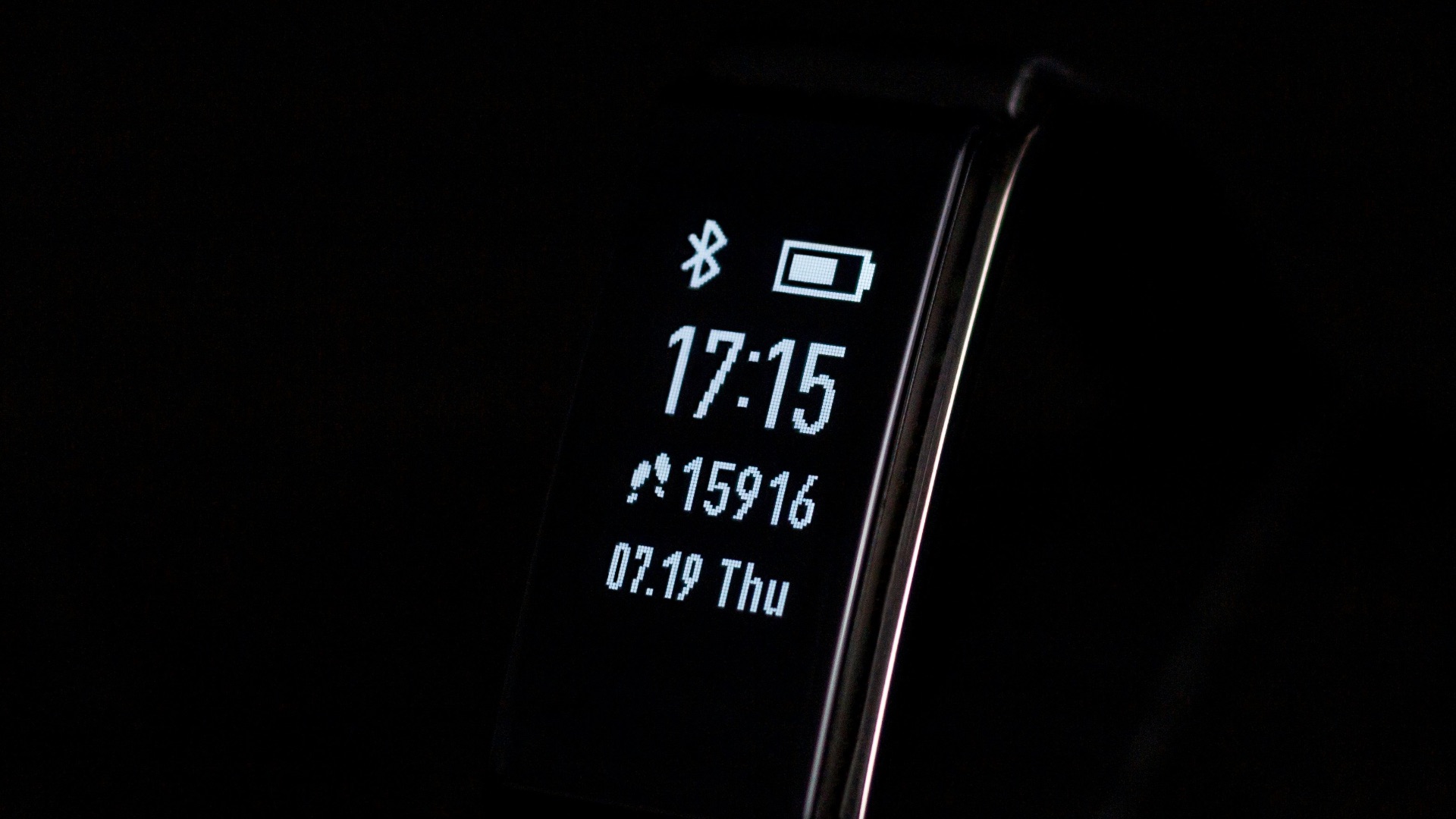
Constantly checking the flight tracker on your in-flight entertainment system or your watch is one of the fastest ways to make a flight feel endless, really. When your attention is focused on how much time has passed, every minute feels even more stretched out and exaggerated. The more you monitor the clock, the slower the journey will seem to move.
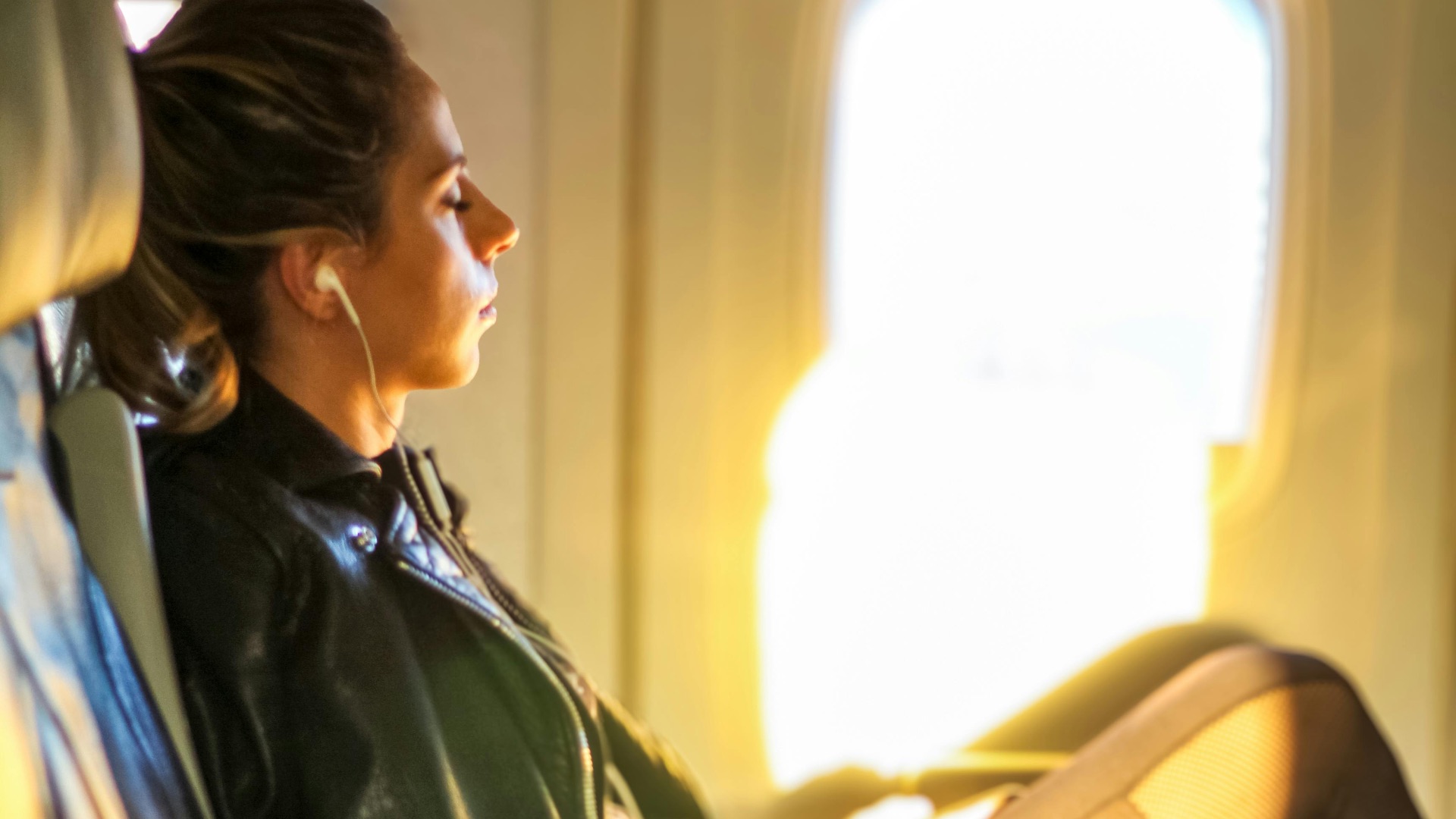
 🇻🇳🇻🇳Nguyễn Tiến Thịnh 🇻🇳🇻🇳 on Pexels
2. The Cabin Environment Is Disorienting
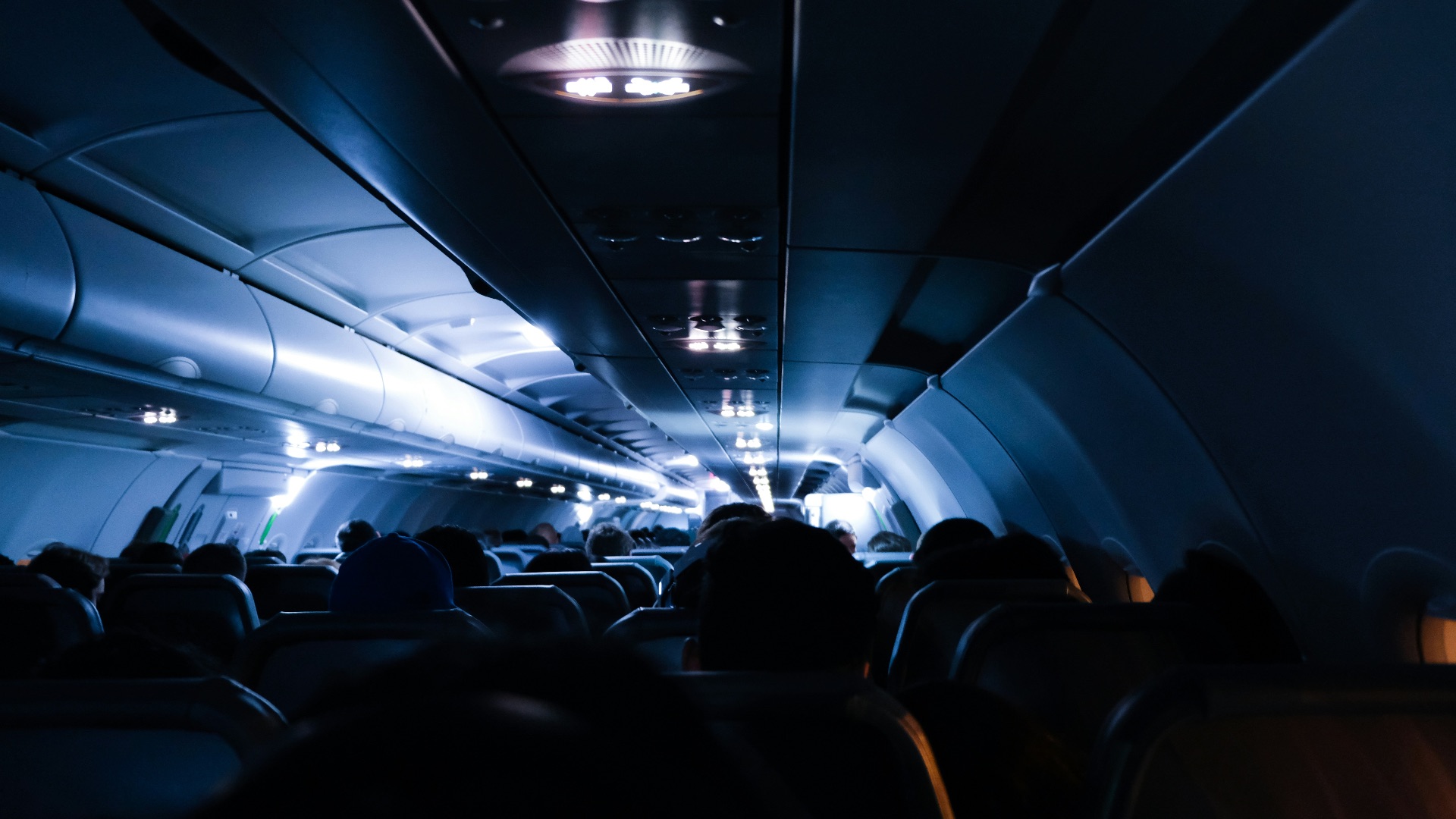
Airplane cabins are pressurized, dimly lit, and filled with a constant low hum that doesn't quite match any environment you'd encounter on the ground. Your body may struggle to find its normal rhythm when none of the usual environmental cues are available to it, and that may make it harder to relax and wonder if time has stalled.
3. You Have Limited Freedom of Movement
Unless you're in the aisle seat, you're practically trapped with nowhere to go for seemingly forever. Physical restlessness can translate into mental restlessness, and before long, you're very aware of how long you've been sitting still, which only makes you not want to sit still.
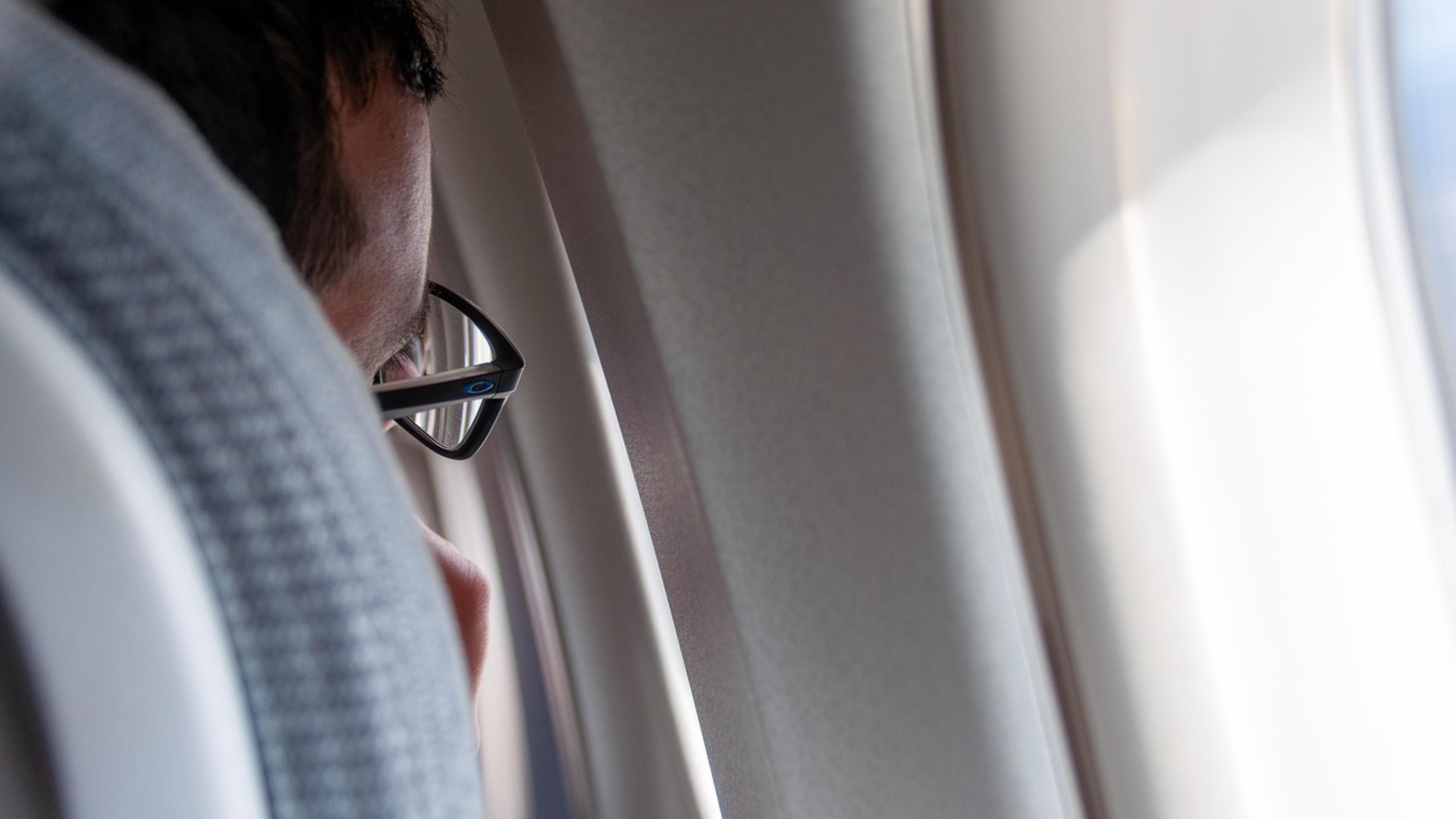
4. Boredom Sets In Fast
If you board a flight without any idea of how you're going to spend your time, the hours ahead can start to feel daunting almost immediately. Boredom has a well-documented effect on time perception: when your brain isn't engaged, it focuses more on the passage of time itself. If you're without any forms of entertainment and you're forced to simply sit and wait, it can feel excruciating.

5. Anxiety and Stress Warp Your Perception
Whether it's a fear of flying, pre-trip nerves, or general travel stress, heightened anxiety makes time feel slower and more uncomfortable. When your nervous system is activated, your brain processes information more intensely, which can make each moment feel heavier than it actually is. Even low-level stress you might not consciously register can have a noticeable effect on how long a flight feels.

6. Dehydration Can Affect How You Feel Physically
The recycled air in airplane cabins is notoriously dry, and most passengers don't drink nearly enough water to compensate for that. Dehydration can cause fatigue, headaches, and a general sense of feeling unwell, all of which can make it much harder to settle into the flight comfortably. When your body feels off, your tolerance for sitting in a confined space drops significantly.

7. Disrupted Sleep Throws Off Your Internal Clock
Long-haul flights often cross multiple time zones, which means your body's internal sense of time is already confused before you factor in the awkward angles and noise of trying to sleep on a plane. Poor or fragmented sleep during a flight leaves you in a groggy, in-between state that makes the remaining hours feel especially drawn out. Your brain loses its natural anchor to the day's rhythm, so time starts to feel abstract and hard to measure.
8. Uncomfortable Seating Takes a Toll on Your Body
Economy seating isn't designed for extended comfort, and after the first few hours, your back, neck, and hips will likely remind you of that. Physical discomfort is one of the most persistent distractions you can experience, because it's difficult to focus on anything else when part of your body is aching. The more uncomfortable you are, the more aware you become of every passing minute.

9. The Lack of Natural Light Throws You Off
Sunlight is one of the primary ways your brain tracks the passage of time throughout the day. On a flight, the windows are often closed for much of the journey, and you're left in an artificial, unchanging light environment that gives your brain very little to work with. Without those natural shifts in light, your sense of time loses its normal structure, and everything starts to feel like one long, undifferentiated stretch.
10. There's No Clear Sense of Progress
On a road trip, you pass landmarks, change scenery, and have a tangible sense of covering ground. On a plane, you're sealed in a metal tube where nothing around you visibly changes for hours on end. That absence of perceived progress makes the journey feel much, much longer than the same duration would feel in a more dynamic environment.
Now that you know what's making those hours drag, let's jump into some tricks to help make the time fly by faster.
1. Download Entertainment Before You Board
This sounds like a no-brainer, but don't just rely on the in-flight entertainment system to have what you want; load your phone or tablet with movies, TV episodes, or podcasts you're actually excited about before you leave home. Having content you're familiar with and actually looking forward to gives you something to pull your attention away from the clock. A few hours of a show you're invested in can pass faster than almost anything else at 35,000 feet.

2. Break the Flight Into Smaller Segments
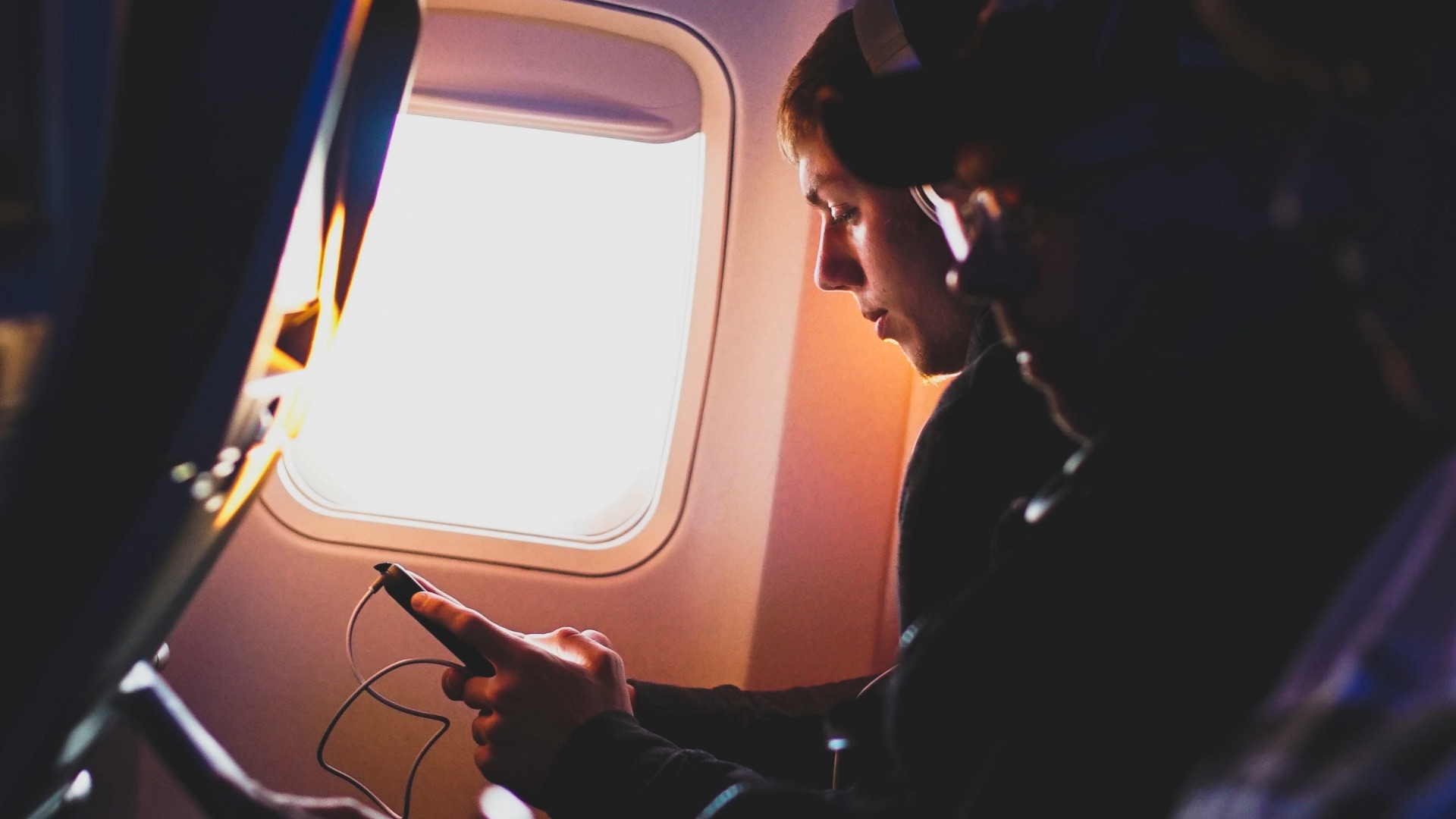
Instead of thinking about the full duration of the flight as one large block of time, divide it into manageable chunks based on meals, sleep, and entertainment. Telling yourself you only need to get through the next two hours before a meal or a nap makes the overall journey feel far less daunting. Smaller milestones give your brain a sense of forward movement even when the scenery outside isn't changing.
3. Bring a Book
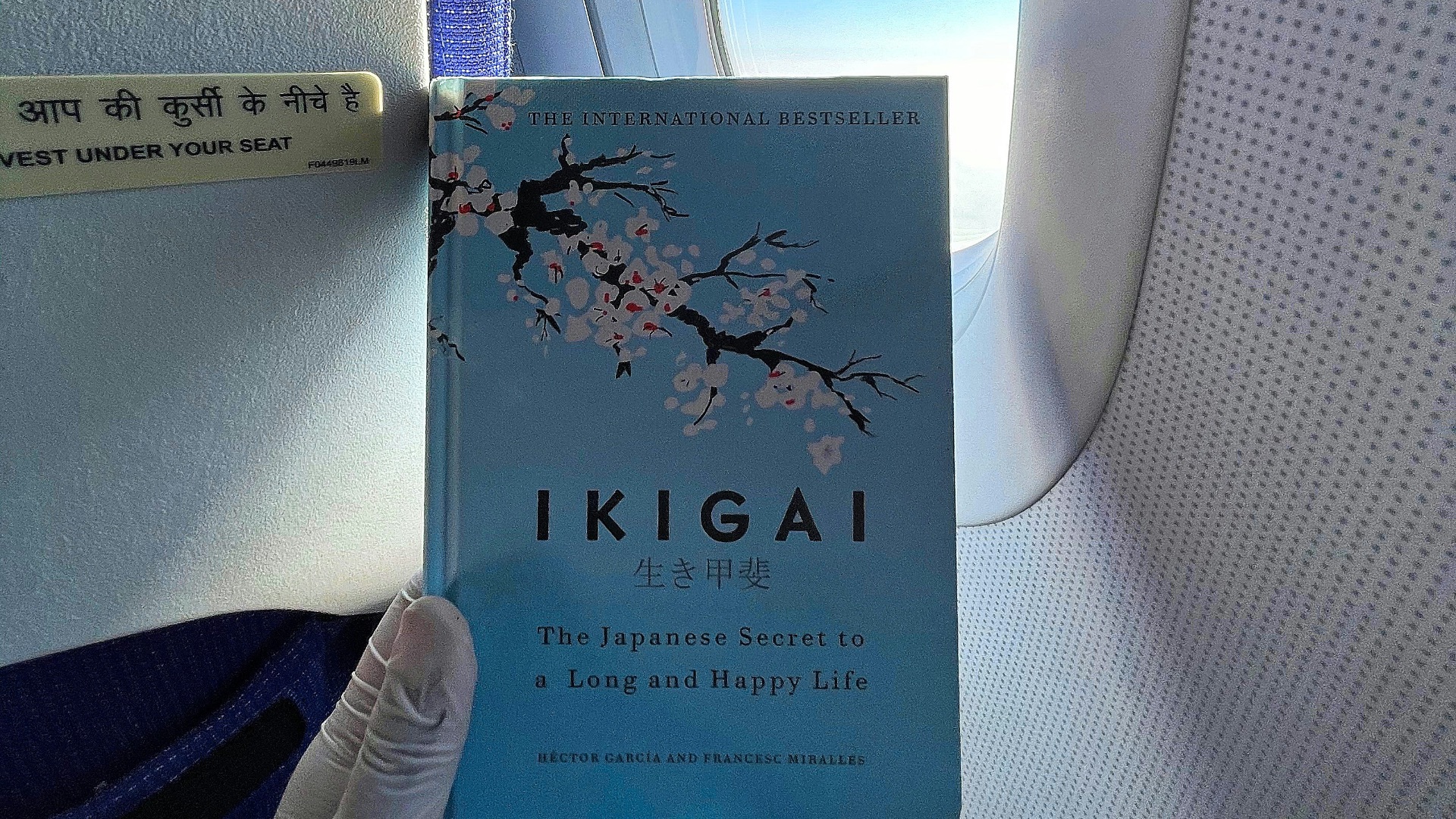
A flight is actually one of the best times to read something you've been putting off, since you're free from the interruptions and distractions of everyday life. Long-form reading is particularly effective because it draws you deep into a narrative or subject, making it easy to lose track of time entirely. Save a book you've been meaning to start, and you might land before you've even thought about checking the flight tracker.
4. Stay Hydrated Throughout the Flight
Drinking water consistently throughout the journey is not only good for your health, but it also gives you something to do and helps your body feel more comfortable in the cabin environment. When you feel physically well, you're far more capable of relaxing and staying mentally engaged with whatever you're doing. Bring a reusable bottle to fill at the airport and make a habit of refilling it whenever the flight attendant comes around.

5. Forget About the Clock
It sounds obvious, but deliberately avoiding the flight tracker and your watch removes one of the biggest contributors to slow-feeling flights. When you stop monitoring time, your brain stops treating it as the main event and starts engaging with whatever is in front of you instead. You'd be surprised how much of a difference this single change can make over the course of a long flight.
6. Move Around the Cabin Regularly
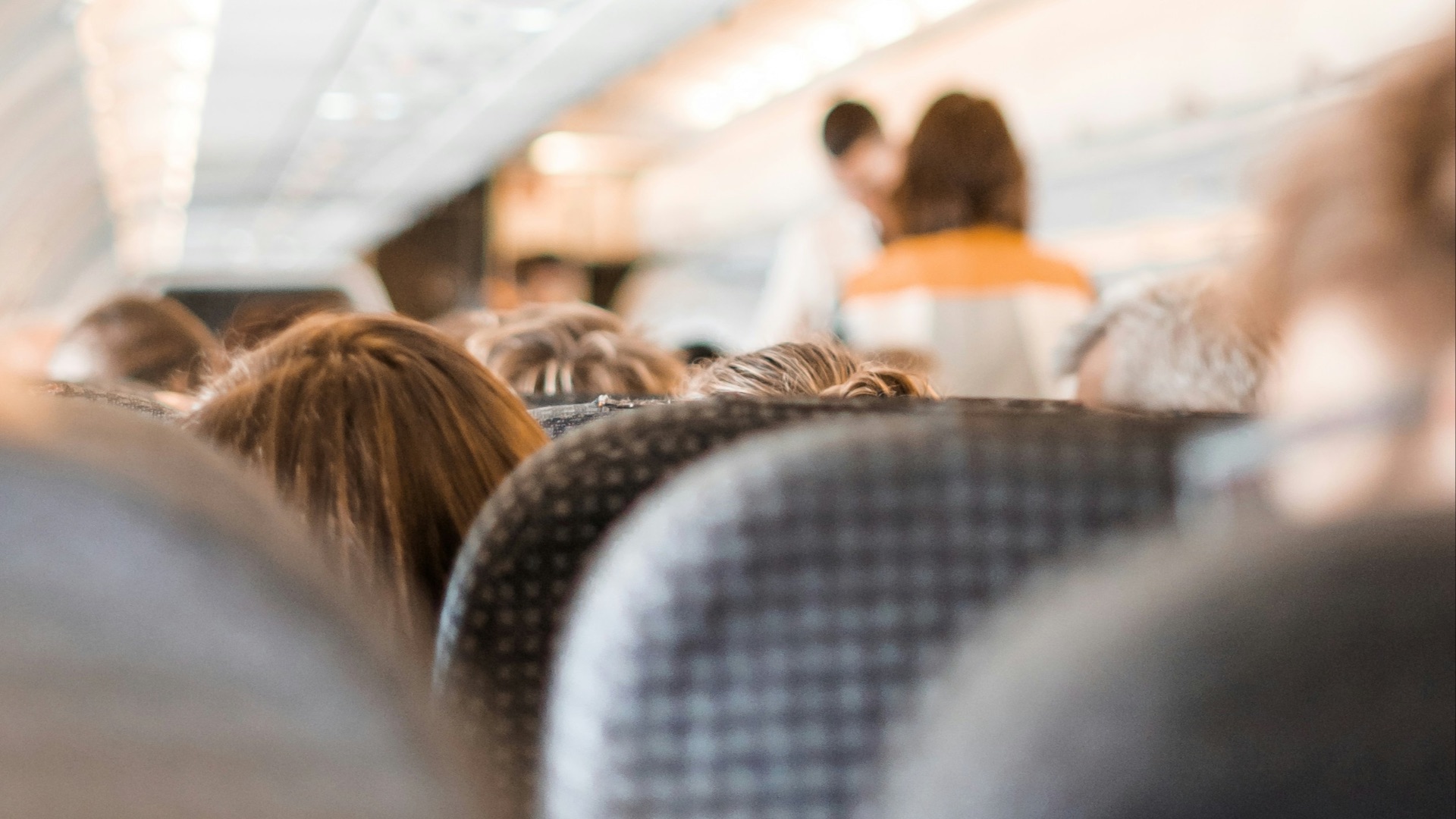
Even if you're not in the aisle seat, ask your seatmate if you can climb out regularly. Getting up to walk to the bathroom, stretch in the galley area, or do a few standing stretches near your seat gives your body the physical reset it needs. Movement breaks up the monotony and gives your brain a small change of scene, which is enough to shift your perception of the time that's passed. Most doctors recommend getting up at least once every couple of hours on long flights anyway, so it's a win for both your comfort and your sanity.
7. Try Noise-Canceling Headphones
The constant background drone of the engine is one of the more underestimated sources of fatigue on long flights, and it contributes to that worn-down feeling that makes time seem to slow down. A good pair of noise-canceling headphones can dramatically reduce that ambient noise, making it easier to focus, rest, or lose yourself in whatever you're watching or listening to. If you fly with any regularity, they're one of the most worthwhile investments you can make.
8. Plan Something to Look Forward to After Landing
Having a clear, exciting plan for your arrival, whether it's a great meal, checking into a hotel you've been looking forward to, or reuniting with someone, shifts your mental energy toward what's coming rather than how long is left. Anticipation is a surprisingly effective way to reframe a flight, because your mind starts to feel like it's already moving toward the destination. The journey starts to feel like a precursor to something good rather than an obstacle to get through.
9. Use the Time for Something Productive
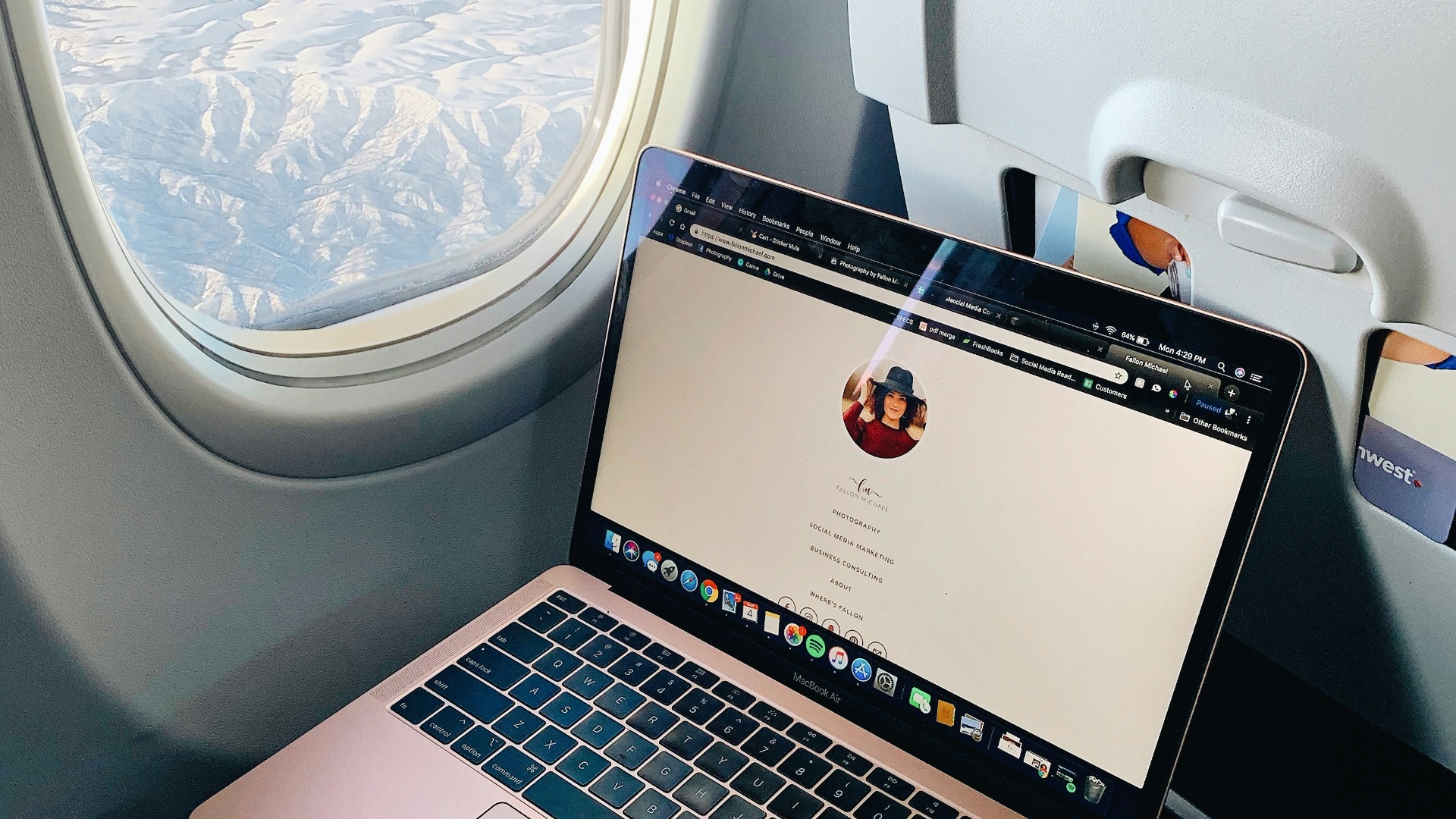
Flights offer an unusually interruption-free window to work on something you've been pushing aside, whether that's drafting emails, journaling, planning a trip itinerary, or working on a personal project. When you're focused on a task, your brain is in a goal-oriented mode that tends to compress your experience of time. Landing and realizing you've actually accomplished something meaningful makes the flight feel worthwhile rather than wasted.
10. Adjust Your Mindset Before You Board
How you approach a flight mentally has more influence on how it feels than almost any practical strategy. If you board with a sense of dread or impatience, you'll spend most of the flight in a state of resistance that makes every minute feel longer than it needs to. Choosing to see the flight as a pocket of time that's entirely your own, away from responsibilities and connectivity, can shift the experience from something you endure to something you actually make the most of.