The World's Best and Worst Treks
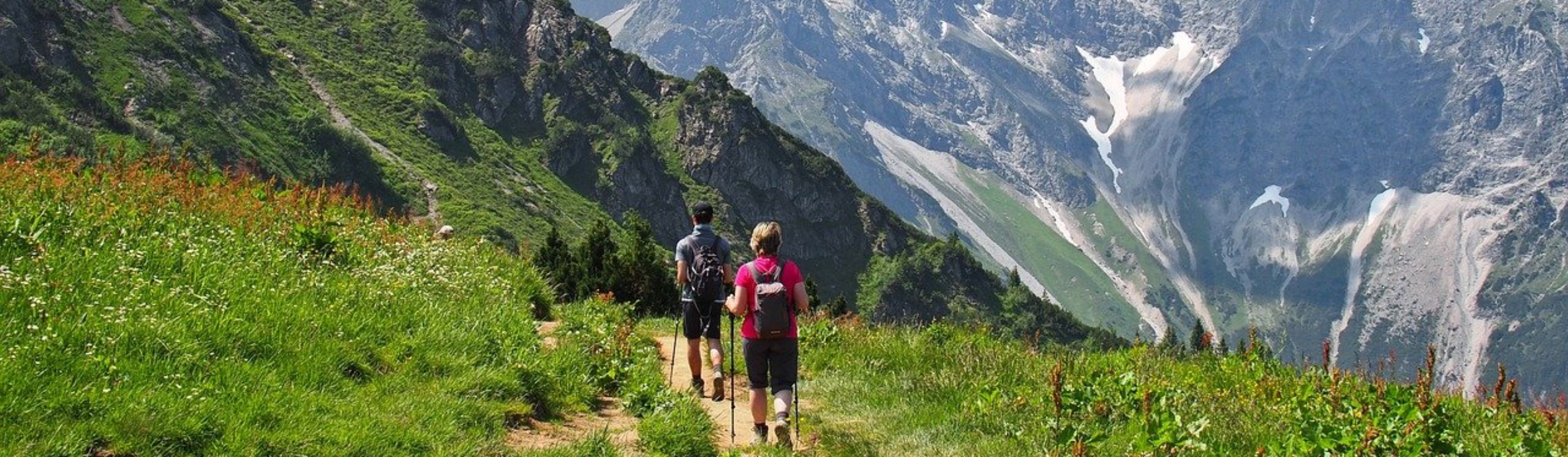
If you love hiking, you probably know that not every trail is worth the effort. Sure, many treks offer spectacular views, but others are just plain overrated; overcrowding and years of social media hype have turned some of the most celebrated hikes into nightmares that test your patience as much as your fitness level. If you're thinking of hitting the next world-famous route across the world, hold your horses—and let us guide you to which ones are actually worth your time.
1. Mount Fuji, Japan
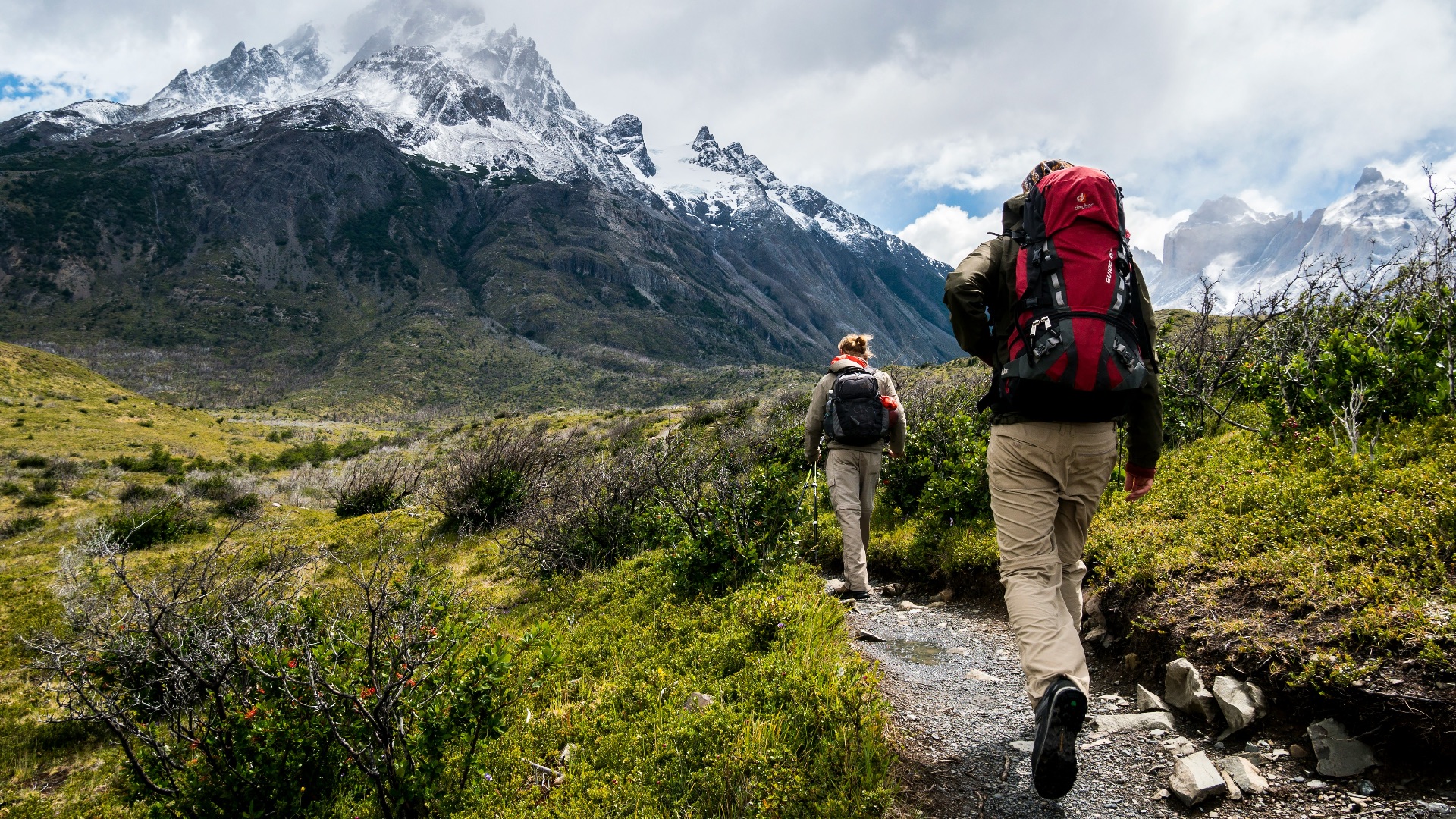
Mount Fuji is Japan's most recognizable landmark, but the reality of hiking it rarely matches the image most people have in mind. The trail is a steep, largely featureless climb up loose volcanic rock, and the summit is packed with thousands of other visitors during the official climbing season from July to September. Japan has recently introduced new crowd-control measures, including access fees and trail barriers on the most popular route, which gives you a clear sense of how unmanageable the situation has become.
2. Angels Landing, Zion National Park, Utah
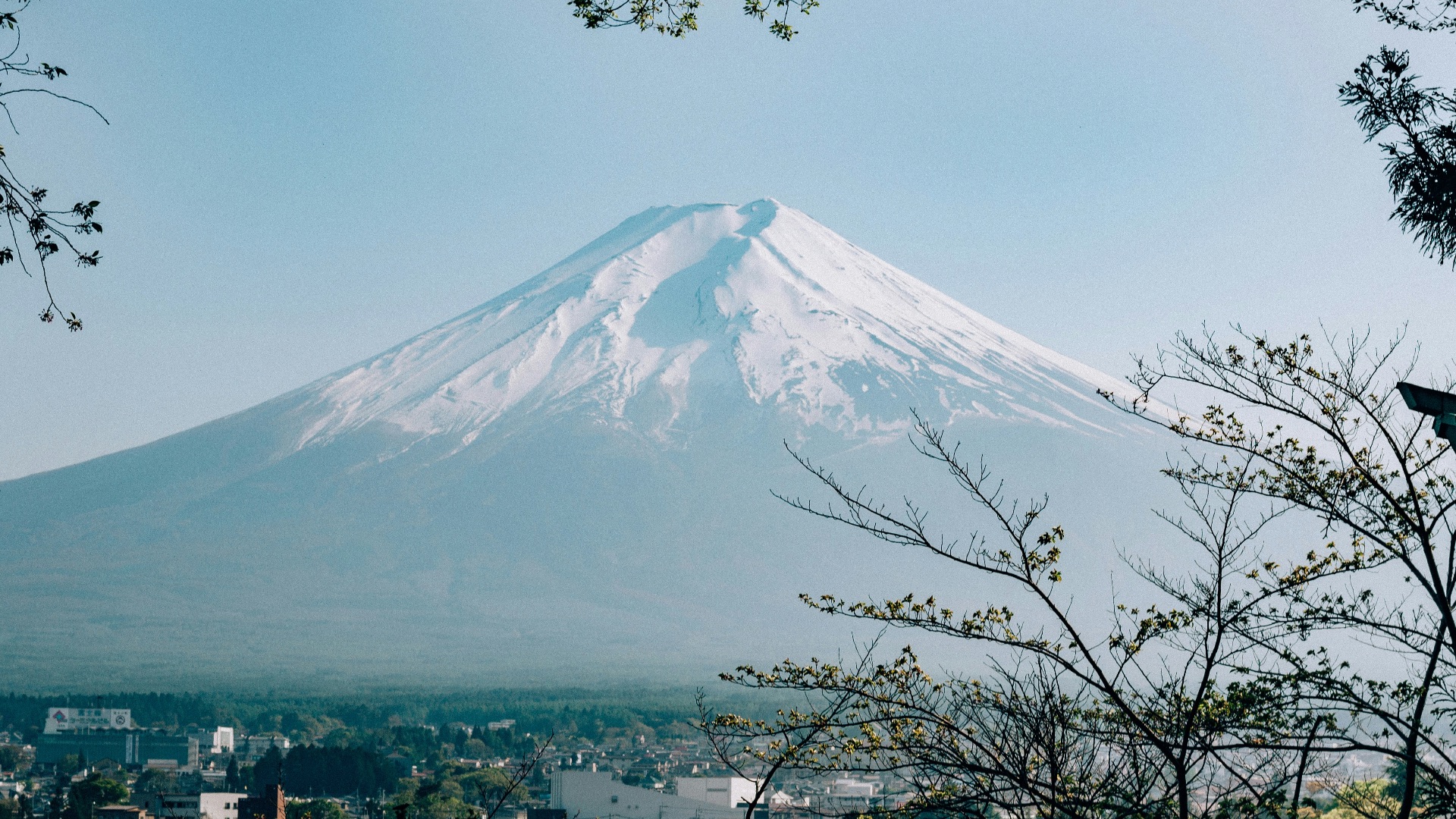
Angels Landing has some of the most dramatic scenery in the American Southwest, but the hiking experience itself has become increasingly difficult to enjoy. The National Park Service now requires a permit lottery to access the upper section, and the famous chain route is almost always congested with hikers bunched along a very narrow ridge. You're likely to spend more time waiting and shuffling forward than actually taking in those celebrated views.
3. Half Dome, Yosemite National Park, California
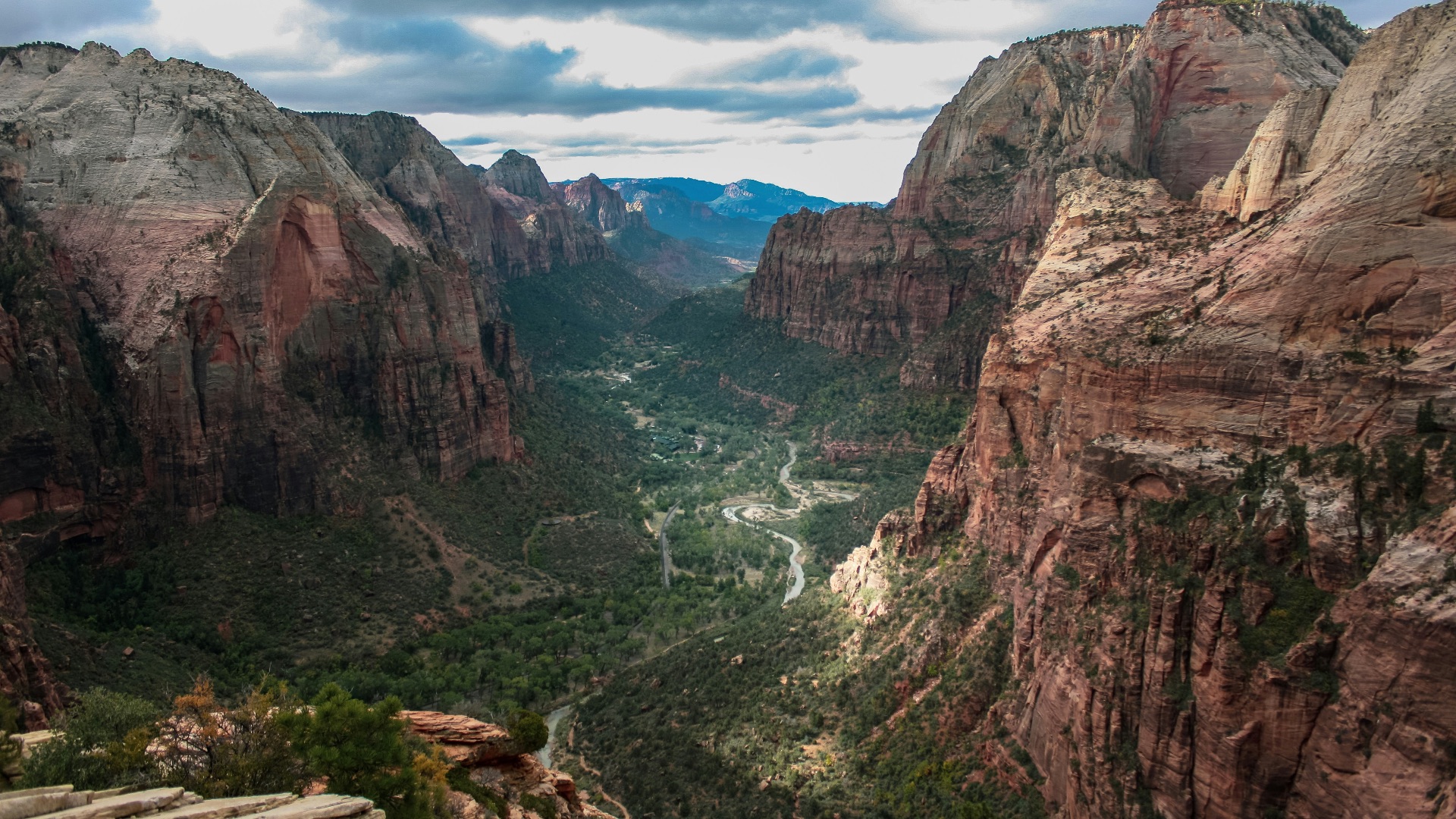
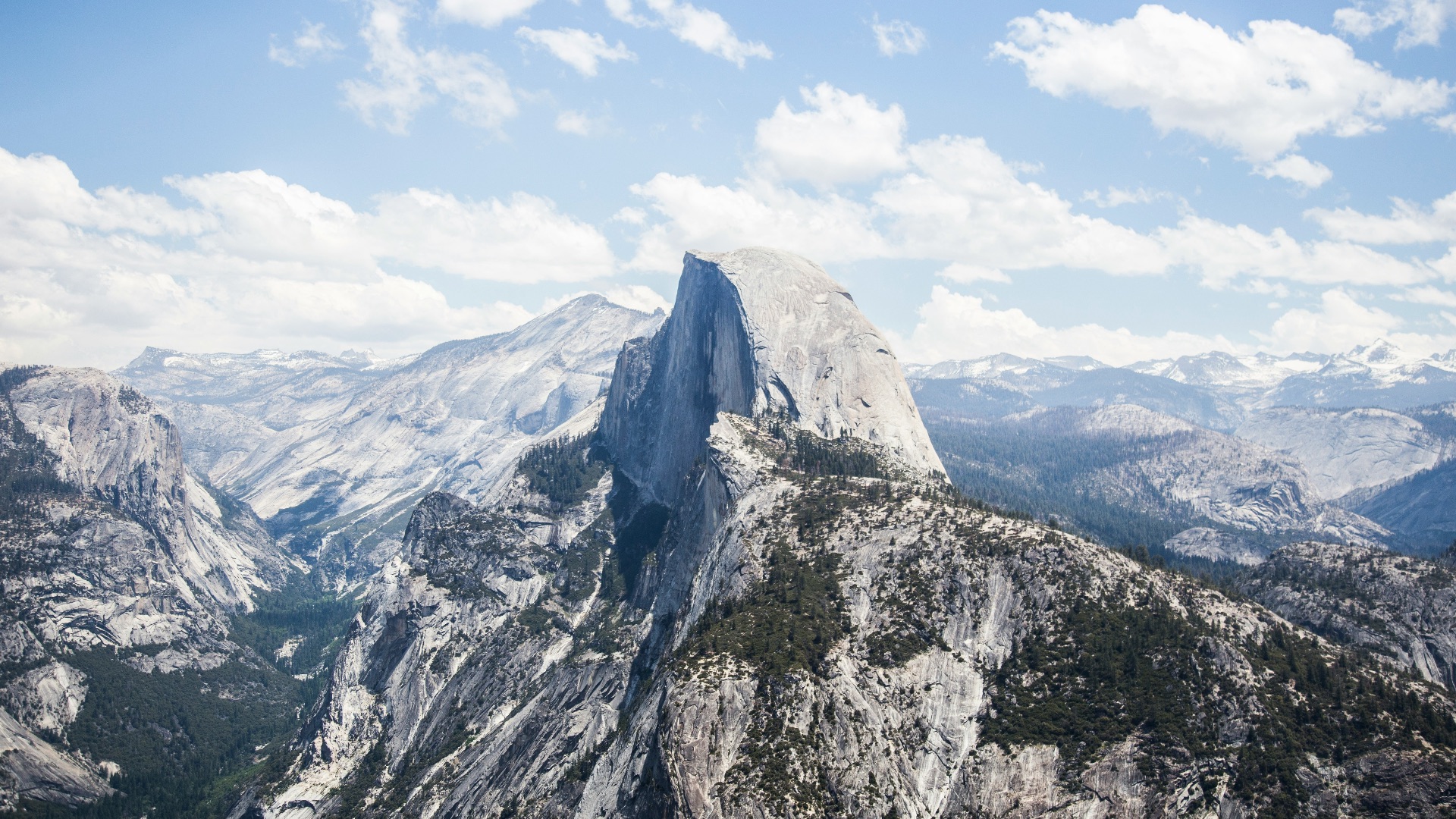
Few hikes in the United States require as much logistical preparation as Half Dome, where the permit system is among the most competitive in the entire national park network. The famous cable section near the summit turns dangerously slippery when wet, making it a legitimately risky undertaking for hikers who aren't prepared for those conditions. By the time you've navigated the permit lottery, the long approach, and the cable climb, the summit experience itself can feel underwhelming relative to the effort involved.
4. The Inca Trail, Peru
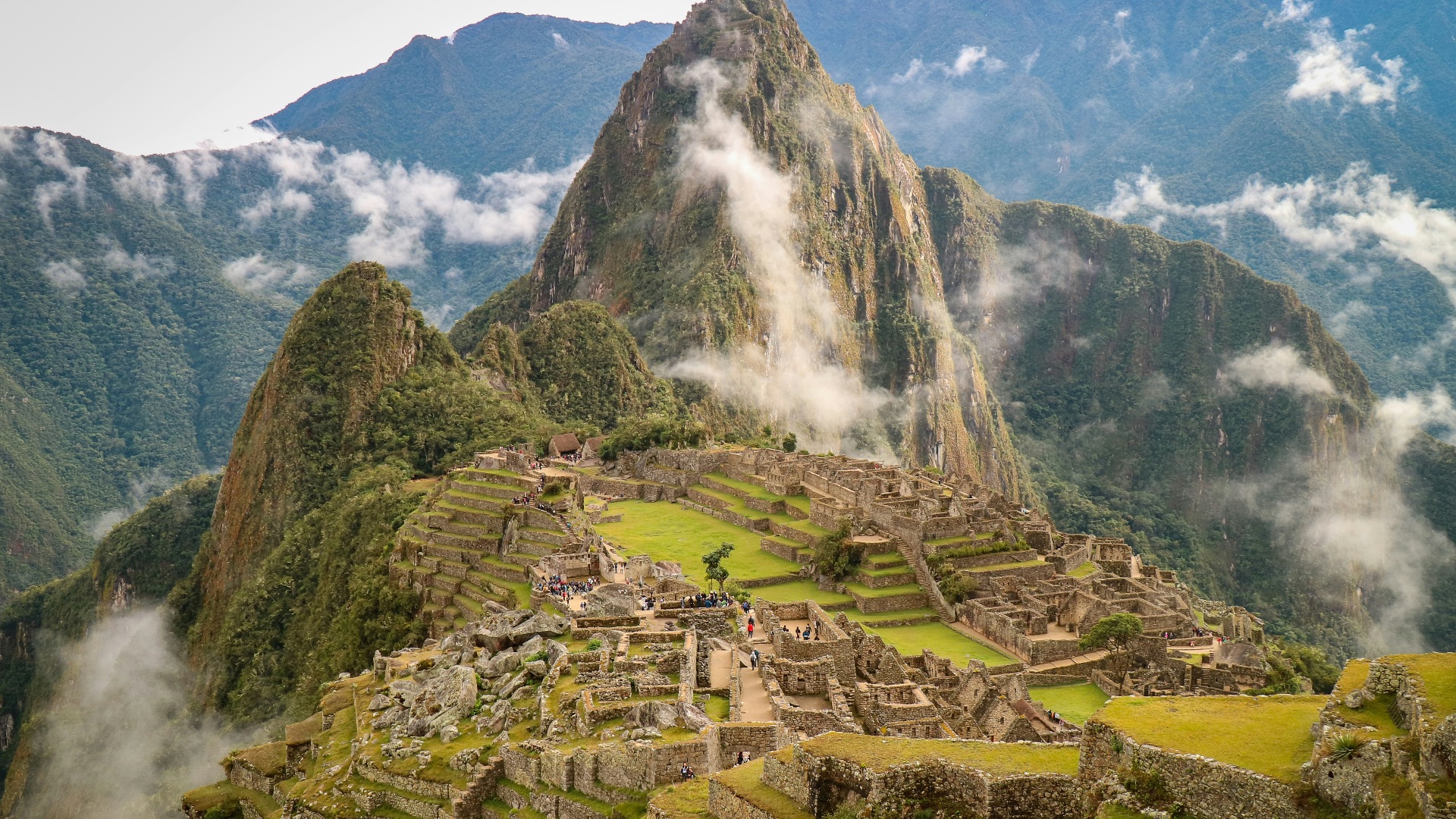
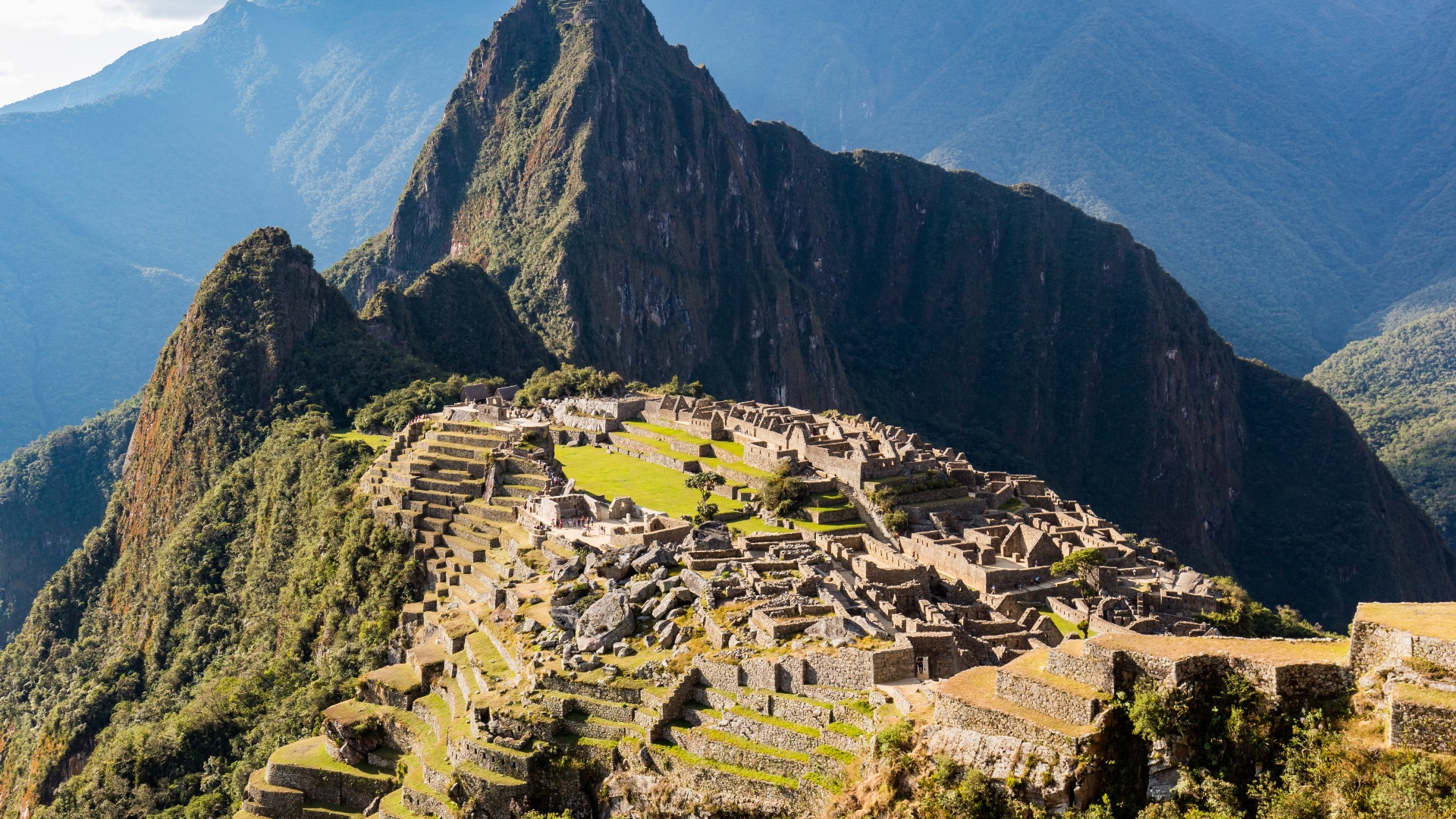
Booking the Inca Trail requires securing permits months in advance, and with only 500 people allowed on the trail per day, including guides and porters, those spots disappear almost immediately when reservations open. The route's most popular sections can feel surprisingly busy for a trail that's marketed as a remote wilderness experience through ancient Andean landscapes. If you're determined to reach Machu Picchu on foot, alternatives like the Salkantay Trek offer comparable scenery with considerably more availability.
5. Trolltunga, Norway
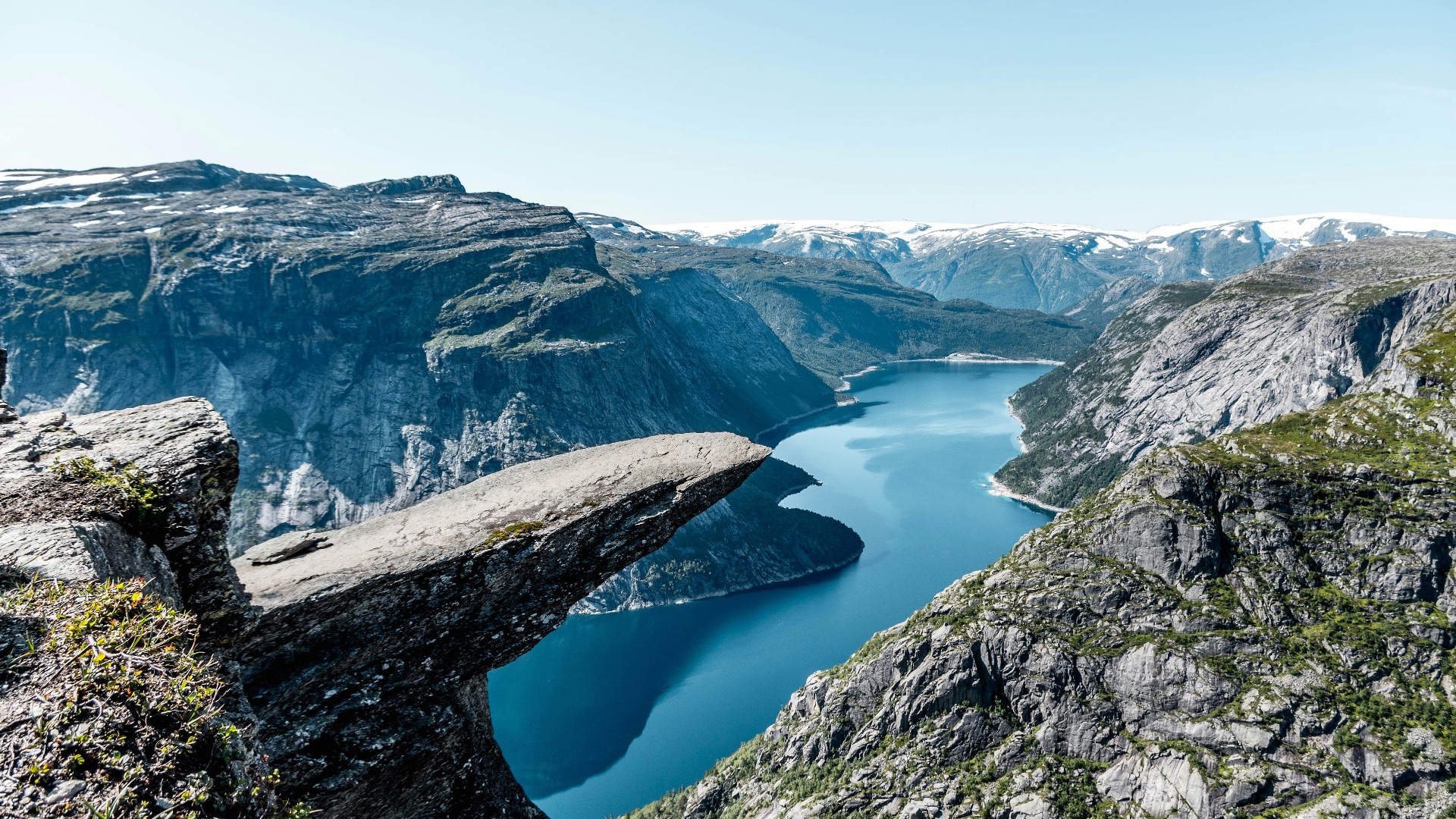
Trolltunga became one of Norway's most visited hiking destinations almost overnight after a single photograph of its distinctive jutting rock formation went viral on social media. The hike covers anywhere from 16 to 22 miles round trip, depending on your starting point, and during peak summer months you can expect to wait a long while just for your turn to stand on the ledge for a photo. The landscape is undeniably dramatic, but the volume of visitors and the wait times involved significantly undermine what could otherwise be a standout alpine outing.
6. Havasupai Falls, Arizona
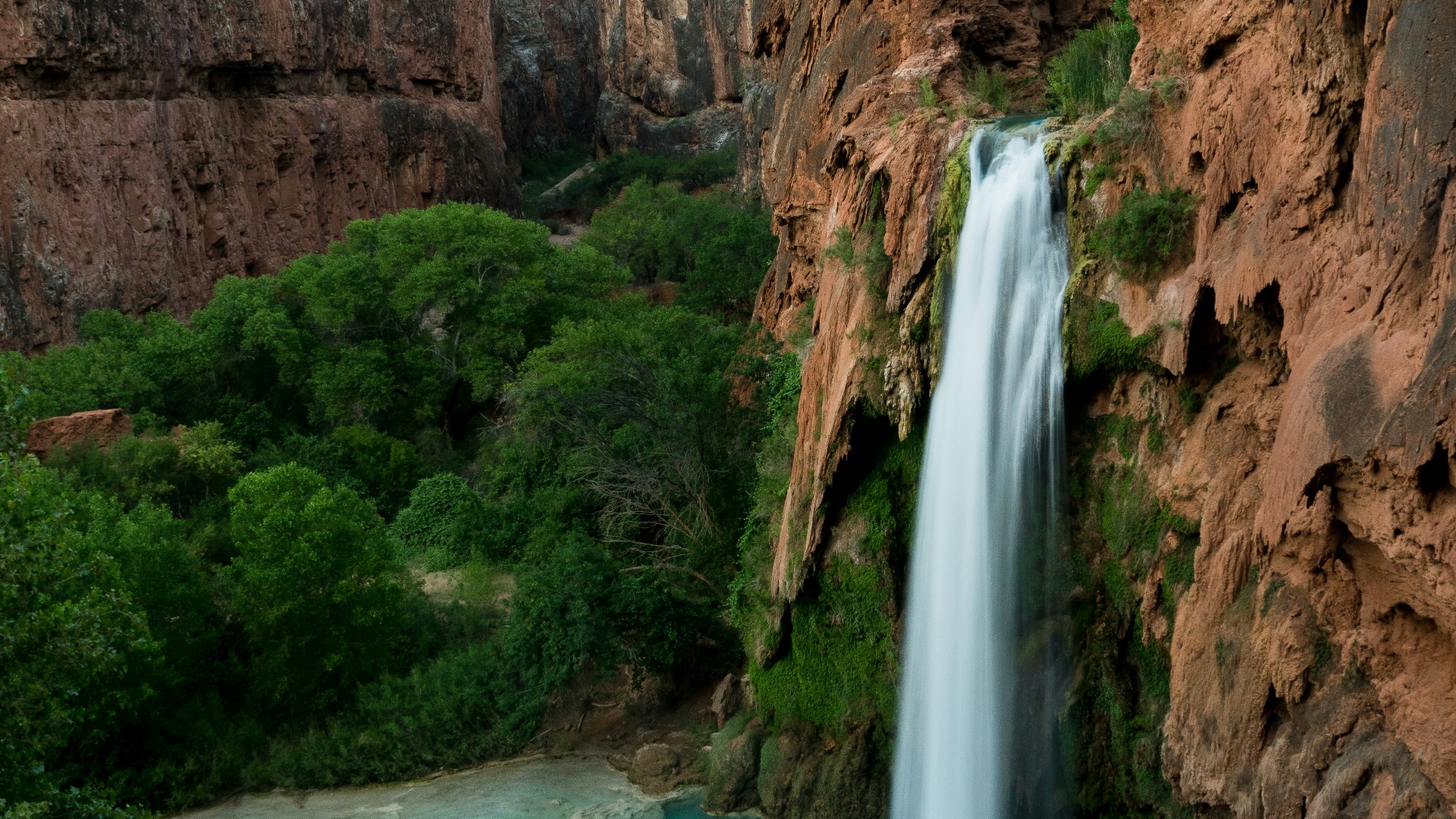
Few destinations in the American Southwest are as visually striking as Havasupai Falls, with its vivid turquoise waters flowing through the red rock of the Havasupai tribal lands. Access requires winning a campsite lottery that's become so competitive it can take multiple years of trying before you manage to secure a reservation. The hike itself isn't particularly demanding, which means the main obstacle here isn't the trail at all, but the process of getting permission to be there in the first place.
7. Ben Nevis, Scotland
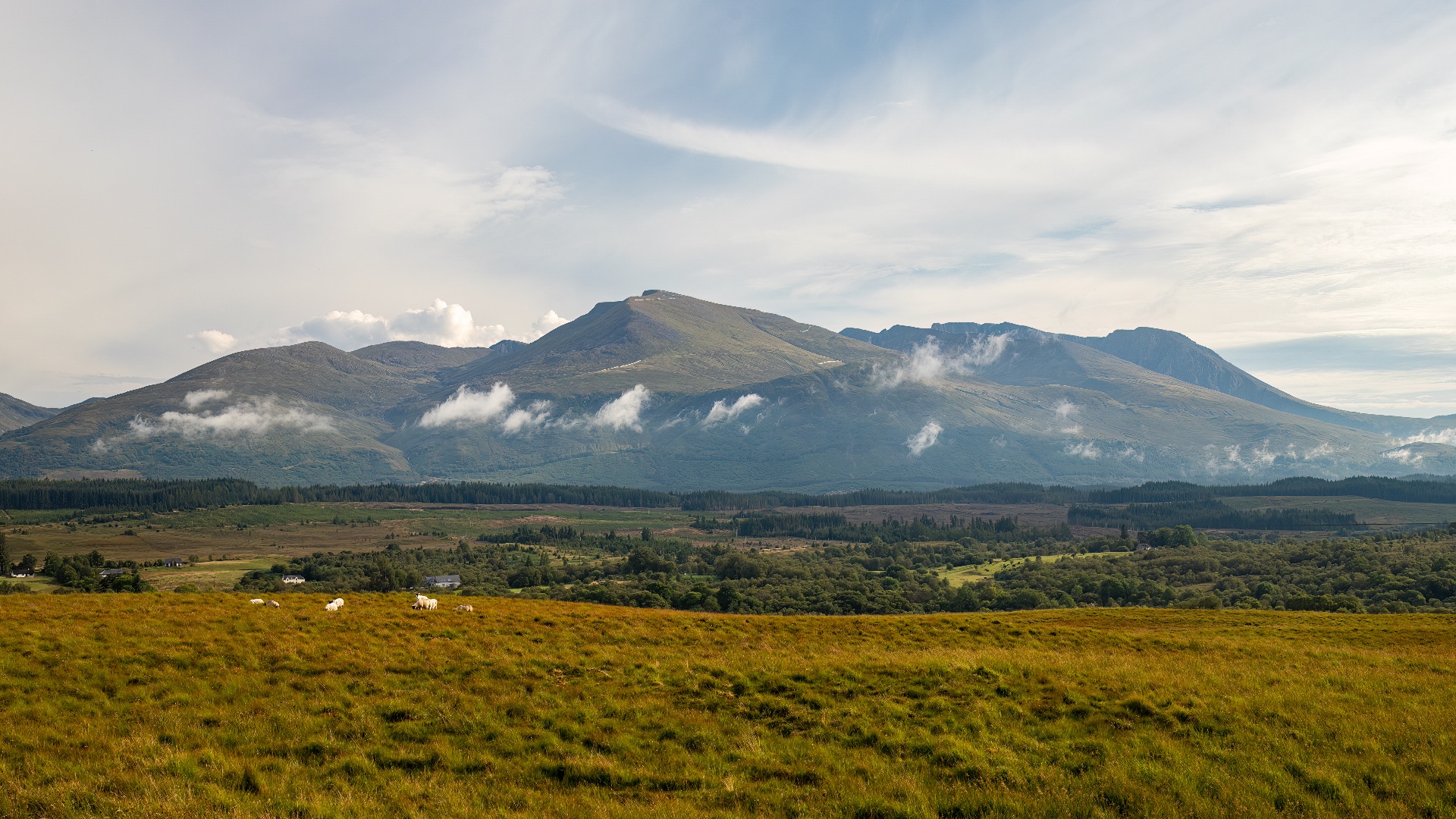
Ben Nevis draws thousands of hikers each year as the highest peak in the British Isles, with many arriving and expecting wide-open Highland scenery and panoramic views from the summit. The mountain is covered in cloud or mist for the vast majority of the year, however, so there's a very real chance you'll spend the entire ascent in thick fog with zero visibility by the time you reach the top. The main trail is also heavily eroded and can be wet and unpleasant underfoot, which is more often the norm than the exception, given Scotland's famously unpredictable weather.
8. The Camino de Santiago (Camino Francés), Spain
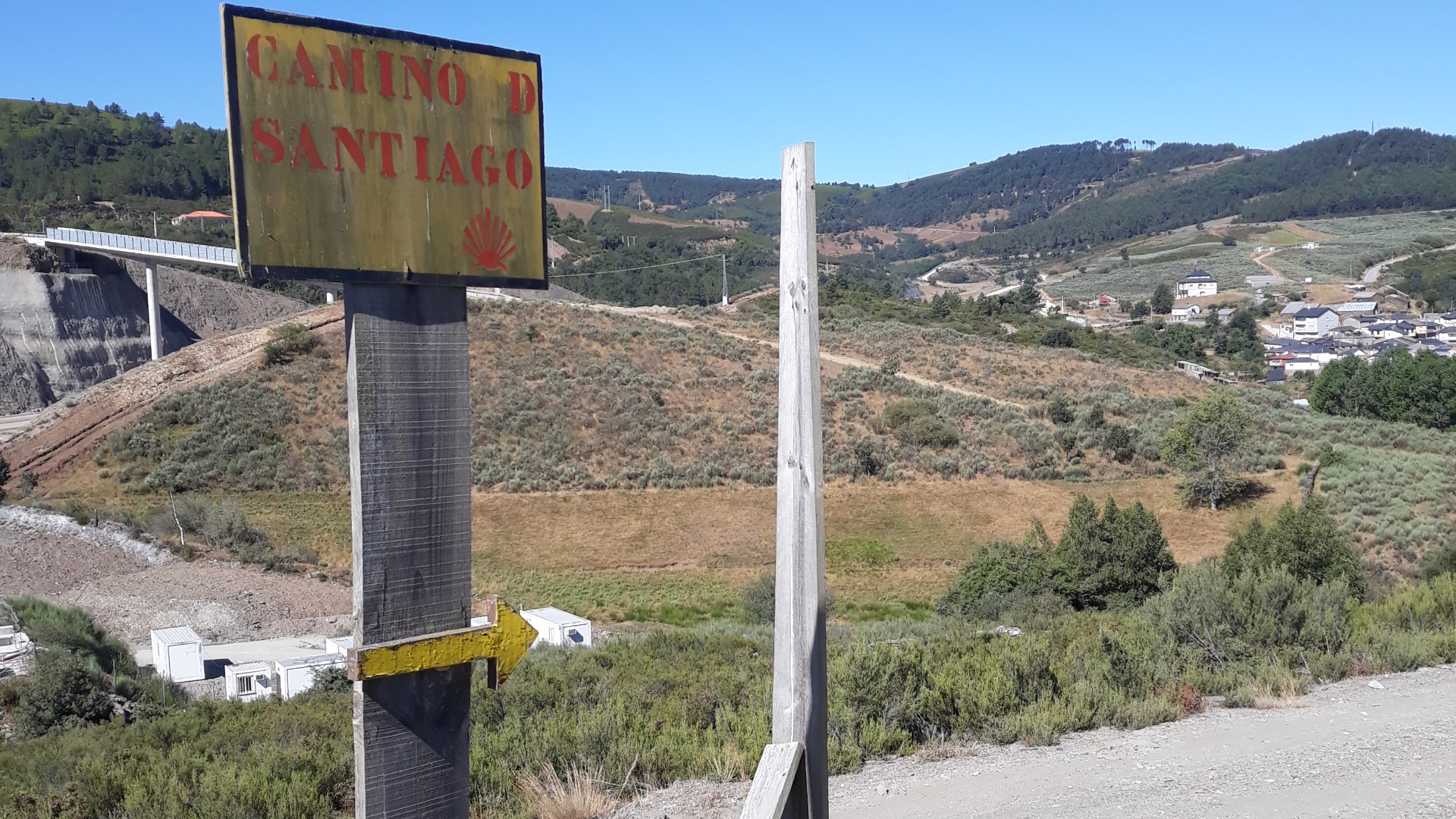
The Camino Francés is the most popular of the many pilgrimage routes leading to Santiago de Compostela in northwestern Spain, and its popularity has transformed large sections of it into something that feels more like a guided walking tour than a backcountry trail. Hostels along the route are crowded and noisy, the main path through towns like Pamplona and Burgos runs alongside busy roads for stretches, and the landscape for much of the 500-mile journey across the Meseta plateau is flat and fairly monotonous. It's a meaningful and worthwhile experience for many people, but those expecting dramatic scenery or genuine solitude will almost certainly come away underwhelmed.
9. The Narrows, Zion National Park, Utah
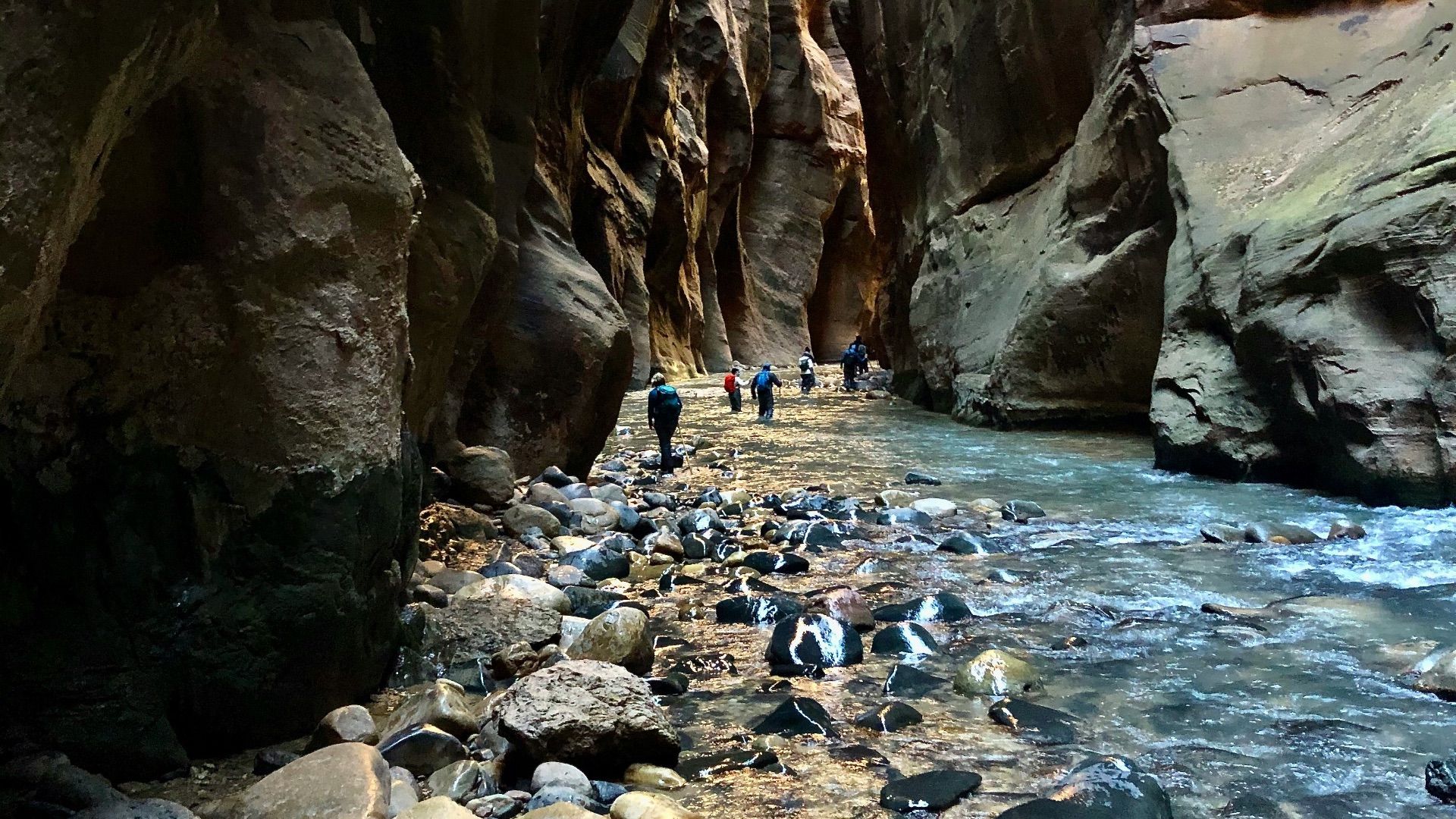
Zion's Narrows is a visually striking slot canyon hike that consistently ranks among the most popular trails in the entire national park system, and that popularity shows. The cold water, slippery rocks underfoot, and the constant presence of other hikers moving through the same narrow corridor can make the experience considerably more exhausting than it first appears. Flash flood risk is also a serious concern, with the park service closing the route on short notice, which can upend even the most carefully planned itineraries.
10. Everest Base Camp, Nepal
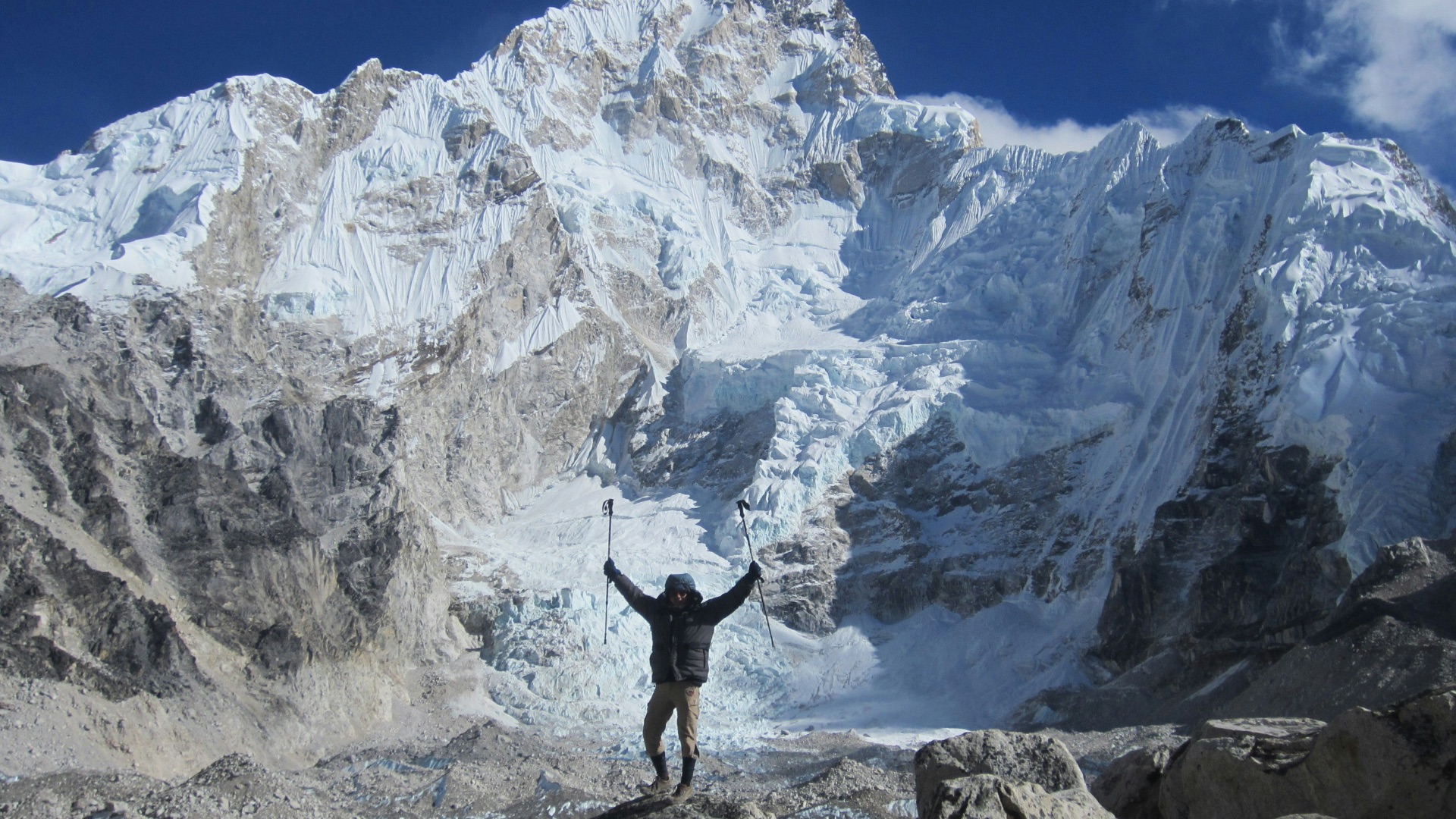
Reaching Everest Base Camp sits atop many hikers' bucket lists, but the trail has become so commercialized over the years that it bears little resemblance to the remote Himalayan adventure it's typically marketed as. The route is lined with lodges and tea houses catering to the thousands of trekkers who attempt it annually, and trail litter has become a well-documented and ongoing environmental problem. If you're after a challenging Himalayan trek with spectacular scenery and far fewer crowds, alternatives like the Annapurna Circuit or routes through the Langtang Valley are well worth your consideration.
These 10 hikes have their appeal, but as we've covered, a big name doesn't always guarantee a great experience. The following 10 trails are the complete opposite: each has earned its status through consistently rewarding conditions, and hikers who complete them tend to say they'd do it all over again without hesitation.
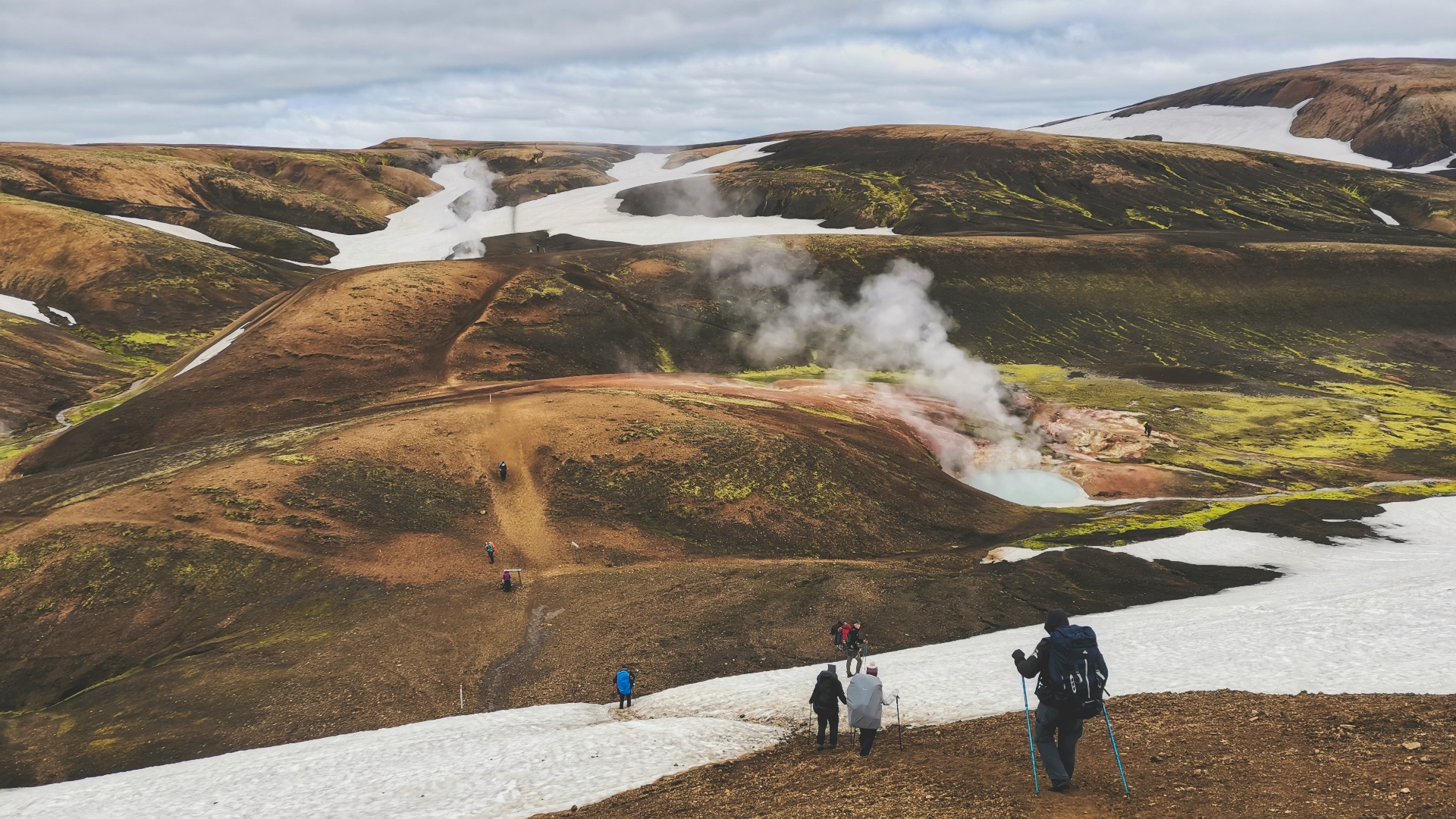
1. Laugavegur Trail, Iceland
The Laugavegur Trail is a 34-mile route through Iceland's southern highlands, passing through some of the most varied and dramatic volcanic scenery found anywhere in the world. A series of staffed mountain huts along the way makes it possible to complete the trail without carrying camping gear, which considerably lowers the barrier of entry for hikers who aren't experienced backpackers. The terrain shifts from hot spring valleys and obsidian fields to glacial rivers and rhyolite mountains within the span of just a few days, keeping the experience fresh and visually engaging from start to finish.
2. Torres del Paine W Trek, Patagonia, Chile
Spread across roughly 50 miles of Torres del Paine National Park in southern Chile, the W Trek is widely regarded as one of the finest multi-day hiking routes in South America. The trail takes in the park's most celebrated landmarks, including the iconic granite spires of the Torres themselves, the sweeping views of the French Valley, and the striking expanse of the Grey Glacier. Accommodation along the route books out many months in advance, so getting organized early is non-negotiable, but hikers who secure their spots are consistently well-rewarded for the effort.
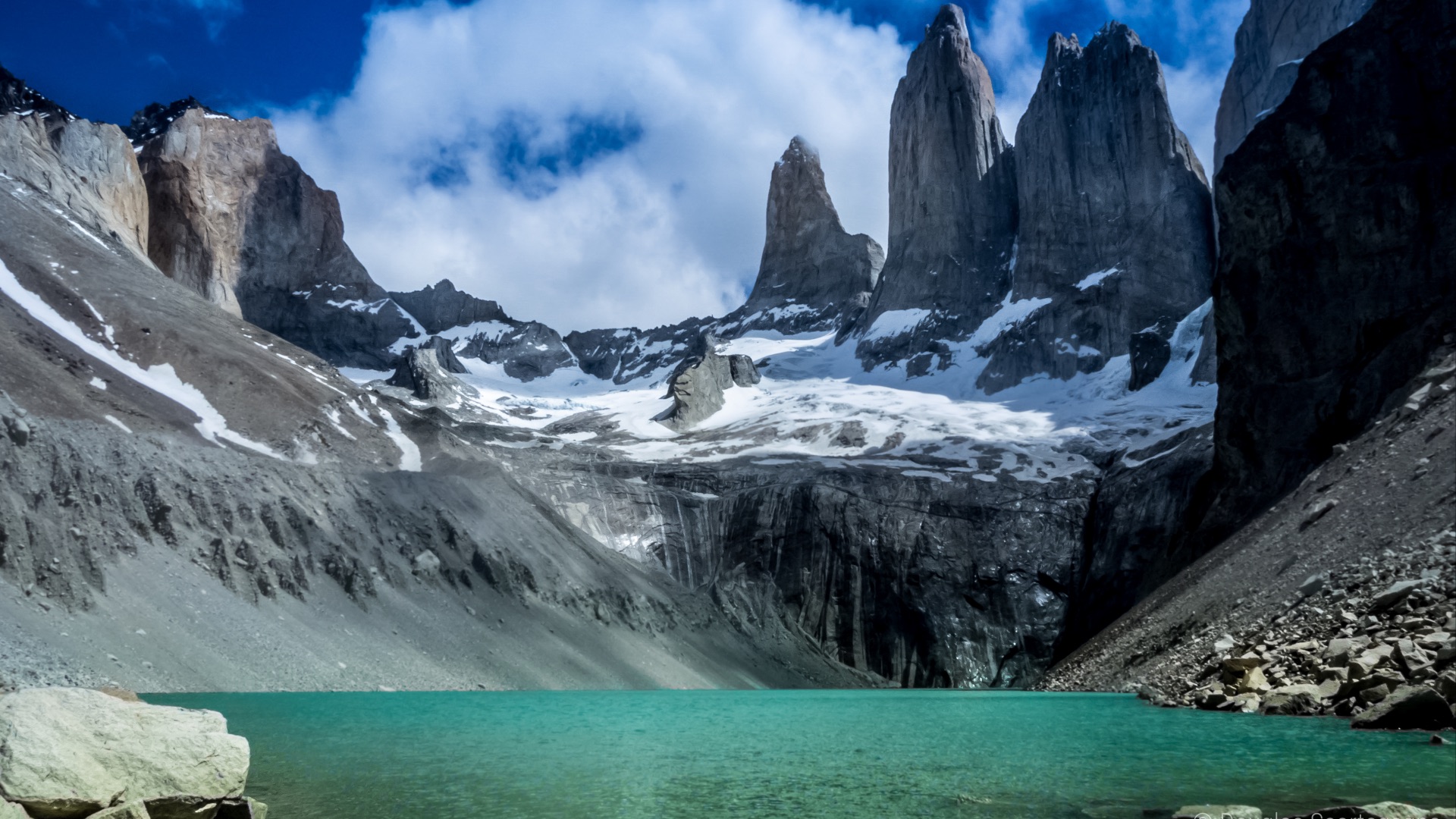 Douglas Scortegagna from Flores da Cunha, Brasil on Wikimedia
3. Tongariro Alpine Crossing, New Zealand
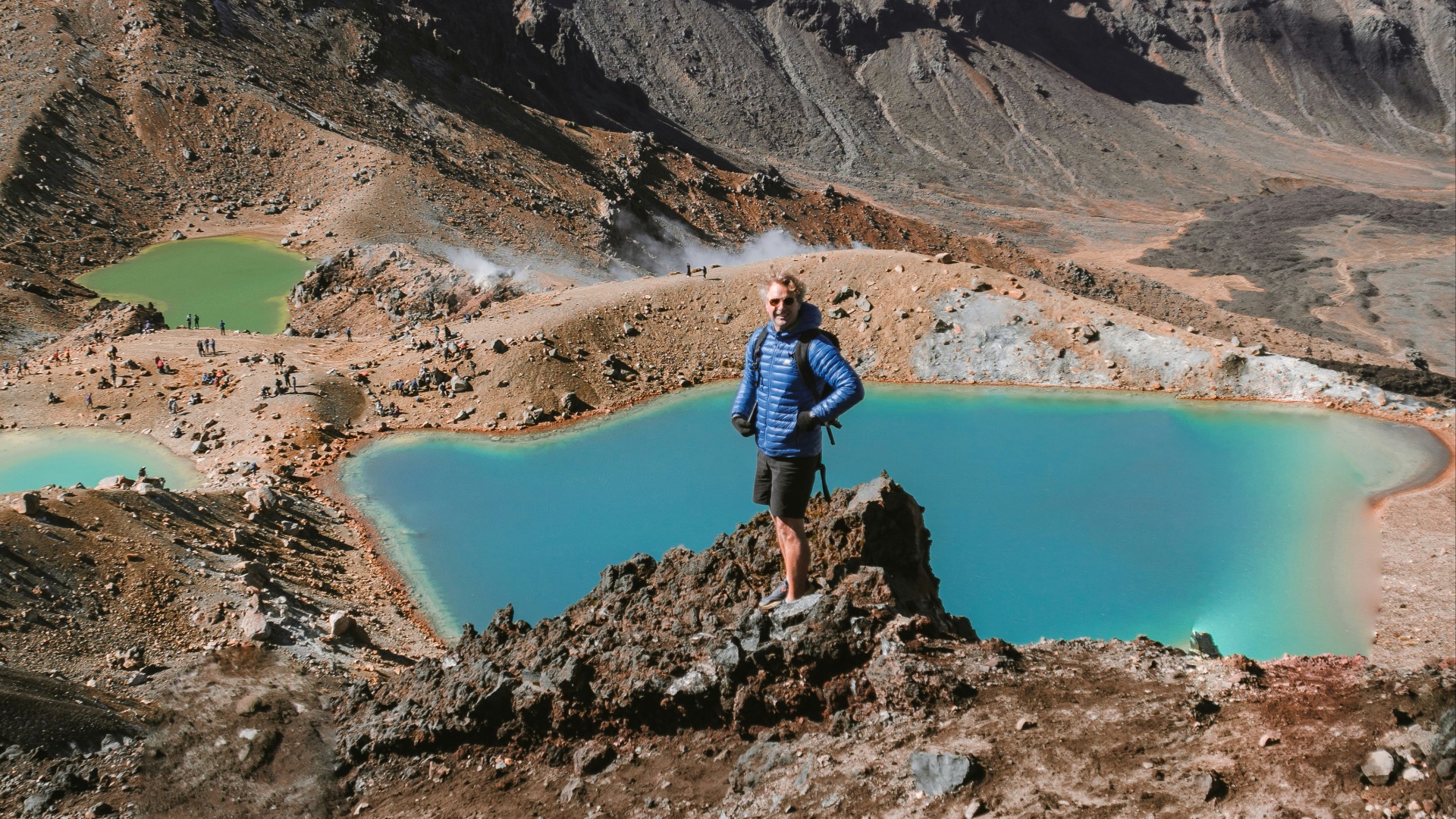
Frequently listed among the best single-day hikes anywhere on the planet, the Tongariro Alpine Crossing delivers a 12-mile journey through an active volcanic landscape that most hikers will find unlike anything they've encountered before. The route passes emerald crater lakes, steaming vents, and broad lava fields stretching across the plateau of Tongariro National Park on New Zealand's North Island. Weather conditions can shift dramatically and without much warning out there, so checking the forecast carefully and choosing a clear day will make a significant difference to your overall experience.
4. Overland Track, Tasmania, Australia
Tasmania's Overland Track winds 40 miles through the Cradle Mountain-Lake St. Clair National Park, taking hikers through ancient rainforest, alpine moorland, and past glacial lakes that reflect the surrounding peaks on calm days. Optional side trips, including the ascent of Mount Ossa, Tasmania's highest point, give the trail additional depth for those with extra time and energy. Hiker numbers are capped during the peak season to protect the environment, so securing a booking well in advance is recommended.
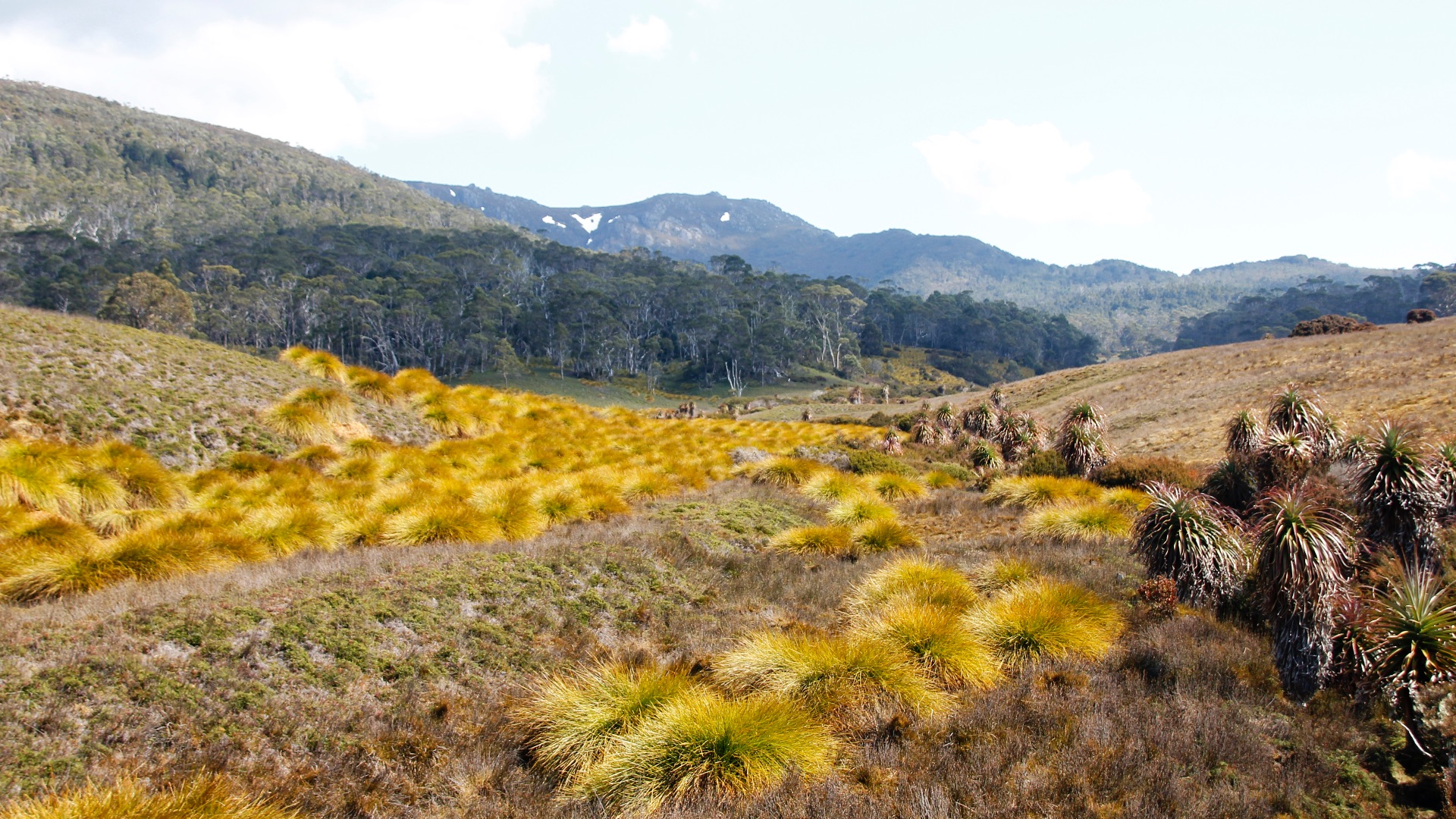 Quinn Kacic-Midson on Wikimedia
5. Haute Route, France and Switzerland
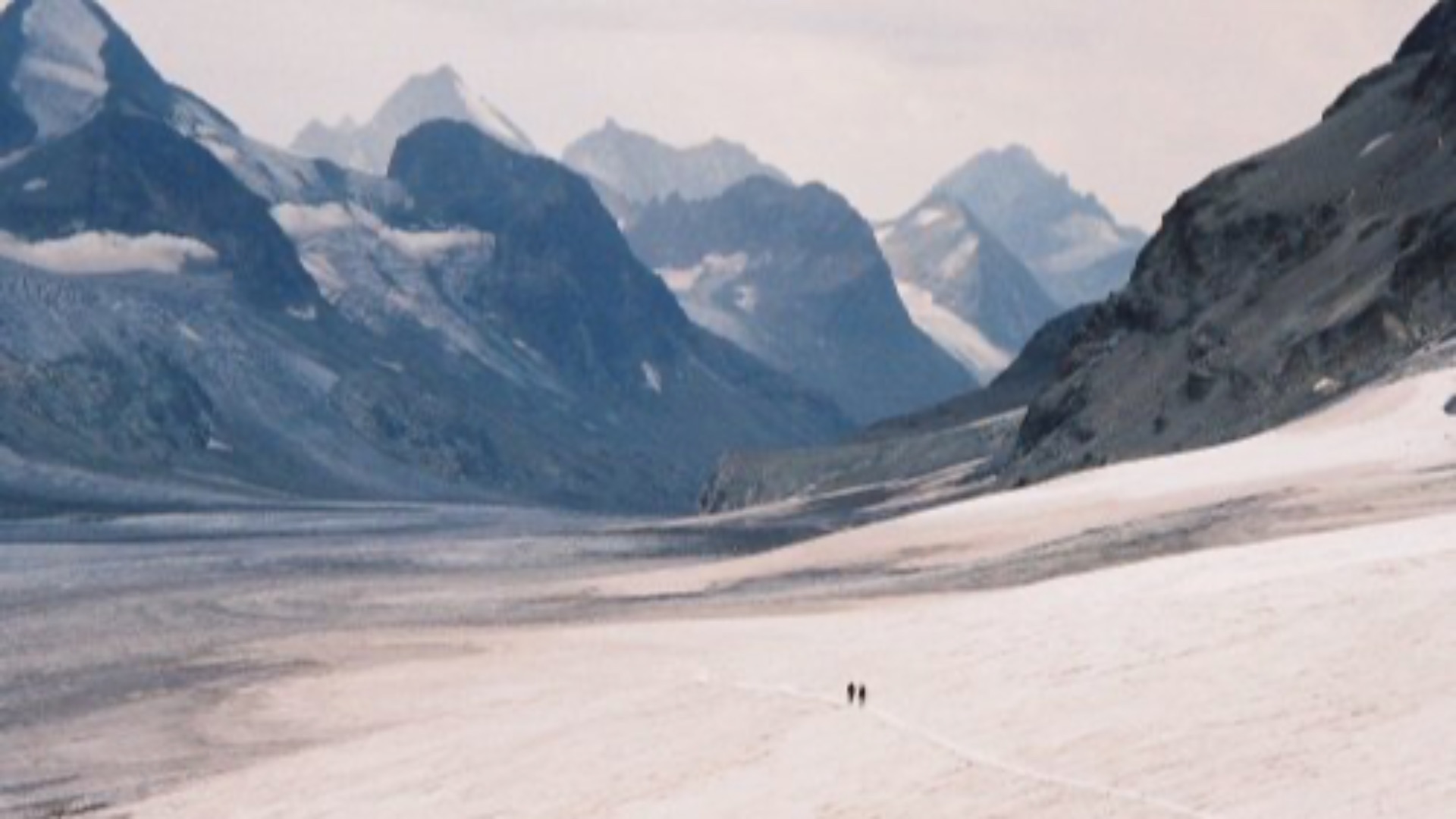
Running from Chamonix in France to Zermatt in Switzerland, the Haute Route is one of the great alpine traverses in Europe, crossing a series of high mountain passes with views of some of the continent's most famous peaks along the way. The walking version covers around 120 miles over 12 days, taking in high-altitude terrain with both Mont Blanc and the Matterhorn visible at various points on the route. It demands solid fitness and prior experience with alpine conditions, but the combination of landscape and physical accomplishment makes it one of the most satisfying long-distance routes in the world.
 The original uploader was Seabhcan at English Wikipedia. on Wikimedia
6. Routeburn Track, New Zealand
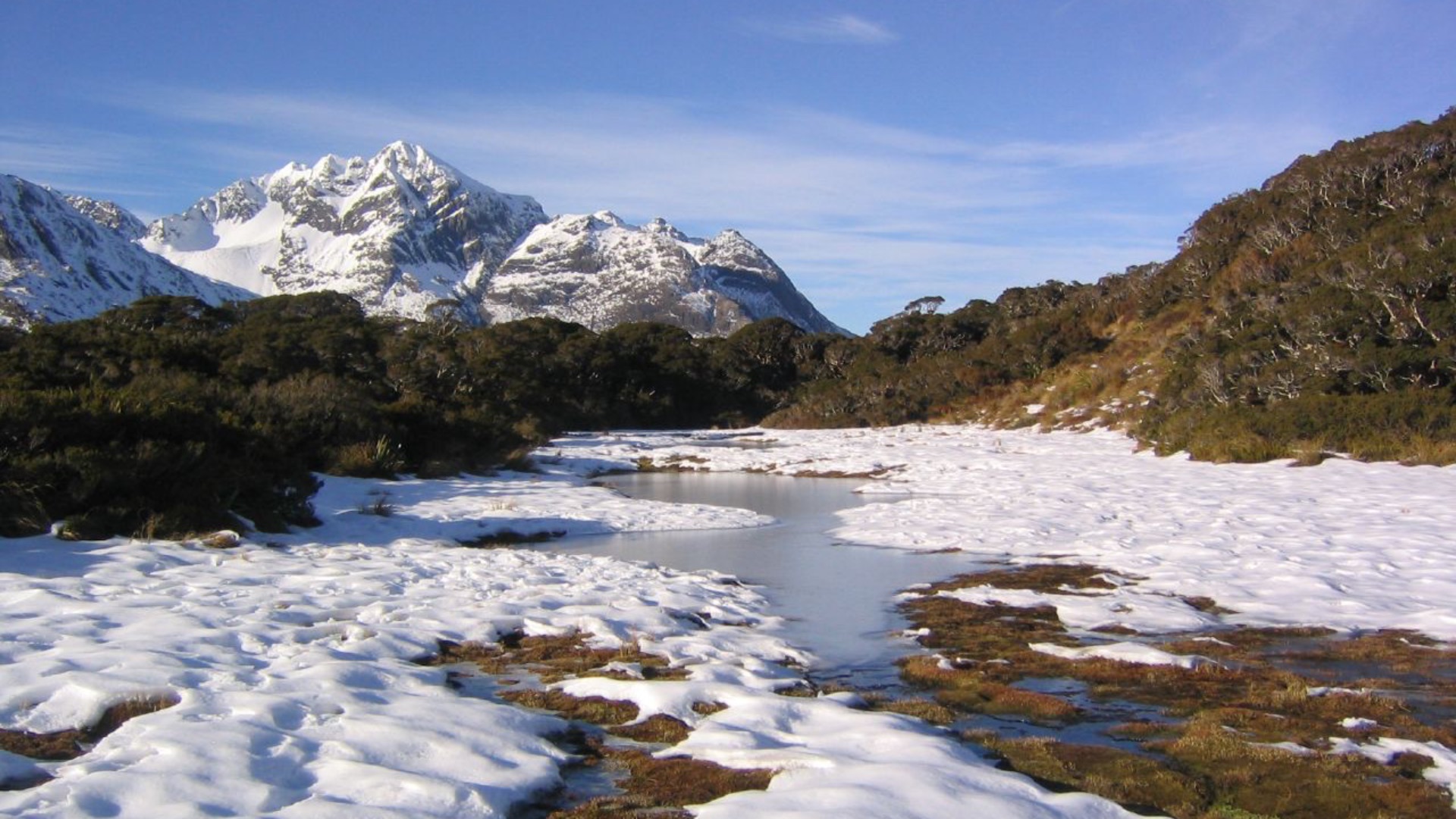
One of New Zealand's nine officially designated Great Walks, the Routeburn Track covers 20 miles through both Fiordland and Mount Aspiring National Parks over two to three days. The trail crosses a high mountain pass and moves through beech forest, open grassland, and along the edges of glacially carved valleys with views that consistently rank among the most spectacular in the country. Hut bookings open up to six months before the season and fill quickly, so getting organized early is the single most important step in making the trip a reality.
 Phil Whitehouse from London, United Kingdom on Wikimedia
7. GR20, Corsica, France
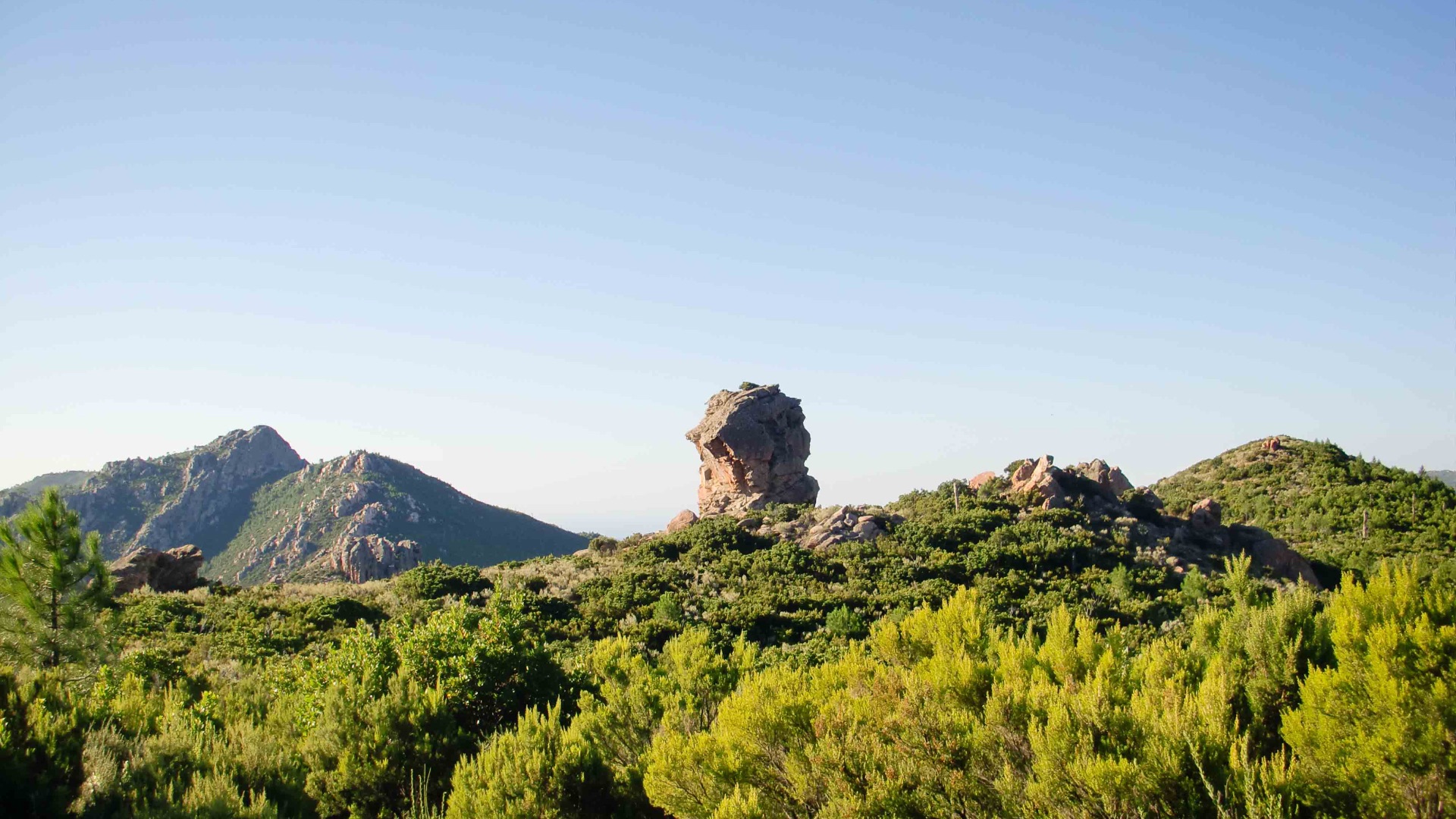
Stretching the full length of Corsica from Calenzana in the north to Conca in the south, the GR20 is broadly considered one of the most physically demanding long-distance trails in all of Europe. The route covers around 112 miles over 15 days, traversing rugged granite ridges, high alpine lakes, and dense Mediterranean scrubland with sustained elevation gain throughout. It's not a trail for beginners, but hikers who complete it consistently describe it as one of the most rewarding physical experiences of their lives, and the landscapes of the Corsican interior are found absolutely nowhere else in the Mediterranean.
8. The Enchantments, Washington State, USA
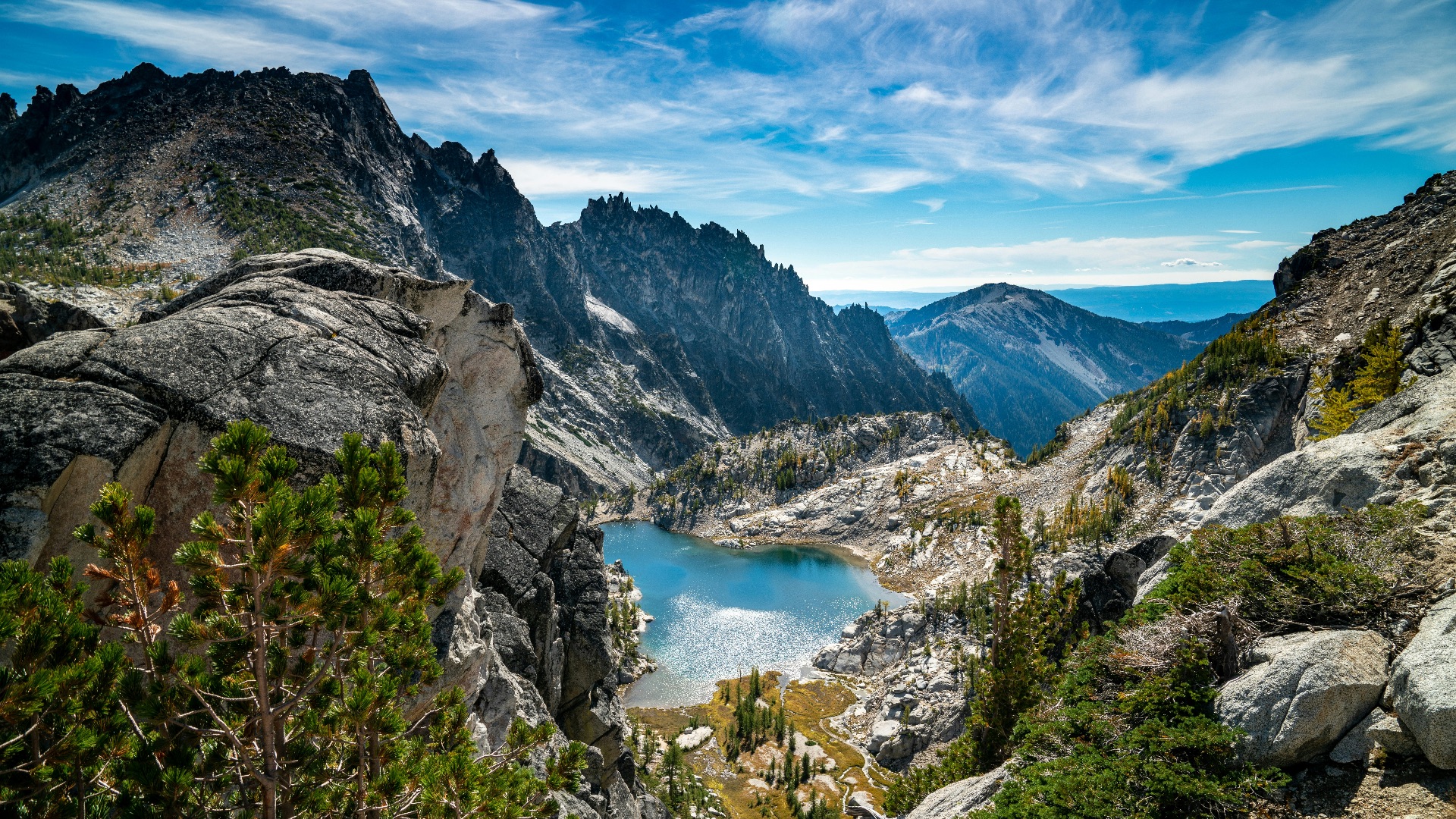
Tucked into Washington's Cascade Mountains above the town of Leavenworth, the Enchantments is a backcountry route that winds through a high alpine zone of granite basins, crystal-clear lakes, and open ridgelines well above the treeline. Access to the core zone for overnight camping requires winning a highly competitive permit lottery, though day hikers can access portions of the trail from either end without one. The scenery in late September and early October, when the alpine larches turn gold across the high basins, is among the most remarkable you'll find anywhere in the Pacific Northwest.
9. Huayna Picchu, Peru
Most visitors to Machu Picchu spend their time exploring the ruins on the main platform, but those who make the steep climb up Huayna Picchu, the peak rising directly behind the citadel, gain an elevated perspective that completely changes how the entire site reads from above. The trail is narrow and includes sections of near-vertical climbing with fixed cables for support, but it's well within reach for reasonably fit hikers who aren't troubled by heights. Tickets are limited, bundled with your Machu Picchu entry, and sell out far in advance, so it's one part of the trip that absolutely needs to be sorted before anything else.
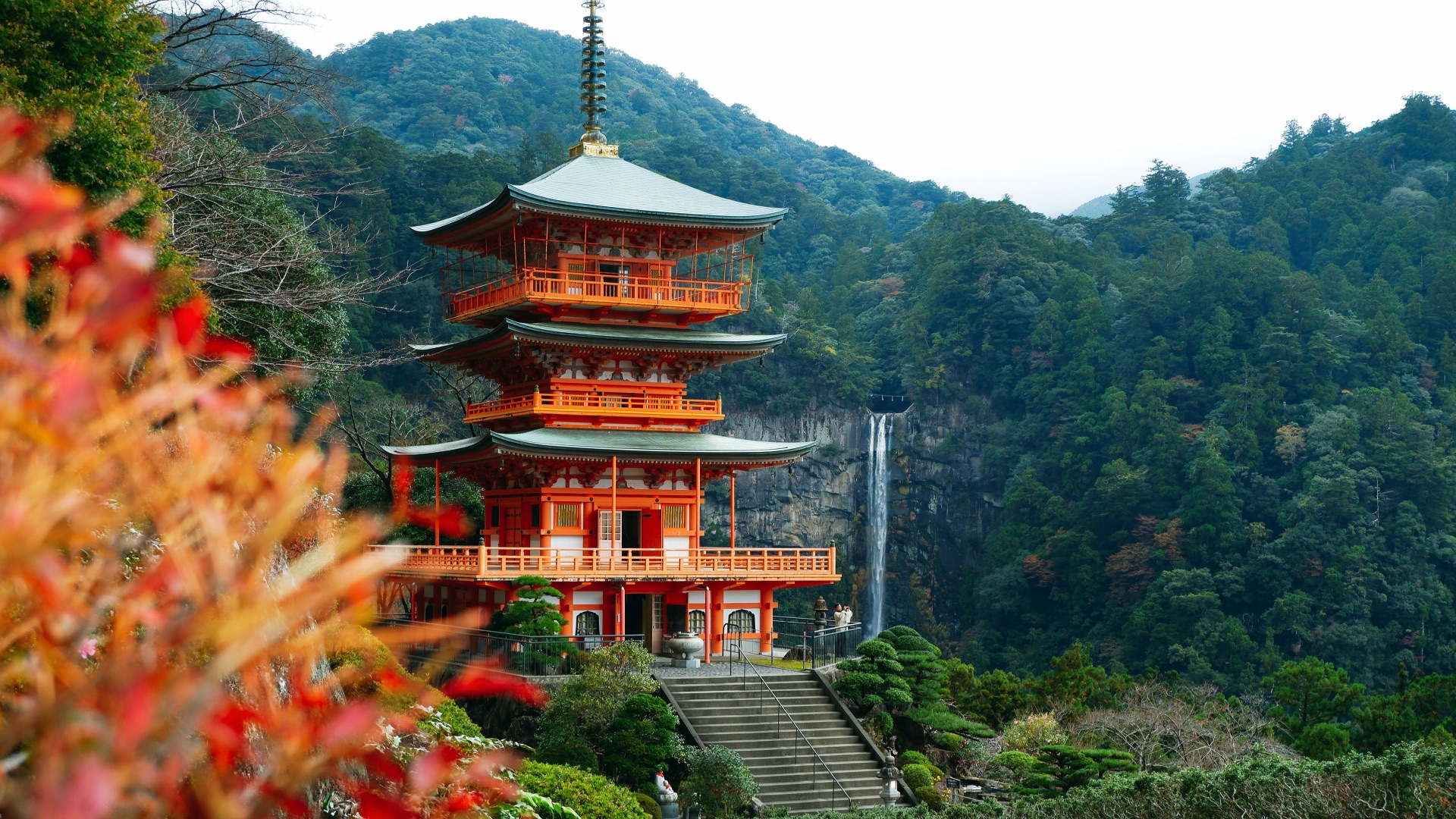
10. Kumano Kodo, Japan
Winding through the densely forested Kii Peninsula across the Mie, Nara, and Wakayama prefectures of Japan, the Kumano Kodo is a network of ancient pilgrimage routes that have been in use for well over a thousand years. The trails pass through cedar forest, across moss-covered stone steps, and through traditional villages that still maintain the customs and infrastructure of the pilgrimage tradition. It holds the distinction of being one of only two pilgrimage routes in the world recognized as a UNESCO World Heritage Site, making it a trail that delivers both remarkable natural beauty and deep, layered cultural history in equal measure.