Ready to Collapse at Any Second
It is fascinating to realize that even the most celebrated builders make mistakes that require constant maintenance or clever fixes to keep everything standing. From leaning towers to skyscraper windows that fall out without warning, these architectural icons often struggle with major design oversights. Exploring these hidden blunders gives you a new appreciation for the messy reality behind the polished facades of our favorite historic sites.
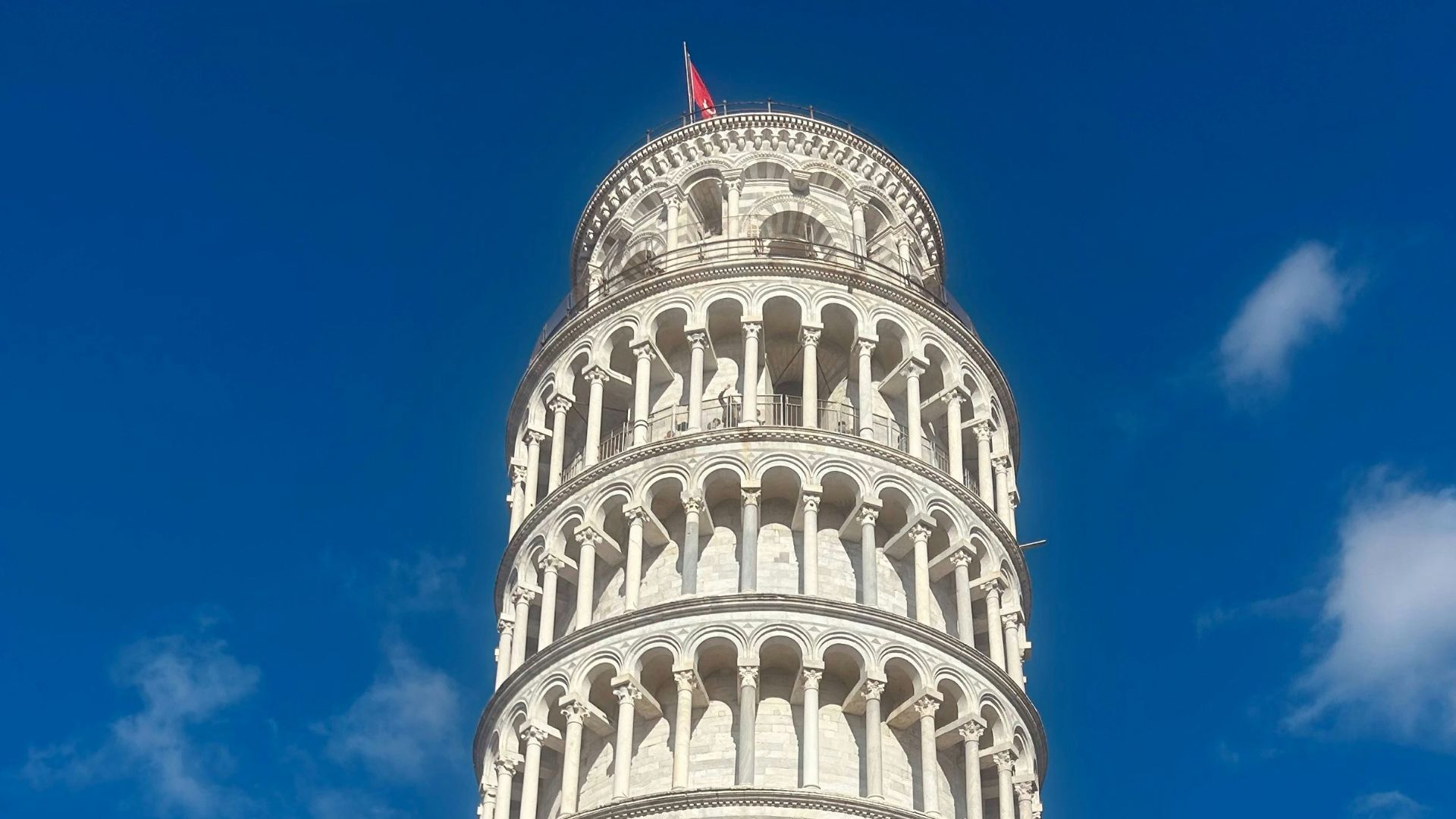
1. The Leaning Tower of Pisa
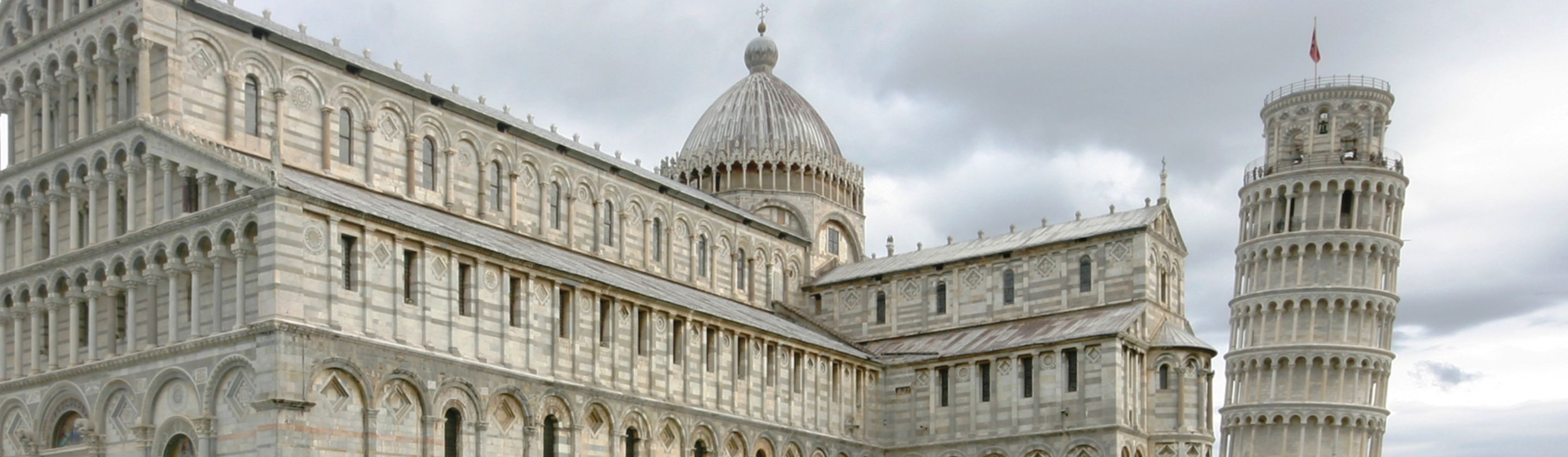
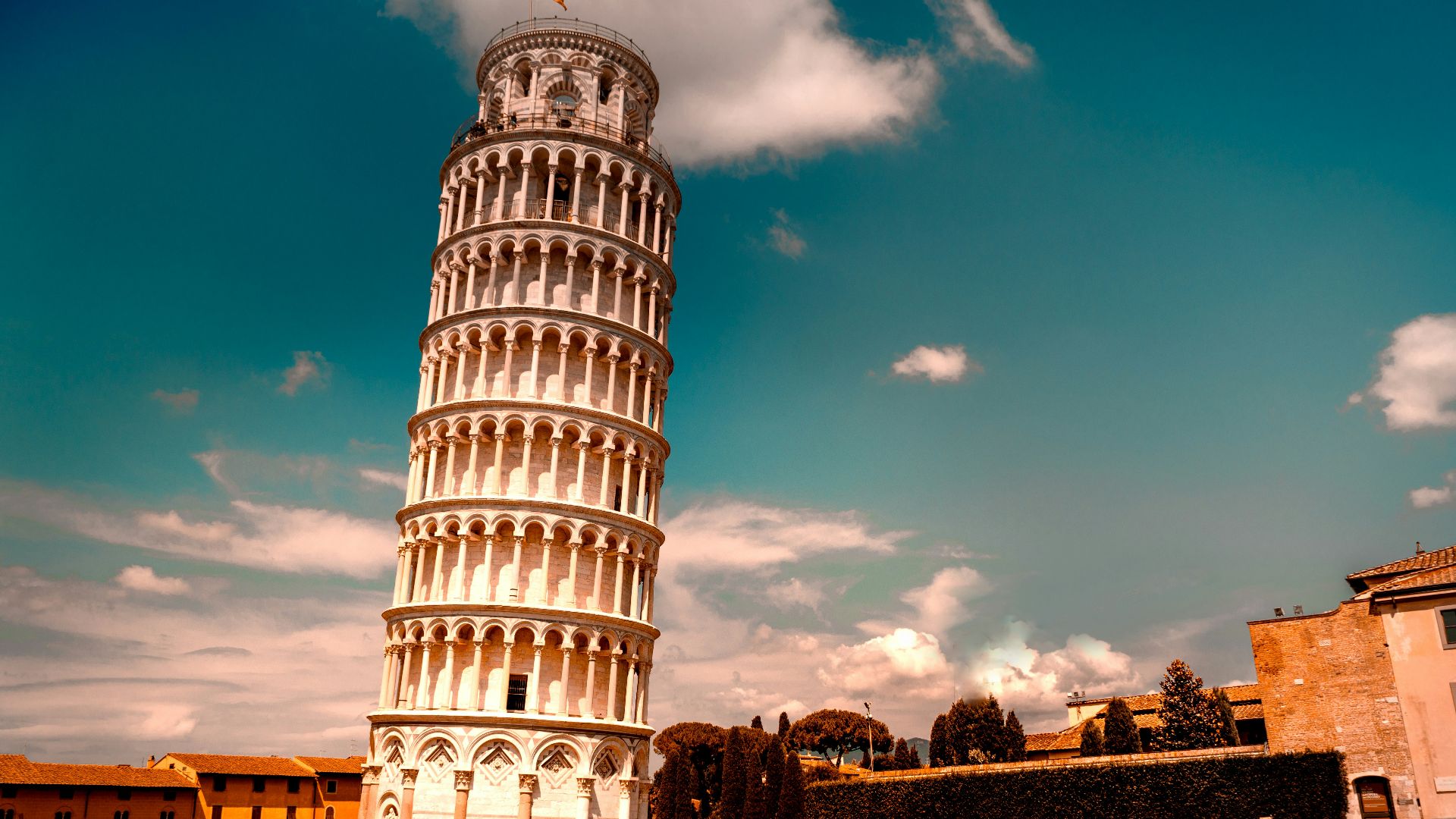
The most obvious flaw in this Italian bell tower is the unstable foundation built on soft subsoil that couldn't support the weight. You can see how the structure began to tilt almost as soon as construction reached the second story in the 12th century. Engineers have spent decades injecting grout and removing earth to ensure it doesn't eventually tip over completely.
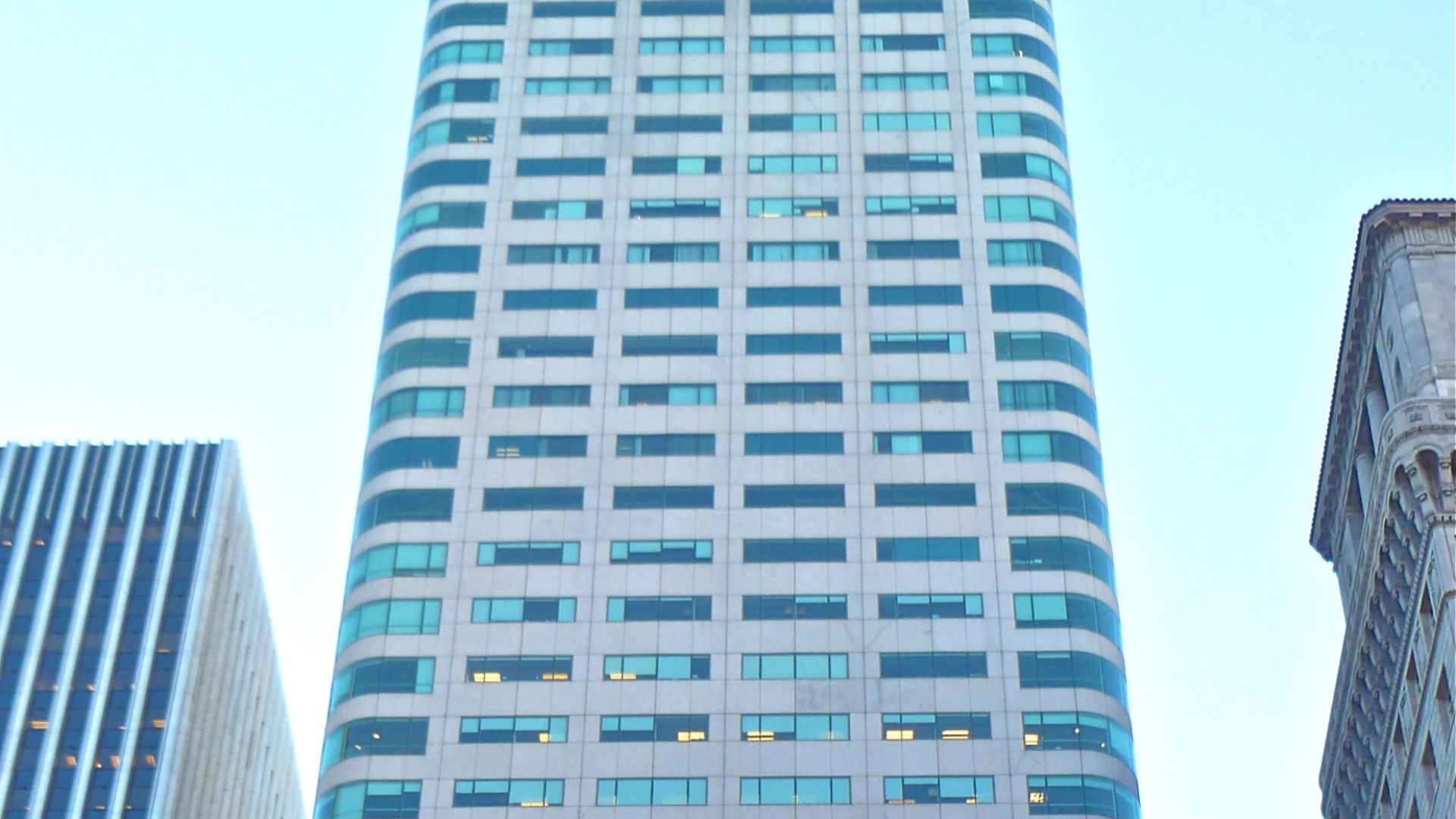
2. Citicorp Center's Wind Problem
In New York City, this skyscraper was originally built with bolted joints instead of welded ones, making it vulnerable to high winds. A brave student actually discovered the math error that could have led to a collapse during a major hurricane. Workers had to secretly weld steel plates onto the joints at night to fix the mistake before the public found out.
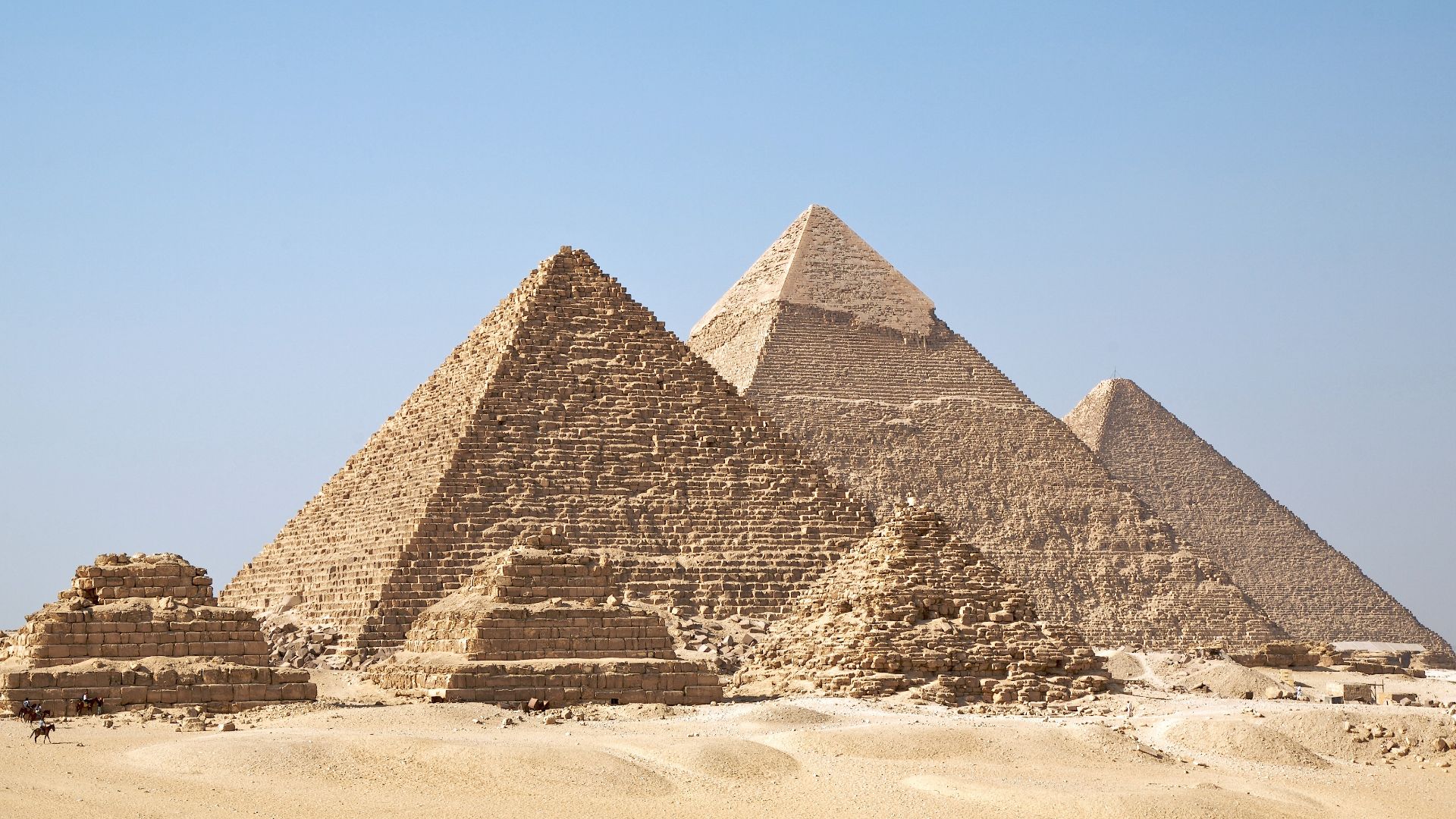
3. The Great Pyramid of Giza
Despite its symmetrical appearance, one side of the pyramid is longer than the other. Amazingly, the west-facing side is about two inches longer than the east. Ancient Egyptians were meticulous craftsmen, but even they couldn’t make perfect measurements at this scale.
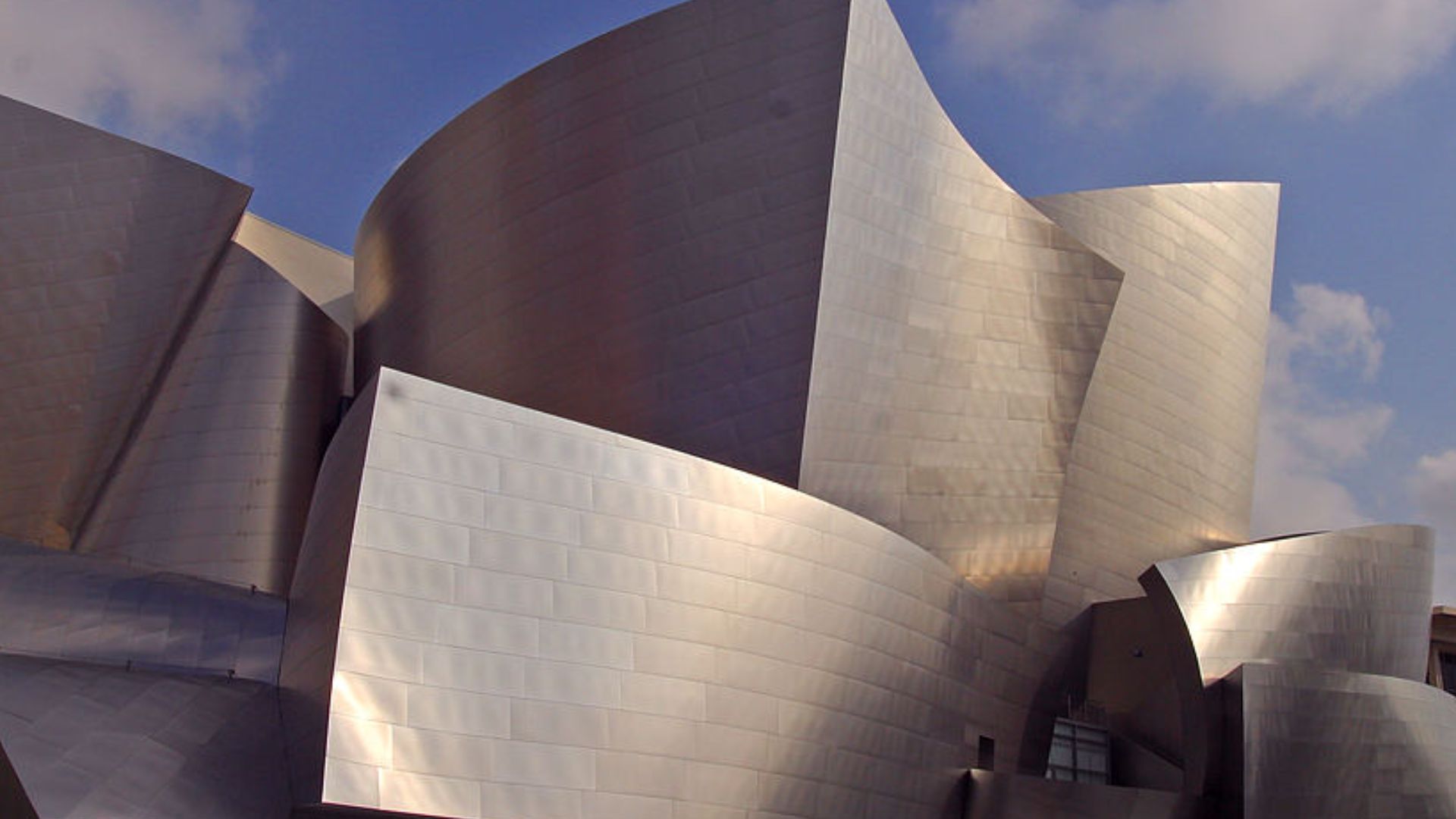
4. Walt Disney Concert Hall Glare
After the building was constructed, locals complained that the reflective stainless steel exterior was heating up their apartments. Although designed to dazzle, the sun actually reflected off the curved surfaces and melted some car windows too. Sheets had to be sandblasted until they appeared more matte.
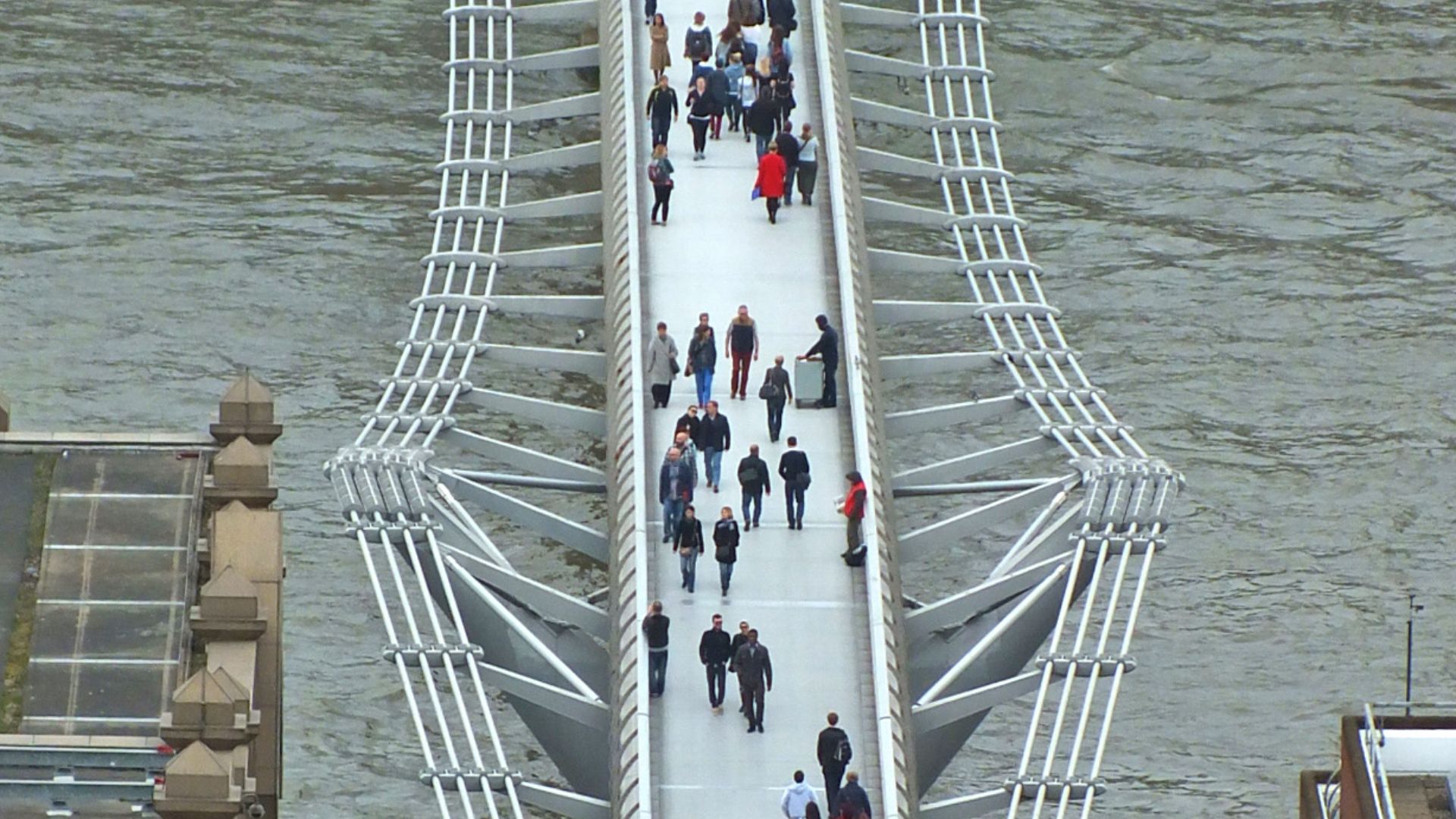
5. Millennium Bridge Wobble
It earned the nickname “Wobbly Bridge” because pedestrians could feel it moving side-to-side when they walked. You may not hear it, but everyone on the bridge is synchronizing their footsteps with the movement. Thousands of pounds of damping agents had to be installed beneath the bridge to eliminate the sway.
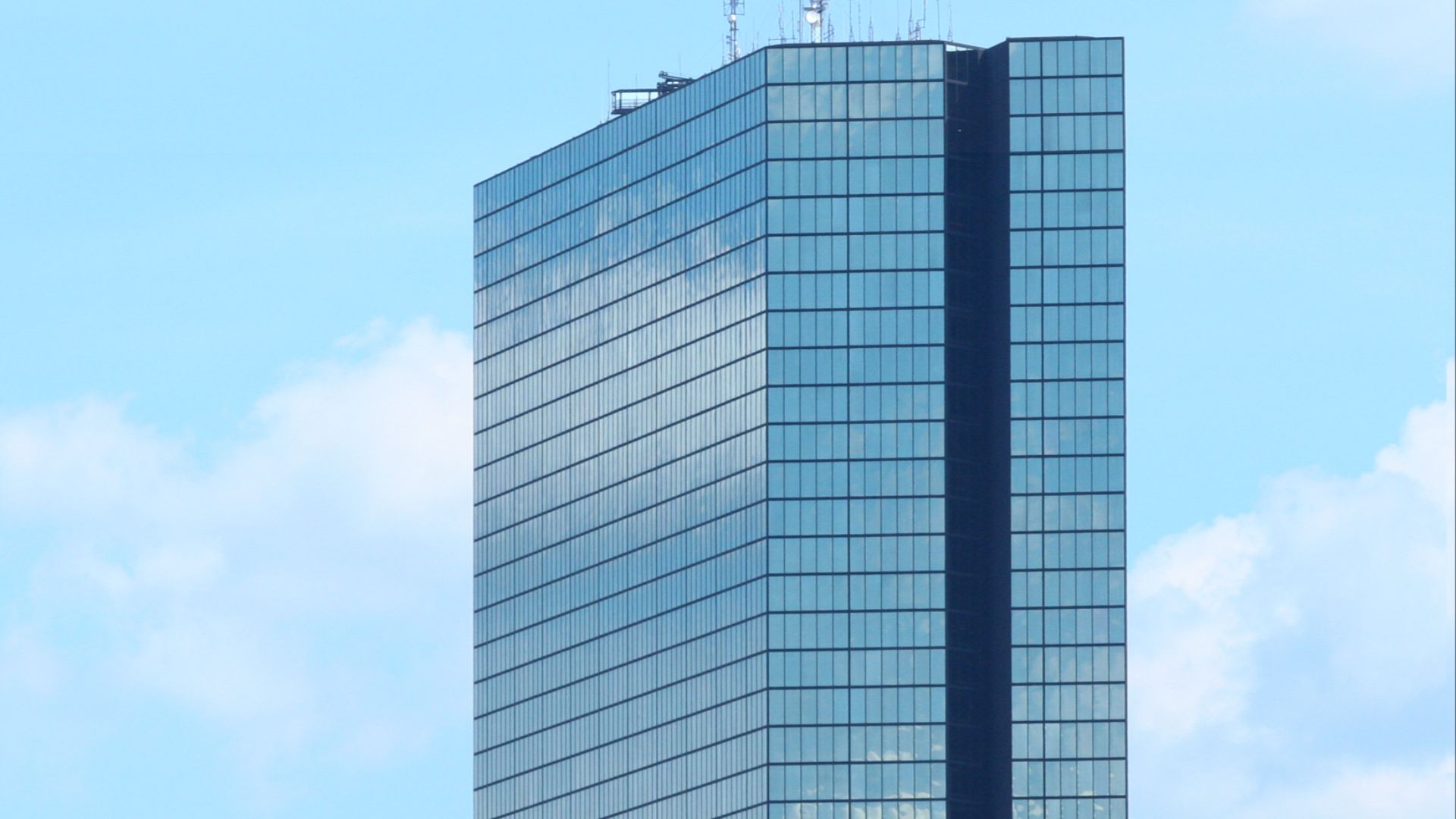
6. John Hancock Tower Windows
When it was new, windows would suddenly crack and fall out of the Hancock Tower. Thermal expansion was causing the glass to shatter, forcing Boston to close several streets underneath. In the end, all 10,000 windows needed to be replaced with single-paned glass.
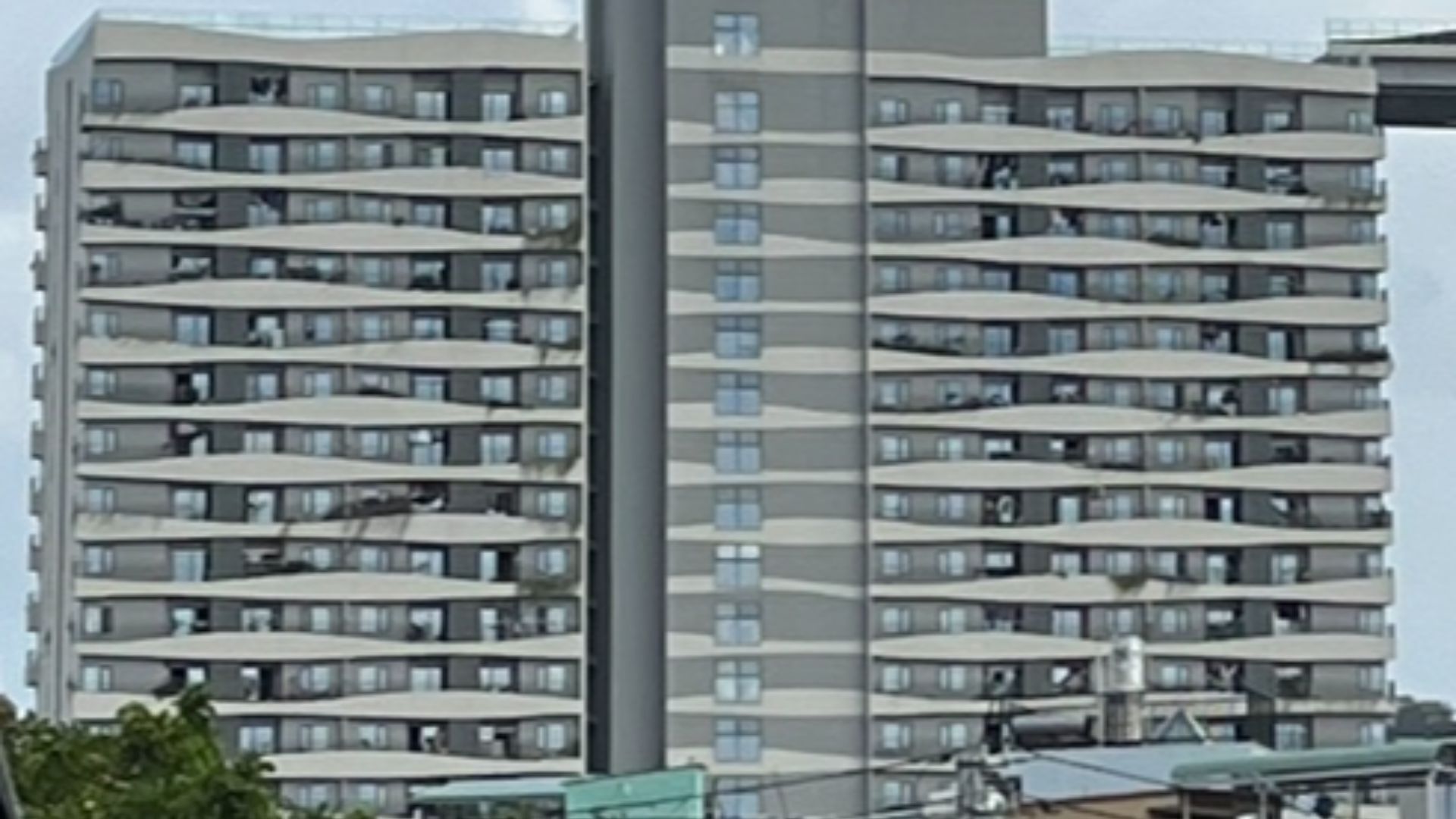
7. The Lotus Riverside Collapse
This apartment building collapsed due to improper soil handling at the construction site. Excavated dirt was piled up on one side of the building as workers dug for a garage on the opposite side. Eventually, the weight difference caused the building to tilt, and it fell over like a toy.
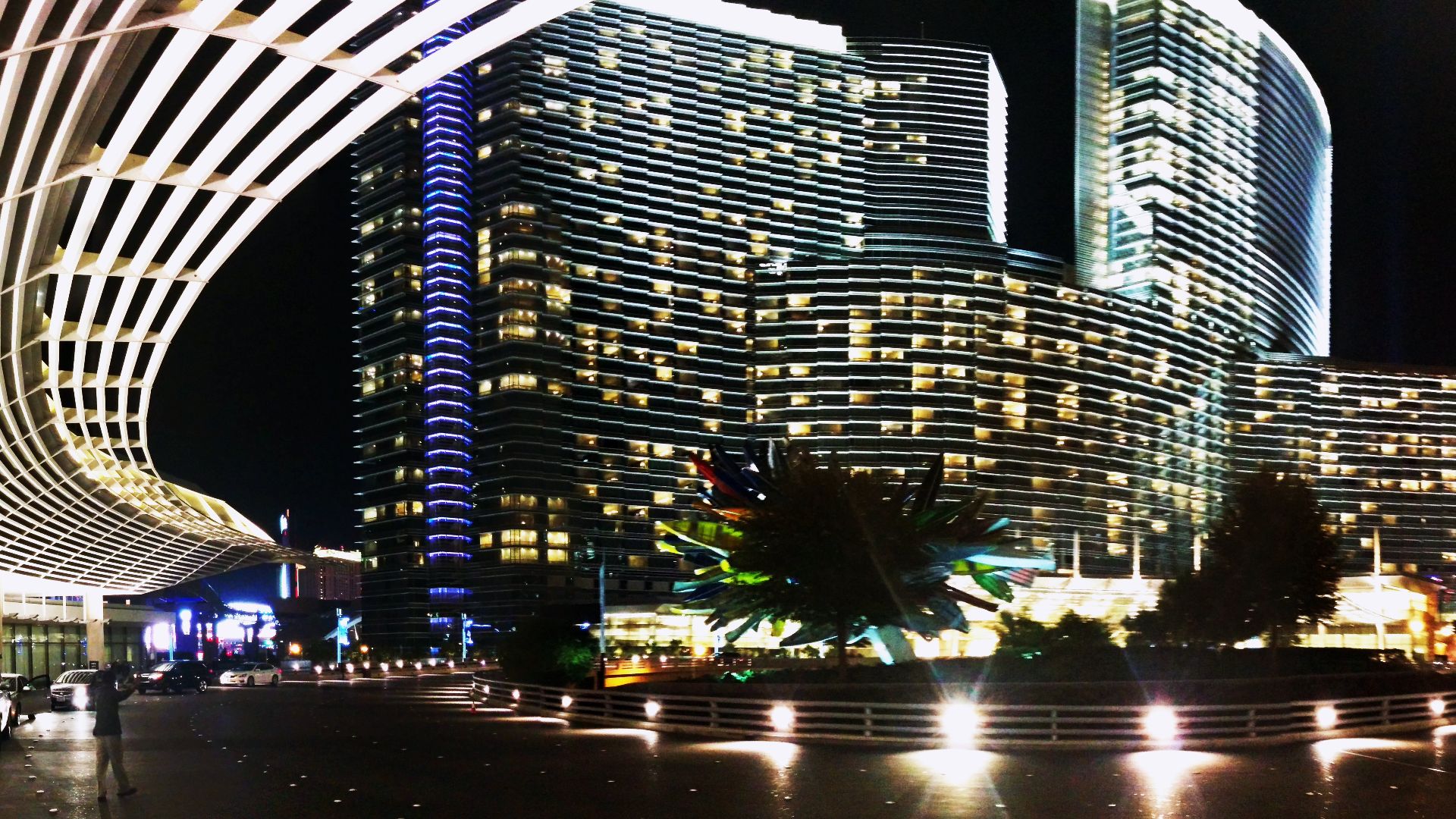
8. Vdara Hotel Ray
The concave shape of this Las Vegas hotel acts like a giant magnifying glass that focuses sunlight directly onto the pool deck. You would definitely notice the "death ray" if you were lounging in the path of the intense, skin-scorching heat. Management eventually installed high-tech umbrellas and tinted film on the windows to protect guests from getting toasted.
9. Tacoma Narrows Bridge
“Galloping Gertie,” as this suspension bridge is known, suffered from aeroelastic flutter and collapsed in light wind. Since the bridge didn’t allow wind to pass through, solid girders twisted like a piece of ribbon. No one was injured during the disaster, and you can watch the famous collapse footage here.
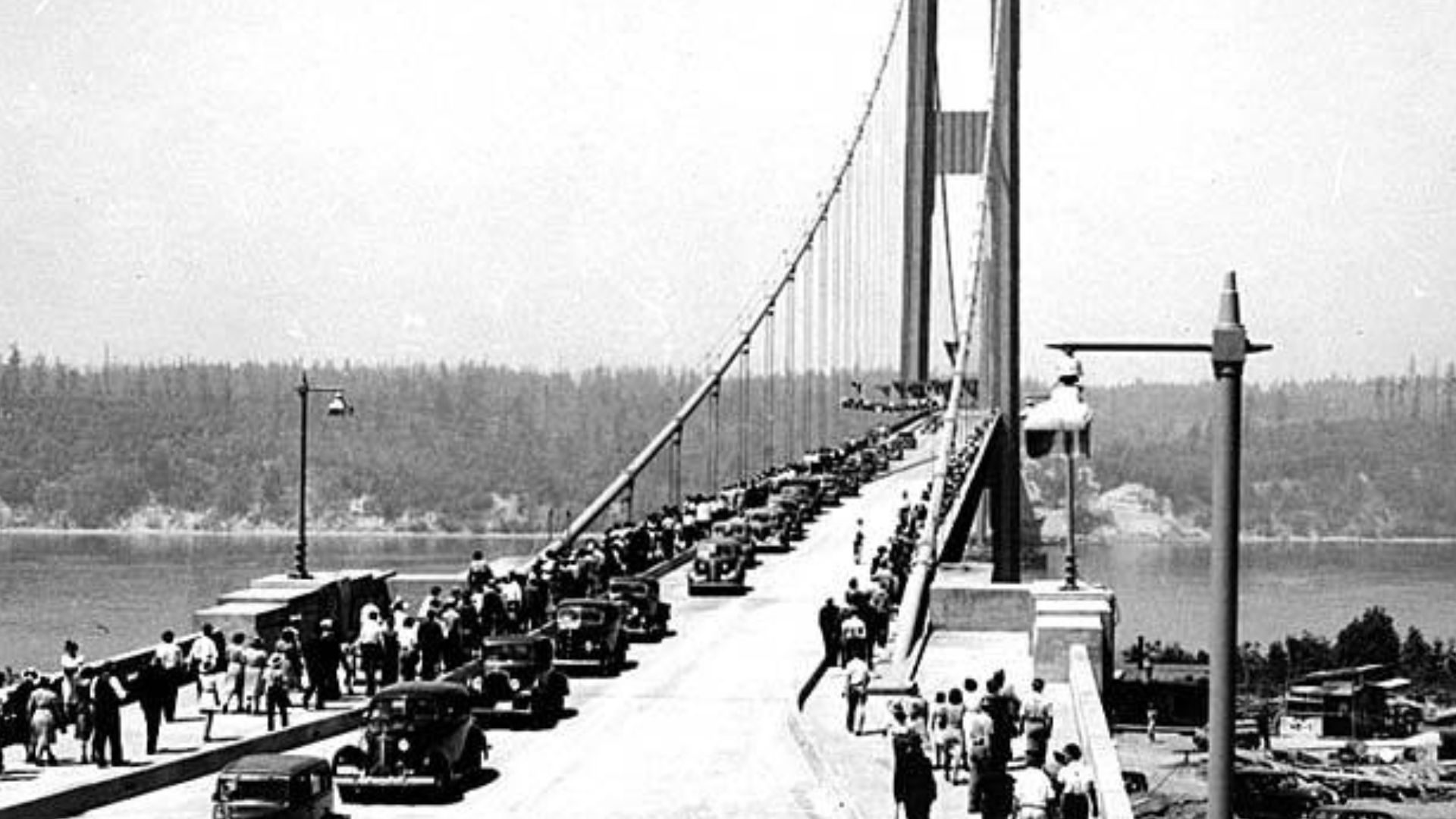 University of Washington Libraries Digital Collections on Wikimedia
10. The Parthenon’s Bulging Columns
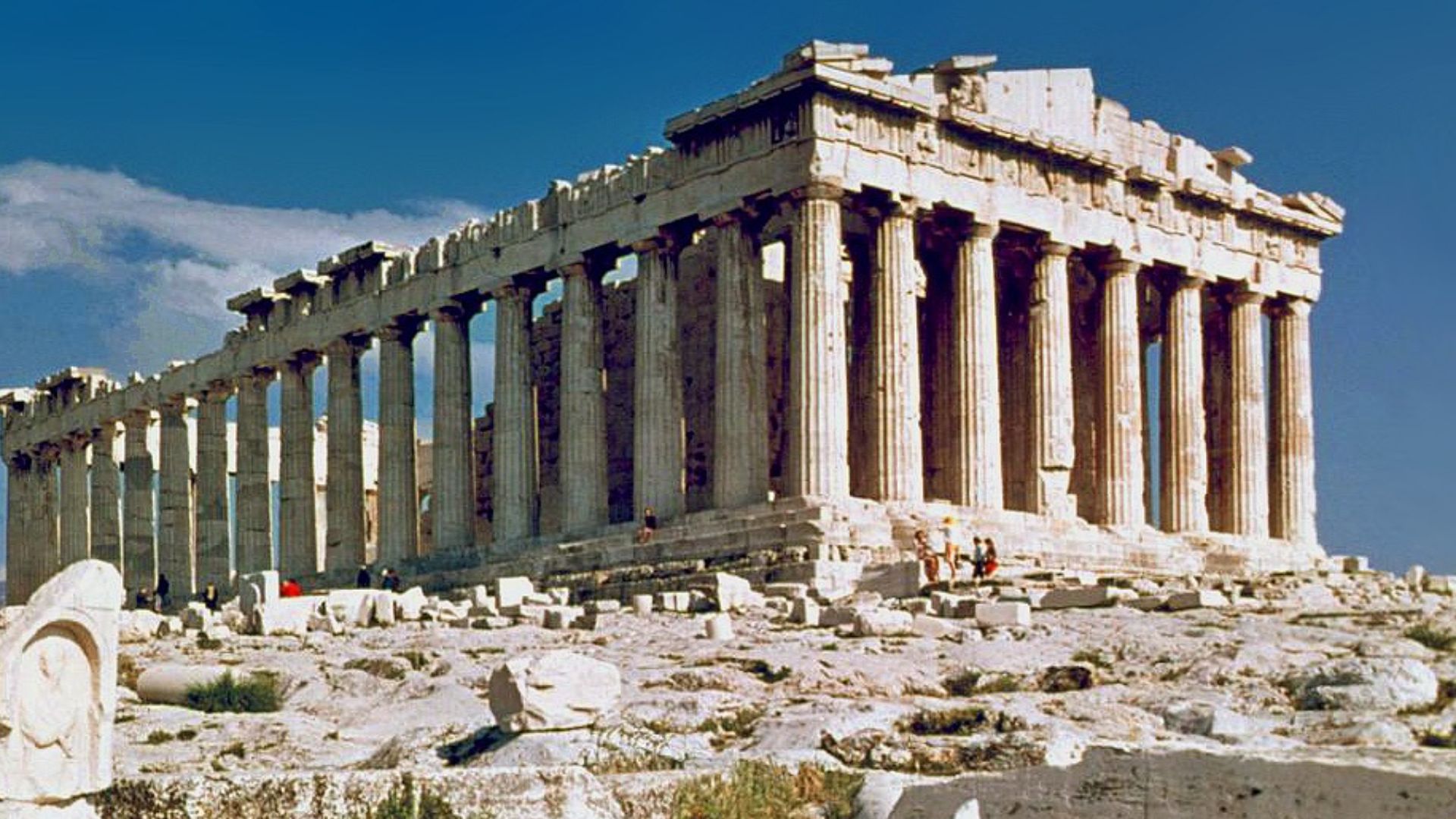
Columns on this ancient Greek temple are supposed to be straight up and down, but they intentionally bulge in the middle. This phenomenon, known as entasis, creates the optical illusion of perfectly straight lines. Without it, the Parthenon would appear to be sagging.
11. St. Mark’s Campanile Collapse
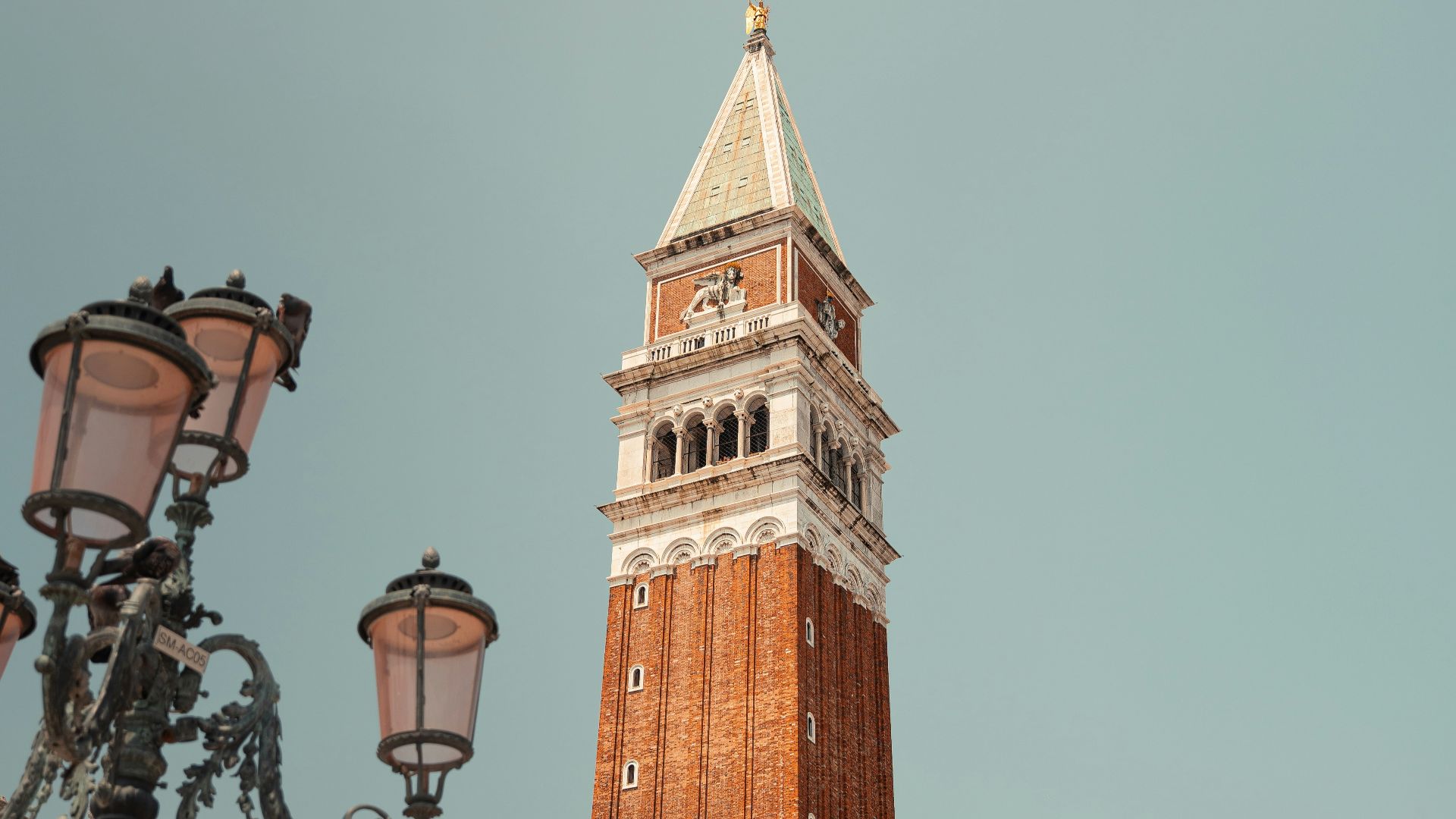
Centuries of sinking and settling caused this beautiful Venice tower to collapse in 1902. St. Mark’s Campanile had fallen victim to many destructive forces before a small crack sealed its fate. Lightning strikes, earthquakes, and years of wear slowly took their toll before the renovation.
12. Bridgewater Place Wind Tunnel
People have actually had their cars blown over from the intense gusts emitted by Bridgewater Place. Built in 2011, the tall skyscraper creates wind accelerations on the ground that are hard to control. Large air breakers, also known as “baffles,” were installed to prevent injury.
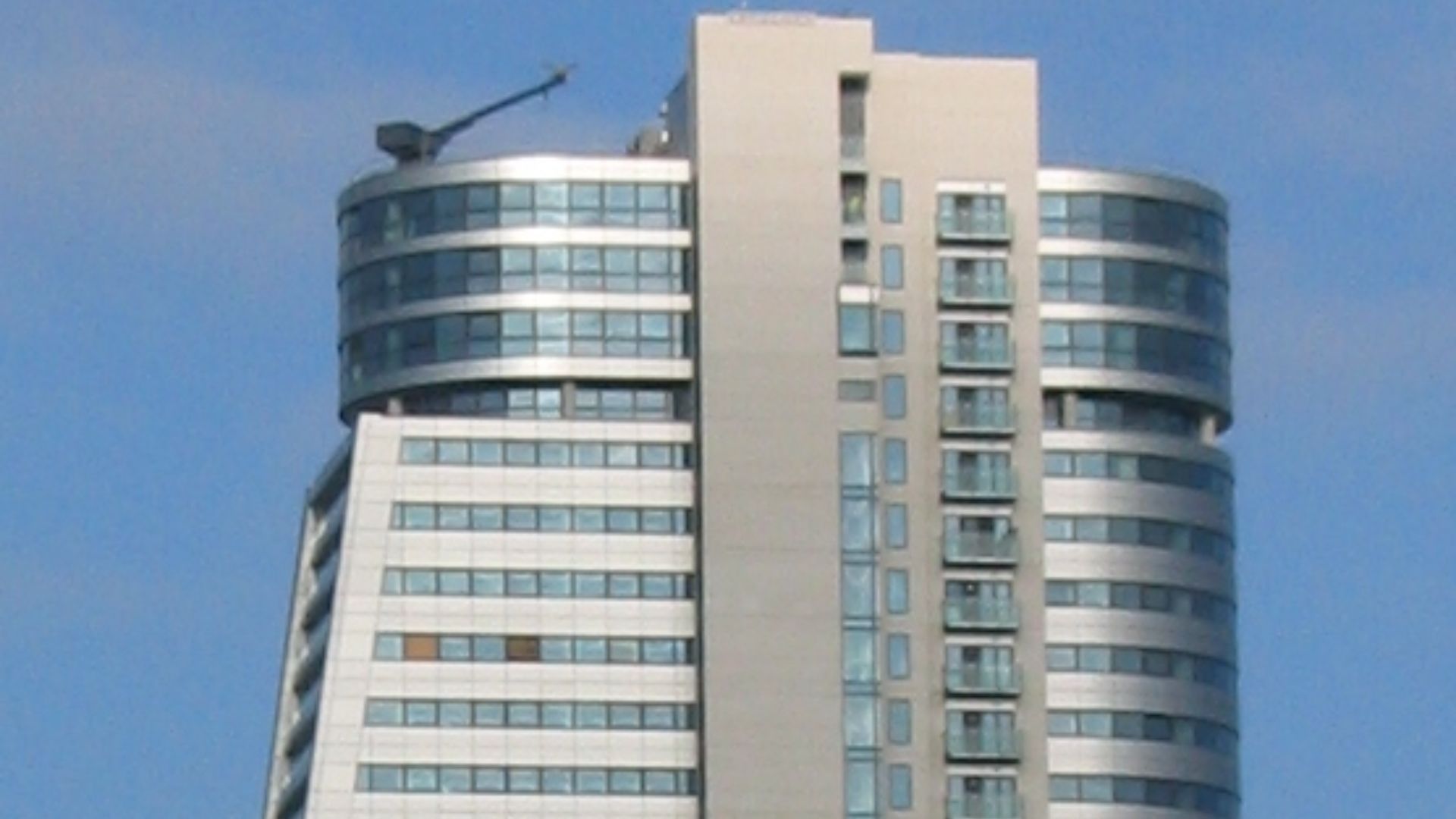 Chemical Engineer on Wikimedia
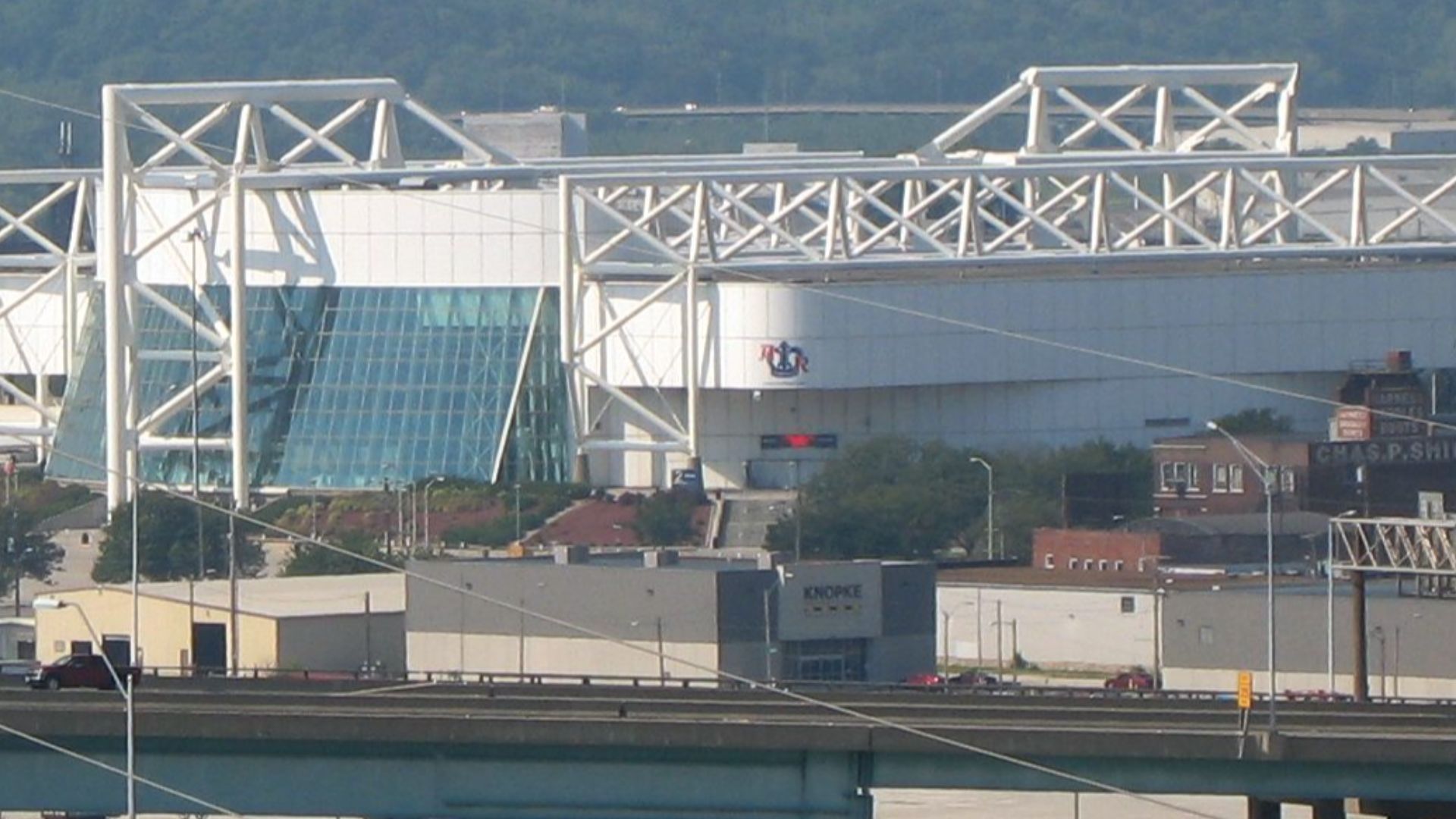
13. Kemper Arena Roof Failure
If you add too much rain into Kansas City’s equation, then you’ll have a roof collapse on your hands. Water pooled on top of the arena because there wasn’t enough drainage, which caused the flat roof to cave in. Steel bolts were unable to hold the weight, and the arena was nearly condemned.
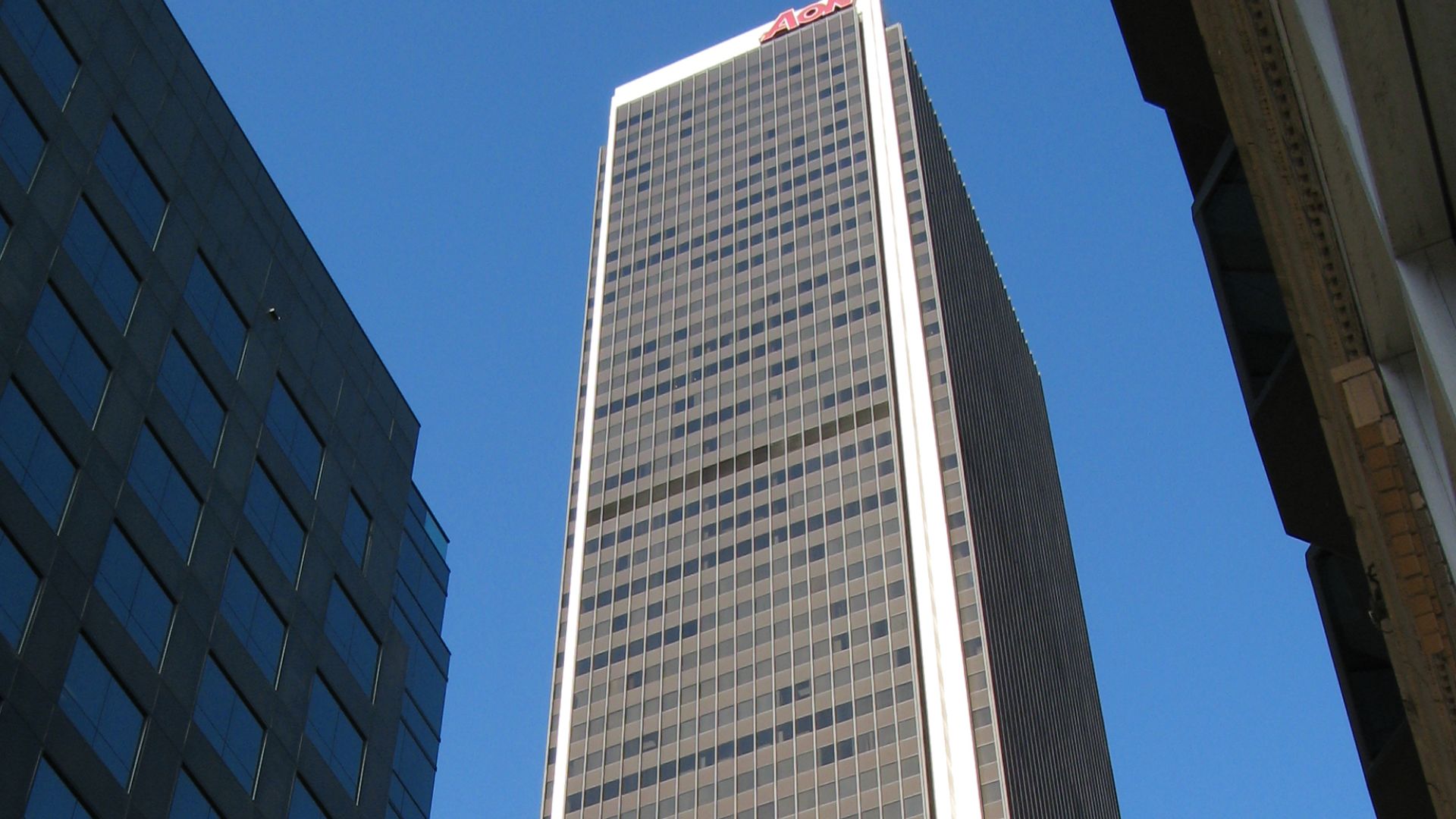
14. Aon Center Marble Slabs
A skyscraper in Chicago was originally covered in marble from floor to ceiling. Unfortunately, the marble began to buckle because the pieces were too thin to handle Chicago weather. A new exterior had to be made from more resilient granite after sections started falling off.
 Geographer at English Wikipedia on Wikimedia
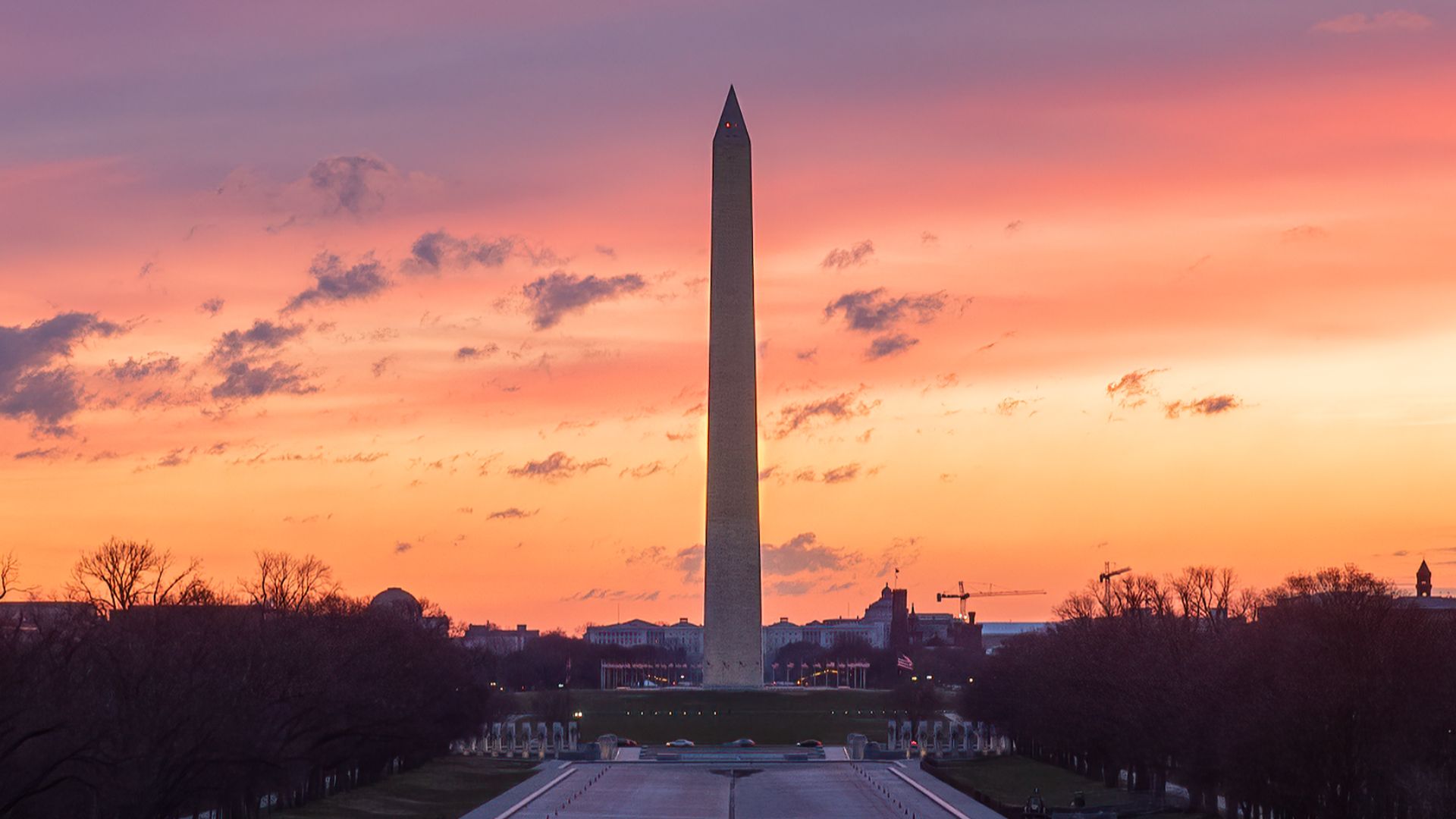
15. The Washington Monument’s Two Colors
Take a look at the Washington Monument and you’ll notice that the color abruptly changes. Construction of the obelisk stopped for over 20 years due to finances and the Civil War, so they had to start with new marble when they resumed. You can still see the original quarry mark near the bottom.
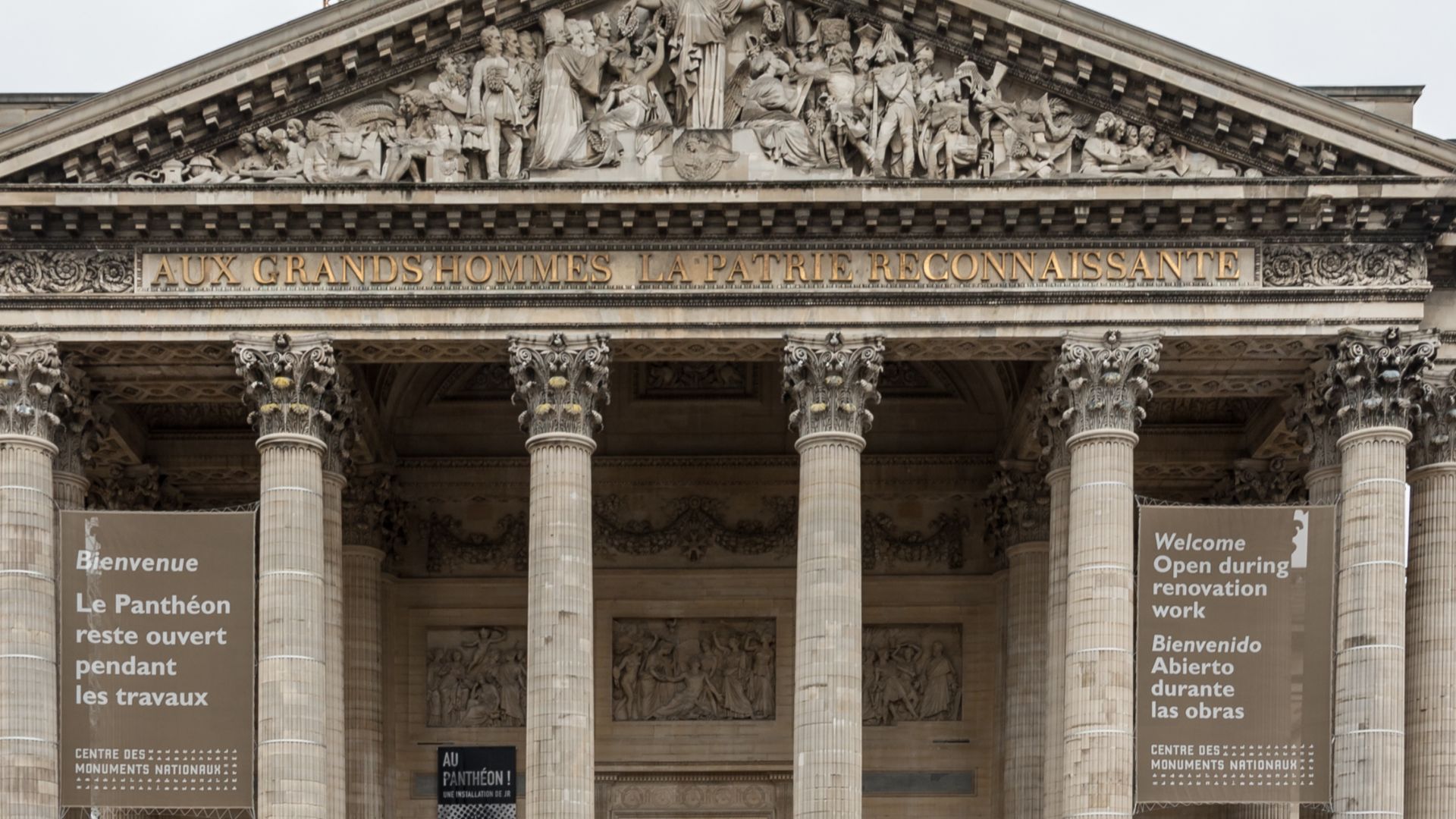
16. Pantheon’s Misaligned Portico
At first glance, the Pantheon in Rome looks symmetric, but look closely at the triangular structure on top. Historians believe these columns were lost at sea during transportation. The new columns were shorter, which caused the front porch to be slightly askew from the rest of the building.
17. 20 Fenchurch Street Melting Cars
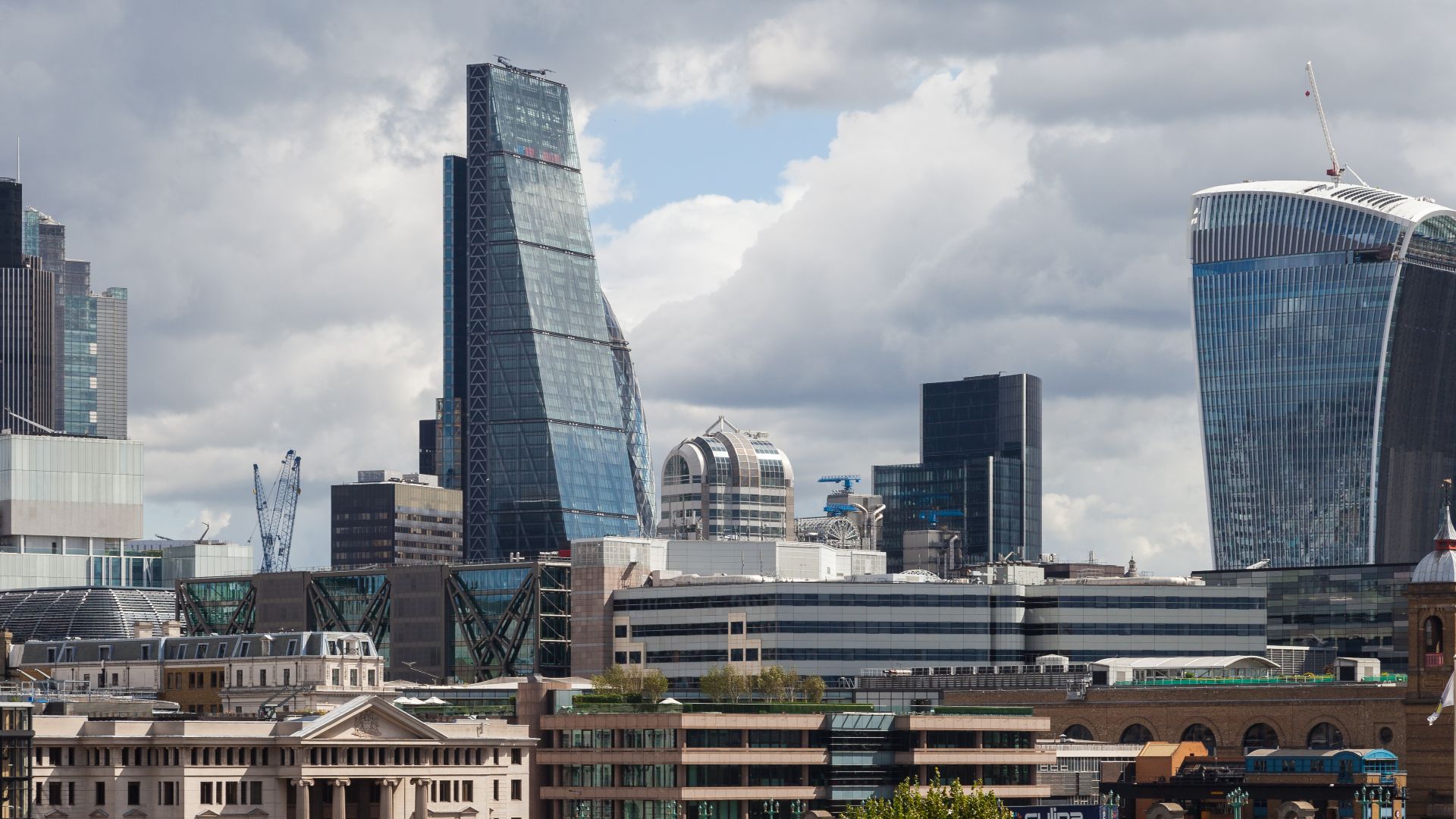
Nicknamed the "Walkie Talkie" building, this London tower has a curved glass face that focused a beam of light hot enough to melt a Jaguar’s side mirror. You could even fry an egg on the sidewalk during certain times of the day when the sun hit the building just right. A permanent sunshade was eventually installed on the windows to prevent further property damage.
18. Ray and Maria Stata Center Leaks
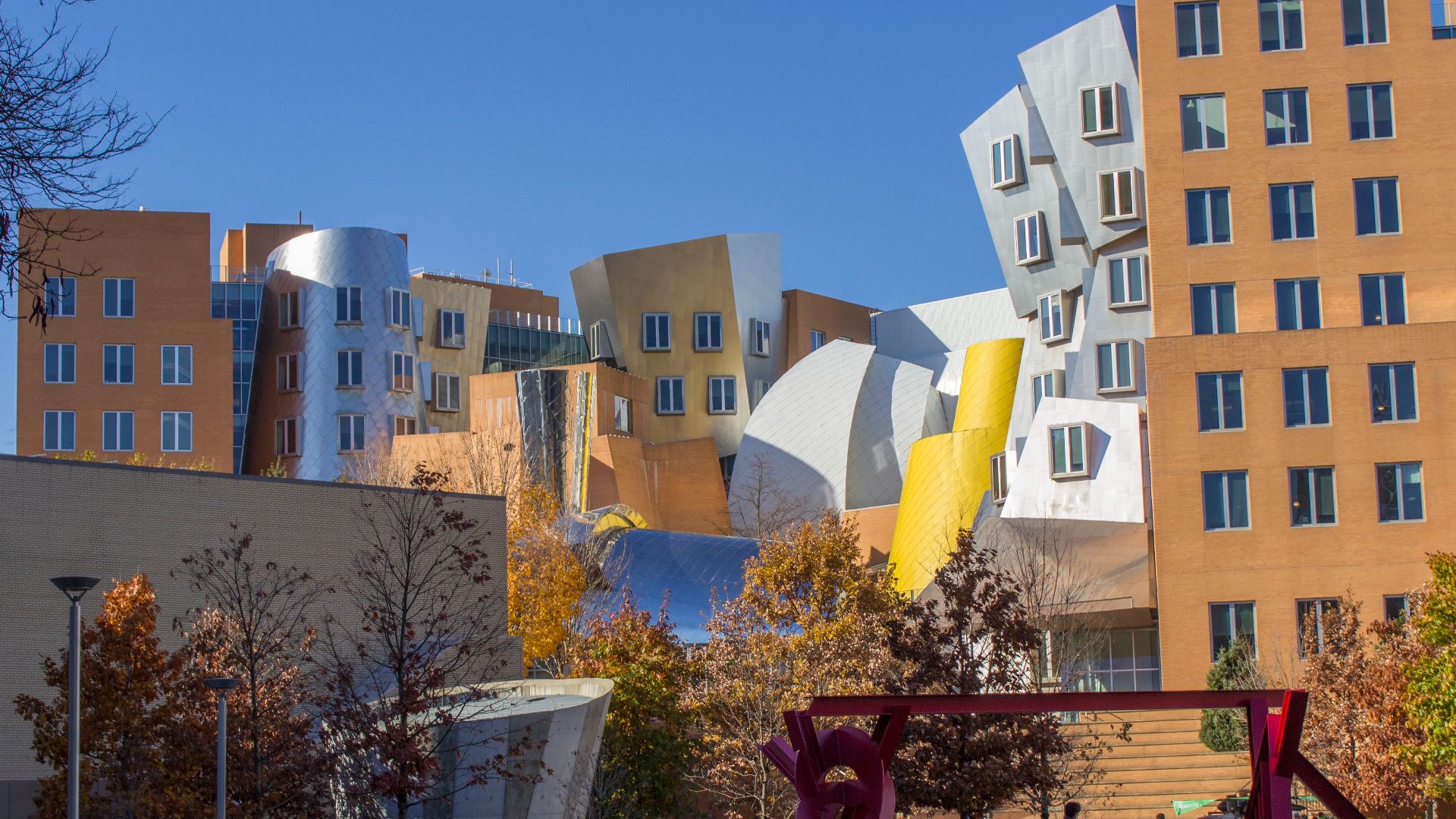
Architect Frank Gehry is known for his wild designs, but this MIT building faced lawsuits due to persistent drainage issues and mold. The complex angles and unconventional shapes made it very difficult to seal the structure against the elements properly. It took several years of repairs to stop the water from getting into the high-tech labs inside.
19. Harmonia 57’s Porous Walls
This architecturally stunning building in Brazil attracts attention for all the right reasons. Its pipes aren’t hidden, and the concrete allows plants to grow through the walls. Unfortunately, homeowners have to guard against excess moisture wearing away at the structure.

20. Oceanwide Plaza’s Ghostly Frame
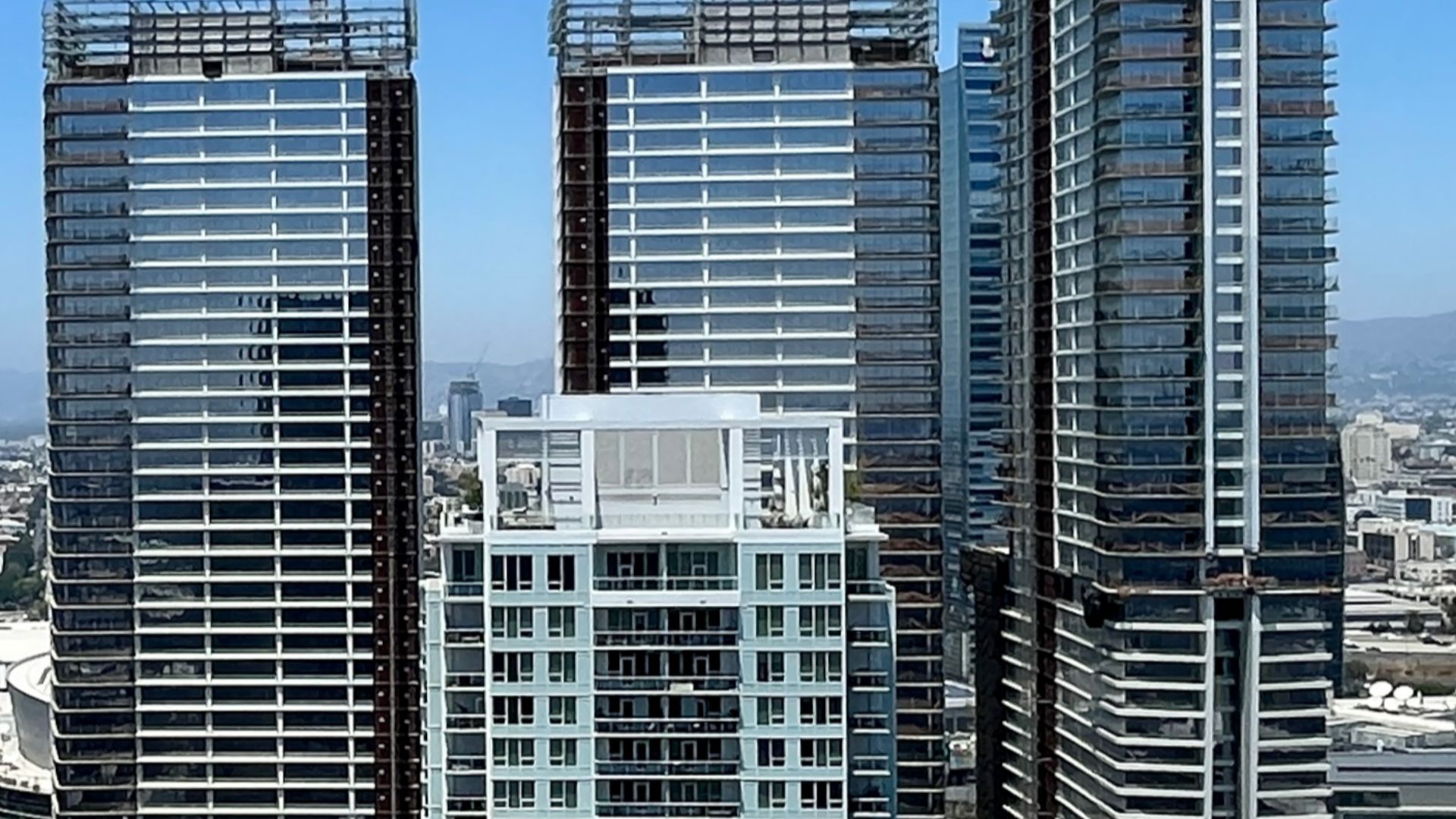
In Los Angeles, three massive skyscrapers sit unfinished and covered in graffiti because the project ran out of money mid-construction. These "ghost towers" are a major eyesore and a safety hazard, as the exposed concrete and steel aren't protected from the weather. It serves as a giant, expensive reminder that even the most ambitious plans can fall apart before the first tenant moves in.