Global Style Hubs
Fashion capitals aren't born overnight. They're shaped by decades of creative rebellion, cultural accidents, and designers who refused to play by the rules. Some cities earned their stripes through haute couture houses and century-old traditions. Others built their reputations on street style revolutions and sustainable innovations. Each fashion capital tells a different story about how style, culture, and commerce collide to create something the world can't ignore.
1. Paris
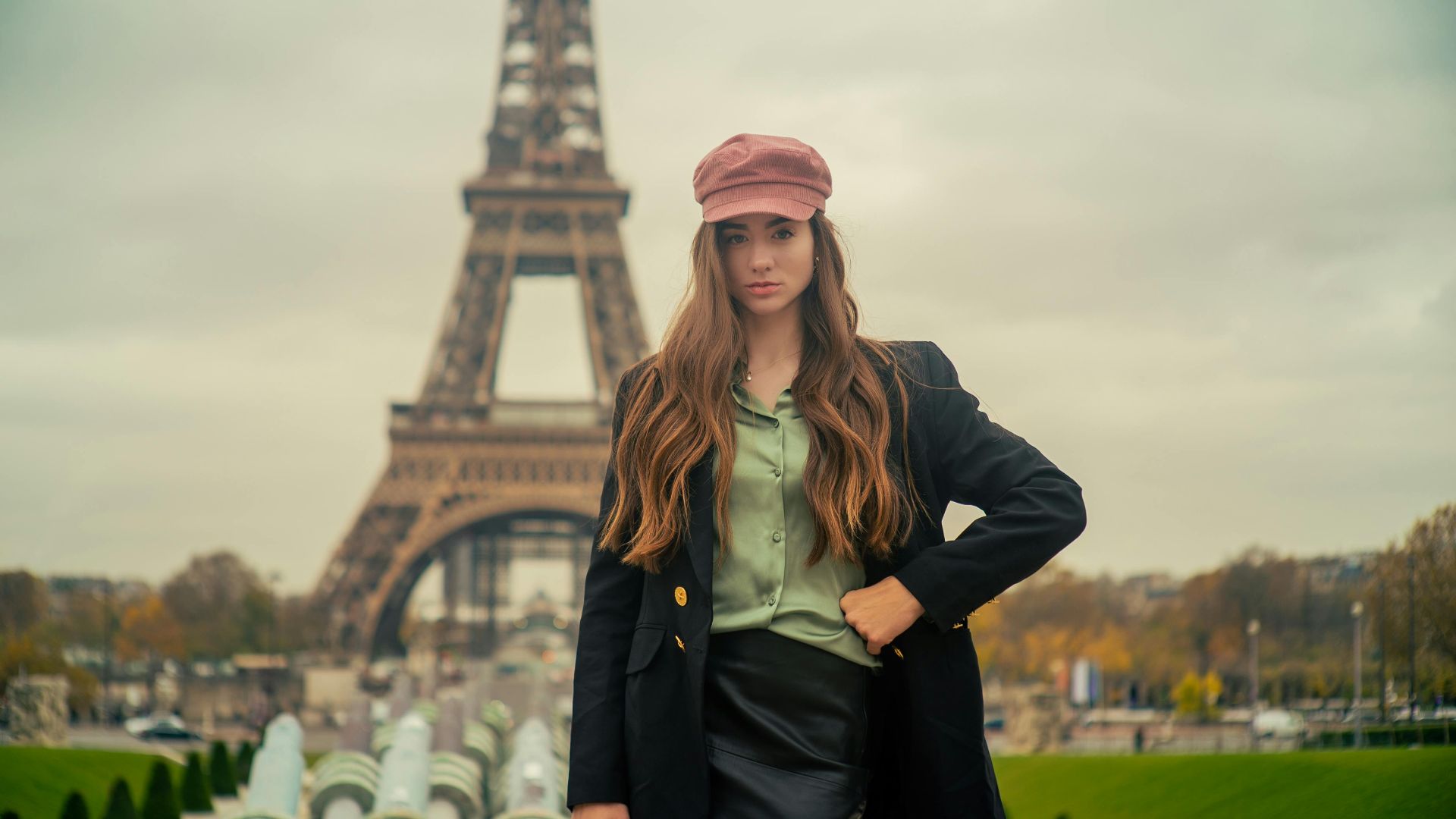
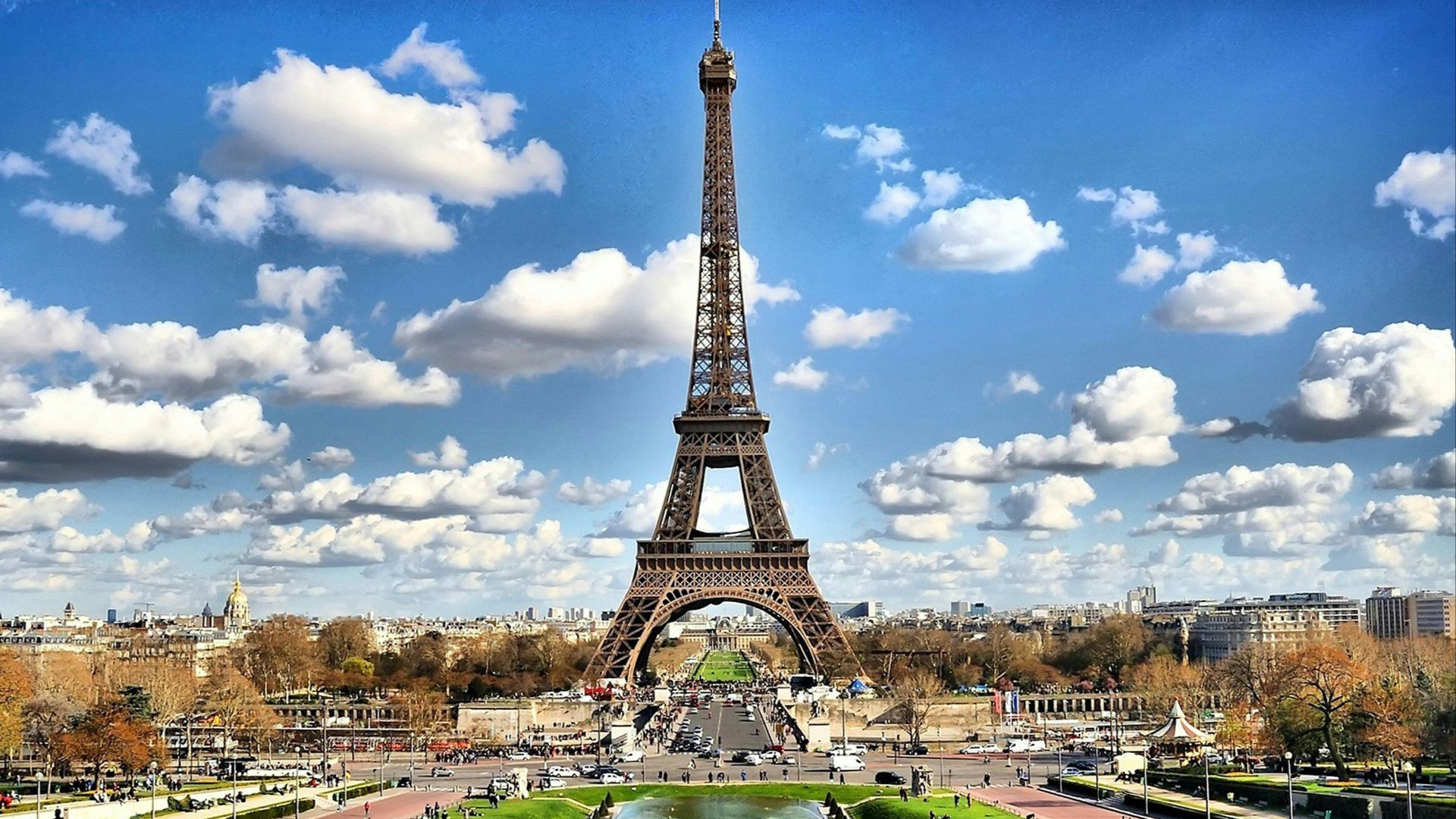
Charles Frederick Worth established haute couture here in 1858 at Maison Worth, revolutionizing fashion by presenting collections on live models rather than mannequins. Paris Fashion Week presents over 100 collections each season, closing the "Big Four" calendar with legendary houses.
2. Milan
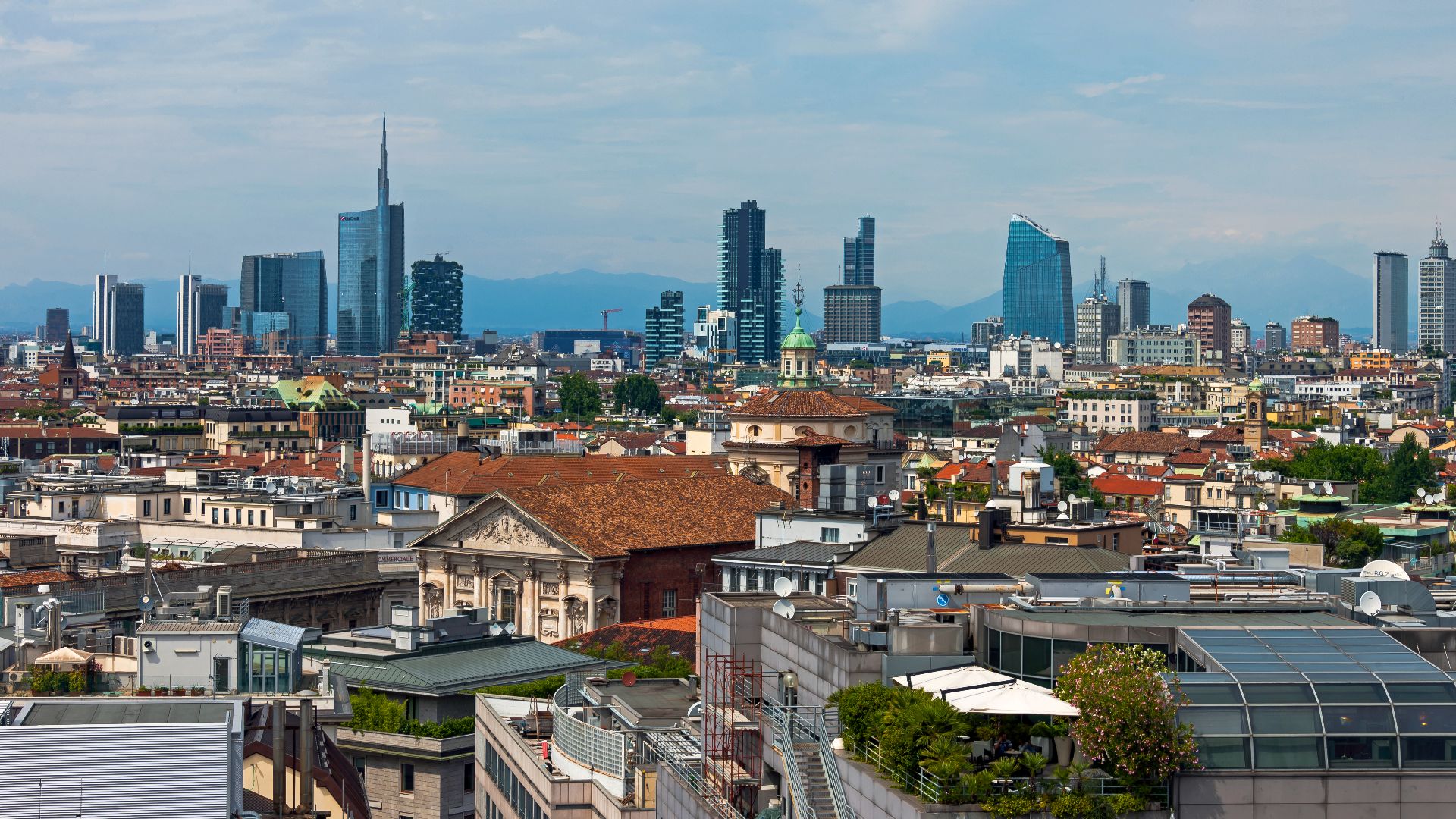
The iconic 1991 Versace show, where supermodels strutted arm-in-arm to George Michael's "Freedom!", crystallized Milan's fashion status forever. Giorgio Armani and Gianni Versace changed the city during the 1970s-80s, fusing impeccable Italian tailoring with bold sensuality.
3. Tokyo
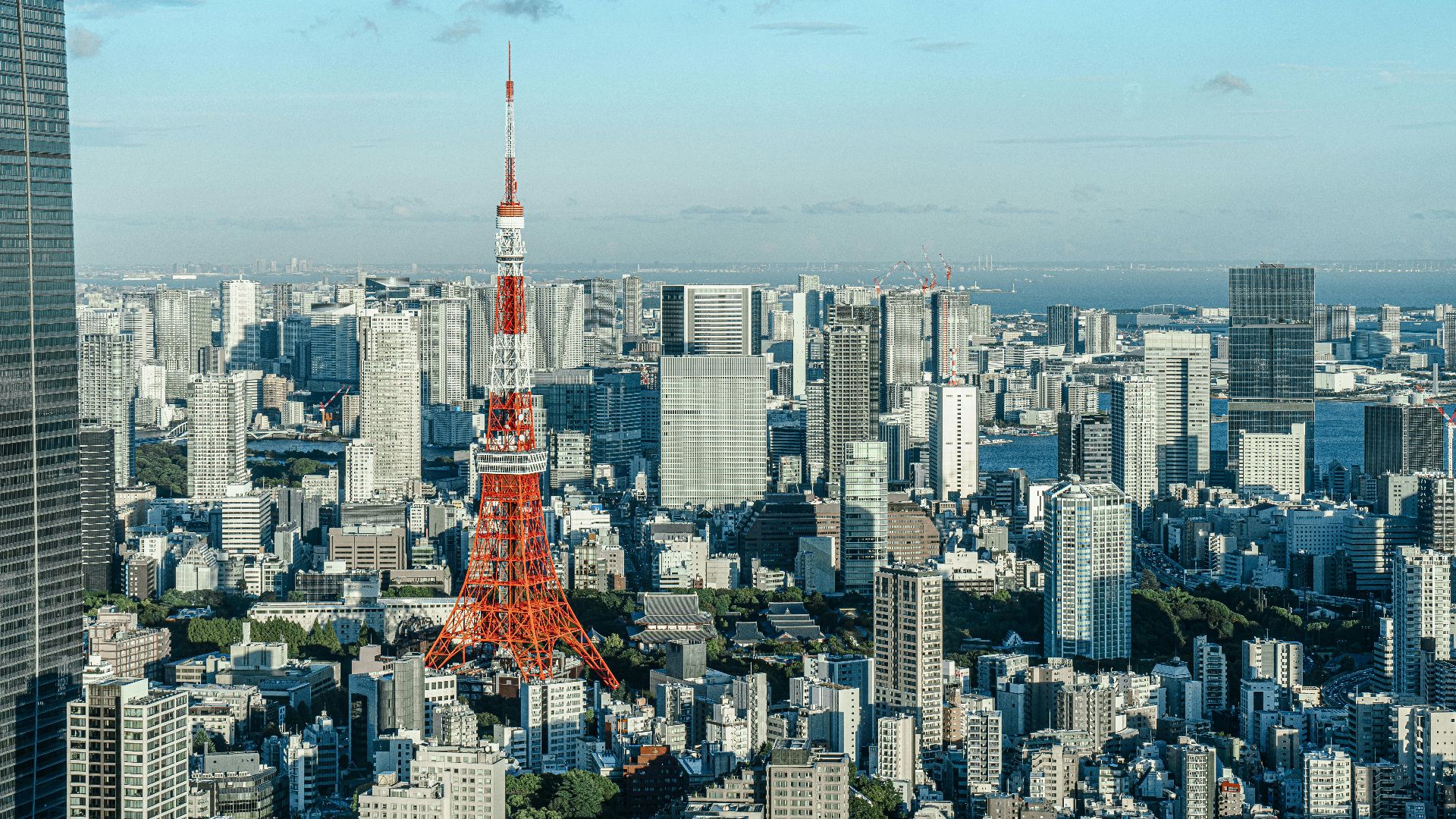
Photographer Shoichi Aoki's FRUiTS magazine, launched in the late 1990s, propelled Harajuku's aesthetic worldwide through stunning street style documentation. Harajuku district emerged during the 1990s as the world's most electrifying street fashion laboratory, birthing subcultures like Decora, Gothic Lolita, and Visual Kei.
4. New York
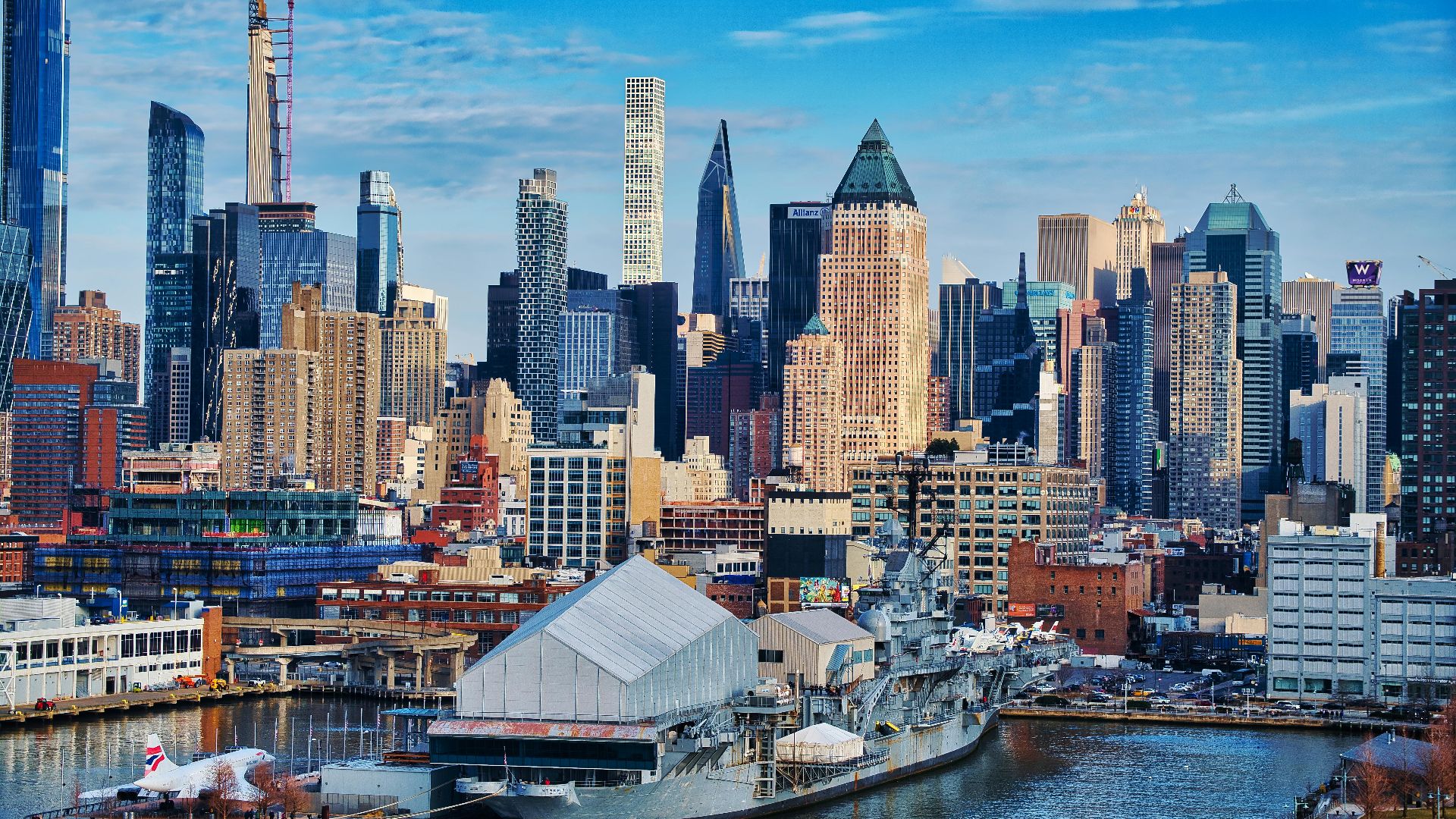
Did you know that Eleanor Lambert created Press Week in 1943? It was the world's first organized fashion week—redirecting attention from war-torn Paris to overlooked American designers. New York Fashion Week hosts more shows than London, Paris, and Milan combined.
5. London
Alexander McQueen debuted during the recession-hit 1992 show at The Ritz, becoming a pivotal moment that defined London's experimental spirit. London Fashion Week launched in March 1984 in a Kensington car park, receiving immediate government backing, including a Downing Street reception.
6. Seoul
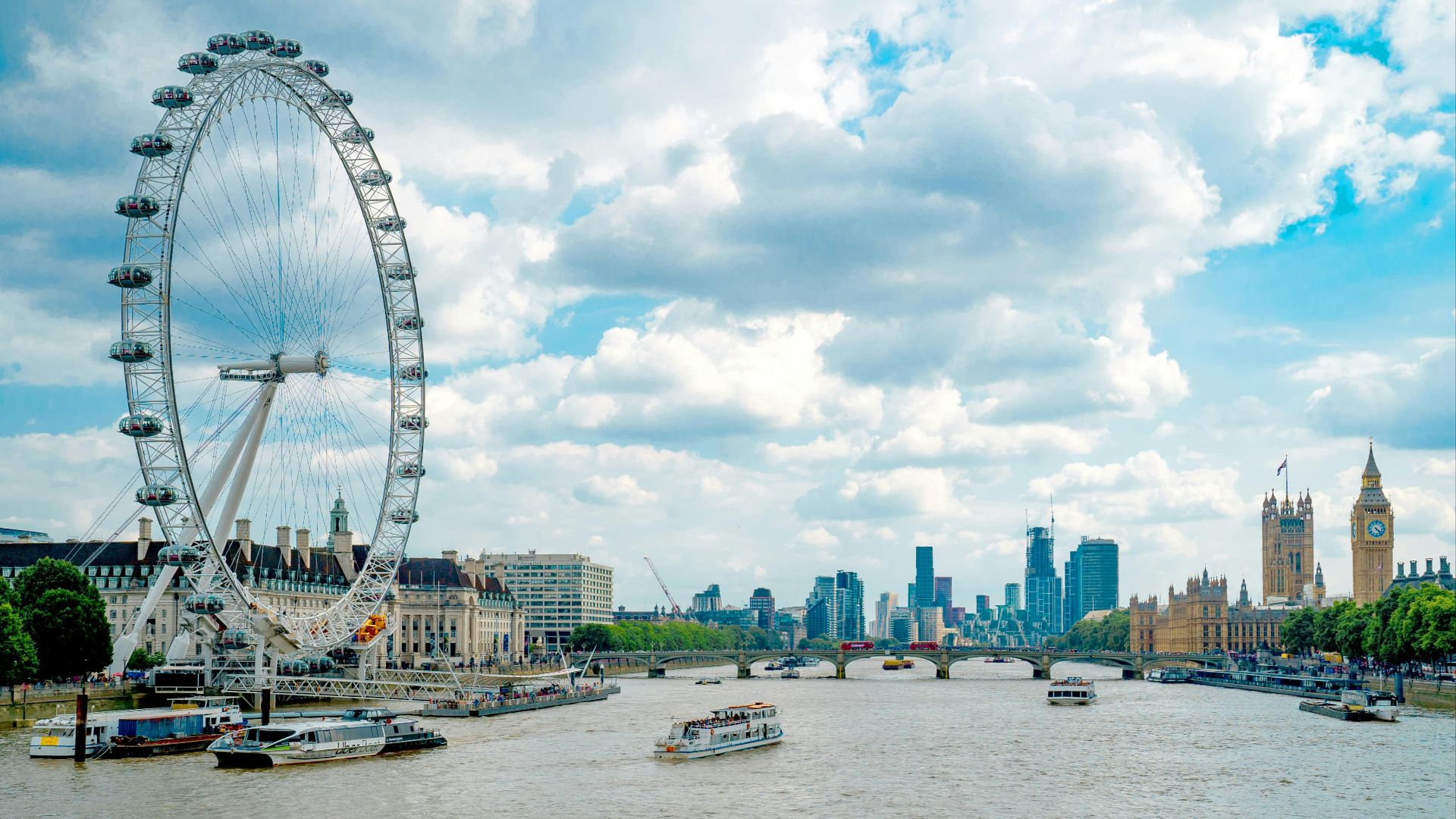
Most of Seoul Fashion Week designers are independent Korean labels, creating an authentically homegrown narrative unlike any other fashion capital. The city's fashion market exceeded 47 trillion South Korean won in value, with Seoul Fashion Week drawing a large number of visitors annually.
7. Copenhagen
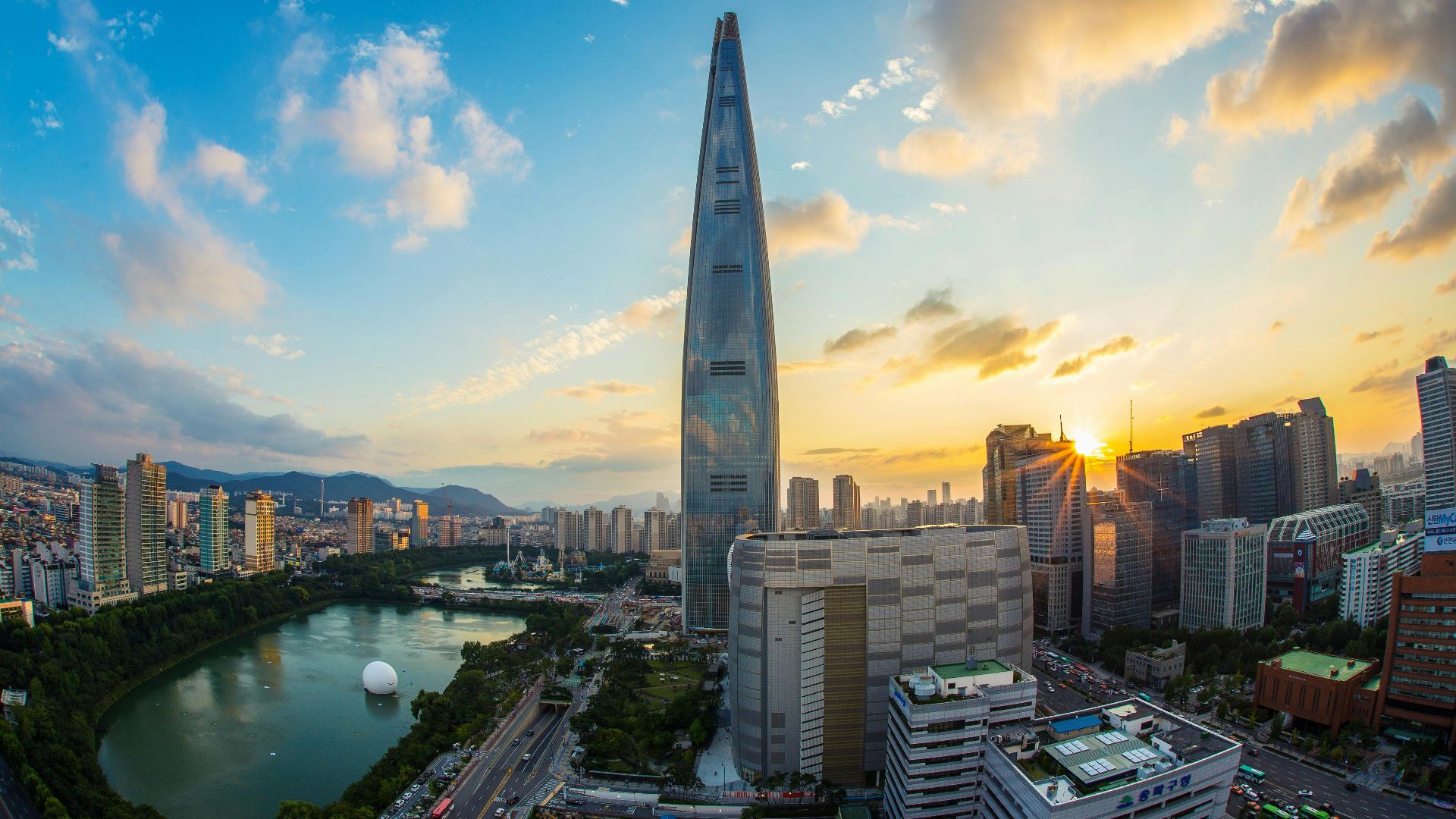
Strict sustainability requirements since 2020 mandate that Copenhagen Fashion Week brands use 50% sustainable materials and set science-based climate targets. Danish brands like Ganni, Cecilie Bahnsen, and Stine Goya balance Scandinavian minimalism with playful experimentation, cultivating devoted international followings.
8. Antwerp
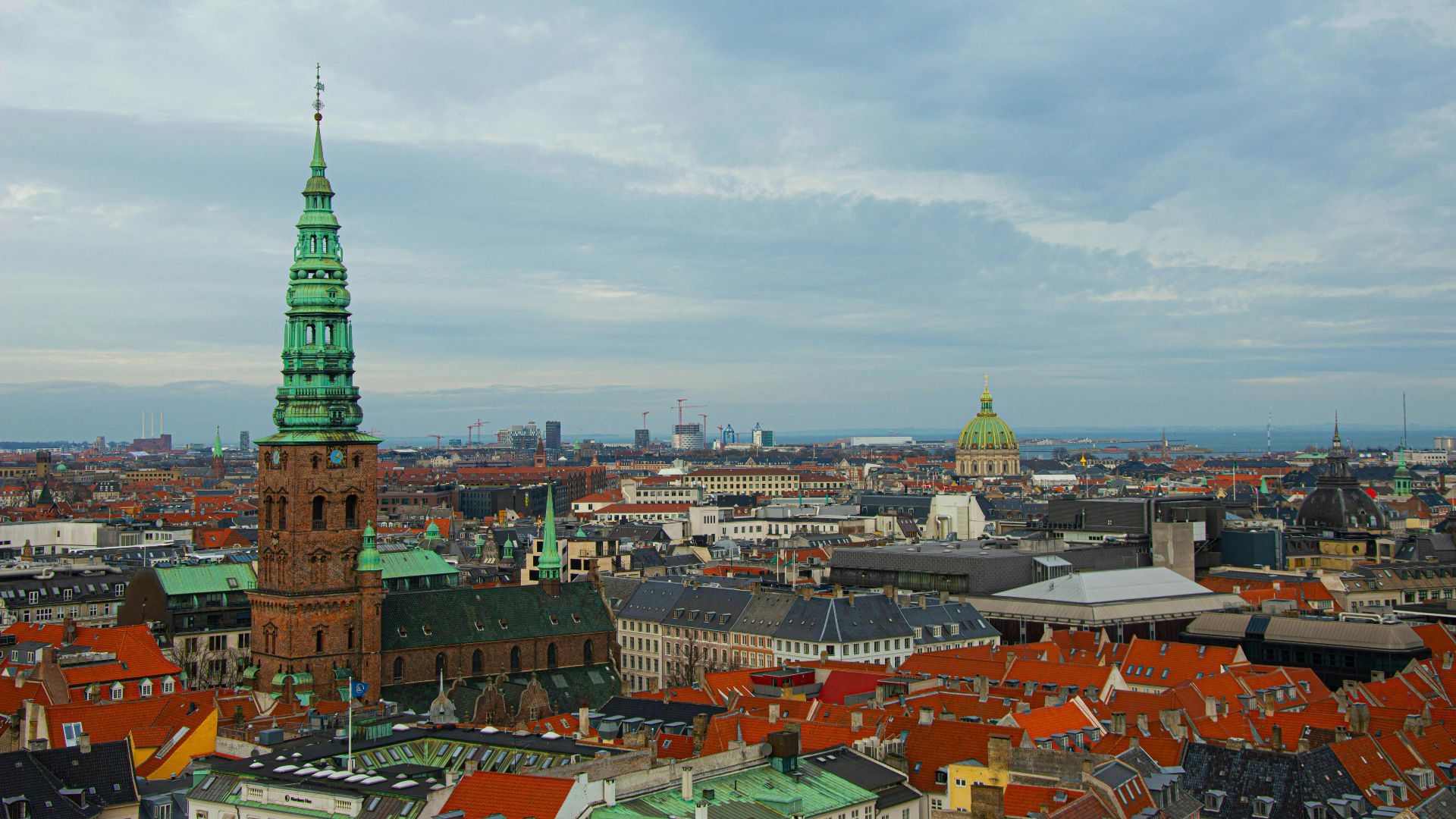
In the early 1980s, the "Antwerp Six"—Ann Demeulemeester, Dries Van Noten, Dirk Bikkembergs, Walter Van Beirendonck, Dirk Van Saene, and Marina Yee—stunned London's fashion scene after graduating. These designers rejected conventional prettiness entirely by presenting avant-garde collections that emphasized deconstruction.
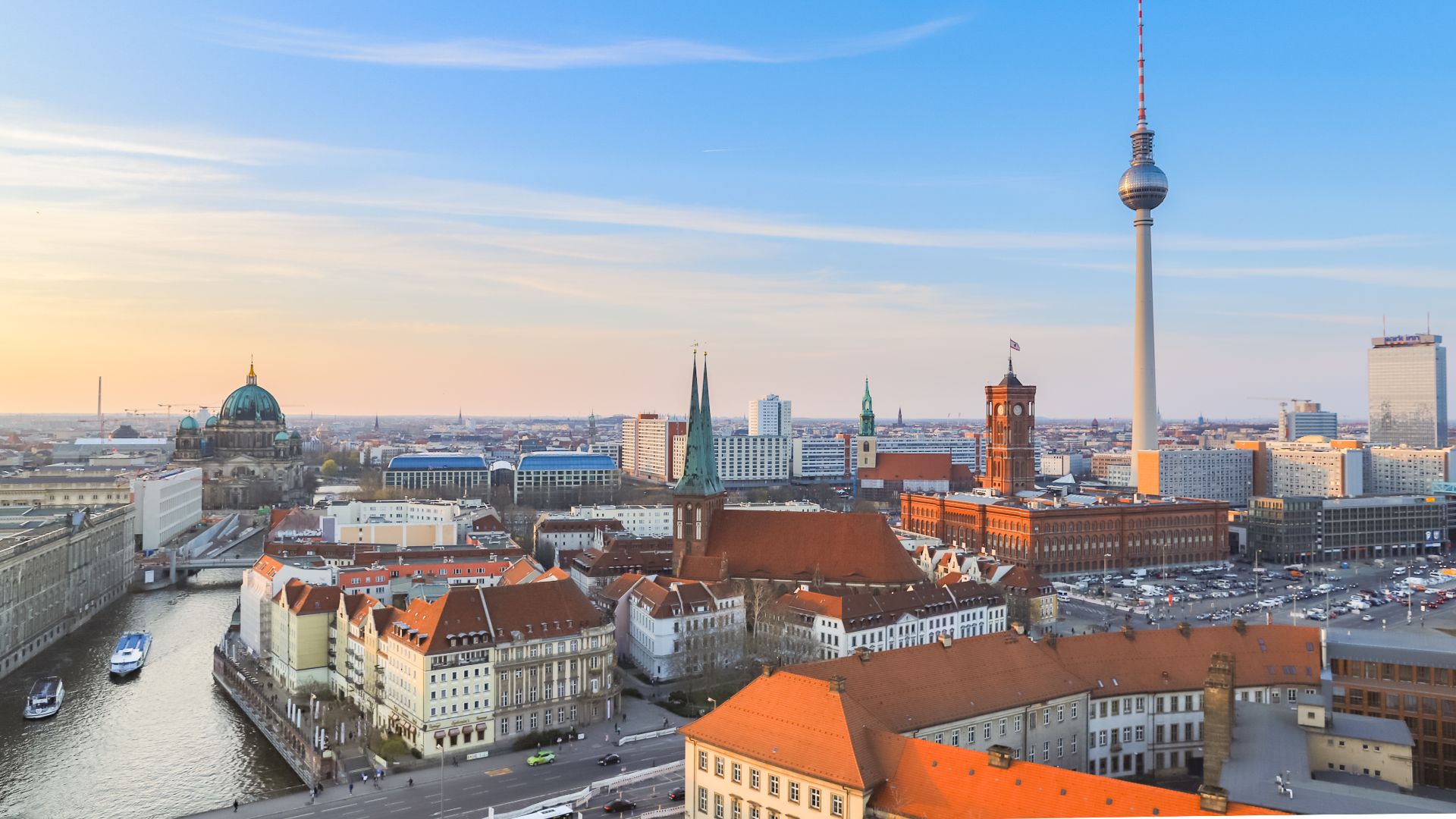
9. Berlin
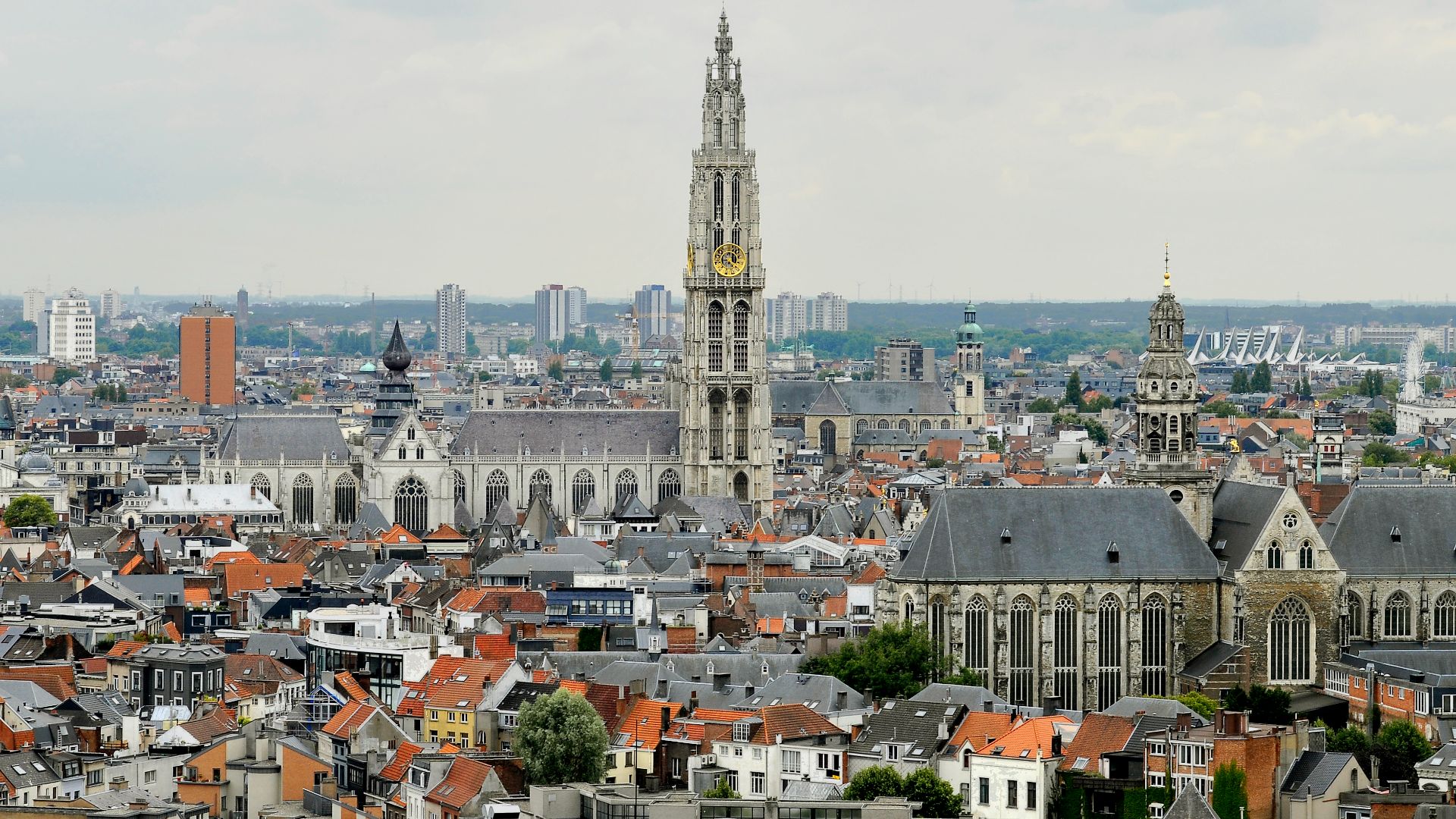
Fashion Week Berlin showcases a number of designers each season, but the city's true influence emanates from the streets and underground club culture instead. Berlin's fashion identity crystallized after the wall's fall in 1989. German designers like Jil Sander built empires on minimalist precision.
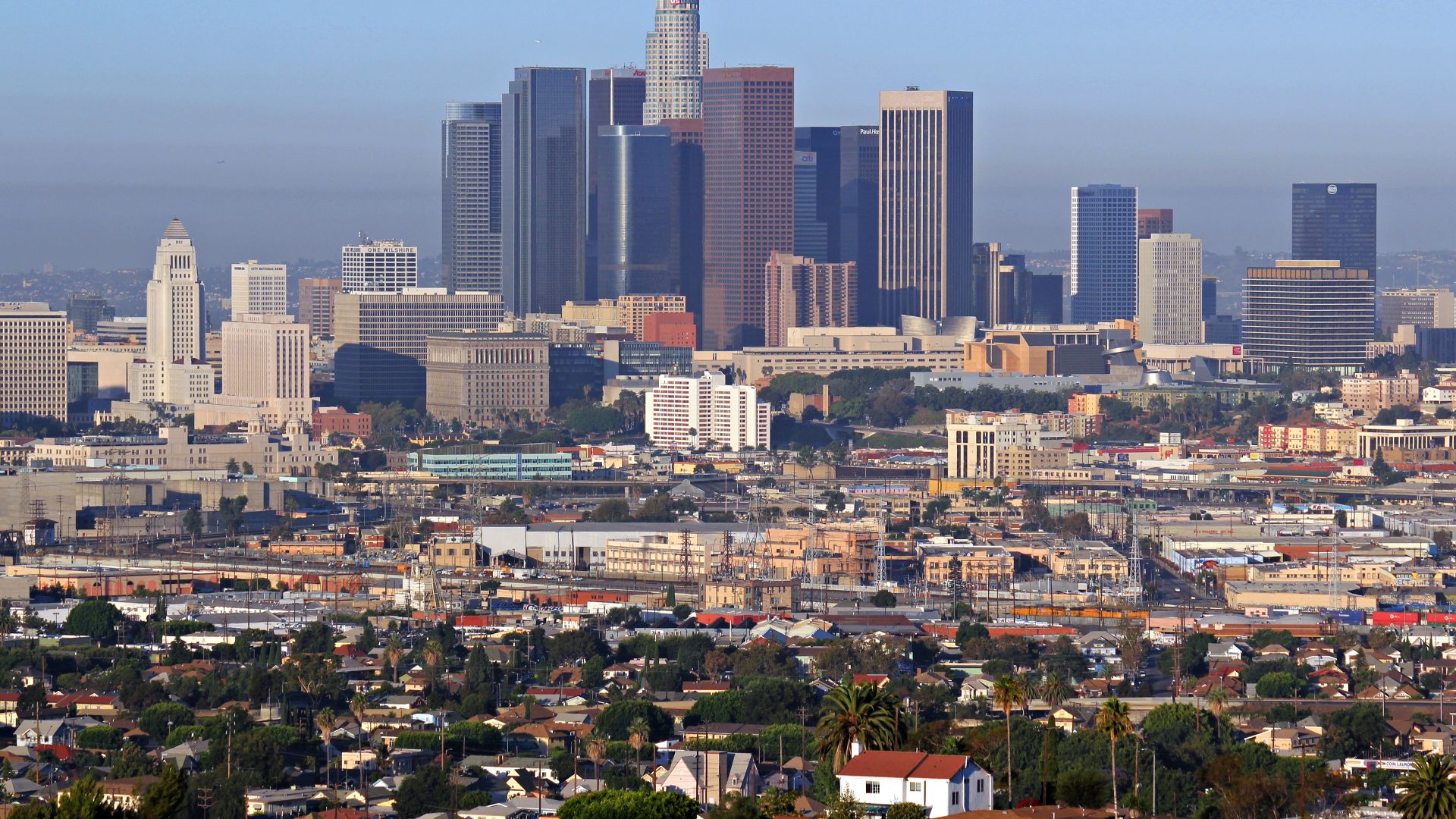
10. Los Angeles
When celebrities wear LA designers on red carpets, millions of eyes follow instantly. Los Angeles's fashion influence derives from entertainment industry proximity and celebrity culture rather than conventional fashion week infrastructure. Homegrown brands, including Re/Done and Reformation, built loyal followings.
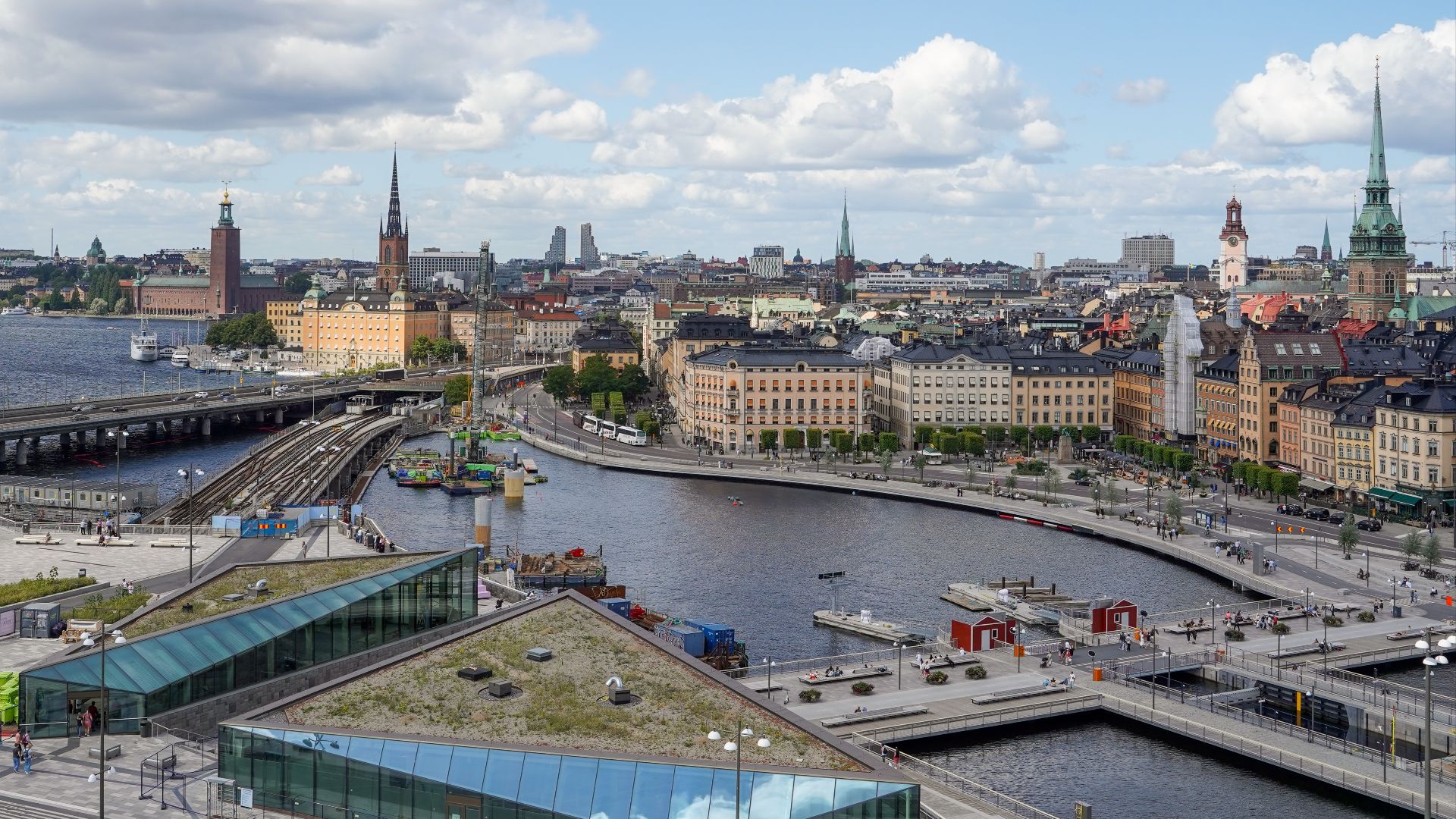
11. Stockholm
Acne Studios' mohair checked rainbow scarf became TikTok's cult item of 2024, with #acnescarf garnering about 4.5 million views and proving Stockholm's unexpected viral power. Founded by Jonny Johansson in 1996, Acne Studios transformed Stockholm into a globally recognized fashion powerhouse.
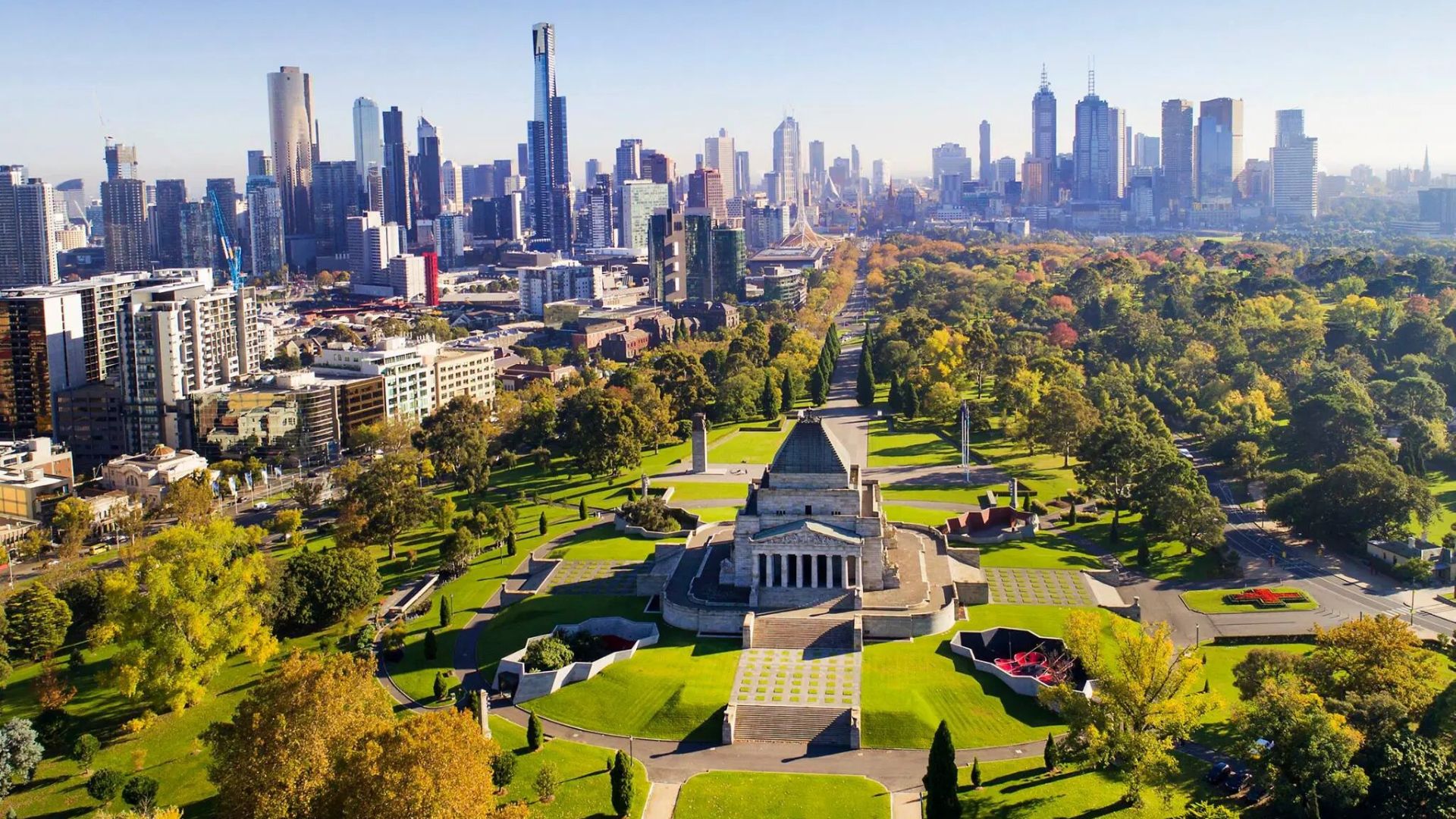
12. Melbourne
Apparently, Melbourne Fashion Week launched in 1994 as Australia's first-ever fashion week event, predating even Sydney's offerings. The City of Melbourne owns and funds the event specifically to cement the city's position as Australia's fashion capital, achieving carbon-neutral certification.
13. Barcelona
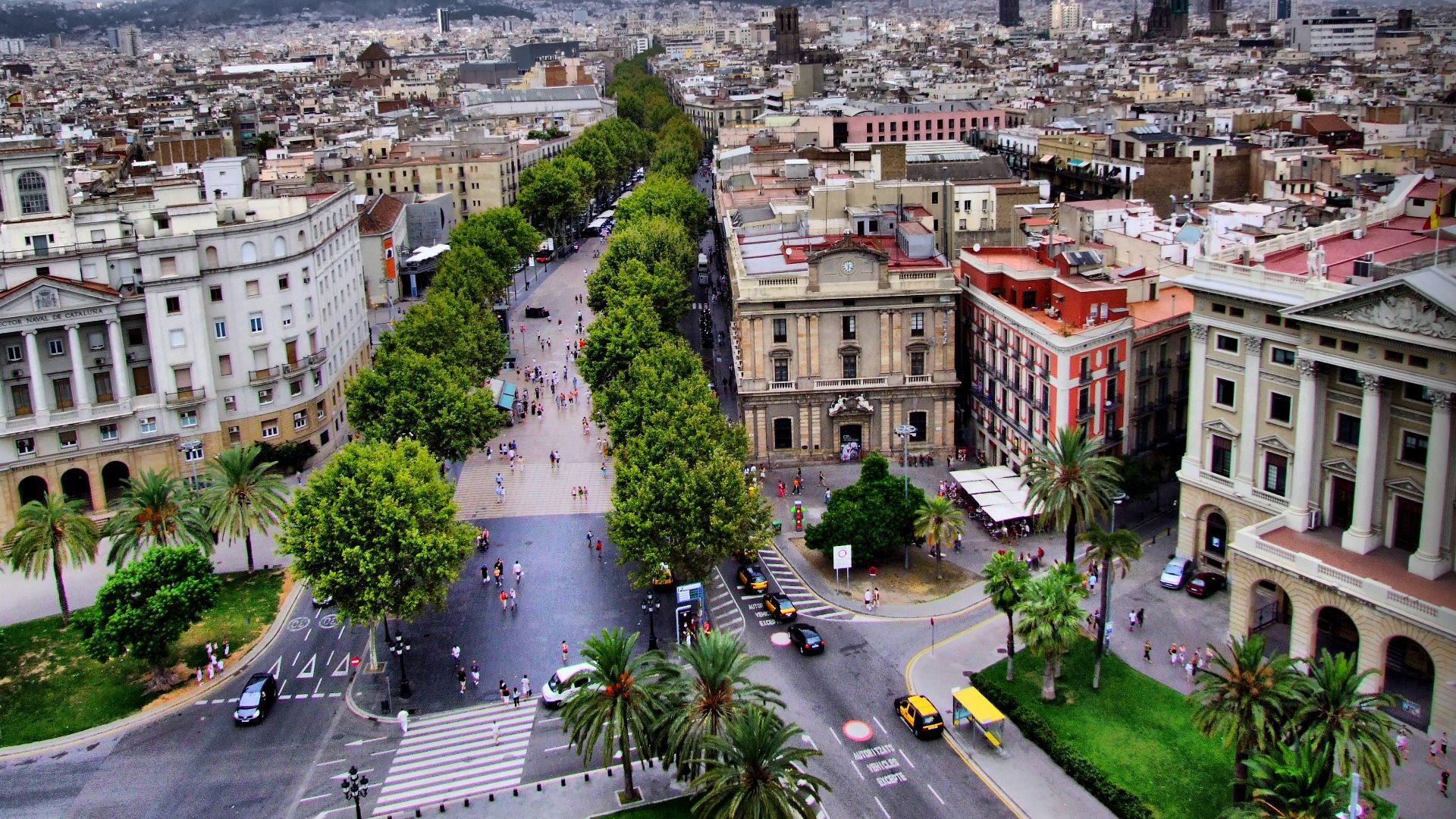
Gaudí's organic architectural forms and Mediterranean vibrancy infuse Barcelona's fashion DNA with a distinctive character that sets it apart from other European capitals. 080 Barcelona Fashion, established in 2007, showcases Catalan designers who balance avant-garde experimentation with wearable elegance.
14. Amsterdam
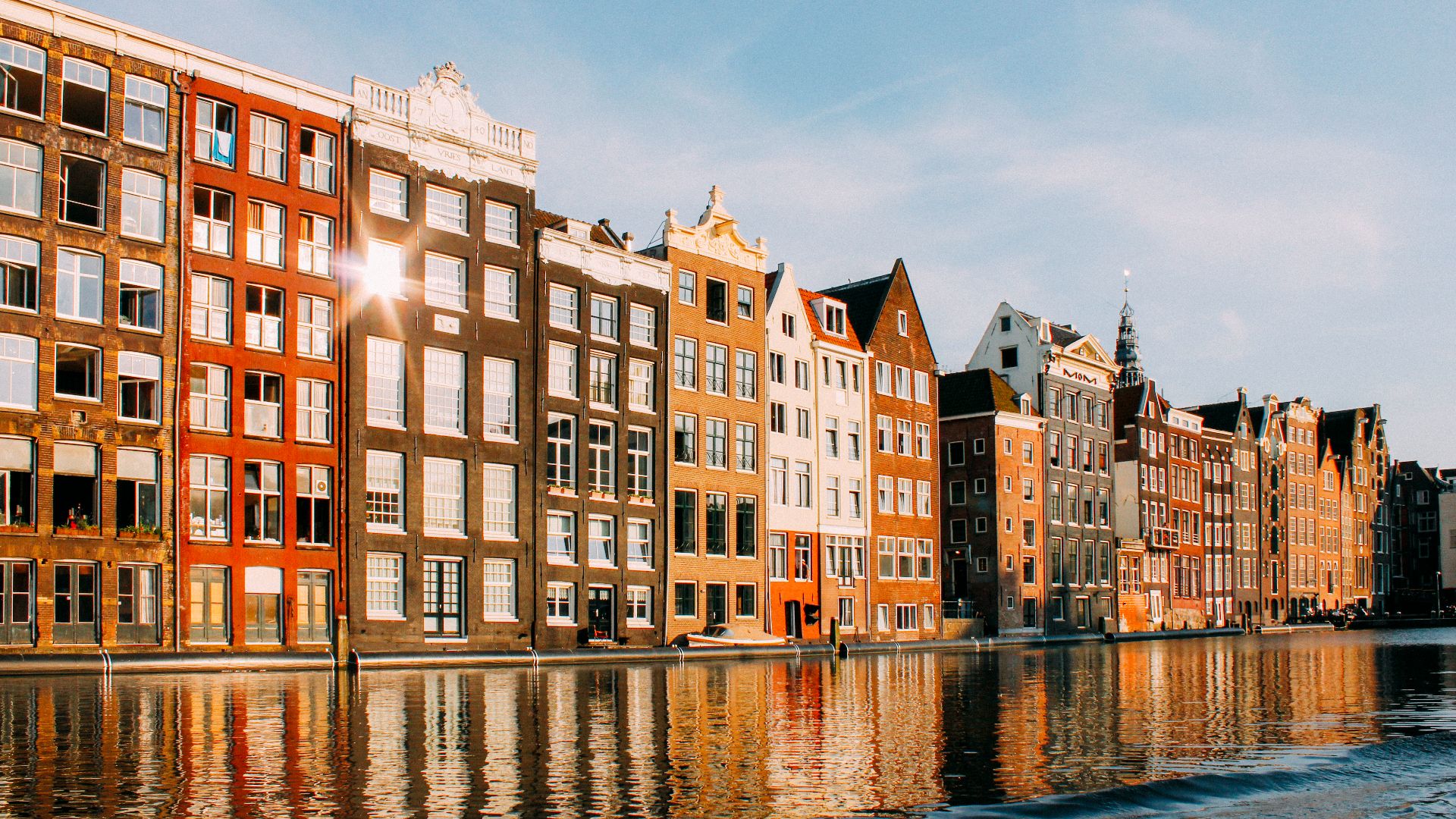
Amsterdam Fashion Week embraced sustainability and circular fashion early. Locals mix tailored silhouettes with relaxed layering, often biking to work in outfits that look editorial-ready. Besides, Dutch designers Viktor & Rolf and Iris van Herpen have elevated Amsterdam's international reputation through conceptual innovation.
 Javier M. jmelpri on Wikimedia
15. Florence
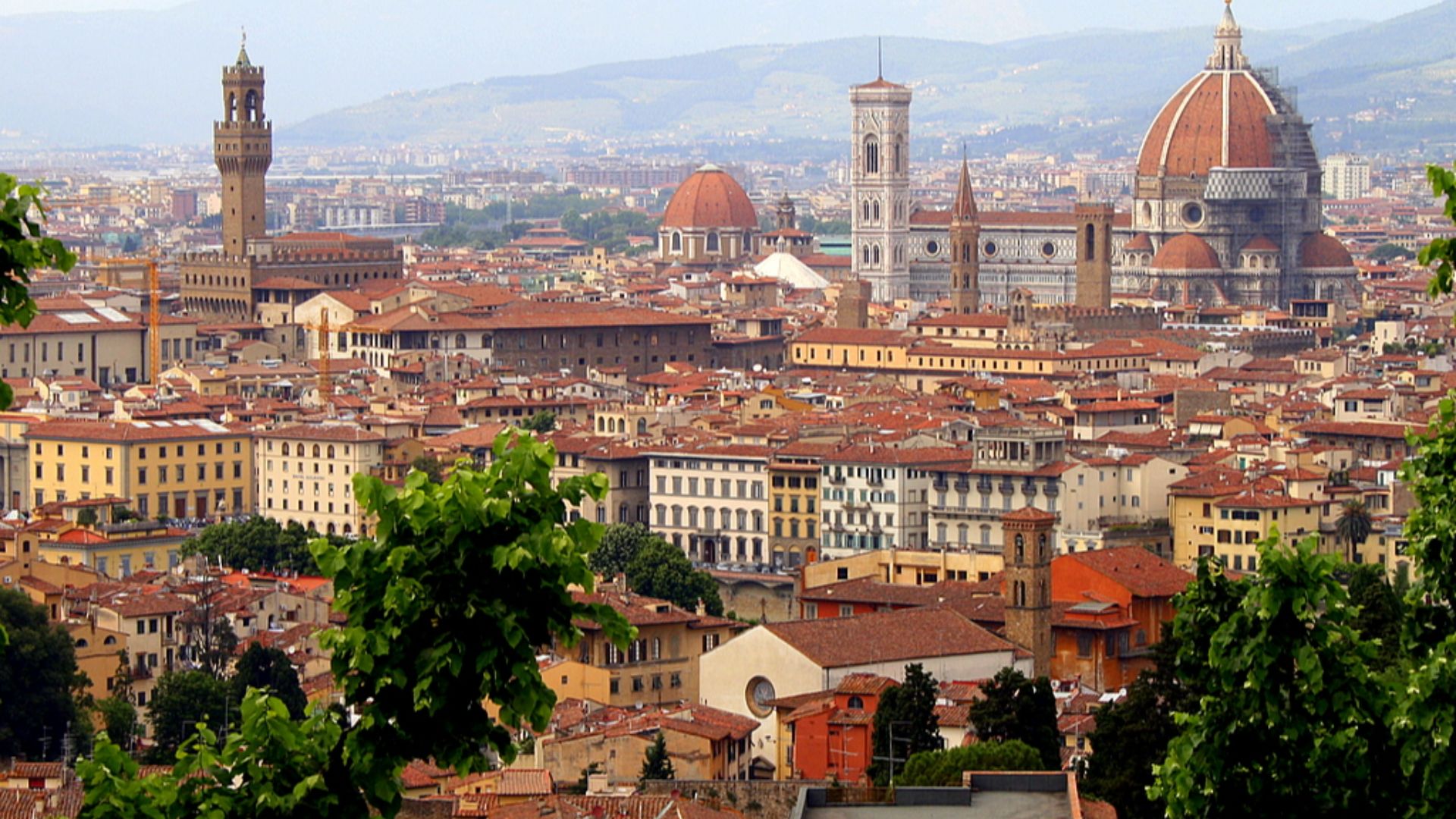
Entrepreneur Giovanni Battista Giorgini hosted amazing fashion shows at Palazzo Pitti during the 1950s–60s, establishing Florence as Italy's original fashion capital before Milan's infrastructure takeover. Pitti Uomo, established in 1972, became the world's most important menswear trade show.
16. Shanghai
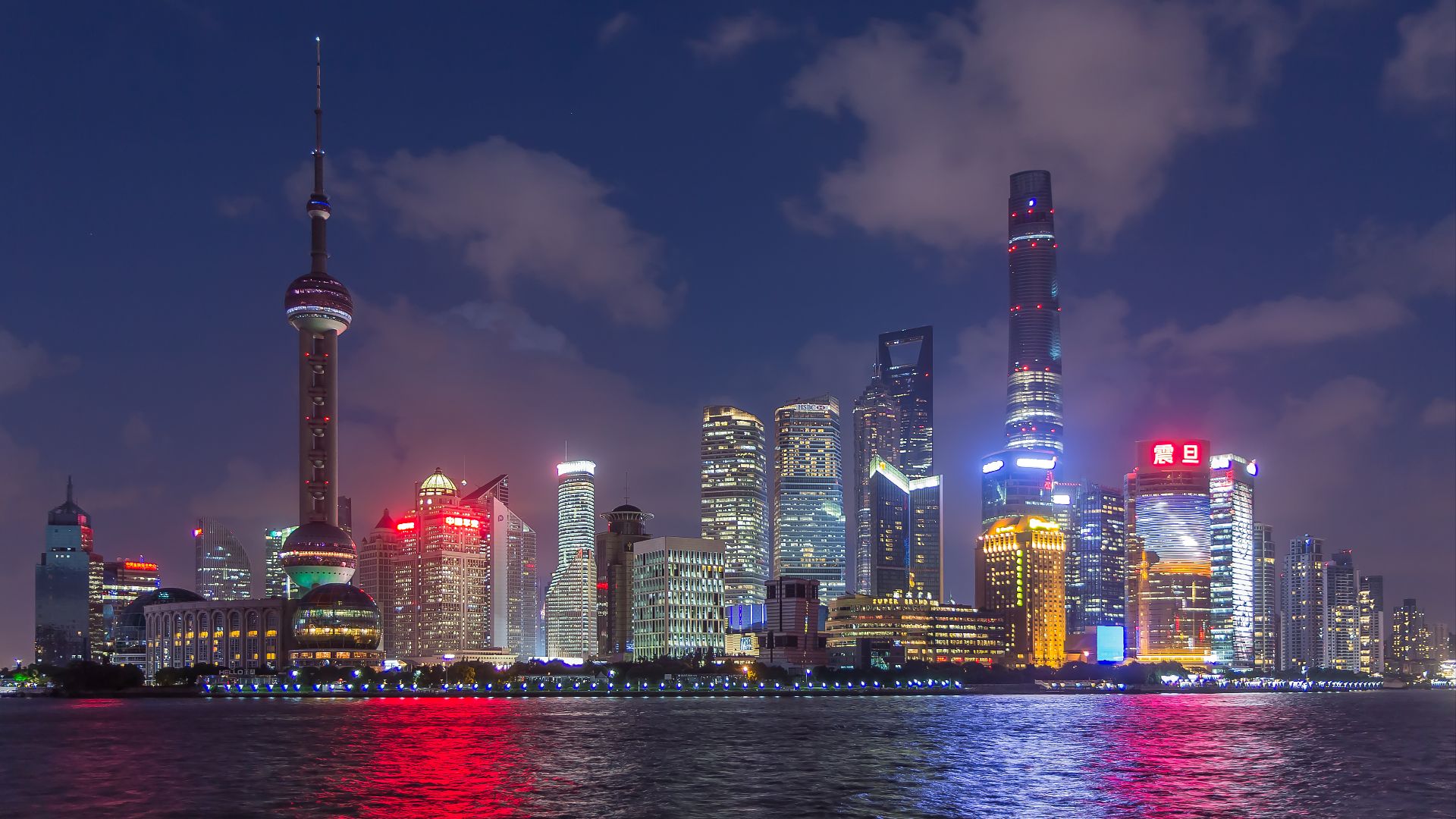
Chinese luxury consumption drives Shanghai's significance as domestic consumers increasingly support homegrown designers like Angel Chen, Shushu/Tong, and Xu Zhi, who reinterpret traditional Chinese elements through contemporary lenses. The city accounts for substantial portions of global luxury sales.
17. Hong Kong
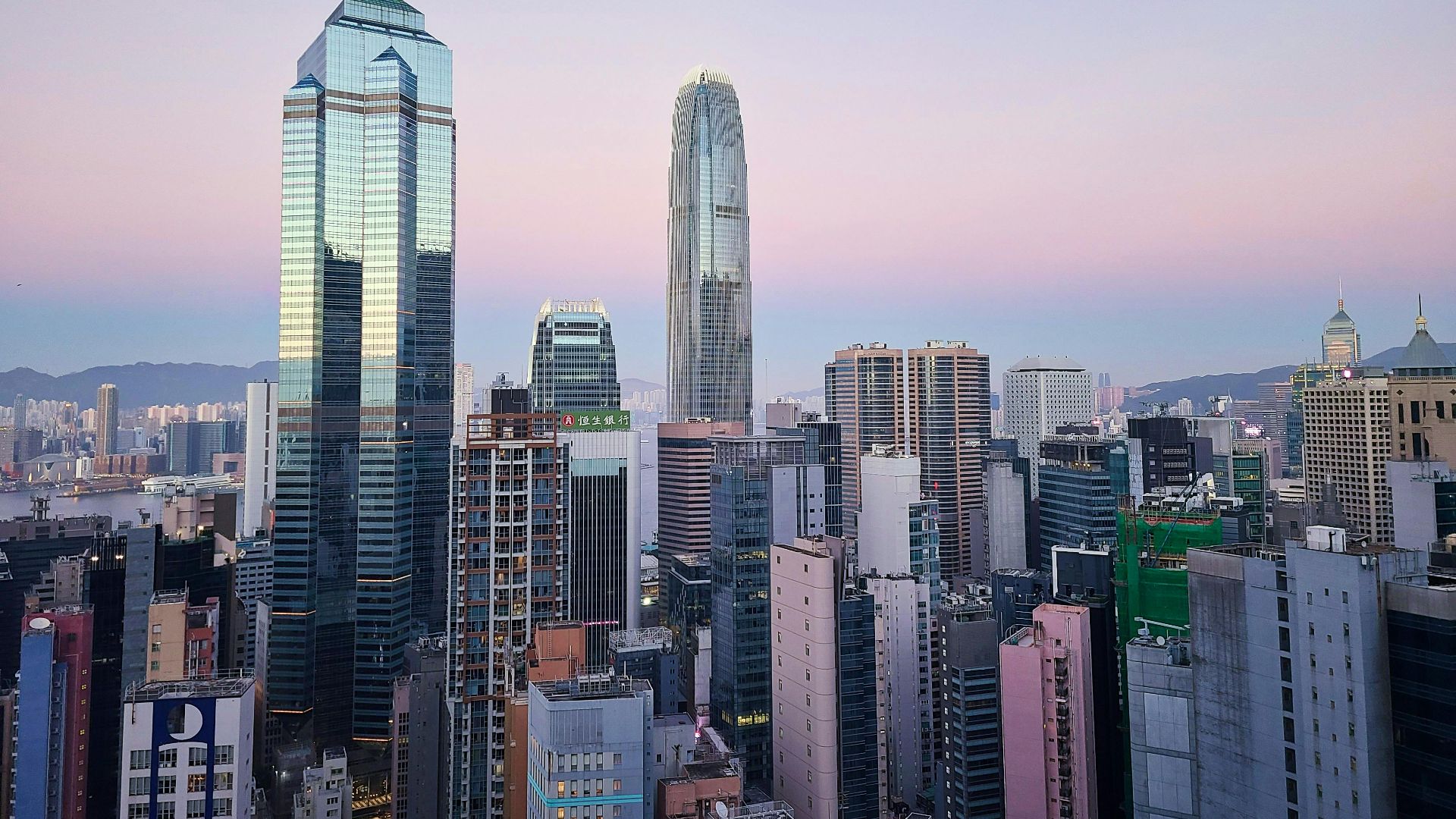
British colonial heritage fused with Chinese entrepreneurship created Hong Kong's unique position as Asia's luxury retail hub, where brands like Joyce pioneered multi-brand boutique retail in the 1970s. This is one of Asia's largest fashion trade shows, focusing on sourcing and manufacturing.
18. Singapore
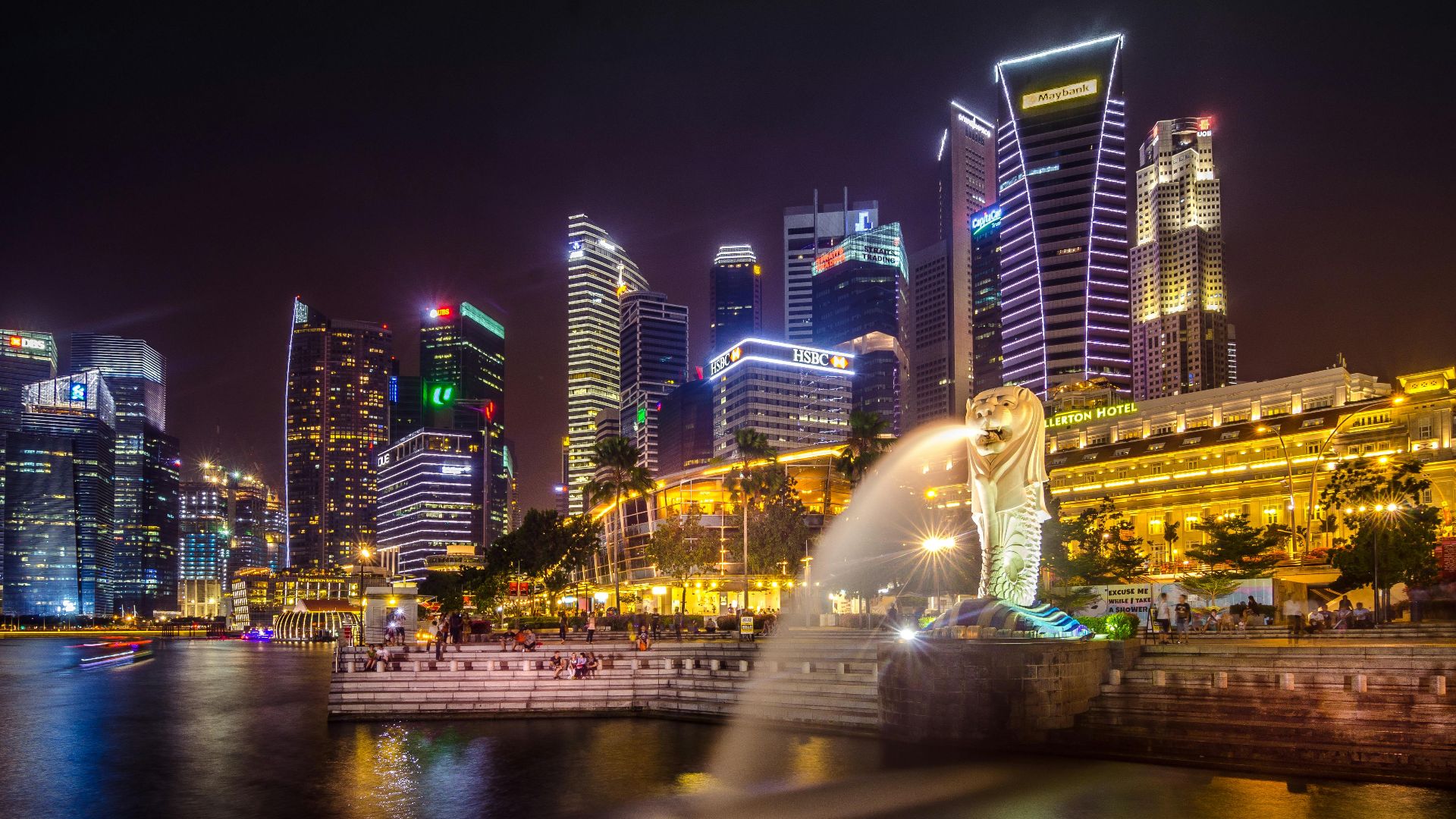
The strategic location of Singapore as Southeast Asia's luxury retail capital, with Orchard Road's gleaming malls attracting fashion tourists spending billions annually. Singapore Fashion Week showcases primarily regional Asian designers alongside established international brands, mirroring the city-state's multicultural identity.
19. Madrid
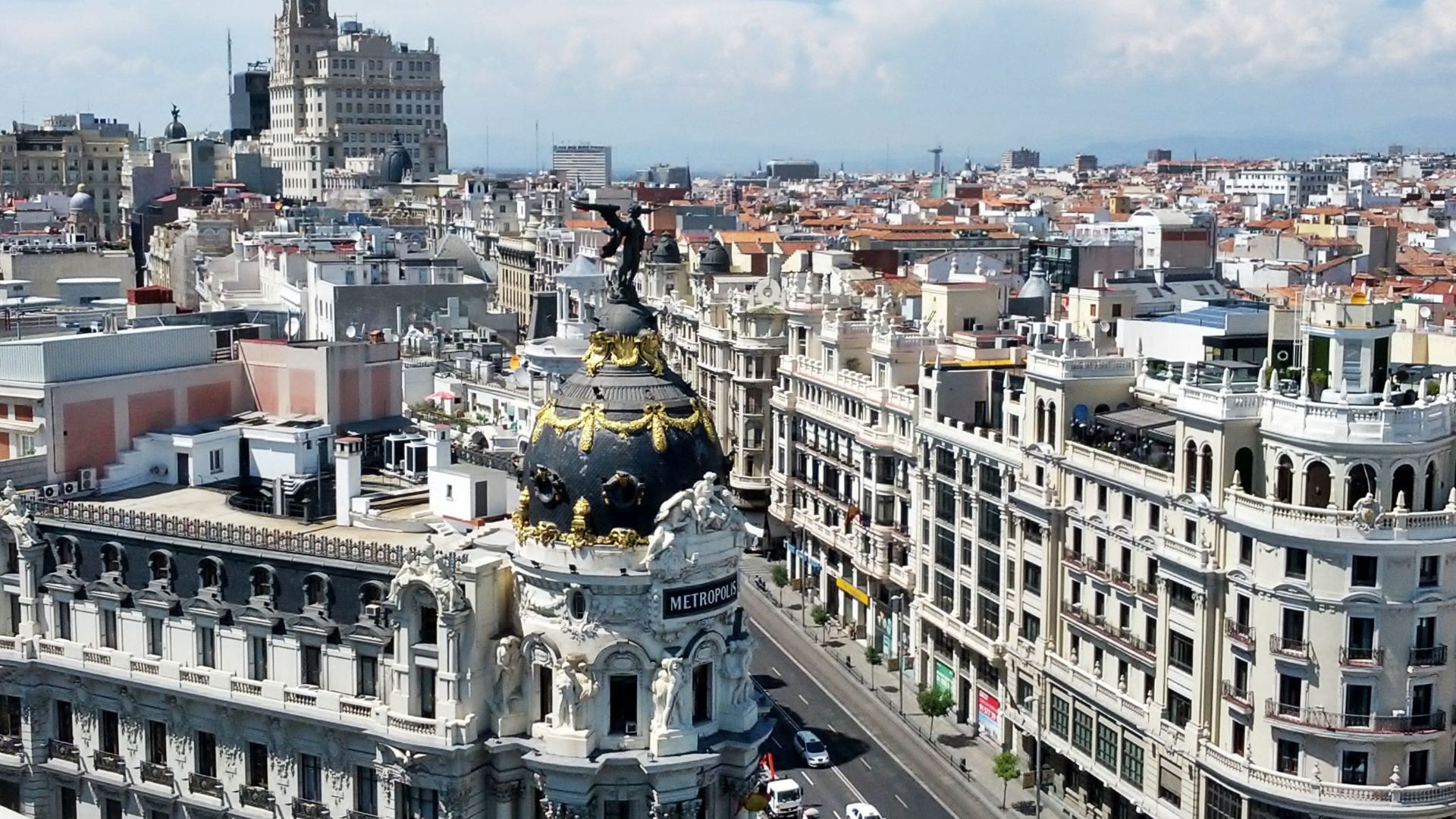
September brings Madrid Fashion Week, where Spanish creativity explodes through designers who favor bold prints, dramatic silhouettes, and unapologetic femininity that contrasts with Parisian restraint. Brands like Loewe, under Jonathan Anderson's creative direction since 2013, demonstrate Madrid's historic fashion influence.
20. São Paulo
São Paulo Fashion Week (SPFW) launched in 1996 and showcases over 30 brands to audiences of 100,000 or more each season. Brazilian designers celebrate body diversity and sensuality through collections featuring bold colors, tropical prints, and innovative textile techniques.