The Islands Where Ports Tried To Stop Disease
Quarantine islands have a particular kind of atmosphere, even on the page. They sit just offshore, close enough to see the city they were meant to protect, but far enough away to feel like a line had been physically drawn in the water. For centuries, they were the places where ships waited, passengers were inspected, cargo was aired out, and fear became architecture. Some are parks now, some are ruins, some are museums, and some still carry that uneasy sense of having once been built for separation first and comfort never. Here are 20 quarantine islands that still exist, and still hold that history in plain view.
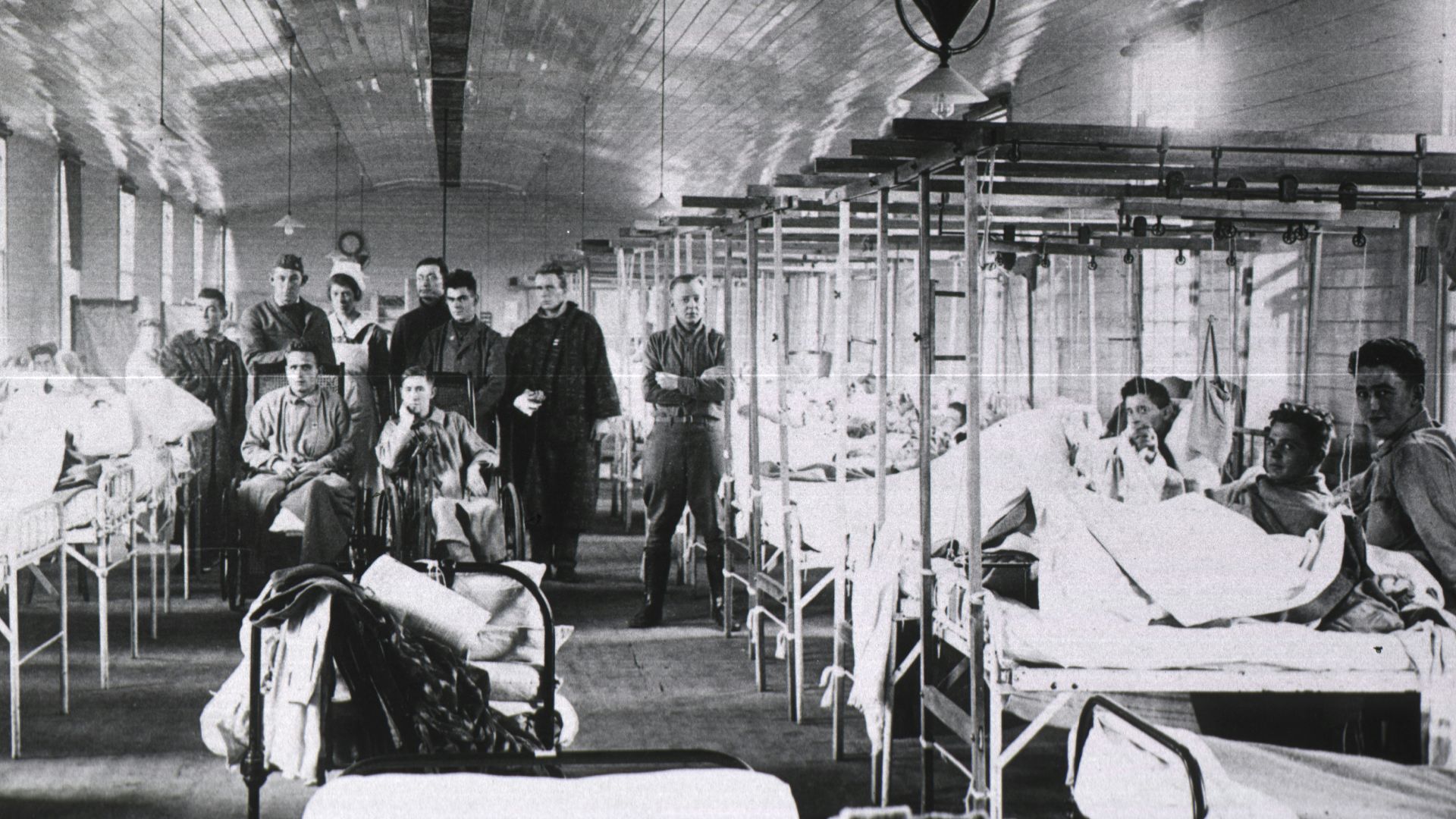 National Library of Medicine on Unsplash
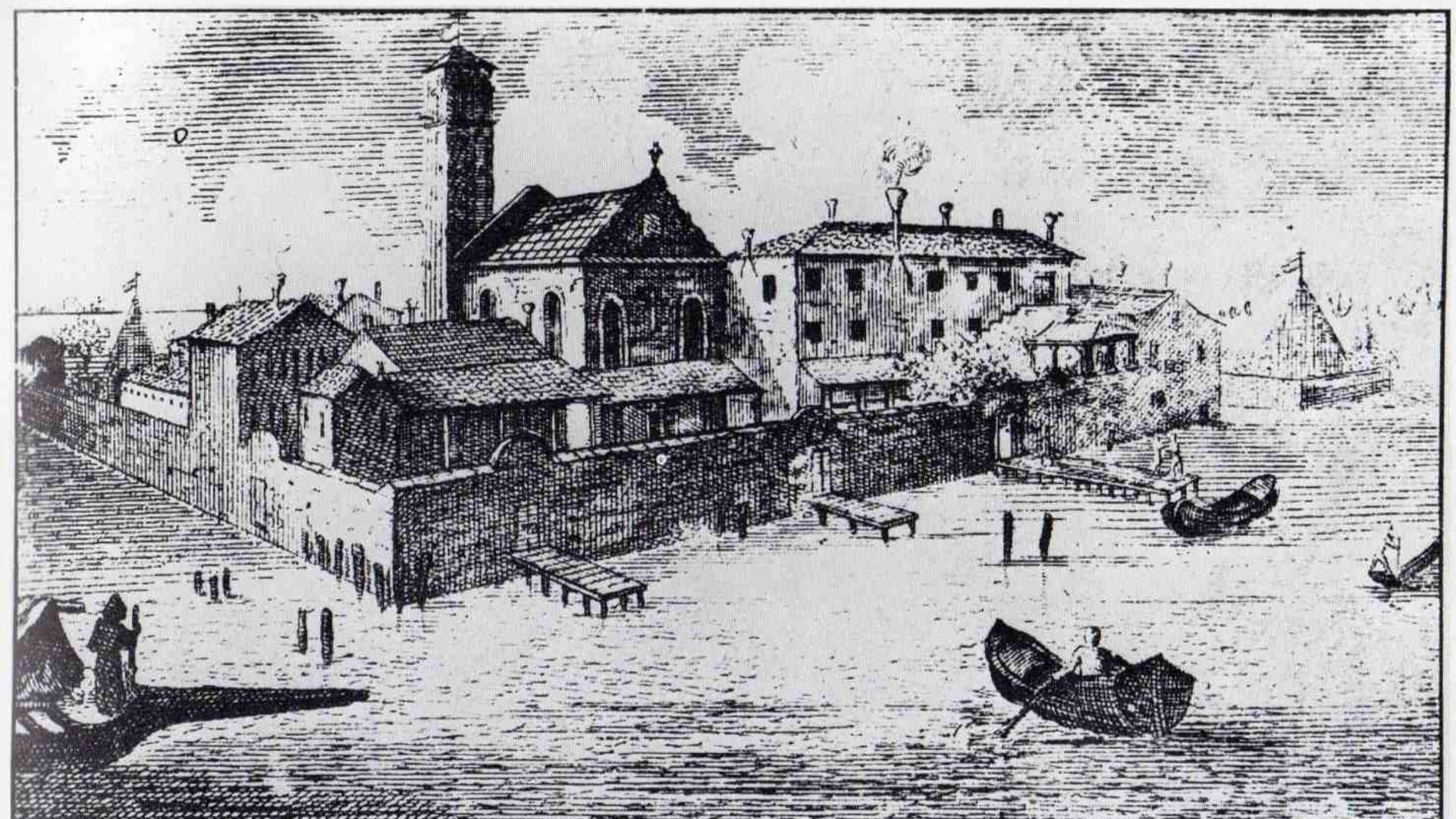
1. Lazzaretto Vecchio
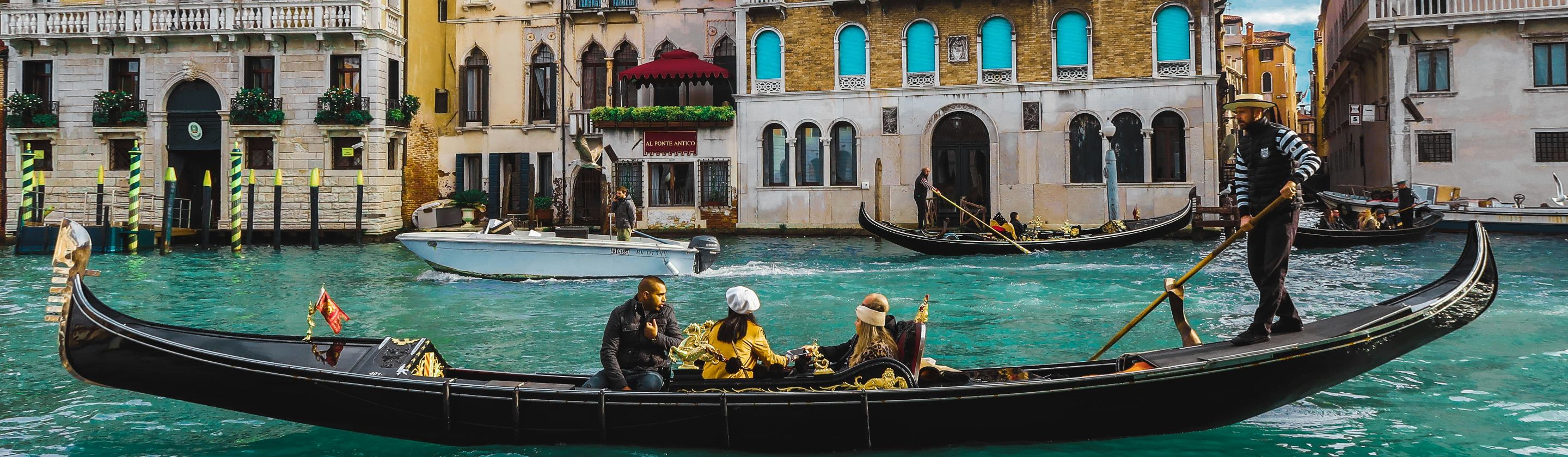
Venice set up its first permanent quarantine station here in 1423, which is why this little lagoon island matters so much more than its size suggests. It still exists near the Lido, and even now it feels like the prototype for the quarantine island as Europe came to know it.
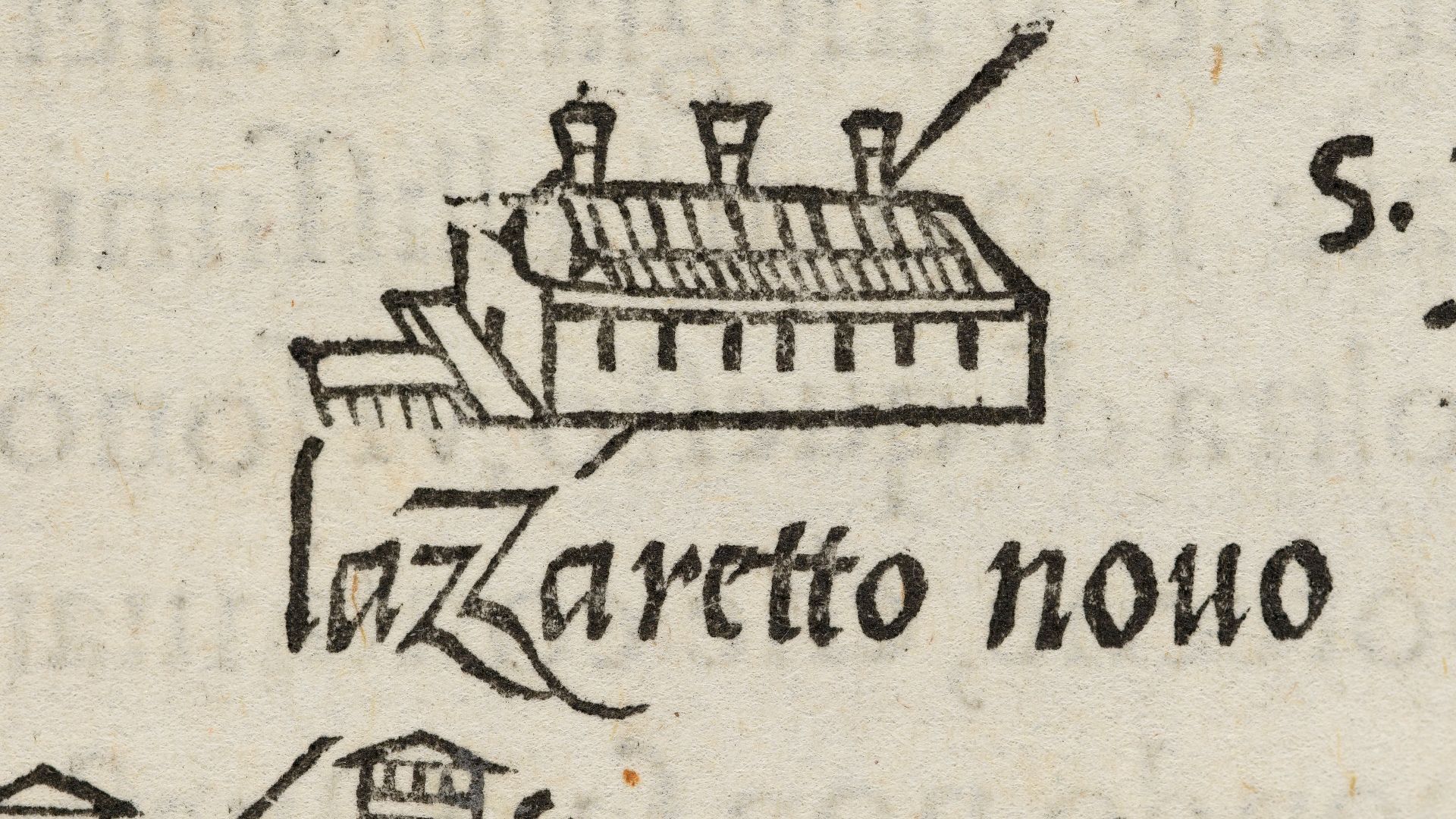
2. Lazzaretto Nuovo
If Lazzaretto Vecchio feels like the beginning, Lazzaretto Nuovo feels like quarantine turned into a full system. For centuries, Venice used it to isolate crews and disinfect cargo, and today the island survives as one of those rare places where public health history and lagoon landscape still sit side by side.
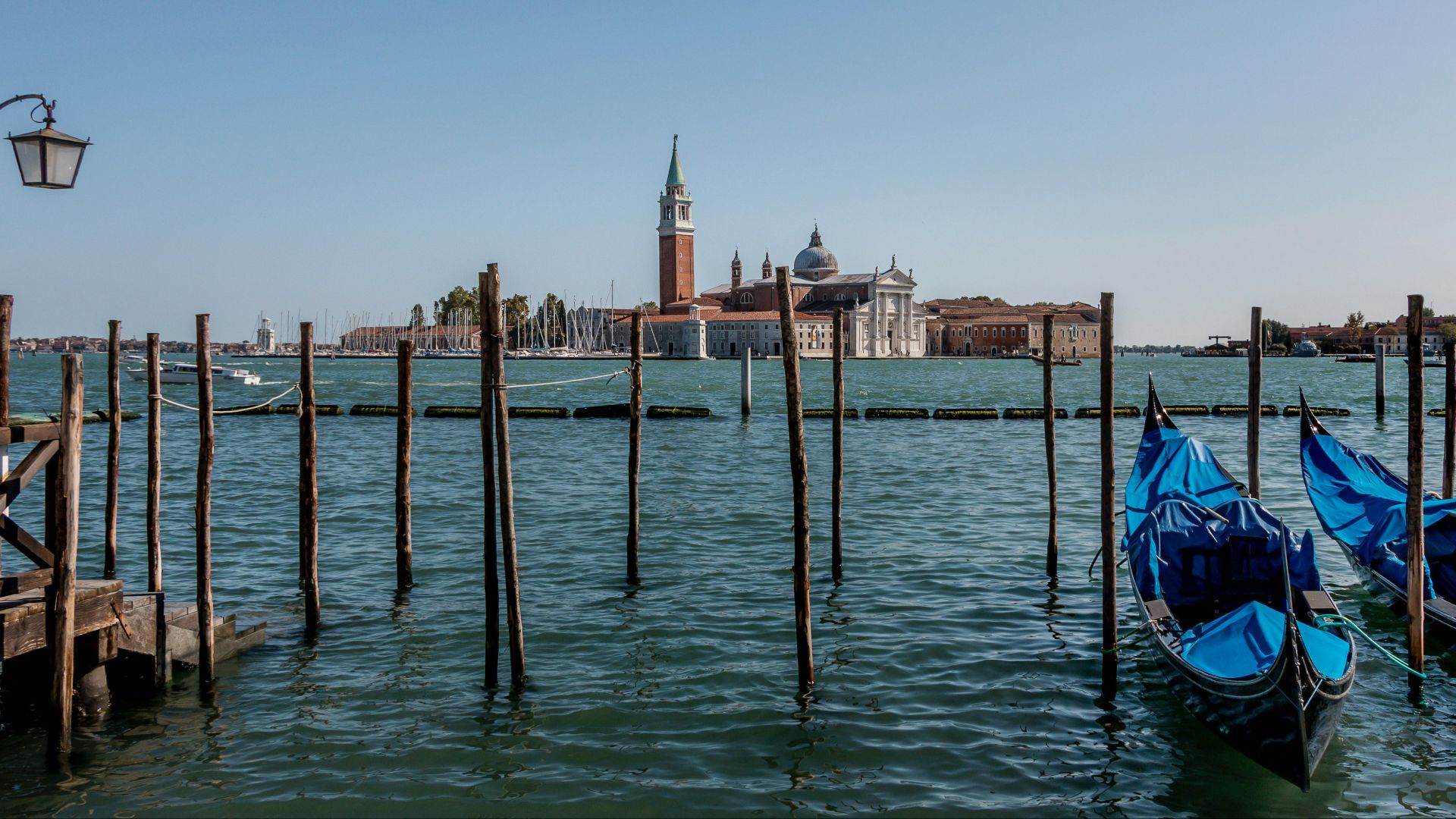
3. Poveglia
Poveglia gets wrapped in ghost stories now, but the more interesting truth is that it was used as a quarantine island in the Venetian lagoon for incoming ships and goods. It still exists, abandoned and eerily visible, which is probably why people keep projecting so much onto it.
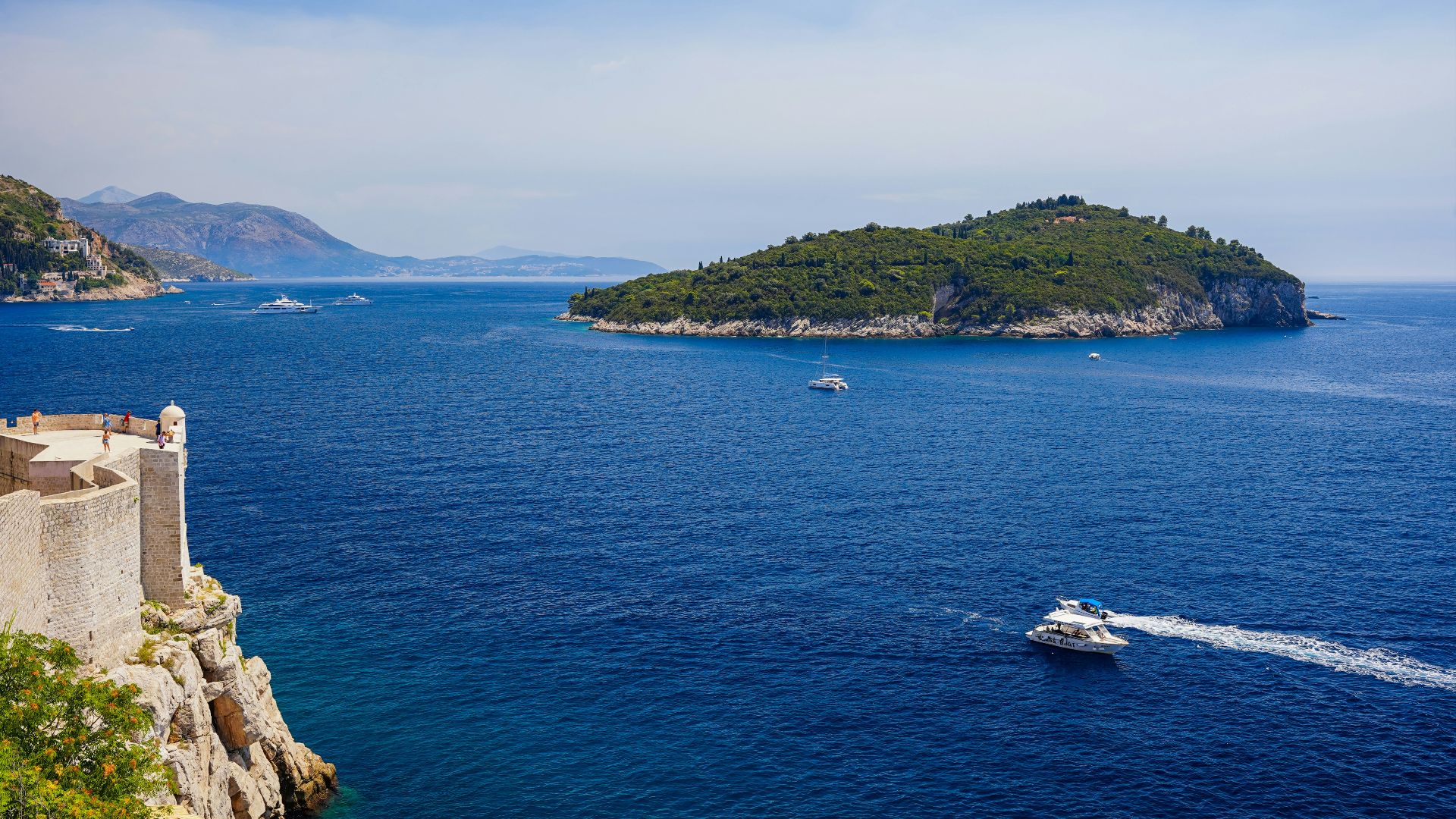
4. Lokrum
Just off Dubrovnik, Lokrum is better known now as a lush day-trip island, but it also carried quarantine history in the old Adriatic system that used nearby islands for isolation. That contrast is part of what makes it memorable: peacocks, trees, monastery ruins, and the lingering afterimage of maritime disease control.
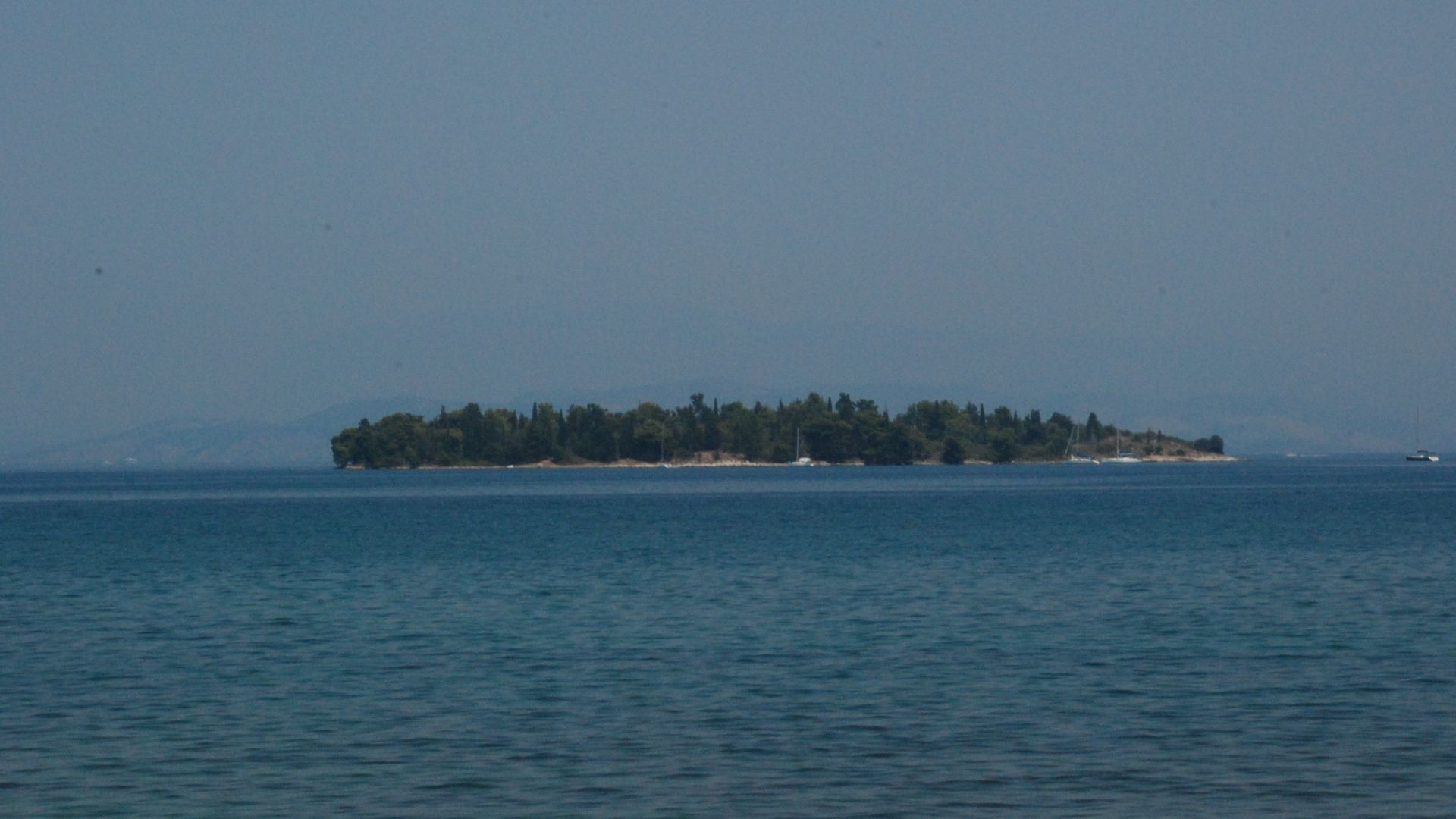
5. Lazareto, Corfu
The name practically gives the story away. This tiny island near Corfu served as the island’s quarantine quarters under Venetian rule, and today it still sits there, uninhabited, with the sort of compact, layered history small islands seem unusually good at holding.
 Antonio Manfredonio on Wikimedia
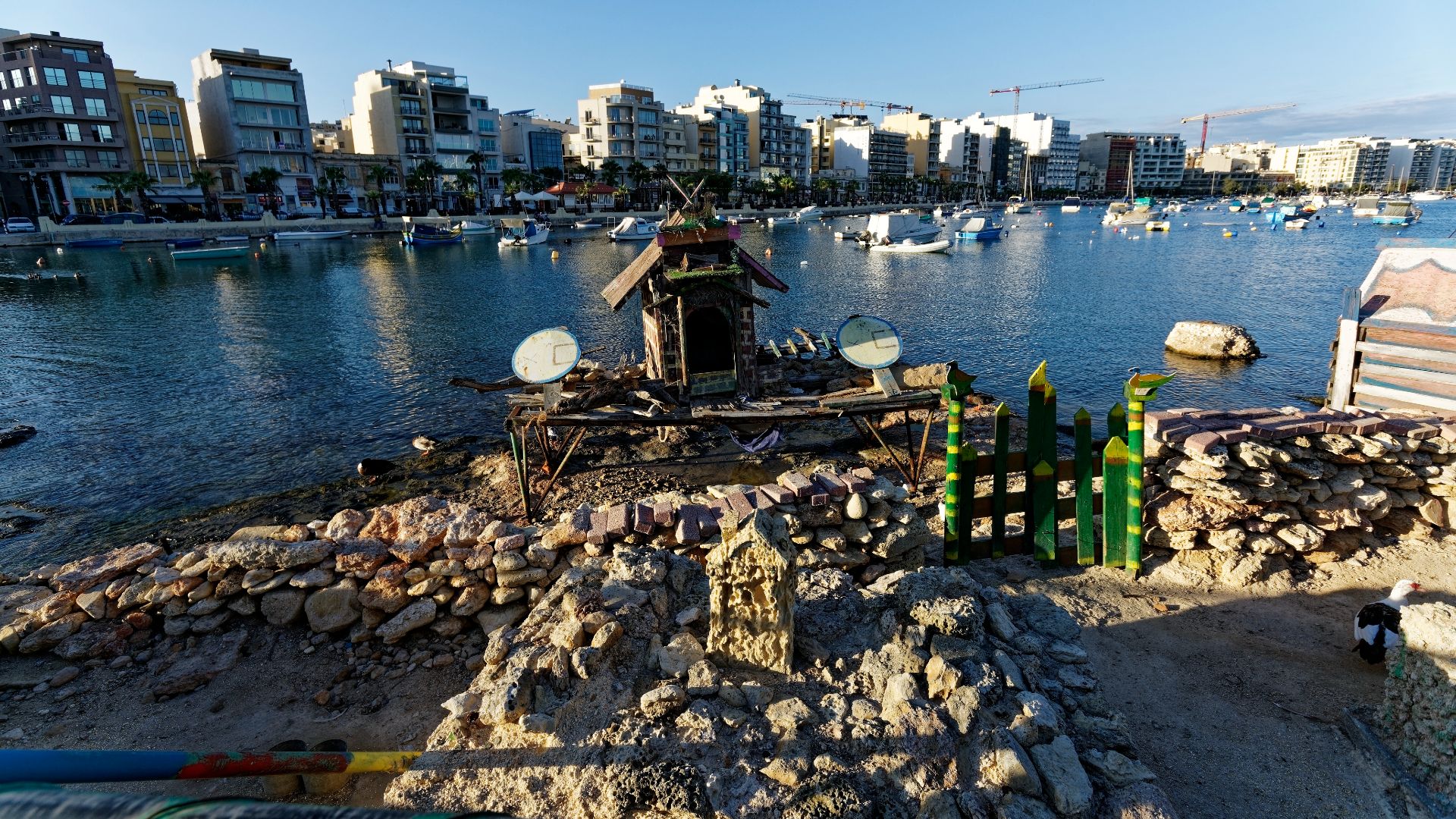
6. Manoel Island
Malta’s quarantine history is old and serious, and Manoel Island became one of its most important lazaretto sites. The island and its surviving complex are still there in Marsamxett Harbour, which makes it one of those places where the old logic of isolation is still legible in stone.
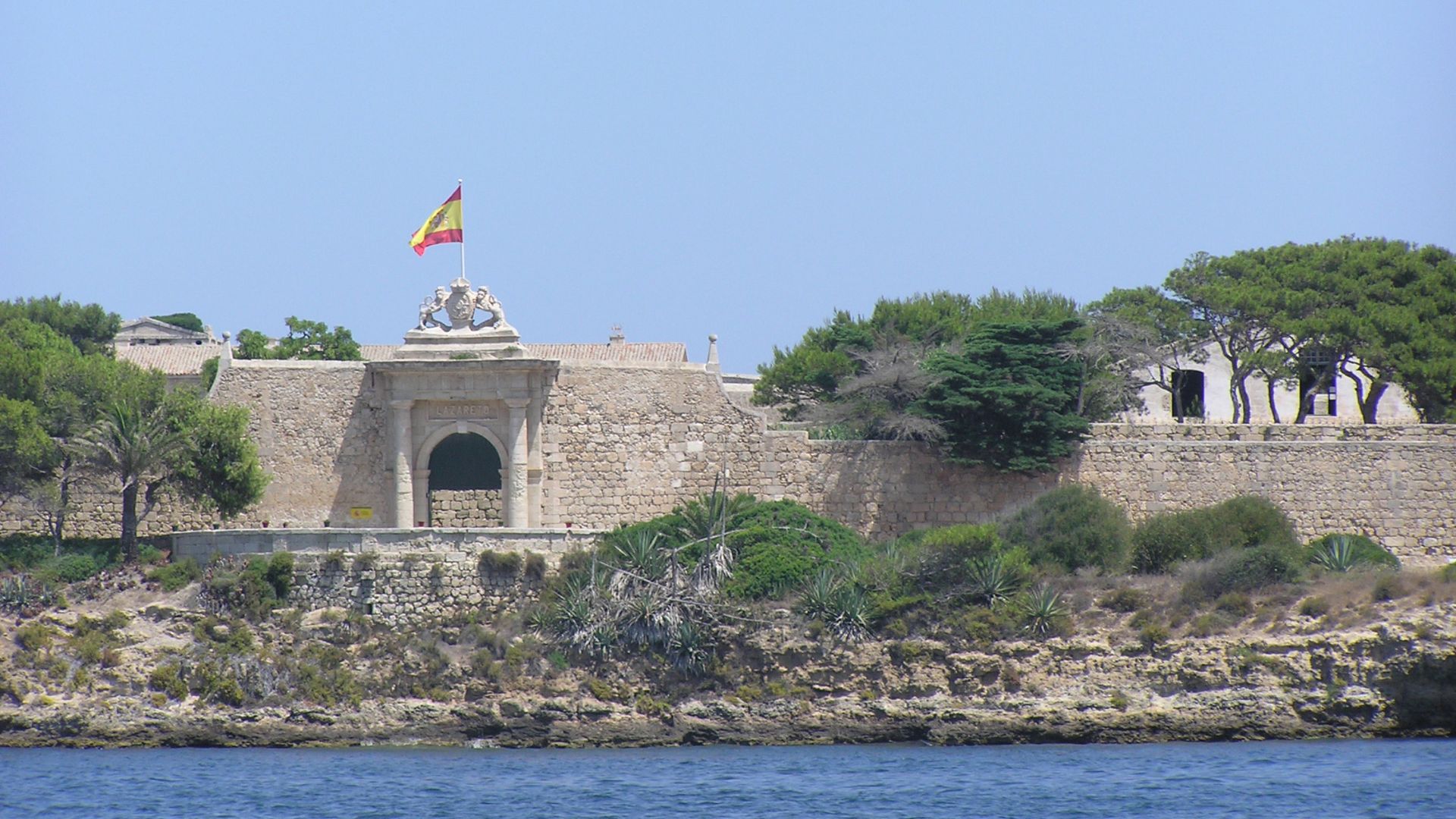
7. Llatzaret de Maó
In Menorca’s harbor, this island was turned into a purpose-built quarantine fortress in the late 18th and early 19th centuries. It still exists as a striking, self-contained place, the kind of island that makes you realize quarantine once needed kitchens, walls, watchtowers, and a full operating system of its own.
8. Grosse Île
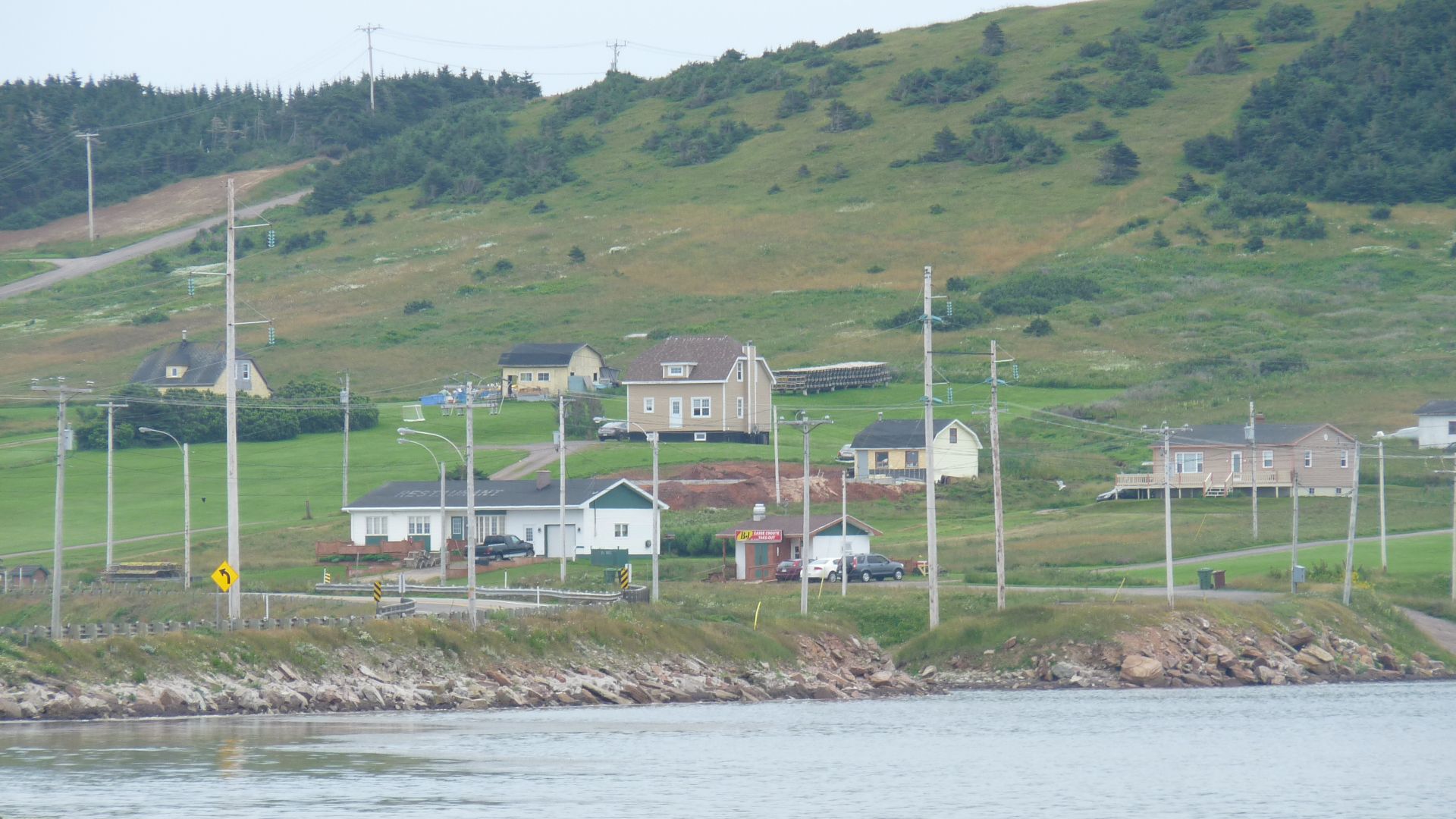
Grosse Île, in the St. Lawrence, is one of the most emotionally charged quarantine islands in North America. It still exists as a National Historic Site, remembered especially for the 1847 typhus crisis that turned it into both a gateway and a graveyard for Irish immigrants.
9. Partridge Island
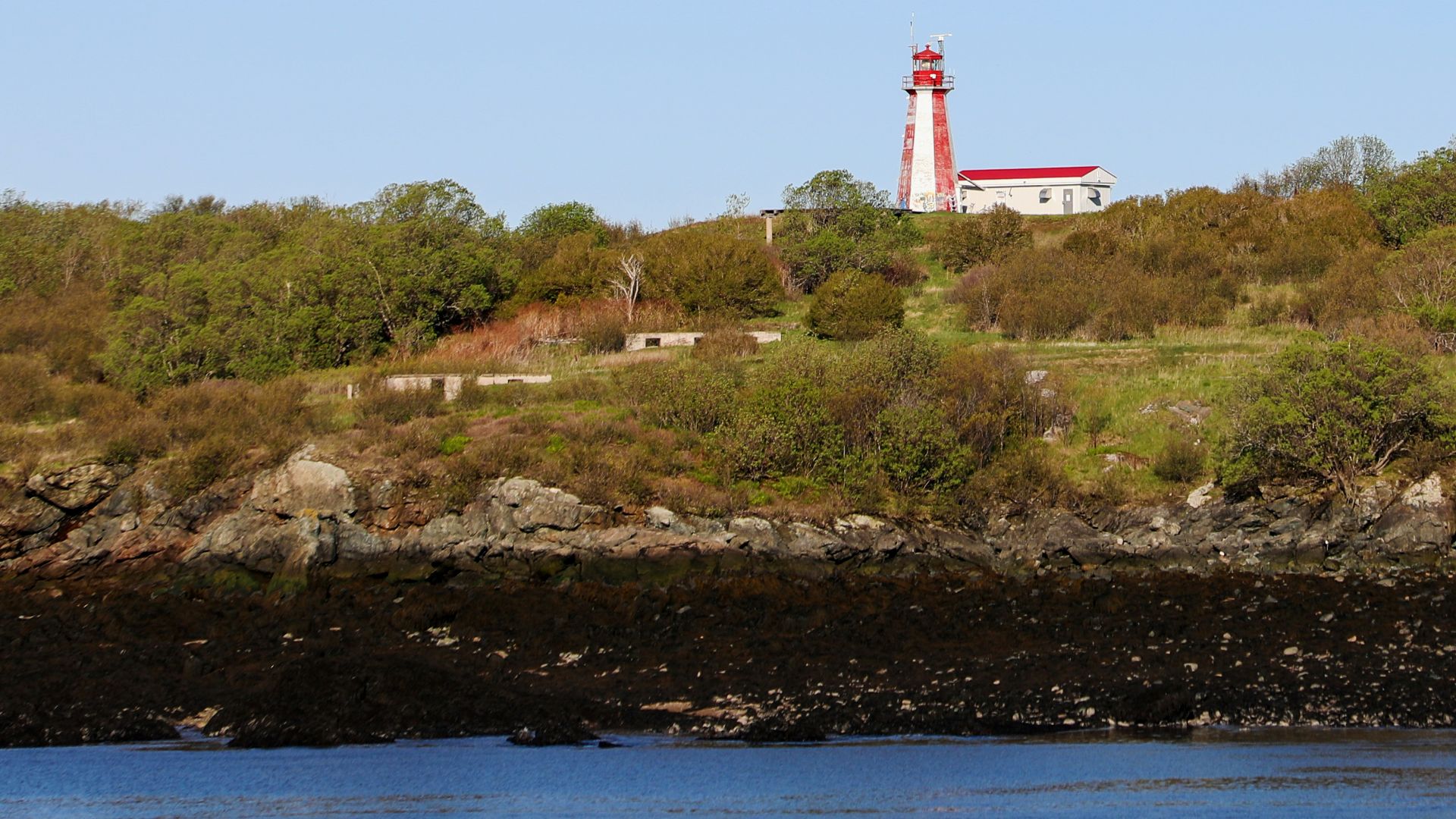
At the mouth of Saint John Harbour, Partridge Island handled quarantine traffic for a long stretch of Atlantic immigration history. The island still exists, and what remains there keeps the old role visible: not just scenic harbor land, but a checkpoint where disease and migration were sorted together.
 Michael & Diane Weidner on Unsplash
10. Hoffman Island
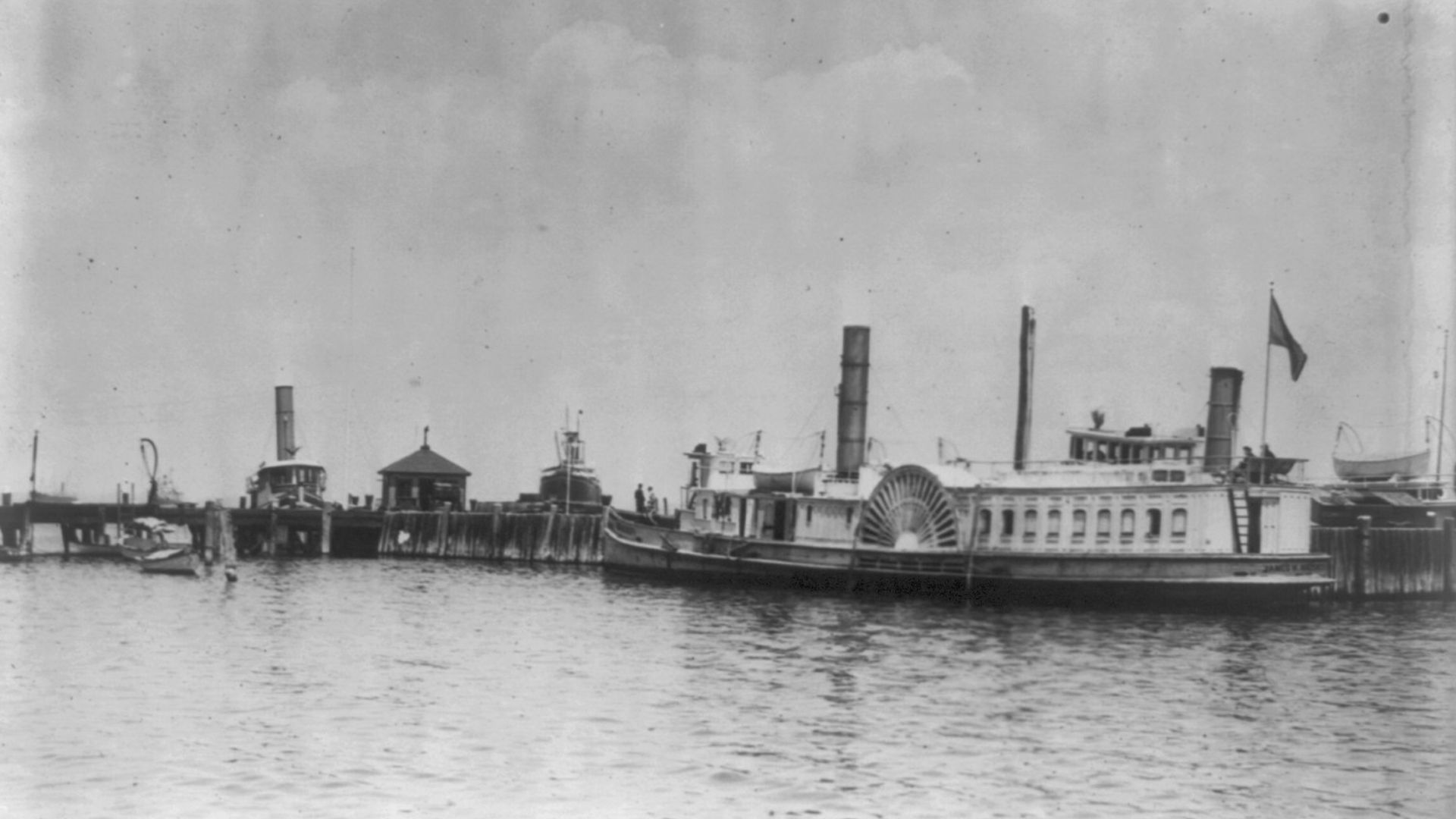
New York Harbor once pushed quarantine outward, and Hoffman Island was part of that effort. Built up in the 1870s, it still exists as one of the city’s purpose-made quarantine islands, a reminder that even New York chose isolation by water when disease felt close.
 George Grantham Bain Collection on Wikimedia
11. Swinburne Island
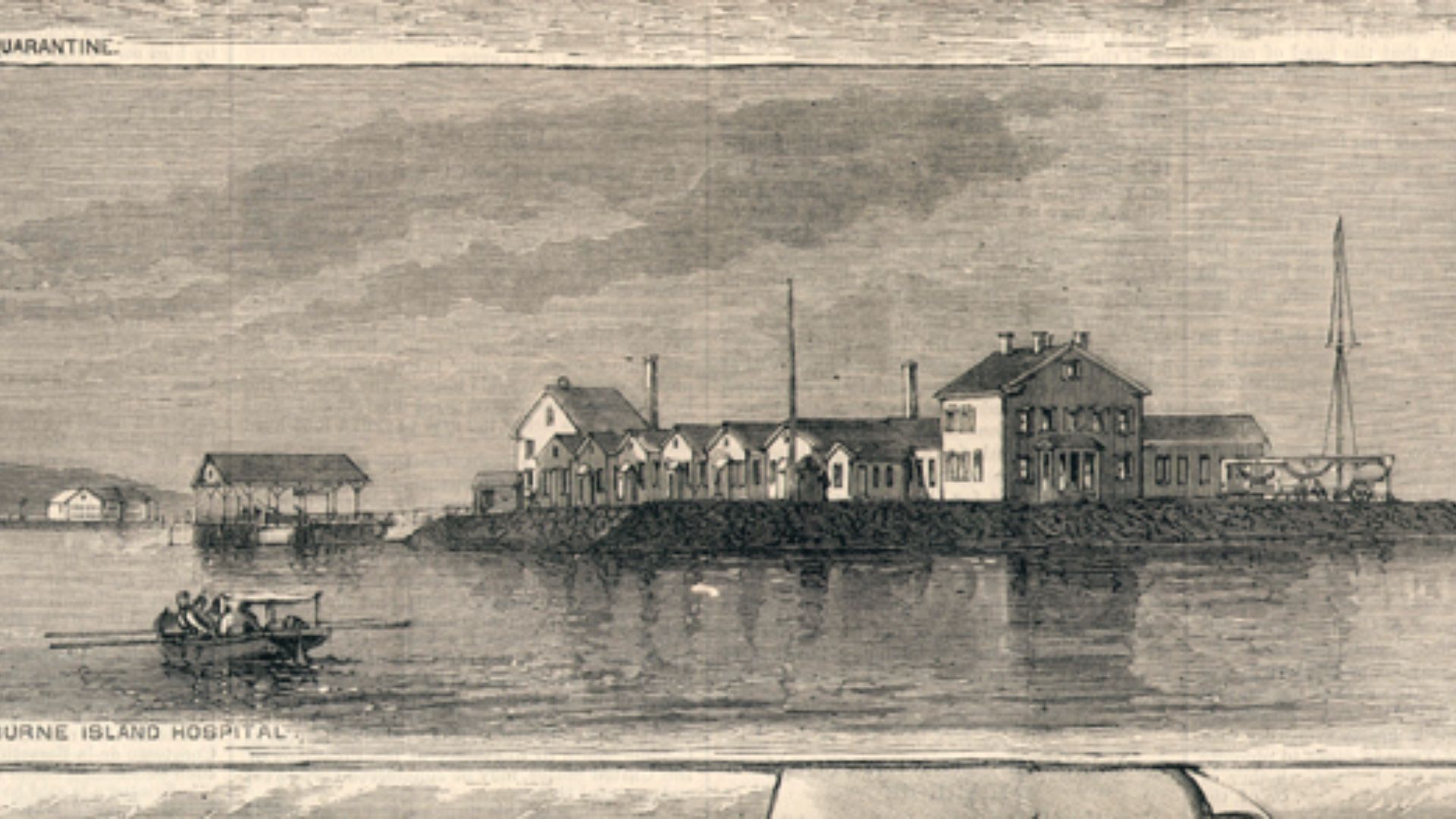
Swinburne was Hoffman’s counterpart, with one island used for the sick and the other for those merely exposed. It still survives in the harbor, and the pair together have a strangely tidy, almost bureaucratic neatness that says a lot about how industrial-era quarantine worked.
12. Angel Island
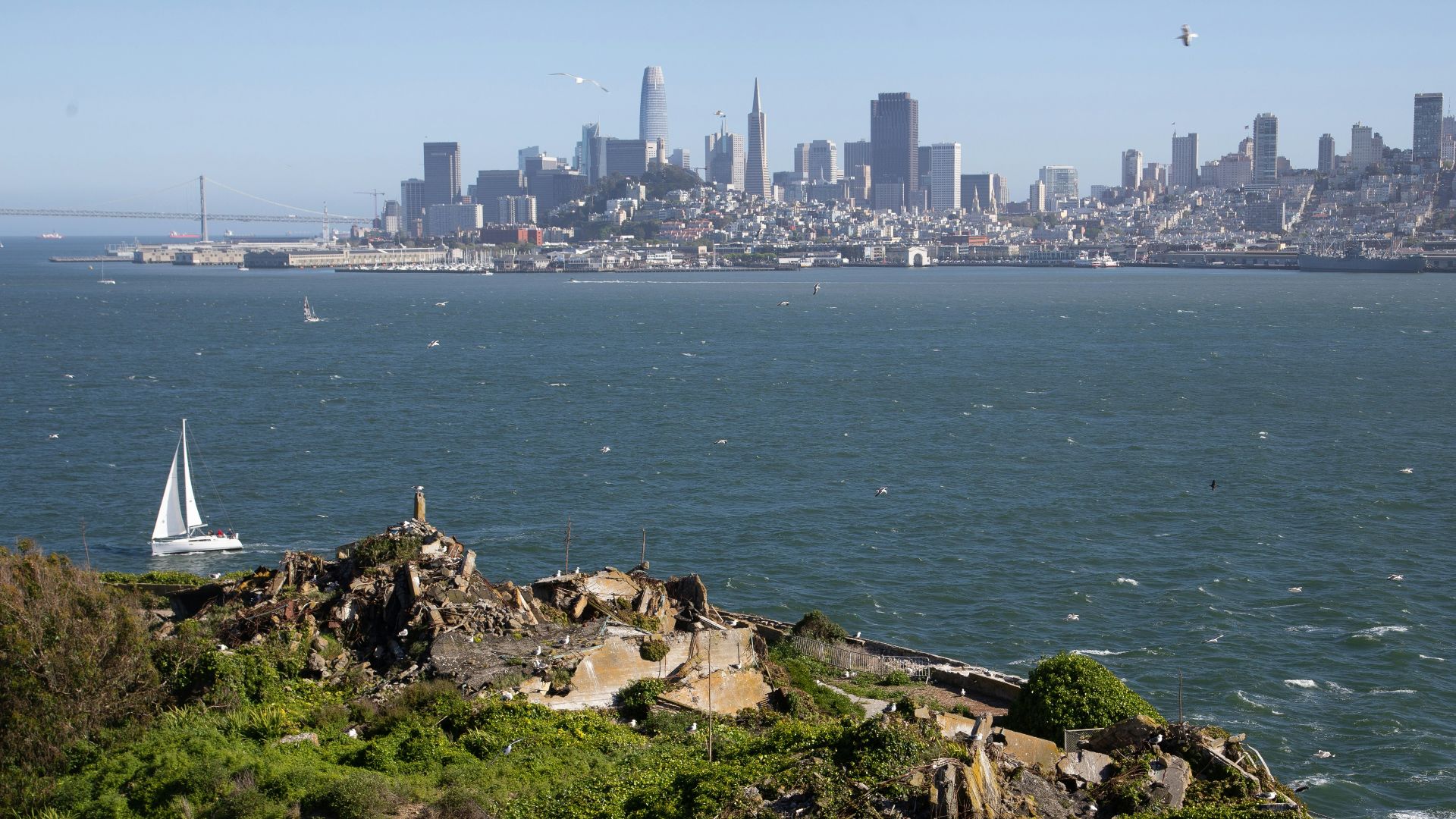
Angel Island is usually remembered for immigration detention, but its isolation was also part of a quarantine logic in San Francisco Bay. The former U.S. Quarantine Station stood at Ayala Cove, and the island still holds that layered history of inspection, delay, exclusion, and arrival.
 Dariusz Domagalski on Unsplash
13. Governors Island
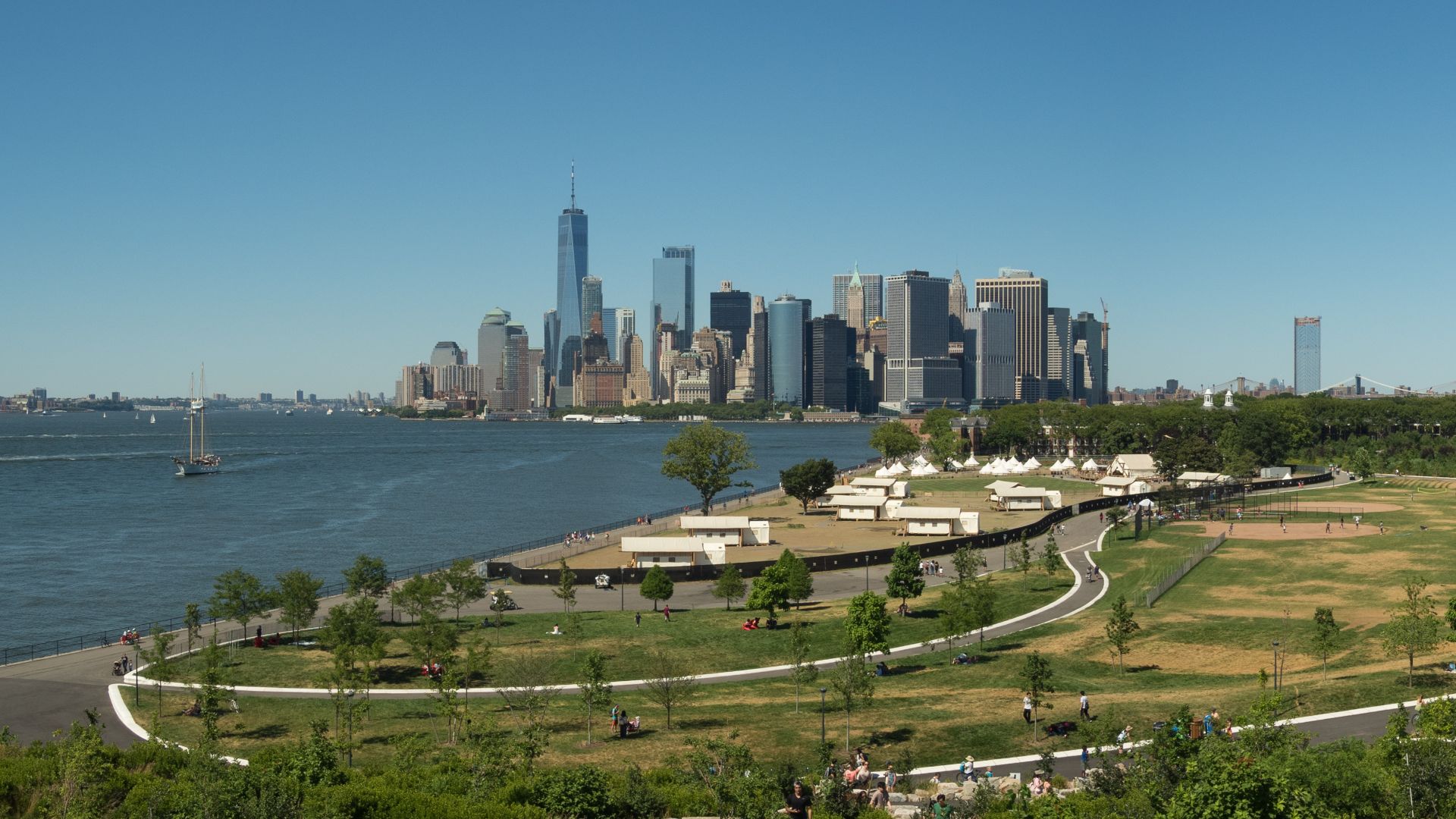
Before it became the breezy public space people know now, Governors Island had a stint as a quarantine station in the colonial era. That older role is easy to miss now, which somehow makes it more interesting: one more harbor island whose pleasant surface sits over a much stricter past.
14. Liberty Island
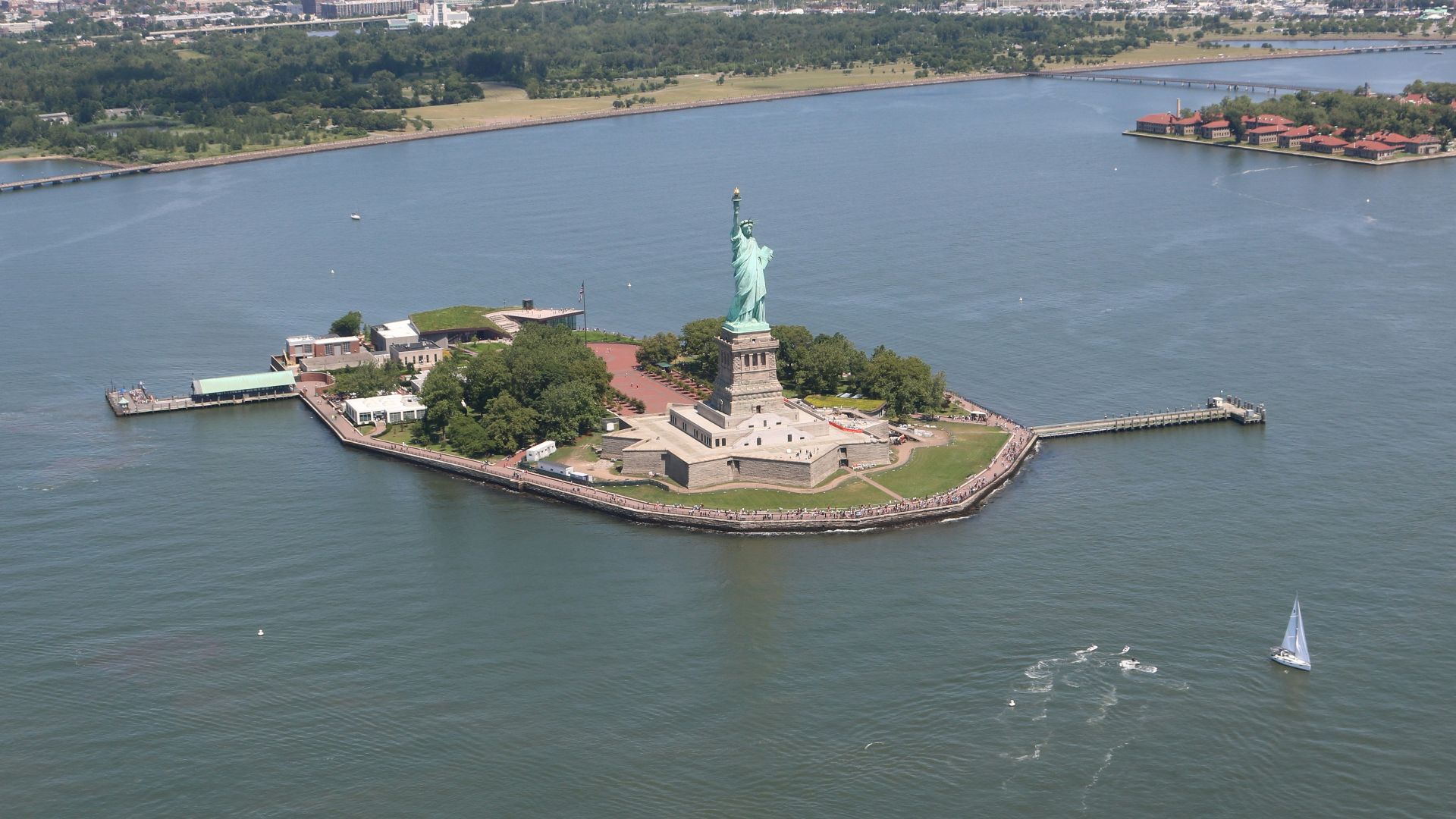
Even Liberty Island has quarantine in its backstory, which feels oddly fitting for a harbor built around filtering who and what could enter. Long before the statue defined it, the island was used by New York City as a quarantine station, and that history still clings quietly beneath the symbolism.
15. Spectacle Island
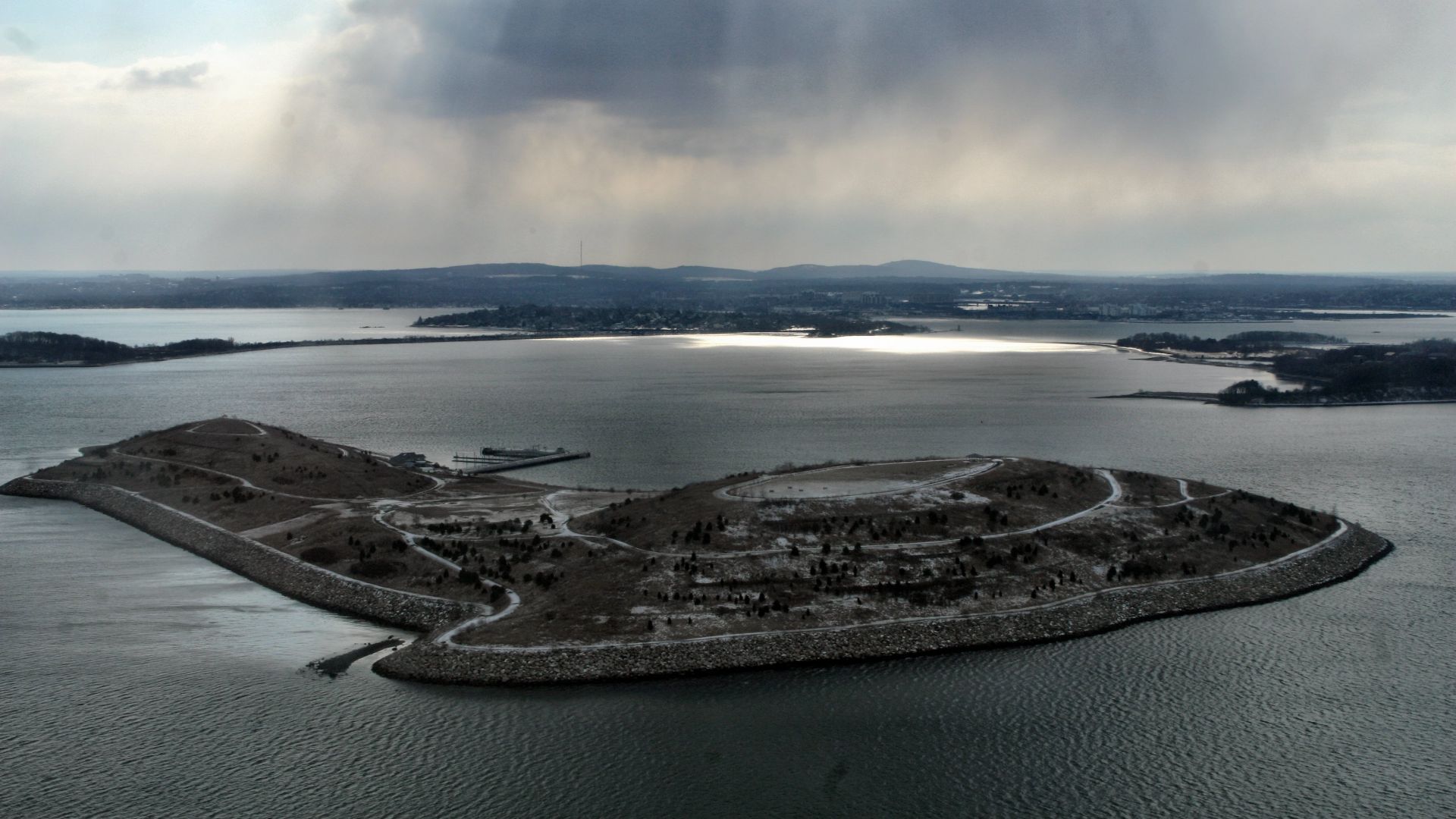
Boston started using Spectacle Island as a smallpox quarantine site in 1717, long before the island’s later lives as resort ground, dump, and reclaimed park. It still exists in a much friendlier form, but the quarantine chapter is one of the reasons its history feels so unusually busy.
 Doc Searls from Santa Barbara, USA on Wikimedia
16. Rainsford Island
Rainsford was Boston’s “Hospital Island,” which is about as direct as names get without actually calling a place Quarantine Island. It still exists in the harbor, and for well over a century it served as the kind of offshore medical space cities kept creating when they wanted sickness nearby, but not too nearby.
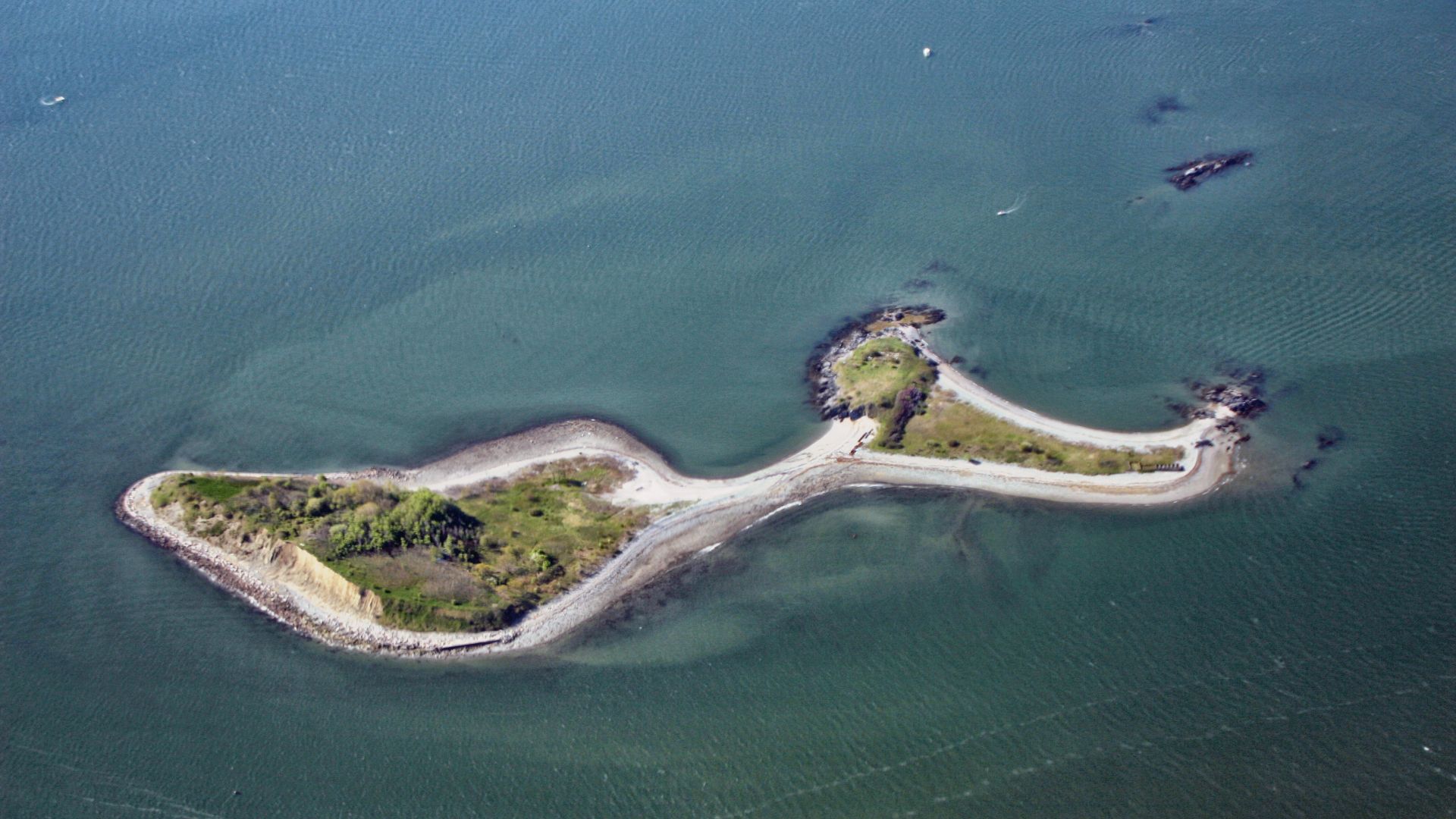
17. Deer Island
Deer Island also belongs in that Boston story, especially during the famine years, when thousands of immigrants passed through its quarantine hospital. The island still exists, though in a completely changed form, which gives it that unsettling sense of having been remade without fully shedding what happened there.
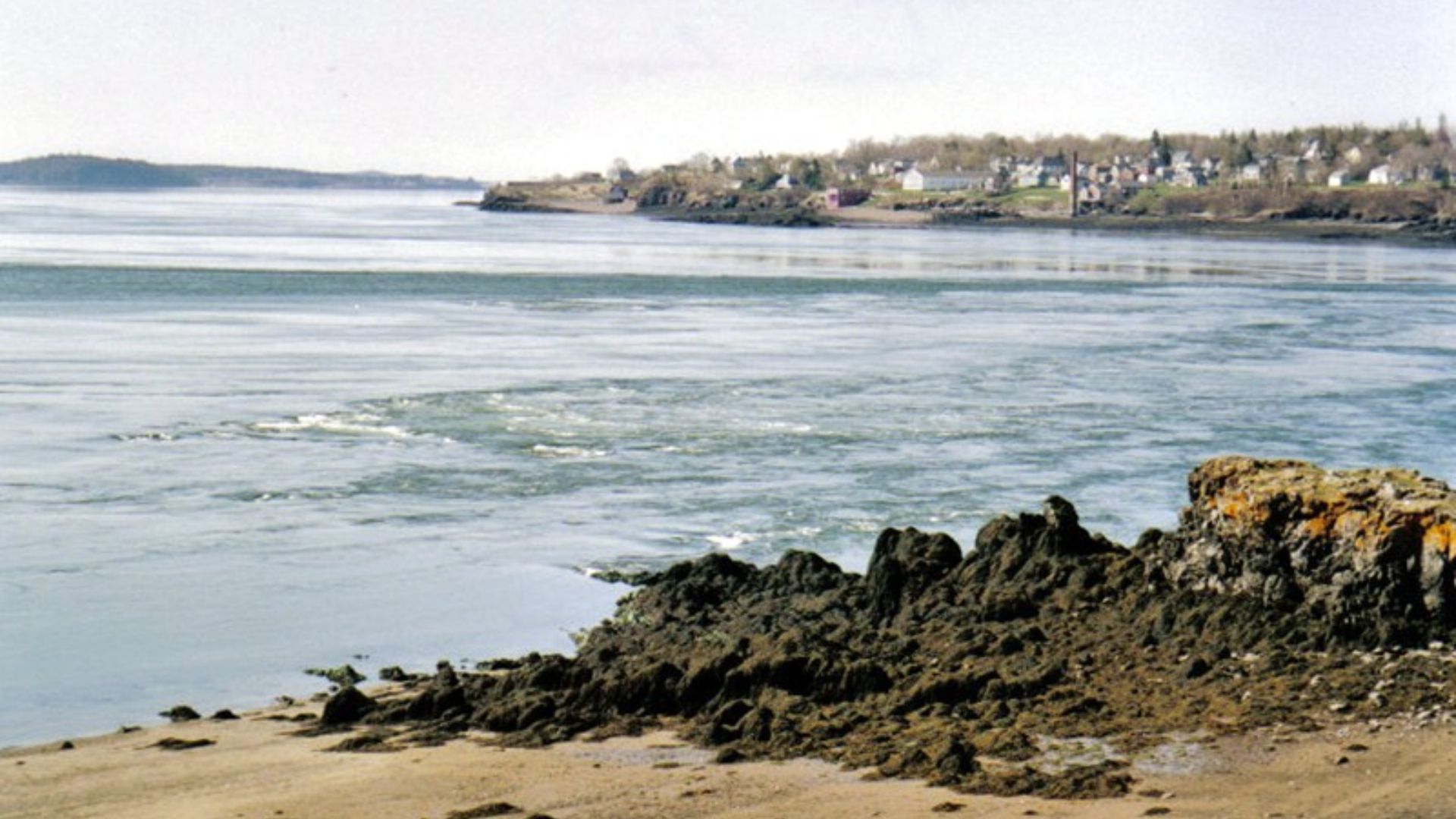
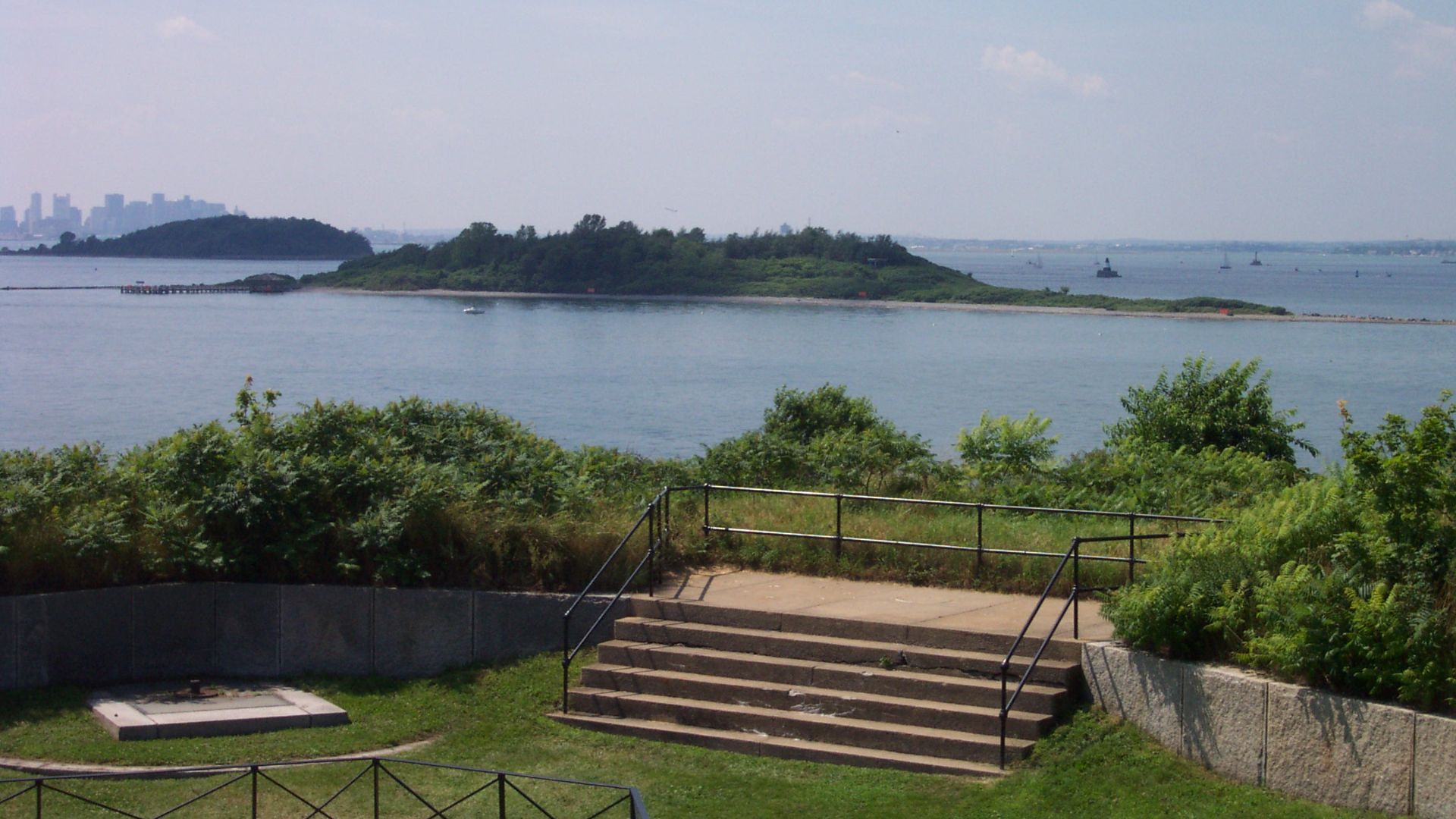
18. Gallops Island
When Boston shifted its quarantine operations again, Gallops became the new screening island. It still exists, and the scale of what happened there is easy to miss now—tens of thousands processed in a single year, all because cities kept turning islands into offshore filters for risk.
 Chris Wood (User:chris_j_wood). on Wikimedia
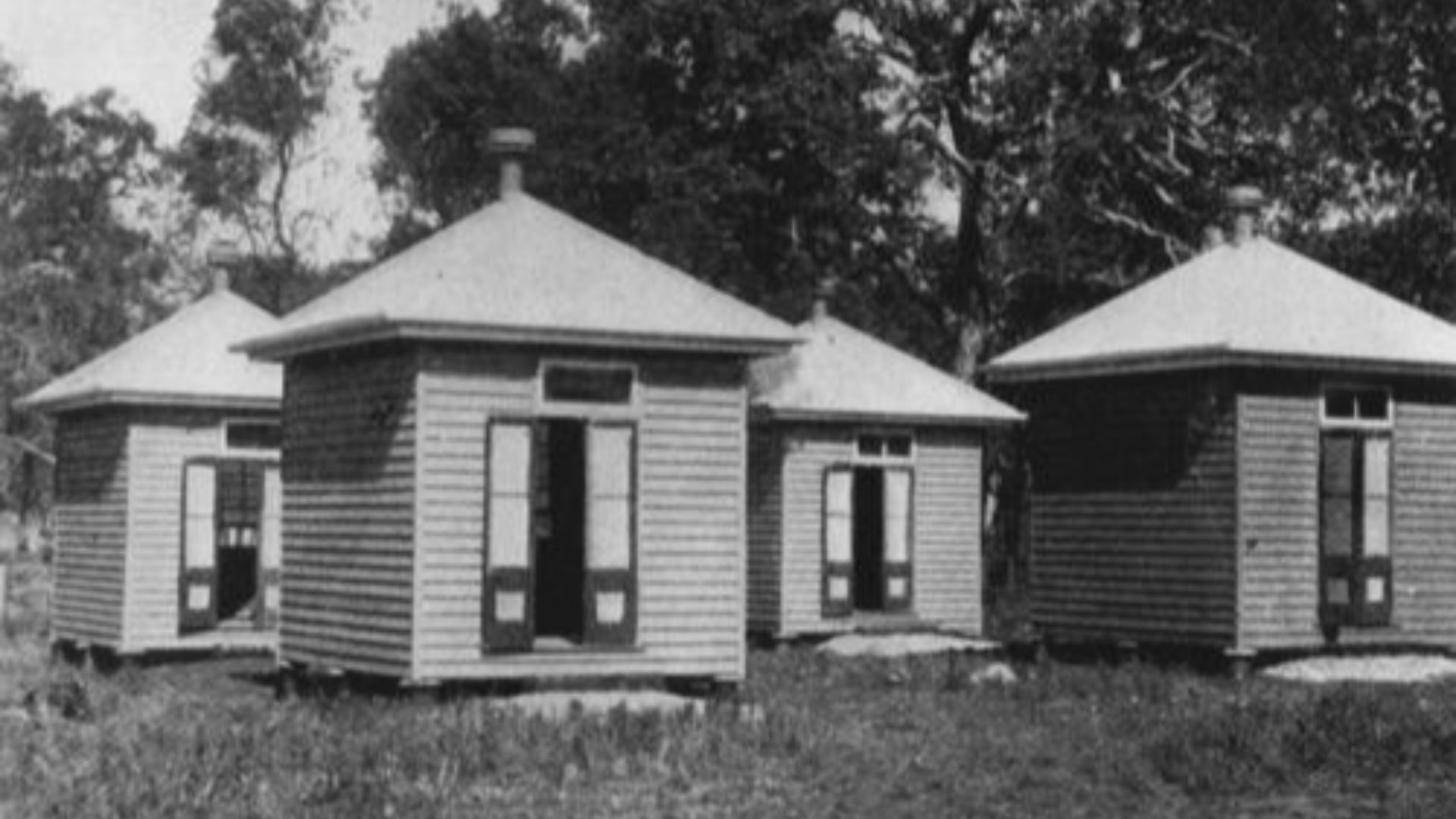
19. Peel Island
In Queensland, Peel Island moved through several lives of detention and isolation, including a quarantine station in the late 19th century and later a lazaret. The island still exists as Teerk Roo Ra National Park, which gives it that strange Australian combination of beauty, ruins, and deeply hard history.
 Unknown authorUnknown author on Wikimedia
20. Cockspur Island
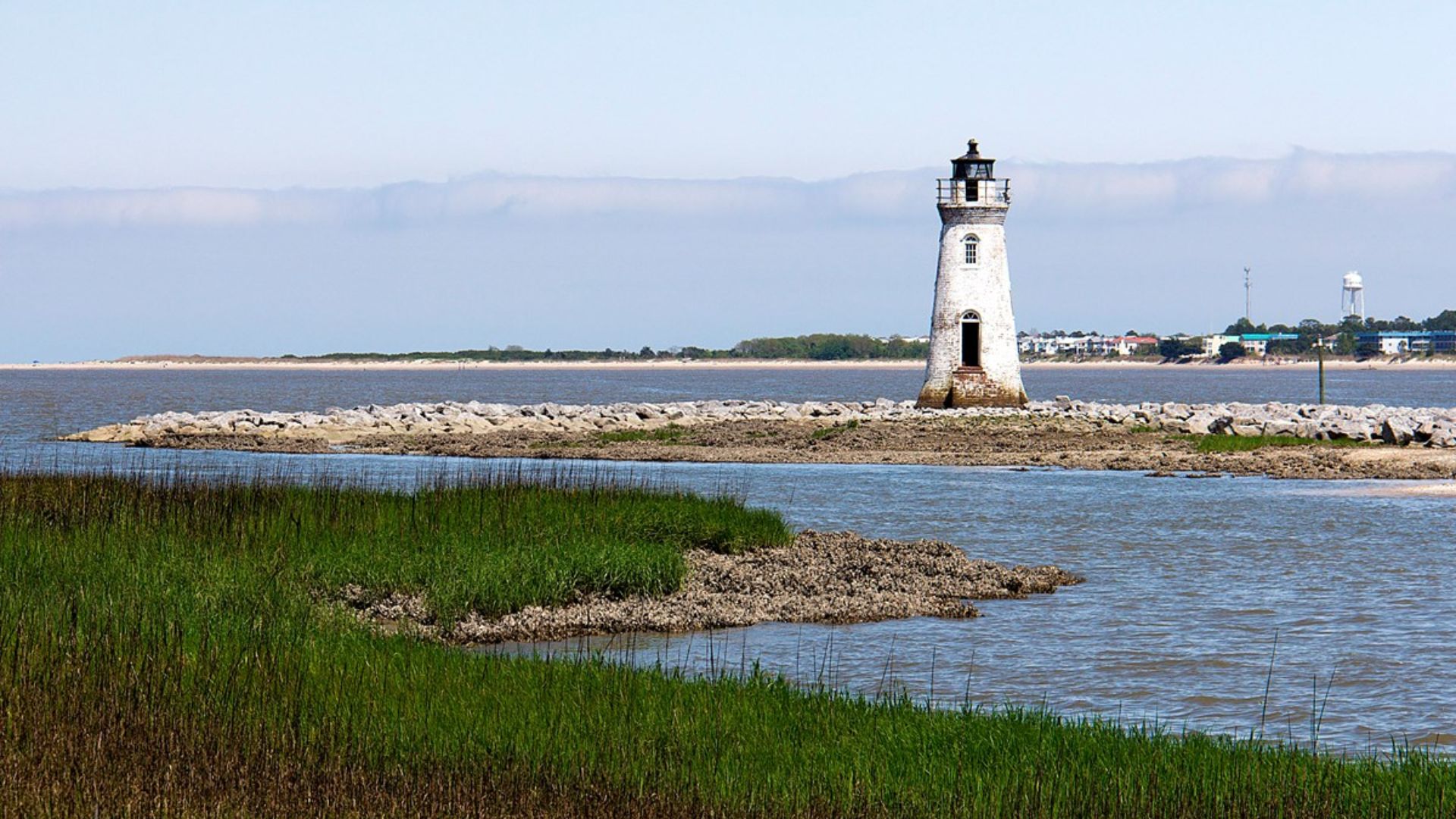
Cockspur Island, near Savannah, carried the quarantine function into the late 19th century, when the city established a station there to inspect incoming ships. It still exists inside Fort Pulaski National Monument, which means the quarantine story survives in a place most people probably assume is only about forts and war.