The Fall Of Atlantic City: How America’s “Leisure Capital” Became A Relic Of The Past
The Fall Of Atlantic City: How America’s “Leisure Capital” Became A Relic Of The Past
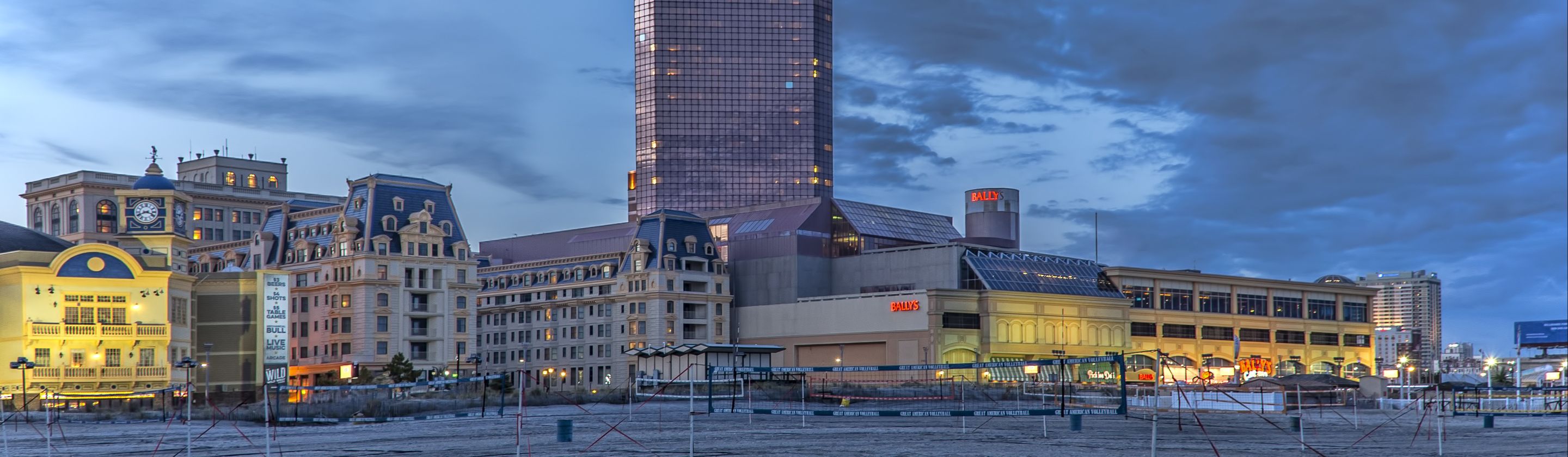
Once billed as “America’s Playground,” Atlantic City was the place where money flowed, boardwalk lights shimmered, and dreams of fortune never seemed far away. Decades later, those same lights flicker over shuttered casinos and half-empty hotels.
What happened to this seaside empire? Let’s get into it.
The Golden Era Of Sand, Sea, And Showmanship
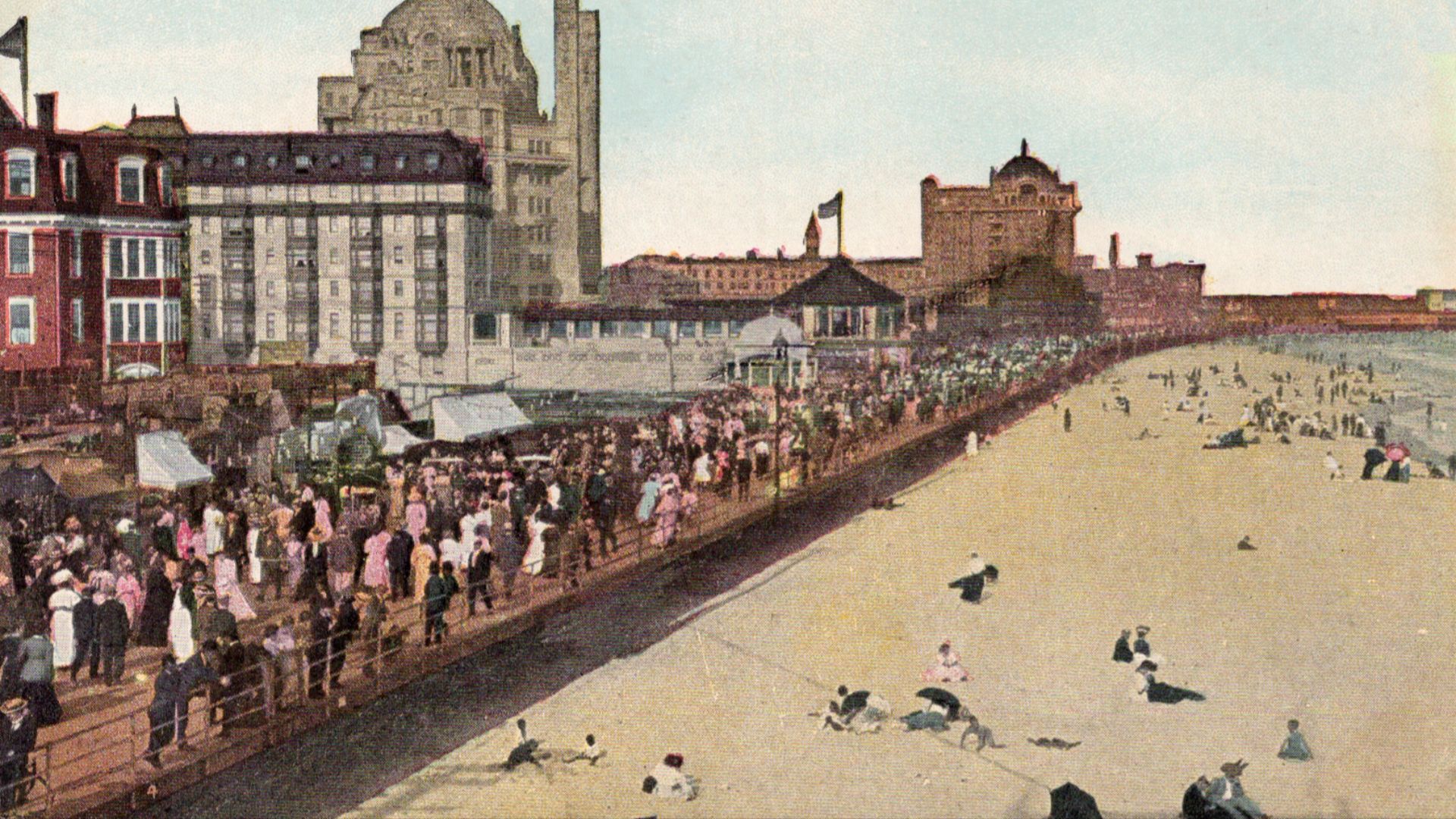
It began with a boardwalk and a promise. In 1870, Atlantic City built the first boardwalk in the United States, instantly transforming a quiet beach town into a bustling tourist magnet.
By the 1920s, it had become a glitzy destination where the rich and working class mingled under the same seaside sun. Trains rolled in from Philadelphia and New York, bringing vacationers eager for ocean air, big bands, and amusement piers. The showmanship was unmatched, and for decades, it felt unstoppable.
 Unknown authorUnknown author on Wikimedia
The Shift: When Glamour Hid The Cracks
The trouble didn’t arrive all at once—it crept in quietly. It started with air travel opening new horizons. Then, the suburban living drew families elsewhere, and that’s when Atlantic City’s charm began to feel dated.
The 1976 legalization of casino gambling was meant to reignite the city’s spark, and for a time, it worked. The Boardwalk buzzed again, and jobs returned. But behind the neon glow, the city grew dangerously dependent on one industry that was soon riddled with corruption scandals and economic mismanagement. Competition from other gambling destinations also started to erode the City’s foundation.
Collapse On The Coastline
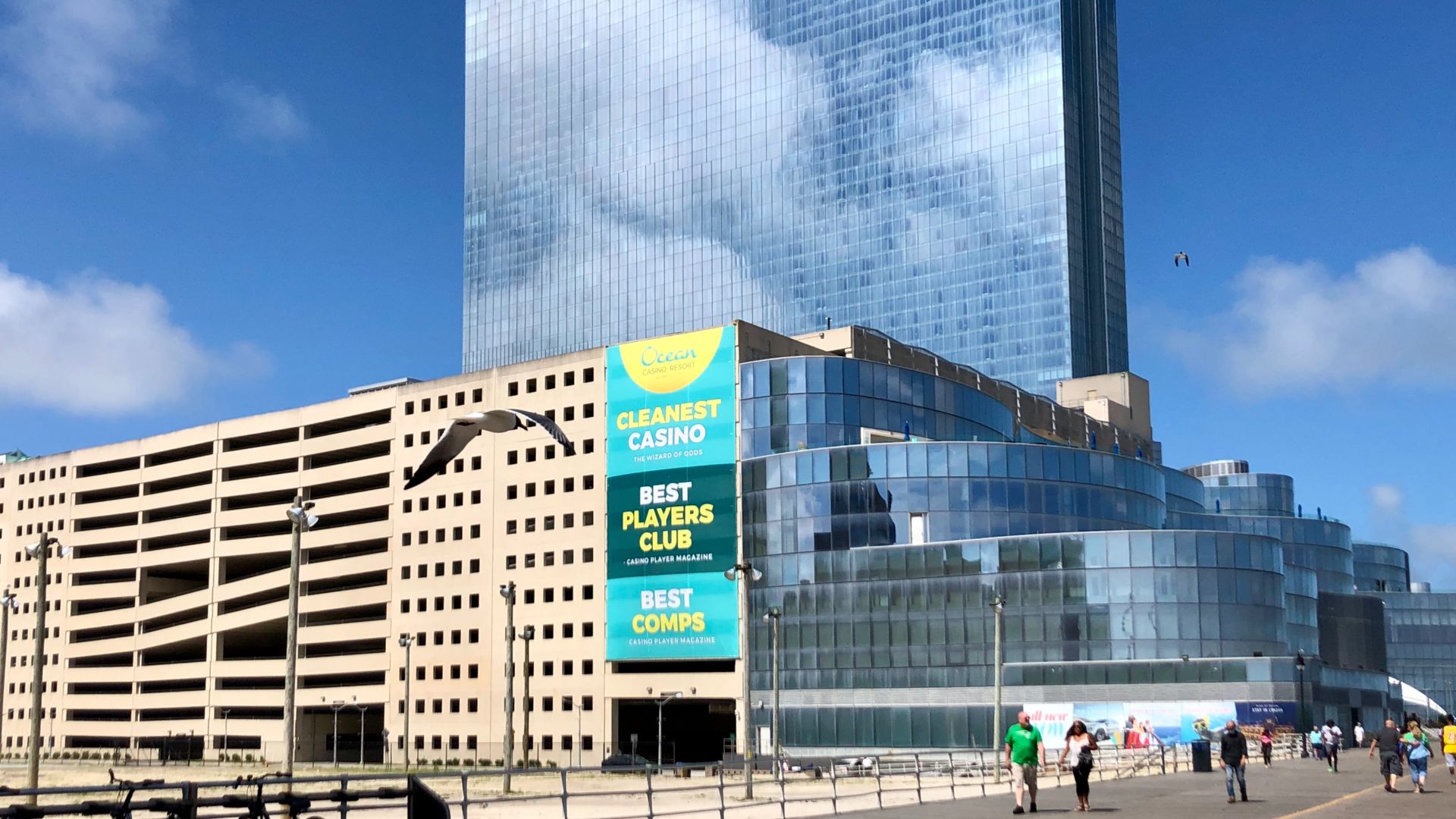
By the 2000s, Atlantic City’s fortunes hit the skids. Casino closures, rising unemployment, and mounting debt forced the state to take control of its finances in 2016. Perhaps the most haunting symbol of decline was the $2.4 billion Revel Casino—opened in 2012 and shuttered by 2014.
Once the centerpiece of a reborn resort town, it now stood as a monument to overconfidence. The glittering promise of renewal gave way to boarded-up buildings and broken dreams.
A Cautionary Legacy
Atlantic City’s story is a tale of economic collapse that’s also a mirror reflecting how fast fortune can fade when vision narrows. Dependence on a single revenue stream left the city vulnerable, and the absence of reinvention sealed its fate. The lesson rings loud for any community chasing short-term glory: diversify, adapt, or risk becoming a relic.
Today, the boardwalk still hums faintly with tourists and nostalgia, but the crown once known as America’s Leisure Capital sits tarnished. The city that taught America how to play also reminds it that no empire—no matter how bright the lights—lasts forever.