
Christmas in Australia looks very different from the snowy, fireplace-lit scenes we often imagine. Instead of wrapping up in coats and scarves, Australians are more likely to be reaching for swimsuits and sunscreen.
For anyone used to a winter holiday, this sunny twist can feel surprising, even a little confusing. Yet there is a perfectly simple reason behind it. Let’s take a closer look at why Christmas in Australia comes with sunshine and surf.
Flipping The Calendar With The Seasons
Unlike the Northern Hemisphere, where December falls in the heart of winter, Australia sits in the Southern Hemisphere. That means the seasonal cycle is reversed. When Americans or Europeans are pulling on gloves and sipping hot chocolate, Australians are seeing long, hot days and bright blue skies. By December, summer is in full swing, and the heat shapes every holiday tradition.
That seasonal difference affects not just clothing choices but also what Australians eat and even how they decorate. Traditional Christmas dishes like roasted turkey and mince pies still exist, but they are often joined by fresh seafood and salads that match the sunny weather. Many families move celebrations outdoors, letting barbecues and pool parties replace heavy roasts and hot drinks.
Traditions Adapted To The Climate
Over time, Australians have blended Northern Hemisphere Christmas traditions with local climate and culture. Santa still makes his rounds, but he may arrive on a surfboard rather than a sleigh.
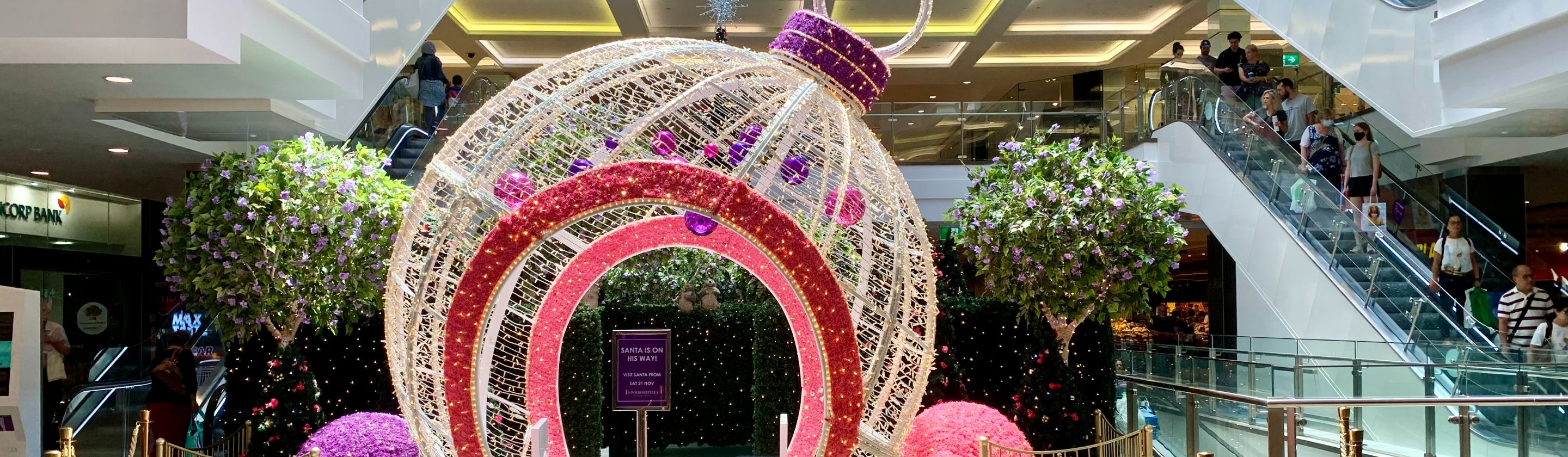
Carols are sung at evening events, often with candles or lights under starry summer skies instead of just by indoor candlelight, and festive parades march through streets lined with palm trees rather than snow-laden pines. Even decorations reflect the warmer weather, with bright colors and sometimes native flora like eucalyptus and wattle taking center stage.
Australia’s Christmas also reflects its multicultural roots. Migrant communities bring their own traditions, blending them with local customs. Italian families may serve panettone alongside prawns, while Greek households add festive lamb dishes to the table. Cities host multicultural Christmas markets where global foods and crafts mix with Australian summer flair. This diversity makes the holiday not only seasonal but also a celebration of the nation’s rich cultural tapestry.
These adaptations make the holiday feel familiar yet unmistakably Australian.
A Celebration Shaped By Lifestyle

Australia’s lifestyle also embraces outdoor activity, which naturally carries into holiday traditions. Summer holidays coincide with school breaks, so families often combine Christmas with beach trips or extended vacations. Children play in the sand while adults toast to the season with chilled beverages, and the long daylight hours stretch celebrations well into the evening.
In the end, Christmas in Australia may look unusual to outsiders, but it fits naturally with the country’s climate and lifestyle. Sunshine, beaches, and outdoor gatherings aren’t a departure from tradition—they’re an adaptation that makes the holiday meaningful in its own setting. What matters most is the joy and togetherness, no matter the season.