Grand Gateways That Became Destinations
Train stations were once built purely for function, designed to move people efficiently from one place to another. Over time, many of them evolved into architectural landmarks that reflect the ambition and identity of their cities. Today, some stations are so visually and historically significant that they’re worth visiting even if you’re not catching a train. If you enjoy traveling with a sense of place, these 20 stops offer more than just a platform.
1. Grand Central Terminal (New York City, USA)
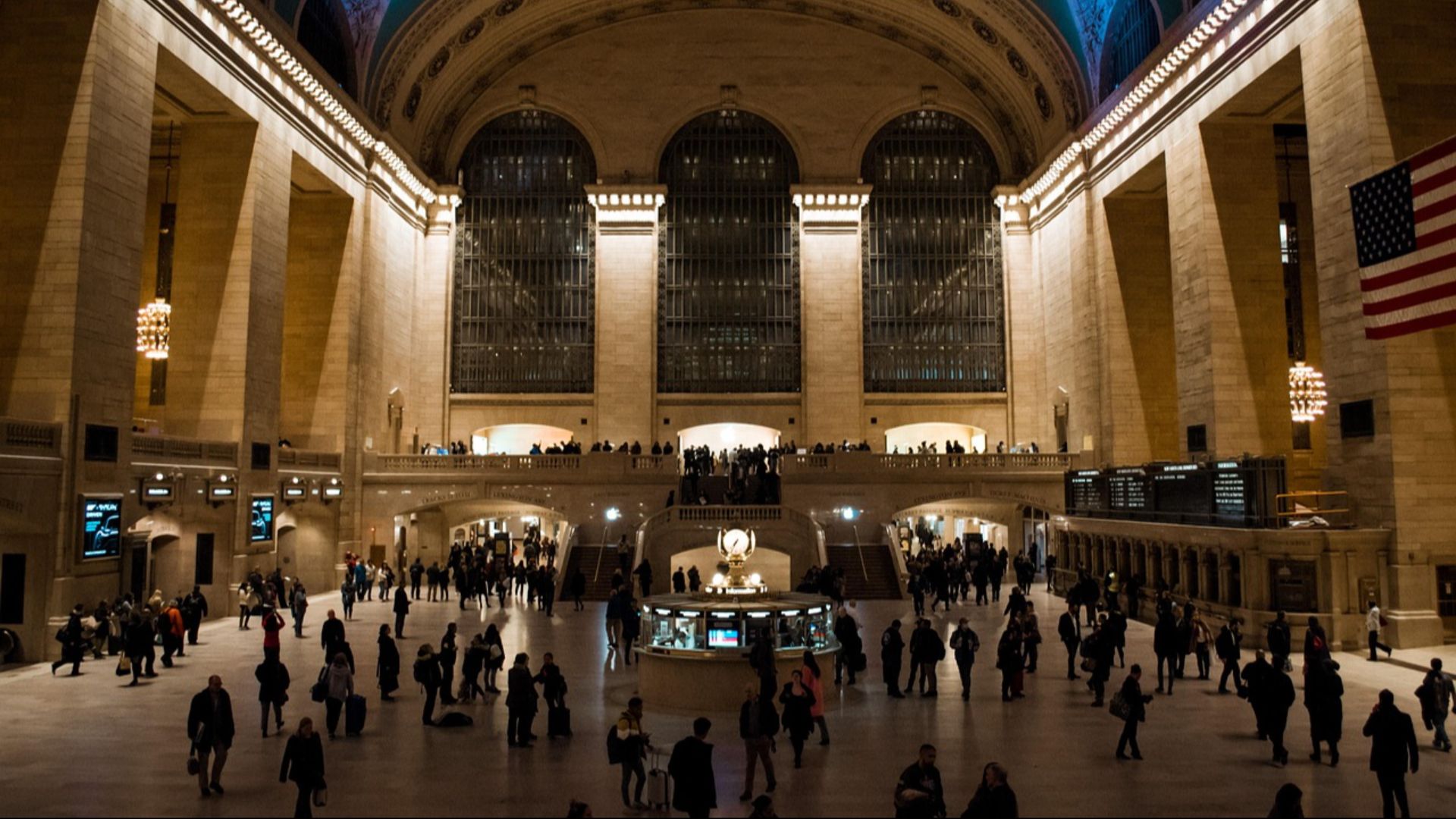
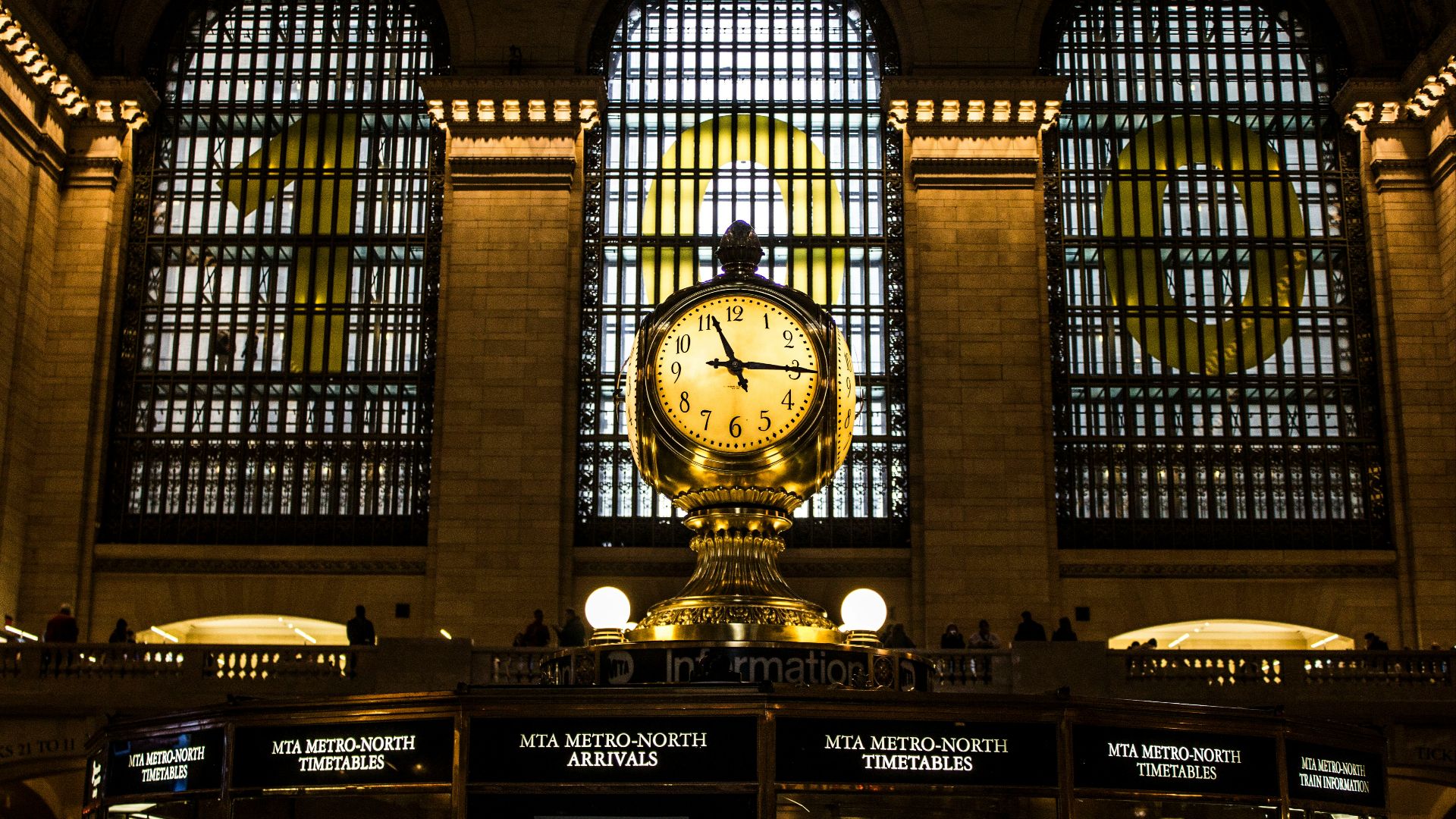
Grand Central Terminal opened in 1913 and quickly became a symbol of New York’s growth. Its Beaux-Arts design features a celestial ceiling and massive marble halls that still impress visitors. The station was nearly demolished in the 1970s but was saved through preservation efforts. Today, you can explore shops, restaurants, and hidden architectural details inside.
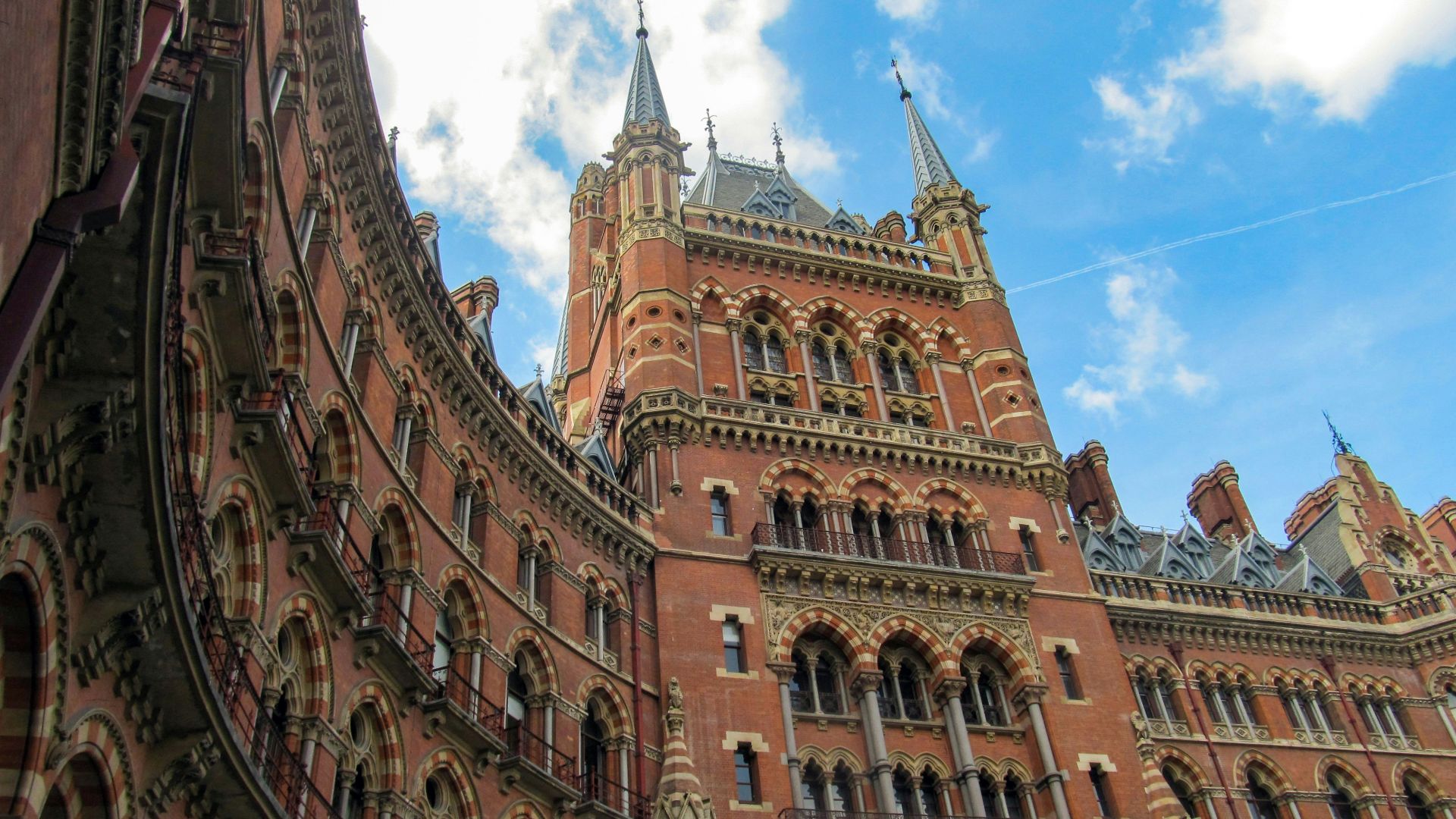
2. St Pancras International (London, England)
St Pancras is known for its striking Gothic Revival façade and soaring iron-and-glass train shed. Originally opened in 1868, it fell into disrepair before undergoing a major restoration in the 2000s.
 Daniela Paola Alchapar on Unsplash
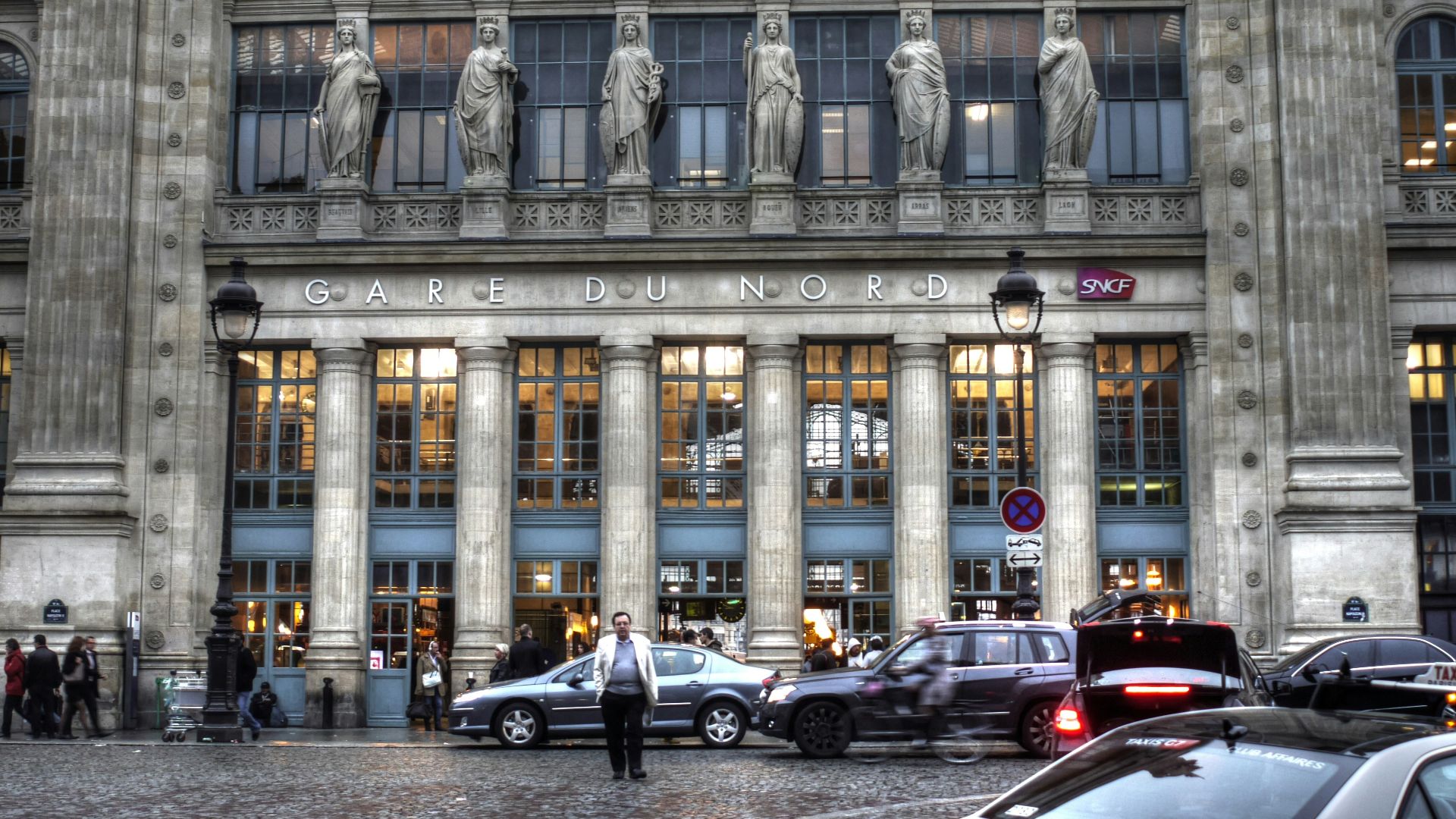
3. Gare du Nord (Paris, France)
Gare du Nord is one of the busiest train stations in Europe and dates back to 1864. Its classical façade features statues representing major European cities. While it handles millions of passengers each year, it still retains its historic character. You can appreciate both its scale and its detailed stonework.
4. Antwerp Central Station (Antwerp, Belgium)
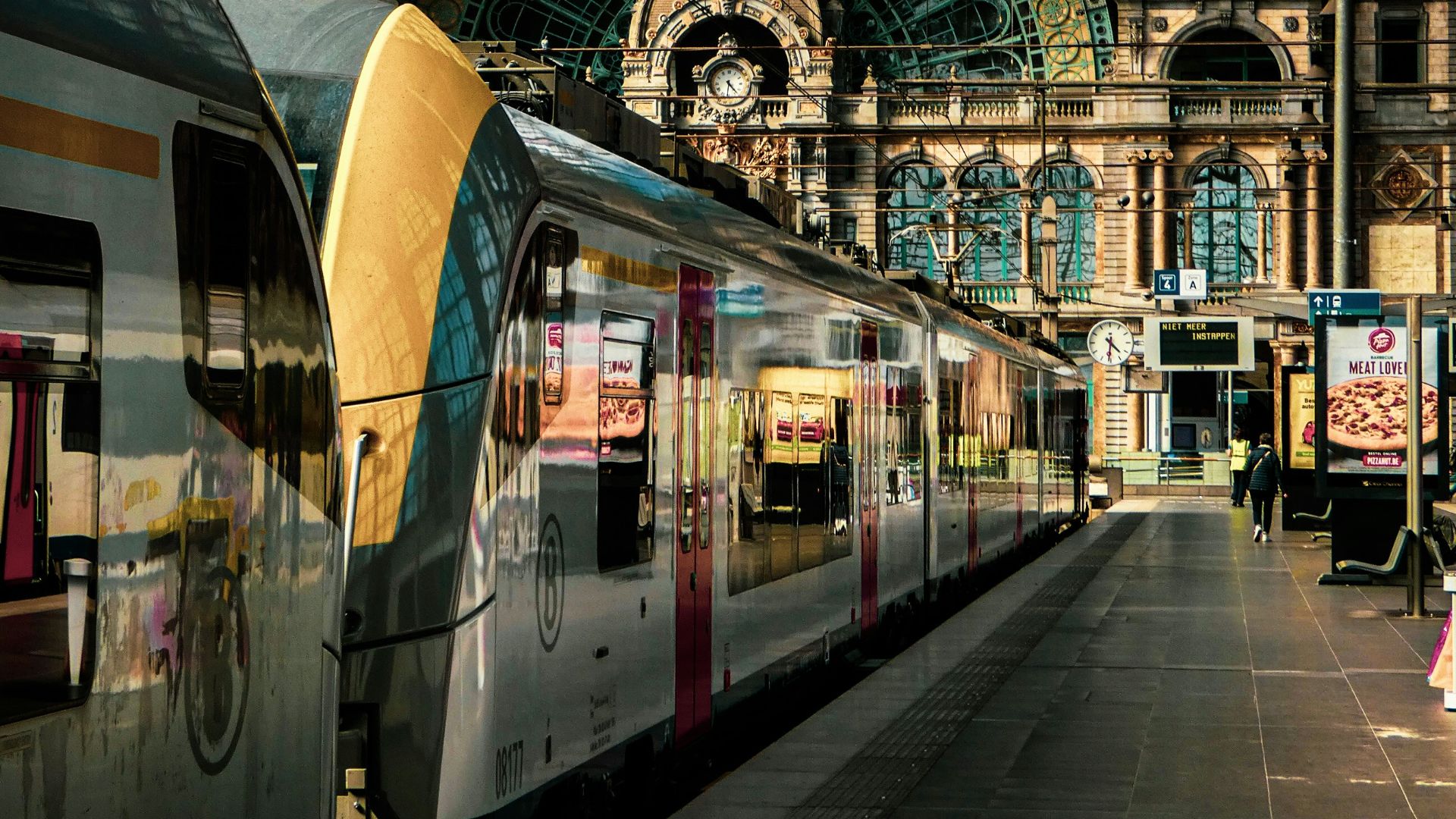
Often called one of the world’s most beautiful stations, Antwerp Central opened in 1905. Its grand dome and ornate interior showcase a mix of architectural styles. The station underwent extensive renovation to accommodate modern rail needs. Despite updates, it’s still admired for its dramatic design.
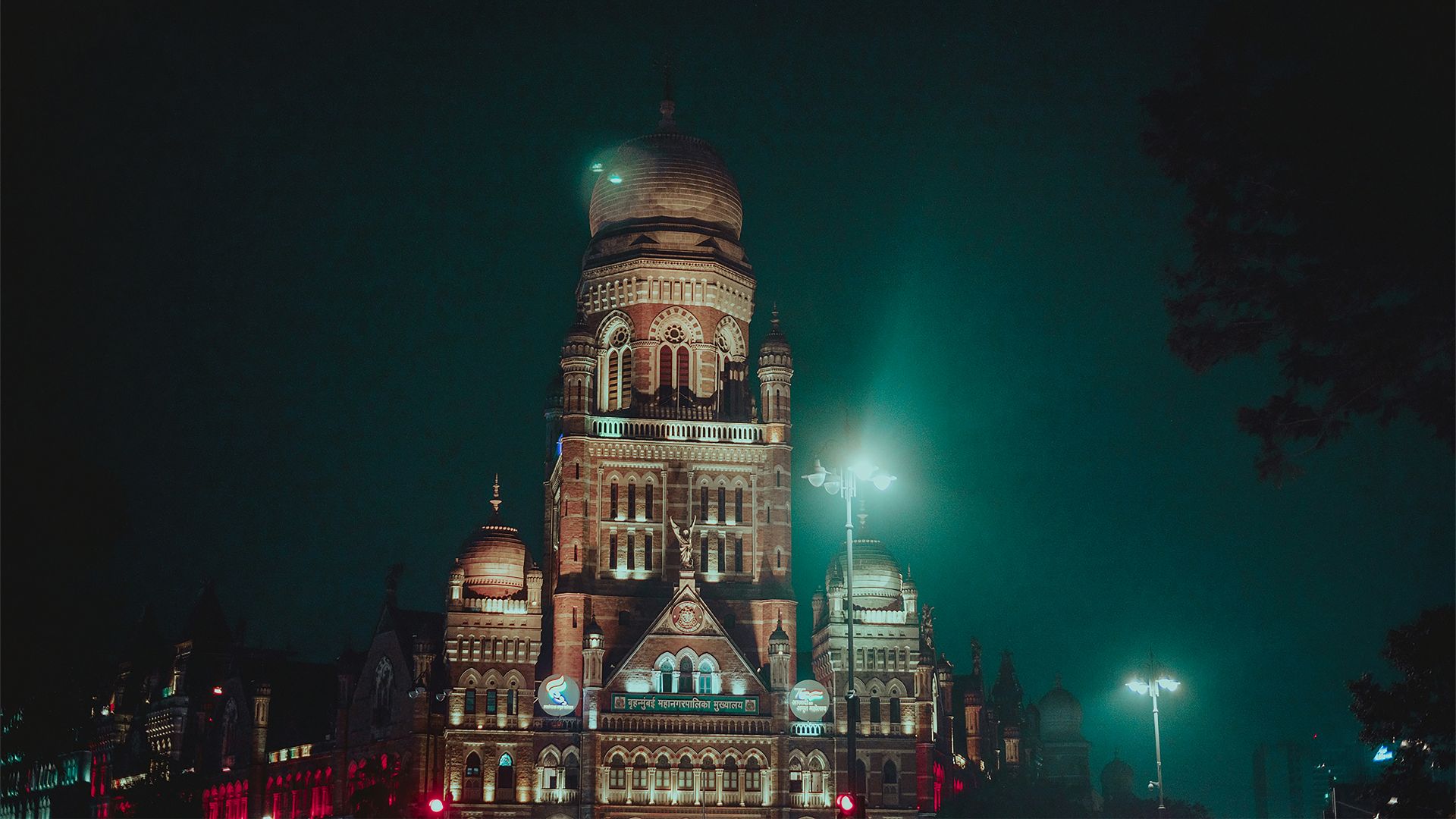
5. Chhatrapati Shivaji Maharaj Terminus (Mumbai, India)
This UNESCO World Heritage Site blends Victorian Gothic Revival with traditional Indian elements. Completed in 1887, it was originally named Victoria Terminus.
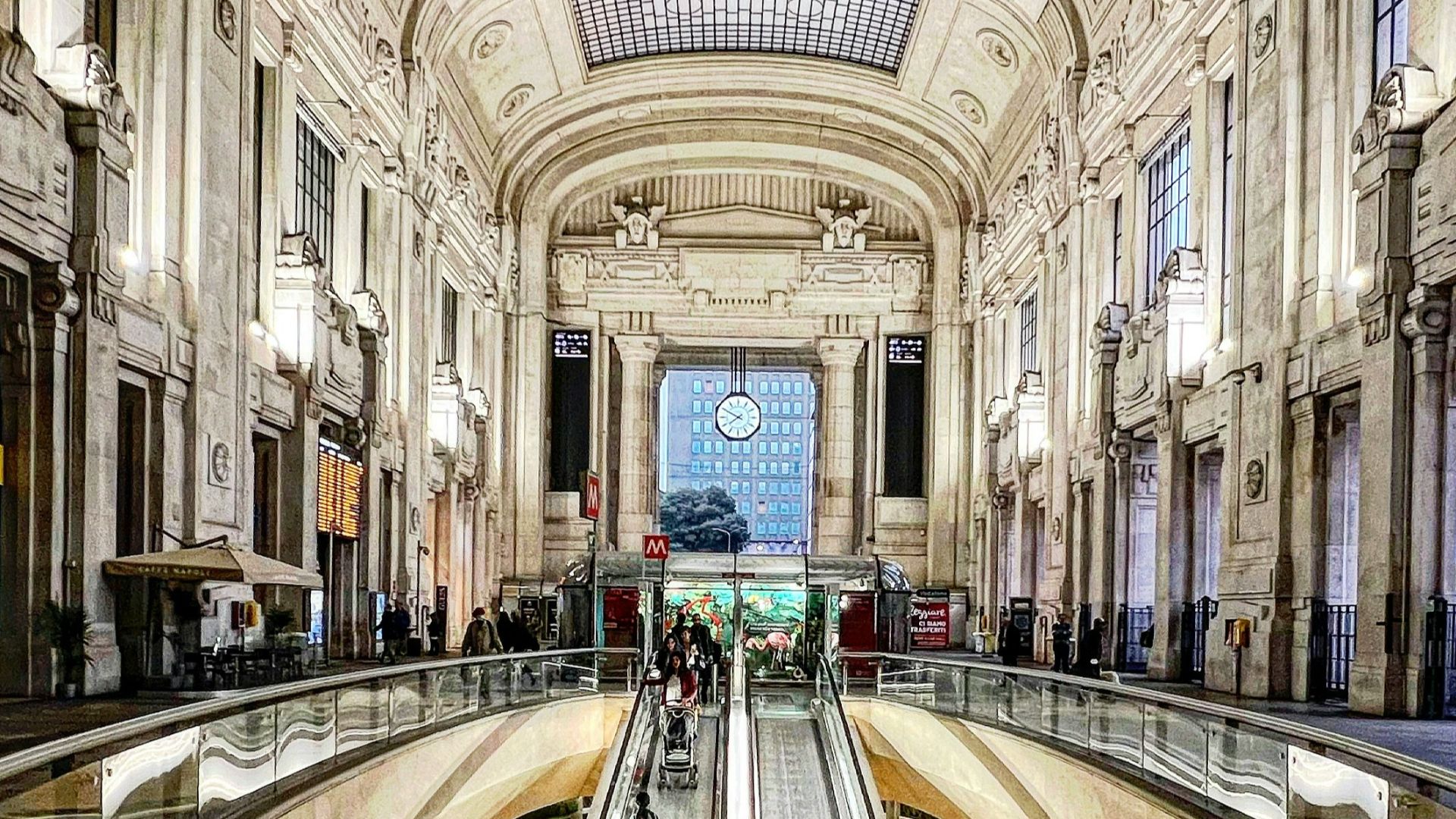
6. Milano Centrale (Milan, Italy)
Milano Centrale is known for its imposing scale and monumental architecture. Opened in 1931, it combines Art Deco and Fascist-era design elements. The station’s vast halls and dramatic sculptures give it a powerful presence. It’s as much a visual experience as it is a transit point.
 Claudio Poggio on Unsplash7. Kanazawa Station (Kanazawa, Japan)
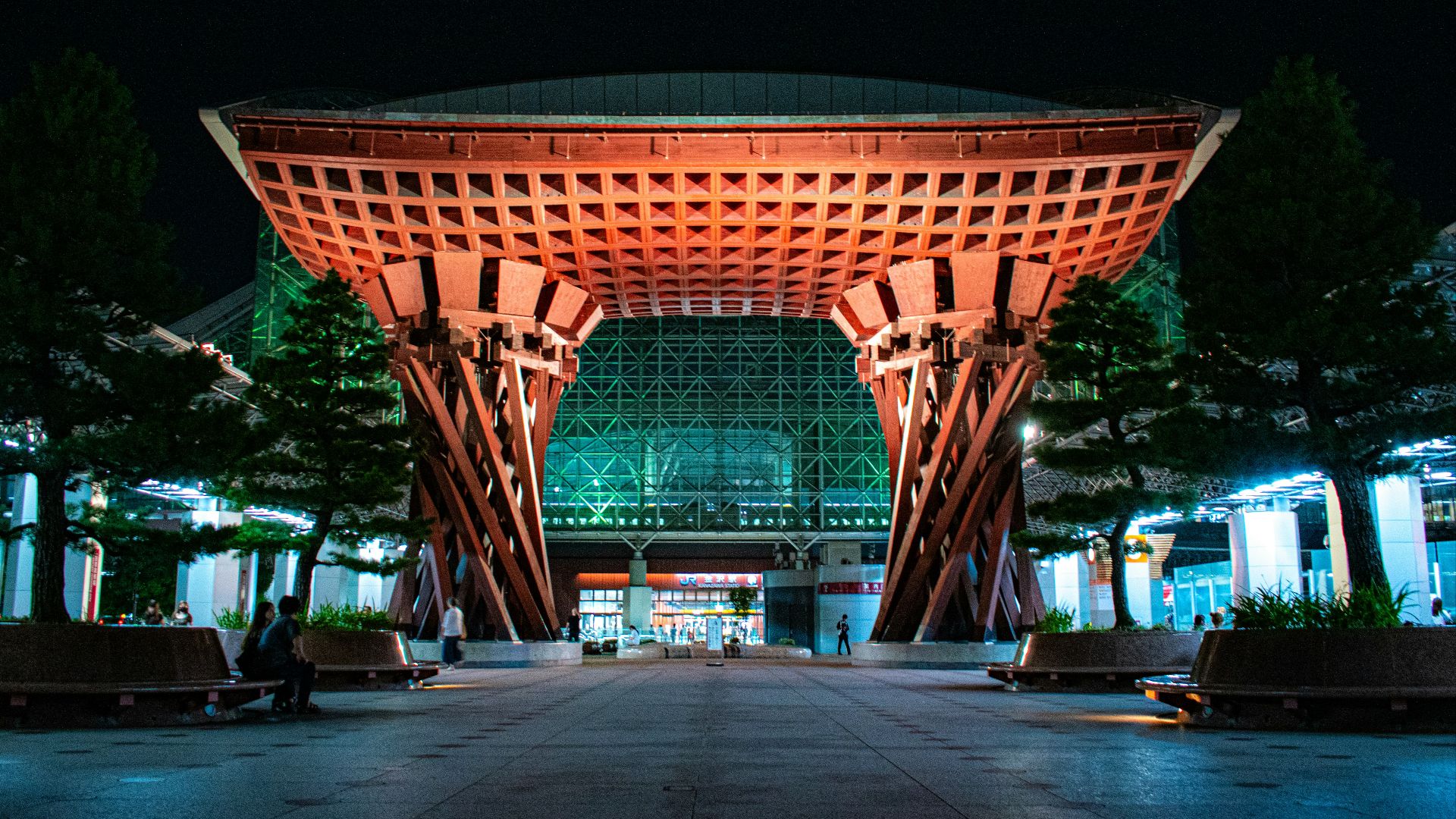
Kanazawa Station blends traditional Japanese aesthetics with modern design. Its wooden Tsuzumi Gate reflects classical drum shapes, while the glass dome adds a contemporary touch. Opened in its current form in 2005, it quickly became a city landmark. You’ll notice how it balances history and innovation.
8. São Bento Station (Porto, Portugal)
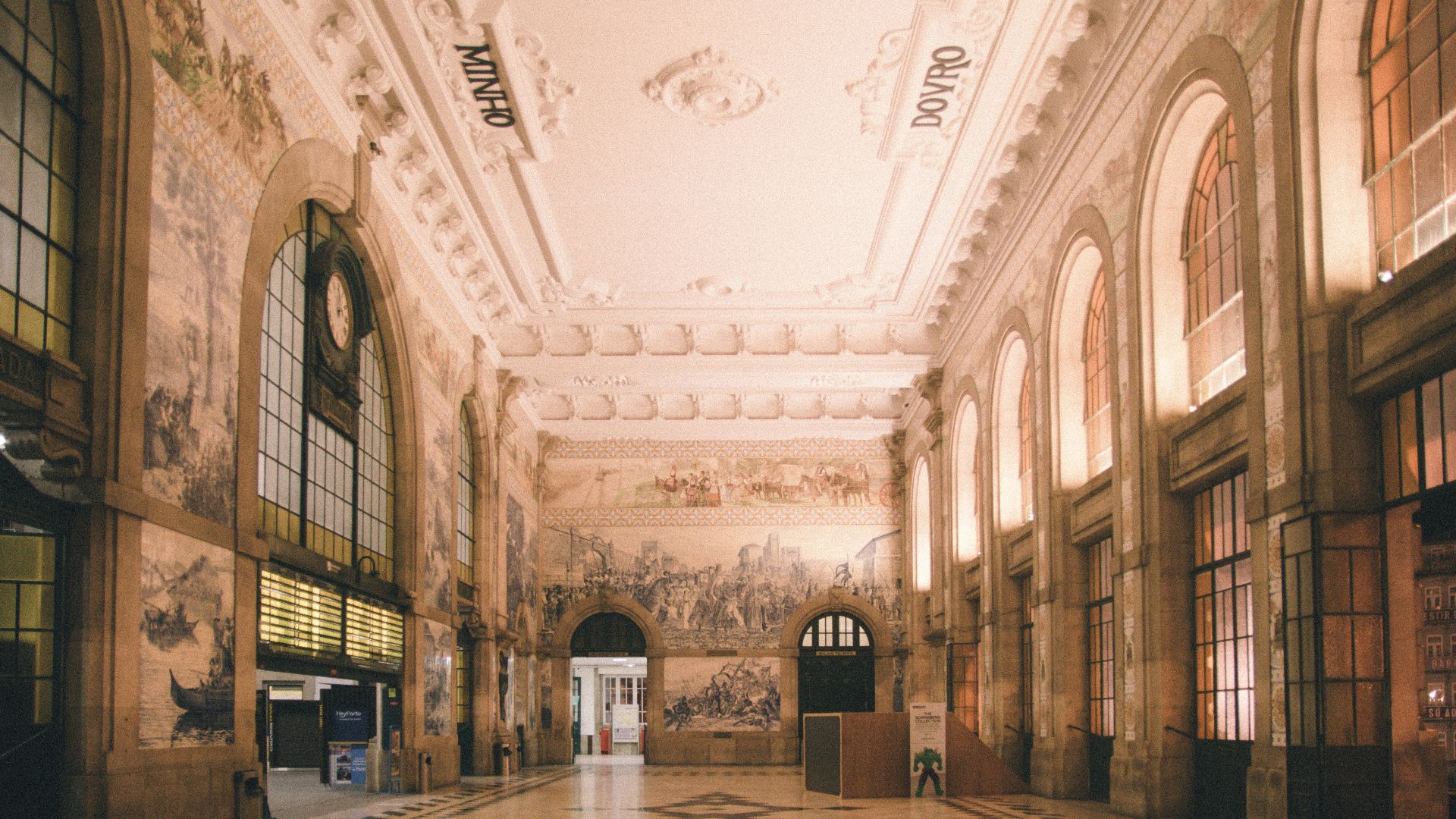
São Bento is famous for its interior walls covered in blue-and-white azulejo tiles. These tiles depict scenes from Portuguese history and daily life. The station opened in 1916 on the site of a former monastery, and it’s a place where art and transportation come together.
9. Helsinki Central Station (Helsinki, Finland)
Designed by architect Eliel Saarinen, this station opened in 1919. It features a mix of Art Nouveau and National Romantic styles. The iconic statues holding spherical lamps greet visitors at the entrance. Inside, the space feels both functional and distinctly Finnish.

10. Atocha Station (Madrid, Spain)
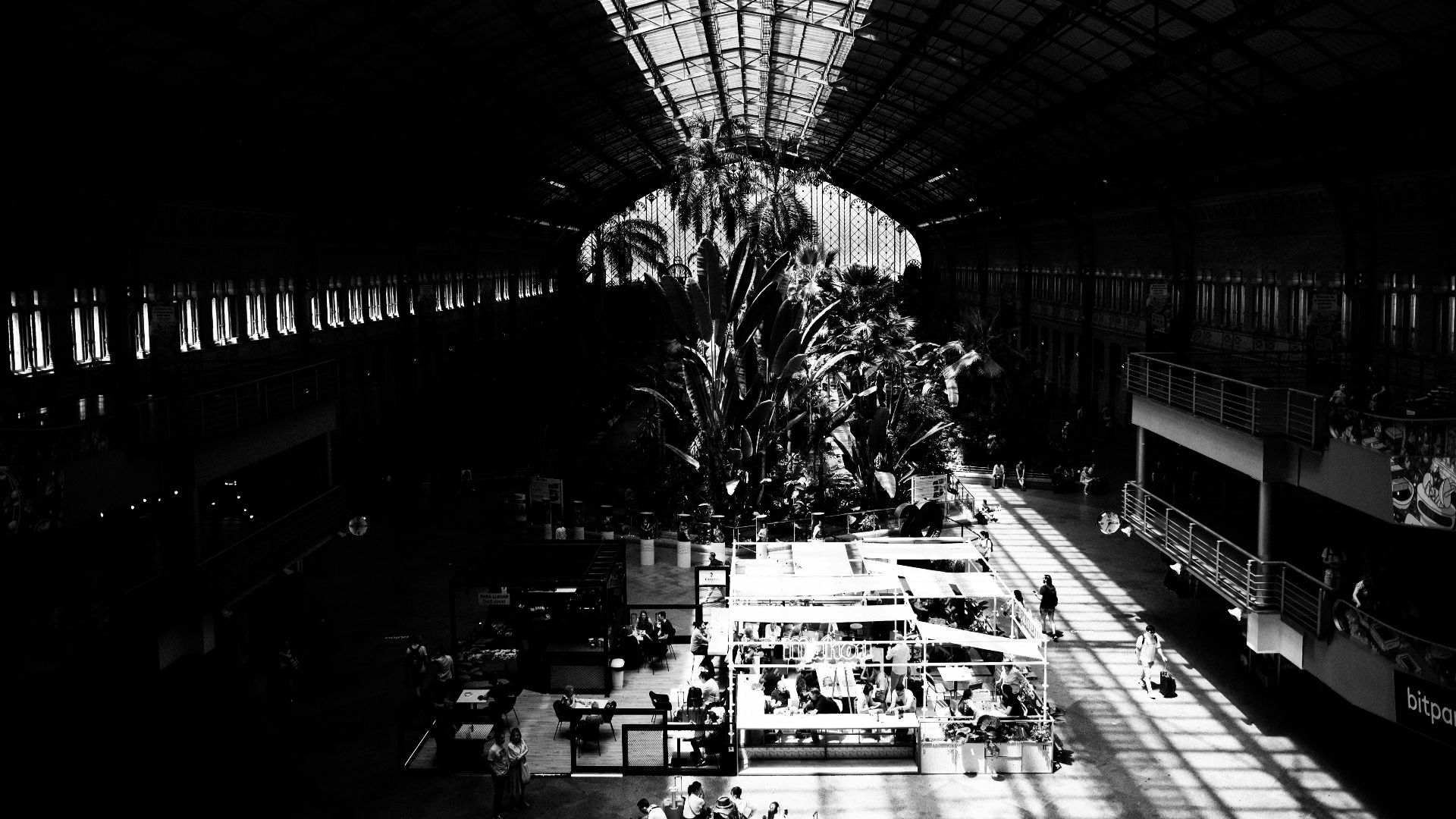
Madrid’s Atocha Station combines historic and modern elements uniquely. The original 19th-century building now houses a tropical garden with palm trees.
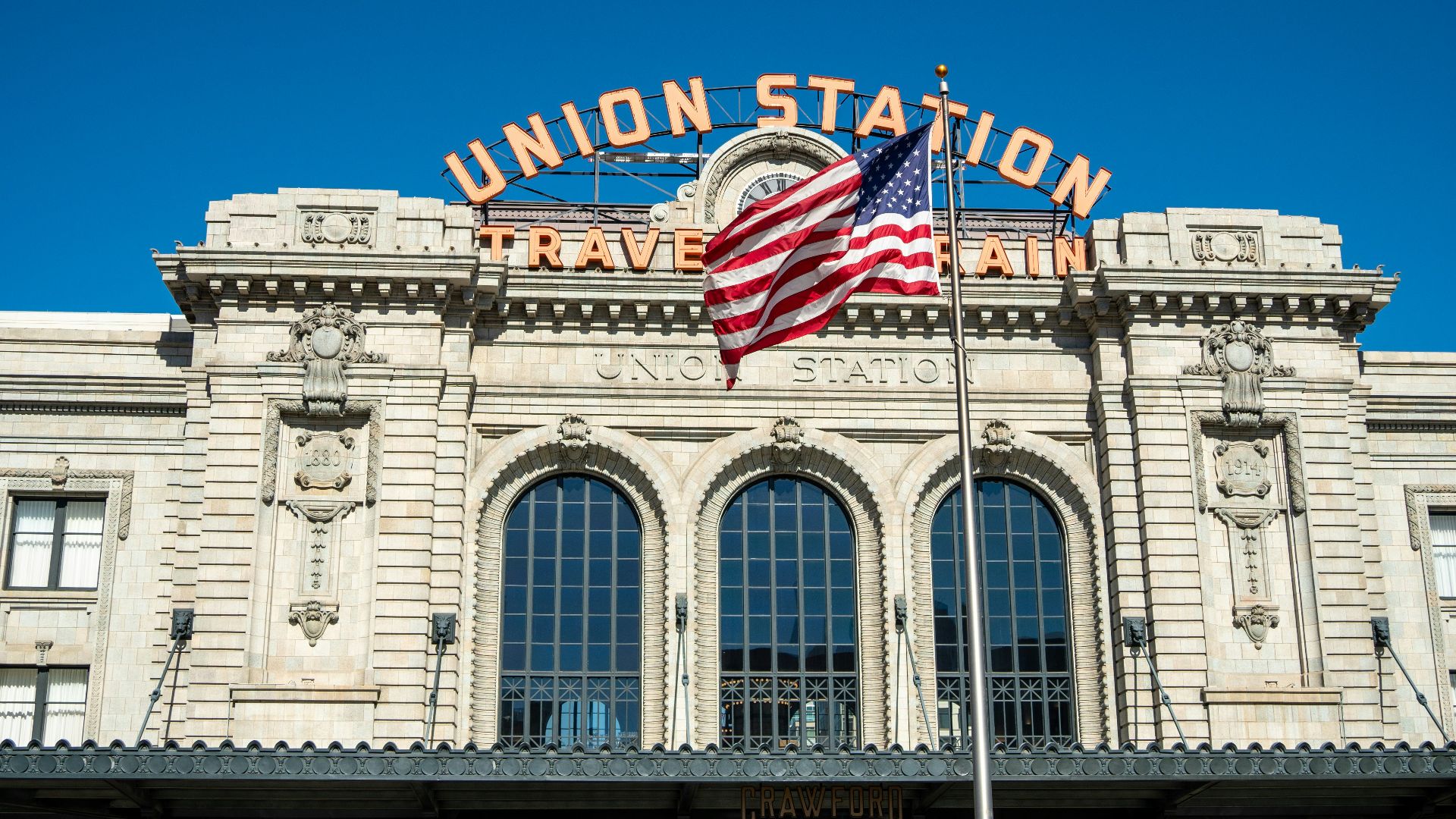
11. Union Station (Washington, D.C., USA)
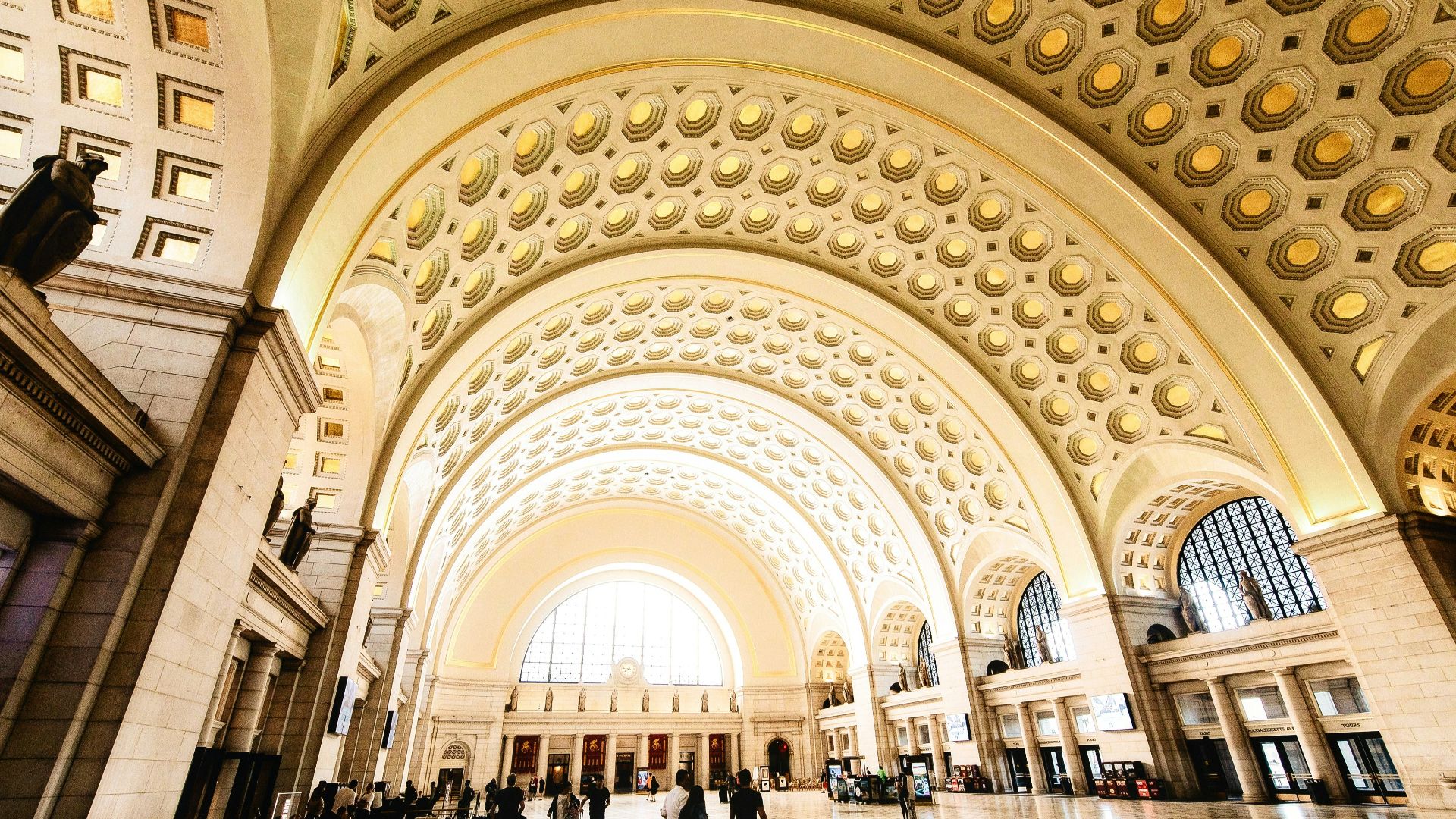
Union Station opened in 1907 and remains one of the largest train stations in the United States. Its neoclassical design includes grand arches and coffered ceilings. The station has been restored multiple times to maintain its historic charm. Today, it serves as both a transit hub and a shopping destination.
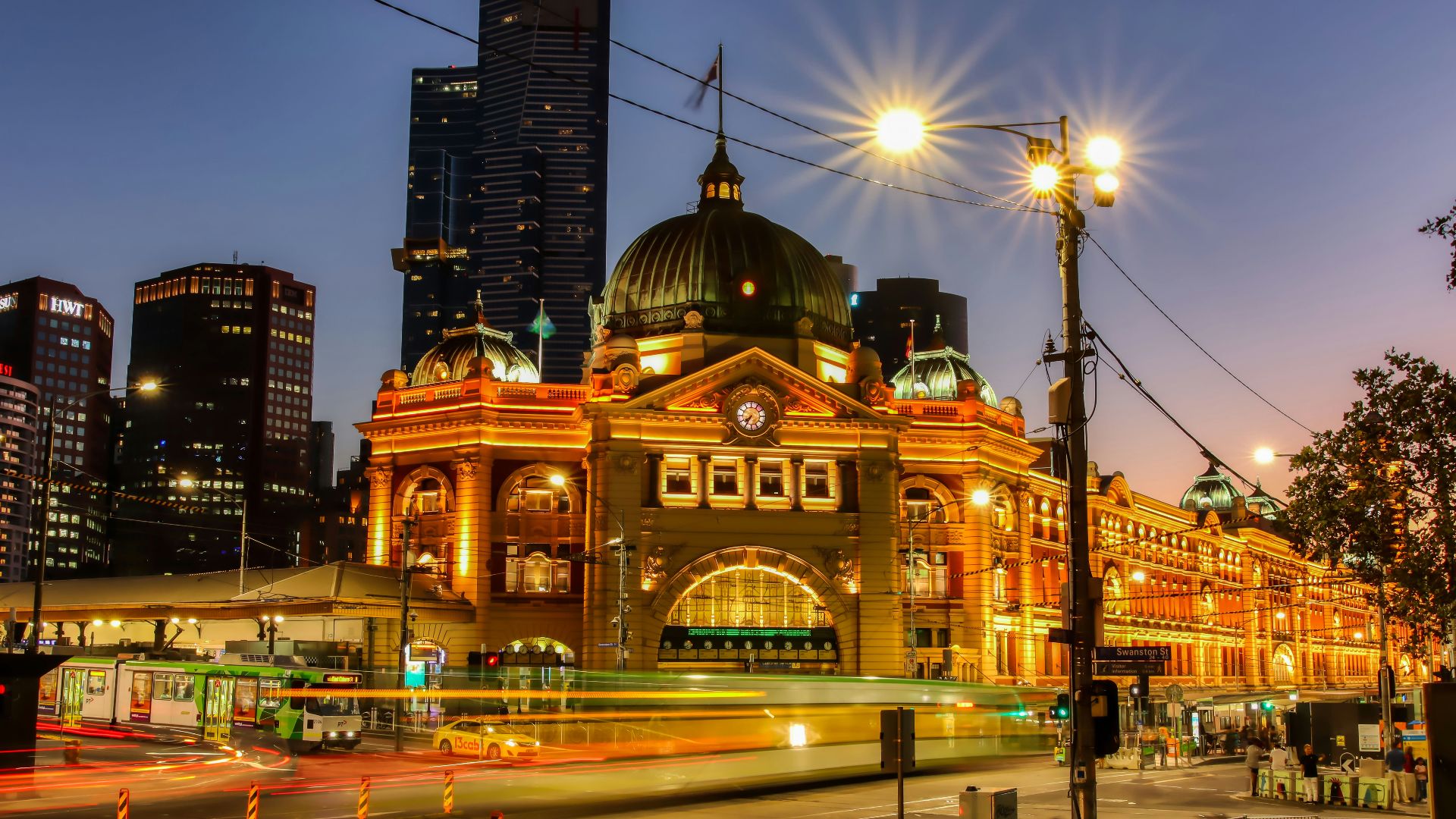
12. Flinders Street Station (Melbourne, Australia)
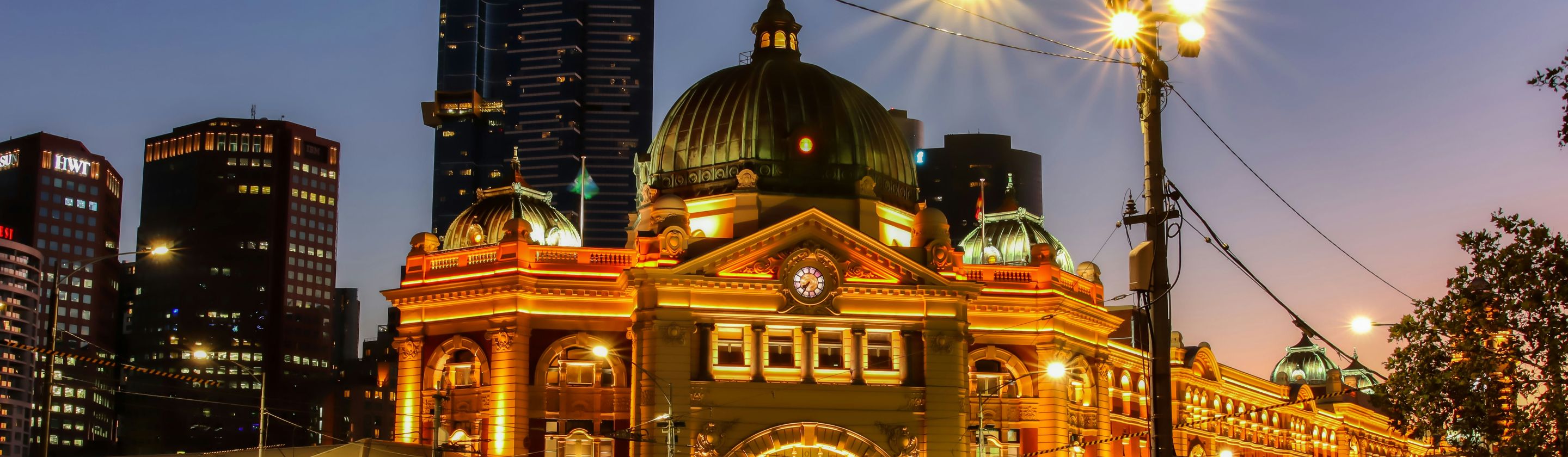
Flinders Street Station is one of Melbourne’s most recognizable landmarks. Opened in 1909, it features a distinctive yellow façade and green copper dome.
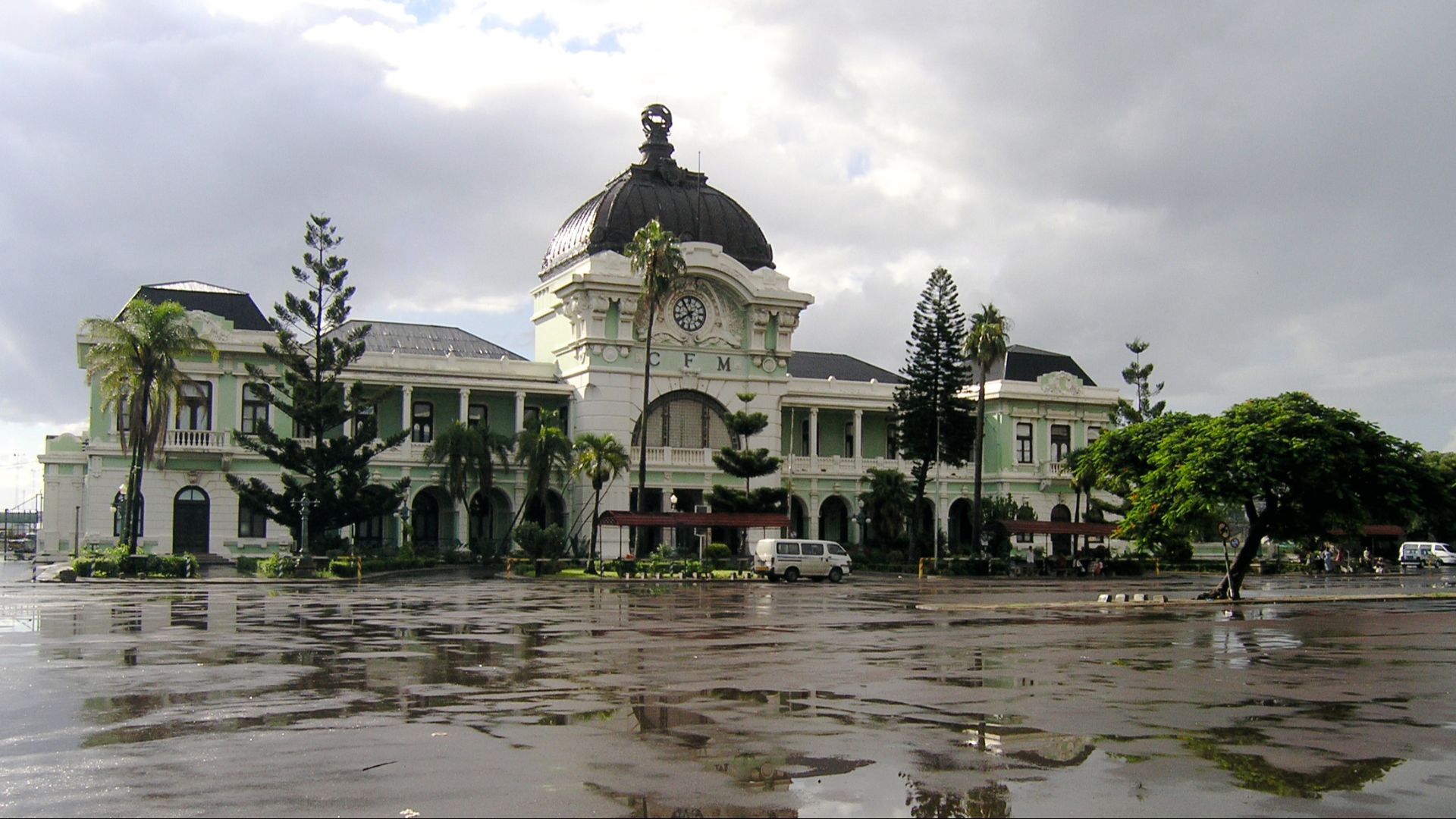
13. Maputo Railway Station (Maputo, Mozambique)
Completed in 1916, this station is often linked to the design influence of Gustave Eiffel. Its green dome and elegant ironwork make it stand out. The building reflects colonial-era architecture with a refined aesthetic. Today, it also hosts cultural events and exhibitions.
 Dumplestilskin at English Wikipedia on Wikimedia
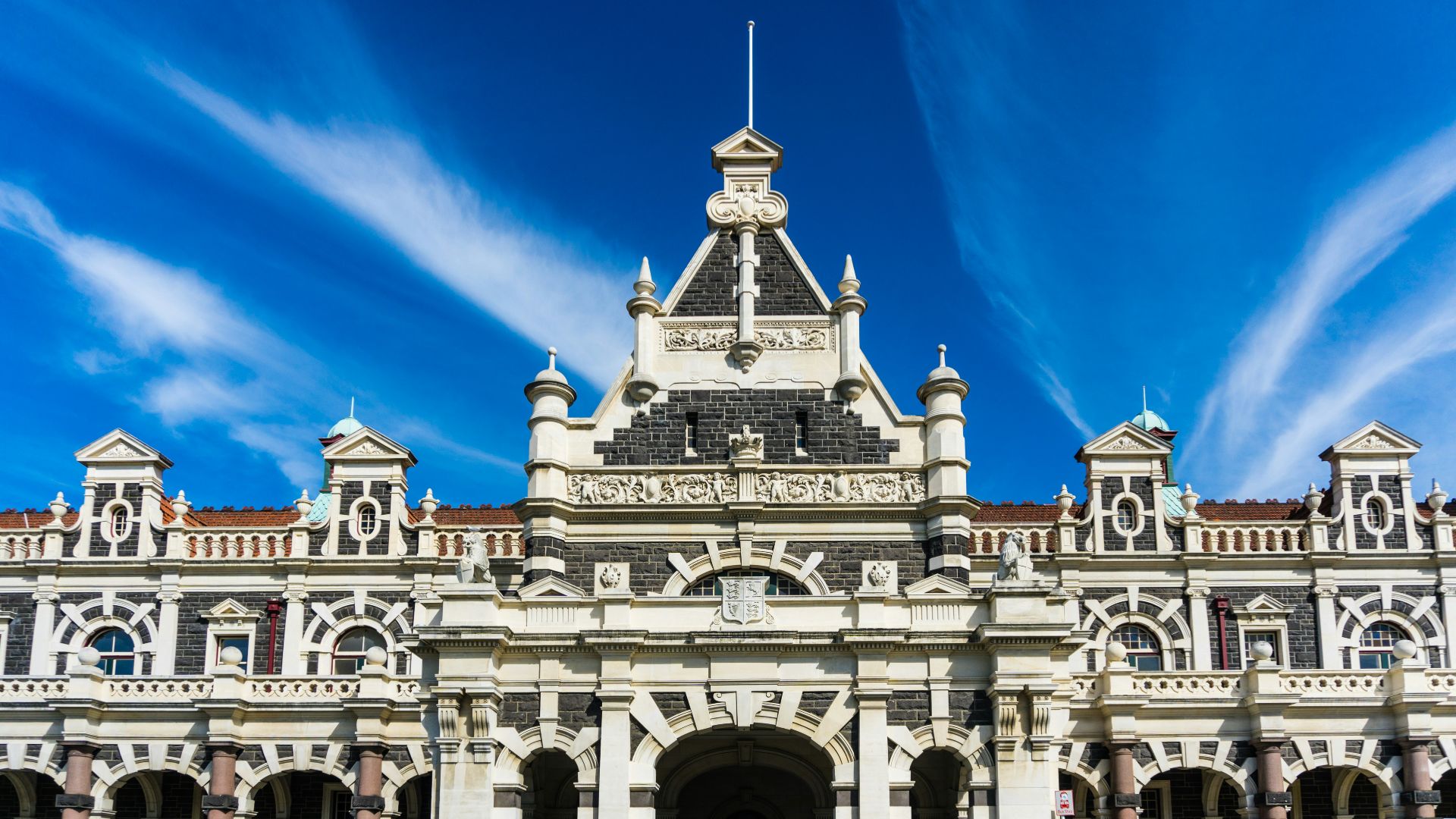
14. Dunedin Railway Station (Dunedin, New Zealand)
Dunedin Railway Station opened in 1906 and is known for its ornate design. The building combines Flemish Renaissance and Gothic elements. Inside, you’ll find mosaic floors and detailed woodwork. It’s often described as one of New Zealand’s most photographed structures.
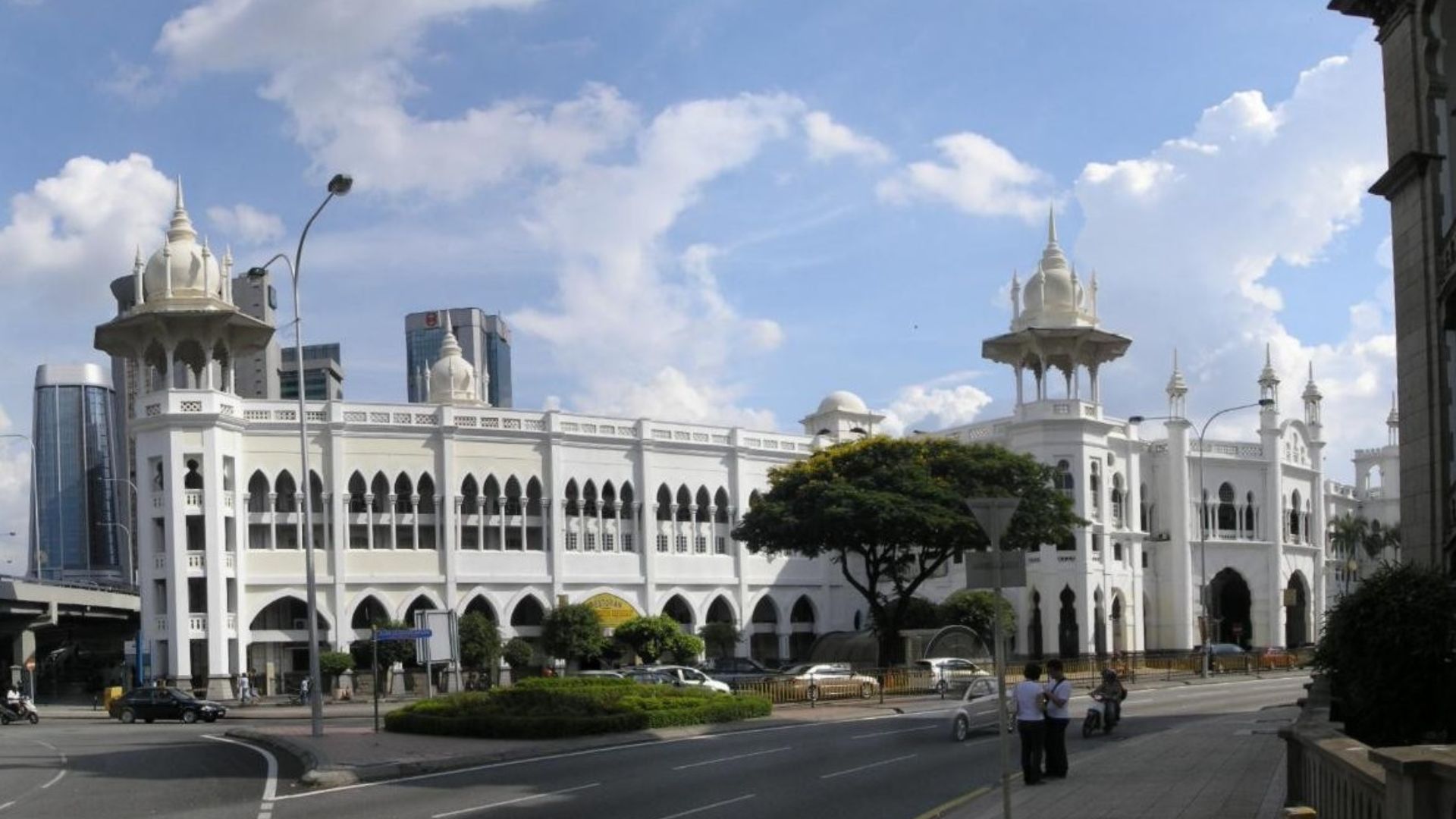
15. Kuala Lumpur Railway Station (Kuala Lumpur, Malaysia)
This station blends Moorish, Mughal, and Victorian architectural styles. Opened in 1910, it once served as the city’s main railway hub.
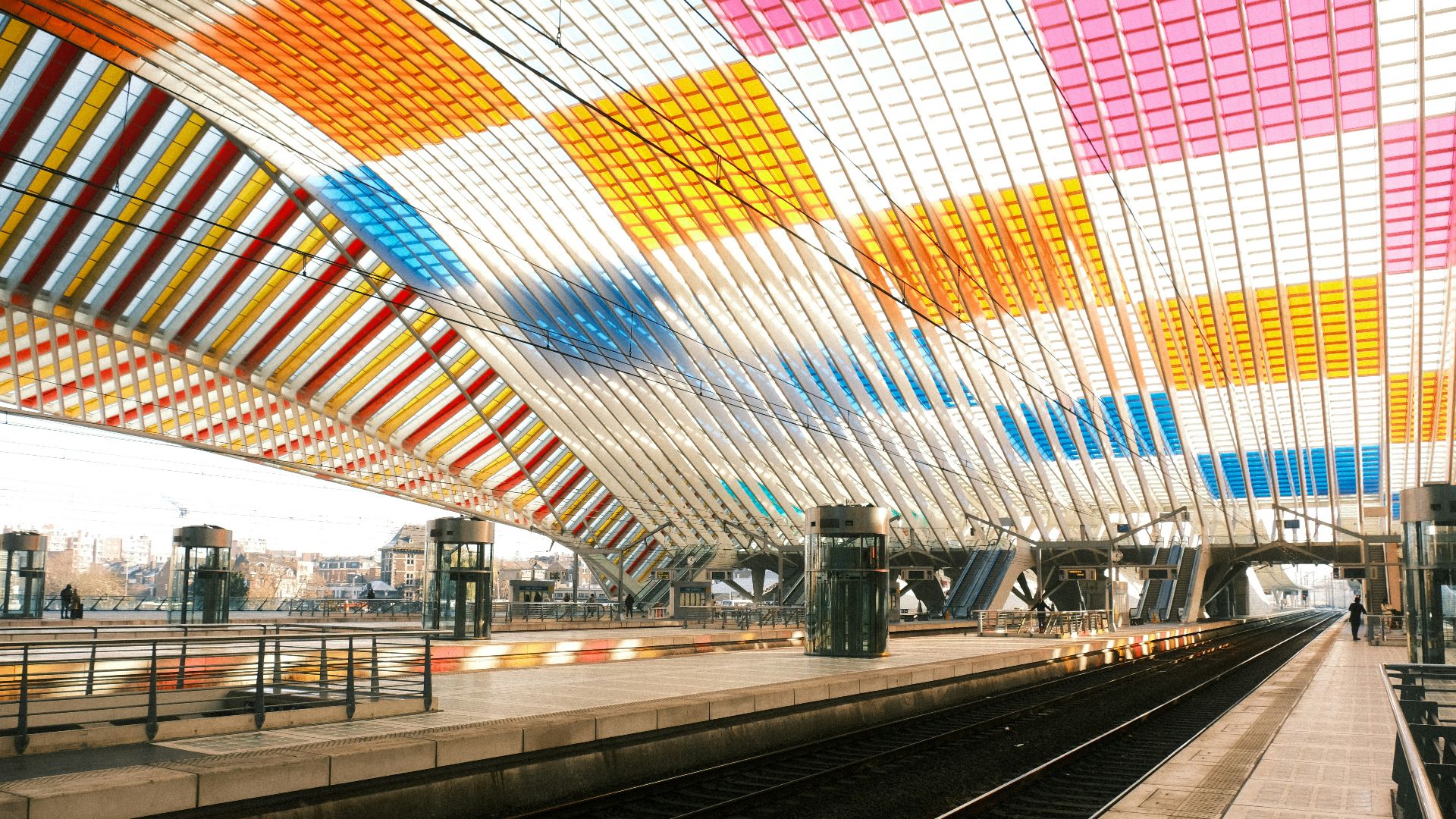
16. Liège-Guillemins Station (Liège, Belgium)
Designed by architect Santiago Calatrava, this station opened in 2009. Its sweeping steel and glass create a sense of openness and movement.
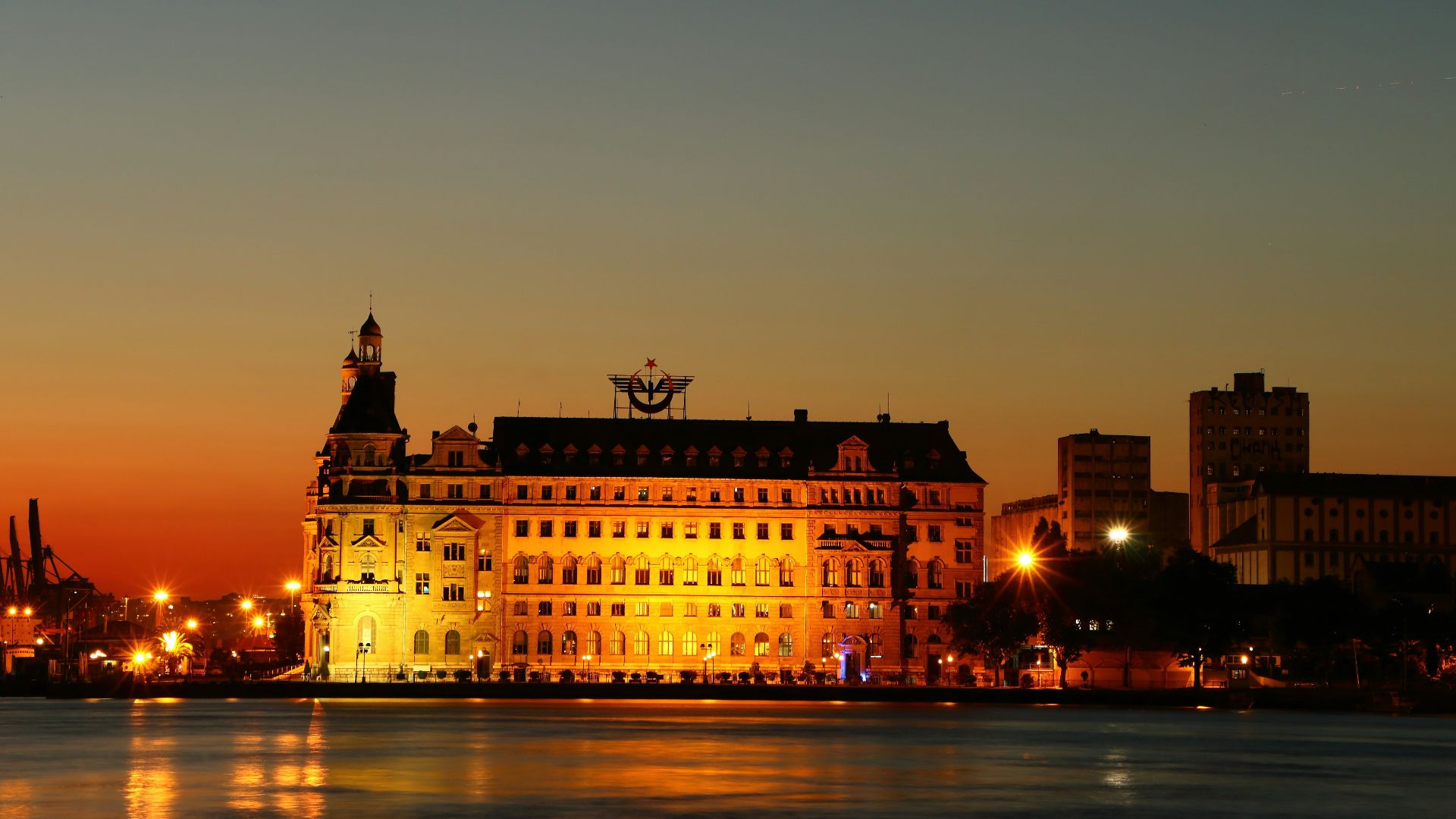
17. Haydarpaşa Station (Istanbul, Turkey)
Haydarpaşa Station opened in 1908 and served as a key gateway between Europe and Asia. Its neoclassical façade overlooks the Bosphorus, adding to its dramatic setting. The building has undergone restoration following damage from a fire. It remains an important symbol of Istanbul’s rail history.
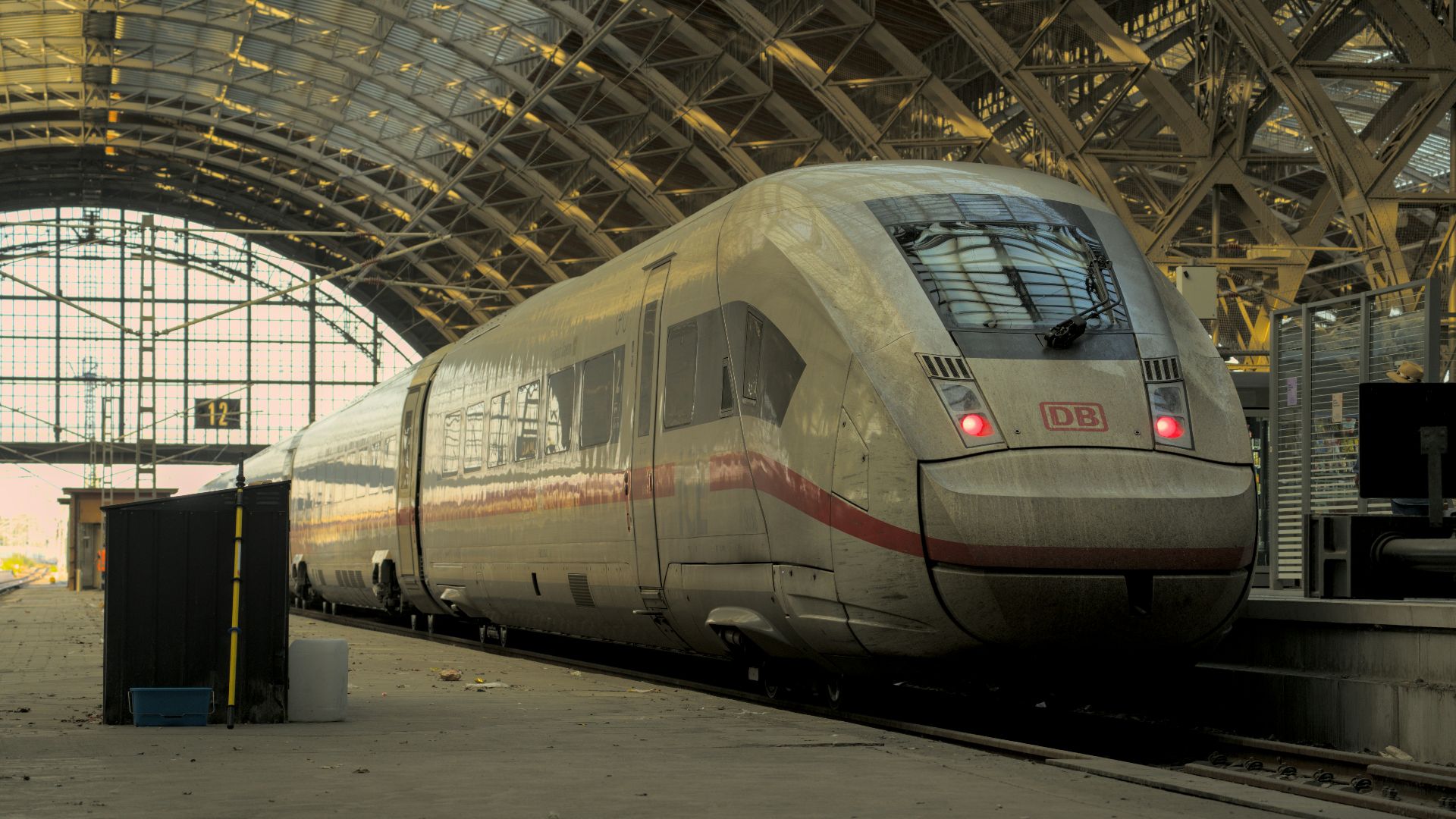
18. Leipzig Hauptbahnhof (Leipzig, Germany)
Leipzig Hauptbahnhof is one of Europe’s largest railway stations. Opened in 1915, it features an impressive façade and expansive interior halls.
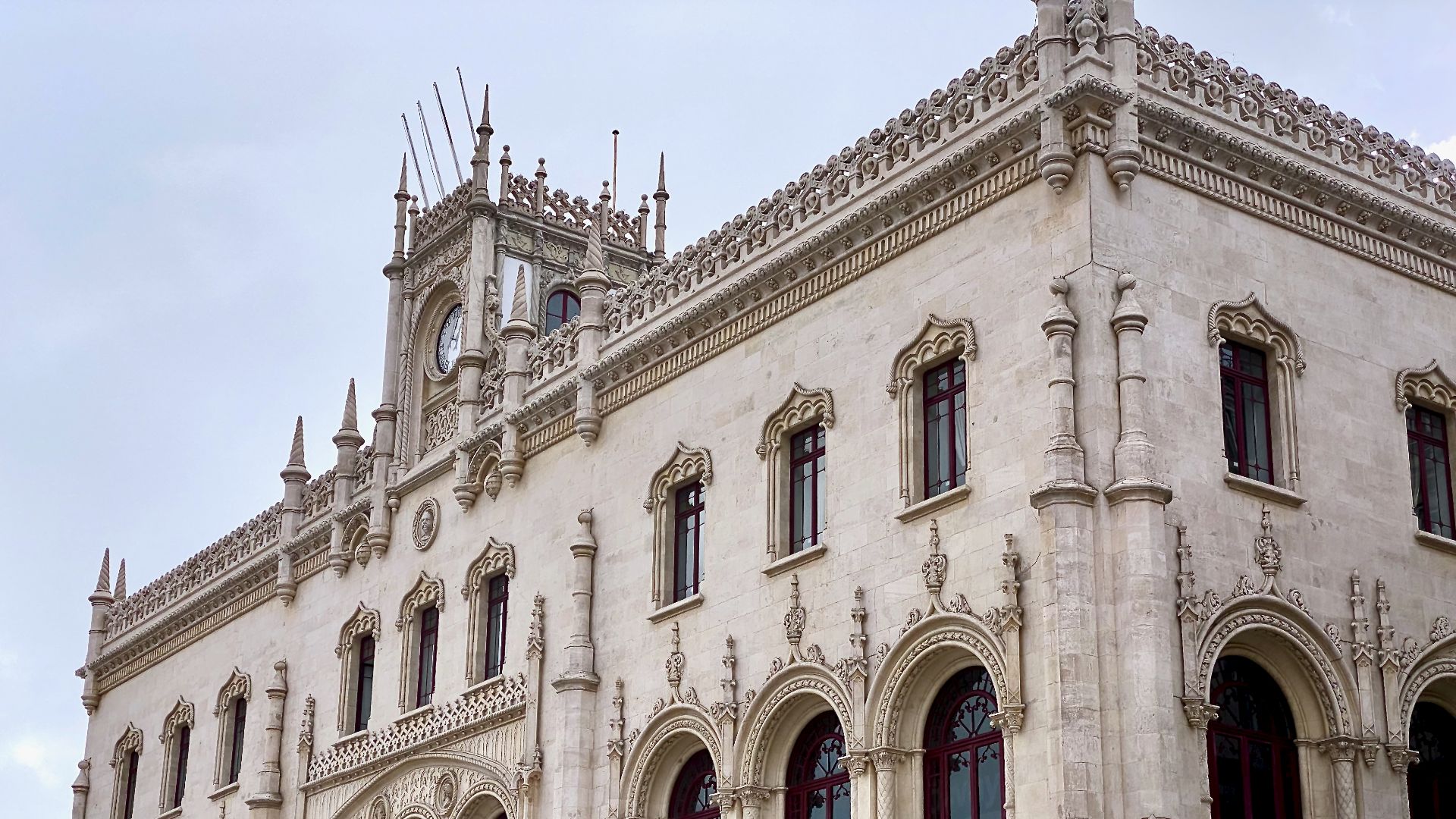
19. Rossio Railway Station (Lisbon, Portugal)
Rossio Station is known for its ornate Manueline-style façade. Opened in 1890, it has twin horseshoe-shaped arches that are instantly recognizable. The interior platforms are hidden behind the decorative exterior.
 F Delventhal from Outside Washington, D.C., US on Wikimedia
20. Union Station (Los Angeles, USA)
Los Angeles Union Station opened in 1939 and blends Spanish Colonial, Mission Revival, and Art Deco styles. Its waiting room features high ceilings, leather seating, and tiled floors.