
Whenever the conversation turns to global beauty standards, Brazil almost always sits at the very top of the list. You've likely noticed that this South American giant consistently produces some of the world's most successful supermodels and pageant winners. It isn't just a coincidence or a stroke of genetic luck that has made this nation a synonym for physical attractiveness. There’s a deep-rooted cultural and historical foundation that prioritizes aesthetics and self-care in a way that few other places on Earth can match.
The reputation of Brazil as a hub for the "prettiest" people is built on a fascinating blend of diverse heritage and a society that treats beauty as a basic human value. Whether you’re walking through the bustling streets of São Paulo or relaxing on the sunny shores of Rio de Janeiro, you’ll see a population that takes immense pride in its appearance. Understanding why this country holds such a strong grip on collective perceptions of beauty requires a closer look at its unique social habits and its melting-pot history.
The Power of a Genetic Melting Pot
One thing that genetics has done for Brazil is produce visually striking physiques. For hundreds of years, Brazil has blended Indigenous peoples with Portuguese, African, and Japanese descendants to become one of the most multiracial countries in existence. Combined with all the additional mixing that has occurred over generations, Brazilians have inherited diverse facial features, varied skin tones, and distinctive physical traits that are often considered exotic elsewhere. Not only are they perceived as attractive because of their diversity, but they also do not conform to a single exclusive model of beauty.
Hybrid vigor is a popular concept used by biologists to describe how genetic diversity can produce robust and physically varied offspring. Symmetrical features are often considered attractive to the human eye because symmetry is associated with health. Genetics makes this a visible reality in Brazil. Looking at Brazilian celebrities, you will notice representation from many backgrounds and ethnicities. Brazil is often described as a place where beauty exists in many forms because its population has been shaped by centuries of mixing. It is difficult to ignore the outcome.
There is also a cultural acceptance of being “mestiço” (of mixed race). Brazilian people are proud of their unique features and are not pressured into conforming to a single narrow standard of beauty. Whether in the north or south, there are variations in how beauty is perceived. But that does not stop people from taking pride in the features they were born with. They often focus on enhancing what nature provided while wearing clean clothes and maintaining personal hygiene. It becomes easier to see how cultural acceptance can influence confidence in appearance.
A National Obsession with Self-Care
In many parts of the world, high-end cosmetic procedures and elaborate skincare routines are reserved for the wealthy or the famous. In Brazil, however, the pursuit of beauty is democratized and woven into the very fabric of everyday life for people of all income levels. You’ll notice that Brazilians spend a significantly higher percentage of their income on grooming products and gym memberships than many of their international peers. It’s a culture where looking your best is seen as a sign of self-respect and a way to navigate the social world more effectively.
The fitness culture in Brazil is widely recognized, with outdoor gyms and exercise stations along the beaches packed with people working on their physiques. Being active isn't just a chore; it’s a social event that brings communities together under the sun. This focus on physical health contributes to the vibrant, energetic presence that many people associate with the Brazilian population. It becomes easier to feel motivated to move when surrounded by a society that treats the human body as something worth maintaining and caring for consistently.
Interestingly, Brazil also has one of the highest rates of plastic surgery per capita in the world, and it is not something people feel the need to hide. There is a general social consensus that if someone has the means to improve something they are unhappy with, they should have the option to do so. Even the government has historically subsidized certain cosmetic procedures in public hospitals, viewing psychological well-being and self-esteem as important components of public health. This open attitude toward aesthetic enhancement means that grooming standards are exceptionally high across the board.
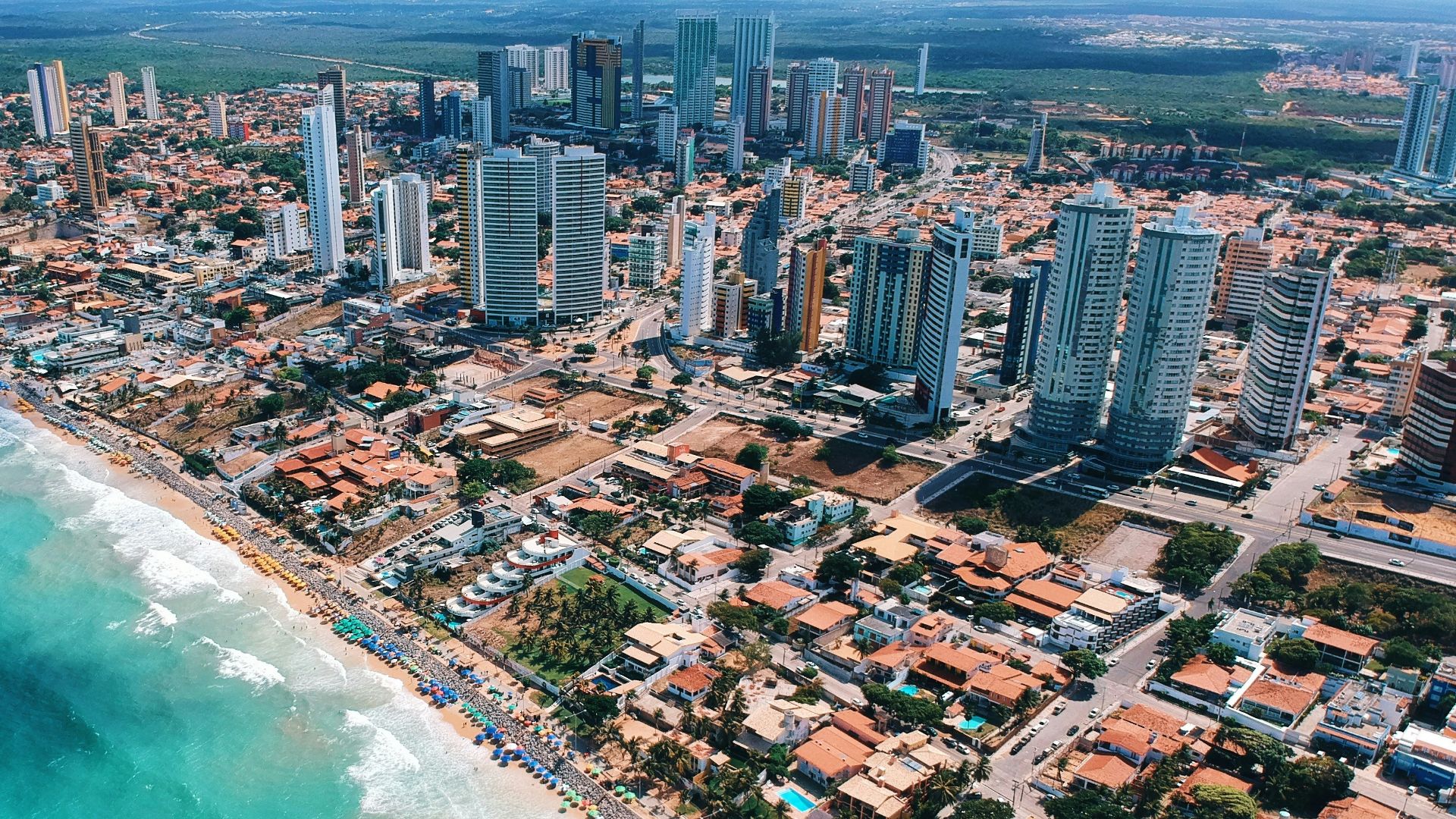
The geography of Brazil also plays a major role in shaping how citizens view their bodies and overall appearance. With thousands of miles of coastline and a tropical climate that lasts most of the year, beach culture is a primary influence on fashion and beauty standards. When people spend a large portion of their lives in swimwear, there is a natural incentive to maintain a toned body and healthy skin. The sun, sand, and sea serve as constant backdrops for social life, making a radiant and fit appearance an important part of everyday participation.