Watch the Skies: 20 Most Common Natural Disasters in Each US State
From Tornado Giant Texas to Hurricane Central Florida
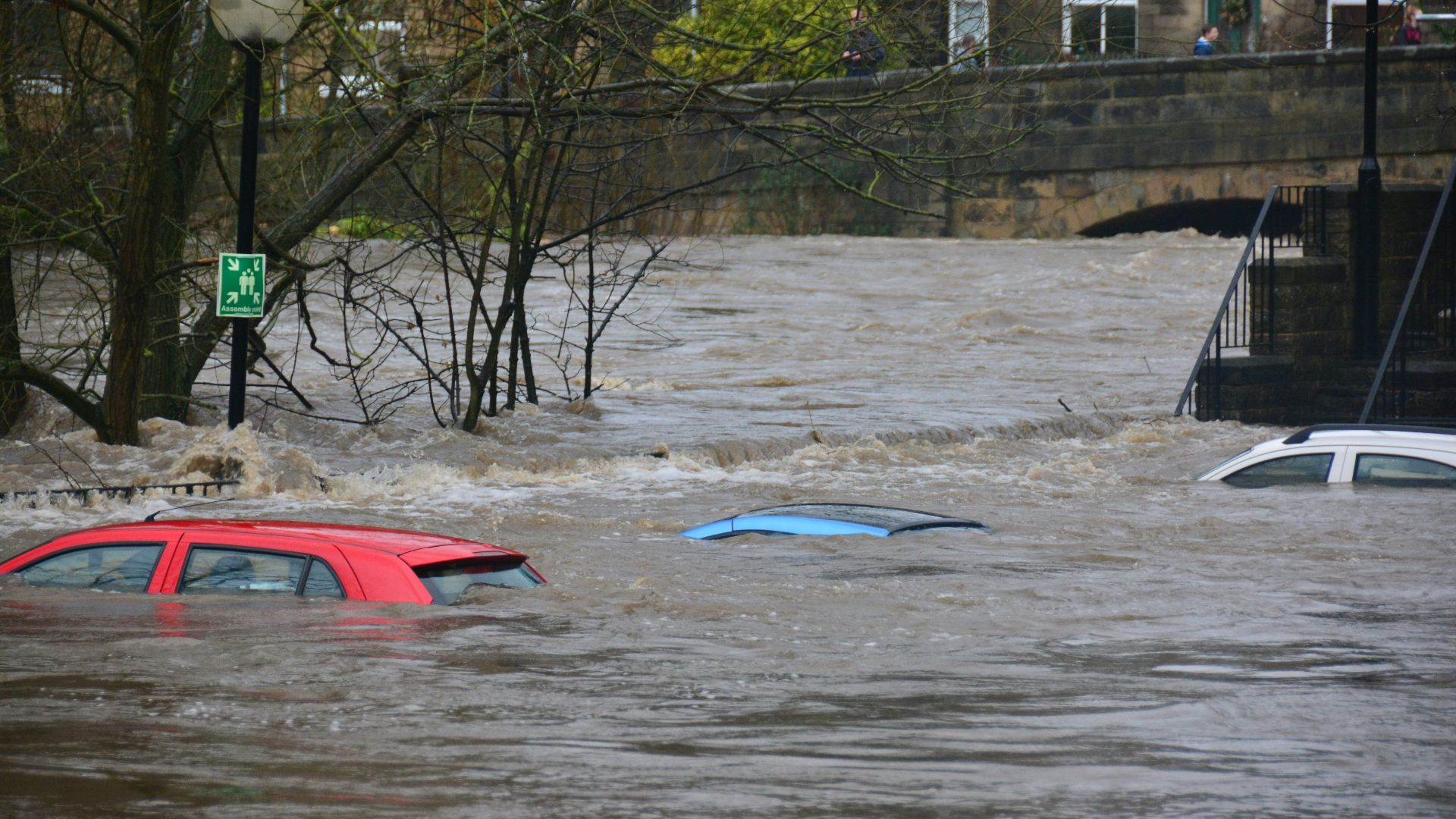
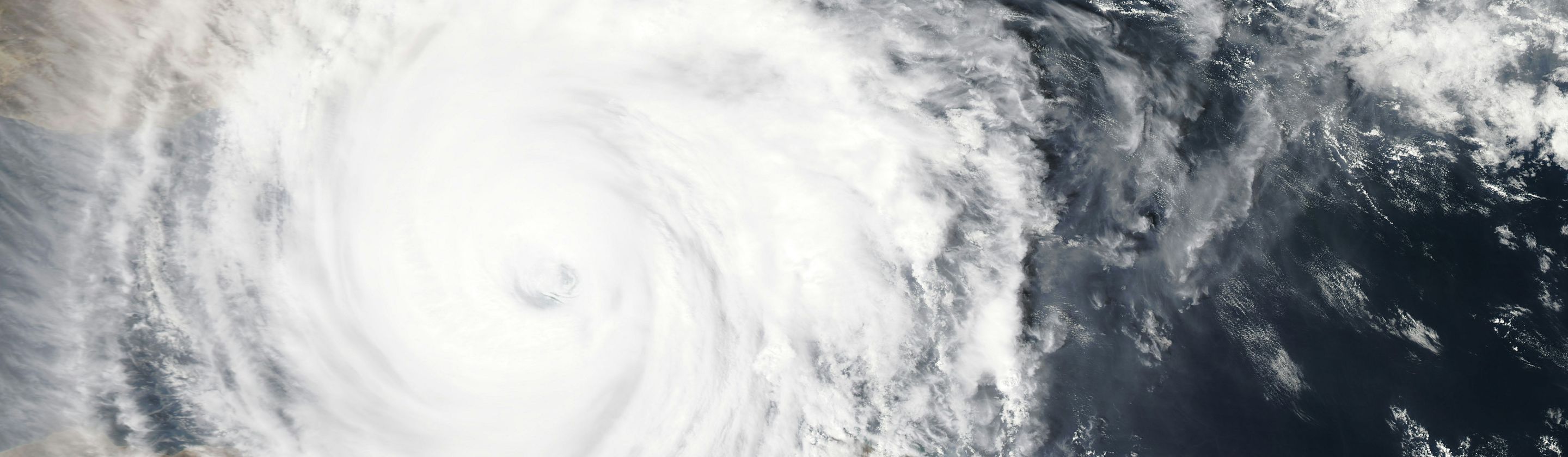
Living in the United States means having a front-row seat to some of the most impressive and intense weather on the planet. From the sun-drenched coasts of the South to the rugged mountains of the West, each state has its own unique set of atmospheric quirks that can occasionally turn a quiet afternoon into a bit of a survival adventure. Whether dodging a sudden summer deluge or preparing for a winter wonderland that is slightly more "wonder" than bargained for, understanding the local risks is just part of being a savvy resident.
1. Texas: The Tornado Giant
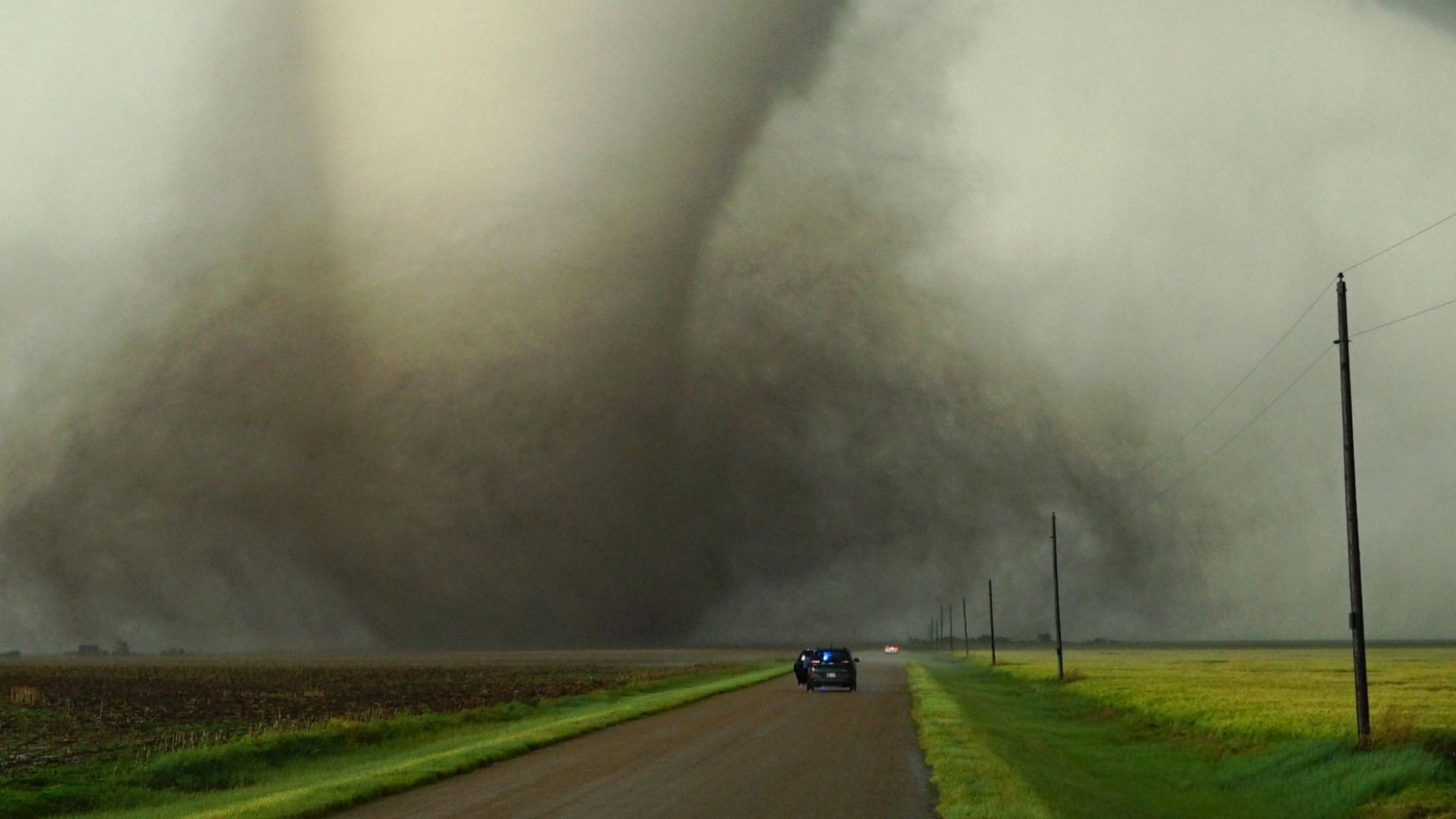
If it is bigger in Texas, that sadly includes tornadoes. “Tornado Alley” will keep residents alert during storm season, particularly in unpredictable spring months when hot and cold air masses meet. A radio should be kept handy and tuned to weather updates when the sky changes to that ominous green color.
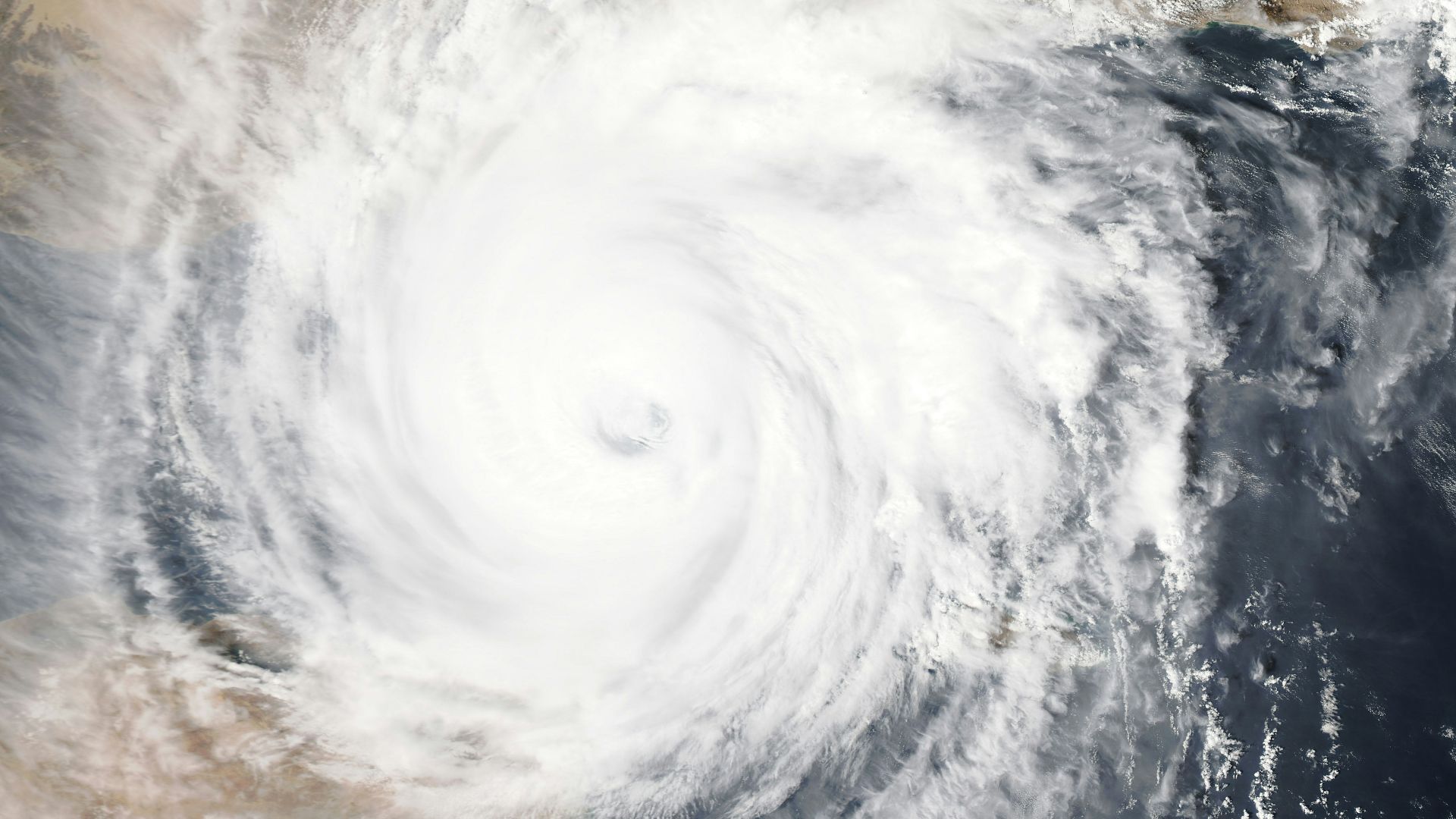
2. Florida: Hurricane Central
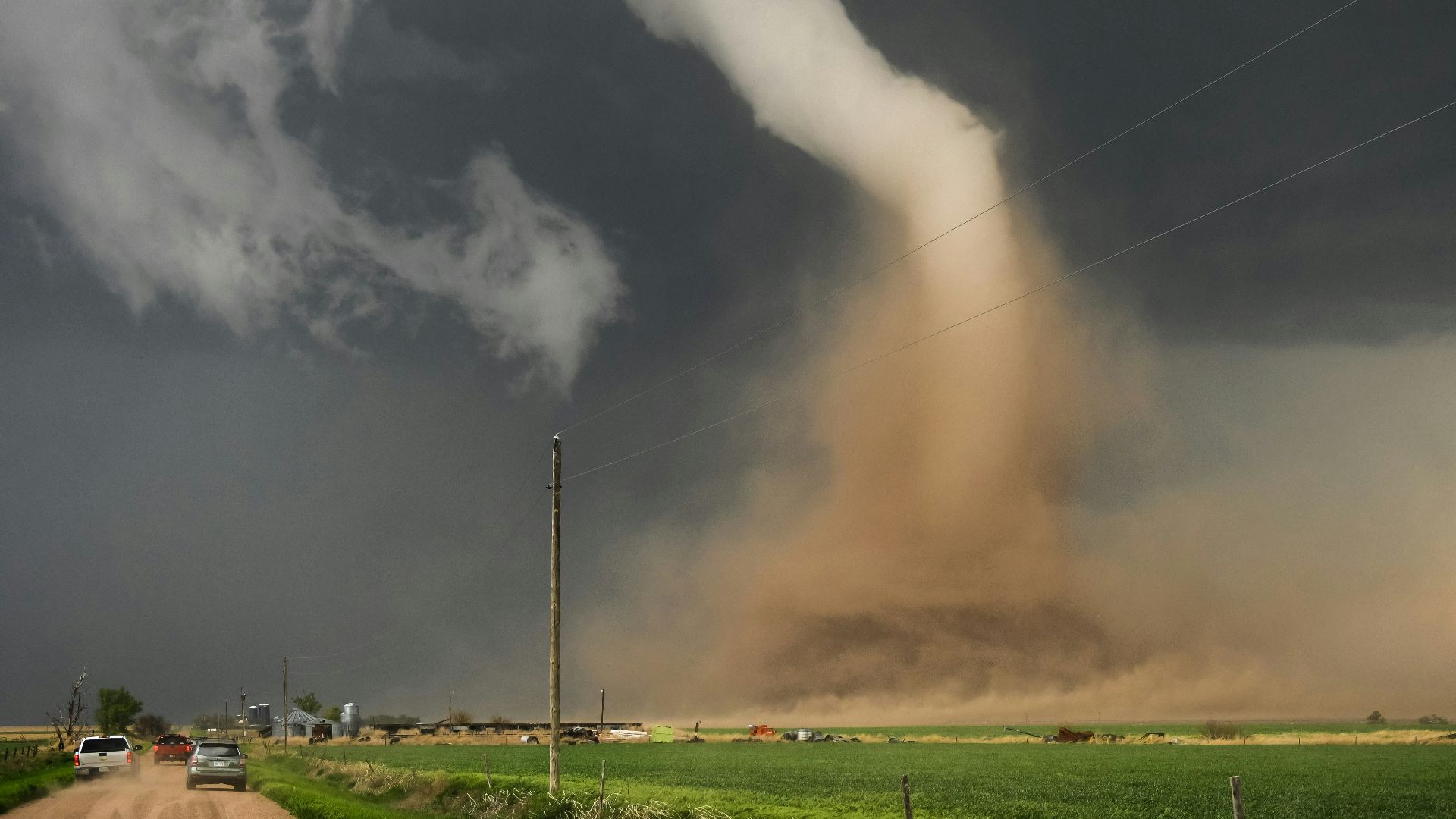
Living here means being a bullseye on the map for tropical activity spinning off in both the Atlantic and Gulf. These systems bring high winds and large amounts of rain, often flooding city streets for several days at a time. Hurricane supplies and routines are typically well-practiced after more than one season.
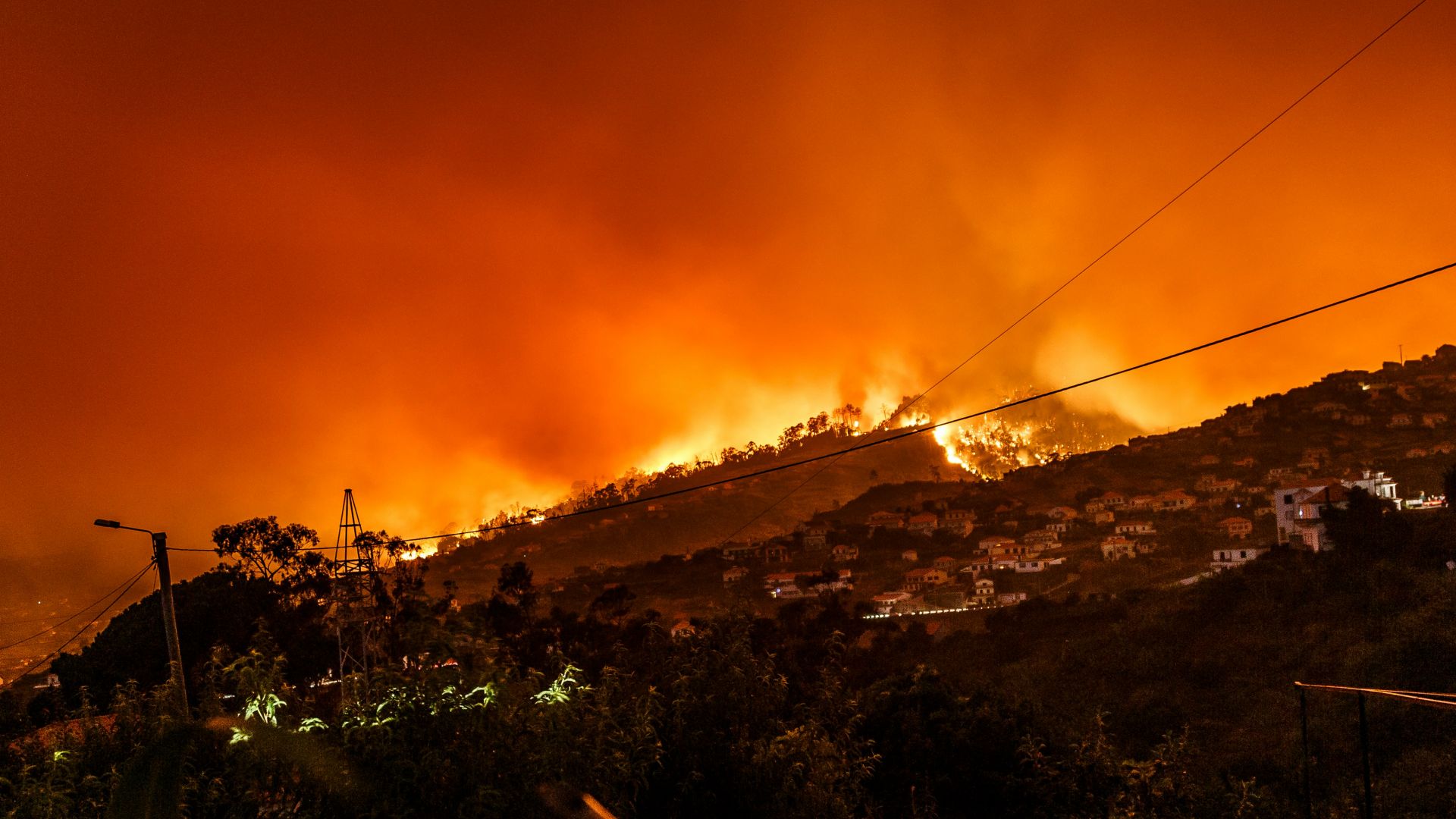
3. California: The Wildfire Season
The golden rolling hills are picturesque, but they also burn quite well during hotter, long dry summers typical of the West Coast. Fire season is a yearly reality, requiring constant monitoring of even the smallest spark.
4. Oklahoma: Severe Thunderstorms
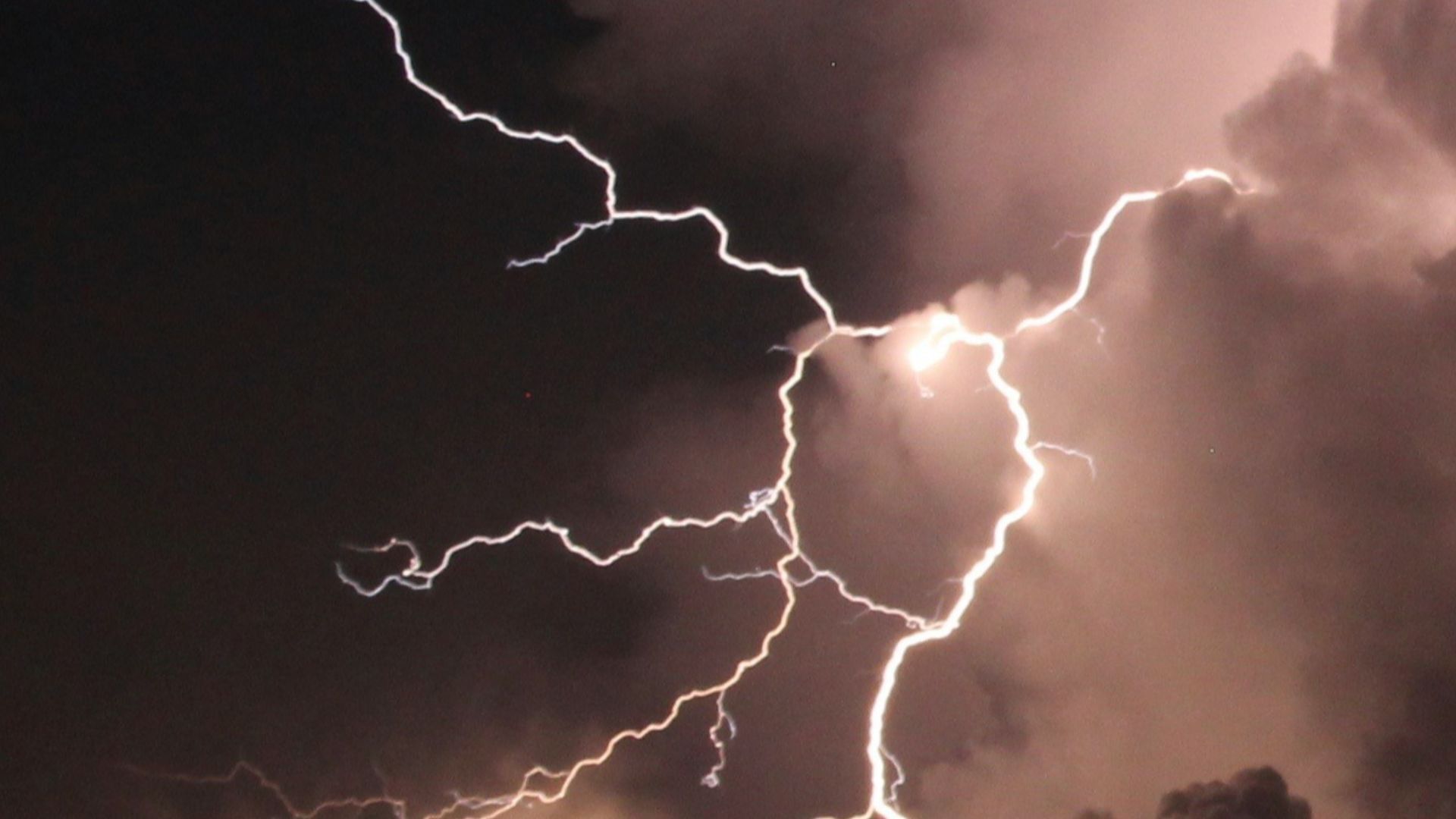
This state regularly experiences some of the brightest and loudest lightning shows in the country, usually accompanied by softball-sized hail. These convection storms can also drop large amounts of rain in a short time, causing flash floods almost instantaneously. Vehicles should be covered when sirens begin blaring.
5. Louisiana: Riverine Flooding
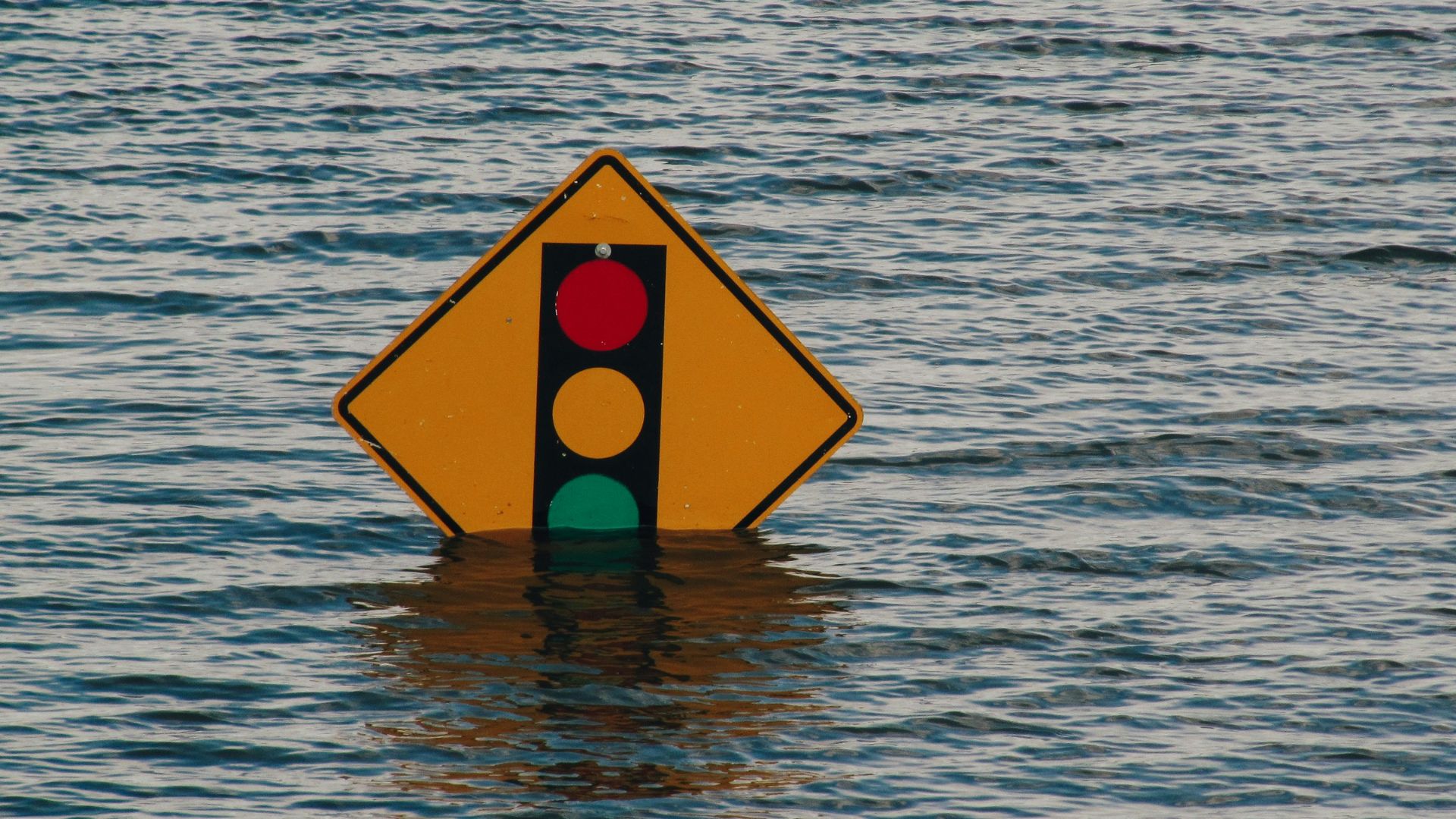
With the Mississippi River running through it and close proximity to the coast, this state experiences frequent overflow events. Heavy rainfall far away can reach local creeks days later due to the flat terrain. It is part of life and has shaped the architecture and culture for centuries.
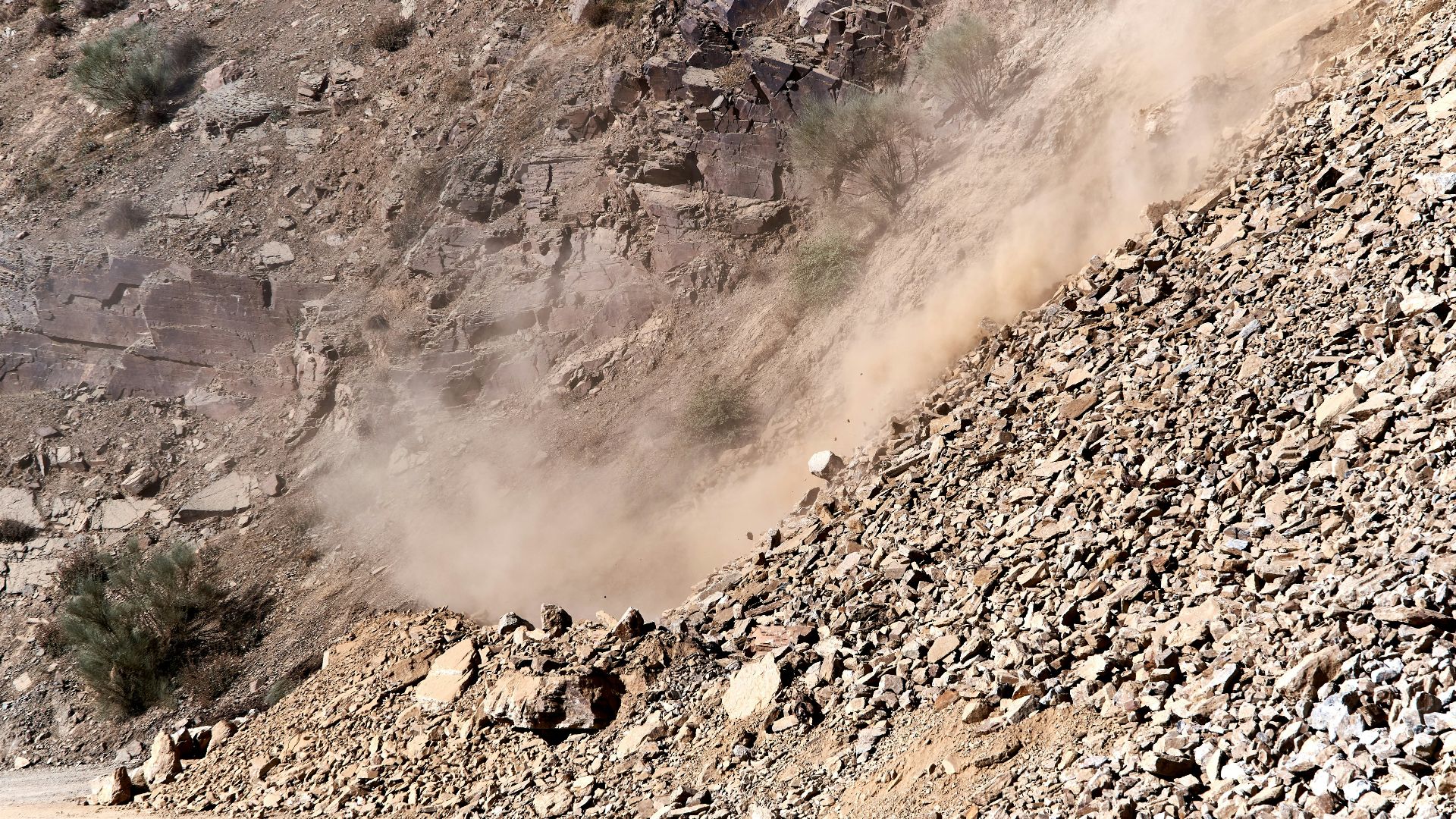
6. Washington: Heavy Landslides
Evergreen State residents are used to hills giving way when there is too much rain. After extended wet periods, slopes can collapse and block roads or impact homes. It is a reminder that the ground is not always as stable as it seems.
 Wolfgang Hasselmann on Unsplash
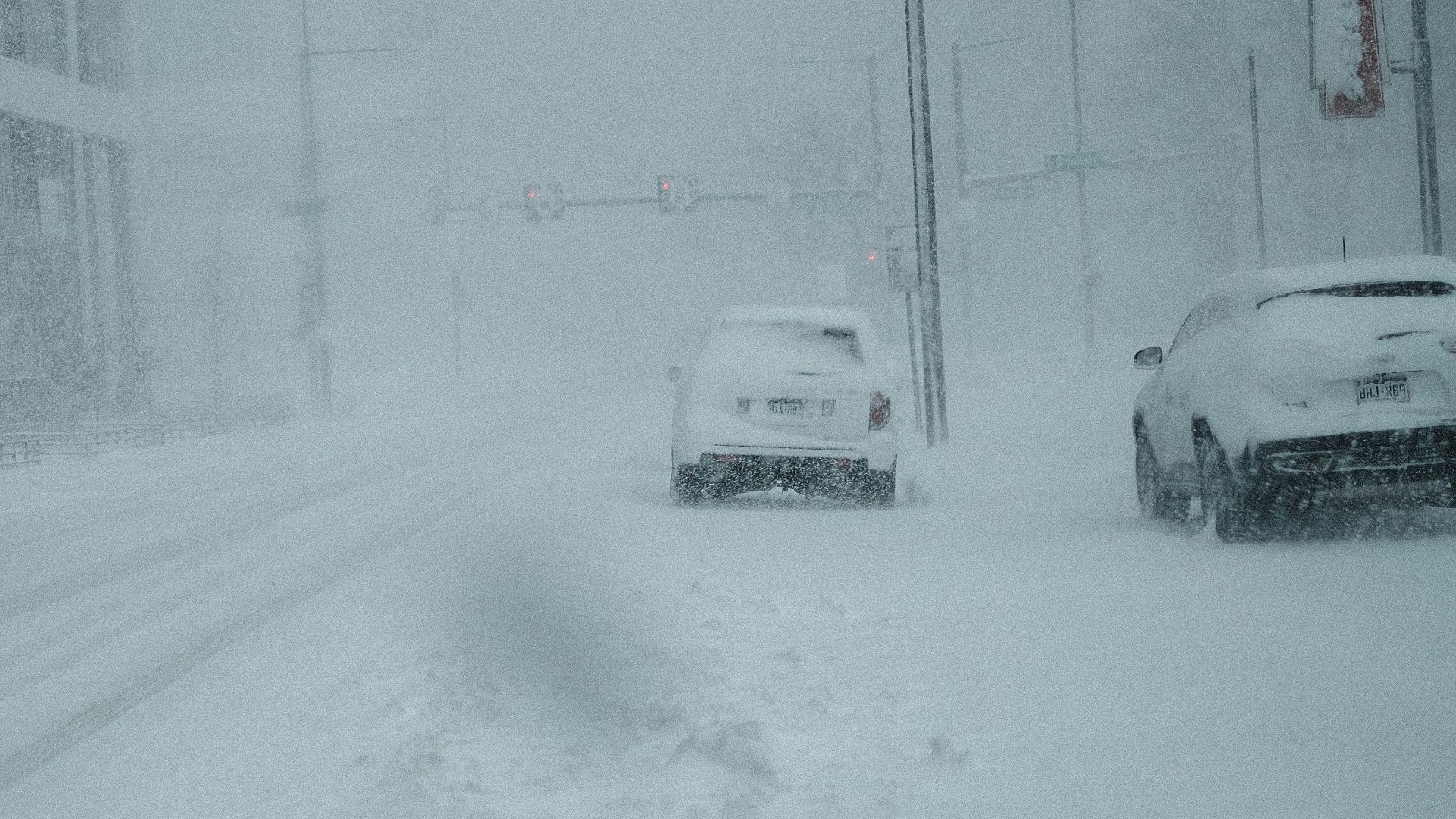
7. New York: Blizzards
Winter in the Empire State often brings massive coastal storms that can dump several feet of snow in a single 24-hour window. These “Nor’easters” combine freezing temperatures with hurricane-force winds, making a simple trip to the grocery store feel like a polar expedition. Snow blowers become as essential as morning coffee.
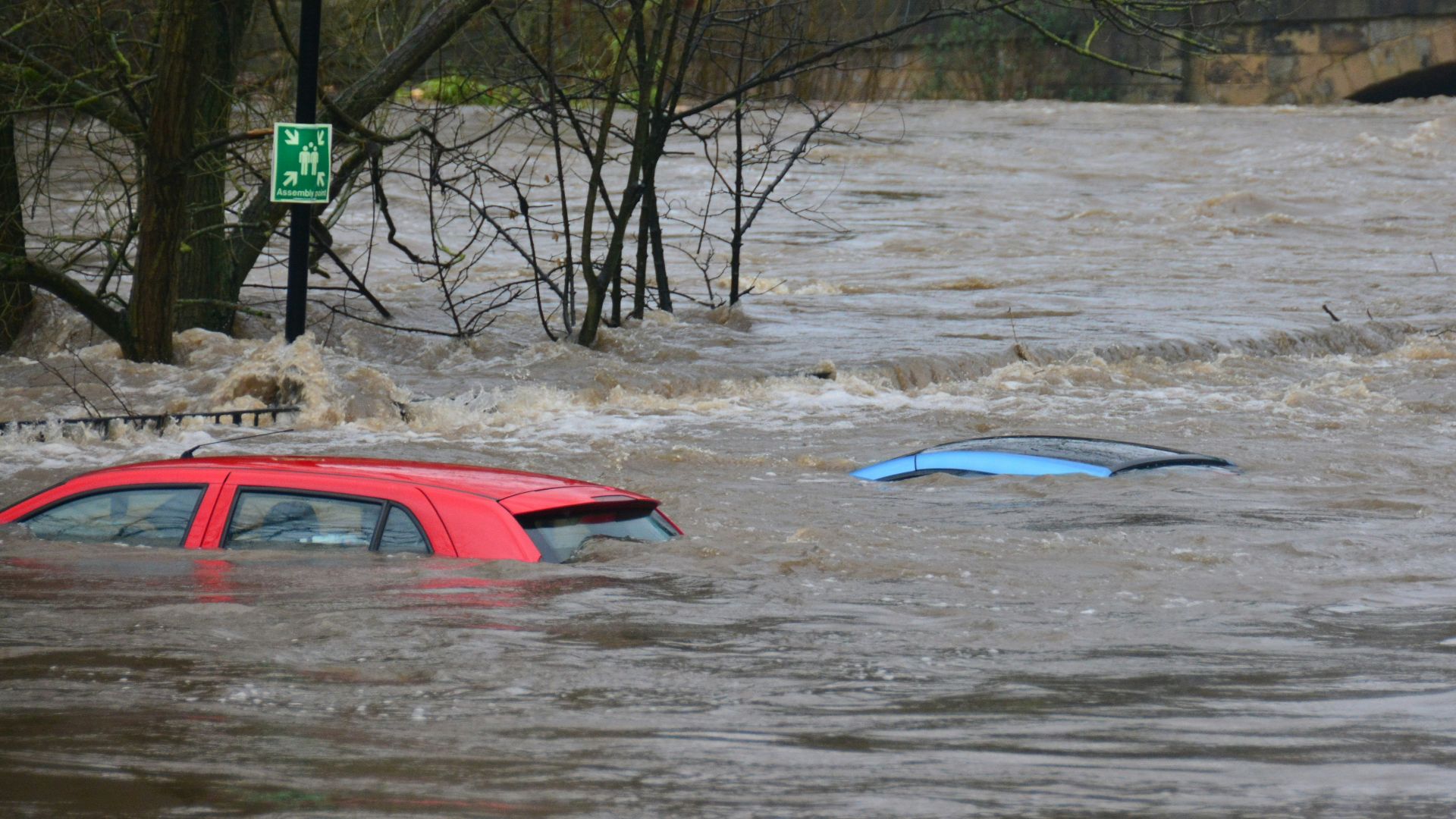
8. Alabama: Destructive Flash Floods
Hilly terrain and heavy southern rainstorms create the perfect conditions for rising water levels. These floods can increase the size of small rivers and creeks in backyards faster than can be reacted to. The old saying holds true: turn around when a puddle looks too deep.
9. Arizona: Extreme Heat Waves
It is called a “dry heat,” but that does not make it any less extreme in desert conditions. During peak summer months, daily routines often start and end early to avoid peak temperatures. Air conditioning is a necessity during scorching summers in Arizona.

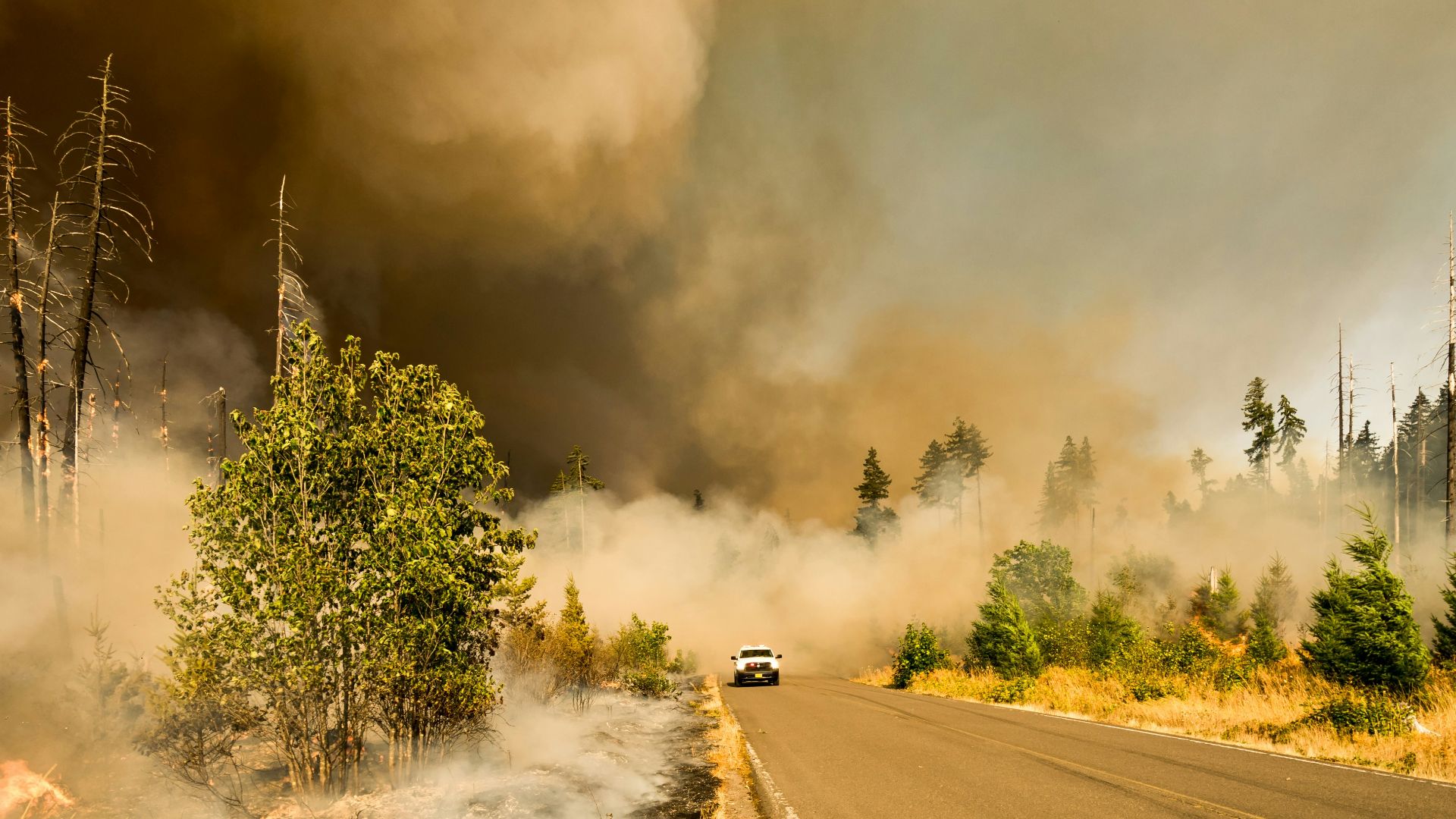
10. Colorado: Mountain Wildfires
Mountains covered in pine trees are beautiful but also vulnerable to lightning strikes that can spread fire quickly. Even when winters bring heavy snow, wildfire season can still be severe if spring is dry. Residents often maintain “defensible space” around properties.
11. Oregon: Coastal Tsunami Risks
Residents know to always have an exit plan due to the state’s location on a major fault line. Tsunamis are rare, but blue “evacuation route” signs leading to higher ground are ever-present. Living by the ocean is peaceful as long as the nearest hill is known.
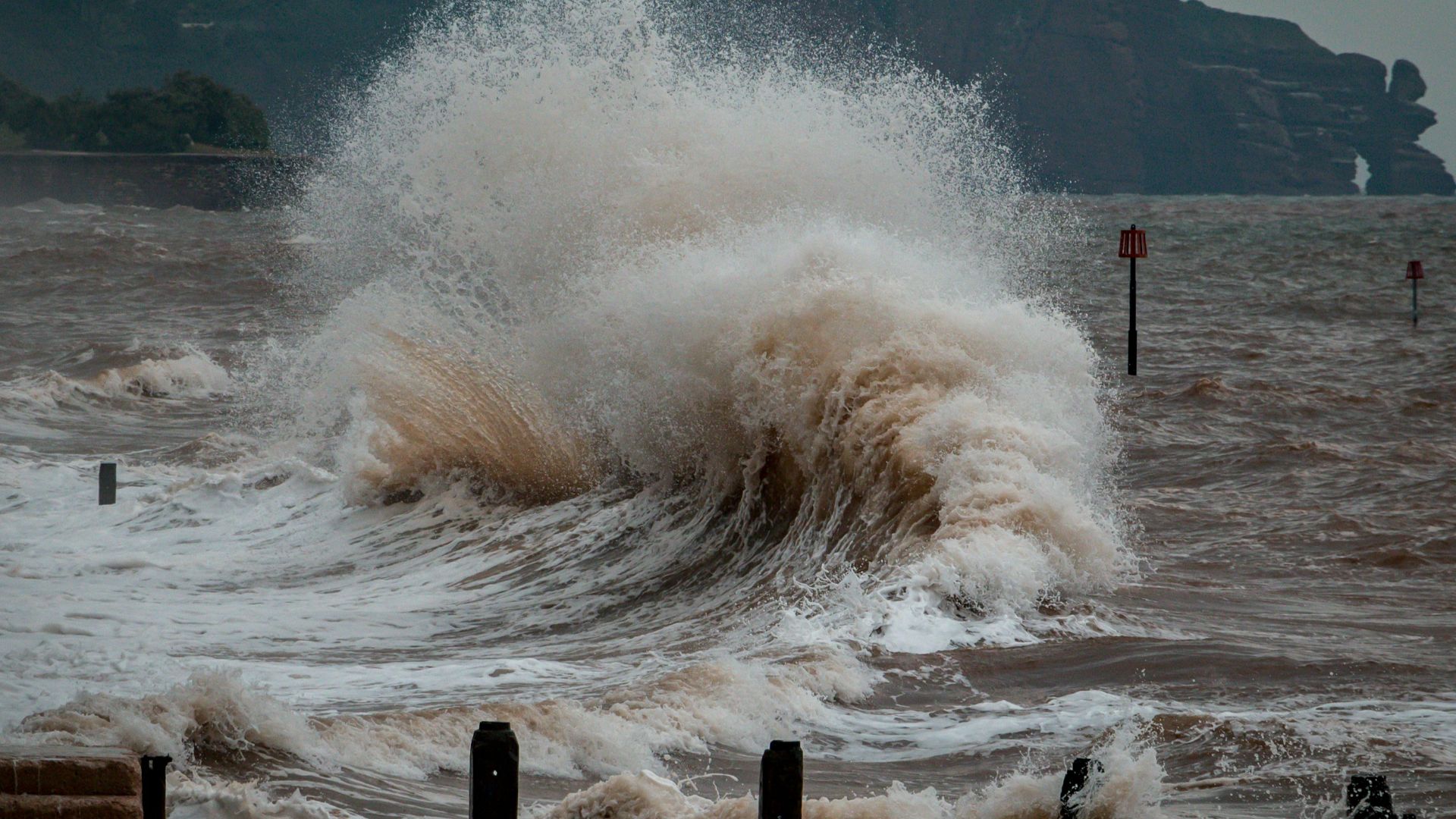
12. Mississippi: River Floods and Storm Surge
Sharing a border with the Gulf and the nation’s largest river means water impacts come from multiple directions. Hurricanes can push ocean water inland, while spring runoff causes rivers to swell significantly. It is a constant balance between managing water and benefiting from fertile land.
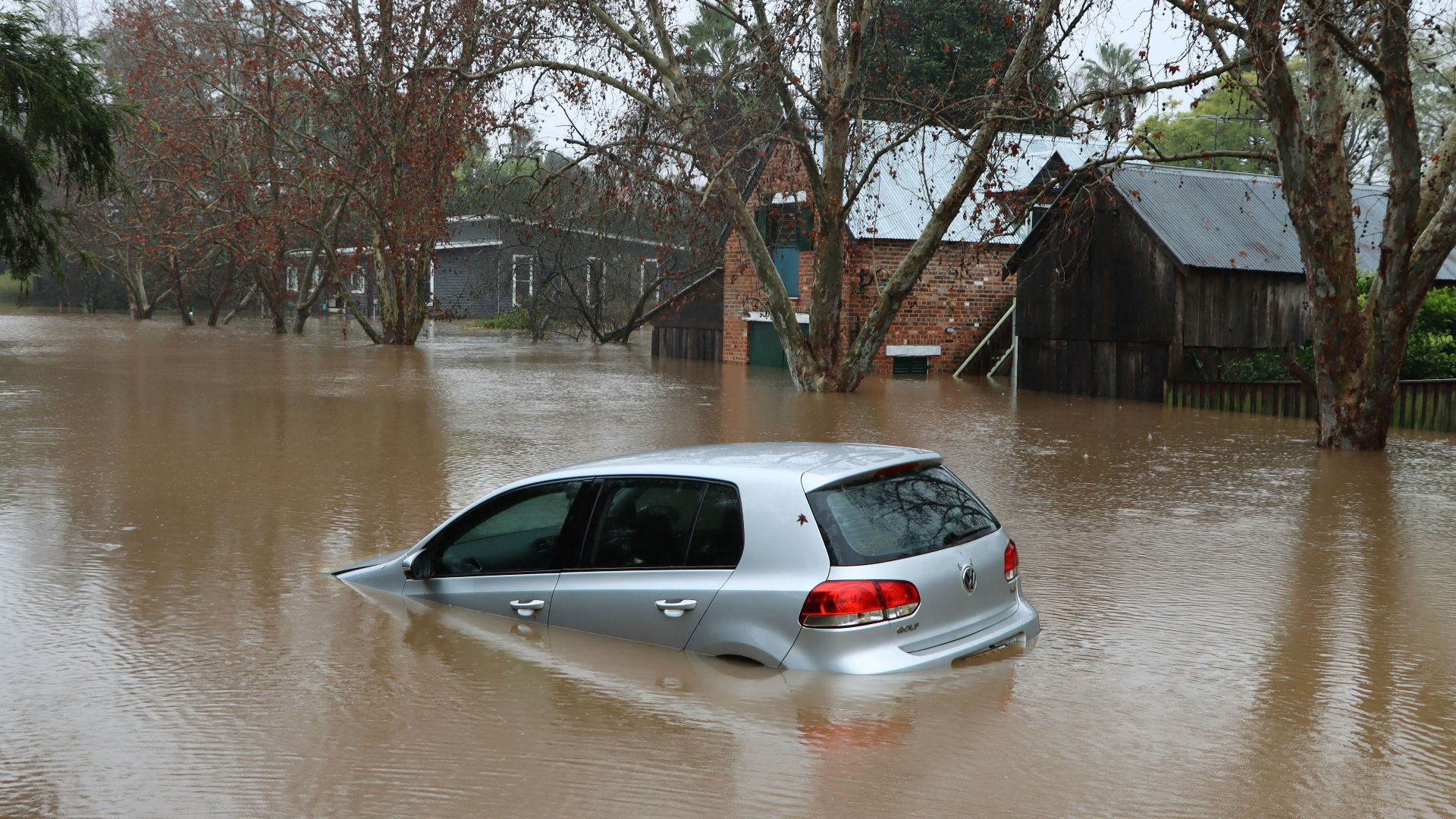
13. Kansas: Straight-Line Winds
The Great Plains may not always produce tornadoes, but strong straight-line winds are a constant threat. Microbursts, or derechos as they are known in Kansas, can flip trailers and tear roofs from homes. Even trampolines have been known to be carried away in storms.
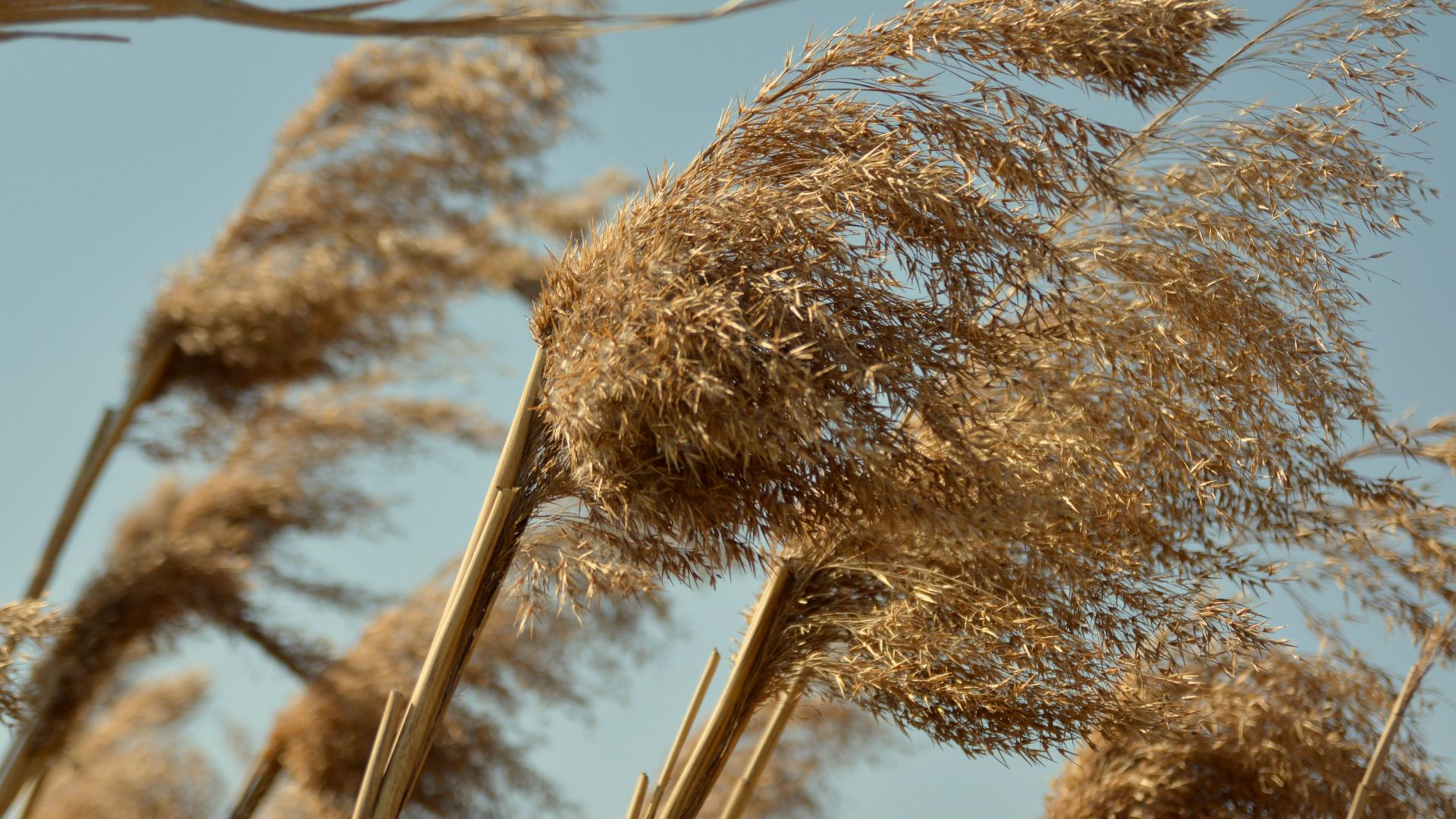
14. Kentucky: Severe Ice Storms
Ice storms are no joke. This transitional state between north and south often experiences freezing rain that coats trees so heavily that branches break. Winter storms can leave half the state without power, forcing residents to stay bundled indoors until thawing occurs.
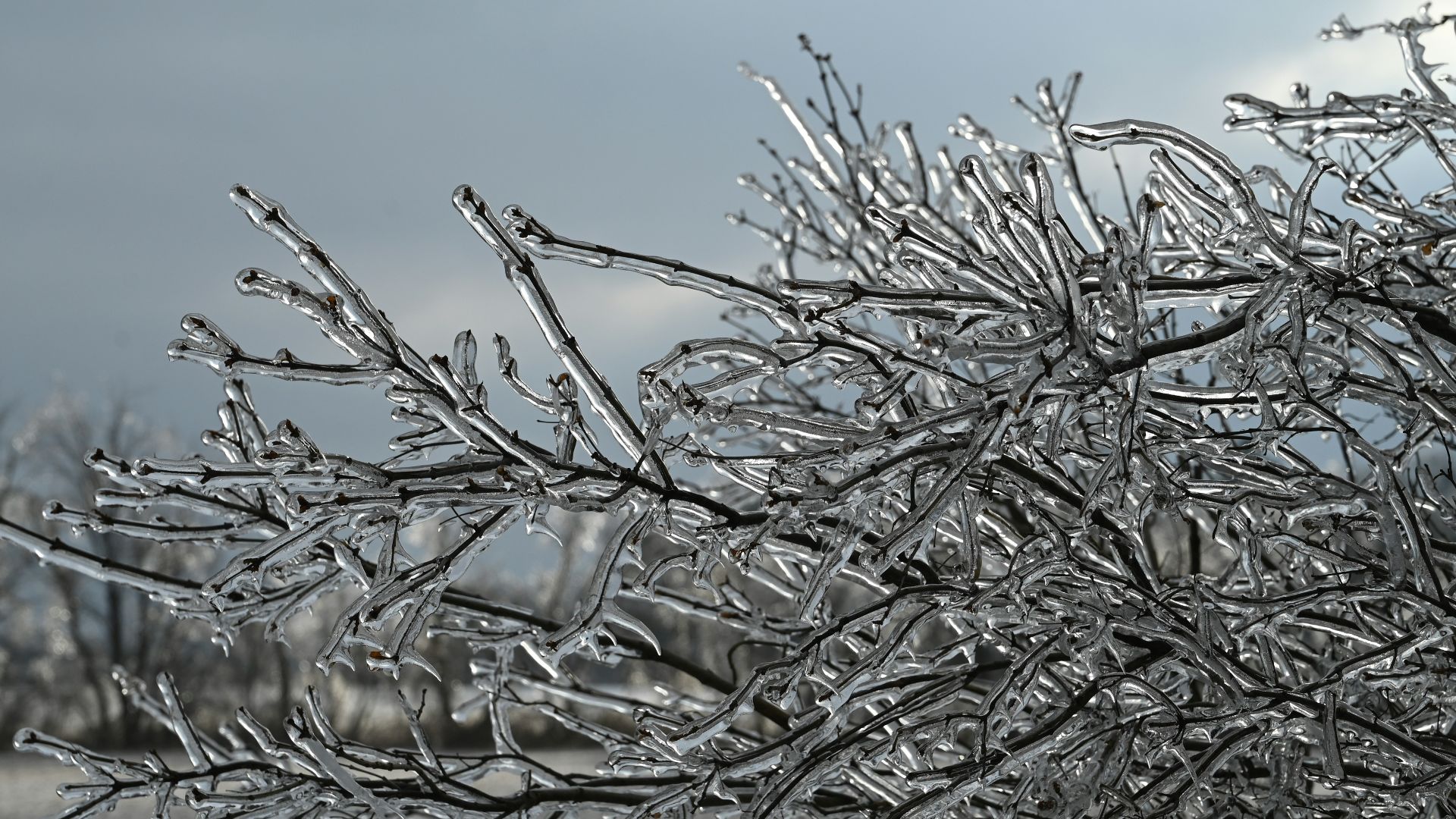
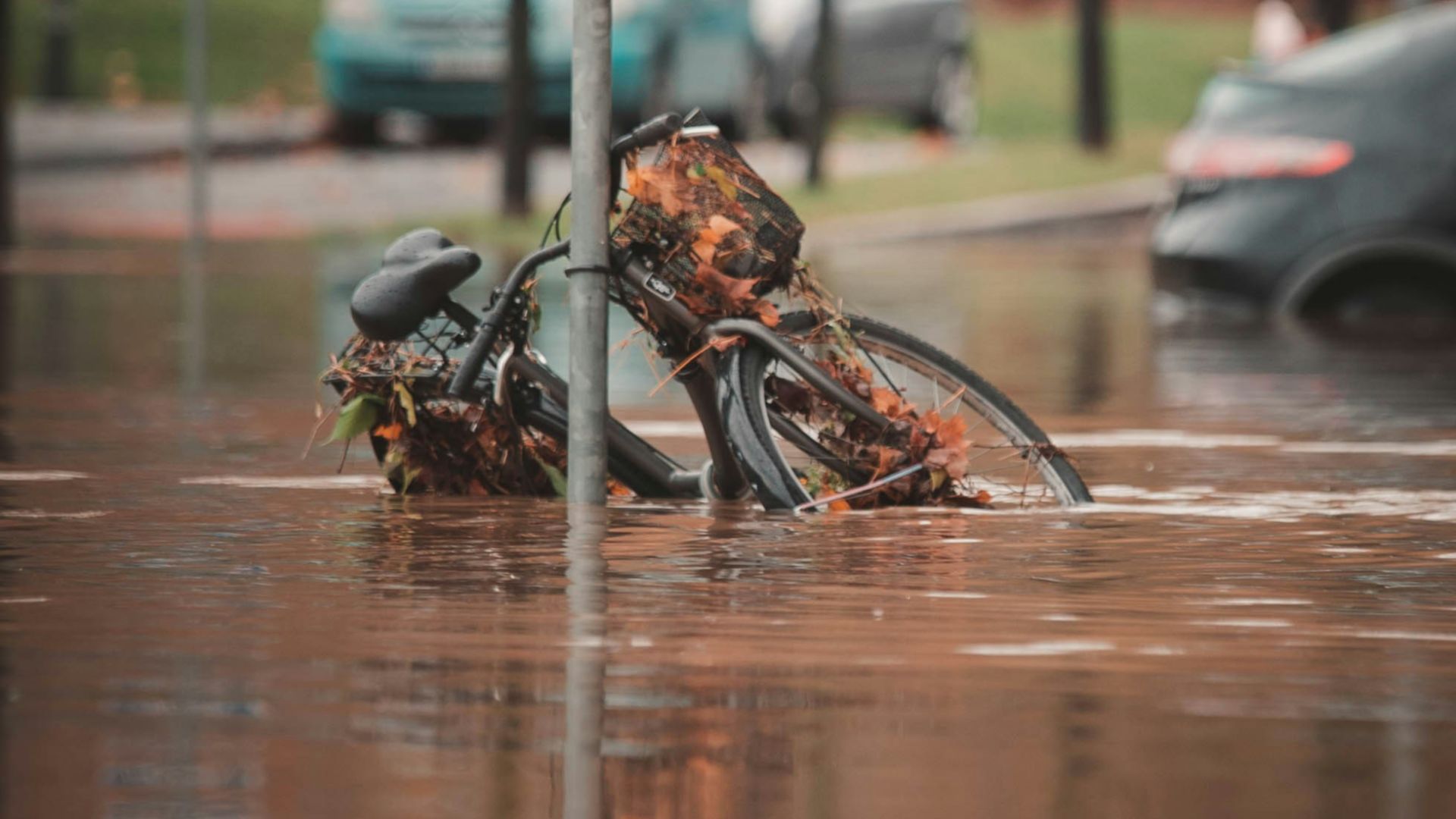
15. Tennessee: Catastrophic Inland Flooding
Hurricanes can also impact this region, often leaving destruction after moving through valleys. Heavy rain and traffic do not mix, so flood warnings should be closely monitored when water begins rising. Despite concerns, recovery tends to be quick once storms pass.
 Juan Manuel Sanchez on Unsplash
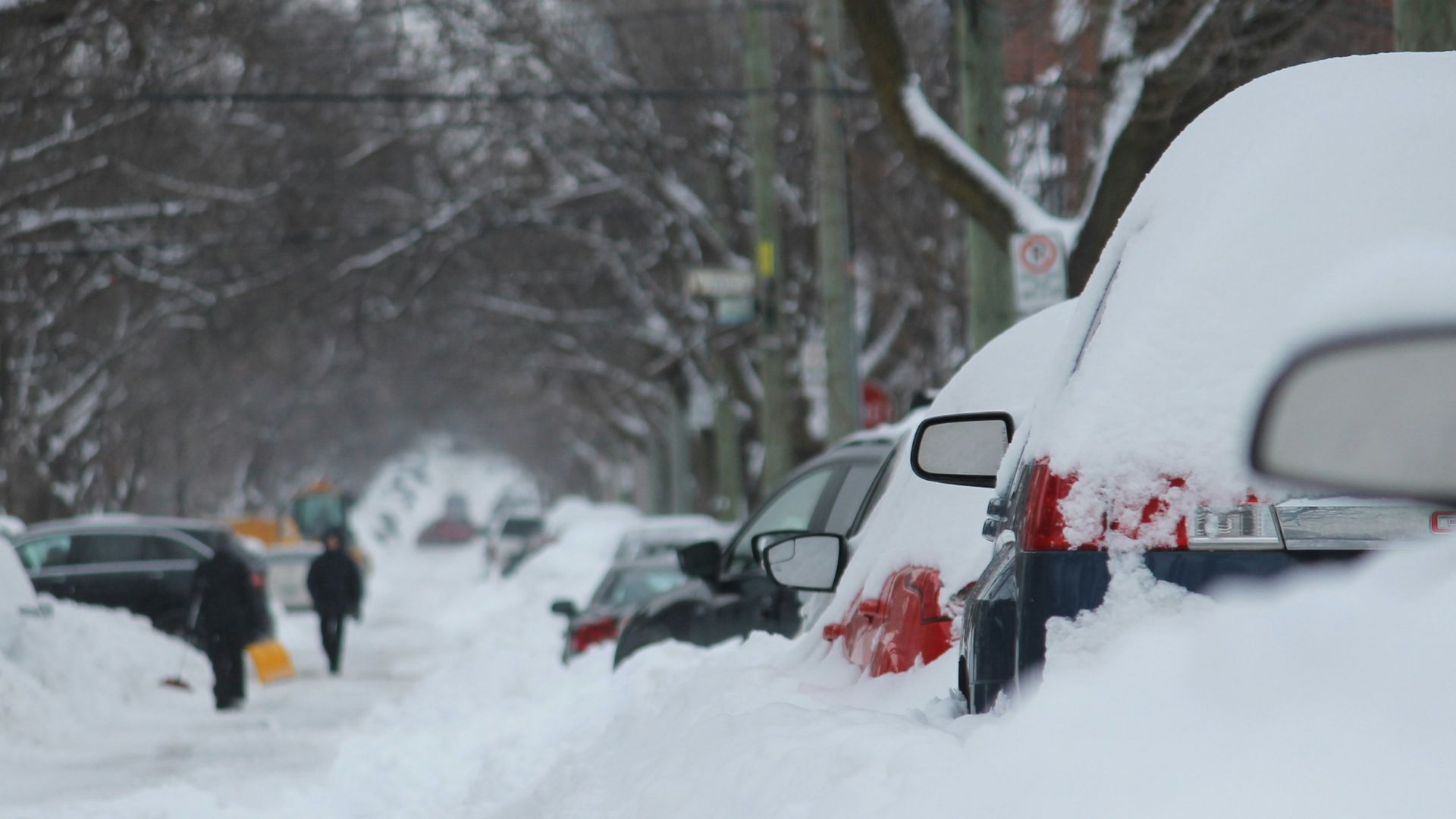
16. South Dakota: Severe Blizzards
Snow moves across wide-open plains at high speeds, creating whiteout conditions. A few feet of snow can become dangerous when piled into deep drifts that block roadways. A winter survival kit in vehicles is strongly recommended.
17. Alaska: Massive Earthquakes
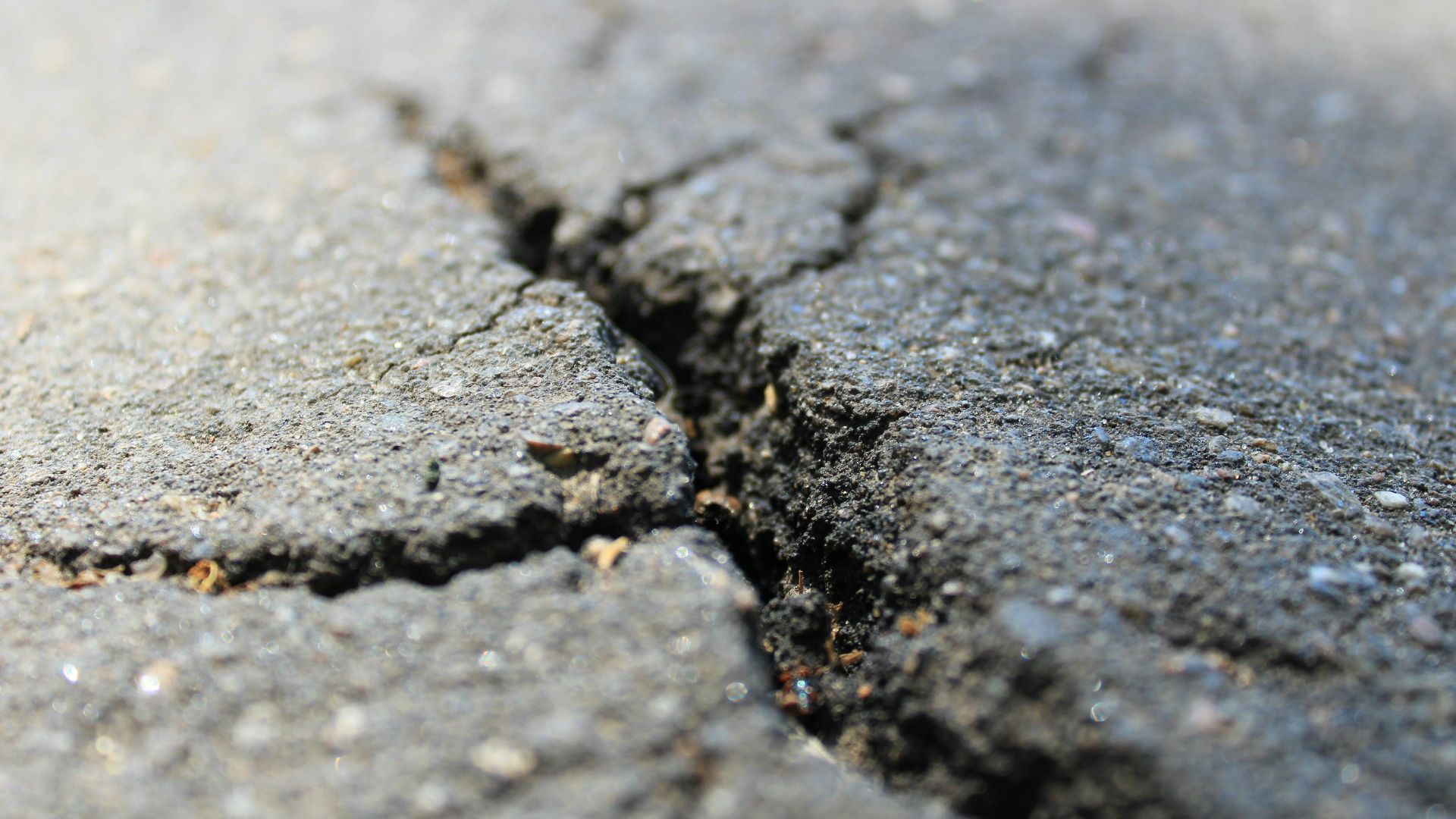
There are more earthquakes in Alaska than in the lower 48 combined. Small “rumblers” are common reminders of the state’s geologic activity. While minor quakes are normal, buildings are designed to withstand shaking without collapsing.
18. New Mexico: Persistent Drought
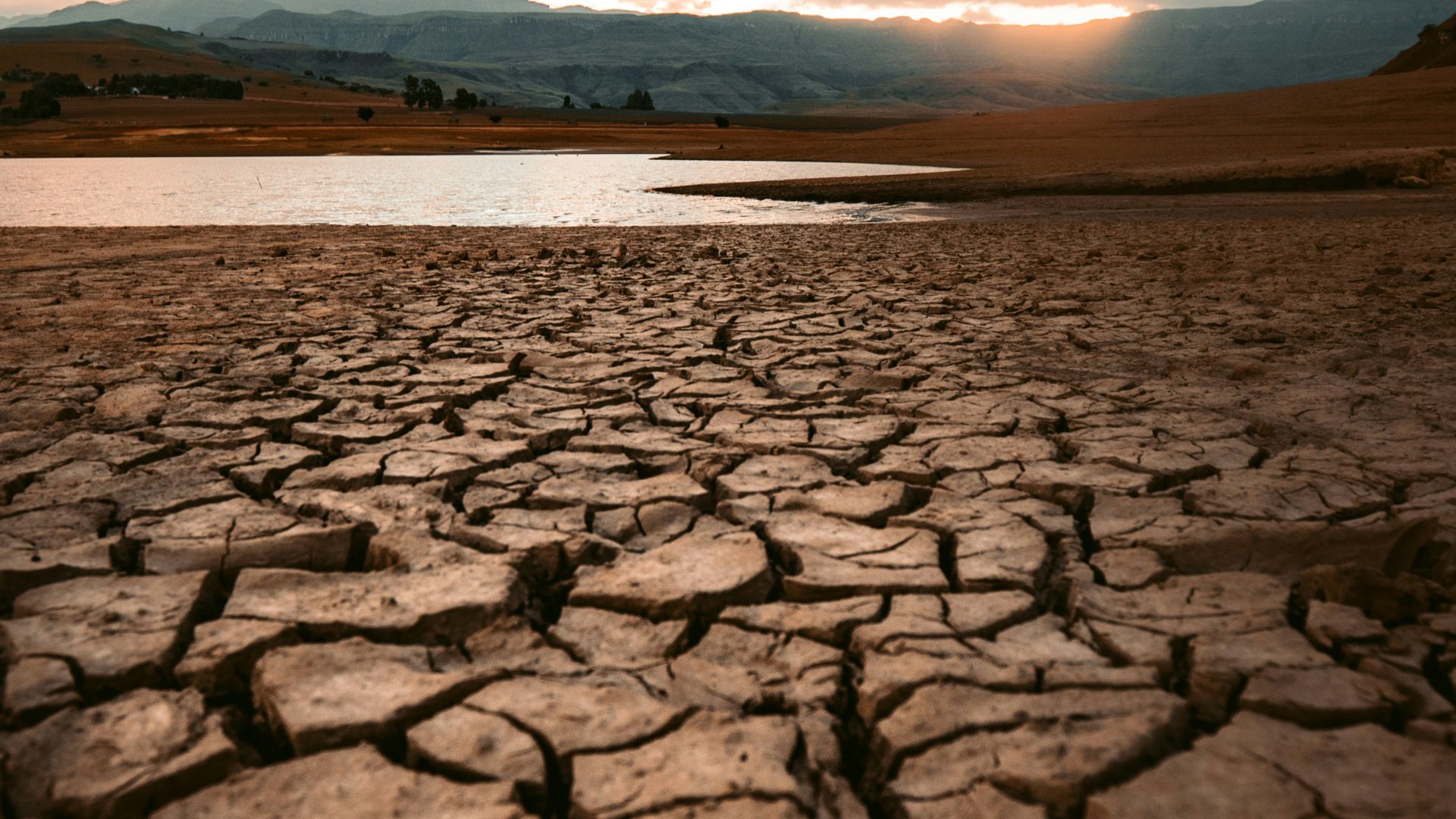
Water is a precious resource in the Land of Enchantment, where long dry periods can strain agriculture and supply. Xeriscaping and water conservation are part of everyday life. Occasional summer monsoons are especially striking because of this contrast.
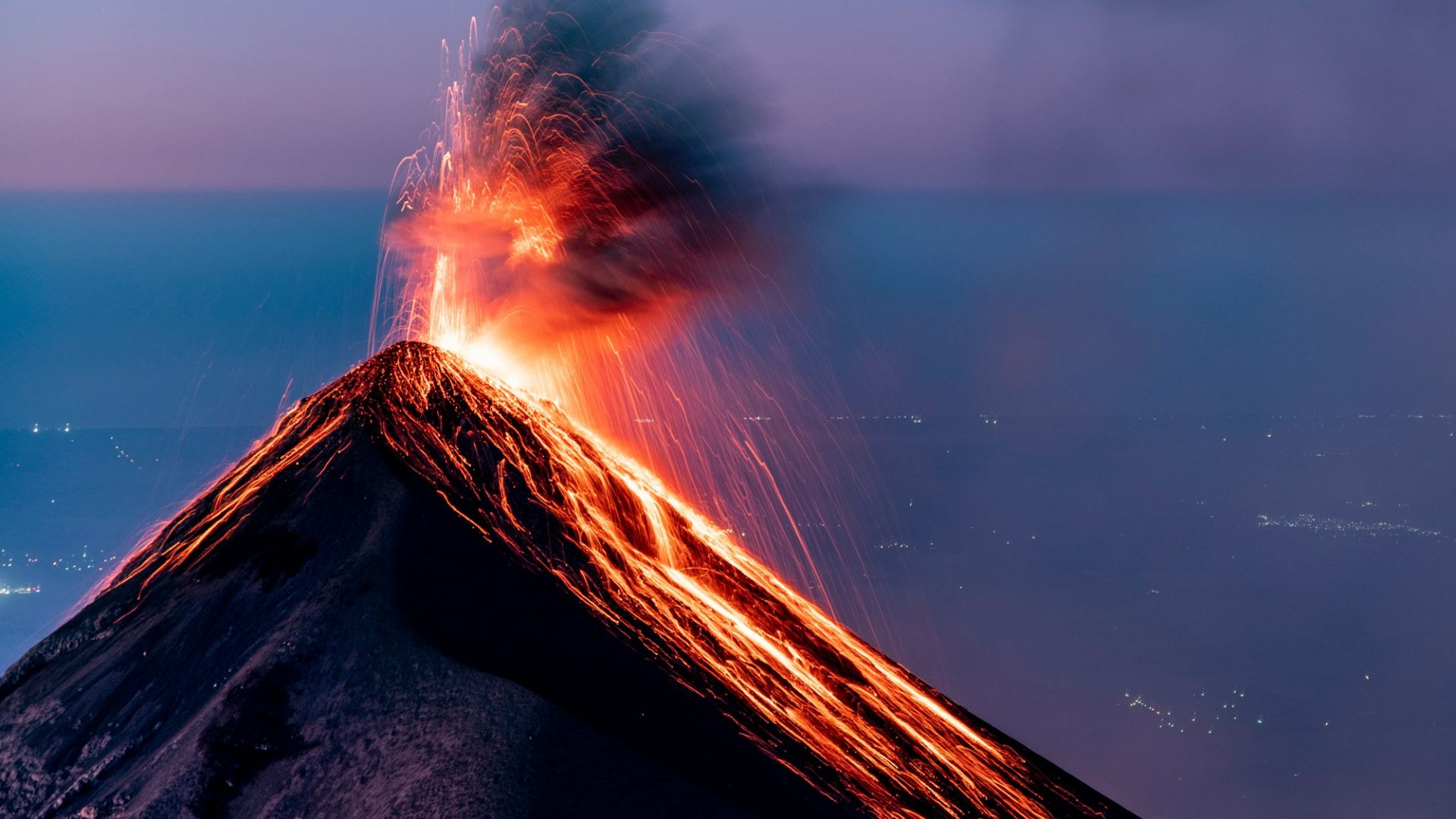
19. Hawaii: Volcanic Eruptions
Residents live on active volcanic land. While most eruptions occur on the Big Island or Kilauea, lava flows can occasionally create new land. Volcanoes are closely monitored due to the possibility of sudden activity.
20. Missouri: Record-Breaking Floods
The intersection of several major rivers makes this state a frequent target for “hundred-year floods” that occur more often than expected. Levees and sandbags are common along riverfronts as communities work to hold back rising water. This ongoing challenge has fostered strong local cooperation.