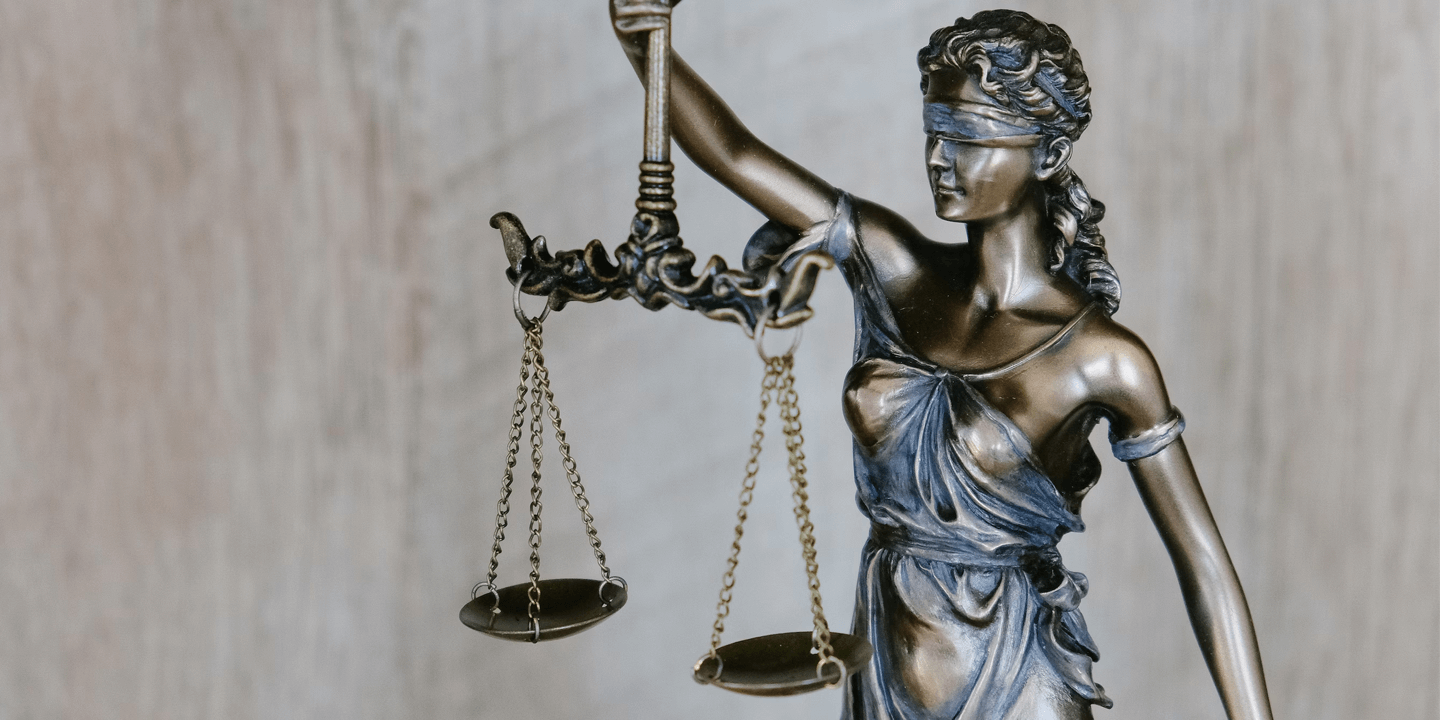
The Call That Changed Everything
The phone rang on a Tuesday afternoon while I was folding laundry, which is probably the most unremarkable thing that can happen to a woman of sixty. The voice on the other end introduced himself as Richard Payne, attorney-at-law, calling regarding the estate of Martin Patterson. Martin Patterson, my ex-husband. The man I hadn't spoken to in at least fifteen years, maybe longer. 'I'm sorry,' I said, balancing the phone against my shoulder, 'but I think you have the wrong person. Martin and I divorced eighteen years ago.' There was a pause, the kind that makes your stomach drop a little. 'Yes, Mrs. Patterson—Ms. Patterson, I apologize—I'm aware of that. However, Mr. Patterson left specific instructions that you be contacted. He included a bequest for you in his will.' I stood there with a half-folded towel in my hands, trying to process what I was hearing. Martin was dead. Martin had remembered me. Martin, who had moved on so completely with Cheryl and her children that I'd become a footnote in his own history. 'What kind of bequest?' I asked. The lawyer cleared his throat. 'I'd prefer to discuss the details in person, at the formal reading. Would Thursday at two o'clock work for you?' When I told the lawyer he must have the wrong person, he said Martin had been very specific about this.
 Image by RM AI
Deciding to Face the Past
I spent the next thirty-six hours talking myself out of going and then back into it. Martin and I had been married for twelve years, divorced for eighteen, and in all that time since the papers were signed, we'd exchanged maybe three actual conversations. All of them stiff and procedural, the kind where you're both performing politeness. He'd remarried Cheryl within a year, absorbed her two children into his life like they'd always been there, and I'd watched from a safe distance as he became someone else's husband, someone else's father figure. Cheryl had made it clear from the start that I was an inconvenience, a reminder of a life Martin had outgrown. I'd seen her exactly twice: once at a mutual friend's funeral, where she'd looked through me like I was wallpaper, and once at a grocery store where she'd turned her cart around mid-aisle to avoid me. So why would Martin leave me anything? And why would I willingly walk into a room with people who'd spent nearly two decades pretending I didn't exist? But here's the thing about getting older—you stop caring as much about comfort and start caring more about answers. Curiosity has a way of tugging on women my age, especially when the dead start making arrangements.
 Image by RM AI
The Cold Reception
The law office was one of those places designed to look expensive without actually being interesting—dark wood paneling, leather chairs that squeaked when you moved, framed diplomas nobody reads. I arrived exactly on time, which I immediately regretted because it meant I was the last one there. Cheryl sat in the center chair on one side of the conference table, her posture perfect, her expression carved from ice. To her right was Derek, her son, thirty-two and wearing a suit that looked like it cost more than my car payment. To her left was Melissa, twenty-nine, blonde, scrolling through her phone with the kind of boredom that only comes from privilege. They all looked up when I walked in. Nobody smiled. Nobody said hello. Cheryl's eyes flickered over me once, cataloging and dismissing in the same glance. Derek didn't even bother to look away from the window. Melissa set her phone face-down on the table with a small click that somehow felt loud. The lawyer, Richard Payne, stood and extended his hand, which I shook, grateful for the only civility I was likely to receive. 'Thank you for coming, Ms. Patterson,' he said. Nobody offered me a seat, but the lawyer gestured me toward the empty chair at the far end of the table.
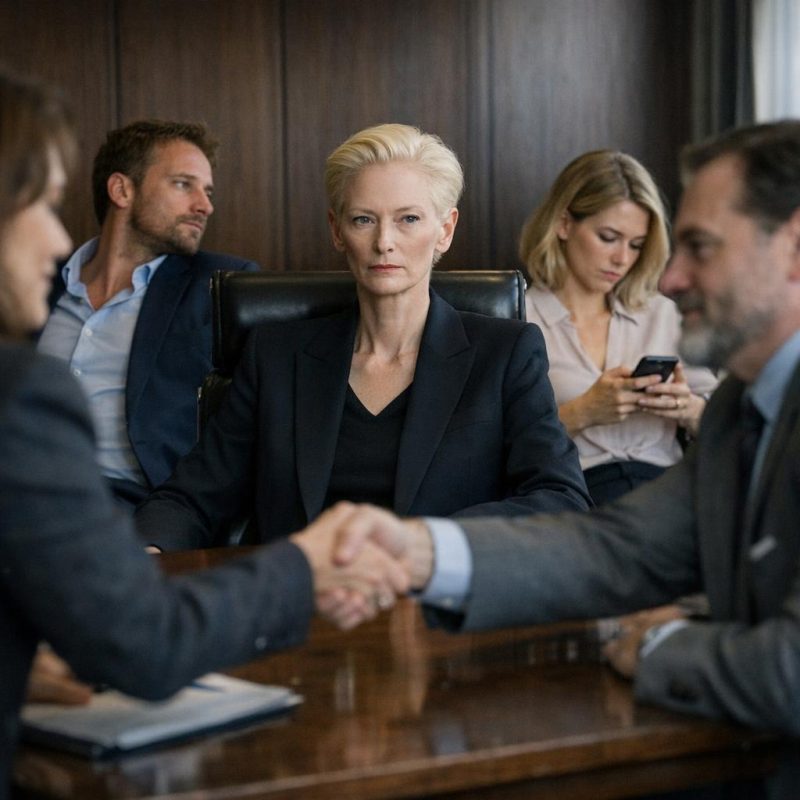 Image by RM AI
The Distribution Begins
Richard Payne opened a leather folder and began reading in that flat, careful tone lawyers use when they're trying not to show emotion. Martin's estate was modest but organized: the house in Belmont went to Cheryl, which made sense since she'd lived there for sixteen years. Derek received Martin's truck and fifteen thousand dollars. Melissa got the sedan and another fifteen thousand. There were a few smaller bequests to charities, a local veterans' group, the library. I sat there wondering why I was in the room at all, feeling the weight of Cheryl's gaze on me like she was waiting for me to object, to make a scene, to prove I was the bitter ex-wife she'd probably painted me as. But I wasn't bitter. I was just confused. And maybe a little sad, the way you get sad when you realize someone you once loved had a whole entire life after you, complete and full, and you were never part of it. The lawyer turned a page. Cheryl leaned back in her chair, satisfied. Derek checked his watch. Melissa picked up her phone again. Then the lawyer paused, reached into a long flat box beside his chair, and said my name.
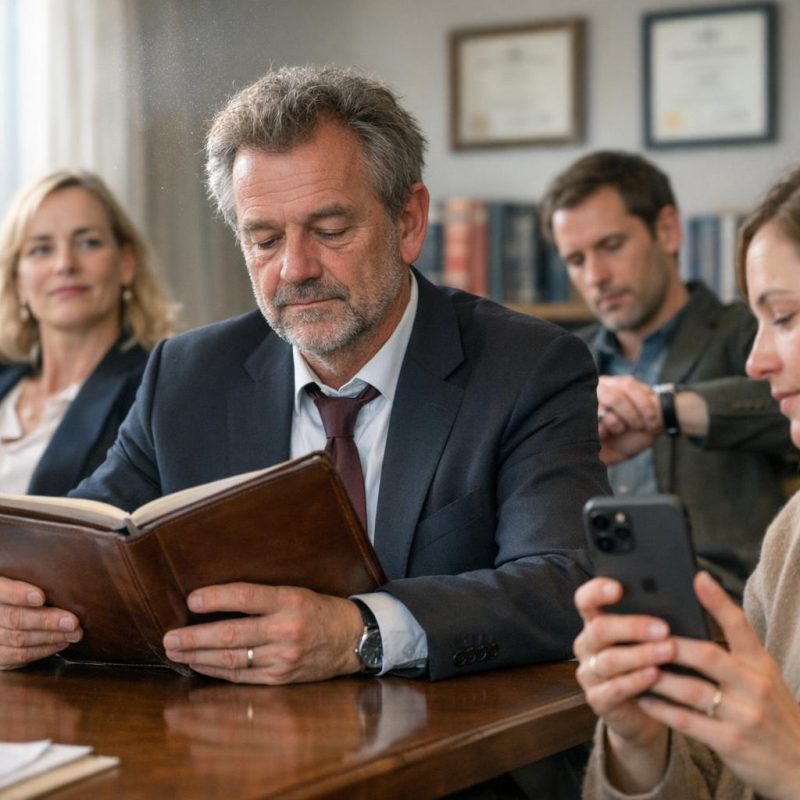 Image by RM AI
The Worthless Key
He slid the box across the table toward me, and I could feel every eye in the room lock onto it like I'd just been handed a bomb. I opened it slowly, not because I was trying to be dramatic, but because my hands were shaking a little and I didn't want anyone to notice. Inside, nestled in faded tissue paper, was a single brass key on a cracked leather fob. The leather was dark with age, the brass tarnished green in spots. Stamped into the fob were the words 'Starlight Motel' and a room number: 12. The Starlight Motel. I hadn't thought about that place in decades. It had been torn down sometime in the late nineties, replaced by a chain pharmacy that sold the same greeting cards as every other chain pharmacy. Martin and I had stayed there once, maybe twice, back when we were young and broke and thought road trips were romantic. I turned the key over in my palm, feeling its weight, trying to understand what it meant. Why this? Why now? Cheryl actually laughed, and her son said maybe I'd inherited my memories.
 Image by RM AI
The Crescent Mark
I didn't respond to Derek's comment. I just kept looking at the key, turning it over in the light from the window, and that's when I saw it. A tiny crescent-shaped nick on the side of the brass, right near the teeth. I'd made that mark. I remembered doing it. We'd been staying at the Starlight in 1989, and I'd accidentally locked us out of the room while Martin was in the shower. The front desk was closed, and I'd used a nail file to scratch a little moon shape into the key so I'd remember which one was ours when the manager finally showed up with the spare. It was such a small thing, such a stupid little detail, but it was ours. Mine and Martin's. No one else would know about it. No one else would think to look for it. My chest tightened. This wasn't just some random key. This was the key. The one I'd held in my hand thirty-five years ago. Martin had kept it all this time. Then I noticed something even stranger: a sliver of folded paper tucked under the leather loop.
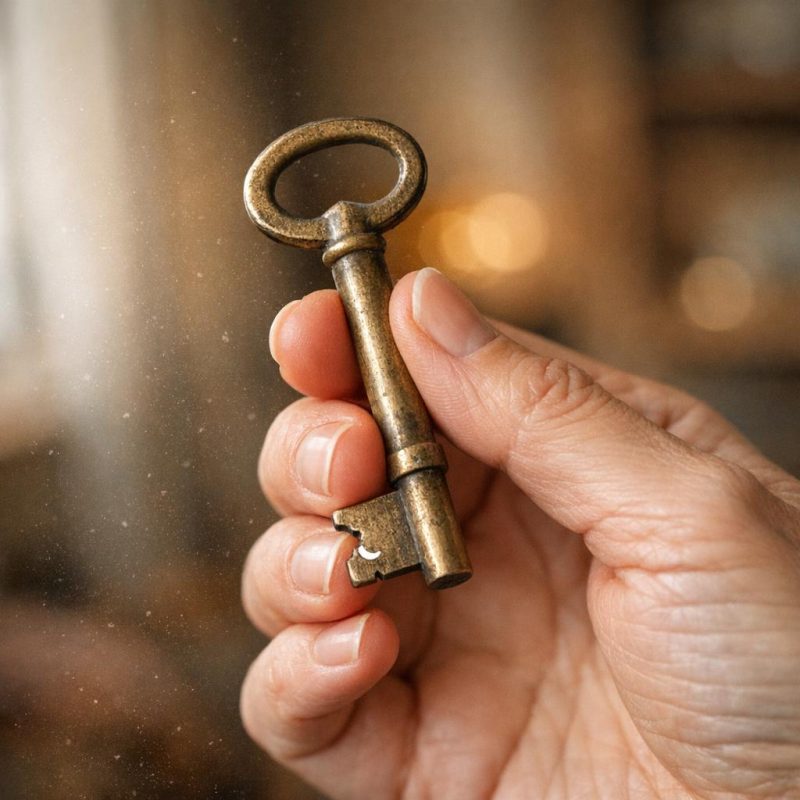 Image by RM AI
Three Cryptic Lines
I pulled the paper free as carefully as I could, trying not to tear it. It was small, maybe two inches square, folded twice. The edges were soft, like it had been handled often. I unfolded it in my lap, below the edge of the table where no one else could see, and felt my pulse start hammering in my ears. Three lines, written in Martin's handwriting. I would have known that slanted scrawl anywhere. 'Route 16. Mile marker 204. Ask for Box 7.' That was it. No explanation, no context. Just three cryptic lines that felt like the beginning of something I didn't understand yet. I read it twice, then a third time, trying to make sense of it. Route 16 ran north out of town, up through farmland and forest, past places we used to drive when we were younger. Mile marker 204. I didn't know what was there. I didn't know what Box 7 meant. But I knew one thing for certain. The moment I read it, Cheryl stopped smiling—and that told me this mattered more than anyone had admitted.
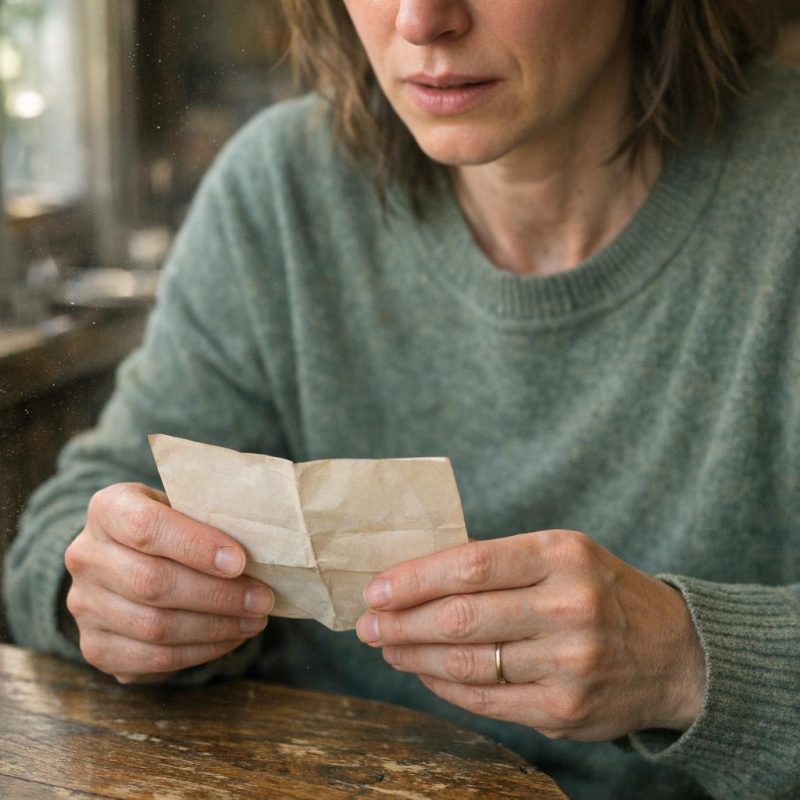 Image by RM AI
The Sudden Shift
Cheryl leaned forward slightly, her eyes narrowing. Derek set his phone down. Melissa tilted her head, suddenly interested in the woman at the end of the table they'd ignored five minutes earlier. 'What is it?' Cheryl asked, her voice sharp. I looked up at her, folding the note back into my palm before anyone could see what was written on it. 'Just a note,' I said. 'Personal.' 'What kind of note?' Derek asked. His tone was casual, but his jaw was tight. I slipped the key and the paper back into the box and closed the lid. 'The kind that's none of your business,' I said, surprised at how steady my voice sounded. Richard Payne cleared his throat, shuffling the papers in front of him, clearly uncomfortable with the sudden tension. Cheryl's mouth pressed into a thin line. Melissa glanced at her mother, then back at me, like she was trying to solve a puzzle she hadn't known existed ten seconds ago. I stood, tucking the box under my arm. I folded the note back into my palm and told the lawyer I had no further questions.
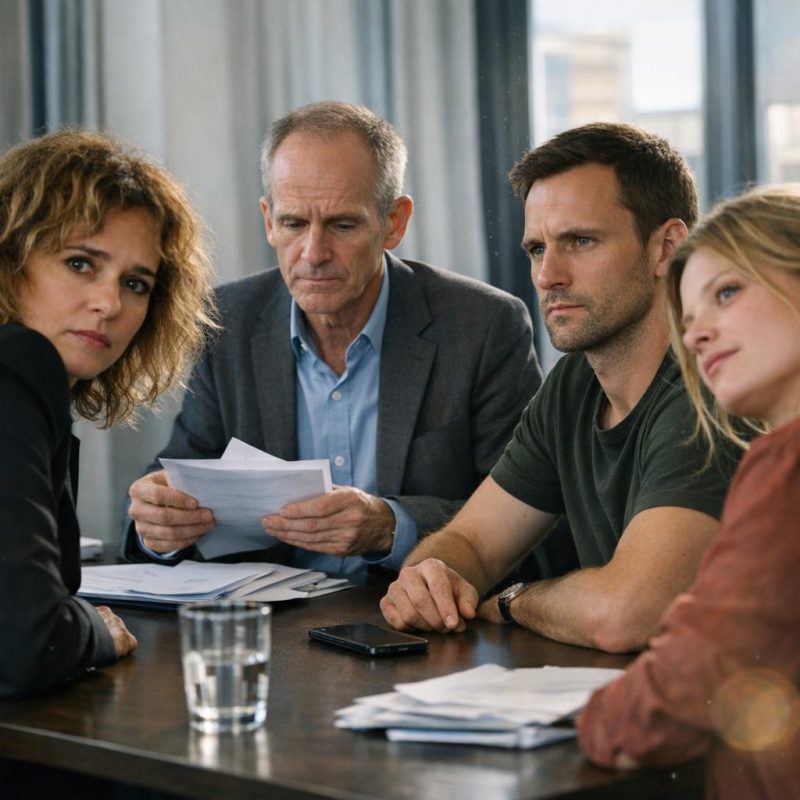 Image by RM AI
The Drive to Route 16
The drive out to Route 16 took almost ninety minutes, and for most of it I was alone with memories I hadn't let myself touch in years. That stretch of road used to mean something good. Martin and I drove it dozens of times back when we were still pretending marriage was easy, back when a weekend away could fix whatever we weren't saying out loud. There was a little cabin rental near the county line where we'd go fishing in the spring. He'd pack too much gear and I'd bring too many books, and we'd spend Saturday mornings not catching anything while the water turned gold in the early light. I hadn't thought about those trips in decades. Funny how a scrap of paper with a mile marker on it can drag the past right back into your lap. The highway looked different now—wider, flatter, scrubbed clean of the old landmarks I remembered. But the bones of the landscape were still there, familiar enough to make my chest ache. I checked the note again at a stoplight. Mile marker 204. I was close. Mile marker 204 appeared ahead, and beside it was the faded sign for a business I thought had closed years ago.
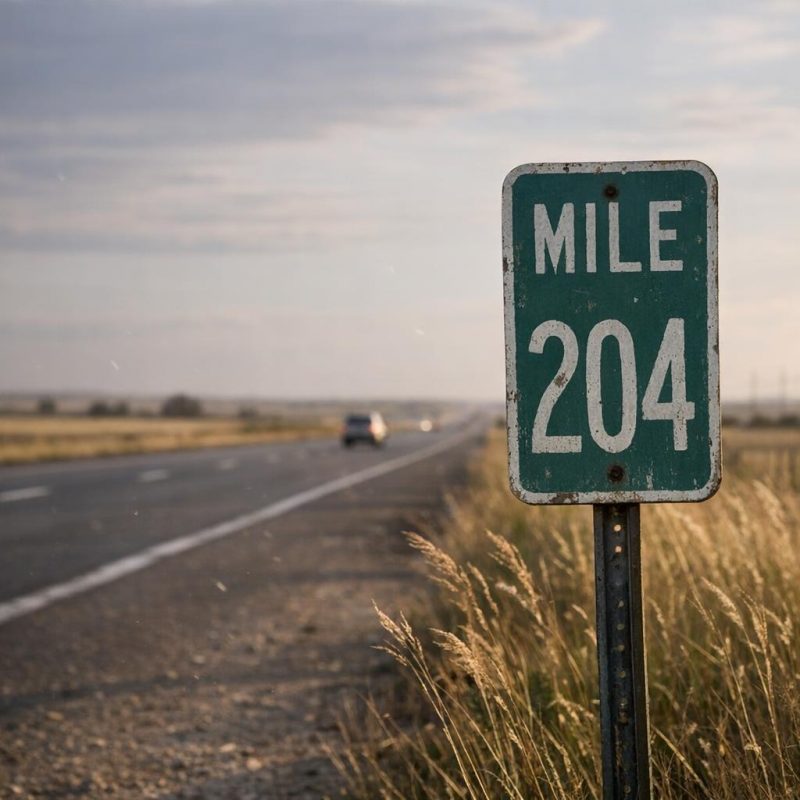 Image by RM AI
The Woman Who Knew My Name
It was a storage facility, the kind with a small office out front and rows of identical metal units stretching back into the weeds. The sign said 'Pine Ridge Storage' in peeling letters, and the whole place looked like it had been forgotten by everyone except the woman sitting behind the desk inside. She was older than me, maybe early seventies, with reading glasses on a beaded chain and a crossword half-finished in front of her. The moment I stepped through the door, she looked up and said, 'You're not Cheryl.' I froze. 'Excuse me?' 'You're not Cheryl,' she repeated, setting her pen down. 'You're Elaine.' I didn't know what to say. She smiled, but it wasn't warm. It was the smile of someone who'd been waiting. 'He said you'd come eventually. Said you'd have the key.' I held up the brass key, still dangling from my keychain. She nodded like she'd seen it before. 'Good. I'm Joan. Your ex-husband left very specific instructions.' She told me Martin had come in months earlier, looking ill and agitated, with very specific instructions.
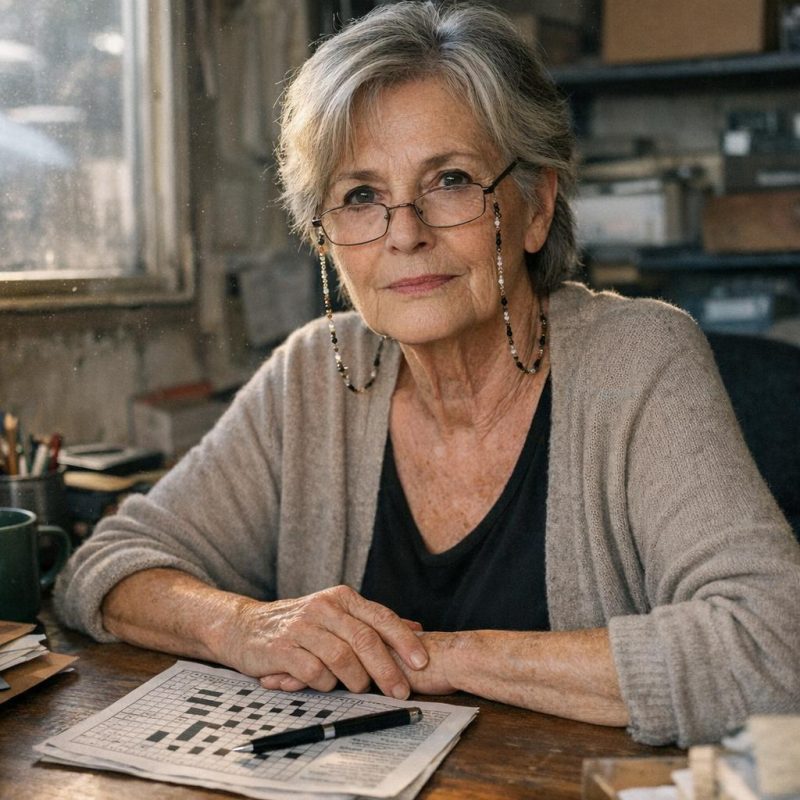 Image by RM AI
Box 7
Joan didn't waste time with small talk. She grabbed a ring of keys from a drawer and motioned for me to follow her past the front desk, through a narrow hallway that smelled like dust and old paper. We ended up in a cramped back room lined with metal filing cabinets and a couple of lockboxes bolted to the wall. She stopped in front of one marked with a faded number seven. 'Box 7,' she said. 'Your husband—ex-husband—paid five years in advance. Said no one gets in here without that key and a photo ID matching the name Elaine Patterson.' She unlocked the box and stepped back. Inside was a thick manila envelope, a small flash drive, and a sealed letter with my name written across the front in Martin's slanted handwriting. My stomach dropped. Joan folded her arms and watched me like she was waiting to see if I'd faint. I didn't. But I wanted to. The whole room felt too small, too hot, and my hands were shaking when I reached in to take everything out. My hands were shaking too badly to open the envelope first, so I reached for the letter instead.
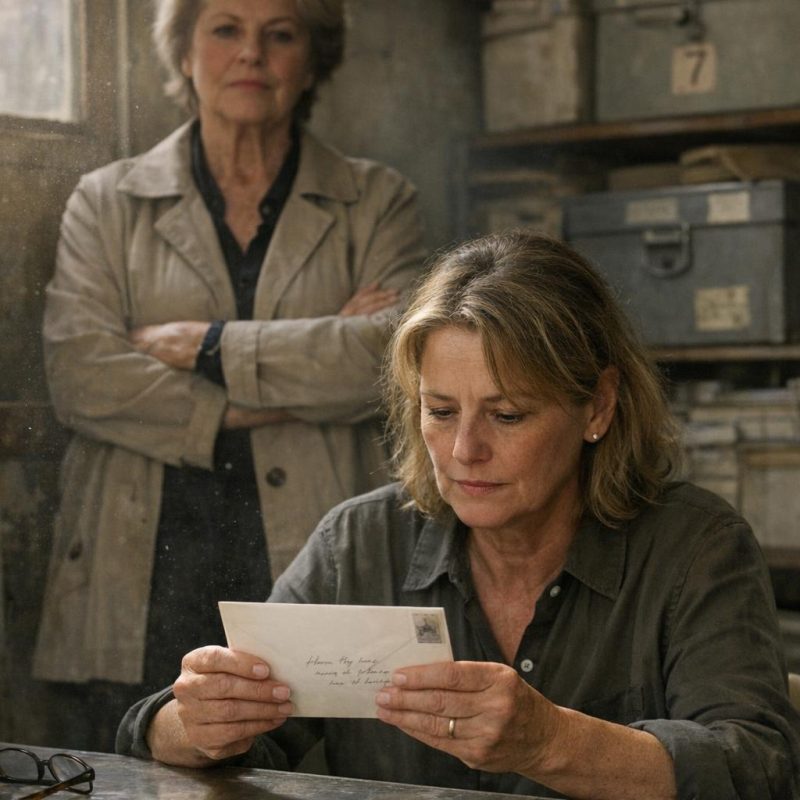 Image by RM AI
The Confession Begins
I tore open the envelope and unfolded the letter, and the first line hit me like a slap. 'Elaine, I cheated you in the divorce.' That's what it said. No preamble, no softening, just the truth in ten words. I had to read it twice to make sure I wasn't imagining it. My vision blurred at the edges and I sat down hard in the folding chair by the wall. Joan glanced at me but didn't say anything. The letter went on. Martin's handwriting was shakier than I remembered, like he'd written it in a hurry or under strain. He said he'd been carrying the guilt for years, that he'd told himself it didn't matter because the asset was worthless back then anyway. But it wasn't worthless anymore. And he knew he was dying. And he knew what that meant. He wrote that during the last three years of our marriage, he had secretly inherited land he never disclosed.
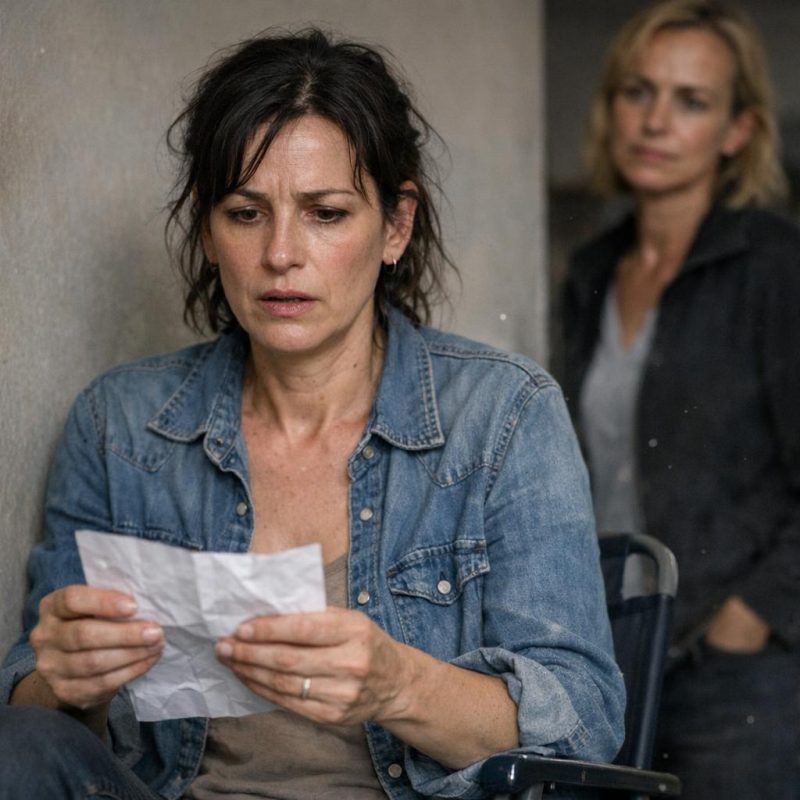 Image by RM AI
The Hidden Inheritance
The letter spelled it out in painful detail. Martin's father had died while we were still married, and buried in the estate was a small commercial parcel no one thought was worth fighting over. Martin took it quietly, never mentioned it to me, and tucked it into a shell company he set up under a name I'd never heard. He renewed the paperwork every year in secret, kept it off our joint tax returns, and made sure it stayed invisible during the divorce proceedings. At the time, the land was worth maybe thirty thousand dollars. Scrubland near a highway interchange no one cared about. He convinced himself it didn't matter. That it wasn't really stealing if the thing he was hiding had no value. I wanted to throw the letter across the room. But I kept reading. Because the next part was worse. For decades, he renewed the paperwork in secret—until a highway expansion changed everything.
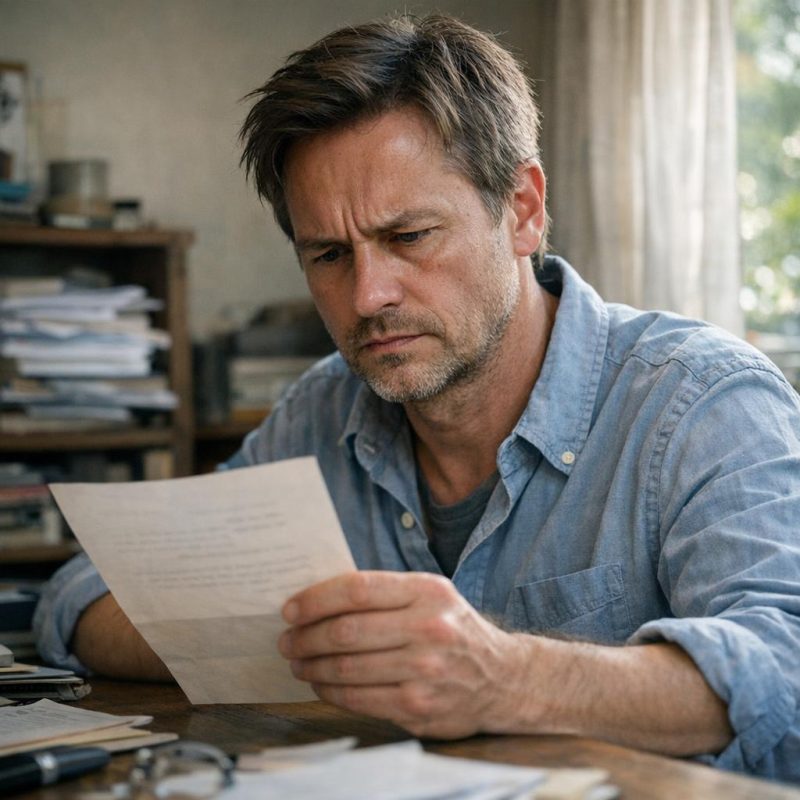 Image by RM AI
The Value That Changed Everything
The highway expansion happened three years ago. The state needed land for a new interchange, and suddenly Martin's worthless parcel was sitting right in the path of progress. He got offers. Big ones. The kind of money that changes your retirement, that sets up your kids, that makes you think about all the choices you made when you were younger and stupider. The letter said the land was now worth more than the rest of his estate combined. More than the house Cheryl inherited. More than his retirement accounts, his life insurance payout, everything. And he'd been sitting on it, trying to figure out what to do, when Cheryl started asking questions. She'd found something in his files. A reference to the shell company, maybe, or a payment record he'd missed. He didn't say exactly what tipped her off, but she was looking. And she was getting close. And Cheryl had recently found hints of 'something else' in his records.
 Image by RM AI
The Envelope
I set the letter aside and opened the thick envelope with hands that wouldn't stop trembling. Inside were copies of everything. The original inheritance paperwork from Martin's father's estate. Articles of incorporation for something called 'Fernhill Holdings LLC.' Quarterly filings going back thirty years. Bank statements showing minimal activity until recently, when the offers started rolling in. And at the very bottom, clipped to a separate sheet, was a property transfer document. It was official, legal, the kind of form you sign in front of a notary. The transferee line had my name typed in: Elaine Marie Patterson. But the signature line at the bottom was blank. Martin had filled out everything except the one thing that mattered. I checked the date at the top. Three months before he died. He'd started the process of giving it back to me, of making it right, and then he'd just… stopped. The transfer was dated three months before Martin's death, but he had never completed it.
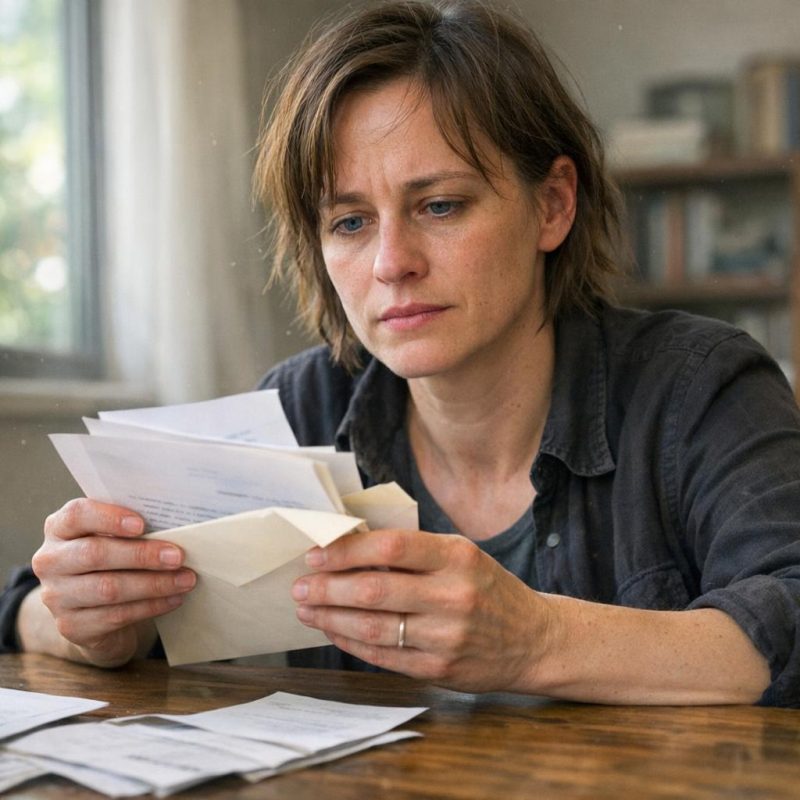 Image by RM AI
The Video Message
I went back to my car with the envelope and the flash drive clutched against my chest like they might evaporate if I let go. I sat in the driver's seat with the door closed and the windows up, even though it was hot, and I pulled out my laptop from the back seat. My hands were still shaking when I plugged in the flash drive. There was one file on it. A video. I clicked it open and there was Martin, sitting in what looked like his home office, the one with the window that faced the backyard. He looked terrible. Thin, pale, his eyes ringed with shadows that made him look ten years older than the last time I'd seen him. The timestamp in the corner said the video was recorded just weeks before he died. He leaned forward slightly, clasping his hands together on the desk, and took a long breath before he spoke. He began by saying, 'Elaine, I waited too long to tell the truth, and now I'm paying for it.'
 Image by RM AI
Pride and Greed
In the video, Martin looked straight into the camera and said he'd kept the land hidden out of pride and greed. He said after the divorce, he convinced himself he deserved to keep it because he'd made the purchase, he'd paid for it, and admitting it existed would have cost him money he didn't want to lose. Every year that passed made it harder to come clean. He said the lie became part of the foundation of his new life with Cheryl, and he couldn't figure out how to pull that brick out without the whole thing collapsing. I could see the shame in his face, the way his jaw tightened when he said the word 'greed.' It didn't make me forgive him, but it made him human again in a way I hadn't allowed him to be for years. He rubbed his face with both hands and took another breath, and that's when his tone shifted. He said something changed in the last year. Cheryl and her children started asking questions he couldn't answer—questions about assets, about accounts, about things he'd never discussed with them. The way he said it made my stomach turn, because I realized he wasn't just confessing. He was afraid.
 Image by RM AI
The Only One He Could Trust
Martin leaned back in his chair and said he'd left the clue to me because I was the only person he'd ever wronged who he still trusted to do the right thing with the truth. He said Cheryl would have buried it, his stepkids would have sold it without a second thought, and his lawyer would have been legally obligated to follow the will as written. But me—he said I'd been screwed over badly enough to want justice, but I was decent enough not to weaponize it. I hated that he was right. I hated that he knew me well enough to predict exactly what I'd do, and I hated even more that his words felt like the first real apology I'd ever gotten from him. He said he was sorry for what he'd done during the divorce, and he hoped this would make up for at least some of it. For a moment, I almost felt something like forgiveness starting to crack through the bitterness I'd carried for so long. Then his expression changed. He leaned toward the camera, his eyes dark and urgent, like he was about to say something he couldn't take back.
 Image by RM AI
The Calls Begin
When I finally got home, I sat in my driveway for ten minutes just staring at my phone. Three missed calls from the estate lawyer. Two from Cheryl. All of them within the last hour. I hadn't even told anyone I'd opened the storage unit, but somehow they already knew, or at least suspected, that I'd found something. The voicemails were polite on the surface—just 'checking in' about the key, wondering if I'd 'figured out what it was for,' asking if we could 'touch base soon.' But I could hear the tension underneath, the urgency that didn't match the casual tone. Cheryl's voice in particular had this tight, controlled quality, like she was working very hard to sound friendly. I deleted the messages without responding. I knew that silence wouldn't hold them off for long, that every hour I didn't answer would make them more aggressive, but I needed time to think. I needed to figure out my next move before they forced my hand.
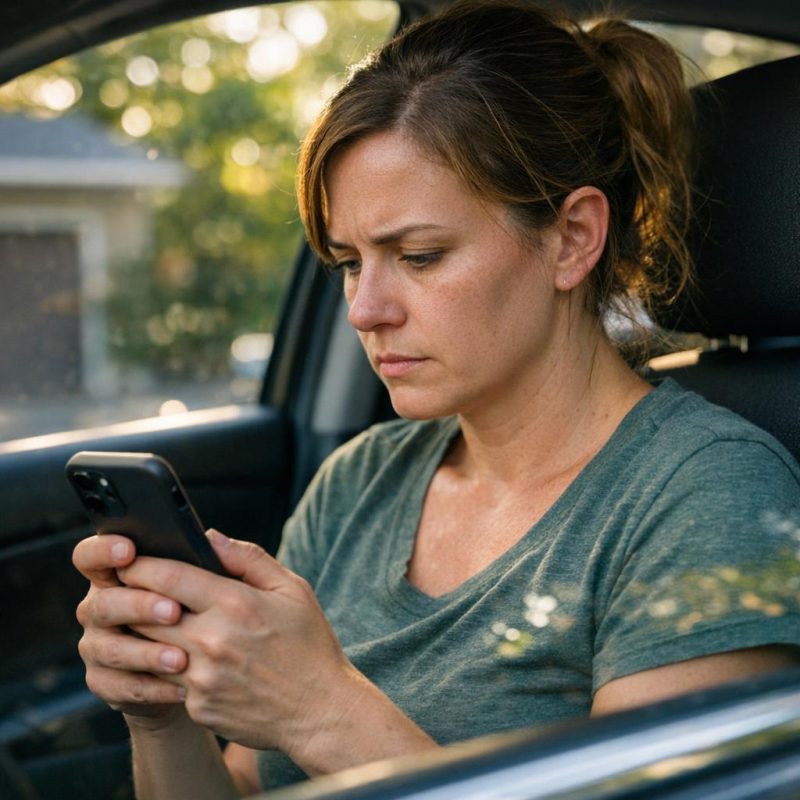 Image by RM AI
Susan's Warning
I called Susan because I needed to hear a voice that wasn't trying to manipulate me. I told her everything—the key, the storage unit, the land deed, the video. She listened without interrupting, which is one of the things I've always loved about her, and when I finished she was quiet for a long moment. Then she said, 'Elaine, I'm going to be honest with you. Cheryl doesn't strike me as someone who gives up easily.' She said she'd seen Cheryl at a few charity events over the years, always perfectly composed, always saying the right things, but there was something calculating about her. Susan couldn't put her finger on it, just a feeling. Then she said she'd heard things—nothing concrete, just whispers from people who knew Martin. Rumors about how controlling Cheryl could be, how Martin had seemed different in the last few years, quieter, less like himself. Susan said she didn't know if any of it was true, but it was enough to make her wonder what kind of marriage Martin really had. I felt a chill run through me, because I'd been wondering the same thing.
 Image by RM AI
Finding a Lawyer
I spent the next morning looking for a lawyer who specialized in contested estates, and I found Alan Bryce through a referral from Susan's cousin. His office was in a converted brownstone downtown, the kind of place that felt both professional and slightly worn-in, like he'd been doing this long enough to know all the tricks. I brought the deed, the video, and copies of my divorce papers, and I laid it all out on his desk. Alan listened carefully, taking notes on a yellow legal pad, and when I finished he sat back and studied me for a moment. He said, 'This is going to get messy. Cheryl's going to fight you on every point, and her lawyer is going to argue that the asset was part of Martin's estate regardless of when he acquired it.' I told him I understood, and he nodded. Then he said, 'You're going to need everything documented, and you're going to need it fast.'
 Image by RM AI
The First Demand
Two days later, Alan called me and said a letter had arrived from Cheryl's attorney. He read it to me over the phone, and I could hear the irritation in his voice. The letter demanded that I return any materials taken from the storage facility, claiming they belonged to the estate and had been removed without proper authorization. It didn't specify what materials, didn't mention the deed or the video, just vague language about 'personal property' and 'estate assets.' Alan said it was a fishing expedition—they didn't know exactly what I had, but they knew it was something important, and they were hoping I'd panic and hand it over. He told me not to respond directly, that he'd handle all communication from now on. I asked him what he thought Cheryl knew, and he said probably less than she wanted me to believe. He read the letter again, slower this time, and then he said, 'She's fishing—she doesn't know what you have, but she knows it's important.'
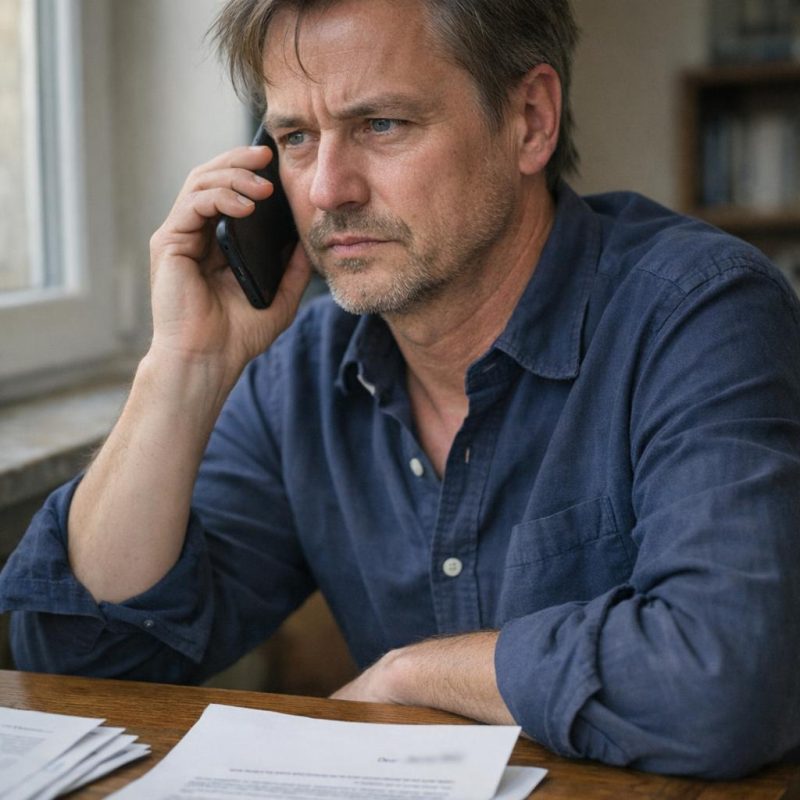 Image by RM AI
Going Public
Alan and I met again the following week, and he showed me the formal claim he'd drafted. It stated that the estate contained an undisclosed asset from the time of my divorce, and that I was entitled to a portion of its value based on the settlement terms that had been agreed upon. The claim didn't name the land specifically, didn't mention the deed or the storage unit, just laid out the legal argument in broad strokes. Alan said the vagueness was intentional—it put Cheryl on notice that I had something substantial, but it didn't give her lawyer enough information to build a counter-argument yet. He said it would force them to respond, to either acknowledge the asset or deny its existence, and either way it would reveal how much they actually knew. I signed the papers, and Alan filed them that afternoon. I felt a strange mix of defiance and anxiety as I left his office, because I knew that filing that claim meant there was no going back. The claim didn't name the asset, but it put Cheryl on notice that I wasn't backing down.
 Image by RM AI
Derek's Visit
Three days after Alan filed the claim, Derek showed up at my door. I hadn't seen him since the funeral, and the sight of him standing on my porch with his hands in his pockets, trying to look casual, made my skin crawl. He said he was 'in the neighborhood' and thought he'd stop by to see how I was doing. He asked about the key, said his mom had mentioned it and he was curious what Martin had left me. He said it with this easy smile, like we were old friends catching up, but his eyes were watching me too carefully. I told him I didn't think it was any of his business, and he laughed and said he wasn't trying to pry, he just thought maybe we could 'work something out' if there was any kind of misunderstanding about the estate. I said my lawyer would handle everything, and his smile didn't falter but it changed somehow, became thinner, colder. He said, 'Sure, of course,' and then he left. I told him my lawyer would handle everything, and he smiled in a way that didn't reach his eyes.
 Image by RM AI
A Voice from the Past
The call came on a Tuesday morning while I was making coffee. The voice on the other end was hesitant, almost apologetic. 'Mrs. Patterson? I mean, Ms. Patterson? This is Beth Carlson. I used to be Martin's secretary.' I nearly dropped the phone. I hadn't heard that name in decades, but I remembered her—quiet, efficient, always sitting outside Martin's office typing away. She said she'd heard about the will, about the key, about the lawsuit. 'I don't know if this matters,' she said, 'but I thought you should know I'm willing to talk to your lawyer if you need me to.' My heart started racing. I asked her what she meant, and there was this long pause on the line. 'I worked for Martin during the divorce,' she said finally, her voice tight. 'I saw things. I did things. Things I've felt guilty about for a very long time.' I sat down at the kitchen table, gripping the phone so hard my knuckles went white. She said she didn't want to get into details over the phone, but if I wanted to meet, she'd tell me everything. I said yes before she could change her mind. She said she'd worked for Martin during the divorce, and there were things about that time she could never forget.
 Image by RM AI
The Secretary's Story
We met at a coffee shop halfway between our towns, and Beth looked older than I remembered, with gray streaks in her hair and tired eyes. She ordered tea and didn't touch it. She told me she'd typed the shell company documents herself, that Martin had dictated the language while she sat at her computer feeling sick to her stomach. 'He told me it was temporary,' she said, staring at her cup. 'He said it was just to protect assets during the divorce, that he'd dissolve it afterward and make things right.' But he never did. She said she watched him renew the paperwork year after year, saw the bank transfers, filed the tax forms. She said she'd thought about saying something during the divorce proceedings, but she was young and scared of losing her job. 'I know that's no excuse,' she said, and her voice cracked. I reached across the table and squeezed her hand. I told her it wasn't her fault, that Martin had been the one making the choices. She asked if my lawyer would want to talk to her, and I said absolutely. She nodded, dabbing at her eyes with a napkin. She said Martin swore it was temporary, but she saw him renew the paperwork year after year.
 Image by RM AI
The Property Appraiser
Alan hired a property appraiser named James, a stern-faced man with wire-rimmed glasses who arrived at my house with a briefcase full of maps and documents. He explained that he'd need to assess not just the current market value of the land, but also what it would have been worth during our marriage and at various points since. He spent three days doing research, making calls, reviewing zoning changes and development patterns in that area. When he came back to Alan's office to present his findings, I sat there feeling like I'd been punched in the stomach. The number he showed us was staggering—high six figures, possibly even seven depending on how the court valued historical appreciation. Alan leaned back in his chair and whistled low. James tapped his pen against the paper and said, 'This is the kind of asset people fight hard to keep.' He looked at me over his glasses, his expression grave. 'If this goes to court,' he said, 'the current estate holder will use every legal tool available to keep it out of probate.' My mouth went dry. James said if this went to court, Cheryl would fight to keep it out of probate by any means necessary.
 Image by RM AI
Cheryl's Counterclaim
Cheryl's lawyer filed a counterclaim so fast it made my head spin. Alan called me the day it arrived, and I could hear the tension in his voice even through the phone. The motion argued that any asset Martin owned at the time of his death belonged to his current estate, that my divorce settlement had been finalized decades ago and couldn't be reopened, and that my claim was baseless and possibly even frivolous. It was written in that cold, aggressive legal language that makes you feel like you're being attacked in a language you barely understand. Alan read parts of it aloud to me, and with each paragraph I felt my stomach twist tighter. 'Is this normal?' I asked him. He sighed. 'It's a standard defensive move,' he said. 'But the aggression behind it, the speed, the tone—that tells me they're rattled. And it tells me we're in for a long fight.' I hung up and sat in my living room staring at nothing. The weight of what I was up against pressed down on my chest. Alan said it was a standard move, but the aggression behind it told him we were in for a long fight.
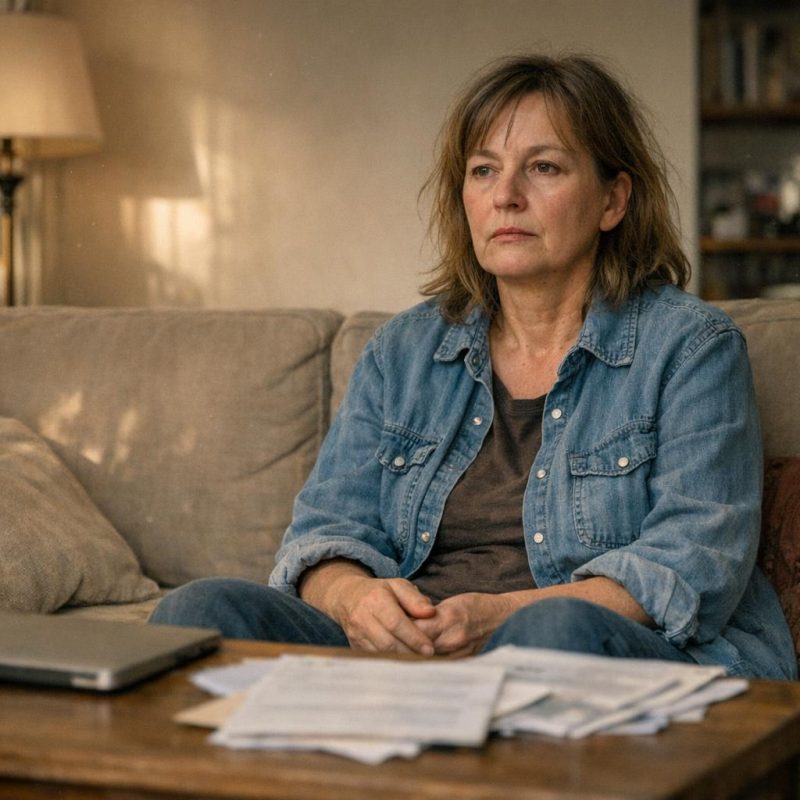 Image by RM AI
The Bank Records
That night I couldn't sleep, so I got up and opened the flash drive on my laptop again. I'd already looked through it once, but this time I went deeper, clicking through folders I'd only skimmed before. That's when I found them—scanned bank records, dozens of them, organized by year. They showed payments Martin had made to the shell company, regular transfers over the course of more than thirty years. My hands trembled as I scrolled through the dates. Some of the payments were from the early years of our marriage, long before the divorce was even a possibility. I zoomed in on one transaction dated three years before we separated. Then another from our fifth anniversary year. The evidence was right there in black and white—proof that Martin had been funneling money into this hidden account while we were still together, while I was still cooking his dinners and raising his children and believing we had a future. I saved the files to a separate folder and emailed them to Alan with shaking fingers. Some of those payments were made during our marriage, which meant I had a claim dating back to before the divorce was even filed.
 Image by RM AI
Melissa's Outburst
I was in the cereal aisle at the grocery store when Melissa found me. I saw her coming from the corner of my eye, her face flushed and furious, and I actually considered abandoning my cart and leaving. But I didn't. I stood there holding a box of cornflakes while she stormed up to me. 'You have some nerve,' she hissed, loud enough that people turned to look. 'Going after my mother like this. Trying to steal from my family.' I kept my voice calm and said I wasn't stealing anything, that I was only claiming what should have been mine all along. She laughed, this harsh, bitter sound. 'You're pathetic,' she said. 'Clinging to a man who left you decades ago. He didn't want you then, and he wouldn't want you doing this now.' People were staring openly now, their carts frozen in the aisles. An older woman near the granola bars looked horrified. I put the cornflakes back on the shelf very carefully and picked up my cart. 'Excuse me,' I said quietly, and walked past her toward the checkout. I walked away without responding, but I could feel her eyes on my back the whole way to the parking lot.
 Image by RM AI
The Depositions Begin
Alan scheduled depositions for Cheryl, Derek, and Melissa, and the date was set for three weeks out. He explained that this was where we'd get them under oath, ask them direct questions about Martin's finances, his health in his final months, and what they knew about the shell company. 'Depositions can be revealing,' Alan said. 'Not always because of what people say, but because of how they say it. How they react. What they refuse to answer.' The day of the depositions, I waited in Alan's office while they were conducted in a conference room down the hall. He came back between sessions looking thoughtful. 'Cheryl's lawyer objected to almost everything,' he said. 'Every question about Martin's financial records, about conversations they had, about why he might have left you that key—objection after objection.' I asked if that was normal. Alan shrugged, but his expression was sharp. 'To some degree. But this was excessive. Defensive.' He tapped his pen against his notepad. Cheryl's lawyer objected to almost every question, which Alan said was a sign we were getting close to something.
 Image by RM AI
The Medical Records
Alan filed a subpoena for Martin's medical records from his final year, and when they arrived, we spent an afternoon going through them in his office. Most of it was what you'd expect—doctor's appointments, prescriptions, notes about his declining health. But then Alan found something that made him stop and read more carefully. 'Look at this,' he said, turning the page toward me. The records showed that Martin had called his lawyer's office multiple times in his last year, trying to schedule private meetings. But several of those appointments had notes indicating Cheryl had accompanied him, and twice, appointments Martin had specifically requested be private were canceled at the last minute. 'No reason given for the cancellations,' Alan said quietly. He pulled out another page. 'And here—Martin tried to schedule a meeting for a Monday morning, marked 'confidential matter,' and it was canceled the Friday before.' I stared at the dates, feeling something cold settle in my chest. There were notes indicating Martin tried to schedule a private meeting twice, but both times the appointments were canceled.
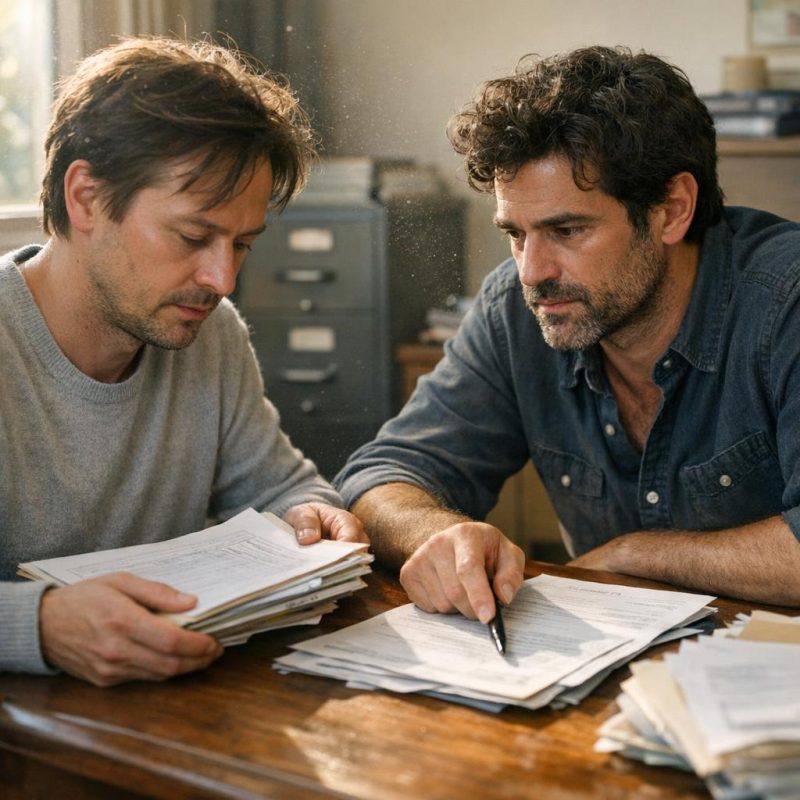 Image by RM AI
The Pharmacy Receipt
Alan had requested all of Martin's medical records, but he'd also subpoenaed something else—copies of every document Martin had scanned or printed at his home office. When the files came through, we spent hours sorting through them, and that's when I found it. A pharmacy receipt, dated just three weeks before Martin had supposedly signed that property transfer document. The medications listed were heavy-duty pain killers, the kind they give you when you're barely functional. I showed it to Alan, and he went very quiet. He pulled up the timeline we'd been building and marked the date. 'This was right in the middle of when all those documents were being prepared,' he said. His finger traced between dates on the paper. 'He was on enough medication to knock out a horse.' I stared at the receipt, at the dosages listed there. Martin had been in serious pain, medicated to the point where I couldn't imagine him making clear decisions about anything. But someone had put documents in front of him to sign anyway. Alan looked up at me, his expression carefully neutral. 'This raises a serious question, Elaine. Was Martin actually of sound mind when he signed those papers—or did someone want it to look that way?'
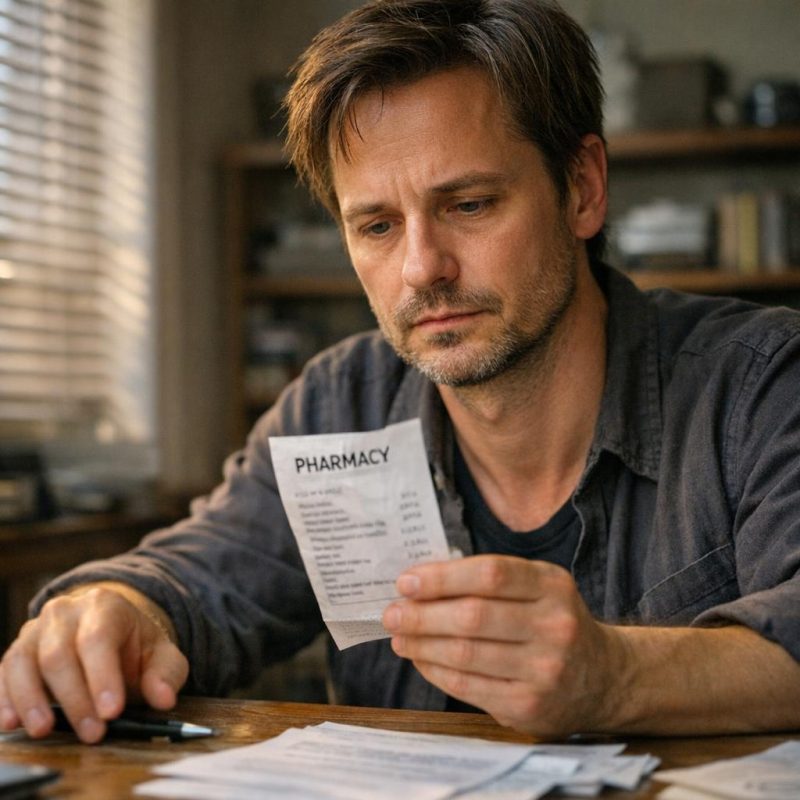 Image by RM AI
The Voicemail
Beth called me on a Tuesday morning. 'I found something,' she said, her voice tight. 'I need to show you.' We met at a coffee shop near her house, and she pulled out her old phone—the one she'd kept even after upgrading, because it had photos of her grandkids. 'Martin called me two weeks before he died,' she said. 'He left a voicemail. I saved it because it seemed important.' She handed me the phone with the message already pulled up. I pressed play, and Martin's voice filled the space between us—weak, hoarse, barely recognizable. 'Beth, it's Martin,' he said, each word seeming to cost him effort. 'I'm trying to fix an old mistake. Something I should have done years ago. Do you still have copies of the original papers? The ones from when Elaine and I—' There was a pause, the sound of labored breathing. 'I need you to keep them safe. Don't tell anyone. Please.' The message ended. I sat there staring at the phone, my hands shaking. Beth's eyes were wet. 'He sounded so desperate,' she whispered. She saved the message, and when I heard Martin's weak, hoarse voice, I almost couldn't breathe.
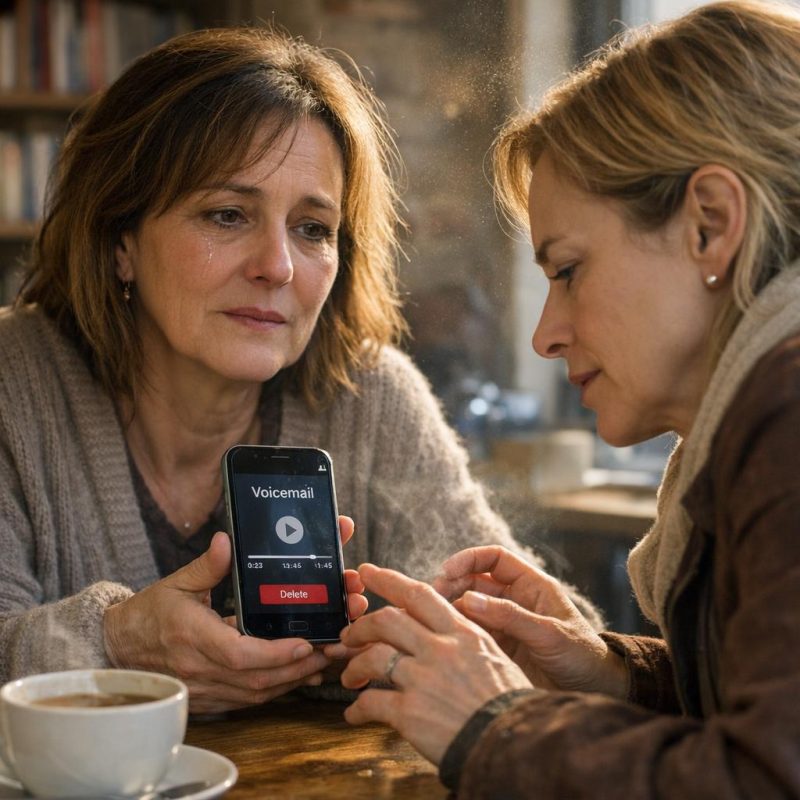 Image by RM AI
The Timeline
Alan spread the papers across his conference table like he was building a puzzle. Medical records on the left. Bank statements in the middle. The storage facility contract on the right. He'd been working on this for days, organizing everything by date, and now he wanted me to see what he'd found. 'Look at the timeline,' he said, pointing. 'Here—Martin tries to contact his lawyer privately on March 3rd. The appointment is canceled.' His finger moved. 'March 10th, he rents the storage unit. March 15th, he calls Beth. March 22nd, he has documents scanned at a local print shop—not at home where Cheryl could see. April 1st, he arranges for the key to be placed in the will as a specific bequest.' I followed his finger across the dates, seeing what he wanted me to see. Everything had happened in just six weeks. 'And then on April 5th,' Alan continued quietly, 'he signs the property transfer that Cheryl's using now. Three days later, he's dead.' I felt cold looking at those dates, at how compressed everything was. The whole thing looked frantic, like Martin had been racing against time. It looked frantic, like he was racing against something—or someone.
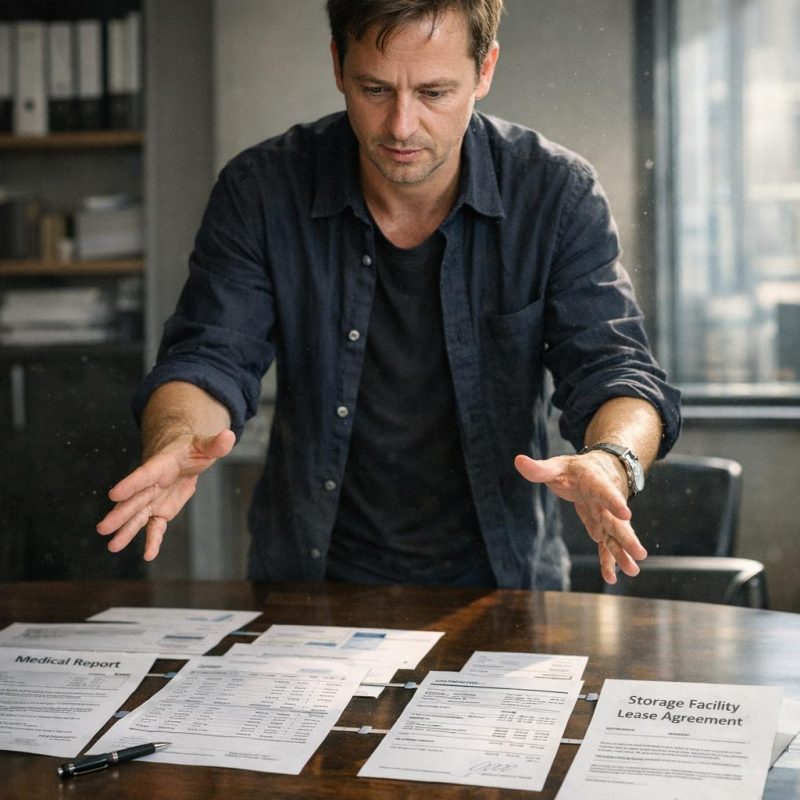 Image by RM AI
The Neighbor's Account
I was leaving Martin's old neighborhood after checking something with the storage facility nearby when a woman in her seventies stopped me on the sidewalk. 'You're Elaine, aren't you?' she said. 'I lived three doors down from Martin.' Her name was Patricia, and she'd known Martin for years. She asked how I was doing, and then she said something that made me go still. 'I always wondered if anyone noticed how things changed in that last year.' She glanced back toward the house. 'Martin used to walk to the corner store most mornings for his paper. But after Cheryl moved in, he never seemed to go anywhere without her. Or Derek would drive him. Or Melissa would be there.' I asked if that seemed unusual. Patricia hesitated, choosing her words carefully. 'At first, I thought it was nice. Family taking care of him. But then I'd see him on the porch sometimes, and he had this look...' She trailed off, then met my eyes. 'It seemed caring at first, until I noticed Martin looked more trapped than looked after. Like he couldn't even step outside without permission.' She touched my arm gently before walking away, leaving me standing there with a sick feeling spreading through my chest.
 Image by RM AI
The Financial Advisor
Alan arranged a meeting with Martin's financial advisor, a careful man named Thomas who'd managed Martin's portfolio for almost twenty years. We met in his office, and Thomas pulled up his records with obvious reluctance. 'I'm glad you're looking into this,' he said finally. 'Some things didn't sit right with me.' He showed us the access logs for Martin's accounts. Cheryl had requested information multiple times in Martin's final year, always claiming she had power of attorney, always saying Martin had asked her to handle things. 'But here's what bothered me,' Thomas said, pointing at the dates. 'Three times, she called asking to make transfers or changes. I always said I needed to speak to Martin directly first—that's our policy.' He pulled up another screen. 'Twice, she told me Martin was asleep and couldn't be disturbed. Once, she said he was at a doctor's appointment, but I'd spoken to him that morning and he never mentioned it.' Alan leaned forward. 'Did Martin ever confirm any of those requests?' Thomas shook his head slowly. 'Not once. That's why I kept denying them. But the advisor said Martin himself never confirmed those requests, and some of them came when Martin was supposedly asleep.'
 Image by RM AI
The Power of Attorney
Alan finally got his hands on the actual power of attorney document Cheryl had been using to make decisions for Martin. He called me to his office to look at it, and the moment I saw the date, something clicked into place. The document had been signed just three months before Martin died. Three months—right when his health was really failing, when he could barely get out of bed some days according to Patricia. The signature at the bottom looked nothing like Martin's usual bold scrawl. It was shaky, uncertain, the letters barely formed. Alan pointed at the witness signatures without saying anything. I read the names: Derek Morrison. Melissa Morrison. Cheryl's children had witnessed their mother being granted complete control over Martin's finances and medical decisions. 'This is legal,' Alan said carefully, 'but it's questionable. Very questionable.' He pulled out examples of Martin's signature from earlier documents—strong, confident, clear. Then he put the POA signature next to them. The difference was shocking. 'We can challenge this,' Alan said. 'The timing, the witnesses, the circumstances. All of it raises red flags.' Alan said the signature looked shaky, and the witnesses were Derek and Melissa.
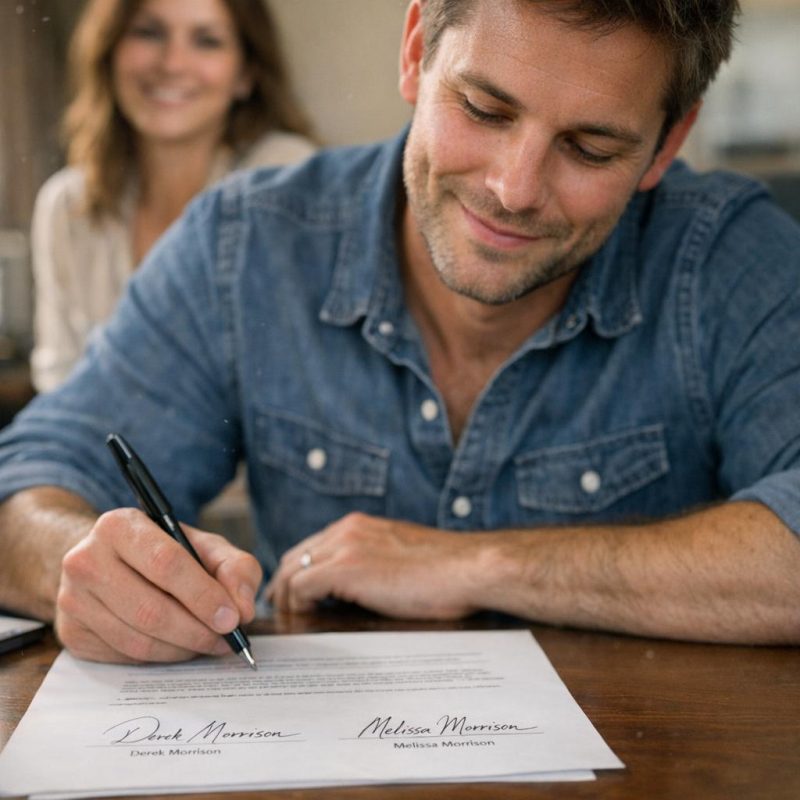 Image by RM AI
The Deleted Emails
I thought we'd seen everything on that flash drive, but Alan suggested we have it examined by a forensic data specialist—someone who could recover deleted files. I agreed, not really expecting much. But two weeks later, the specialist called us in. 'There were several deleted email drafts,' she said, pulling them up on her screen. 'They were never sent, but they were composed over a period of about six weeks.' I looked at the screen and saw my own email address in the 'To' field. Martin had been trying to write to me. The first draft was short: 'Elaine, I need to tell you something about the house.' The second was longer but rambling, like he'd been in pain or confused when he wrote it. The third was clearer. 'Elaine, if you're reading this, it means I finally found a way to get the truth to you. I tried to fix things the right way, through lawyers and proper channels, but I'm being watched. They check my emails. They check my phone. So I had to find another way.' The draft ended there, unfinished. I couldn't speak. I just stared at those words—'I'm being watched'—and felt Martin's desperation reaching across the months since his death. One draft read, 'Elaine, if you're reading this, it means I finally found a way to get the truth to you.'
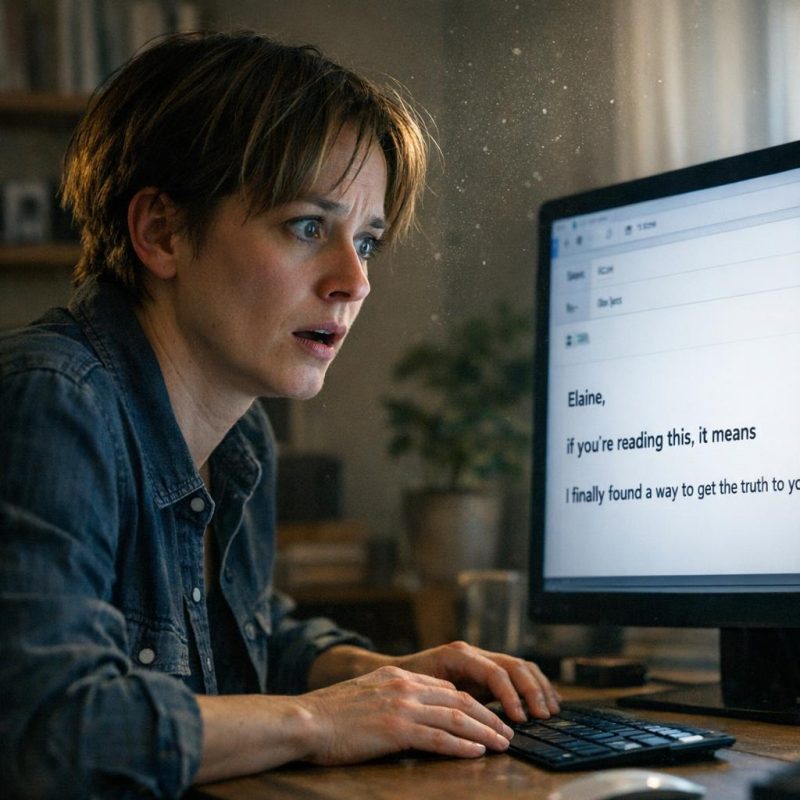 Image by RM AI
The Lawyer's Visit
Alan managed to schedule a meeting with Richard Payne, the attorney who'd handled Martin's estate. Richard was professional but guarded when we arrived, clearly uncomfortable with the questions Alan had been asking. But when Alan pressed him about the weeks before Martin's death, something shifted in Richard's expression. 'Cheryl came to see me twice,' he said finally. 'Once about three weeks before Martin passed, and again about a week later.' Alan asked what she wanted. Richard hesitated. 'She said she was trying to understand Martin's wishes. She wanted to review the will, which was fine—she was his wife. But then she started asking hypothetical questions.' He pulled out his notes from those meetings. 'She asked about the process for contesting specific bequests. She asked how long it would take to challenge a will provision. She asked what would happen if assets were transferred before a beneficiary could claim them.' I felt my stomach drop. Richard met my eyes. 'At the time, I thought she was just being thorough, preparing for the inevitable. But looking back...' He trailed off, shaking his head. 'Something about those visits made me uncomfortable, but I couldn't put my finger on what.'
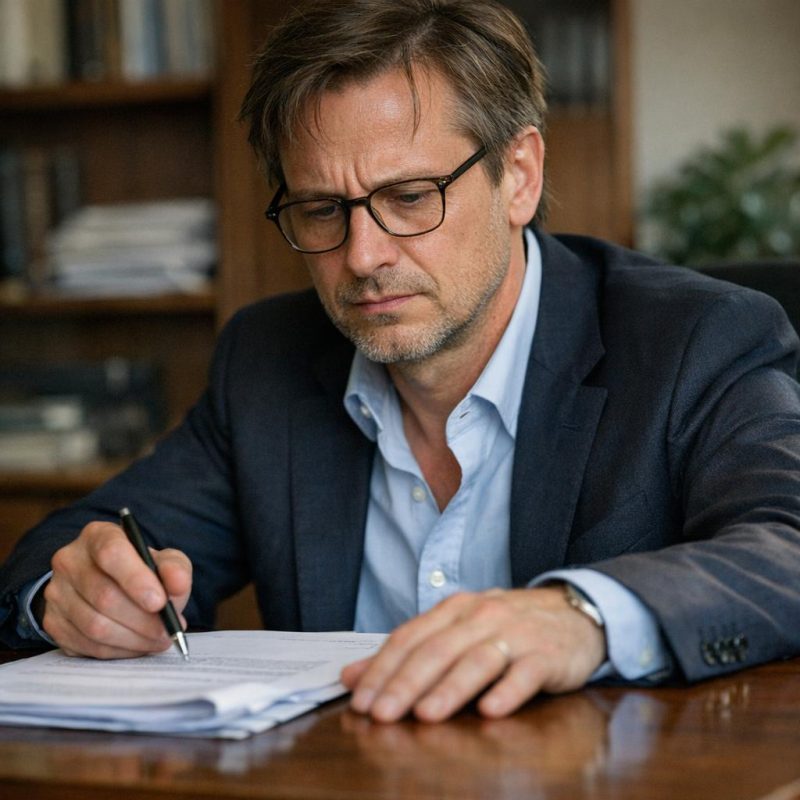 Image by RM AI
The Night the Documents Were Signed
Alan tracked down Beth, Martin's former secretary, who'd worked with him for over twenty years before she retired. She'd been at Martin's funeral, but we'd only exchanged polite condolences then. When we met at a coffee shop downtown, she looked tired, like she'd been carrying something heavy for too long. She told me Martin had called her the night he finalized the storage box arrangements—the night he set everything in motion. 'It was late, maybe ten or eleven,' she said, stirring her coffee without drinking it. 'He sounded different. Scared, actually, which wasn't like him at all.' I leaned forward. She said Martin told her he was running out of time, that he needed to move quickly before—and then he'd stopped himself, like he'd almost said too much. 'He made me promise something,' Beth continued, her eyes meeting mine. 'He said if anything happened to him, I needed to make sure you got Box 7. Not anyone else. Just you.' Her hand shook slightly as she set down her spoon. 'He repeated it three times, Elaine. Three times. Like he knew someone would try to stop you.' I felt cold all over, remembering how Cheryl had tried to do exactly that. He told her, 'If anything happens, make sure Elaine gets Box 7—no one else.'
 Image by RM AI
The Court Date Is Set
Alan called me two days after we met with Beth to tell me we had a court date. Six weeks from now. I should have felt relieved that we were finally moving forward, but instead my stomach twisted into knots. Then he told me the rest: Cheryl's legal team had filed a motion to exclude most of our evidence. They were arguing that the flash drive contents were hearsay, that the storage facility records were irrelevant, that Richard Payne's testimony about Cheryl's 'hypothetical questions' was speculative. Alan's voice was tight with frustration as he explained their strategy—they were trying to strip away everything that proved Martin's intentions and Cheryl's knowledge of the hidden property. 'Can they do that?' I asked. 'Can they just throw out evidence?' Alan said they could try, and that we'd fight it, but it would complicate things. We spent an hour going through contingency plans, backup arguments, alternative witnesses. But when I hung up, I sat at my kitchen table staring at the notes I'd scribbled, and none of it felt random anymore. The timing, the specific objections, the way they seemed to anticipate our every move—it all felt too calculated. I couldn't shake the feeling that we were being backed into a corner—and that someone had planned it that way.
 Image by RM AI
The Surveillance Suspicion
Susan called me on a Thursday afternoon, her voice higher than normal, stressed. She said she needed to show me something and could she come over right away. When she arrived, she pulled out her phone before even sitting down. 'I saw Derek parked outside your house twice last week,' she said, scrolling through her photos. 'Tuesday morning and Thursday evening. Just sitting there in his truck.' I felt my chest tighten. Susan said the first time she thought maybe he was just passing through the neighborhood, but the second time made her nervous enough to take pictures. She showed me: grainy but clear enough. Derek's black pickup, parked three houses down, angled so he had a direct view of my front door. In one photo, I could make out his silhouette behind the wheel. 'What do you think he was doing?' Susan asked. I didn't know. Watching, definitely. But watching for what? To see if I was home? To see who visited me? To intimidate me? Susan suggested calling the police, but what would I even report—a man sitting in his truck on a public street? We went through the photos again, and I noticed the timestamps. Both times were right after I'd had meetings with Alan. I looked at the pictures and wondered if they were just watching—or waiting for me to make a mistake.
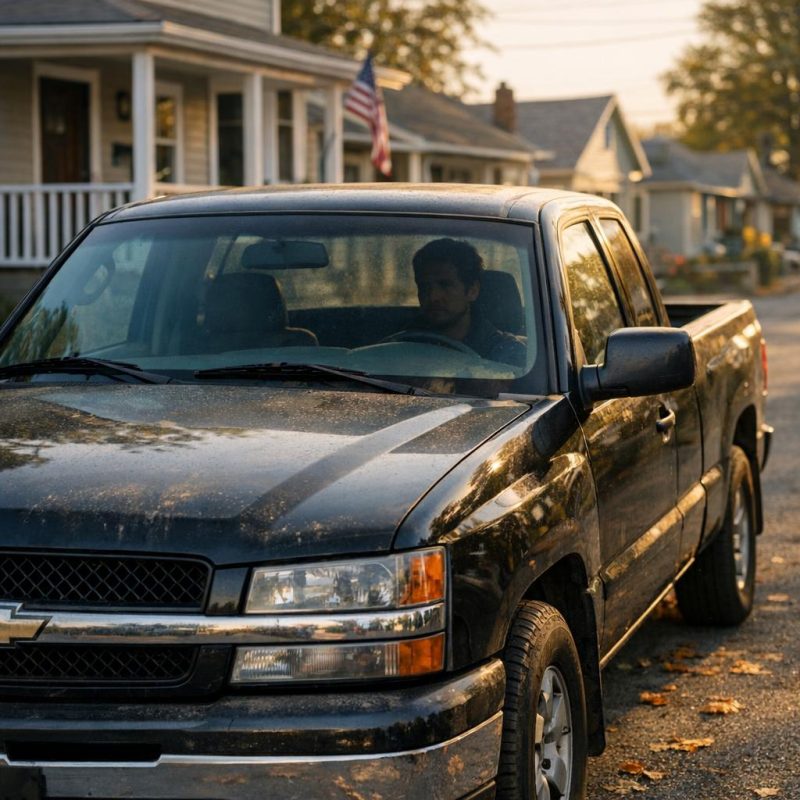 Image by RM AI
The Settlement Offer
Alan called me on a Monday morning with news I hadn't expected: Cheryl's lawyer had made a settlement offer. My first thought was that maybe they were finally being reasonable. Then Alan told me the terms. Cheryl would keep the land—all forty-three acres of waterfront property that Martin had hidden for me—and I would receive a cash payment to 'resolve the matter quietly and avoid protracted litigation.' The amount was barely enough to cover my legal fees. 'It's insulting,' I said, and Alan agreed. But what struck him more than the low offer was the timing. 'They sent this over on Friday afternoon,' he said, 'right after we filed our witness list. They're pushing hard for us to settle before trial.' I asked if that meant we had them worried. Alan said it could mean that, or it could mean they were confident they'd win and wanted to avoid the expense. But his tone suggested he thought it was the former. 'The speed at which they made this offer,' he said carefully, 'suggests they don't want us in front of a judge.' We spent twenty minutes discussing it, but my answer never changed. I wasn't walking away. Alan said the offer was insultingly low, and the speed at which they made it suggested desperation.
 Image by RM AI
The Second Video
Alan was reviewing the flash drive one more time when he found it—a second video file tucked into a subfolder labeled 'Personal Notes.' He called me immediately, and I drove to his office. We watched it together on his laptop. Martin looked worse in this recording than in the first one. Thinner, grayer, exhausted. He spoke more quietly, like he was afraid someone might overhear. 'I need to say this while I still can,' he began, glancing toward the door. 'Things have changed in the last few months. I don't feel like I'm in control of my own life anymore.' He described feeling watched, monitored, managed. He said Cheryl had started insisting on being present for every phone call, every meeting, every conversation with his attorney or financial advisor. 'She says she's helping me stay organized,' Martin said, his voice hollow. 'But it doesn't feel like help. It feels like...' He trailed off, rubbing his face. 'I can't make decisions anymore without Cheryl in the room, and I don't think that's an accident.' The video ended. Alan and I sat in silence. I felt sick. This wasn't just about hidden property or a contested will anymore. He said, 'I can't make decisions anymore without Cheryl in the room, and I don't think that's an accident.'
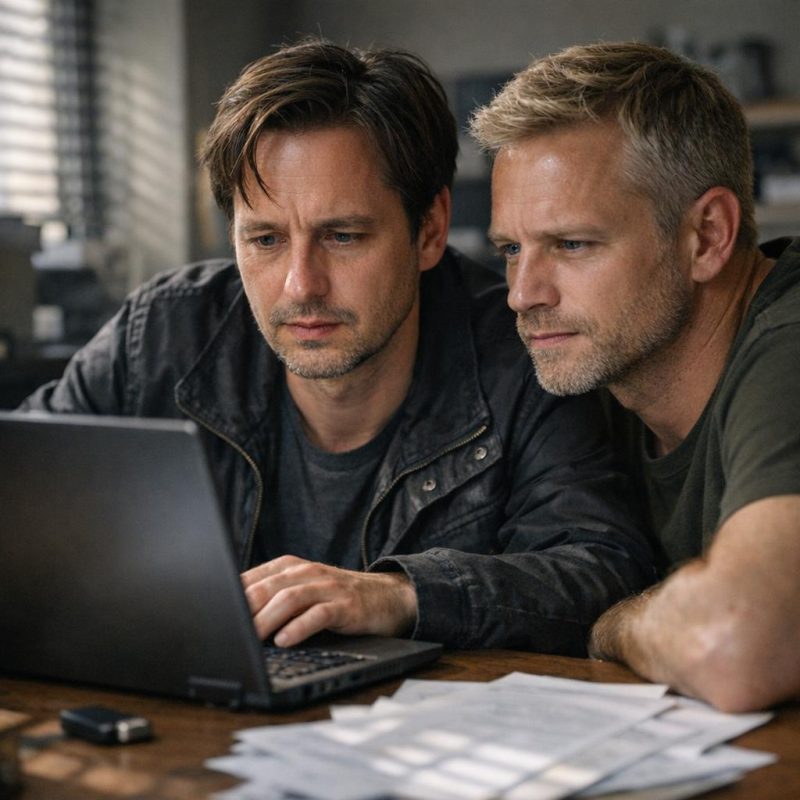 Image by RM AI
The Testimony Prep
The week before trial, Alan and I met every day. We reviewed every document, every witness statement, every scrap of evidence that proved Martin had deliberately hidden the land and that Cheryl knew about it. Alan laid everything out on his conference table like pieces of a puzzle: the storage facility records showing Martin rented Box 7 weeks before his death, Joan's testimony about the key and Martin's instructions, Richard Payne's notes about Cheryl's 'hypothetical questions,' Beth's account of Martin's terrified phone call, the two video files where Martin described what was happening to him. It was all there. The pattern was undeniable. But Alan kept circling back to potential weak points in our case—places where Cheryl's lawyer could sow doubt. 'They're going to argue Martin was confused, that his illness affected his judgment,' Alan said. 'They'll say the videos show paranoia, not proof.' We practiced my testimony, anticipated their cross-examination questions, rehearsed how to stay calm when they tried to rattle me. By Thursday, I was exhausted and my head ached from the fluorescent lights in Alan's office. 'We have a strong case,' Alan said as I was leaving. 'But you should know—Cheryl's lawyer is known for making juries doubt what they thought they knew.'
 Image by RM AI
The Night Before Trial
I couldn't sleep the night before trial. I lay in bed replaying everything: Martin's voice on those videos, Cheryl's performance at the will reading, Derek's truck parked outside my house, Richard Payne's uncomfortable admission about those hypothetical questions. I kept thinking about how scared Martin had sounded when he called Beth, how he'd made her promise three times to make sure I got Box 7. How he'd known someone would try to stop me. Around two in the morning, I got up and made tea I didn't drink. I sat at my kitchen table with all my notes spread out in front of me, trying to see the whole picture. Martin had hidden the land. He'd created the scavenger hunt. He'd recorded those videos. He'd made sure there were witnesses—Joan, Beth, Richard. He'd timestamped everything, documented everything. But why? Why go through all that trouble instead of just putting the land directly in the will or telling me about it while he was still alive? Why make it so complicated? I kept coming back to one question: if Martin knew what Cheryl was doing, why did he make the clue so complicated instead of just telling me directly?
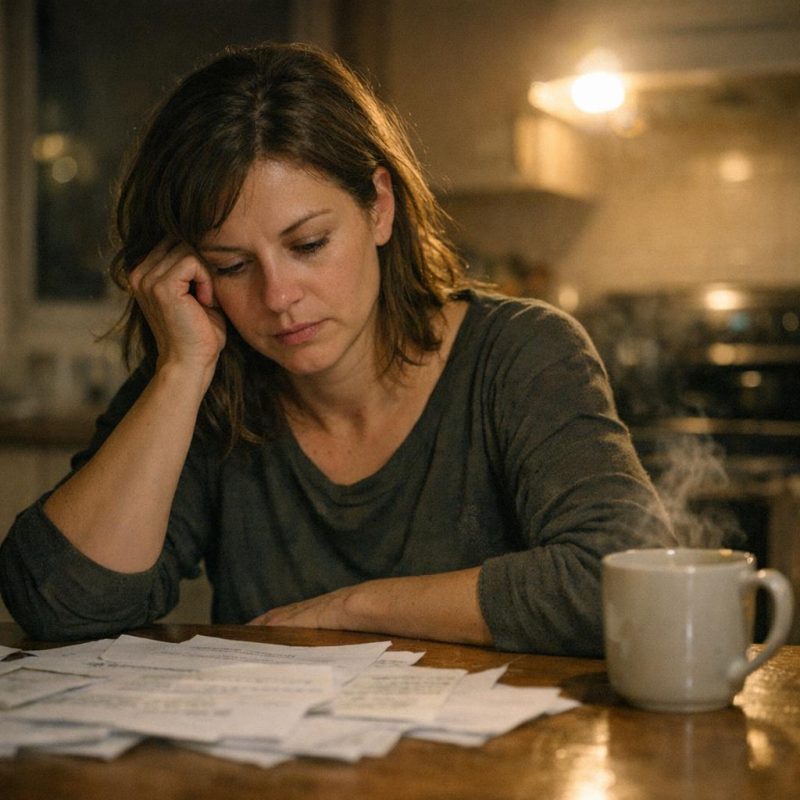 Image by RM AI
The Strategy Revealed
Alan found the third video segment the morning of trial. It was in another subfolder, password-protected this time, dated two days before Martin died. We watched it in his car in the courthouse parking lot, twenty minutes before we had to go inside. Martin looked directly into the camera, and his voice was clear and deliberate. 'If you're watching this, Elaine, it means everything worked the way I planned it.' He explained that he'd known for weeks that Cheryl was preparing to contest the will. She'd been going through his papers, accessing his accounts, asking his attorney those careful questions about challenging bequests. 'She was planning to block you from getting anything I left you,' Martin said. 'She was already setting it up—building a case that I was incompetent, that you manipulated me, that my wishes shouldn't be honored.' So he'd created the scavenger hunt deliberately, designed every step to generate third-party witnesses who could testify about his clear intentions and sound mind. Joan, Beth, the storage facility staff, Richard—they'd all seen him, spoken with him, documented his instructions. The timestamps proved when he'd done it all. 'I couldn't just tell you directly because she was intercepting my mail, monitoring my calls, controlling who I could see,' Martin said. He said, 'She's already tried to intercept my mail, access my accounts, and rewrite my intentions—this was the only way to make sure you got the truth before she could destroy it.'
 Image by RM AI
The Evidence Trail
Alan spread the evidence across his desk like he was seeing it for the first time. 'Look at this,' he said, tapping the timeline he'd created. Every step Martin took had a timestamp, a witness, a paper trail that couldn't be disputed. Joan at the bank, swearing she'd verified my identity personally. Beth confirming the shell company setup. The storage facility staff who'd logged Martin's visits, watched him place items in Box 7, documented his instructions that only I could access it. Richard at the land registry office, who'd watched Martin update the deed transfer just weeks before he died. 'He wasn't being sentimental,' Alan said. 'He was building a fortress around this asset—one Cheryl couldn't breach.' The puzzle box, the train ticket, the photos—they weren't just clues. They were insurance. Each one forced me to interact with another witness, creating another person who could testify that Martin had been clear, deliberate, and of sound mind. 'She was monitoring his calls, intercepting his mail,' Alan continued. 'He couldn't contact you directly without her knowing. So he created a trail she couldn't erase.' I stared at the evidence, seeing it differently now. Martin hadn't been playing games. He'd been protecting me from a woman who'd been systematically erasing his autonomy for months.
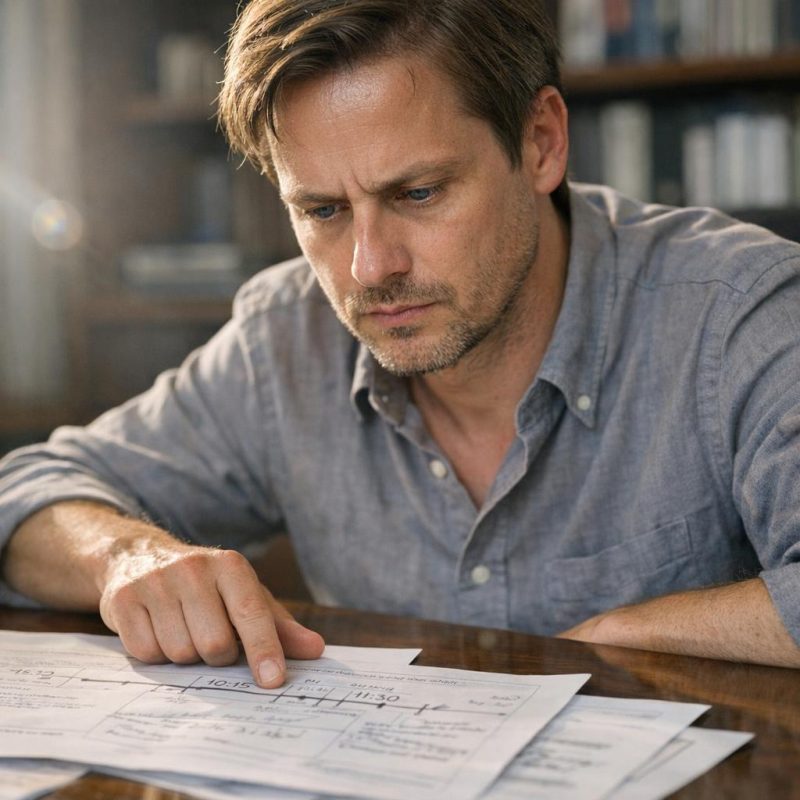 Image by RM AI
The Morning of Trial
I walked into the courtroom that morning knowing exactly what Cheryl had done and why Martin had hidden the truth the way he did. Alan walked beside me, carrying the evidence boxes like they contained something precious. The courtroom smelled like furniture polish and old paper, those high ceilings making everything feel more formal than it needed to be. I'd dressed carefully—nothing flashy, nothing that would make me look like I was trying too hard. Just a simple navy suit that said I was here for business, not drama. Cheryl was already seated at the defendant's table with her attorney, a sharp-faced man in an expensive suit who looked like he billed by the minute. Derek sat behind her, arms crossed, looking bored. Melissa was checking her phone, barely aware the proceedings were about to start. Alan set the boxes down, organized his papers with that methodical precision I'd come to appreciate. The judge entered, and we all stood. I felt calm in a way I hadn't expected—not excited, not anxious, just ready. When we sat back down, I glanced across the aisle. Cheryl sat there perfectly composed, her expression neutral, her posture relaxed. And I realized she had no idea how thoroughly Martin had outmaneuvered her.
 Image by RM AI
Opening Statements
Alan's opening statement was precise and devastating. He stood before the judge and laid it out in clear, simple terms: Martin Keeler had hidden a valuable asset during our divorce, depriving me of my rightful share in the marital estate. When he tried to correct that wrong before his death, his widow had attempted to prevent me from claiming it—intercepting communications, blocking access, and ultimately contesting the will to keep me from receiving what Martin had intended. Alan walked through the timeline, pointing to each piece of evidence. The shell company. The land deed. The bank records showing continuous payments. The safety deposit box Martin had set up specifically for me. 'This isn't speculation,' Alan said. 'We have documentary evidence, witness testimony, and Mr. Keeler's own recorded confession.' When he sat down, I felt a small surge of satisfaction. Then Cheryl's attorney stood up. He painted me as a bitter ex-wife who couldn't let go, grasping at money I had no right to after thirty years of distance. He questioned Martin's mental state in his final months, suggested the videos were the product of paranoia and medication. He implied I'd manipulated a dying man. By the time he finished, I wanted to throw something.
 Image by RM AI
Beth Takes the Stand
Beth took the stand first, and I'd never been more grateful for her steady, unshakable presence. Alan asked her to describe her role in Martin's business, and she answered with the kind of quiet authority that comes from decades of experience. Yes, she'd been his secretary for thirty-two years. Yes, she'd prepared the shell company documents. Yes, she'd watched him transfer the land deed into that company's name right before our divorce was finalized. 'Did Mr. Keeler tell you why he was doing this?' Alan asked. Beth looked directly at the judge. 'He said he wanted to protect the asset. He said Elaine wouldn't understand, but he'd make it right someday.' Cheryl's attorney stood for cross-examination, trying to suggest Beth was biased, that she'd always been loyal to me rather than Martin. Beth didn't even blink. 'I was loyal to Mr. Keeler,' she said firmly. 'And I'm honoring his wishes now by telling the truth.' He tried another angle, questioning her memory after so many years. She pulled out a small notebook from her purse—copies of calendar entries, notes she'd kept from those years. 'I document everything,' she said simply. The attorney sat down. Under cross-examination, Cheryl's lawyer tried to discredit her, but Beth didn't flinch.
 Image by RM AI
The Financial Records
Alan stood and introduced the financial records—decades of them, printed and organized in clear chronological order. Bank statements showing regular payments to Keeler Properties LLC from before the divorce through the month Martin died. Tax filings listing the shell company as an active business entity. Property tax payments made by the company on the land parcel. He walked the judge through each document, building the timeline piece by piece. The payments never stopped. The company never dissolved. The land stayed hidden inside that corporate shell for thirty years. 'Your Honor,' Alan said, 'these records prove that Mr. Keeler maintained this asset continuously, kept it separate from his estate with Mrs. Cheryl Keeler, and intended it as restitution to Mrs. Elaine Patterson.' Cheryl's attorney objected—relevance, foundation, hearsay—but the judge overruled him each time. The records were public documents, properly authenticated, and they spoke for themselves. I watched Cheryl's face as Alan submitted each exhibit into evidence. She kept her expression neutral, but I could see the tension in her jaw, the way her hands gripped the edge of the table. The records were clear and damning, and there was nothing her expensive attorney could do to make them disappear.
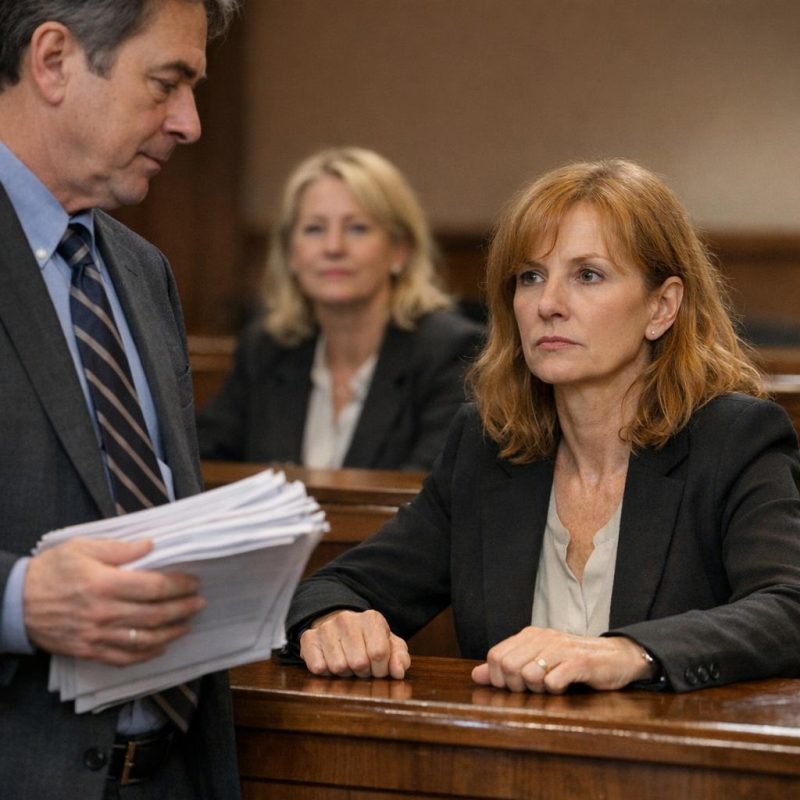 Image by RM AI
Joan's Testimony
Joan walked to the stand with her cane, moving carefully but with dignity. Alan asked her to describe her interaction with Martin months before he died, and she spoke in that clear, firm voice I'd heard at the bank. 'He came in specifically to set up Box 7,' she said. 'He told me only Elaine Patterson could access it. He made me write it down, made me repeat it back to him. He said it was extremely important that no one else be allowed to open that box, no matter what they claimed.' Alan asked if Martin seemed confused or uncertain. Joan shook her head. 'He was very clear. Very deliberate. He knew exactly what he wanted.' Then Alan asked the question that made the courtroom go quiet. 'Did he seem afraid of anything, Mrs. Joan?' She paused, choosing her words carefully. 'He seemed like a man who was running out of time. Like he needed to protect something important and wasn't sure he'd get another chance.' Her eyes met mine briefly across the courtroom. 'He looked frightened,' she said softly. 'Not confused—frightened.' When she stepped down, I had to swallow hard. She'd just confirmed what Martin couldn't say directly: he'd been afraid of what would happen if Cheryl found out what he was trying to do.
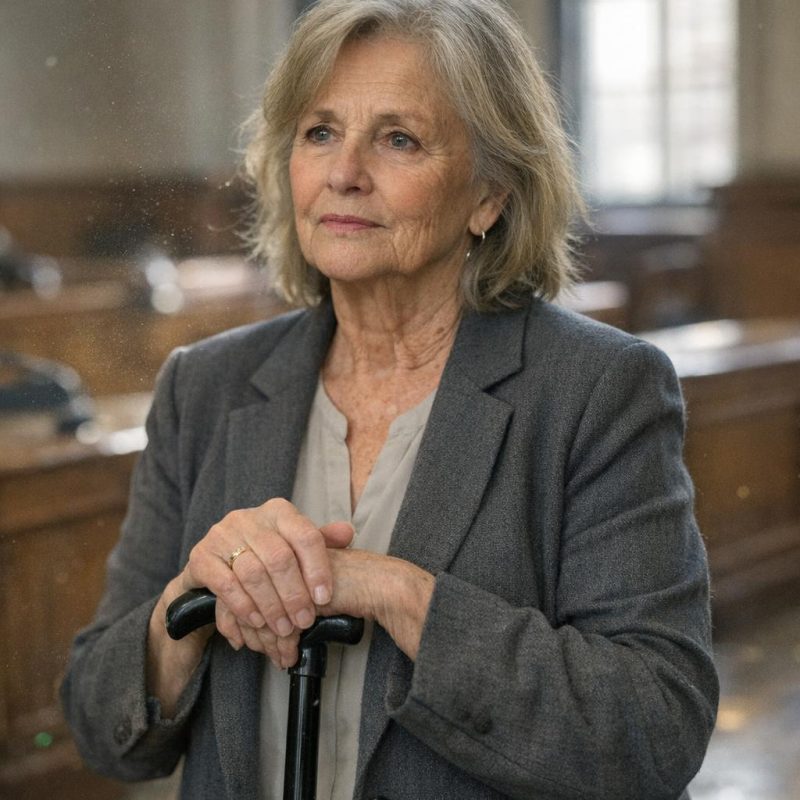 Image by RM AI
The Video Is Played
Alan dimmed the lights and played both videos on the screen at the front of the courtroom. Martin's face appeared, looking directly into the camera, and his voice filled the space. I'd watched these recordings multiple times by now, but hearing them in that formal setting—with the judge watching, with Cheryl sitting twenty feet away—made them feel different. More real. More final. Martin confessed to hiding the land. Explained the shell company. Described how Cheryl had been going through his papers, accessing his accounts, monitoring his calls. 'She was planning to contest my will,' he said on the recording. 'She was building a case that I was incompetent, that my wishes shouldn't be honored. So I had to do this the only way she couldn't intercept—through a trail she didn't know existed.' The room was absolutely silent. No one moved. Derek had stopped fidgeting. Melissa had put down her phone. Cheryl sat frozen, staring at the screen like she was watching a ghost speak. When the video ended and Alan turned the lights back on, I glanced at Cheryl again. She looked like she wanted to disappear.
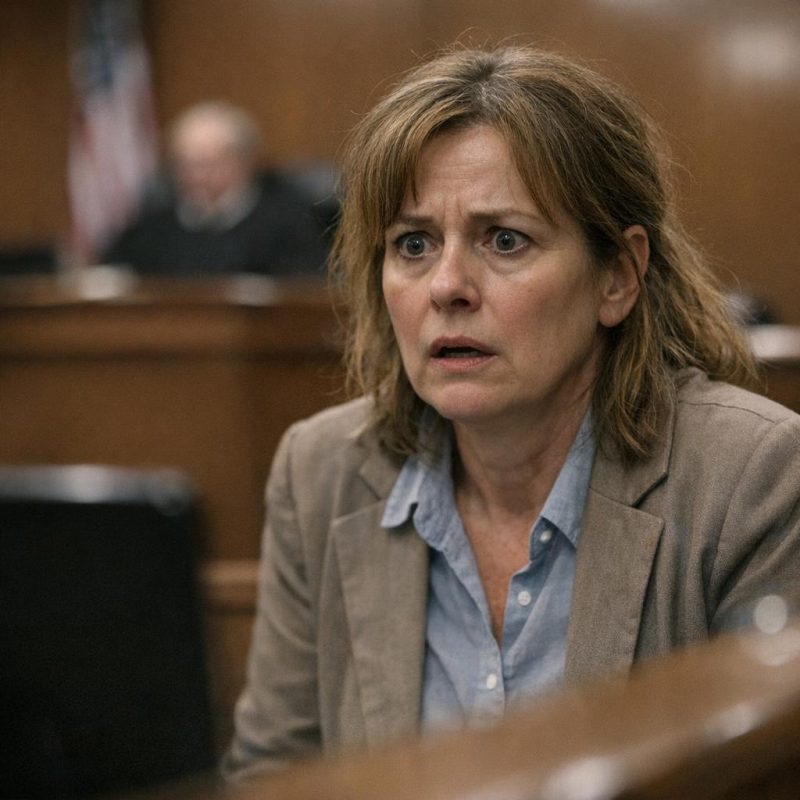 Image by RM AI
Cheryl Takes the Stand
Cheryl took the stand with perfect composure, her hands folded neatly in her lap. Her attorney asked her to describe Martin's final months, and she spoke with practiced sympathy. 'He was declining,' she said softly. 'Confused. Sometimes paranoid. The medications made him say things that didn't make sense.' She insisted she'd known nothing about the land, nothing about any hidden asset. 'If Martin wanted Elaine to have something, he could have simply left it to her in the will. This elaborate scavenger hunt? That's not the behavior of a sound mind.' She described caring for him, managing his affairs because he could no longer do it himself. She painted herself as the devoted wife dealing with a husband who was slipping away. Then Alan stood for cross-examination. He asked about the intercepted mail Martin mentioned. She said she didn't know what he meant. He asked about accessing Martin's accounts. She said she was his wife—of course she had access. He asked about monitoring calls. She denied it. Alan pulled out phone records showing blocked numbers, returned letters with 'moved' stamps, emails bounced back as undeliverable. 'Mrs. Keeler,' he said calmly, 'Martin claimed you were controlling his communications. These records suggest he was right.' But under Alan's cross-examination, her story began to unravel.
 Image by RM AI
The Verdict
The judge took off her glasses and looked directly at both sides of the courtroom before she spoke. 'Based on the evidence presented,' she said, 'I find that the parcel of land in question was acquired during the marriage between Martin Keeler and Elaine Patterson, and that its existence was deliberately concealed during their divorce proceedings. Mrs. Keeler's claim that this was a separate asset acquired after the divorce is not supported by the documentation. Furthermore, the evidence suggests that Mr. Keeler intended to correct this omission through his bequest to Ms. Patterson.' She ruled that I had a legitimate claim to the property that superseded the current estate distribution. The land was mine. Alan squeezed my shoulder. I felt something break open in my chest—not quite joy, but relief so profound it felt like breathing after being underwater. Across the aisle, Cheryl's face remained perfectly blank, but her hands gripped the edge of the table. Derek stared straight ahead. Melissa looked at her phone. The judge thanked everyone for their time and dismissed the court. I stood on shaky legs, trying to process what had just happened. I'd won. After all the lies, all the manipulation, all the years of wondering if I'd imagined the wrongness of it all—I'd won. Cheryl stood up and walked out without a word, her children trailing behind her.
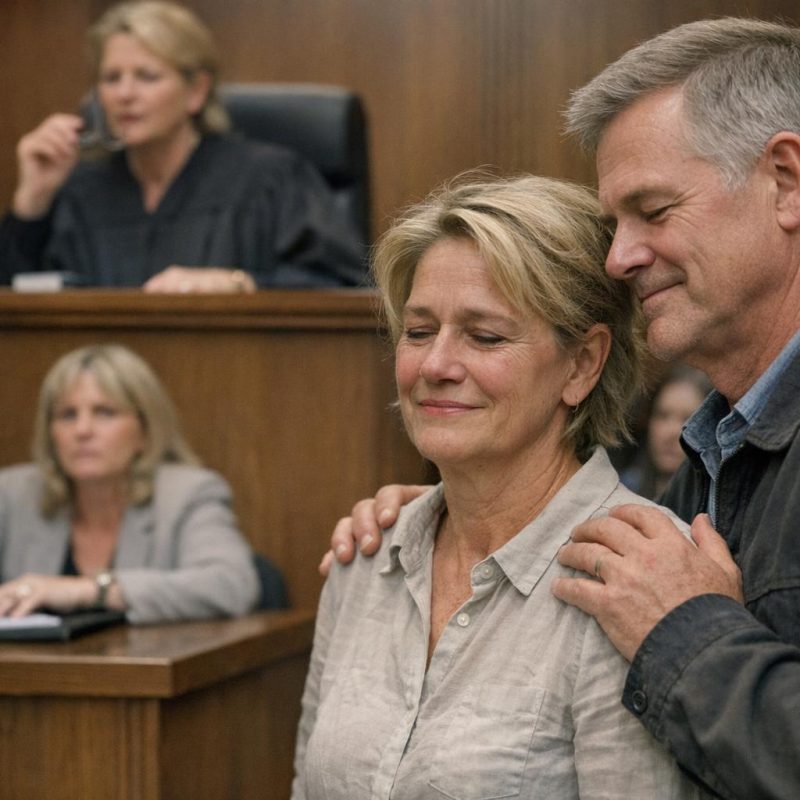 Image by RM AI
The Aftermath
In the days after the verdict, I kept finding myself standing at my window, staring out at nothing in particular, just trying to make sense of it all. Martin had lied to me for decades. He'd hidden an asset that should have been divided when our marriage ended. He'd chosen Cheryl over honesty, over me, over doing the right thing when it mattered. But in the end, he'd tried to fix it. Not in a straightforward way—that would have required courage he didn't have while he was alive. Instead, he'd left me a key and a scavenger hunt, trusting that I would follow the trail and find what he'd hidden. It was a coward's way of being brave, maybe. Or maybe it was the only way he knew how to tell the truth. I thought about the man I'd married and the stranger he'd become. I thought about Cheryl's control, the way she'd isolated him, monitored him, erased everyone who might have told him he deserved better. I thought about the tin box, the notes he'd left behind, the careful way he'd constructed a path for me to follow. He could have taken the secret to his grave. He could have let Cheryl keep what she'd helped him steal. But he hadn't. I didn't forgive him, but I understood why he chose me in the end.
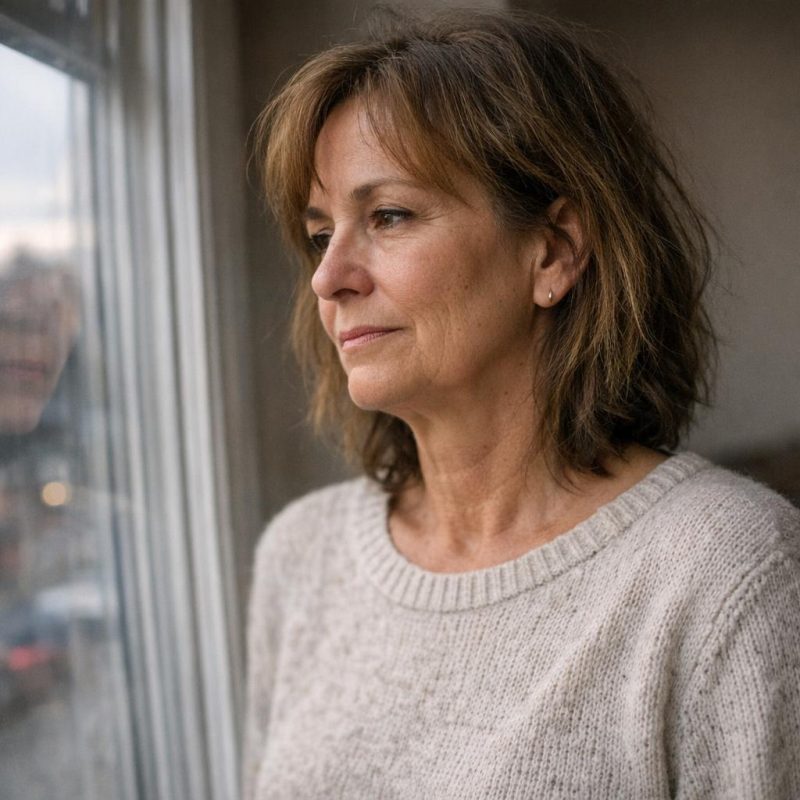 Image by RM AI
The Right Thing
I sat down with Susan and Alan to figure out what to do with the land. I could have sold it all, pocketed the money, called it restitution for what Martin took from me. God knows I'd earned it. But that didn't feel right. This wasn't just about me getting what I was owed—it was about what Martin had tried to say with his final act. So I decided to sell part of the property and use the proceeds to establish a foundation. Not a big flashy thing, just something real that could help older adults who were trapped in situations like Martin's—people whose finances were being controlled, whose connections were being severed, whose reality was being rewritten by someone who claimed to love them. The kind of help I wished Martin had found before it was too late. The rest of the land, a small corner lot with old trees, I'd donate to the town as a community space. A place for people to sit and breathe and remember that truth matters, even when it's buried. Alan said it was a generous plan. Susan teared up when I told her, which made me tear up too, and then we were both laughing at ourselves in my kitchen. She said it was exactly what Martin hoped I would do—use the truth to help others.
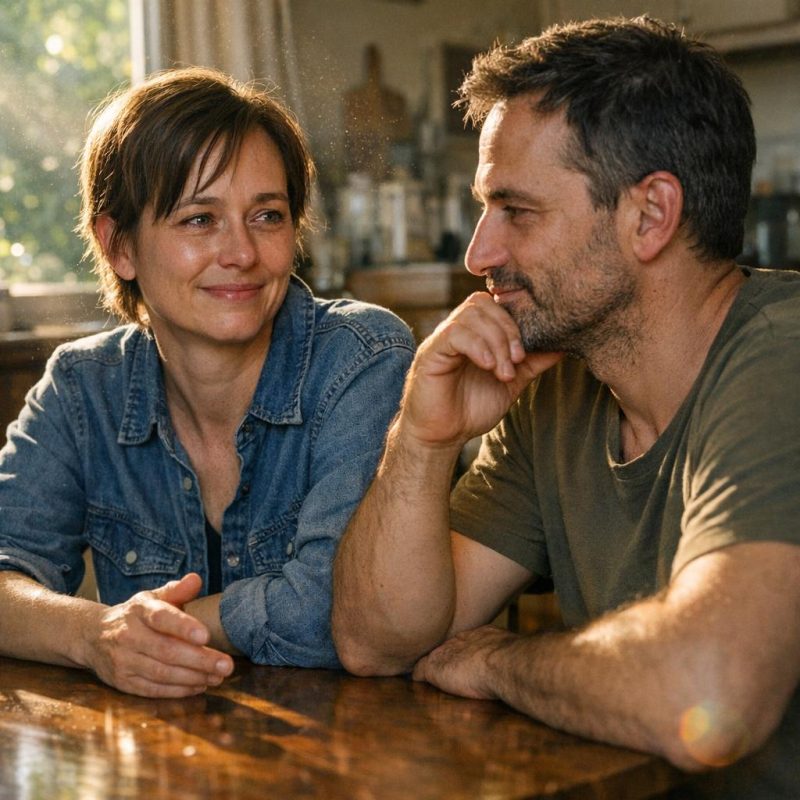 Image by RM AI
The Key That Opened the Truth
I keep the brass key on my dresser now, next to the picture of my parents and the ceramic bowl I made in a pottery class twenty years ago. It doesn't open anything anymore—the safety deposit box is long closed, the contents distributed, the secrets revealed. But I like having it there. It reminds me that I followed the clues when I could have walked away. That I trusted my instincts when everyone told me to let it go. That I fought for the truth even when the truth was ugly and complicated and didn't come with a neat ending. Sometimes I pick it up and turn it over in my hand, feeling the weight of it. Martin left me a lot of things in his will—anger, questions, a decades-old betrayal finally acknowledged. But this key, this strange and complicated gift, gave me something I didn't expect: proof that I wasn't crazy. That the wrongness I'd felt during our divorce was real. That my perception of reality could be trusted, even when someone I loved was telling me I was mistaken. The key didn't open a door in the usual sense—it opened the one locked room in our history I had never been allowed to enter.
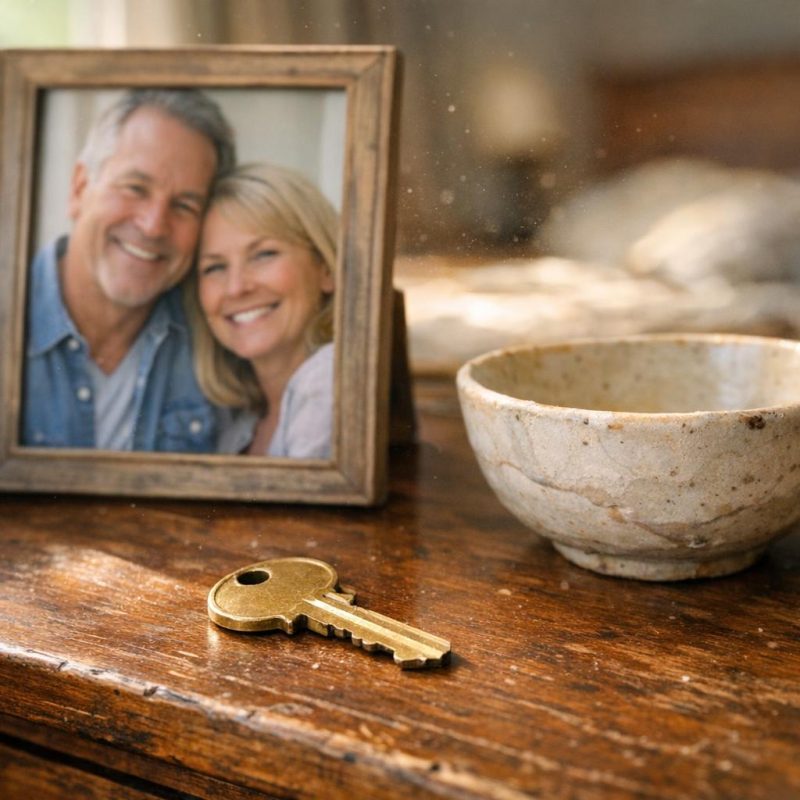 Image by RM AI