There's a special kind of appeal to places that look as though the modern world skipped over them. It might be an old main street with faded signs, a motel that feels stuck in 1964, or a town where the storefronts, sidewalks, and silence all seem to belong to another era. Even when these places aren't especially glamorous, there's something undeniable about their charm, so much so that we feel inexplicably drawn to them.
Part of that attraction is aesthetic, but it goes much deeper than that. These places offer relief from speed, noise, and the feeling that everything around us is constantly being updated, replaced, or optimized into blandness. When you visit somewhere that seems frozen in time, it can feel less like stepping backward and more like stepping out of the usual pressure of the present into a simpler time.
They Give Us a Break From the Pace of Modern Life
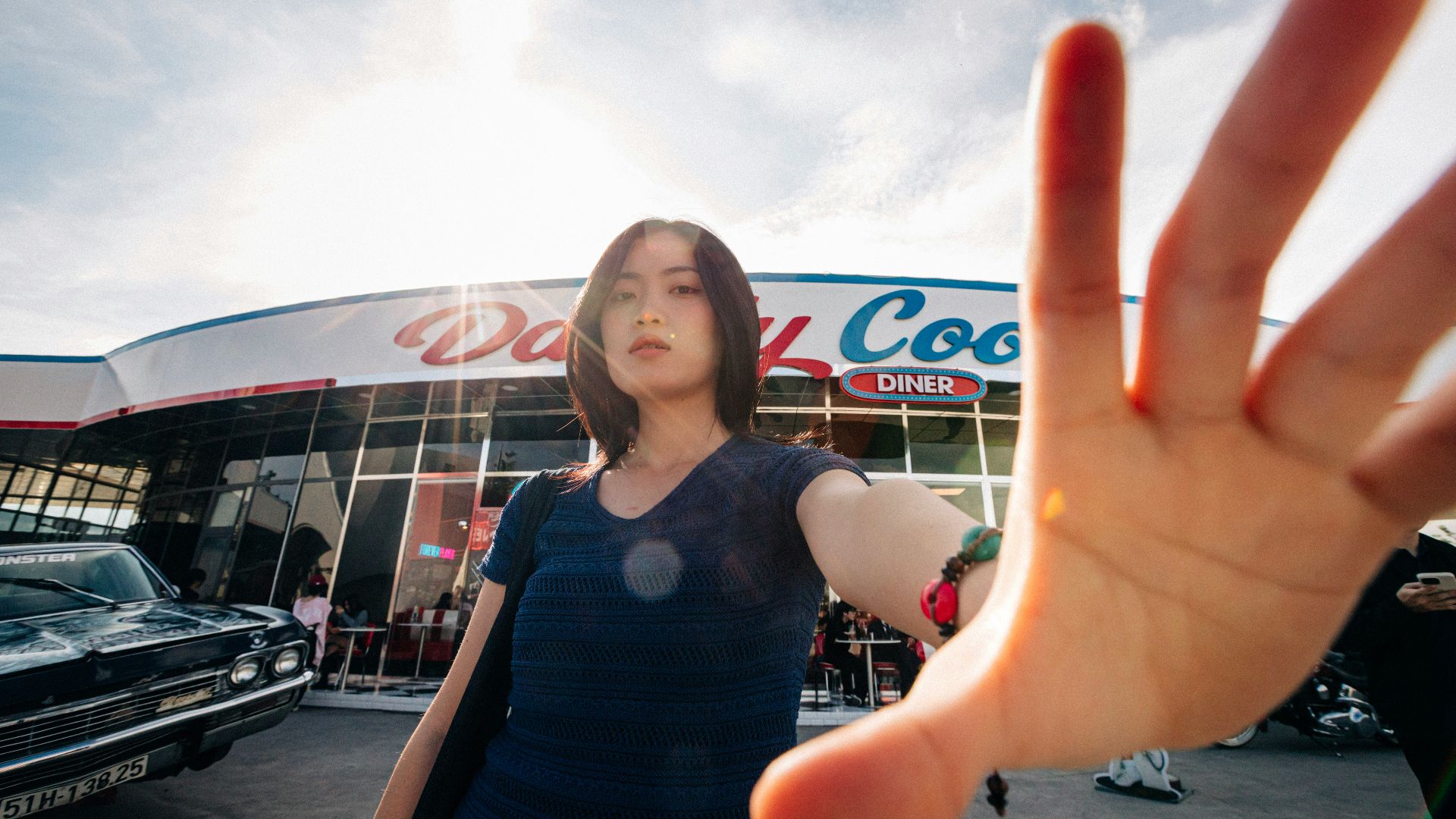
One reason people love time-stilled places is that they seem to reject the frantic rhythm of contemporary life. A town with an old diner, a quiet street, and a shop that still closes early can feel almost rebellious now. You notice the slower mood immediately because most of daily life pushes in the opposite direction. That contrast makes such places feel calming before you even fully understand why.
There's also comfort in environments that aren't demanding your constant attention. Newer spaces often seem designed to keep you stimulated, whether through screens, branding, traffic, or endless choices. A place that looks largely unchanged can feel mentally quieter, which is something many people are craving more than they realize. You may not say it that way to yourself, but your nervous system often notices first.
That stillness can make ordinary details feel more meaningful. Instead of rushing from one thing to the next, you pause and actually look at the old gas station sign, the worn wood on a porch, or the way the afternoon light hits a nearly empty street. In faster settings, those things would barely register.
They Let Us Feel Closer to the Past
Places that seem frozen in time offer something many museums can't fully provide: the feeling of history still hanging in the air. You aren't just reading about another era from a wall label; you're walking through a setting that has preserved some physical part of that era, creating a stronger emotional connection.
People are often drawn to that feeling because it makes the past seem less abstract. History can feel very far away when it lives only in textbooks, documentaries, or carefully preserved behind glass. An old town, roadside motel, train depot, or weathered neighborhood brings it closer to the body. You don't have to imagine everything from scratch because some of the texture is already there in front of you.
There's also a strange pleasure in sensing continuity. In a world where so much disappears quickly, a place that still bears the marks of another decade can feel reassuring. It reminds you that not everything has been flattened into the same polished, interchangeable version of modern life. Even if the past wasn't better, the visible survival of it can still feel moving.
We Often Mistake Atmosphere for Authenticity, but That’s Part of the Fun
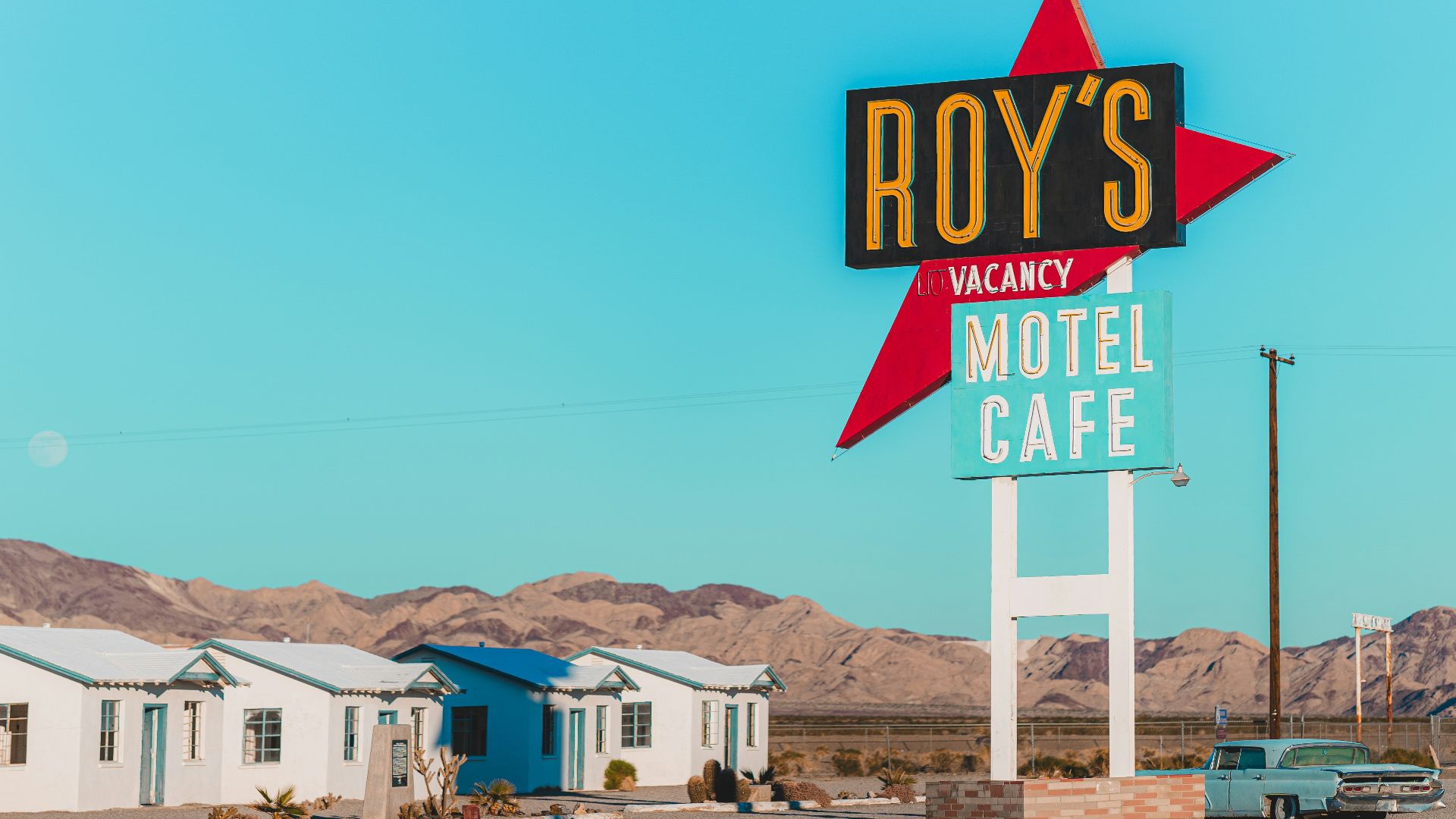 Vivek Sumanth Chintakula on Unsplash
Part of the attraction is emotional, and that means people aren't always responding to historical reality so much as mood. A place that feels frozen in time often seems more authentic, even when that impression is partly constructed through selective preservation, local storytelling, or our own wishful thinking. We want to believe we're encountering something real and unspoiled, and that desire shapes the way we see the place before it has even had a chance to speak for itself.
But that emotional response isn't fake just because it's partly romantic. If a place makes you feel more reflective, more attentive, or more connected, that experience matters even if it's not perfectly objective. Travelers are often looking for atmosphere as much as facts. What they want isn't only information, but a feeling they can't get at home.
That helps explain why slightly broken or faded places can be more compelling than polished ones. Perfection often reads as curated, while wear and age suggest that life actually happened there. A chipped sign, an old theater marquee, or a motel pool that has clearly seen better years can produce a stronger response than something shiny and new or pristinely restored. People aren't always chasing beauty in the usual sense, but character.
These Places Reflect What We Fear Losing
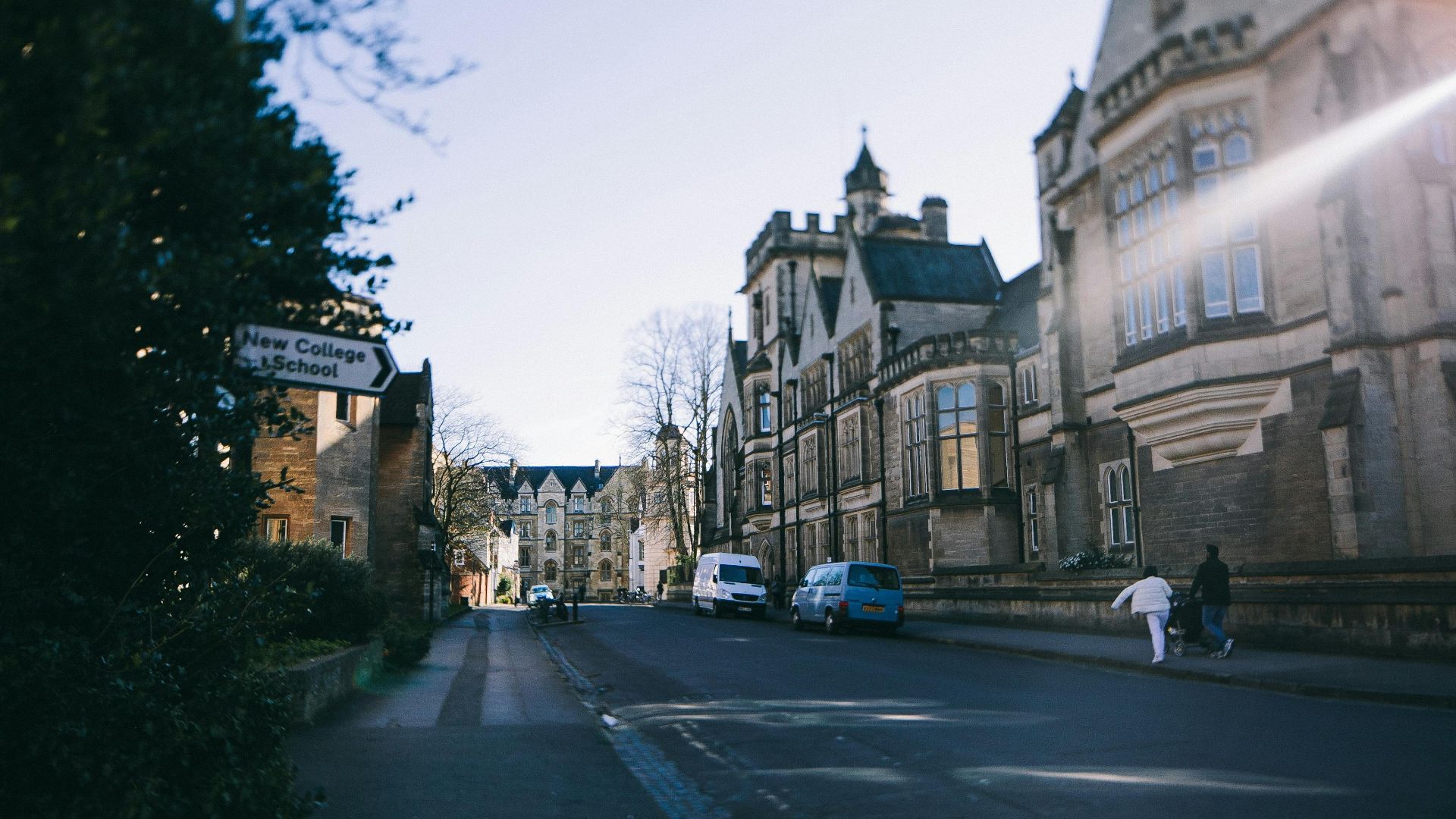
Many frozen-in-time places attract people because they seem to preserve forms of life that feel endangered. Small-town routines, roadside culture, family-run businesses, and old public spaces all carry the sense that they belong to a version of the world that is slowly disappearing. Whether that impression is fully true or not, it taps into a genuine anxiety about loss. You do not have to be especially nostalgic to feel that something is slipping away.
That feeling becomes more powerful when modern life starts to seem overly standardized. If every highway exit offers the same stores, coffee, and chain hotel, then older places begin to feel almost radical just for being unique. They aren't just somewhere to visit, but somewhere that still appears to belong to itself. That kind of identity is hard to fake, and people respond to it strongly.
Places that seem frozen in time offer more than just old buildings or vintage charm. They give us slowness, texture, memory, and the rare sense that a place hasn't been entirely smoothed over for convenience. You may arrive thinking you're just looking at the past, but often what moves you most is the contrast with the present. That's probably why these places stay with people long after the trip itself is over.