The Right Way to Pack Your Electronics
Traveling with electronics might seem easy-peasy until you're flagged by airport security or realize your device doesn't work in the country you've landed in. From voltage incompatibilities to strict airline regulations, there's a lot more to consider than simply tossing your gadgets into a bag when bringing them along on your trip. Getting familiar with the most common problem electronics and the best practices for handling them will save you a serious headache before your next trip.

1. Laptops
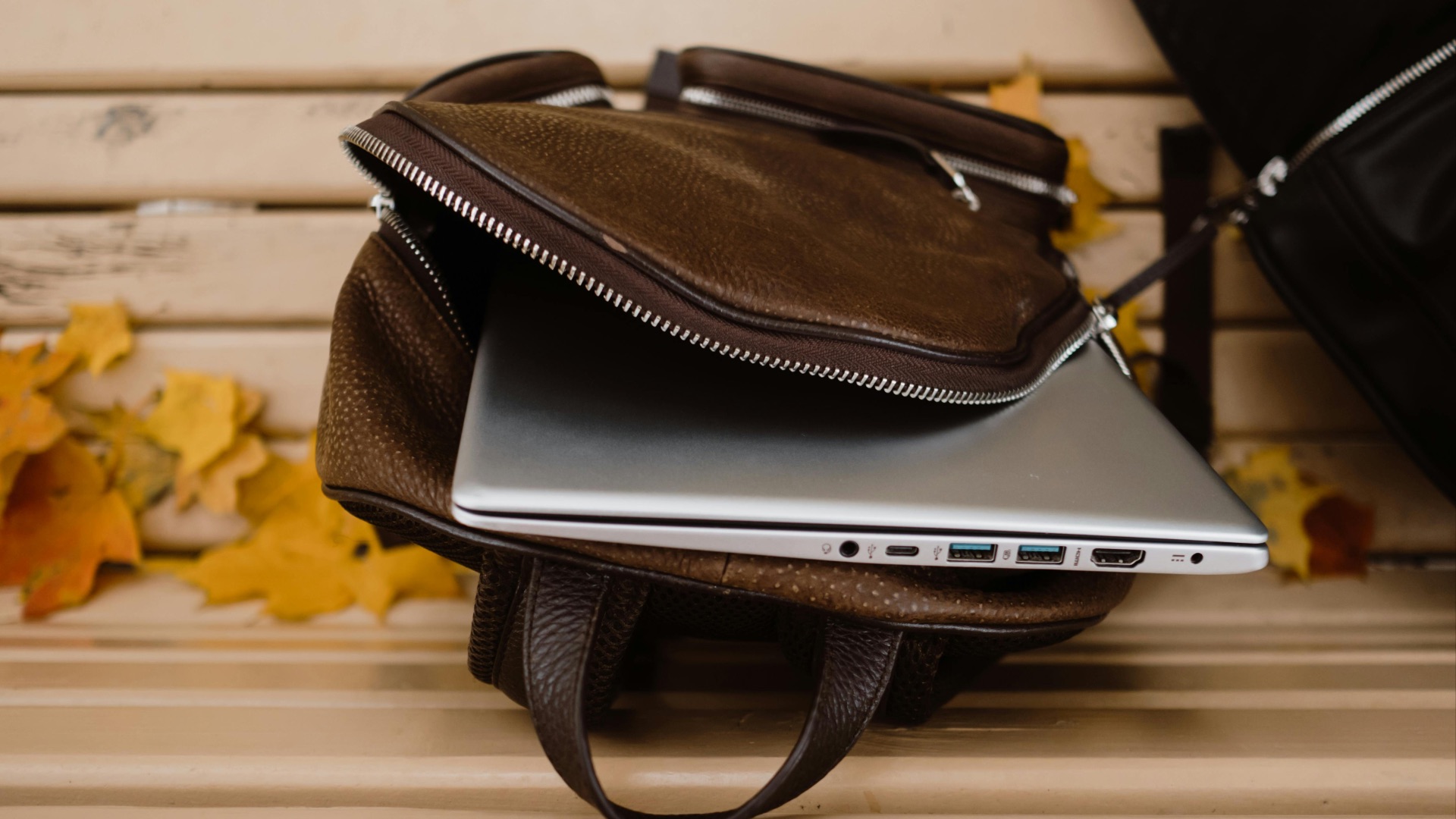
Though it probably hasn't stopped you thus far from traveling with one, laptops are one of the most commonly flagged items at airport security because they need to be removed from your bag and screened separately in most countries. They're also bulky and fragile, which makes packing them safely a bit of a puzzle alongside everything else you're bringing. If you're carrying a high-end model, you'll also want to check airline rules around lithium batteries, since particularly large batteries may be subject to restrictions.
 Jonathan Francisca on Unsplash
2. Hair Styling Tools
Flat irons, curling wands, and other hair styling tools are a frequent travel headache because many of them only work with a specific voltage range. Plugging a single-voltage tool into an outlet abroad without the right converter can permanently damage it or even cause a fire hazard. Always check the voltage label on your tool before packing it, and consider investing in a dual-voltage version if you travel internationally on a regular basis.

3. Hair Dryers
Hair dryers are among the most power-hungry appliances you can pack, and they're notorious for burning out when used with the wrong voltage. Even with a plug adapter, a single-voltage hair dryer won't work properly in a country with a different electrical standard. Many hotels and accommodations also provide hair dryers in the room, so it's worth checking ahead of time whether you actually need to bring one at all.

4. Electric Toothbrushes
Electric toothbrushes might seem like a simple travel companion, but their charging bases can be surprisingly fussy about voltage and plug types. Some models charge via USB, which makes things much easier, but older inductive charging models often require a voltage converter to function safely abroad. The charging cradle is also an oddly shaped item that doesn't always pack neatly, so factor that into your luggage planning.

5. Power Banks
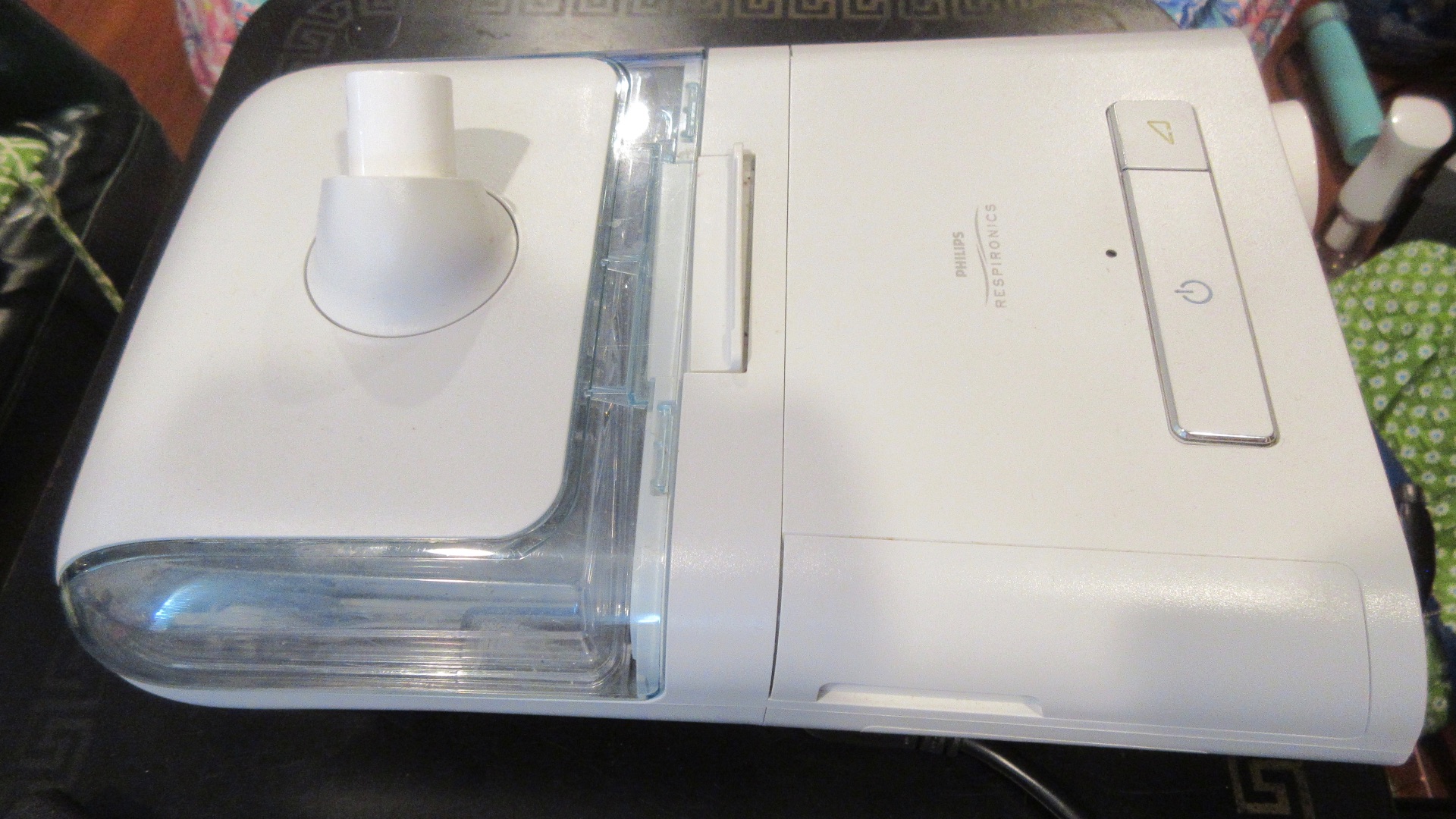
Power banks are incredibly useful on the road, but airlines have strict rules about which ones you can bring and where they need to be stored. Most carriers require that power banks stay in your carry-on luggage rather than checked baggage, due to the fire risk associated with lithium-ion batteries. Capacity limits also apply on many airlines, so check the watt-hour rating on your power bank before you head to the airport.
6. Drones
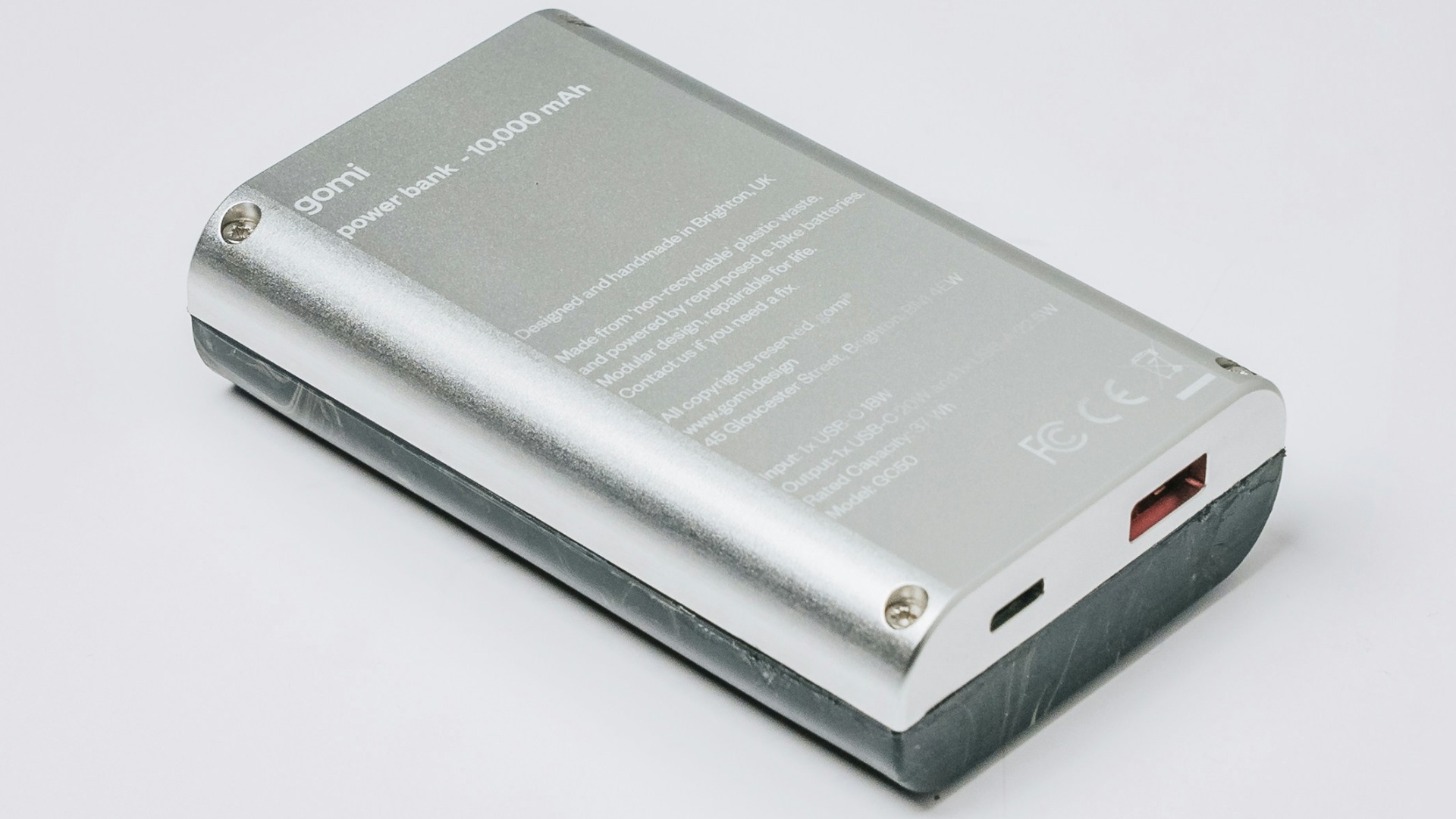
Traveling with a drone involves a surprisingly long checklist of regulations, both in the air and on the ground. Many countries require advance registration or permits to fly a drone, and some ban them altogether in certain zones or near airports and government buildings. On top of that, the lithium batteries that power most drones are subject to airline carry-on restrictions, so you'll need to plan accordingly.
7. CPAP Machines
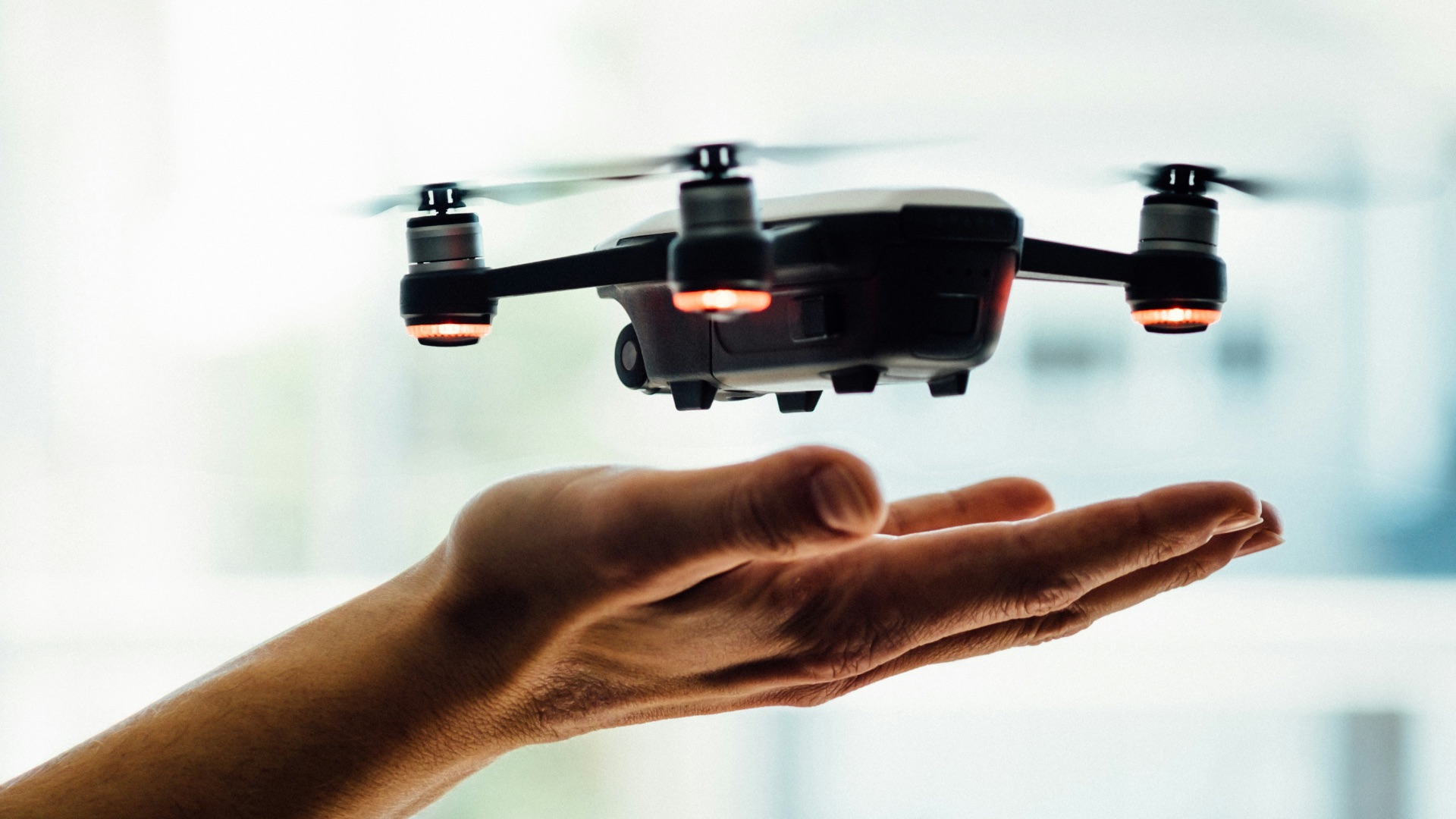
CPAP machines are medically necessary for many travelers, but they come with their own set of complications when it comes to power and portability. Some airlines allow them to be used during flights with advance notice, but you'll need to verify this with your carrier well before departure. Distilled water for humidified models can also be tricky to source in some destinations, so it's smart to research your options at the location you're visiting.
 Infrogmation of New Orleans on Wikimedia
8. Gaming Consoles
Portable gaming consoles are generally fine to travel with, but full-size home consoles are another story entirely. They're heavy, take up a significant amount of luggage space, and their power bricks may not be compatible with foreign electrical systems without a voltage converter. If you're traveling with a console for an extended stay, double-check the power supply specifications before you plug anything in at your destination.

9. Camera Equipment
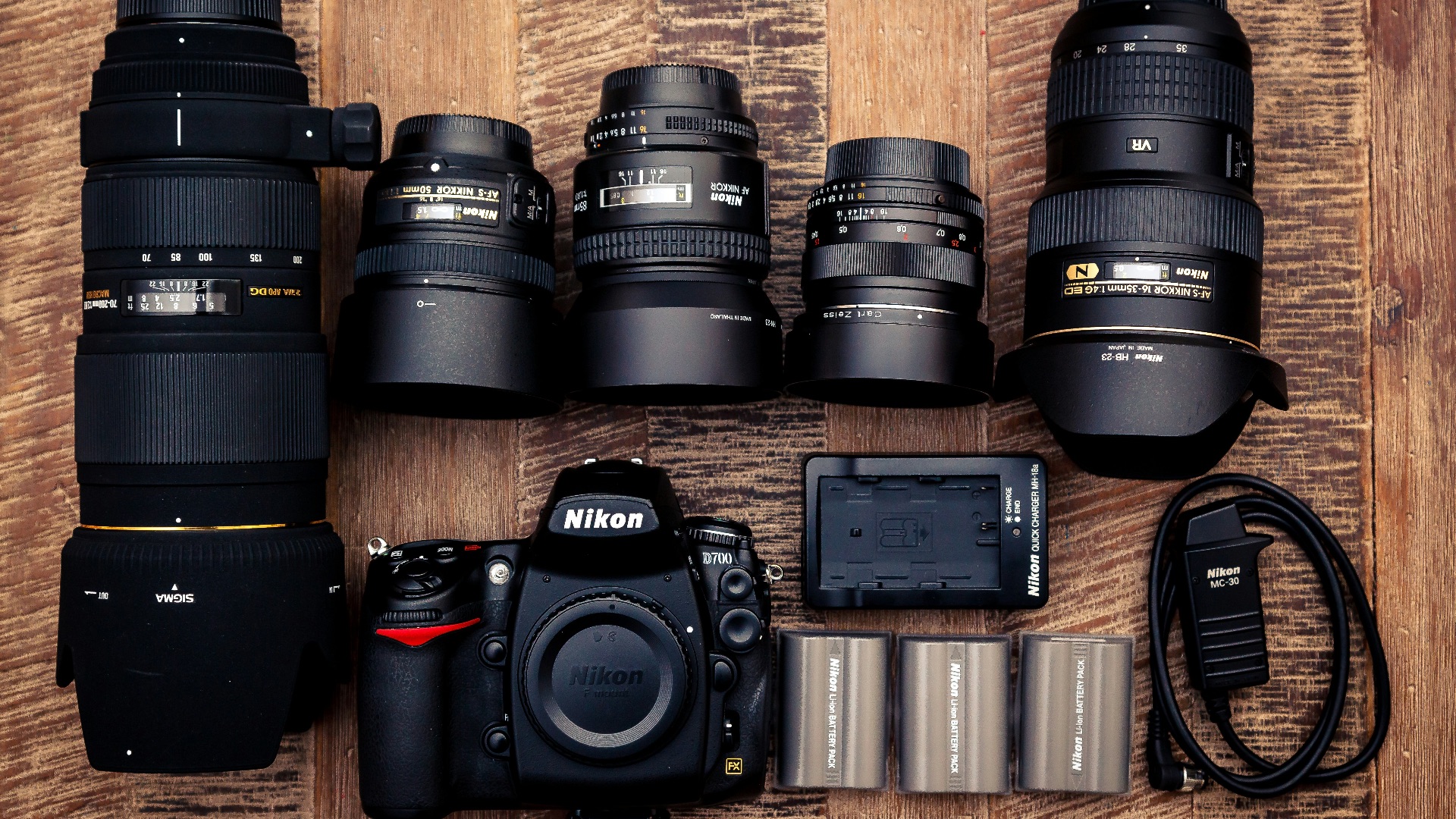
Professional camera gear presents multiple challenges when traveling, from security screening to airline carry-on weight limits. Lenses, batteries, and accessories add up quickly in both weight and volume, and TSA agents may want to inspect your equipment more thoroughly than your average carry-on item. Keeping your camera bag organized with easy access to each component will help speed up the security process considerably.
10. E-Cigarettes and Vaping Devices
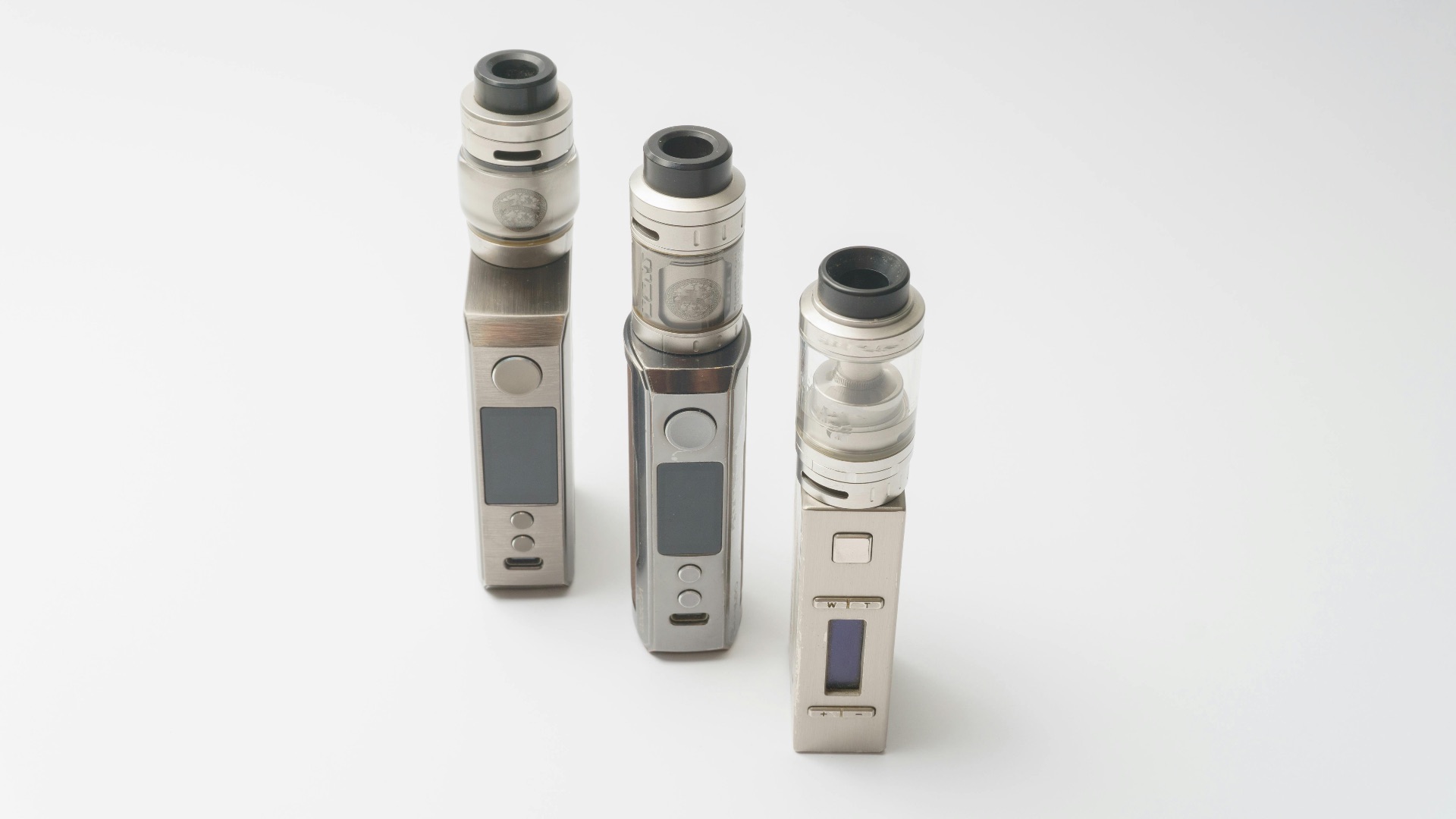
E-cigarettes and vaping devices are subject to some of the most variable regulations of any electronic item you might pack. Many countries have outright banned their import or use, and airlines universally require them to be kept in carry-on baggage rather than checked luggage due to their lithium batteries. Doing your research on the specific rules of your destination country before you leave is absolutely essential to avoid having your device confiscated or facing a fine.
Now that you know which electronics should give you pause before you pack, here are some helpful tips to know that can make your travels smoother.
1. Check Voltage Compatibility Before You Pack
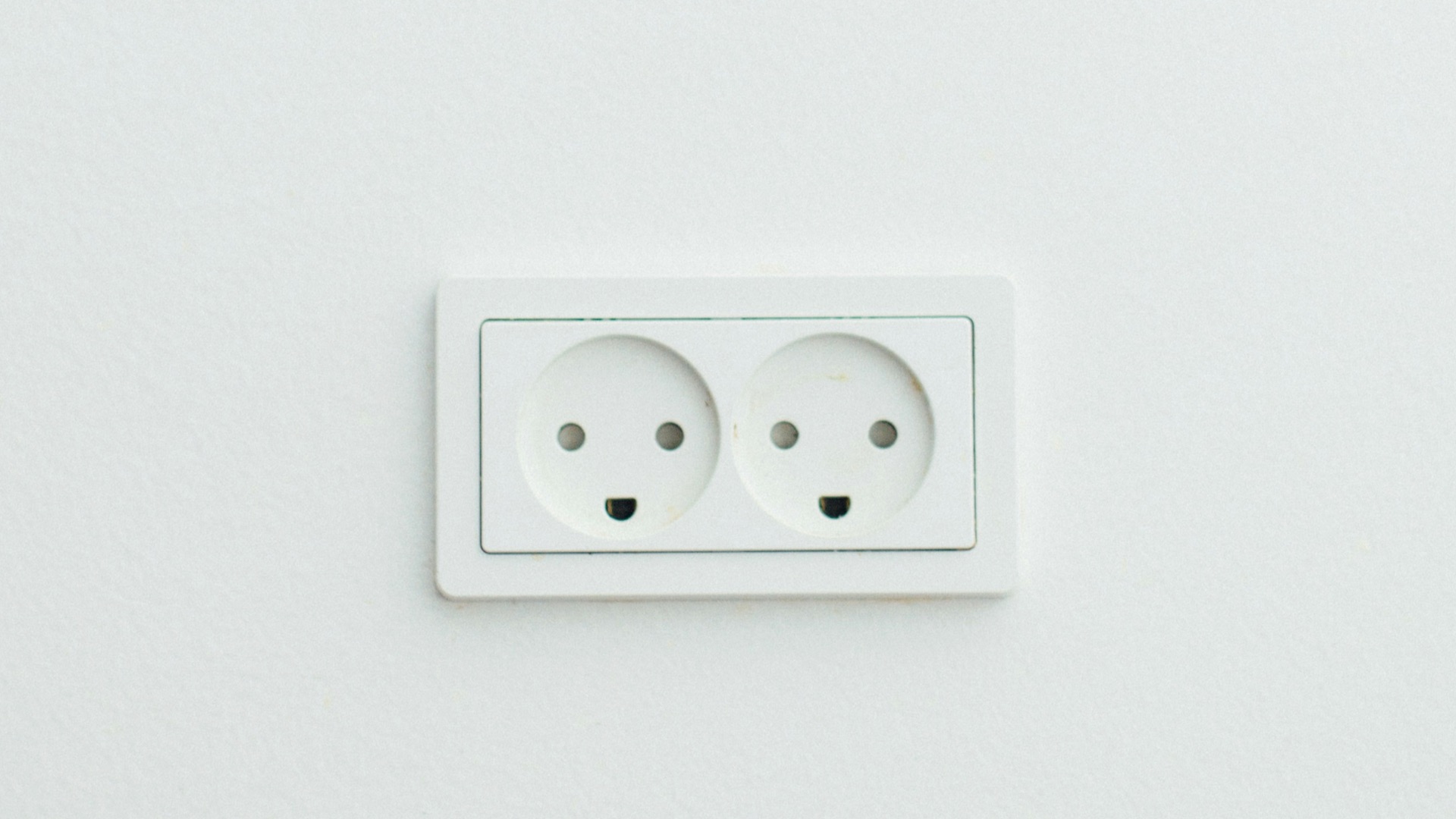
Different countries operate on different electrical voltages, and using the wrong one can damage your devices or create a safety risk. Most modern electronics, like phones and laptops, are dual-voltage and will adjust automatically, but high-wattage appliances often aren't. Check the label on each device's power supply for a voltage range before deciding whether you need a converter.
2. Know the Difference Between Adapters and Converters
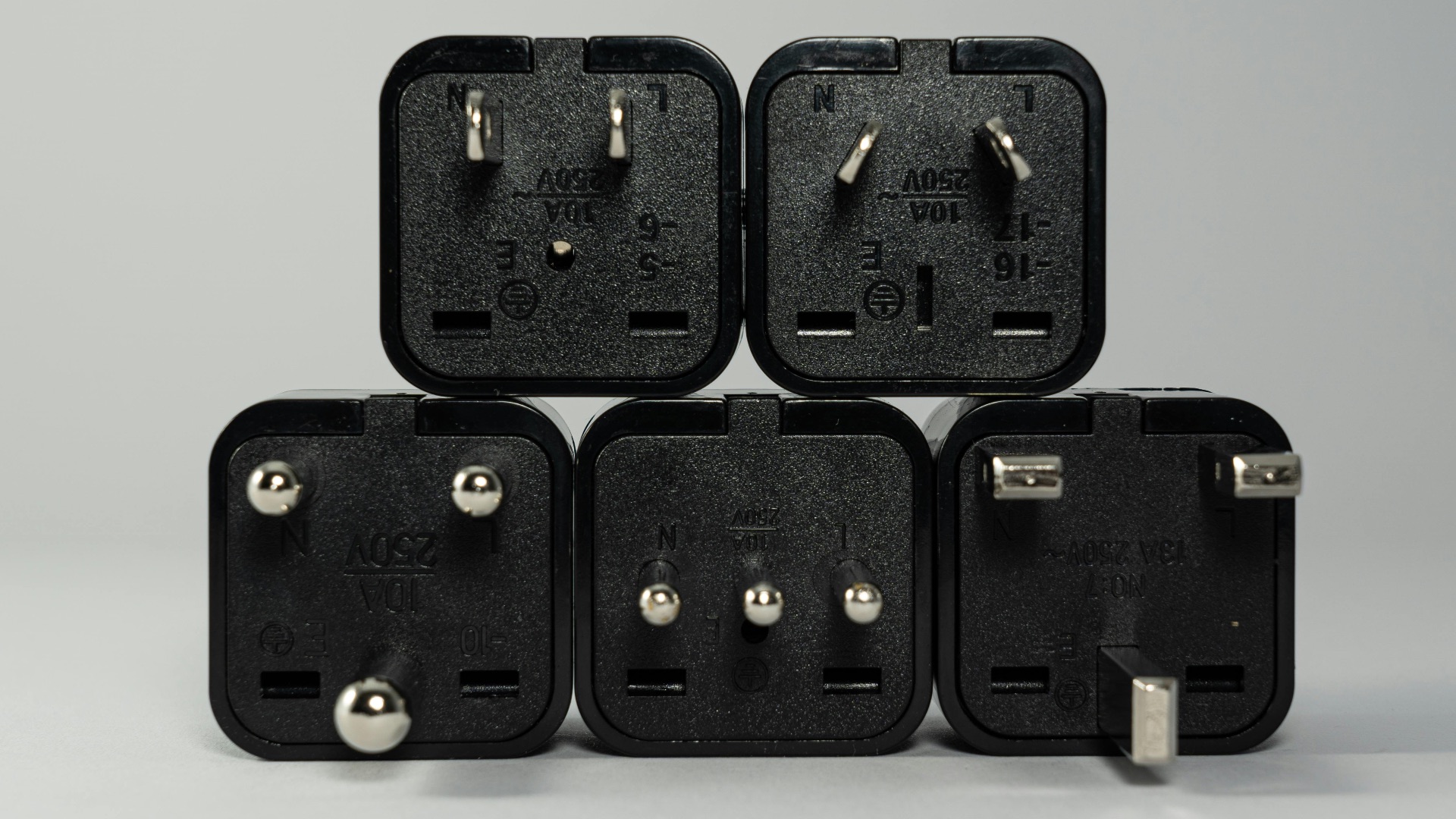
A plug adapter simply changes the shape of the plug so it fits into a foreign outlet; it doesn't change the electrical current running through it. A voltage converter, on the other hand, actually adjusts the power to match what your device requires. Using just an adapter on a single-voltage appliance in a country with a different voltage standard will still result in damage, so make sure you have the right tool for each device.
3. Pack Electronics in Your Carry-On When Possible
Valuable or fragile electronics are much safer in your carry-on bag than in checked luggage, where they're subject to rough handling and temperature fluctuations. Airlines also prohibit lithium batteries above a certain capacity in checked bags, so keeping electronics with you keeps you compliant with airline policies. If your carry-on space is limited, prioritize the items that are most irreplaceable or most likely to be restricted.
4. Research Destination-Specific Regulations in Advance
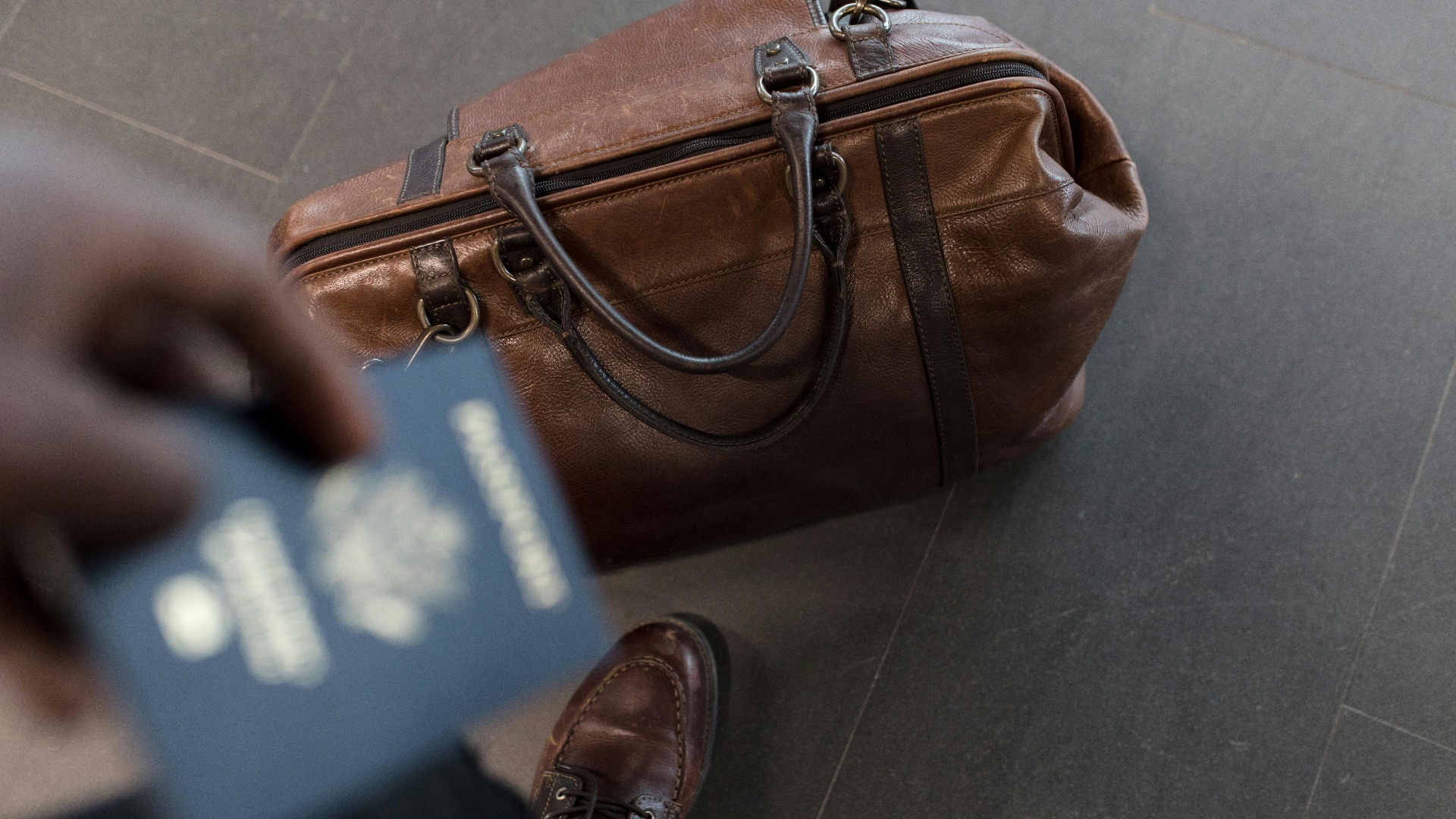
Some countries have specific rules about importing certain electronics, including drones, satellite phones, and encrypted devices. Arriving without the right permits or paperwork can result in your equipment being held at customs or confiscated entirely. A quick search of your destination's customs regulations before you travel will help you avoid a stressful and potentially costly situation at the border.

5. Use a Universal Travel Adapter with Built-In USB Ports
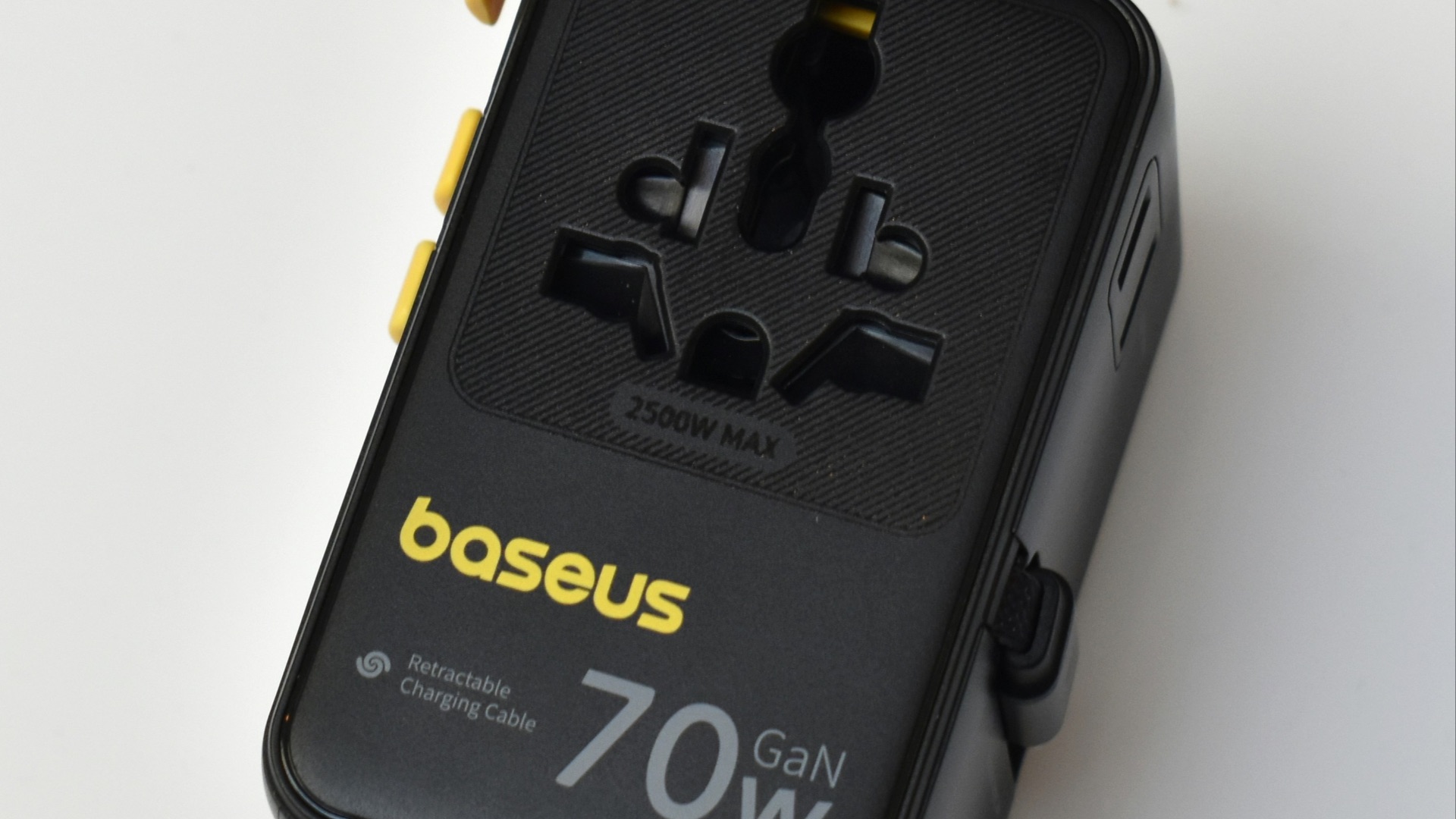
A high-quality universal travel adapter that covers multiple plug types is one of the most practical travel accessories you can own. Many newer models also include USB-A and USB-C ports, which means you can charge several devices simultaneously without needing separate adapters for each one. Look for a model with surge protection built in, since power fluctuations are more common in some countries than others.
6. Keep Lithium Battery Watt-Hours Within Airline Limits
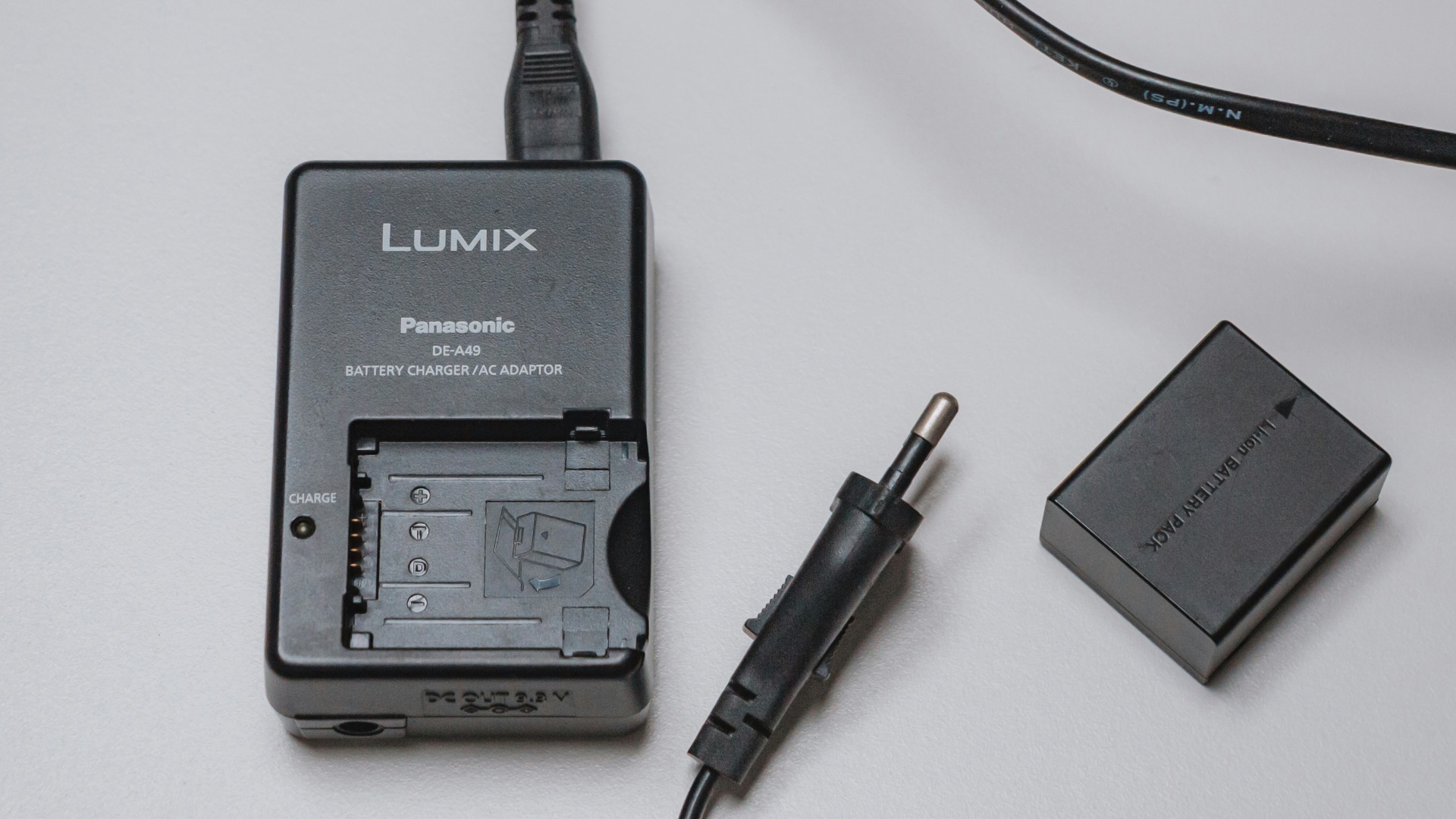
Airlines regulate lithium batteries based on their watt-hour capacity, and exceeding the limit can result in your device or battery being confiscated at the gate. Most personal electronics fall well within the standard limits, but high-capacity power banks, drone batteries, and professional camera batteries are worth checking specifically. The watt-hour rating is usually printed on the battery itself, or you can calculate it using the voltage and milliamp-hour figures listed on the label.
7. Back Up Your Data Before Departing
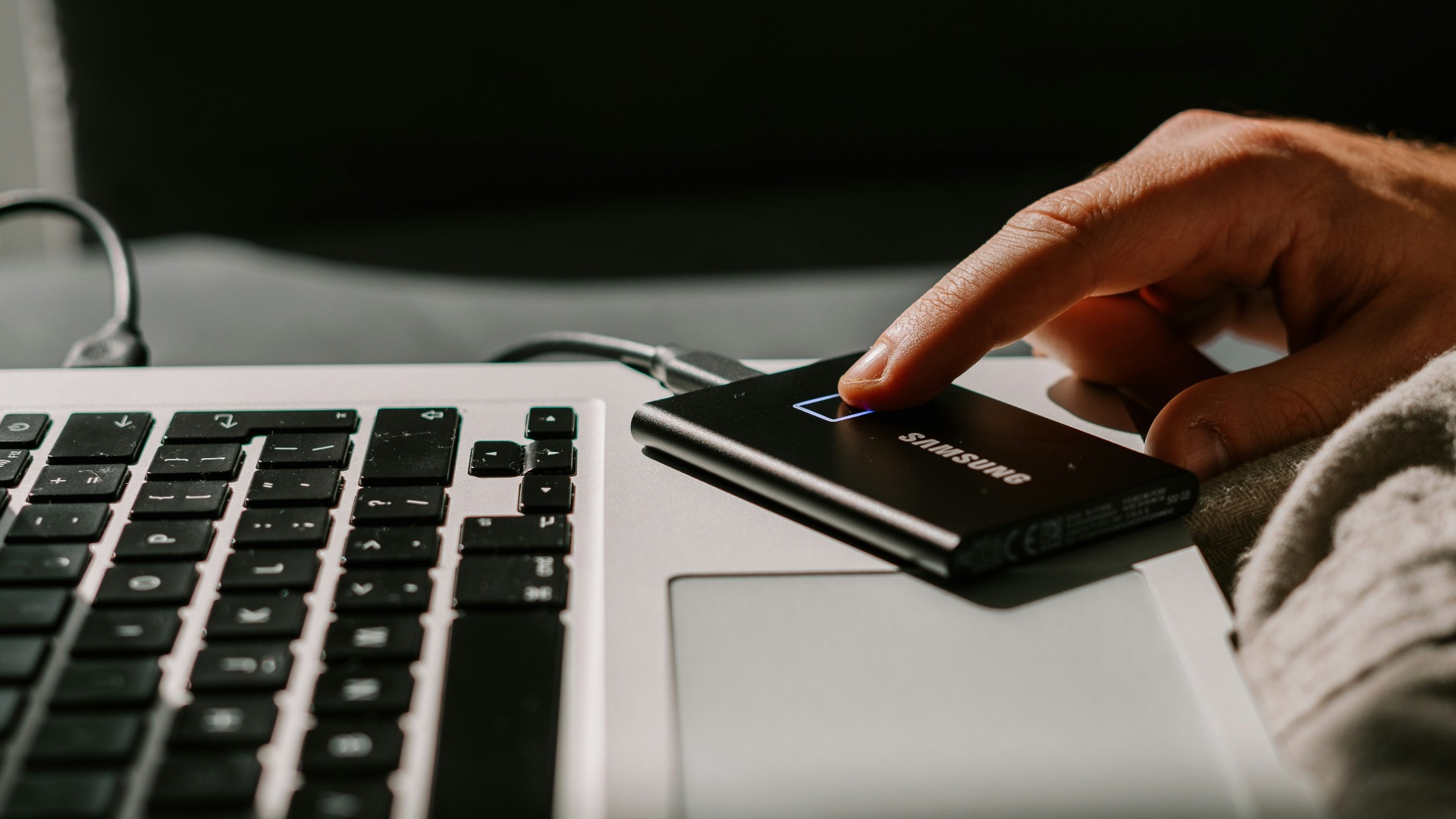
Electronics are more likely to be lost, stolen, or damaged during travel than in everyday life at home, so backing up your data before you leave is a step you really don't want to skip. Cloud backups are the most convenient option, since they're accessible from any device if yours gets lost or broken during your trip. An external hard drive stored separately from your laptop offers an additional layer of protection for anyone carrying large amounts of important files.
8. Prepare Your Devices for Airport Security
Getting your electronics ready before you reach the security checkpoint will make the process faster and less stressful for you and everyone behind you in line. In most countries, laptops and large tablets need to be removed from your bag and placed in a separate bin for X-ray screening. Keeping your electronics in an easily accessible part of your carry-on, rather than buried at the bottom, will save you from having to unpack everything at the last moment.

9. Protect Your Devices from Extreme Temperatures
Batteries and screens are particularly vulnerable to extreme heat and cold, both of which are easy to encounter during travel. Leaving electronics in a hot car, a cold car trunk, or outdoors in freezing temperatures can degrade battery performance and even cause permanent damage to internal components. When you're not using your devices, store them in a temperature-stable environment such as a hotel room or insulated bag.
10. Use a Sturdy, Well-Padded Electronics Organizer
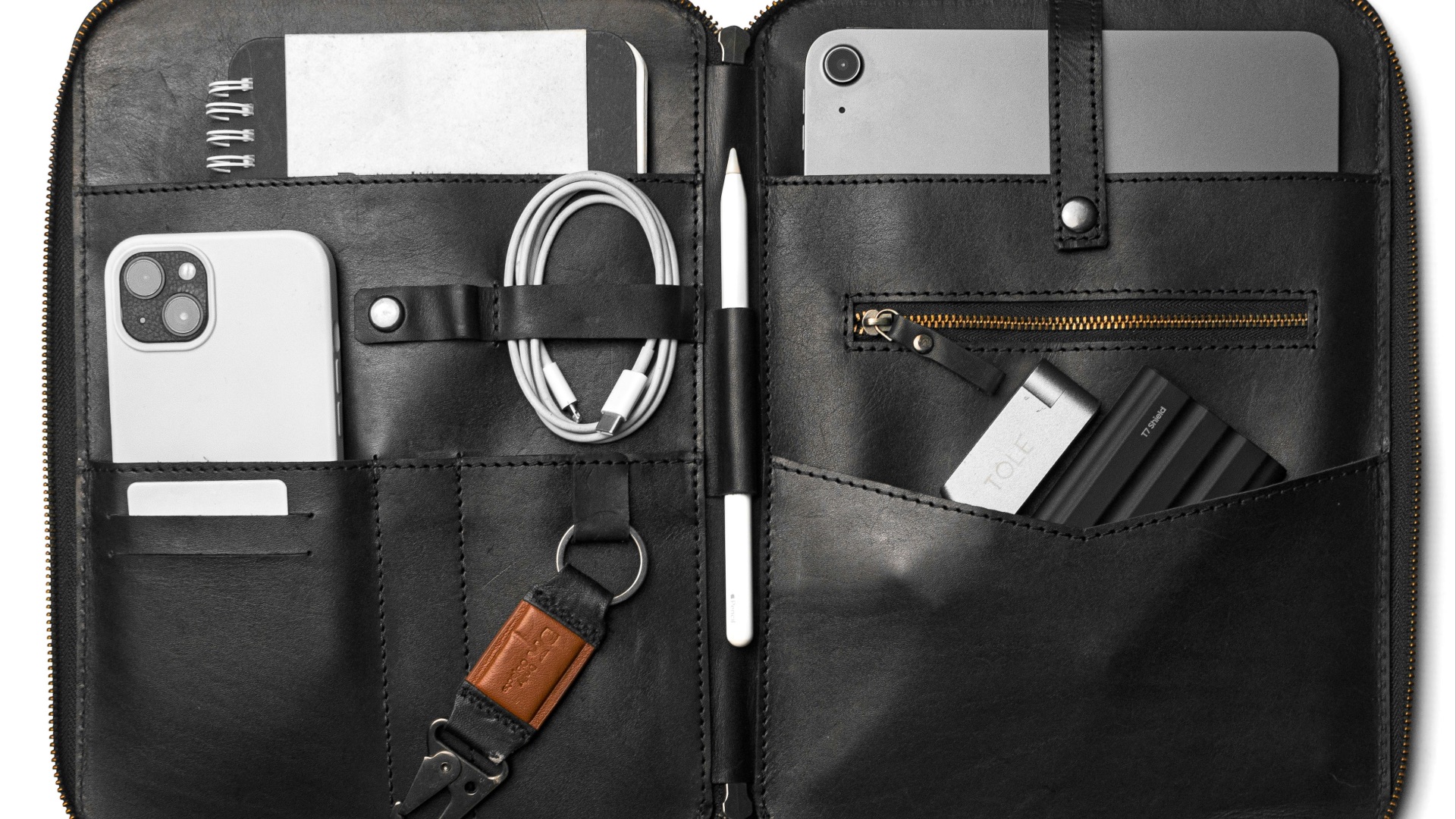
Keeping all your cables, adapters, chargers, and small accessories in a dedicated organizer makes your bag easier to pack and saves you from rummaging around every time you need something. A good organizer also provides padding and structure that protects your gear from being jostled or crushed under heavier items. Investing in a quality one before your trip is a small expense that pays off quickly when everything stays exactly where you put it.