
Turn Travel Chaos Into Control
It’s that sinking feeling every traveler dreads—the luggage carousel stops spinning, and your suitcase is nowhere in sight. In an instant, your vacation or business trip shifts from excitement to mild panic. Lost baggage isn’t rare, yet few travelers are truly ready when it happens. This list unpacks how to respond wisely in those important first moments and how to reduce your chances of ever facing it again. Let’s begin with what to do if your luggage goes missing.

1. Tell The Airline Right Away
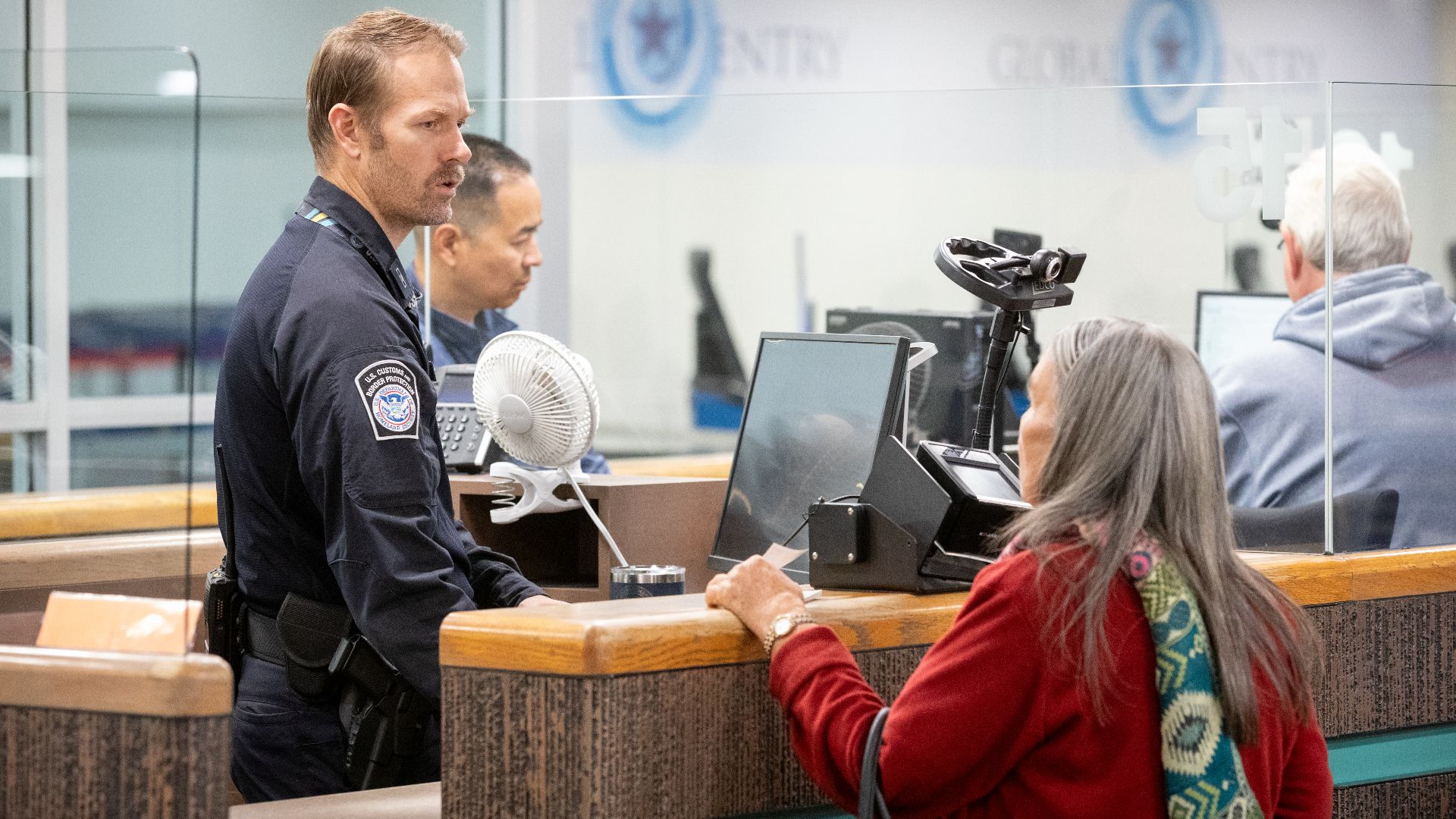
Don’t leave the airport before reporting your missing luggage at the airline’s baggage desk—this starts the official search. You’ll need your claim tag and flight info to file it. The report gives you a reference number for tracking and keeps your compensation rights valid.
2. Ask For A Travel Kit Or Money For Essentials
Many travelers assume airlines have tight daily limits for lost bags, but your rights go further. Airlines must reimburse reasonable costs for essentials like clothes and toiletries during delays. Compensation depends on your real needs, not random spending caps.

3. Use The Airline App To Track Your Bag
Gone are the days of waiting helplessly by the carousel. Airline apps now let you track your bag in real time, showing location updates and alerts when it arrives. This tech-driven visibility helps you find lost luggage much faster.

4. Call Your Travel Insurance Company
When panic hits over missing luggage, your travel insurance can save the day. Many plans cover emergency clothing and toiletries, plus refunds for lost belongings and daily costs. Contact your insurer quickly and include the airline’s report for your claim.

5. Post On Social Media And Tag The Airline
Social media can help your case when you tag the airline, as many monitor these platforms closely. Public visibility often prompts quicker responses, though it doesn’t always beat traditional methods. Still, it’s worth trying alongside your formal claim.

6. Let Your Hotel Or Host Know
Losing luggage can shake up your stay, but telling your hotel right away helps. Many offer spare toiletries or chargers, and staff can coordinate delivery with airlines. That simple heads-up keeps you informed and prevents missed drop-offs.

7. Keep Your Boarding Pass And Bag Tag
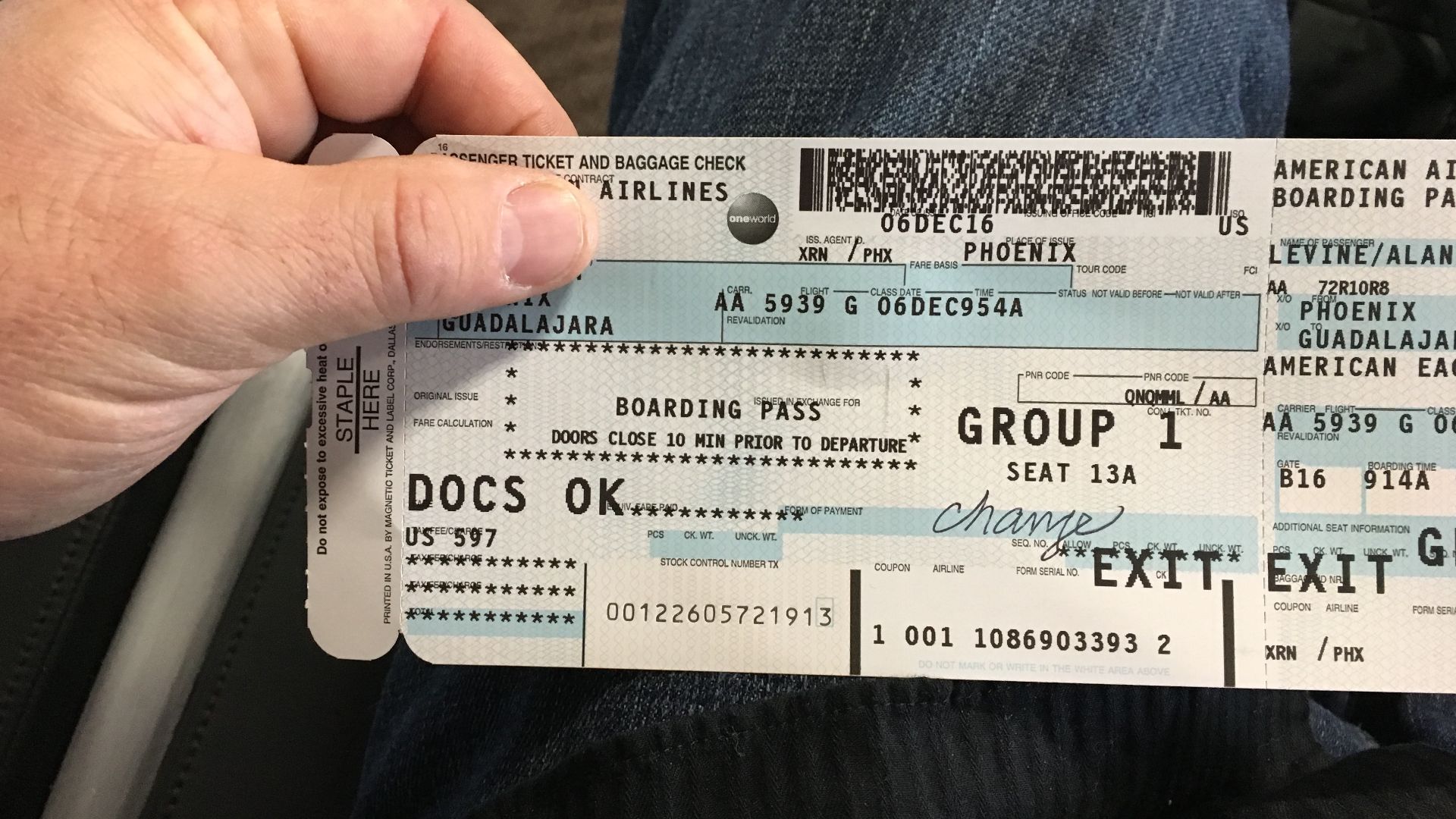
Don’t toss those slips! Your bag tag holds vital tracking details, and both it and your boarding pass are required for claims. While some airlines can retrieve tag info digitally, keeping both documents ensures your claim runs smoothly.
 Alan Levine from Mortlach, Canada on Wikimedia
8. Check If Your Credit Card Offers Lost Luggage Coverage
Many travel credit cards include lost or delayed baggage coverage you might not know about. Contact your card provider right away, as some reimburse essentials. Quick reporting ensures you don’t miss valuable compensation you’re already entitled to.
 Antoni Shkraba Studio on Pexels
9. Ask Other Passengers If They Took It By Mistake
If your bag hasn’t shown up, scan for look-alike luggage nearby—mix-ups happen all the time. If someone seems to have yours, politely approach them before they leave, and let airline staff know right away to confirm ownership.

10. Take Photos And Notes For Proof
When you realize your bag is missing, start documenting immediately. Take photos of similar items, write a full list while it’s fresh in mind, and collect receipts for valuables. Airlines need solid proof for high-value claims during compensation.

Now that you know how to handle lost luggage like a pro, let’s focus on how to stop it from disappearing in the first place.
1. Use A GPS Luggage Tracker
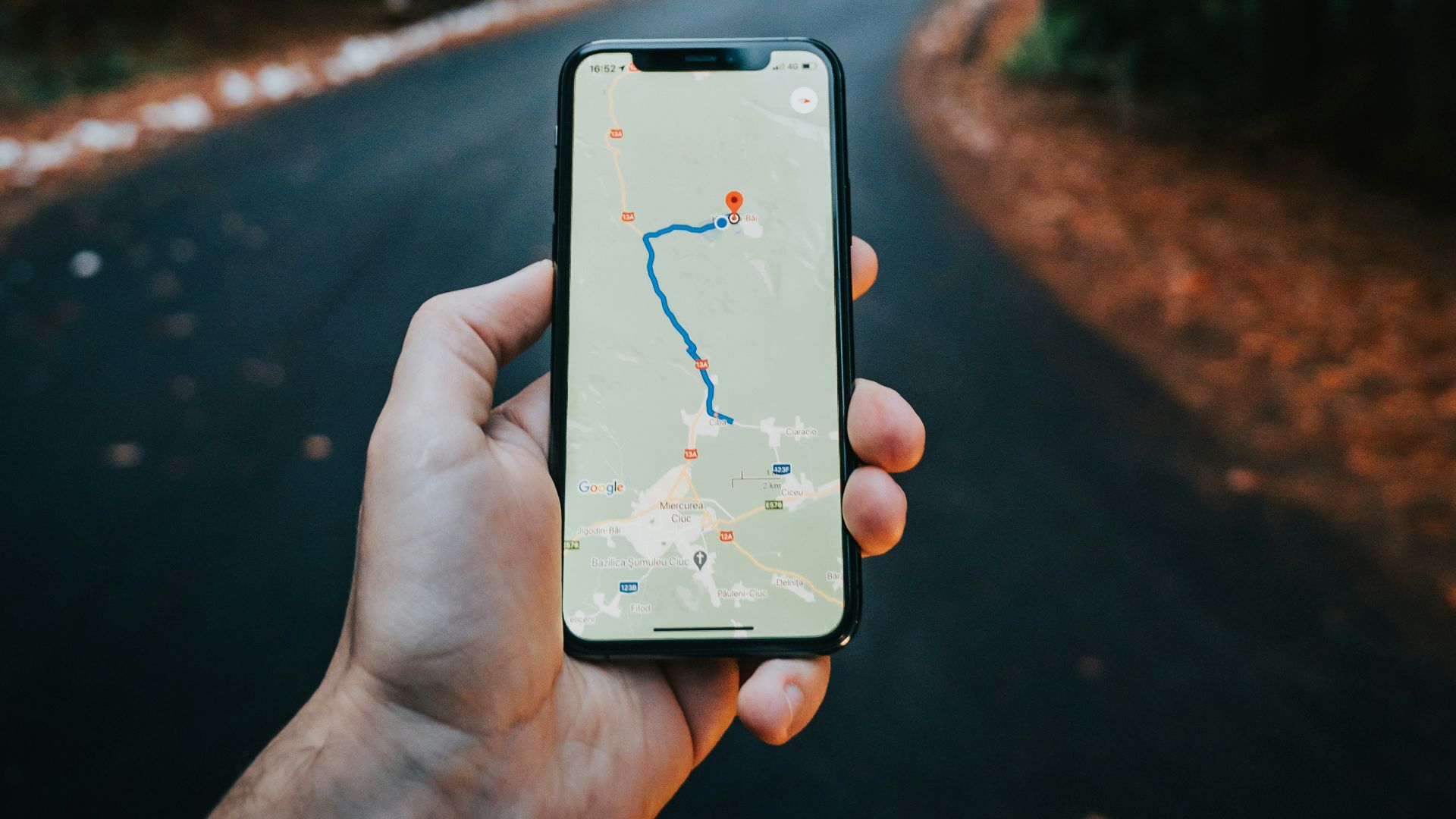
Modern GPS luggage trackers run for months on one battery and connect to your phone for live location updates. These small Bluetooth devices are widely accepted by airlines and help travelers track both checked bags and gate-checked carry-ons in real time.
2. Book Direct Flights Whenever Possible
Every flight connection adds a chance for luggage to go missing, and mishandling rises with multiple transfers. While airlines track bags at key points, extra connections increase errors. Choosing direct flights cuts these risks.

3. Label Your Bag With Contact Info Inside
Missing or torn tags can turn a small delay into a nightmare. Always label your bag inside and outside with your contact details. This simple double-tag method helps airline staff quickly return lost luggage, even when exterior tags get damaged.
4. Take A Photo Of Your Bag Before Check-In
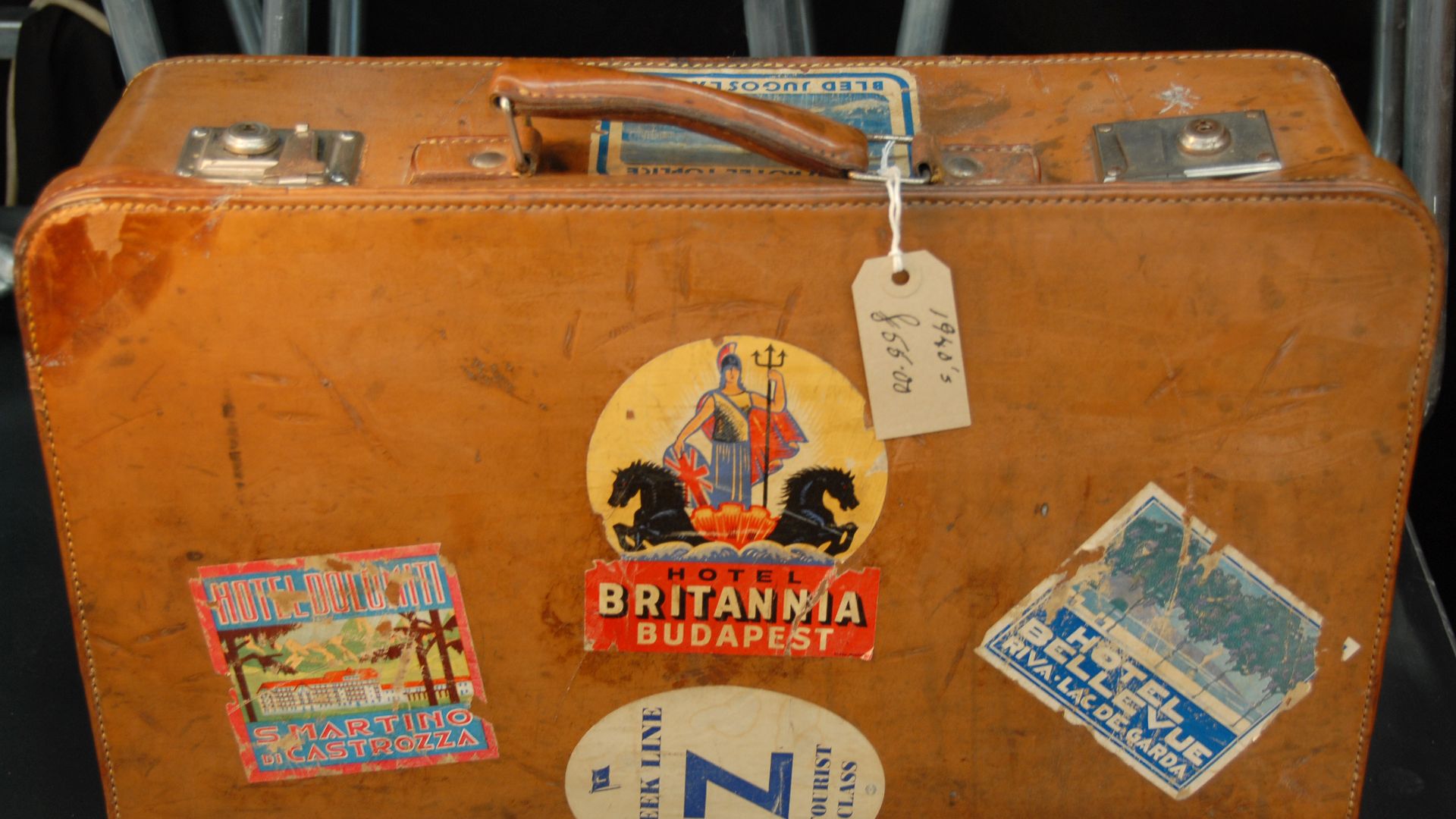
Avoid stress by snapping a quick photo of your suitcase before check-in. If it’s lost, you’ll have a clear image to show airline staff, making identification faster and recovery smoother. A little prep goes a long way toward peace of mind.
5. Avoid Last-Minute Check-Ins At The Gate
Late check-ins reduce handling time, which leads to more mistakes and potential delays. Bags loaded in a rush can miss flights altogether. Checking in early gives ground crews enough time to process your luggage.

6. Choose Brightly Colored Or Unique Luggage
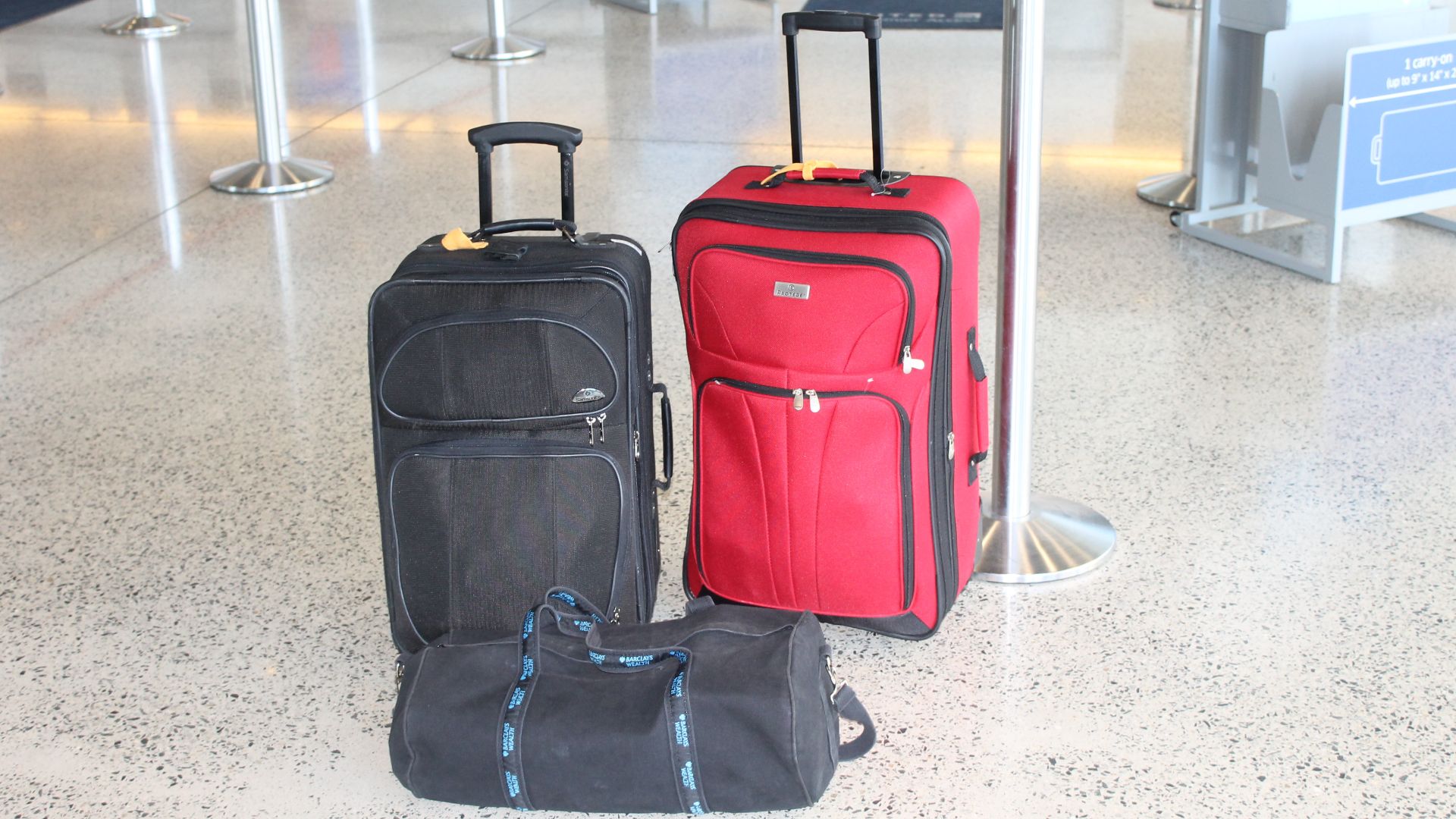
Pick luggage that stands out. Bright colors, patterns, or added ribbons make your bag easy to spot and reduce mix-ups. A little personality helps prevent mistaken pickups and keeps your luggage visible amid the chaos of crowded baggage carousels.

7. Attach Airline-Provided Bag Tags Securely
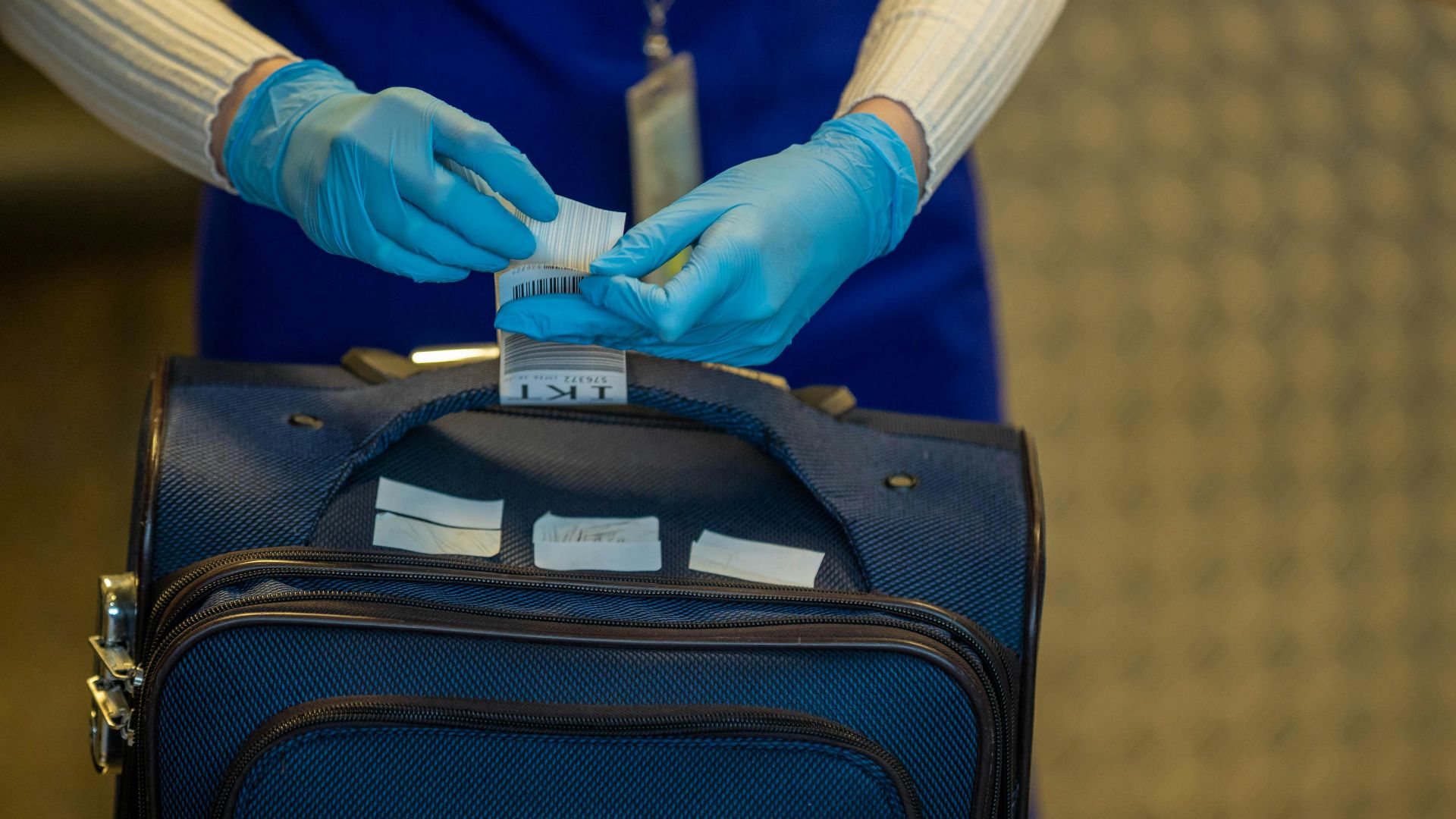
Airlines now use RFID tags for better tracking, but old sticker tags can still cause issues if they fall off or wrinkle. Use sturdy holders to keep tags in place—this small fix prevents scanning errors and improves handling accuracy.
8. Weigh Your Bag Before Arriving At The Airport
Overweight luggage can get pulled for manual handling, increasing the chance of misplacement. Use a home scale or portable luggage scale to stay within airline limits. This can save you hours of lost-bag stress later.
9. Choose Airlines With Strong Baggage Handling Records
Airlines must follow IATA and DOT tracking rules and report mishandling rates each month. Check these records before booking—reliable carriers have consistently low baggage loss stats. A little research upfront can save you major stress at your destination.

10. Avoid Checking Bags With Loose Straps Or Broken Zippers
Loose straps and faulty zippers are trouble waiting to happen. They can snag on machinery or tear open mid-transfer, causing tag loss or damage. Secure all fastenings before travel so your suitcase glides smoothly through airport systems.