Know Before You Go
We totally get the appeal of a park trip. The views are incredible, the weather is gorgeous, and you’ve been waiting a long time to get out of the office. What people tend to forget, though, are the small details that make or break a trip. Maybe you forgot to book a permit, you didn’t plan for traffic, or you didn’t check if it was going to rain later in the day. They may seem minute while you’re planning, but these shifts can throw everything off if you’re not prepared. If you can avoid making these 20 mistakes, you’re in for a good day.
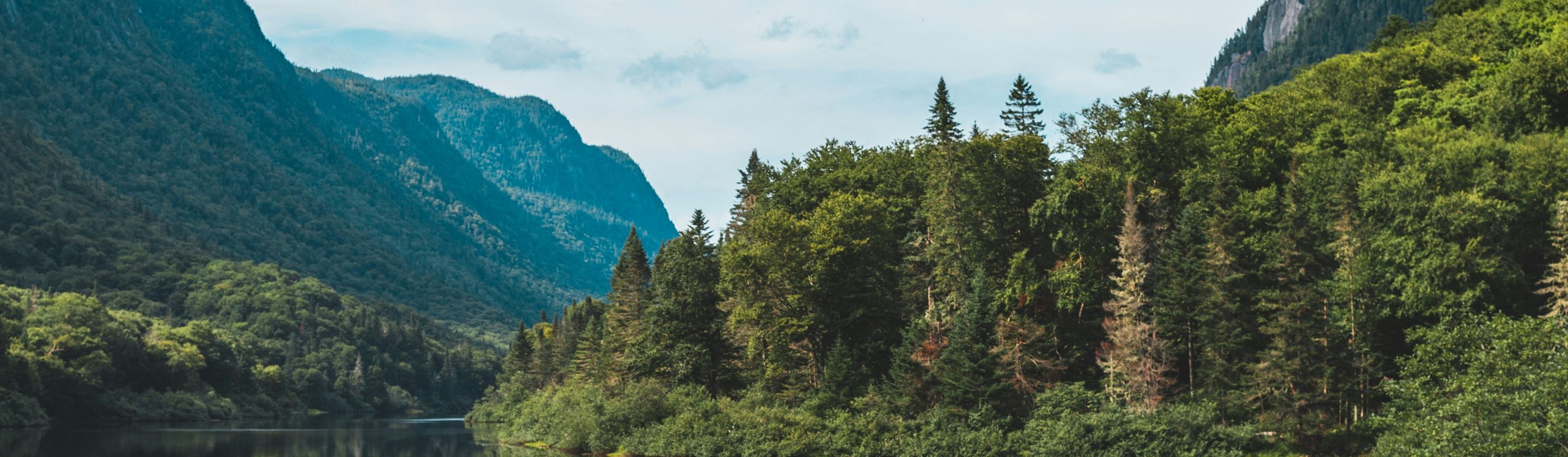
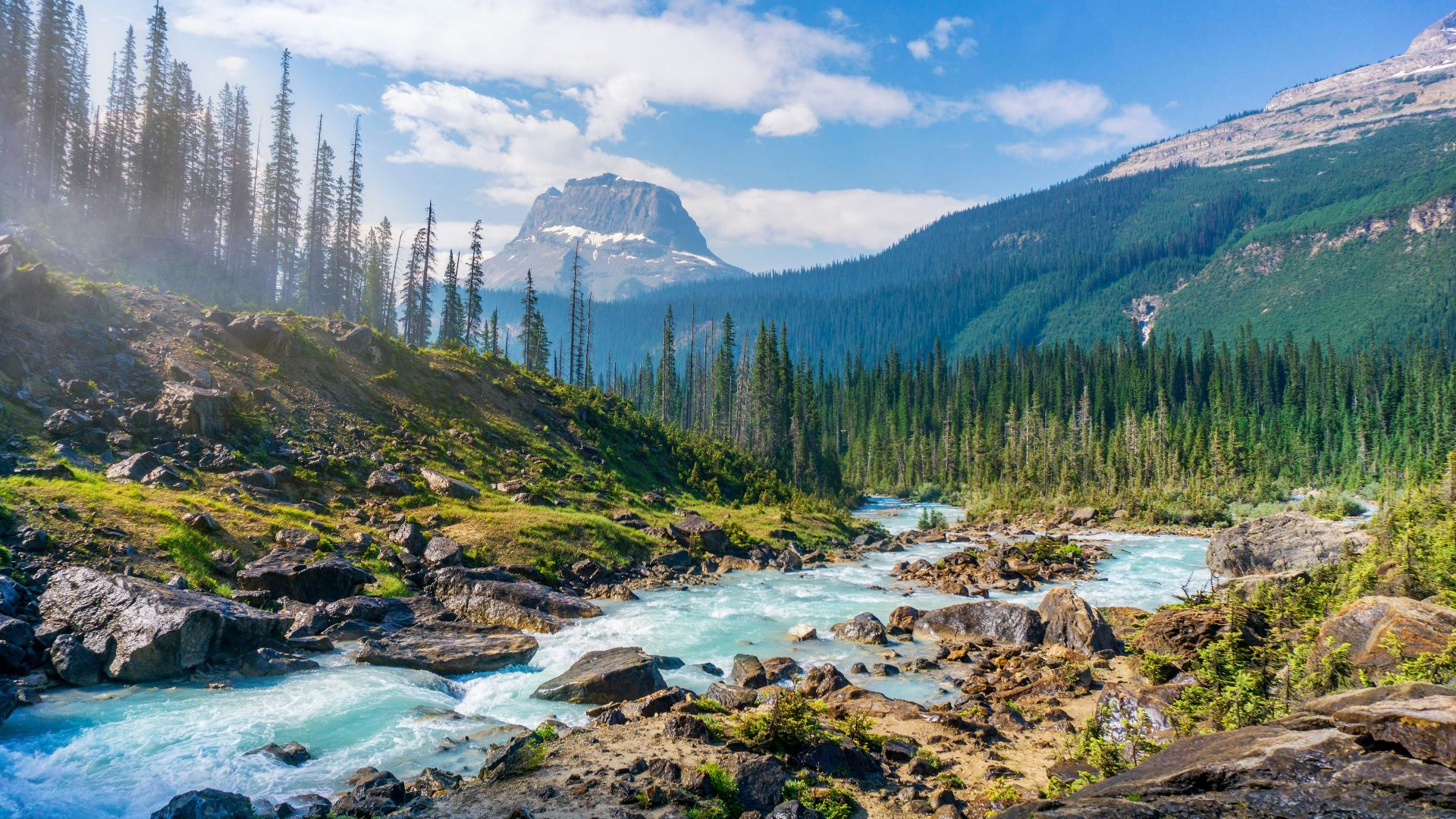 Hendrik Cornelissen on Unsplash
1. Not Checking The Entry Rules
This catches people every single season because park access rules change more than a lot of visitors realize. Rocky Mountain National Park still has timed-entry requirements for parts of the 2026 season, while Yosemite and Arches dropped their timed-entry systems for 2026, so it’s best not to follow old advice.
2. Not Getting A Permit
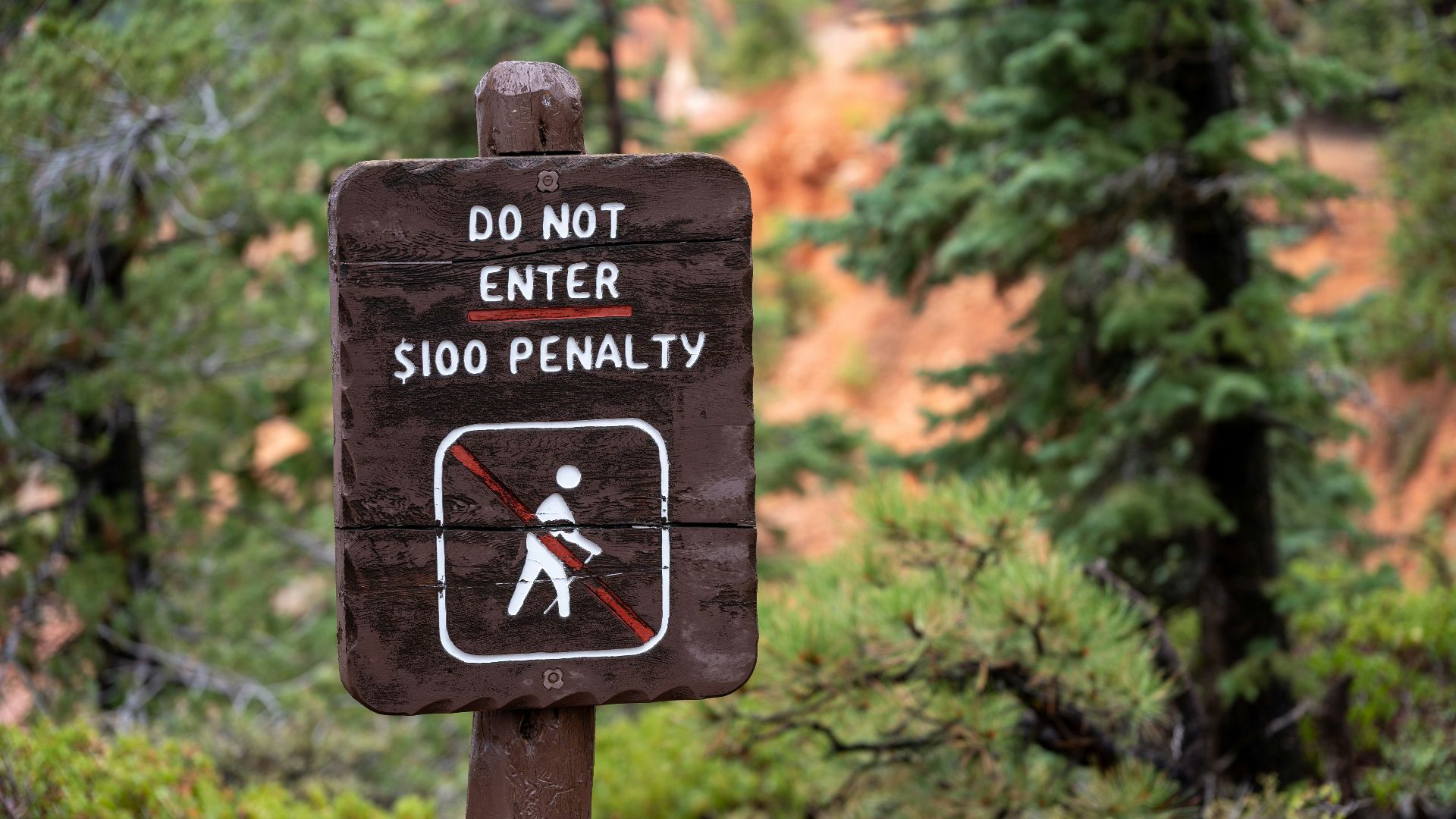
In parks like Angels Landing, you can only hike as far as Scout Lookout without a permit, though the chained section beyond that still requires one. Building an impromptu hiking trip can go south if you don’t check permit availability first.
3. Not Dressing Appropriately
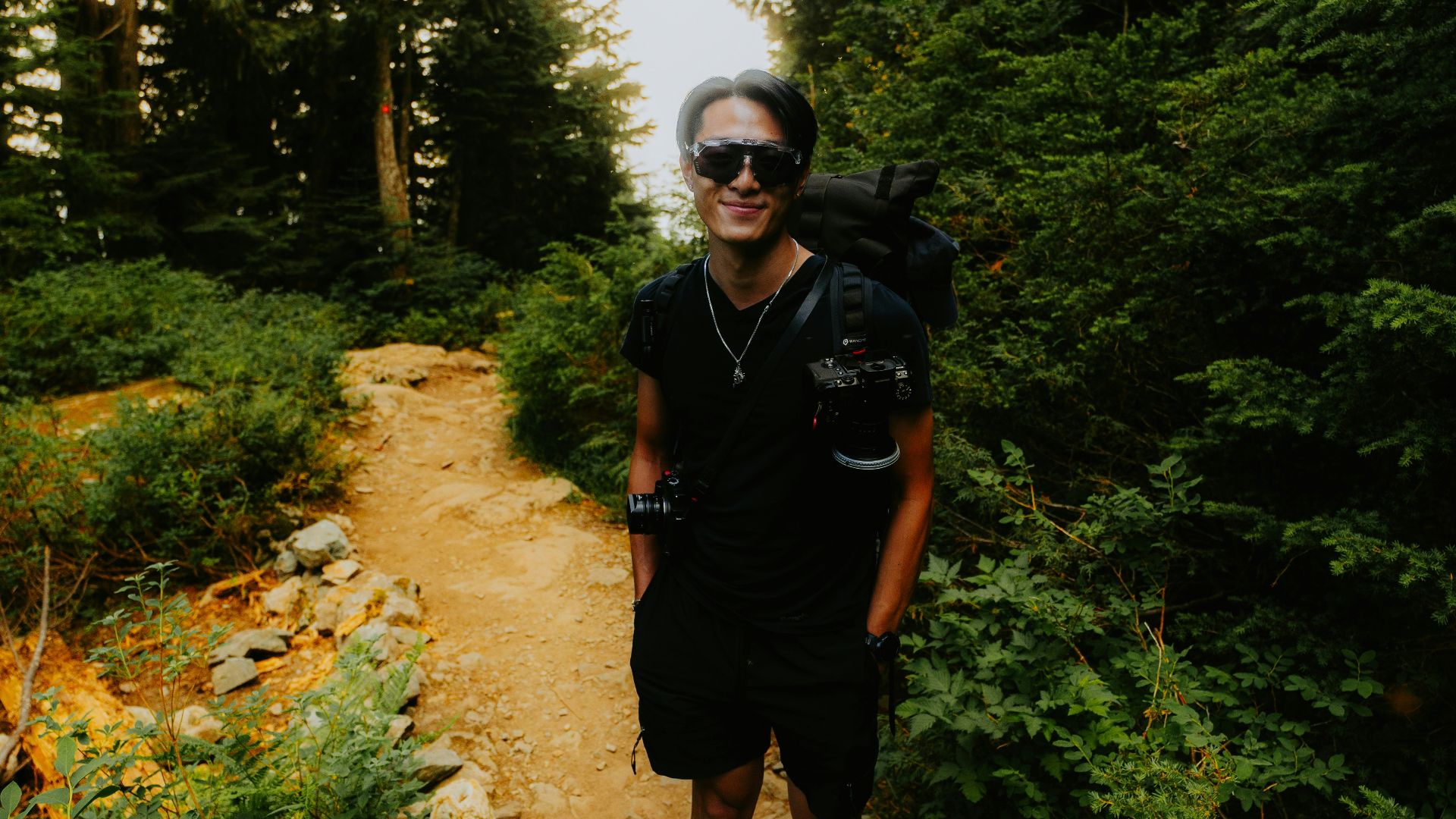
Depending on where you live, you may find yourself hiking through canyons, rivers, or other less-than-favorable areas. It’s a good idea to prepare for any kind of environment. Closed-toe shoes, a walking stick, and layers are your best friends.
4. Skipping The Visitor Center
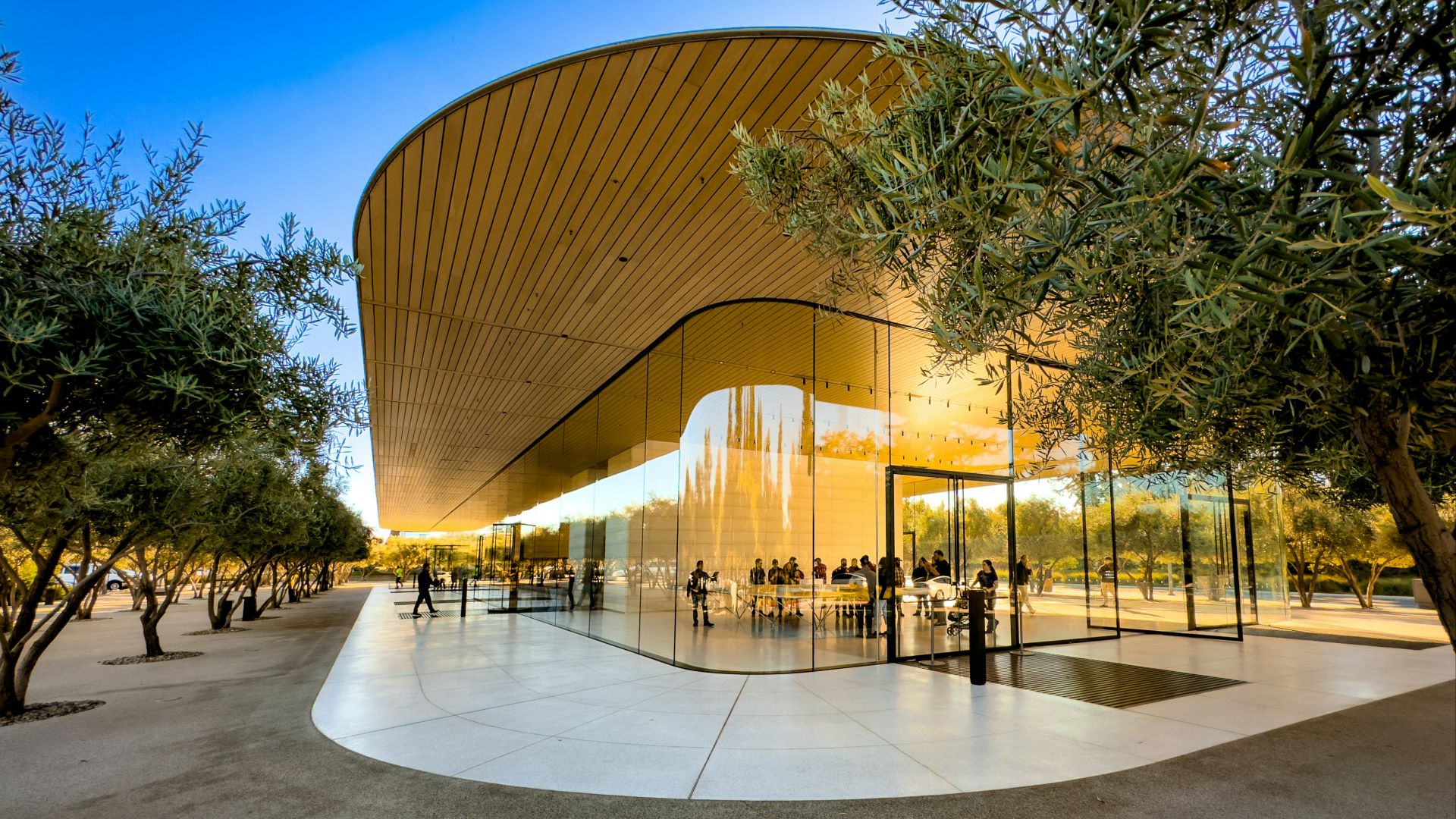
A lot of people breeze right past the visitor center like it’s only there for maps, restrooms, and the occasional magnet. Meanwhile, parks like Grand Canyon and Olympic use those spaces to share the things that actually save your day, like trail updates, wildlife warnings, trip-planning help, and ranger advice that can keep you from wasting hours on the wrong route.
5. Only Having Your Phone
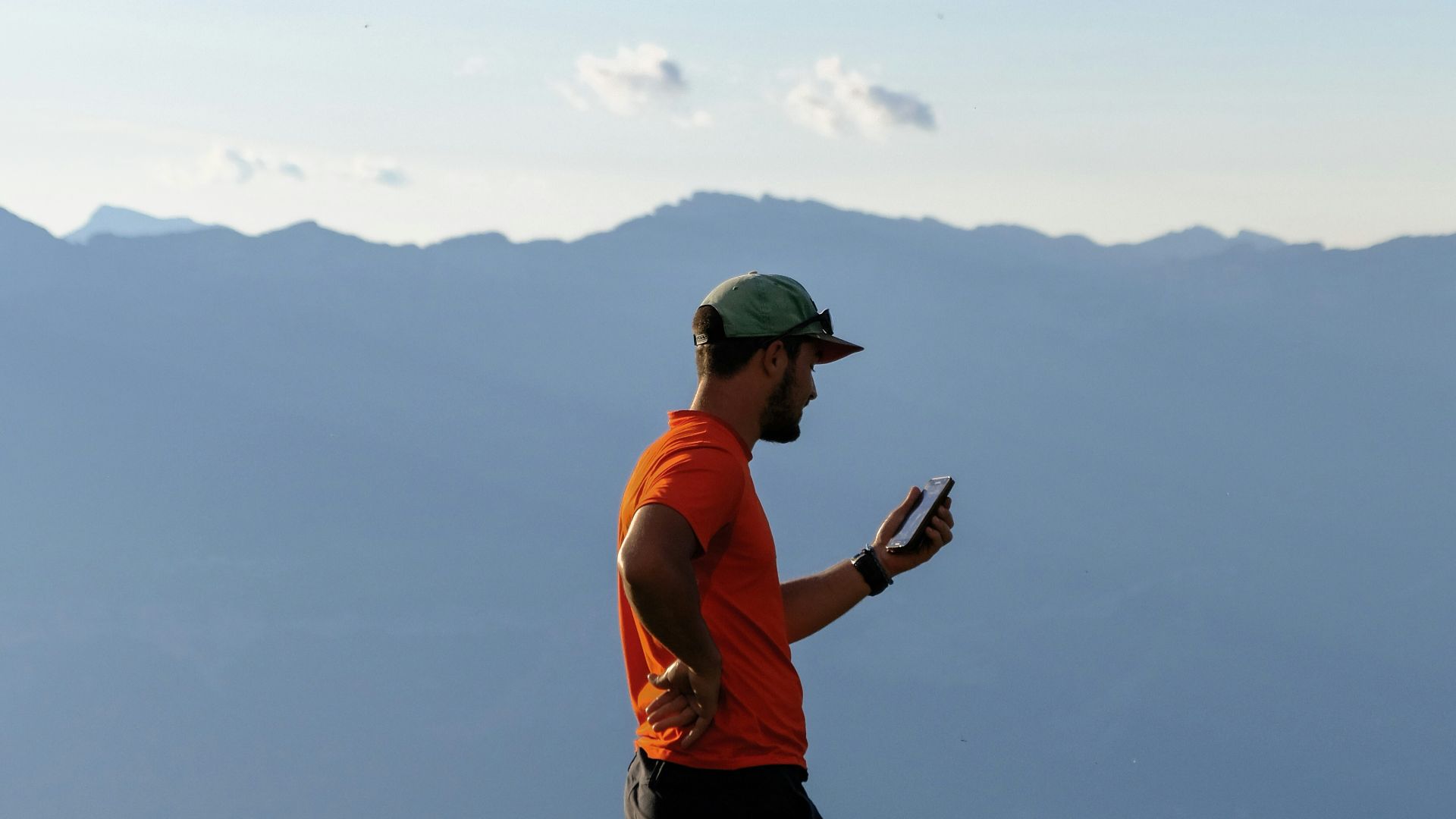
Phones feel very comforting right up until the signal drops, the battery fades, or the trail gets confusing in exactly the worst spot. It’s best not to rely on your cell phone for communication or navigation in parks, and especially if you’re heading somewhere remote.
6. Cutting Off Trail
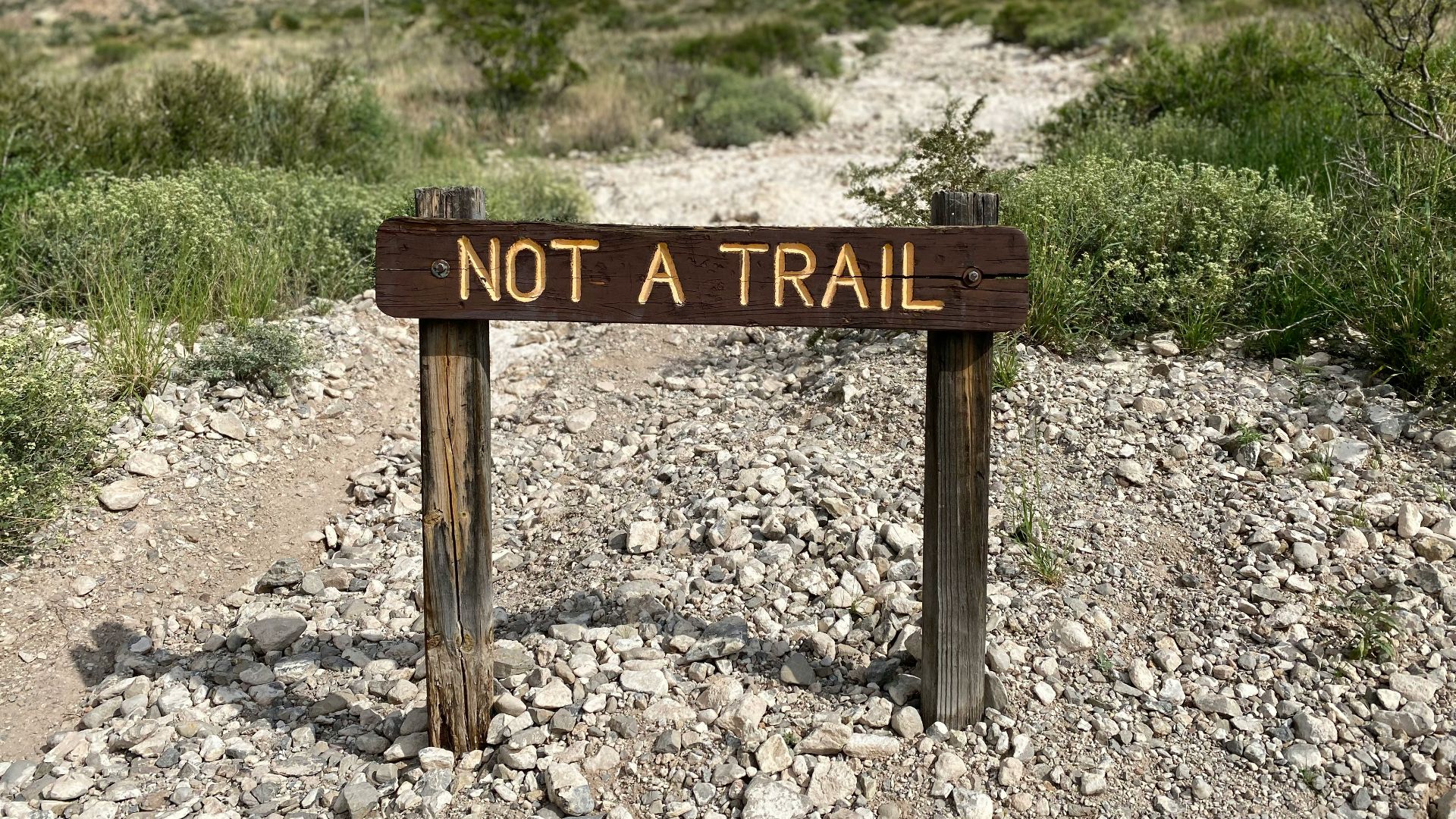
Desert ground can fool you. In parks like Joshua Tree and Arches, stepping off the trail can damage biological soil crusts that help hold the landscape together. Not to mention that you can easily get lost.
7. Disturbing The Wildlife
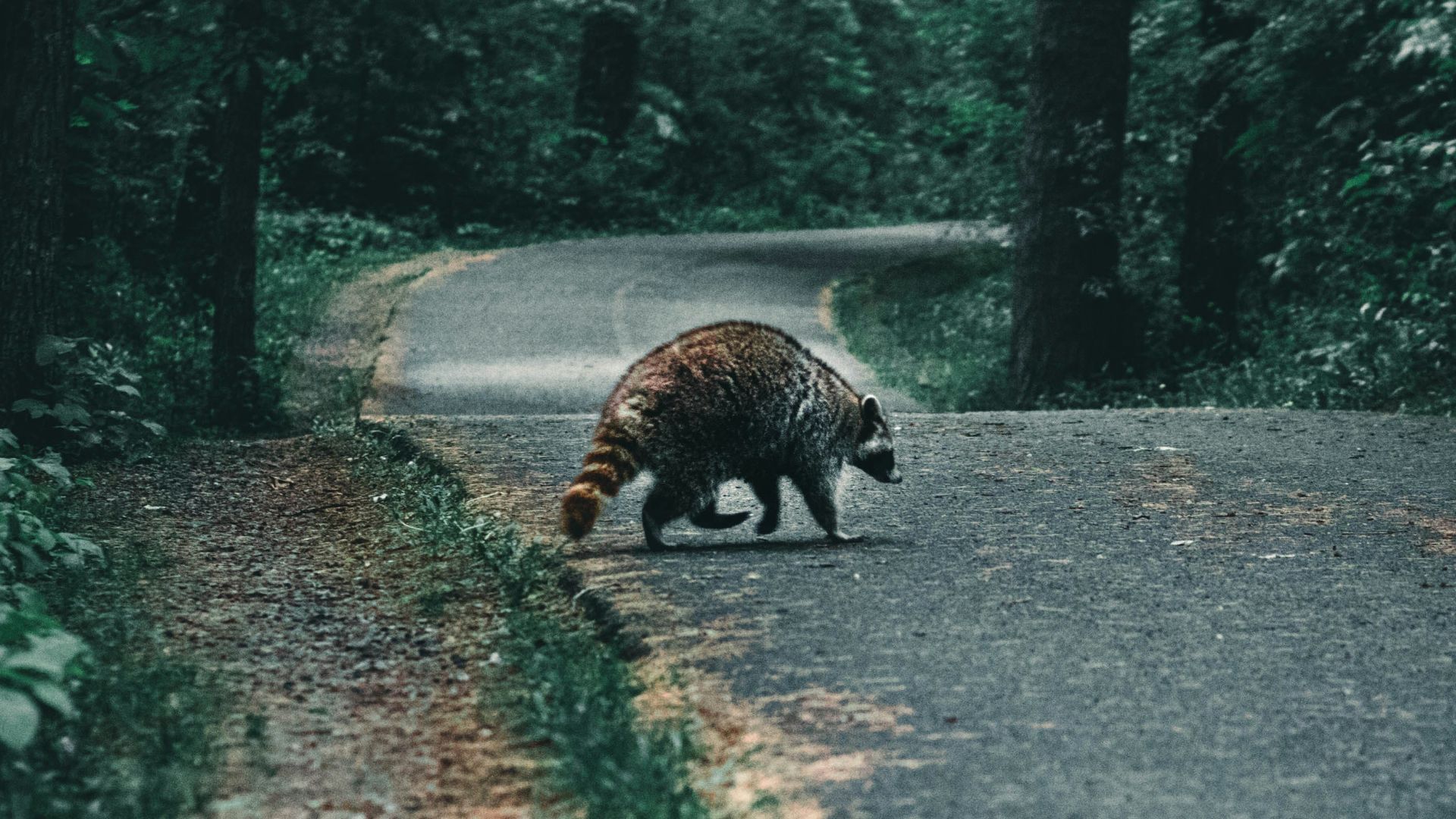
Yellowstone keeps teaching this lesson, and people keep signing up to learn it the hard way. Park rules say stay at least 100 yards from bears and wolves and 25 yards from other wildlife. If the animal changes its behavior because you edged closer for the shot, you’re already too close.

8. Hiking In Bear Country… Without Bear Spray
Bear country is not the place for bravery. Bear spray is more than 90 percent effective against an aggressive bear when used properly, so it’s best to keep it on you and readily accessible.

9. Underestimating Your Needs
If you’re heading out for a long trip, you need to manage your water, food, and electrolyte intake. This means bringing extra water bottles, protein bars, or anything else you could need to keep your energy up.

10. Leaving Garbage
People love to tell themselves that an orange peel, a sunflower seed shell, or a tiny wrapper corner doesn’t really count. It does. The pack-it-in, pack-it-out rule exists because even small messes can really add up.
11. Bringing Your Dog Everywhere
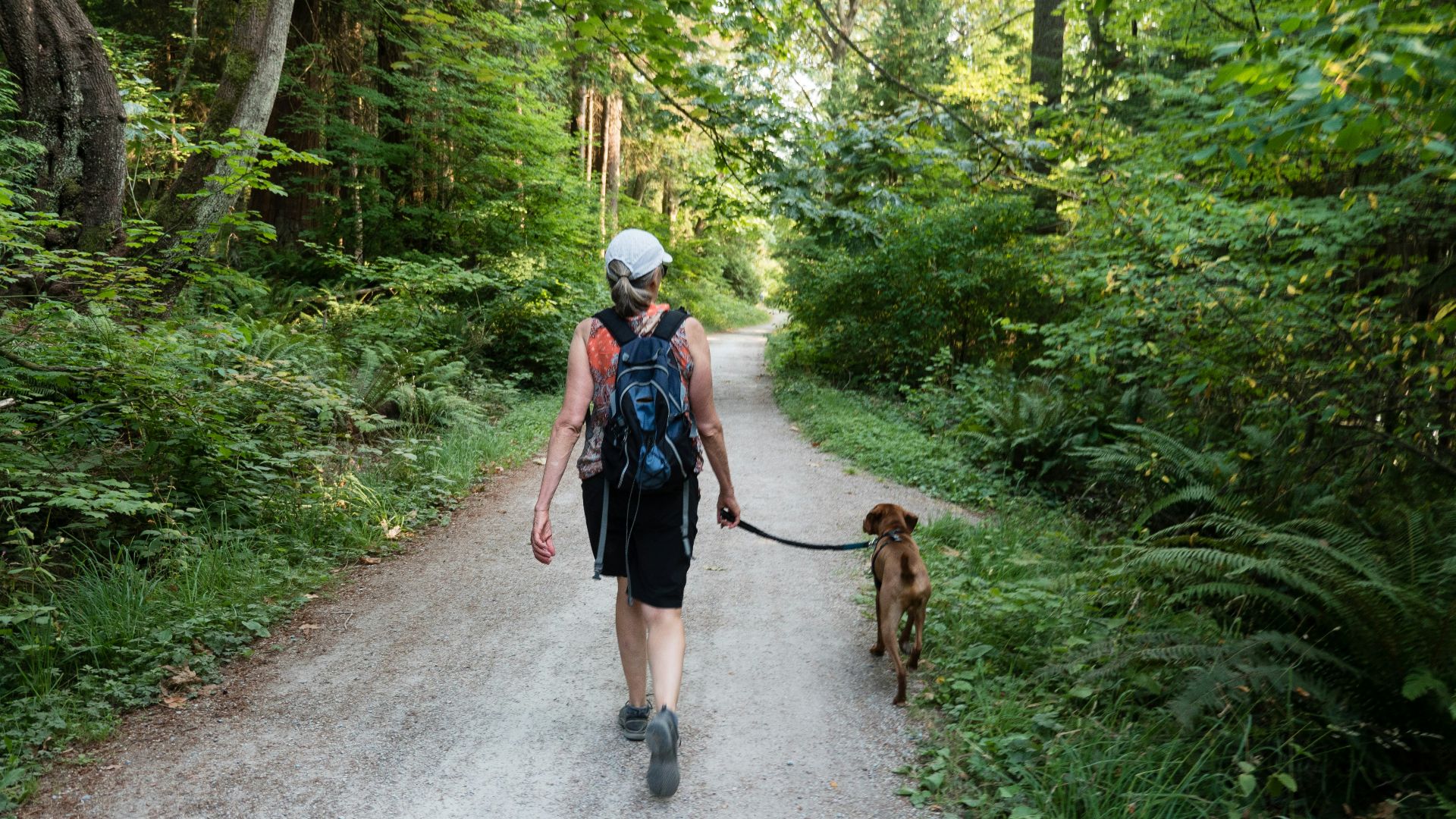
Visitors get tripped up by this one every year, even though the signs are usually pretty clear. Many national parks do not allow pets on hiking trails or boardwalks, and Yellowstone is especially firm that pets are not allowed on trails, in the backcountry, on boardwalks, or in thermal areas.
12. Parking Anywhere You Want
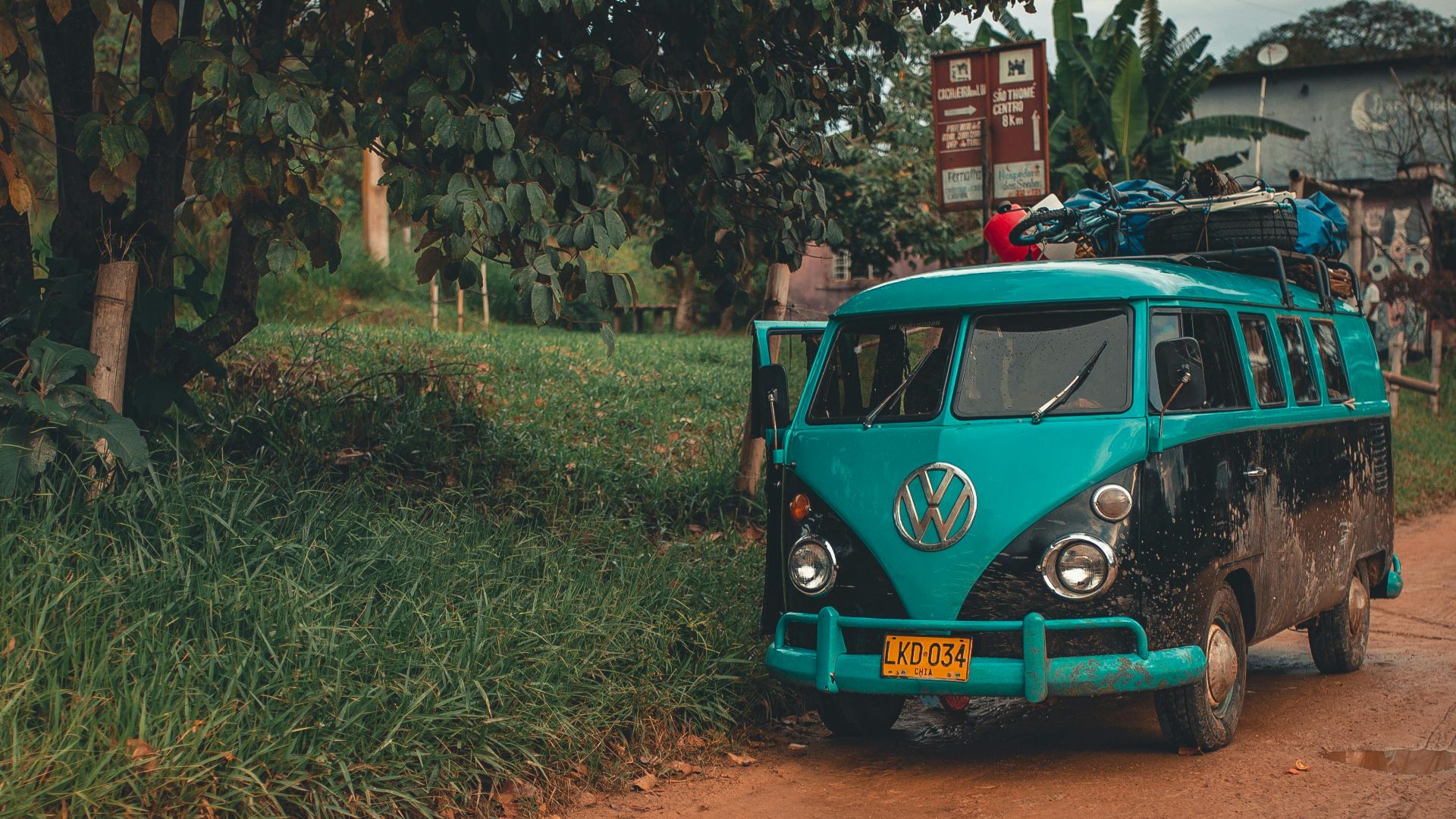
That quick stop for a photo can create more trouble than people expect. If you’re going to get out for a temporary situation, you need to use roadside pullouts and not block traffic. Zion is just as strict about parking only in designated stalls because bad parking damages plants, clogs roads, and creates one more avoidable headache for everyone else.
13. Climbing On Delicate Formations
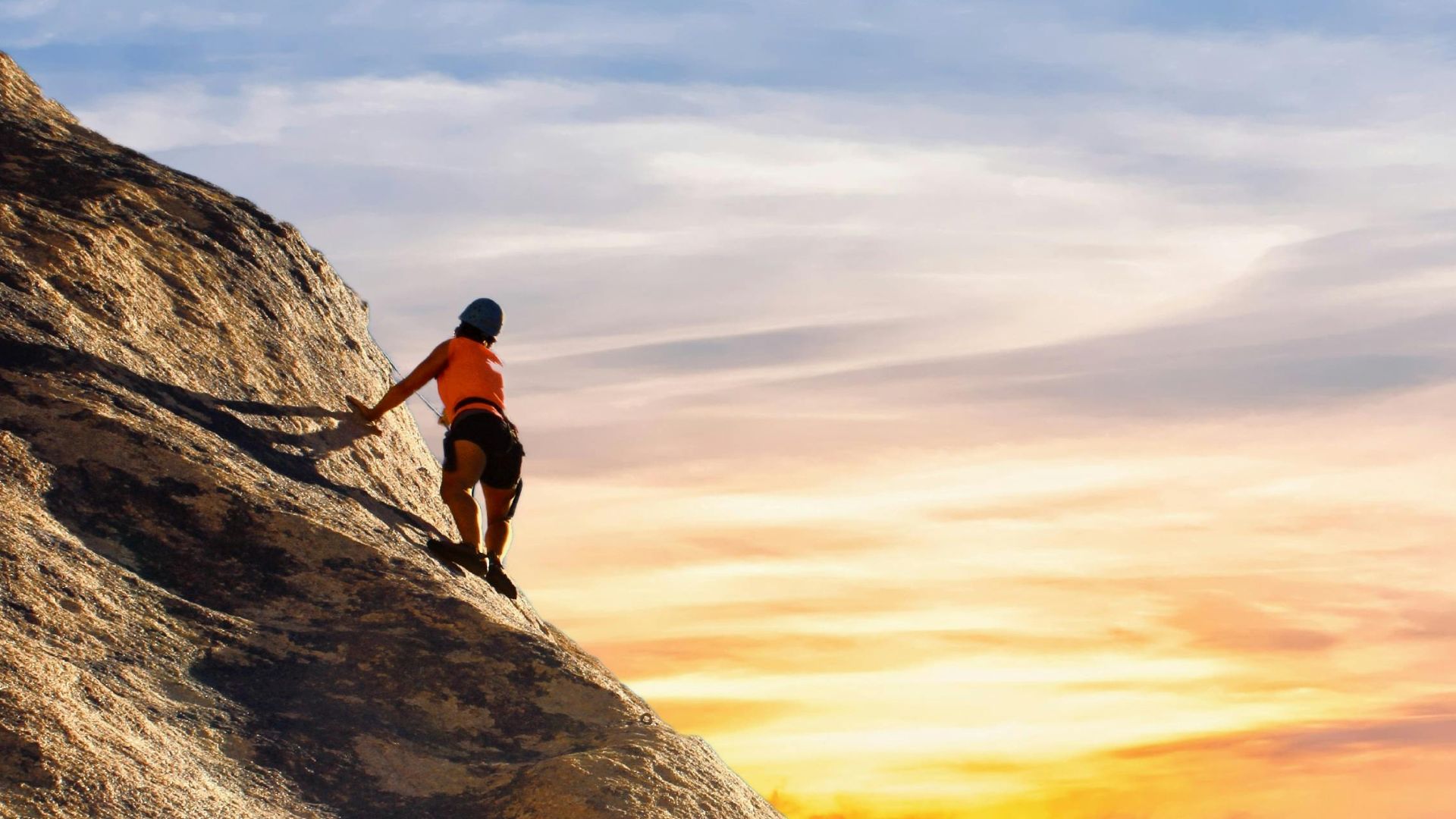
At Arches, the rule could not be much clearer. Walking, climbing, scrambling, standing, or rappelling on any named or unnamed arch with an opening greater than three feet is prohibited. It's for your own safety, as well as the safety of the park’s natural wildlife.
14. Leaving Your Name
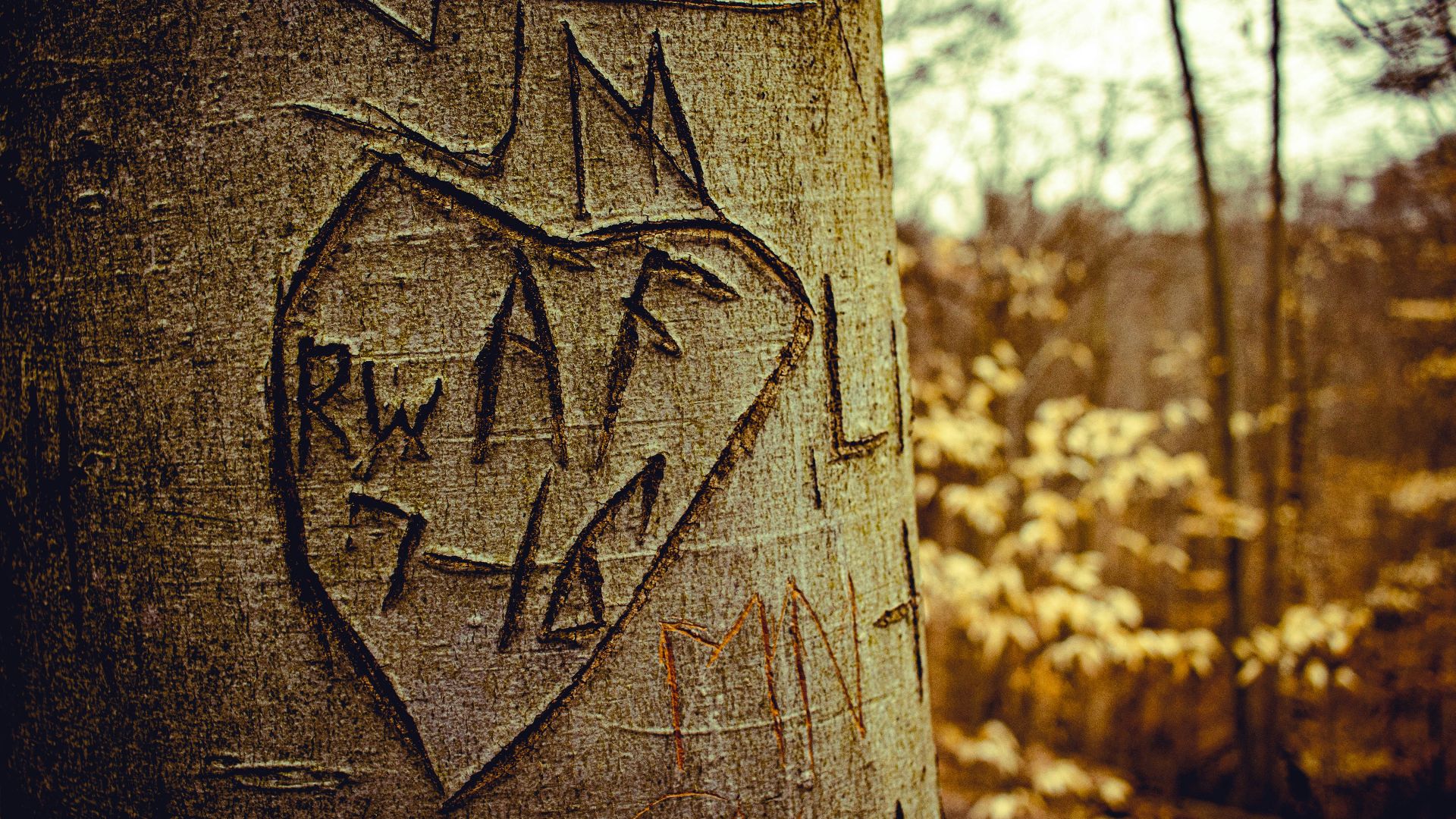
Scratched initials are still vandalism, even when somebody thinks they’re being sentimental. Graffiti is extremely difficult to remove and often can’t be repaired back to the site’s former condition, so that little mark can linger long after you leave it.
15. Taking Nature Home
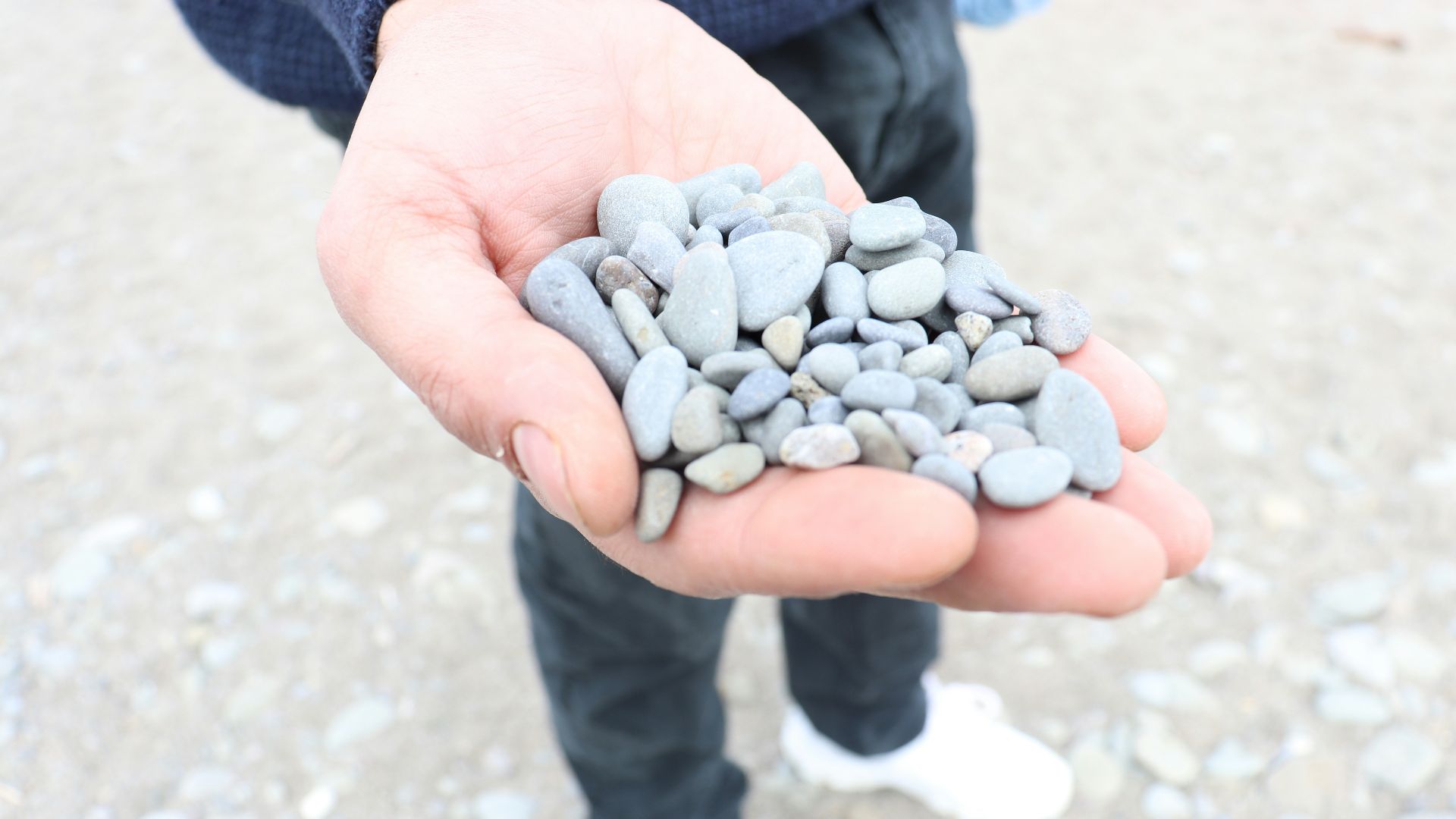
A national park is not a souvenir free-for-all. Park rules prohibit removing natural or cultural objects, including rocks, plants, fossils, and artifacts.
16. Starting Too Late
At popular sites like Yosemite Valley, parking is usually full after eight a.m. on busy weekends, Zion parking often fills by early or midmorning, and Acadia warns that places like Sand Beach and Jordan Pond routinely hit capacity, so a slow start can end your trip before you even start it.

17. Visiting The Most Popular Stops
A lot of visitors spend the whole day chasing the same overlook, arch, or shuttle stop everyone else picked first. You can just as easily enjoy some of the lesser-known spots on a hiking or camping trip, and you’ll avoid a lot of foot traffic to boot.
18. Not Having A Plan B
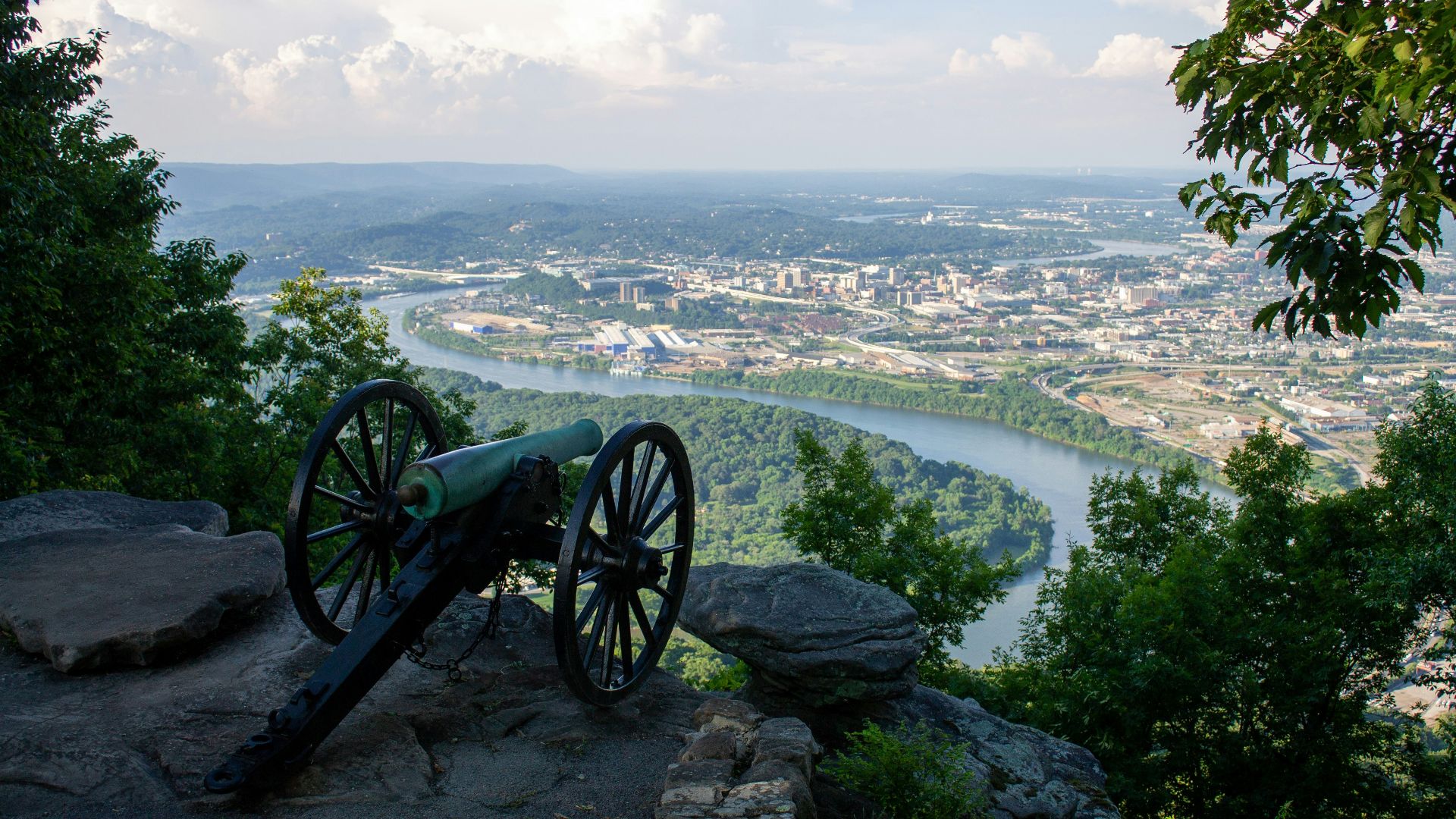
When engaging with the wilderness in any capacity, you need to have a backup plan. This should include checking the Park Service alert system, on top of creating one for yourself and your loved ones, should anything make you stray from your itinerary.

19. Packing A Drone
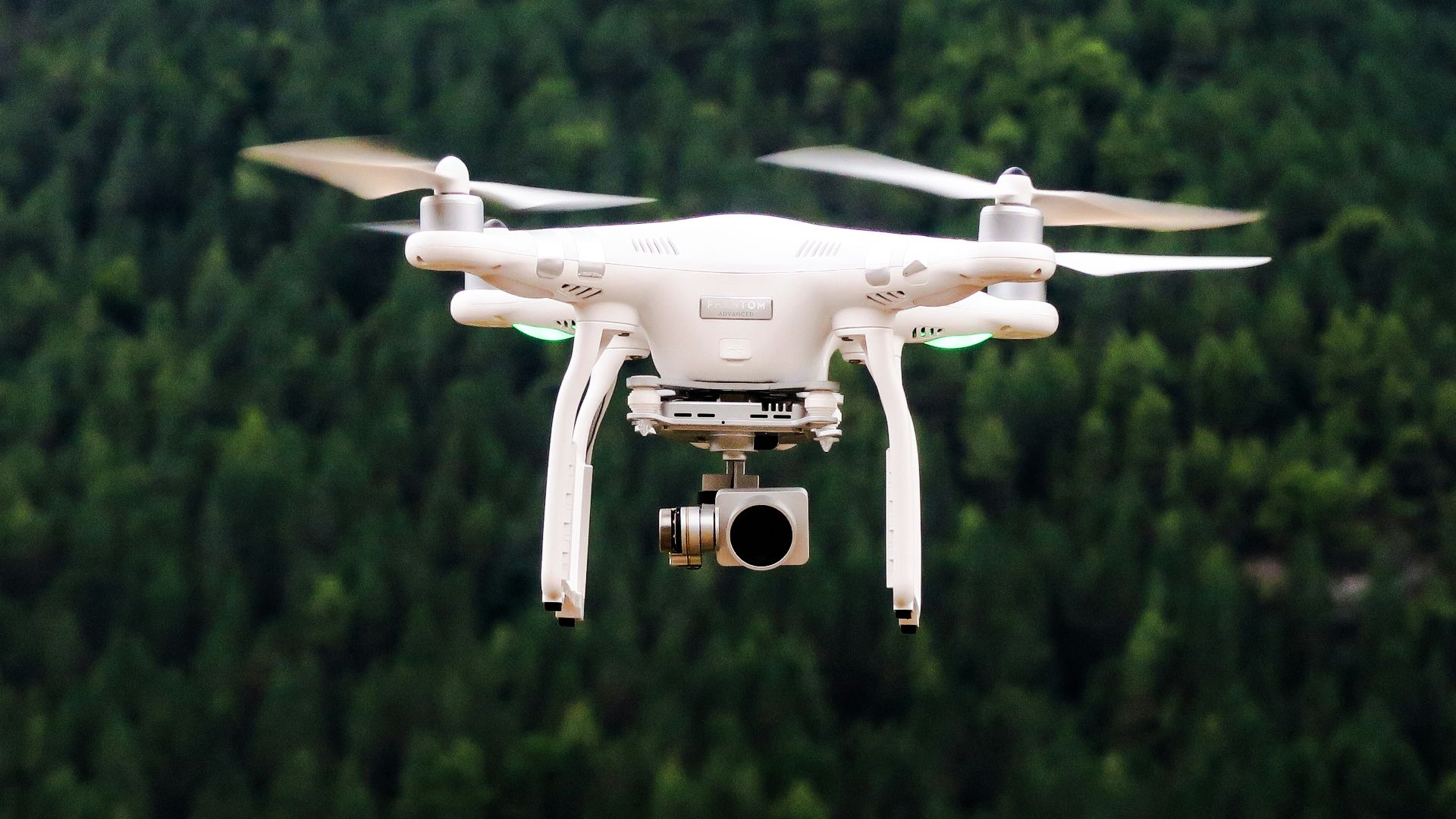
National parks are not the place for a buzzing aircraft over a canyon, a meadow, or somebody else’s quiet sunrise. The Park Service says drones are prohibited in most national parks because of noise, wildlife harassment, nuisance complaints, and safety concerns, which is a pretty strong list of reasons to leave the thing at home.
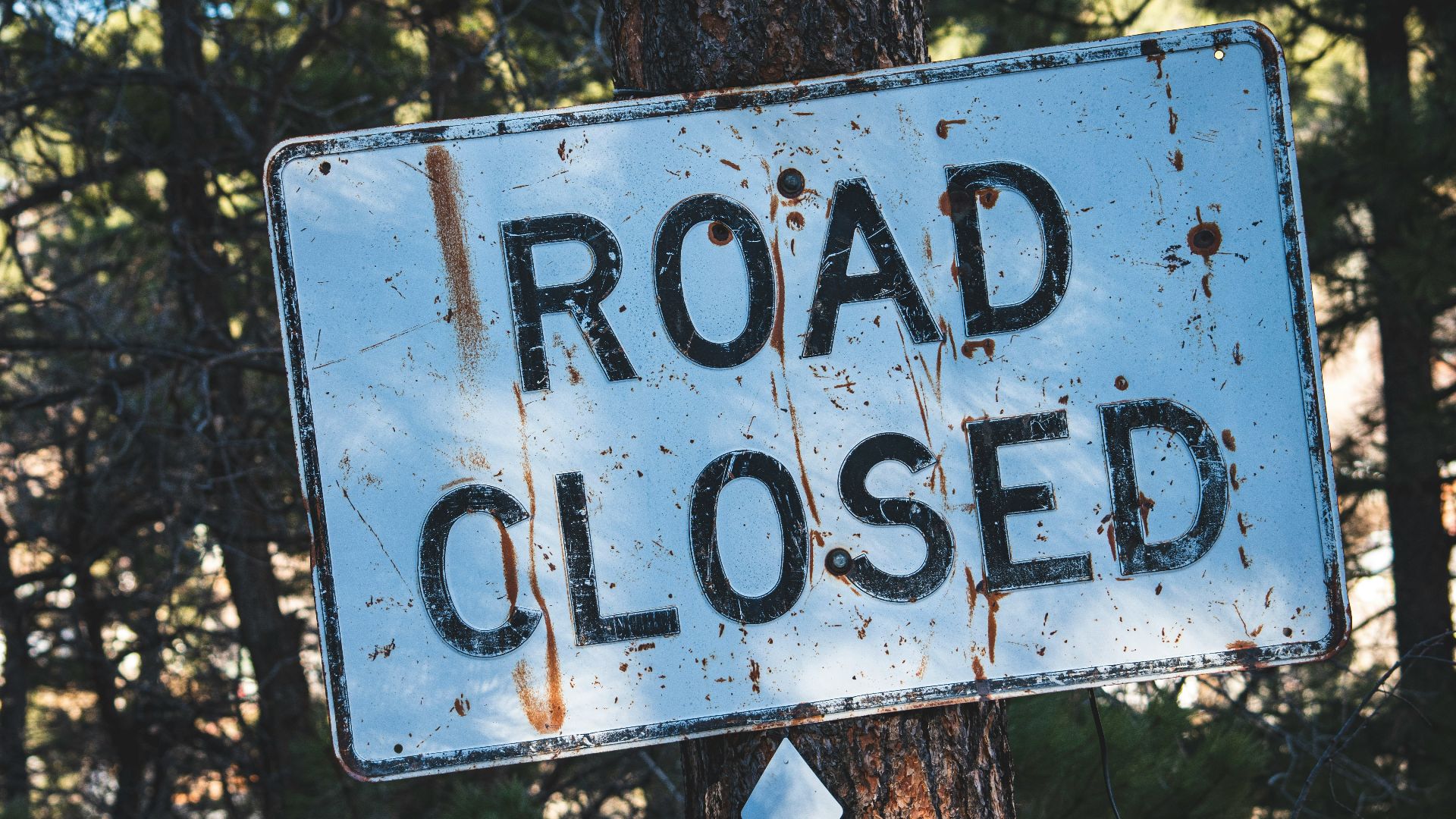
20. Treating Signs And Rangers Like Suggestions
When a sign says closed, or a ranger says turn back, that’s not a fun little invitation to test your luck. Park signs are there for safety, wayfinding, and resource protection, so ignoring those warnings is a fast way to turn a simple day into a long, expensive, deeply annoying mess.