Essential Phrases Every Traveler Needs
Before traveling abroad, you'll always want to learn—at the very least—the most basic phrases. Not every place you travel to will have people who speak English, so don't assume you'll be able to get by without knowing bits of the local tongue. If you're looking for a place to start, here are 20 phrases you should always learn to say before you fly out, from "hello" to "I'm lost."

1. Hello
You probably won't go very far in any country if you can't at least greet the locals, and waving your hand can only do so much. That's why the top phrase you should always learn to say in the language of the city you're visiting is "hello" or "hi." Knowing how to say this simple greeting will help you better connect with the people at your destination.

2. Please
You'll also want to know how to say "please," as you'll need it often when asking for directions, clarification, or other things. The last thing you want to do is come off demanding and impolite, and tacking on a "please" in English won't cut it in some countries where most locals don't speak the language.

3. Thank You
After someone helps you, you'll definitely want to thank them for their time and assistance, and it's best to always express your gratitude by speaking the local language. Knowing how to say "thanks" or "thank you," even if your pronunciation is off, will make you come off more genuine and kind.

4. Can You Speak English?
We get it: even if you try your best to learn a few essential phrases, it's hard to wrap your head around a new language, especially if you've never been exposed to it before. That's when this phrase comes in handy, so you can let the other person know that you're not from here, and it would be much appreciated if they're able to communicate with you in English.

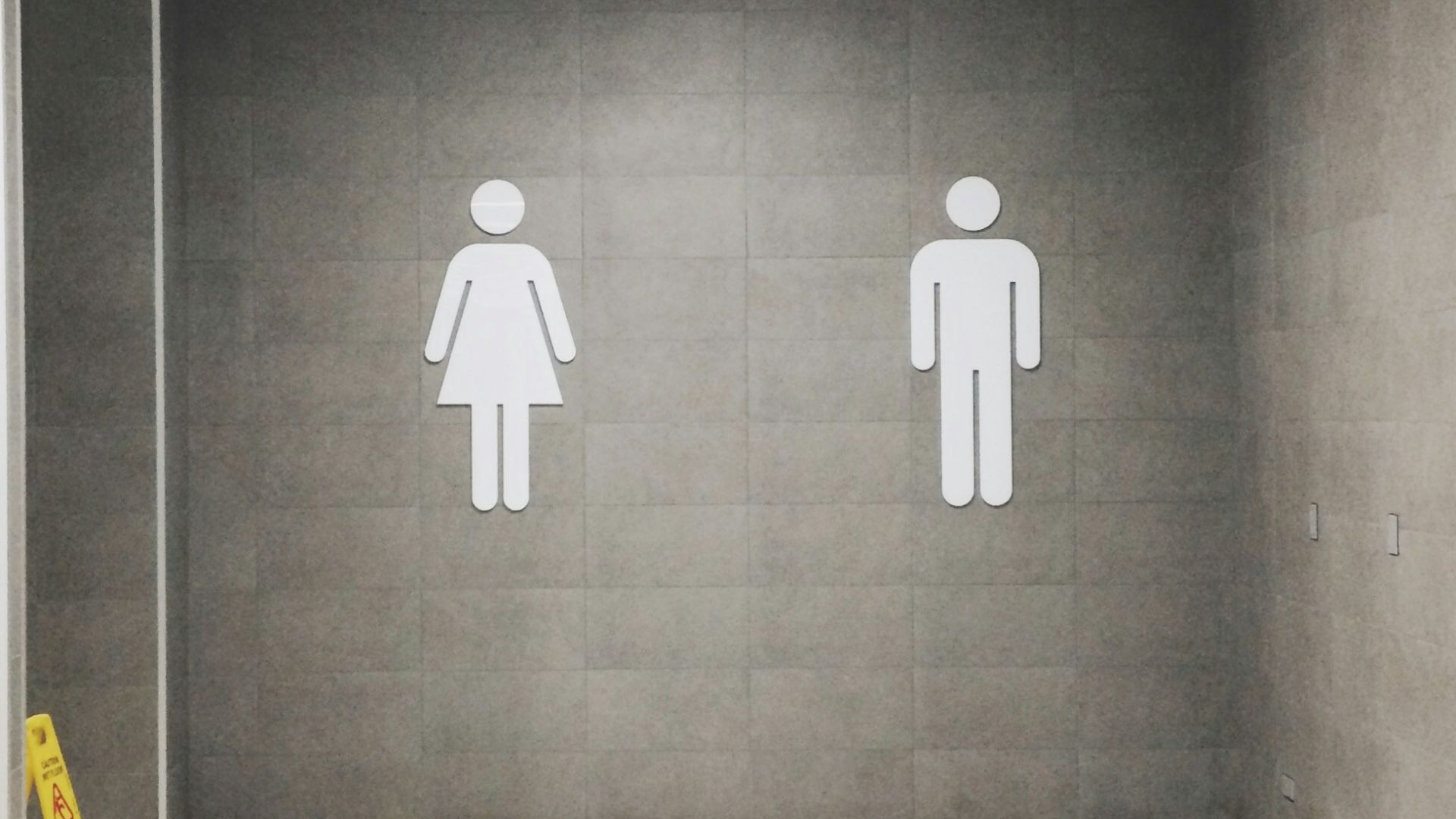
5. Where Is the Bathroom?
You certainly don't want to be holding it all in when nature calls, just because you're not sure how to ask where the bathroom is. Sure, you can always follow signs, but it's better to have this phrase handy in your pocket for when it's a real emergency.
6. How Much Is This?
Unless the item has a price tag attached, it can sometimes be hard to locate its cost, especially if you're not familiar with the local currency. You don't want to spend more than you can handle, after all, so make sure you learn how to ask how much something is.

7. Excuse Me
Whether you're flagging down a server to order food, squeezing past other passengers to get off a crowded train, or just want to ask a random stranger to take a photo for you, learning how to say "excuse me" is essential. In some languages, there might be a different phrase depending on the context, so make sure you understand all the various nuances.

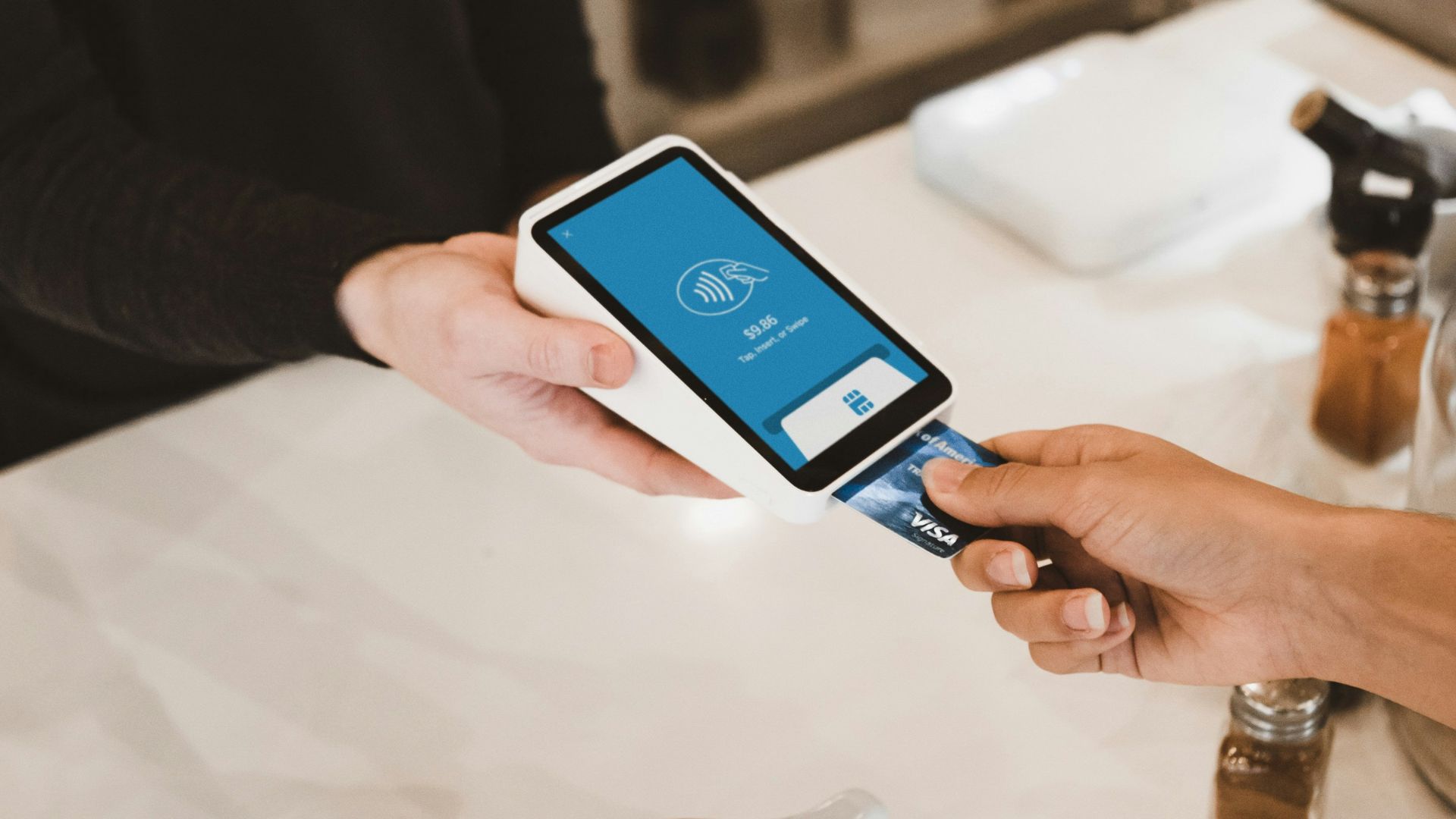
8. Do You Take Credit Cards?
Some places, especially rural towns, may not take contactless payment and only accept cash. While you should always bring different forms of payment with you just in case (cash and card, for example), you'll still want to learn this phrase if you prefer to pay by card.
9. How Are You?
Not only will it be useful to learn this phrase so you can engage in small talk with locals, it'll also be helpful to know it so you can recognize when others ask you how you're doing. Make sure to learn how to respond as well, such as saying, "I'm good, thanks for asking."

10. Can You Speak More Slowly?
Whether you're getting a reply in English or the local tongue, you may sometimes want the other person to slow down so you can better understand their words and meaning. You definitely don't want to be guessing, especially if you're getting directions to somewhere, so this phrase will come in handy more often than not.

11. Where Can I Find the Train or Metro?
If you're in a city where public transportation is the main method of getting around, you'll definitely want to know how to look for metro symbols on a map—and how to ask the locals where the closest station is. Unless, of course, you're perfectly fine with walking long distances and don't mind the time it takes.

12. Do You Have Any Vegetarian Dishes?
Have any dietary restrictions? Make sure to know how to inform servers and workers in the local language so you don't accidentally eat anything you're not supposed to. Some menus may come with symbols that indicate if certain dishes are vegetarian, dairy-free, or gluten-free, but you'll still want to double-check just to make sure.

13. Could You Help Me Take a Picture?
You'll certainly want to take lots of photos when you're traveling somewhere new! Selfies are great, but sometimes, you'll want a proper shot of the scenery around you, and there's only so far your arm can stretch. Learning how to ask a local if they can take your photo will come in especially handy in these moments.

14. I'm Allergic To...
Similar to having dietary restrictions, you'll also want to know how to say you're allergic to something in the local language. Make sure you get your pronunciation down pat so there's no room for misunderstandings. The last thing you want is to have an allergic reaction when you're traveling in a foreign city.

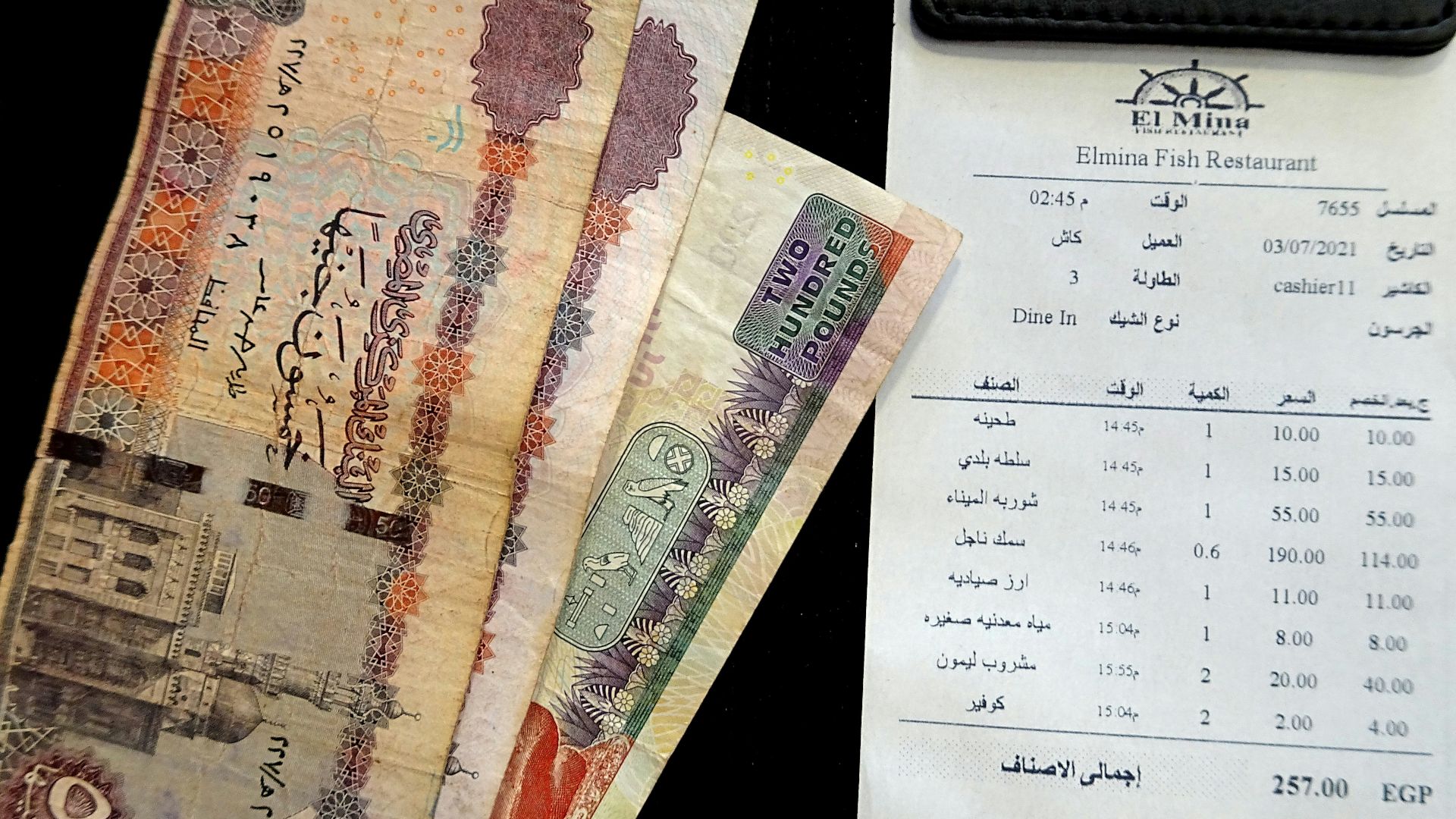
15. Could I Get the Bill, Please?
Finished with your meal? Depending on where you're traveling, some restaurants may allow you to order and pay online without needing to flag down an actual server. But in places that aren't so high-tech, you'll want to know this phrase for when you're ready to pay.
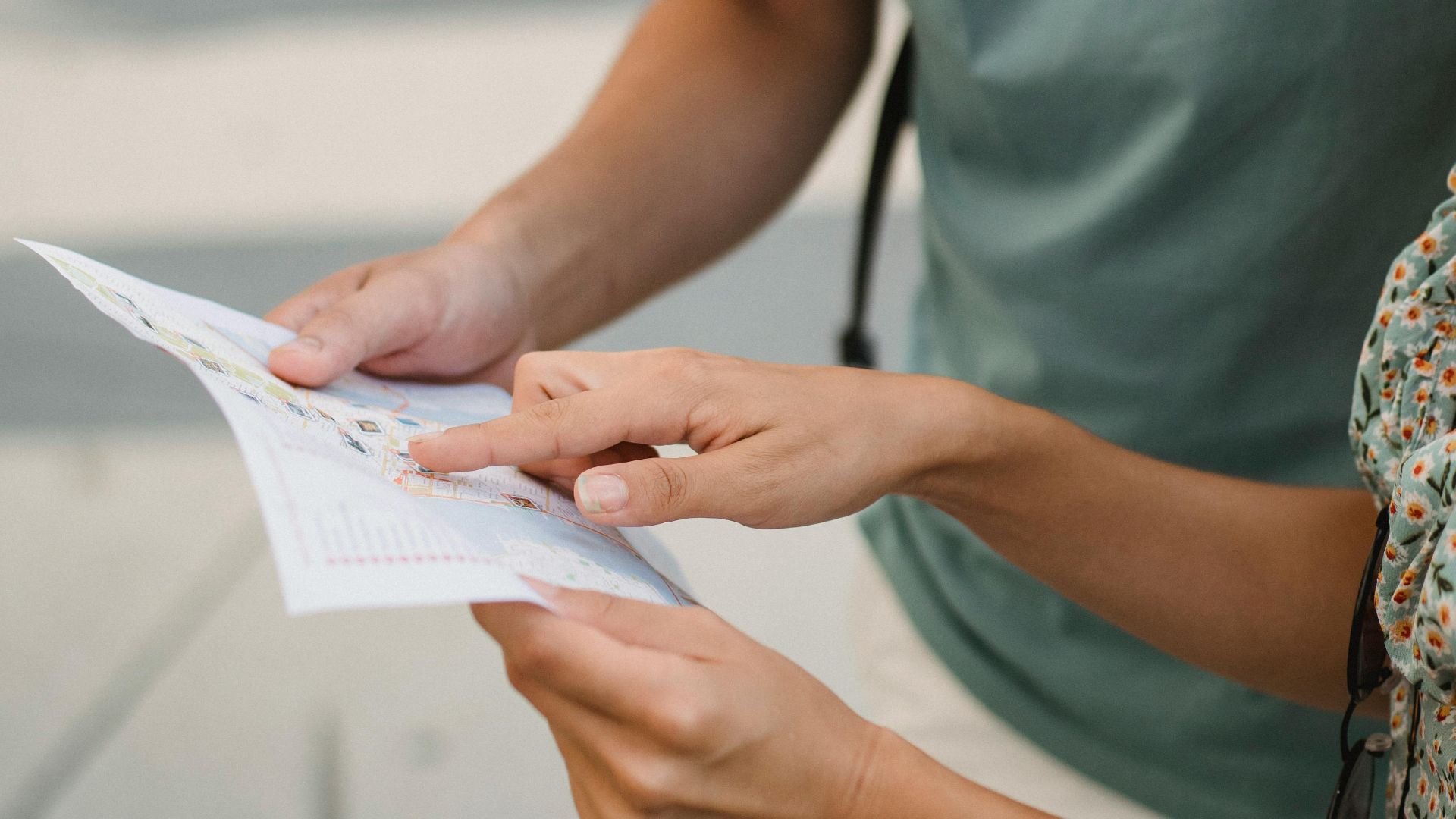
16. I'm Lost
With the help of digital navigation apps like Google Maps and Apple Maps, it's easier than ever to get around, even in places you're unfamiliar with. But network errors, battery problems, or other scenarios can still happen, leaving you lost. Learning how to say this in the local language will allow others to better understand and help you.
17. I Need a Doctor
If you need medical attention, knowing how to ask for a doctor will come in especially useful. It can be frightening when injuries or health complications arise when you're abroad in a place where you don't speak the local tongue, but having these basic phrases under your belt can get you the help you need quicker.

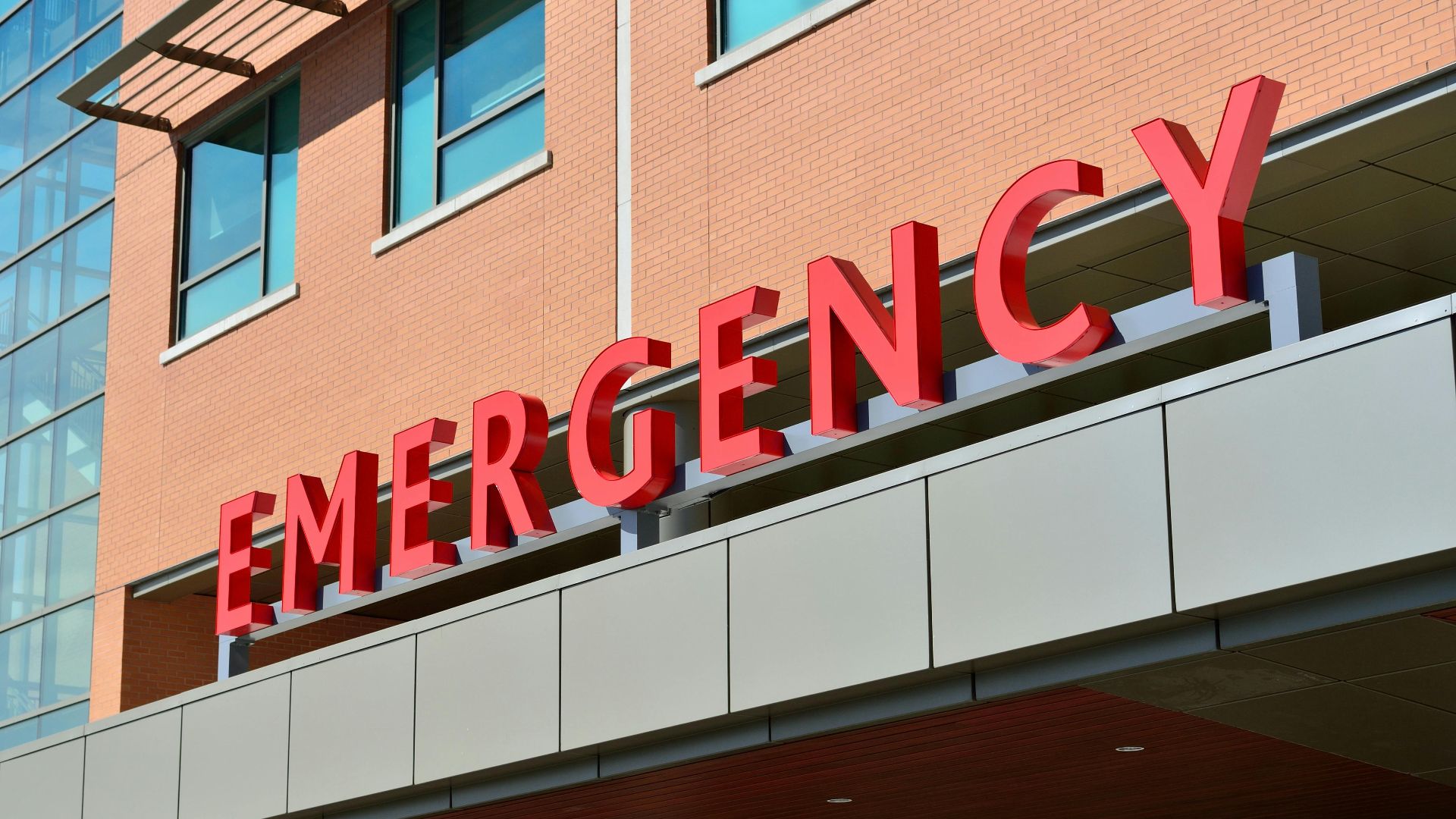
18. Where Is the Hospital?
If your injury or situation is an emergency, you'll definitely want to know how to ask where the closest hospital is. Make sure to also have other phrases—such as what your name is, where you're from, and how old you are—down pat, so it's easier to get the help you need. If you have an existing health condition, make sure to inform the doctors and nurses about it right away as well.
19. Please Call the Police
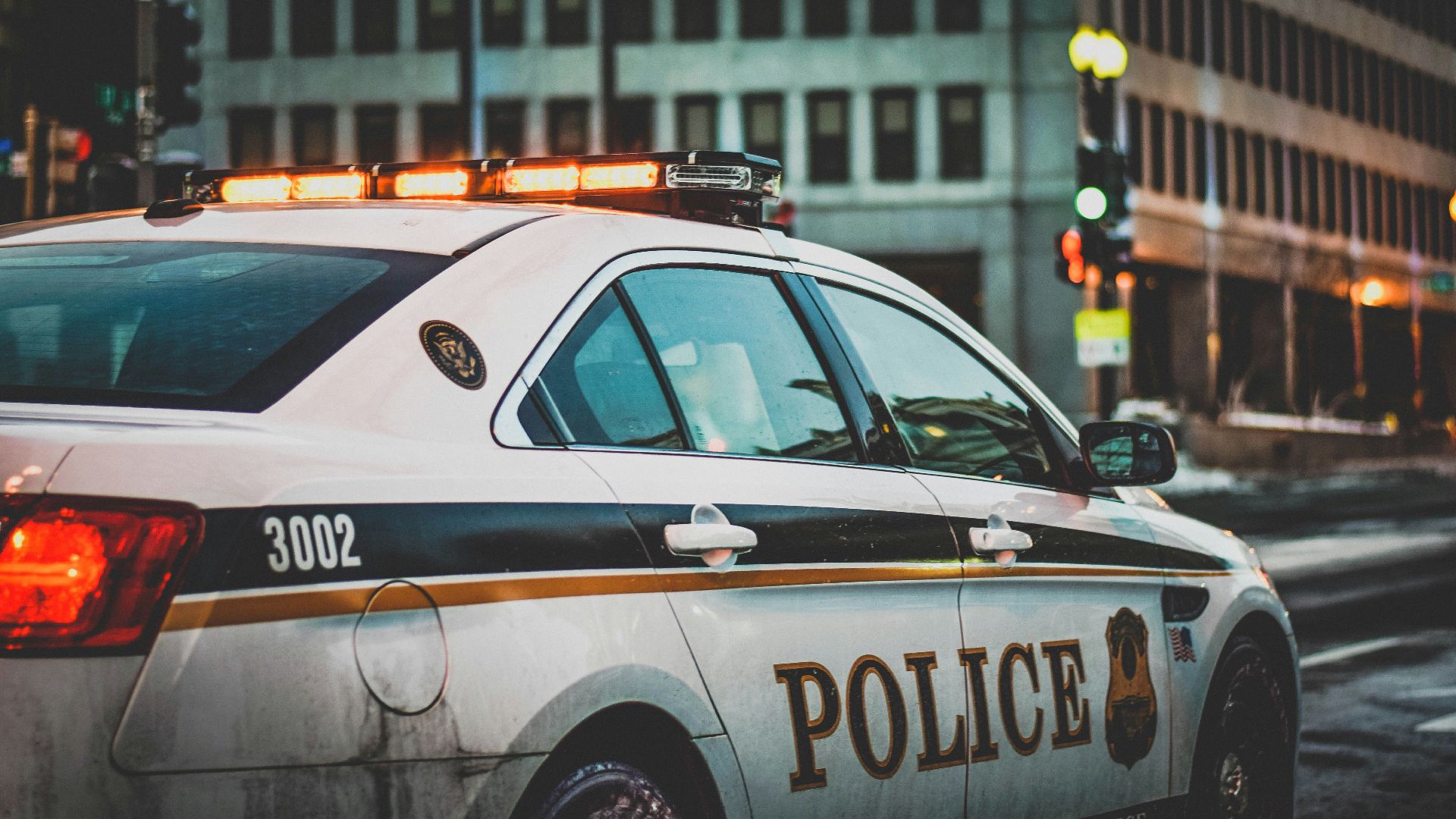
Whether you have an emergency or need help from local authorities, it'll be helpful to also know how to ask for the police. Better yet, it might be useful to know the number to dial so you can reach them faster, but this will require you to know how to communicate with them over the phone.
20. I Am From ___
As mentioned, it's always helpful to learn how to say where you're from in the local language. Not only can it be a good conversation starter that may help you connect with other tourists or locals, but this piece of information will also come in handy during emergencies for quick identification.