Not All Seats Are Created Equal
Flying out soon? You probably know by now that picking the best seat on a flight is sort of a gamble—unless you're quick during online check-in or willing to pay for upgrades. But is it better to choose window or aisle? Sit at the front or back? And is it true that the dreaded middle seat could actually save your life? Before you go snagging spots at random, here are 20 useful tips that could make your journey that much smoother.
1. Book Early
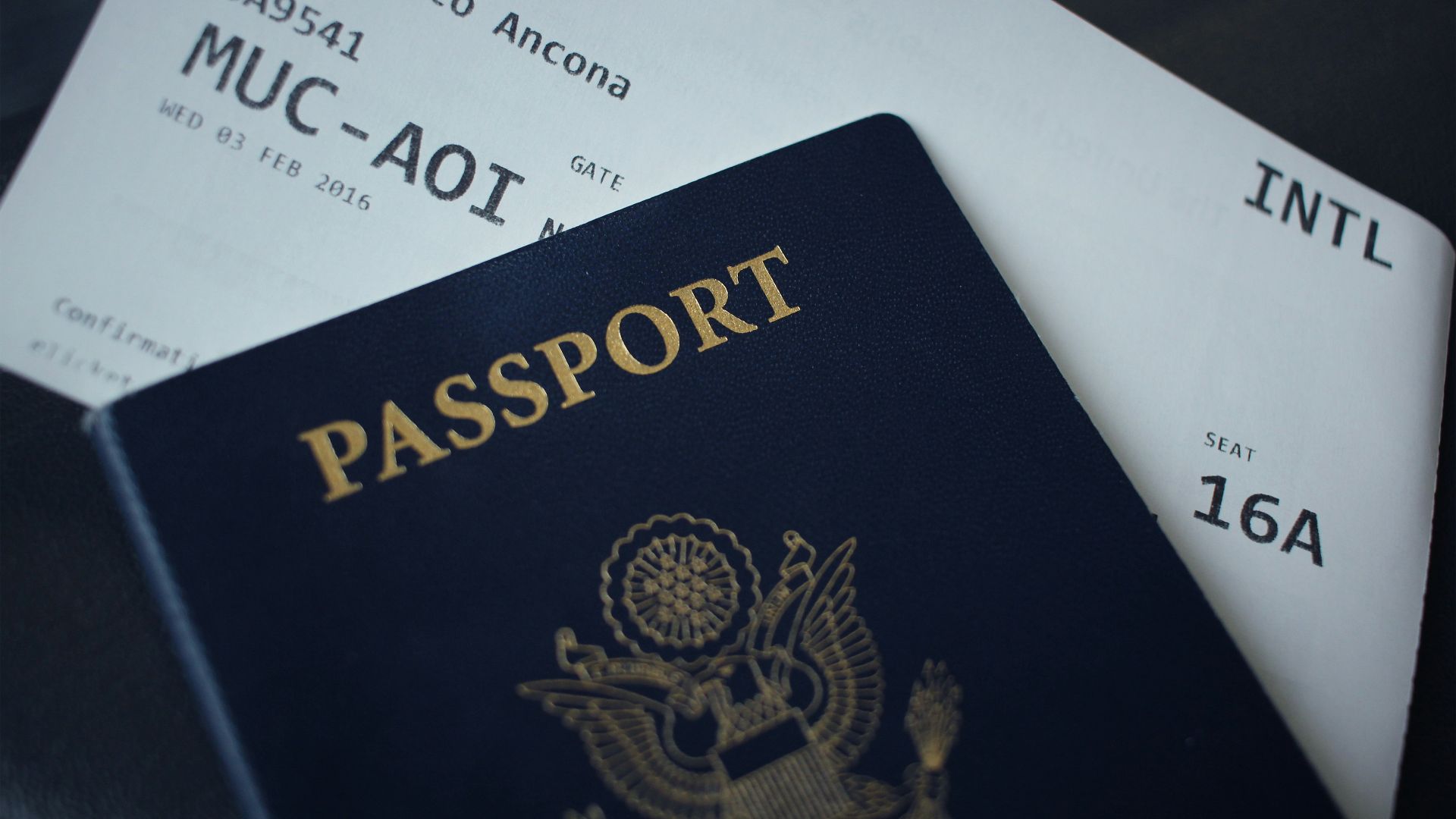
Before you even get to stressing about what seat to choose, you should probably book your flight first. Of course, buying a ticket early could have pros and cons, and sometimes you might end up paying more if prices drop. However, booking early should guarantee you a seat, meaning you'll have the cream of the crop.

2. Check In Early
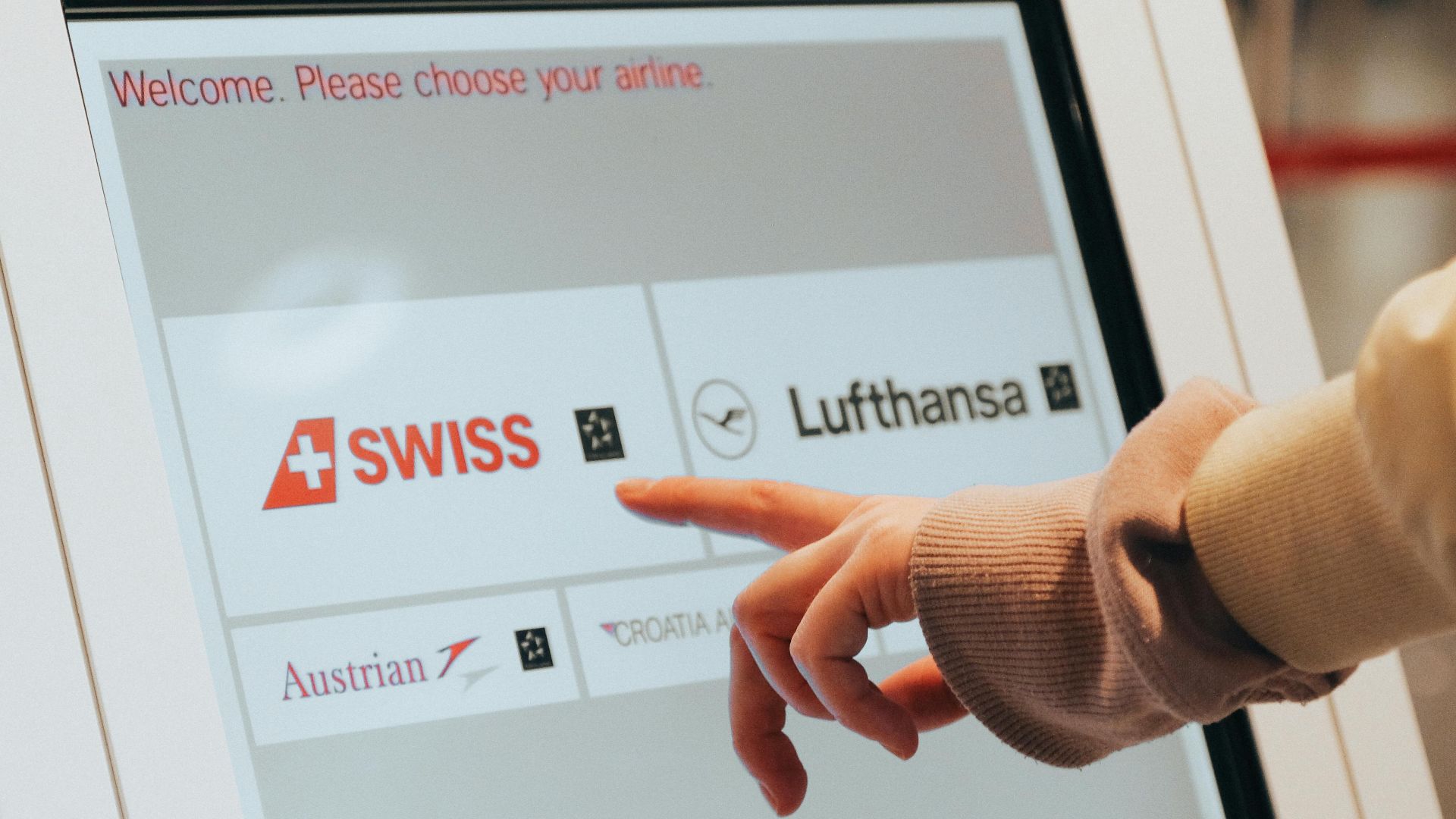
Okay, you have your ticket—what's next? Well, unless you can't deal with uncertainties, you might rather pay to reserve your desired seat, just so there are no nasty surprises. But if you'd rather stay frugal, make sure you read your airline's policy about when to check in. Most allow you to change your seat for free upon check-in, which is usually 24 hours before a flight departs.
3. Know Your Priorities
What seat should you choose? Before you pick, you should know your priorities. Is it a short or long flight, and would you rather snag window so you can sleep the whole time undisturbed, or aisle for more leg room? The choice is up to you!
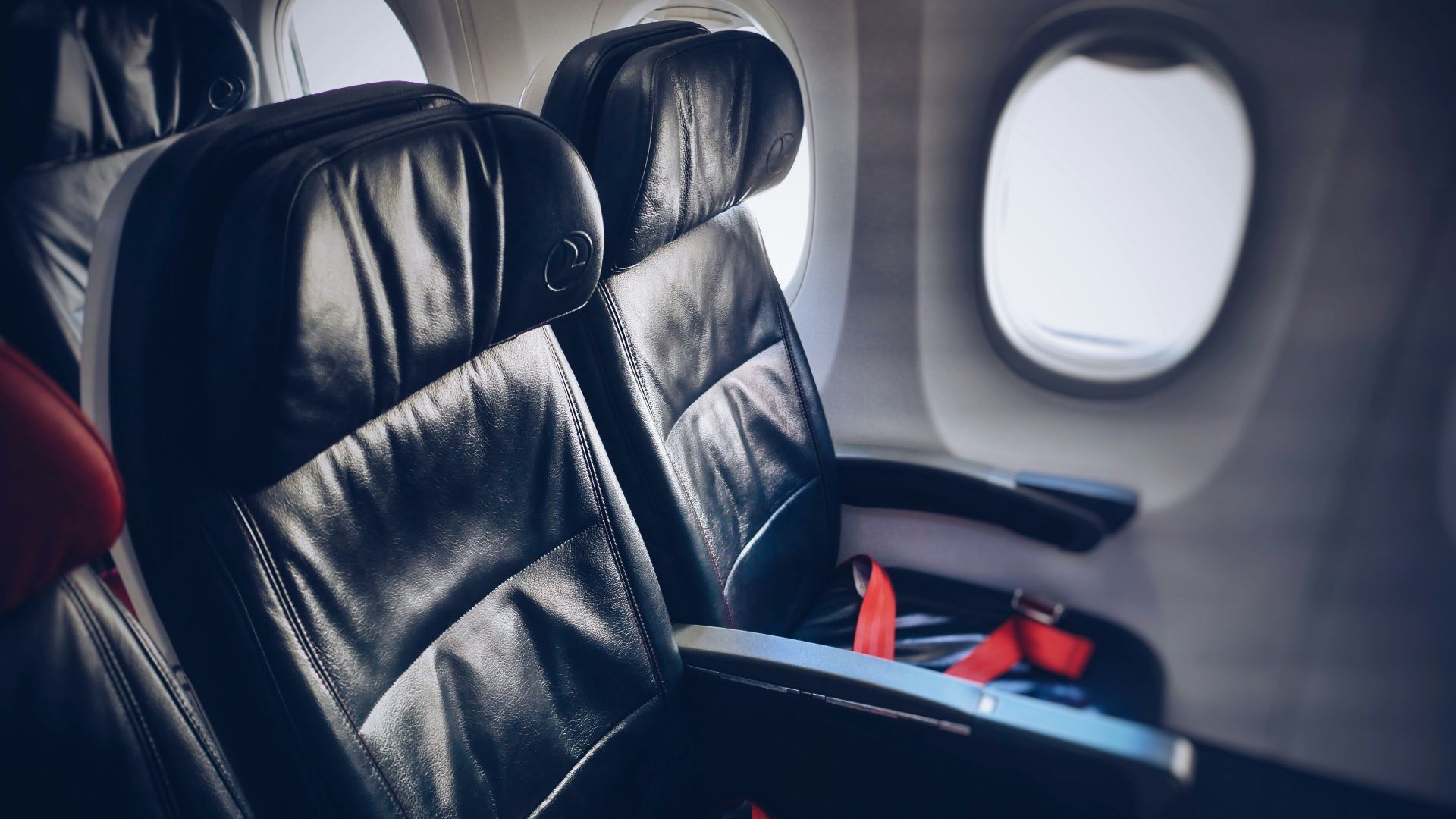
4. Pay for Upgrades If You Need Them
If you think you'll need more legroom or want to splurge to get a seat in premium economy or business, see what suits your fancy first. It definitely helps if you have points you can use to redeem for upgrades, and it'll probably make more sense to only upgrade for longer fights.

5. Avoid Seats That Can't Recline
Certain rows, like the exit rows or the last line of seats at the back of the plane, can't recline. While these rows might have their own perks (less noise or more legroom, for example), you might still find them uncomfortable, especially during longer journeys.
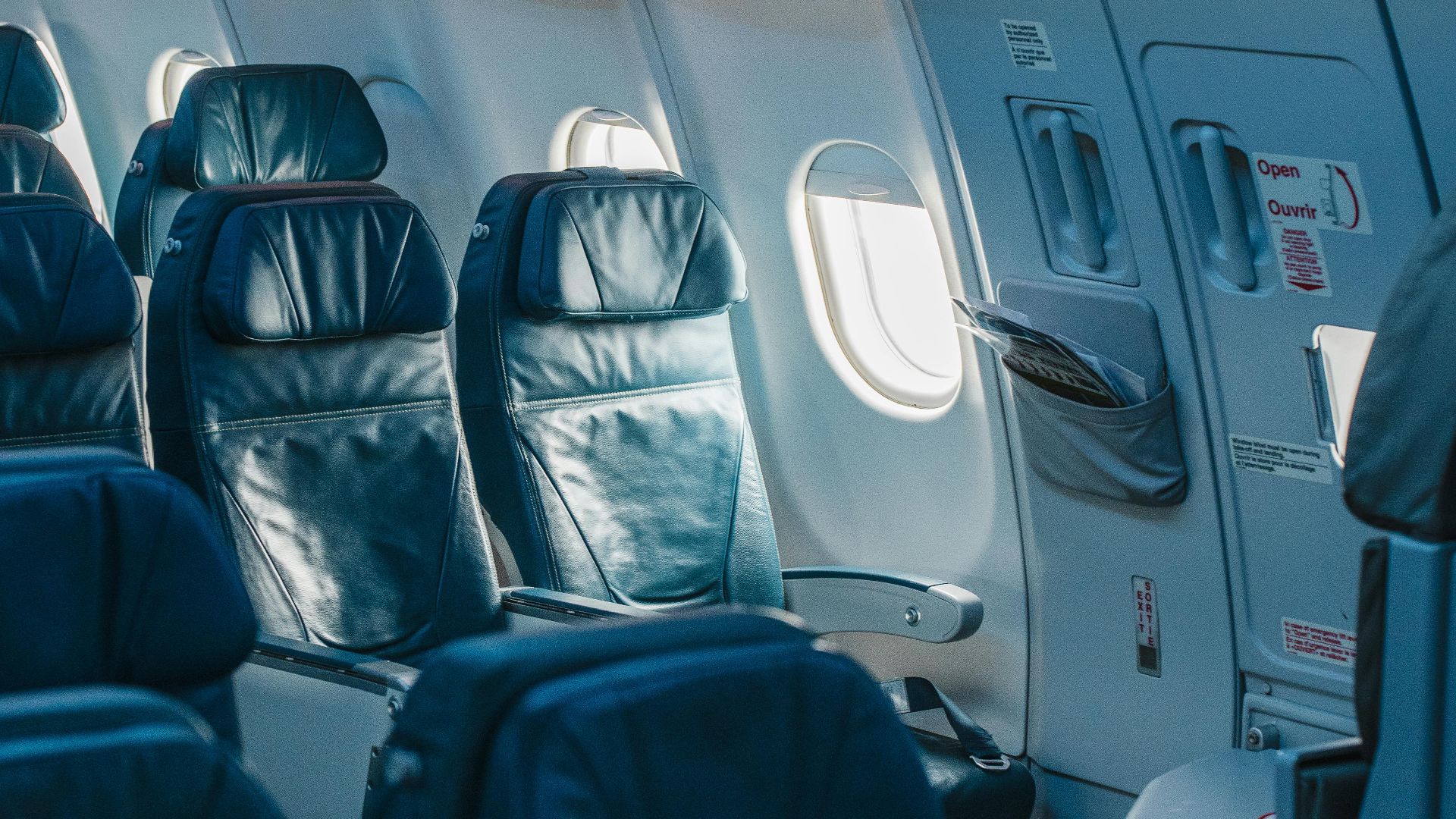
6. Avoid Seats Near the Lavatories
If you can help it, avoid seats near the lavatories. Not only will you have to smell everyone's waste (are you losing your appetite yet?), you'll probably also catch no sleep at all, given that there will always be a line or crowd waiting for their turn.
 Possessed Photography on Unsplash
7. Avoid Seats Near the Engines for Less Noise
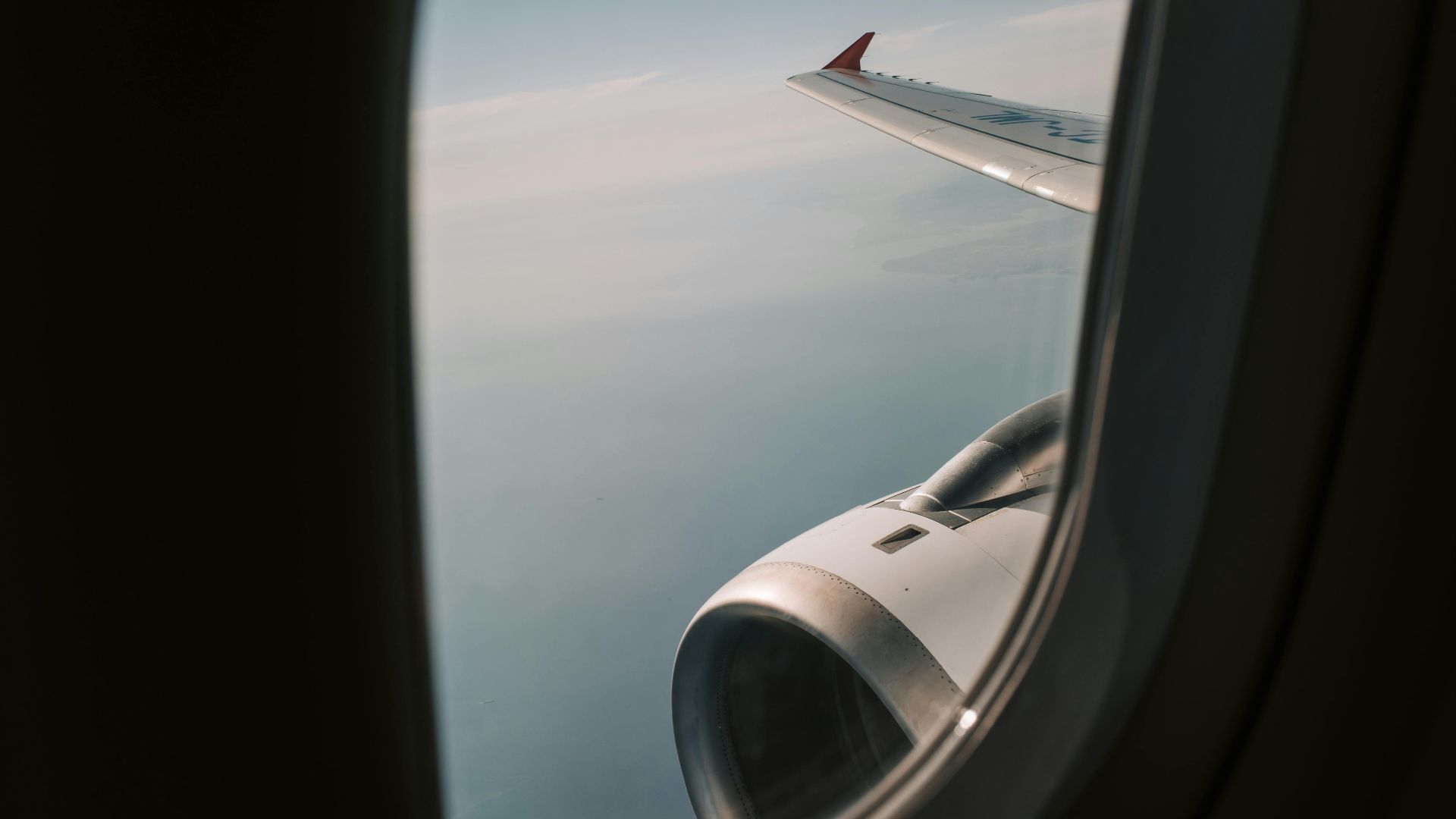
If you pick seats near the engines, get ready for loud, constant noise. Unless you've got a trusty pair of noise-canceling headphones on, you're not going to have a great time. Tack on a baby or two crying? Nothing will drown that kind of noise out.
8. Understand the Layout of Your Plane
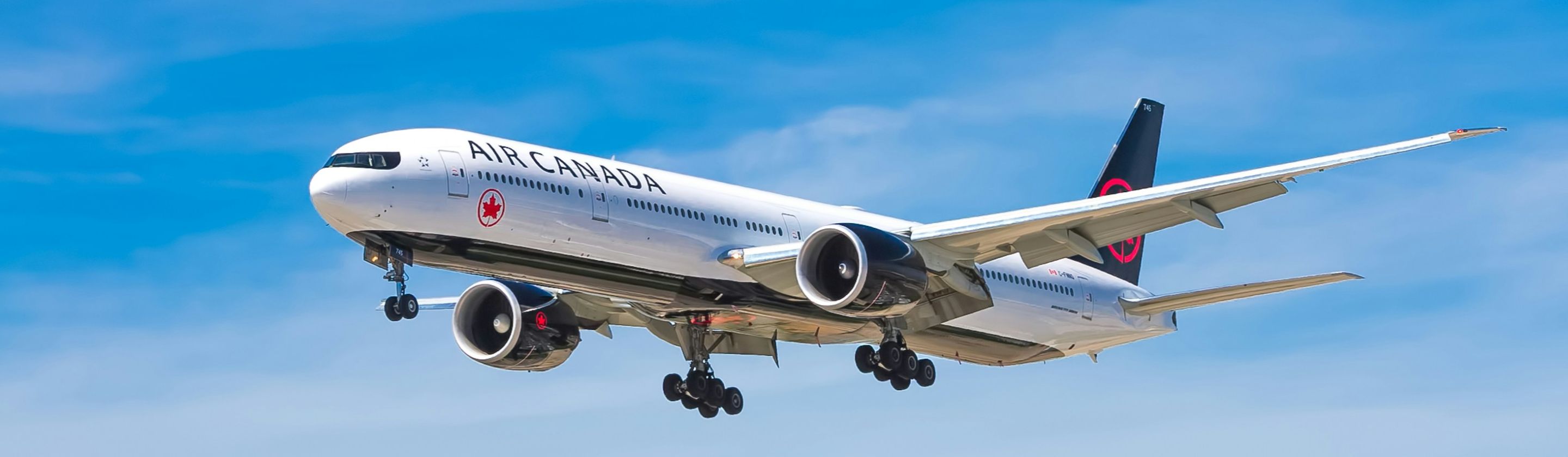
To make it easier for yourself when you finally get to choose your seats, understand the layout of your plane first. Shorter flights are often flown on smaller planes, and these usually come in a 2-2 (two seats, aisle, two seats) or 3-3 configuration. Longer flights usually have a 3-3-3 or 3-4-3 plan. If you're flying with family and want to sit together, you'll want to check in early to snag your picks.
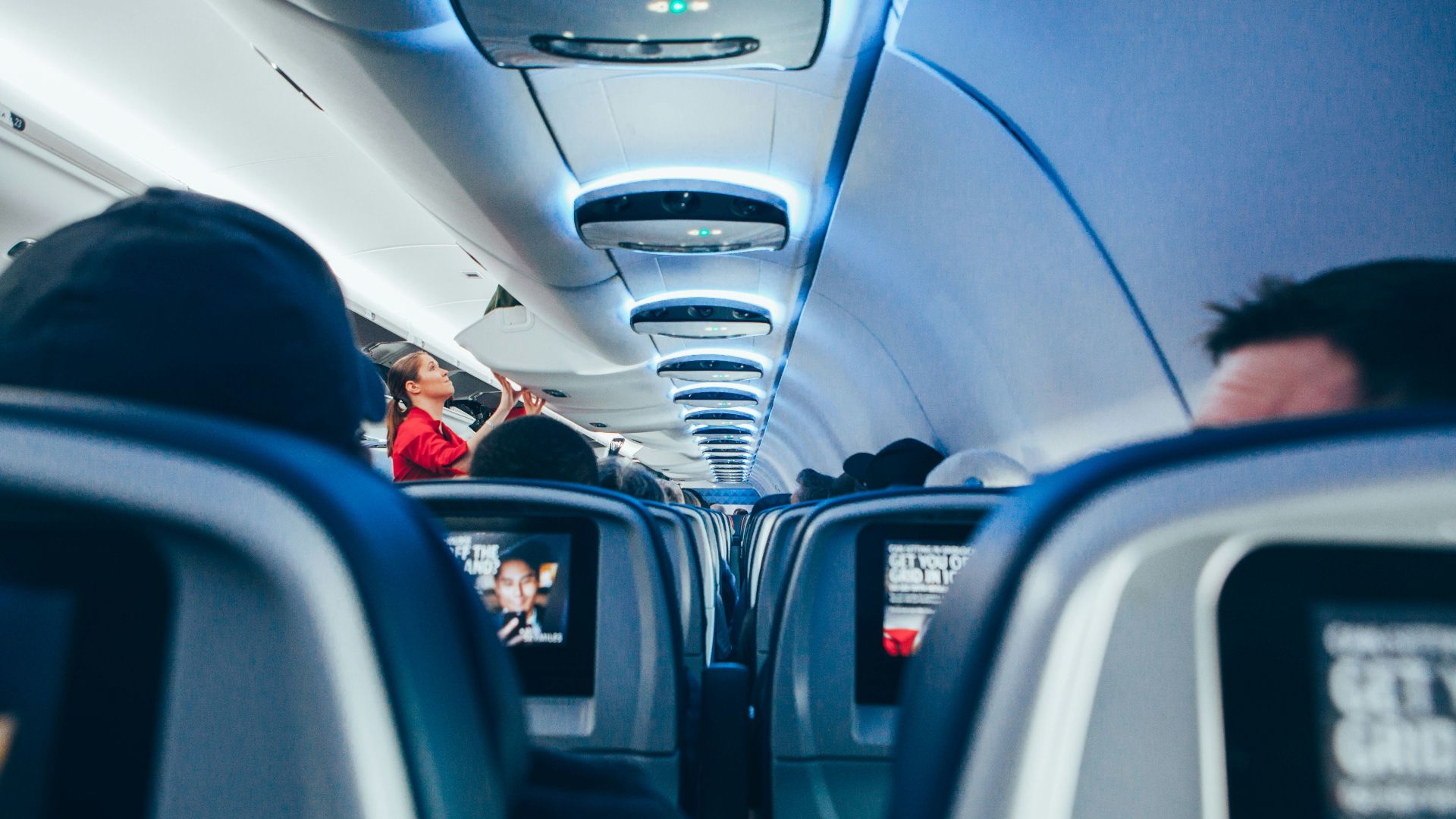
9. Use a Seat Map
It'll also help to use a seat map. These usually appear during check-in, but you'll also want to ensure you know how to read these layouts so you don't end up potentially picking up the wrong seat. And if you're choosing a window seat, a seat map might help you see whether your particular window will be obstructed (by the wings, for example) or misaligned.
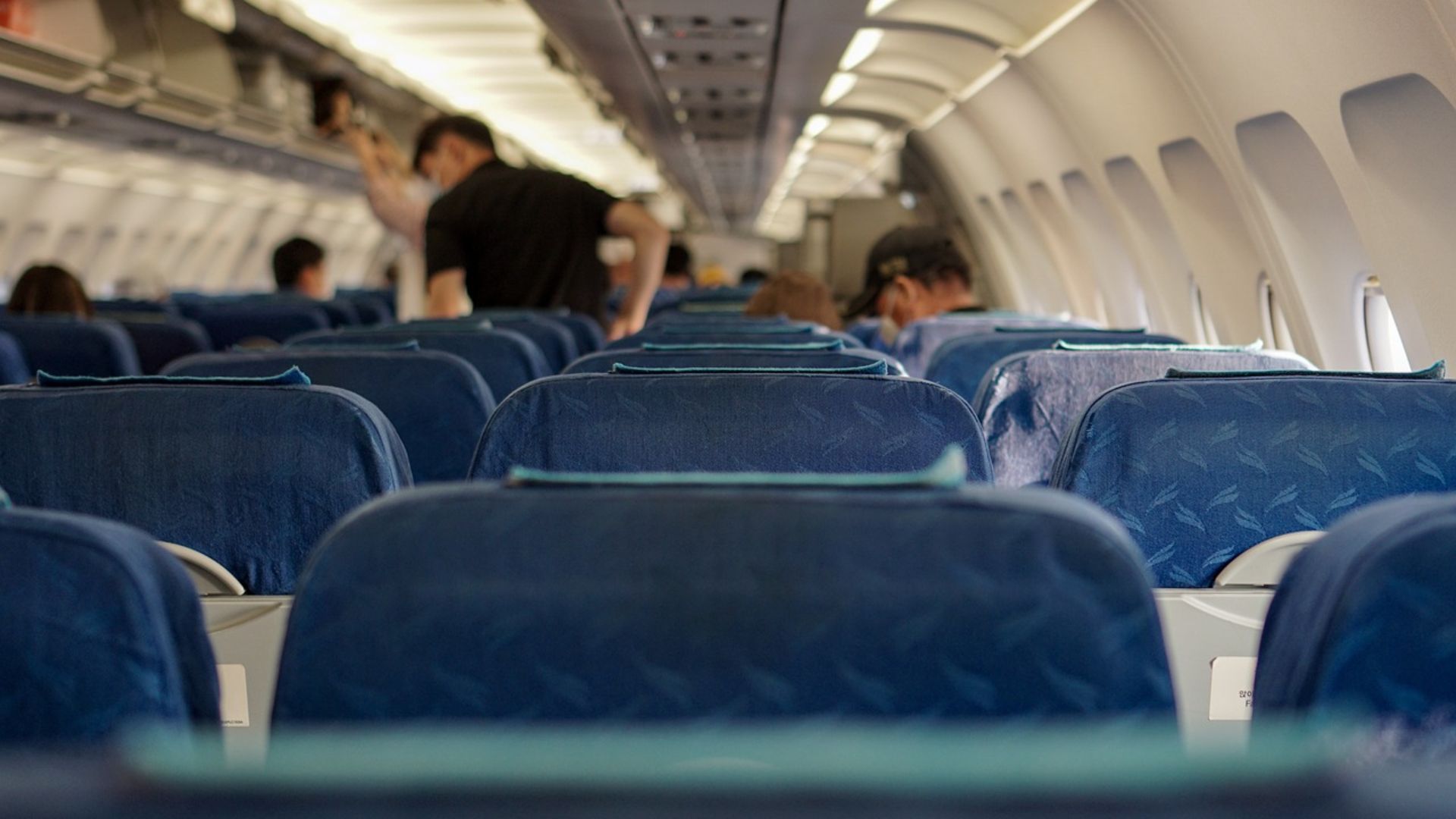
10. Be Strategic If Traveling Solo
Though traveling solo often gives you more freedom, you'll also likely want to be more strategic. Some may prefer a window seat so that they can sleep the entire journey, and some might prefer aisle for easy access to the bathroom. You'll also want to take into account which seat would be better for storing personal belongings or carry-on items.
11. Choose the Front? Or...
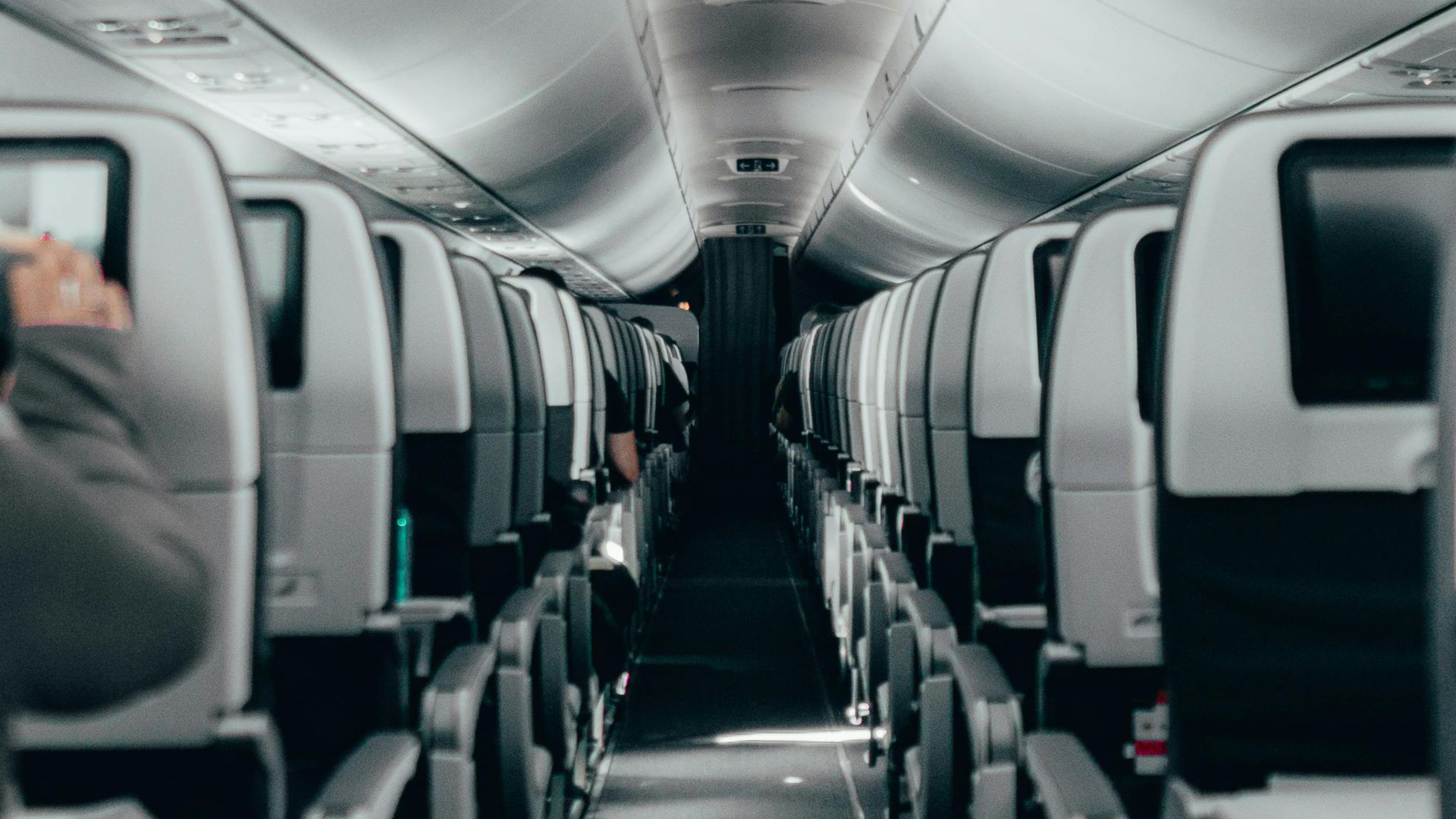
There are obvious perks to choosing seats toward the front of the plane. For one, it's easier to get on and off, meaning you won't have to wait for people to attend to their bags before you can finally leave or get to your seat. It's usually quieter at the front, too.
 David Vincent Villavicencio on Pexels
12. Choose the Back?
Even with the advantages of sitting at the front, that doesn't mean you should immediately axe the idea of picking seats toward the back. If you've watched or read enough about aviation, you might even know that, statistically, there's a higher chance of survival in the event of an accident if sitting at the rear end of an aircraft.
13. Nervous Flyer?
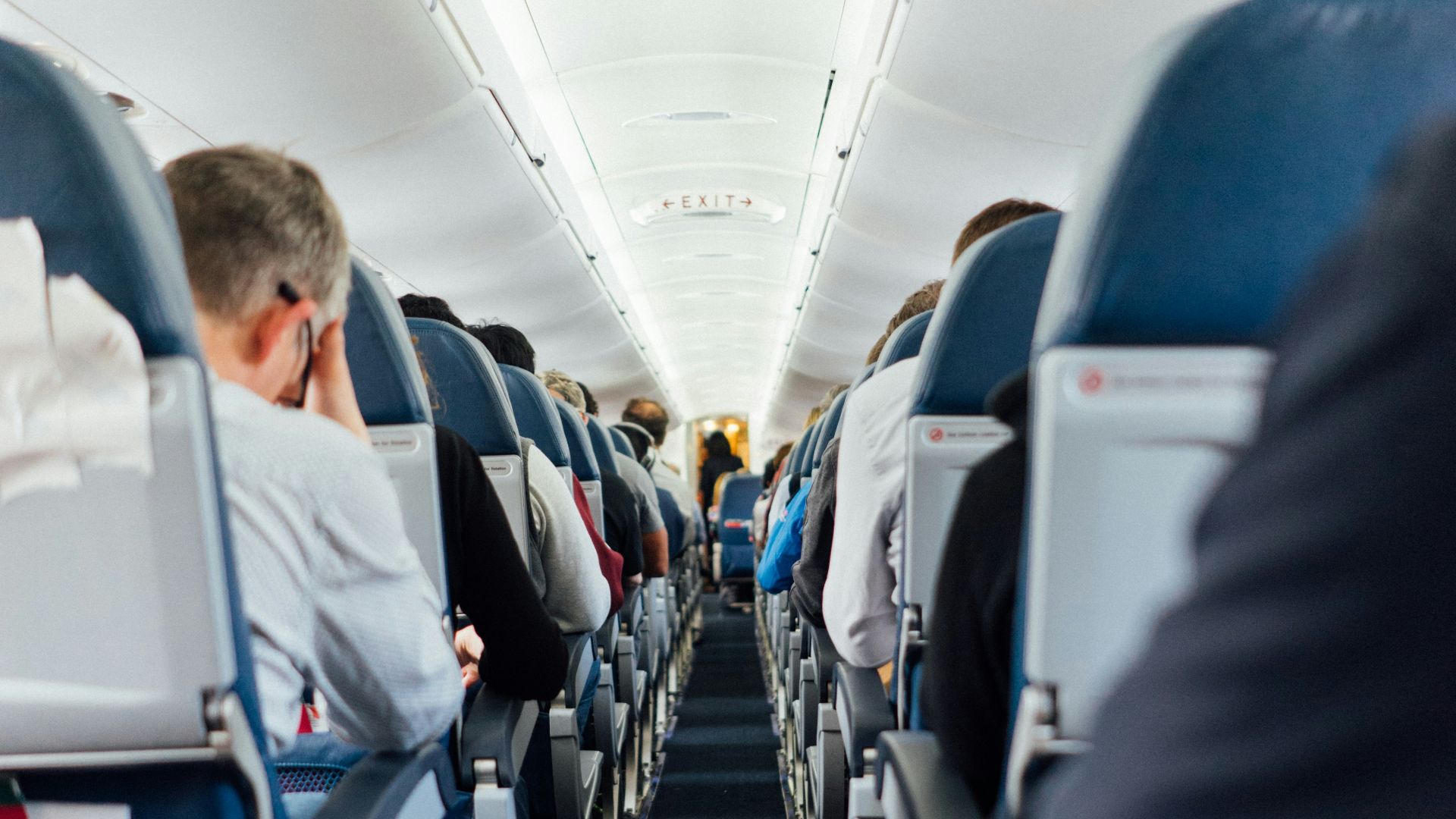
If you're a particularly anxious flyer and want to choose the "safest" seat, you might want to avoid the front. Technically, nowhere on a plane is "safer" than other sections. But in some cases—and depending on the nature of the crash—the front of the plane could act as a shock absorber. The back, conversely, is more likely to stay intact, meaning passengers would probably walk out mostly unscathed—especially if occupying a middle seat, as they'd be buffered by people on either side.
14. Scared of Turbulence?
Spooked by turbulence? You might want to choose a seat in the middle section or close to the wings. Because this area is closer to the plane's center of gravity, the air flow is smoother. In contrast, choosing to sit at the tail end of the aircraft often results in a bumpier ride.
15. Take Note of Which Seats Are Grayed Out
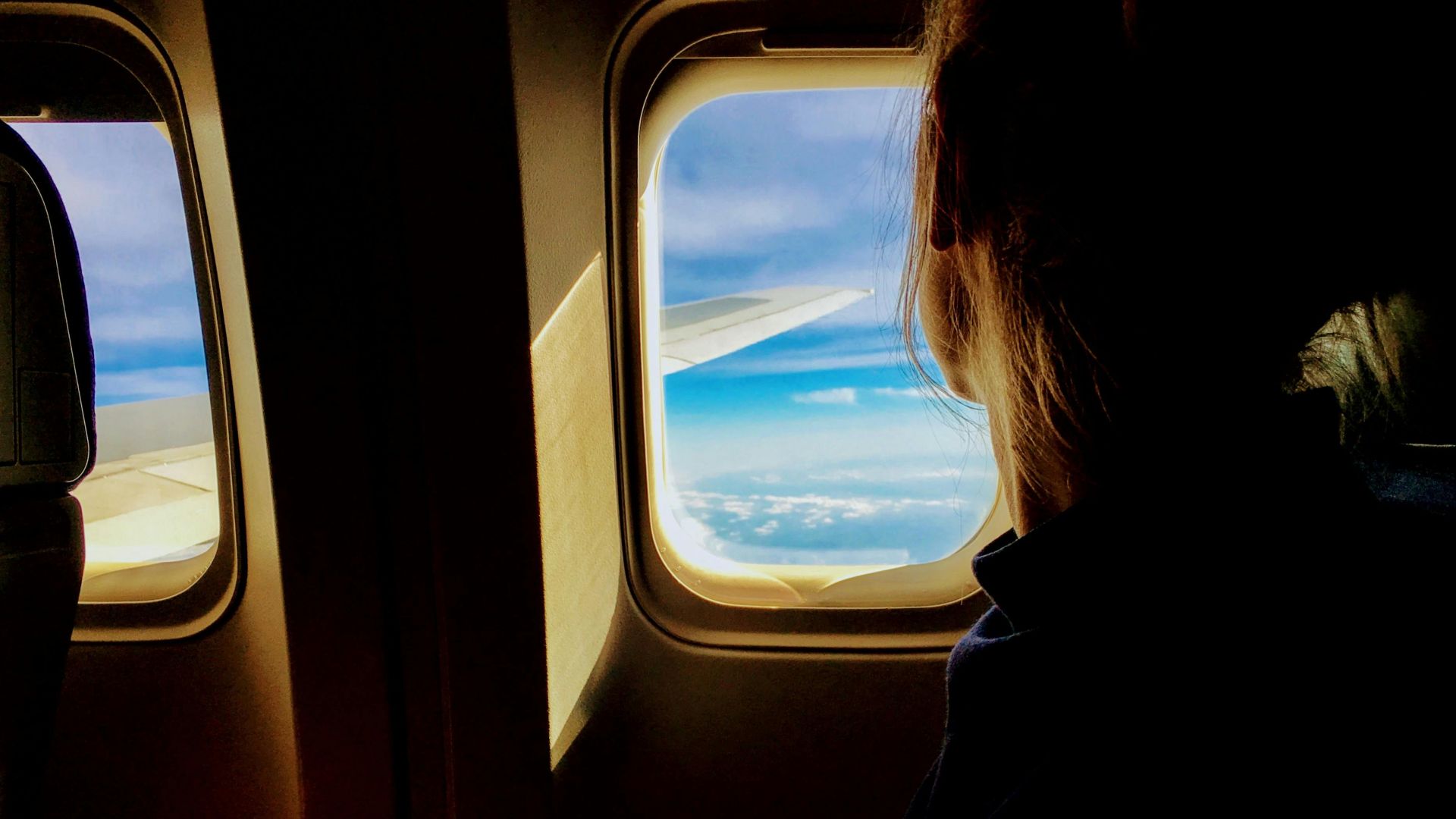
You might even want to scrutinize which seats are grayed out when you go to reserve your spot. If you're traveling solo, you'll probably want to avoid sitting near families, but if you're an introvert or don't want to be disturbed, you also don't want to sit near couples or other solo travelers. Unless, of course, you want to make friends.

16. Avoid Bulkhead Seats—Unless You're Okay with Babies
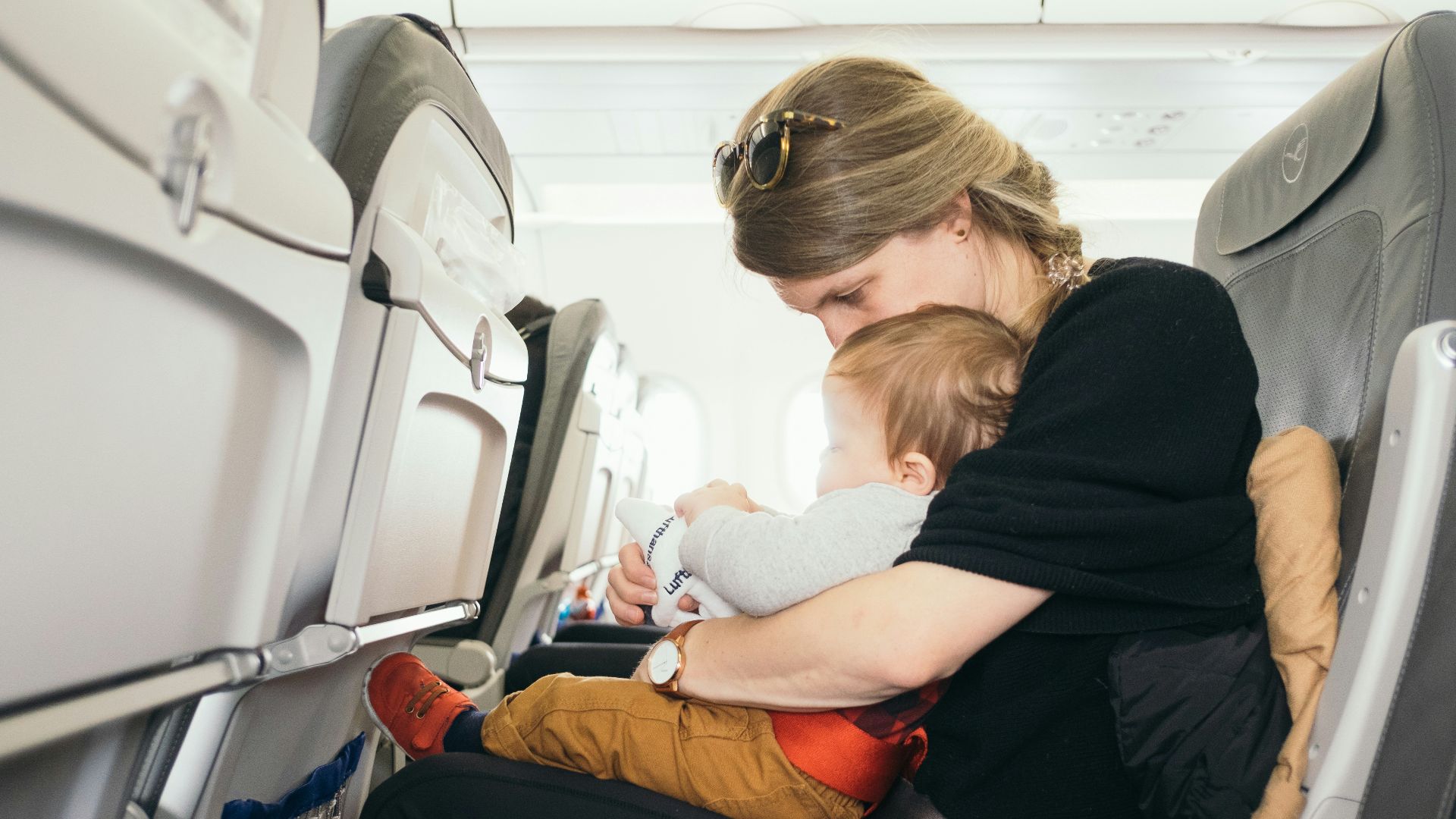
The best thing about bulkhead seats? Extra legroom. Plus, without anyone reclining into your space, you won't feel as claustrophobic. The worst thing about these seats? They're usually occupied by families, especially those traveling with babies who need to use a bassinet. And without a seat in front of you, there's also no space to store your personal belongings.
17. Have a Connecting Flight?
You should also be strategic if you have a connecting flight to catch. Sitting at the back of the plane will cost you some precious minutes, as you'll need to wait for everyone else to grab their things and deboard. For the quickest exit, choose a seat on the left side (that's where the doors open) and near the front.
18. Join a Frequent Flyer Program
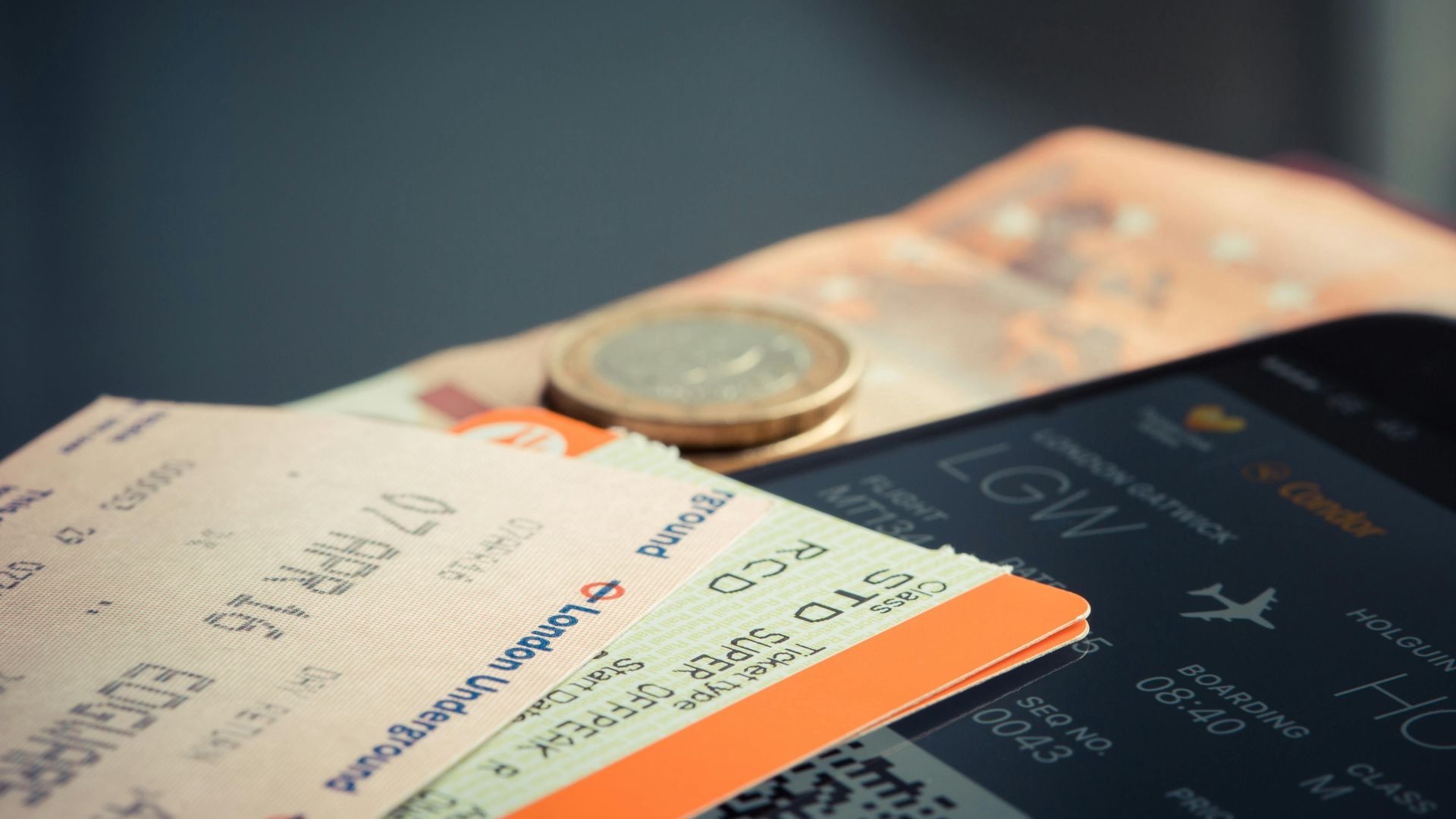
If you fly often or you're looking for more ways to save, join a frequent flyer program. As you collect more points, you'll be able to redeem some coveted perks, like priority boarding, seat upgrades, free flights, and more.
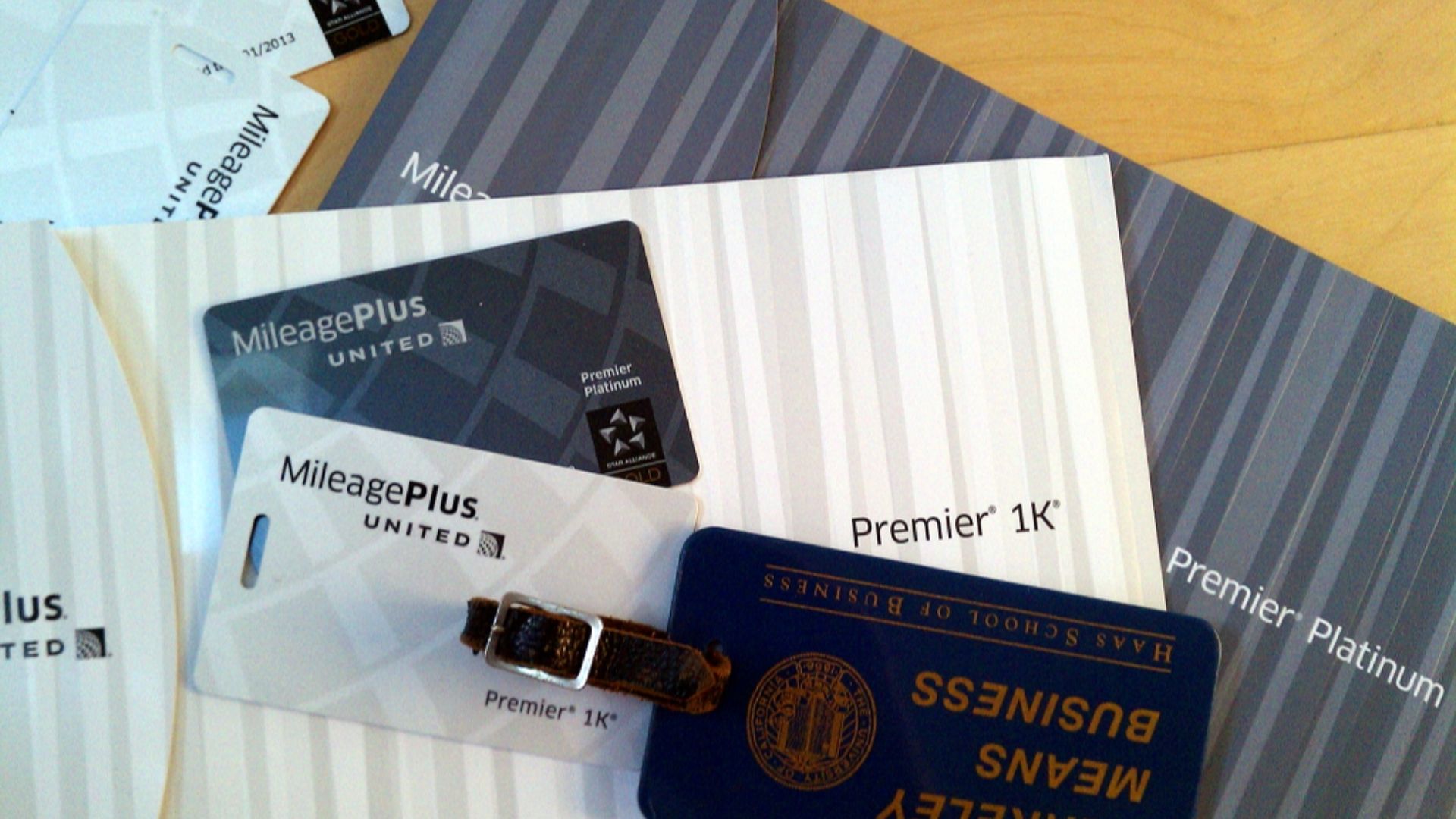 https://www.flickr.com/people/globalx/ on Wikimedia
19. Check SeatGuru
If you don't already use SeatGuru, this might be your sign to start. More than just a website with a collection of seat maps, you can even see how certain seats are rated and reviewed in comparison to others. Plus, it'll tell you if your window seat actually comes with a window.
 SeatGuruSocialMedia on Wikimedia
20. Double Check Your Selection Before Flying
Okay, so you've gone through these lists of tips, and you think you've got the perfect seat reserved. Congratulations! Before you fly, though, double-check (and triple-check) to make sure you got the exact spot you wanted. You don't want to be met with any nasty surprises if it turns out your finger missed during check-in. Once you're 100% sure, all that's left to do is sit back, relax, and let the journey begin.