 Kristopher Allison on Unsplash
We know: it might seem like an absurd question. After all, becoming a commercial pilot requires thousands of hours of training, rigorous testing, and ongoing certification, so how could someone who has dedicated years to mastering aviation simply forget how to do it? But you might be surprised, and it's a concern that aviation authorities around the world are taking increasingly seriously.
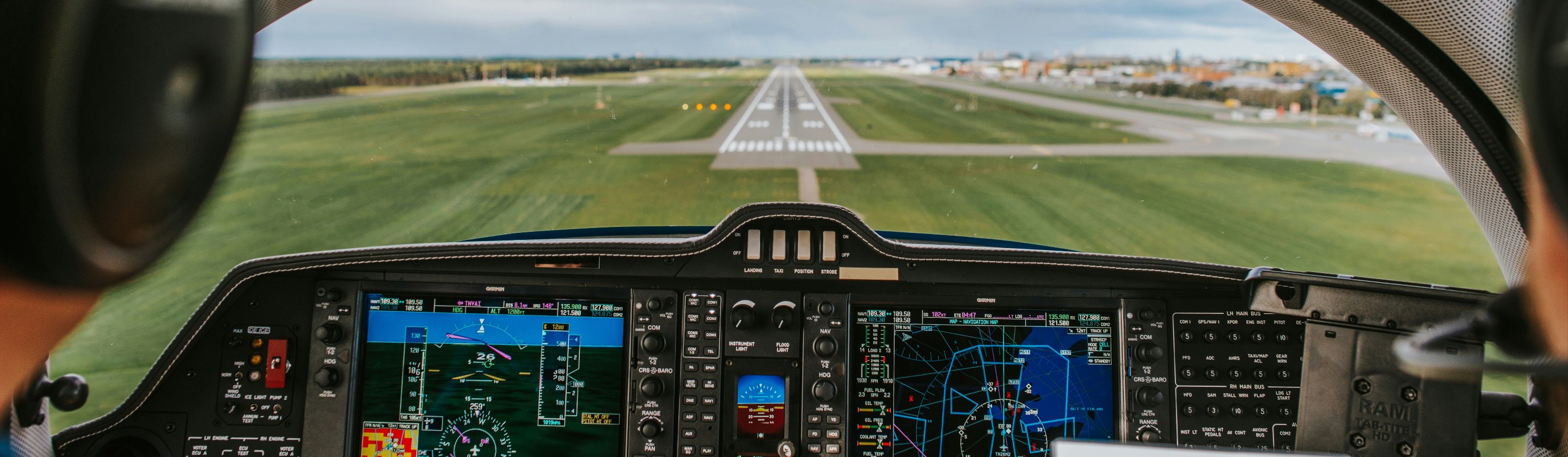
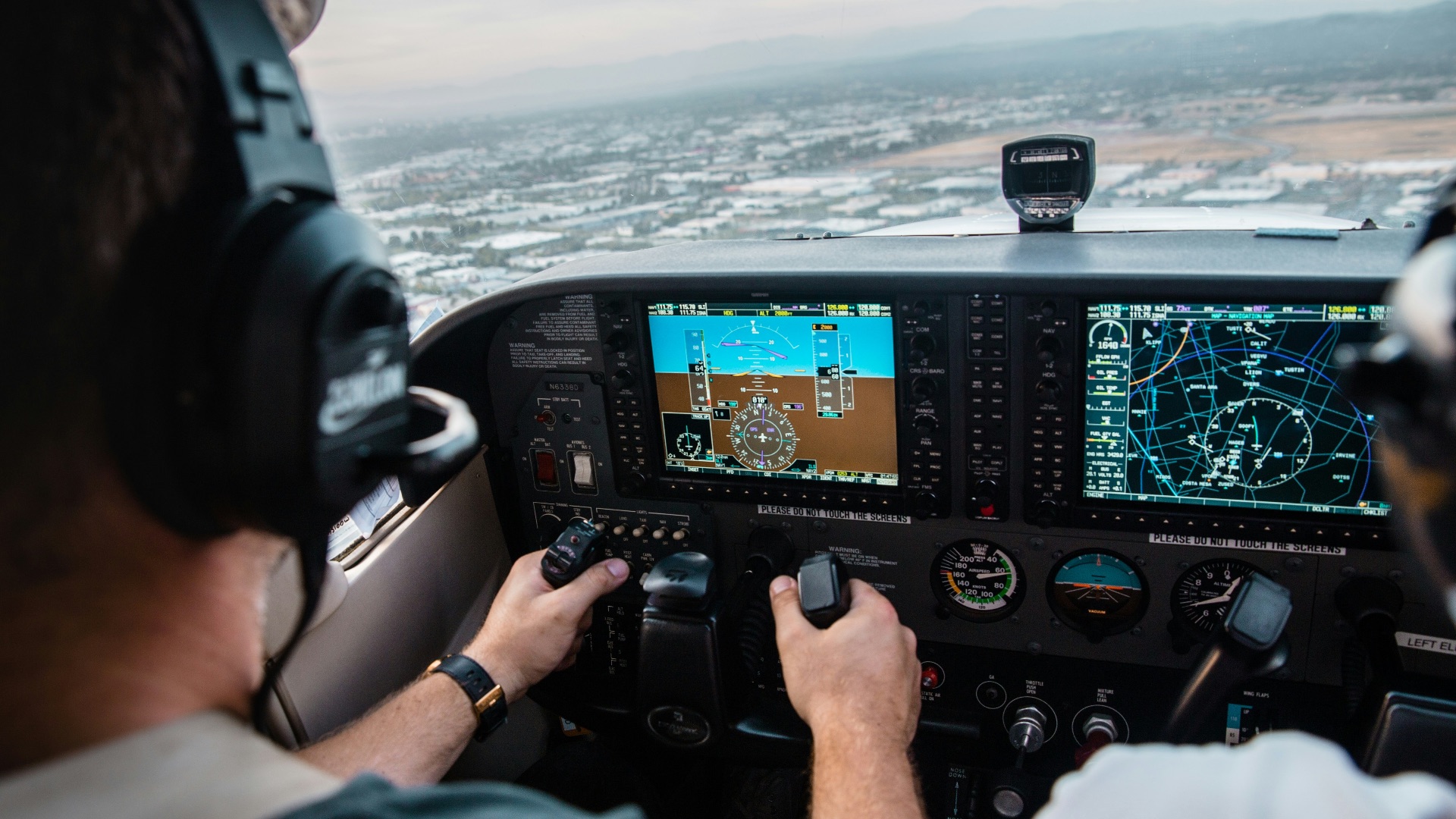
Modern aircraft are extraordinarily sophisticated machines, and today's pilots spend a significant portion of their flying time managing computer systems rather than physically controlling the plane. This shift has brought enormous benefits in terms of safety and efficiency, but it's also introduced a troubling side effect: the gradual erosion of manual flying skills. Researchers, regulators, and airline executives are now grappling with whether the very technology designed to make flying safer might also be making pilots less capable in certain critical moments.
The Rise of Automation in the Cockpit
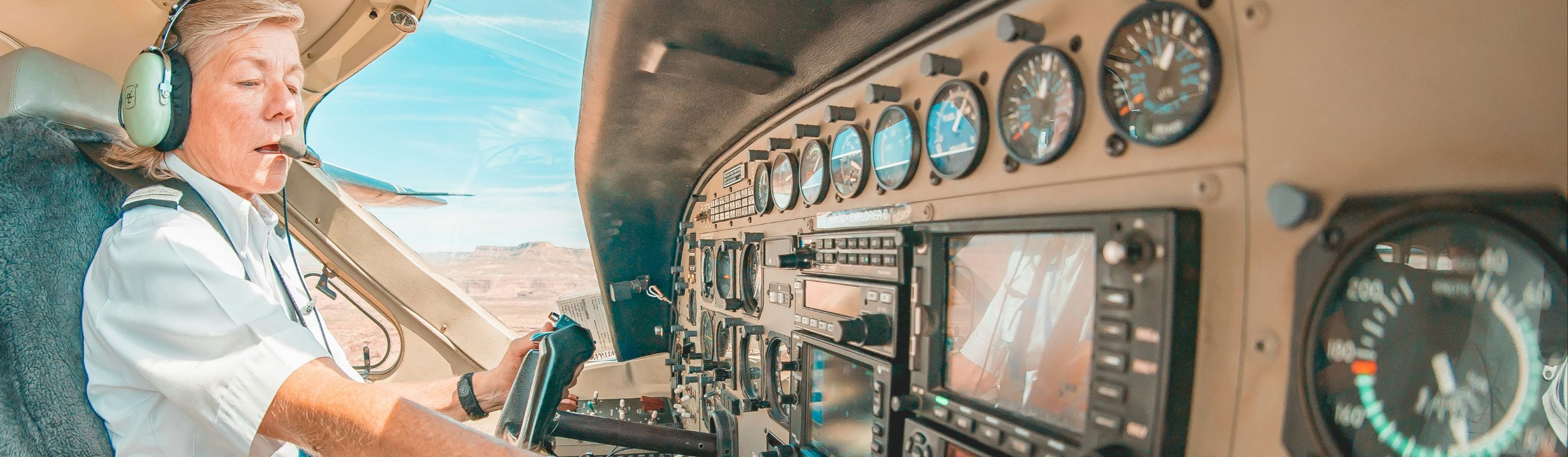
Commercial aviation has undergone a dramatic transformation over the past few decades, with autopilot systems now handling much of what pilots once did manually. On a typical long-haul flight, a pilot might only manually control the aircraft for a few minutes during takeoff and landing; the rest of the journey is largely managed by automated systems. You might think this is counterintuitive (aren't pilots supposed to fly the plane the whole way?), but this system is intentional, as it helps to reduce workload and the potential for human error under normal conditions.
The problem emerges when pilots are expected to take over from automation in an emergency, particularly if that emergency is unfamiliar or high-pressure. Skills that aren't regularly practiced tend to deteriorate over time, and manual flying is no exception; the FAA has formally acknowledged this, noting that reduced opportunities for hands-on flight can lead to degraded proficiency in basic aircraft control. When systems are working perfectly, this might not matter much, but when something goes wrong, pilots need to be able to take control quickly and competently. But humans, as we all know, are fallible, which means pilots can sometimes make fatal or potentially fatal mistakes.
Automation dependency, sometimes called automation complacency, refers to a pilot's tendency to over-rely on technology and gradually disengage from active monitoring of the flight. Low confidence in their own abilities might lead pilots to trust computers more, but letting automation do all the work means pilots may also struggle to maintain the intuitive feel for an aircraft that develops through regular hands-on practice. It's a double-edged sword.
When Automation Fails
The consequences of automation dependency can be catastrophic, and there are real-world accidents that illustrate just how dangerous a skills gap can be. The most widely cited example is Air France Flight 447, which crashed into the Atlantic Ocean in June 2009, taking the lives of all 228 people on board. When the aircraft's autopilot disengaged due to iced-over speed sensors, the crew struggled to respond correctly; investigators later concluded that a fundamental misunderstanding of the aircraft's behavior, combined with inadequate manual flying proficiency (namely, the first officer's inability to recover from a stall), contributed directly to the disaster.
A similar dynamic played out in the Colgan Air Flight 3407 crash near Buffalo, New York, which happened just months before Air France Flight 447 in February 2009, which claimed 50 lives. The National Transportation Safety Board found that the captain's inappropriate response to a stall warning was a central factor, and that his skill level was insufficient for the situation he faced. Cases like these prompted serious conversations within the industry about whether pilots in the cockpit are actually capable of flying the very thing they're trained to.
As tough as it is to admit, pilot error is a major contributor to why most accidents happen, with mechanical errors coming as a close second. And yet, it's worth noting that aviation remains one of the safest forms of transportation overall; the vast majority of flights are completed without incident.
How the Industry Is Responding
Regulators and airlines haven't ignored the problem in the cockpit, of course. The FAA, along with its European counterpart EASA, has pushed for updated training requirements that emphasize manual flying skills and upset recovery—the ability to regain control of an aircraft that has entered an unusual or dangerous attitude. Many airlines have also revised their standard operating procedures to encourage pilots to fly manually during lower-risk phases of flight, specifically to keep their hands-on abilities current.
Simulator training has become an increasingly important part of this effort, with more programs now designed to expose pilots to the kinds of scenarios where automation might fail or disengage unexpectedly. The goal isn't to discourage the use of autopilot, as leaning on automation still helps keep the human mind sharp during critical phases of the flight, but rather to ensure that pilots remain genuinely capable of handling the aircraft if those systems suddenly stop working. Maintaining that baseline of competency requires deliberate, structured practice rather than passive reliance on technology.
At the end of the day, the question of whether pilots can forget how to fly might spark concern, but know that the industry is dedicated to implementing rigorous systems that prevent accidents from ever occurring in the first place. Automation has made commercial aviation safer in countless ways, and ongoing training has helped pilots continuously refine their craft. The next time you board a plane, remember that you're in good hands.