
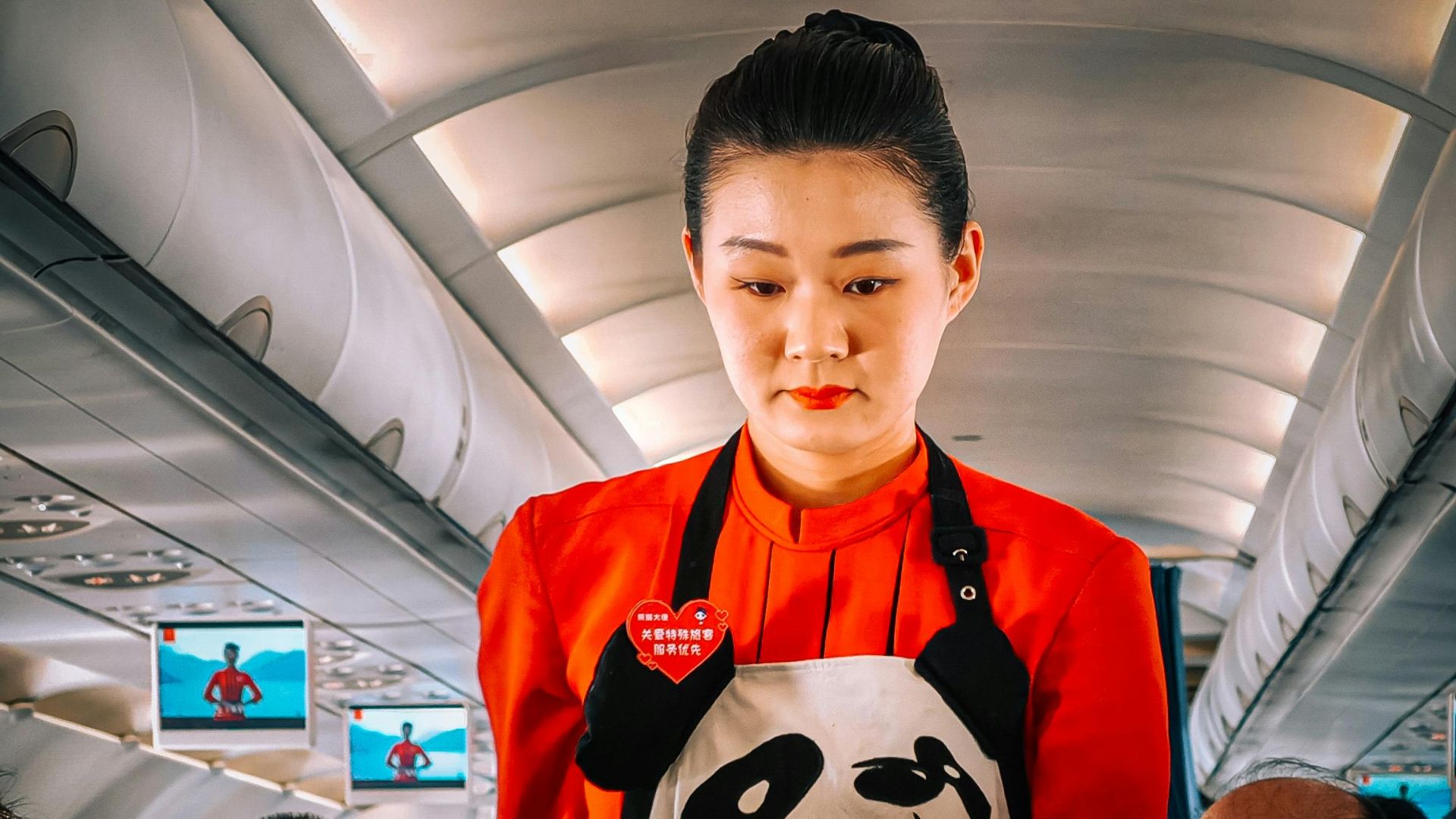
Airline food once had a reputation for being forgettable, especially on long flights where meals were often mass-produced with little attention to flavor or presentation. Over time, however, many international airlines have invested heavily in improving the quality of their onboard dining. Today, some carriers work with well-known chefs, nutrition experts, and large catering teams to create meals that are carefully designed for the unique conditions of high-altitude travel.
Food plays a particularly important role on long-haul flights, where passengers may spend eight to fifteen hours in the air. A well-prepared meal can break up the journey and make travel feel more comfortable and enjoyable. Airlines must also account for how taste perception changes at cruising altitude, since lower cabin pressure and dry air can dull flavors. Because of this, many airline chefs adjust seasoning, ingredients, and cooking techniques to ensure meals still taste balanced once served in the cabin.
Singapore Airlines
Singapore Airlines has built a global reputation for offering one of the most sophisticated in-flight dining programs in commercial aviation. The airline works with an International Culinary Panel that includes respected chefs from different parts of the world. These chefs help design rotating menus that reflect a wide range of culinary traditions while maintaining high standards for quality and flavor. By collaborating with experienced professionals, the airline ensures that its meals feel thoughtfully prepared rather than mass-produced.
One of the airline’s most well-known dining features is its “Book the Cook” service. Available on many long-haul routes in premium cabins, this program allows passengers to select their main course before the flight departs. Travelers can choose from a wide variety of dishes that may include seafood, grilled meats, regional Asian specialties, or international cuisine.
Singapore Airlines also devotes significant attention to how food behaves at high altitude. Cabin pressure and dry air can affect taste perception, which is why the airline tests many recipes in simulated cabin environments. These tests help chefs adjust seasoning levels and ingredient combinations so that dishes retain their intended flavor during flight. By combining culinary expertise with scientific testing, the airline has managed to maintain a consistently strong reputation for in-flight dining.
Turkish Airlines
Turkish Airlines is widely recognized for highlighting the culinary traditions of Turkey in its onboard meal program. Turkish cuisine is known for its use of fresh herbs, grilled meats, vegetables, and flavorful sauces, which translates well to airline dining when carefully prepared. The airline often incorporates traditional dishes and ingredients that reflect the country’s long culinary history and regional diversity.
One unique feature that helped distinguish Turkish Airlines for many years was the presence of onboard chefs on certain long-haul flights. These chefs assisted with preparing, plating, and serving meals to ensure they were presented attractively and served at the correct temperature.
The airline’s menus are designed to offer both regional specialties and internationally familiar dishes. Passengers may encounter meals such as grilled lamb, rice-based dishes, vegetable plates, and traditional desserts inspired by Turkish cuisine. At the same time, the airline includes options that appeal to travelers from different parts of the world. This combination of cultural authenticity and broad appeal has helped Turkish Airlines build a strong reputation for its in-flight food program.
Japan Airlines
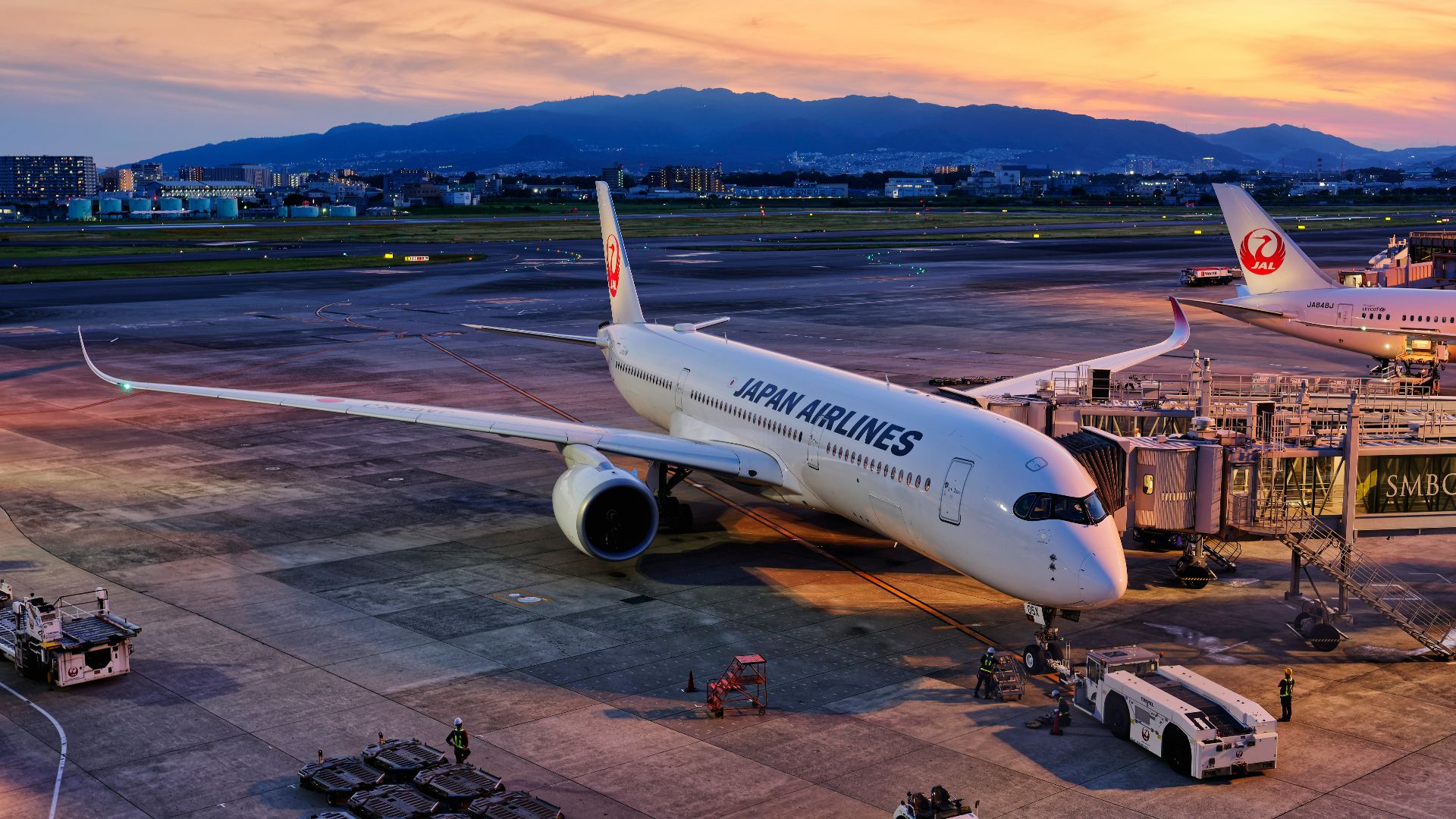
Japan Airlines has earned praise for its careful attention to quality, presentation, and seasonal ingredients in its onboard meals. The airline frequently incorporates elements of Japanese culinary tradition, which emphasizes balance, freshness, and visual appeal. Meals are often arranged with an emphasis on color, portioning, and presentation that reflects the aesthetics of Japanese dining culture.
The airline also collaborates with respected chefs and well-known restaurants within Japan. These partnerships allow the airline to develop menus that draw inspiration from established culinary traditions while maintaining consistency in preparation. Some dishes reflect regional specialties found throughout Japan, while others combine Japanese techniques with international cuisine. This blend of influences allows the airline to appeal to both domestic and international travelers.
Seasonal variation is another important element of Japan Airlines’ food program. Japanese cuisine traditionally highlights ingredients that are associated with particular times of year, and the airline follows this philosophy when designing its menus. As a result, passengers may notice changes in meal offerings throughout the year depending on the season and route. By incorporating seasonal ingredients and careful presentation, Japan Airlines has established a reputation for providing thoughtful and refined in-flight dining.
Airline food has evolved significantly from the simple trays that once defined in-flight meals. Carriers like Singapore Airlines, Turkish Airlines, and Japan Airlines have shown that thoughtful planning, culinary partnerships, and attention to detail can greatly improve the experience of dining at 35,000 feet. By investing in ingredient quality, menu design, and passenger choice, these airlines demonstrate how food can become an important part of the overall travel experience rather than just a basic service.