
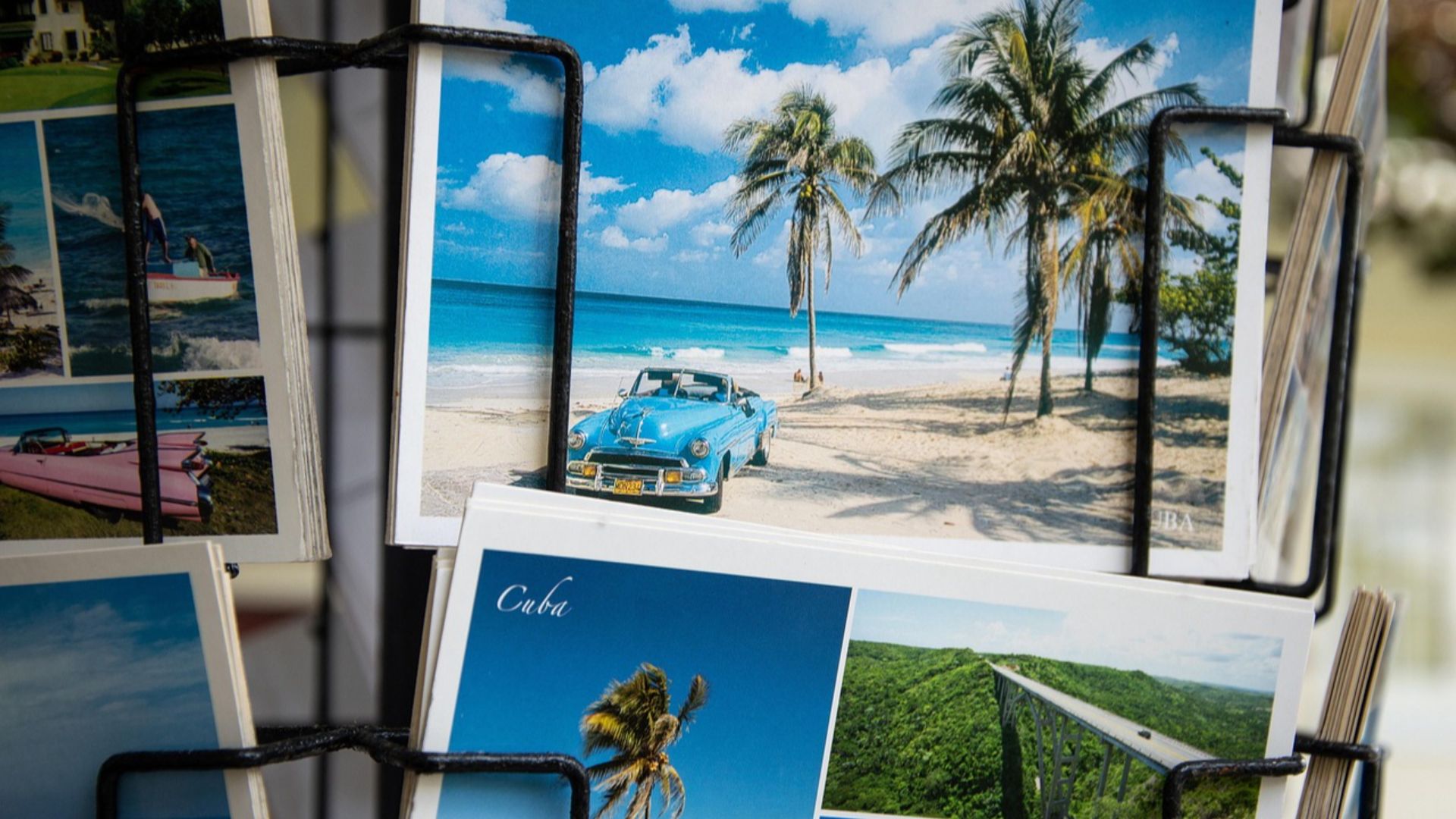
 Sunriseforever on PixabayGetting home from a trip can feel a little strange in the sweetest way. Your suitcase is dusty, your camera roll is a mess, and the regular grocery store suddenly seems almost offensive after a week of night markets, corner cafés, or tiny shops that smelled like soap and spice. Then comes the usual question: what, exactly, is worth bringing back with you?
The best souvenirs are the ones that keep a place close without turning your shelves into a graveyard. People keep coming back to the same idea, just in different words: small, useful, personal things tend to age better than bulky, flashy ones. That often means something you can wear, eat, use, or notice in your everyday life, instead of something that disappears into a closet five days later.
Buy Something You’ll Actually Notice
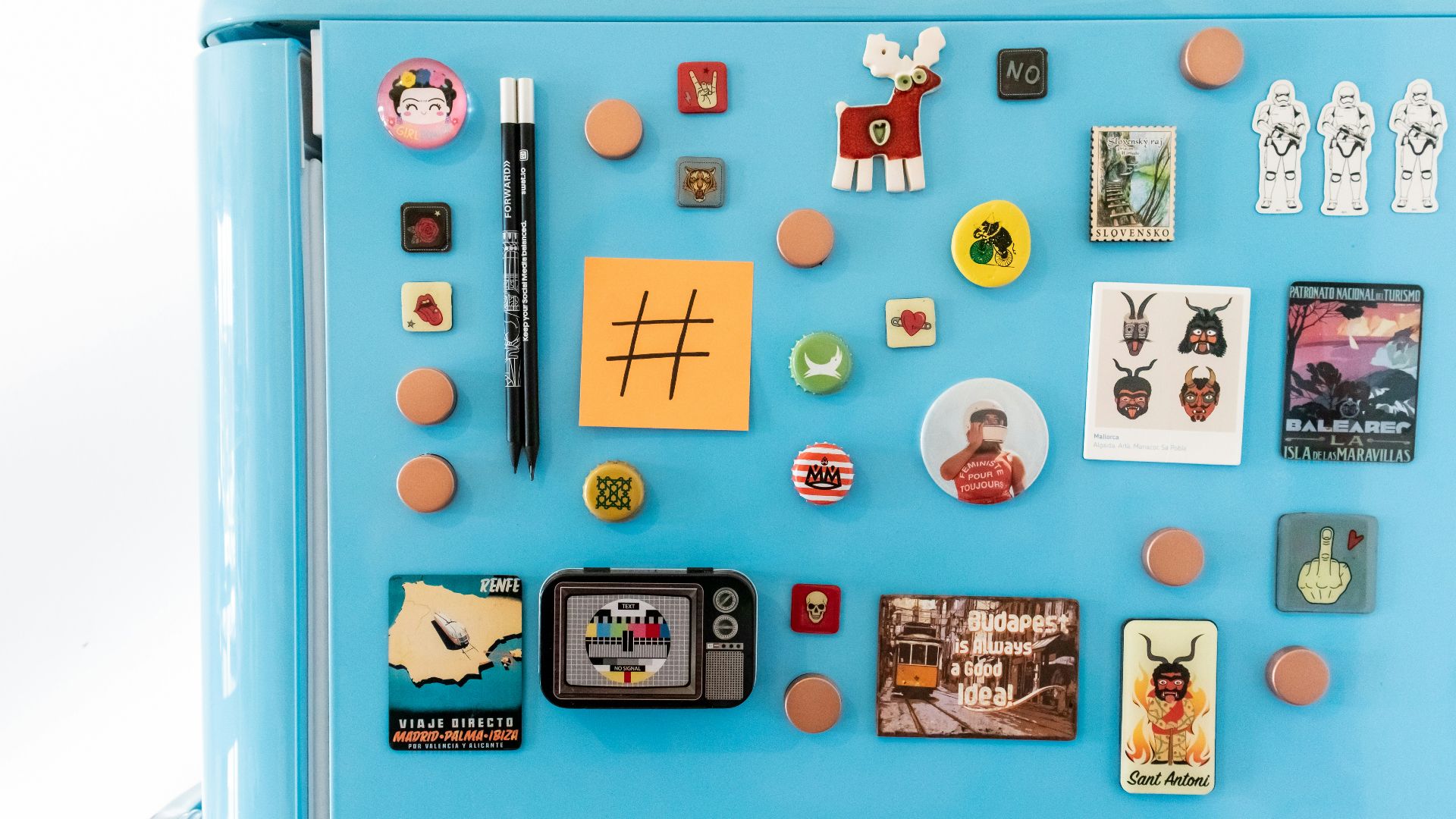
Magnets are still one of the most-loved souvenir picks, and, yes, they are a little obvious. They're also cheap, easy to pack, and kept where you'll keep seeing them. Alongside magnets, postcards, ornaments, stickers, and enamel pins all have the same appeal: low effort, low space, and a nice little jolt of memory when you catch sight of them.
Wearable souvenirs can feel a bit more personal. Jewelry, scarves, clothing, and other practical accessories are those things that actually get used in your day-to-day life. A locally made ring, a bracelet from a market, or even a great scarf can hold onto the feeling of a place in a way a generic airport T-shirt usually doesn't.
Then there are the useful souvenirs, which don't sound thrilling until you realize you keep reaching for them. Tea towels, tote bags, chopsticks, cookbooks, bookmarks, and small kitchen tools come up often in traveler recommendations because they earn their keep.
Let The Destination Choose For You
A good souvenir usually feels better when it actually belongs to the place you bought it. A Euronews travel piece based on Club Med data pointed to origami paper in Japan, calligraphy sets in China, and Korean tea as standout examples tied to local culture. That's a big part of what makes a souvenir stick with you. It feels rooted in the trip, not just something you could've grabbed from a generic gift shop.
European souvenirs work the same way. Travellers highlight umbrellas in the UK, chocolate in Belgium and France, beer in Germany, and amber jewelry in Latvia, Lithuania, and Poland, while momondo’s useful souvenir guide leans into British tea gear and French fragrance, lavender sachets, and Savon de Marseille. The best souvenirs often feel obvious in hindsight, because they're the things that locals and repeat visitors have already made meaningful.
That doesn't mean every trip needs some grand purchase. Nobody needs to come home with a super thick blanket or piece of furniture. Sometimes a souvenir is just a packet of tea from a corner shop, a handmade bracelet, or a print from a local artist. The nicest finds usually carry a small story with them, even if the story is that you ducked into a shop to get out of the rain and found something perfect by accident.
Bring Home Memories, Not Customs Problems
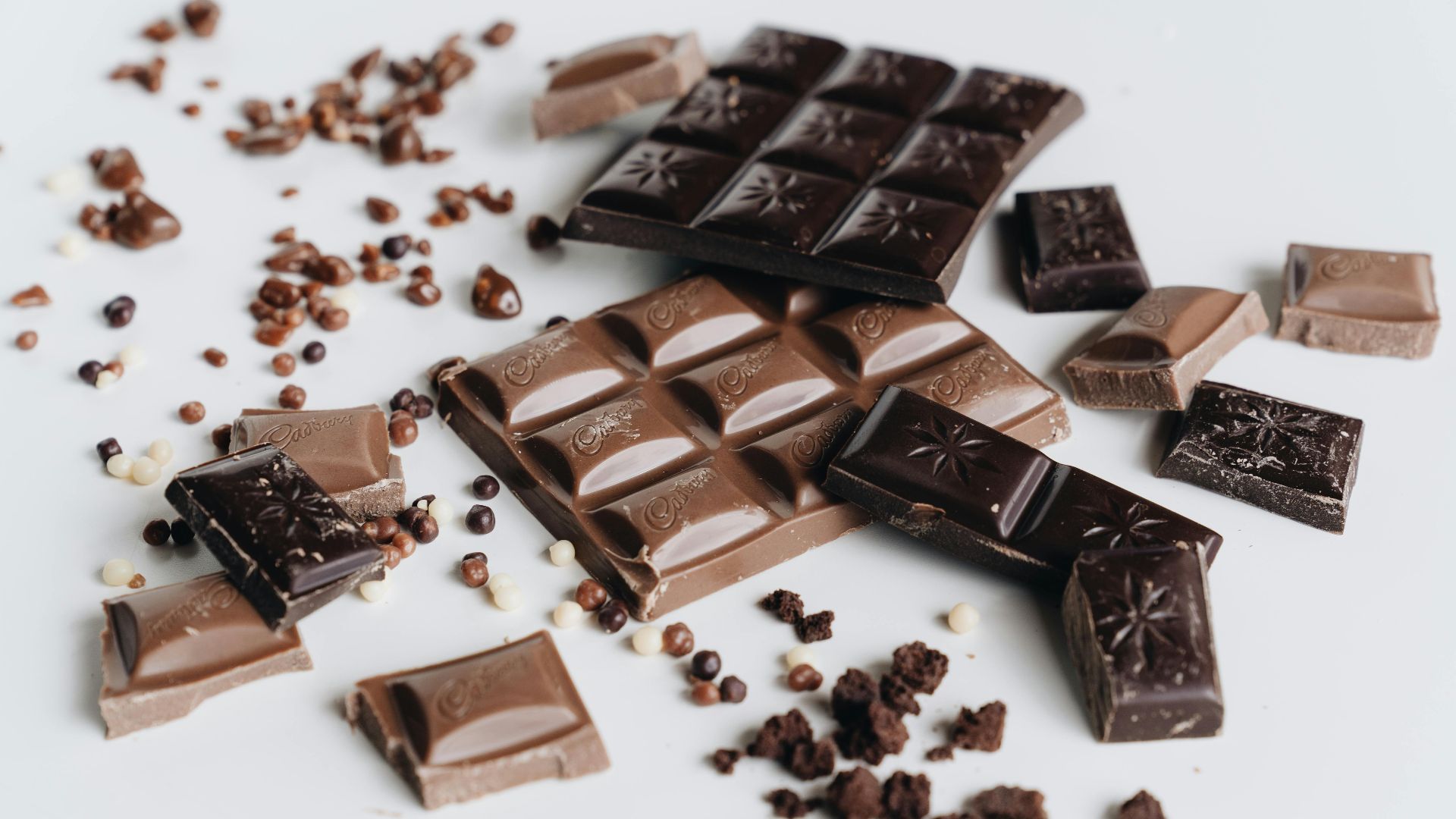
Consumable souvenirs are one of the easiest wins, especially if you don't clutter up your home. Tea, chocolate, coffee, local snacks, hot sauce, olive oil, and similar pantry items are excellent options because they are easy to pack, easy to enjoy, and strongly tied to place and memory. They also disappear eventually, which, for a lot of people, is the whole beauty of the thing.
There is one practical catch. According to USDA APHIS souvenir guidance, travelers entering the United States must declare all agricultural or wildlife products, and APHIS recommends keeping receipts and original packaging for agricultural products as proof of origin. CBP guidance also says agricultural items must be declared and are subject to inspection, which isn't exactly thrilling vacation energy, but it is useful to know before you pack a bag full of mystery treats.
That same APHIS guidance also warns that some souvenirs made from plant or wildlife materials may need permits, be inspected, or be refused entry altogether. The agency specifically flags things like shells, beach sand, rocks, driftwood, palm-frond items, and certain handicrafts made with untreated natural materials, meaning your cute beach find or market basket may not be as simple to bring home as it looks. The safest approach is still the nicest one in the long run: buy fewer things, choose better ones, and skip the pressure to return with a suitcase full of proof that you traveled. A magnet, a scarf, a box of tea, a small piece of jewelry, maybe a beautiful tea towel you'll use until it falls apart. That's plenty.