You Can Still Follow The Oregon Trail, And These 20 Stops Make The Whole Drive Worth It
You Can Still Follow The Oregon Trail, And These 20 Stops Make The Whole Drive Worth It
The Route That Still Holds Up
The Oregon Trail still gets to people. You can do the trip in a rental car with iced coffee, a phone charger, and a hotel booked for the night, and parts of it still land in a way that’s hard to shake off. The route has old forts, graves, river crossings, carved names, wagon ruts, and long empty stretches where the scale of the thing starts sinking in a little more than you expected. The drive works best when you let it unfold stop by stop, which is exactly what these 20 places do.
 Bureau of Land Management on Wikimedia
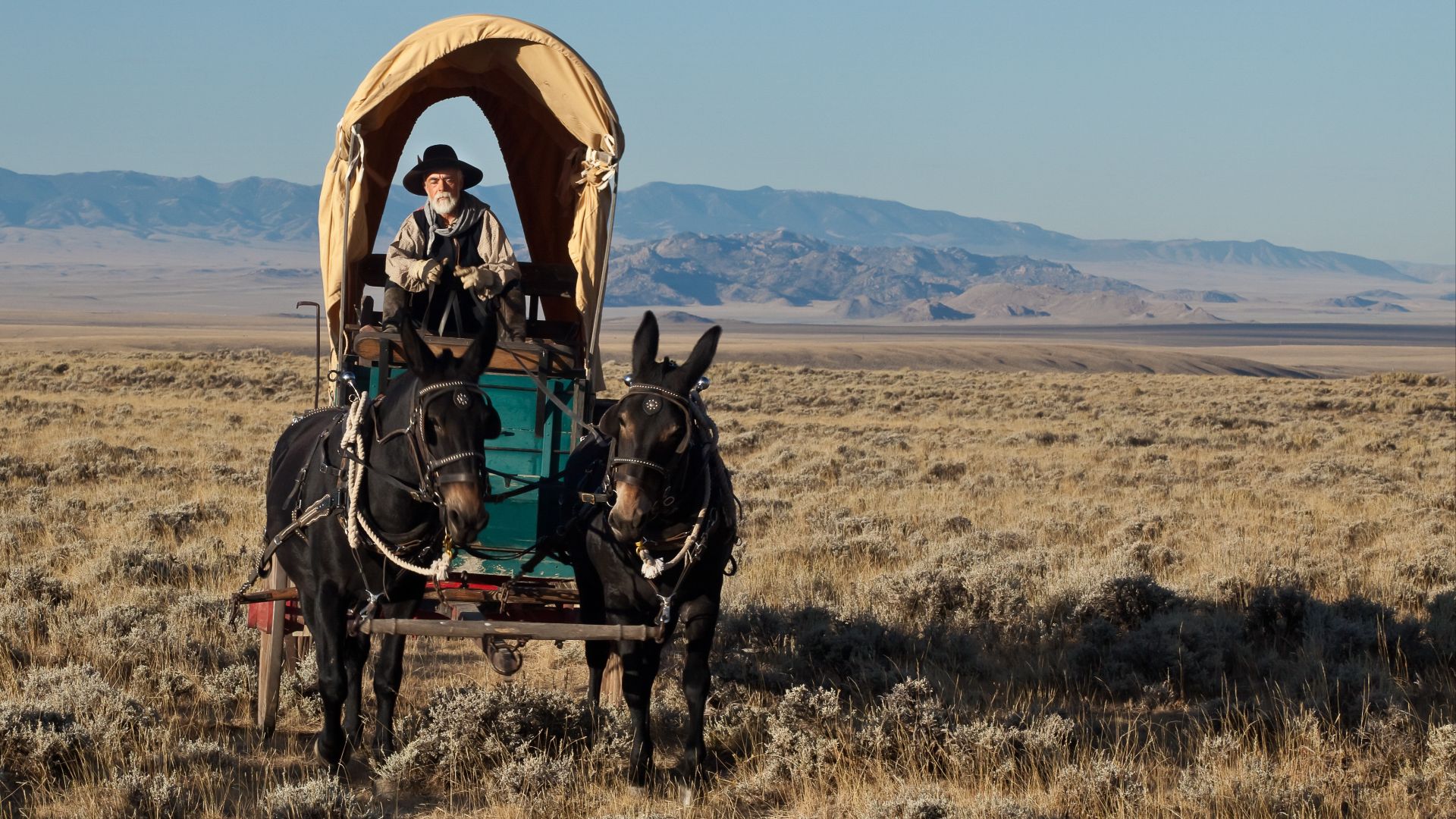
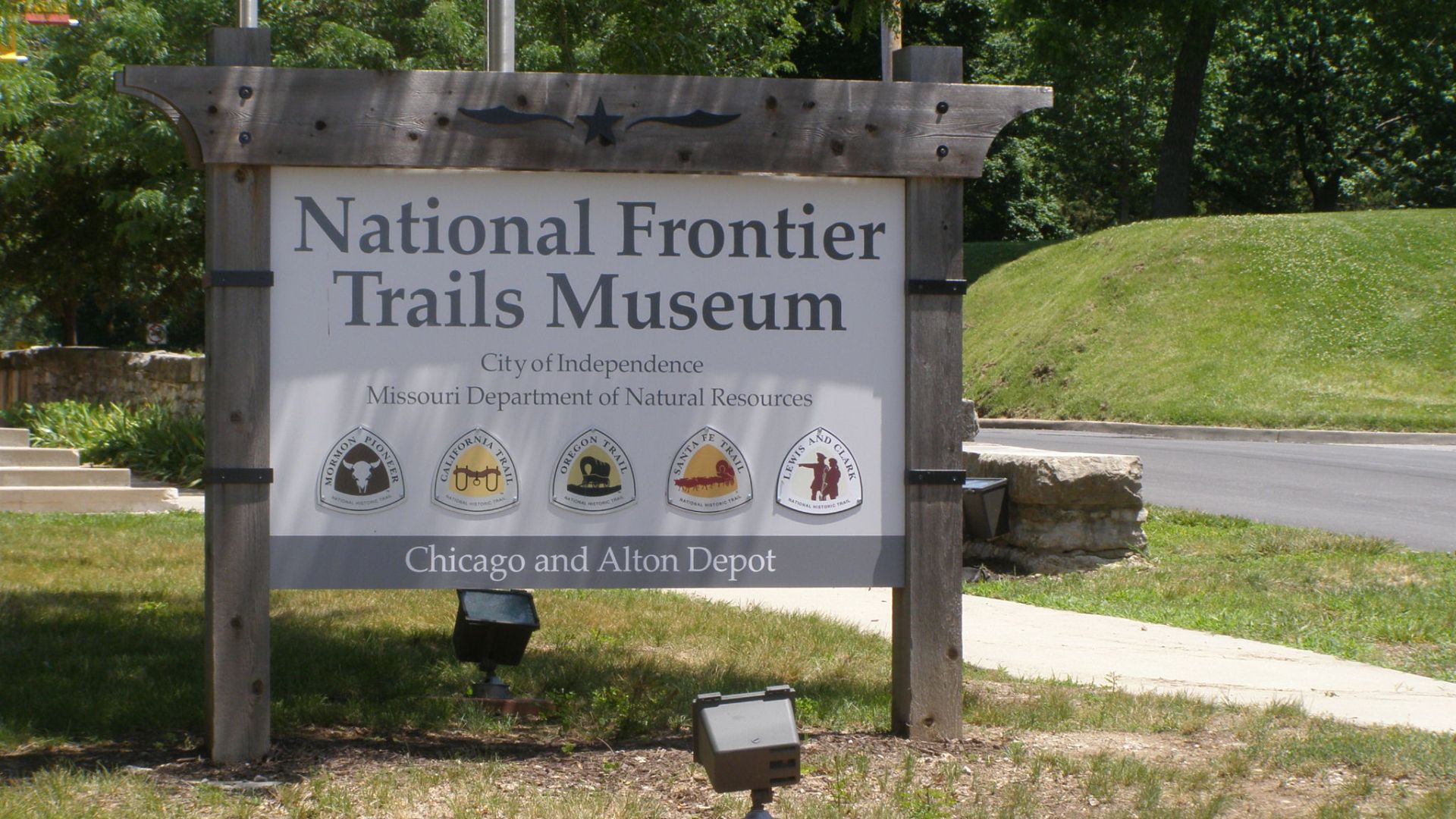
1. National Frontier Trails Museum, Independence, Missouri
Independence was one of the main jumping-off points for overland emigrants, so it's the best place to start your trip. The museum also houses the Merrill J. Mattes Research Library, which holds the nation’s largest public collection of rare books, diaries, and documents about the overland trails.
2. Alcove Spring, Kansas
Alcove Spring is quiet and shaded. Emigrants camped here near the Big Blue crossing, and across the road from the spring, you can still see original trail swales, those long depressions in the ground left by wagon traffic.
3. Fort Kearny State Historical Park, Nebraska
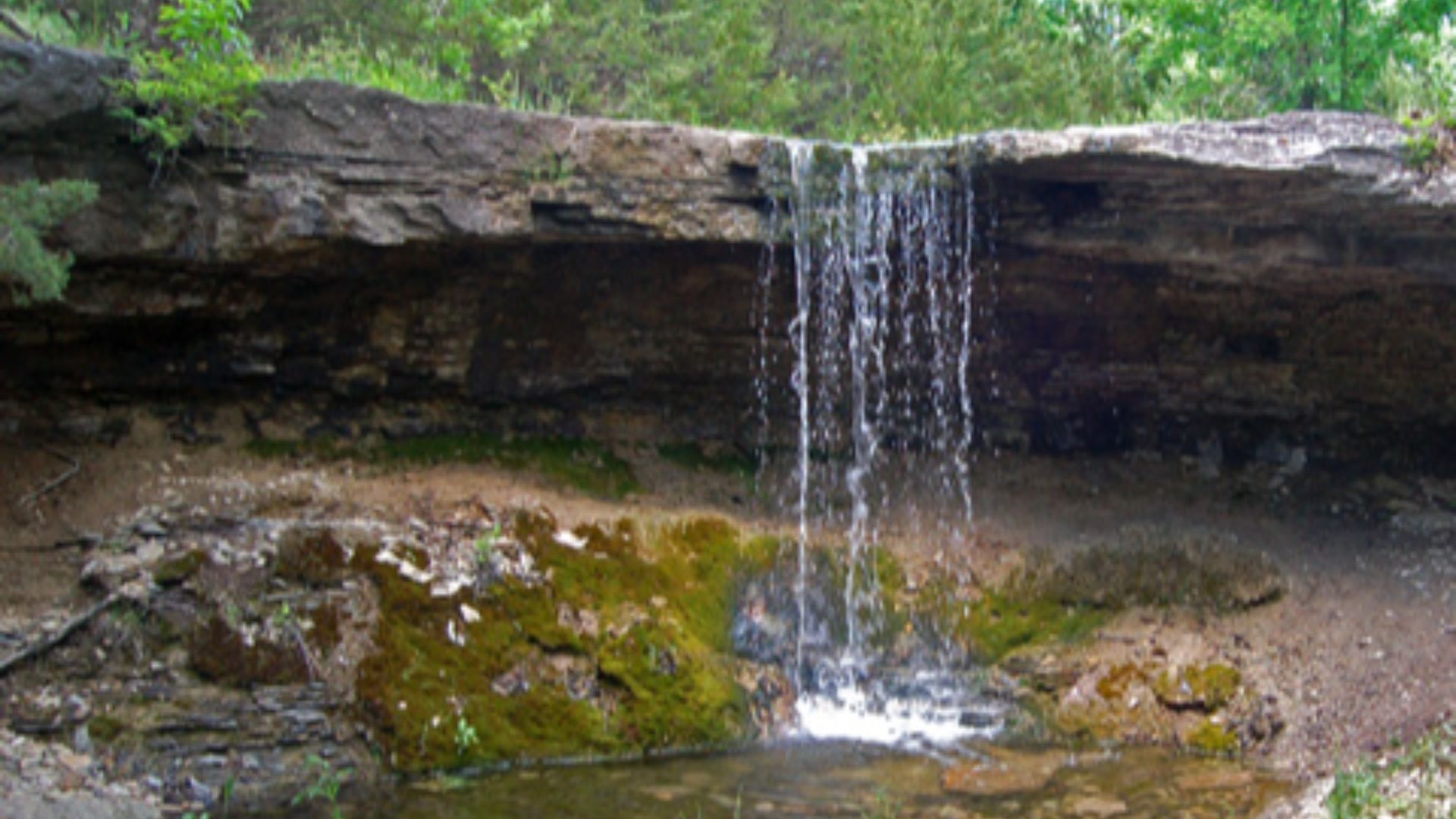
Fort Kearny was established in 1848 as the first western military post built to protect emigrants on the trail. The reconstructed stockade, blacksmith shop, and parade grounds give you a clear picture of what a support post looked like on a route that could get very lonely, very fast.
4. Rock Creek Station State Historical Park, Nebraska
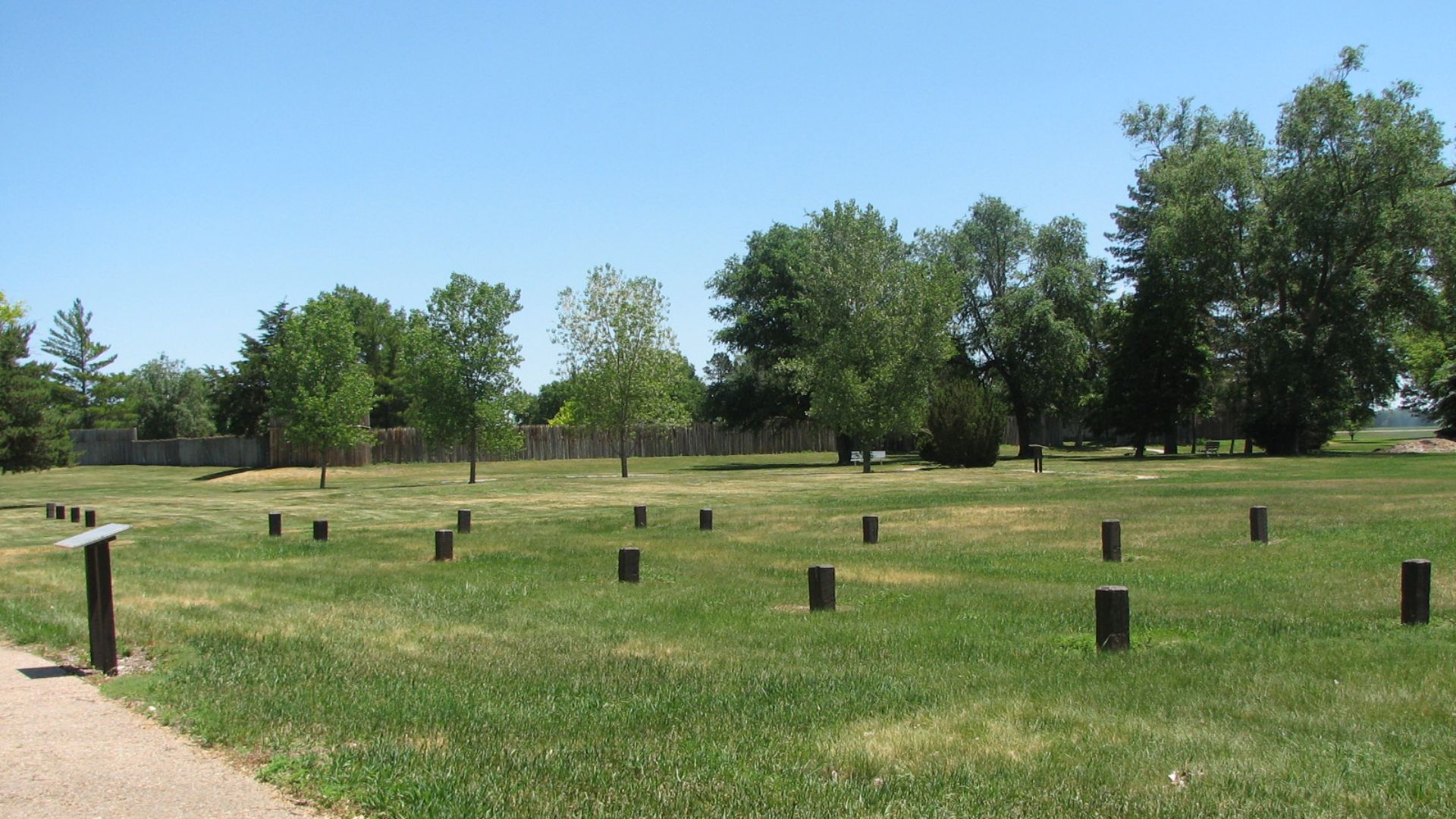
Here, you not only get Oregon Trail history, but also Pony Express history and visible swales. The park itself stretches across 350 acres of prairie hilltops, creek bottoms, and ravines.
5. Scotts Bluff National Monument, Nebraska
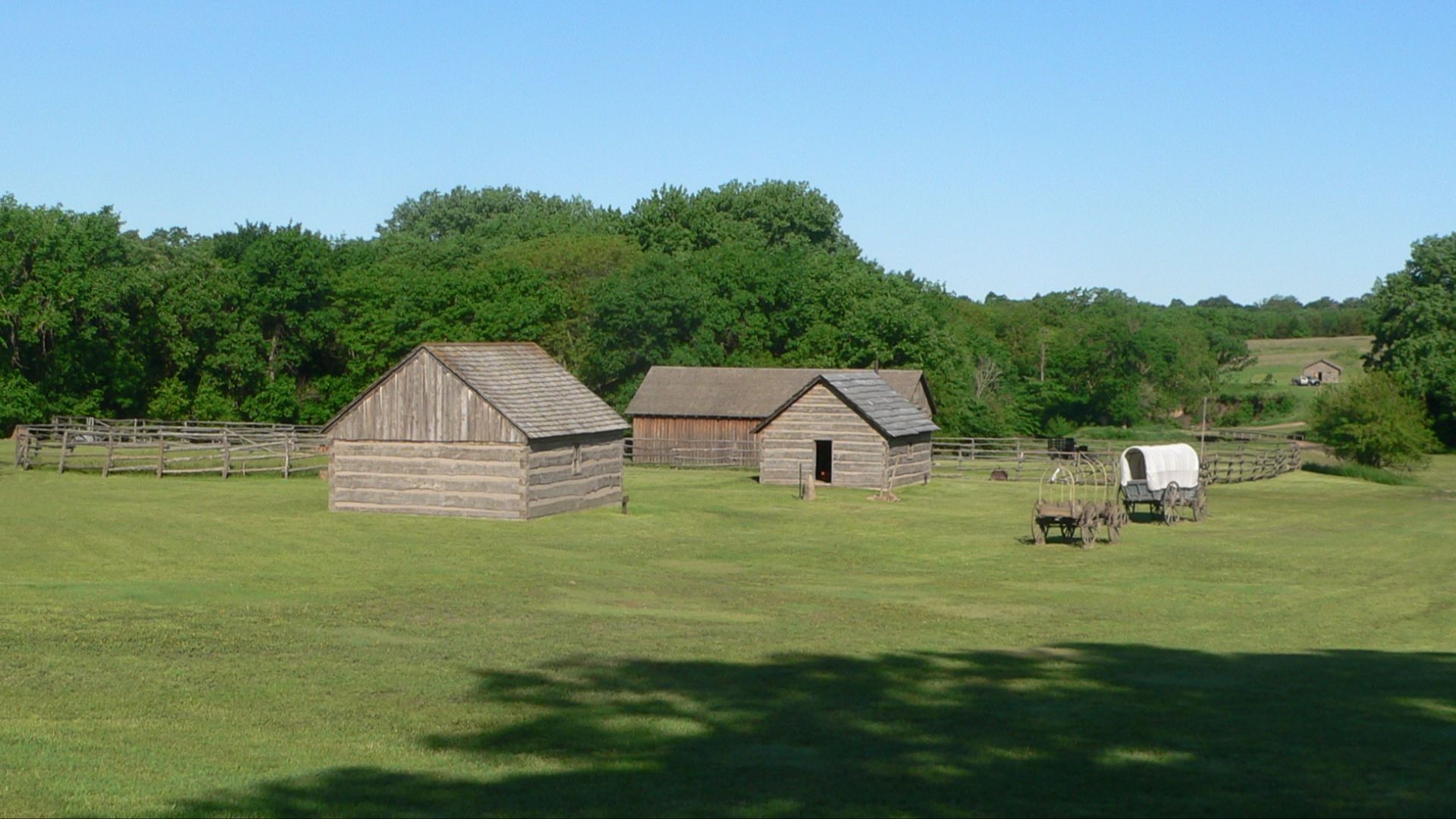
Scotts Bluff rises high above the North Platte River, and once you see it in person, you understand why emigrants kept writing about it. After 1850, the route through Mitchell Pass saved travelers nearly 15 miles compared with the older detour through Robidoux Pass.
 Chris Light (talk) on Wikimedia
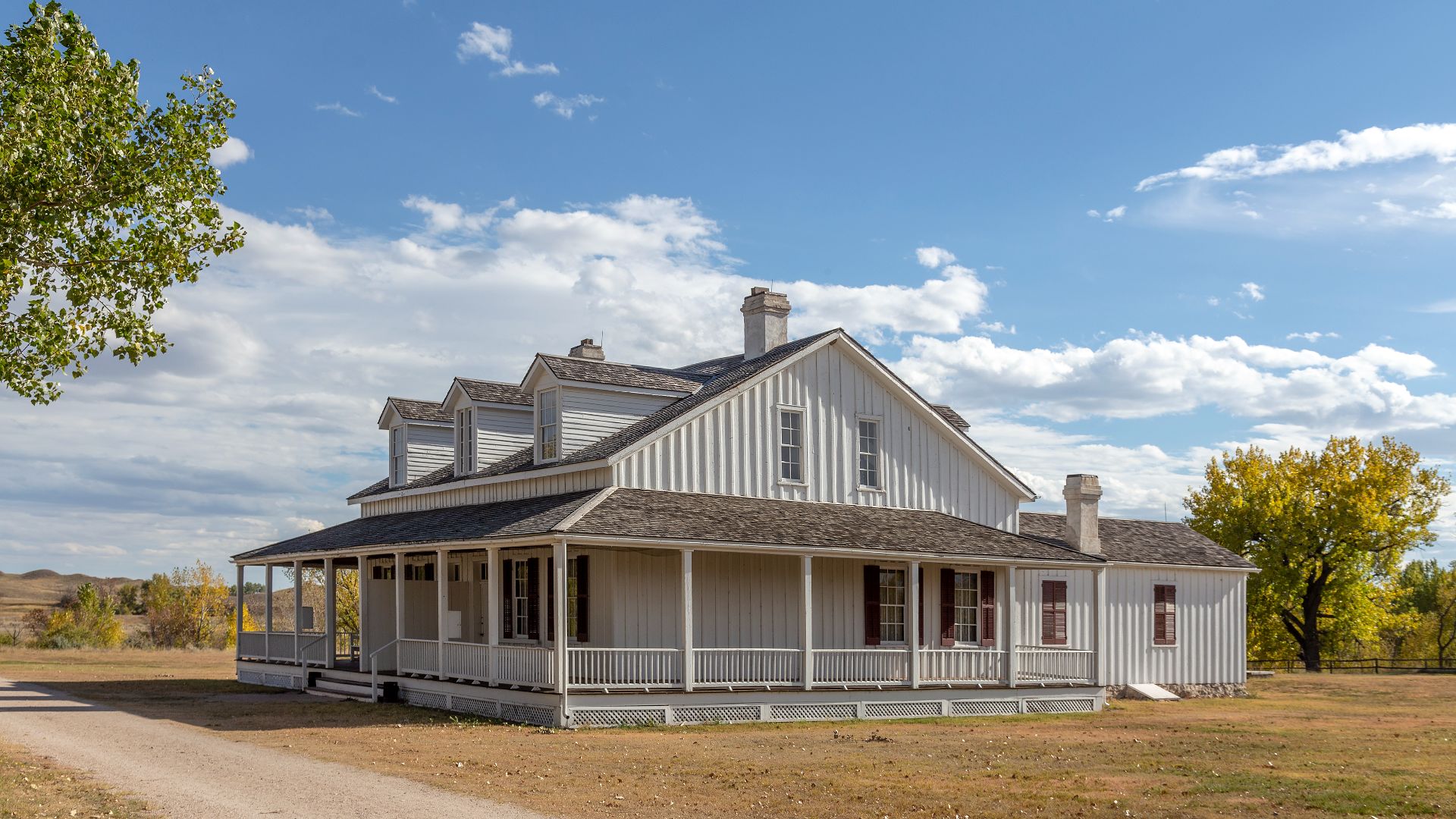
6. Fort Laramie National Historic Site, Wyoming
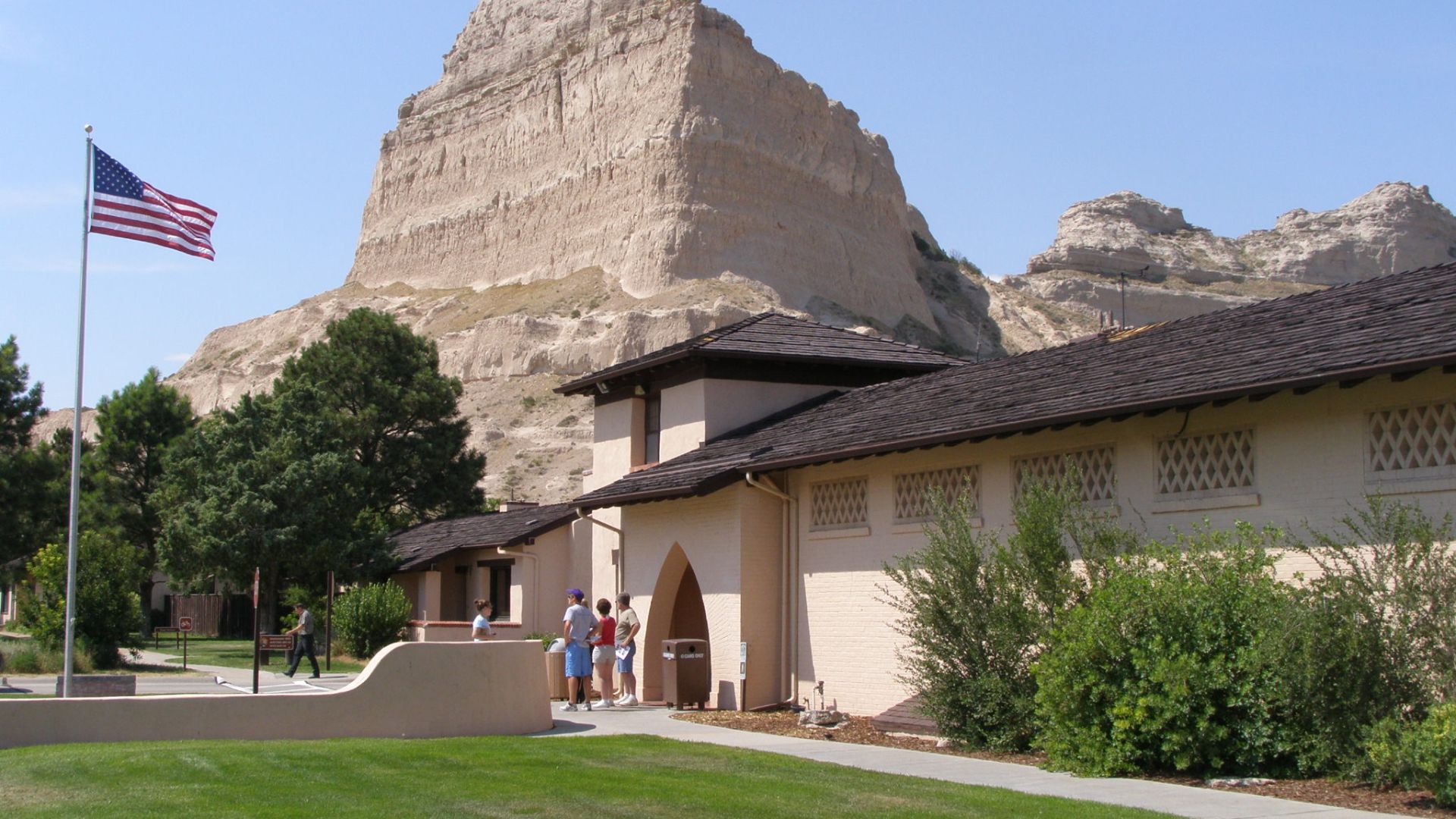
Fort Laramie began as a fur-trade post in 1834 and became one of the most important stops on the Oregon Trail. It later grew into the largest and best-known military post on the Northern Plains before it was abandoned in 1890.
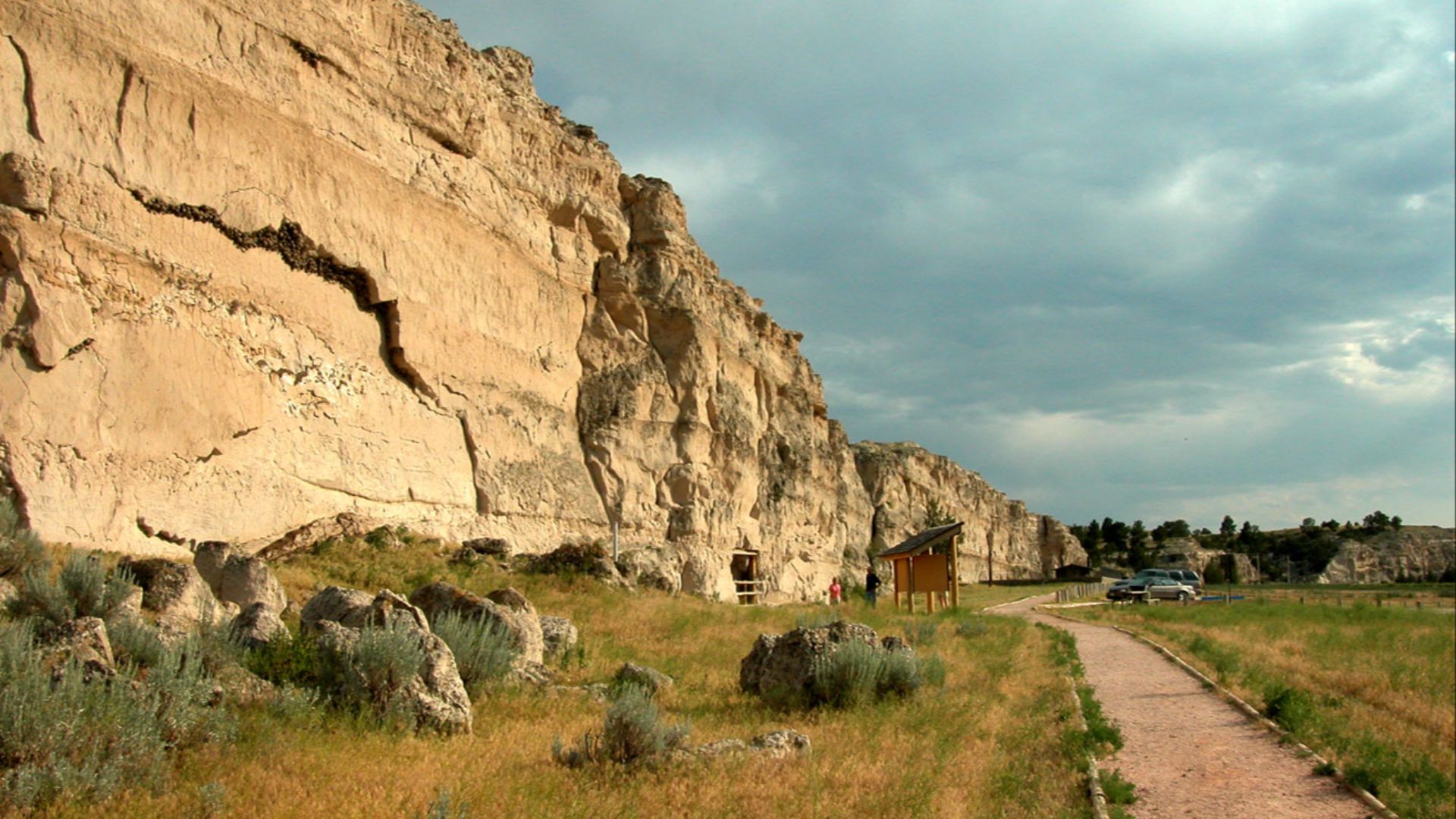
7. Register Cliff, Wyoming
Register Cliff doesn't need much buildup. Emigrants carved names and dates into the sandstone in the 1840s and 1850s, and the site sat about a day’s travel west of Fort Laramie, making it a natural overnight stop for weary wagon parties.
 unknown NPS photographer on Wikimedia
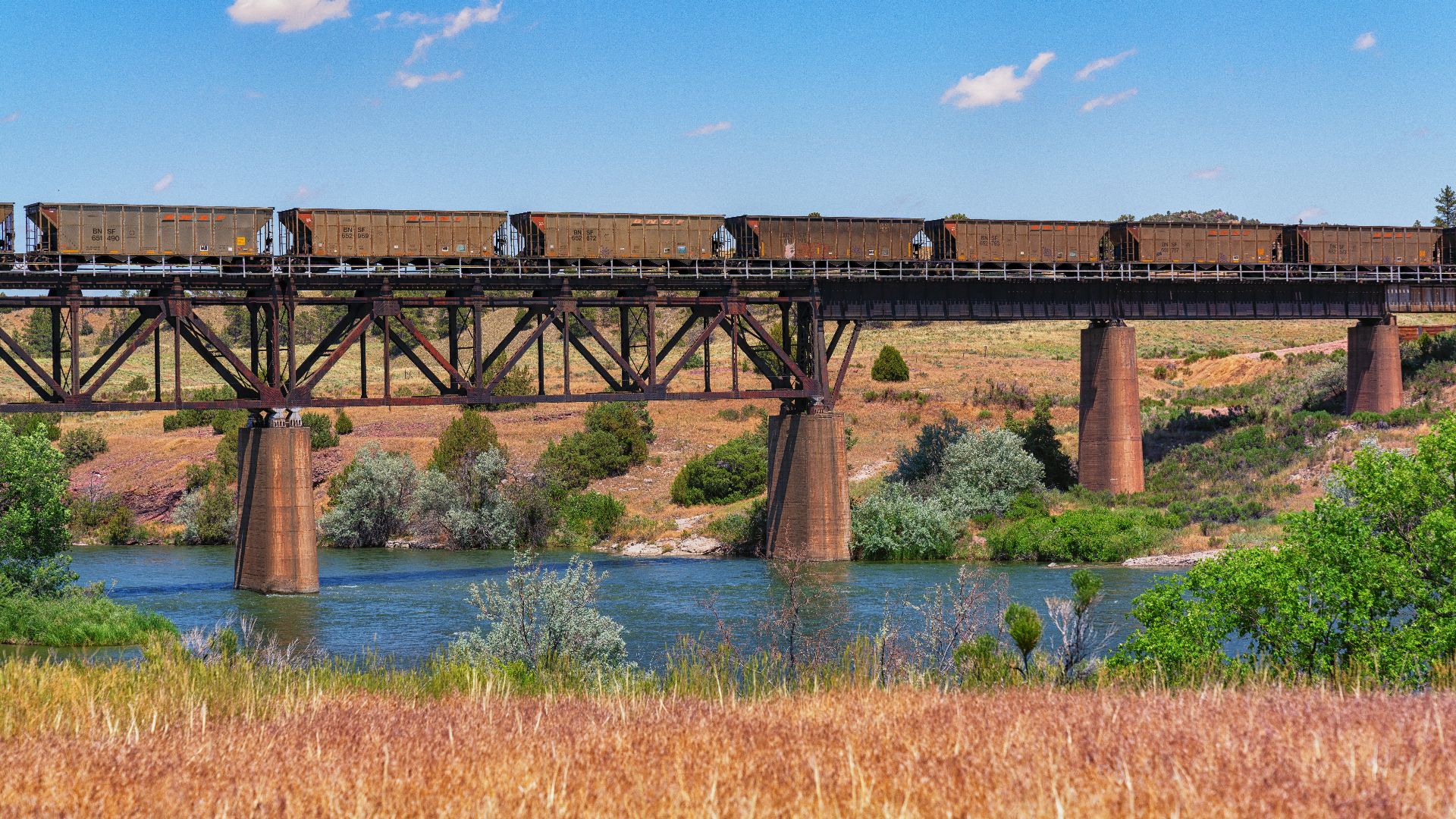
8. Oregon Trail Ruts, Guernsey, Wyoming
The Guernsey ruts are some of the clearest wagon ruts left anywhere on the trail, cut deep into sandstone by repeated wagon traffic. In places, those ruts reach about five feet deep.
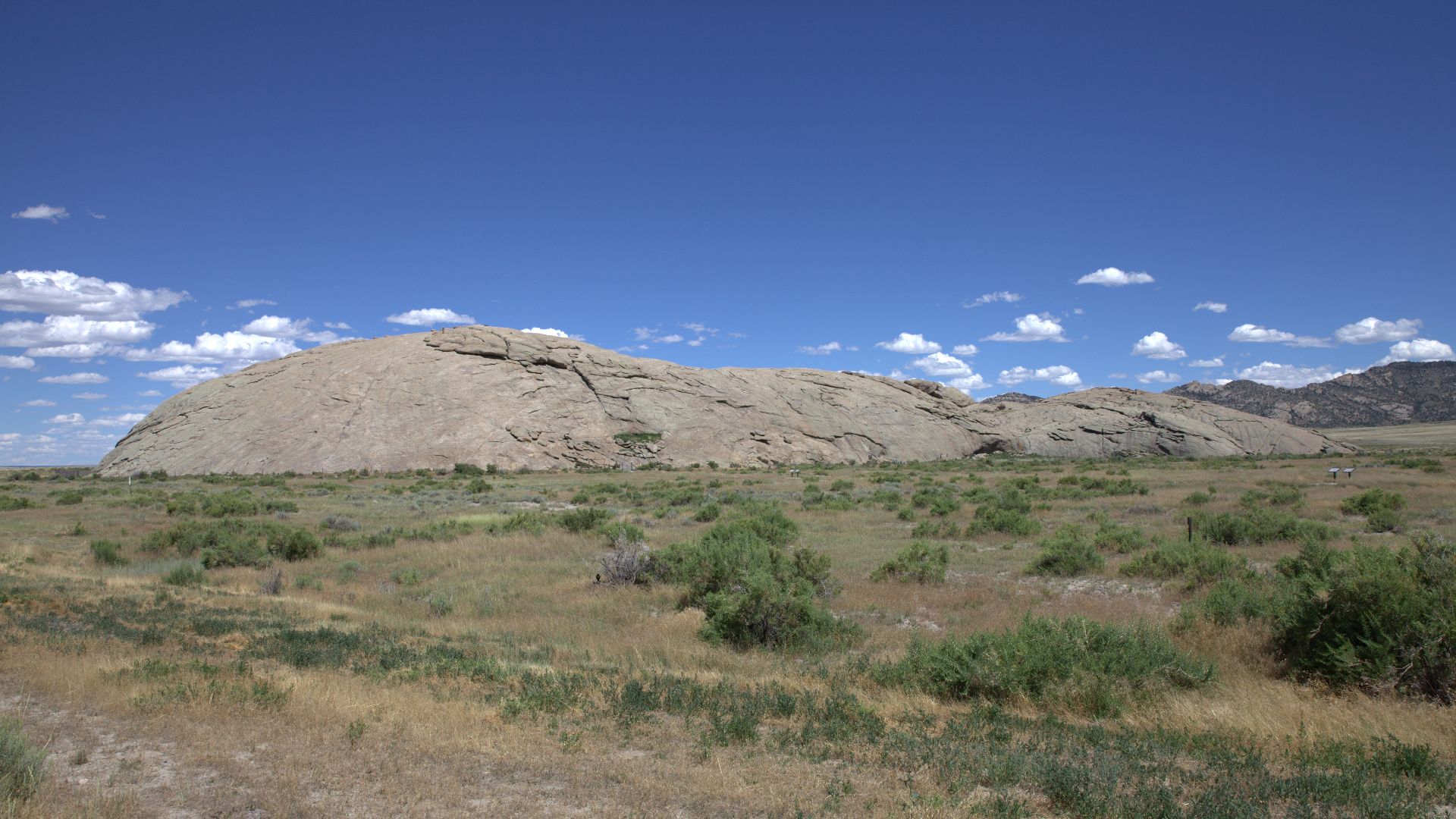
9. Independence Rock, Wyoming
Independence Rock was a major trail landmark, and many emigrants hoped to reach it by the Fourth of July if they were keeping decent time. The granite outcrop is about 1,900 feet long, and its name goes back to fur trappers who celebrated Independence Day there in 1830.
10. South Pass, Wyoming
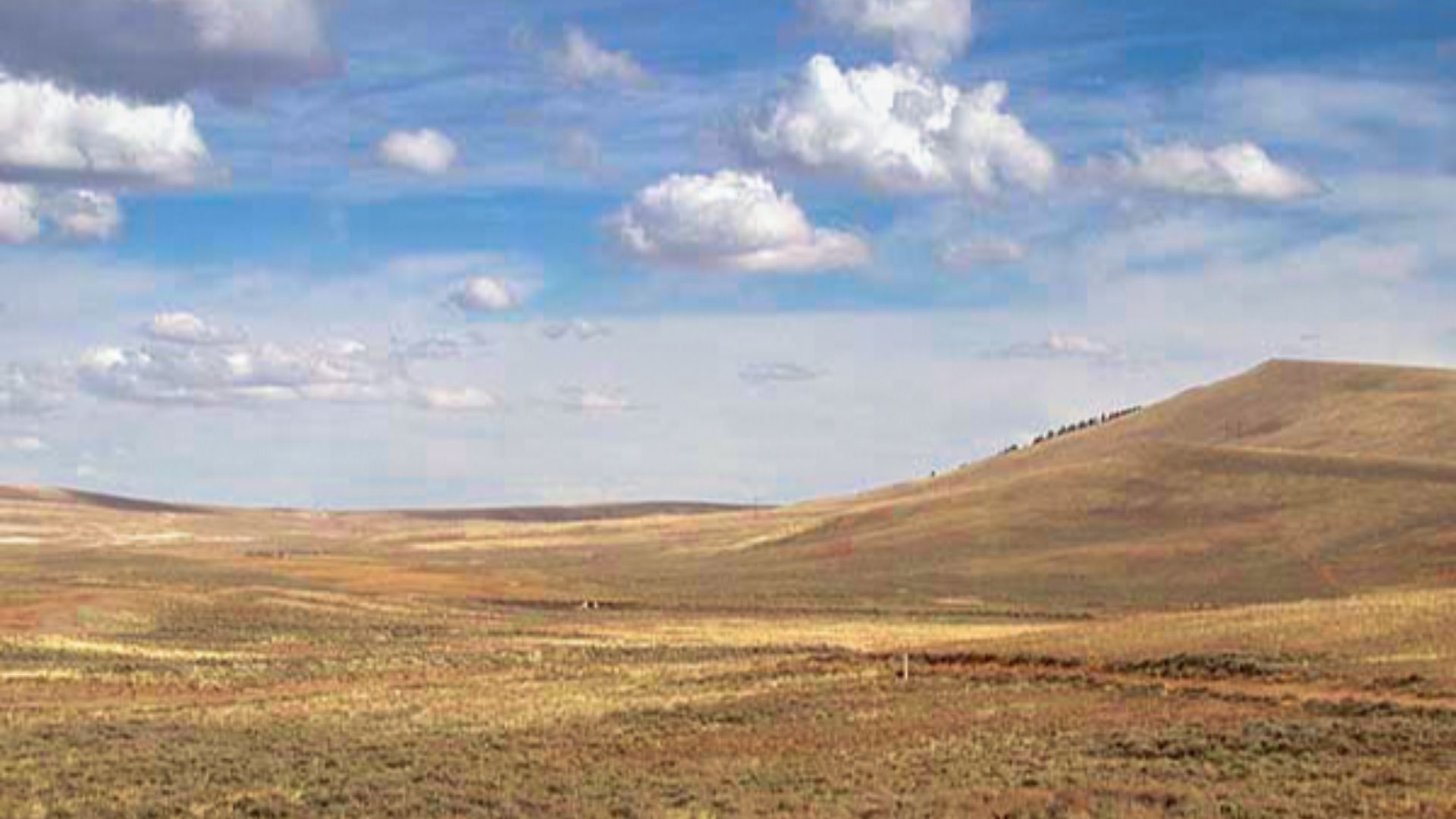
South Pass mattered because it gave wagons a broad, workable route across the Continental Divide. The gap is roughly 20 miles wide, though you can only really feel its history if you're there in person.
11. Fort Bridger State Historic Site, Wyoming
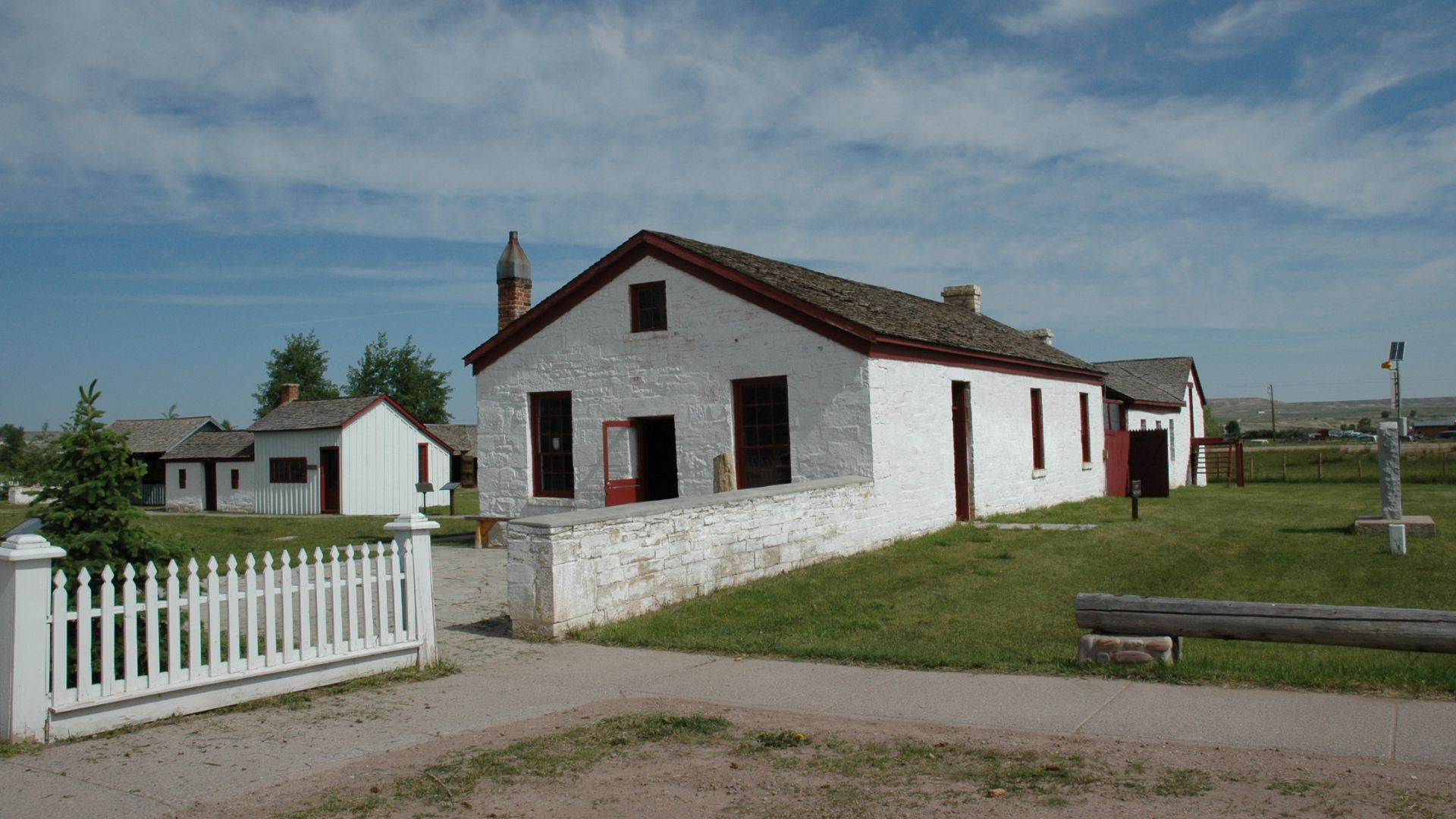
Fort Bridger started as a trading post and later became a key stop for emigrants, stage travel, the telegraph, and the military. Today’s park includes 37 acres, 27 historic structures, and four replica buildings.
12. Fort Hall Replica, Idaho
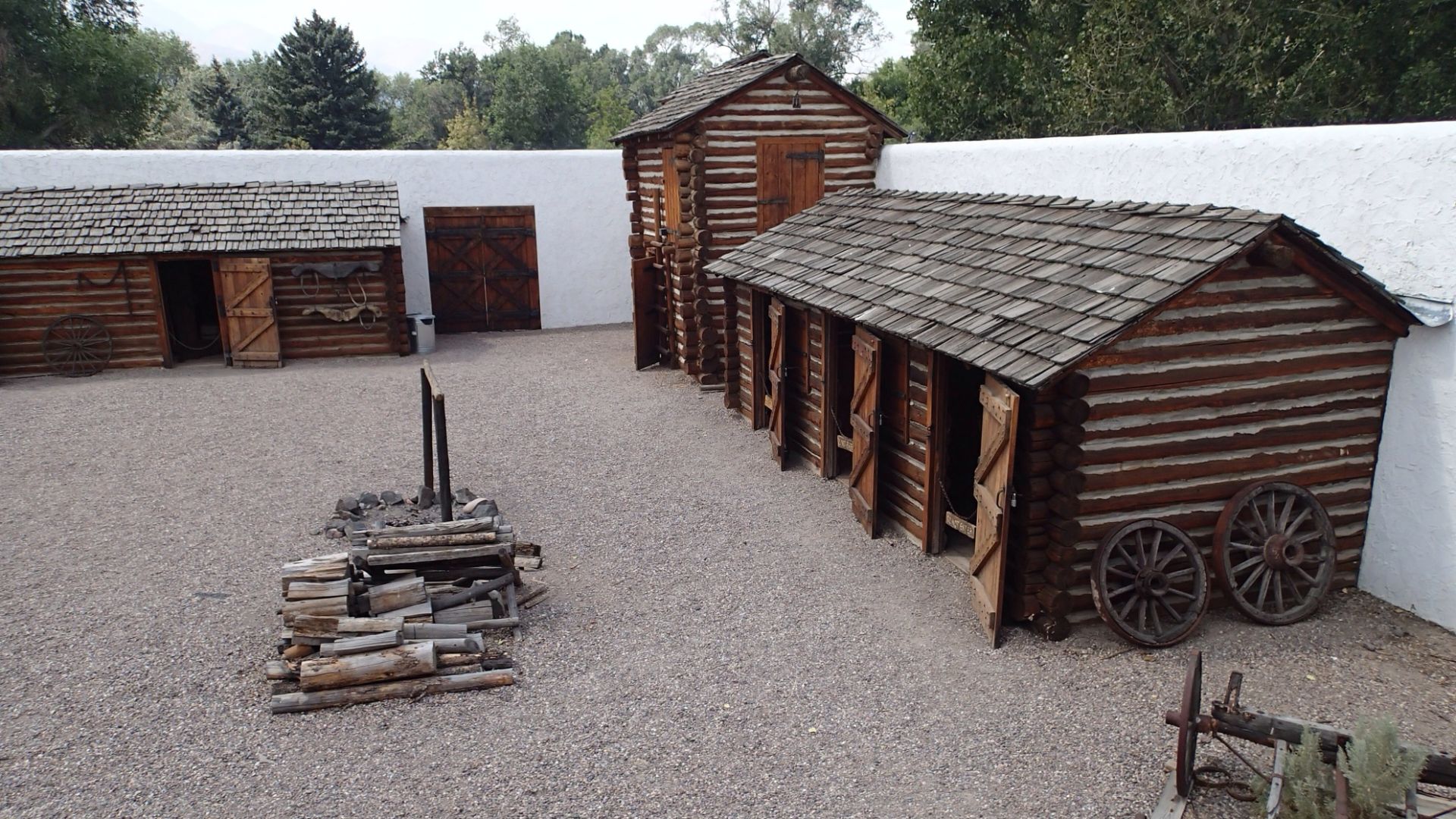
The original Fort Hall was one of the major resupply points on the trail, and this replica near Pocatello gives you a workable way into that story. Inside, you can walk through spaces like the Company Hall, the Factor’s Quarter, and the blacksmith and carpenter’s room, providing you with a look at the lives of our not-so-distant ancestors.
 Jeffrey G. Backes on Wikimedia
13. Three Island Crossing State Park, Idaho
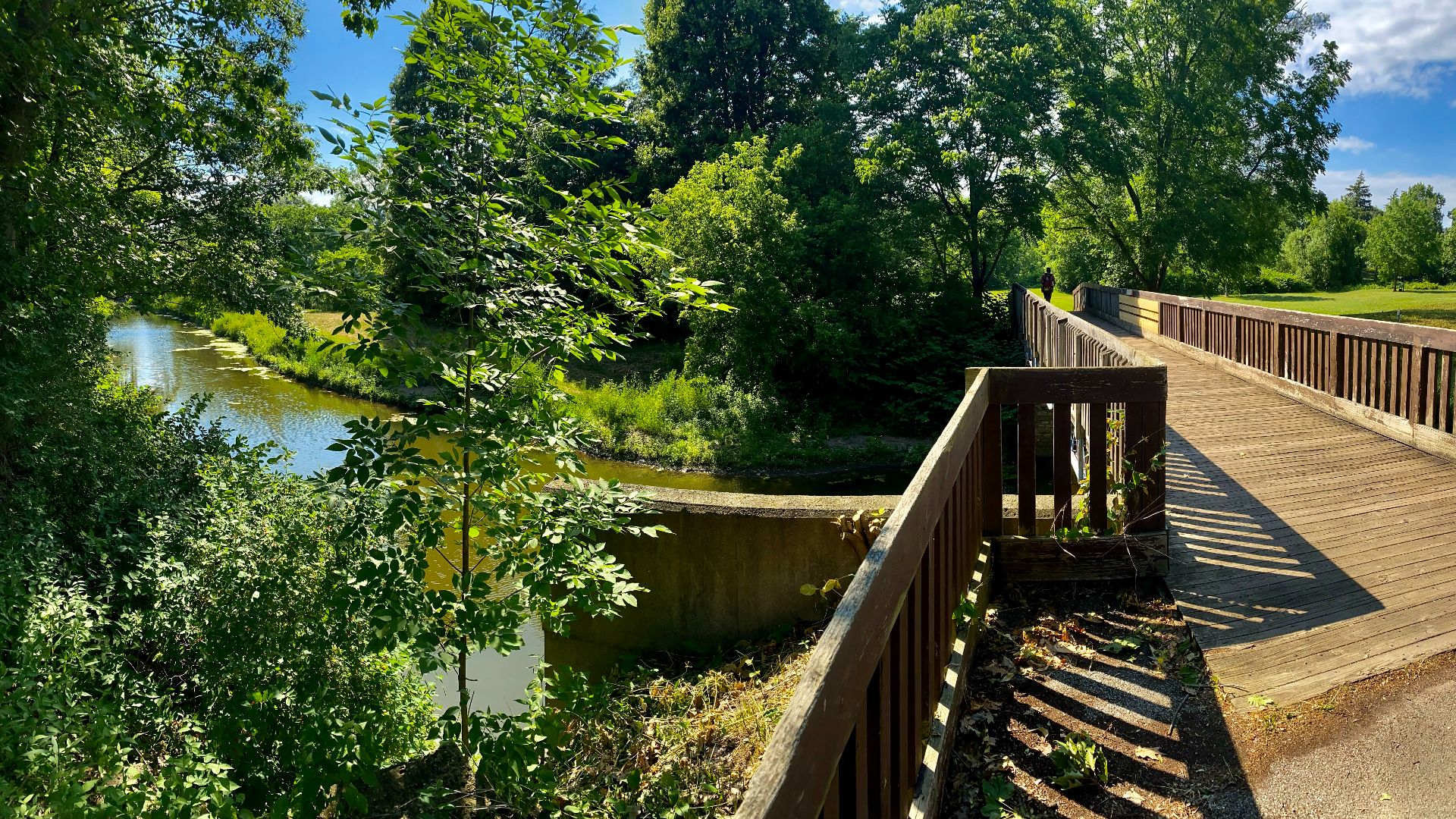
Three Island Crossing was one of the larger Snake River crossings, and it had a reputation for good reason. When emigrants reached the ford near Glenns Ferry, they had to decide whether to risk the crossing there or continue downriver.
 Andre Carrotflower on Wikimedia
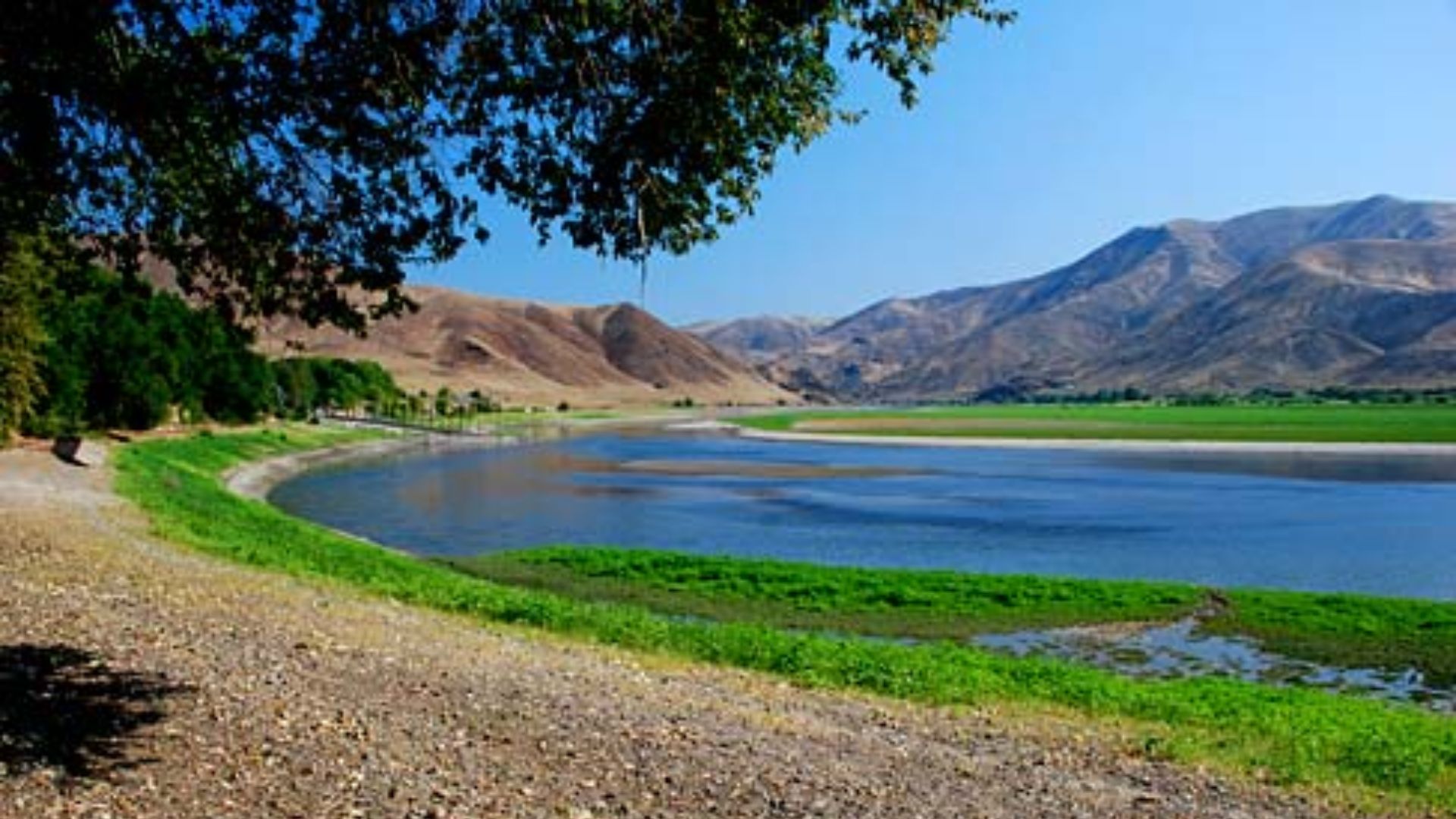
14. Farewell Bend State Recreation Area, Oregon
Farewell Bend marked the last camp and watering place on the Snake River before emigrants turned northwest toward the Burnt River country. The park still has historic markers and interpretive displays that spell out why this bend mattered so much on the route.
 Gary Halvorson, Oregon State Archives on Wikimedia
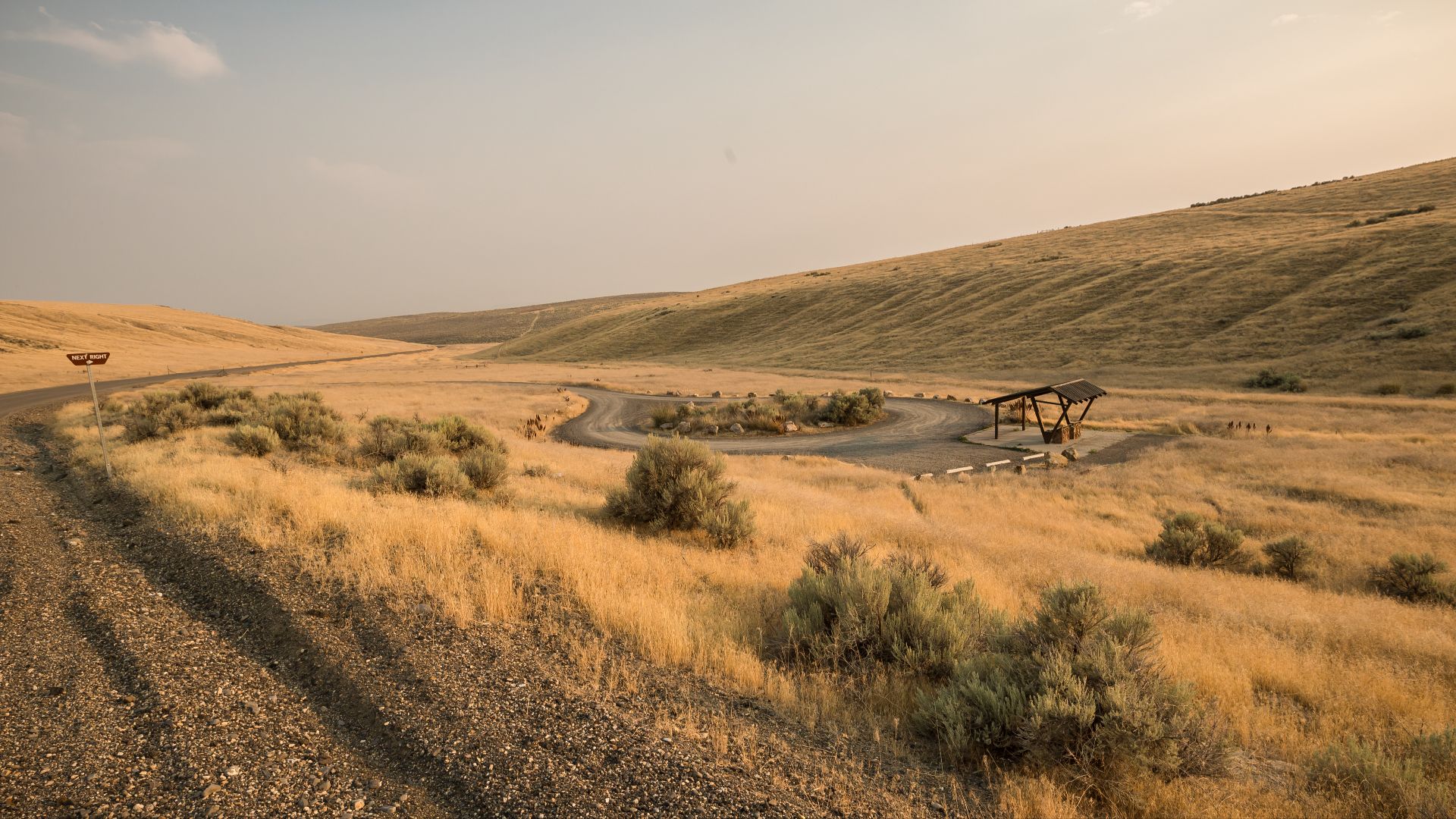
15. Keeney Pass Interpretive Site, Oregon
Keeney Pass is one of the more satisfying eastern Oregon stops because it has visible wagon ruts, a short path, and enough openness around it that you can still visualize the trail. The hike is only about two-thirds of a mile round trip, which makes it an easy stop even if you're already deep into a long driving day.
 BLM Oregon & Washington on Wikimedia
16. National Historic Oregon Trail Interpretive Center, Baker City, Oregon
This is one of the strongest stops on the whole route if you want a little more historical context. The site sits on more than 500 acres of trail country with actual wagon ruts and hiking trails, so you get museum context and open ground in the same stop.
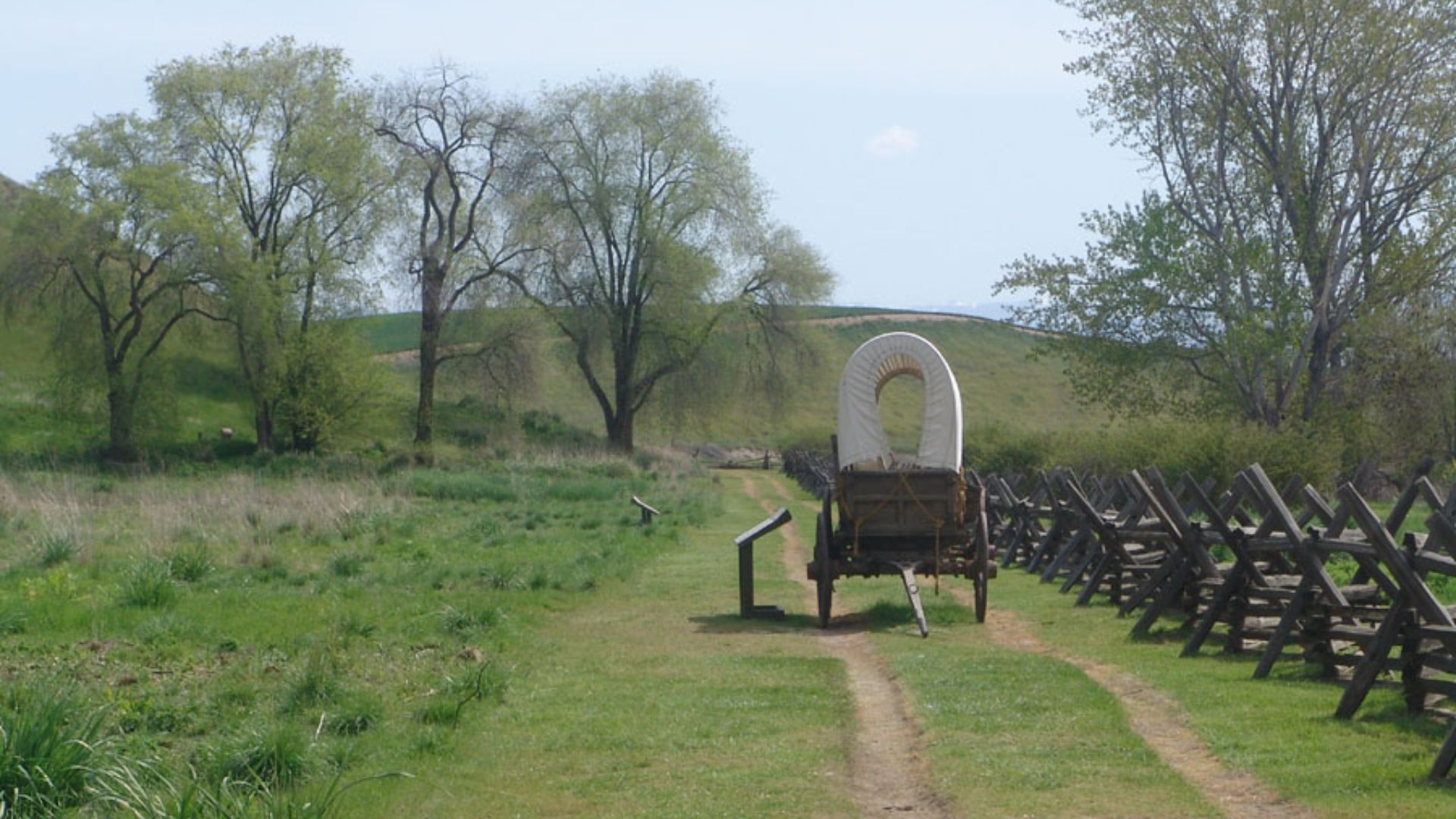
17. Whitman Mission National Historic Site, Washington
Whitman Mission is one of the heavier stops on this list. The site preserves the place where disease, migration, the Whitmans, the Cayuse, and the violence of 1847 came together, and the history there changed the Columbia Plateau for decades afterward.
 National Park Service on Wikimedia
18. Laurel Hill Chute, Oregon
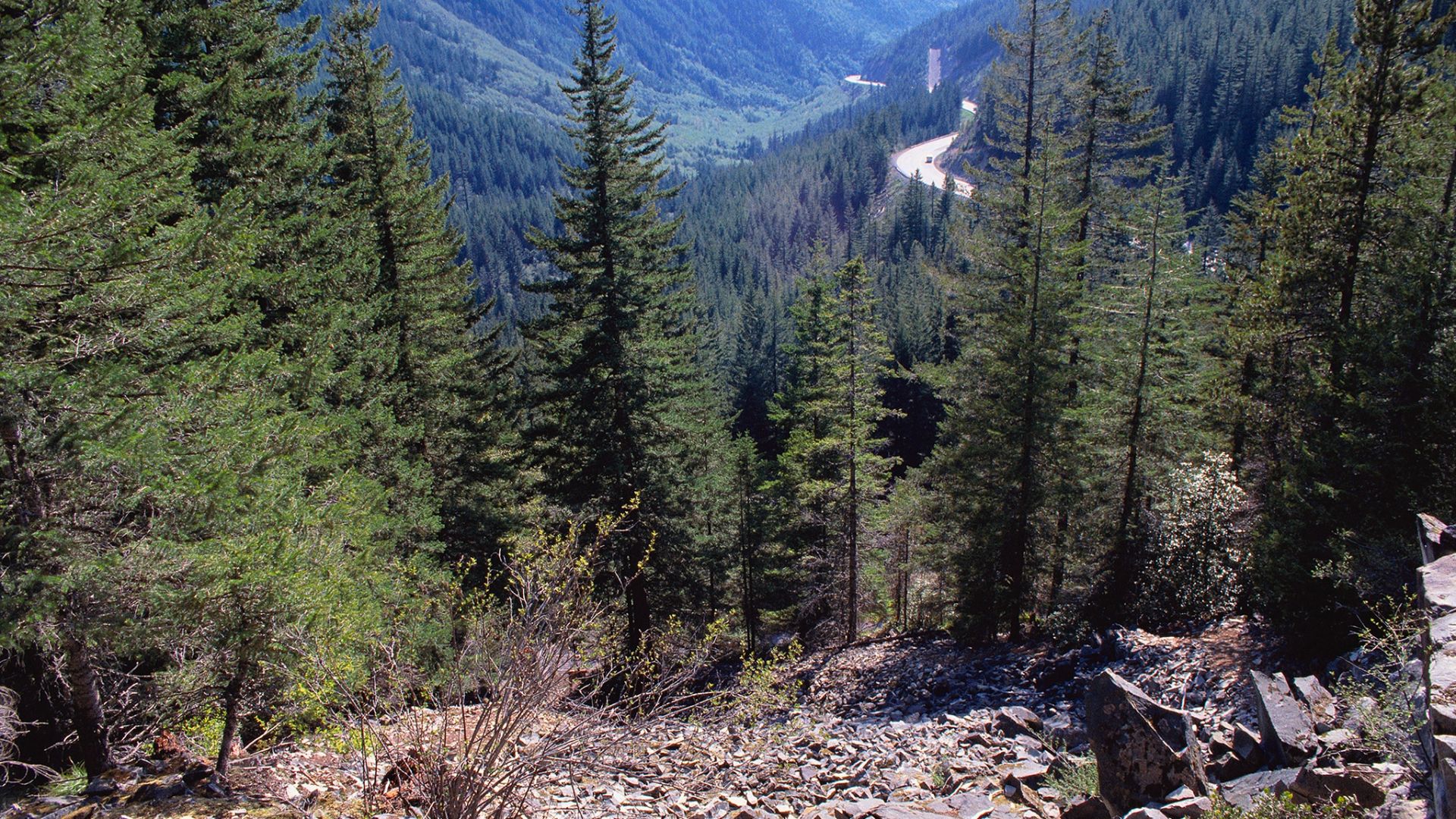
Laurel Hill was one of the hardest descents on the Oregon Trail, with emigrants locking wagon wheels and dragging logs to slow themselves down. The grade here reached about 60 percent, which makes the surviving chute feel even rougher once you know what wagons had to do to get down it.
 Unknown authorUnknown author or not provided on Wikimedia
19. Philip Foster Farm, Oregon
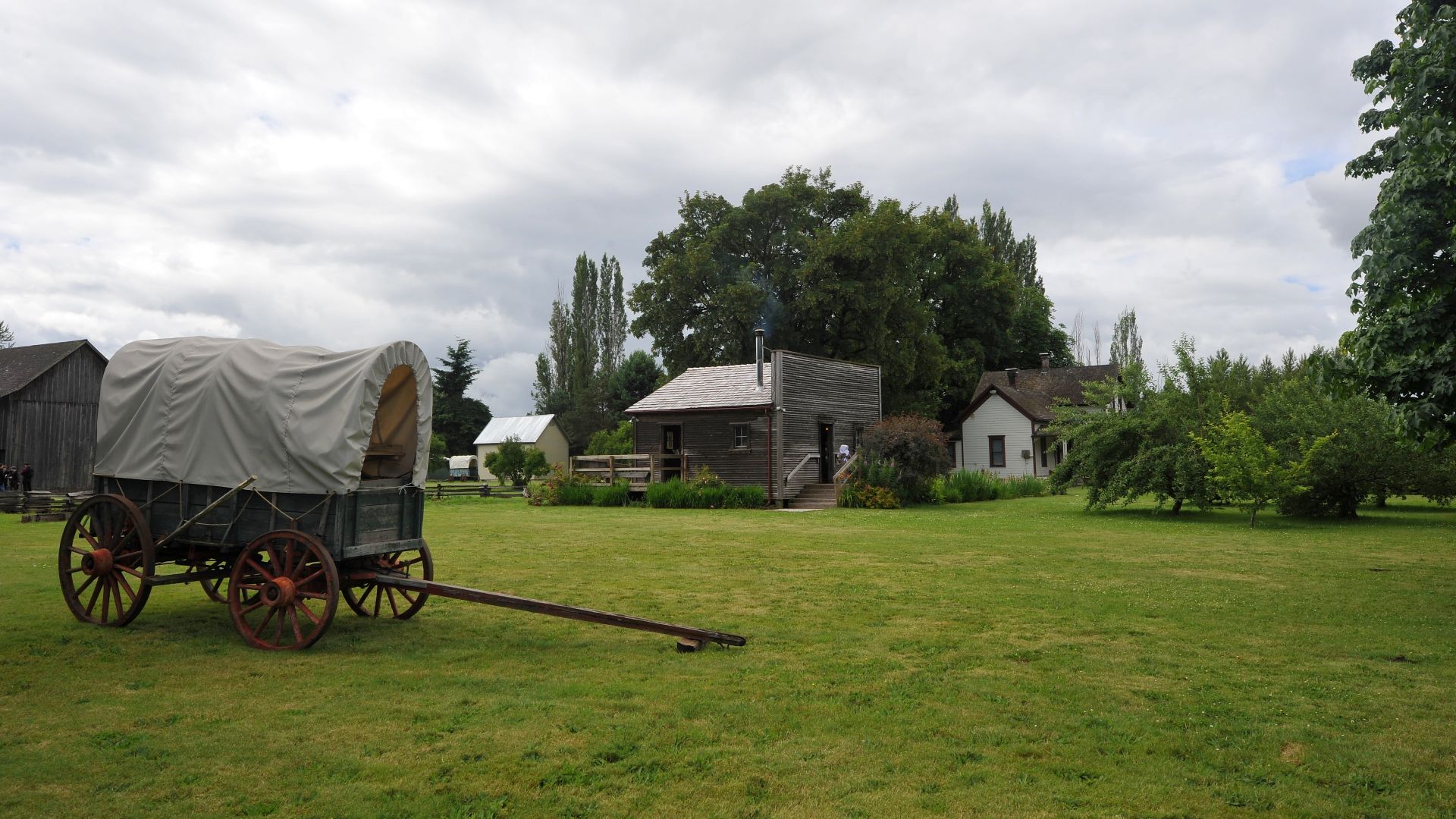
Philip Foster’s farm is a late stop in the trip, right when people were worn thin and badly needed help after the Barlow Road. Foster also operated the toll road for a time after Sam Barlow stepped away and ran a farm-store-inn business here until he died in 1884.
 Mt. Hood Territory on Wikimedia
20. End Of The Oregon Trail Interpretive Center, Oregon City
Oregon City is the official terminus, and it’s a satisfying finish because it doesn’t overplay the moment. The center includes interactive exhibits and short films like Bound for Oregon and Oregon’s First Peoples, which is a nice way to end the drive.