Appreciate The New
Japan often feels recognizable at first glance, especially with its modern cities, global brands, and efficient infrastructure. Once you start interacting with everyday customs, though, you’ll realize how many small details work differently than what you might expect. Those differences aren’t obstacles, but understanding them ahead of time will help you feel more confident and let you enjoy the experience without constant second-guessing.
1. Silence on Trains
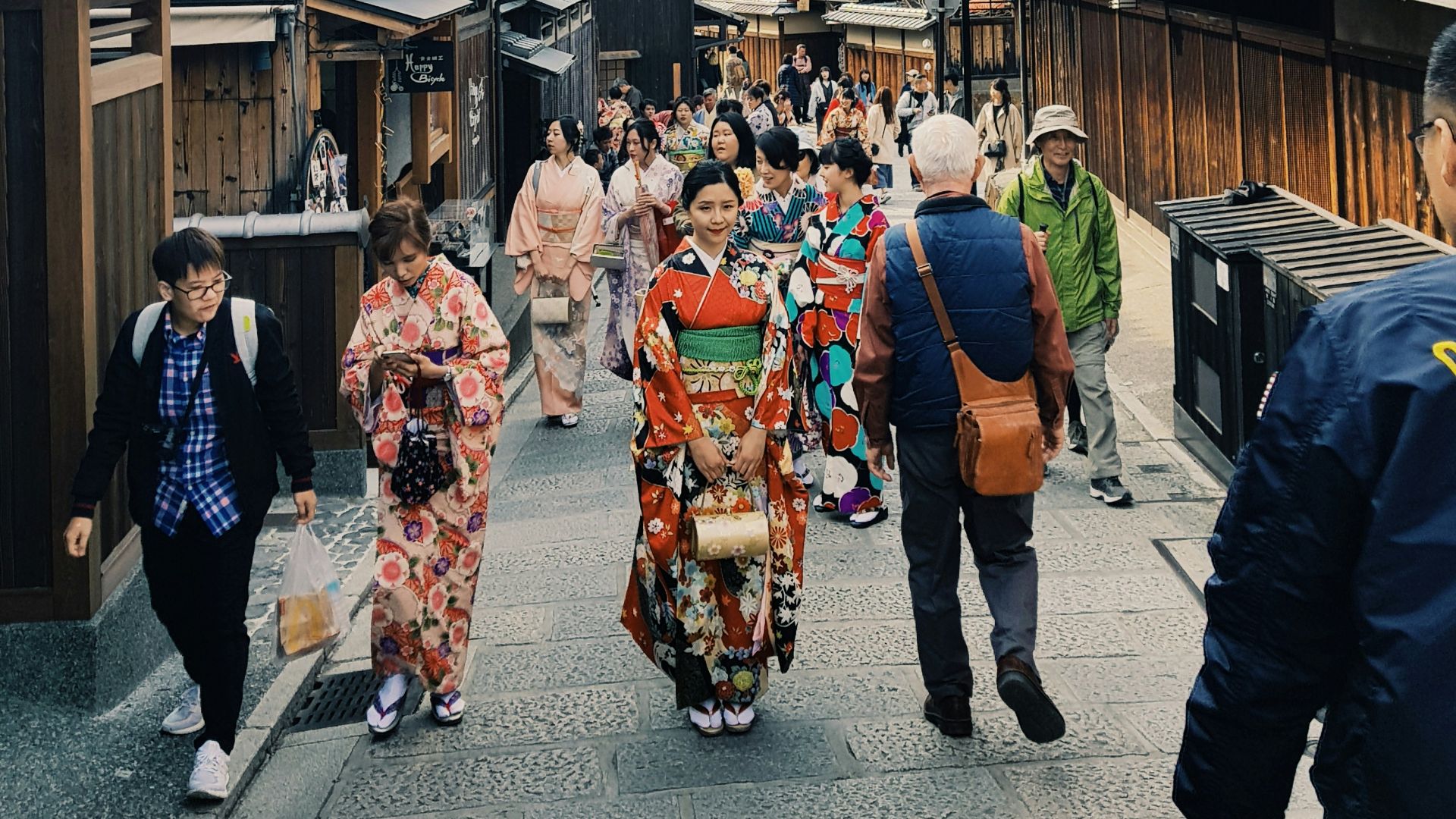
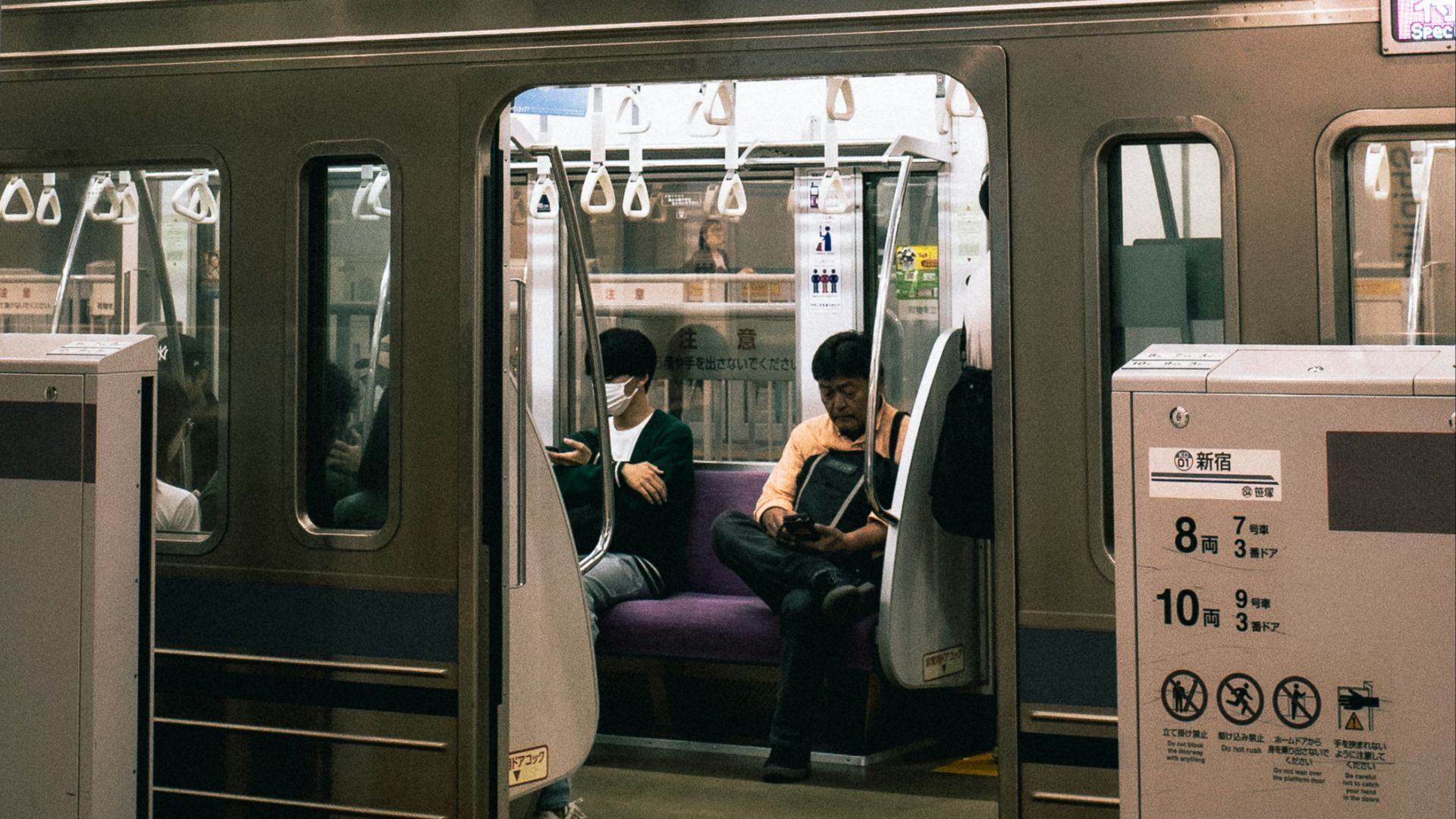
Public transportation in Japan operates with an unspoken rule of quiet, even during packed rush hours in cities like Tokyo and Osaka. Phones are kept silent, conversations are hushed, and people seem deeply aware of the shared space around them. If you’re used to lively commutes, the calm can feel strange at first, but you’ll soon wonder why the rest of the world doesn’t operate like this.
2. Cash Is Still King
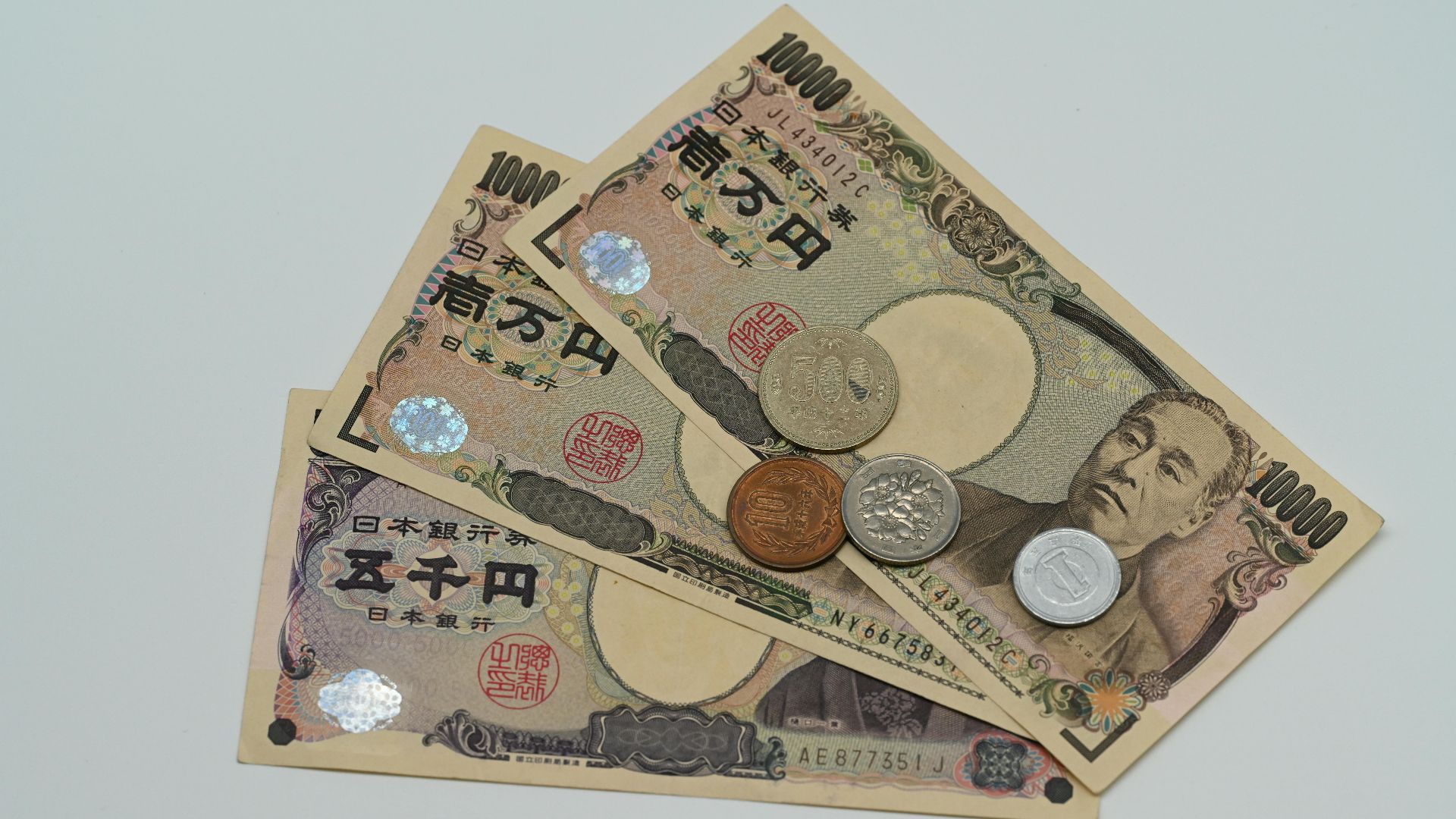
Japan may feel futuristic, but cash remains surprisingly important in daily life. Smaller restaurants, local shops, and rural businesses often don’t accept credit cards at all. You’ll notice people handling money carefully and respectfully. If you’re taking local transport or shopping locally, it’s best to keep some cash on hand.
3. Vending Machines Everywhere
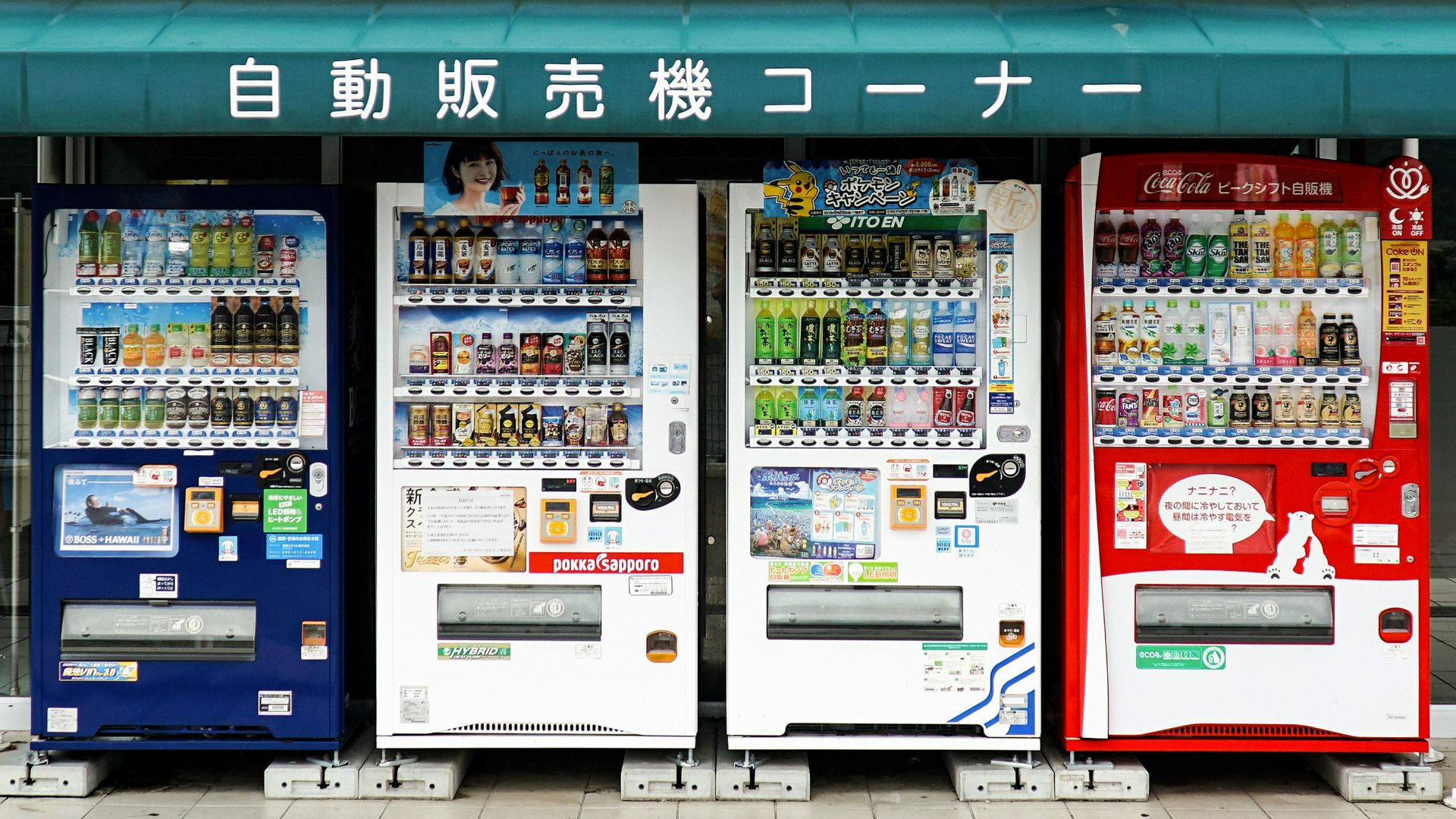
Vending machines are so common in Japan that you’ll start expecting to see one on every block. They appear in busy neighborhoods, quiet countryside roads, and even near hiking trails. It might seem weird at first, but the convenience of them will become second nature.
4. No Tipping Culture
Leaving a tip in Japan isn’t customary and can sometimes be confusing. Service workers take pride in doing their job well because it’s expected, not because of extra compensation. In this situation, it is in fact better to skip the tip altogether.
5. Shoes Come Off Often
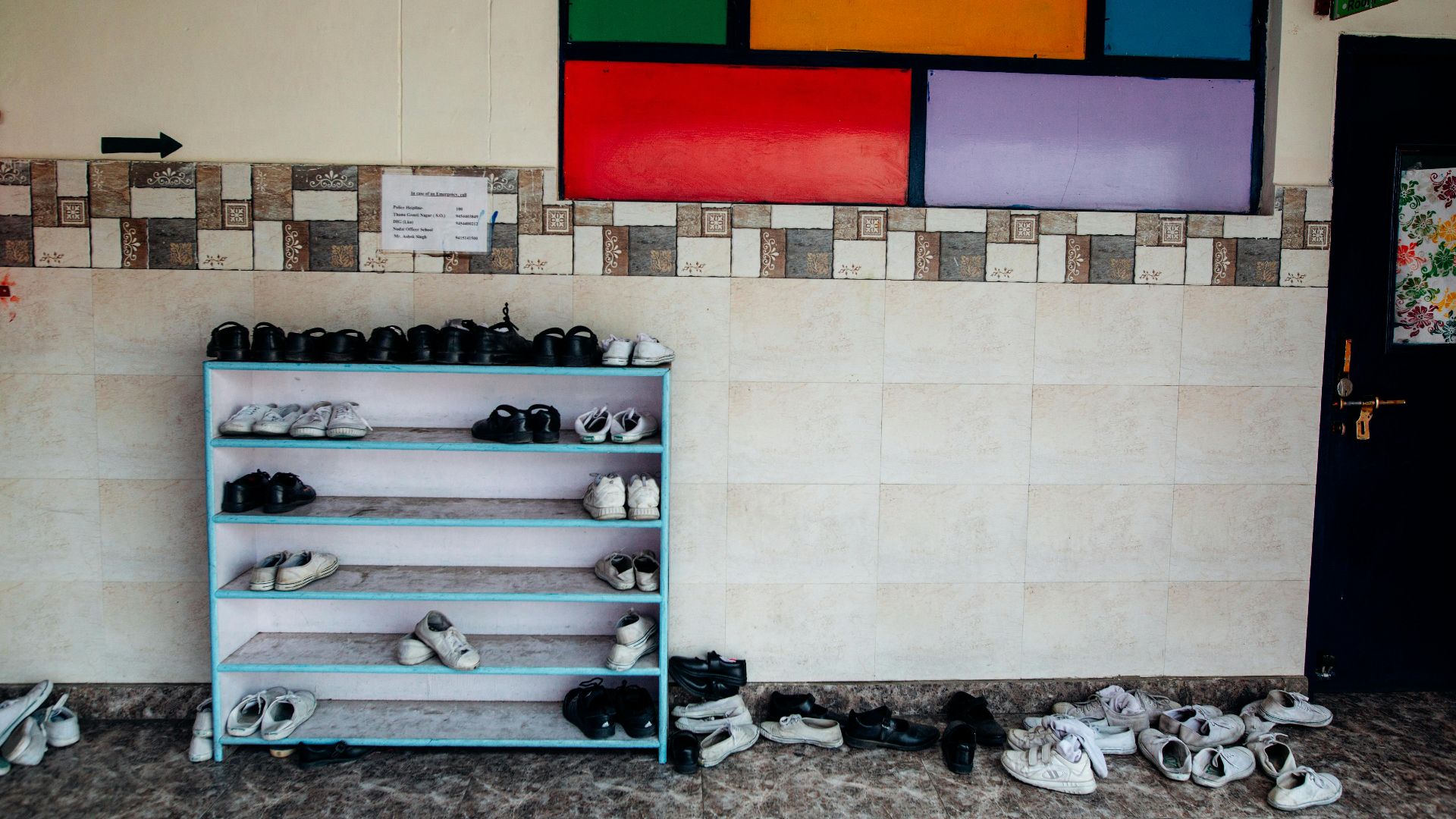
Removing your shoes before entering certain spaces is taken very seriously. Homes, temples, traditional inns, and some restaurants all follow this custom. It may take a bit of practice to remember, but it’s a sign of respect and an important aspect of cleanliness that you should get used to following.
6. Polite Formality
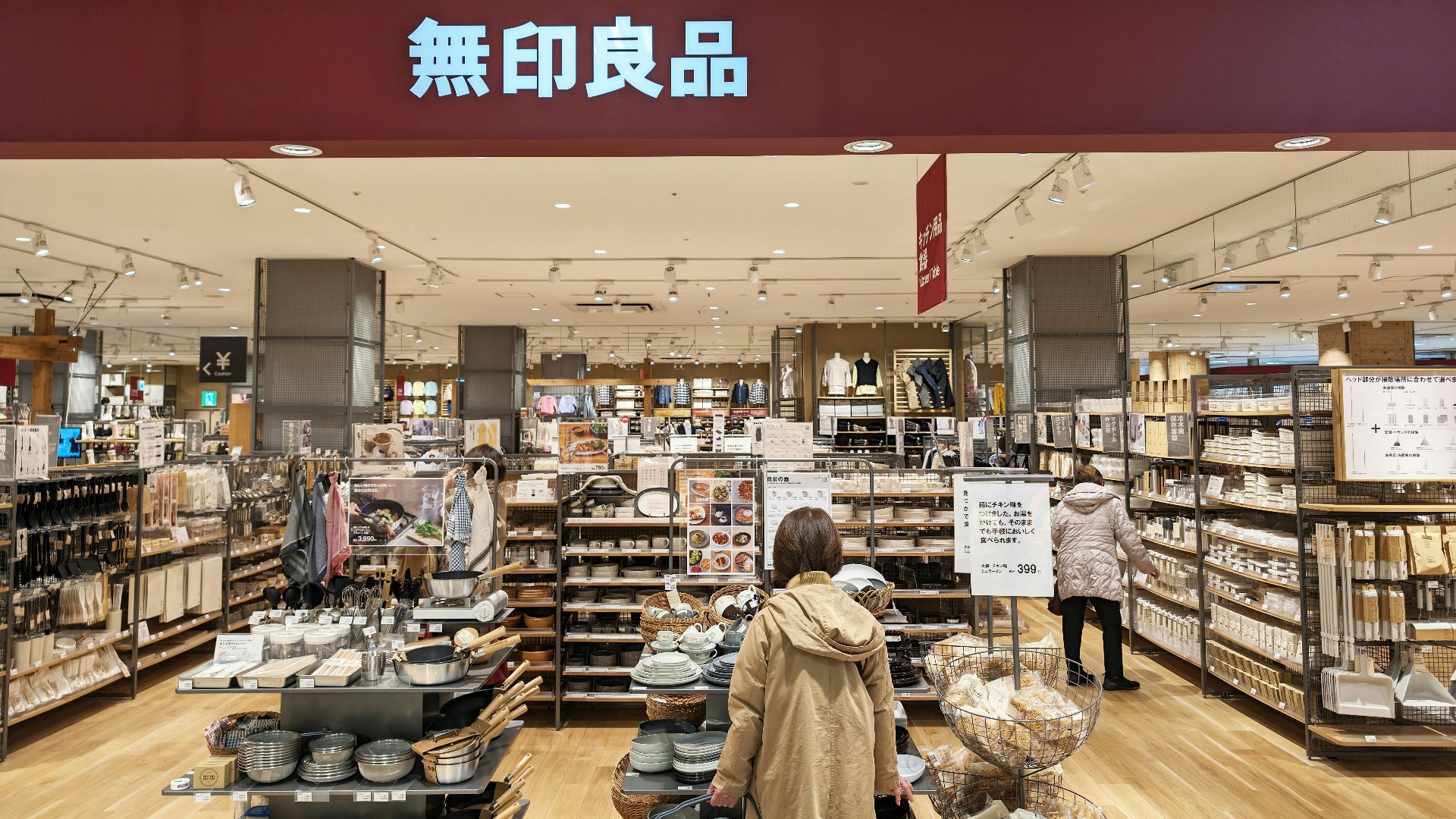
Interactions in Japan often come with a level of politeness that feels carefully practiced. Employees greet customers with set phrases, bows, and respectful language. It may feel inauthentic, but that doesn’t mean you should be giving people weird looks.
7. Trash Is Hard To Find
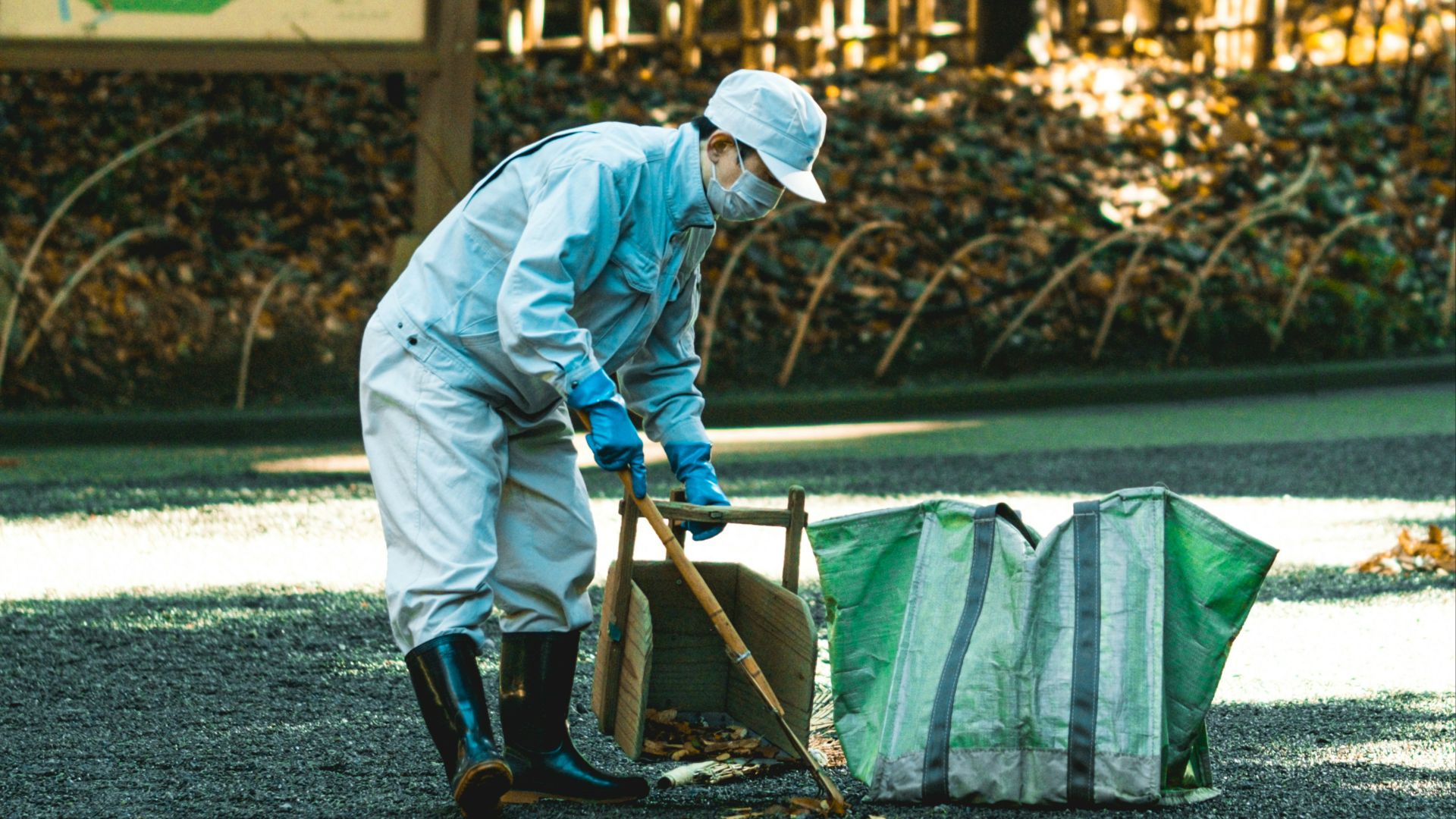
Despite being incredibly clean, Japan doesn’t rely on public trash cans to stay that way. People simply carry their trash until they can sort and dispose of it properly. It’s a small habit that highlights how shared responsibility shapes daily life.
8. Eating While Walking Is Rare
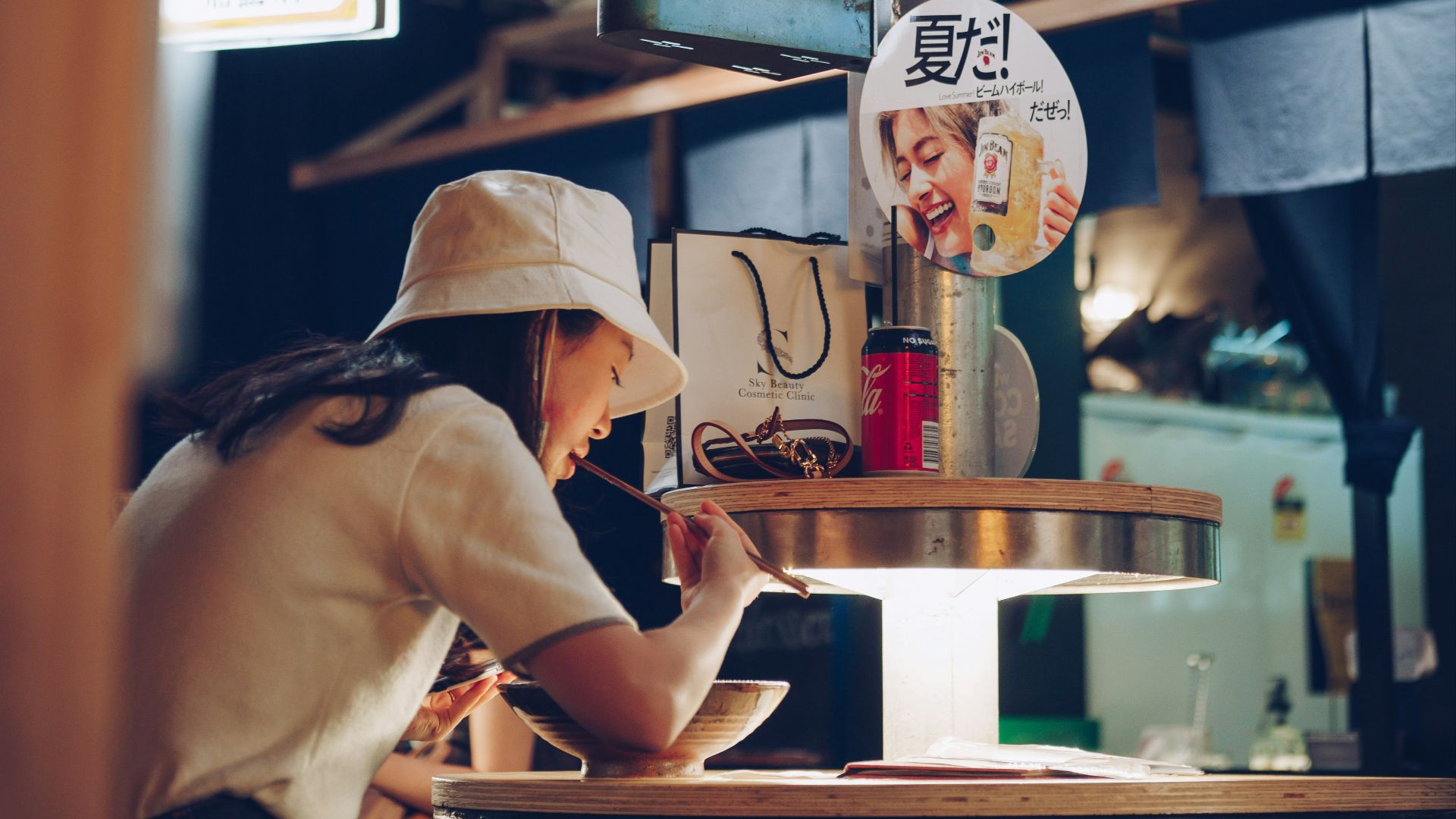
Eating on the go isn’t common, especially in busy areas. Most people pause to enjoy food where they bought it or take it home. In fact, it's considered rude and downright disrespectful to even think about eating and walking. Take your time to enjoy your meal.
9. Queues Are Taken Seriously
Orderly lines are part of everyday life in Japan. Whether boarding a train or waiting for an elevator, people naturally form neat queues without being told. It makes crowded places feel more manageable and far less stressful. You’ll feel the difference the moment you get home.
10. Small Living Spaces
Hotel rooms and apartments in Japan are often compact, especially in major cities. Every inch is designed with purpose, from foldaway furniture to clever storage solutions. It's worthwhile to keep some of these ideas in mind for your own space.

11. Public Bath Etiquette
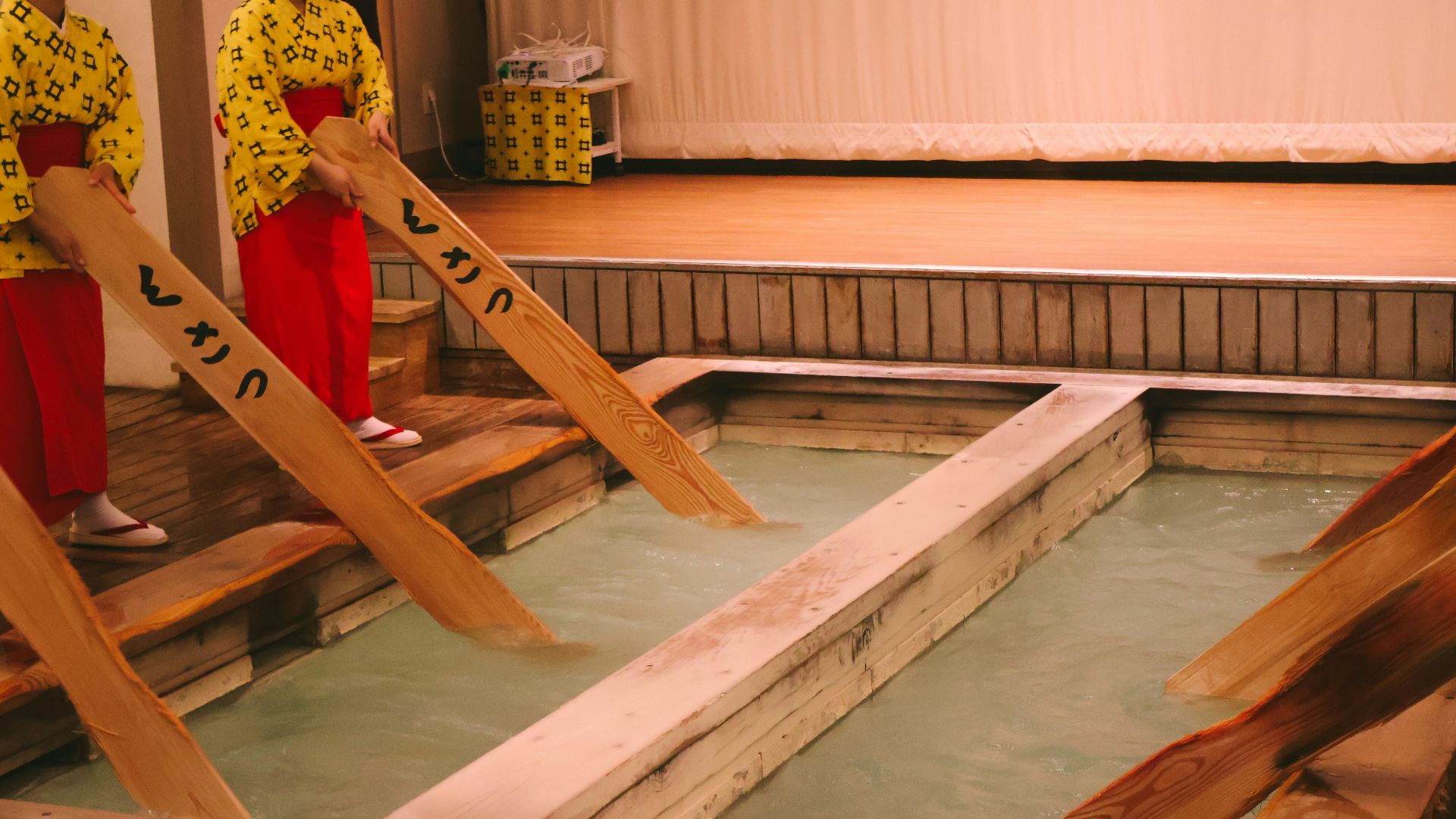
Visiting an onsen or public bath comes with clear expectations about cleanliness and behavior. You must wash thoroughly before entering a bath, keep as quiet as possible, and never swim in the baths themselves. This is a quiet, calm, and respectful place, so let's keep it that way.
12. Minimal Physical Contact
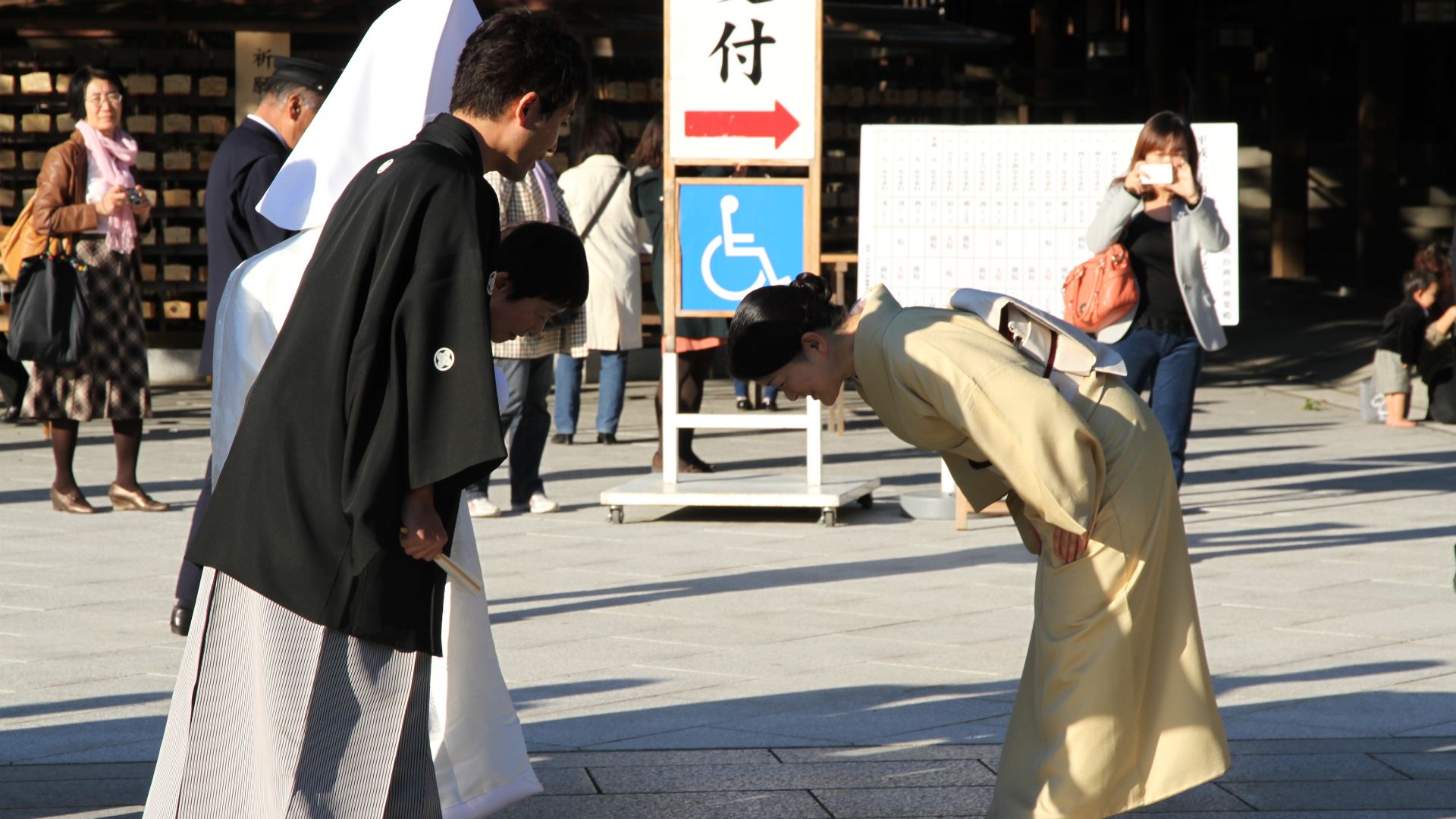
Physical greetings like hugs or handshakes are uncommon in Japan. Bowing serves as the standard way to show respect and acknowledgment. It’s best to avoid touching altogether if you can help it.
 Maya-Anaïs Yataghène from Paris, France on Wikimedia
13. Punctuality Matters
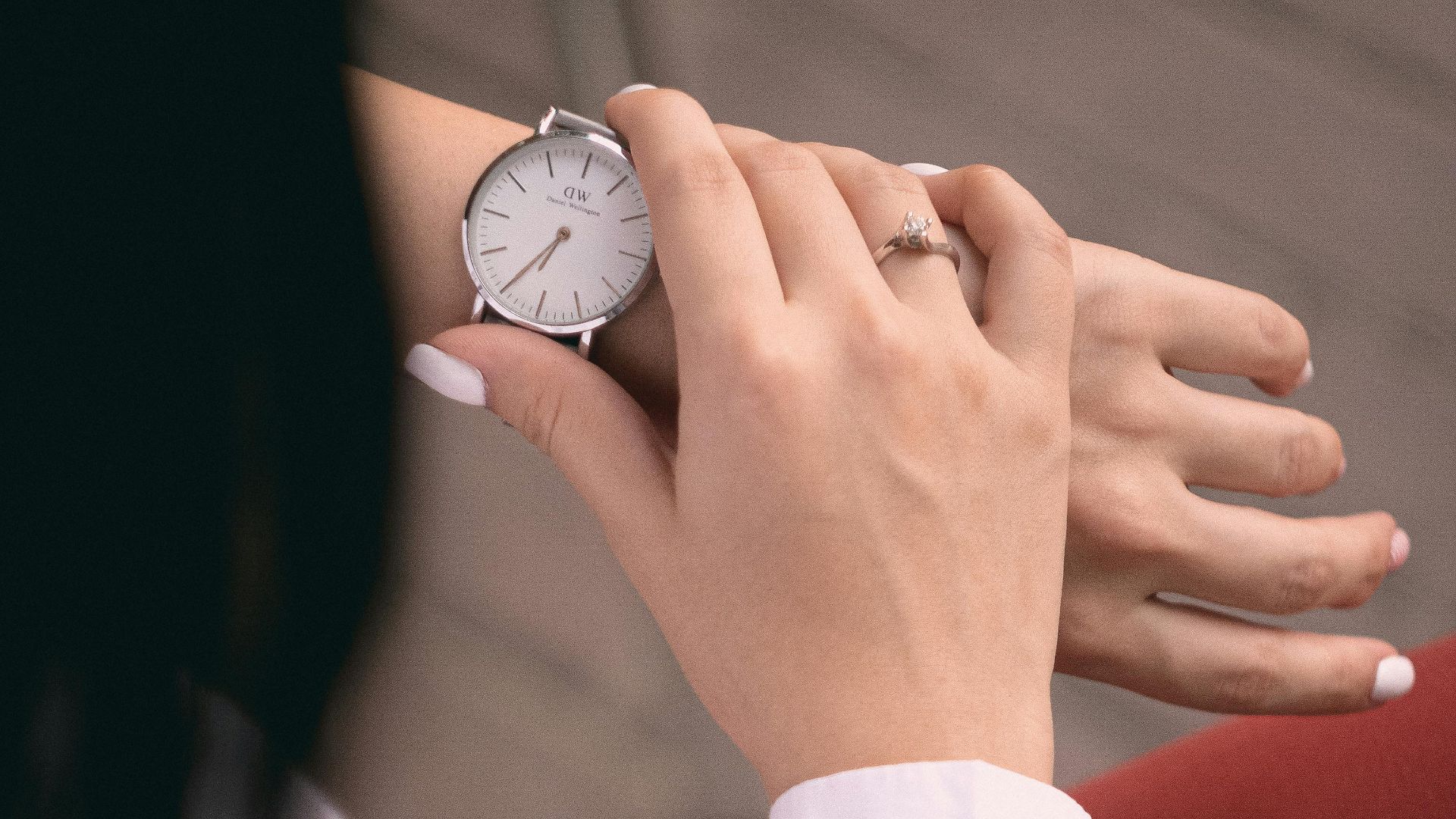
Time is treated with great respect in Japan. Trains arrive exactly when scheduled, and appointments begin promptly. You’ll quickly learn that being on time isn’t just polite, it’s expected. This is the time to whip your timeliness into shape.
14. Face Masks Are Normal
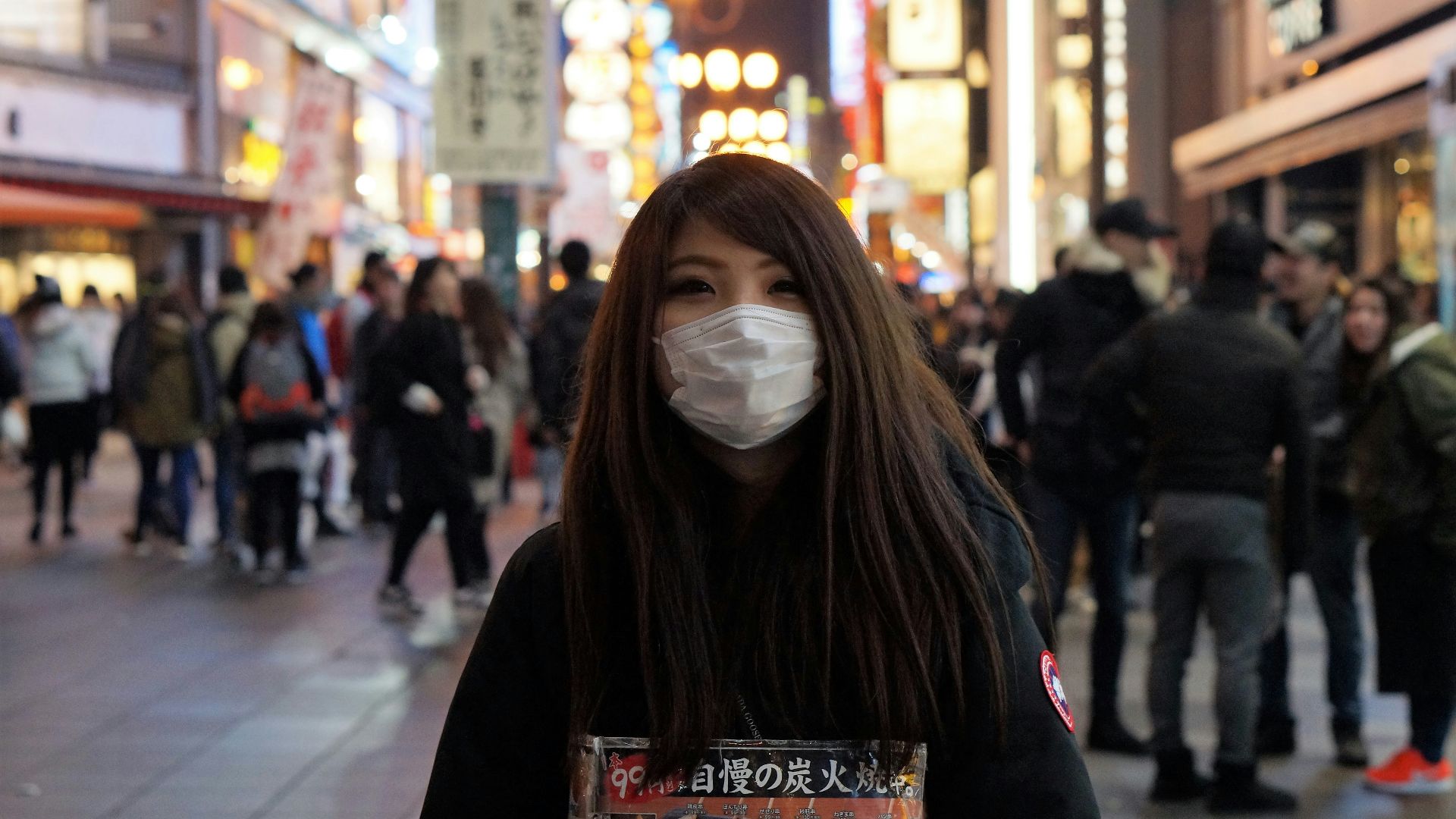
Face masks are a familiar sight in Japan and aren’t limited to illness alone. People wear them to protect others, manage allergies, or simply feel more comfortable in crowded spaces.
15. Packaging Is Everywhere
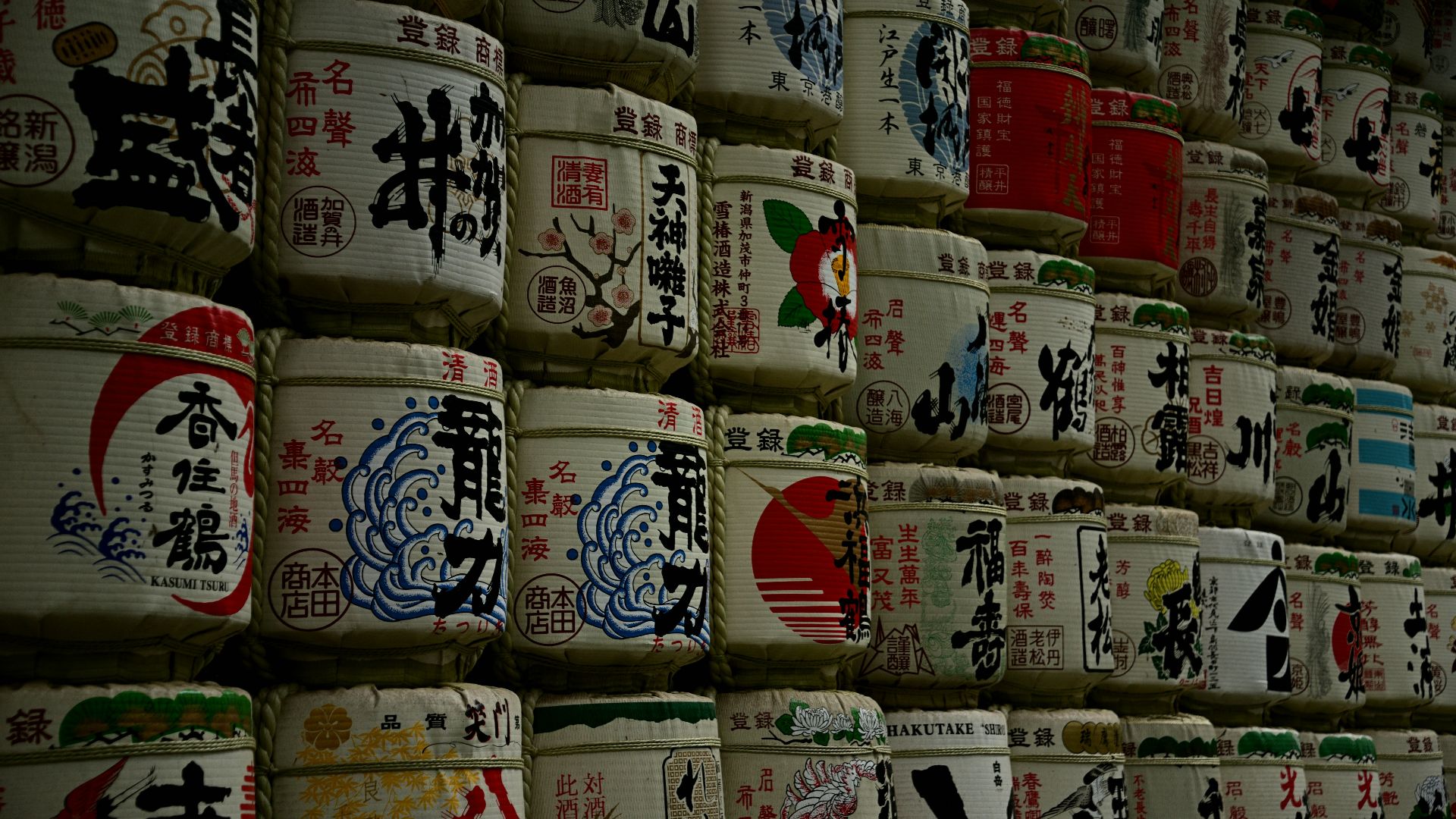
Items in Japan often come beautifully packaged, sometimes with more layers than you expect. While it can seem excessive, it reflects a strong emphasis on presentation and care. Even simple purchases feel thoughtfully handled.
16. English Isn’t Widely Spoken
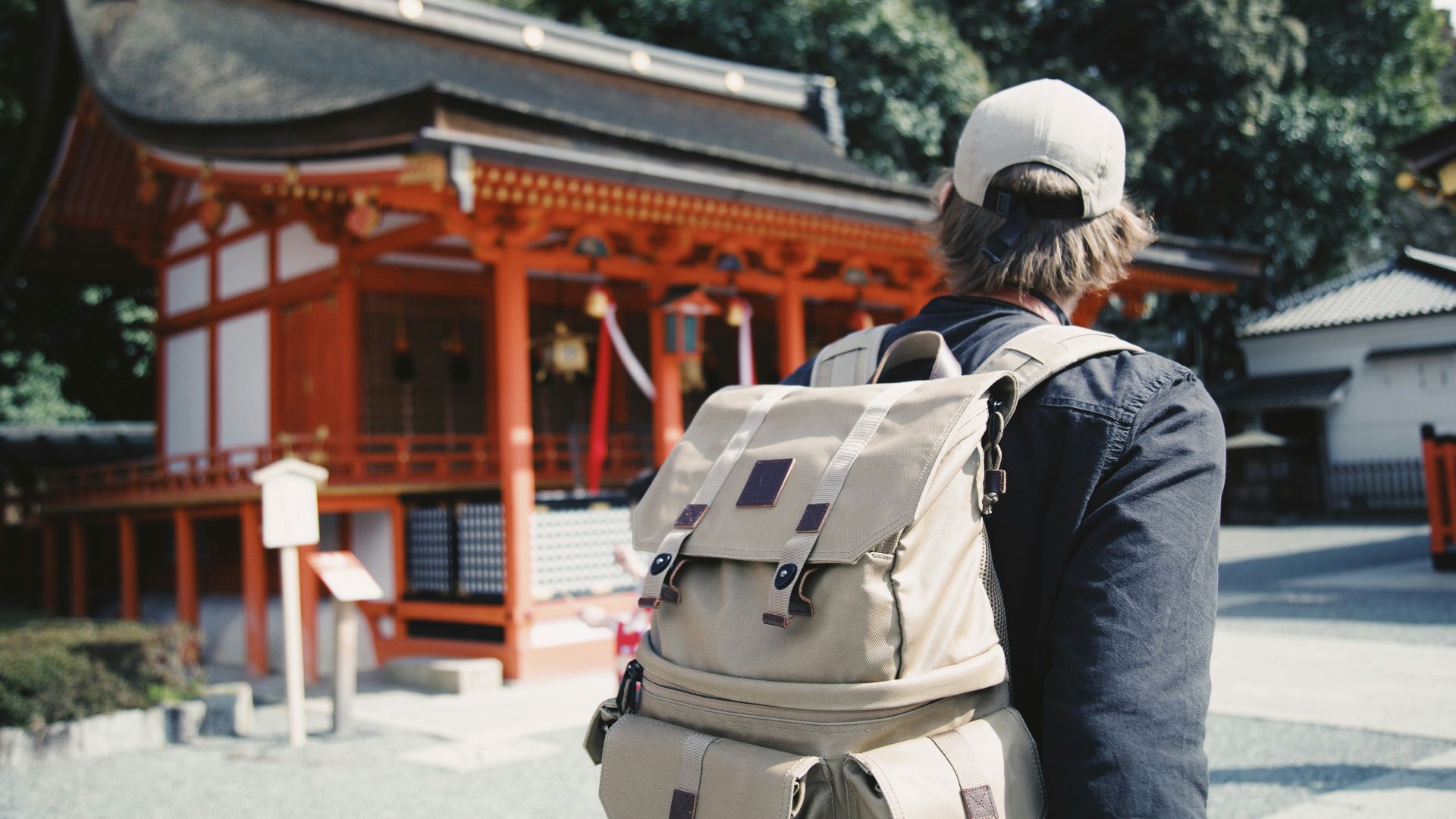
English signage is common, but spoken English can be limited, especially outside major cities. Many people understand more than they’re comfortable speaking. Patience, gestures, and basic Japanese phrases make a big difference. Time to crack out the Duolingo app!
17. Convenience Stores Are Impressive
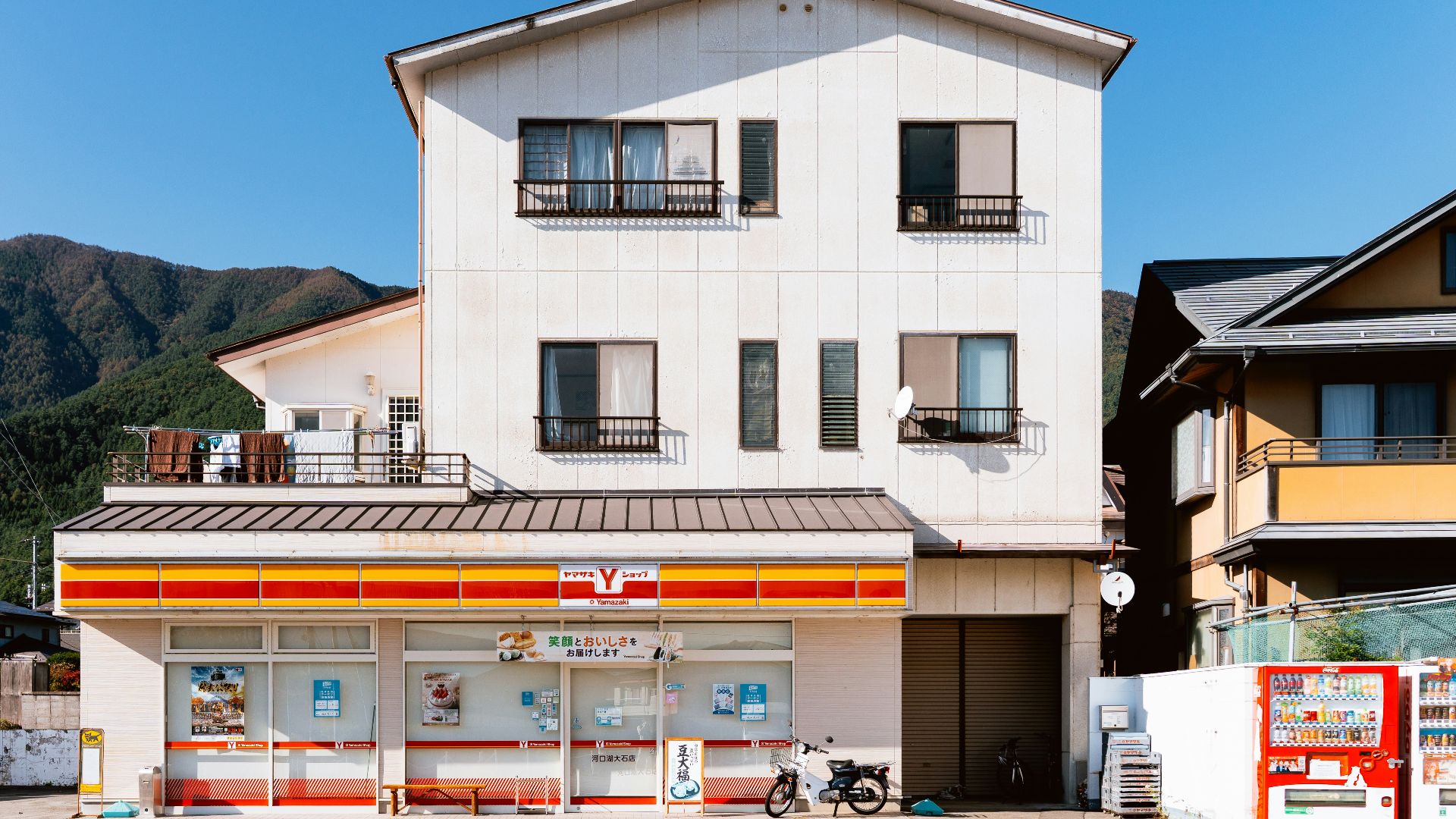
Japanese convenience stores are on a completely different level. You can find fresh meals, seasonal snacks, and high-quality coffee at any hour. They quickly become an essential part of daily life.
18. Respect for Rules
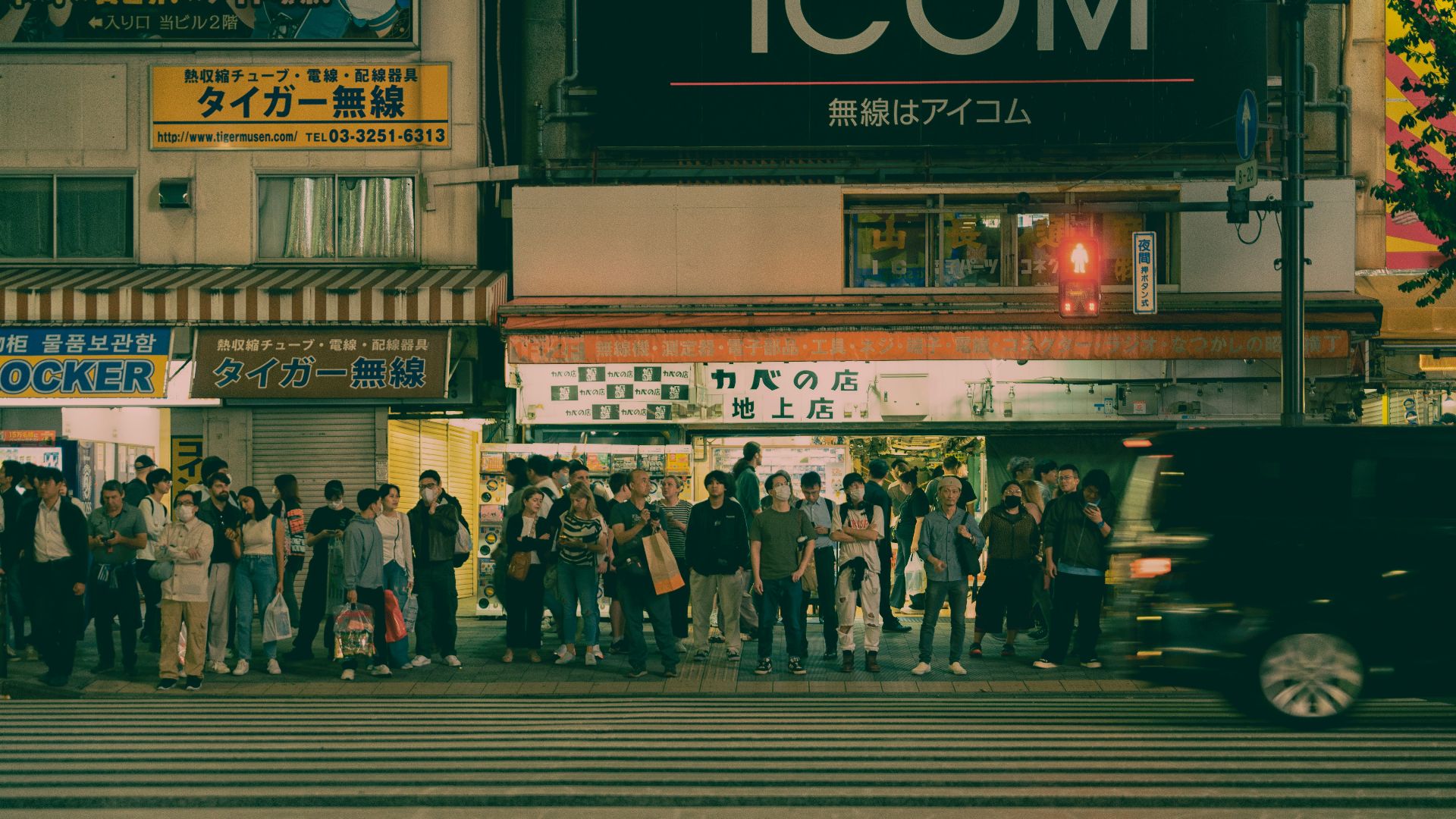
Rules in Japan are followed even when enforcement isn’t visible. From standing on the correct side of escalators to waiting for crosswalk signals, people trust the system. This shared respect creates a smoother experience for everyone.
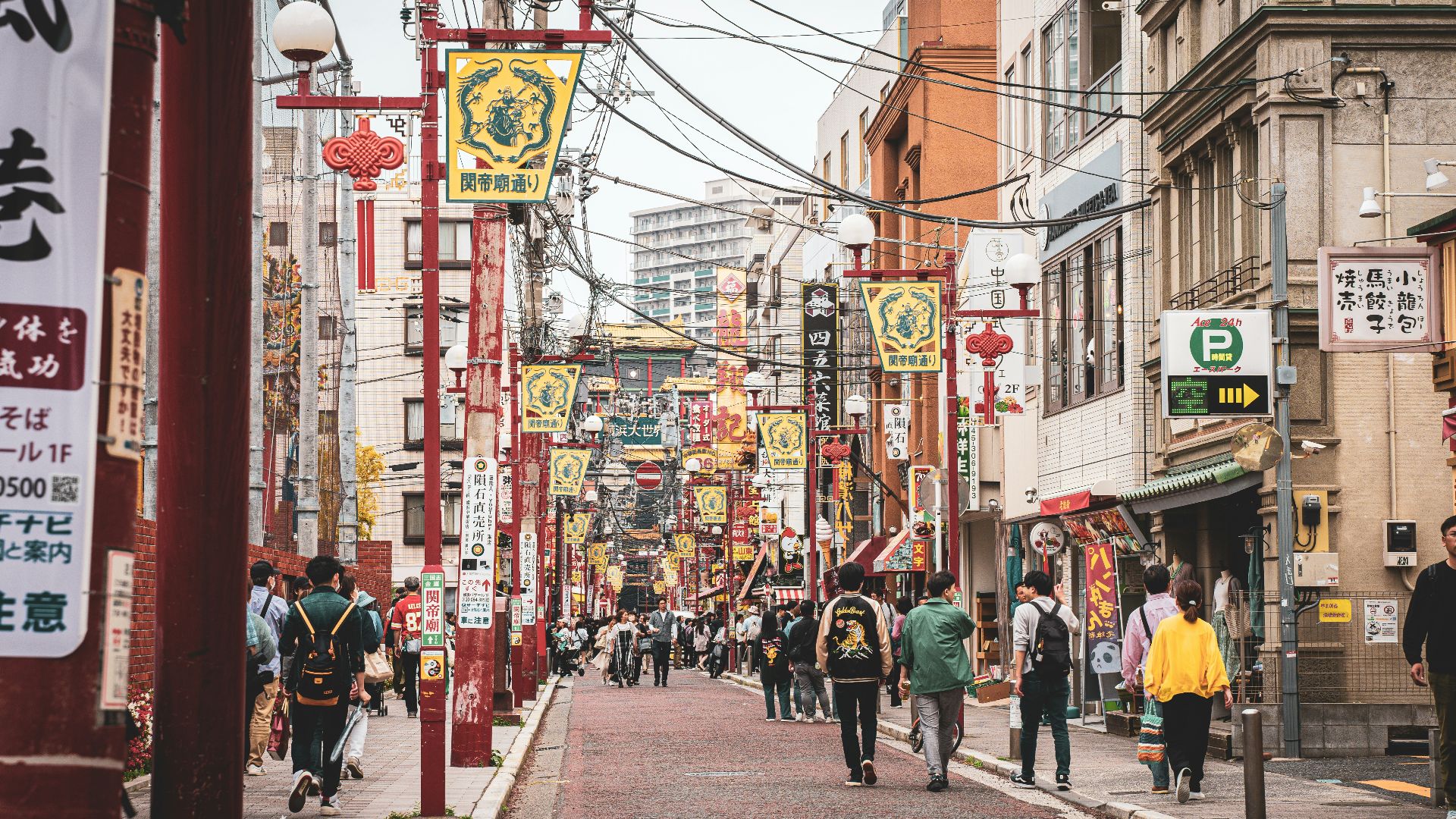
19. Seasonal Obsessions
Seasonality plays a huge role in Japanese culture. Foods, drinks, decorations, and events change throughout the year. It makes every visit feel unique, even if you return to the same place.
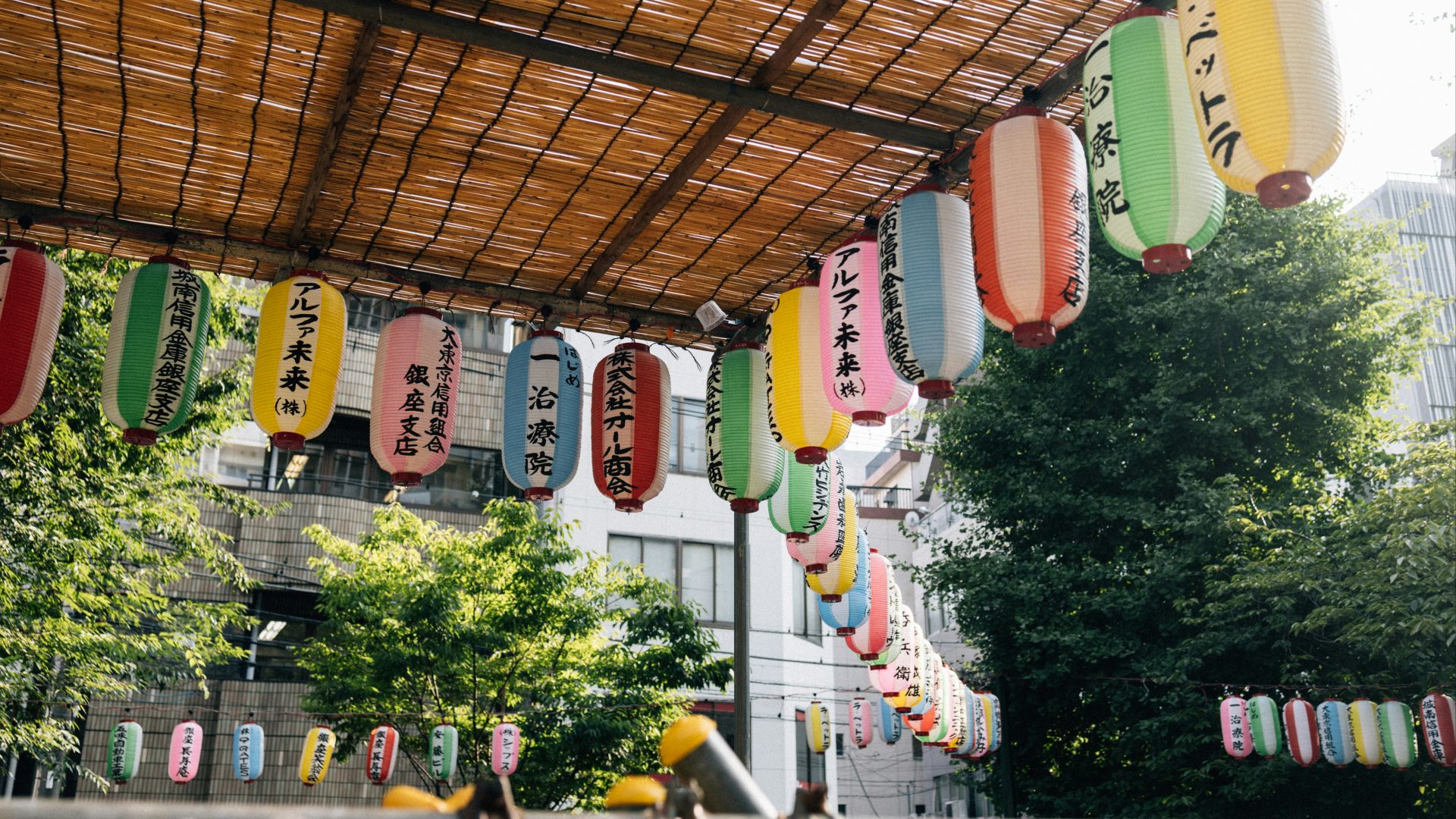
20. Kindness Without Small Talk
People in Japan may not engage in casual conversation, but kindness shows up in actions. Strangers will help you find your way or retrieve a dropped item without hesitation. It’s a quiet warmth that leaves a lasting impression, and is definitely something you could take home with you.