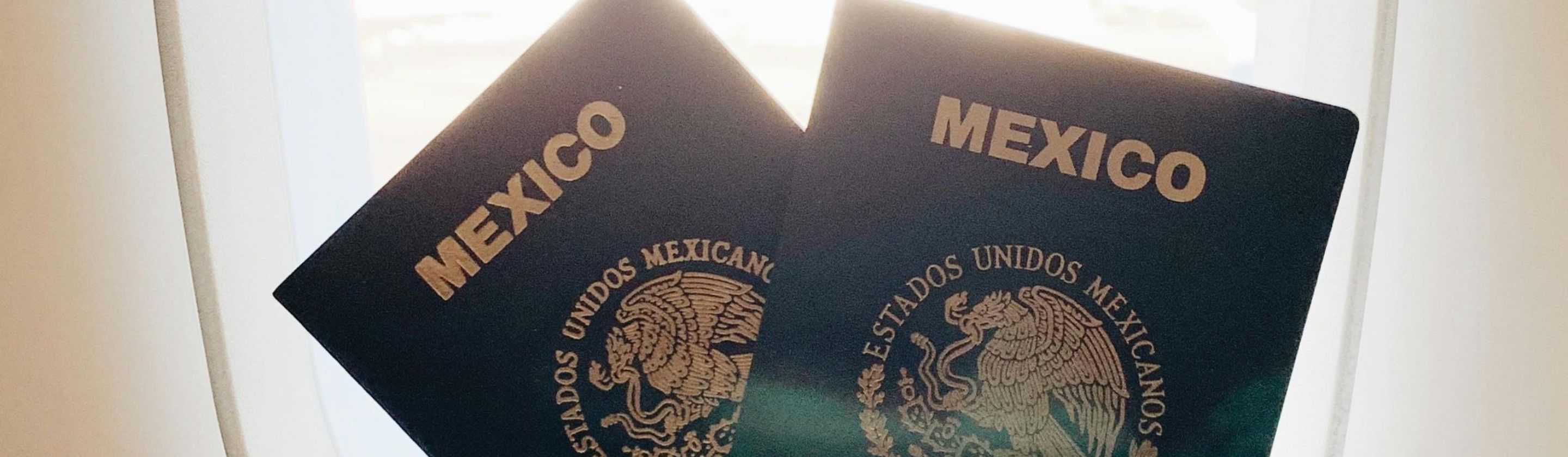
Navigating International Borders With Less Stress
Crossing international borders can be smooth and routine or unexpectedly frustrating, depending on preparation and timing. Travelers often assume the process is entirely out of their control, but a few smart habits can make a significant difference. At the same time, certain mistakes or misunderstandings can turn a simple border crossing into a complicated situation. Knowing what helps and what causes problems allows travelers to avoid unnecessary delays. These two lists highlight practical strategies that make travel easier and the situations most likely to create serious complications.
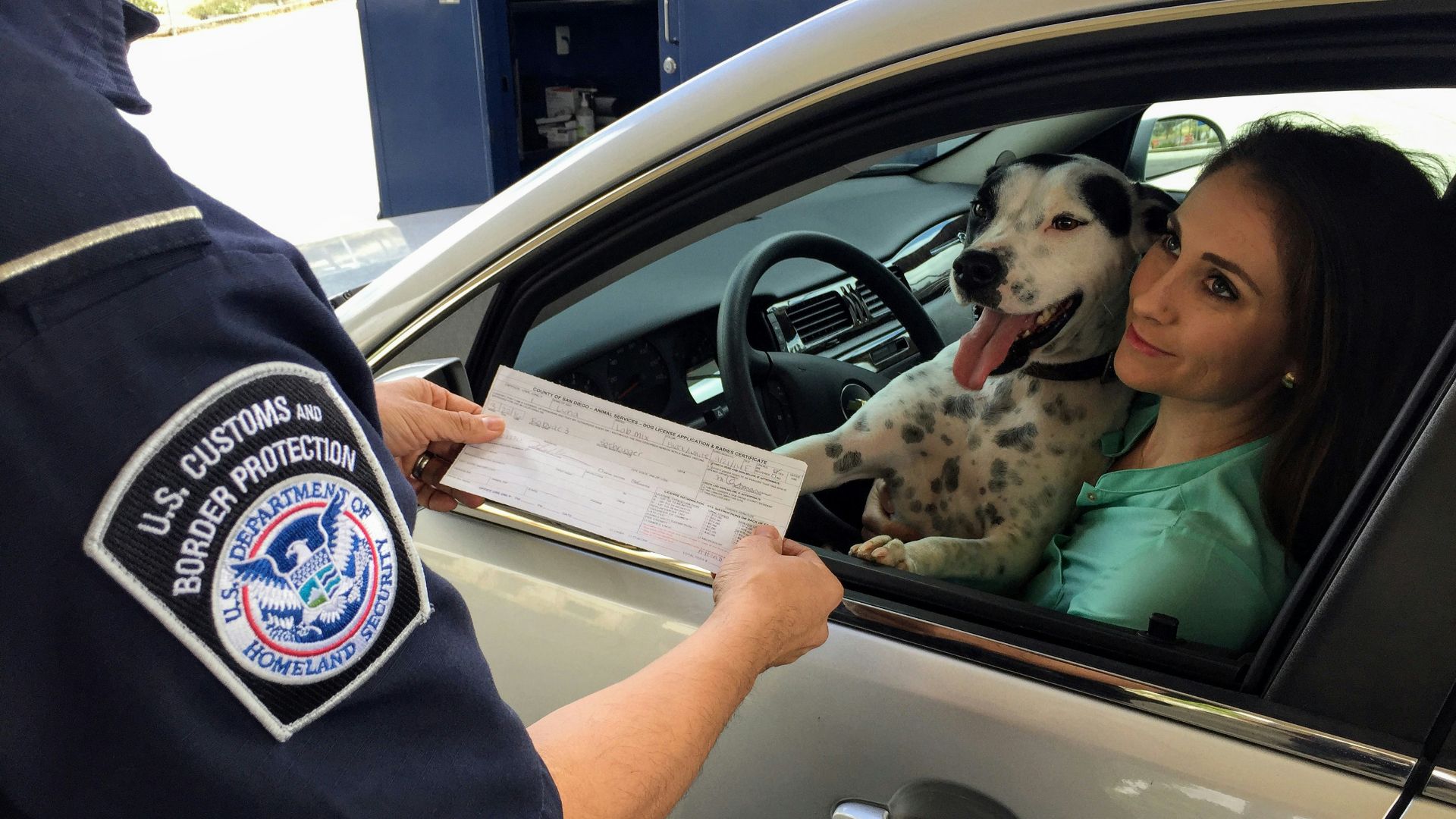
1. Apply for Visas Earlier Than You Think Necessary
Visa processing times can change depending on demand, holidays, or administrative delays. Applying several weeks or even months before departure provides a safety buffer if additional documents are requested. Many embassies also experience seasonal surges during peak travel periods. Early preparation prevents last-minute stress and reduces the risk of delayed travel plans.
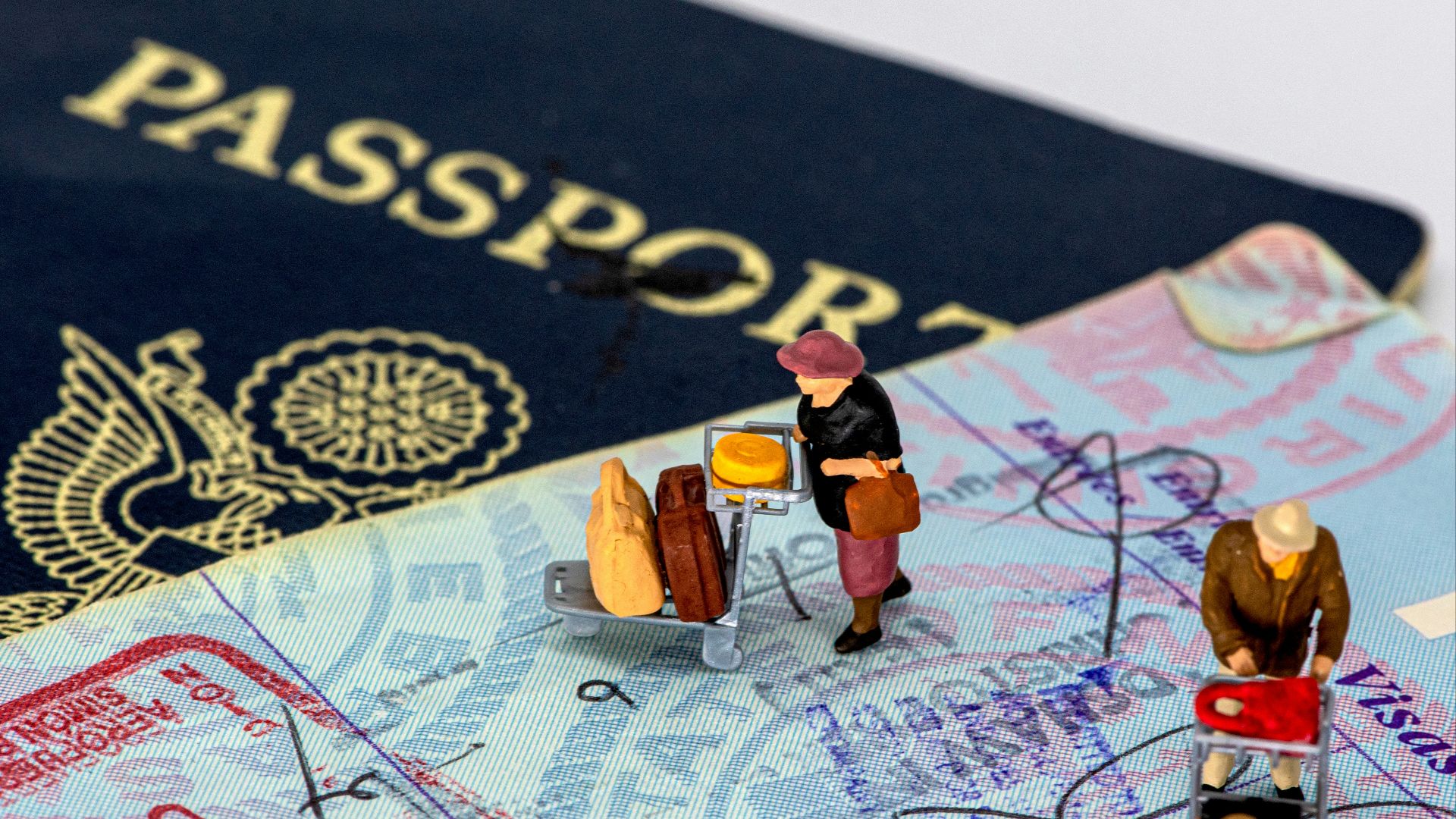
2. Keep Digital and Printed Copies of Key Documents
Border officials may request proof of accommodation, return tickets, or visa approvals. Having both printed and digital copies stored on your phone or cloud storage makes it easier to respond quickly. Technology occasionally fails, so a printed backup is still useful. Organized documentation can speed up the entire inspection process.
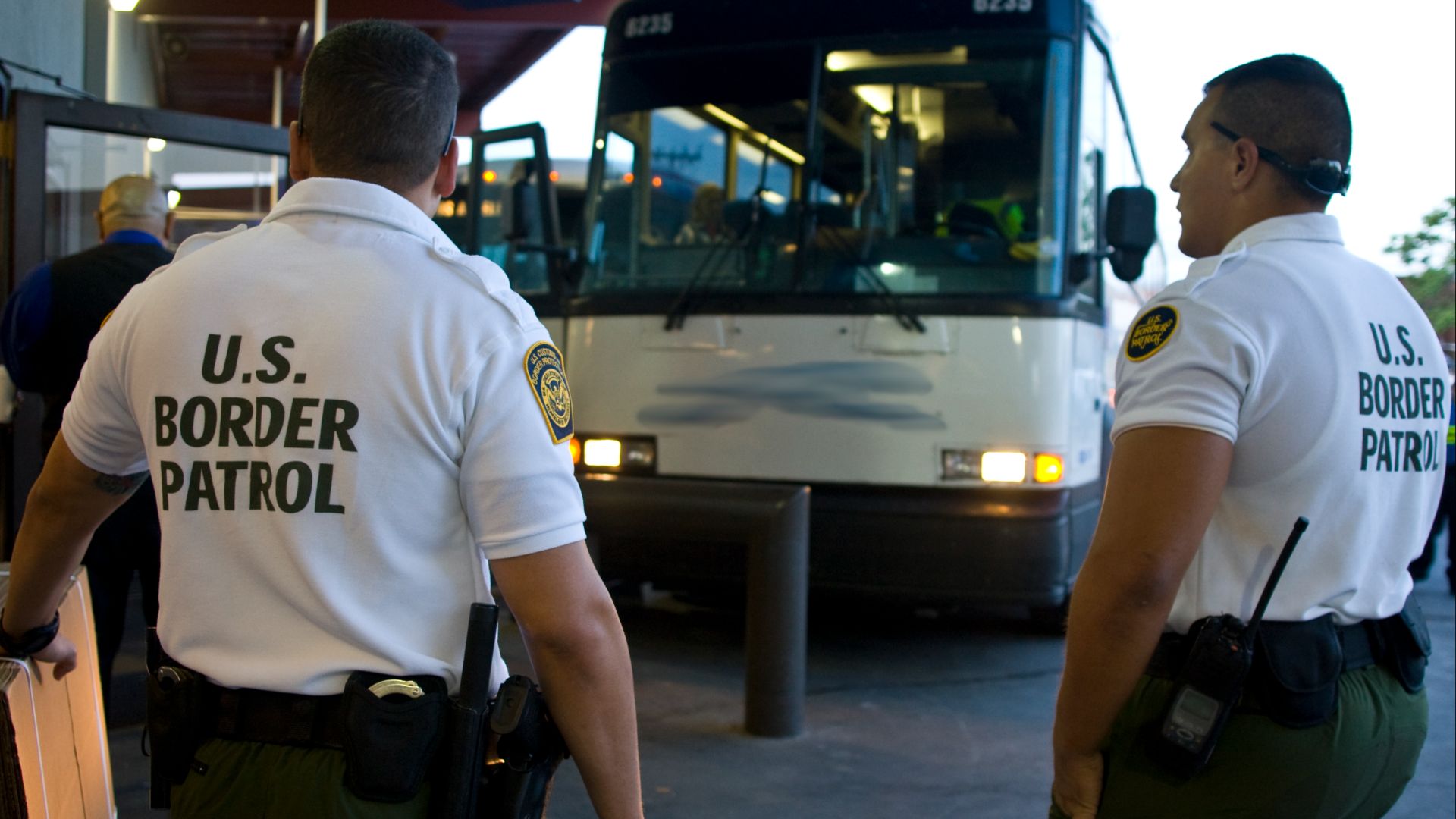
3. Check Passport Validity Requirements Carefully
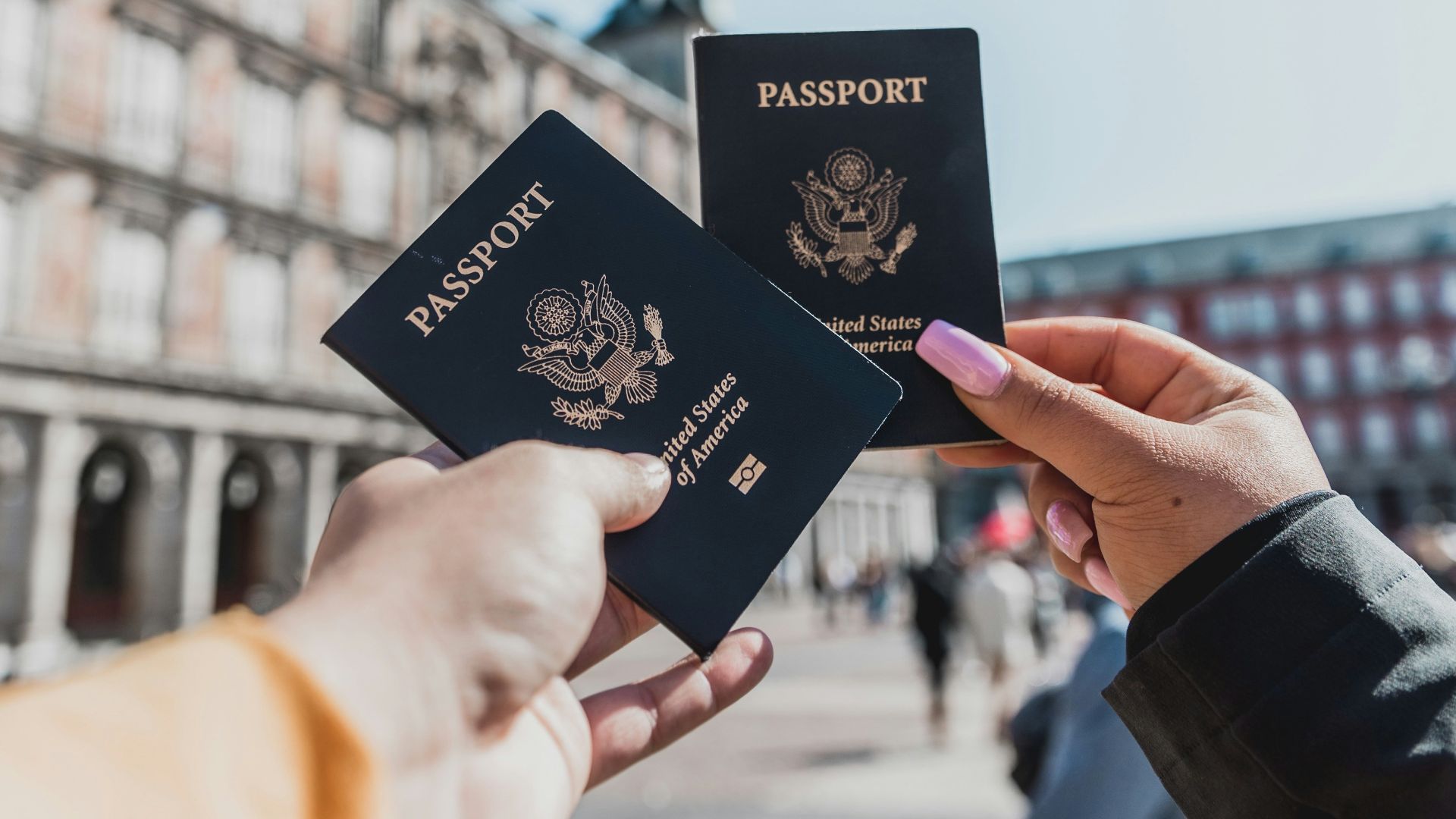
Many countries require passports to remain valid for at least six months beyond the date of entry. Travelers who overlook this rule sometimes discover the issue only when they arrive at the airport. Airlines often enforce these rules before boarding international flights. Confirming validity well in advance prevents unexpected problems.
4. Use Trusted Traveler Programs When Available
Programs such as Global Entry, NEXUS, and similar systems in other countries allow pre-approved travelers to use expedited immigration lines. These programs typically involve background checks and interviews before approval. Once accepted, travelers can pass through automated kiosks or dedicated lanes. Frequent travelers often find the time savings worthwhile.
 Kit (formerly ConvertKit) on Unsplash
5. Research Visa-Free Transit Policies
Some countries allow short transit stays without requiring a full visa. Travelers passing through major international hubs may qualify for temporary entry under specific conditions.
6. Fill Out Arrival Forms Before Landing
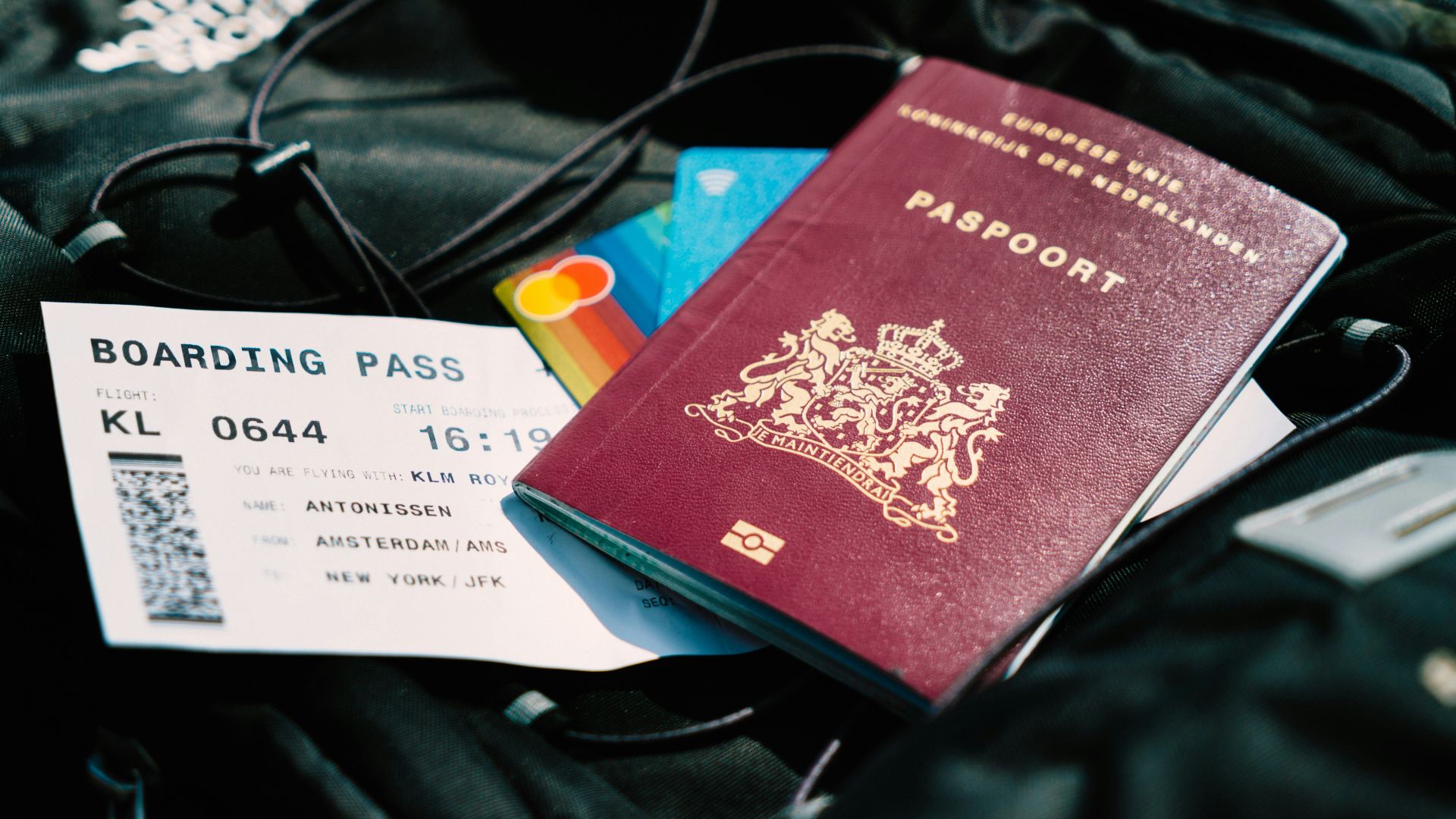
Many countries require arrival cards or electronic entry declarations. Completing them on the plane or before reaching the immigration desk saves time.

7. Keep Travel Itineraries Easily Accessible
Border officers occasionally ask questions about where travelers are staying or how long they plan to remain in the country. Having hotel reservations and return tickets ready helps answer these questions quickly. Clear travel plans also demonstrate that visitors intend to follow visa rules. Organized information builds confidence during inspections.
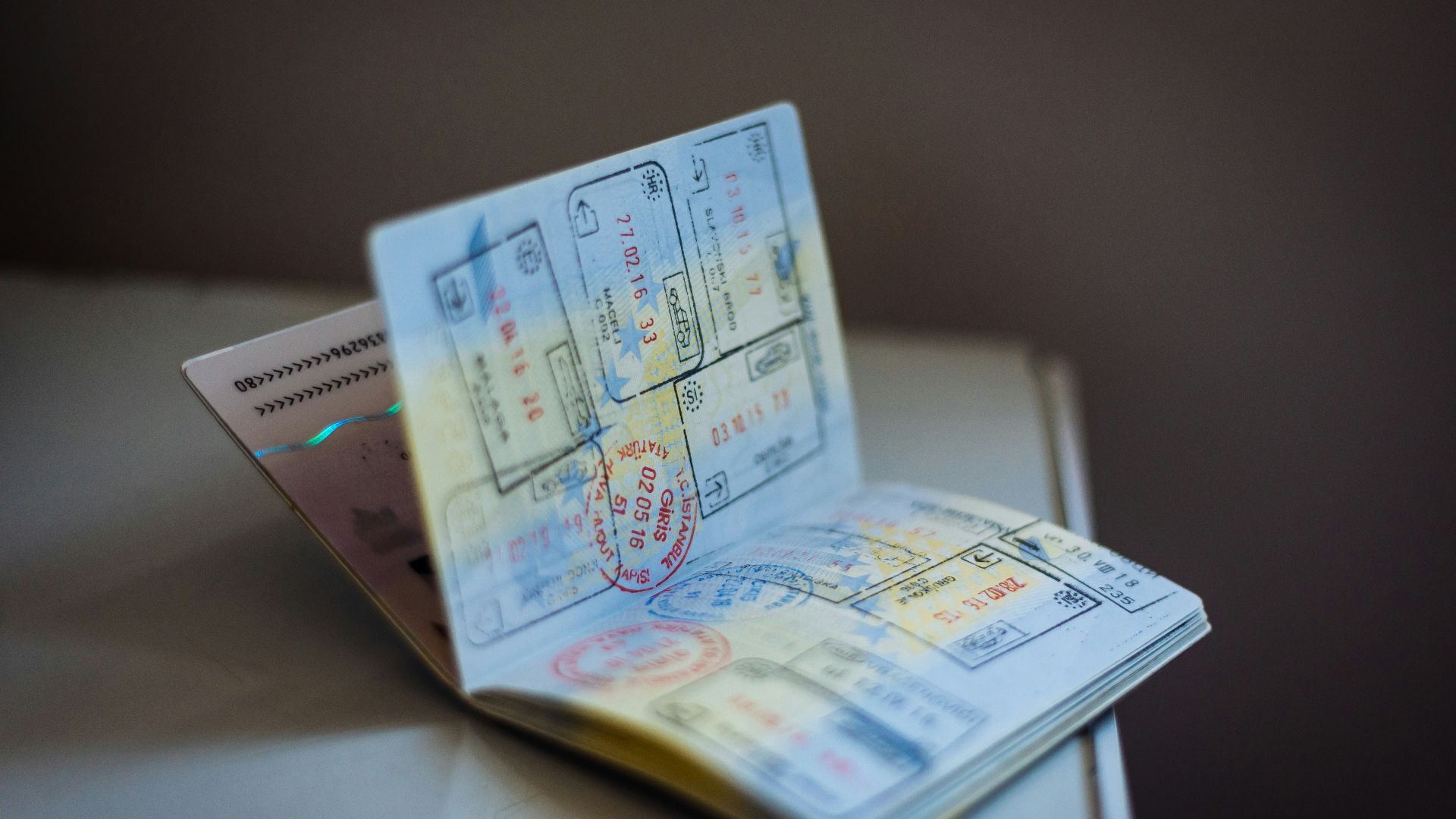
8. Understand Visa Conditions and Length of Stay
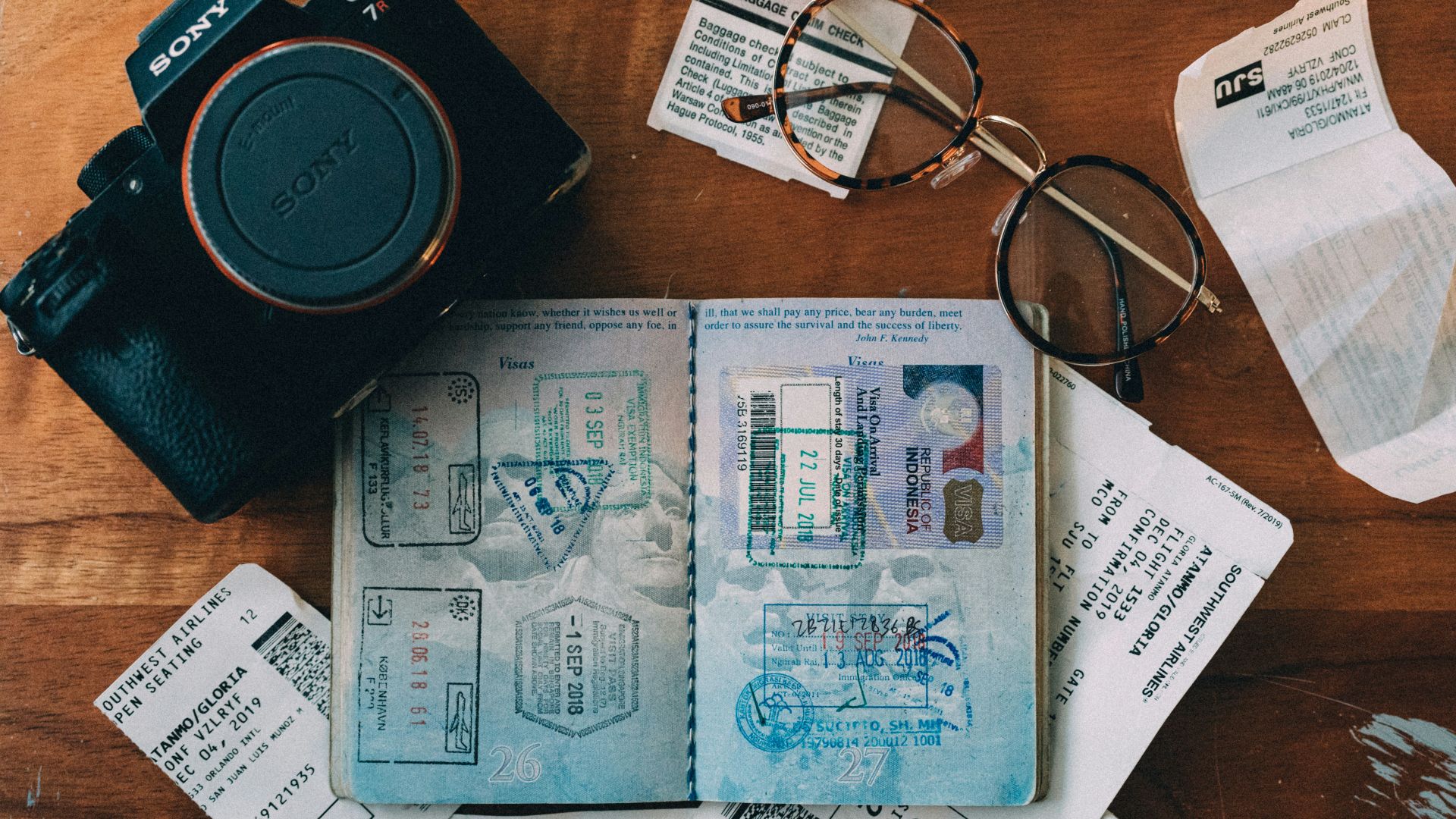
Every visa includes specific rules about how long visitors may remain in the country. Some travelers assume entry stamps automatically allow longer stays than the visa permits. Overstaying even by a short period can lead to fines or future travel restrictions. Knowing the permitted length of stay avoids unnecessary complications.
 Global Residence Index on Unsplash
9. Monitor Electronic Visa Systems
Many countries now issue visas electronically rather than as passport stickers. Travelers should confirm that their approval was processed correctly before departure. Printing the confirmation page is often recommended even when the visa is stored digitally. Keeping the approval accessible ensures quick verification during inspection.
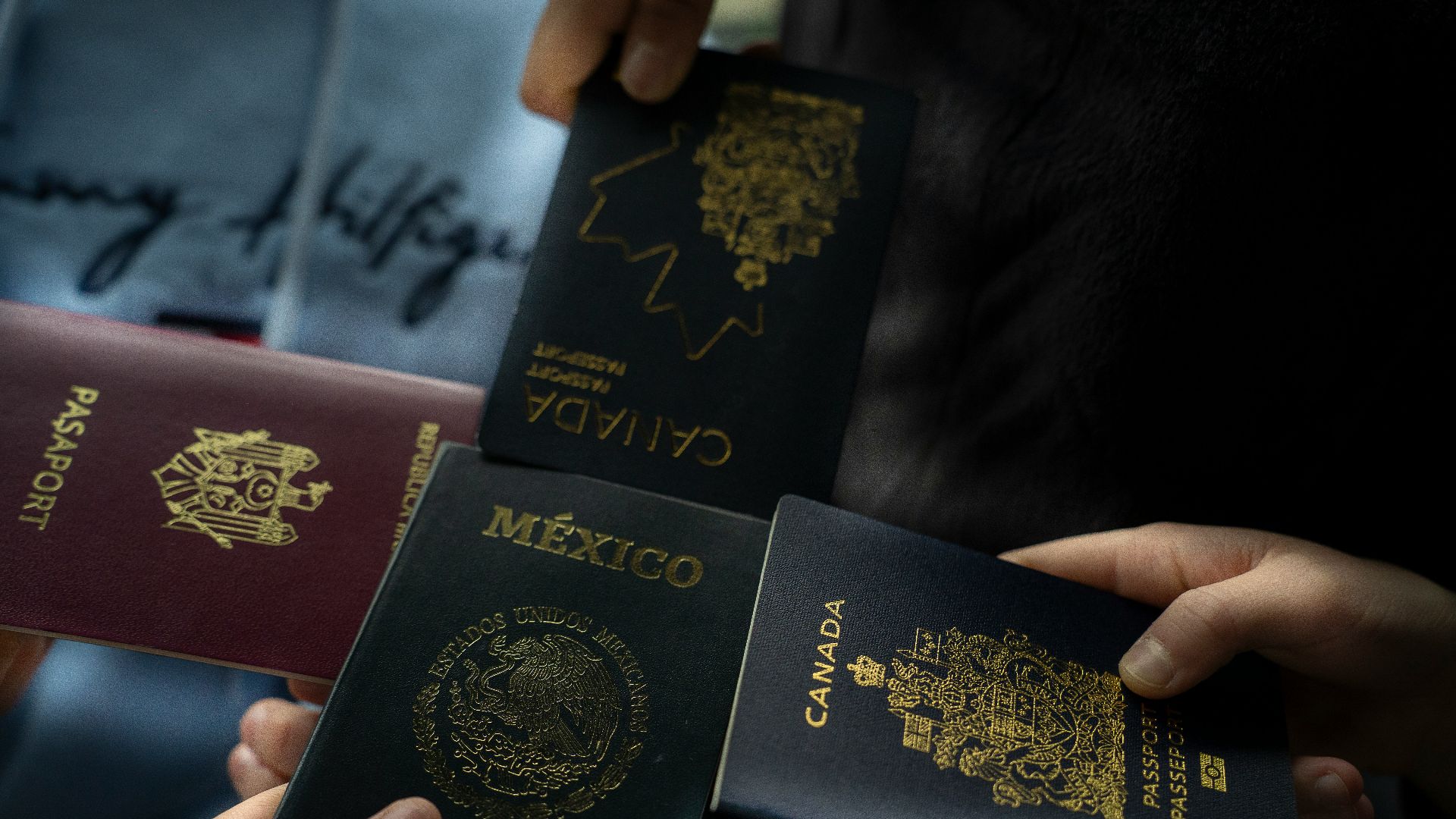
10. Arrive Early for International Flights
Airlines often verify visa documents before allowing passengers to board international flights. Arriving early provides time to resolve any unexpected questions from airline staff. If additional documentation is required, there is still time to address the issue. Extra preparation reduces the pressure of last-minute surprises.

1. Discovering a Visa Requirement at the Airport
One of the most stressful situations occurs when travelers learn they need a visa only after arriving at the airport. Some countries require visas to be obtained in advance rather than on arrival.
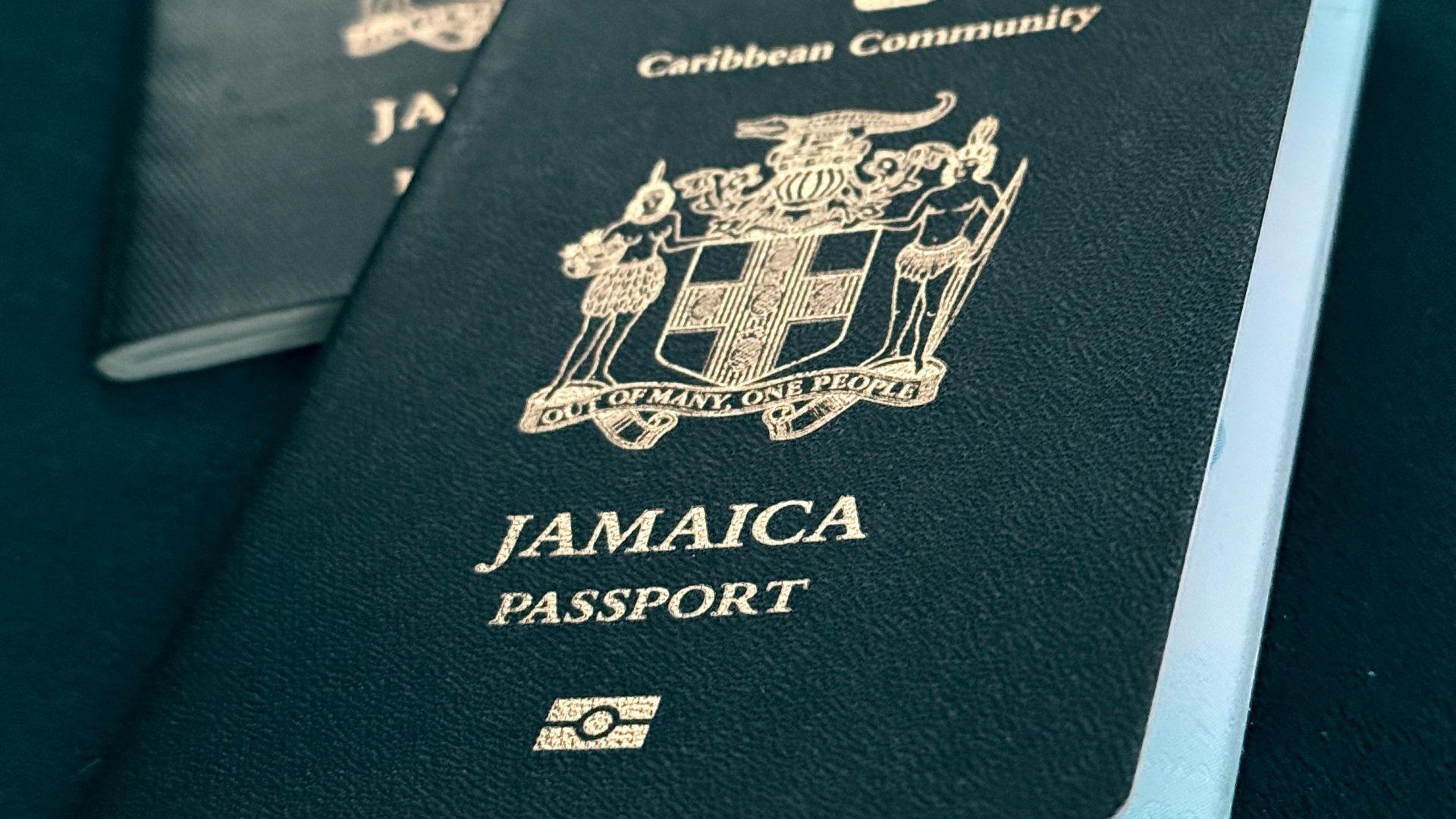
2. Overstaying a Visa Without Realizing It
Many travelers miscalculate their allowed length of stay or misunderstand entry stamps. Even short overstays can trigger penalties, fines, or entry bans. Some countries record these violations in immigration databases.

3. Arriving With an Almost Expired Passport
Travelers occasionally discover their passport expires within a few months of their trip. Because many countries enforce the six-month validity rule, border officials may deny entry. Airlines sometimes prevent travelers from boarding flights in these situations. Renewing passports early prevents these complications.

4. Incorrect Information on Visa Applications
Mistakes such as incorrect passport numbers or misspelled names can invalidate a visa. Even small errors may cause delays during immigration inspections.
5. Missing Supporting Documents
Some visas require proof of hotel reservations, return flights, or financial resources. Travelers who cannot provide these documents may face additional questioning.

6. Misunderstanding Transit Visa Rules
Travelers sometimes assume they can freely transit through airports without visas. However, certain nationalities require transit visas even when staying in the airport. Discovering this requirement during a layover can cause major travel disruptions. Understanding transit policies in advance prevents unexpected problems.
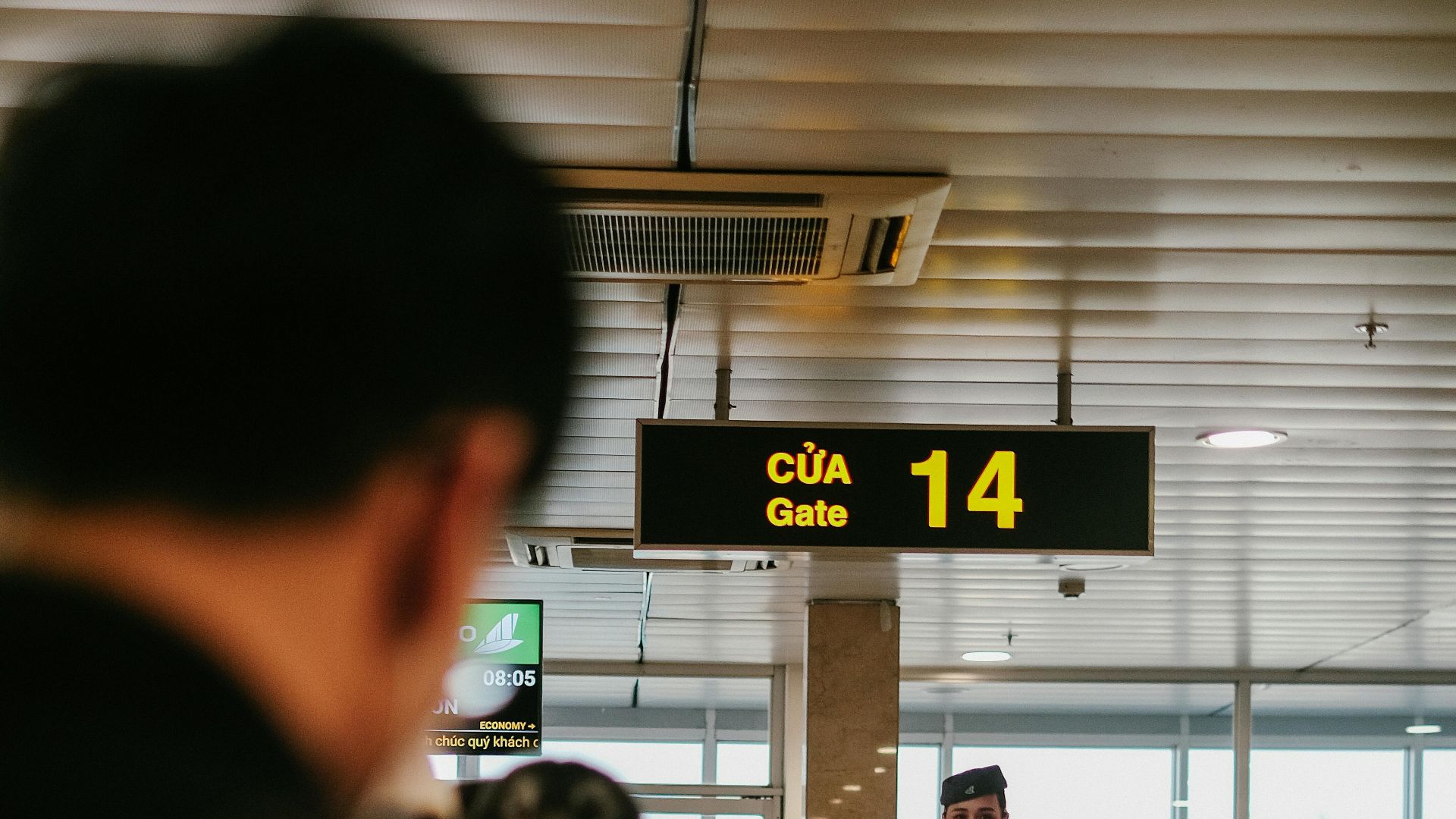
7. Using the Wrong Type of Visa
Entering a country on a tourist visa while planning to work or study can lead to serious consequences. Immigration officers may deny entry if they believe the traveler intends to violate visa conditions.
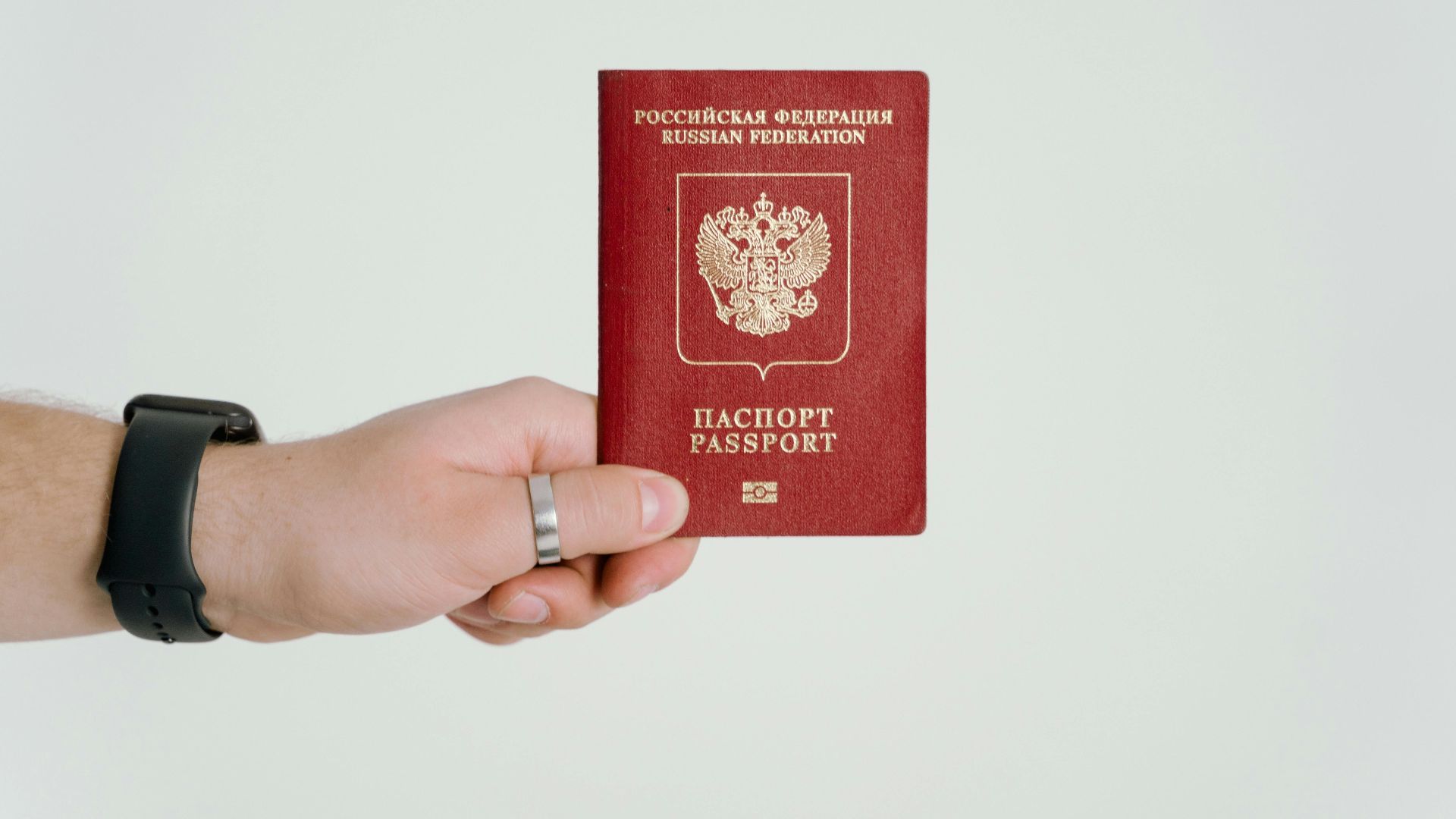
8. Passport Damage or Missing Pages
A damaged passport can create unexpected difficulties during immigration inspections. Torn pages, water damage, or missing pages may make the document invalid.
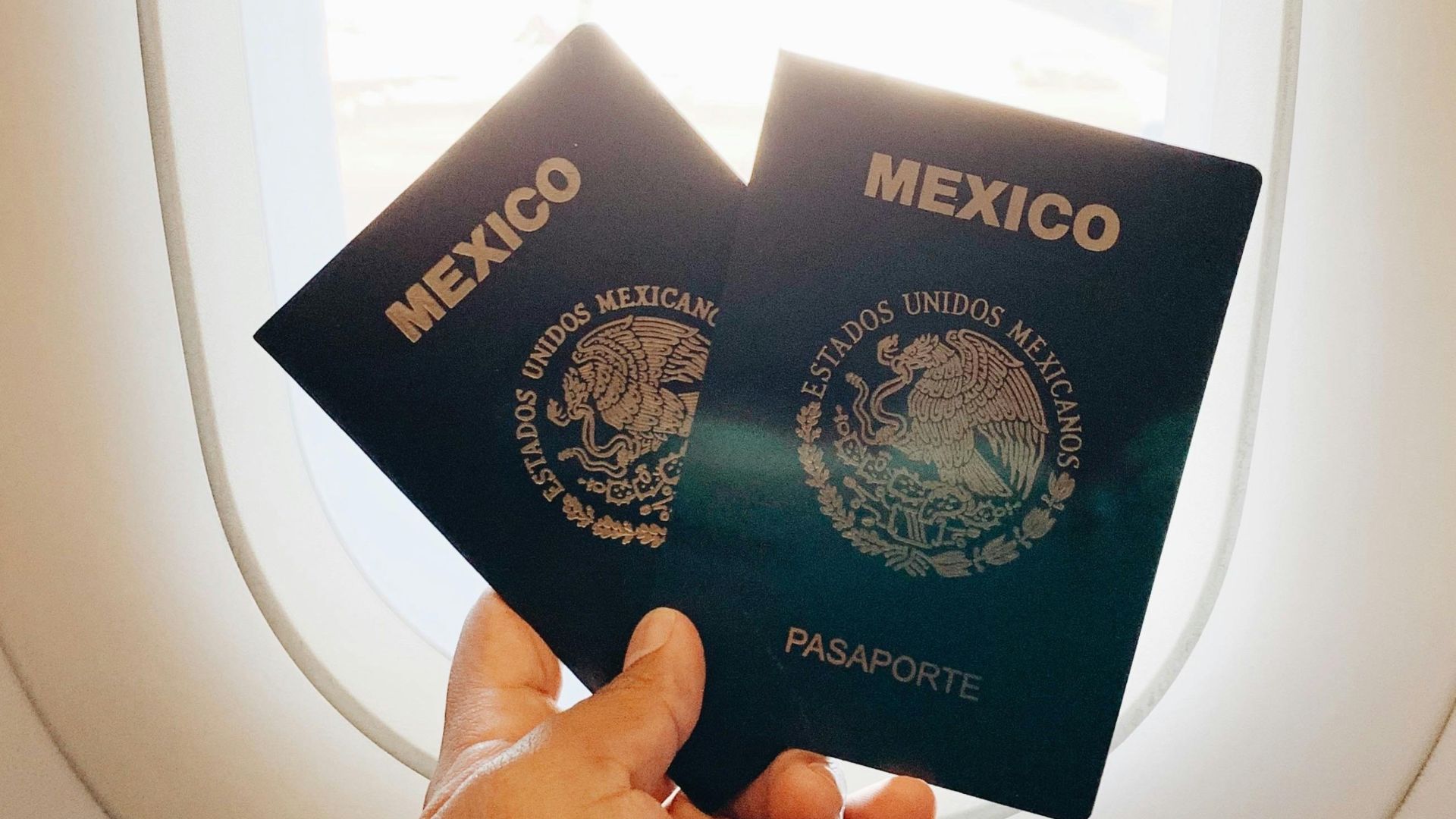
9. Ignoring Visa Processing Delays
Visa approvals sometimes take longer than expected due to administrative reviews. Travelers who wait until the last moment may discover their application hasn't been processed yet.

10. Violating Entry Conditions After Arrival
Some travelers unintentionally break visa rules after entering a country. Working without authorization or staying longer than permitted can lead to fines or deportation.