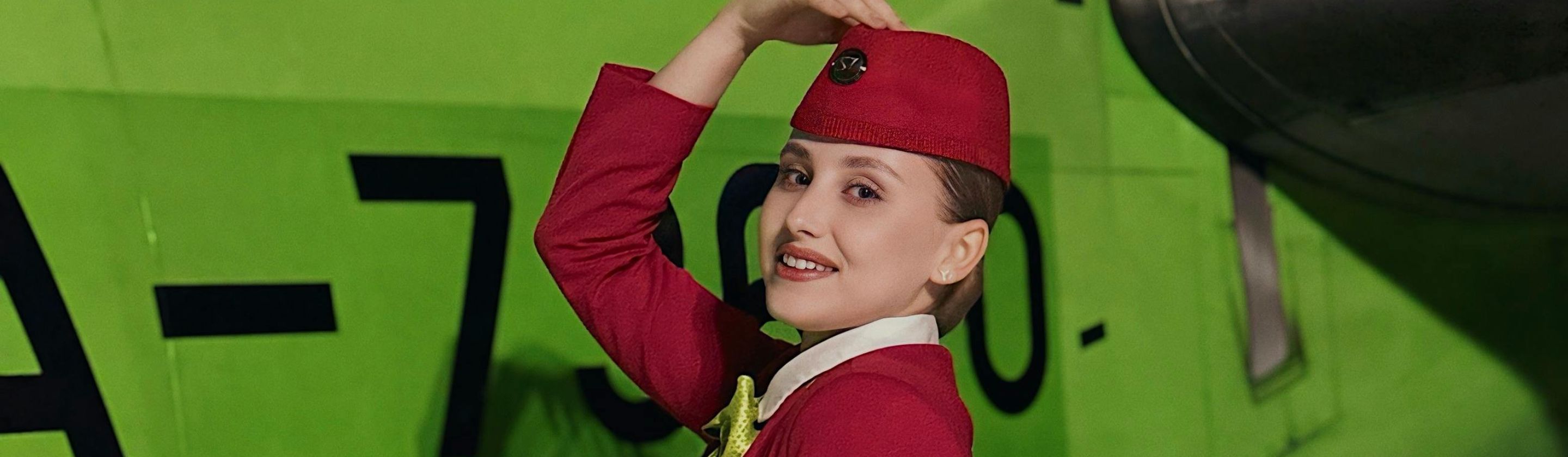
First Impressions at 35,000 Feet
From the moment you step onto a plane, flight attendants already take in more about your personality than you realize. They’re not sizing you up to be judgmental, but they are trained to notice details quickly—the very details that can affect boarding, safety, service, and the overall mood in the cabin. Before you accidentally embarrass yourself, let’s explore a few things the cabin crew spots a mile away.

1. How You Greet Them
One of the first things flight attendants notice is whether you acknowledge them when you board. A simple hello or even a quick nod tells them a lot about your mood and how approachable you’ll be during the flight. When you walk past like they don’t exist, it just comes across as dismissive, even if you’re distracted.

2. Whether You Seem Prepared
They can usually tell right away if you’ve planned ahead or if you’re scrambling. Passengers who already have their boarding pass, seat number, and essentials ready move through the aisle with less confusion. If you stop suddenly to search through three different bags, that also gets noticed.

3. Your Awareness of Space
Flight attendants pick up fast on whether you’re mindful of the people around you—and no, it’s not just the flight crew! Someone who keeps moving without blocking the aisle or bumping other passengers stands out in a good way. On the other hand, spreading out like you own the row leaves the exact wrong impression.

4. The Mood You Bring
We’re all a little sour when flying, but you might want to stow your attitude in the above cabin! Your energy is obvious before you say much at all. If you seem calm and cooperative, flight attendants register you as someone who’ll be easy to assist. When you board, ready for an argument, they notice that too.

5. How You Handle Carry-On Luggage
They’re definitely watching what happens with your bag, whether you lift it efficiently, place it neatly, and keep the line moving. Passengers who wrestle oversized luggage into the bin and act surprised when it doesn’t fit usually get remembered quickly.

6. Whether You Read the Cabin
Some travelers pay attention to what’s happening around them, and flight attendants spot that right away. You can often tell who’s following directions and adjusting without needing extra reminders. Of course, those who ignore obvious boarding flow stand out instantly.

7. Seat Confusion
Flight attendants notice when you actually know where you’re going and when you clearly don’t. It’s normal to double-check a row number, but wandering up and down the aisle slows boarding for everyone. If you’re in the wrong row and insist you’re right, that’s even more memorable (just not in the way you’d hope).

8. How Loud You Are
Your volume makes an impression before the cabin door even closes. Speaking loudly on a phone, calling across rows, or announcing every minor inconvenience tends to stand out for all the wrong reasons.

9. Whether You Look Like You’ll Need Help
Experience makes flight attendants very observant about who may need a little more attention. Trust us, they notice if you seem nervous, confused, or unsure about the process, and they may quietly keep an eye on you. Try not to let it scare you! That kind of observation is all about support and safety, not criticism.

10. What You Wear
No, they aren’t the fashion police, but they do register how practical your clothing seems for travel. Overall comfort can hint at whether you’re a frequent flyer, a vacation traveler, or someone who underestimated airplane temperatures. Inappropriate clothing is also mentally tallied, so don’t walk in with an obscene shirt.

11. Whether You’re Already Impatient
Impatience shows up in all kinds of little ways, and flight attendants notice passengers who look annoyed by every small delay. When you’re irritated from the start, they likely expect more complaints once the flight is underway, too.

12. How You Respond to Instructions
They can tell very quickly whether you’re the type to listen. Passengers who respond politely and follow directions are always appreciated, whereas those who challenge routine requests for no reason get put on their radar.

13. The Way You Settle Into Your Seat
After the rush of boarding, flight attendants pick up on how you behave. Some people become still and composed. Others immediately start fidgeting. That unsettled energy can stand out more than loud behavior; it suggests you’re already uncomfortable before the flight has even started.

14. Whether You Try to Break the Rules
Some people start pushing boundaries before takeoff, and flight attendants catch it fast. They notice attempts to sneak extra bags, ignore seating assignments, or use devices when asked not to. Even when you think you’re being subtle, you probably aren’t.
 Kit (formerly ConvertKit) on Unsplash
15. Your Confidence
Confidence doesn’t have to mean arrogance! A relaxed, courteous passenger who knows how to settle in makes the cabin feel a whole lot smoother than someone who just assumes they’ll get waited on hand and foot.

16. How You Treat Service Staff
The tone you use matters more than you think. Flight attendants quickly notice whether you make requests with basic courtesy or speak to them like they’re there to take orders from you. Just remember: a warm attitude stands out just as much as rude behavior.

17. Whether You’re Anxious About Flying
Nervous flyers are often easy for cabin crew to identify, but that’s not always a bad thing. It might show in your facial expression, the way you grip the armrest before takeoff, or how often you look around for reassurance. Don’t worry—flight attendants recognize those signs early, and many respond with extra patience.

18. Your Sense of Entitlement
Few things stand out faster than a passenger who acts like normal rules shouldn’t apply to them. Flight attendants always spot someone who expects special treatment. That attitude can shape the entire interaction before you hit the air, so you might want to reconsider any negativity!

19. Whether You Look Healthy Enough to Fly
This is one of the more practical things they notice, and it’s tied to safety rather than curiosity. If you seem legitimately unwell, crew members will likely keep a closer eye on you from the start. They’re trained to notice signs that someone might need medical attention before the flight’s underway.

20. How You React to Minor Delays
Your patience will always reveal itself early, so there’s no point blowing a gasket over a slow-moving line or a brief pause in boarding. Flight attendants absolutely notice the passengers who treat every small delay like a personal insult.