Carry-On or Check It In?
Heading on a trip soon? Before you get to packing, it might be worth debating whether you want to stuff everything into a checked bag or if you should keep it simple; after all, both choices have their perks and downsides, and can genuinely shape how smooth or stressful your entire travel experience turns out to be. Having only a carry-on piece means you won't have to worry about losing your luggage, but checking it in means it's out of sight, out of mind. So, which is better? Here are 10 reasons to check your bag—and 10 reasons it's best to commit to carry-on only.
1. You're Traveling with Liquids, Gels, or Full-Size Toiletries
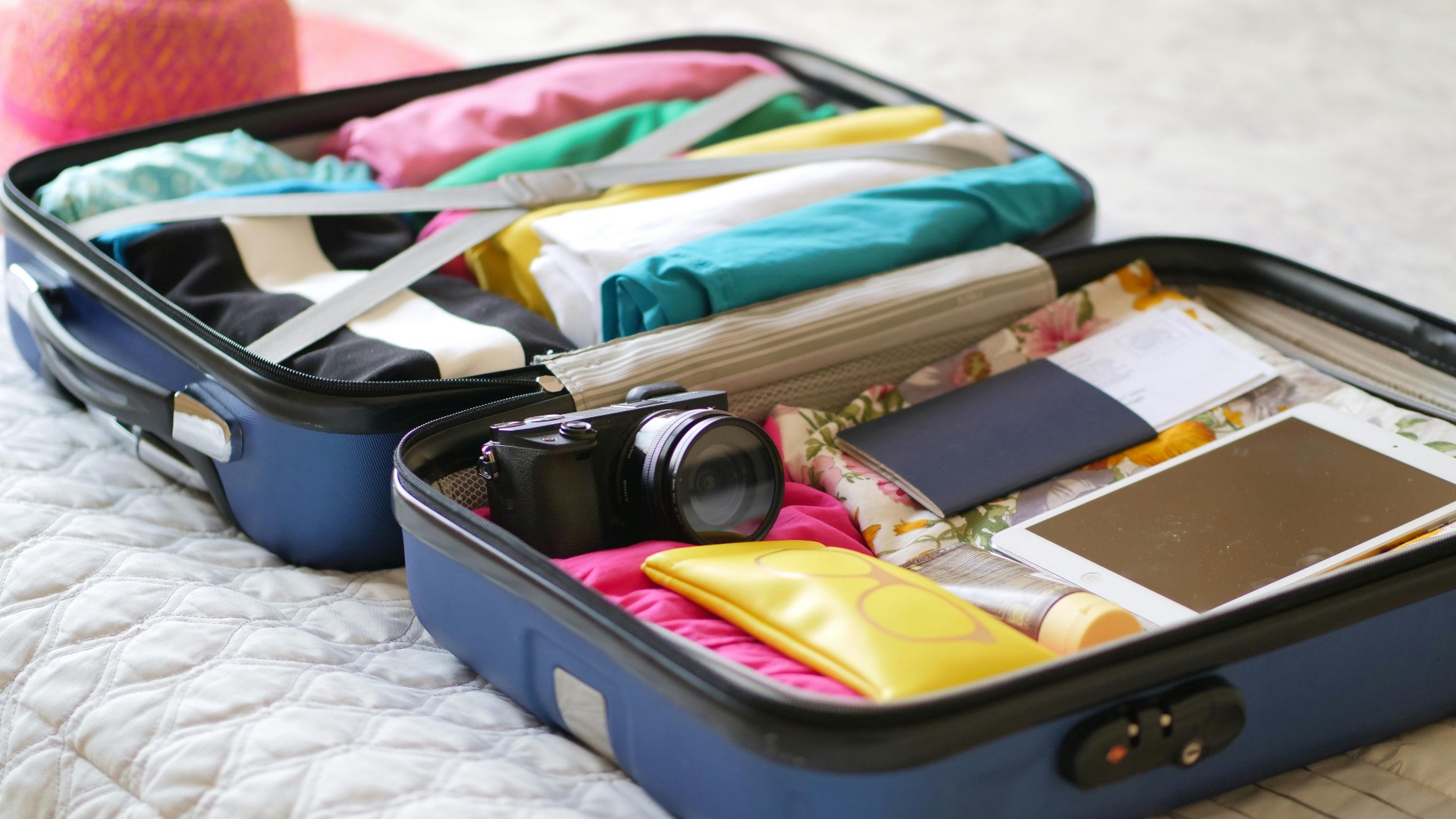
The TSA's 3-1-1 rule limits carry-on liquids to containers of 3.4 ounces or less, which isn't much when you're packing shampoo, conditioner, body wash, and skincare products for a longer trip. Checking a bag means you can bring your full-size favorites without having to transfer everything into tiny bottles or sacrifice products you actually need. If you're someone who's particular about the products you use, checking a bag is the far more practical choice.

2. You're Going Away for More Than a Week
Packing for a trip that spans 10 days or more into a single carry-on is technically possible, but it typically requires a level of minimalism that most travelers aren't comfortable with. A checked bag, on the other hand, gives you the freedom to pack enough clothing for the full trip without building your entire wardrobe strategy around what can be rolled into a cylinder and stuffed into an overhead bin. The extra space also means you're not wearing the same three outfits on rotation for nearly two weeks.

3. Your Trip Includes Multiple Climate Zones or Dress Codes
If your itinerary takes you from a beach destination to a formal dinner to a hiking trail, trying to squeeze all of those wardrobe requirements into carry-on space is a serious challenge. Cold-weather gear alone, like heavy jackets, boots, and layers, tends to take up a disproportionate amount of luggage space and simply can't be compressed the way lighter clothing can. Checking a bag removes the wardrobe math and lets you pack appropriately for every part of your trip.

4. You're Traveling with Young Children
Families with babies or toddlers need a significant amount of gear, from diapers and extra clothing changes to travel toys and feeding supplies, that would fill a carry-on before you've even thought about your own belongings. Checking a bag means the adults in the group can pack what they need without sacrificing space to children's necessities, and it also frees up your hands during boarding and deplaning. Traveling with kids is complicated enough without also trying to navigate the overhead bin situation while holding a toddler.
5. You've Purchased Fragile or Oversized Souvenirs Abroad
If you've spent time shopping during your trip and you're heading home with ceramics, glassware, framed artwork, or other items that need to be carefully packed, checking a bag is often the most sensible option. Specialty packing materials and a dedicated checked bag give fragile items far more protection than they'd have crammed into an overhead bin surrounded by other passengers' bags. Some items simply can't be safely transported as carry-on, and it's worth the checked bag fee to protect what you've bought.

6. You're Flying with Specialty Equipment
Skis, golf clubs, surfboards, and similar gear fall into a category that carry-on rules don't even begin to accommodate, and most airlines have specific checked baggage policies designed for exactly these items. While oversized equipment fees can be significant, it's still often more cost-effective and practical than renting the same equipment at your destination. Checking your gear means you arrive with everything you need and can get straight to the activity you planned the trip around.

7. You Have a Long Layover
When your itinerary includes a layover of several hours, exploring the airport or nearby city is much more enjoyable when you're not dragging a carry-on behind you through every terminal, restaurant, and taxi line. Checked bags travel through the airline's system independently, which means you can move freely during a long connection without being weighed down by luggage. That freedom to move comfortably can genuinely transform a tedious layover into something you actually look forward to.

8. You Want to Avoid the Overhead Bin Competition
Anyone who's boarded a full flight toward the back of the plane knows the anxiety of scanning the cabin and realizing the overhead bins are nearly full. Checking your bag ahead of time eliminates that experience entirely and lets you board without the pressure of scrambling for space or having your bag gate-checked at the last minute anyway. Sometimes paying for a checked bag upfront is worth it simply for the peace of mind during boarding.
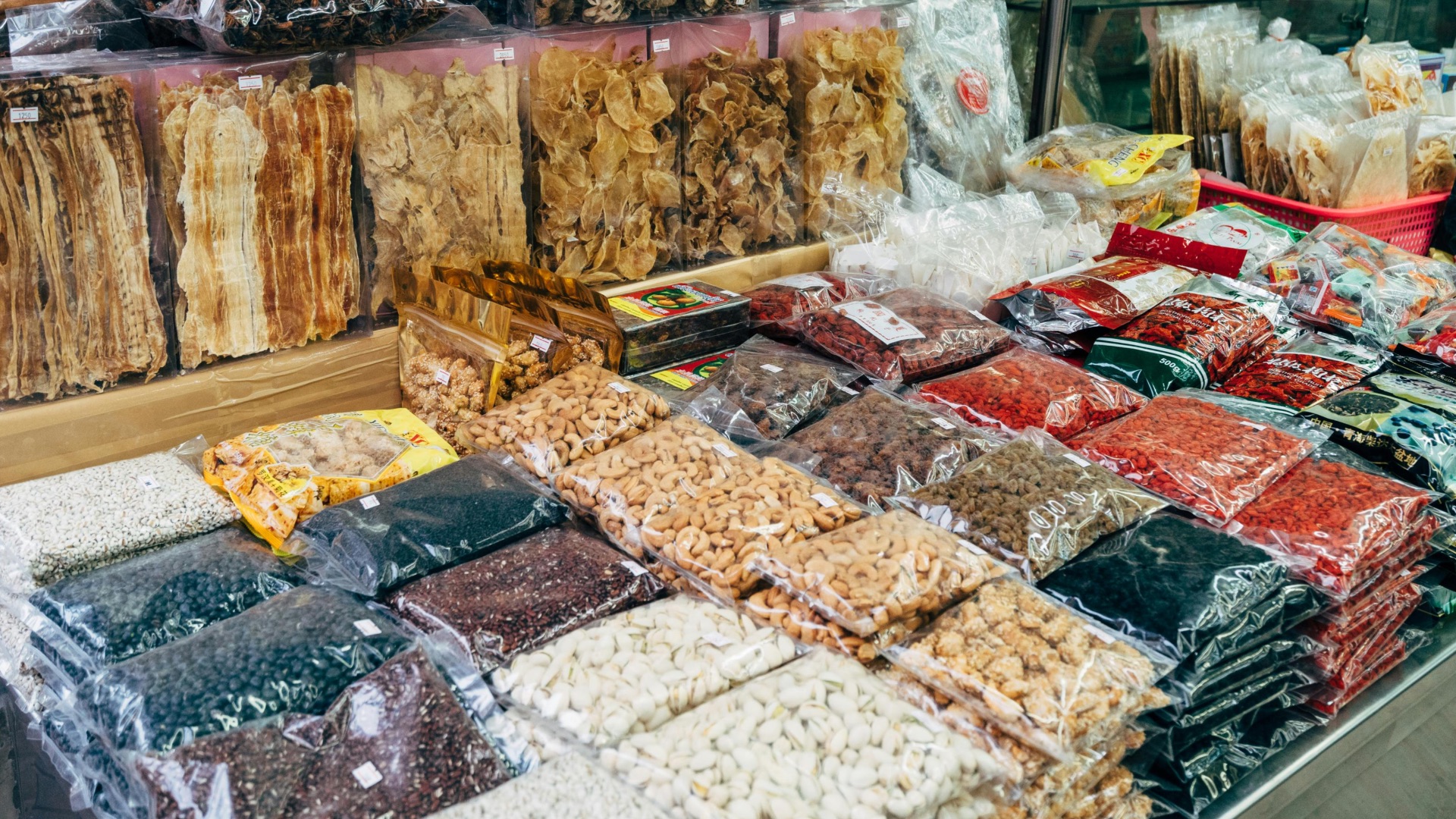
9. You're Bringing Back Local Goods
If your travel plans include picking up wine, olive oil, local spirits, or other regional products to bring home, those items take up significant space and can't always fly as carry-on. Packing a slightly under-filled checked bag on the way out specifically to accommodate purchases on the return trip is a strategy that experienced travelers use regularly. It saves you from having to make tough decisions because you've run out of room in your personal bag.
10. You're Checking a Bag Anyway
If you've already decided to check a bag for other reasons, it makes sense to be intentional about filling that space in a way that genuinely works in your favor. Packing heavier items like books, shoes, and bulkier clothing in your checked bag frees up your carry-on for valuables, electronics, and anything you'll want easy access to during the flight. Once you're paying for the checked bag, you might as well make sure every inch of it is earning its keep.
While checking a bag seems like it's always the way to go, given how convenient it is, there are cases where it's better to stick to carry-on only. Let's cover 10 particular situations.
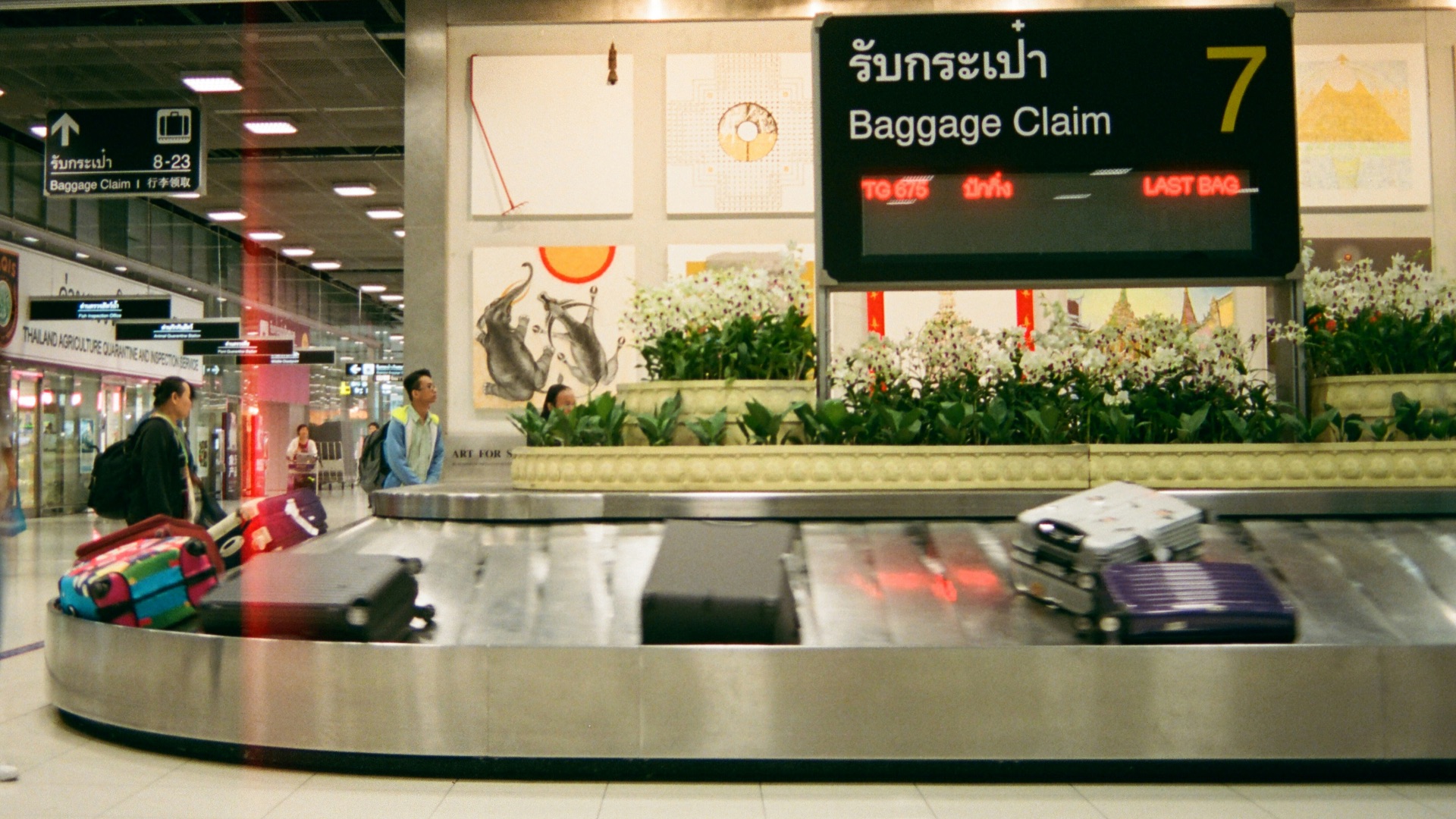
1. You Won't Need to Wait at the Baggage Carousel
One of the most immediate benefits of carry-on only travel is walking straight off the plane and out of the airport without standing at a baggage carousel watching the same few bags circle while you wait. On shorter trips especially, that time savings can be 20 to 45 minutes, which adds up quickly when you're trying to get to a hotel, meeting, or connecting transportation.
2. Checked Bag Fees Add Up
Most major U.S. airlines now charge between $30 and $40 each way for a first checked bag, which means a round trip can cost you $60 to $80 before you've even left the gate. For frequent travelers, those fees accumulate into hundreds of dollars over a year that could easily go toward an upgraded seat, a nicer hotel, or just staying in your destination a day longer. Carry-on only travel is one of the simplest ways to reduce the overall cost of flying without sacrificing anything you actually need.

3. Your Bag Can't Get Lost
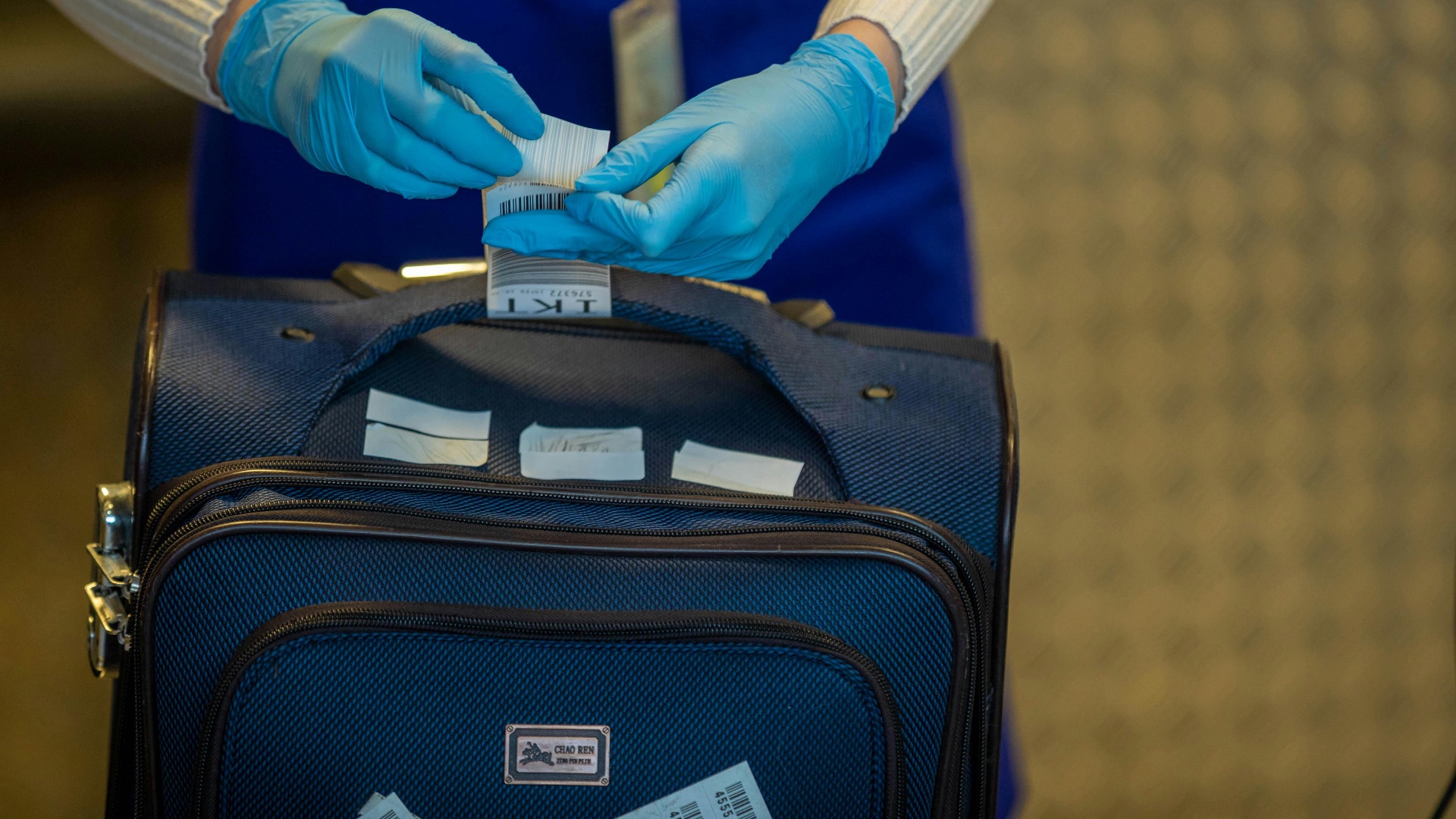
Checked baggage does occasionally get misrouted, delayed, or temporarily lost, and while airlines have improved their tracking systems considerably, it's still a risk that carry-on travelers never have to think about. Arriving at a destination without your luggage is particularly disruptive when you have plans that start immediately, like a morning excursion, a business meeting, or a special event. Keeping your bag with you at all times removes that uncertainty from the equation entirely.
4. You Can Book Budget Flights More Freely
Budget carriers are significantly cheaper upfront, but those fares often assume you're not checking a bag, and adding one can sometimes cost more than the base ticket itself. Sticking to carry-on only means you can actually take advantage of deeply discounted fares without the added fees negating your savings. It also opens up more booking flexibility, since you're not locked into airlines that offer free checked bags as a perk.
5. Navigating Airports and Transfers Becomes Much Easier
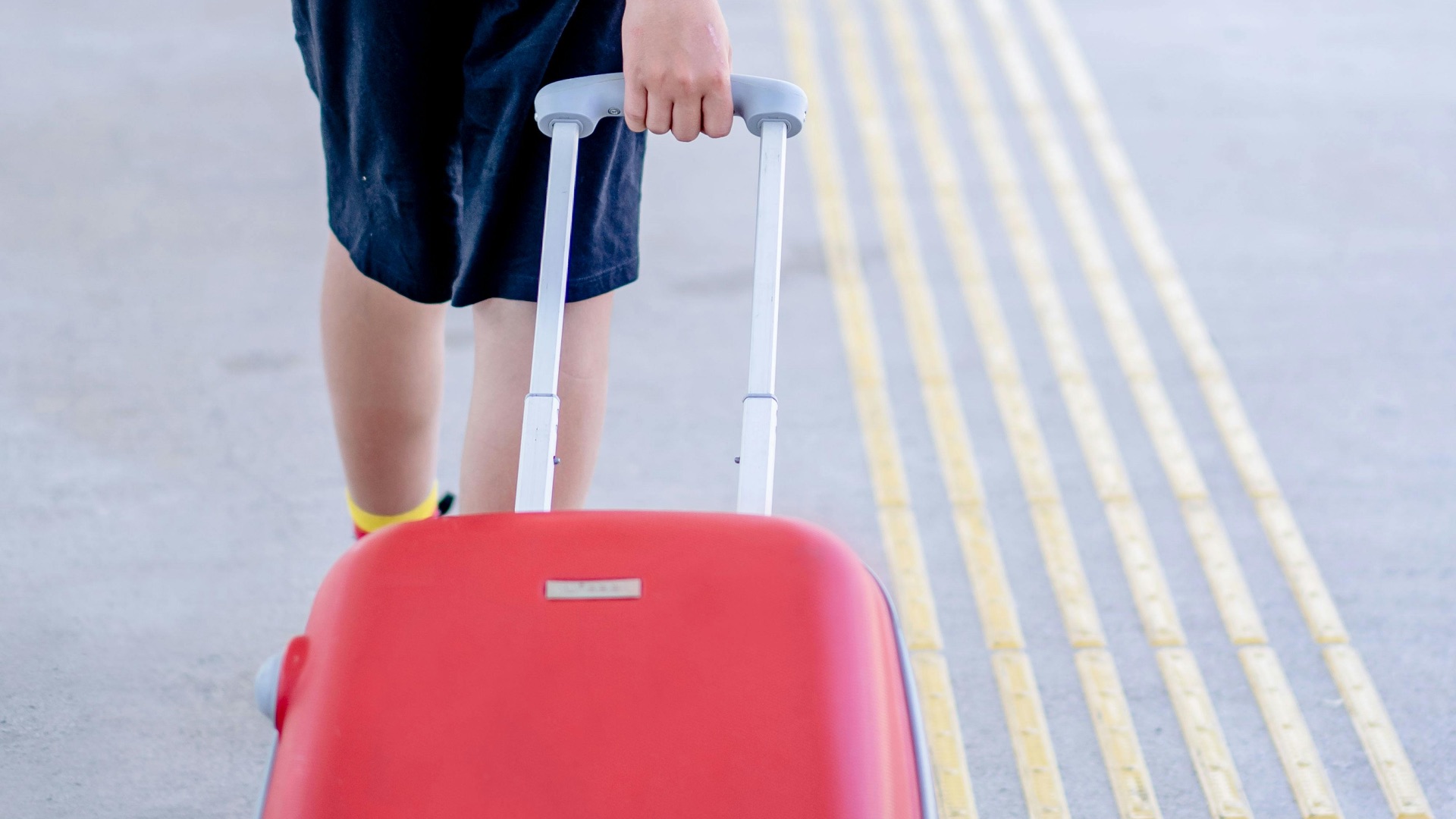
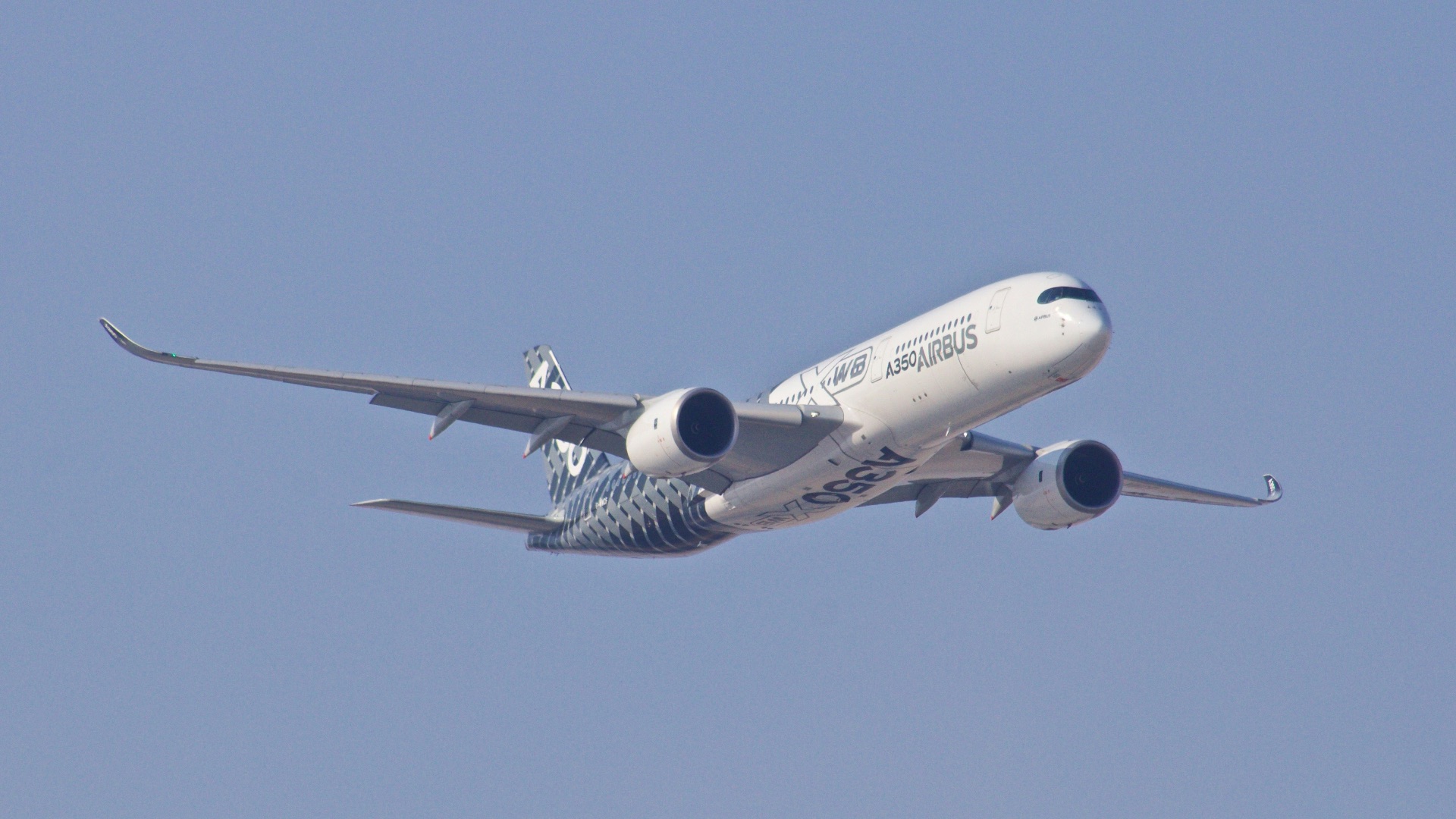
Moving through a busy airport with just a carry-on is a fundamentally different experience from dragging a larger checked bag through check-in lines, security, and terminal transfers. If your itinerary involves a tight connection, a train transfer, or navigating an unfamiliar transit system, traveling light means you're faster, more agile, and far less stressed about making your next leg.
6. You're Forced to Pack Intentionally
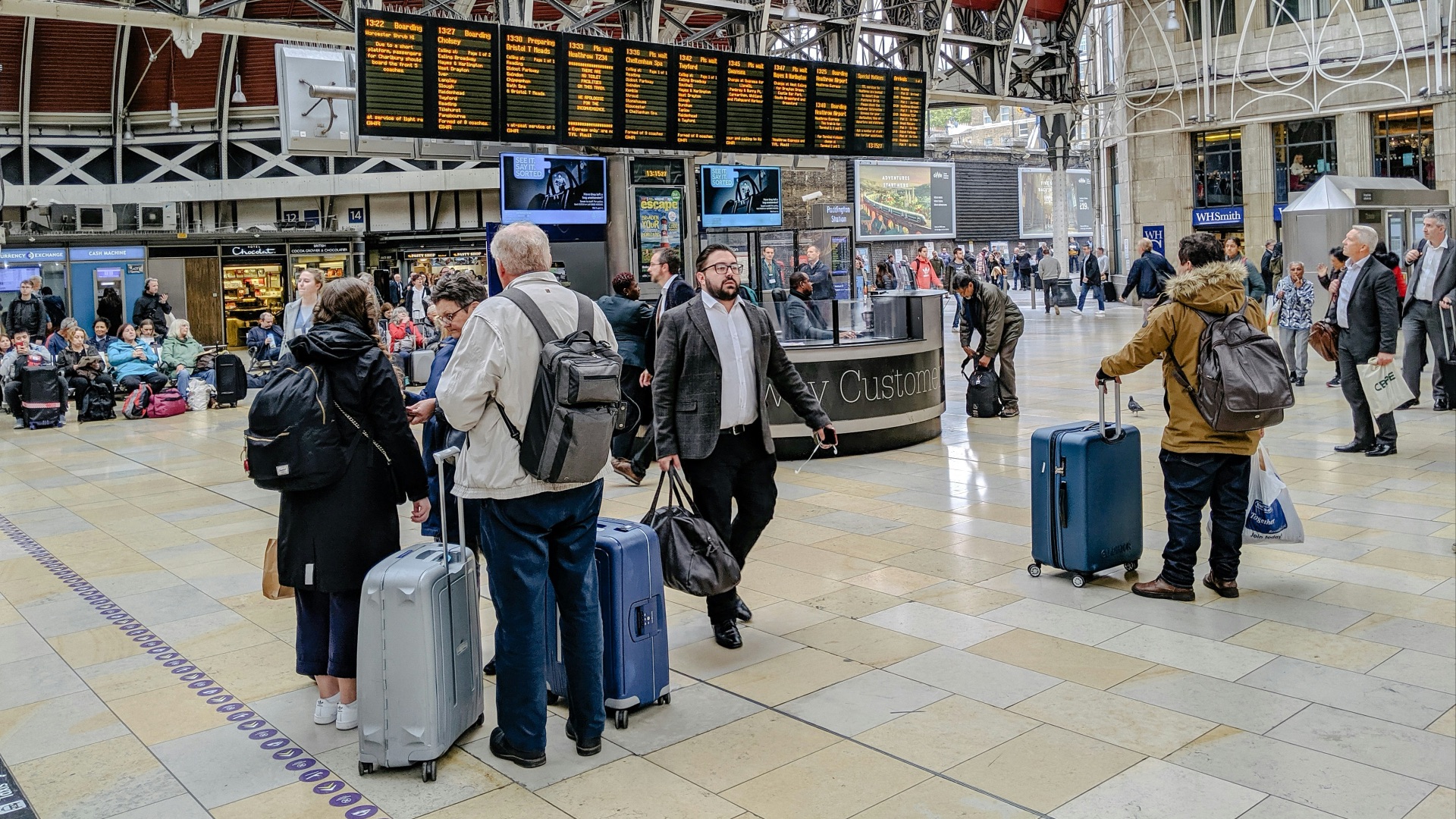
The constraint of a carry-on encourages you to think carefully about what you actually need versus what you're packing out of habit or anxiety. Most travelers who commit to carry-on only for the first time come home realizing they wore every single item they packed, rather than returning with a suitcase full of clothes they never touched.
7. You Can Change or Cancel Flights Much Easier
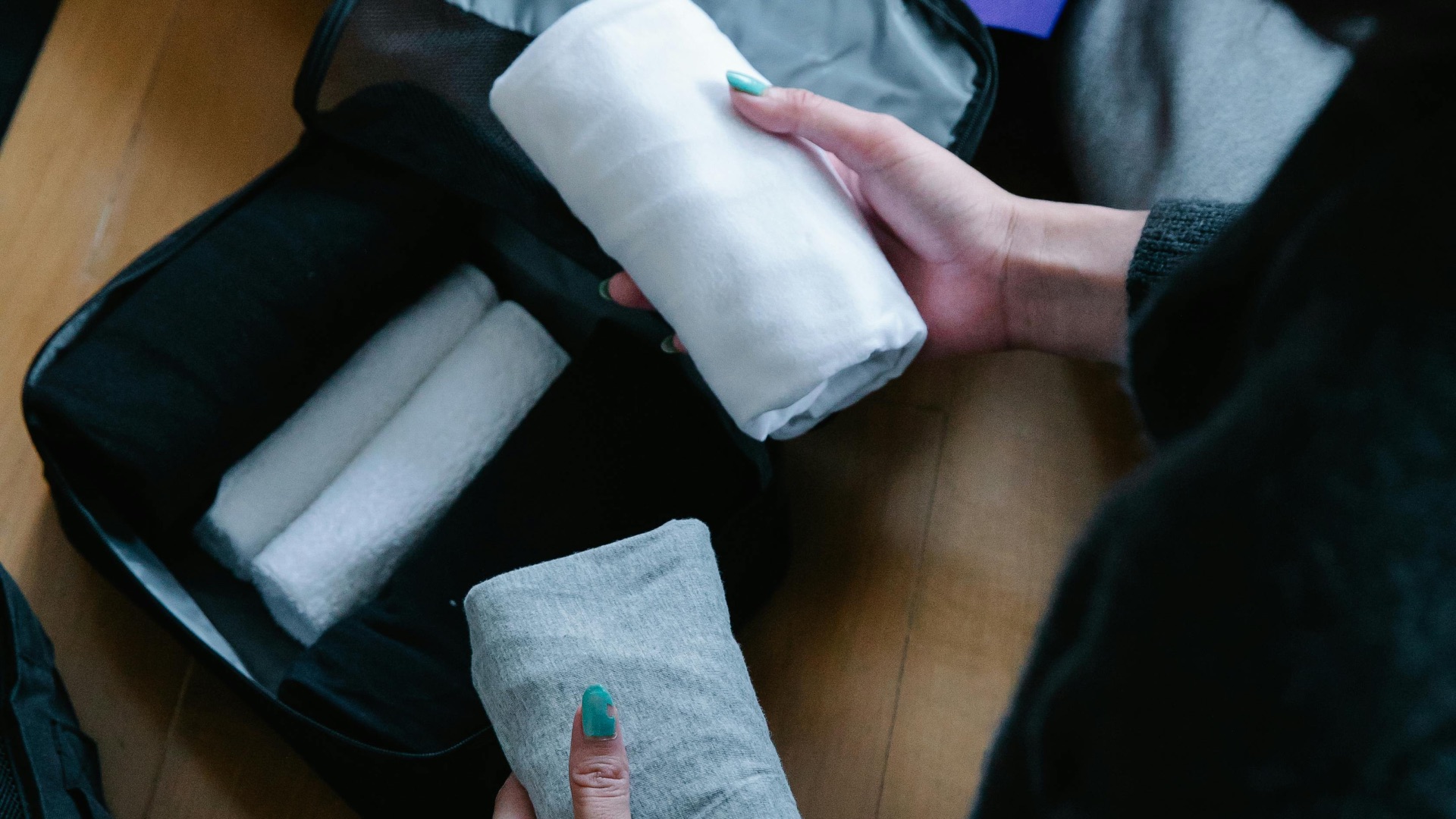
If your flight gets canceled, you need to switch airlines, or you decide to extend your trip spontaneously, having only a carry-on makes rebooking significantly simpler. There's no checked bag to retrieve, no baggage transfer to coordinate with a new carrier, and no risk of your luggage ending up somewhere your new flight isn't going. That kind of logistical flexibility matters most in exactly the moments when travel plans fall apart.
 Global Residence Index on Unsplash
8. Overhead Bin Space Is Included in Your Ticket
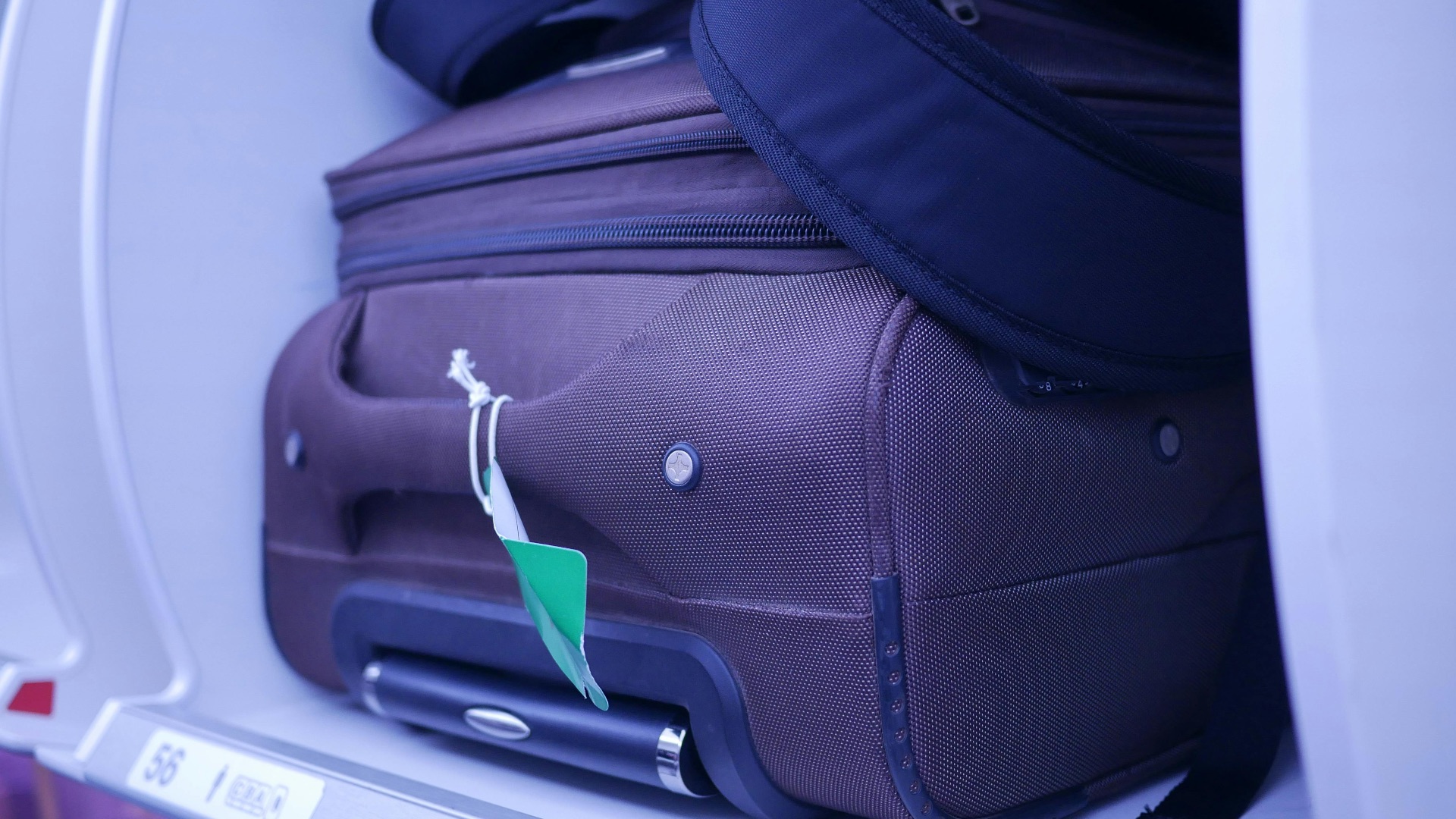
On most traditional U.S. carriers, a standard carry-on bag is included in the cost of your ticket, which means you're leaving money on the table every time you check a bag and pay an extra fee when you could have fit everything in the bin above your seat. The airline has already priced that overhead storage into what you paid, so taking full advantage of it is simply good value. Paying additionally to check a bag when your items could have flown for free is a cost that's easy to avoid with a bit of planning.
9. Short Trips Don't Justify the Extra Hassle
For a weekend trip, a two-night business stay, or a quick visit to friends or family, checking a bag introduces more complexity than the trip actually warrants. You're adding check-in time, baggage fee costs, and carousel waiting at both ends of a journey that could be completed start to finish with a single well-packed carry-on. The lighter and faster you can move on a short trip, the more enjoyable the entire experience tends to be.

10. Many Accommodations and Transit Routes Reward Compact Luggage
If your travels include boutique hotels with small elevators (or no elevators at all), overnight trains with limited storage, or vacation rentals with tight entryways, a large checked bag can create genuine logistical headaches that a carry-on sidesteps completely. European travel in particular is notorious for cobblestone streets, narrow staircases, and cramped transit that make rolling a large suitcase an exhausting experience. Traveling with less means you can move seamlessly through environments that weren't designed with oversized luggage in mind.