A Smoother Trip Starts Long Before The Boarding Call
Travel has the ability to turn every tiny annoyance into a proper, full-body frustration, especially when everyone's tired, hungry, a little overstimulated, or running five minutes behind. Most travel meltdowns aren't one big disaster; they're a pile-up of small stressors that nobody caught early enough. The good news is that a calmer trip usually comes down to a handful of practical choices made before you leave, and a few smarter habits once you're moving. These 20 moves help keep the mood steady, the schedule manageable, and better vibes for your trip overall.

1. Pack A Sensory Kit
Keep your most useful comfort items within reach instead of buried at the bottom of a carry-on. Noise-canceling headphones, sunglasses, gum, a small fidget, and a familiar hoodie can make a crowded gate or a long shuttle ride feel a lot less grating.

2. Bring A Few Familiar Comforts
New places are exciting, but can also be quite scary. To make things feel just a little more comfortable, pack things like your preferred shampoo, a soft hand towel, or a favorite pillowcase. Even just a few comfort items can smooth out those small sensory irritations before they quietly build into a bigger problem.

3. Rehearse The Trip
A little preview goes a long way, especially with kids or anyone who gets stressed by transitions. Watching short airport videos, talking through check-in, or acting out what happens at security can make the real thing feel a little less overwhelming.

4. Leave Earlier Than Necessary
Nothing good comes from sprinting through a terminal, dragging a suitcase that suddenly refuses to roll straight. Extra time gives you room for traffic, a bathroom stop, a slow-moving line, or simply just for your peace of mind.

5. Schedule Road Trip Breaks
Long stretches in the car can sour the mood fast. Planning breaks every few hours gives everyone a chance to walk around, reset, and, hopefully, keep the petty arguments to a bare minimum.

6. Use Quiet Corners
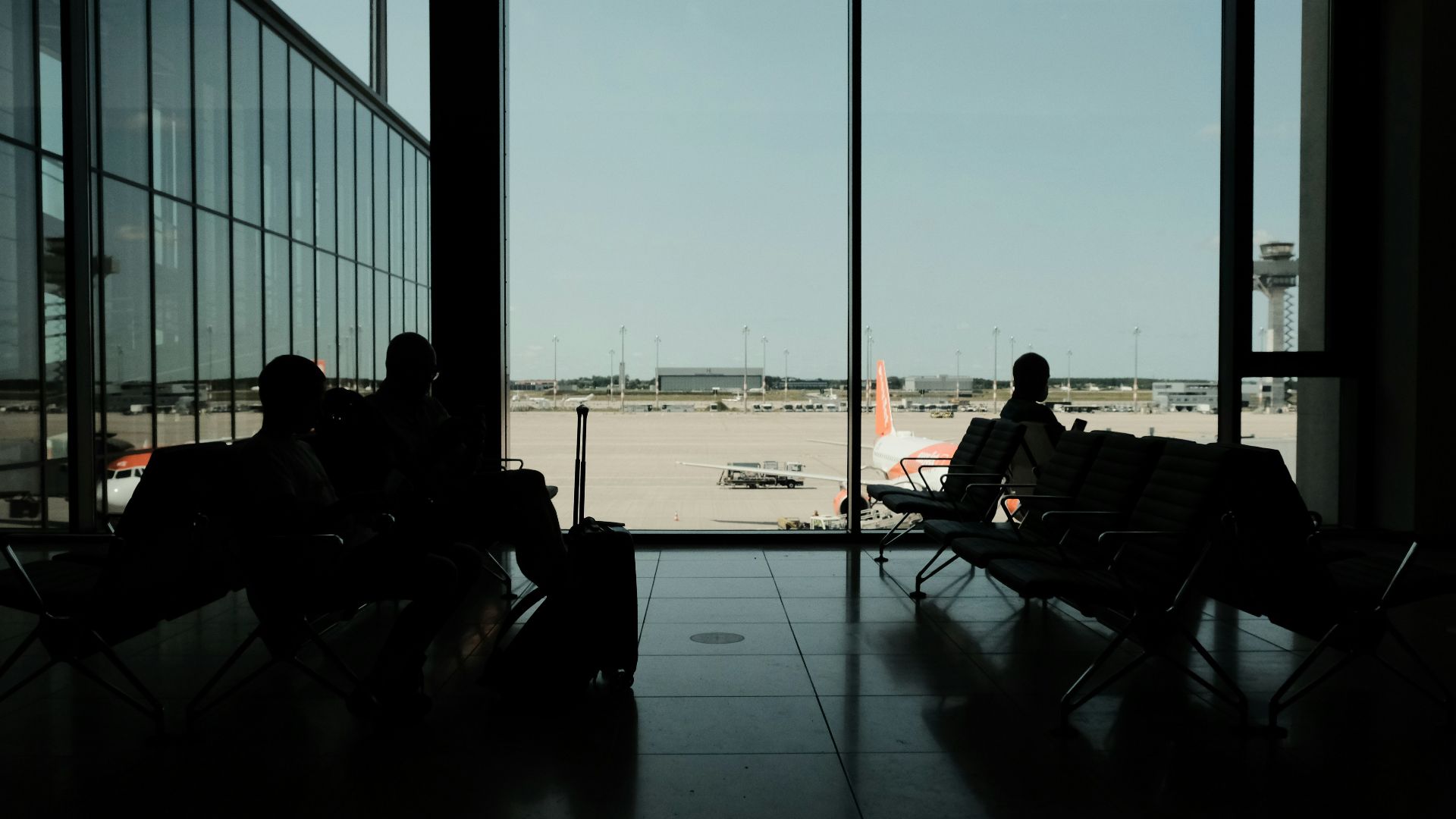
Airports, train stations, and rest stops all have pockets of calm if you know where to look. A half-empty gate, a family room, or a bench near a quieter hallway can give everyone a short breather from the constant noise.

7. Ask About Boarding Options
Pre-boarding or waiting to board last can make a real difference when transitions are the hardest part. It's a lot easier to settle in without a crowd pressing from behind or overhead bins slamming while everybody pretends this is a perfectly normal way to travel.

8. Let Everyone Have A Say In The Plan
Trips always go better when nobody feels dragged into someone else's perfect itinerary. Giving each person a voice, even just choosing between the aquarium and the market, cuts down on resentment and makes the day feel a lot more like a group effort.
9. Build Downtime Into The Itinerary
A vacation doesn't need to be packed from breakfast through bedtime to feel worthwhile. Leaving open space between activities gives everyone time to cool off, have a snack, or stare at the ceiling for a bit. That kind of pause is often exactly what the day needed.

10. Keep Snacks Easy, Visible, And Frequent
A lot of travel conflict is really just dealing with hunger. Pack snacks you know people will actually eat, keep water easy to grab, and don't wait until everyone is wilted and snappy to start hunting for a café.

11. Trim The Pre-Trip To-Do List
The trip starts at home, not at the gate, and a frantic departure tends to set the tone for the next 24 hours. The laundry can wait, the inbox will survive. Not every errand needs to be done before takeoff if dropping a few tasks means leaving the house actually rested.

12. Practice Calming Techniques
Breathing exercises work much better when they're already familiar, not introduced mid-crisis in a crowded terminal. A few minutes of quiet breathing or stretching in the days before a trip makes it much easier to settle nerves.

13. Map Out The Practical Stops
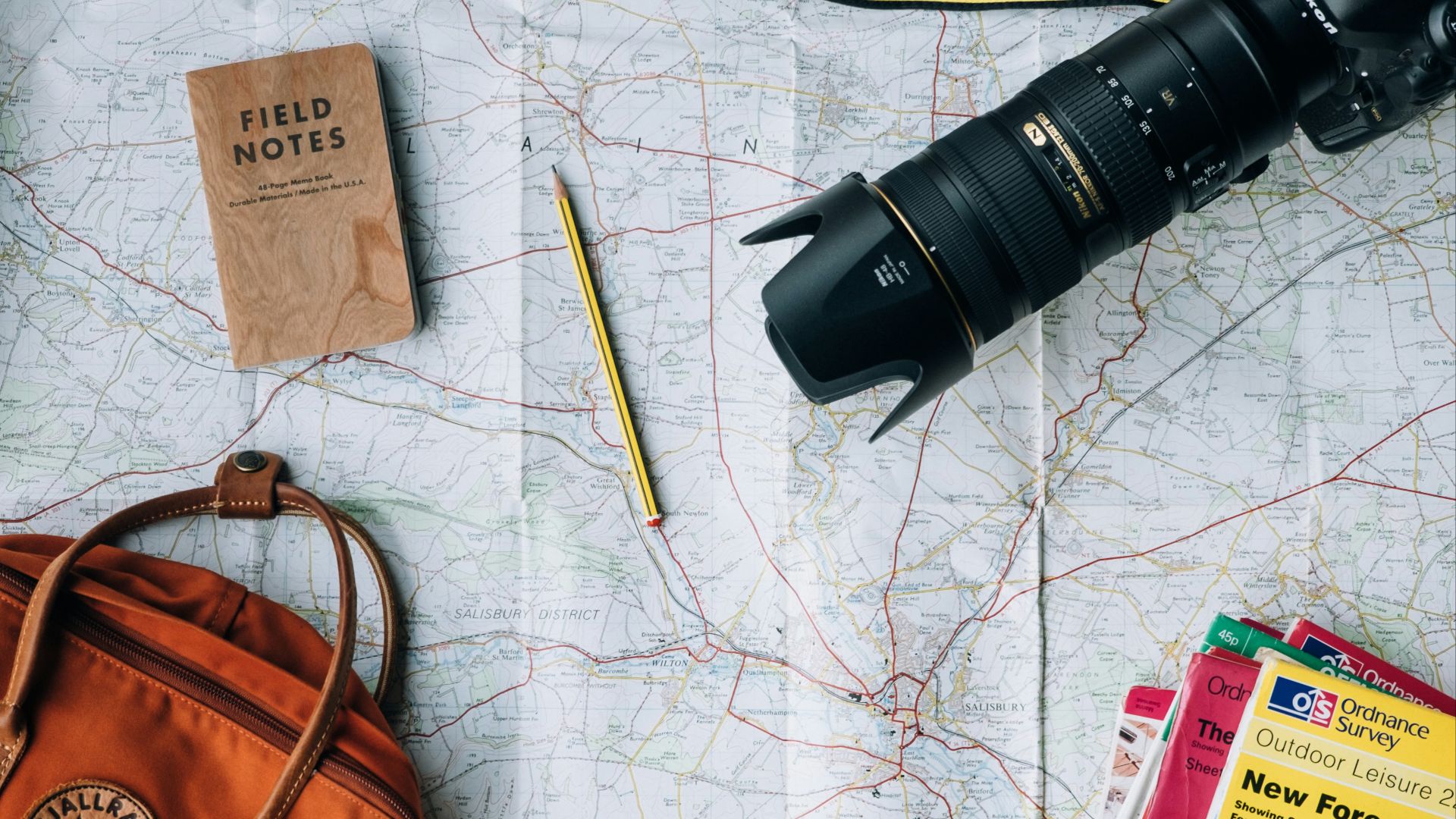
Knowing where the restrooms are, where to pull over, and where parking tends to be easiest removes a lot of avoidable friction. This matters even more in unfamiliar cities, where one missed turn can somehow create 20 minutes of confusion.

14. Know Everyone's Triggers Before You Go
Some people unravel during long waits. Some struggle when they're hungry. Some hit a wall when plans change without warning. When you know what tends to set each person off, you can plan around it instead of acting surprised when the patterns start to show up.

15. Offer Controlled Choices
A tired kid may not handle a big, open-ended discussion about what happens next. Simple options like a window or aisle seat, crackers or a granola bar, pool now or after dinner give people a sense of control.

16. Watch For Delays
Travel apps aren't glamorous, but they're often the most useful thing in the room. Checking flight updates, gate changes, or traffic early means you can adjust while people are still calm, instead of delivering bad news after the fact.
17. Protect Sleep And Meal Rhythms
A different city doesn't magically erase what your body needs. Keeping meals roughly on time and holding onto as much of your normal sleep pattern as possible can prevent the cranky, foggy feeling that turns a minor hiccup into a full travel slump.
 Hoi An and Da Nang Photographer on Unsplash
18. Lower The Pressure
When every reservation feels precious and every hour is spoken for, one small hiccup can make the whole plan feel ruined. Keeping a looser mindset and one built-in buffer activity keeps delays from feeling like catastrophes.

19. Pack Coping Tools
Not every person resets the same way, so the fix shouldn't be one-size-fits-all. Some travelers calm down with a weighted lap pad, some need something chewy, and some just need a brisk walk outside the hotel before they're ready to start their day.

20. End-Of-Day Debrief
A quick check-in at the end of the day can catch frustrations while they're still small. Talking about what worked, what felt rushed, and what needs adjusting tomorrow keeps everyone’s needs in mind.