Where American History Checked In
Hotels are supposed to be places people pass through, but some end up holding onto far more than suitcases and room keys. Across the U.S., certain hotels became settings for political deals, civil rights struggles, literary history, scandals, wartime planning, and moments that changed how the country remembers itself. If you look closely, a lot of American history didn't just happen in capitols and battlefields, but in lobbies, dining rooms, and guest suites where important people spent the night. Here are 20 hotels that played a role in American history.
 Harris & Ewing, photographer on Wikimedia
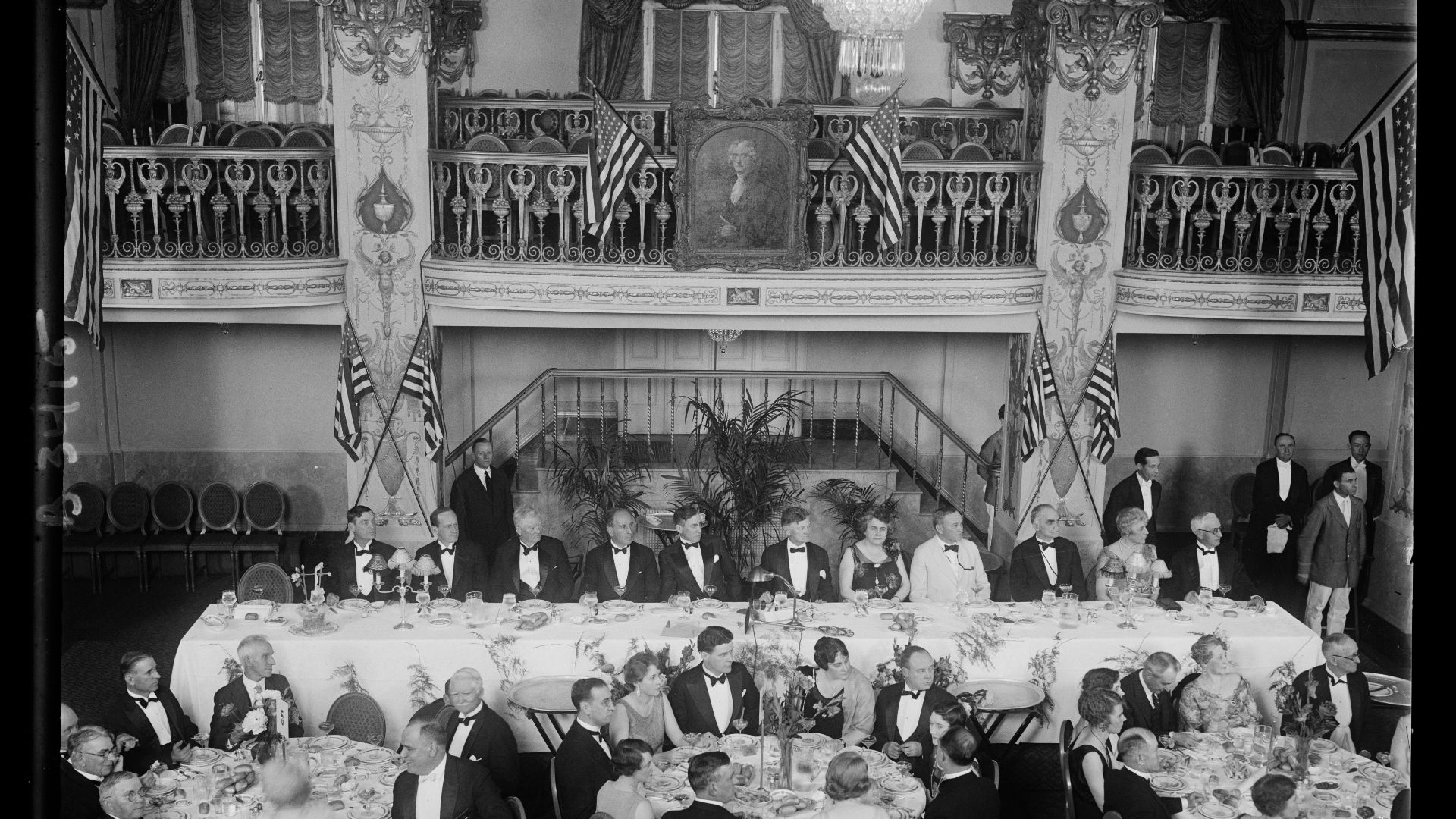
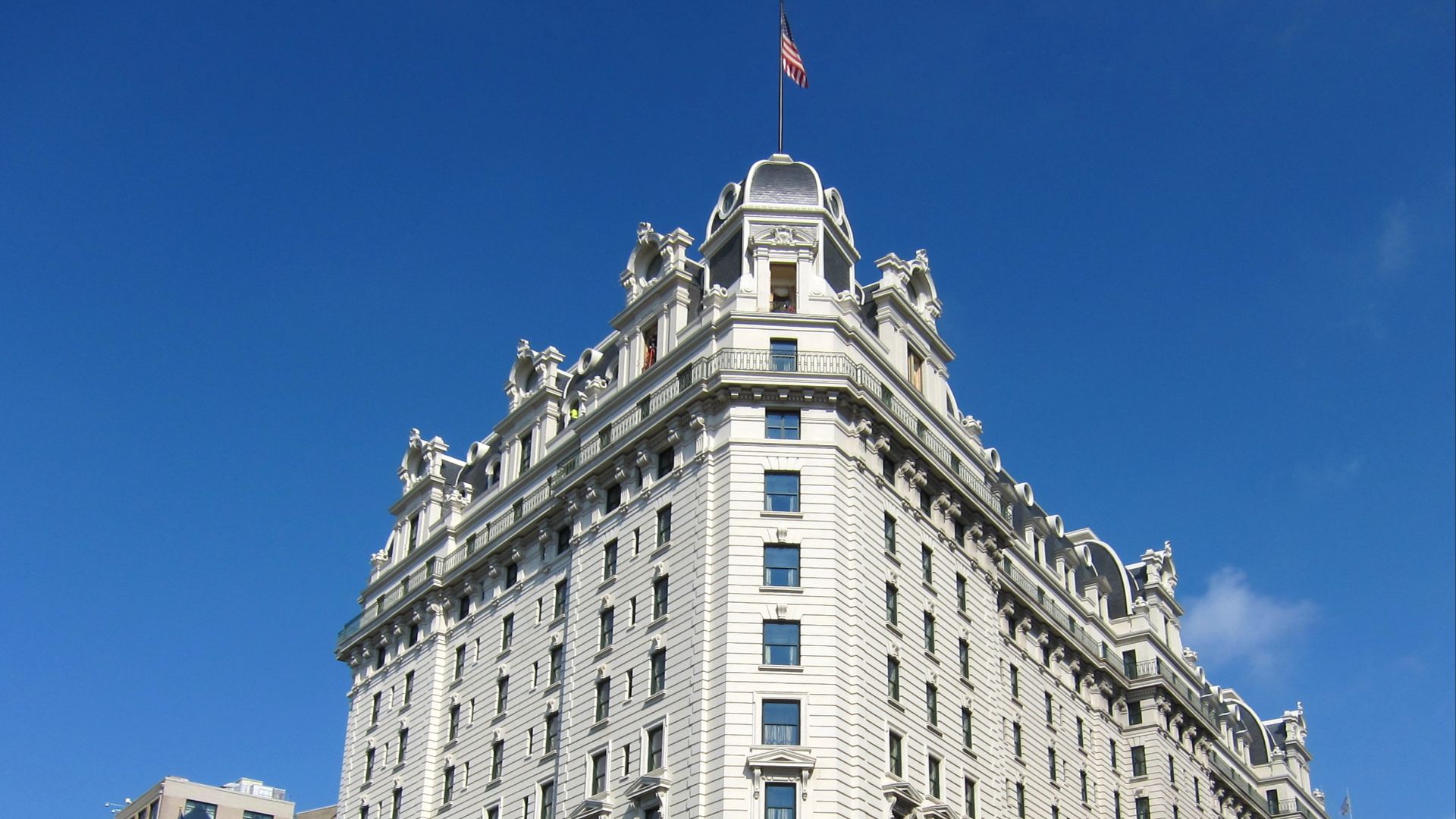
1. The Willard InterContinental in Washington, D.C.
The Willard is one of those hotels that seems to have hosted half of American political history at some point. Presidents, diplomats, military leaders, and influential lobbyists all moved through its halls, which is part of why it earned such a legendary reputation in the capital. It's also often tied to the popular story that the term "lobbyist" gained traction because people waited in the hotel lobby to corner politicians.
 AgnosticPreachersKid on Wikimedia
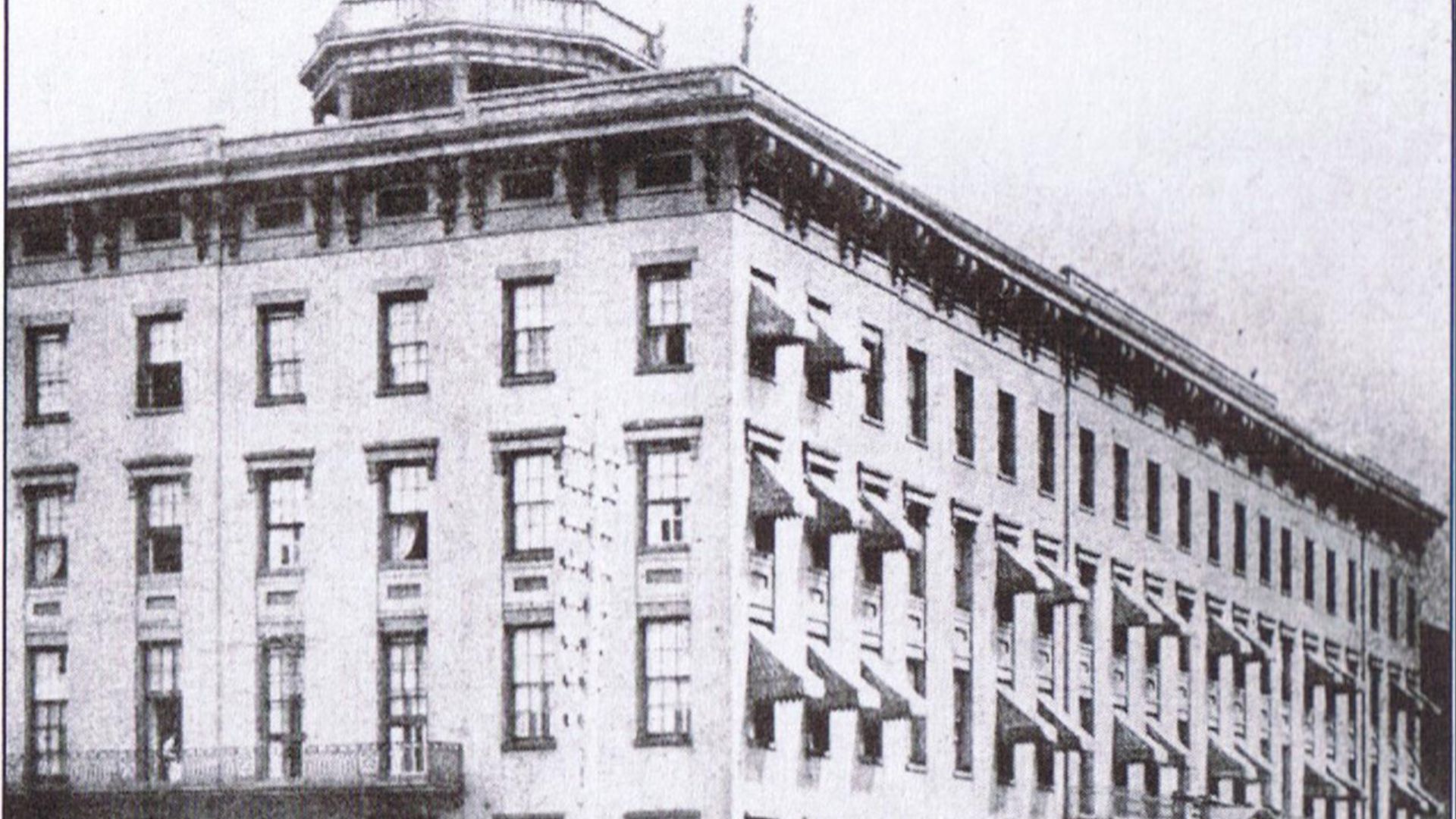
2. The Tremont House in Chicago, Illinois
The Tremont House mattered during a period when Chicago was becoming one of the country’s most important cities. Abraham Lincoln reportedly stayed there, and the hotel became associated with major political traffic in a city that was rapidly growing in national influence. In the nineteenth century, a big hotel was often more than just a place to sleep, because it also functioned as a center of conversation, news, and power.
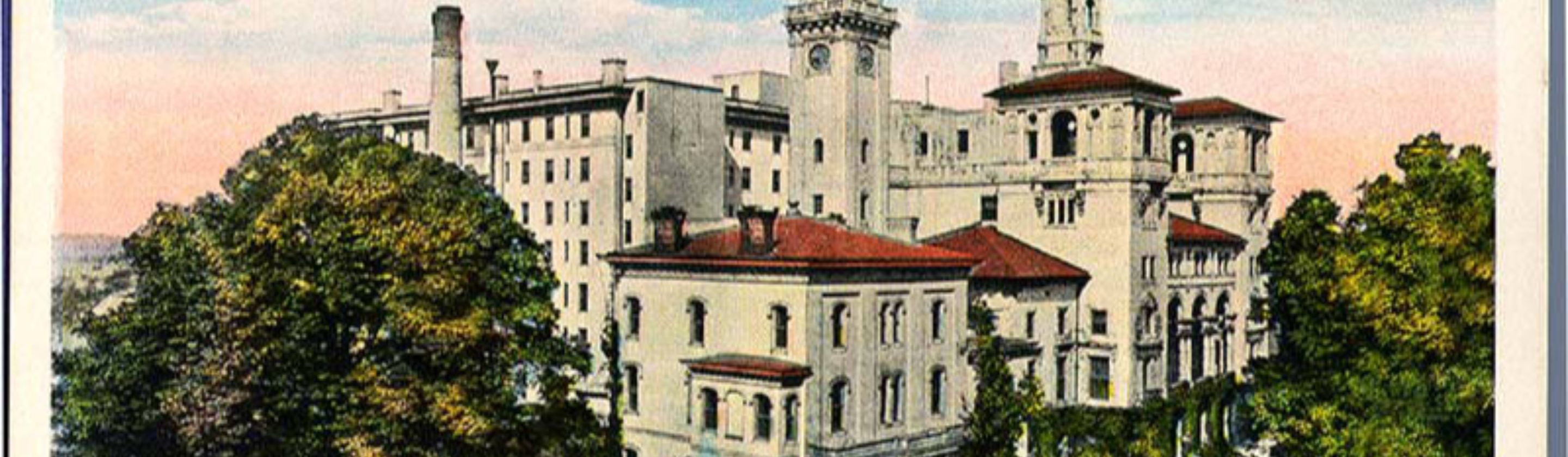
3. The Greenbrier in White Sulphur Springs, West Virginia
The Greenbrier looks elegant and leisurely on the surface, but it also played a strange Cold War role. For decades, a secret government bunker was built beneath it as a relocation site for Congress in the event of nuclear war. That hidden layer gives the hotel a much stranger place in American history than its resort image first suggests. You think you're looking at a grand vacation property, and then you remember it was also quietly tied to apocalypse planning.
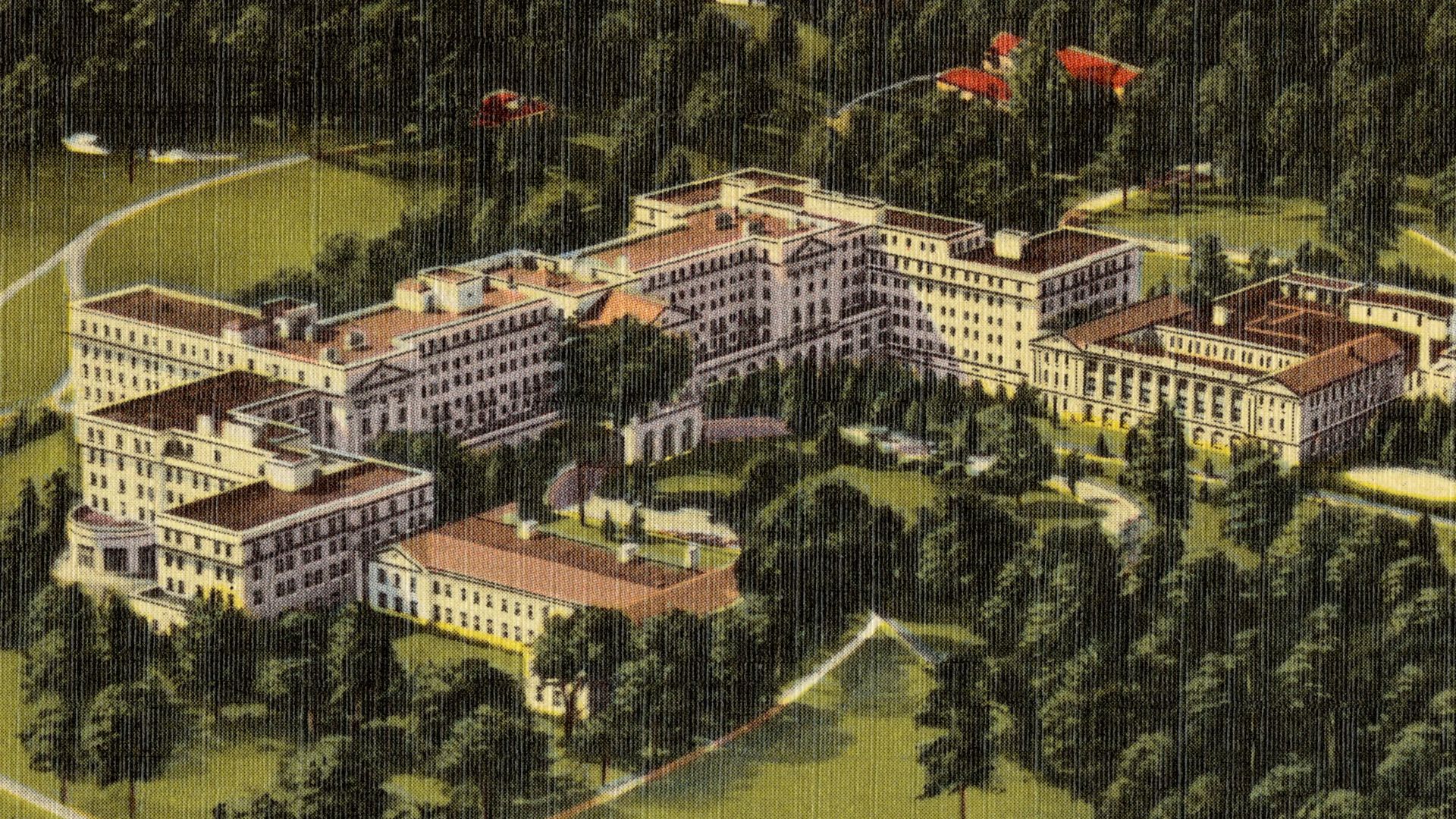 Pub. by The A. W. Smith News Agency, Charleston, W. Va.
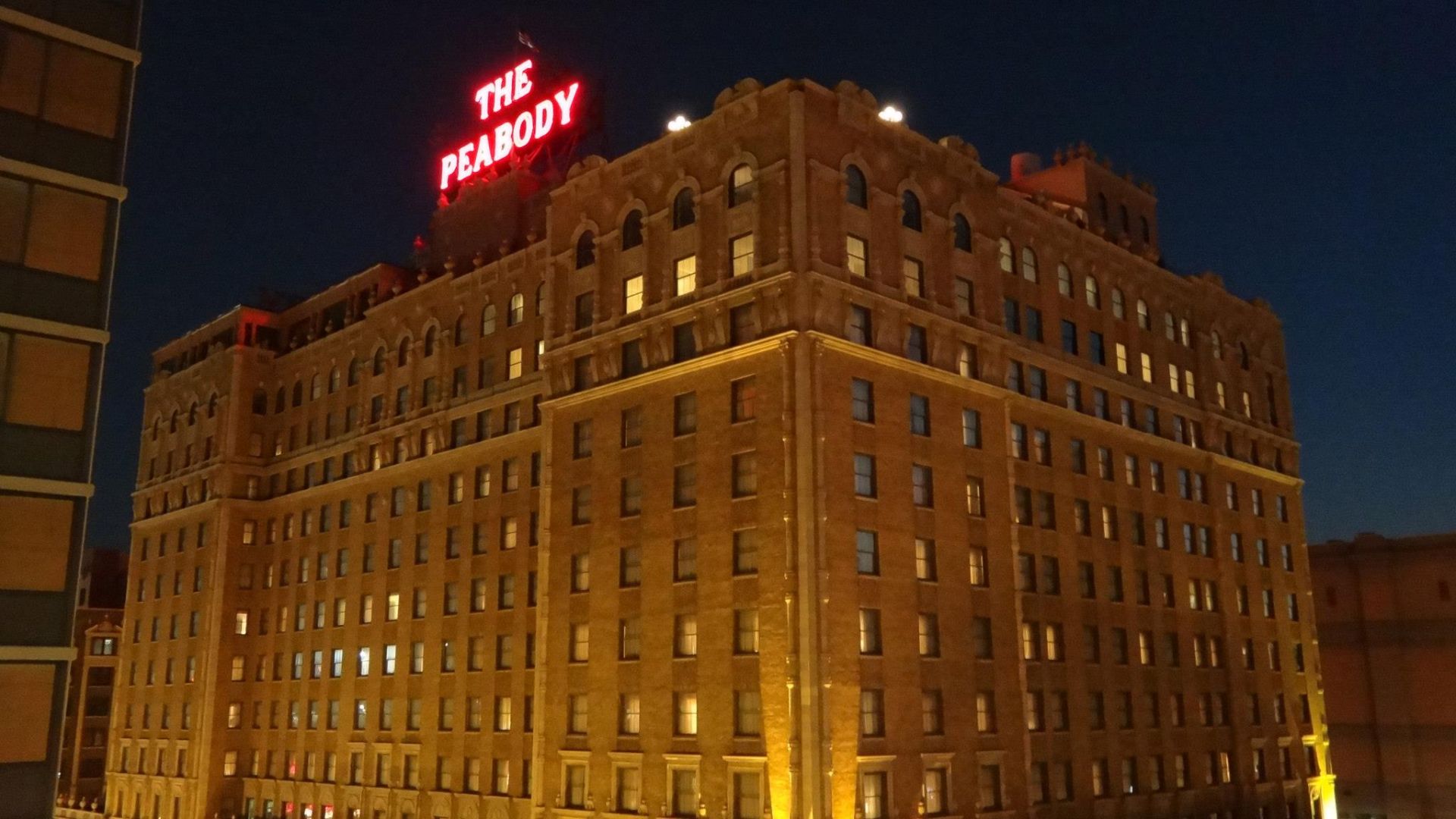
4. The Peabody in Memphis, Tennessee
The Peabody is famous now for its ducks, but the hotel also stood close to some of the most important currents in Southern and civil rights history. Memphis itself was a crucial city in American trade, race relations, and labor struggles, and major hotels there naturally became part of that wider story. Places like the Peabody drew politicians, performers, business leaders, and journalists who shaped public life in the region.
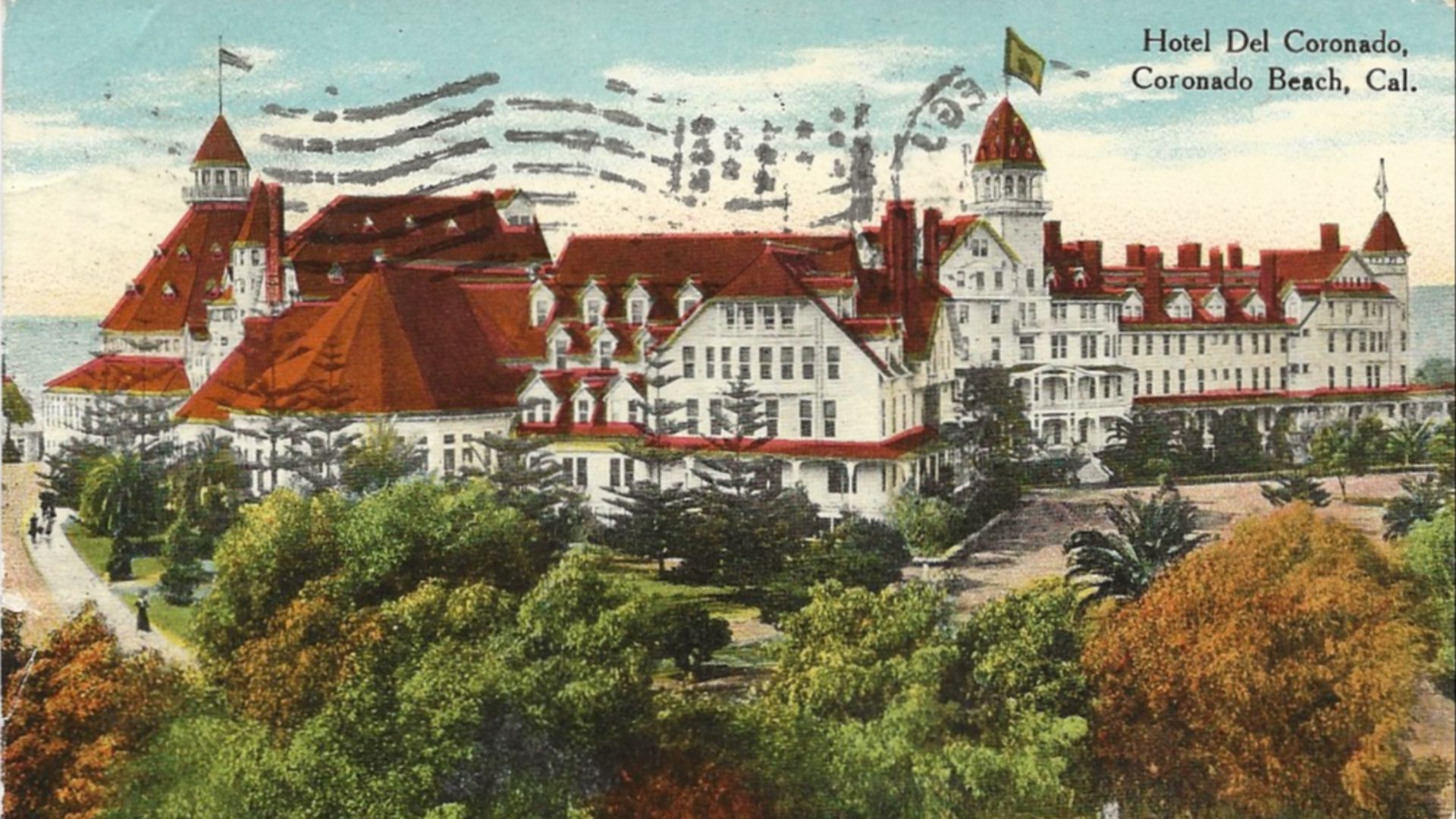
5. The Hotel del Coronado in Coronado, California
The Hotel del Coronado has long been one of the most famous resort hotels in the country, but its historical importance goes beyond glamour. It hosted presidents, attracted major public figures, and became part of the cultural mythology of California as a place of luxury, reinvention, and spectacle. Over time, it also became deeply tied to Hollywood history.
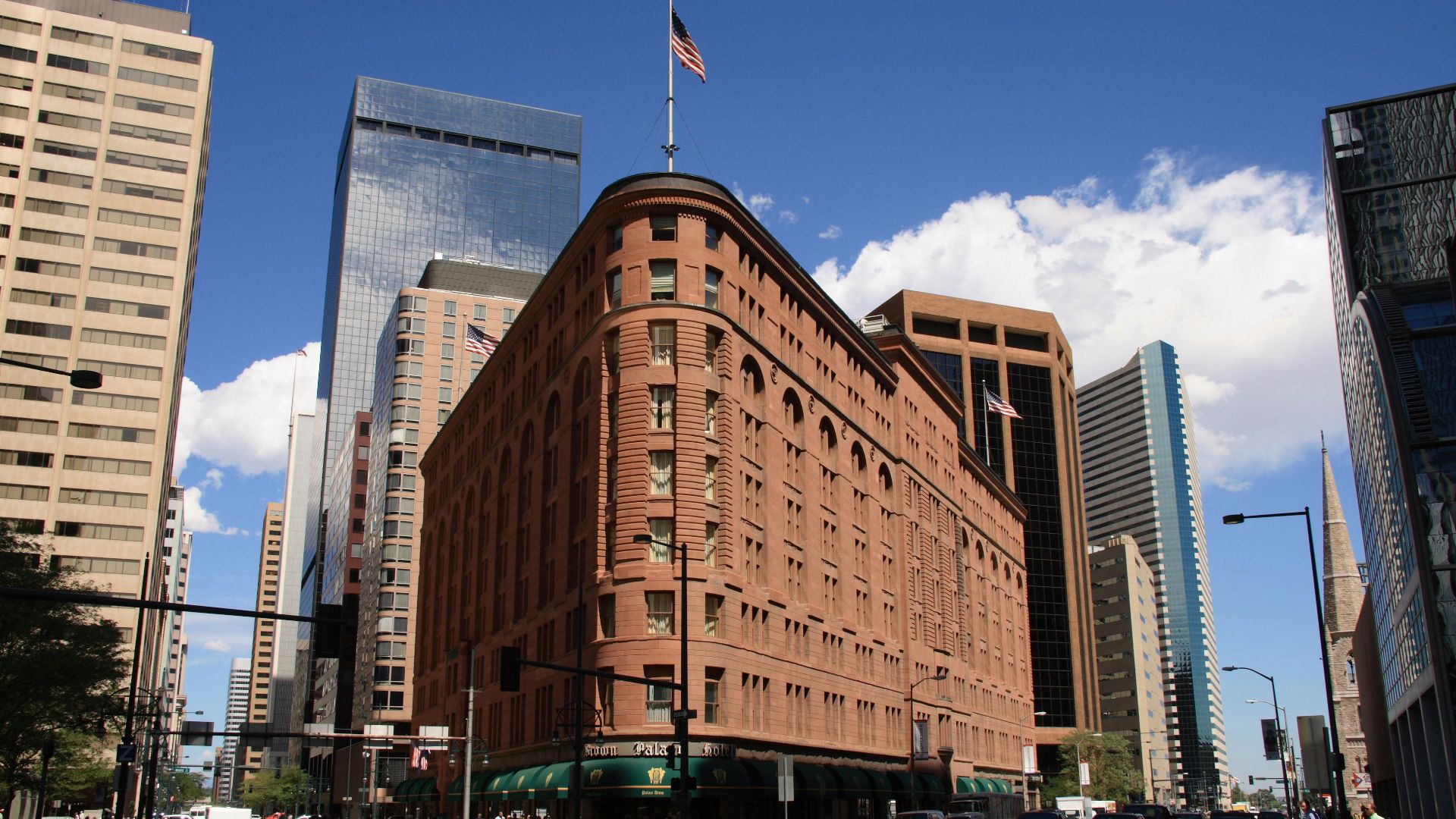
6. The Brown Palace Hotel in Denver, Colorado
The Brown Palace became one of Denver’s signature institutions during the period when the American West was still building its modern identity. Presidents, railroad figures, business magnates, and political operators all passed through, giving the hotel a role in the broader story of western growth and power. It was also the sort of place where reputation mattered, which meant public life often spilled directly into the building.
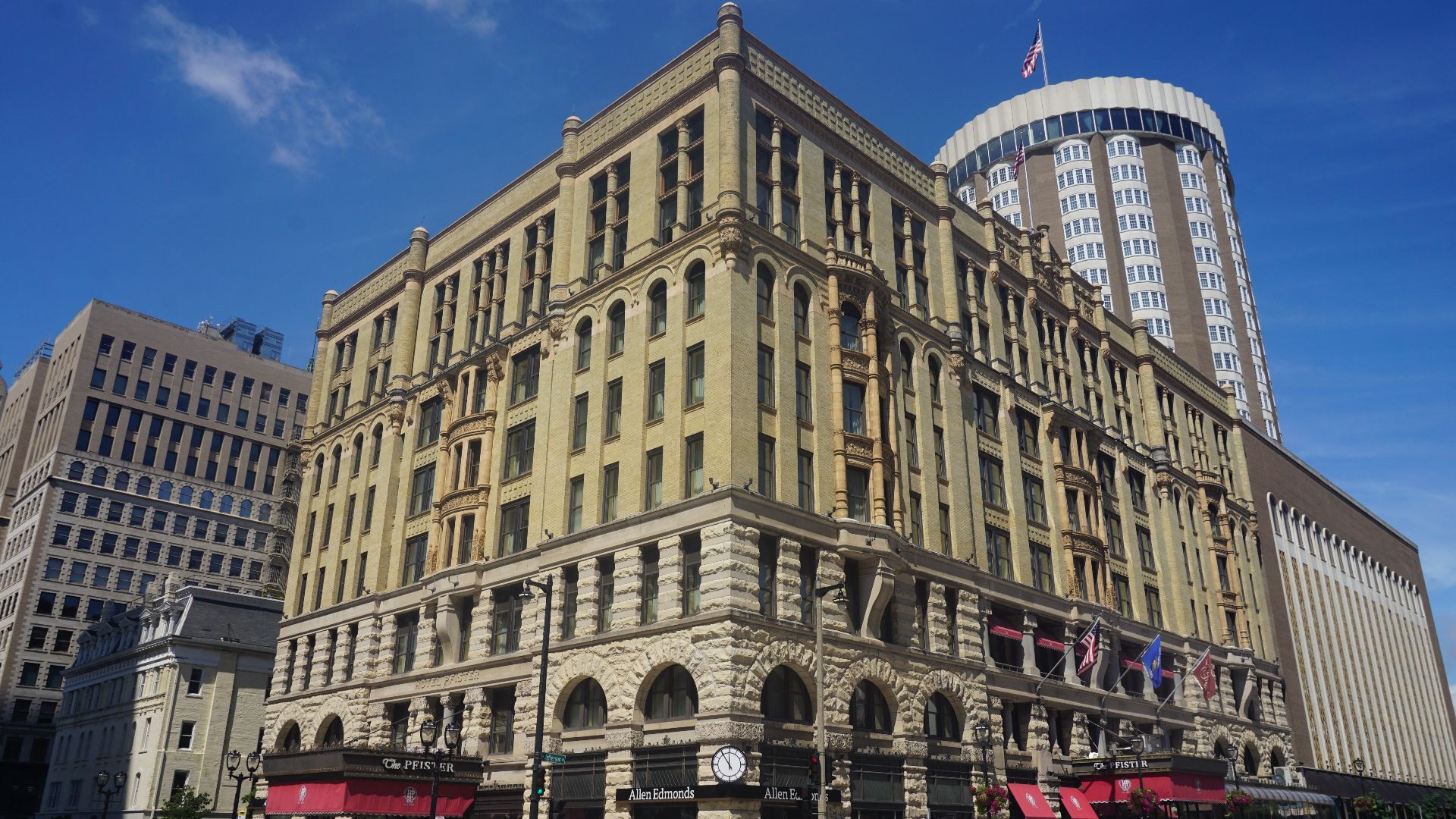
7. The Pfister Hotel in Milwaukee, Wisconsin
The Pfister has hosted generations of public figures, from presidents to cultural celebrities. Grand hotels like this one often represented more than hospitality, because they also announced that a city had arrived. The building’s long life means it's overlapped with labor history, industrial expansion, and changing American ideas about urban status.
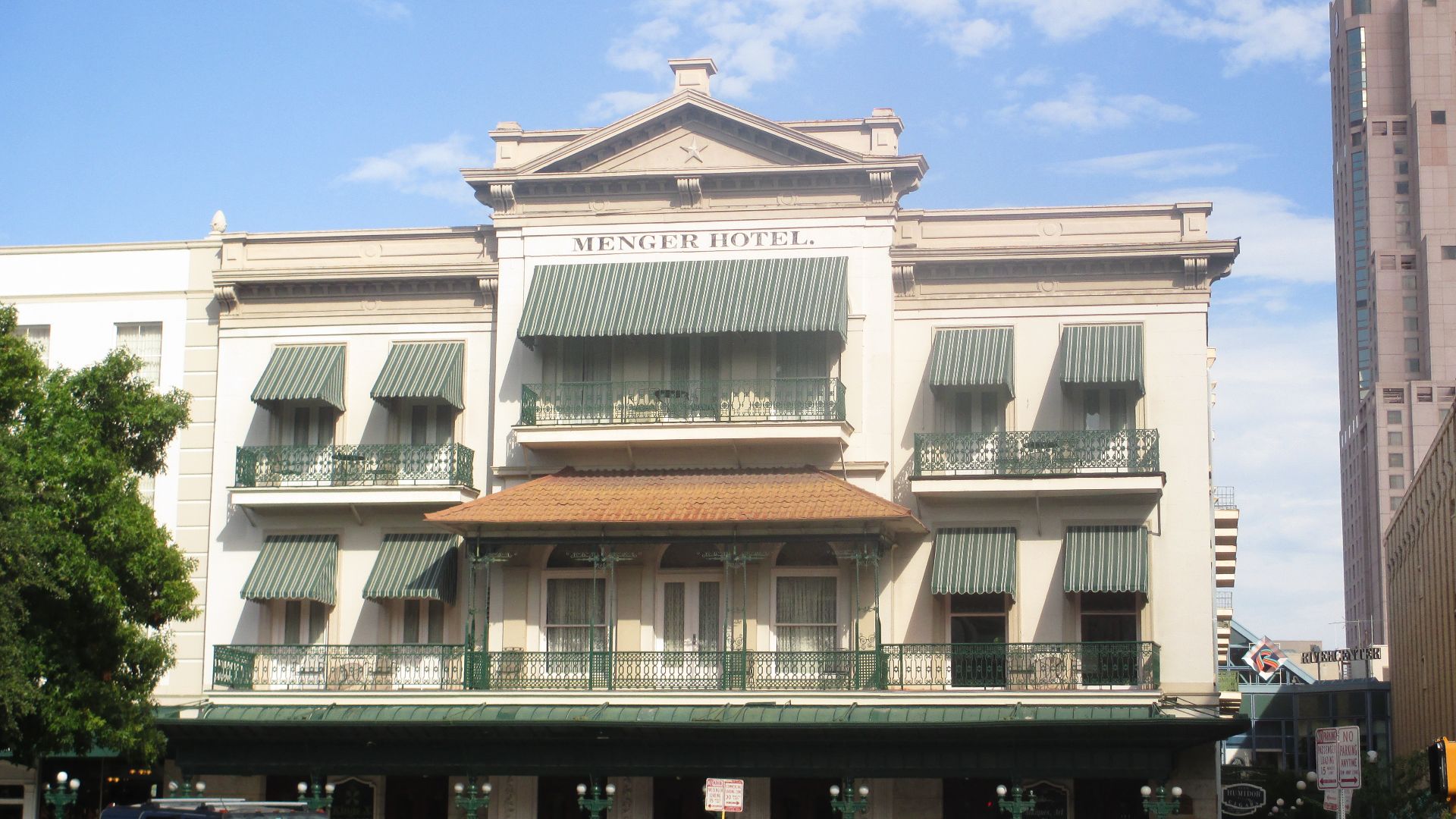
8. The Menger Hotel in San Antonio, Texas
The Menger is closely associated with Theodore Roosevelt and the Rough Riders. More than just a charming old hotel, Roosevelt reportedly recruited many of his famous volunteers in the hotel bar, giving the place a direct connection to the Spanish-American War.
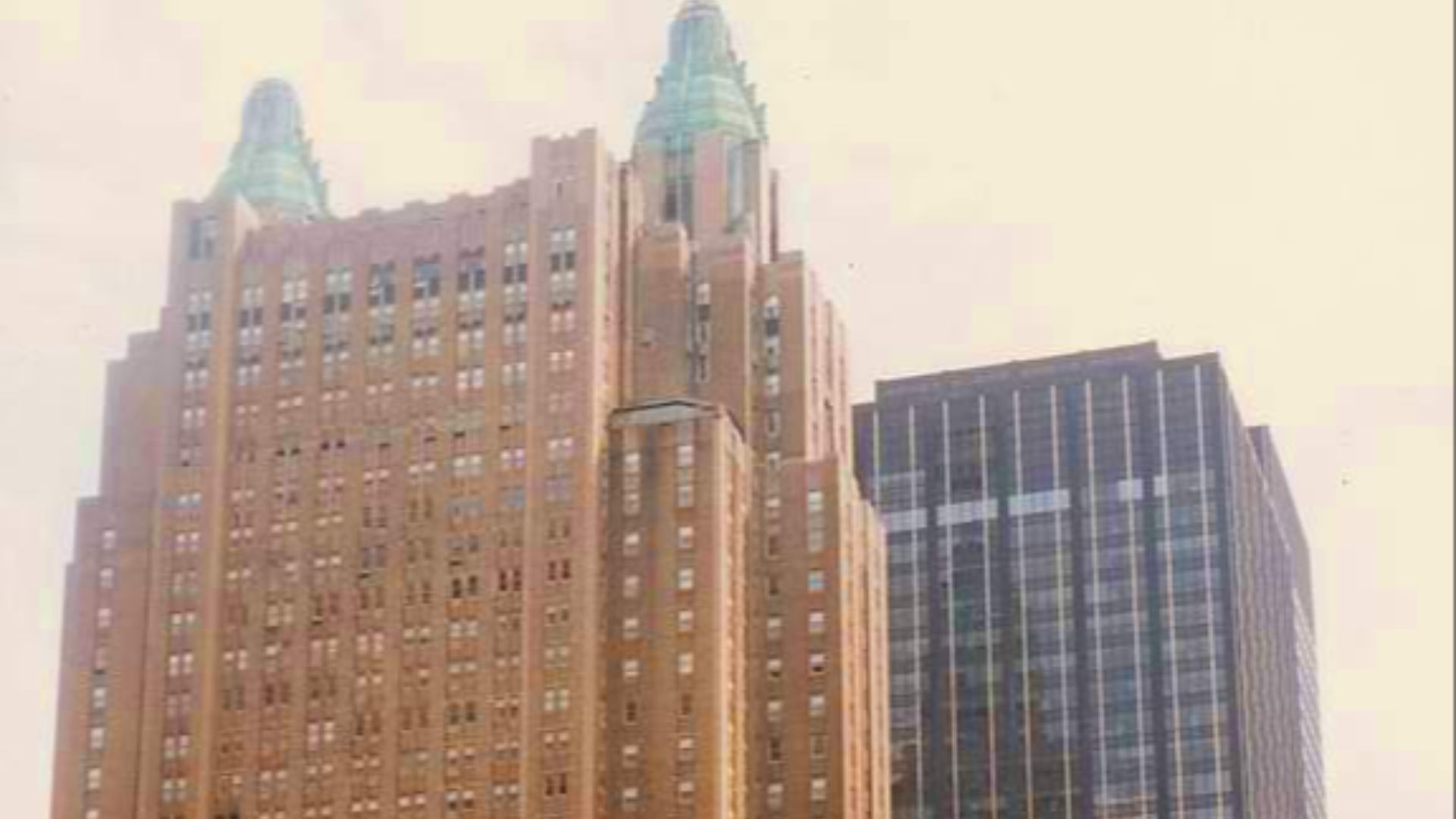
9. The Waldorf-Astoria in New York City, New York
The Waldorf-Astoria has long been one of the most famous hotels in the United States, and it earned that standing by sitting near the center of diplomatic, social, and political life. Heads of state, presidents, royals, and business elites all helped turn it into a place where important conversations naturally happened. In many ways, it reflected New York’s role as an American crossroads for money, culture, and international influence.
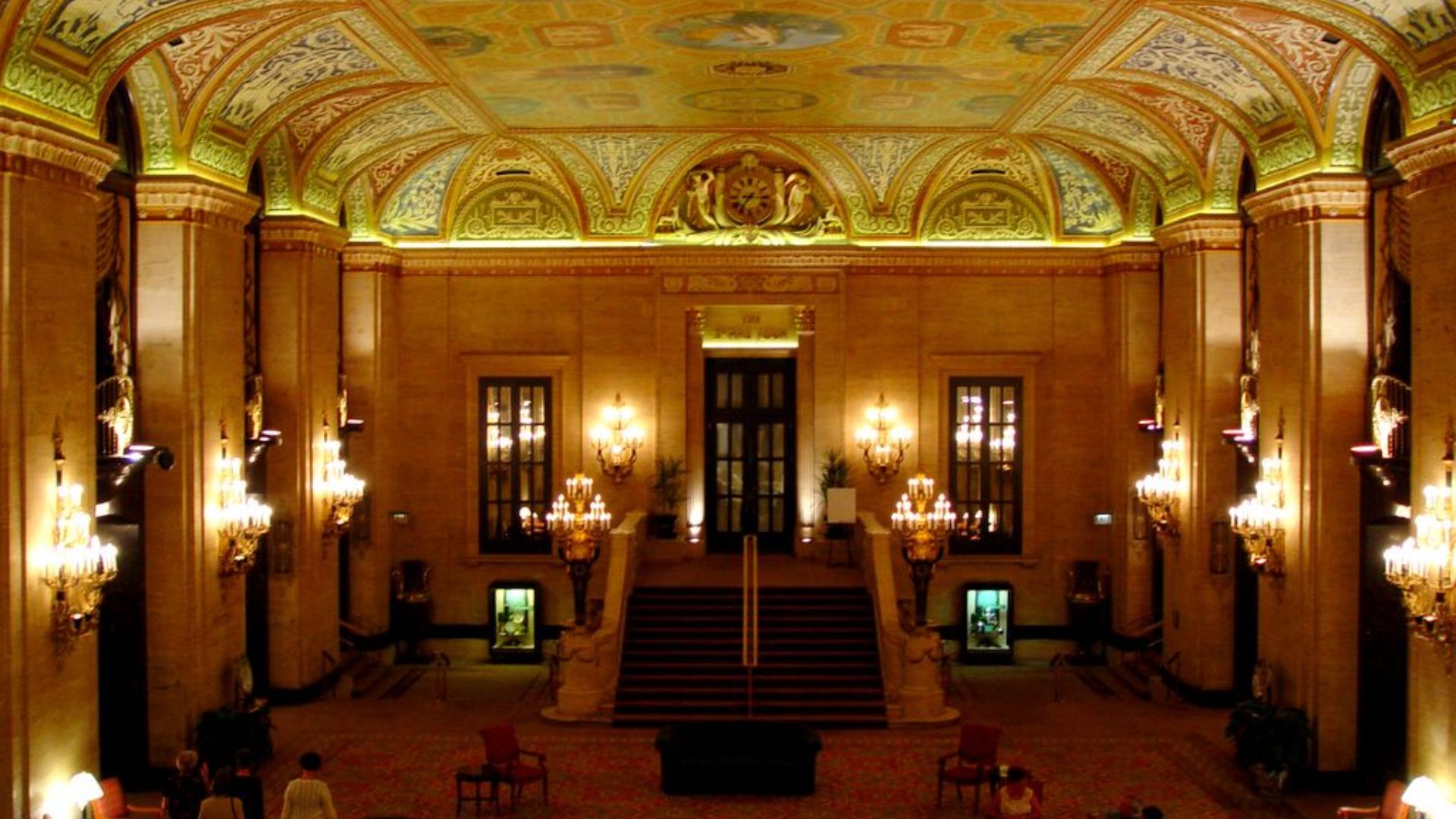
10. The Palmer House in Chicago, Illinois
The Palmer House has been woven into Chicago history since the nineteenth century, continuing to this day as a major gathering place. It helped reflect the city’s rise after the Great Chicago Fire and stood as a symbol of ambition, resilience, and urban luxury. Writers, politicians, and entertainers all moved through it over the years, giving it a strong place in the cultural life of the city.
 Kris from Seattle, USA on Wikimedia
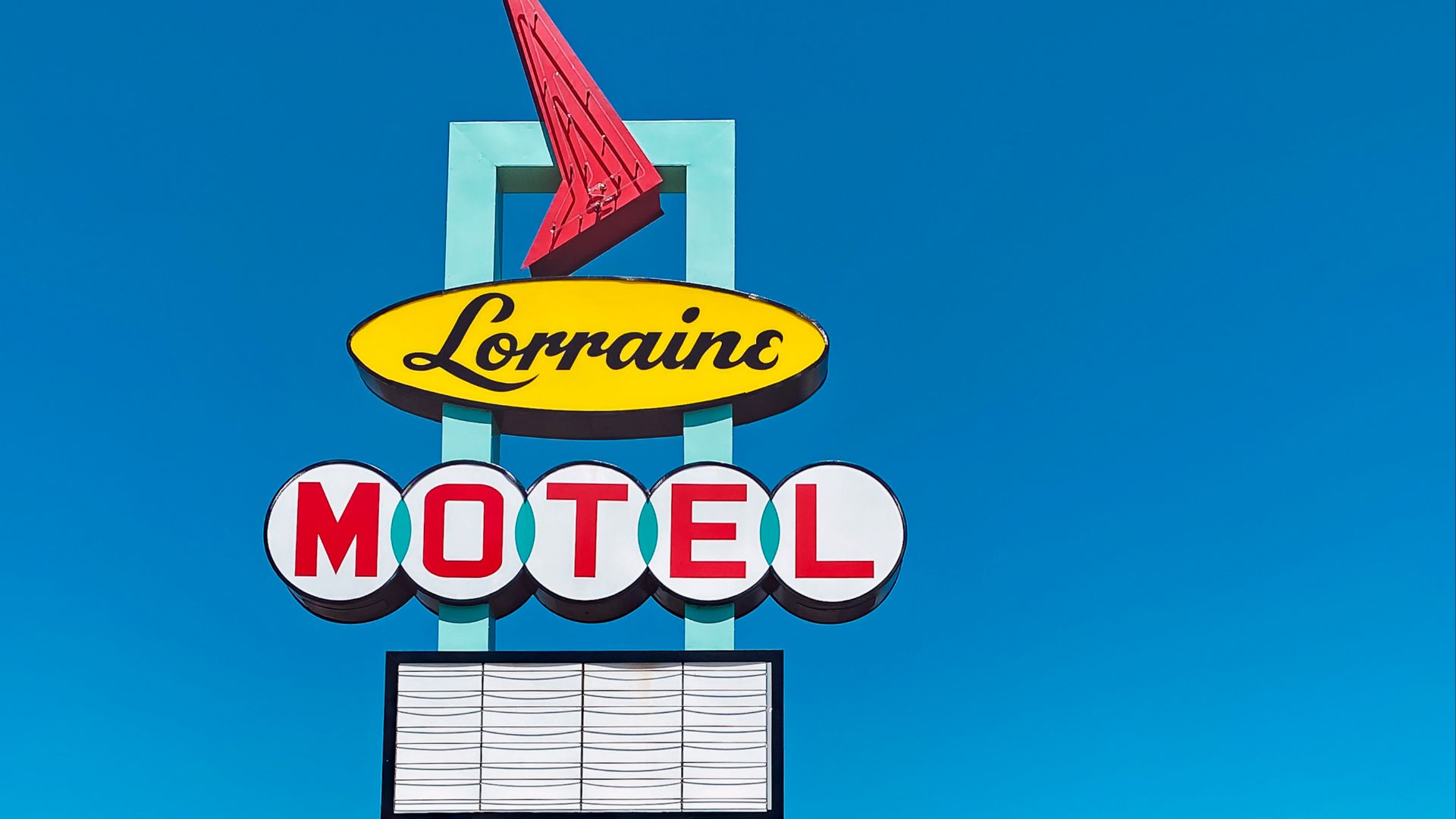
11. The Lorraine Motel in Memphis, Tennessee
The Lorraine Motel occupies a profoundly serious place in American history because it was the site of Martin Luther King Jr.’s assassination in 1968. That fact alone transformed it from a motel into a national landmark connected to the civil rights movement and one of the country’s deepest tragedies. It's now home to the National Civil Rights Museum.
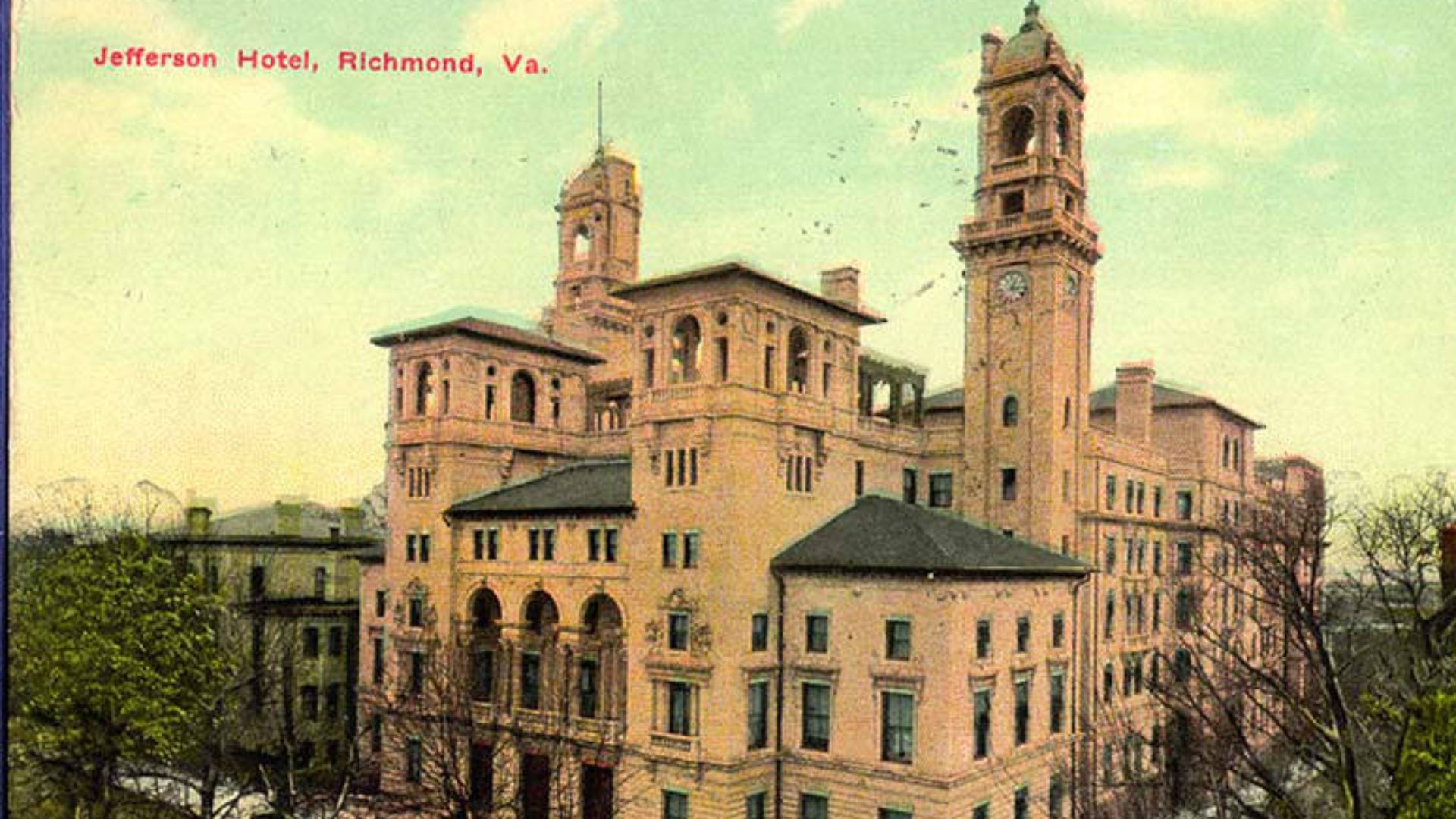
12. The Jefferson Hotel in Richmond, Virginia
The Jefferson Hotel reflected the wealth, aspirations, and postwar identity-making of the New South. Richmond’s historical significance meant that a grand hotel there would naturally become tied to politics, memory, and regional image. Over time, the Jefferson welcomed major public figures and helped reinforce the city’s role as a place where Southern history wasn't only remembered but actively staged. Some hotels tell you how a city wanted to be seen, and this one says a great deal.
 VCU Libraries Commons on Wikimedia
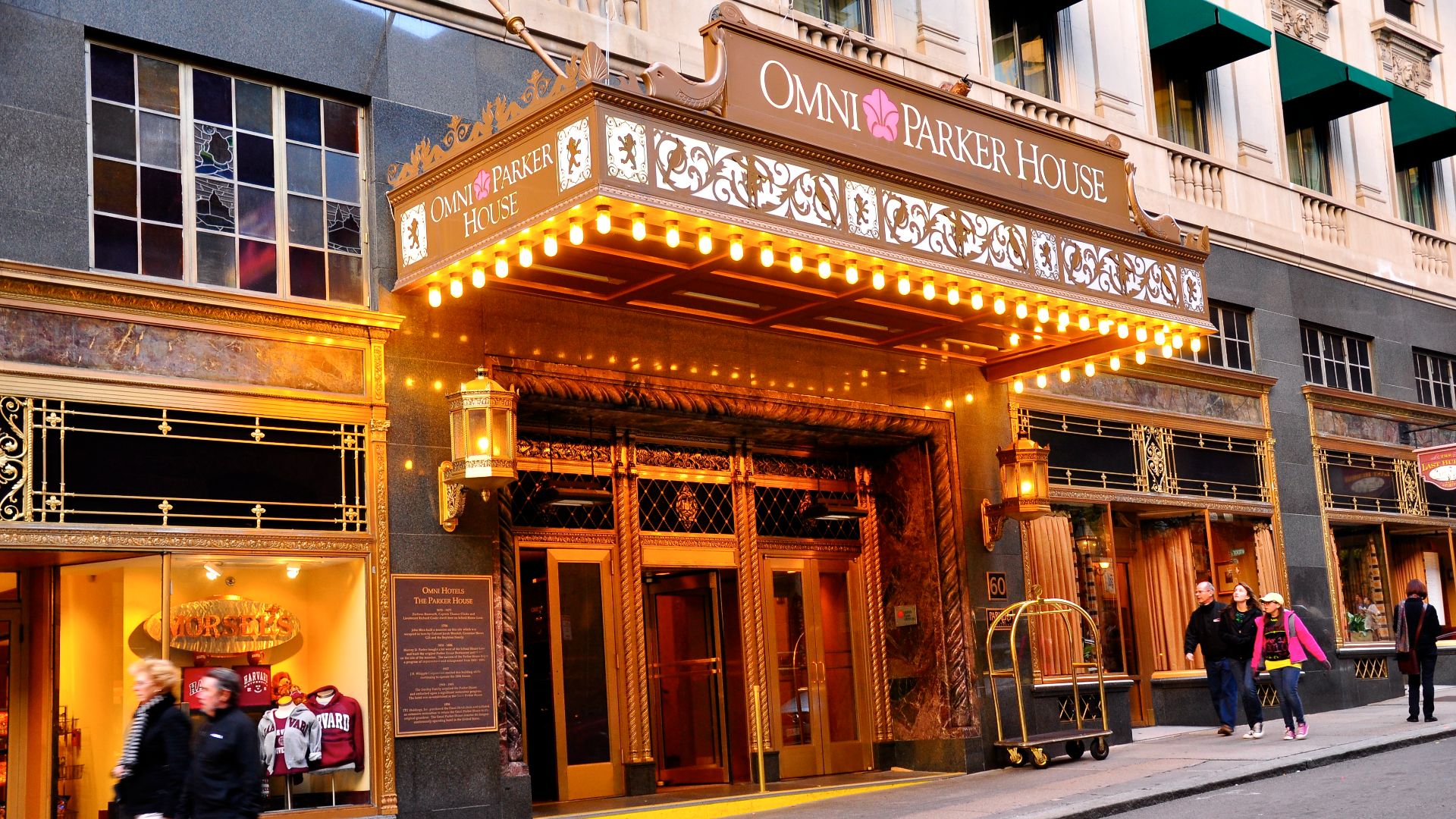
13. The Omni Parker House in Boston, Massachusetts
The Parker House has literary and political credentials that make it especially fun to include on a list like this. Charles Dickens stayed there, and the hotel became associated with major figures in Boston’s cultural and public life. It's also the oldest continuously operating hotel in the country, and where the Boston cream pie was born.
 Kimberly Vardeman on Wikimedia
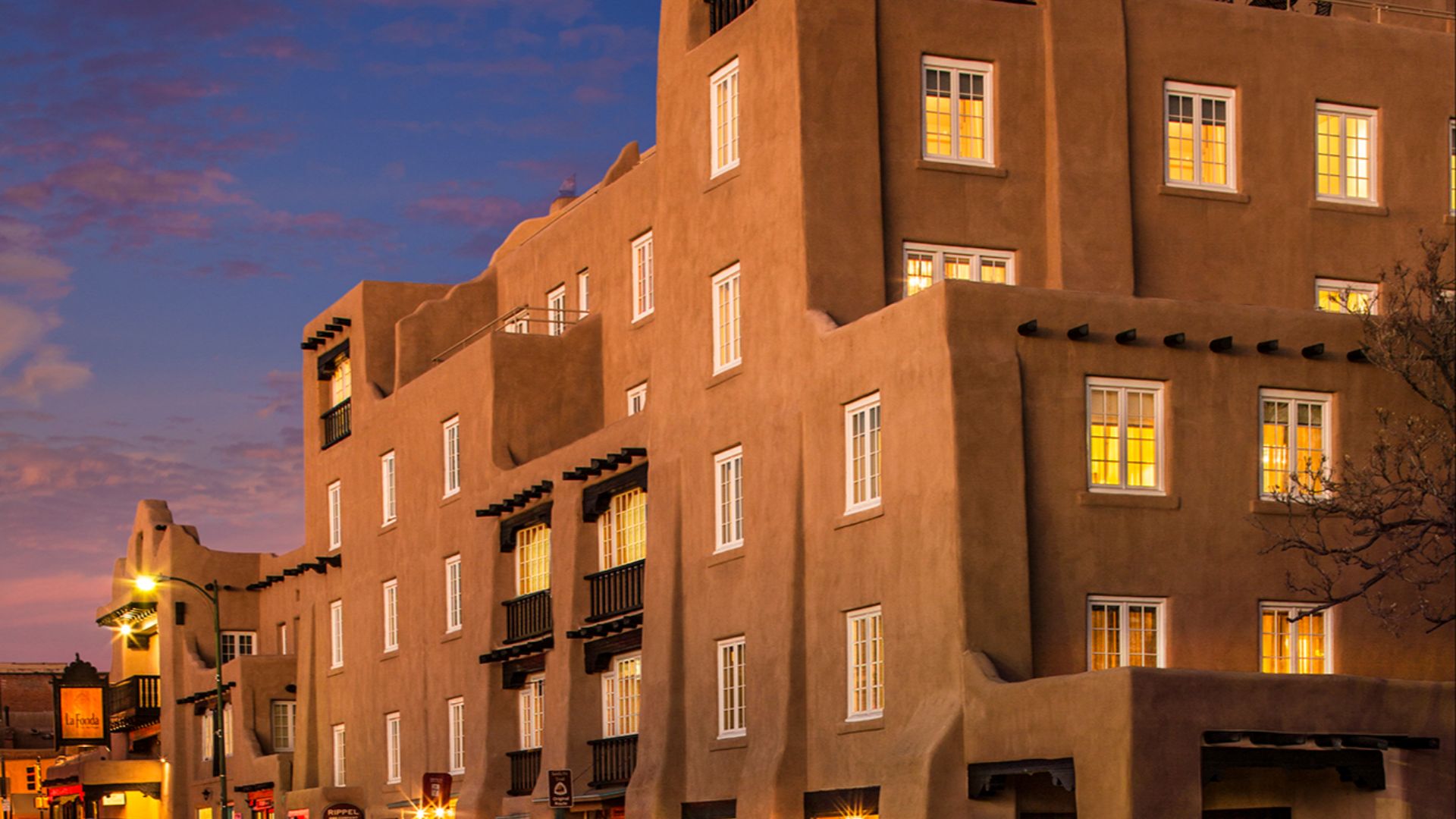
14. The La Fonda on the Plaza in Santa Fe, New Mexico
La Fonda sits at the heart of Santa Fe, and that location alone gives it unusual importance. It reflects the city’s layered history involving Indigenous cultures, Spanish colonial influence, Mexican heritage, rail tourism, and the eventual making of the American Southwest as a destination. La Fonda became part of the story of how Santa Fe was presented, romanticized, and preserved.
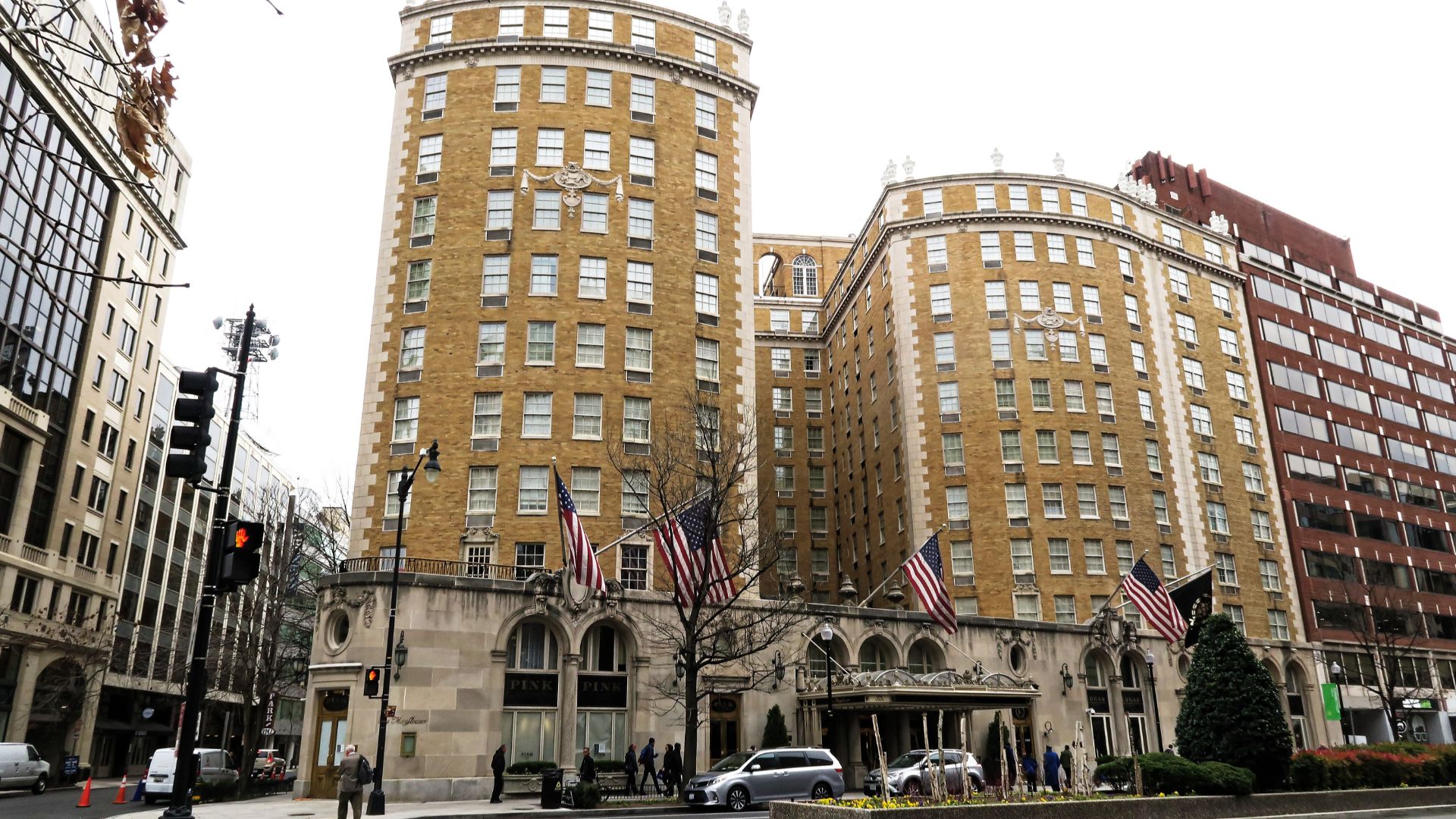
15. The Mayflower Hotel in Washington, D.C.
The Mayflower has played host to countless political events, inaugural gatherings, and high-level visitors in the nation’s capital. Because of that, it's long functioned as one of those places where official business and unofficial maneuvering tend to overlap. Journalists, lawmakers, lobbyists, and diplomats have all treated it as familiar ground.
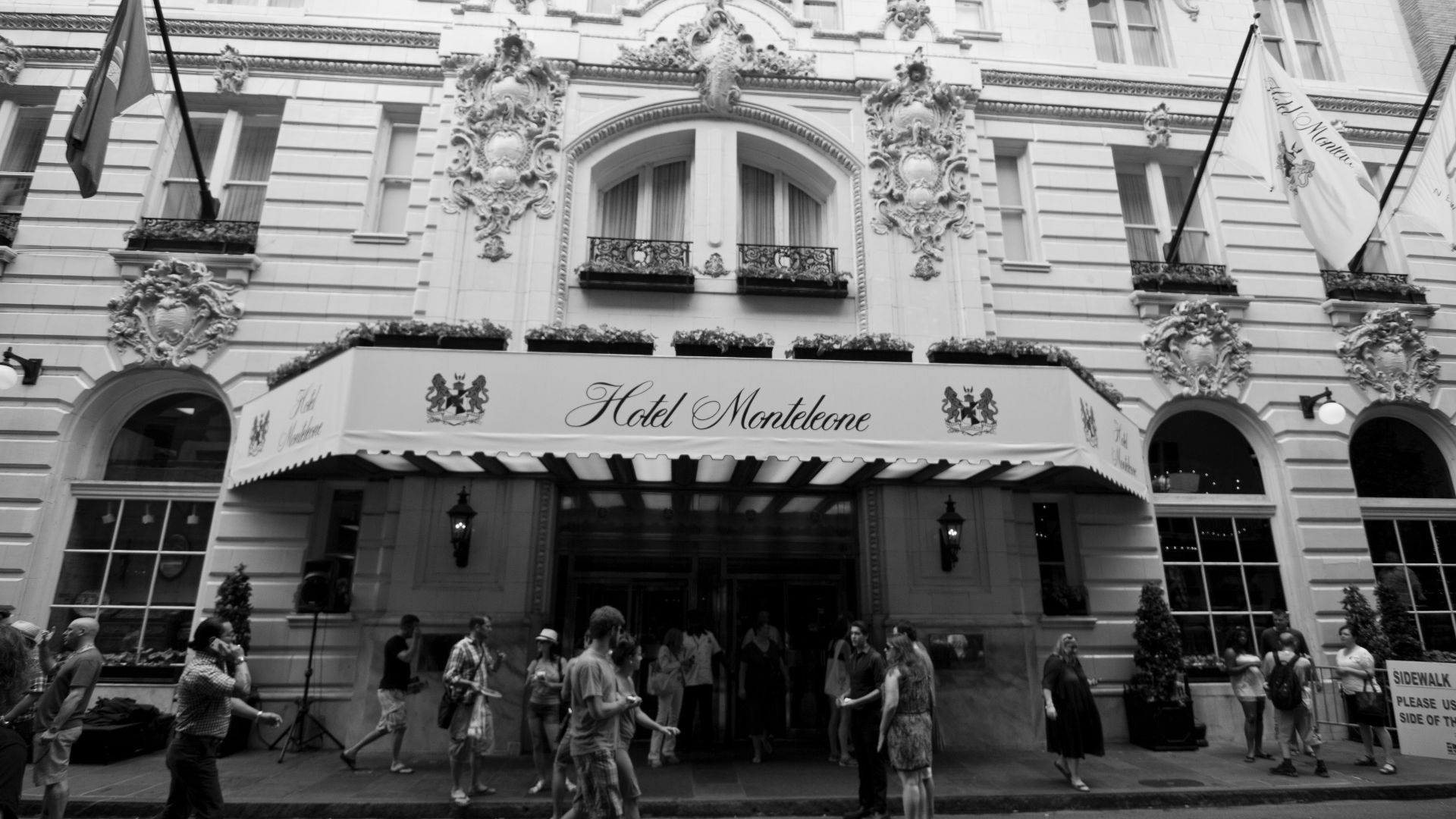
16. The Monteleone in New Orleans, Louisiana
The Monteleone is closely tied to the literary and cultural life of New Orleans, which gives it a special kind of historical standing. Writers including Tennessee Williams, Ernest Hemingway, and Truman Capote are often associated with it, and that connection helped make the hotel part of the city’s intellectual legend.
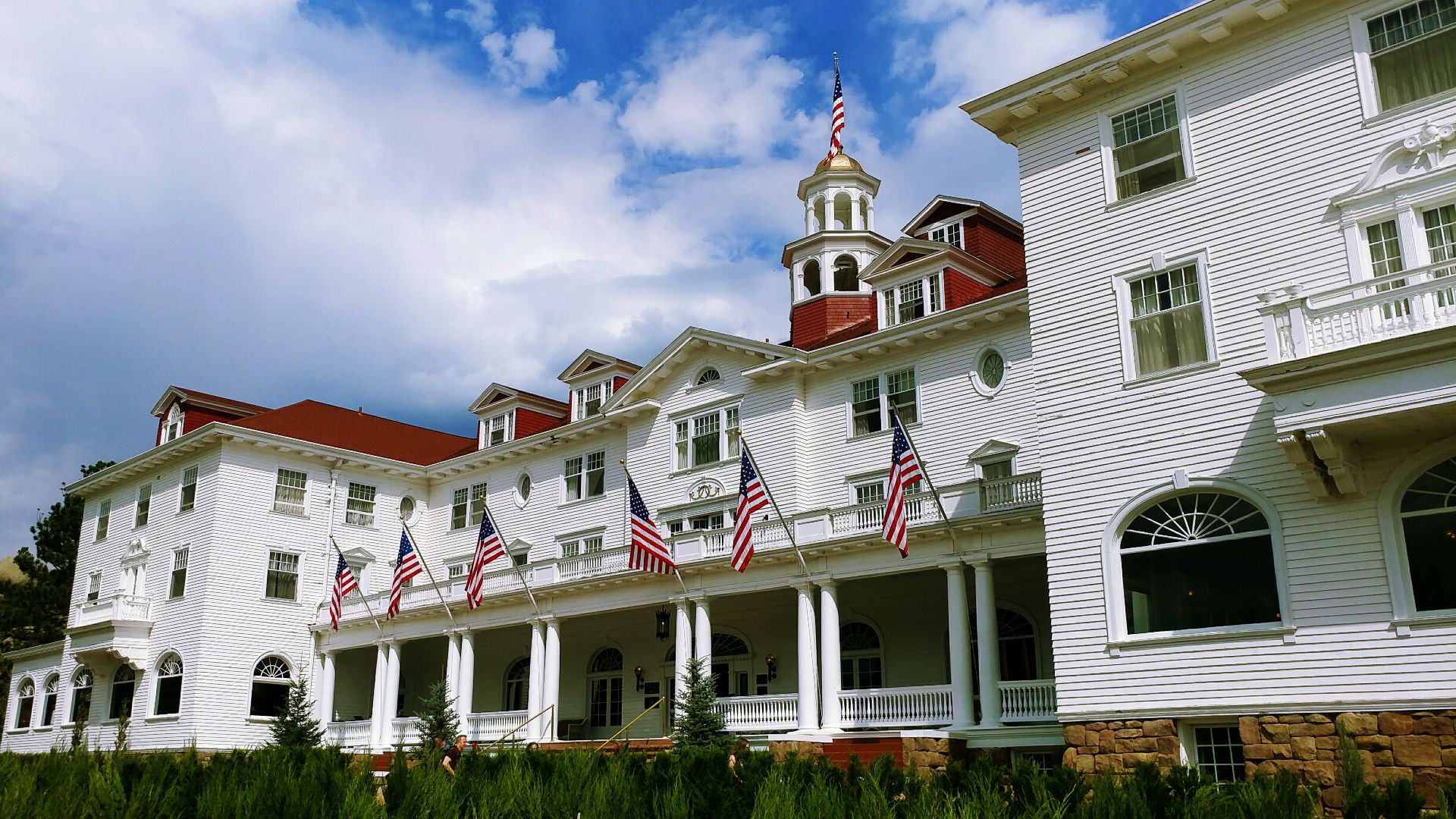
17. The Stanley Hotel in Estes Park, Colorado
The Stanley’s role in American history is a little different, because it's tied as much to cultural influence as to politics or war. It became famous in part through its connection to Stephen King and the inspiration it provided for The Shining. A hotel that helps create one of America’s most famous horror stories has certainly earned its place in the conversation.
 Amy Aletheia Cahill on Wikimedia
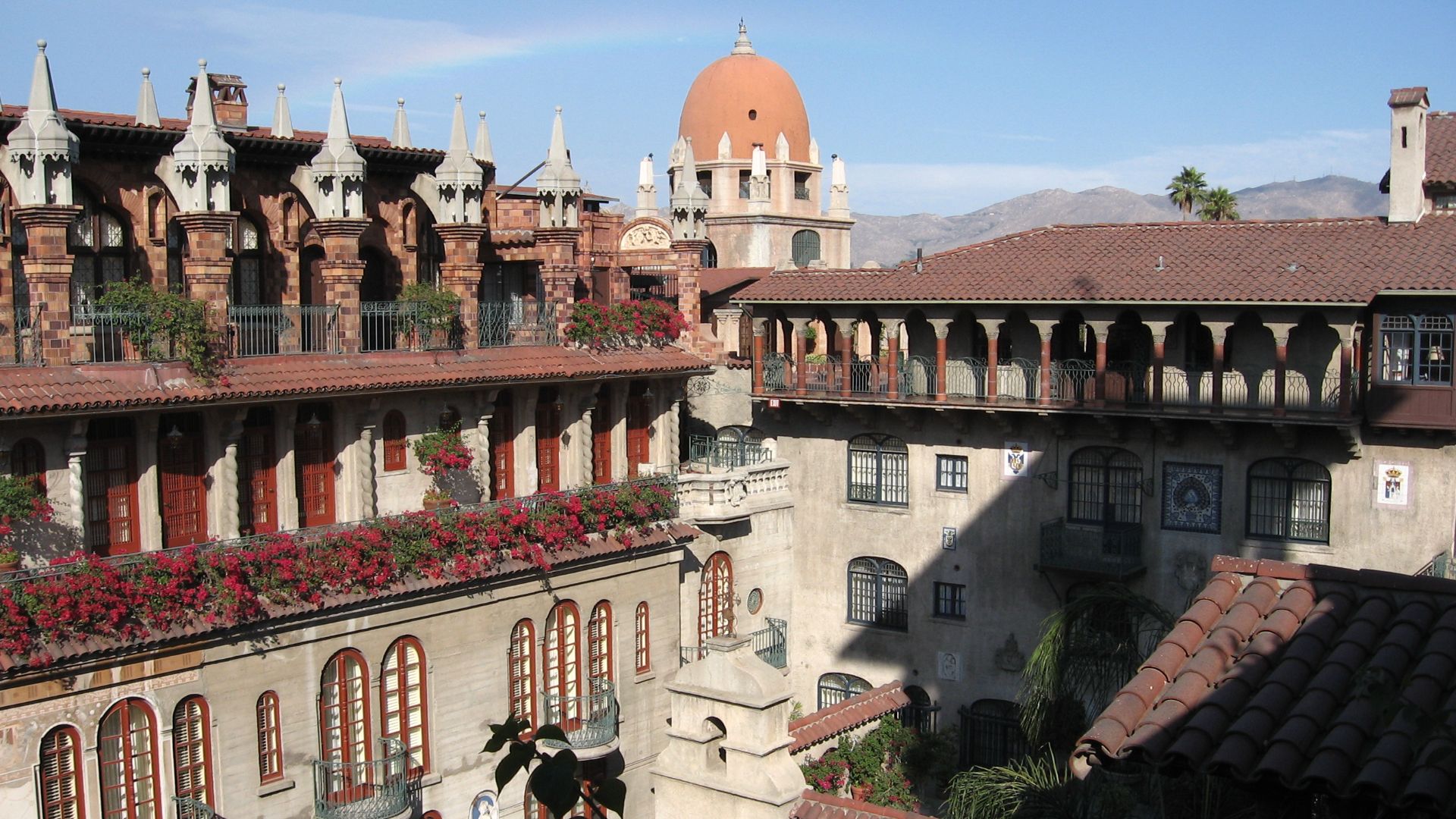
18. The Mission Inn in Riverside, California
The Mission Inn became one of the most distinctive hotels in the country, and its architecture alone turned it into a statement about Californian identity. It hosted presidents and public figures, but it also embodied how Americans were packaging the romance of the West for travelers and elites.
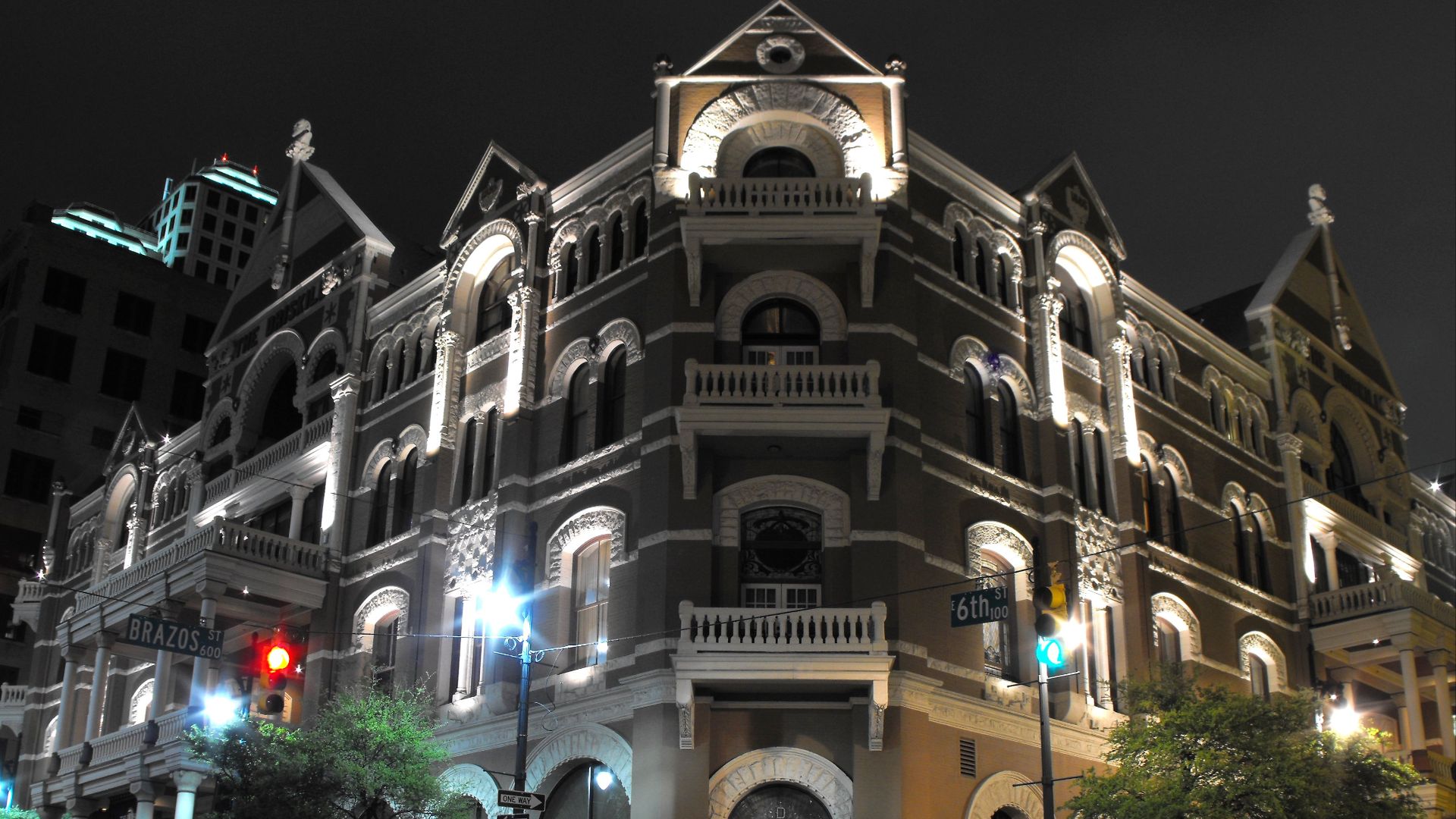
19. The Driskill in Austin, Texas
The Driskill has long been part of Texas political and social life, especially as Austin grew into the state capital’s modern form. It's where Lyndon B. Johnson met his future wife and first lady of the U.S., and politicians, campaign workers, journalists, and dealmakers have all treated it as familiar territory.
 Matthew Rutledge from Seattle, WA on Wikimedia
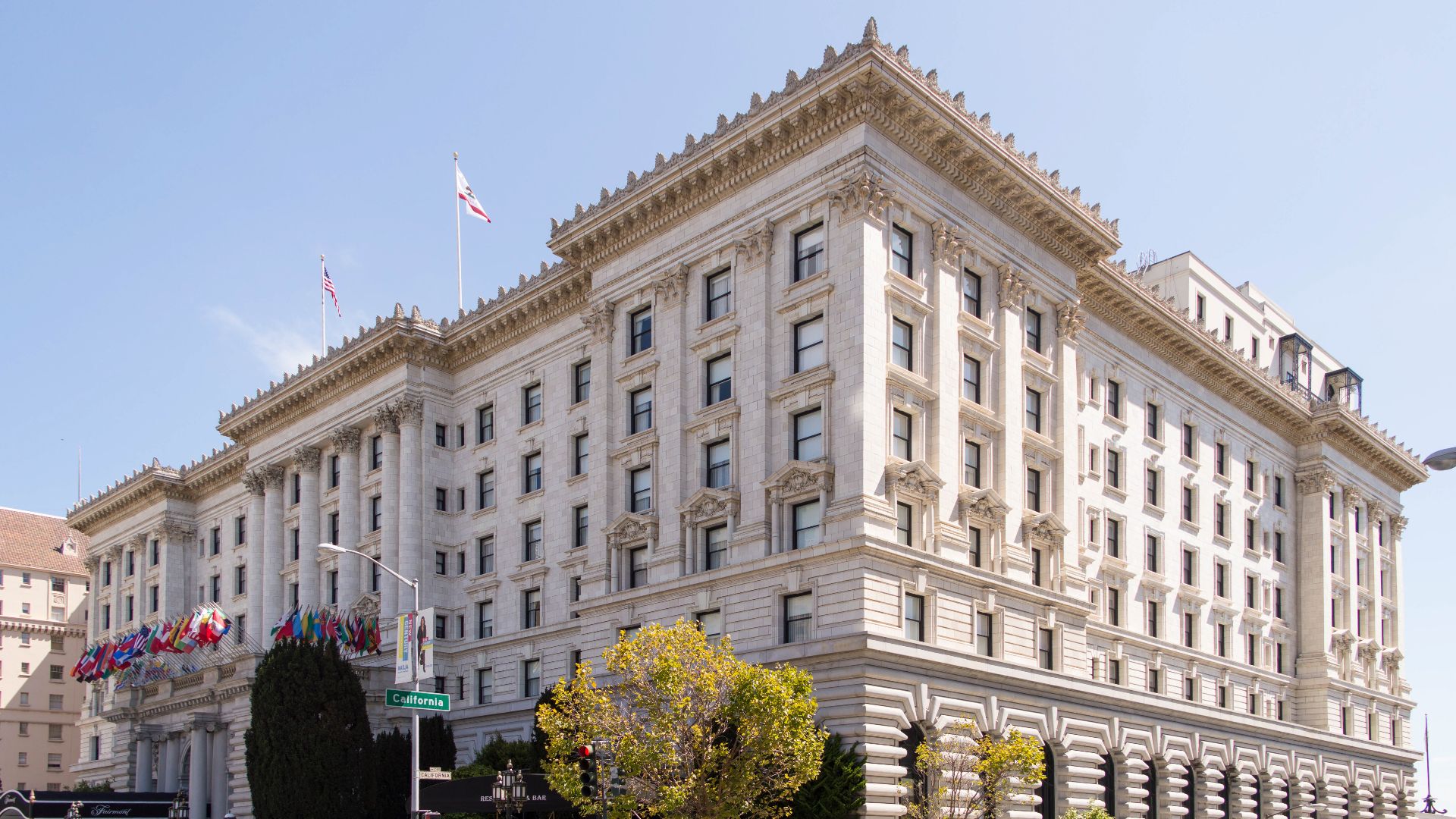
20. The Fairmont in San Francisco, California
The Fairmont holds a particularly notable place in international history because the United Nations Charter was completed there in 1945. It also stood as part of San Francisco’s post-earthquake recovery and emergence as a global city.