The Land of the Free, Home of the…Concerning
America has a lot going for it: stunning national parks, a deeply creative entertainment industry, and an undeniable cultural influence that stretches across the globe. But for every perk, there's also a tradition, habit, or cultural norm that leaves the rest of the world scratching their heads or grimacing in distaste. Whether you're an American reflecting on your own country or a curious outsider looking in, here are 20 things the U.S. is known for that don't exactly paint it in the most flattering light.

1. Supersized Everything
American portion sizes are legendary for all the wrong reasons, and if you've ever been handed a bucket-sized soda at a fast food counter, you know exactly what that means. Restaurants routinely serve meals large enough to feed two people, yet the expectation is often that one person will finish it alone. It's a cultural norm that's hard to defend nutritionally, even if the abundance feels generous on the surface.

2. Astronomical Healthcare Costs
The U.S. spends more on healthcare per person than any other developed nation, yet health outcomes don't consistently reflect that investment. A single emergency room visit can result in a bill that runs into the thousands, leaving uninsured or underinsured Americans in serious financial distress. It's one of those systemic issues that surprises visitors from countries where medical care is largely covered by the government.

3. The Tipping Culture
Tipping in America isn't just customary—it's essentially expected, and the pressure around it has only grown in recent years. Tablet screens now spin toward you at coffee shops and sandwich counters, prompting you for a gratuity even for the most minimal of interactions. Visitors from countries where tipping is rare or even considered rude often find the whole experience confusing and a little uncomfortable.

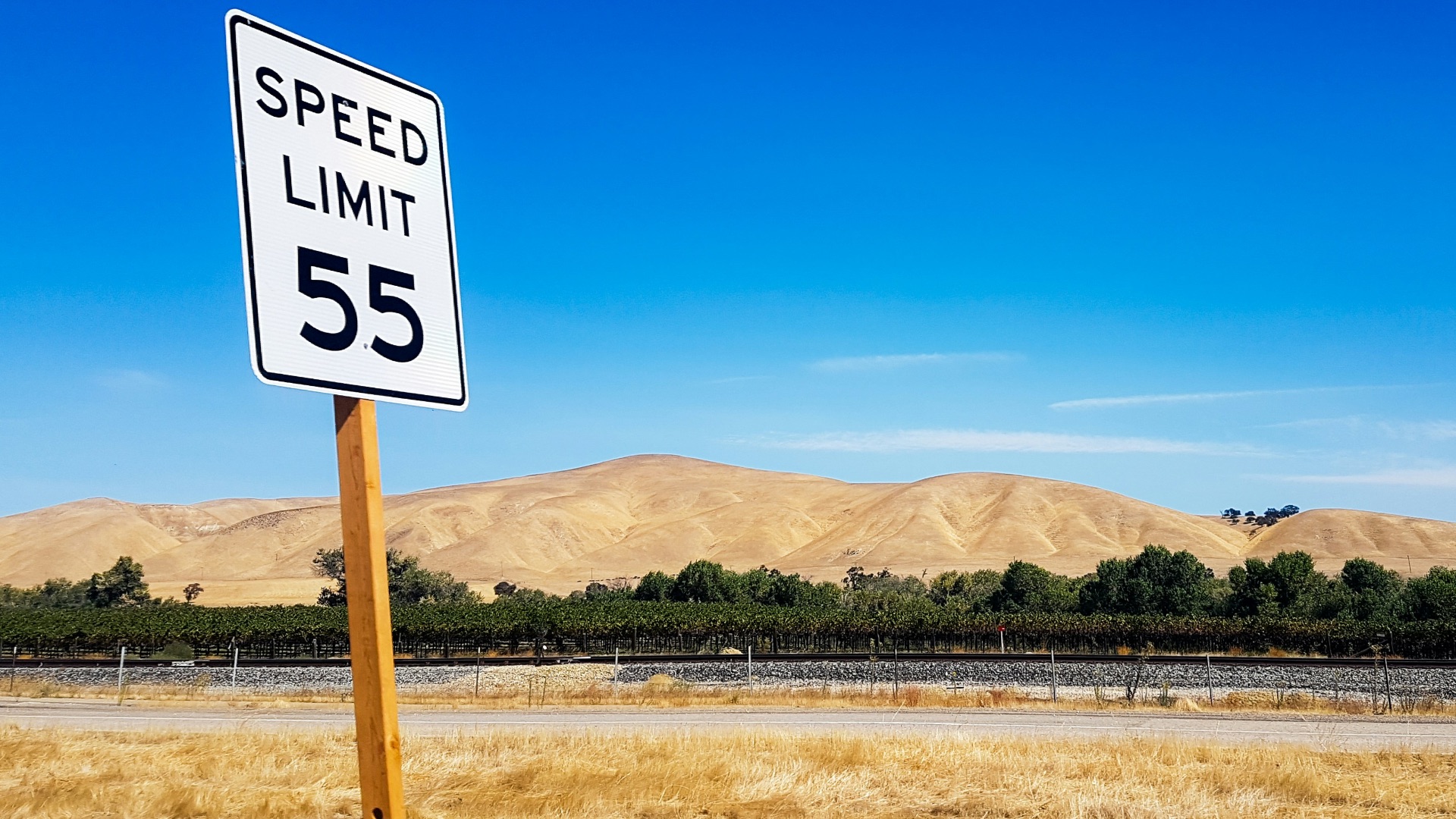
4. Refusing to Go Metric
Almost every country in the world uses the metric system, and then there's the United States, holding firm to miles, pounds, and Fahrenheit. The resistance to adopting a universal system of measurement creates real friction in scientific, academic, and international business settings. It's one of those quirks that's easy to laugh off until you're trying to follow a recipe that calls for grams and you don't own a kitchen scale.
5. Added Sugar in Everything
American food products are notorious for containing sugar in places you'd never expect it, including bread, pasta sauce, salad dressing, and even deli meats. The food industry has long relied on added sugar to enhance flavor and drive repeat purchases, and the result is a diet that's far sweeter than most people realize. Comparing nutrition labels between U.S. products and their international equivalents can be genuinely eye-opening for anyone who hasn't done it before.

6. In-Your-Face Patriotism
No matter if it's at the Olympics or a regular season game in a major league, Americans have a way of showing their national pride that can feel awfully in-your-face. It's not a crime to be proud of being American, but the arrogant attitude can definitely put off everyone else.

7. Food Packed with Additives
A lot of American packaged food is known for being loaded with sugar, sodium, preservatives, and ingredients that sound more industrial than edible. Even products marketed as convenient or family-friendly can be far less healthy than they appear at first glance. If you read the labels carefully, you start to see why so many people criticize the country’s food standards.
8. Massive Food Waste
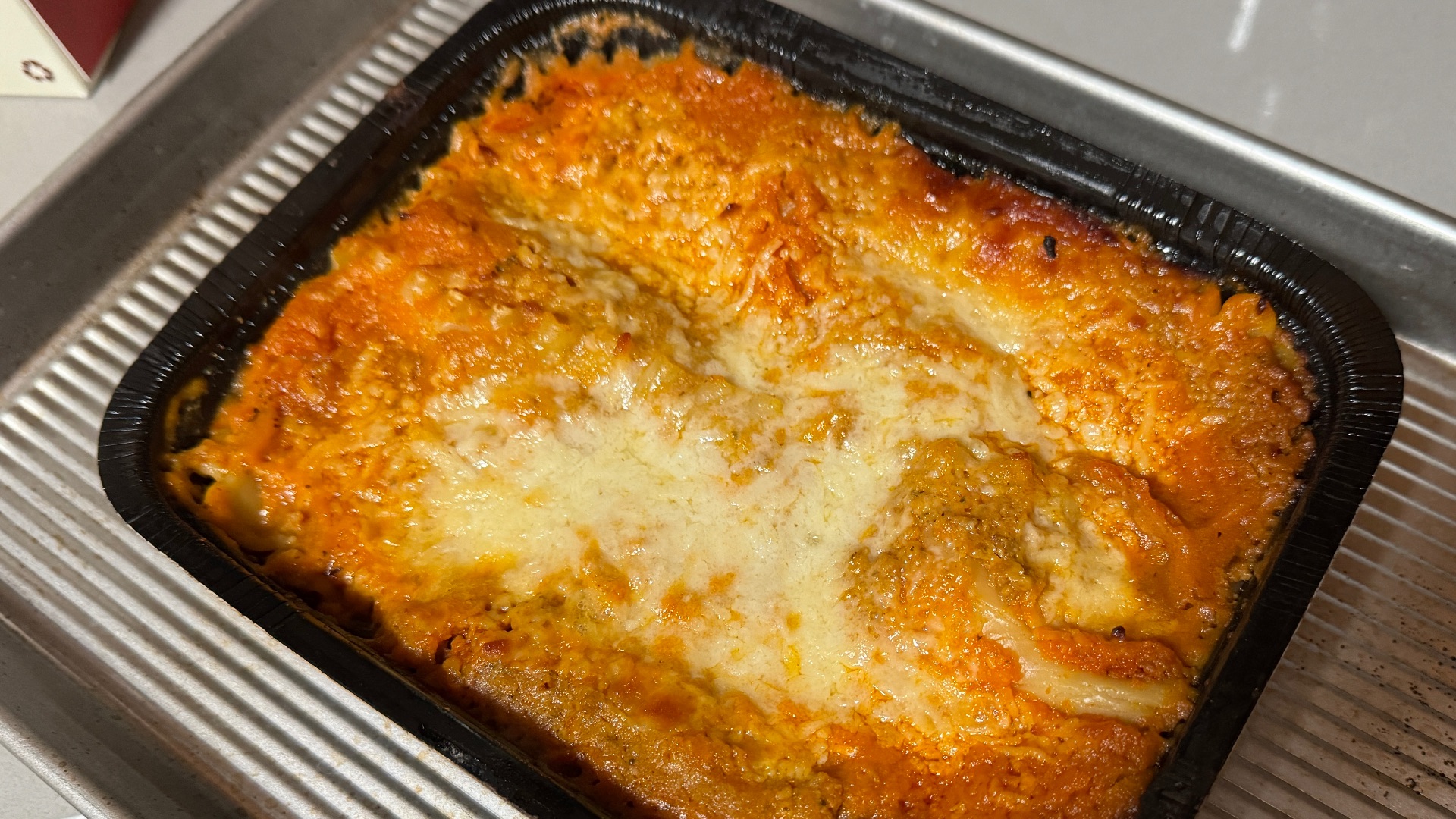
America throws away an enormous amount of food—60 million tons every year, in fact—even while many people still struggle to afford groceries. Perfectly edible items are discarded because of packaging dates, cosmetic standards, or simple overbuying. It’s hard to call that efficient when so much is wasted before it ever reaches a plate.

9. Abysmal Paid Leave Policies
The United States is one of the only developed nations without a federally mandated paid vacation policy, which puts it in stark contrast with countries that offer workers four to six weeks off as a standard. Many American workers feel culturally pressured not to use even the limited paid time off they do receive, for fear of appearing uncommitted to their jobs. The idea that rest is somehow a luxury rather than a necessity is a mindset that other countries find baffling.
10. Car Dependency
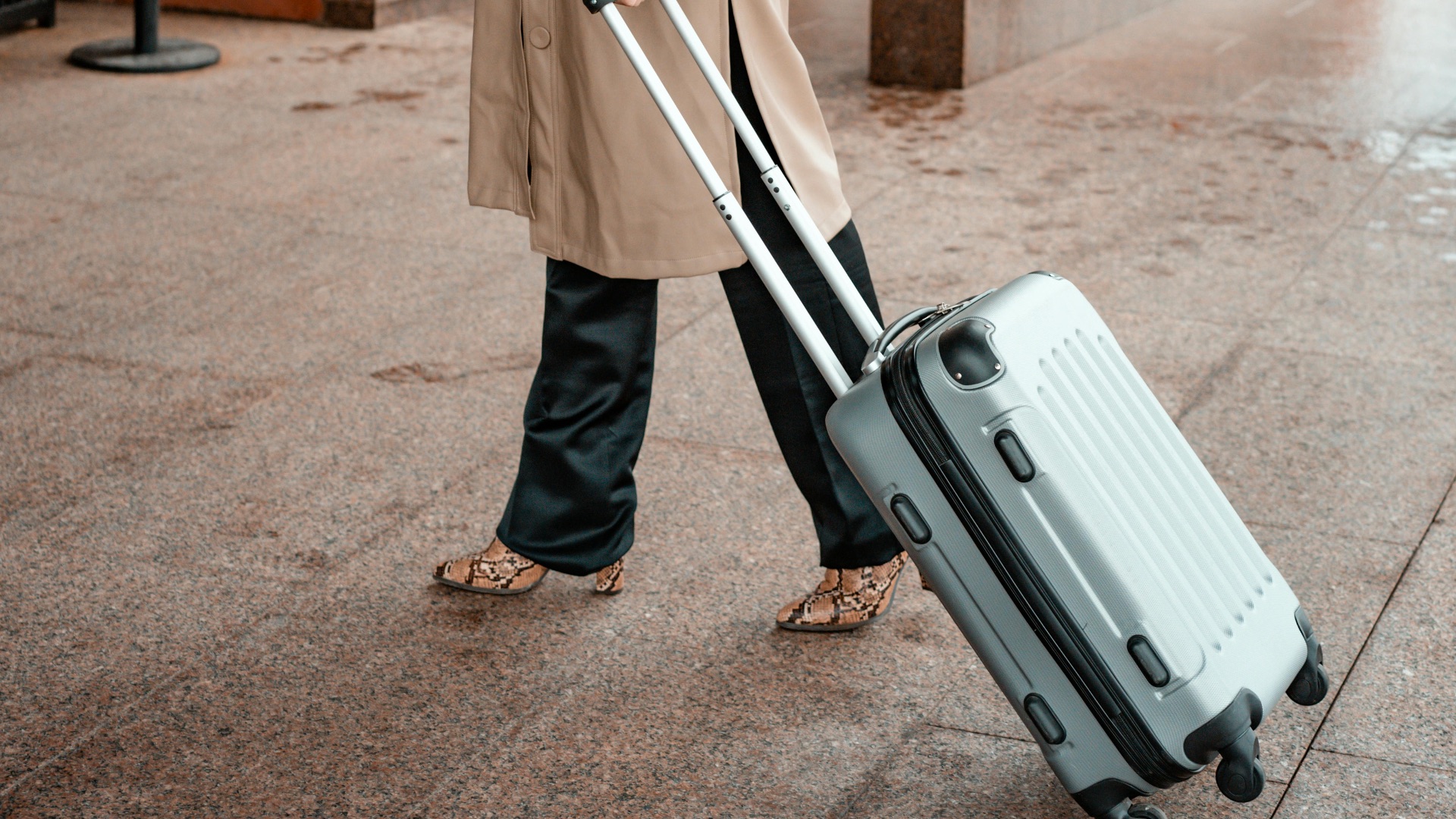
American cities and suburbs were largely designed around the automobile, which means that in many parts of the country, owning a car isn't a convenience but a necessity. Public transit is underfunded and unreliable in most U.S. cities outside of a handful of major metros, leaving residents with very few alternatives to driving everywhere. The result is an enormous amount of time, money, and fuel spent on commutes that, in a more walkable or transit-friendly system, wouldn't need to happen at all.

11. Lack of Affordable Housing
Housing costs in many American cities have climbed so high that ordinary workers struggle to live anywhere near their jobs. Rent, deposits, and basic living expenses can take such a large share of income that saving money becomes almost impossible. This has left a lot of people working hard without feeling like they’re actually getting ahead.

12. Loud Tourism
American tourists have earned a reputation abroad for being, to put it kindly, enthusiastic and audible. Traveling in a group and speaking at a volume suited for a large open space, regardless of the setting, is a stereotype that has followed American visitors around the world for decades. To be fair, plenty of American travelers are perfectly considerate; it's just that the louder contingent tends to leave a more lasting impression.

13. Terrible Public Transportation
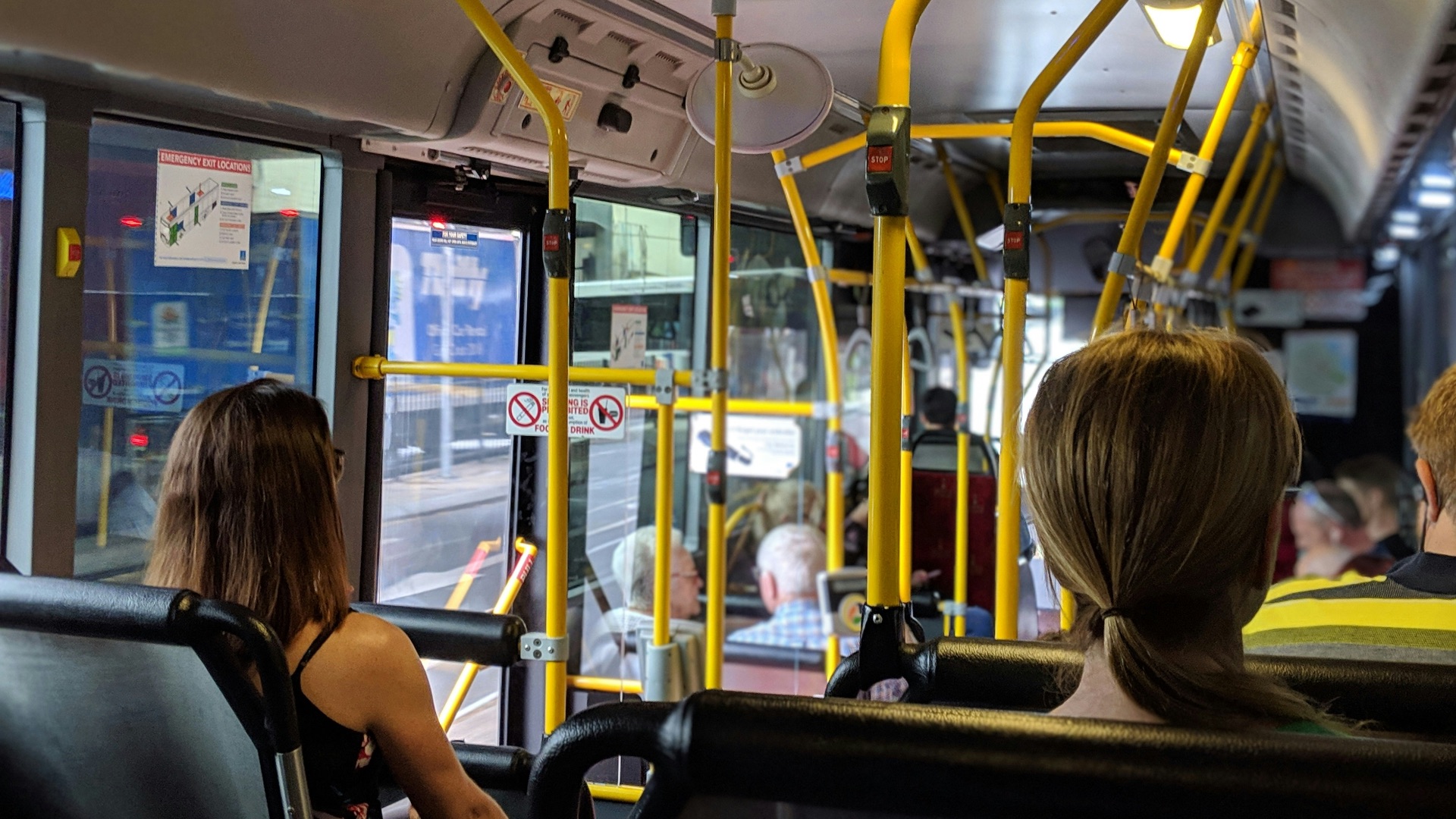
Outside of cities like New York, Chicago, and San Francisco, public transit in the U.S. is either limited, unreliable, or practically nonexistent. Decades of infrastructure underinvestment have left many Americans with no practical option but to drive, which contributes to traffic congestion, pollution, and an enormous financial burden on households. Countries with robust rail and bus systems often find it hard to understand why such a wealthy nation hasn't prioritized this more seriously.
14. Excessive Packaging
Walk through any American grocery store and you'll notice that packaging tends to be...a lot. Items are frequently double or triple-wrapped, and single-use plastics are still standard practice in a way that many other countries have actively worked to phase out. The gap between American packaging norms and the environmental standards being set in Europe, for example, is wide enough that it's become a frequent point of international criticism.
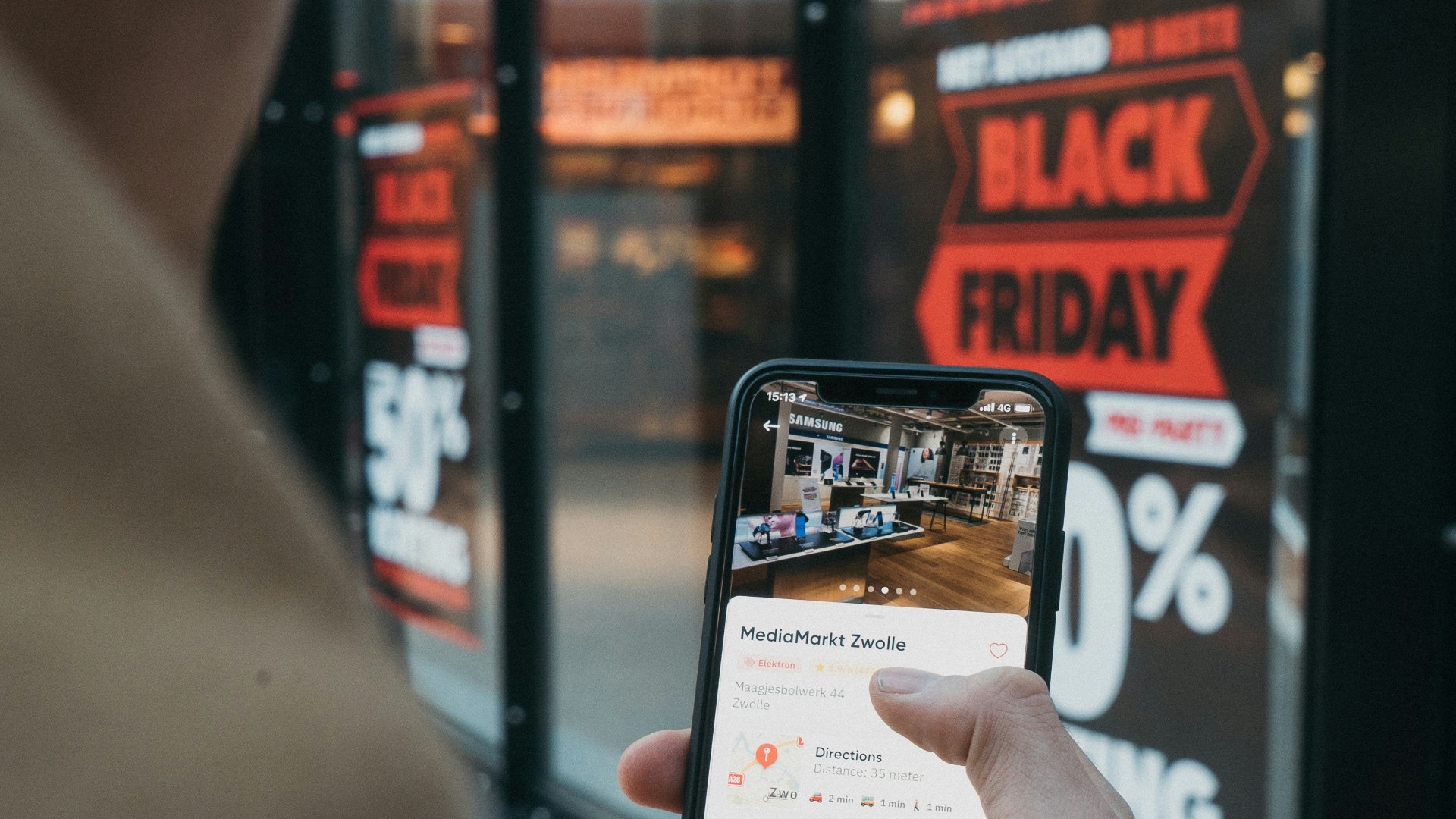
15. Black Friday Chaos
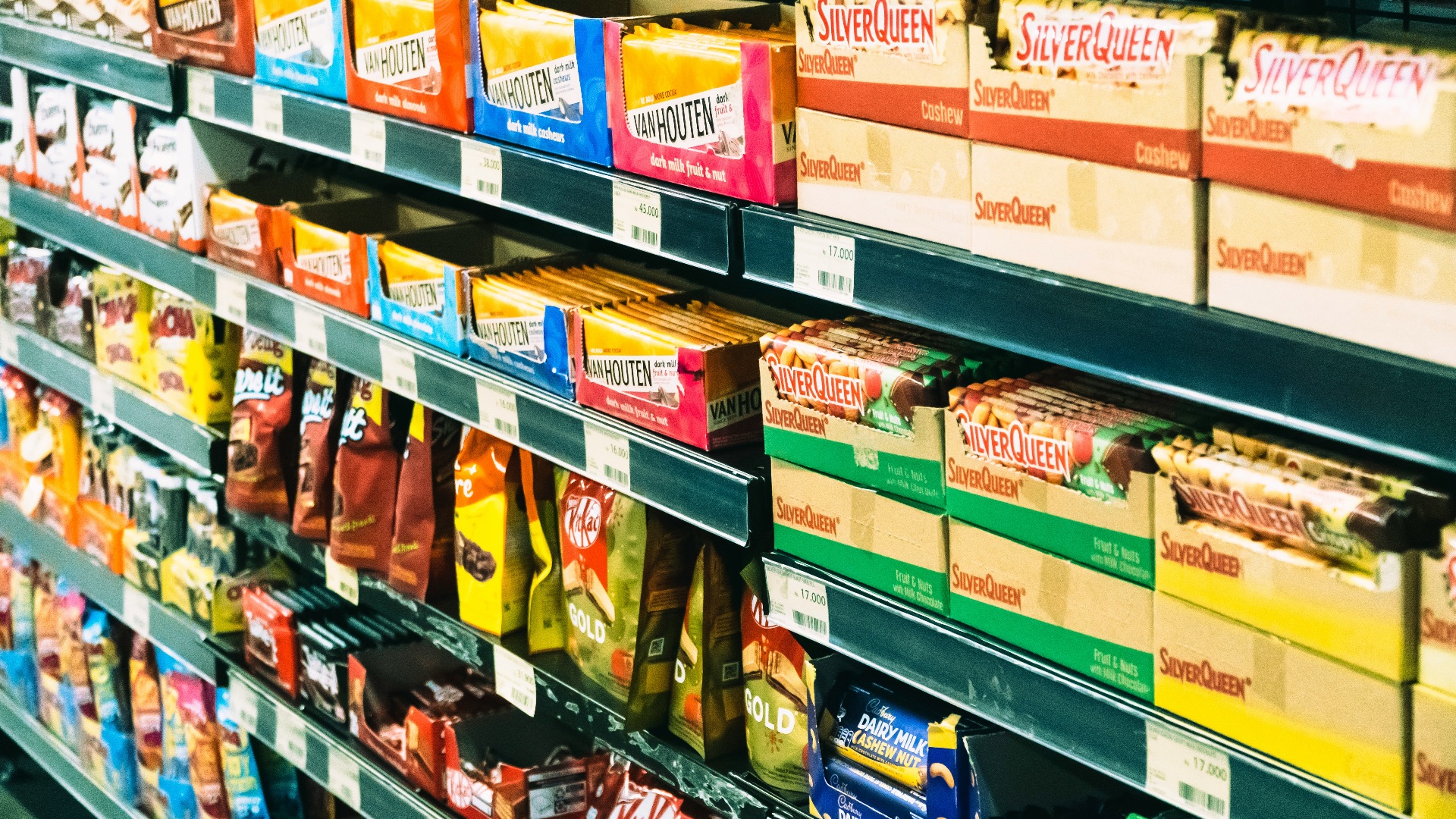
The day after Thanksgiving has become synonymous with crowds, injuries, and a level of consumer frenzy that's uncomfortable to watch even from a distance. Videos of shoppers shoving each other over discounted televisions circulate globally every November, reinforcing a perception of American consumer culture at its most extreme. The fact that the event has grown rather than shrunk over time suggests that, as a culture, Americans haven't fully reckoned with what it says about priorities.
16. Fast Food Dependence
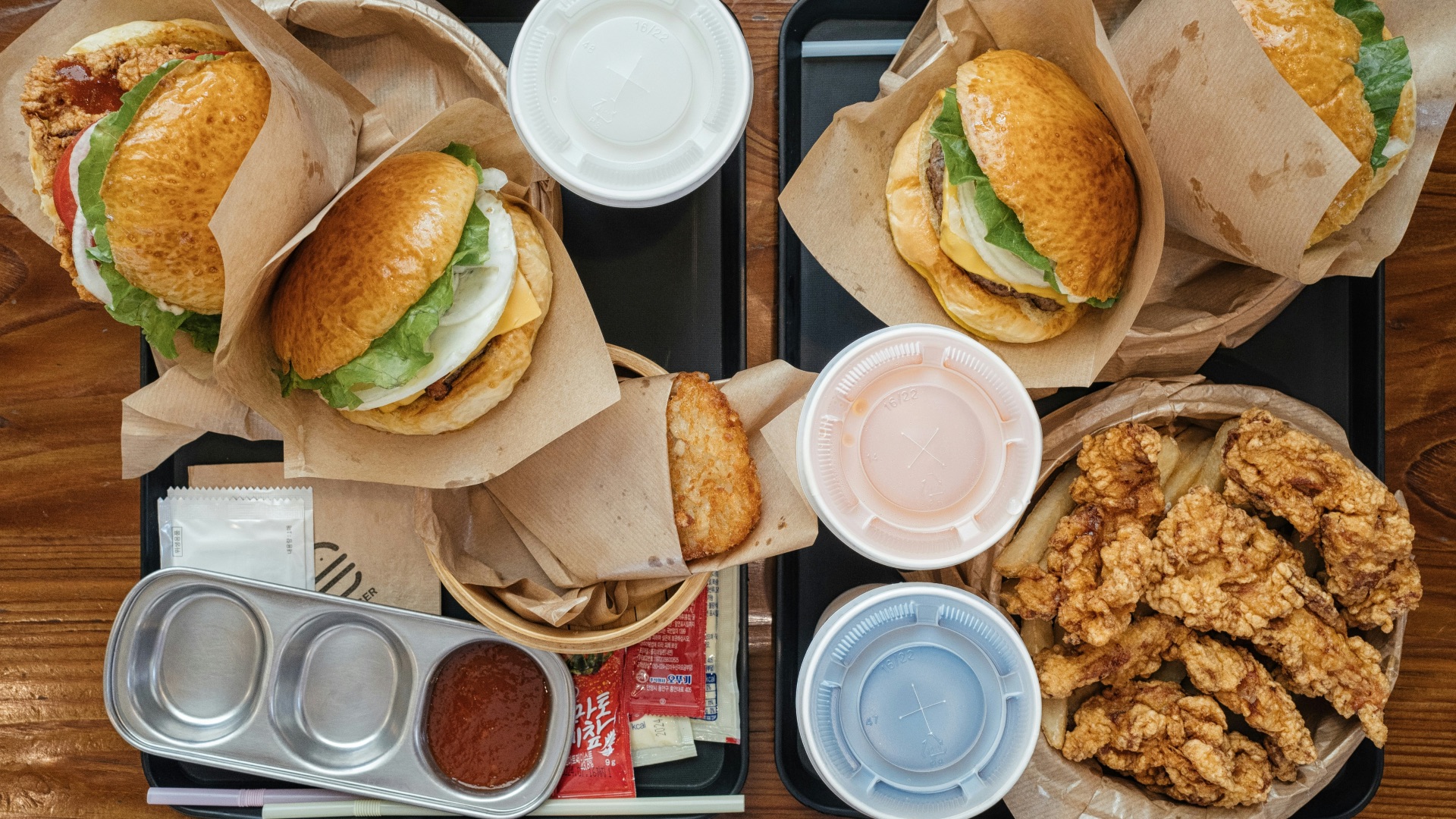
From McDonald's to Starbucks, fast food is everywhere in the United States, and in some places it’s easier to find (and cheaper) than a healthy, homemade meal. That kind of imbalance has heavily shaped eating habits across the country, which has led to higher rates of obesity and other health risks.
17. Celebrity Worship
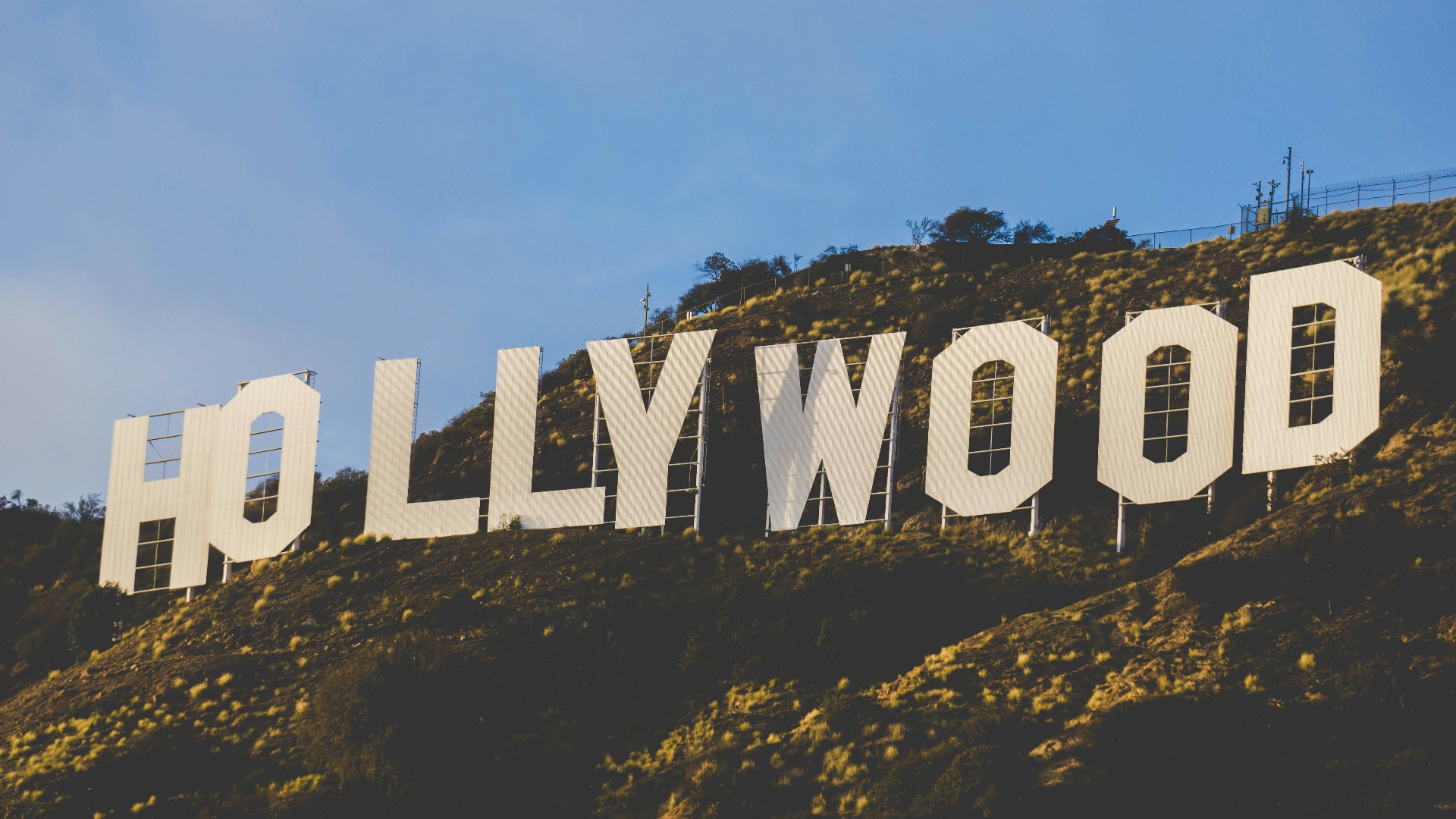
Americans have a well-documented tendency to elevate celebrities to a level of cultural significance that goes well beyond admiration. The media ecosystem around entertainment figures is enormous, and it's not unusual for the personal lives of actors or musicians to receive more coverage than major world events. It's a phenomenon that's been exported globally through Hollywood and social media, but it originated here and remains most intense on home turf.
18. Paparazzi
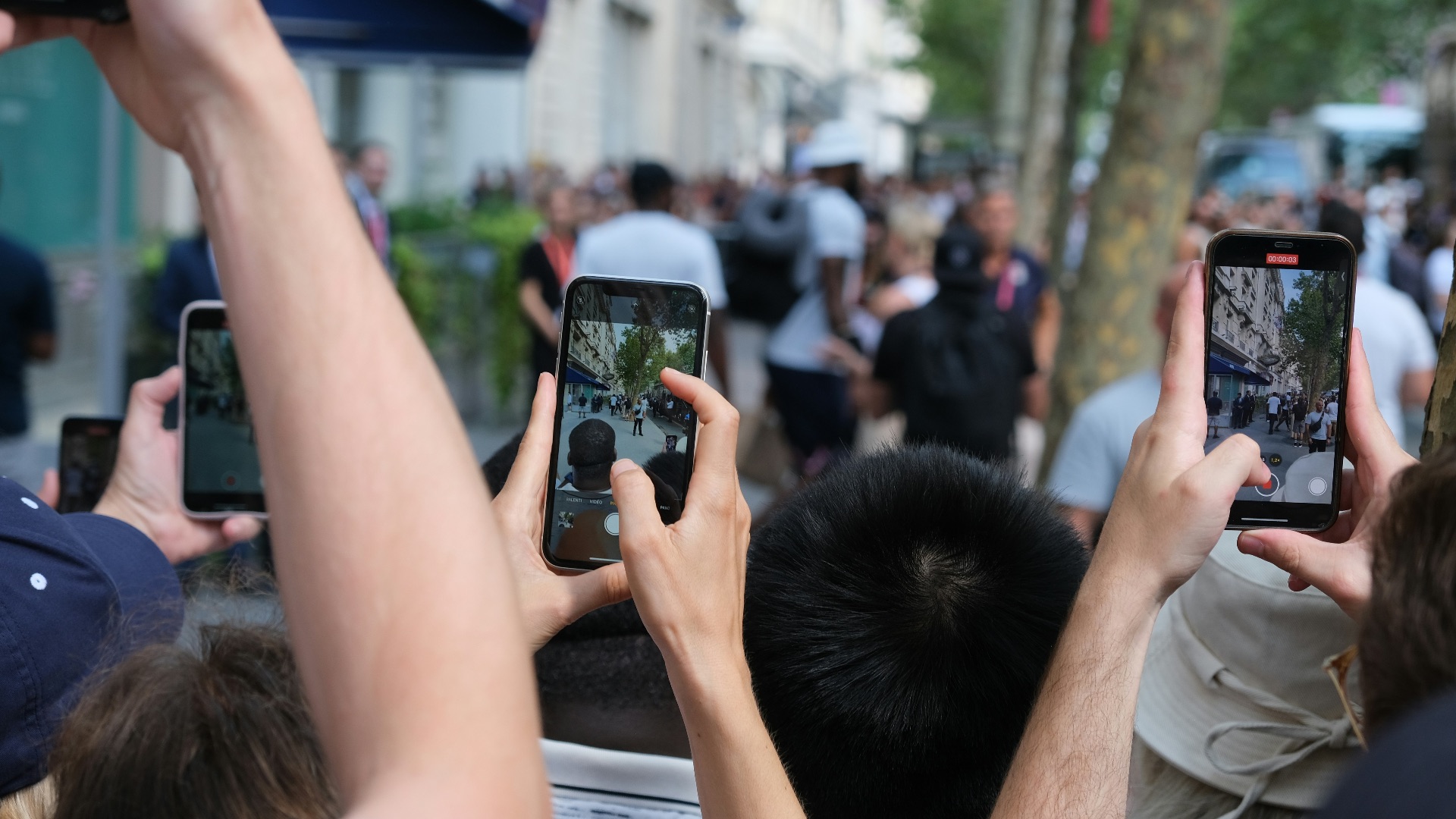
The American paparazzi industry is among the most aggressive in the world, and it has long operated in a legal gray area that other countries have moved to close off. Celebrities in the U.S. are regularly followed, photographed without consent, and confronted in ways that would constitute harassment in most other contexts, yet the practice is largely treated as an acceptable cost of fame. The demand for that content (driven by tabloids, gossip sites, and social media) keeps the whole machine running, and it doesn't show many signs of slowing down.
19. Ultra-Aggressive Advertising
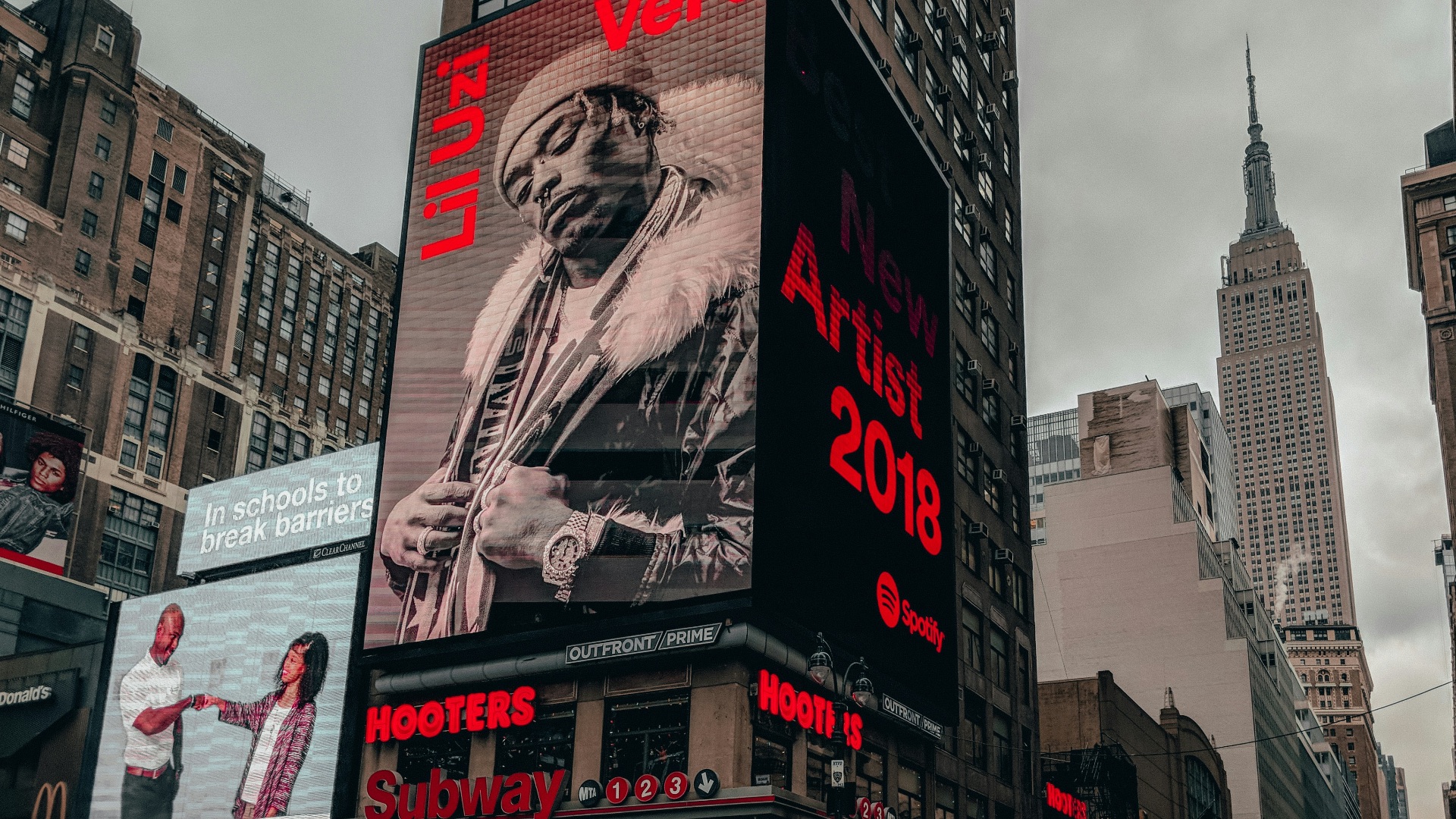
American advertising is relentless, and if you've spent any time watching television, scrolling through a website, or driving along a highway, you know that the volume of commercial messaging is hard to escape. The U.S. advertising industry is the largest in the world, and that scale shows in how saturated everyday life has become with promotional content. People who visit from countries with stricter advertising regulations often remark that American media environments feel overwhelming by comparison.
20. Lack of Multilingualism
In a country built largely by immigrants, it might seem surprising that the U.S. has one of the lowest rates of multilingualism in the developed world. Foreign language education is inconsistent, often underfunded, and frequently treated as an elective rather than a core part of schooling, leaving many Americans with only English to their name. In Europe, where speaking two or three languages is fairly common, this is seen as a significant cultural blind spot for a country that prides itself on global influence.