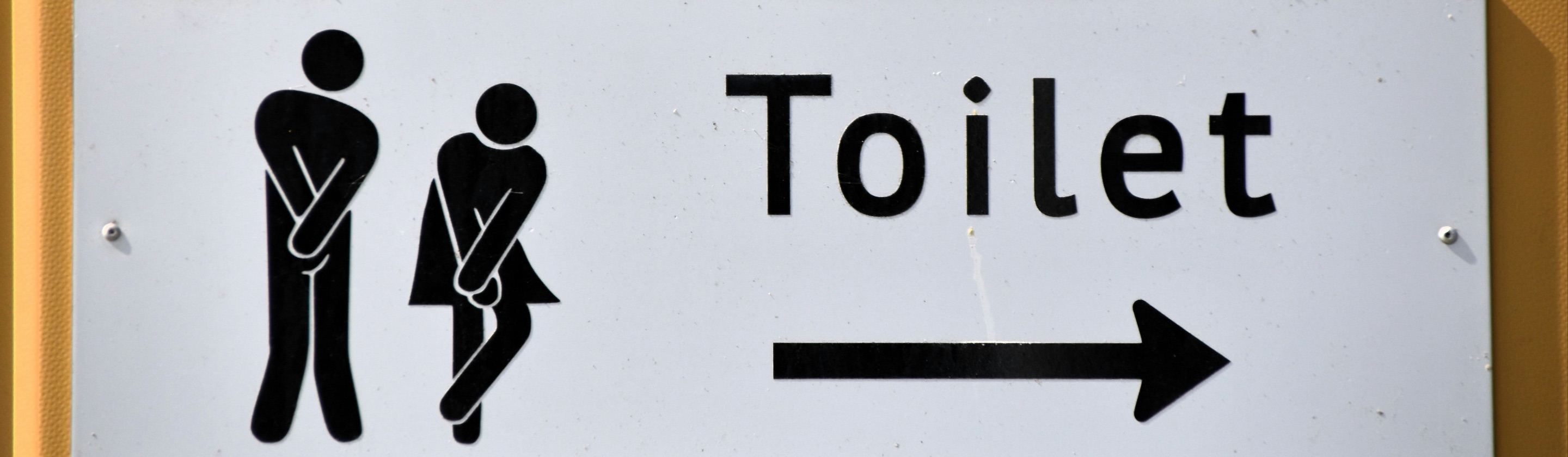
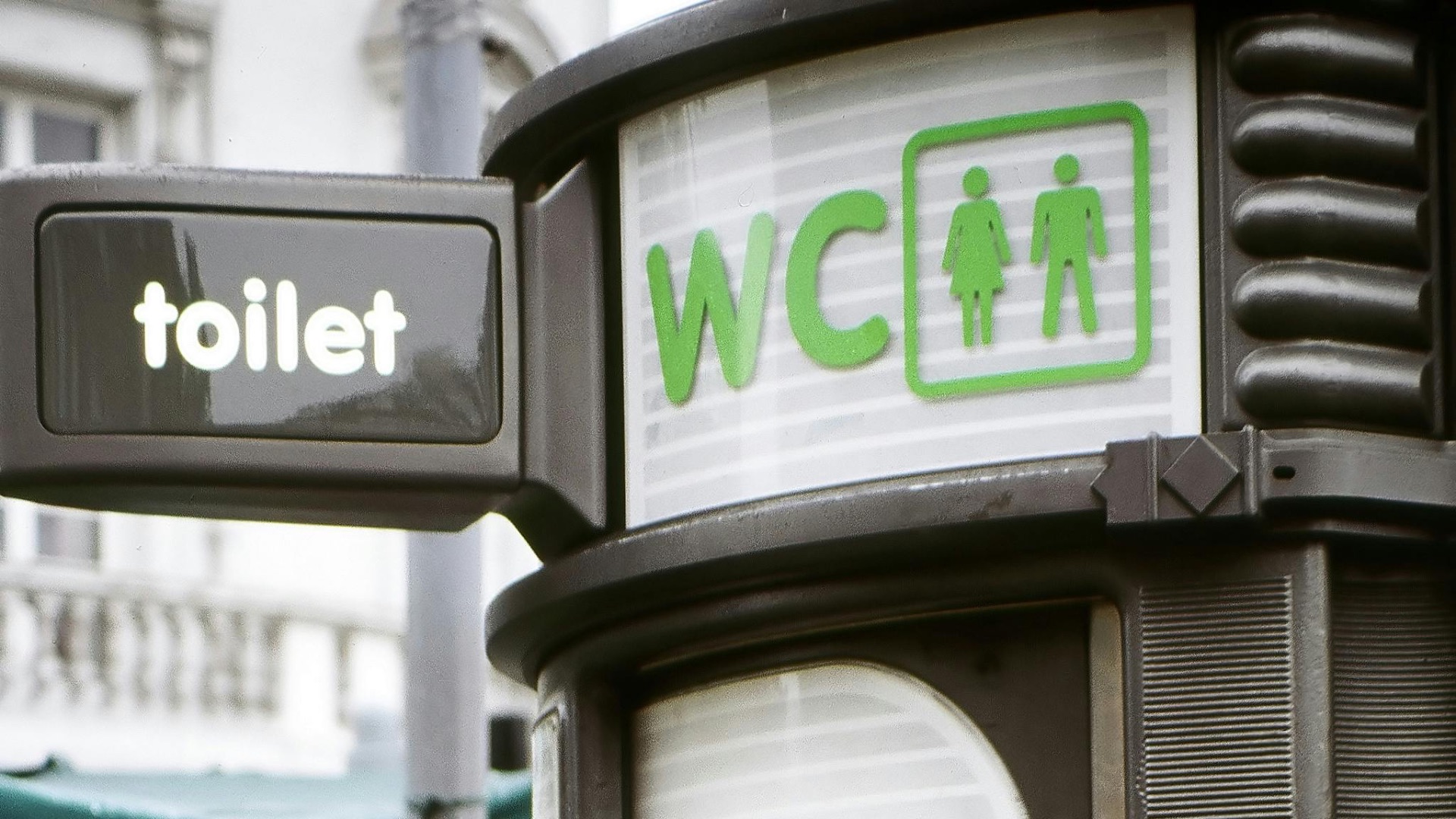
If you've never traveled to Europe before, there's a solid chance nobody warned you about this one. You're mid-sightseeing, you spot a public restroom, you push on the door—and nothing happens. Then you notice the small coin slot or the attendant out front (or in some places, a turnstile) and the odd looks of passersby, waiting patiently for you to figure out what's going on.
While paying to use a public restroom is completely standard across much of Europe, it tends to catch American travelers off guard in a way that few other cultural differences do. It's not a scam, it's not an anomaly, and it's not going away anytime soon; it's simply how things work over there, and knowing what to expect before you go can save you a genuinely uncomfortable, and embarrassing, moment.
Where You'll Encounter Pay Toilets and What They'll Cost You
The pay toilet system is most firmly entrenched in Western and Central Europe, particularly in countries like Germany, France, Italy, the Netherlands, and Austria. Train stations tend to be the most consistent hotspots; in Germany, many major station restrooms are operated by private companies, with entry fees typically running around one euro. Switzerland takes it even further: restrooms at some train stations there typically charge between CHF 1.00 and 1.50, depending on the facilities available.
Fees vary depending on the country and the type of venue. The going rate at most paid public facilities across Europe falls somewhere between €0.50 and €1.00, with coin-operated turnstiles being among the more common entry methods. In some locations, the fee comes with a receipt that doubles as a voucher toward food or drinks at the on-site shop, which softens the blow a bit.
It's also worth knowing that the system isn't entirely universal. If you're eating at a restaurant, staying at a hotel, or visiting a museum, the restrooms there are almost always free to use as a customer or guest. The pay model applies most heavily to standalone public facilities in transit hubs and busy city squares, so with a little planning, you can often minimize how often you're actually reaching for coins.
Why Europe Does It This Way
The logic behind paid public restrooms is fairly straightforward: if nobody's funding the upkeep, the facilities tend to deteriorate quickly. In many European countries, public restrooms aren't subsidized by local governments the way Americans might assume they would be; instead, they're operated by private companies or concession-holders who cover the costs of construction, cleaning, staffing, and maintenance through the entrance fees they collect. It's a user-pays model applied to a very basic need.
There's also a cultural dimension worth considering. In contrast to the American tendency to treat free public restrooms as a baseline expectation, many Europeans have come to see a small fee as a reasonable exchange for a cleaner, better-stocked facility. Sure, it might take a few days to wrap your head around it when you're so used to walking right in whenever nature calls, but if you've ever used a free restroom in a busy American transit hub, you, too, would probably rather pay.
The end result is that many European cities simply have more public restroom infrastructure than their American counterparts, and what exists tends to be better maintained. The United States has just eight public toilets per 100,000 people, compared to 56 in Iceland and considerably higher numbers across much of Western Europe. It's a gap that's hard to ignore, and it lends some credibility to the argument that €0.50, however jarring it might feel in the moment, is part of what makes the system function at all.
How to Navigate It Like a Seasoned Traveler
The single most important piece of advice seasoned European travelers will give you is to always carry small coins. Coin-operated turnstiles and coin dishes don't always make change, and you don't want to be standing there holding a €20 note when the machine only takes exact amounts. Keeping a small stash of €0.50 and €1 coins in an accessible pocket (not buried in the bottom of your bag) can make the difference between a minor inconvenience and a genuinely stressful situation, especially when you really need to go.
Just as practical is the habit of going when you can, not only when you have to. If you've just finished lunch at a restaurant and the restroom is free to use, use it, even if you don't urgently need to. Experienced travelers treat every free restroom opportunity as something to take advantage of, since you can never quite predict when the next one will appear or what it'll cost you. Hotels, museums, department stores, and cafés are all reliable sources of free facilities, and building that awareness as you navigate a new city goes a long way.
Here's another tip: familiarize yourself with the term WC before you go. Asking for the "bathroom" or "restroom" can occasionally get you a blank stare in Europe, since WC (short for water closet) is the term used across most of the continent. A quick search for "WC near me" in Google Maps while abroad will often pull up results, and some cities maintain dedicated toilet-finder tools for tourists. Europe's pay toilet culture is a genuine culture shock the first time you run into it, but it's one of those adjustments that becomes second nature faster than you'd expect.